

A small bedroom doesn’t have to feel cramped. The colours you choose for the walls, floor, bedding, and even the furniture can trick the eye into seeing a much bigger room. Light, calm colours push the walls outward, while dark, heavy shades pull them in — it’s simple physics of light, and it works in every room.
The good news is you don’t need a renovation or a big budget. A tin of paint, lighter bedding, and a few smart colour swaps can completely change how spacious your bedroom feels.
In this guide, you’ll learn the colour choices that make the biggest difference in a small bedroom: wall colours that open the space, floors that reflect light, furniture shades that disappear into the background, and accent colours that add personality without crowding the room.
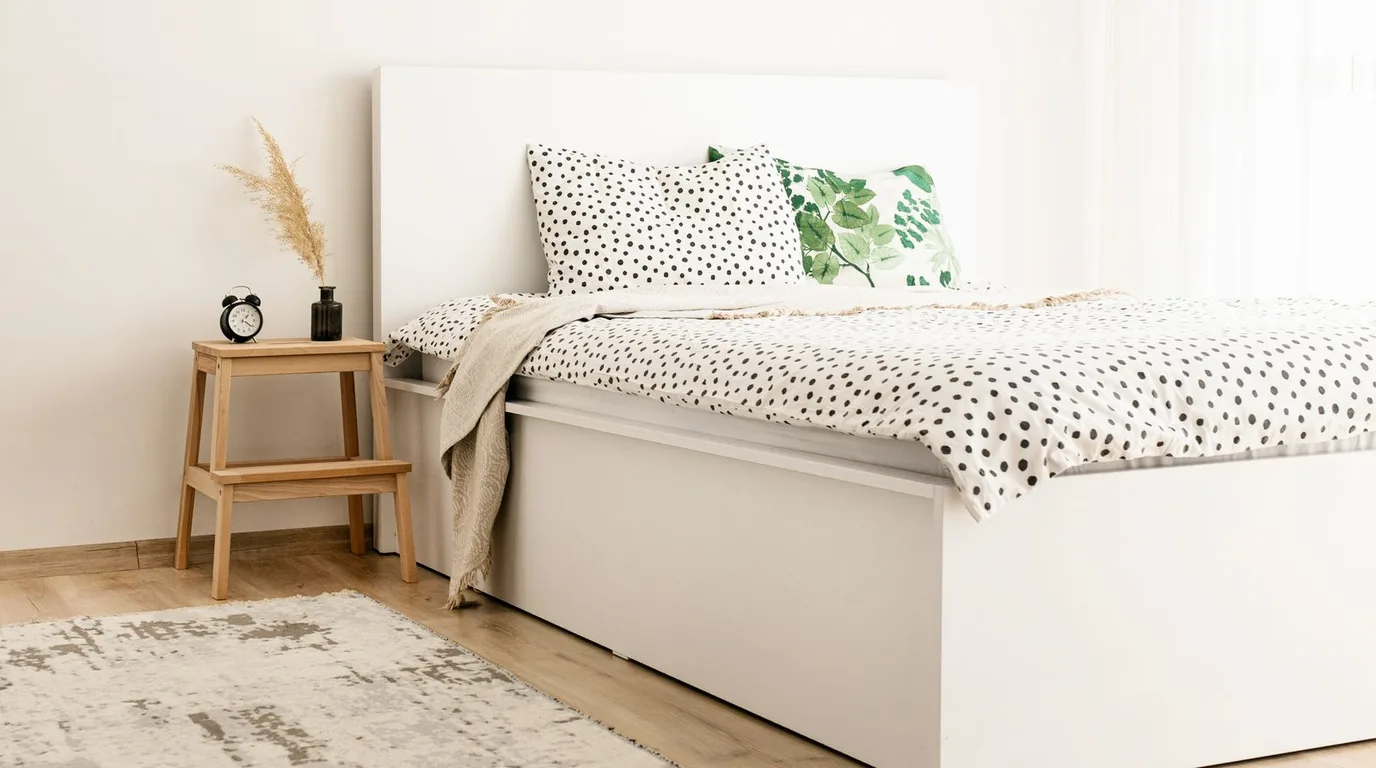
Start With Light Colours on the Walls
The single biggest change you can make in a small bedroom is the wall colour. White, off-white, pale grey, and soft cream reflect light around the room instead of absorbing it, which makes the walls feel further away than they really are. Dark colours soak up light and pull the edges of the room inward, so save them for large rooms that can handle the drama.
Paint tips for small rooms:
● Choose warm white or pale cream rather than stark white — it feels softer, cosier, and less clinical.
● Paint the ceiling the same colour as the walls to blur the edges and lift the ceiling visually.
● If you love colour, try one pale accent wall in soft sage or powder blue and keep the rest light.
● Test paint in daylight and lamplight before committing — small rooms change colour dramatically through the day.
Use a Light Wood Floor to Open the Space
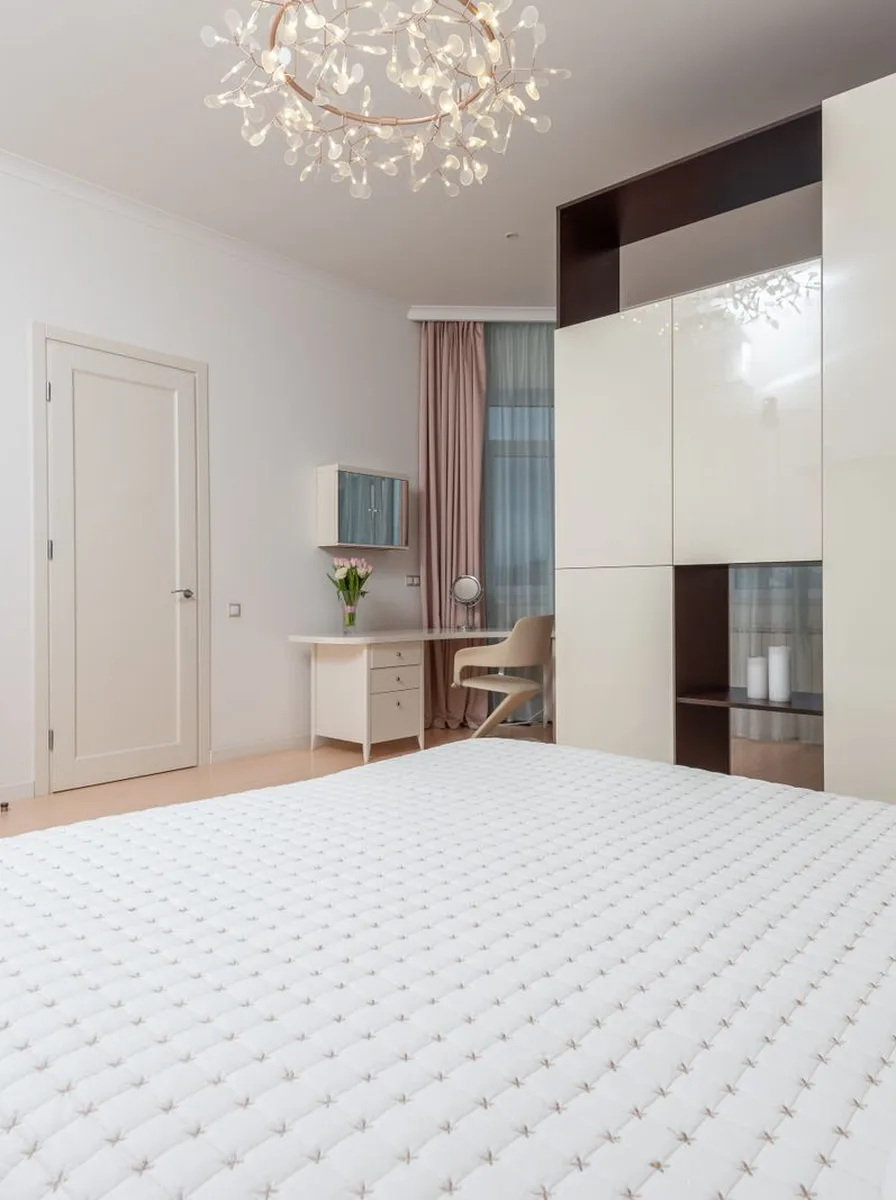
The floor covers a huge area of the room, so its colour matters more than most people think. A light wood floor — pale oak, ash, or whitewashed boards — bounces light upward onto the walls and ceiling, making the whole room feel airy from the ground up. Dark floors in a small bedroom can feel like the room is shrinking, because they create a heavy visual base that anchors everything down.
If replacing the floor isn’t an option, work with what you have:
● Lay a large light-coloured rug over a dark floor — the bigger the rug, the bigger the room feels.
● Choose rugs in cream, beige, or pale grey with little or no pattern to keep the floor calm.
● Avoid lots of small rugs — one big rug unifies the floor and stretches the space visually.
● Keep the floor as clear as possible; every visible patch of light flooring adds to the sense of space.
Keep Big Furniture White or Pale
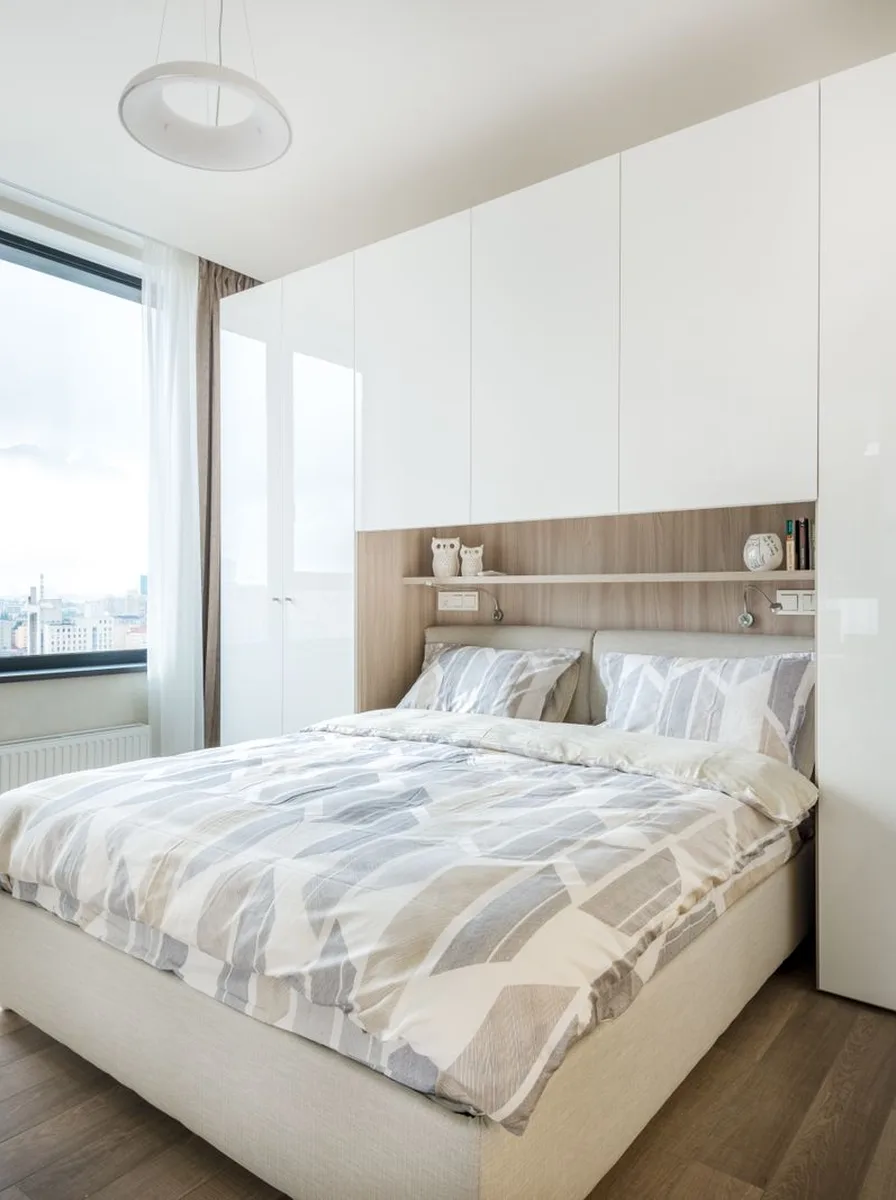
In a small bedroom, the bed and wardrobe are the giants of the room, and their colour sets the tone for everything else. White or pale furniture blends into light walls instead of standing out as a dark block. A white wardrobe against a white wall almost disappears, which gives your eyes more empty space to rest on — and empty space is what the brain reads as roominess.
This is especially true for fitted wardrobes, which cover an entire wall. Paint them the exact wall colour and the wall looks unbroken, as if the storage isn’t even there. Freestanding pieces benefit from the same trick: pale finishes recede, dark finishes advance.
Smart furniture colour choices:
● Match the wardrobe and bed frame to the wall colour so they melt into the background.
● If your furniture is dark wood, drape it with light bedding and add pale cushions to soften the contrast.
● Choose pieces with slim legs that show floor underneath — visible floor always reads as more space.
● Paint old dark furniture white or cream for a cheap transformation that genuinely enlarges the room.
Add One Fresh Accent Colour
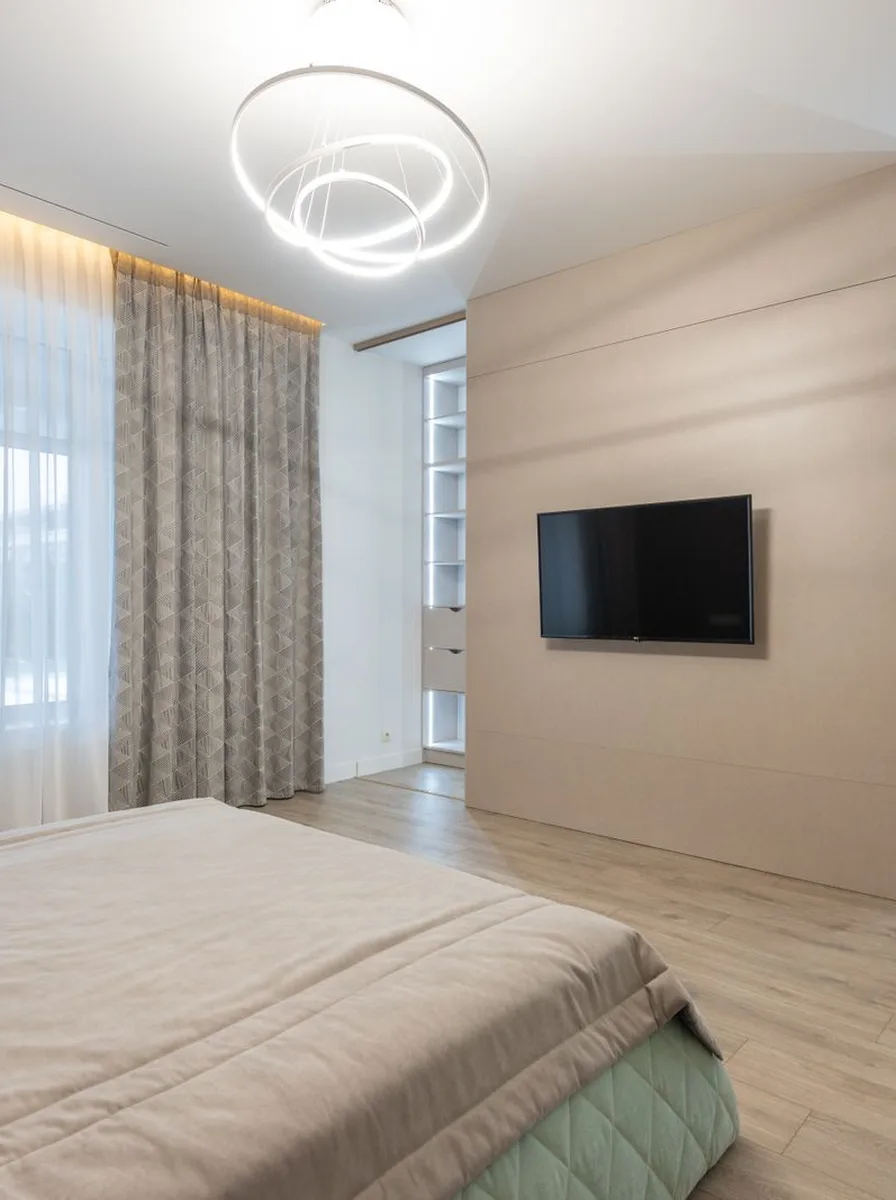
An all-white room can feel bigger but also a little flat and lifeless. The fix is one accent colour, used sparingly. Teal, soft green, or dusty blue cushions and throws add life and personality without shrinking the room, because the eye reads them as small pops of interest against a calm background rather than as competing blocks of colour.
How to use accents without crowding:
● Pick one accent colour and repeat it three times — cushions, a throw, and a small plant pot is enough.
● Keep the accent in the mid-tone range; neon brights and very dark shades both demand too much attention.
● Put the strongest accent on the bed, since it’s the natural focal point anyway.
● Change accents with the seasons — it’s the cheapest way to refresh a small room.
● Avoid introducing a second accent colour; two accents in a small room start to feel busy.
Try Soft Pink for a Bigger Feel
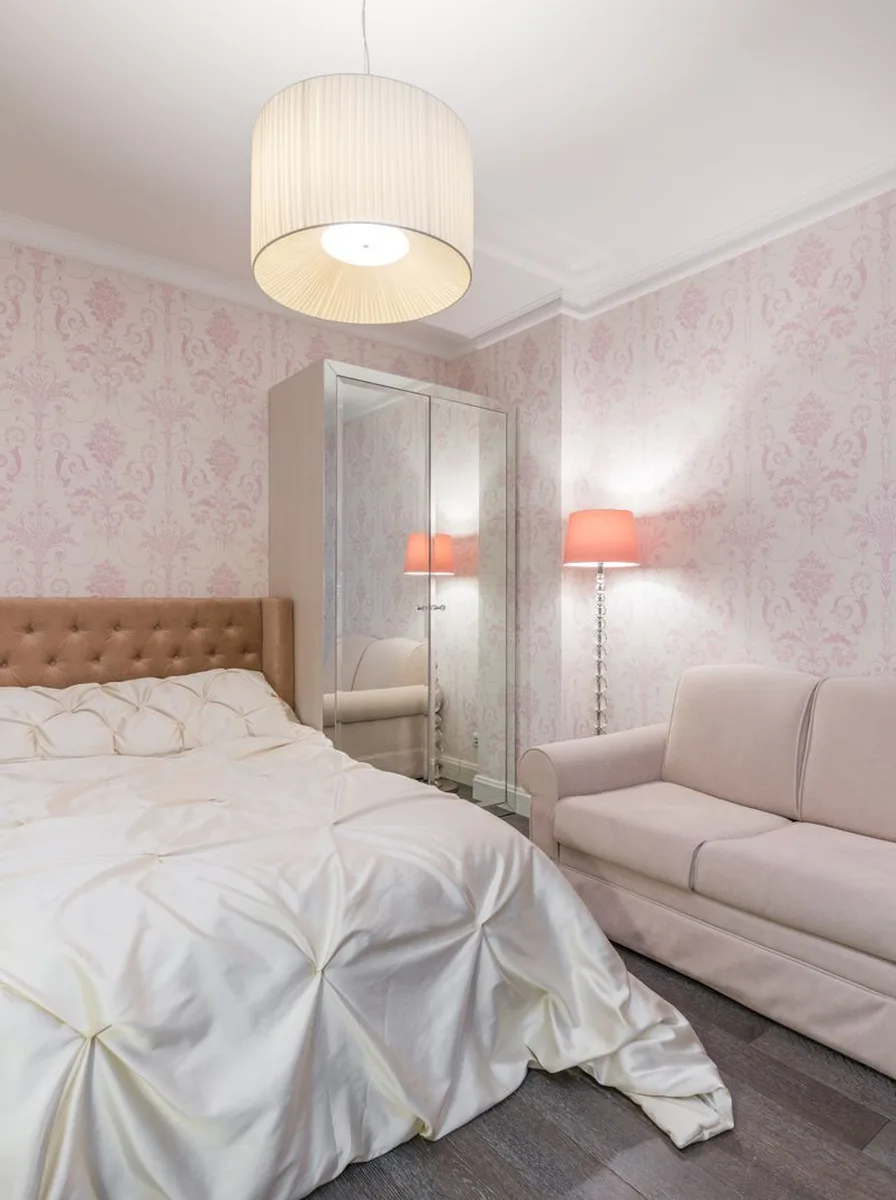
Soft pink is a secret weapon for small bedrooms. Blush, rose, and pale terracotta reflect warm light beautifully, so the room glows instead of feeling boxy. Unlike grey, which can feel cold and flat in a small space, pink keeps things warm and welcoming while still reading as a light, space-enhancing colour.
Pink also has a unique advantage: it flatters skin tones, so you look better in the mirror, and it pairs effortlessly with the whites and light woods that small rooms already need. It’s a colour that works as hard on the mood of the room as on its apparent size.
Making pink work in a small room:
● Use pink on bedding and curtains rather than all four walls — it stays fresh instead of overwhelming.
● Pair blush pink with white and light wood for a calm, Scandinavian-style feel.
● Add one deeper rose cushion for contrast so the palette doesn’t look washed out.
● If pink feels too sweet, try muted clay or plaster tones — same warmth, more grown-up.