

A teen bedroom should be more than a place to sleep — it should be a retreat from the noise of the day. The cosiest teen rooms share a feeling rather than a style: warm light, soft surfaces everywhere you touch, and corners that invite you to curl up with a book or your thoughts. Building that feeling is simpler than it looks.
Comfort is a design strategy, not an accident. It comes from layering warmth — in colour, light, and texture — until the room wraps around you. This guide walks through each layer in order, so you can turn even the plainest bedroom into a personal sanctuary that genuinely helps you unwind.
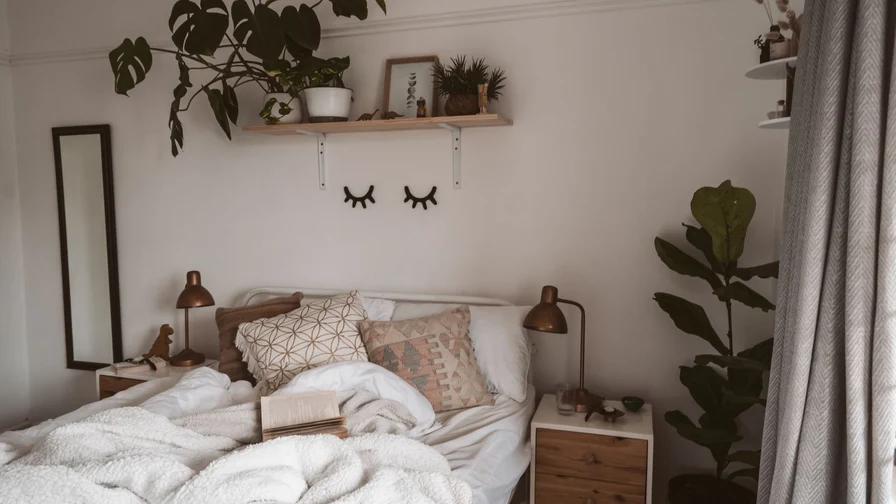
Start With Warm, Calming Colours
Colour sets the emotional temperature of a room. For a retreat feel, lean into warm neutrals — cream, oatmeal, soft caramel — or muted tones like sage, dusty rose, or warm grey. These colours lower visual noise and make the space feel like a hug. Avoid stark white walls if you can; they bounce light harshly and feel clinical.
Choosing retreat colours:
● Warm whites and beiges flatter skin tones and feel cosy in lamplight.
● Muted greens connect the room to nature and genuinely calm the mind.
● If repainting isn’t allowed, get the colour from bedding, curtains, and a large rug.
● Keep the palette to three colours so the room feels restful, not busy.
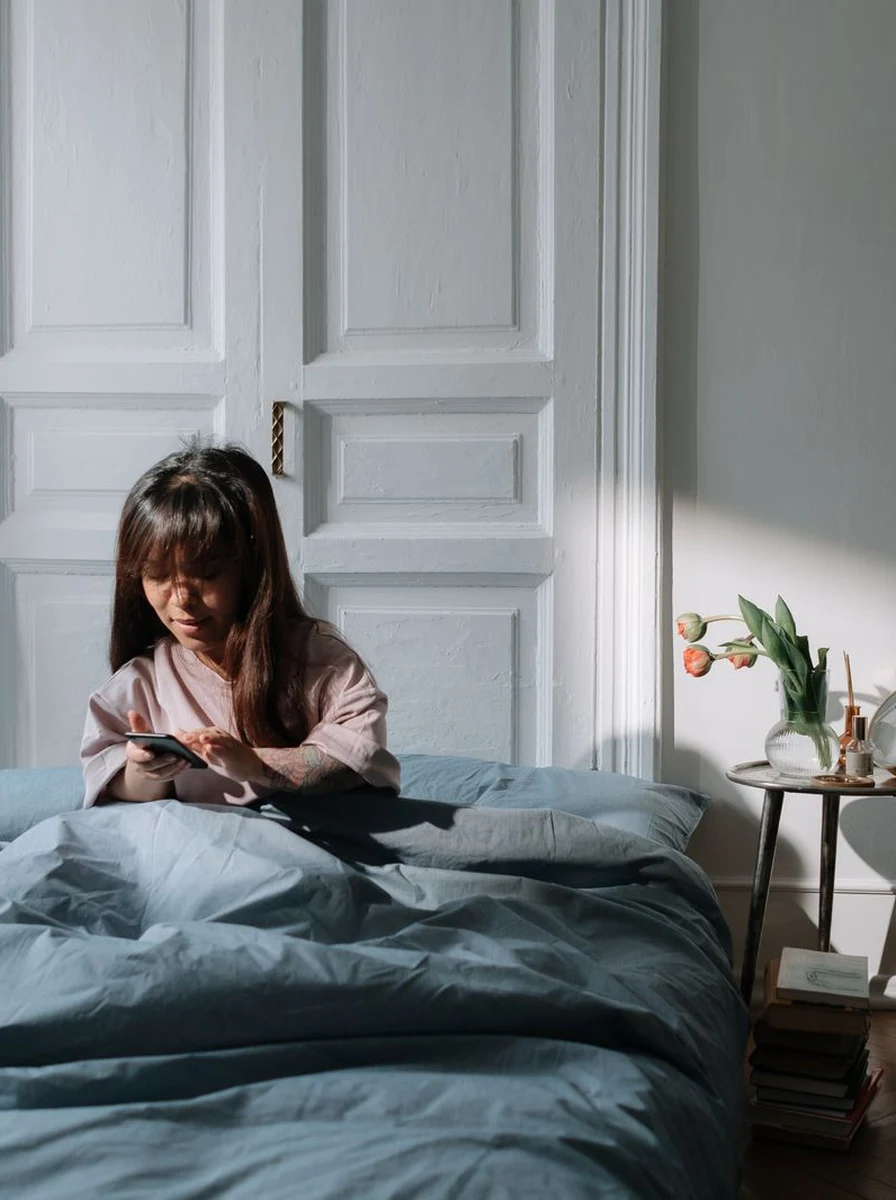
Pile on Softness
A retreat bed is one you sink into. Layer a soft duvet, add a weighted or chunky knit blanket, and arrange cushions you actually want to lean against. The goal is a bed that looks inviting at 3pm, not just at bedtime — if it calls to you for an afternoon rest, you’ve nailed it.
Building a sink-in bed:
● A mattress topper is the single biggest comfort upgrade for the money.
● Choose brushed cotton or jersey sheets — they feel softer than crisp percale.
● Drape one heavy textured throw across the foot of the bed.
● Keep a dedicated “reading pillow” with arms for propping up comfortably.
Layer Warm Lighting
Nothing kills cosiness faster than a single bright ceiling light. A retreat needs at least three warm light sources at different heights: fairy lights or a string of soft bulbs, a bedside lamp, and something low like candles (LED if needed) or a salt lamp. Dim, layered light tells your brain the day is winding down.
Retreat lighting plan:
● Put the overhead light on a dimmer or simply stop using it in the evening.
● Fairy lights along the headboard create the signature cosy glow.
● A salt lamp or paper lantern gives a soft amber pool of light.
● Keep a small clip-on book light for reading without brightening the room.

Create a Dedicated Unwind Spot
A retreat needs a place that isn’t the bed or the desk — a chair, window seat, or floor cushion zone reserved for relaxing. Even a corner with a big floor pillow, a throw, and a small side table for tea counts. Having a physical spot for unwinding trains your mind to switch off when you sit there.
Designing the spot:
● Face it toward the nicest view, even if that’s just fairy lights.
● Add a small table or basket for the things that help you relax.
● Include a soft rug underfoot so the zone feels defined.
● Keep screens out of this corner — let it be a phone-free retreat.
Bring in Natural Texture
Natural materials — wood, rattan, linen, wool, plants — make a room feel grounding and calm in a way synthetics rarely match. A jute rug, wooden picture frames, woven baskets, and one or two trailing plants add organic softness that deepens the retreat feeling without any real effort.
Natural touches that work:
● A pothos or philodendron on a shelf adds life and softness.
● Woven baskets corral clutter while looking warm and handmade.
● Linen curtains diffuse daylight into a soft, dreamy glow.
● A wooden tray on the bed or desk grounds the styling.

Engage the Senses
A true retreat appeals to more than the eyes. A familiar scent from a candle or diffuser, a soft playlist, the feel of a favourite blanket — these sensory layers are what make a room feel like yours. Choose one signature scent and use it consistently so your brain links it with winding down.
Sensory layering:
● Vanilla, sandalwood, or lavender scents read as calm and cosy.
● A small speaker or headphones dock makes music part of the ritual.
● Keep a soft blanket within arm’s reach of your unwind spot.
● Open the window for ten minutes daily — fresh air resets a stuffy room.
Protect the Calm
A retreat only stays a retreat if you defend it. Build a simple nightly reset — bed made, surfaces cleared, clothes in the basket — so you wake to calm instead of chaos. And set one boundary: no stressful activities in the unwind corner. Homework stays at the desk; the cosy chair is sacred.
Keeping the sanctuary:
● A five-minute evening tidy keeps clutter from eroding the calm.
● Store school things out of sight when the day is done.
● Limit the room to things you love; if it doesn’t comfort you, it doesn’t stay.
● Revisit the space each season — swap throws and scents to keep it feeling fresh.

Make It Yours
The final layer of any personal retreat is meaning: the photos, art, and objects that make the room unmistakably yours. A retreat isn’t a showroom — it’s a collection of comforts. Display the things that make you feel safe and happy, and let the room evolve as you do.
Personal finishing touches:
● Frame one photo that always makes you smile and put it where you’ll see it.
● Keep a journal or sketchbook in your unwind spot.
● Display souvenirs and gifts — they carry emotional warmth no decor can fake.
● Let the room change with you; a retreat grows, it isn’t decorated once.