

Small rooms hide storage in plain sight — you just have to know where to look.
Above the door, under the bed, behind the headboard, inside the ottoman, up at the ceiling: every small room contains cubic feet of storage that most people never use. The smartest small-room storage isn’t about buying more furniture; it’s about making the room itself do the storing.
The best storage ideas also disappear.
A platform bed with drawers looks like a bed. A window bench looks like a window seat. Floating cabinets look like wall paneling. When storage blends into the architecture, the room stays calm and spacious instead of feeling like a warehouse. And most of these ideas cost far less than the bigger apartment they’d replace.
This guide collects 23 smart small room storage ideas that squeeze space out of nowhere.
From lift-up beds and fold-down desks to above-door cabinets and slim rolling carts, each idea includes specific how-to detail — dimensions, placements, and furniture types — so you can turn dead space into hardworking storage this weekend.
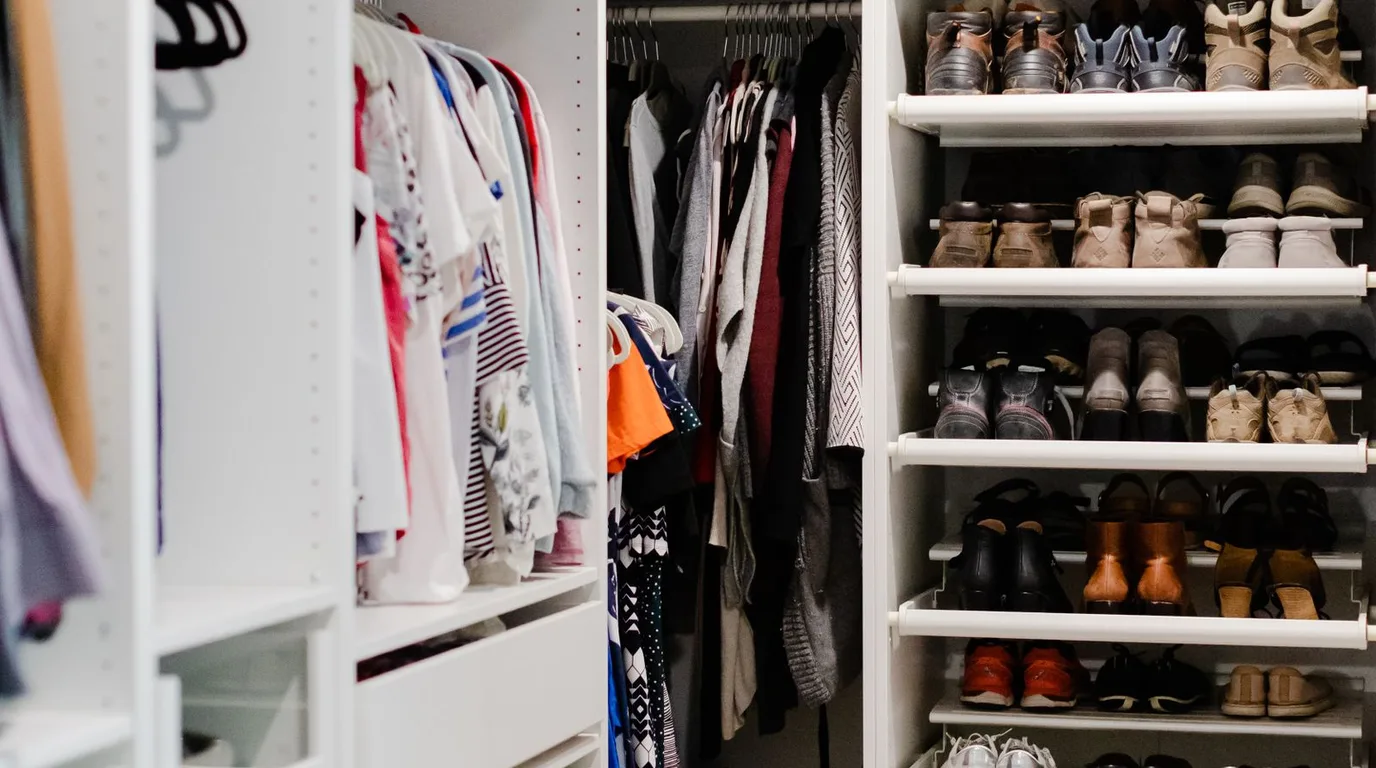
1. Choose a Platform Bed with Built-In Drawers
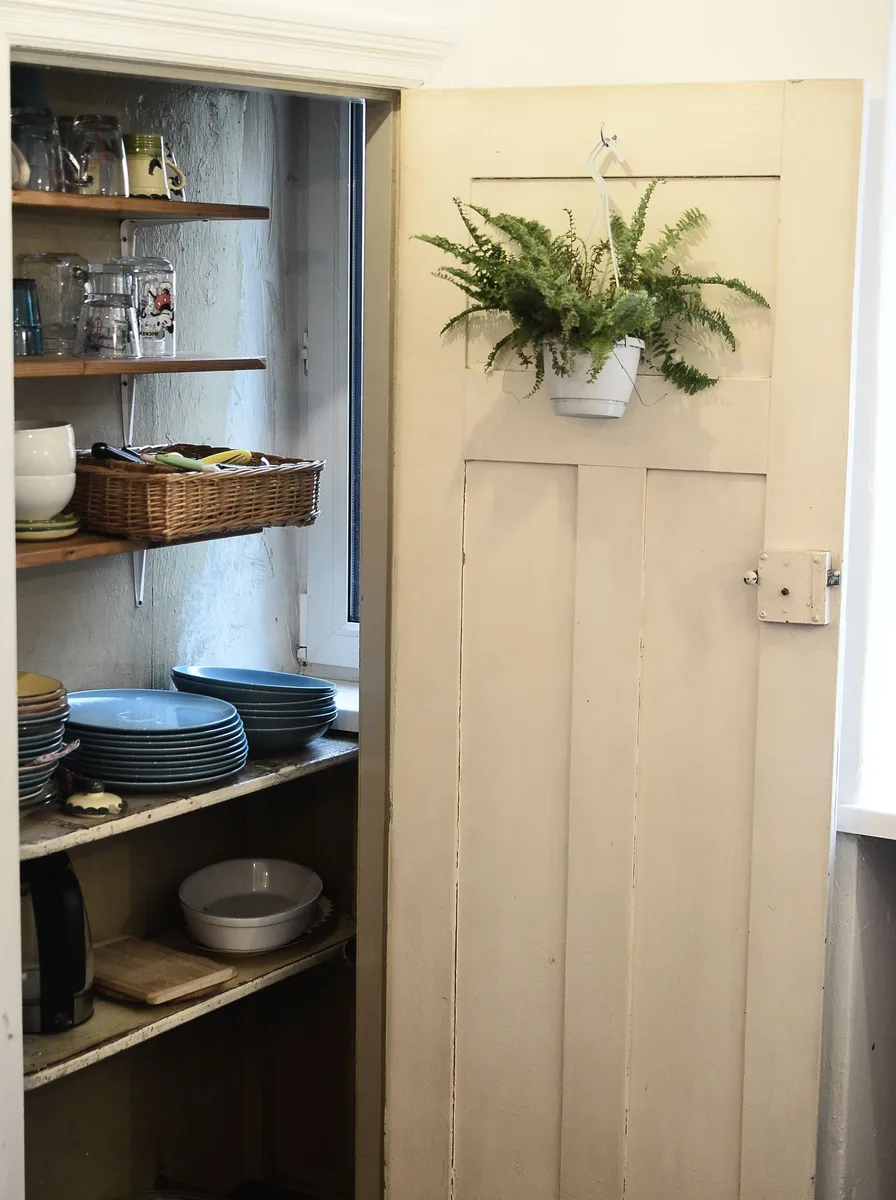
A platform bed with drawers converts the entire under-bed footprint — roughly 30 square feet on a queen — into a dresser you never see. Deep drawers on smooth glides hold folded clothes, linens, or shoes, replacing a freestanding dresser entirely. In a small room, deleting one piece of furniture while keeping its storage is the ultimate space win.
Look for frames with at least three large drawers per side, full-extension glides, and a weight rating that handles your mattress plus two sleepers. Solid wood frames last decades; budget MDF versions work if assembled carefully. Divide drawers by category — daily wear on one side, linens on the other — and the bed becomes the room’s main dresser.
2. Build a Floor-to-Ceiling Shelf Wall
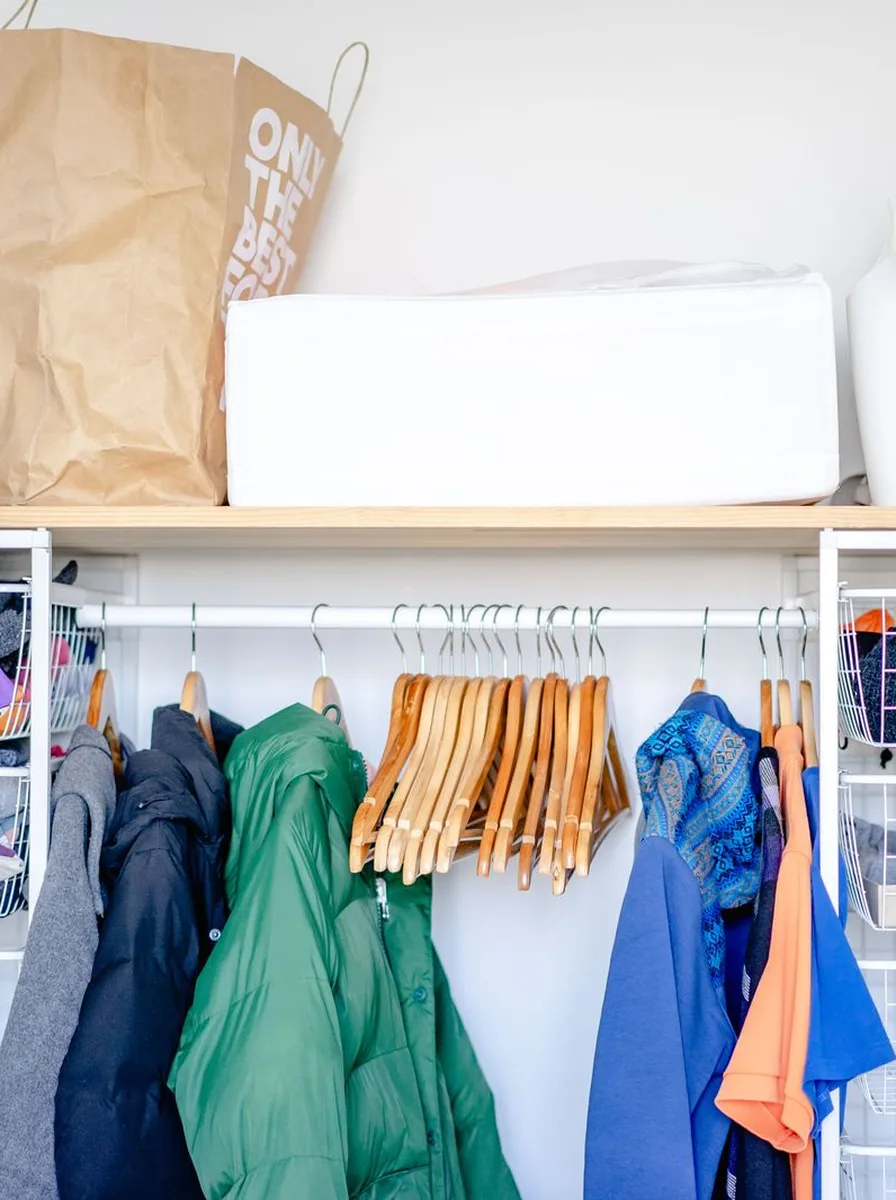
One wall of floor-to-ceiling shelving holds more than three bookcases while using a single wall’s footprint. Adjustable shelves adapt to books, boxes, baskets, and decor, and the vertical sweep draws the eye up, making ceilings feel higher. It’s the highest-capacity storage you can add without taking a single extra inch of floor.
Use a modular system like cube shelving or adjustable track shelving so the layout evolves with you. Keep heavy items low, daily items at arm’s reach, and rarely-used things up top in matching boxes. Leave 20 percent of the shelves styled and breathing room — a wall that’s all boxes feels like a stockroom, not a room.
3. Install a Fold-Down Wall Desk
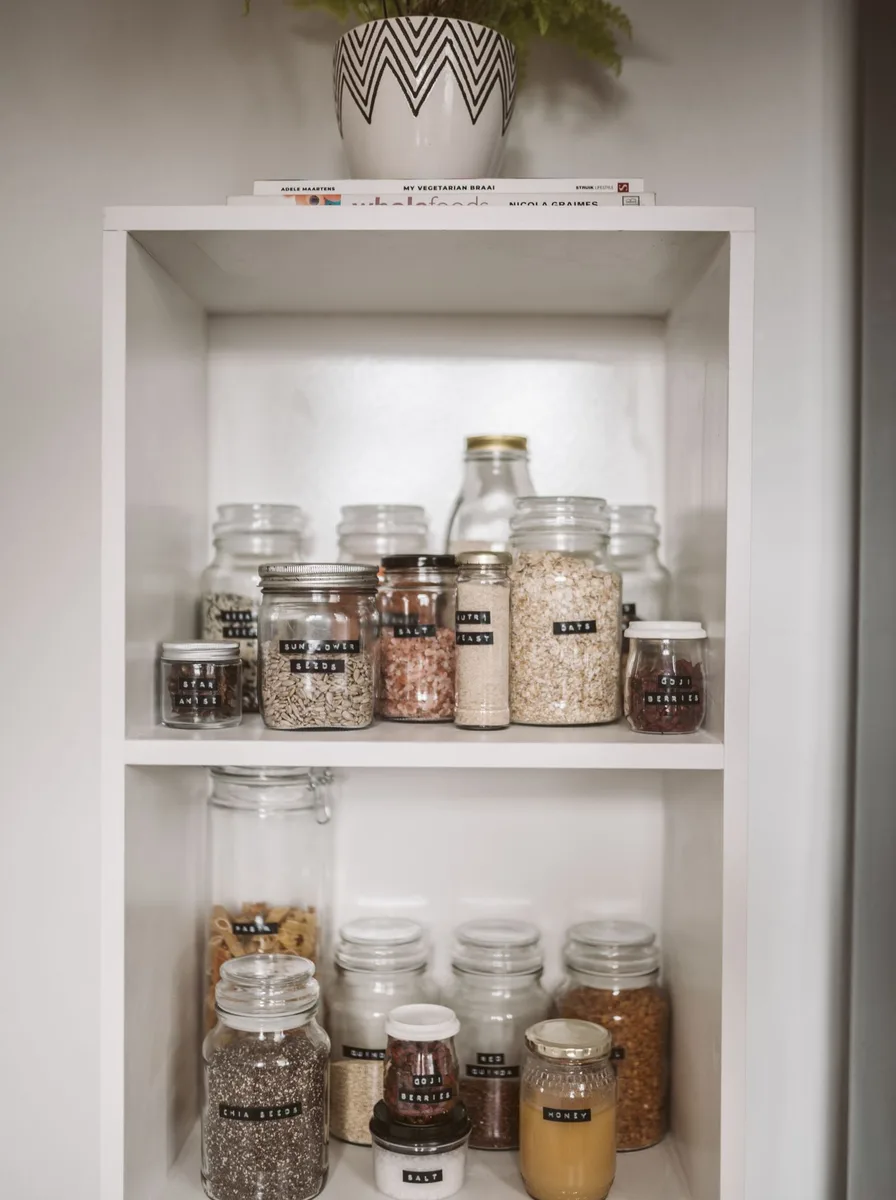
A wall-mounted drop-leaf desk gives you a full workspace that vanishes when the workday ends. Folded down, it’s a 30-by-20-inch desk with room for a laptop and notebook; folded up, it’s a slim cabinet barely 6 inches deep. For small rooms that double as home offices, it’s the difference between living with a desk and living around one.
Mount it at 29 to 30 inches high — standard desk height — anchored into studs or a solid ledger board, since it must hold 50 pounds or more. Choose a model with interior shelves or pockets so supplies live inside the folded unit. Add a folding chair that hangs on a wall hook nearby, and the office disappears completely.
4. Add a Window Bench with Cubbies

The space under a window is almost always wasted — too low for a dresser, too awkward for art. A built-in or freestanding bench with open cubbies or drawers turns it into seating plus storage. Topped with a cushion, it becomes the room’s favorite reading spot; inside, it swallows books, toys, blankets, or shoes.
Size the bench to fit wall-to-wall under the sill, typically 16 to 18 inches deep and 18 inches high for comfortable sitting. Open cubbies with fabric bins keep things accessible; drawers look tidier. Leave a 2-inch gap from the wall for curtain clearance, and add a washable cushion cover — window seats earn their crumbs.
5. Mount Cabinets Above the Door
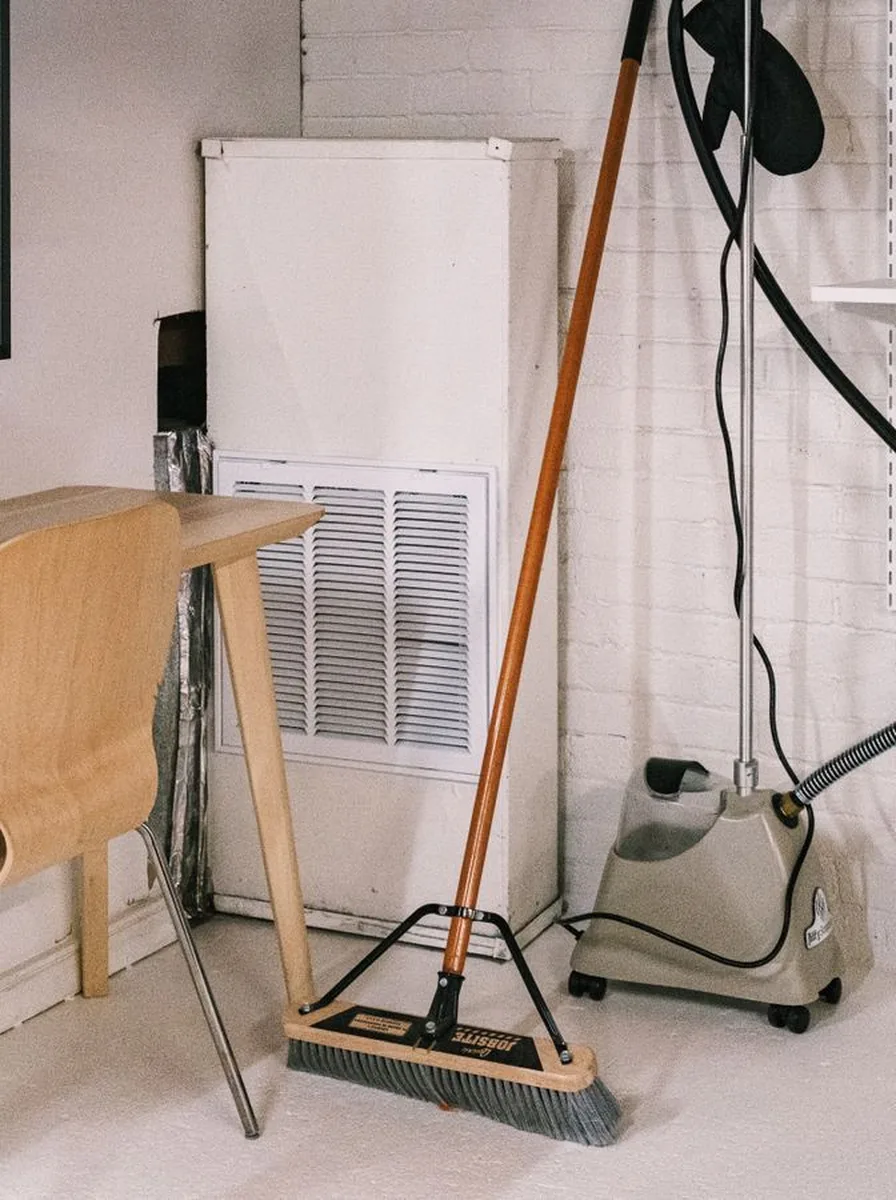
The two feet of wall above every door is storage gold that almost nobody uses. A shallow cabinet or a single deep shelf mounted there holds luggage, seasonal decor, spare linens, or memory boxes — bulky, rarely-needed items that otherwise clog closets. It’s out of sight, out of the way, and completely free real estate.
Keep the cabinet 12 to 14 inches deep so it doesn’t loom over the doorway, and anchor it into studs — overhead storage must be bombproof. Use it only for lightweight, low-use items you need a step stool to reach. Matching the cabinet to your trim color makes it read as architecture rather than an add-on.
6. Turn a Corner into a Storage Tower
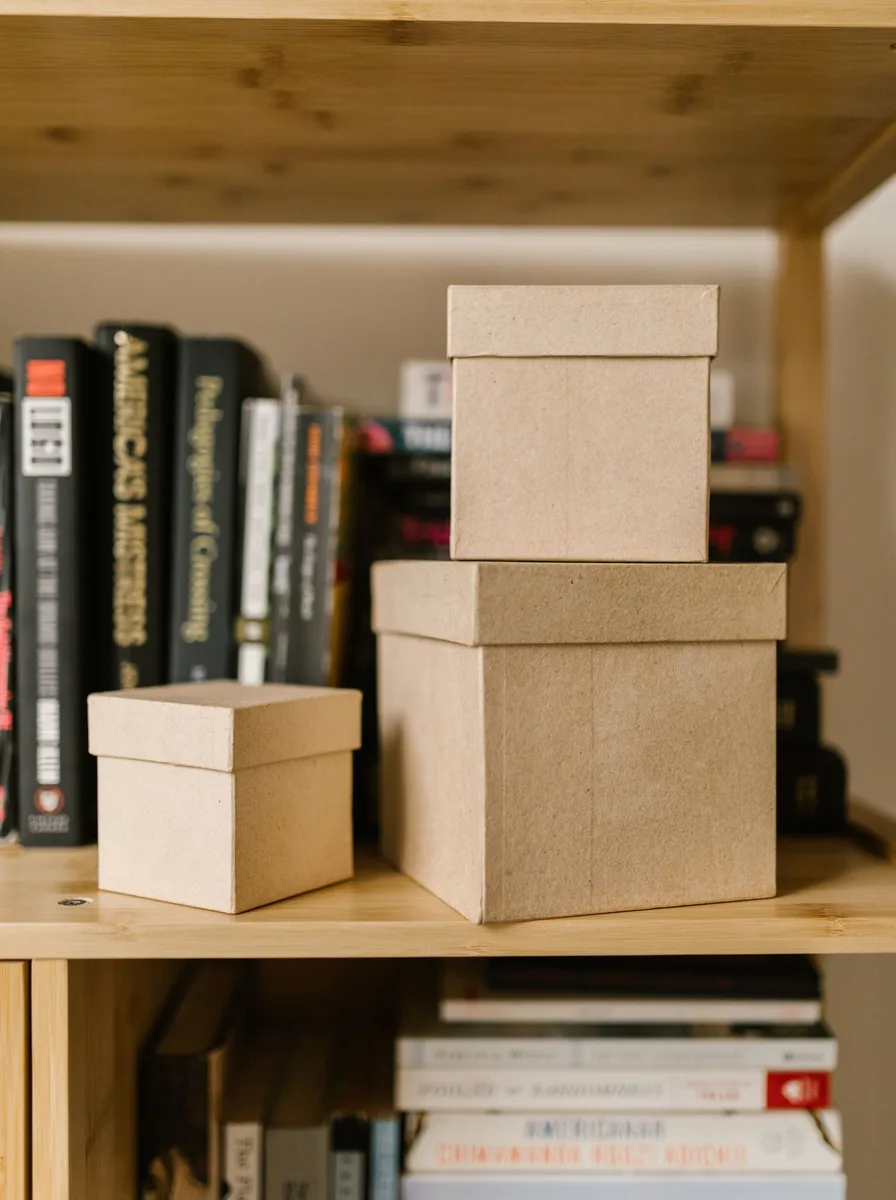
Corners are the Bermuda Triangle of small rooms — awkward, dark, and usually empty. A tall, narrow corner shelf unit or a rotating corner tower claims that dead space for books, plants, baskets, or a small lamp. Going vertical in the corner adds serious capacity without interrupting the room’s traffic flow.
Look for corner units 12 to 15 inches deep on each side so they hug the walls without jutting out. A five-tier tower holds a surprising amount; style the top shelves and store on the lower ones. In a bedroom corner, it replaces a nightstand; in a living corner, it becomes a mini library with a reading light clipped on top.
7. Try a Lift-Up Ottoman Storage Bed
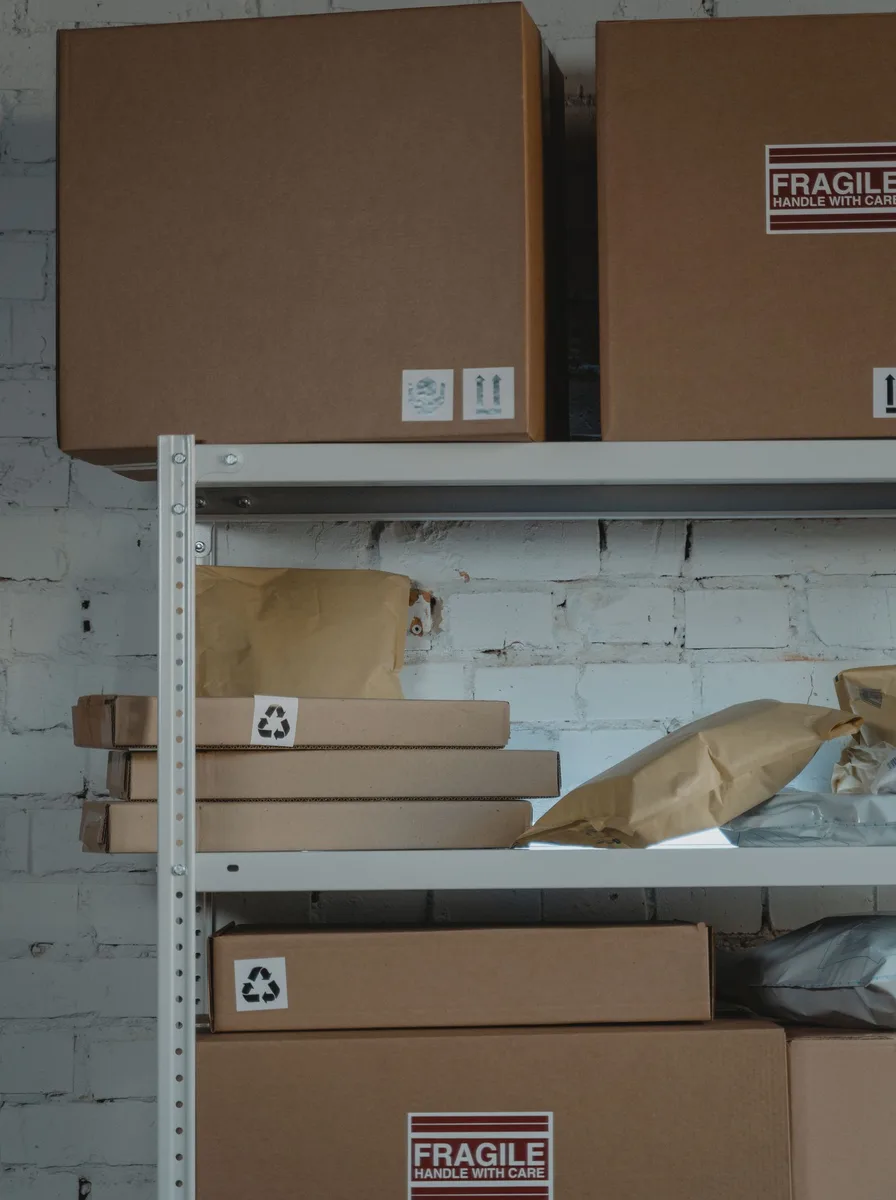
An ottoman storage bed lifts the entire mattress on gas pistons to reveal a cavernous compartment underneath — the single biggest hidden storage volume you can buy for a bedroom. Suitcases, winter coats, spare bedding, and bulky items disappear into a space the size of the whole bed. Nothing else comes close for sheer capacity per square foot.
Test the lift mechanism in person if you can; good pistons make a queen mattress feel nearly weightless. The base typically needs a solid floor rather than thick carpet to sit level. Because access requires lifting the bed, reserve it for seasonal and rarely-used items — daily things belong in drawers you can reach without a workout.
8. Hang a Mirror Cabinet, Not Just a Mirror
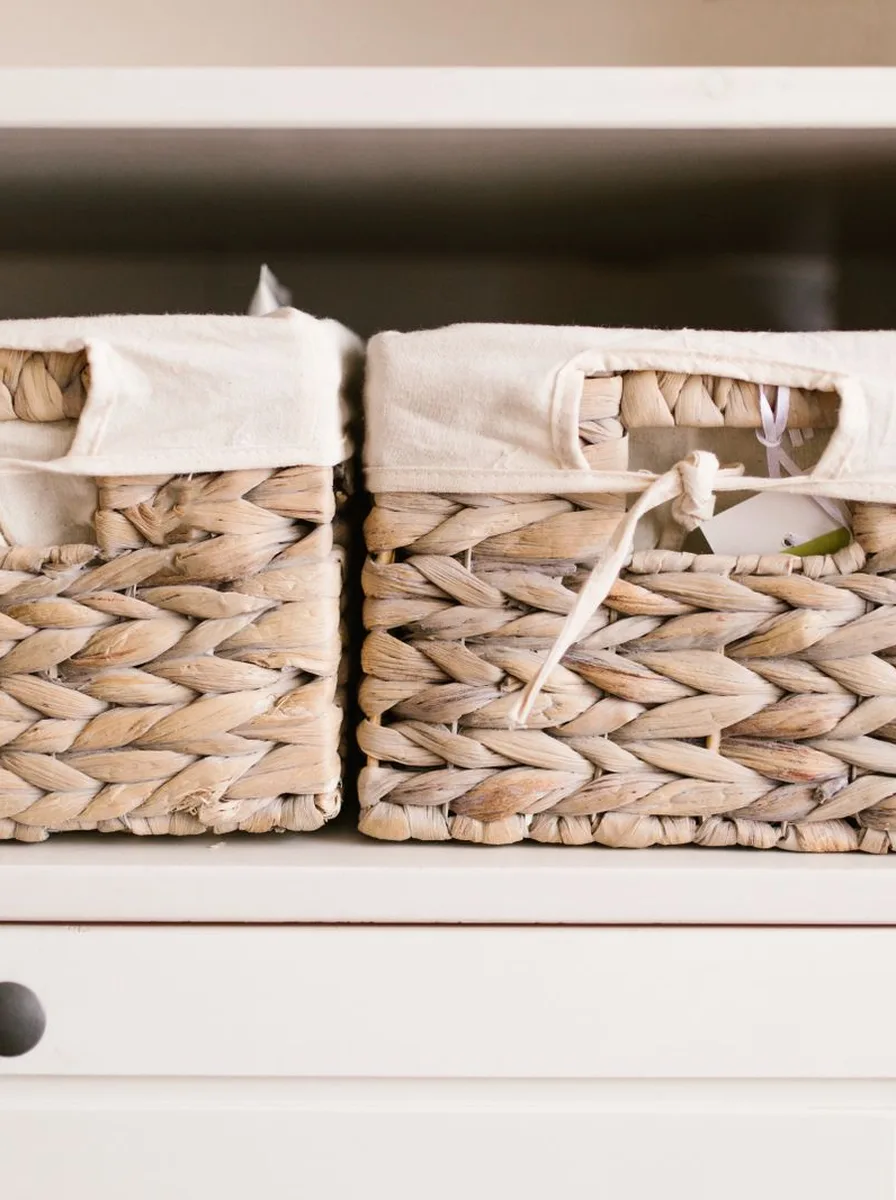
A mirrored medicine-style cabinet gives you the space-doubling magic of a mirror plus several inches of hidden storage behind it. Mounted in a bedroom or entry, it holds jewelry, medications, sunglasses, and small essentials that would otherwise colonize surfaces. The room gets brighter and tidier from a single rectangle on the wall.
Recessed models sit flush and hold the most, but surface-mount cabinets install in minutes with basic tools. Choose one at least 20 inches wide with adjustable glass shelves inside. Keep the mirror clean — smudges show double — and store daily items at eye level so the cabinet earns its keep every morning.
9. Squeeze Slim Rolling Carts into the Gaps

Every small room has gaps — between the bed and wall, beside the fridge, next to the washer — too narrow for furniture but perfect for a slim rolling cart. At 6 to 8 inches wide, these carts slide into dead slivers and hold spices, cleaning supplies, toiletries, or craft materials on three or four tiers. Dead space becomes working storage.
Measure the gap before buying; carts come in widths from 5 inches up. Choose one with a handle and smooth-rolling casters so it glides out easily, and add small bins on each tier to stop items toppling. Label the tiers if the cart holds shared supplies — in a 6-inch gap, visibility is everything.
10. Add a Closet Tower Organizer
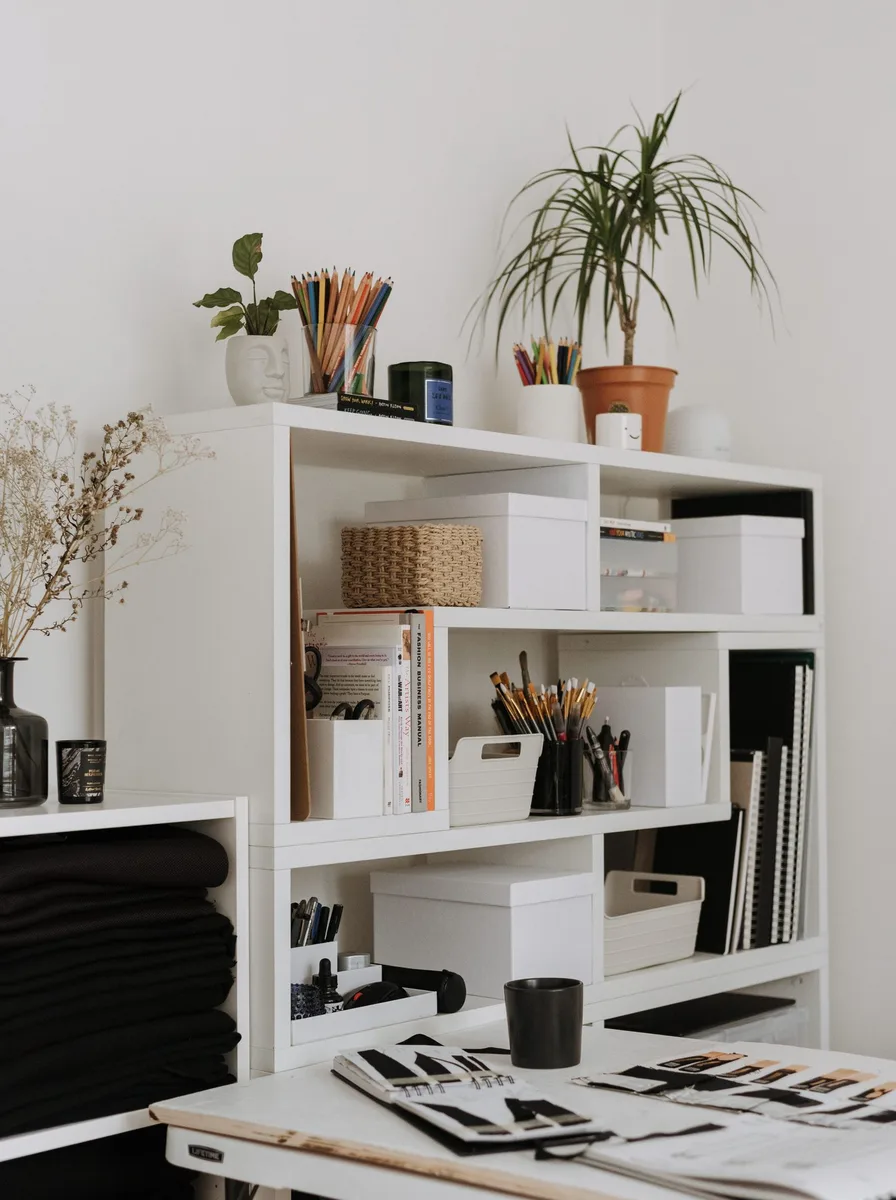
A freestanding closet tower — a narrow unit of shelves and drawers that stands inside or beside the closet — multiplies a small closet’s capacity without any installation. Shoes, folded knits, bags, and accessories each get a dedicated shelf, while the hanging rod stays free for clothes. It’s like adding a dresser inside the closet’s footprint.
Choose a tower 12 to 14 inches deep so closet doors still close, and anchor tall units to the wall for safety. Adjustable shelves adapt as your wardrobe changes; add pull-out drawers for underwear and socks. Place the tower at one end of the closet so the hanging section keeps its full width.
11. Pick a Storage Headboard with Shelves
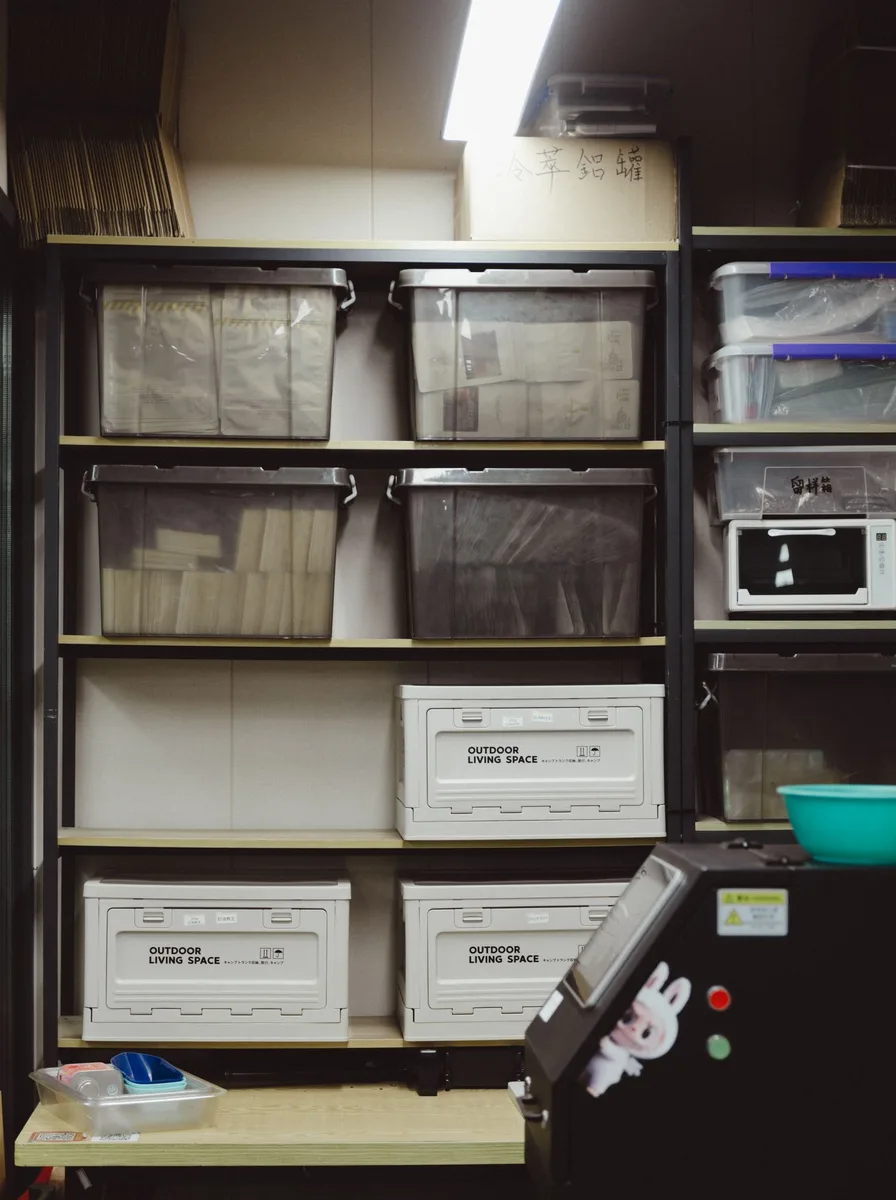
A storage headboard puts shelves, cubbies, and even hidden compartments exactly where you need them — behind your pillows. Books, chargers, glasses, and a reading lamp live in the headboard instead of on nightstands, which means narrow rooms that can’t fit side tables still get full bedside storage. The wall behind the bed finally earns its keep.
Look for a shelf depth of at least 8 inches so books and a lamp fit, plus a cable cutout for charging cords. Freestanding bookcase headboards attach to most bed frames and move with you; wall-mounted versions look built-in. Keep the top shelf styled and the lower cubbies functional — visible storage should stay pretty.
12. Consider a Wall Bed for Guest Rooms
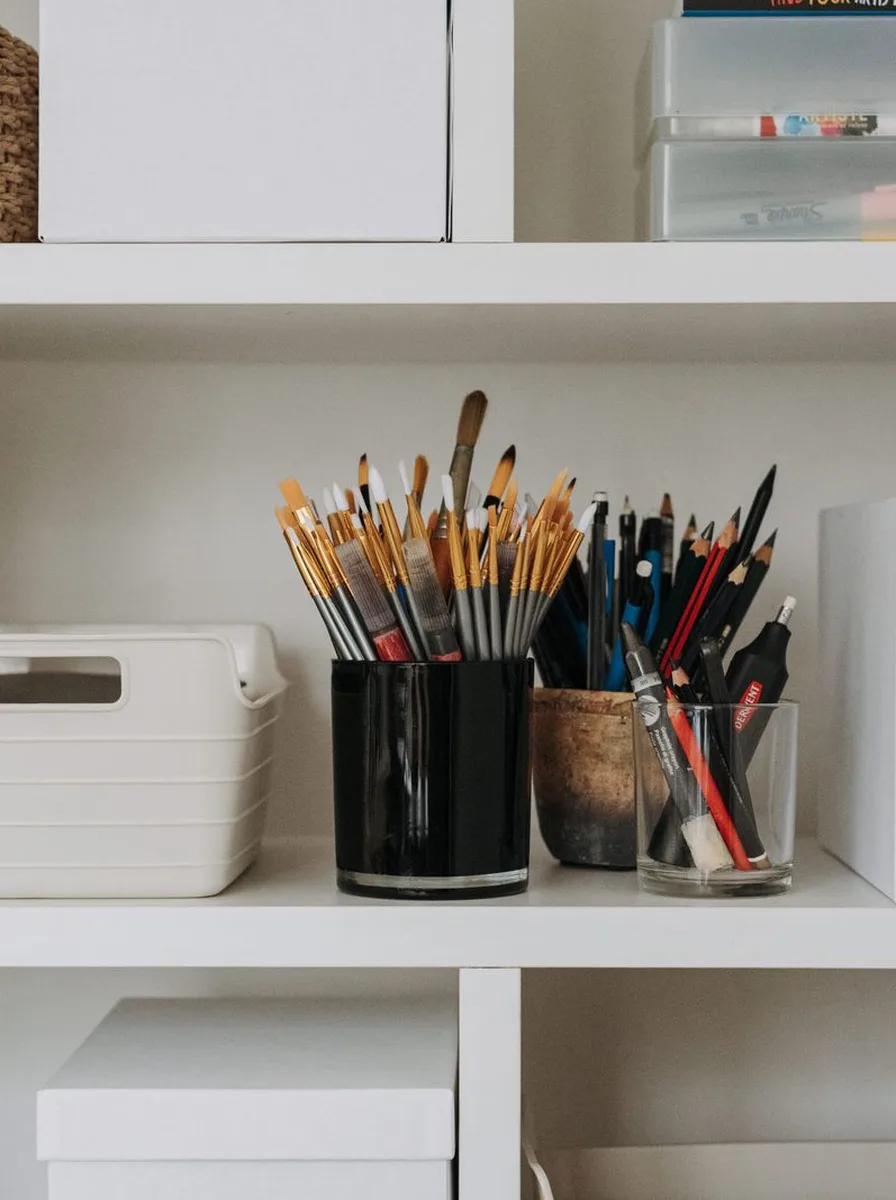
A wall bed — the modern Murphy bed — folds a full or queen mattress vertically into a cabinet, freeing the entire floor when guests aren’t there. By day, the room is an office, gym, or playroom; by night, it’s a bedroom. No other piece of furniture reclaims this much space this completely.
Modern wall beds include side cabinets, desks, and sofas that stay level as the bed folds, so the room never looks like a compromise. Professional installation is strongly recommended — the mechanism must anchor into studs or masonry. Budget a full weekend and measure twice: you need about 7 feet of clear floor in front for the bed to deploy.
13. Mount Shelves Above the Headboard
The wall above the headboard is display space waiting to become storage space. Two floating shelves mounted 12 to 18 inches above the bed hold books, baskets, and decor within arm’s reach — a library and nightstand replacement that uses zero floor. It frames the bed beautifully while working hard.
Anchor shelves into studs and keep the styling light — heavy objects above a sleeping person need absolute security. Use the lower shelf for nightly essentials and the upper for decor and lesser-used items. A small clip-on reading light on the shelf edge replaces a bedside lamp entirely.
14. Shrink Bulky Items with Vacuum Bags
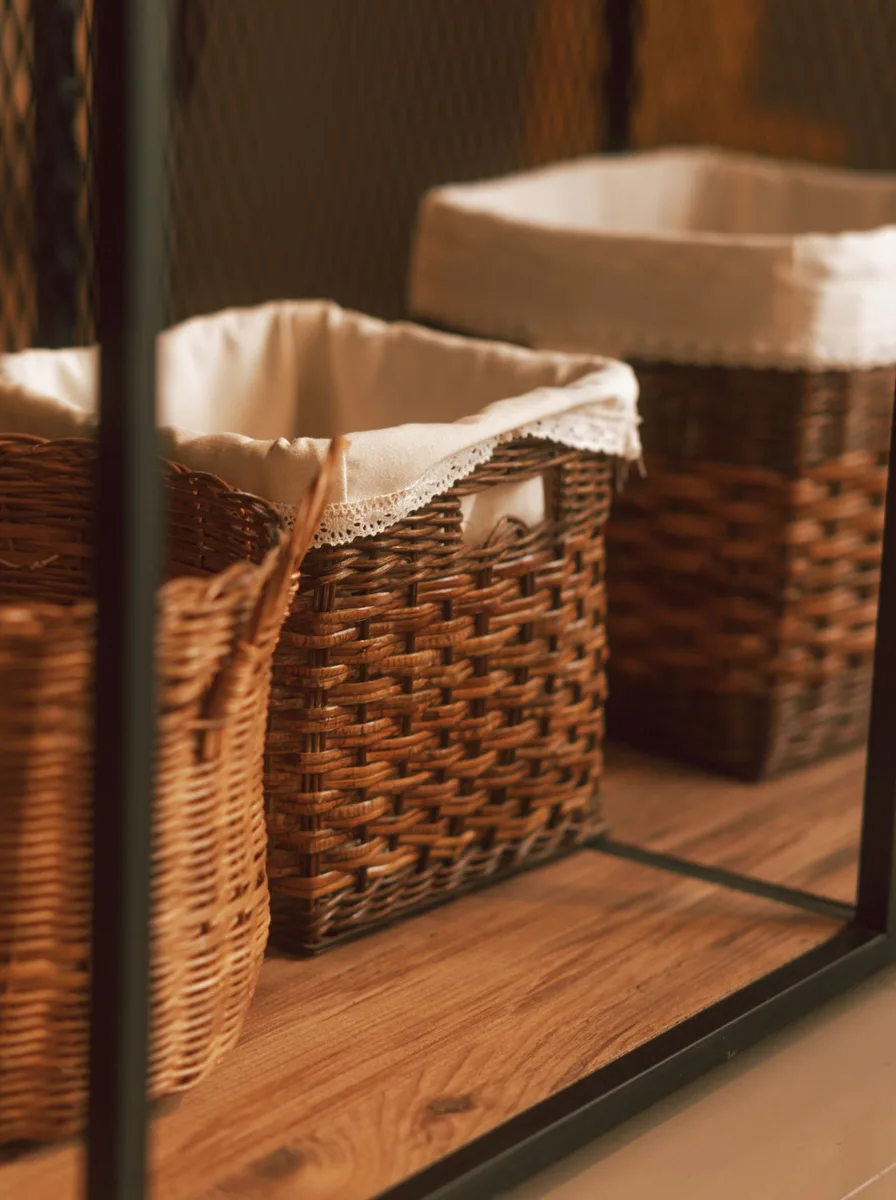
Vacuum storage bags compress bulky textiles — comforters, winter coats, spare pillows — to a third of their volume. A closet shelf that held two blankets suddenly holds six, and under-bed space stretches dramatically. For small rooms drowning in soft goods, this is the fastest capacity gain per dollar you can buy.
Use a vacuum cleaner hose to suck the air out, seal the double-zip closure carefully, and store the flat bags where they won’t get punctured — smooth shelf surfaces, not rough concrete. Add a cedar block inside each bag for freshness. Reserve vacuum bags for seasonal items; daily bedding needs to breathe and be accessible.
15. Hang a Behind-the-Door Rack
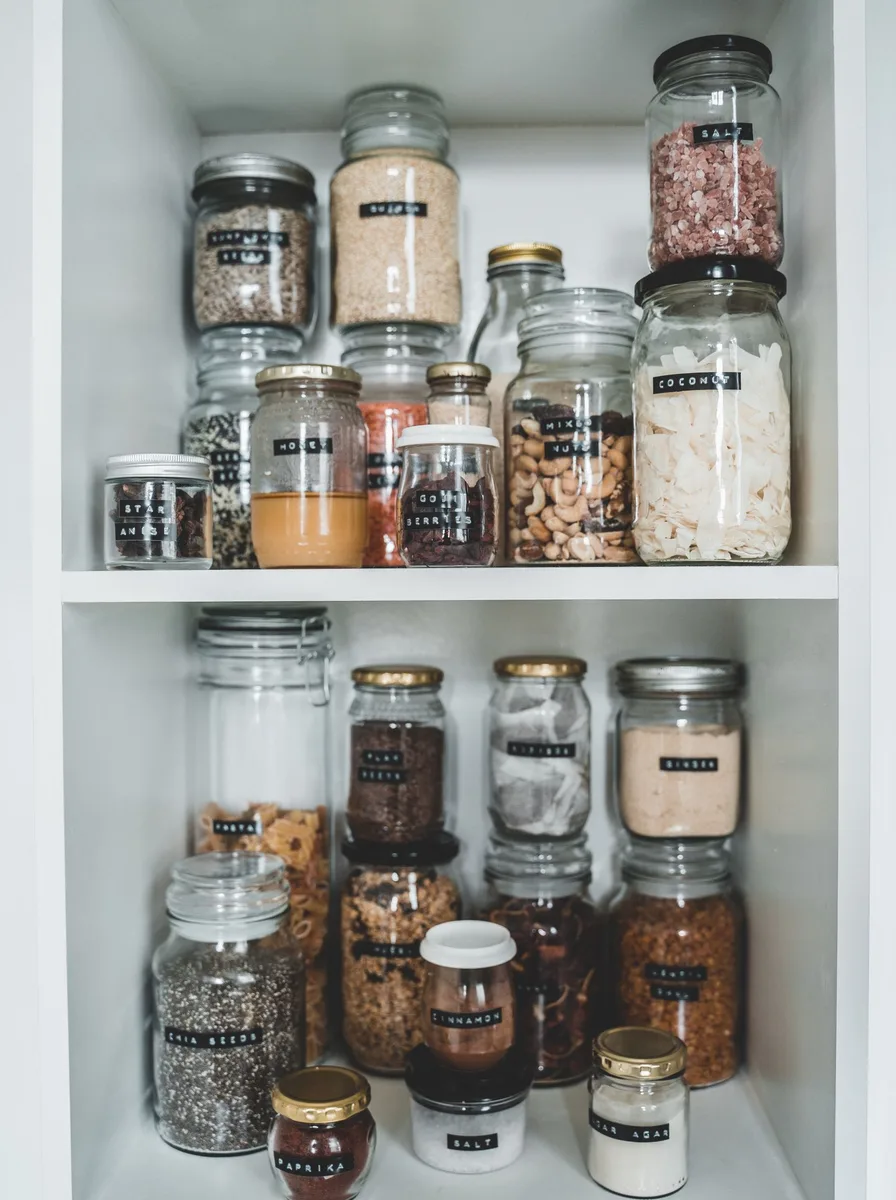
The back of any door is a full-height storage surface hiding in plain sight. A behind-the-door rack with hooks or baskets holds robes, bags, cleaning supplies, pantry items, or shoes — an entire closet’s worth of small things on a surface that was doing nothing. It adds zero footprint because the door was already there.
Choose racks designed for your door thickness and pad all contact points with felt to protect the finish. Distribute weight evenly — heavy items low, light items high — so the door still swings smoothly and hinges don’t strain. In a tiny entry, one rack can replace an entire coat closet.
16. Stack Crates as a Nightstand
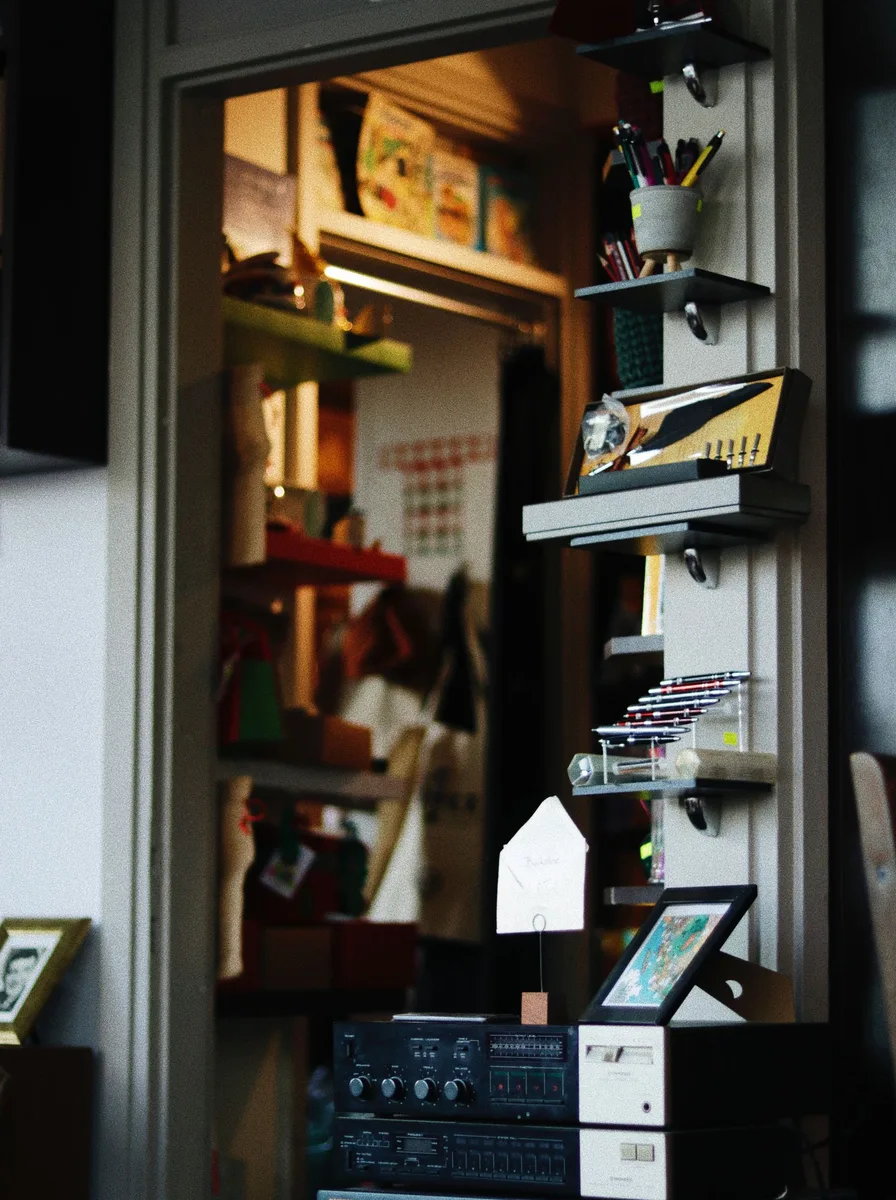
Two stacked wooden crates make a nightstand with built-in open storage for less than the cost of a pizza. The cubbies hold books, chargers, and a small lamp on top, and the whole thing can be reconfigured, repainted, or repurposed in minutes. It’s storage furniture that doesn’t take itself too seriously — perfect for first apartments and kids’ rooms.
Sand the crates smooth and finish with paint or clear sealer to avoid splinters. Stack them two high for standard nightstand height (about 24 inches), securing them together with small L-brackets so they can’t shift. Line the cubbies with fabric bins for a tidier look, and anchor the stack to the wall if you have curious toddlers or wobbly floors.
17. Cap the Radiator with a Storage Shelf
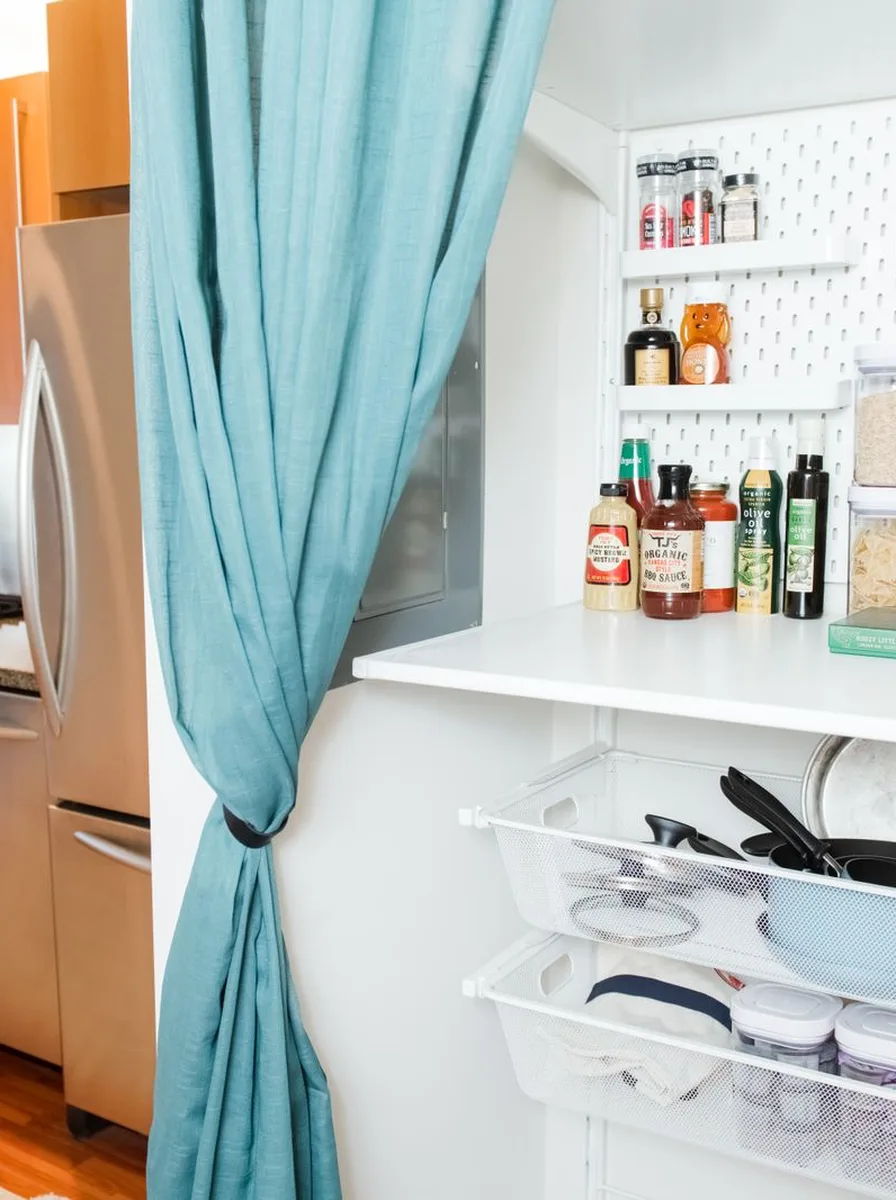
A radiator cover with a shelf top turns an awkward heating fixture into usable surface and hidden storage. The enclosed top becomes a display shelf for books and decor, while the heat still circulates through the slatted front. In small rooms where radiators eat a whole wall, the cover reclaims that wall for both style and storage.
Buy a cover sized to your radiator with at least 2 inches of clearance on all sides for airflow, and never block the thermostatic valve. The shelf top holds about 20 pounds — enough for books, a lamp, or baskets. Paint it to match your trim so it reads as built-in millwork rather than a box around a heater.
18. Add Toe-Kick Drawers Under Cabinets
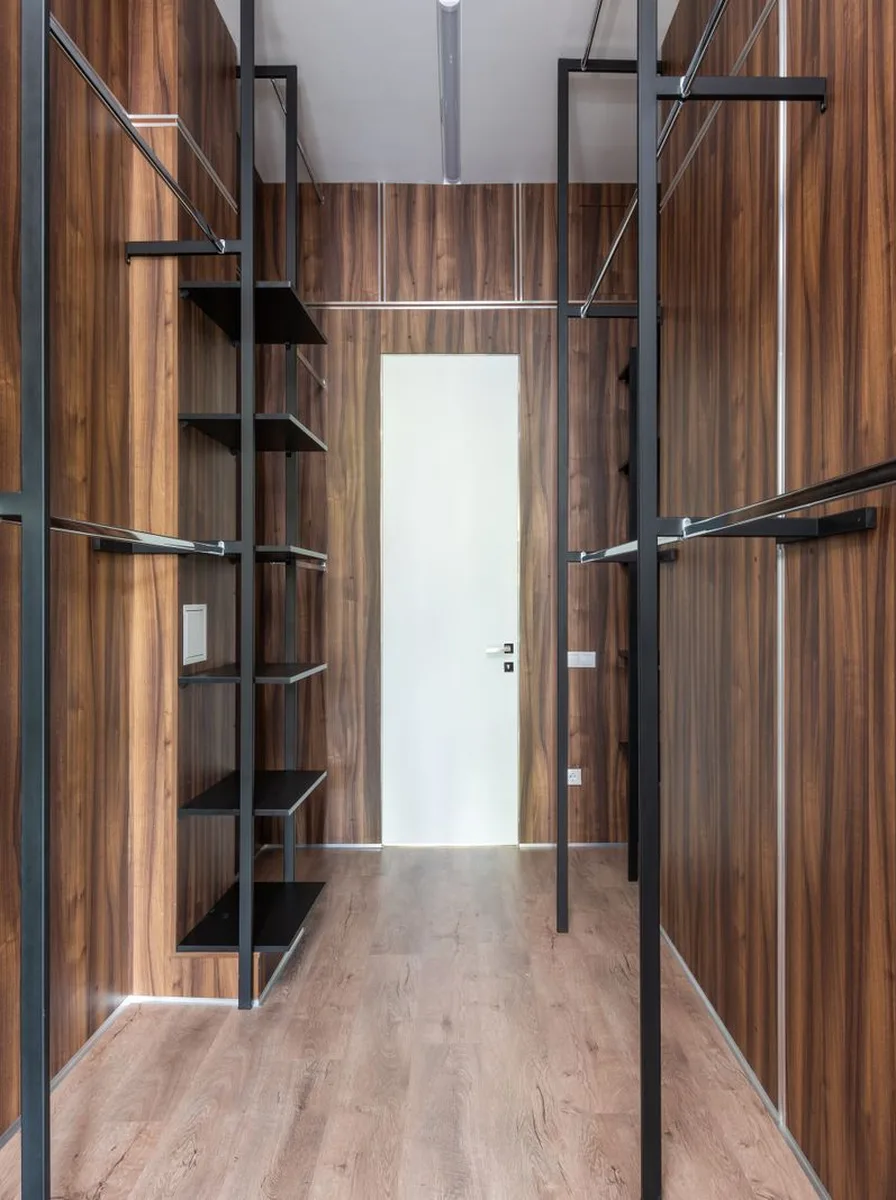
The recessed toe-kick under kitchen and bathroom cabinets hides 3 to 4 inches of unused depth along the entire run. Toe-kick drawers convert it into slim pull-out storage for baking sheets, placemats, cleaning supplies, or spare toiletries. It’s storage carved out of literal nothing — space that existed but was sealed off.
Retrofit kits fit standard 3.5-inch toe-kicks and install with basic tools; the drawer fronts match your cabinet color. Keep loads light and flat — these drawers are shallow by design. In a tiny kitchen, two toe-kick drawers can absorb an entire drawer of clutter, freeing a full cabinet drawer for daily use.
19. Hang Bikes and Gear on Wall Mounts
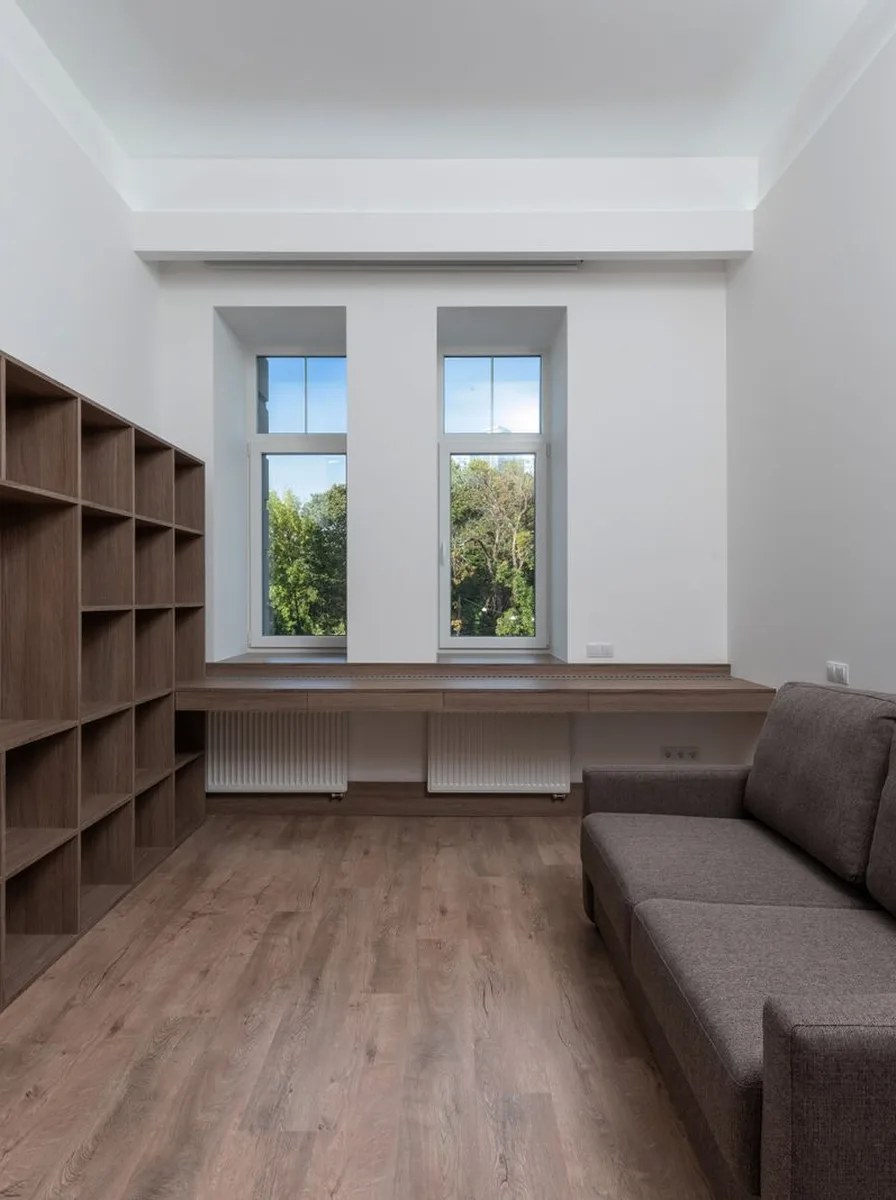
A bike on the floor eats 8 square feet; a bike on the wall eats zero. A sturdy wall mount lifts the bike flat against the wall, turning it into sculptural storage that frees the floor completely. The same logic works for guitars, skateboards, and sports gear — vertical wall storage for anything with a awkward footprint.
Anchor the mount into a stud — a bike weighs 25 to 35 pounds and the mount must hold it without flex. Hang the bike high enough to walk under (about 6 feet to the top of the wheel) and position it where it won’t drip on furniture. A wall-mounted bike with a small shelf beneath becomes a proper entry station.
20. Use a Storage Bench as a Room Divider
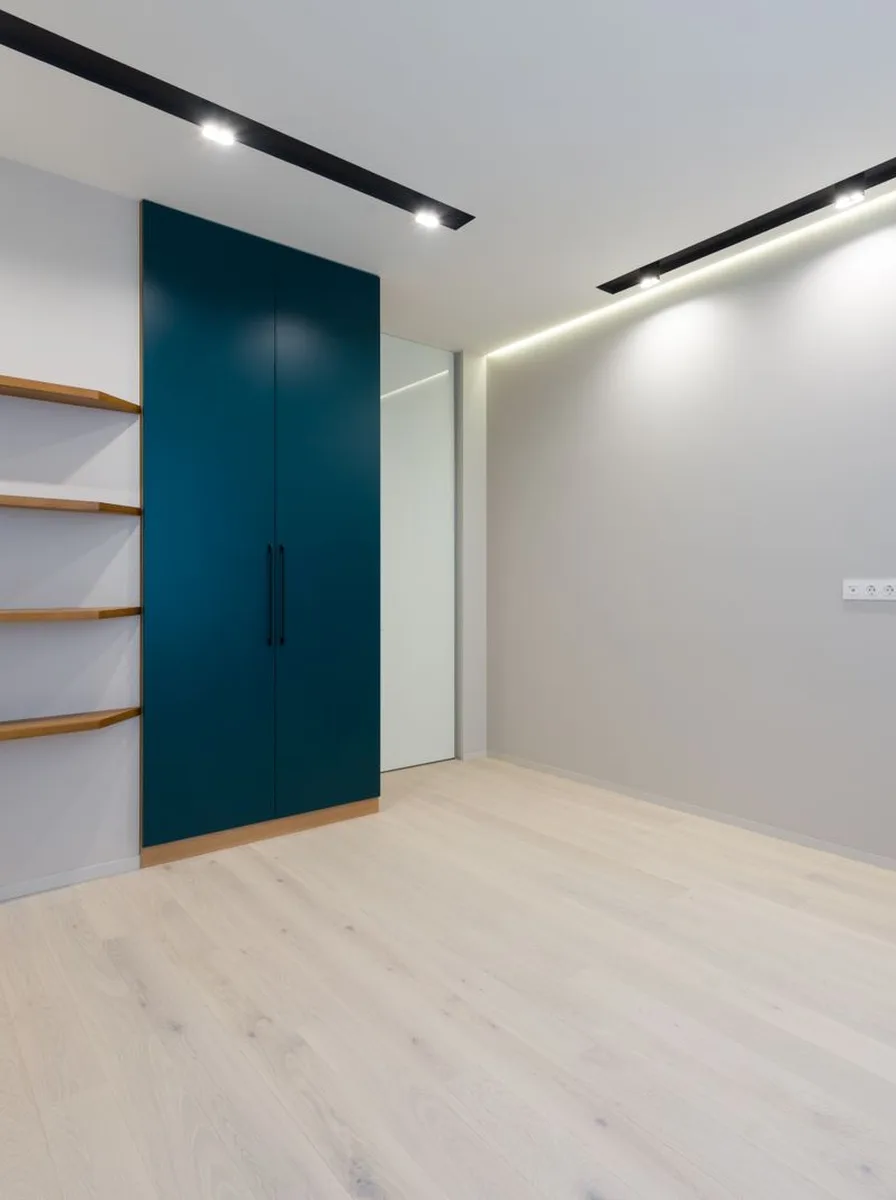
In a studio or open small room, a low storage bench does two jobs at once: it visually divides sleeping and living zones while hiding blankets, games, or off-season clothes inside. Unlike a tall bookcase divider, a 16-inch-high bench keeps sightlines open so the room still feels like one generous space.
Choose a bench 14 to 18 inches deep — substantial enough to read as a divider, slim enough not to block flow. A hinged top with a cushion invites sitting from both sides; interior dividers keep the contents organized. Style the top with a tray and a plant so it reads as furniture, not a storage box.
21. Mount a Drop-Leaf Table on the Wall
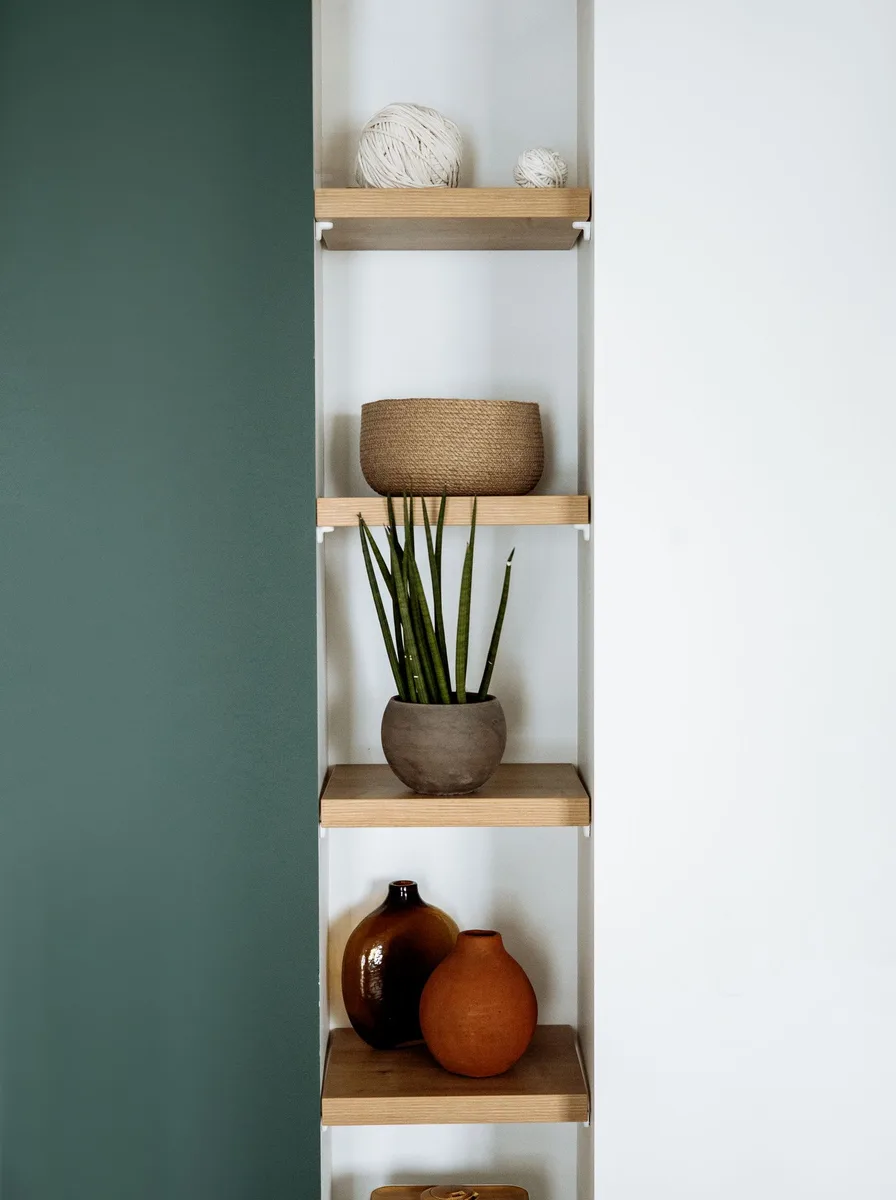
A wall-mounted drop-leaf table is a dining table, desk, or craft station that folds to 4 inches deep when you’re done. Open, it seats two comfortably at 30 by 24 inches; closed, it’s a slim shelf. For small rooms that need a table only sometimes, it eliminates the permanent footprint entirely.
Mount it at 29 to 30 inches high on a solid wall with heavy-duty brackets rated for 100 pounds — people lean on tables. Choose a model with a small fixed shelf section that stays usable when folded, perfect for a plant or keys. Pair it with folding chairs hung on nearby hooks, and the dining room appears on demand.
22. Fit a Narrow Console Behind the Sofa or Bed
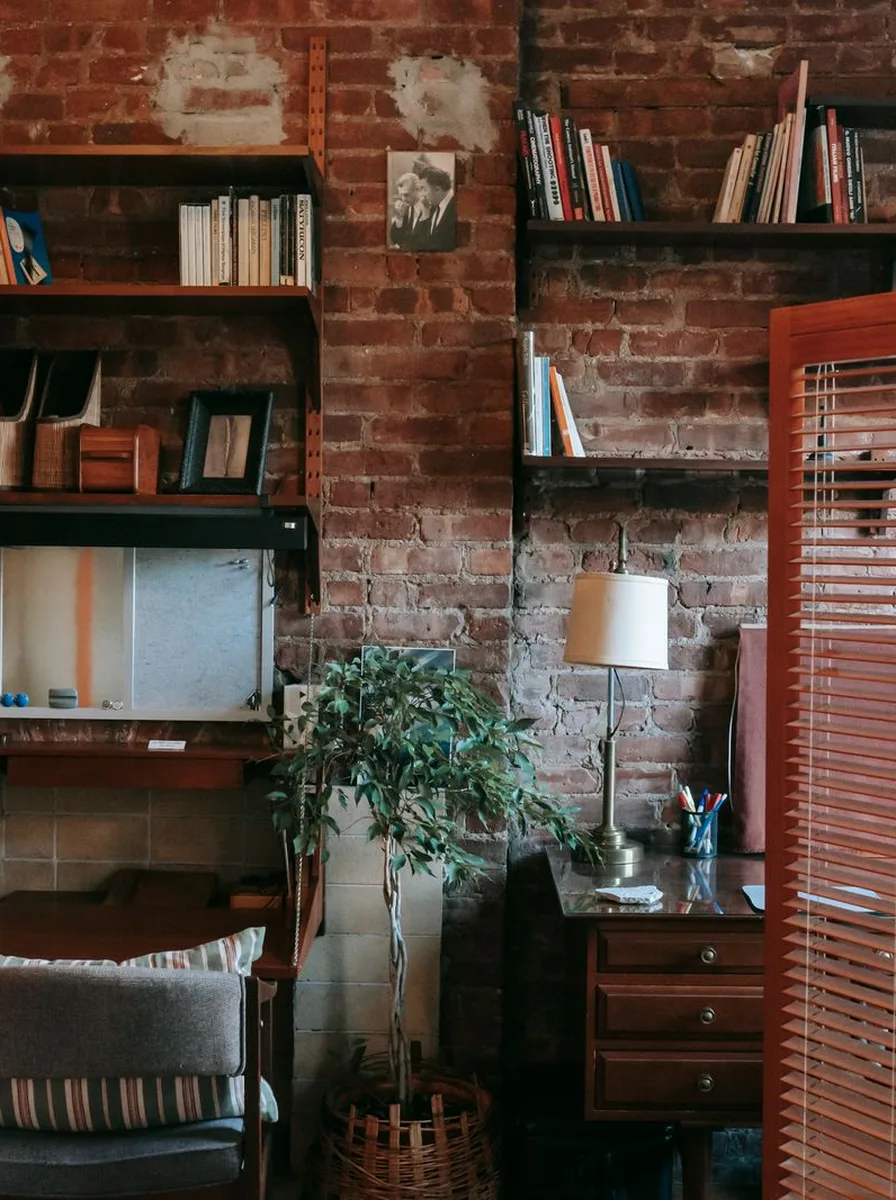
The 8-to-10-inch gap behind a sofa or bed pushed against a wall is wasted space — unless you fill it with a slim console table. A narrow console there holds lamps, chargers, books, and baskets at exactly the height you need them, adding a full surface and shelf of storage without moving any furniture an inch.
Look for consoles 8 to 10 inches deep and the height of your sofa back or mattress top. Add adhesive cable clips along the back edge to create a hidden charging station, and slide slim baskets underneath for extra containment. It’s the easiest storage upgrade on this list: slide it in, style it, done.
23. Build Storage into the Stair Bulkhead
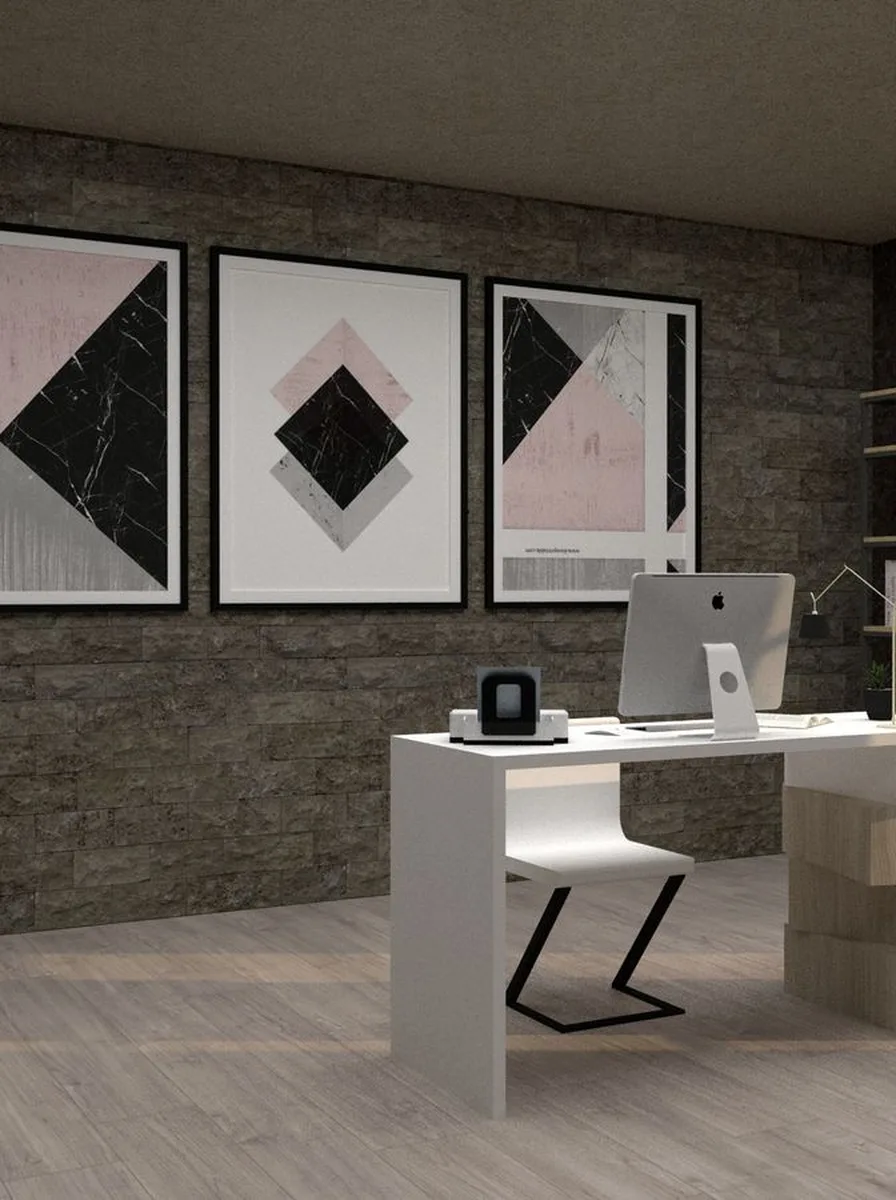
If your small room sits under a staircase or has a sloped bulkhead, that awkward angled space is actually prime storage. Custom or modular drawers and cabinets fitted to the slope turn dead air into deep storage for shoes, linens, or hobby gear. The lowest, hardest-to-reach wedge becomes pull-out drawers; the taller section becomes a closet.
Measure the slope carefully and use modular drawer units or a carpenter for a fitted look. Pull-out drawers beat fixed shelves in deep wedge spaces — nothing gets lost in the back. Paint the fronts to match the walls so the whole bank of storage reads as architecture. Awkward angles, fully tamed.

David is the home decor enthusiast behind HomeLushly. He shares practical, budget-friendly ideas for bedrooms, living rooms and seasonal decorating — from colour combinations that actually work to small-space styling tricks that make a room feel bigger. Every guide on HomeLushly is built around real photos and hands-on research, to help you make your home feel warm, personal and beautifully put together.