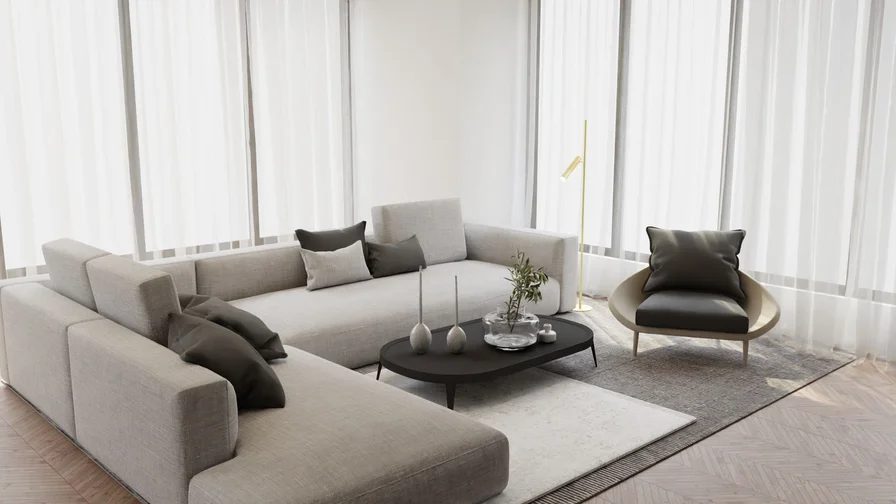
Black and white is the one colour pairing that never needs a trend cycle to justify itself.
It brings instant contrast and definition to a living room, works with every style from classic to ultra-modern, and lets shapes, textures, and light do the talking. Because the palette is so disciplined, even budget pieces look intentional — and because it is so timeless, you will never repaint in regret. A monochrome room is also the easiest to refresh: swap cushions, art, or a rug and the whole mood shifts without touching the bones.
The secret to making black and white feel bold rather than flat is balance and texture.
Let white dominate so the room stays bright, then place black in confident anchors — a sofa, a rug, window frames, a single wall — rather than scattering it in small doses. Layer textures like velvet, marble, boucle, and lacquer so the eye has somewhere to linger, and add one warm material such as wood or brass to stop the scheme feeling chilly. One green plant also works wonders against monochrome.
This guide gathers 20 bold black-and-white living room designs that never go out of style, each shown in a real-style setting with practical tips you can copy.
From all-white rooms with black detailing and dramatic marble walls to velvet sofas and graphic art, you will find a monochrome look for every budget and every size of room.

1. Anchor the Room with a Black Sofa Against White Walls

A black sofa against white walls is the fastest route to a high-contrast living room because the single dark block organises everything around it. Keep the walls a crisp, warm-tinted white so the black reads as rich rather than harsh, and let the sofa be the room’s undisputed anchor. Choose a shape with clean lines — a tailored three-seater or a low modular design — so the silhouette stays sharp. This is a look that photographs beautifully and never dates.
Balance the sofa’s weight with white or pale grey cushions in mixed textures — linen, boucle, a single striped one — so it feels inviting rather than severe. Add a pale rug under the front legs to lift the sofa off dark flooring, and keep side tables slim in glass, brass, or pale wood. Resist adding more black furniture; one strong piece is the statement, and restraint is what keeps it elegant.
2. Hang a Statement Black Chandelier

A black chandelier brings drama to a monochrome living room without adding a single new colour. Hang it low over the coffee table so it becomes the room’s jewellery — the piece guests notice first. In rooms with white ceilings, a black fixture creates a striking graphic silhouette; with dark ceilings, choose one with crystal or glass elements so it still catches the light. Scale matters: the chandelier should be roughly half the width of the coffee table below it.
Put the chandelier on a dimmer so you can shift from bright task lighting to a moody evening glow. Pair warm bulbs (around 2700K) with the black metal to keep the light flattering rather than cold. Keep the rest of the ceiling scheme simple — no competing pendants — and let the chandelier work against plain white or pale grey walls for maximum impact.
3. Layer Black-and-White Abstract Art
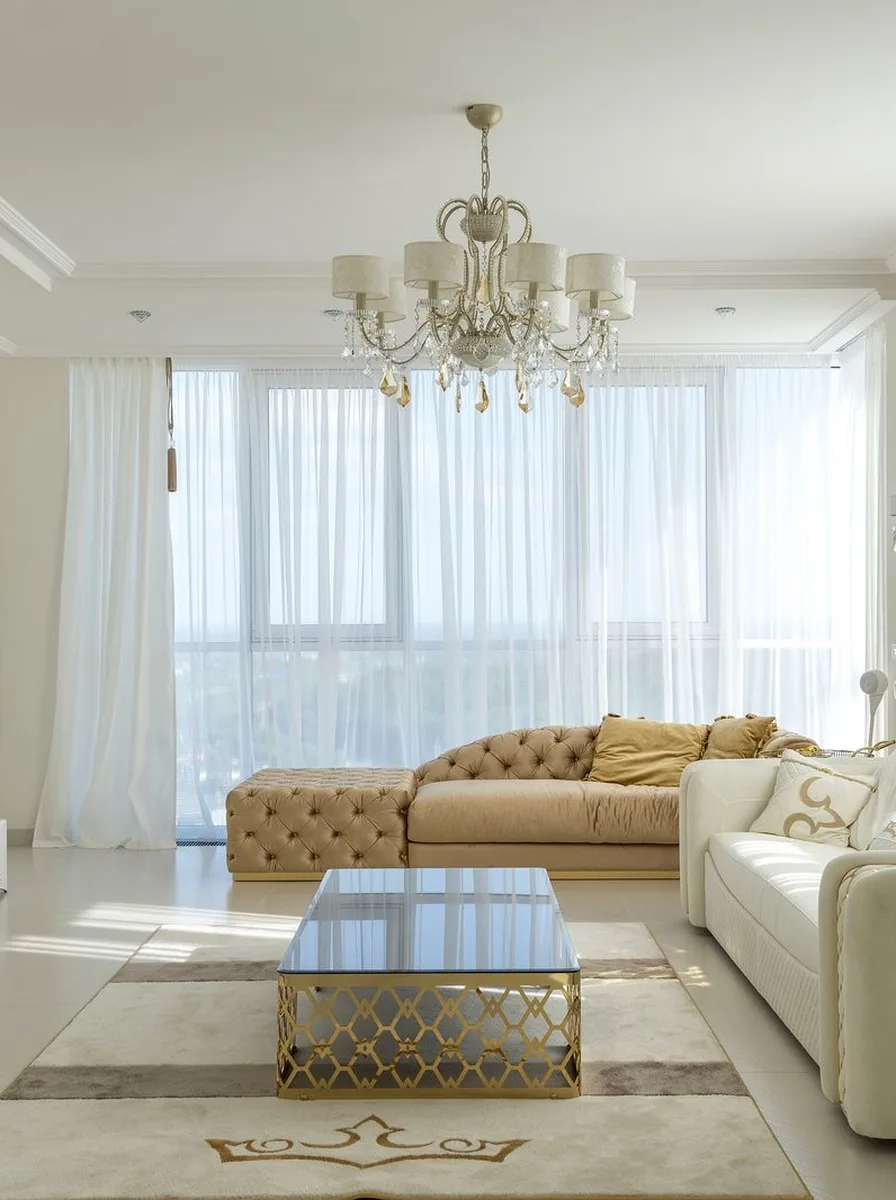
Large-scale abstract art in black and white is the monochrome room’s best friend because it adds pattern and movement without introducing colour. Hang one oversized piece above the sofa rather than a scattered gallery — a single bold canvas reads as deliberate and gallery-like. Black frames on white mats echo the room’s palette, and the art becomes the emotional centre of the space. Choose something with plenty of white space if your room is small.
You do not need expensive originals: quality prints in simple frames deliver the same graphic punch. Keep the art’s black tones in conversation with other black accents — a lamp base, a throw, the curtain rod — so the wall does not feel isolated. If you already own colourful art you love, slip it into a black frame; the frame alone ties it into the scheme while the colour becomes a controlled accent.
4. Soften the Contrast with Warm Wood Tones
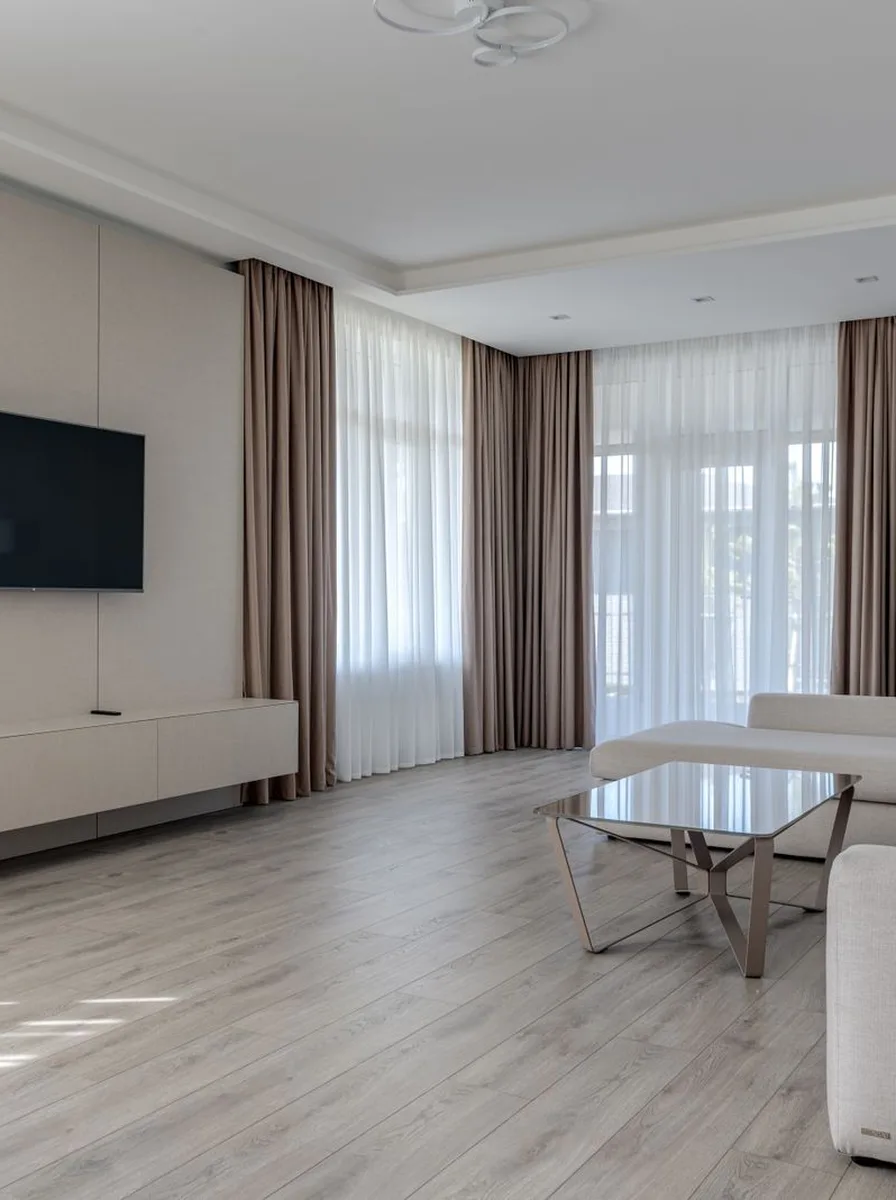
Pure black and white can feel chilly, which is exactly why warm wood belongs in the scheme. A walnut coffee table, oak sideboard, or a few wooden frames introduce honey and amber notes that make the monochrome feel liveable rather than stark. Wood is technically a neutral here, not a colour break — it warms without weakening the contrast. Let the wood’s grain be the pattern; you will not need much else.
Stick to one wood tone throughout the room so the warmth feels cohesive — mixing three different stains looks accidental. Mid-toned woods like walnut and teak sit most comfortably against black, while pale oak pairs beautifully with white. Keep wooden pieces simple and uncluttered; in a monochrome room, a clean-lined wooden table reads as sculpture.
5. Add Depth with a Black Velvet Sofa

Velvet changes how black behaves in a room — instead of a flat dark block, the pile catches light and reveals shifting shades of charcoal and ink. A black velvet sofa becomes the most touchable thing in the house, and against white walls it looks deeply luxurious. Choose a classic shape like a chesterfield or a clean mid-century profile; velvet’s richness does the decorating, so the silhouette can stay simple.
Velvet shows every crumb, so keep a lint roller in the side table drawer and vacuum the seat cushions weekly with an upholstery attachment. Pair the sofa with pale cushions in linen or silk for contrast, and add a brass or glass floor lamp beside it — metallic light against dark velvet is a combination that always looks expensive. In sunny rooms, rotate cushions occasionally to even out fading.
6. Lay a Marble Coffee Table as the Centerpiece

A white marble coffee table with grey veining is the natural centerpiece of a black-and-white living room — it carries both colours in one surface. The stone’s natural pattern means no two tables are alike, which keeps the disciplined palette feeling organic rather than rigid. Choose a simple slab or a sculptural pedestal base; the marble is the star, so the form should stay quiet. It anchors the seating arrangement instantly.
Protect the surface with coasters and a small tray — marble stains, and a tray corrals remotes and candles into one tidy zone. Style it minimally: a stack of two art books, one sculptural object in black, and a small plant. Keep the table’s footprint generous enough to serve every seat, and let the veining do the visual work so the styling can stay restrained.
7. Keep Furniture Lines Clean and Tailored
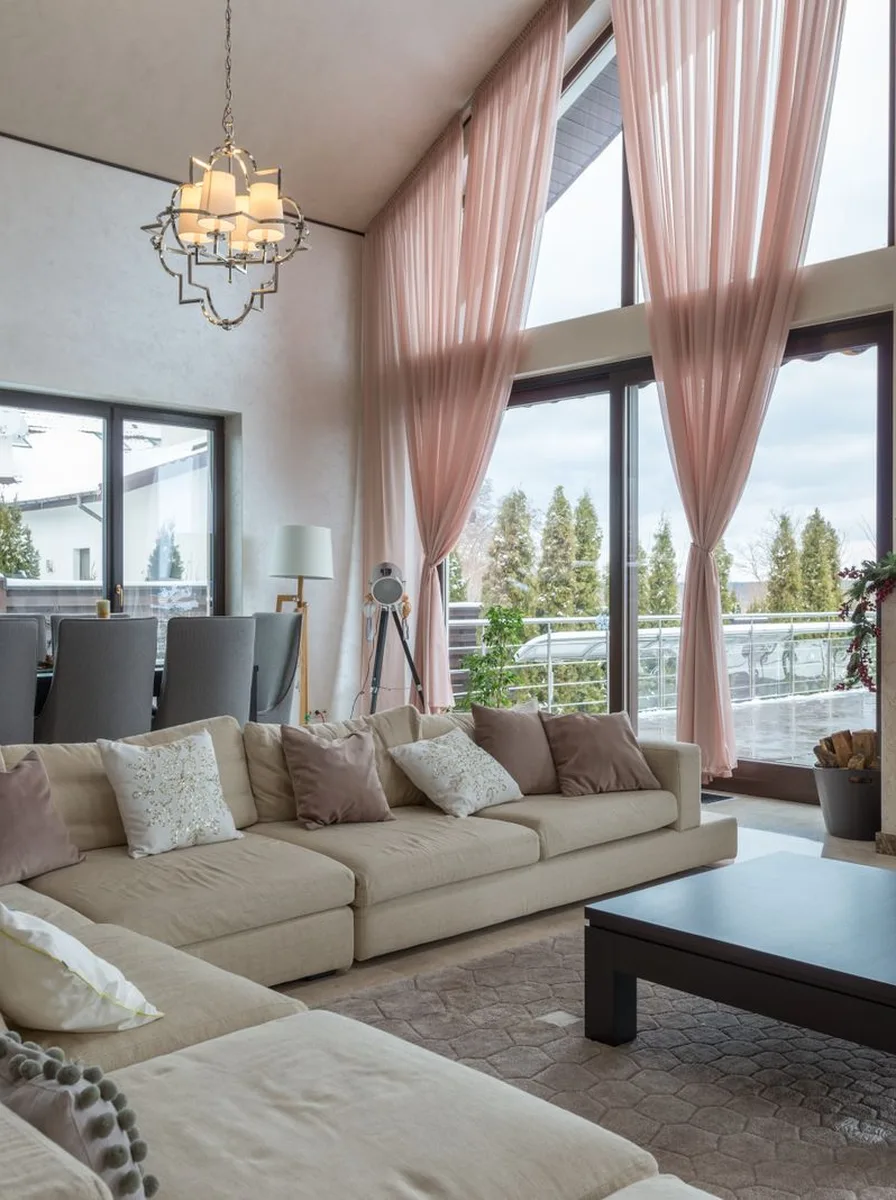
Monochrome looks sharpest when the furniture silhouettes are disciplined. Tailored sofas with straight arms, slim-legged chairs, and unfussy tables let the black-and-white contrast read as crisp rather than chaotic. Avoid ruffles, heavy carving, and overstuffed shapes — they blur the graphic clarity that makes this palette sing. When every line is clean, even an inexpensive sofa looks designed.
Let one piece break the rule if you want warmth — a single curved armchair or a round ottoman softens all those straight lines beautifully. Keep upholstery in solid blacks, whites, and greys so the shapes stay the focus. This is also a budget-friendly principle: simple, well-proportioned furniture in a strict palette always looks more expensive than fussy pieces in mixed colours.
8. Frame Tall Windows with Black Trim

Black window frames and trim turn your windows into graphic artwork against white walls. If replacing windows is not in the budget, paint existing trim and mullions in a satin black — it is a weekend job that transforms the whole room. The dark frames draw the eye outward, making the view feel like a framed photograph, and they give even plain windows an architectural, gallery-like presence.
Keep curtains simple so the frames stay visible: mount a slim black rod high and wide, and choose white or sheer panels that stack clear of the glass. The contrast works best when the walls around the windows are a clean, bright white. In rented homes, try black electrical tape on white frames for a reversible version of the look — surprisingly convincing from a distance.
9. Try a Black Marble Fireplace Surround

A fireplace clad in black marble becomes the undeniable focal point of a monochrome living room. The dark stone’s veining adds natural pattern to a disciplined palette, and it looks magnificent against white walls — the contrast does all the decorating for you. Keep the mantel styling minimal: a pair of candlesticks, one piece of art, nothing more. The marble’s drama needs breathing room.
If a real marble surround is out of reach, black marble-effect porcelain tiles or even a peel-and-stick marble film over an existing surround deliver a convincing look for far less. Balance the dark mass with a large mirror or pale art above the mantel to bounce light back into the room. Flank it with white or pale seating so the fireplace keeps its starring role.
10. Go Modern with Geometric Black Accents
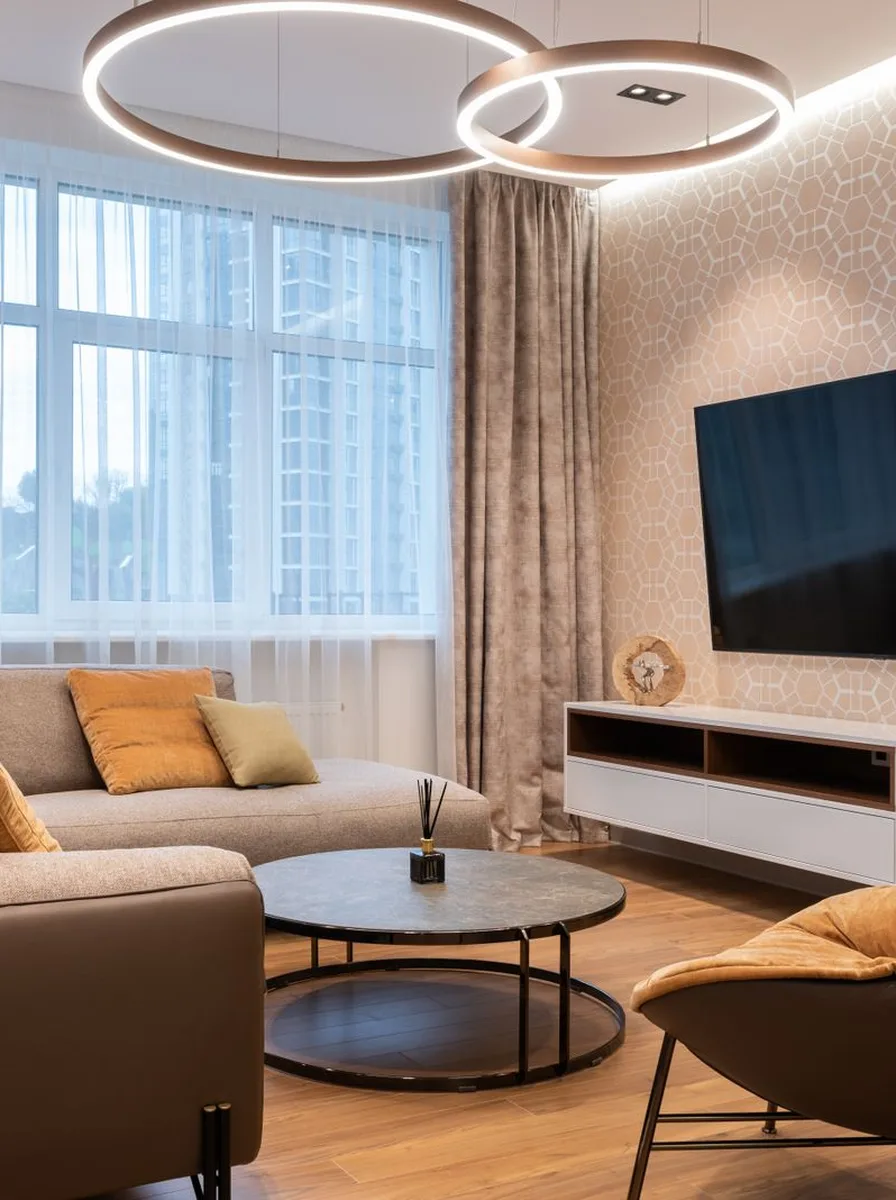
Geometric accents — a chevron rug, a faceted side table, cushions with bold graphic prints — give a black-and-white room a contemporary edge. The trick is scale: one large geometric moment, like a patterned rug, reads as modern and confident, while many small patterns compete and clutter. Black geometry on white grounds is the most forgiving pattern in decorating because the palette is already decided for you.
Repeat the geometry’s spirit, not its exact shape: if the rug is chevron, echo angles in a faceted vase or an angular lamp rather than buying a matching set. Keep the rest of the room’s textiles solid so the pattern has room to breathe. This is an easy renter-friendly update — a rug and two cushion covers can modernise a neutral room in an afternoon.
11. Mix High-Gloss and Matte Black Finishes
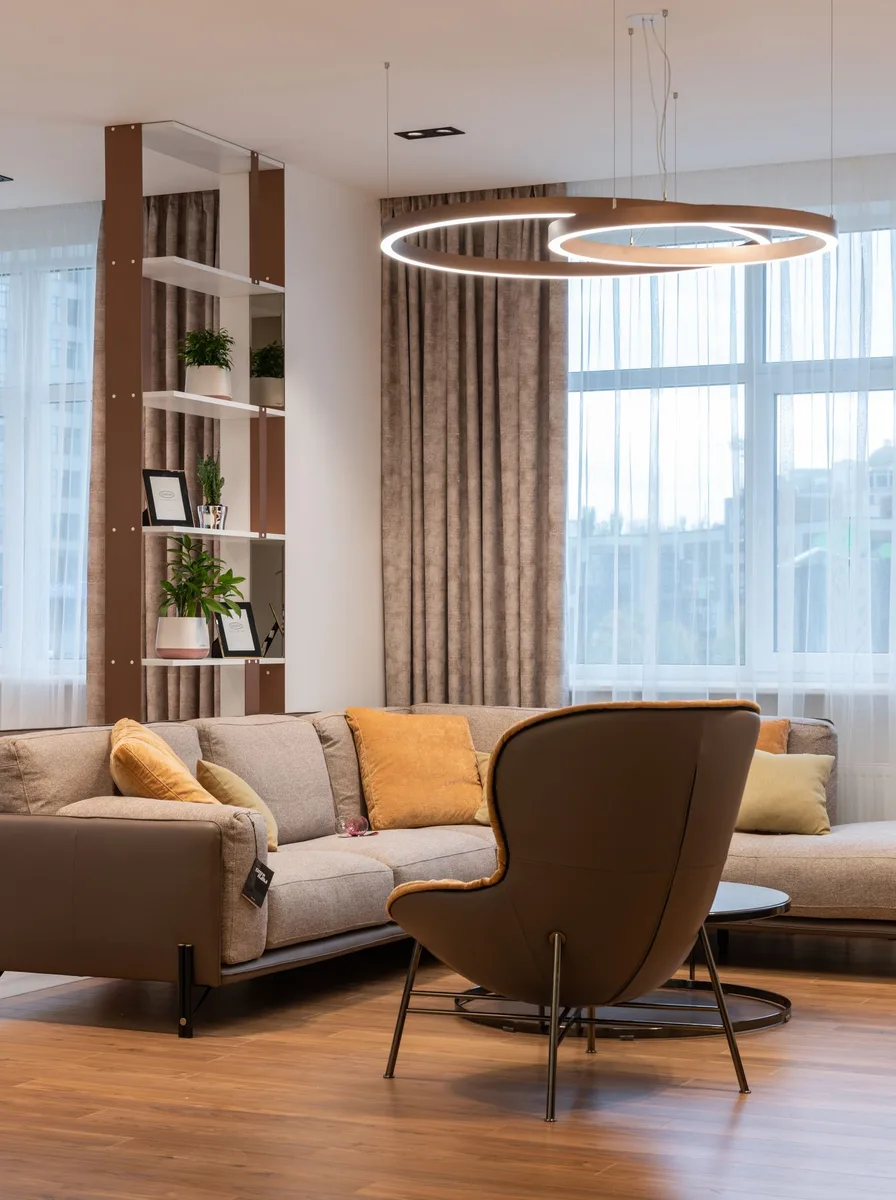
Black does not have to be one note — mixing high-gloss lacquer with matte black finishes adds depth that keeps a monochrome room interesting. A glossy black sideboard reflects light and feels glamorous; a matte black lamp base or picture frame absorbs it and feels modern. The contrast between the two finishes creates visual texture without adding colour, which is exactly what a disciplined palette needs.
Limit the glossy pieces to one or two — a sideboard, a tray, a vase — so the shine feels like jewellery rather than clutter. Matte black works beautifully on functional items: curtain rods, lamp bases, shelving brackets. Gloss shows fingerprints, so keep a microfibre cloth handy for the lacquered pieces. Together, the two finishes make black feel layered and deliberate.
12. Hang Floor-to-Ceiling Black Curtains
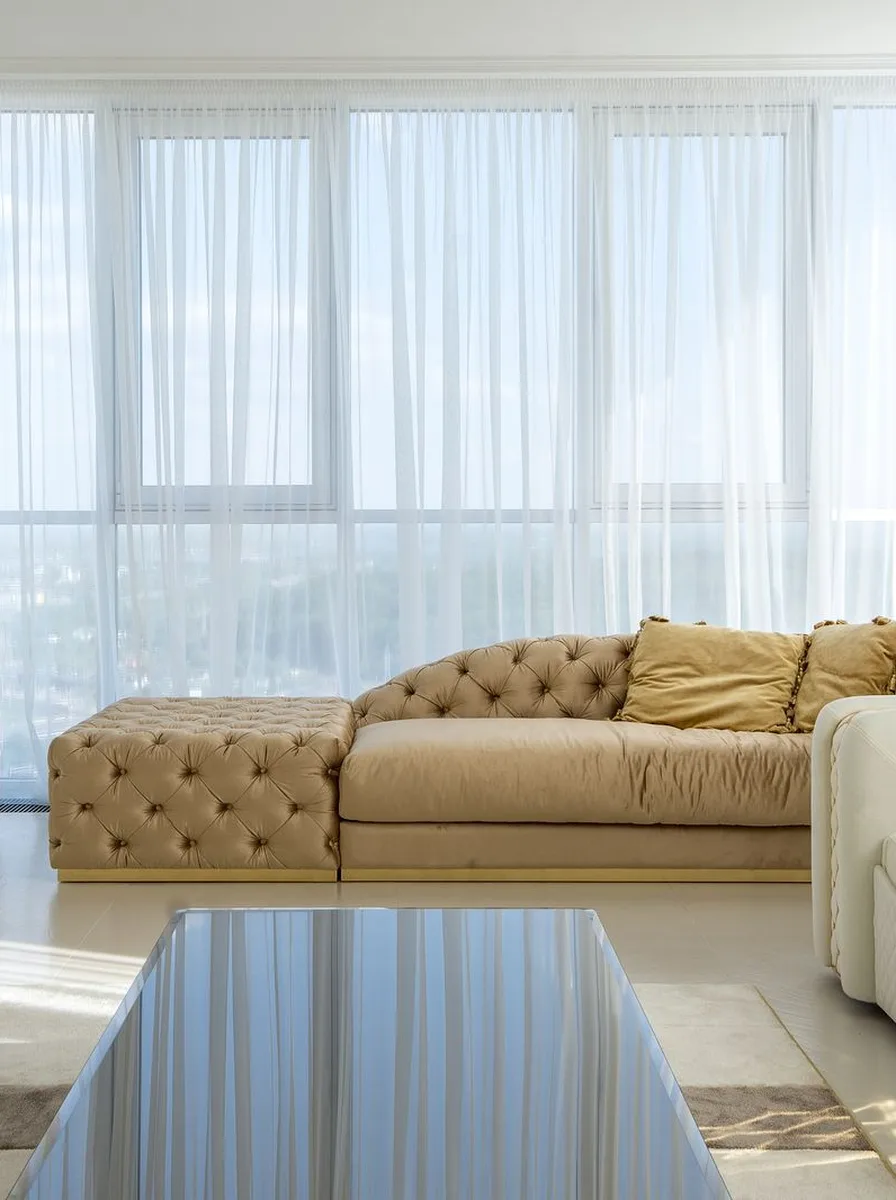
Floor-to-ceiling curtains in black are a power move — they add height, drama, and a soft textural counterpoint to hard monochrome surfaces. Hang the rod as close to the ceiling as possible and let the panels just kiss the floor; the vertical lines stretch the room upward. In a white room, black curtains frame the window like a stage curtain, making even an ordinary view feel cinematic.
Choose a fabric with body — velvet, heavy linen, or a lined cotton — so the panels hang in clean folds rather than looking limp. Black curtains darken the room when closed, so layer them over sheers or blinds for daytime privacy without the cave effect. Keep the rest of the window wall simple; the curtains are statement enough.
13. Keep the Palette Mostly White with Black Details

Not every monochrome room needs to be half black — a mostly white living room with carefully placed black details feels fresh, bright, and endlessly liveable. Think white walls, pale sofa, light rug, then black in the details: picture frames, a lamp base, curtain rod, cushion piping, a single side table. The black accents act like punctuation, giving the white space definition and preventing it from feeling washed out.
Distribute the black details evenly around the room so no corner feels forgotten — a frame here, a vase there, a throw’s edge. This is the most forgiving version of the palette for small or dark rooms, since white does the light-bouncing work. It is also the cheapest to achieve: white basics plus a handful of black accessories from any home store.
14. Float a White Sectional on a Dark Rug
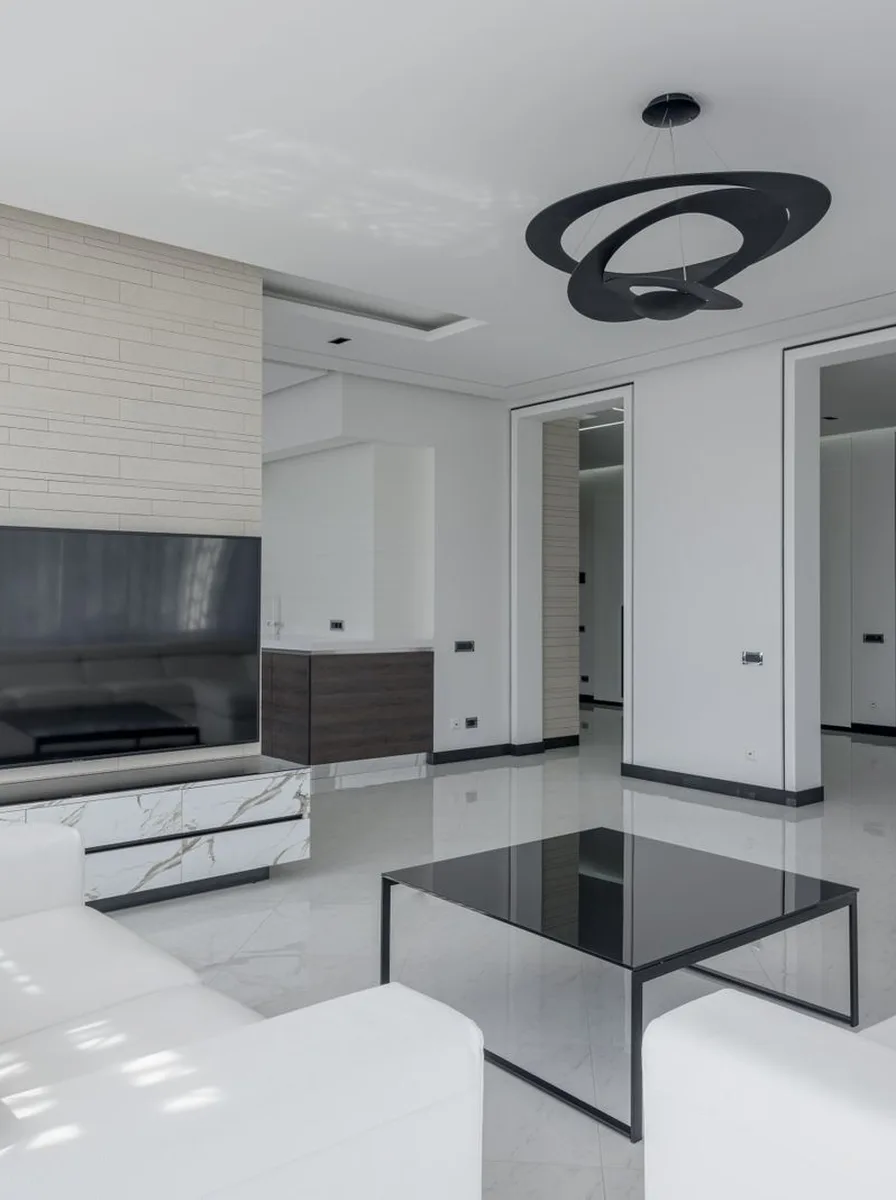
A white sectional floating on a large black or charcoal rug creates a striking island of comfort in the middle of the room. The dark rug grounds the pale seating and defines the conversation zone, especially in open-plan spaces where walls cannot do the job. Keep the rug big enough that all front legs sit on it — a too-small rug makes the arrangement feel adrift.
White upholstery in a family room demands performance fabric or washable slipcovers; choose a stain-resistant weave and keep a fabric cleaner on hand. Break up the white expanse with black and grey cushions in varied textures. The dark rug hides everyday marks beautifully, which makes this high-contrast pairing surprisingly practical for real life.
15. Add a Black Marble Accent Wall

A full accent wall in black marble — real stone, porcelain slabs, or convincing wallpaper — is the boldest move on this list, and the payoff is a room with instant, permanent drama. The dark wall recedes visually, which can actually make a room feel deeper, and it turns everything placed against it — a pale sofa, brass lamps, art — into a gallery display. One wall is plenty; the restraint is what makes it powerful.
Balance the dark wall with generous lighting: picture lights, wall washers, or well-placed lamps keep it from feeling like a cave in the evening. Keep the remaining walls a bright, clean white for maximum contrast. If commitment worries you, start with a removable marble-effect mural — several brands now print large-scale stone patterns that look remarkably real.
16. Light It with a Crystal-and-Black Chandelier

Crystal drops on a black metal frame give you the best of both worlds — the glamour of a traditional chandelier with the graphic edge of monochrome. The crystals scatter light across white walls in a way plain metal never can, adding sparkle to the disciplined palette. Hang it as the room’s centerpiece over the seating area, and keep surrounding decor calm so the fixture holds the spotlight.
Dust the crystals every few months with a feather duster or a vinegar-water spritz — clean crystals throw dramatically more light. Pair the chandelier with one other reflective surface, like a mirrored tray or glass side table, to echo the sparkle without overdoing it. Warm-white bulbs keep the crystal glow flattering rather than icy.
17. Raise the Drama with Black Lacquer Finishes
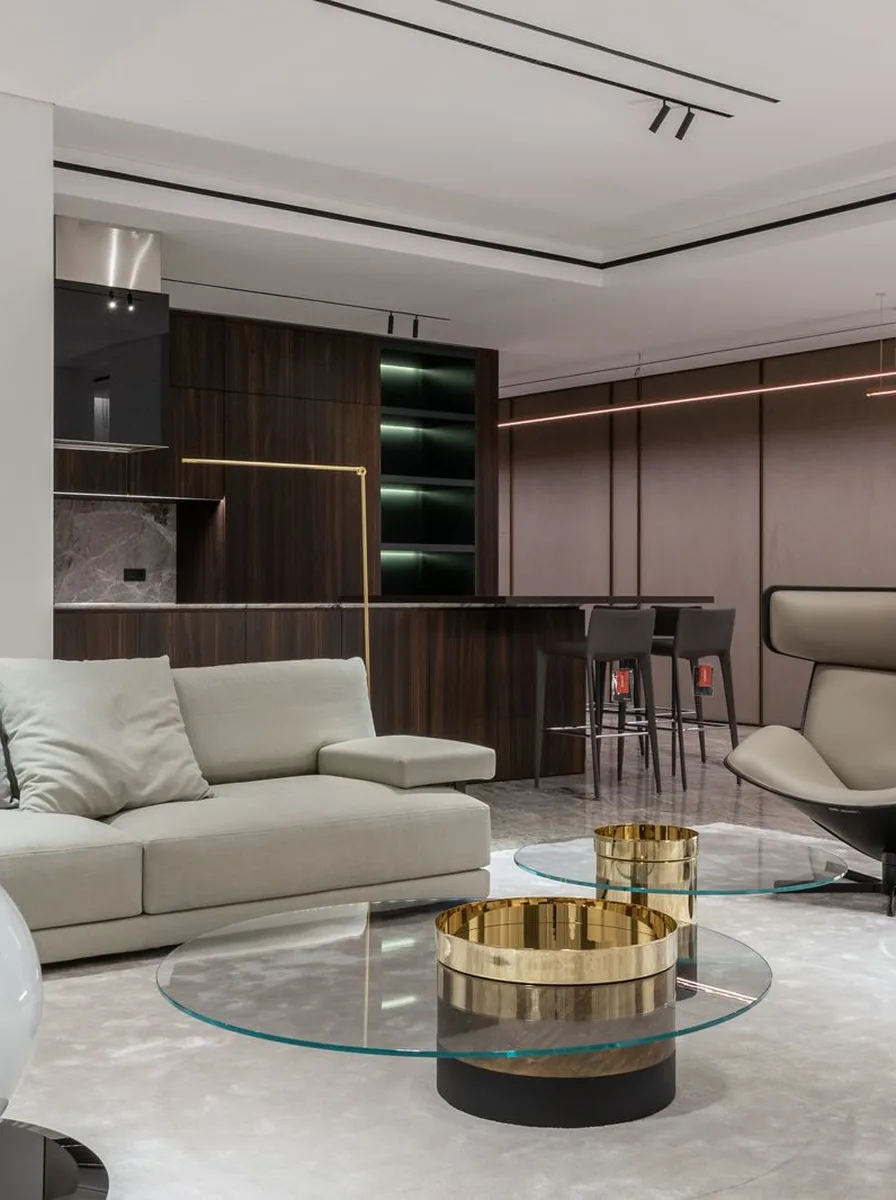
Black lacquer — on a sideboard, a console, or a pair of side tables — brings a tailored, almost formal glamour to a monochrome living room. The mirror-like finish reflects the room back at itself, which adds depth and light, and it pairs beautifully with brass or gold hardware for a classic black-and-gold moment. One lacquered piece is enough; it should read as the room’s jewellery box.
Lacquer shows dust and fingerprints, so position these pieces away from high-traffic touch zones and wipe them with a soft dry cloth weekly. Style the top minimally — a lamp, a small stack of books, one object — because reflections double visual clutter. In small rooms, a lacquered console behind the sofa adds glamour without eating floor space.
18. Place a Single Black Accent Armchair

If a full black sofa feels like too much commitment, a single black accent armchair delivers the same graphic punch in a smaller dose. Angle it into the seating arrangement as the room’s exclamation point — against a white wall or beside a pale sofa, it draws the eye immediately. Choose a sculptural shape, because in a monochrome room the chair’s silhouette becomes part of the art.
Tie the chair into the scheme by echoing its black in one or two small details nearby — a cushion on the sofa, a picture frame, the side table’s base. A black leather chair adds a masculine, tailored note; black boucle or velvet feels softer and more inviting. Add a small side table and a reading lamp and the chair becomes the best seat in the house.
19. Style a Monochrome Media Wall
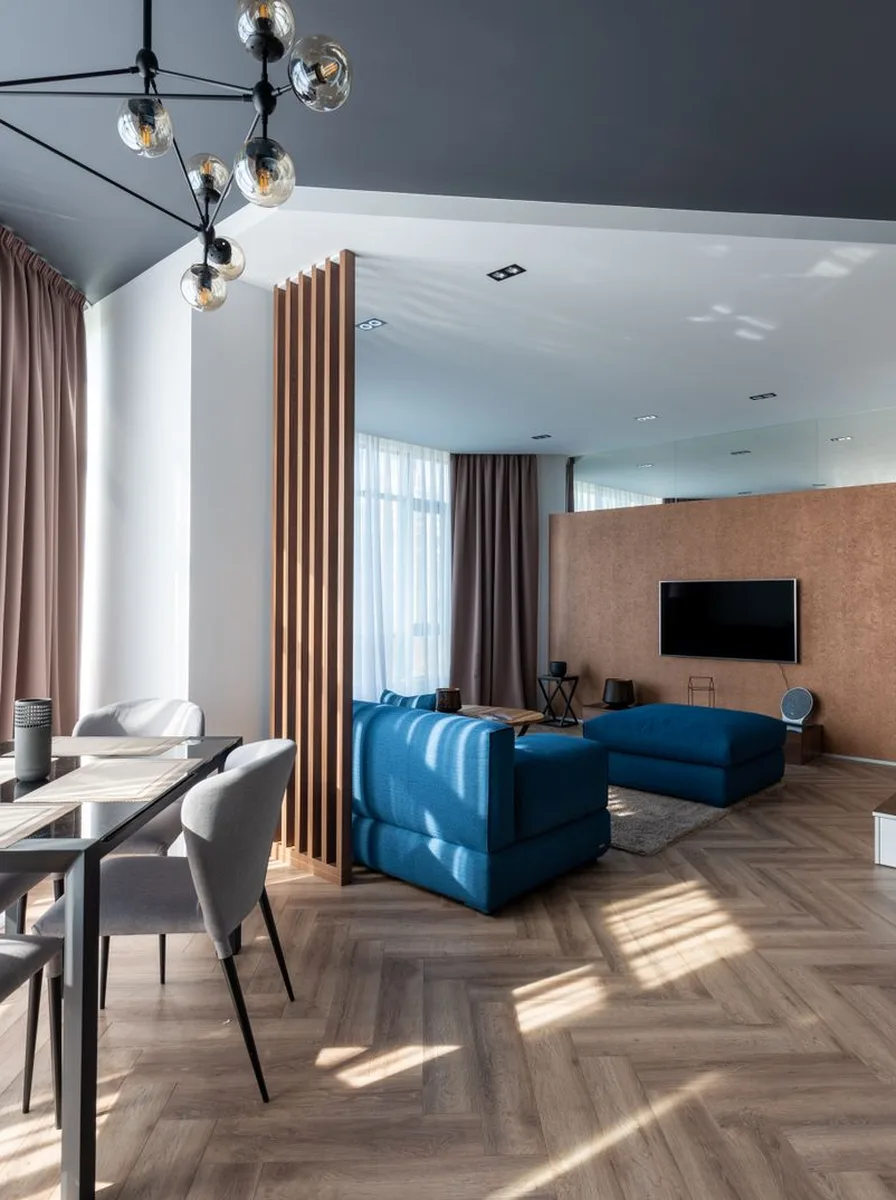
The TV is the awkward black rectangle every living room has to accommodate — a monochrome scheme turns it into a design feature instead. Build the media wall in black and white: a black console or floating shelf unit, white walls, and black-framed shelving that lets the screen disappear into the composition. When the TV blends into a deliberate black-and-white arrangement, the whole wall looks designed rather than improvised.
Hide every cable with trunking painted to match the wall, or run them inside a floating console — visible wires ruin the graphic clarity. Flank the screen with symmetrical shelving or art in black frames for balance. When the TV is off, style the console top with a low plant, a stack of books, and one sculptural object so the wall still looks finished.
20. Finish with a Striped Black-and-White Sofa

A striped sofa in black and white is the ultimate statement piece — graphic, confident, and impossible to ignore. Wide stripes feel modern and tailored; narrow ticking stripes read more classic. Because the sofa carries the pattern, keep everything else in the room solid: plain walls, a solid rug, simple curtains. The stripes are doing the decorating, and they do it brilliantly.
Striped upholstery hides everyday wear and pet hair better than solid fabric, which makes it surprisingly practical. Balance the bold pattern with calm surroundings — cream walls, one black accent chair at most, natural wood tones. If a full striped sofa is too bold, start with striped cushions or a striped throw on a solid sofa to test the waters.