

A feature wall is more than an accent wall with ambition — it’s a wall designed to be the room’s highlight, the thing guests remember and photograph. While an accent wall adds colour, a true feature wall adds character: texture, material, craftsmanship, a sense of intention that elevates everything around it.
The best feature walls feel inevitable, as if the room was always meant to look this way. Achieving that takes more thought than a tin of paint, but the payoff is a room with genuine wow factor and lasting style.
In this guide, you’ll learn how to design a feature wall that becomes the room’s highlight: deciding the wall’s job, choosing a material with character, keeping the rest of the room quiet, lighting it like a gallery, and styling it with restraint.

Decide the Wall’s Job
Before choosing materials, decide what you want the feature wall to do. Should it add warmth to a cold room? Create a focal point in an open-plan space? Show off your style? Add texture to a flat new-build? The wall’s job determines everything: a wall meant to warm needs wood or warm plaster; a wall meant to dazzle might want dramatic wallpaper or stone.
Also consider the room’s existing strengths. A feature wall should enhance, not compete. If the room already has a beautiful fireplace or stunning windows, the feature wall might be better as a quiet textural backdrop than a loud statement. The highlight of the room should feel like a team effort, not a shouting match.
Defining the brief:
● Write one sentence describing what the wall should achieve — warmth, drama, texture, focus.
● Consider what the room lacks; the feature wall should supply it.
● Make sure the feature wall supports, rather than fights, existing focal points.
● Think long-term: choose something you’ll love in five years, not just five months.
Choose a Material With Character
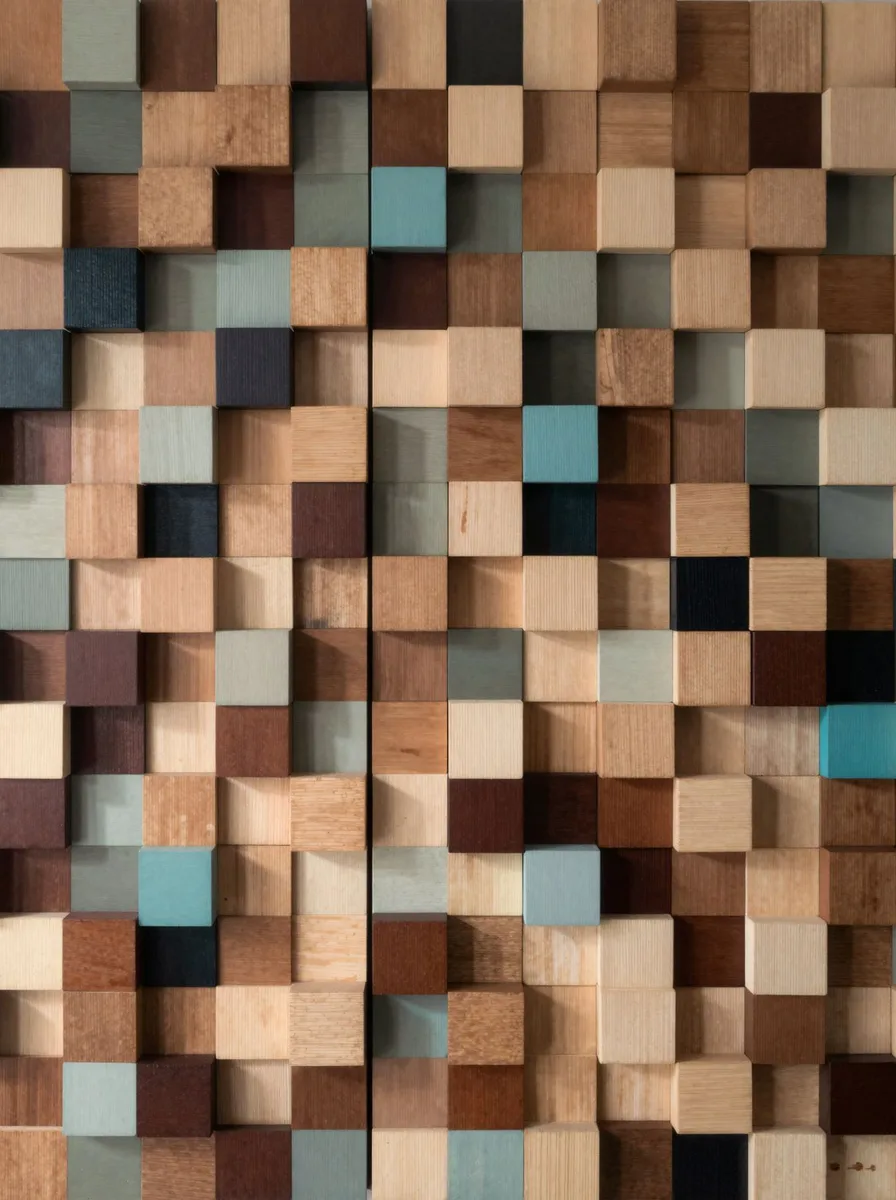
What separates a feature wall from a painted accent wall is material. Wood slats bring warmth and rhythm; natural stone or brick adds raw texture; limewash paint gives soft, cloudy movement; bold wallpaper delivers pattern and artistry; panel moulding adds architectural elegance. Each material tells a different story — choose the one that matches your room’s narrative.
Consider practicality alongside beauty. Wood slats are DIY-friendly and forgiving; real stone is heavy and usually needs professional installation; wallpaper demands smooth walls and patience; limewash is beautifully imperfect, which makes it beginner-friendly. Match the material to your skills, budget, and the wall’s condition.
Material options:
● Vertical wood slats: warm, modern, and very DIY-friendly.
● Limewash paint: soft movement and depth, forgiving for beginners.
● Statement wallpaper: maximum pattern impact, from botanical to geometric.
● Panel moulding: architectural elegance that suits classic and modern rooms alike.
Keep the Rest of the Room Quiet
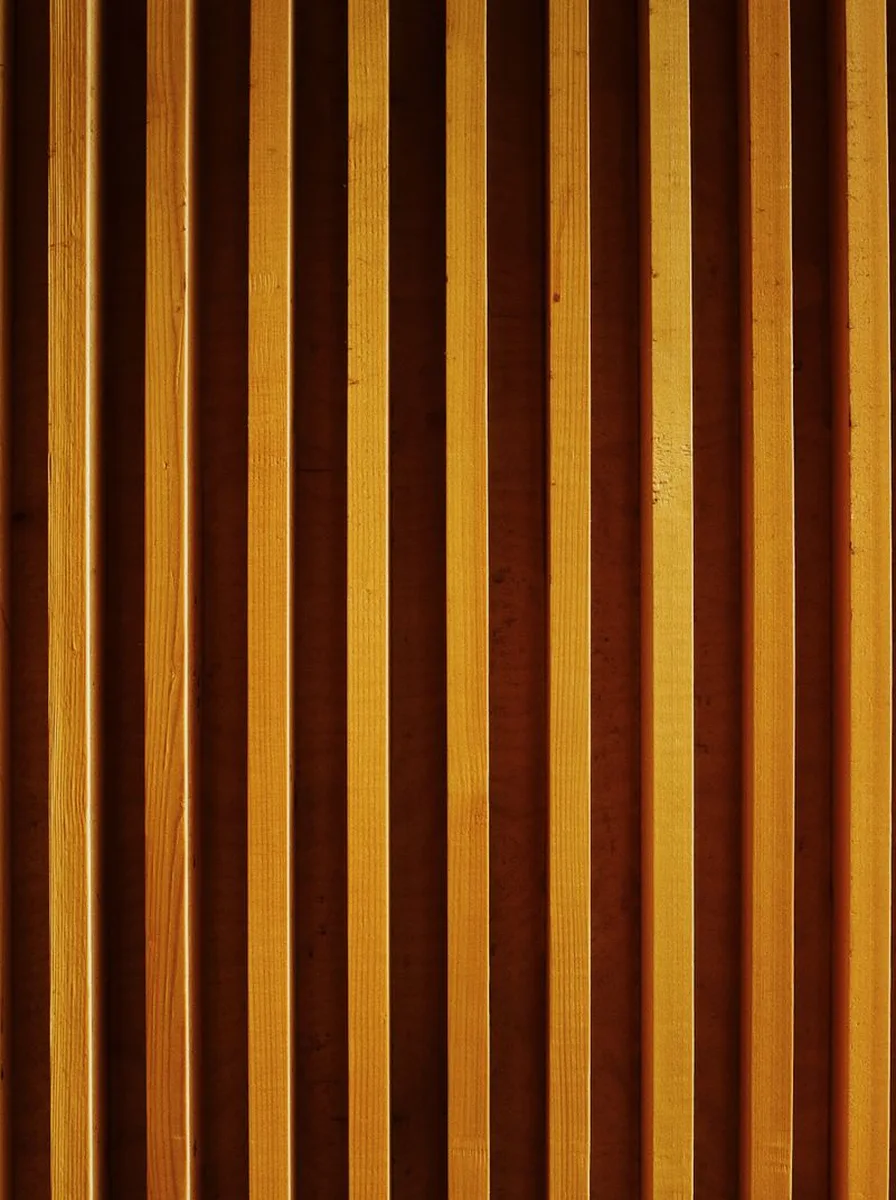
A highlight needs a quiet supporting cast. When one wall carries texture, pattern, or drama, the other walls should step back: calm colours, minimal art, simple window treatments. This contrast is what makes the feature wall shine — without it, the room becomes a competition where nothing wins.
This doesn’t mean the rest of the room must be boring. Quiet can be beautiful: soft neutral walls, one calm artwork, elegant simple curtains. The restraint elsewhere makes the feature wall feel even more special, like a jewel in a simple setting.
Balancing the room:
● Paint other walls in a soft neutral pulled from the feature wall’s palette.
● Keep art on other walls minimal — one calm piece per wall at most.
● Choose simple window treatments that don’t compete for attention.
● Let furniture be comfortable and quiet; the wall is the star.
Light It Like a Gallery
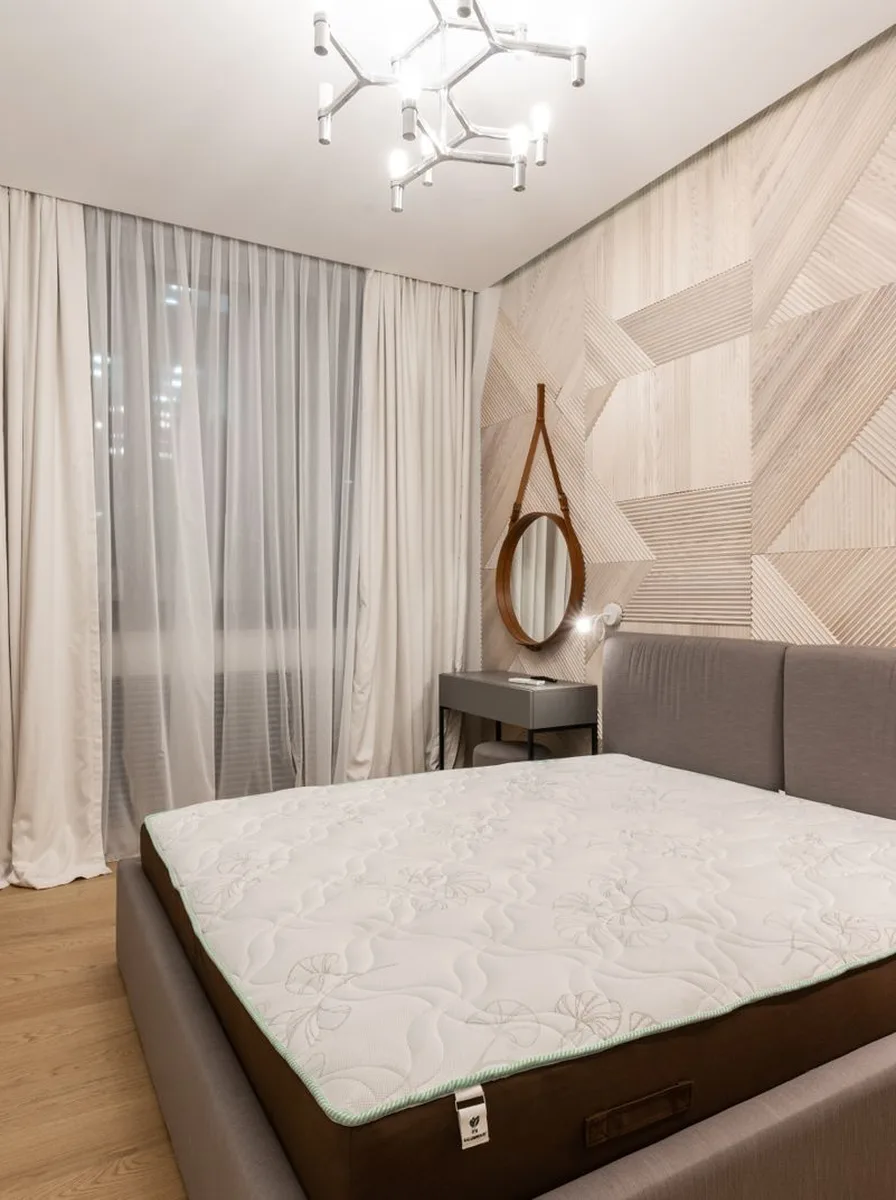
Feature walls deserve gallery treatment when it comes to light. Texture — wood grain, stone, limewash, moulding shadows — only reveals itself fully with thoughtful lighting. A wall washed with warm light from picture lights, recessed spots, or well-placed sconces shows depths and shadows that flat daylight misses entirely.
Plan lighting as part of the design, not an afterthought. If you’re installing wood slats, consider LED strips hidden at the top or bottom for a dramatic wash. For wallpaper or limewash, picture lights or adjustable spots let you highlight the surface like art. Dimmers are essential for shifting from daytime clarity to evening drama.
Gallery lighting ideas:
● Wash the wall with warm light to reveal texture and depth.
● Hide LED strips behind slats or coving for a modern glow.
● Use adjustable spots to highlight the wall like a piece of art.
● Put feature-wall lighting on its own dimmer switch for full control.
Style It With Restraint

The final rule of feature walls is the hardest: don’t overdecorate them. A wall with beautiful material needs very little on it — perhaps one piece of art, a mirror, or nothing at all. Every item you add competes with the surface itself, so choose sparingly and with conviction.
If the feature wall is behind furniture, like a sofa or bed, the furniture plus one or two considered pieces is a complete composition. Stand back and ask whether each item earns its place against such a strong backdrop. Often the bravest and best choice is to let the wall speak for itself.
Restraint in styling:
● One strong piece of art or a mirror is usually enough on a feature wall.
● Let furniture in front of the wall be simple so the surface stays visible.
● Avoid gallery clusters on feature walls — they fight the material.
● When in doubt, leave it bare for a week; the wall may need nothing at all.