
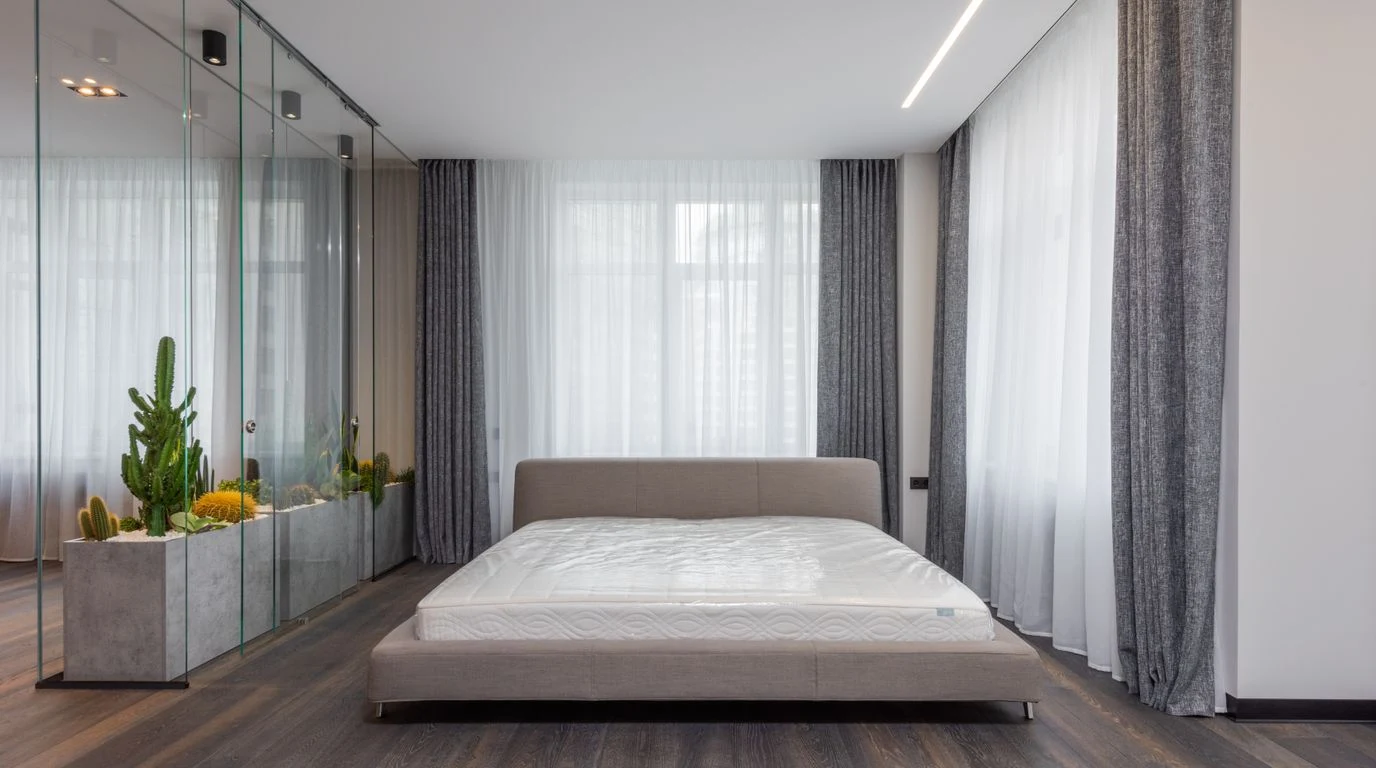
A wooden platform bed is one of the easiest upgrades you can make to a bedroom. No box spring, no bulky frame, no wobble — just a clean, low silhouette that makes the whole room feel calmer and more put-together. Whether your style is simple and modern or warm and cozy, there is a wooden platform design that will fit your space and your budget.
Below you will find 24 ideas, each with a clear description of what the bed looks like, why it works so well, and practical tips on wood types, bedding, and room sizes. Read through and save the ones that feel like you.
If you are working with a small room, pay special attention to the low-profile and storage options — they make the biggest difference in tight spaces.
1. The Low-Profile Solid Oak Bed
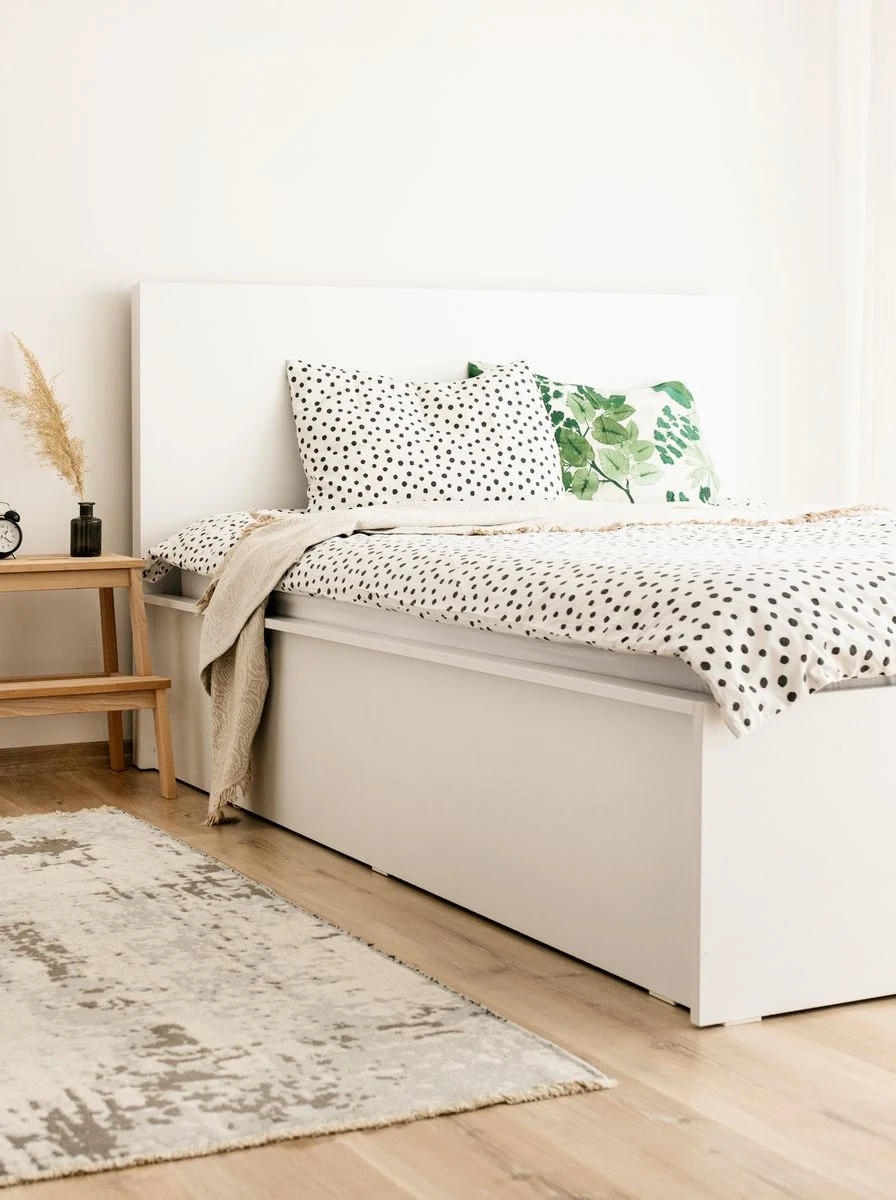
This is the classic modern platform bed: a simple rectangular frame in natural solid oak, sitting just a few inches off the floor, with a low headboard and clean straight lines. There is nothing extra — no posts, no footboard, no decoration. The oak grain is the whole decoration, and it gives the room a quiet, expensive look without trying too hard. White oak works best here because its pale honey color keeps the bed feeling light even though it is a big piece of furniture.
Why it works: the low height makes ceilings look taller and the room feel bigger, which is a gift in apartments and small bedrooms. It also works with almost any decor style, from modern to farmhouse, so you will not need to replace it if your taste changes. For bedding, keep it simple — white or soft gray linen lets the wood be the star. If solid oak feels too pricey, oak veneer over engineered wood gives nearly the same look for much less. This bed fits best in small to medium bedrooms where floor space is tight.
Practical tip: choose a frame with slats no more than 3 inches apart so a memory foam mattress is properly supported without a box spring. Wipe the oak with a damp cloth and apply furniture oil once a year to keep the finish from drying out and dulling.
2. The Floating Illusion Walnut Bed
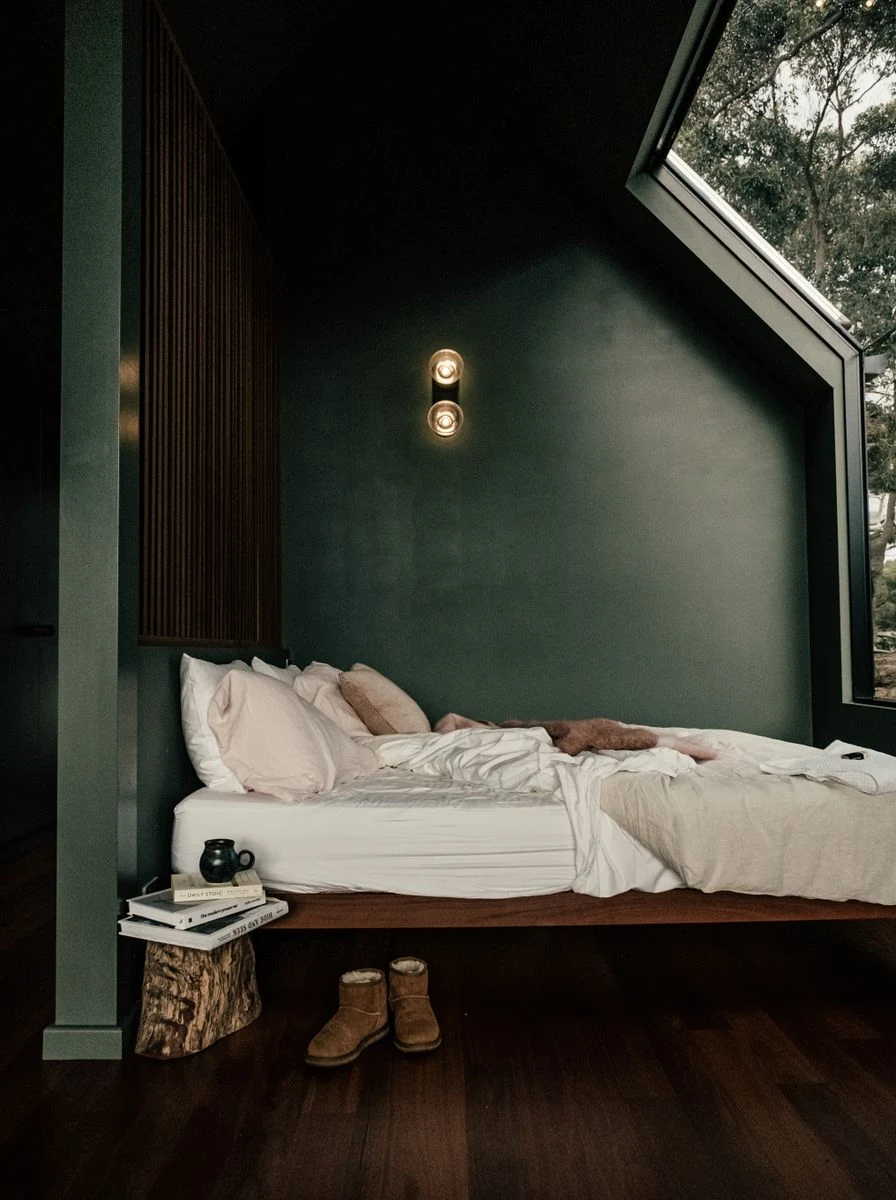
From the doorway, this bed looks like it is hovering. The walnut frame is set on recessed legs pushed far inward, so the base casts a shadow underneath and the bed appears to float a few inches above the floor. The headboard is a single wide walnut panel with rich, dark grain, and the whole piece has soft, slightly rounded edges. Walnut brings instant warmth and a sense of luxury that lighter woods cannot match.
The floating look is more than a trick — it makes vacuuming and mopping under the bed effortless, and it visually lightens a heavy dark-wood bed so it never feels like a block in the room. It works beautifully in modern and contemporary bedrooms, especially rooms with hard floors like wood or tile where the shadow line reads clearly. Pair it with bedding in cream, warm beige, or deep forest green for a rich, layered feel. This is a great pick for medium to large bedrooms where the bed is the clear focal point.
Practical tip: because the legs are hidden, check the weight rating before you buy — a king in walnut is heavy, and the recessed base must be strong. For a budget version, look for walnut-stained acacia or rubberwood frames that copy the look for a fraction of the price.
3. The Storage-Drawer Platform Bed
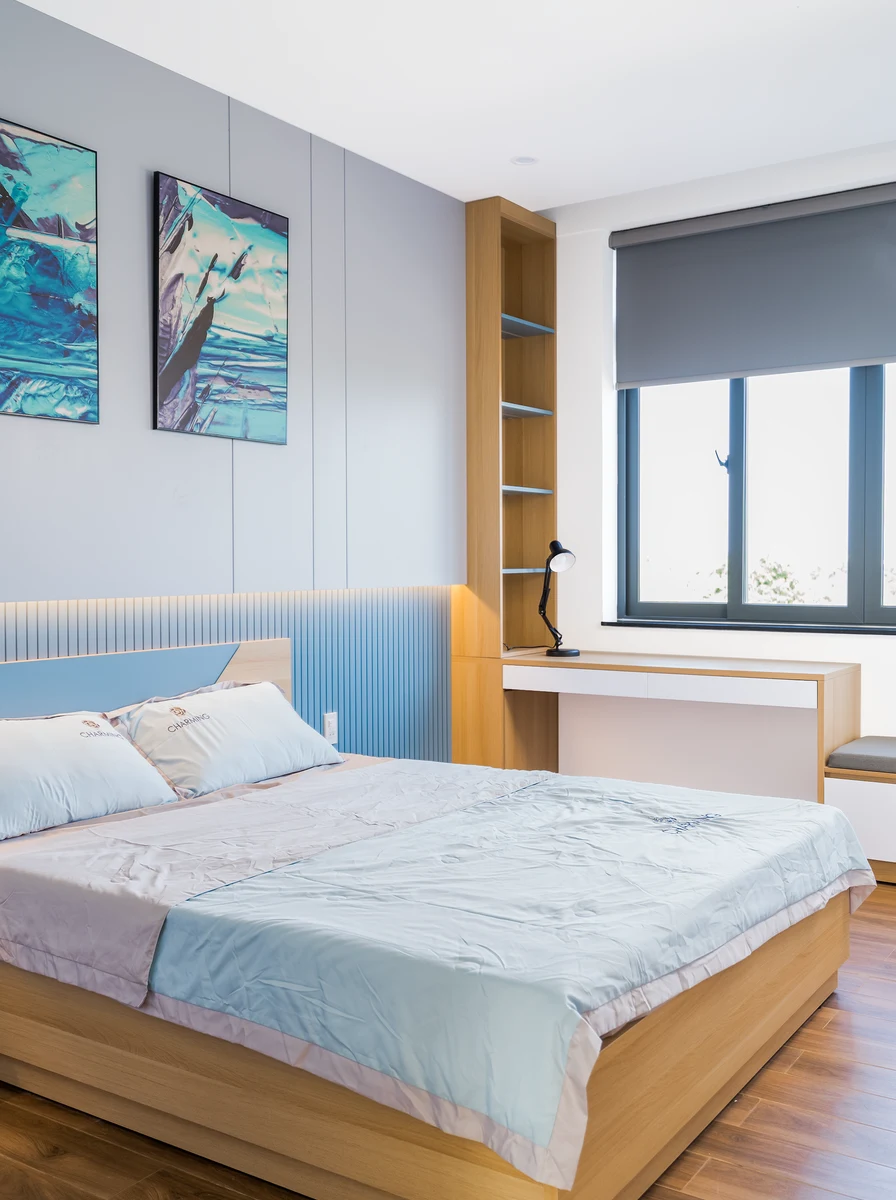
This platform bed hides two to four deep drawers in the base, built right into the frame on smooth gliding rails. From the outside it looks like any sleek modern bed — clean lines, a mid-height headboard, wood grain running horizontally — but pull a handle and you get a full extra dresser’s worth of storage. Pine and rubberwood are the most common woods here because they keep the price reasonable on a bigger build.
If your bedroom has no closet space to spare, this bed genuinely changes your daily life. Off-season clothes, spare bedding, and shoes all disappear into the drawers, and the room stays tidy without extra furniture. It is ideal for small bedrooms, kids’ rooms, and guest rooms that double as storage. Keep bedding light and simple so the room does not feel crowded — white cotton with one textured throw works well. Skip the bed skirt entirely; the drawers are the point, and they need clear access.
Practical tip: test the drawer glides in person if you can — cheap rollers stick and rattle. Measure your room first and leave at least 24 inches of clearance on each drawer side so they open fully. A mid-tone stain like honey or walnut hides scuffs from daily drawer use better than pale finishes.
4. The Japandi Light-Wood Bed
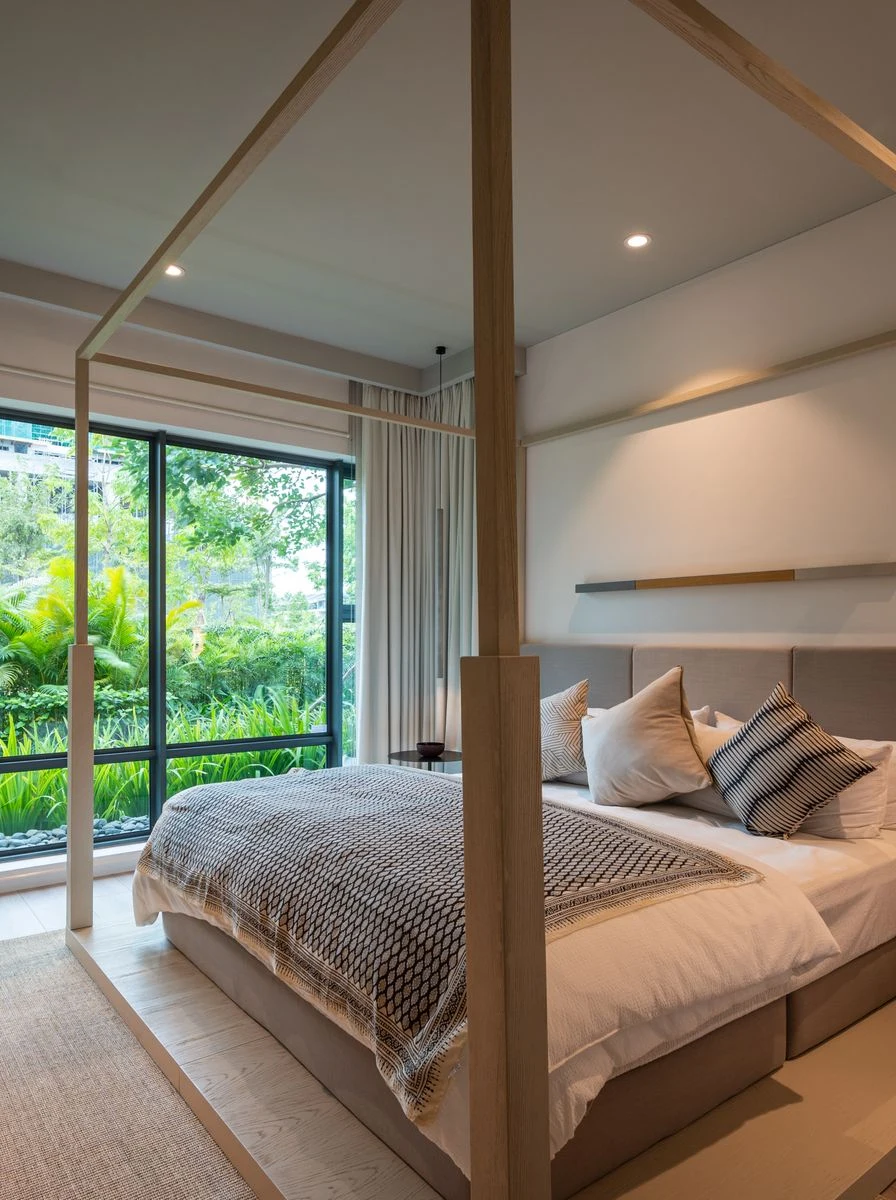
Japandi style blends Japanese simplicity with Scandinavian warmth, and this bed is its perfect expression: a very low platform in pale ash or beech wood, with a wide, low headboard and softly rounded corners. The frame sits almost on the floor — just an inch or two of clearance — and the proportions are long and horizontal, which makes the room feel calm and grounded. There is no ornament at all; the beauty is in the proportions and the silky smooth wood.
This bed is wonderful if you want your bedroom to feel like a retreat. The low height and pale wood keep everything airy, and the style forces you to keep clutter down, which most people sleep better without. It suits minimalist, modern, and calm neutral bedrooms, and it is especially good in rooms with lots of natural light. Dress it in undyed linen or soft white bedding with one natural-fiber throw in beige or stone gray. Avoid busy patterns — they fight the peaceful look.
Practical tip: because the bed sits so low, use a slightly thicker mattress (10–12 inches) so getting in and out stays comfortable. Ash and beech dent easily, so put felt pads under anything you slide near the bed, and choose a matte water-based finish that shows fewer scratches than gloss.
5. The Mid-Century Tapered-Leg Bed
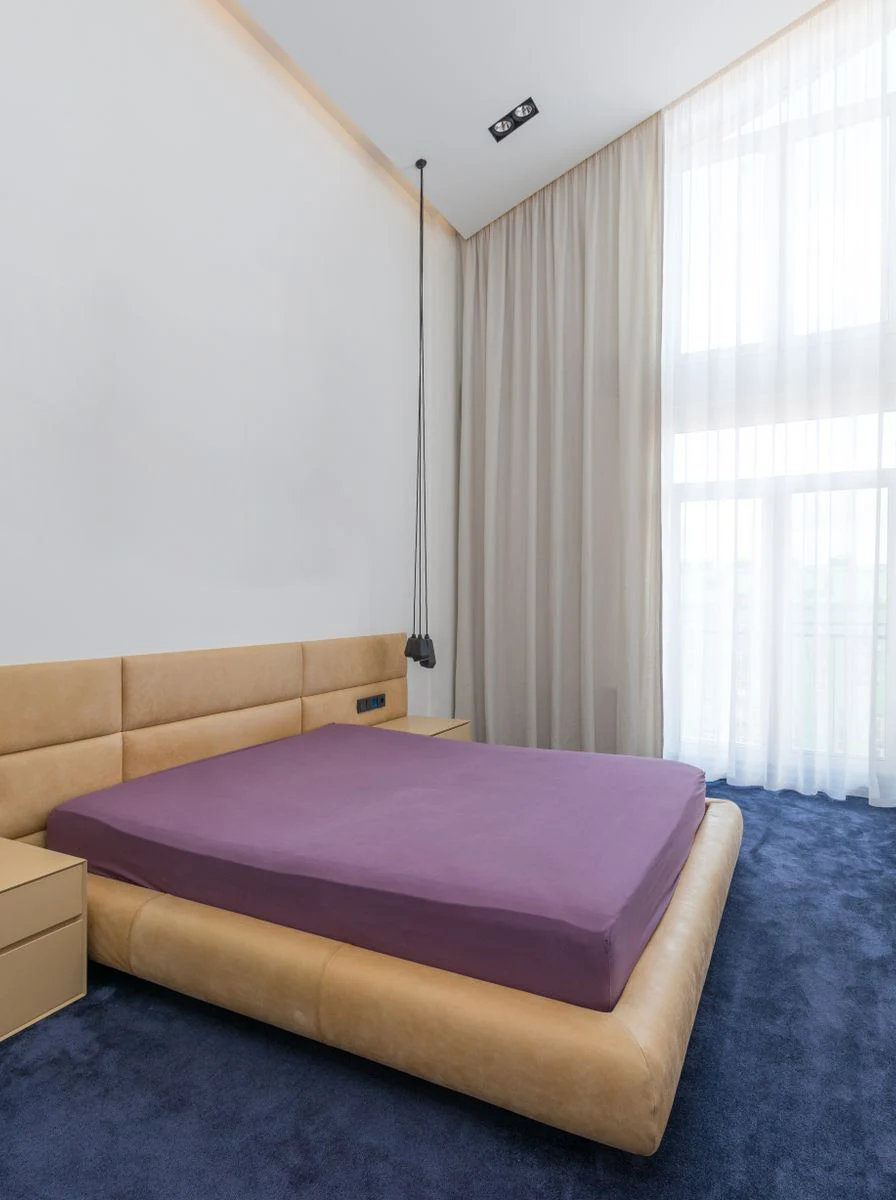
With its angled, tapered legs and gently sloped headboard, this bed channels classic 1960s design. The frame is usually made from teak or walnut-stained wood, raised about 10–12 inches off the floor on those signature splayed legs, and the headboard often has a slight backward tilt that is genuinely comfortable for reading. It looks lighter and more furniture-like than most platform beds — more vintage armchair, less wooden box.
The raised height is the real win: it makes under-bed storage easy with low bins, and it gives older sleepers and anyone with knee trouble an easier sit-to-stand than ultra-low beds. The mid-century look pairs perfectly with warm lighting, mustard or rust accent pillows, and a patterned area rug underneath. It fits medium bedrooms especially well, and it looks fantastic against both white walls and deep moody paint colors like navy or dark green.
Practical tip: genuine vintage teak pieces are expensive and often need re-gluing, so for most people a new reproduction in acacia with a teak stain is the smarter buy. Check that the splayed legs have solid joinery — wobbly angled legs are the most common flaw in cheap versions.
6. The Whitewashed Scandinavian Pine Bed
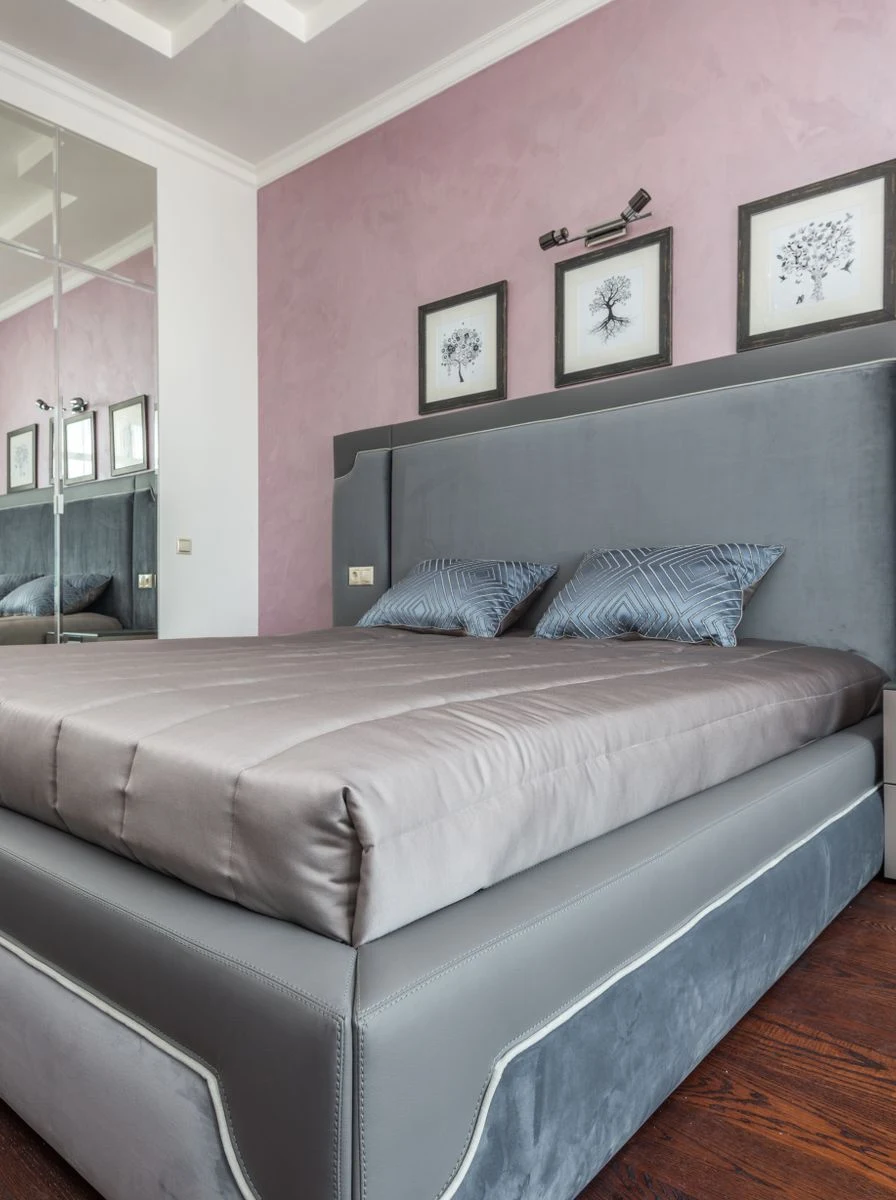
This is the bright, breezy bed you see in Scandinavian interiors: a simple pine frame with a whitewash or pale limed finish that lets the wood grain show through softly. The headboard is low — sometimes just a panel, sometimes simple vertical slats — and the whole bed feels light and fresh rather than heavy. Pine is a soft, affordable wood, which is exactly why this style stays budget-friendly.
Whitewashed pine is a hero in dark or north-facing bedrooms because it bounces light around instead of absorbing it. It also suits beach-house, cottage, and farmhouse styles, and it is forgiving in kids’ rooms and guest rooms where you want something pretty but not precious. Dress it in crisp white bedding with pale blue, sage, or blush accents for that airy Nordic feel. This bed works in any room size, but it shines in small bedrooms where dark furniture would feel oppressive.
Practical tip: pine dents and scratches more easily than hardwood, so accept a little patina — it suits the casual style. If you are whitewashing it yourself, use a watered-down white paint and wipe it back with a rag; two thin coats beat one thick coat. Seal with clear matte wax so the finish does not yellow.
7. The Reclaimed Wood Statement Bed
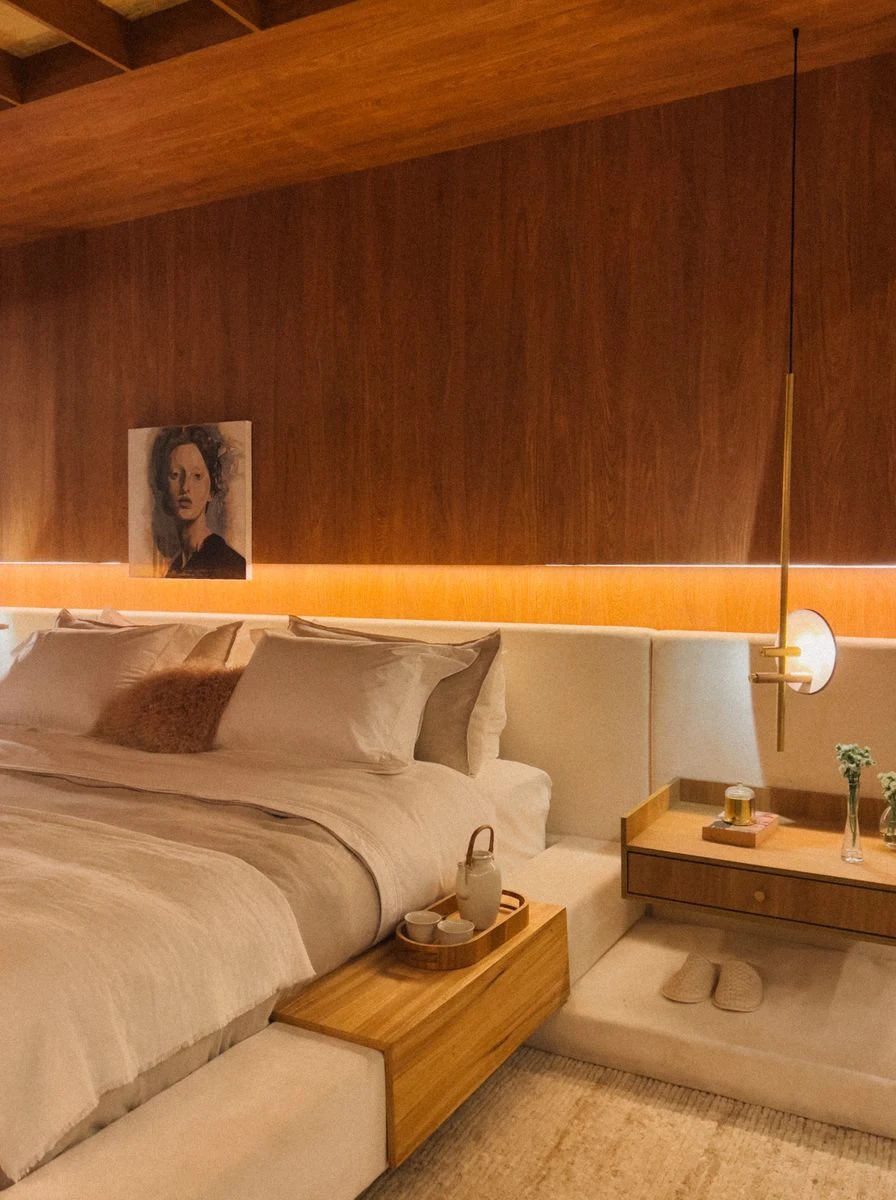
Built from salvaged barn boards, old beams, or reclaimed flooring, this platform bed wears its history on its surface — saw marks, nail holes, knots, and color variations that no new lumber can fake. The design itself stays modern and simple (a clean platform base and a flat plank headboard) so the aged wood does all the talking. Each bed is genuinely one of a kind, which is part of the appeal.
Reclaimed wood brings instant character to modern bedrooms that feel too plain or sterile. It works especially well in industrial lofts, modern farmhouses, and rustic-contemporary rooms, and the heavy texture means you can keep the rest of the room simple — plain walls, simple bedding — and still have a space with soul. It is also the eco-friendly choice, giving old timber a second life. Keep bedding neutral: ivory, warm gray, or soft black, so nothing competes with the wood. Best in medium to large bedrooms where the bed has room to be the star.
Practical tip: buy from a maker who kiln-dries and seals reclaimed lumber — old wood can harbor pests or off-gas if untreated. Because the boards are uneven, use a mattress with a sturdy base layer and check that slats sit level; shim any rocking spots with felt pads.
8. The Slatted Headboard Bed
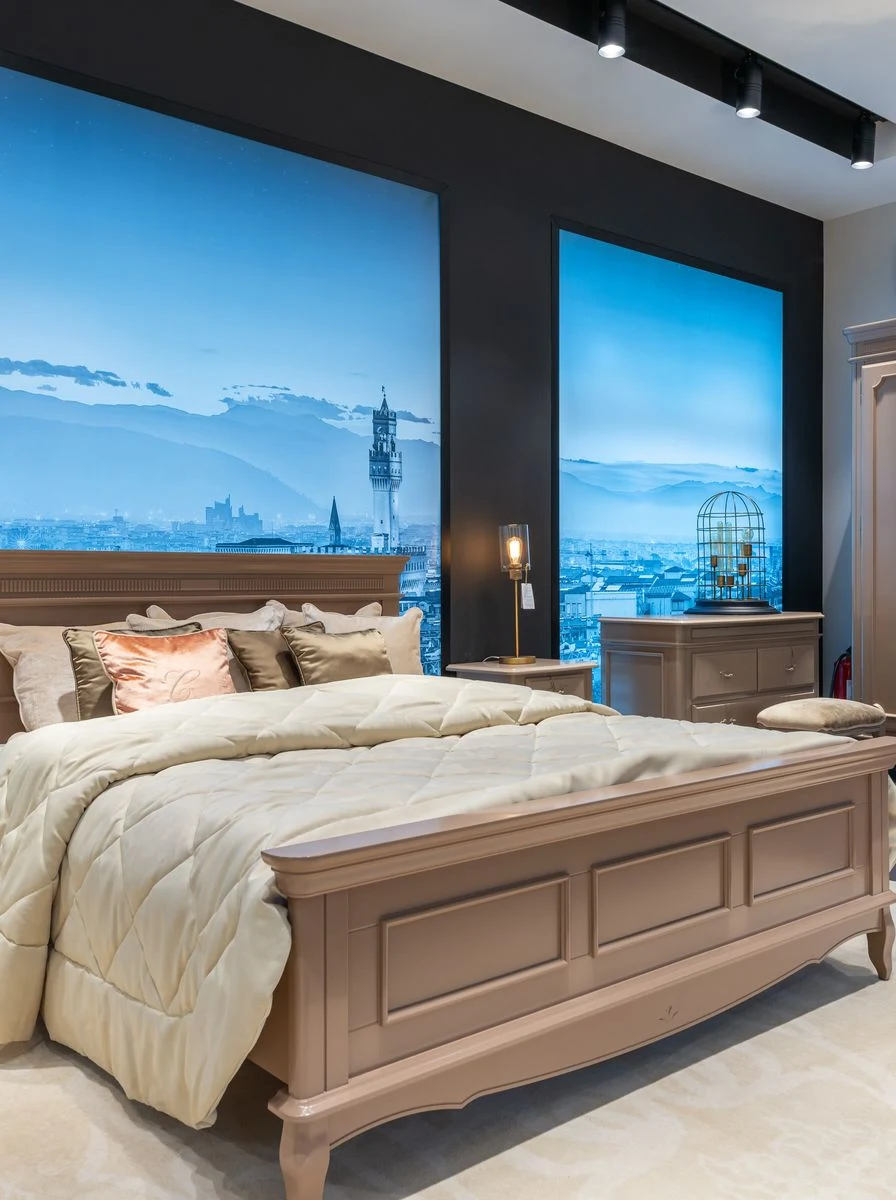
The headboard is the star here: a full-width panel of evenly spaced wooden slats — vertical or horizontal — set against the wall, with a simple matching platform base. Oak, ash, and walnut all work, and the slat spacing creates soft lines of light and shadow that change through the day. It reads as modern and architectural without being cold, and it has a handmade, crafted feeling even when it is factory-made.
Slatted headboards are brilliant behind a bed in a room with plain walls because they add texture and rhythm without wallpaper or art. They also make a low-ceiling room feel taller if you run the slats vertically and take the headboard nearly to the ceiling. This style fits modern, Japandi, and Scandinavian bedrooms and looks great with simple solid-color bedding — let the headboard be the pattern. It works in any room size, and in rentals it is a great trick: a freestanding slatted headboard panel adds drama with zero wall damage.
Practical tip: dust the slats with a microfiber cloth on a stick every couple of weeks — horizontal slats collect dust fast. If you buy a freestanding panel, anchor it to the bed frame or wall so it cannot tip, especially in homes with kids.
9. The Wood-and-Upholstered Combo Bed
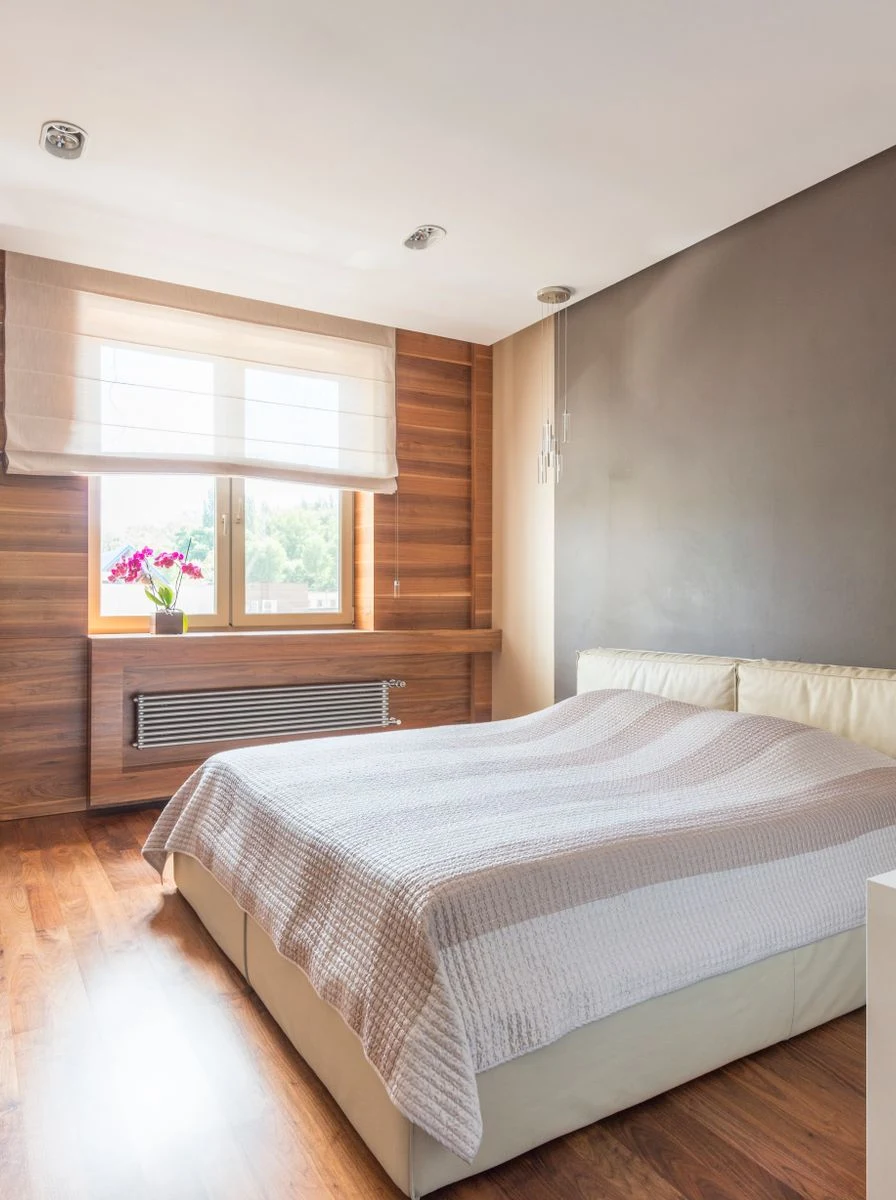
This bed gives you the best of both worlds: a solid wooden platform base with a padded, fabric-covered headboard. The wood — often oak, walnut, or stained rubberwood — keeps the modern, structured look, while the upholstered headboard in linen, boucle, or performance velvet adds softness for leaning back with a book. The headboard is usually a simple rectangular or gently curved panel, tailored rather than tufted.
If you read, scroll, or watch shows in bed, an upholstered headboard is genuinely more comfortable than bare wood — your head and shoulders will thank you. The fabric also softens the look of the room, making this a great choice for bedrooms that feel too hard or echoey, and for master suites where comfort matters most. Choose a headboard fabric in a color that ties to your bedding — oatmeal linen with white bedding, or charcoal velvet with jewel-tone accents. This style suits medium and large bedrooms in modern, transitional, and cozy-contemporary homes.
Practical tip: pick a removable, washable headboard cover or a stain-resistant performance fabric — headboards collect hair oil and dust. Vacuum the fabric monthly with an upholstery attachment to keep it fresh.
10. The Wall-Mounted Floating Bed
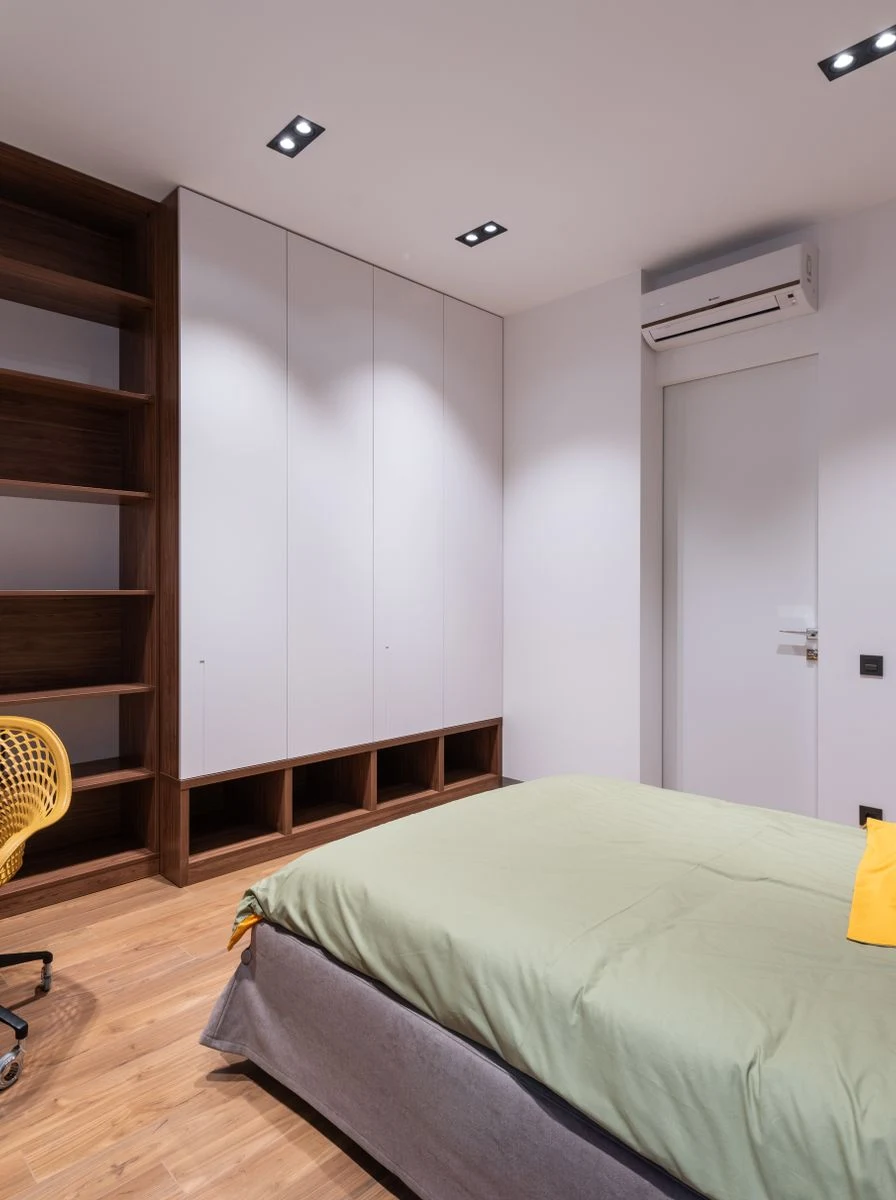
This is the boldest idea on the list: a wooden platform bed that is actually bolted to the wall, with no legs touching the floor at all. The frame — usually oak or ash for strength — cantilevers out from a reinforced wall mount, and LED strip lighting tucked underneath makes it glow softly at night. It looks futuristic and impossibly clean, like the bed is levitating.
Beyond the wow factor, a true floating bed makes a small bedroom feel dramatically bigger because you see uninterrupted floor all the way to the wall. Cleaning underneath takes seconds. It is ideal for modern minimalist bedrooms and for anyone who loves smart-home touches — pair the under-glow with a dimmer for a perfect nightlight. Because the bed hangs off the wall, this is strictly a job for solid walls (concrete or properly reinforced studs) and professional installation; it is not a renter’s project. Keep bedding minimal and tailored so the floating illusion stays crisp.
Practical tip: hire a contractor or structural handyman — the mount must hold the bed plus two adults plus mattress, often 500+ pounds. Never attempt this on drywall alone or a partition wall. Budget for the install on top of the bed price; the hardware and labor are the real cost here.
11. The Curved-Edge Soft Modern Bed
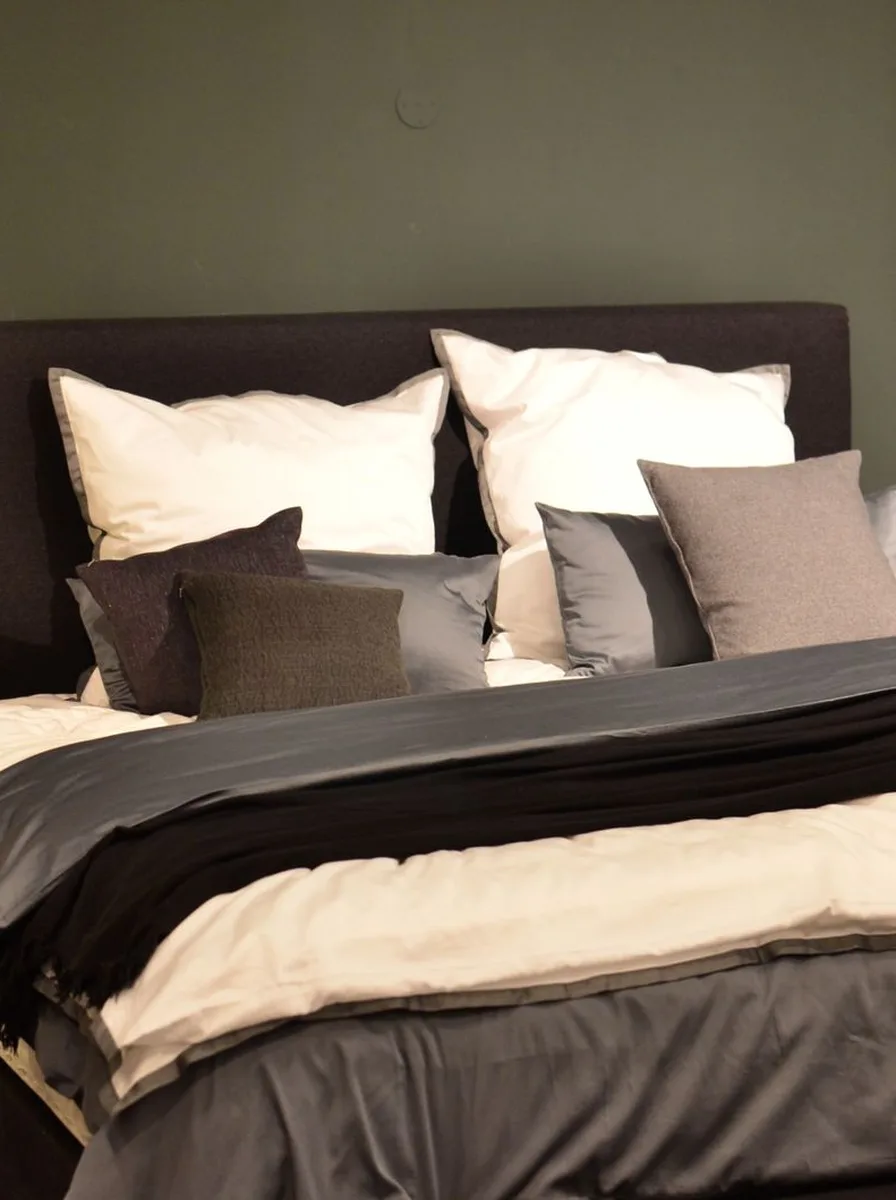
Sharp corners are out — this platform bed rounds every edge. The headboard curves gently at the top corners, the side rails have a soft bullnose profile, and even the legs (if visible) are turned or tapered into curves. Made in oak, beech, or walnut, it has the clean lines of modern design but none of the hardness. Running your hand along it feels like touching a well-worn stone.
Curved edges are a practical kindness in real homes: no bruised shins on sharp bed corners in the dark, which makes this the best pick for kids’ rooms, guest rooms, and anyone who is clumsy at 2 a.m. The softness also photographs beautifully and makes small bedrooms feel less boxy. Style it with rounded decor to match — an arched mirror, a round rug, curved bedside lamps — and keep bedding in soft, warm tones like cream, terracotta, or sage. It fits modern organic, Japandi, and soft-contemporary bedrooms of any size.
Practical tip: curved-edge beds are harder to find secondhand, so expect to buy new or commission one. When comparing, run your hand along the rails — a truly good one feels seamless, while cheap versions have visible joints at the curves.
12. The Bed With Built-In Nightstands
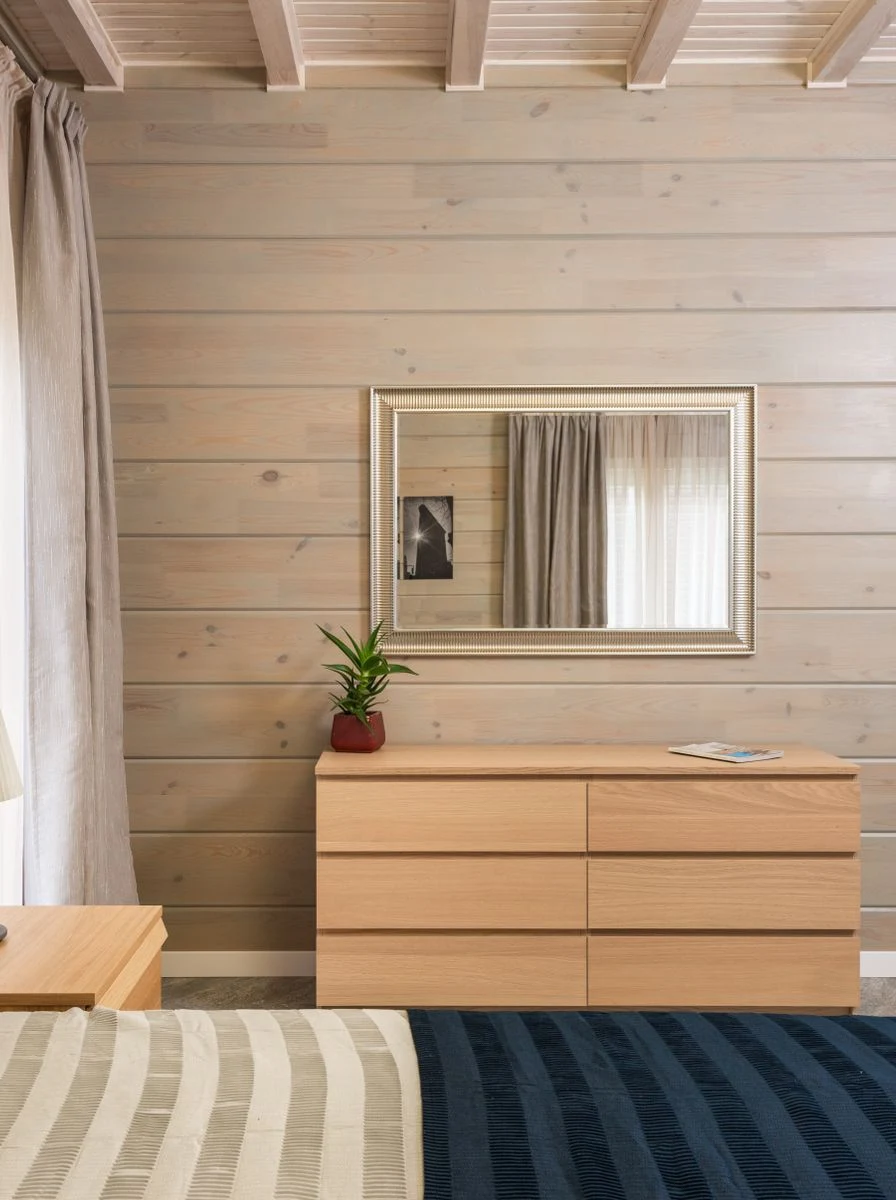
Instead of a headboard plus two separate nightstands, this design extends the wooden platform into one continuous piece: the headboard widens into low shelves or small cabinets on both sides, all in the same wood. The result looks custom-built and incredibly tidy — your lamp, book, and phone all have a home that is literally part of the bed. Walnut and white oak are popular because the grain flows beautifully across the wide piece.
This is a space-saving superstar for small and narrow bedrooms where two nightstands plus a bed simply do not fit. It also eliminates the wobbly-nightstand problem forever, since the shelves cannot shift or tip. The streamlined look suits modern and minimalist bedrooms, and it is wonderful in guest rooms where you want everything to feel intentional. Style the shelves sparingly — a lamp on one side, a small plant or stack of books on the other — and resist the urge to fill every inch. Clutter kills the clean effect.
Practical tip: measure your lamps before you commit — built-in shelves are often shallower than standalone nightstands, so oversized lamp bases will overhang. If the design includes closed cabinets, confirm they open without hitting the mattress.
13. The Under-Bed LED Glow Bed
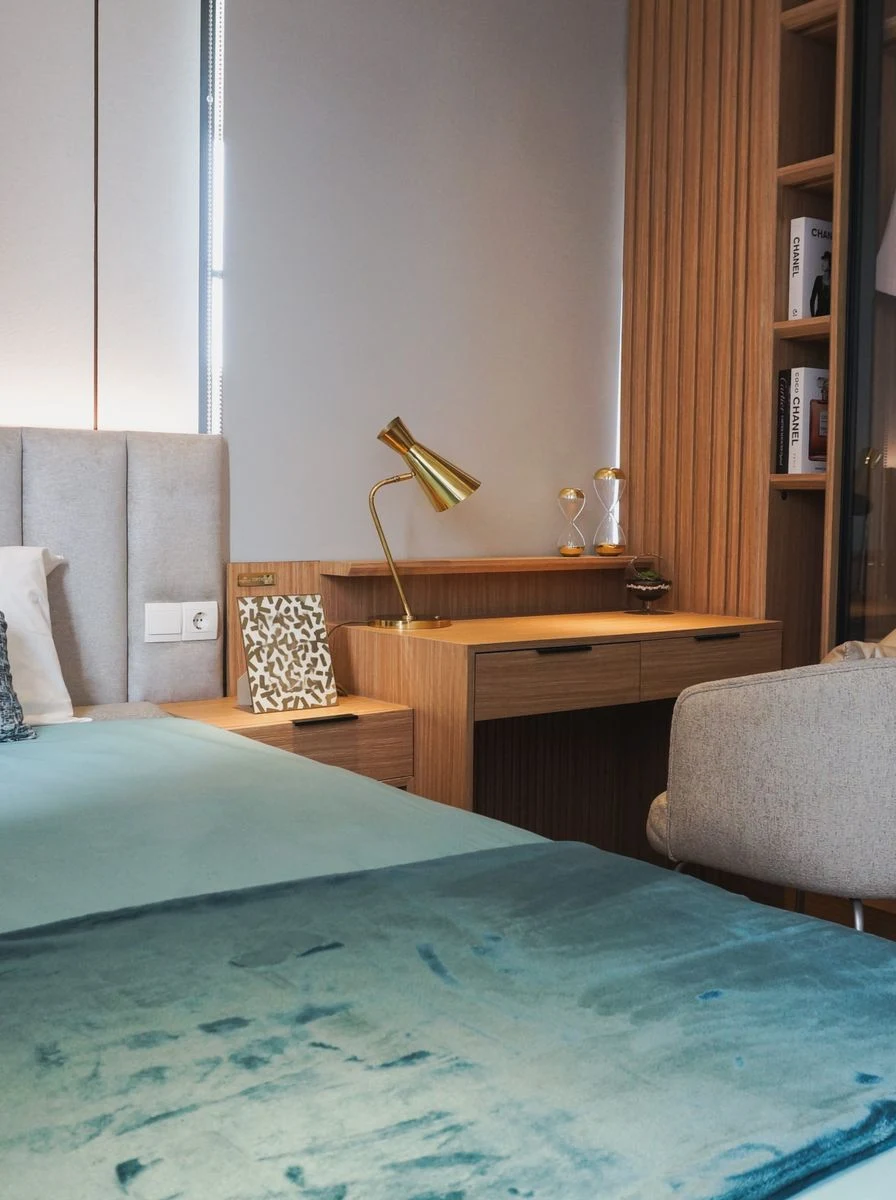
This platform bed builds lighting right into the design: a warm LED strip recessed under the frame’s edge, casting a soft halo of light onto the floor around the bed. The wood itself can be anything — oak, walnut, stained pine — because at night, the glow is the design. During the day it looks like a normal sleek platform bed; after dark it becomes the coziest thing in the house.
Under-bed lighting is the cheapest way to make a bedroom feel like a boutique hotel. It doubles as a gentle nightlight for bathroom trips (no harsh overhead light, no stubbed toes), and with a motion sensor or smart plug it turns on automatically. It is perfect for modern bedrooms, moody master suites, and anyone who loves ambient lighting. Pair it with dark bedding — charcoal, navy, deep green — for maximum drama, or keep it soft with warm whites. This works in any room size and is especially magical in rooms with dark floors that make the glow pop.
Practical tip: use warm-white LEDs (2700K–3000K), not cool blue-white, or the glow will feel clinical. Battery-powered motion-sensor strips are renter-friendly and cost very little; hardwired versions look cleaner but need an electrician. Hide the power cable in a cord channel along the wall.
14. The Wooden Canopy Frame Bed
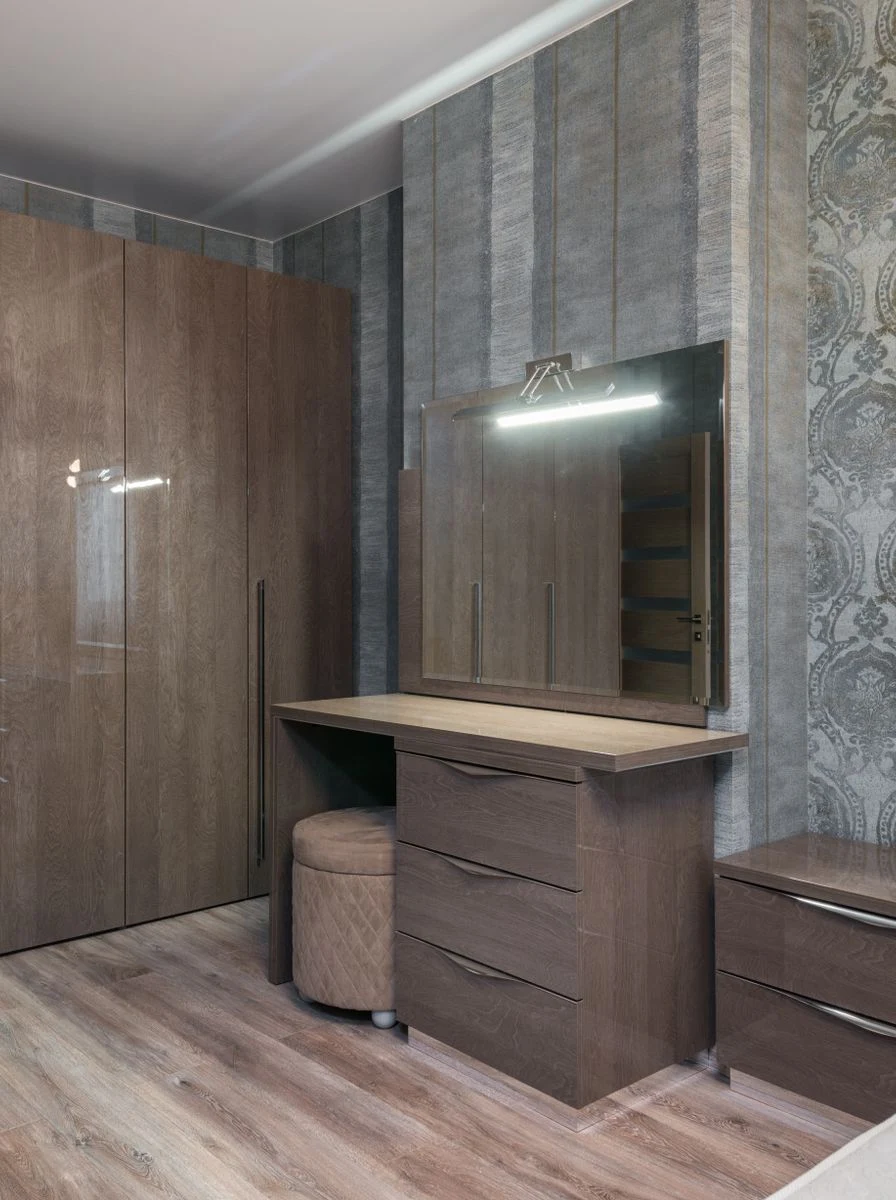
Four slim wooden posts rise from the corners of a low platform base, joined by thin rails at the top to form an open canopy frame — no curtains required, though you can add them. Made in oak, walnut, or dark-stained ash, it gives the bed a sense of architecture and enclosure without any heaviness. The modern version keeps the posts thin and the lines straight, nothing like the bulky four-posters of old.
A canopy frame makes a large bedroom feel intimate and a plain bedroom feel designed — it draws the eye up and gives the bed presence. It is wonderful in master suites and in rooms with high ceilings that need something to fill the vertical space. You can drape sheer curtains for romance and privacy, or leave it bare for a crisp modern look. Keep bedding simple and let the frame be the statement; white or natural linen works beautifully. This needs a medium to large bedroom with ceilings at least 8 feet high — in a small low-ceiling room it will feel cramped.
Practical tip: check ceiling height and ceiling fan clearance before you buy — you need the posts plus a few inches of air. If you add curtains, use lightweight sheer panels on simple rings so they slide easily and do not overwhelm the slim frame.
15. The Rattan-Accent Platform Bed
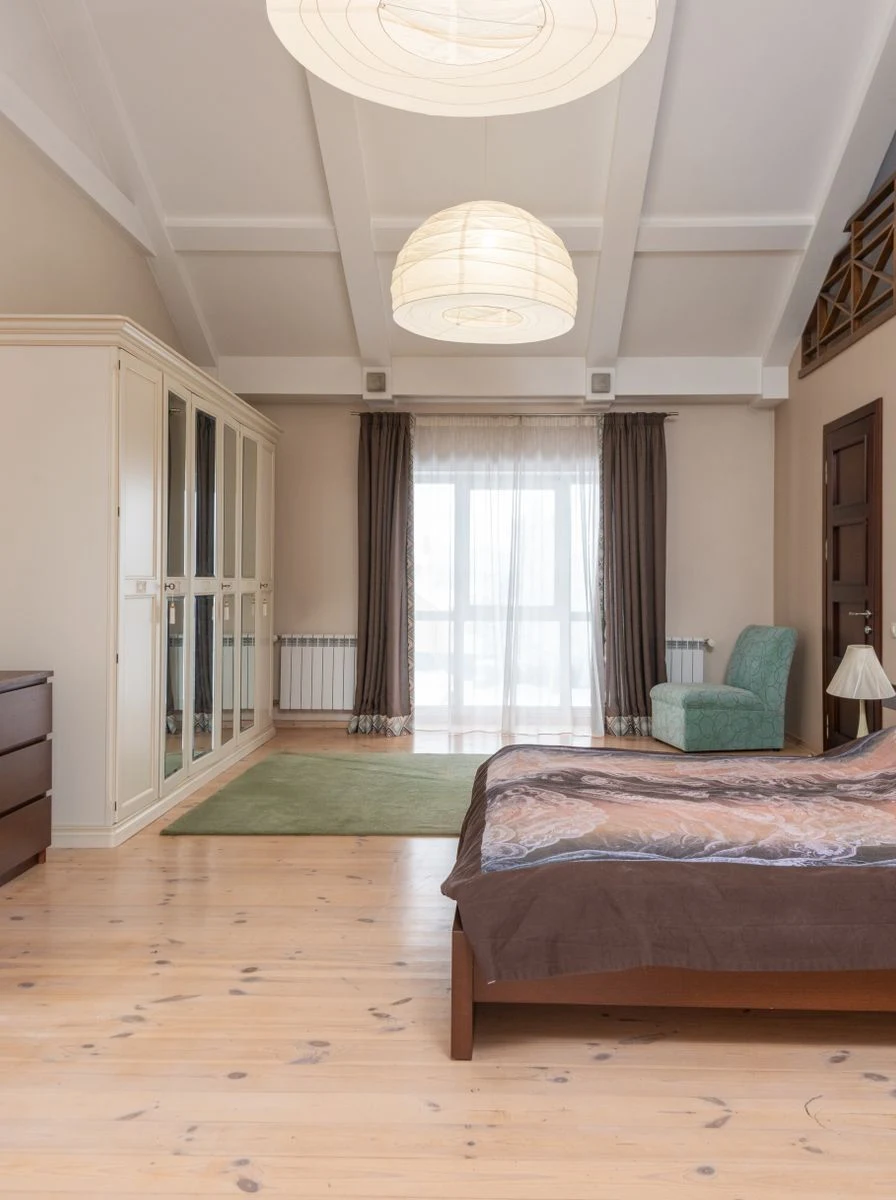
This bed mixes a solid wood frame — often teak, acacia, or oak — with woven rattan or cane panels in the headboard. The wood gives it structure and modern clean lines; the rattan adds texture, warmth, and a relaxed, coastal-bohemian feel. The weave catches light beautifully and keeps the headboard from feeling like a flat wall of wood.
Rattan accents are perfect if your bedroom leans coastal, bohemian, tropical, or relaxed-modern. The natural texture pairs wonderfully with plants, jute rugs, and linen bedding in white, sand, or soft terracotta. It also lightens the visual weight of the bed, so it works well in small sunny bedrooms. One caution: real rattan does not love very dry or very humid extremes, so it suits normal indoor bedrooms best, not unheated sunrooms. A tightly woven cane panel lasts longer and looks more refined than loose open weave.
Practical tip: dust cane panels with a soft brush — a vacuum with a brush attachment works too. Keep the bed out of direct harsh sun, which dries and brittles natural rattan over time. For a budget option, look for synthetic PE rattan panels, which look close to real and handle humidity better.
16. The Dark Espresso Stained Bed
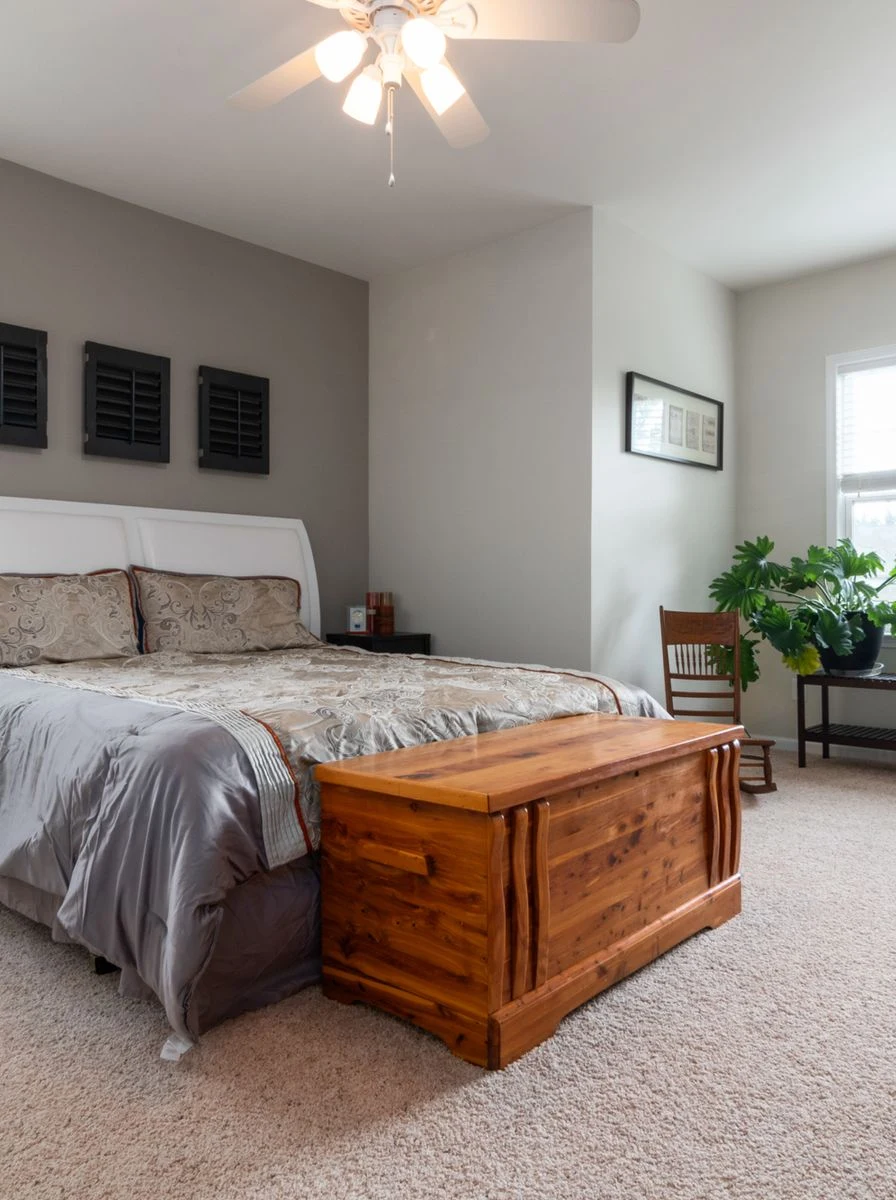
This platform bed takes an affordable wood like pine, rubberwood, or acacia and finishes it in a deep espresso stain — nearly black-brown, rich and dramatic. The design stays modern and simple: a low platform, a flat or slightly padded headboard, clean lines. The dark finish gives it the presence of expensive hardwood at a fraction of the cost, and it grounds the whole room like an anchor.
Dark beds are ideal for large bedrooms with plenty of light, where pale furniture would disappear. They also look stunning against white or light-gray walls — the contrast is crisp and modern. Style it with light bedding to keep the balance: white, cream, or pale gray sheets with a textured throw in mustard or rust. Avoid an all-dark room unless you love moody spaces; one dark anchor piece is usually enough. This suits modern, industrial, and masculine-leaning bedrooms, and it hides dust and scuffs better than any pale finish.
Practical tip: if you are staining it yourself, sand evenly and apply wood conditioner first — cheap softwoods blotch badly without it. Two thin coats of stain plus a clear topcoat give a far richer result than one heavy coat. Dark finishes show dust, so a quick weekly wipe keeps it looking sharp.
17. The Solid Teak Platform Bed
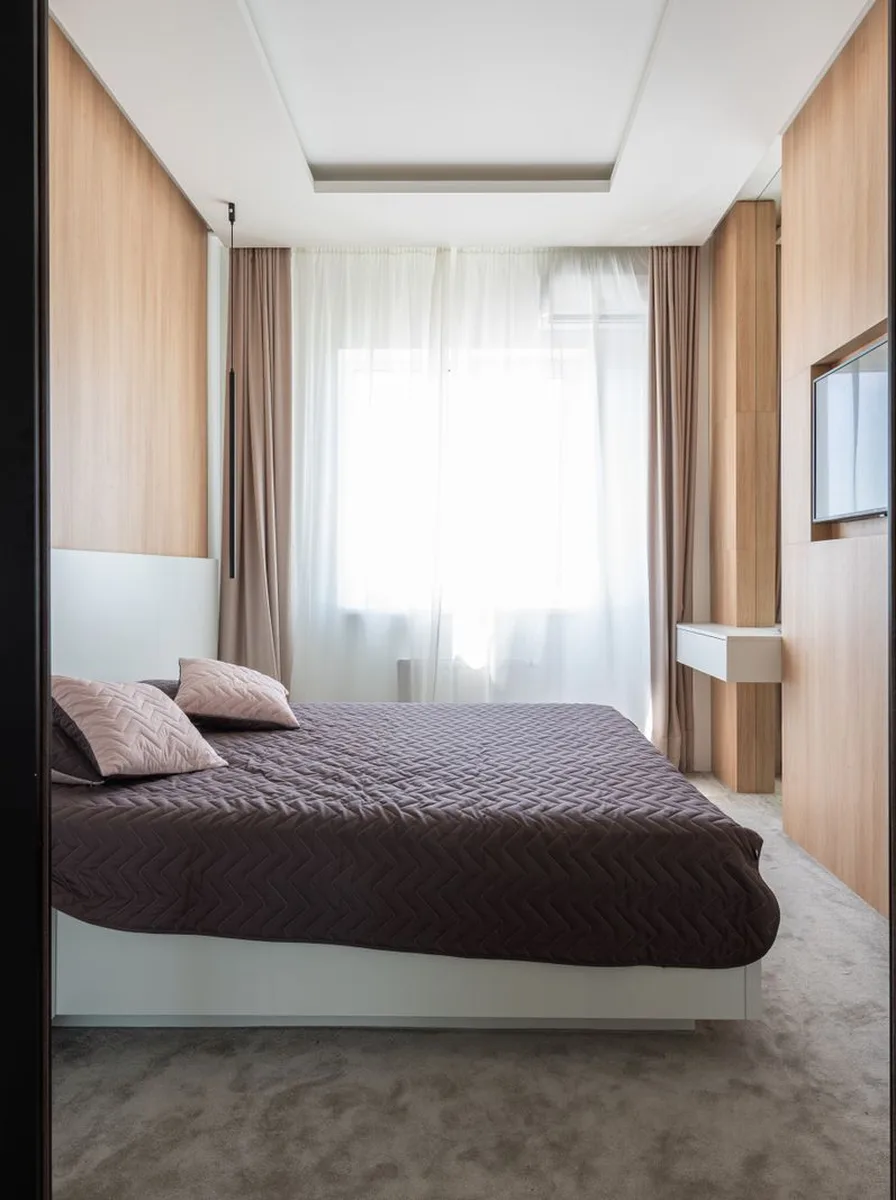
Teak is the luxury wood of platform beds: naturally oily, incredibly durable, and aging into a beautiful silvery-gold patina. A solid teak platform bed — low, wide, with a simple plank headboard — feels substantial and permanent, the kind of bed you buy once and keep for decades. The grain is straight and calm, and the color is a warm medium brown that flatters every skin tone and wall color.
Teak’s real advantage is durability: it resists moisture, warping, and insects better than almost any other furniture wood, so it is the best choice for humid climates or bedrooms near the coast. It also needs almost no maintenance — the natural oils protect it. This is an investment piece for a master bedroom, and it suits modern, tropical, and mid-century styles beautifully. Dress it in white or natural linen to let the wood glow, with one deep accent color like indigo or forest green. Because it is heavy and expensive, it fits best in a settled home rather than a rental you will move out of.
Practical tip: genuine teak is pricey — verify it is solid teak, not “teak finish” on another wood. Ask about sustainable sourcing (FSC-certified or plantation-grown). Oil it once a year if you want to keep the golden color; leave it alone if you like the silvered aged look.
18. The Bookcase Headboard Bed
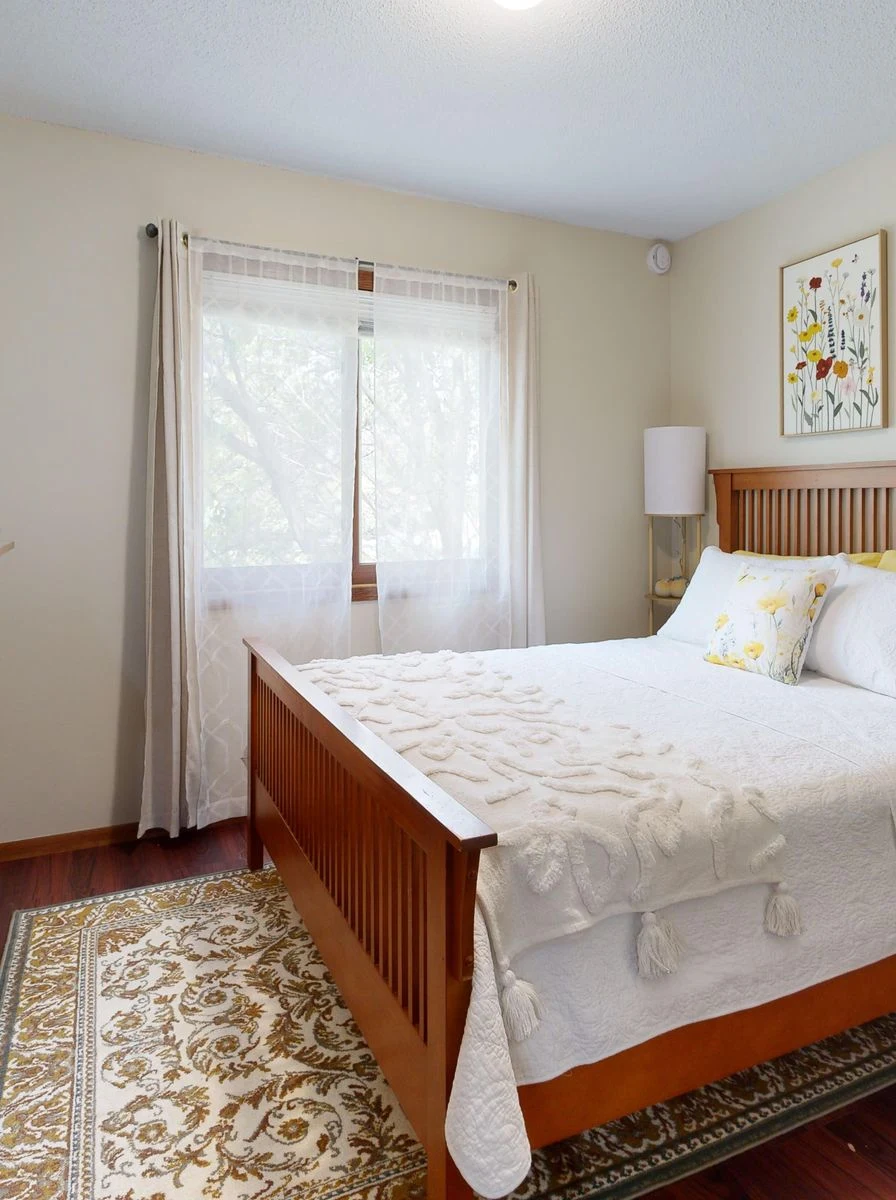
The headboard on this bed is a working bookshelf: two or three rows of open cubbies or small shelves built into a wide wooden headboard, all in matching oak, pine, or walnut. Your books, alarm clock, glasses, and a small lamp live right behind your pillow, within arm’s reach. The platform base is simple and low, keeping the focus on the clever headboard.
If you are a bedtime reader, this bed will make you unreasonably happy — no more leaning over to a nightstand or stacking books on the floor. It is also a genius solution for tiny bedrooms where there is literally no room for nightstands; the headboard replaces them entirely. Keep the shelves styled but not stuffed: books, one small plant, a clock. It suits modern, cozy, and cottage bedrooms, and kids and teens love it too. Pair with simple bedding so the shelf display stays the visual interest.
Practical tip: secure the headboard firmly to the bed frame or the wall — a loaded bookshelf headboard is top-heavy. Leave the top shelf for display only; daily-use items belong on the middle shelves where you can reach them lying down. Dust shelves monthly, since they sit right by your pillow.
19. The Low Twin Platform Bed for Kids
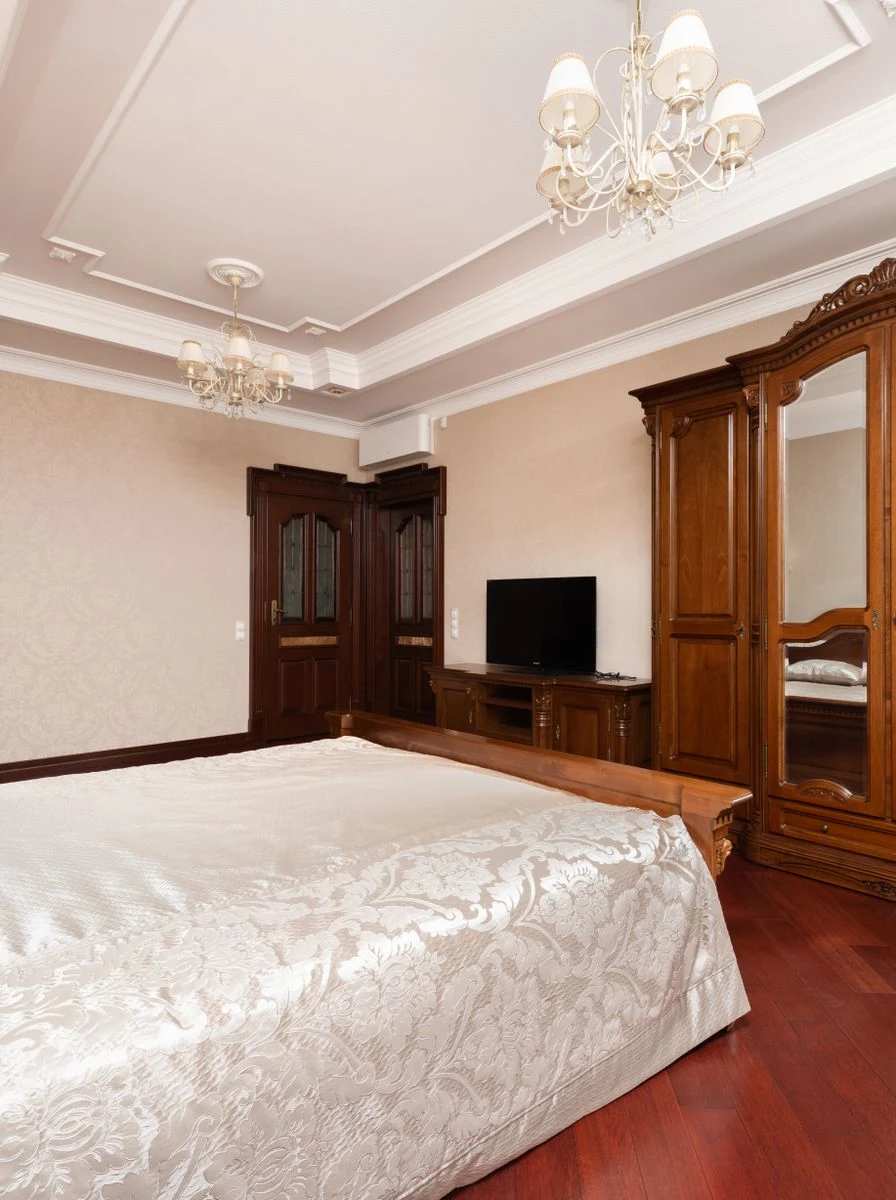
This is a twin-size platform bed built extra low — the mattress sits just 8 to 10 inches off the floor — with rounded corners and a simple low headboard, usually in sturdy pine or rubberwood with a non-toxic finish. It looks like a shrunken version of a grown-up modern bed, which kids love, and the low height means no scary climbs and no hard falls.
For children’s rooms, low and simple wins on every front: toddlers can get in and out safely by themselves, making beds is easier, and there is no under-bed void collecting lost toys and dust bunnies. Choose a finish that wipes clean — a satin water-based polyurethane over natural pine is ideal — and let kids pick fun bedding, since the neutral wood goes with everything from dinosaurs to stars. It fits small kids’ rooms perfectly and works from toddler years through the teens with just a bedding swap.
Practical tip: look for GREENGUARD or similar low-VOC certification on the finish, since kids breathe close to the bed all night. Skip a tall headboard in small kids’ rooms — it becomes a climbing temptation. Anchor any tall nearby furniture to the wall while you are at it.
20. The Tall Statement Headboard Bed
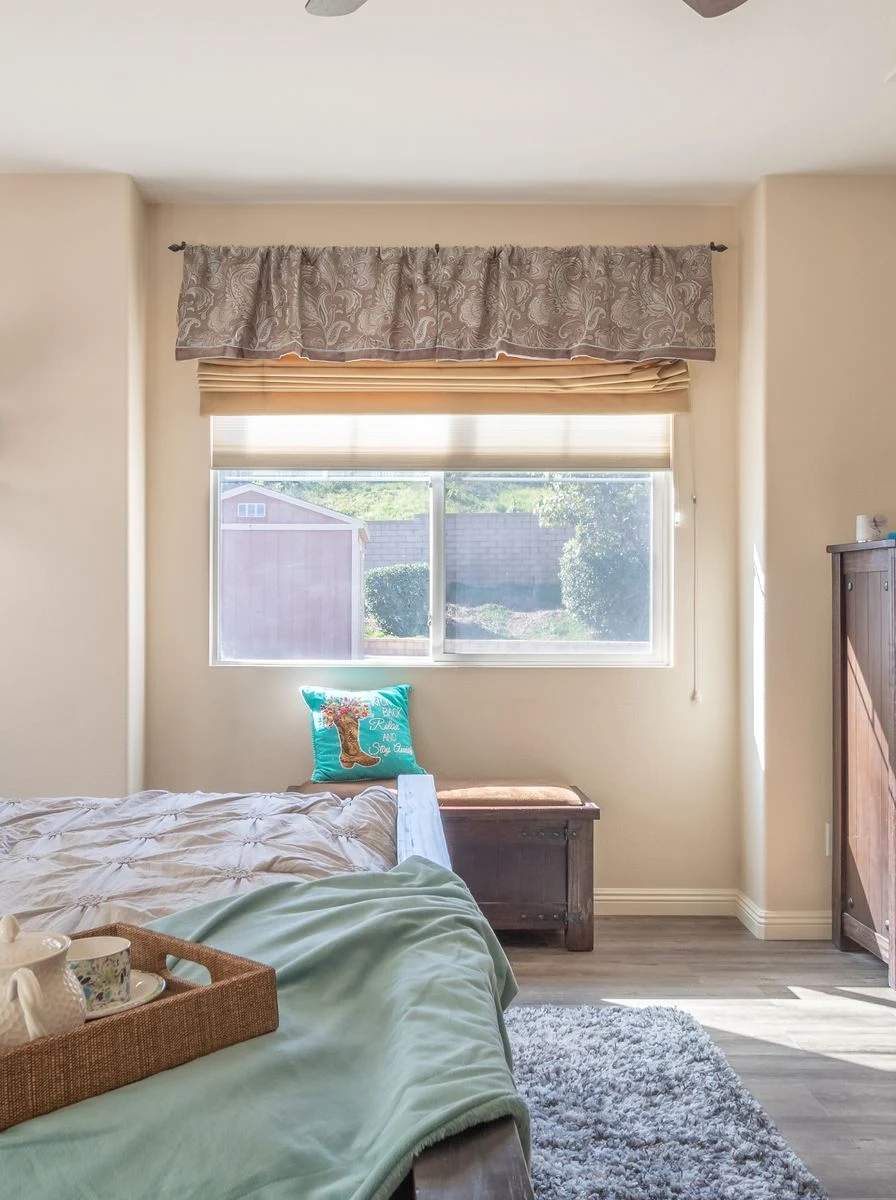
While most platform beds keep things low, this one goes bold: a headboard that rises 4 to 5 feet high in rich walnut or white oak, sometimes with vertical channel grooves or a live-edge top. The platform base stays low and simple, so all the drama is vertical. It looks like a piece of architecture behind your pillows — confident, modern, and impossible to ignore.
A tall headboard is the fastest way to make a bedroom with high ceilings feel finished and intentional — it fills the vertical space that otherwise sits empty and awkward. It also creates a gorgeous backdrop for a styled bed: layered pillows in white, cream, and one accent color look incredible against the tall wood panel. This is a master-bedroom piece for medium to large rooms; in a small room with low ceilings it will overwhelm. It suits modern, luxury-contemporary, and boutique-hotel-style bedrooms.
Practical tip: a tall headboard must be bolted to the bed frame or anchored to wall studs — never rely on it standing freely. Measure your ceiling and leave at least 12 inches of wall above the headboard so the room does not feel squeezed. Dust the top edge regularly; tall headboards collect a surprising amount.
21. The Minimalist Pine Bed for Small Bedrooms
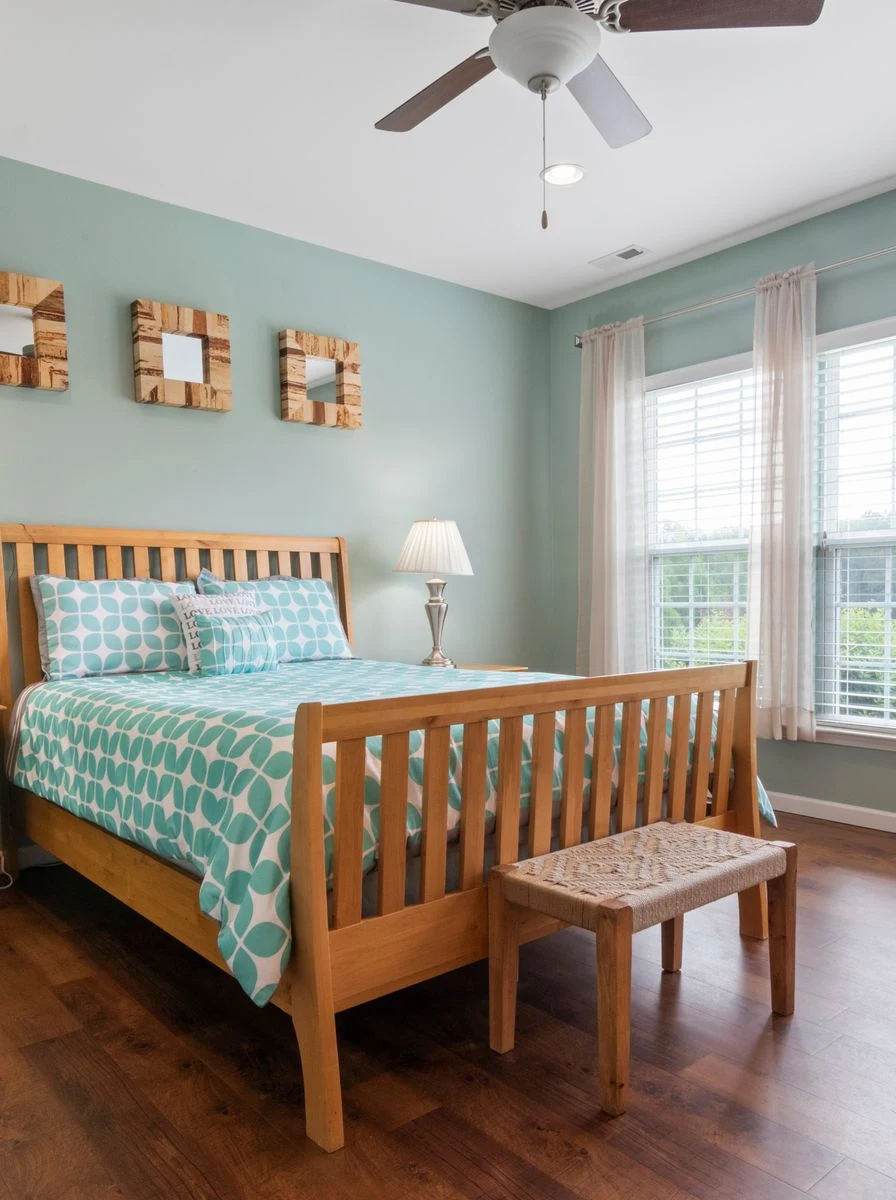
This is the simplest bed on the list, and sometimes simplest is smartest: a bare-bones pine platform with a low, narrow headboard (or none at all), thin rails, and a natural or clear-coat finish. No drawers, no lights, no curves — just honest wood doing its job. Pine keeps it the most affordable solid-wood option, often half the price of oak.
In a truly small bedroom — a box room, a studio corner, a first apartment — every inch matters, and this bed’s slim profile wastes nothing. The pale pine keeps the space feeling open, and the low price leaves budget for a great mattress, which matters more for sleep than any frame. Style it with white bedding and one colorful throw or cushion to add personality cheaply. It suits first homes, rentals, dorms, and minimalist bedrooms, and because it is light, moving it is painless.
Practical tip: reinforce the center support rail — budget pine frames sometimes skimp here, and a sagging middle ruins sleep. Add a bunkie board or extra slats if the gap between slats exceeds 3 inches. Tighten all bolts after the first month of use; pine compresses slightly as it settles.
22. The Two-Tone Wood and Black Metal Bed
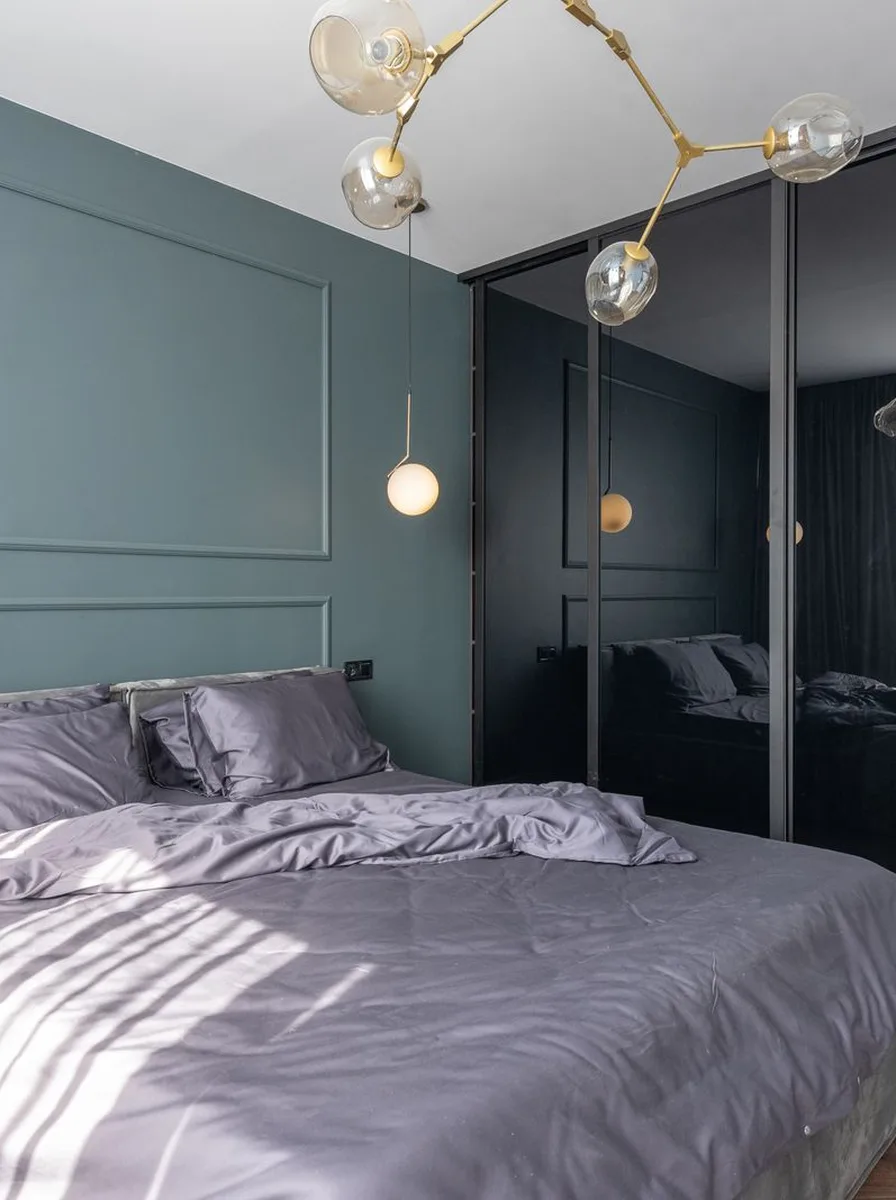
This design pairs warm wood — usually acacia, oak, or walnut — with slim matte-black metal legs, corner brackets, or a metal headboard frame. The wood brings the warmth and the metal brings the edge; together they hit the modern-industrial sweet spot that is neither too rustic nor too cold. The platform base stays low and clean, letting the material contrast do the talking.
Two-tone beds are incredibly versatile: they bridge modern and industrial styles, they look great in lofts and contemporary apartments, and the black metal ties in effortlessly with black window frames, light fixtures, and hardware you probably already have. The metal legs also raise the bed slightly, making cleaning underneath easy. Dress it in gray, white, or black-and-white bedding with one warm accent like cognac leather or rust. It fits medium bedrooms best, where the mixed materials have room to breathe.
Practical tip: check that metal-to-wood joints have rubber washers or pads — bare metal on wood squeaks and scratches. Powder-coated metal resists chips far better than painted metal. If the metal legs are thin, confirm the weight rating suits your mattress plus sleepers.
23. The Platform Bed With Trundle
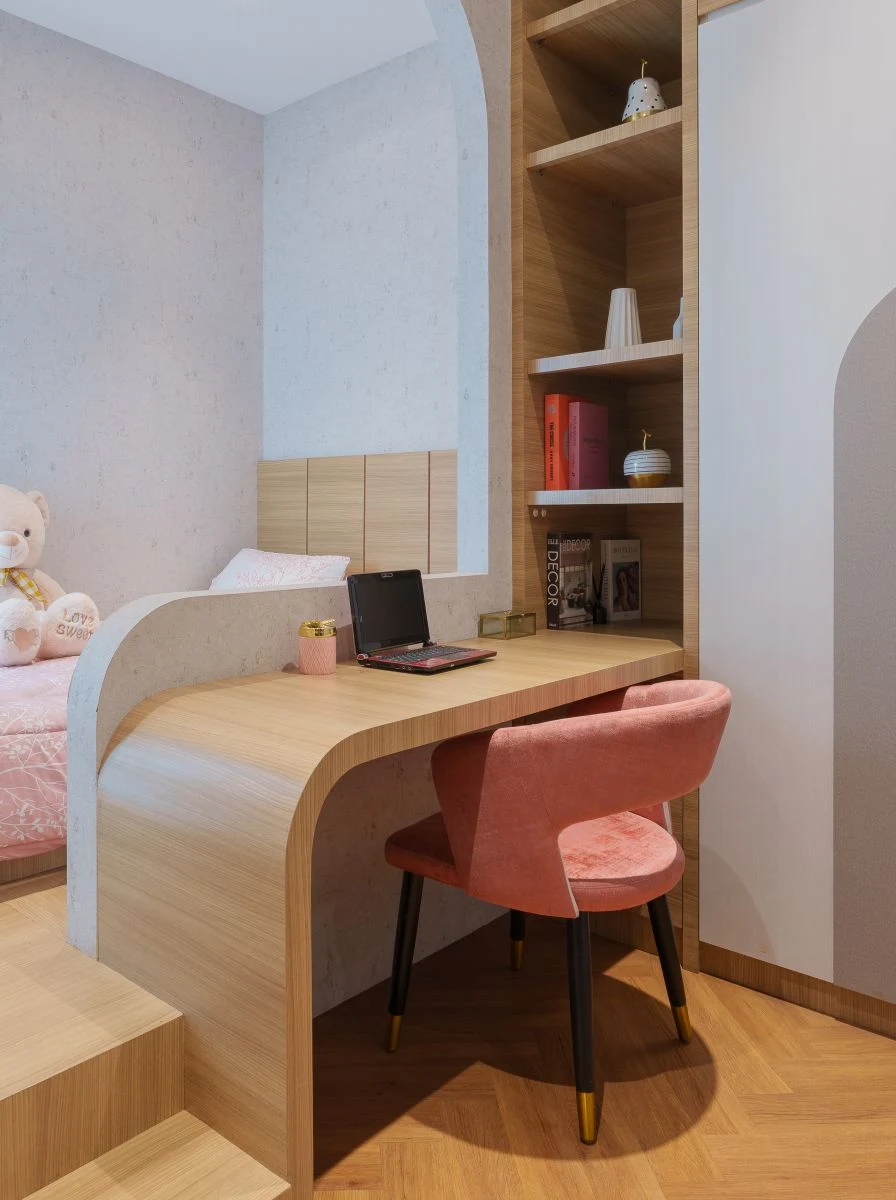
This clever bed hides a second pull-out bed on casters beneath the main platform — a trundle that slides out for sleepovers and tucks away invisibly by day. The outer frame looks like a normal modern platform bed in pine, oak, or rubberwood, usually with a slightly higher clearance to fit the trundle mattress. Some designs even let the trundle pop up to form one large sleeping surface.
If you host guests but do not have a guest room, a trundle bed solves the problem elegantly — no air mattress, no sofa sleeping, no dedicated room sitting empty. It is also a lifesaver in kids’ rooms for sleepovers and in studio apartments where the living room is the guest room. Keep the trundle made with simple bedding and a fitted sheet so it is always ready. This suits small to medium bedrooms, kids’ rooms, and multifunctional spaces, and it is far more comfortable for guests than any folding alternative.
Practical tip: measure the trundle clearance carefully — most need a 10 to 12 inch mattress or thinner to slide under. Choose smooth-rolling casters that lock, so the trundle does not drift. Leave clear floor space in front of the bed for pull-out; do not block it with a rug that is too thick.
24. The Live-Edge Natural Wood Bed
The headboard of this bed keeps the tree’s natural edge — the wavy, organic line where bark once was — sanded smooth but never straightened. Usually crafted from a single slab of walnut, oak, or acacia, paired with a simple low platform base, it brings the outside in. No two are alike: the grain, the curves, and the color shifts are nature’s signature.
A live-edge bed is for bedrooms that embrace organic modern style — rooms with plants, natural fibers, stone, and sunlight. It adds soul and movement to minimalist spaces that risk feeling sterile, and it becomes an instant conversation piece. Because the headboard is the art, keep everything else quiet: solid white or oatmeal bedding, simple nightstands, plain walls. It fits medium to large bedrooms best, where you can step back and appreciate the slab. Seal the live edge well, since the rough-sawn texture can snag bedding if left unfinished.
Practical tip: live-edge slabs move with humidity — buy from a maker who dries the wood properly and finishes all sides to slow movement. Expect to pay more than a standard bed; the slab itself is the cost. Check the edge for splinters before it enters the bedroom, and re-oil once a year.

David is the home decor enthusiast behind HomeLushly. He shares practical, budget-friendly ideas for bedrooms, living rooms and seasonal decorating — from colour combinations that actually work to small-space styling tricks that make a room feel bigger. Every guide on HomeLushly is built around real photos and hands-on research, to help you make your home feel warm, personal and beautifully put together.
