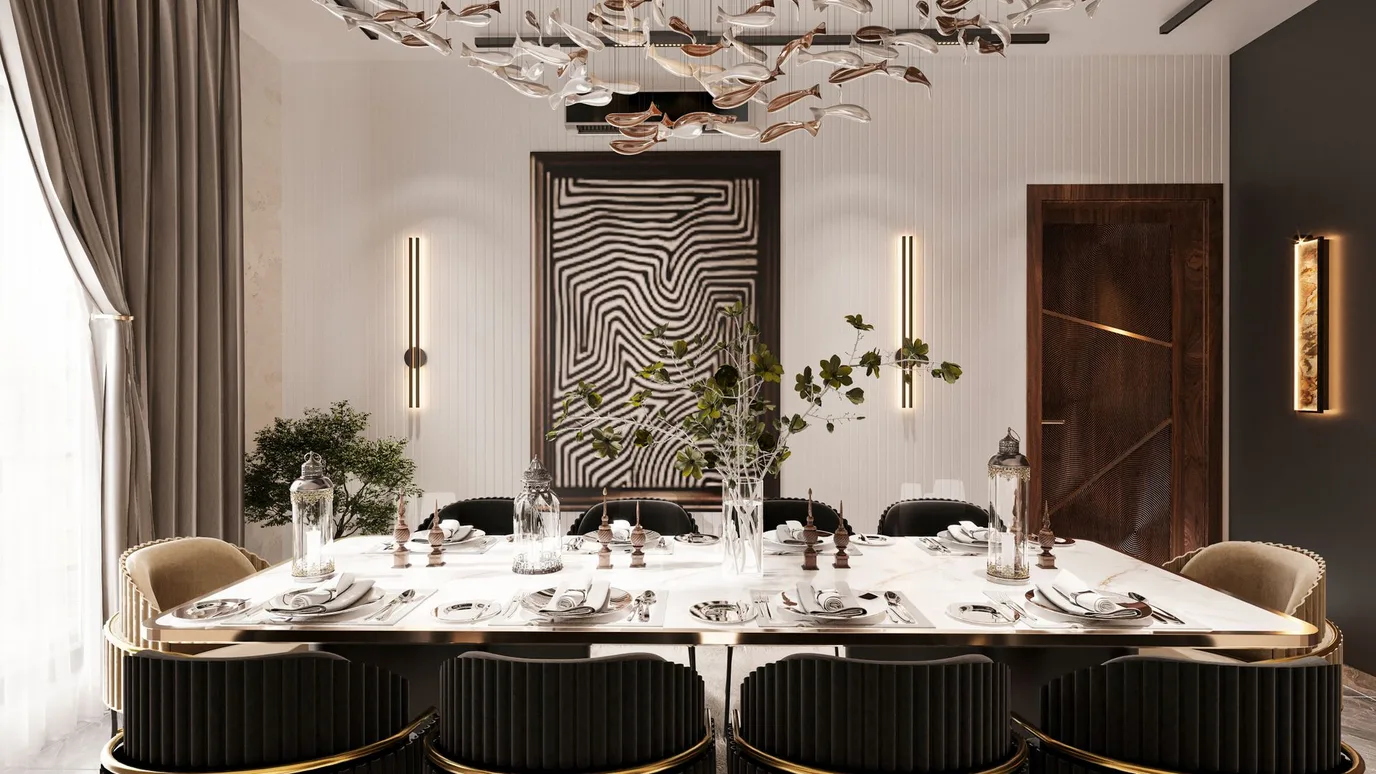
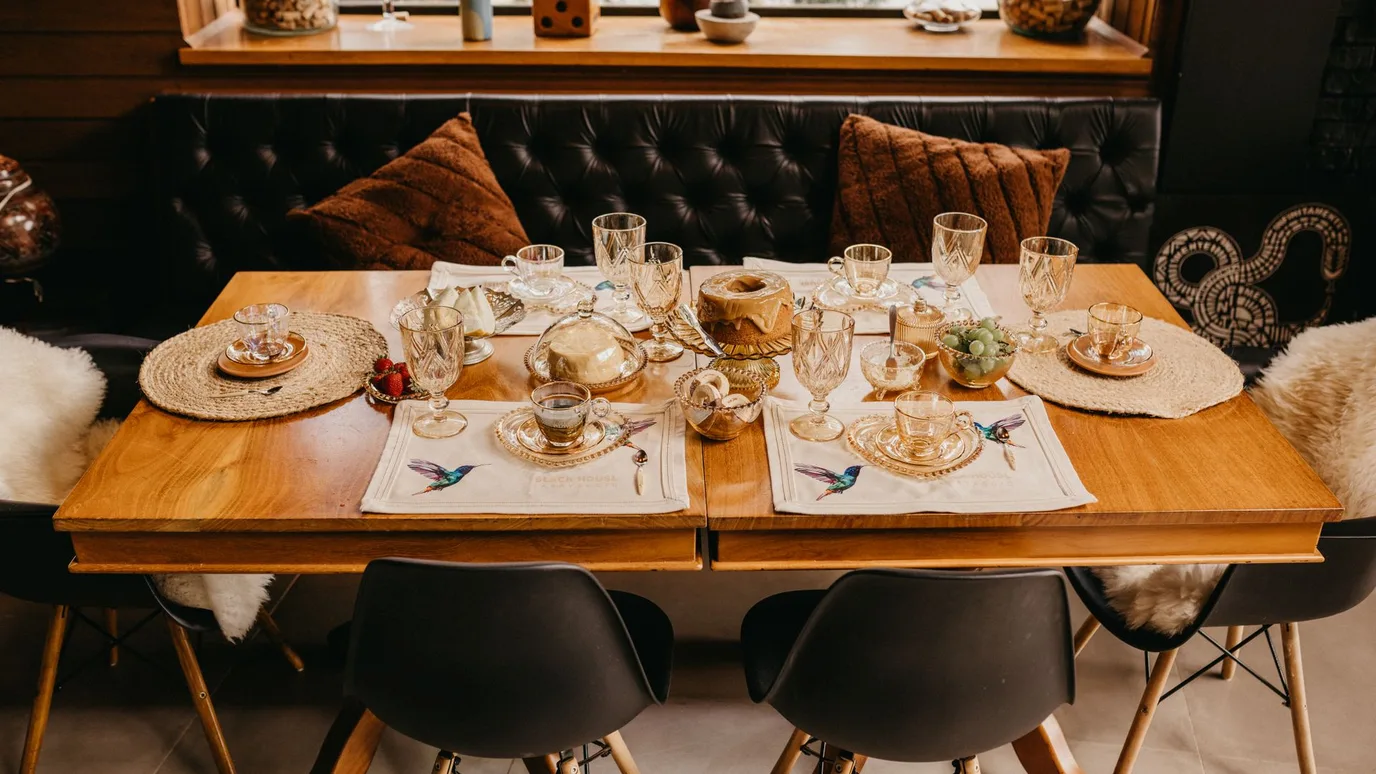
Expensive-looking tables aren’t about having more things — they’re about having the right things, cared for well. A simple table with crisp linens, polished glassware, and one beautiful centerpiece will always outshine a cluttered table full of costly items thrown together without thought.
The secret is that luxury is mostly an impression created by quality basics. Real cloth napkins instead of paper, actual candles instead of LED, fresh greenery instead of plastic — these small upgrades cost little but read as expensive because they engage the senses: the weight of the napkin, the flicker of the flame, the scent of the herbs.
In this guide, you’ll learn how to make simple dinner table decor look beautiful and expensive: the quality basics worth investing in, layering tricks that add richness, luxe details that cost almost nothing, and the styling mistakes that cheapen a table.

Invest in Quality Basics
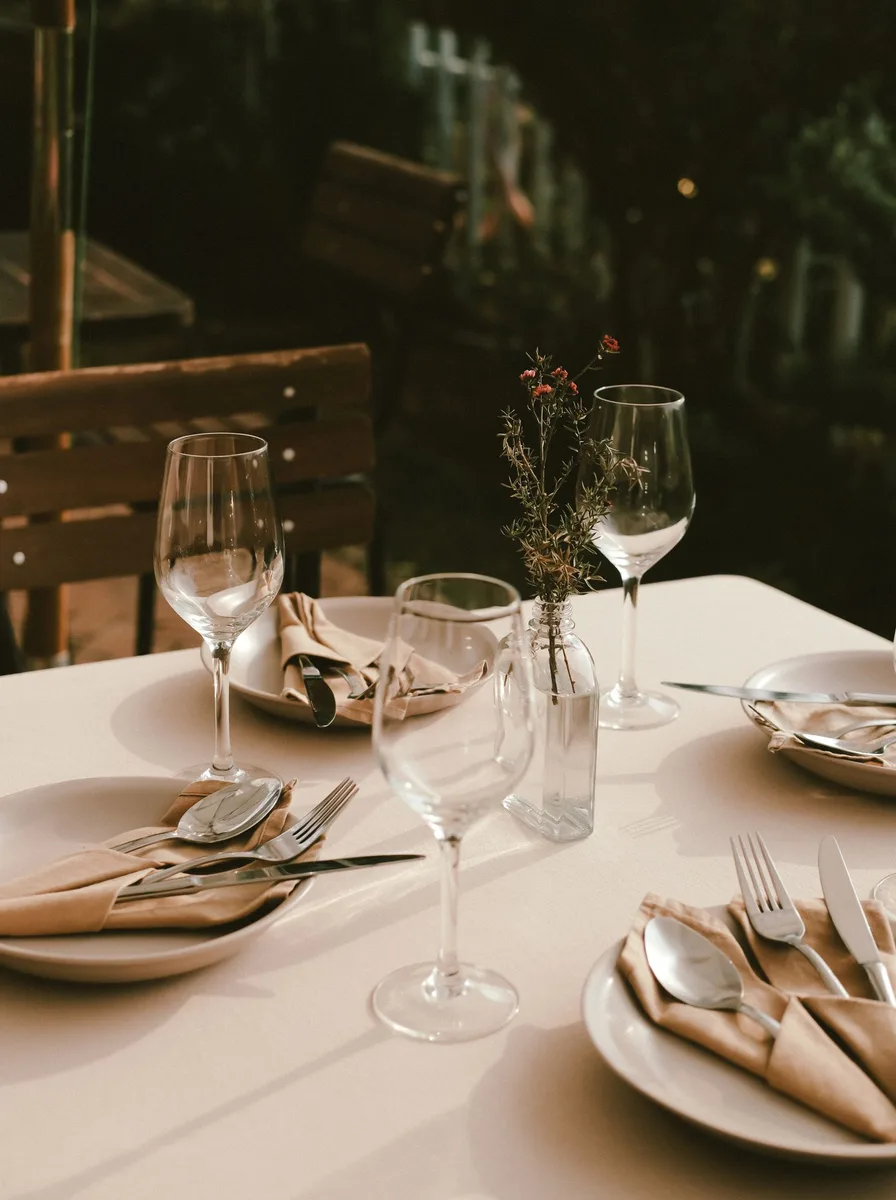
A handful of good basics will serve every table you ever set. Start with plain white dinner plates — they go with everything, make food look better, and never date. Add a set of cloth napkins in white or natural linen; they get softer and more beautiful with every wash.
Clear, simple glassware beats fancy patterned glasses that chip and date. Choose a classic shape, buy a few extra, and replace them as a set when one breaks so they always match. Mismatched basics are the fastest way to make a simple table look cheap.
Basics worth buying once:
● Plain white dinner plates — timeless, versatile, and they make food pop.
● Real cloth napkins; white or natural linen works with every occasion.
● Simple, classic glassware bought in sets so replacements always match.
● One good tablecloth or a set of quality placemats as your foundation.
Layer Simply but Deliberately
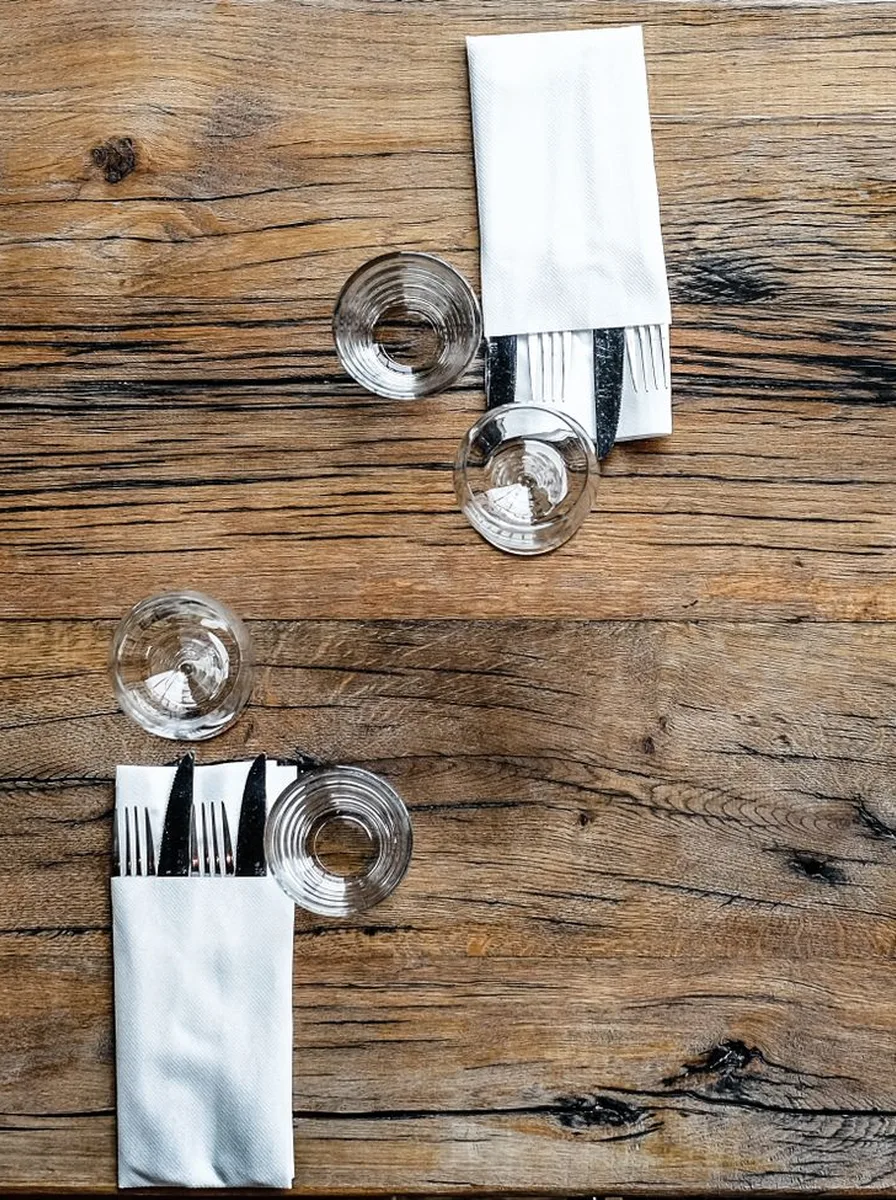
Layering is what separates a styled table from a table that’s merely set. Even two layers — a placemat under a plate, a napkin on the plate — create depth that reads as intentional and therefore expensive. Three layers (cloth + runner + placemat, or placemat + charger + plate) look positively rich.
The trick is keeping each layer simple. When the pieces are plain, the layering itself becomes the decoration. A woven placemat, a white charger, a white plate, and a folded linen napkin: four plain items, one luxurious-looking setting.
Simple layering formulas:
● Placemat + dinner plate + folded napkin on top — the classic three-layer setting.
● Add a charger between placemat and plate for instant formality.
● Runner down the centre over a bare wood table — rustic and refined at once.
● Keep every layer in the same colour family so the stack looks calm, not busy.
Add Luxe Details That Cost Little
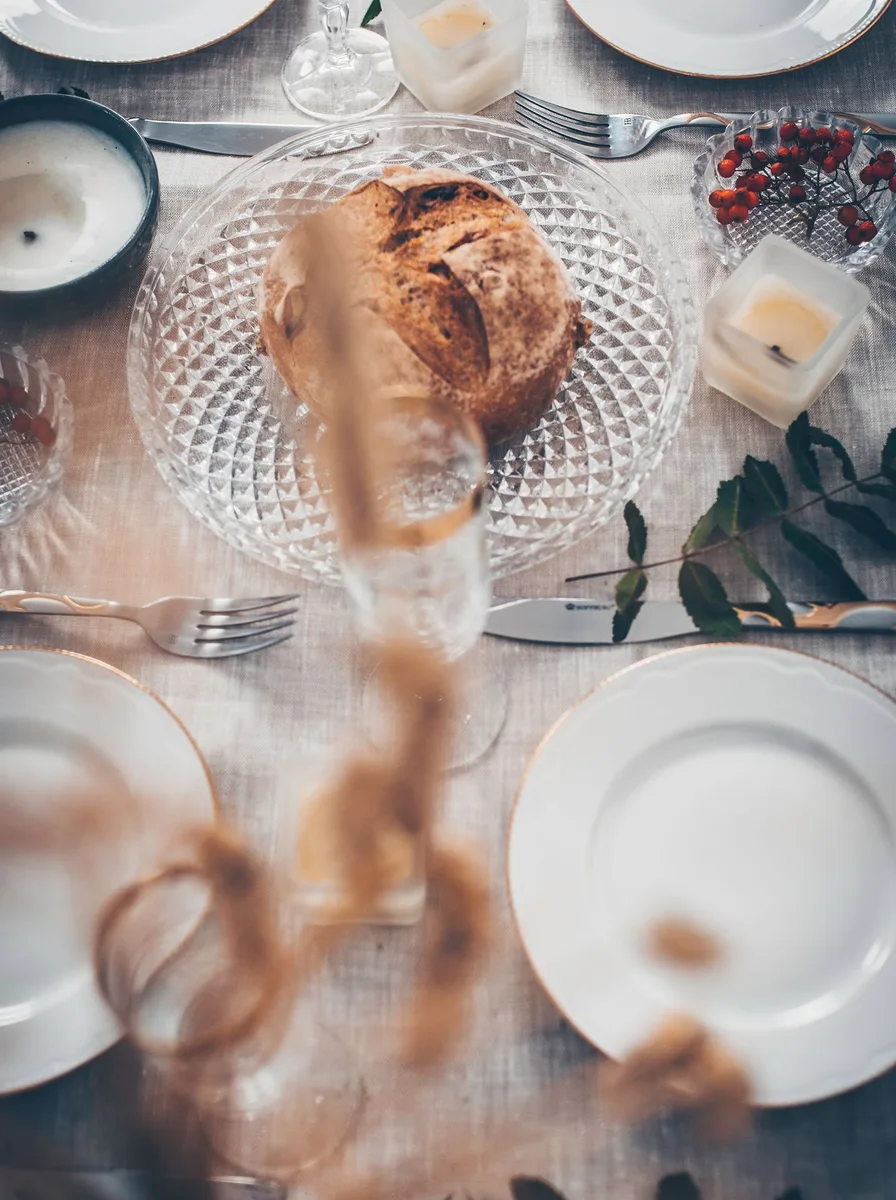
The details that scream luxury are often the cheapest part of the table. A sprig of rosemary tied onto each napkin with twine costs pennies and looks like a stylist did it. A handwritten name card — even on a torn piece of kraft paper — makes guests feel the meal is an occasion.
Real candles beat electric ones every time; a £1 pack of tea lights in small glasses transforms a table after dark. Fresh herbs from the garden or a £3 bunch of eucalyptus scattered down the centre of the table looks like a florist’s garland.
Cheap details, expensive effect:
● Herb sprigs (rosemary, thyme) tied to napkins with twine or ribbon.
● Handwritten place cards — kraft paper and a marker is all you need.
● Tea lights in small glasses or jars scattered down the table’s centre.
● A bowl of lemons, figs, or nuts as a centerpiece that’s also edible.
Avoid the Mistakes That Cheapen a Table
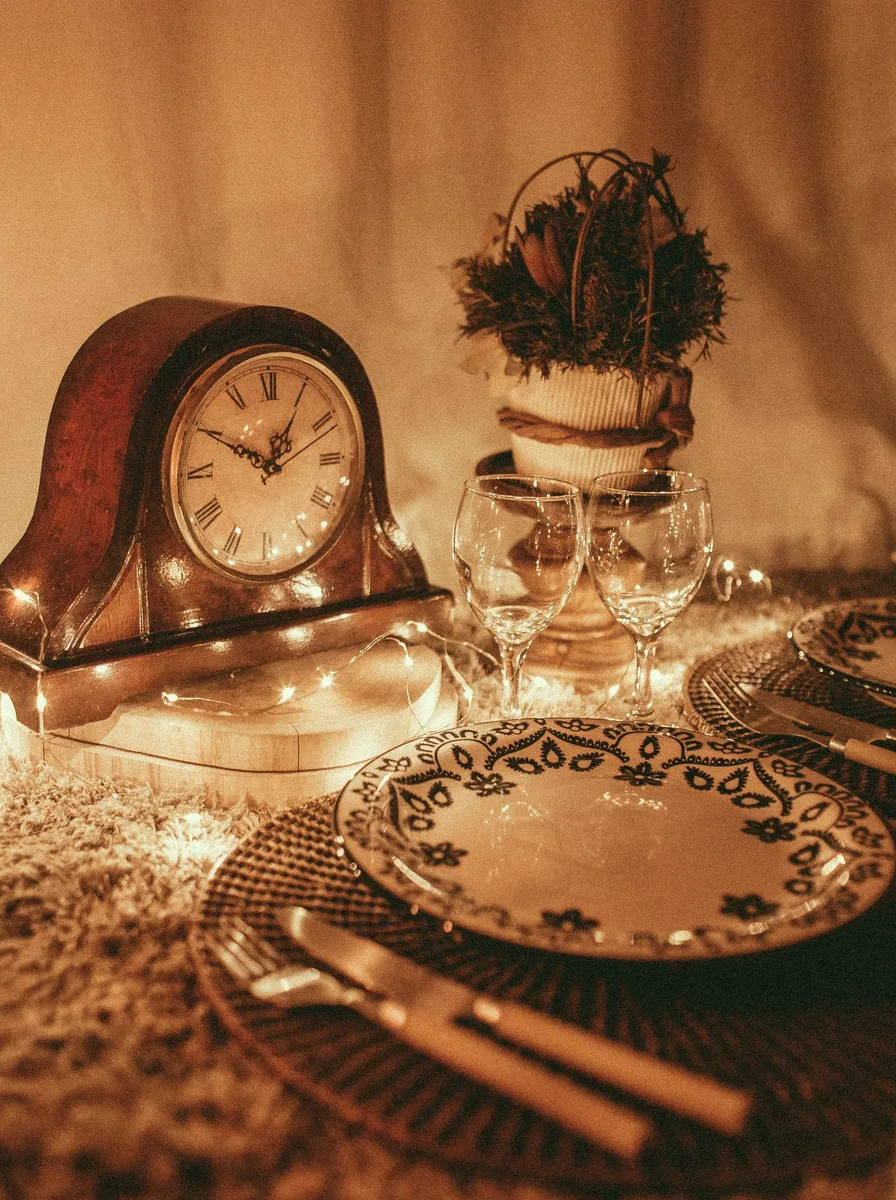
Sometimes looking expensive is about what you leave off the table. Condiment bottles, clutter, and mismatched leftovers from everyday life instantly undo all your styling. Clear the table completely before you start, and keep everyday items off it until the meal is served.
Paper products are the biggest luxury-killer: paper napkins, paper placemats, and disposable plates all signal casual, no matter how pretty the pattern. If you must use them, choose the plainest, highest-quality versions you can find.
Mistakes to avoid:
● Clutter: clear everything non-decorative before styling — no bottles, keys, or mail.
● Paper napkins and disposable plates, which read as casual instantly.
● Overcrowding: leave breathing room between settings; cramped looks cheap.
● Harsh overhead lighting — dim it and use candles or lamps for a rich glow.