

A tiny bedroom doesn’t stay messy because you own too much — it stays messy because nothing has a home.
Organization in a small bedroom is not about buying more containers; it’s about giving every single item a specific, easy-to-reach spot so putting things away is faster than dropping them. When the system fits the space, tidiness stops being a chore and starts being automatic.
The genius of small-room organization is thinking in layers.
The under-bed zone hides off-season clothes and luggage. The closet works twice as hard with double rods and hanging shelves. Walls hold what floors can’t. And small daily habits — a landing tray, a nightly five-minute reset — keep the whole system humming. None of it is expensive; almost all of it is an afternoon project.
This guide collects 25 genius tiny bedroom organization ideas that actually work in real, small bedrooms.
From under-bed bins and drawer dividers to pegboards, labeled baskets, and seasonal rotation, each idea comes with specific how-to detail — sizes, placements, and product types — so your room stays tidy long after the initial burst of motivation fades.

1. Slide Storage Bins Under the Bed

The space under the bed is the largest unused zone in most tiny bedrooms — a full mattress-sized footprint sitting empty. Low, lidded bins turn it into a hidden dresser for off-season clothes, extra bedding, or luggage. Because the bins slide out of sight, the room stays calm while gaining the equivalent of an entire extra drawer stack.
Measure your clearance first: most beds offer 6 to 8 inches, so look for bins 5 to 7 inches tall. Fabric bins with handles slide smoothly on carpet; hard plastic glides better on wood floors. Divide by category — one bin for winter sweaters, one for spare sheets — and label the ends so you grab the right one without pulling them all out.
2. Add Bed Risers for Deeper Storage
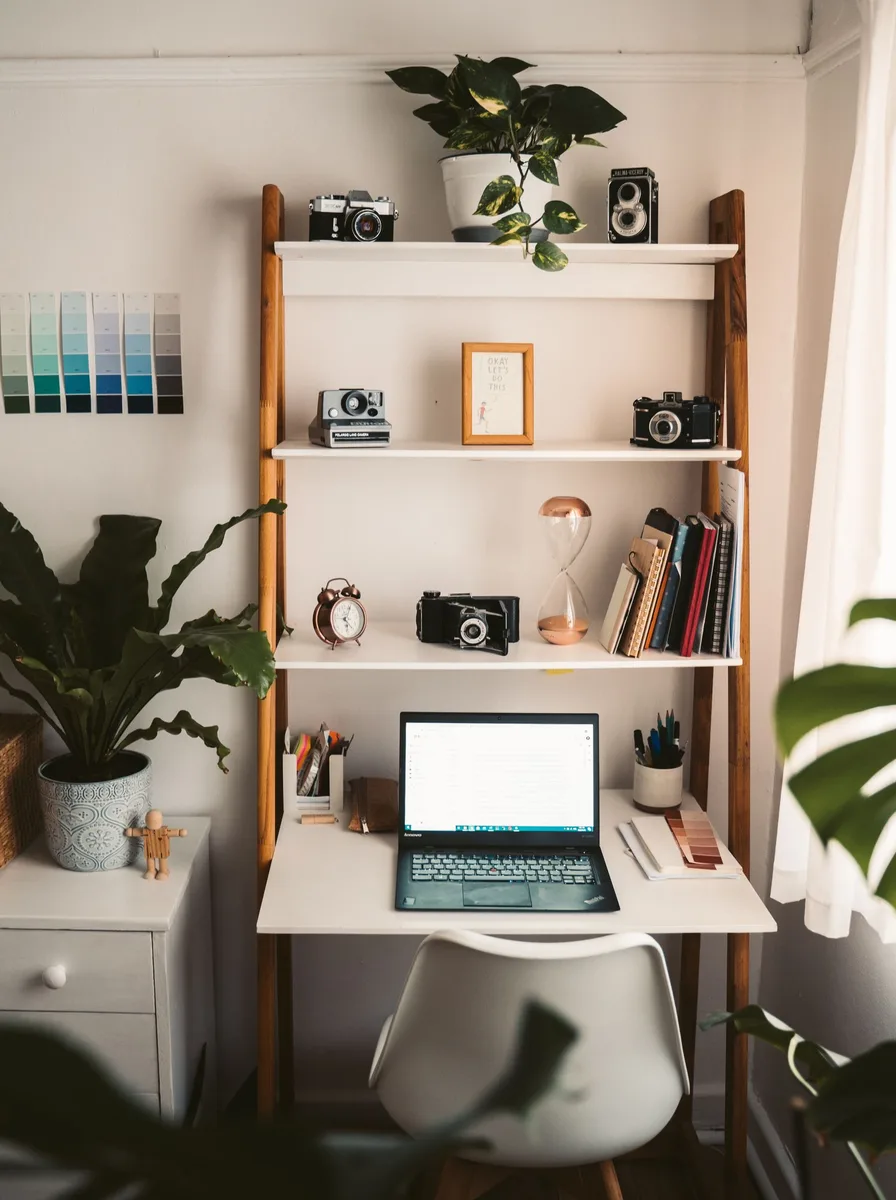
If your bed sits too low for bins, risers fix it in minutes. Four sturdy risers lift a standard frame 5 to 8 inches, instantly creating a storage cavity underneath that can hold rolling drawers, suitcases, or tall bins. It’s the cheapest square-footage gain in bedroom organization — new storage space for the price of a pizza.
Choose risers rated for at least 1,200 pounds per set and check that your bedposts fit their cups snugly. Adjustable risers let you dial in the exact height you need. Pair them with a bed skirt or tailored cover if the gap looks unfinished, and make sure rolling bins have smooth casters so you don’t scratch the floor.
3. Hang an Over-the-Door Organizer
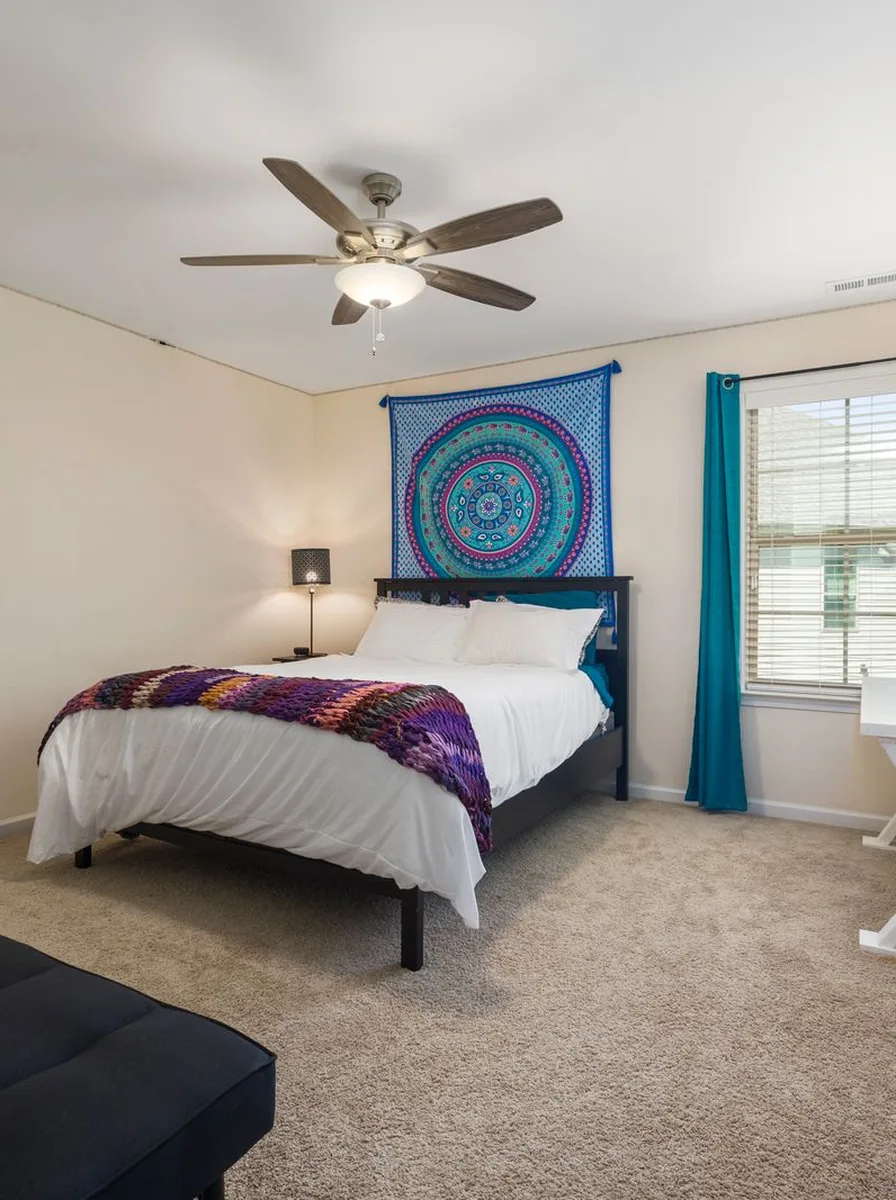
The back of the bedroom door is prime, forgotten real estate. A clear-pocket or fabric over-the-door organizer holds shoes, accessories, scarves, or cleaning supplies on a surface that was doing nothing. Because it hangs flat against the door, it adds zero footprint — perfect for rooms where every inch of wall is spoken for.
Pick hooks that fit your door’s thickness — standard interior doors are 1 3/8 inches — and pad the hooks with felt so they don’t scratch the finish. Use the top pockets for daily items and the lower ones for lesser-used things. For a tidier look, choose a fabric organizer in a solid color over clear plastic; it reads as decor rather than dorm room.
4. File-Fold Your Dresser Drawers

File folding — folding clothes into upright rectangles and standing them in rows like files — transforms a dresser drawer from a jumbled pit into a visible menu. You can see every shirt, pair of socks, or tee at a glance, which means you actually wear what you own instead of re-wearing the top three. One drawer can hold 30 percent more this way.
Fold items into rectangles roughly 6 inches wide and stand them spine-up. It works best for t-shirts, jeans, leggings, and sweaters — skip it for slippery fabrics that won’t stand. Spend one afternoon converting every drawer, then enjoy the payoff: getting dressed takes half the time because nothing is buried.
5. Double-Hang the Closet Rod
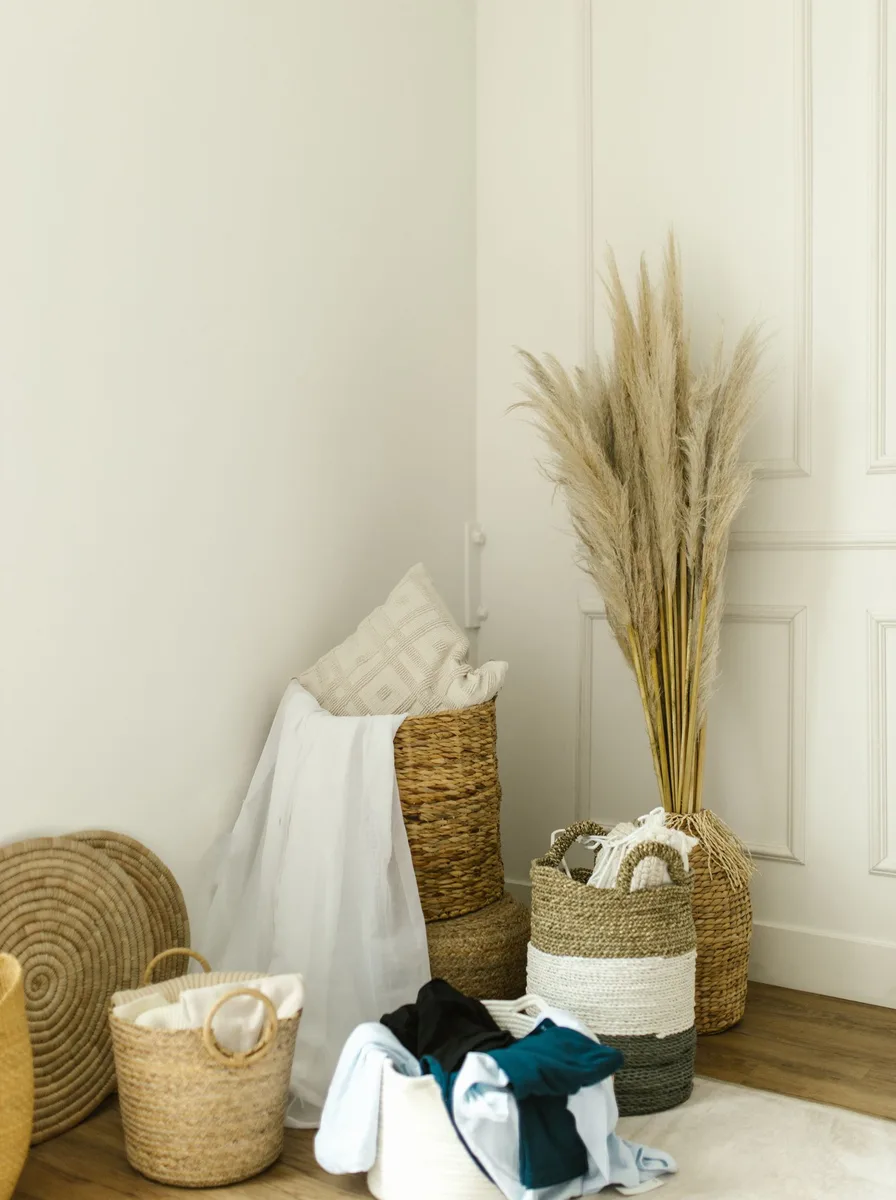
Most closets waste the bottom half of their vertical space. A second tension rod or a hanging double-rod extender instantly doubles your hanging capacity: shirts and blouses up top, pants and skirts below. In a tiny bedroom where the closet is the only wardrobe, this single change can end the clothes-chair problem for good.
Hang the lower rod so hems clear the floor by at least 2 inches, and keep heavy items — coats, jeans — on the original sturdy rod. Tension rods work for lighter loads; for a full wardrobe, install a proper mounted rod with center support. Reserve the floor below for a low shoe rack or a row of labeled bins.
6. Park a Rolling Cart Beside the Bed

A slim three-tier rolling cart is the Swiss Army knife of tiny bedroom organization. At about 15 inches wide, it slides into gaps a nightstand can’t reach and holds a lamp, books, chargers, skincare, and water across its tiers. When you need the floor space, it simply rolls away — try that with a dresser.
Choose a cart with locking casters so it stays put overnight, and corral each tier with small trays or cups so items don’t migrate. The top tier works as your nightstand surface; the middle holds reading material; the bottom hides less-pretty essentials. White or wood-tone carts blend in; a bold color makes it a feature.
7. Mount Floating Shelves Up High
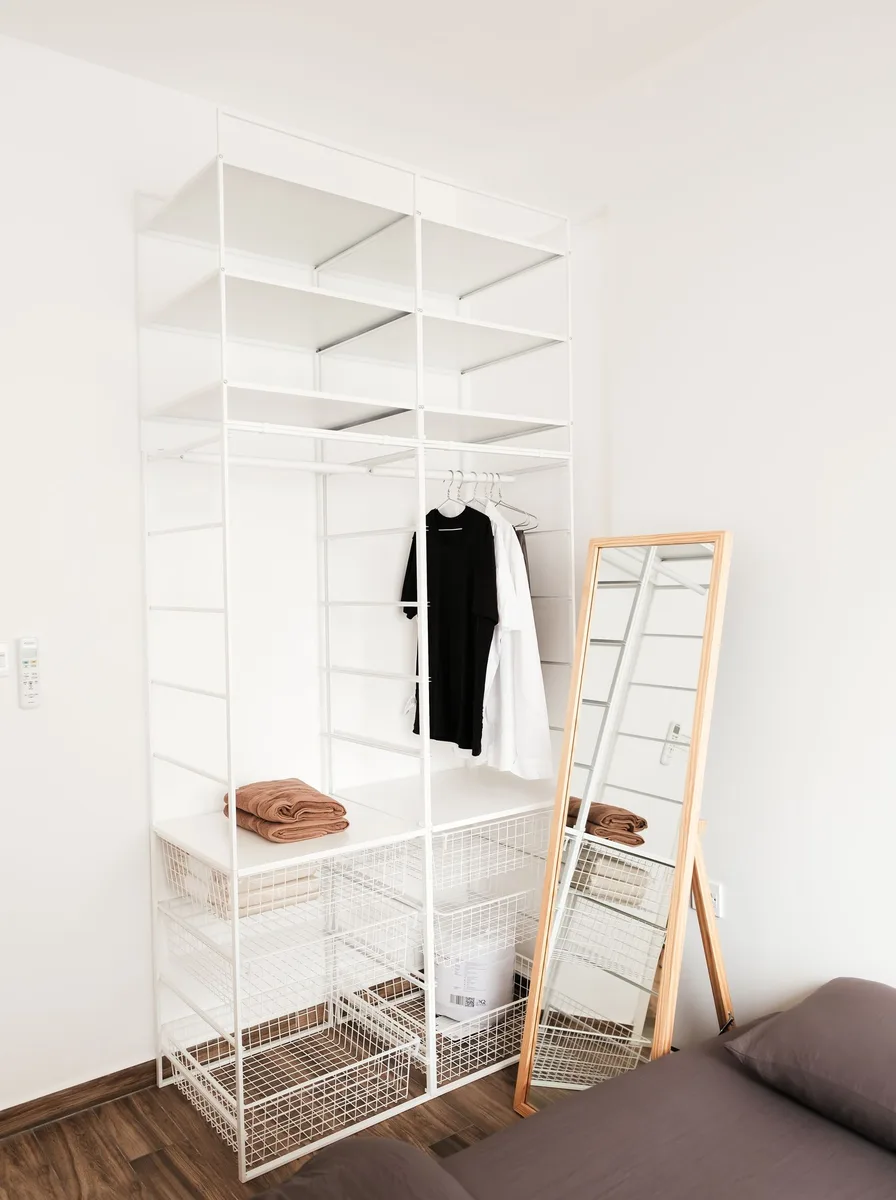
The wall space above door height is almost always wasted in tiny bedrooms. A pair of floating shelves mounted 12 inches below the ceiling holds books, boxes, and decor that you don’t need daily — out of the way but still in the room. Going this high keeps everyday surfaces clear while using square footage that was literally empty air.
Reserve high shelves for lightweight, low-use items: memory boxes, seasonal decor, spare blankets in matching baskets. Anchor every shelf into studs, since overhead storage must be rock solid. Keep the styling minimal and uniform — matching boxes or baskets in a row look intentional from below and hide any mess.
8. Clip a Bedside Caddy to the Mattress
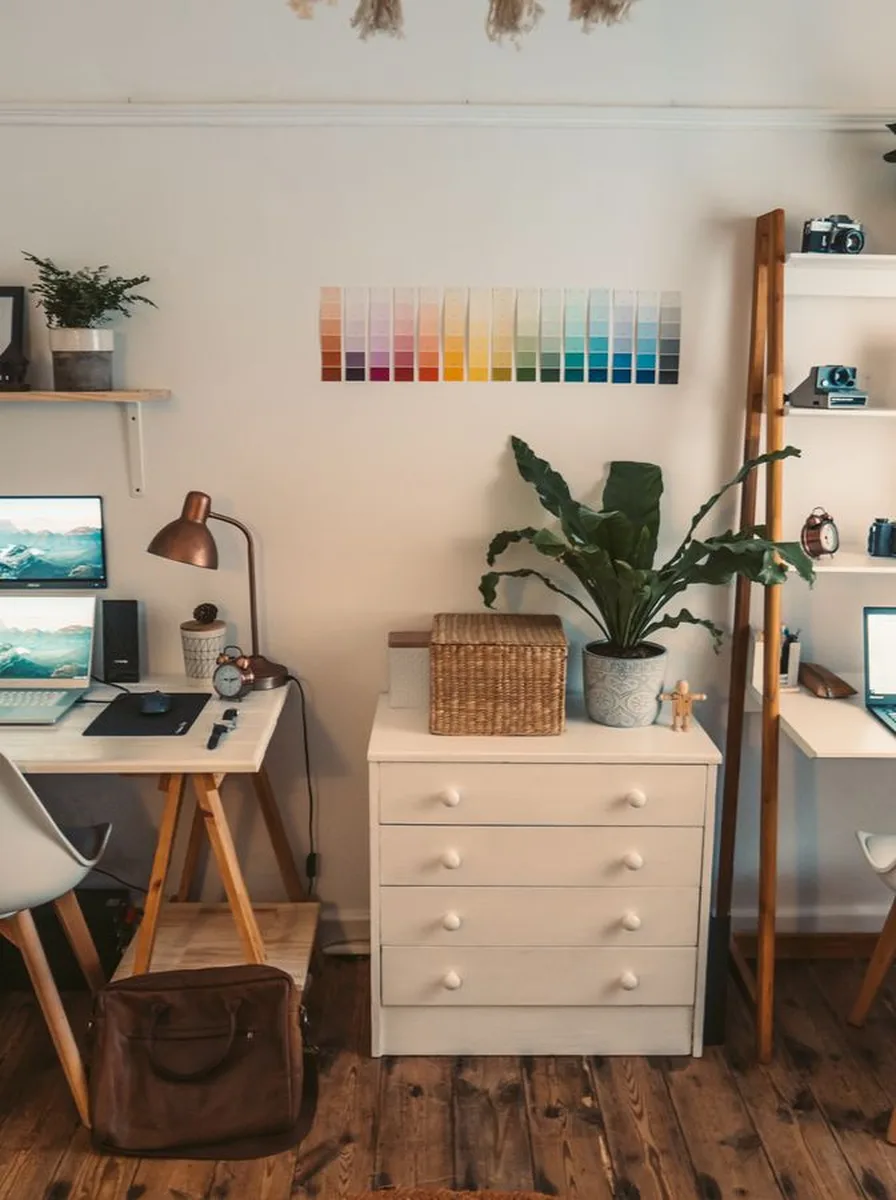
When there’s no room for a nightstand, a bedside caddy is the answer. This fabric organizer tucks between the mattress and frame and hangs down the side of the bed with pockets for a phone, book, glasses, remote, and water bottle. Everything you need within arm’s reach, zero floor space required.
Choose a caddy with at least four pockets and a wide sleeve that grips the mattress securely — models with a non-slip backing stay put best. Pick one in a color that matches your bedding so it blends in. It’s also a brilliant fix for the far side of a bed pushed against a wall, where a nightstand can’t go.
9. Label Every Basket and Box
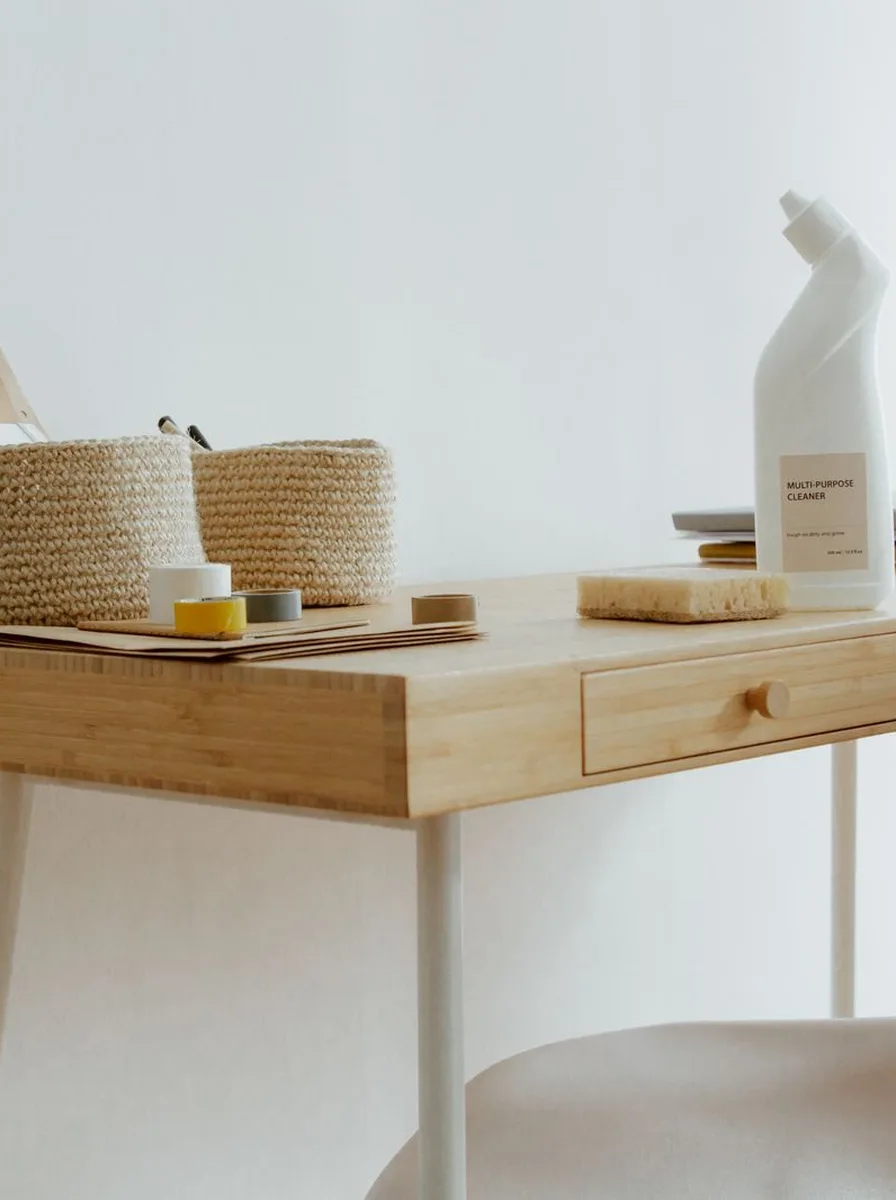
Labels are the difference between organized and actually-staying-organized. When every basket and box says what it holds, you stop opening four containers to find one thing — and so does everyone else in the house. In a tiny bedroom where storage is tucked in odd corners, labels turn hidden storage into findable storage.
Use a label maker, chalk labels, or simple kraft tags tied with string — whatever matches your style. Label the category, not the exact contents (“Winter Accessories” rather than “Blue Scarf”), so the label stays accurate as things change. Stick to broad categories of 5 to 8 per room; more than that and the system gets fussy.
10. Divide Every Drawer with Inserts

An undivided drawer is a junk drawer waiting to happen. Bamboo or plastic drawer dividers split each drawer into zones — socks here, underwear there, tees across the back — so small items stop migrating into one tangled layer. Dividers are the single highest-impact organization purchase for the price; a few dollars transforms how a drawer functions.
Measure the drawer interior and buy expandable dividers or a honeycomb insert that fits snugly. Assign one category per section and resist the urge to over-subdivide — four to six zones per drawer is the sweet spot. Spring-loaded dividers grip the drawer walls without screws and adjust when your needs change.
11. Hang a Pegboard Above the Desk
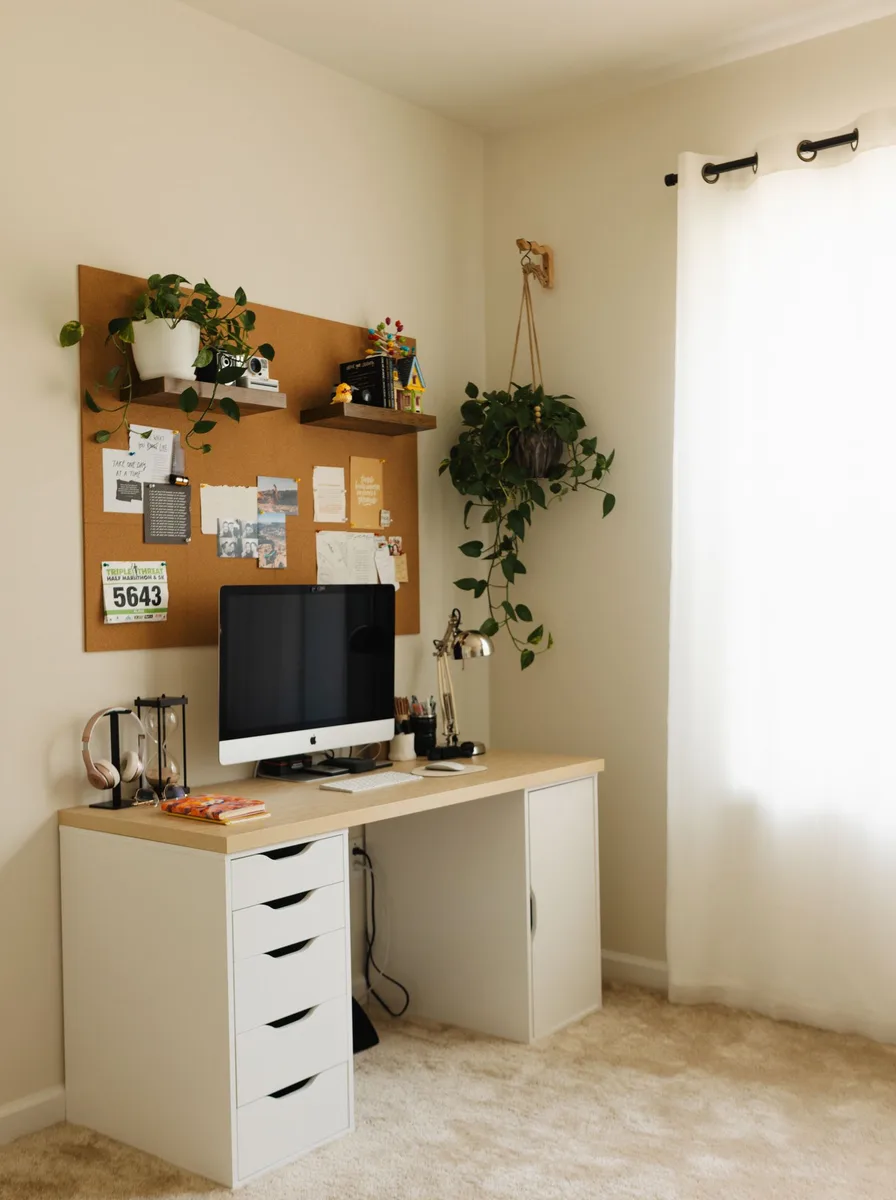
A pegboard turns a blank wall above a desk or dresser into endlessly customizable storage. Hooks, shelves, and cups rearrange in seconds to hold jewelry, headphones, stationery, sunglasses, or craft supplies — everything visible, everything reachable, nothing on the surface. It’s organization that doubles as wall art.
Mount a 2-by-3-foot board with standoff spacers so hooks have clearance behind them, and paint it to match your walls for a built-in look or a bold color for a feature. Start with a basic hook-and-shelf kit and add pieces as you learn what you actually hang. Group like with like — all jewelry on one side, all tech on the other.
12. Corral the Nightstand on a Tray
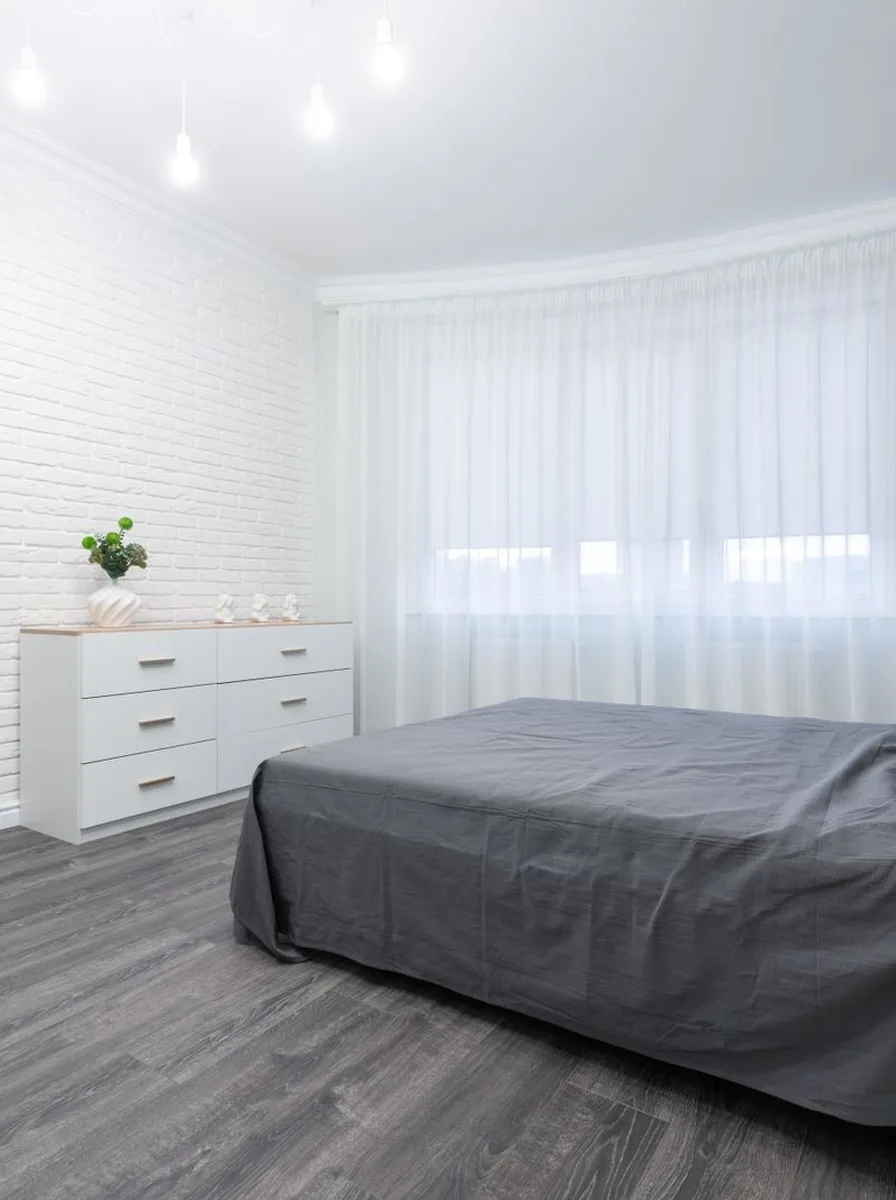
A nightstand in a tiny bedroom collects clutter at record speed: chargers, cups, books, lotions, random everything. A single tray — about 10 to 12 inches across — gives all of it a boundary. Whatever fits on the tray stays; whatever doesn’t finds a real home. The tray reads as one styled object instead of a scattered mess.
Choose a tray with a lip so small items don’t slide off, in a material that suits the room: rattan for warmth, mirrored for glam, wood for coziness. Keep a tiny trash bin or lidded box nearby for the wrappers and receipts that breed on nightstands. Empty the tray weekly — two minutes keeps it working.
13. Line Shoes Up Behind the Door

Shoes are space hogs, and in a tiny bedroom they tend to migrate into a pile by the door. A slim behind-the-door shoe rack or a low under-bed shoe organizer gives every pair a slot and ends the pile permanently. Vertical shoe storage holds 12 to 20 pairs in the footprint of a single floor tile.
Over-the-door racks work for most door thicknesses; just confirm the hooks clear the frame when the door closes. For a cleaner look, slide a low rolling shoe drawer under the bed — out of sight, still accessible. Cap the collection at what fits the rack: one pair in, one pair out keeps the system honest.
14. Add a Storage Ottoman at the Foot of the Bed
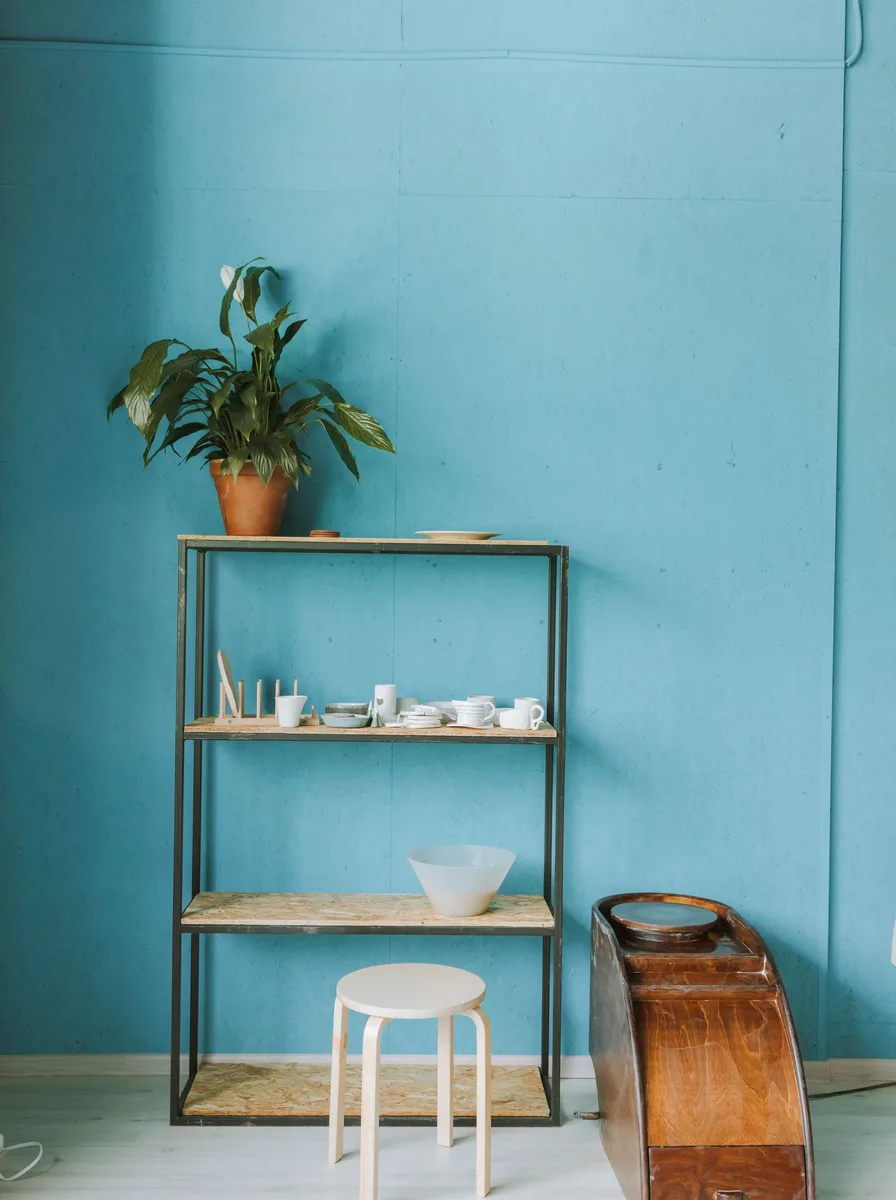
A storage ottoman at the foot of the bed is triple-duty furniture: a bench for getting dressed, a surface for the throw blanket, and a deep bin for spare bedding, off-season clothes, or gift wrap. It uses the dead zone at the bed’s foot that most tiny bedrooms leave empty — and it looks like decor, not storage.
Choose one no wider than the bed and about 16 to 18 inches deep so it doesn’t crowd the walkway. A hinged lid with a soft close is worth the upgrade — no slammed fingers at midnight. Upholstered tops in performance fabric survive daily sitting; a flat top doubles as a laptop desk in a pinch.
15. Stack Hanging Closet Shelves for Knits
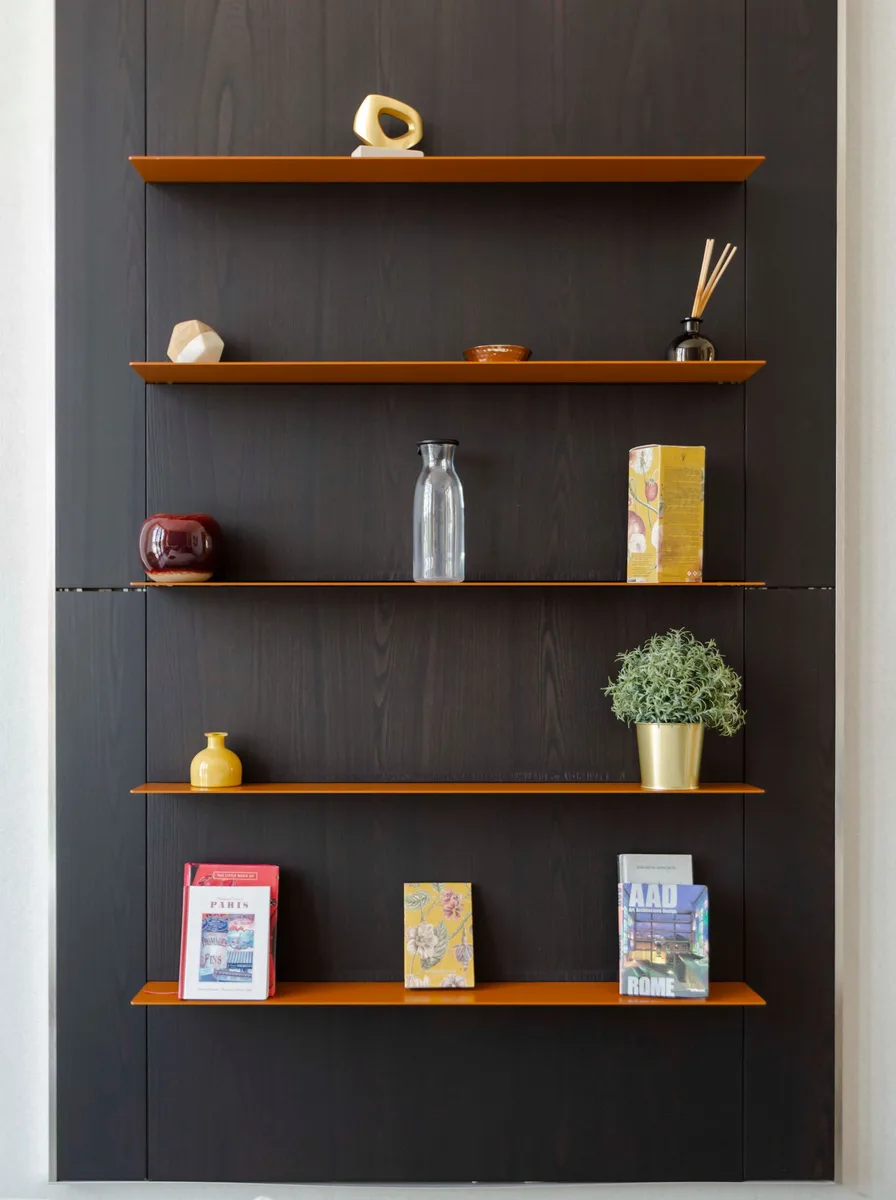
Sweaters and knits stretch out on hangers and eat drawer space folded — hanging fabric shelves solve both. A 6-shelf hanging organizer drops from the closet rod and gives each sweater, hoodie, or bag its own cubby. It’s the fastest way to add shelf space to a closet with zero tools and zero drilling.
Fold knits loosely rather than cramming them in, one category per shelf, heaviest on the bottom for stability. Canvas organizers hold their shape better than fabric ones. Pair them with the double-hang rod from idea 5 and a tiny closet suddenly has the capacity of a much bigger one.
16. Tame Nightstand Cables with a Box

Chargers multiply in the dark: phone, watch, earbuds, lamp — each with a cable snaking across the nightstand. A cable management box hides the power strip and excess cord inside one tidy container, with only the short charging ends emerging through slots. The nightstand goes from tech spaghetti to serene in one move.
Pick a box with ventilation holes and rubber feet, sized to fit your power strip plus slack — roughly 12 by 5 inches works for most setups. Route cables with small adhesive clips along the back of the furniture so nothing dangles. Label the charger ends with washi tape if you share the strip; no more unplugging the wrong device.
17. Rotate Seasons Out of the Closet
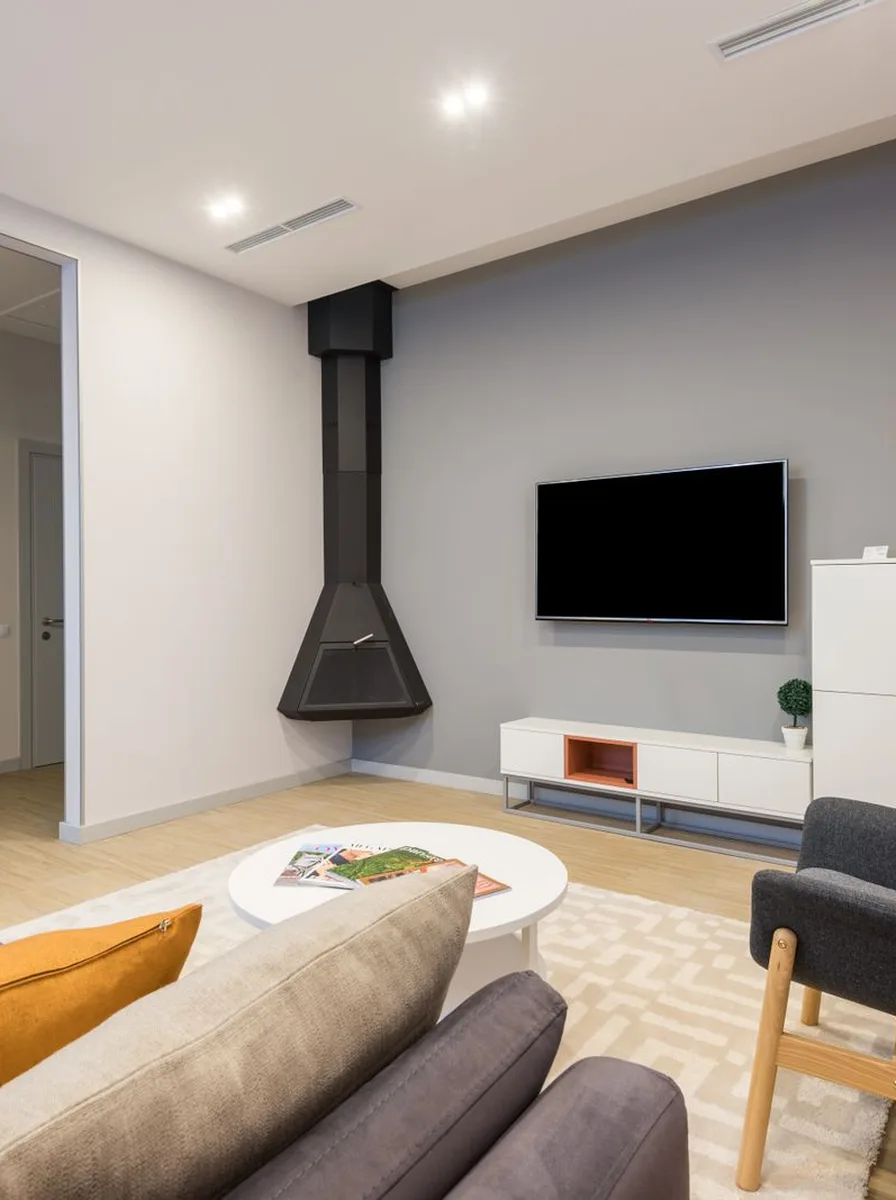
A tiny closet can’t hold four seasons at once — so don’t ask it to. Seasonal rotation moves off-season clothes into under-bed bins, top-shelf boxes, or a hallway closet, leaving only what you’re actually wearing. Your closet instantly feels twice as big, and getting dressed gets dramatically easier when every option is weather-appropriate.
Do the swap twice a year — a weekend afternoon each — and wash everything before storing. Vacuum bags shrink bulky coats and sweaters to a third of their size; toss in a cedar block or lavender sachet to keep them fresh. Label each container by season so the spring swap takes minutes, not hours.
18. Hang Jewelry on a Wall Organizer
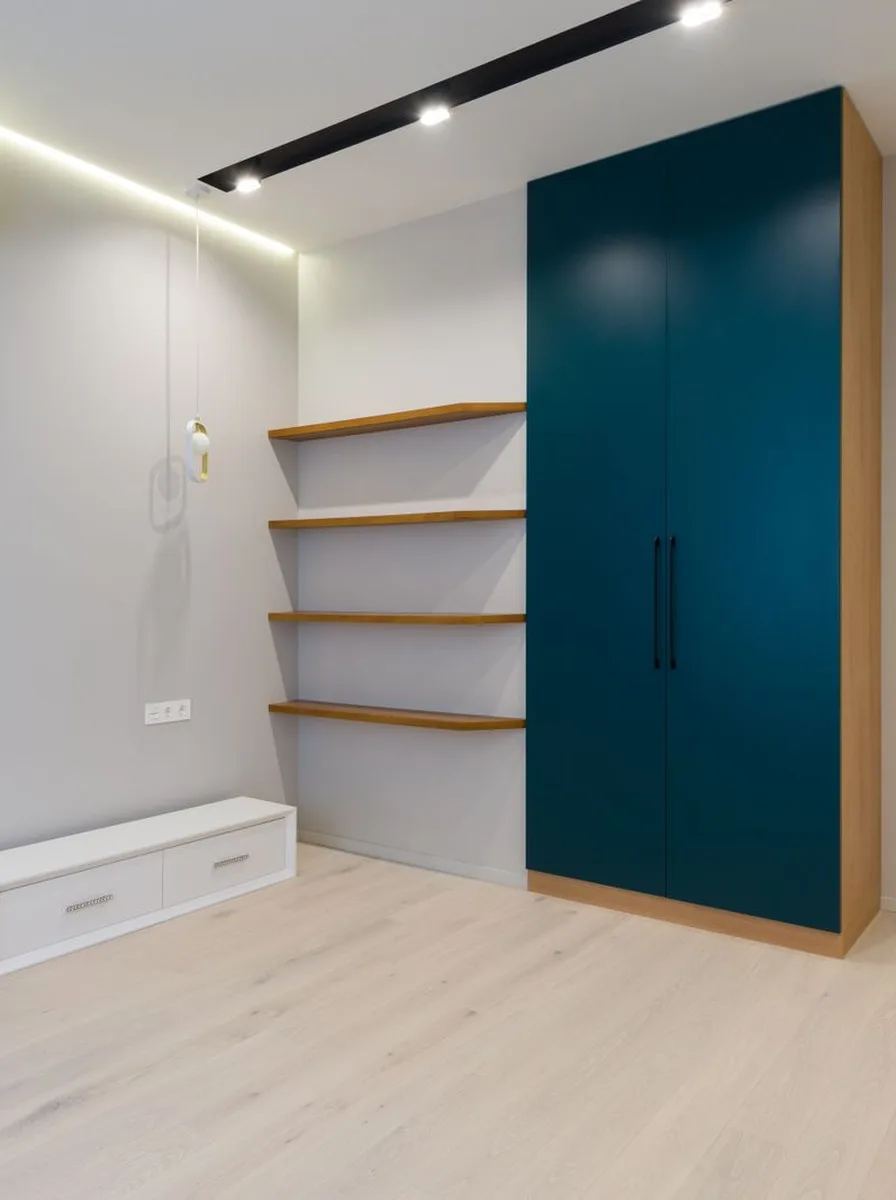
Jewelry tangles in drawers and disappears in boxes, but on a wall organizer it’s both stored and displayed. A framed mesh panel, a row of hooks, or a dedicated jewelry cabinet with a mirror keeps necklaces untangled, earrings paired, and everything visible — which means you actually wear your collection instead of forgetting it.
Hang necklaces on individual hooks spaced 2 inches apart so chains never touch. A wall-mounted cabinet with a mirror inside the door hides the collection and adds a getting-ready mirror in one piece — ideal for tiny bedrooms. Keep daily pieces at eye level and occasion pieces higher up.
19. Hide the Hamper Inside the Closet

A freestanding hamper eats floor space and never looks tidy. Sliding a slim hamper — or a hanging laundry bag on the closet door — inside the closet keeps dirty clothes contained and invisible. The bedroom stays serene, the laundry still gets collected, and you’ve reclaimed a square foot of floor.
Choose a hamper no more than 12 inches wide so it fits a standard closet corner, or use a two-compartment hanging bag to pre-sort lights and darks. Ventilated fabric or mesh prevents mustiness. Empty it on a schedule — laundry day is non-negotiable — because an overflowing hidden hamper defeats the purpose.
20. Mount Magnetic Strips for Small Metal Items
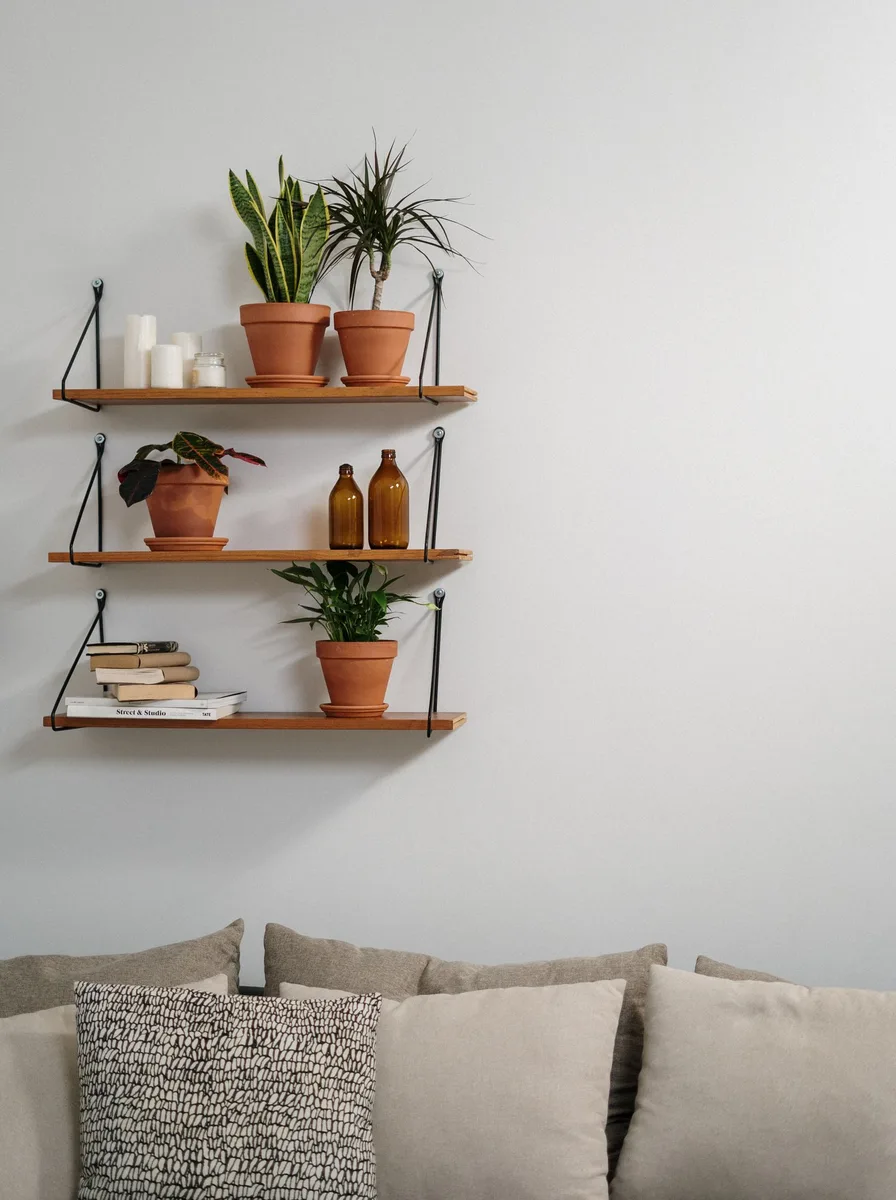
Bobby pins, tweezers, nail clippers, and small tools vanish into drawers — unless they live on a magnetic strip. A 12-inch magnetic knife-style strip mounted inside a cabinet door or on the wall near a mirror holds every small metal essential in plain sight. It’s the tiniest organization upgrade with one of the biggest daily payoffs.
Mount the strip with screws for a permanent hold or heavy-duty adhesive for renters; inside a medicine cabinet door keeps everything hidden but handy. Wipe metal items dry before sticking them up to protect the magnet’s finish. One strip by the mirror and one inside the desk drawer cover nearly every small-metal need.
21. Use a Headboard with Built-In Storage
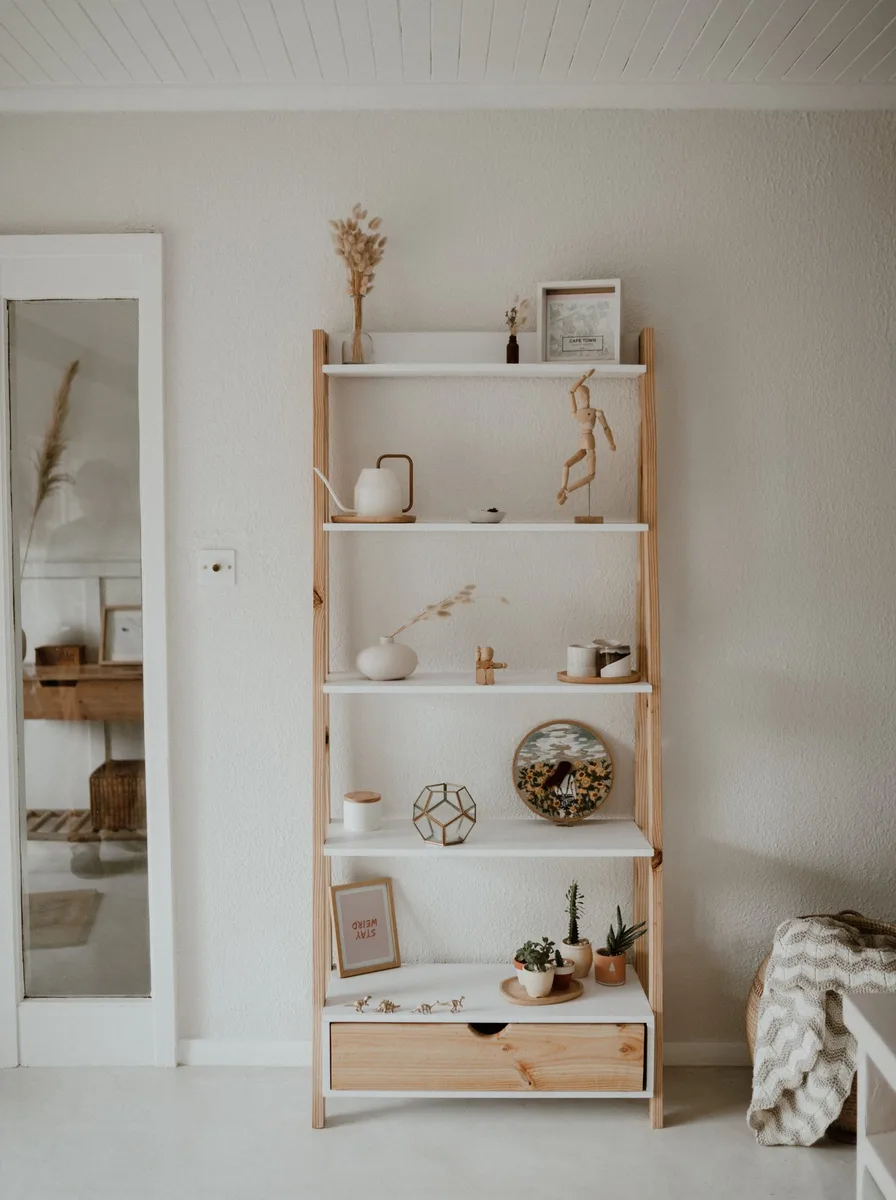
A storage headboard replaces the nightstand entirely. With shelves, cubbies, or hidden compartments built into the headboard, books, glasses, chargers, and decor live right behind your pillows — no side tables required. In a bedroom too narrow for nightstands, this is the difference between organized and impossible.
Look for headboards with a shelf at least 6 inches deep so books stand upright, plus a cable cutout for charging. Freestanding bookcase headboards work with any bed frame and move with you. Style the shelves sparsely — a plant, two books, one frame — so the headboard stays calm rather than cluttered.
22. Keep a “Reset Basket” for Daily Tidying

The reset basket is the secret weapon of people with tidy small bedrooms: one attractive basket that holds everything currently out of place. Instead of a 20-minute tidy, you do a 2-minute sweep — everything stray goes in the basket. The room looks clean instantly, and you put the basket’s contents away properly when you have a moment.
Choose a lidded basket so the sweep reads as decor even mid-week, and keep it in a consistent spot — the closet floor or a shelf. The rule: the basket gets fully emptied once a week, no exceptions, or it becomes a junk drawer. Pair it with the nightly five-minute reset in idea 25 and the room practically tidies itself.
23. Stack Clear Boxes for Bulky Items

Bulky, rarely-used items — spare pillows, gift wrap, craft supplies — need homes too, and clear stackable boxes are the answer. The transparency means you can see what’s inside without opening anything, and the uniform stack looks tidy on a closet top shelf or under a desk. No more mystery boxes you never open.
Buy one size and stick with it — uniform boxes stack safely and look far neater than a jumble. The 12-quart size fits most closet shelves; go bigger only for bedding. Add a simple label even though they’re clear, because “Winter Hats” is faster to read than a visual scan. Never stack higher than you can safely lift down.
24. Organize the Room by Activity Zone
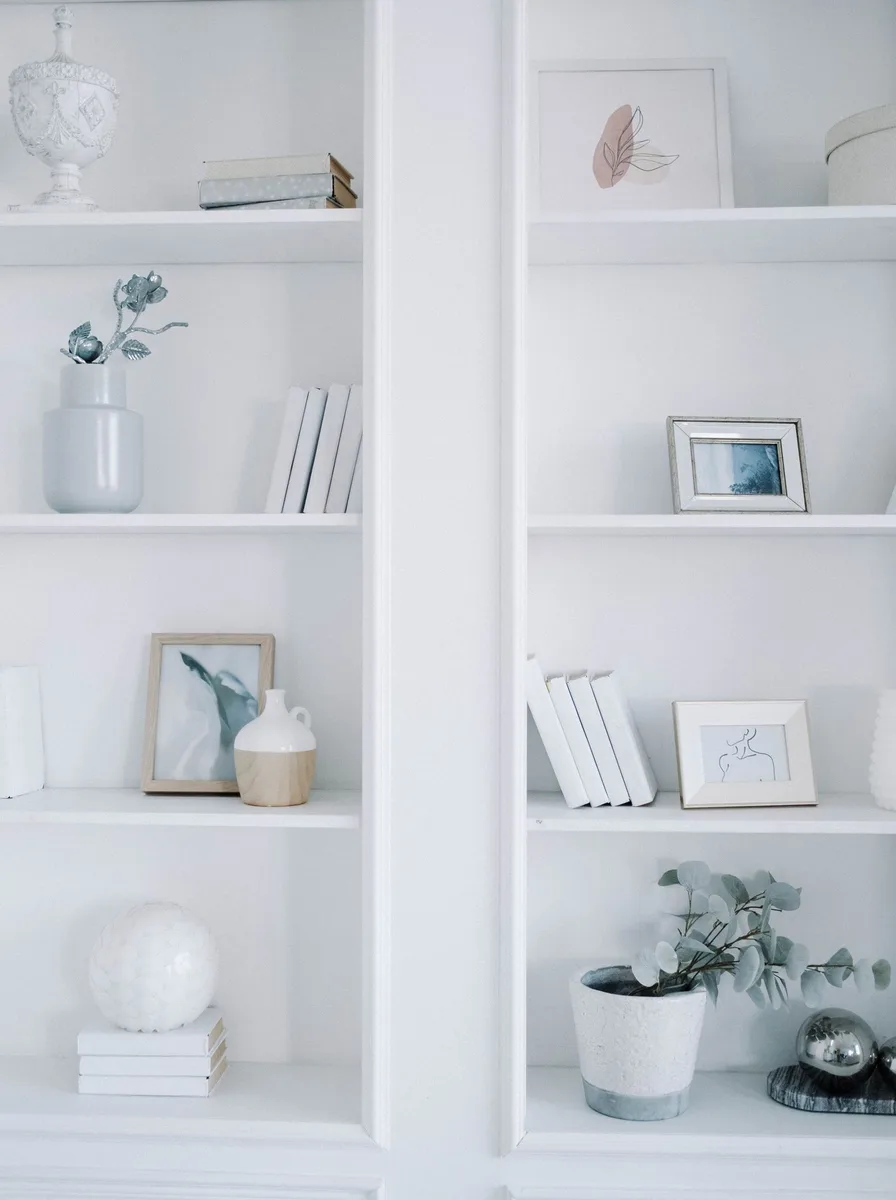
Zone organization means everything you need for one activity lives together: sleep zone by the bed (book, charger, water), dress zone by the closet (hamper, lint roller, jewelry), work zone at the desk (supplies, headphones). When items live where they’re used, putting things away is one step instead of five — and the system maintains itself.
Walk through your morning and evening routines and note where you stand for each task; that’s where the zone lives. Give each zone one container or surface — a tray, a hook row, a drawer — and nothing more. Zones also make the room feel bigger, because each area has a clear purpose instead of blurred, cluttered boundaries.
25. Do a Five-Minute Nightly Reset
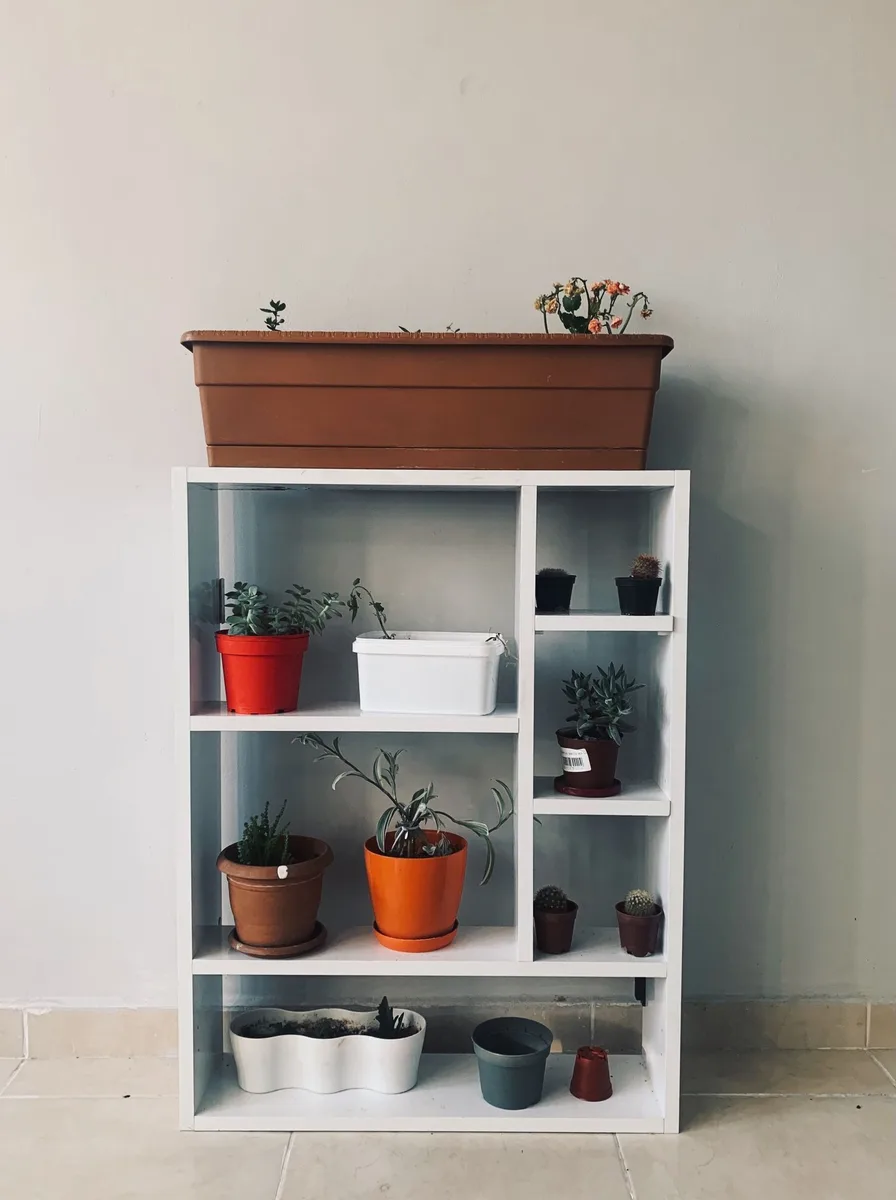
Every organization system in this guide works better with one habit: a five-minute reset before bed. Make the bed’s pillows straight, return the reset basket’s strays, hang up the chair clothes, plug in the phone. Five minutes prevents the slow creep that turns a tidy room into a disaster zone by Friday — maintenance beats rescue every time.
Set a phone reminder for the same time each night until it’s automatic, and keep a short checklist taped inside the closet door: bed, surfaces, floor, basket. Involve everyone who uses the room — one person’s reset can’t survive another’s chaos. Waking up to a calm, organized bedroom changes how the whole day starts.