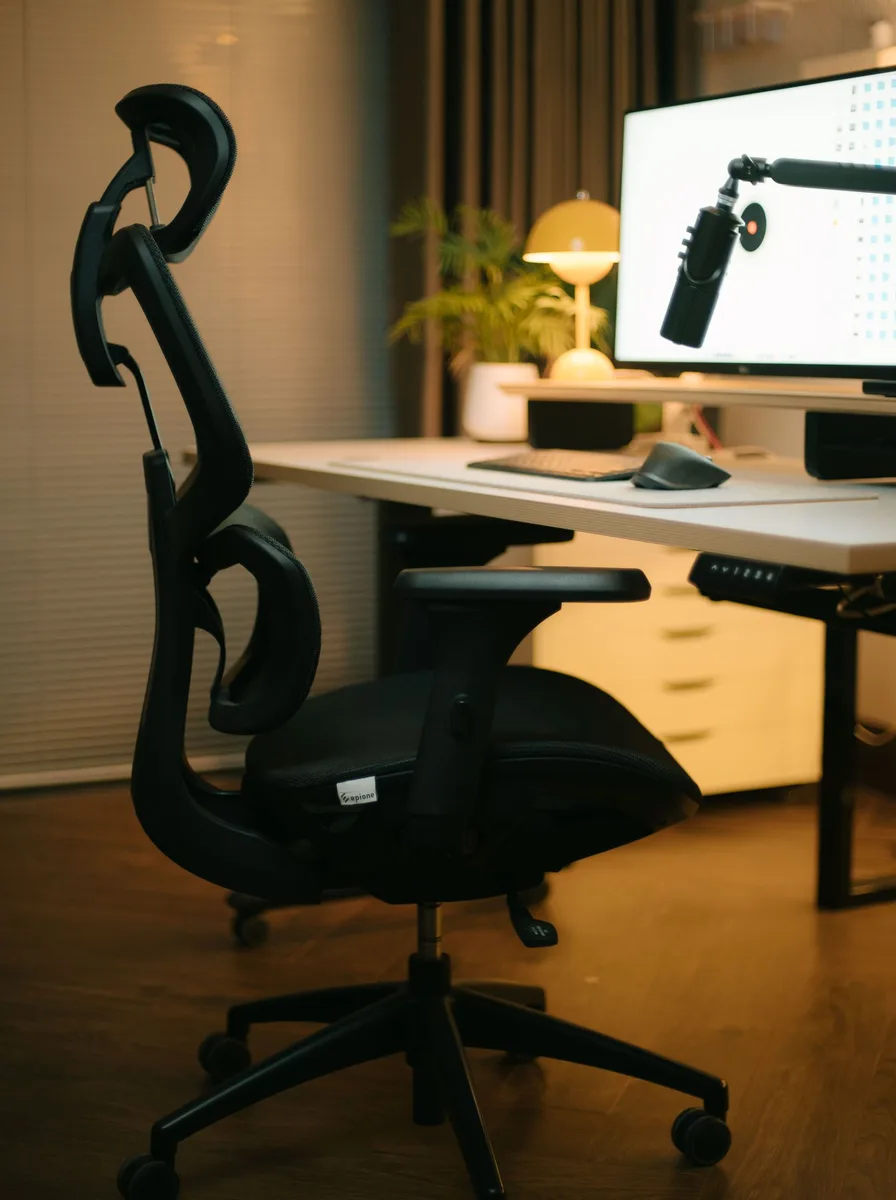
Working from home means your dining chair is no longer getting away with it. A proper home office chair turns long remote days from an endurance test into something you barely notice — and it doesn’t have to look like corporate furniture. The right chair also protects your body over years of remote work, which makes it one of the highest-value purchases in your home.
This guide covers how to match a chair to your work hours, measure your space, balance comfort with style, and spend wisely. By the end, you’ll know exactly which chair makes your work-from-home life easier.
Match the Chair to Your Work Hours
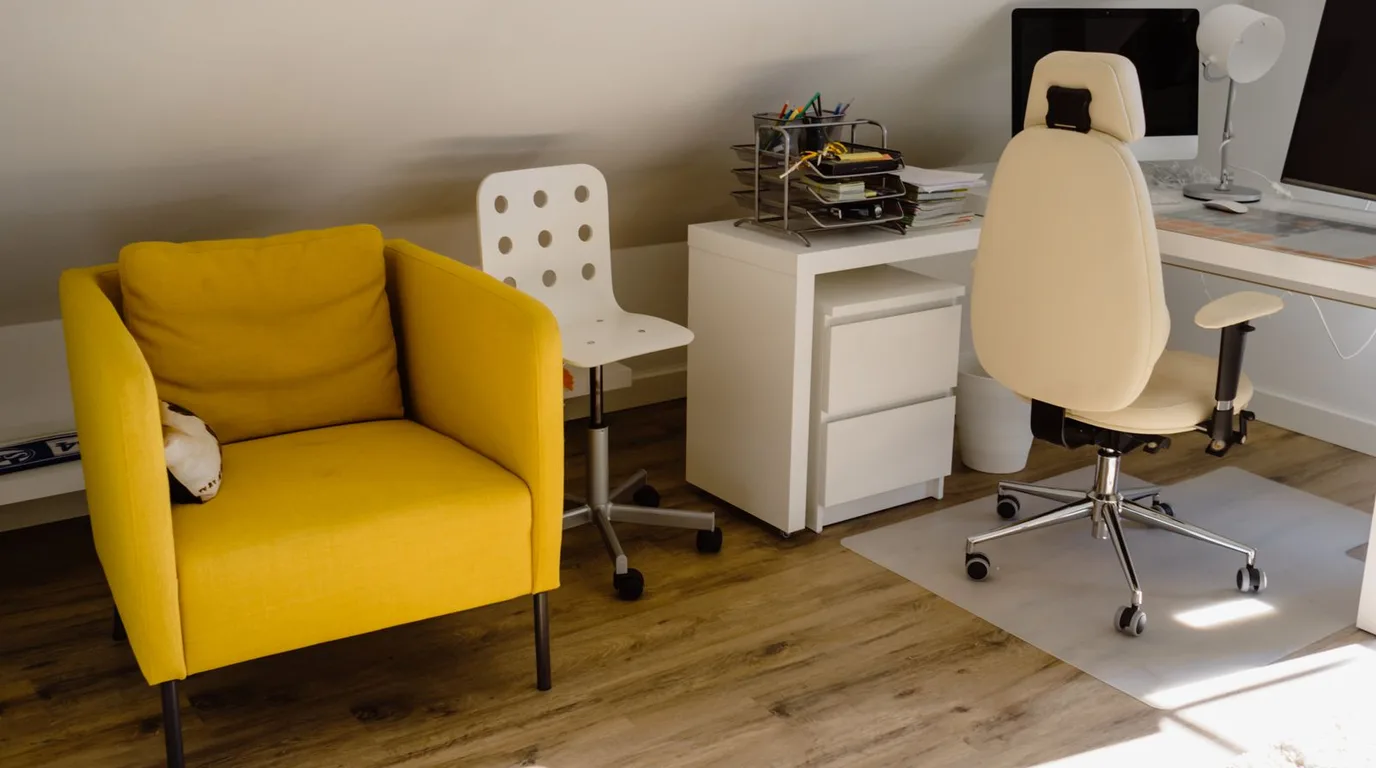
How long you sit should decide how much chair you buy. Two hours of evening admin needs far less support than eight hours of video calls. As a rough guide: under three hours a day, a simple task chair works; three to six hours, you want adjustable height and lumbar support; over six hours, invest in full ergonomics — adjustable everything and quality foam or mesh.
Hour-based shopping:
● Be honest about your real hours, including the scrolling you do after logging off.
● Part-time desk workers can prioritise looks; full-time remote workers must prioritise support.
● If your hours are growing, buy for where you’ll be in a year, not where you are today.
● A mid-range ergonomic chair beats an expensive designer chair for all-day comfort.
Measure Your Space Before You Shop
Home offices are often carved from bedrooms, living rooms, or hallway corners — and a bulky executive chair can swallow the whole nook. Measure your desk height, the width of your workspace, and how far the chair needs to roll back. Leave at least 60cm behind the desk for the chair plus your legs.
Measure twice:
● Check the chair’s full footprint, not just the seat — five-star bases are wider than they look.
● Make sure the chair slides under your desk when not in use to reclaim floor space.
● Low ceilings or sloped attic rooms need chairs with a lower maximum backrest height.
● Photograph your space with a tape measure visible — it stops optimistic guessing in the shop.
Prioritise Comfort, Then Get the Looks
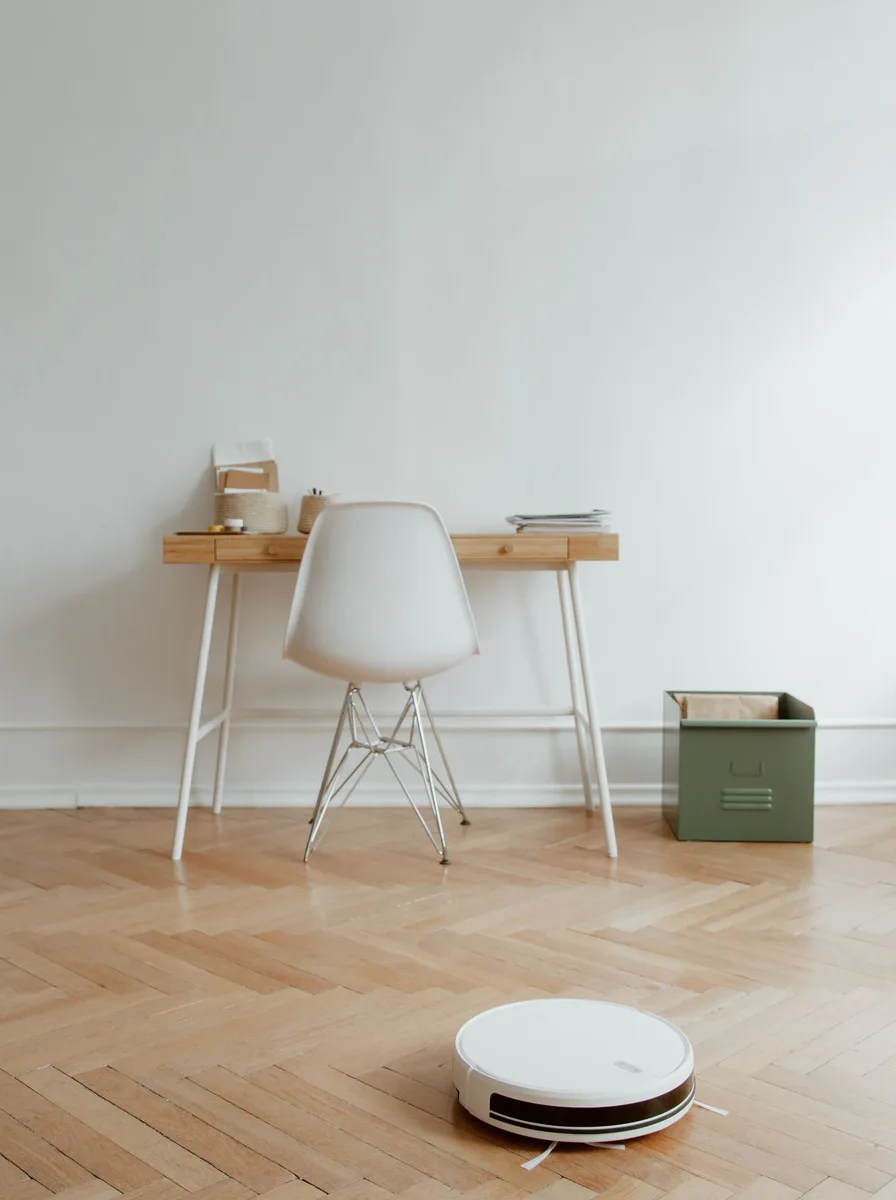
Your home office chair lives in your living space, so it has to look decent — but comfort still comes first. The good news is you no longer have to choose: plenty of ergonomic chairs now come in warm fabrics, oak-accented frames, and soft colours that suit a home. Start your shortlist with ergonomics, then pick the best-looking of the comfortable options. A chair you love looking at is one you’ll actually keep using properly.
Best of both worlds:
● Fabric upholstery in bouclé, linen-look, or wool blends looks homely and wears well.
● Avoid shiny black plastic if your room is warm and textured — it reads as office, not home.
● A chair in a colour that echoes your rug or curtains looks intentional, not improvised.
● Mesh backs in grey or beige disappear visually; black mesh makes a stronger statement.
Check the Wheels and Base
Wheels decide whether your chair glides or grinds. Hard floors need soft, rubber-coated castors that won’t scratch; carpets need harder wheels that actually roll instead of sinking. A five-star base is the stability standard — four-legged or cantilever designs look sleeker but tip more easily when you lean.
Roll smoothly:
● Test the chair on your actual flooring, not the shop’s carpet.
● Soft castors on wood or laminate floors prevent scratches and cut noise dramatically.
● Locking castors are worth it if your chair drifts on smooth floors.
● A chair mat protects flooring and makes rolling effortless — clear ones disappear visually.
Think About Noise and Floors
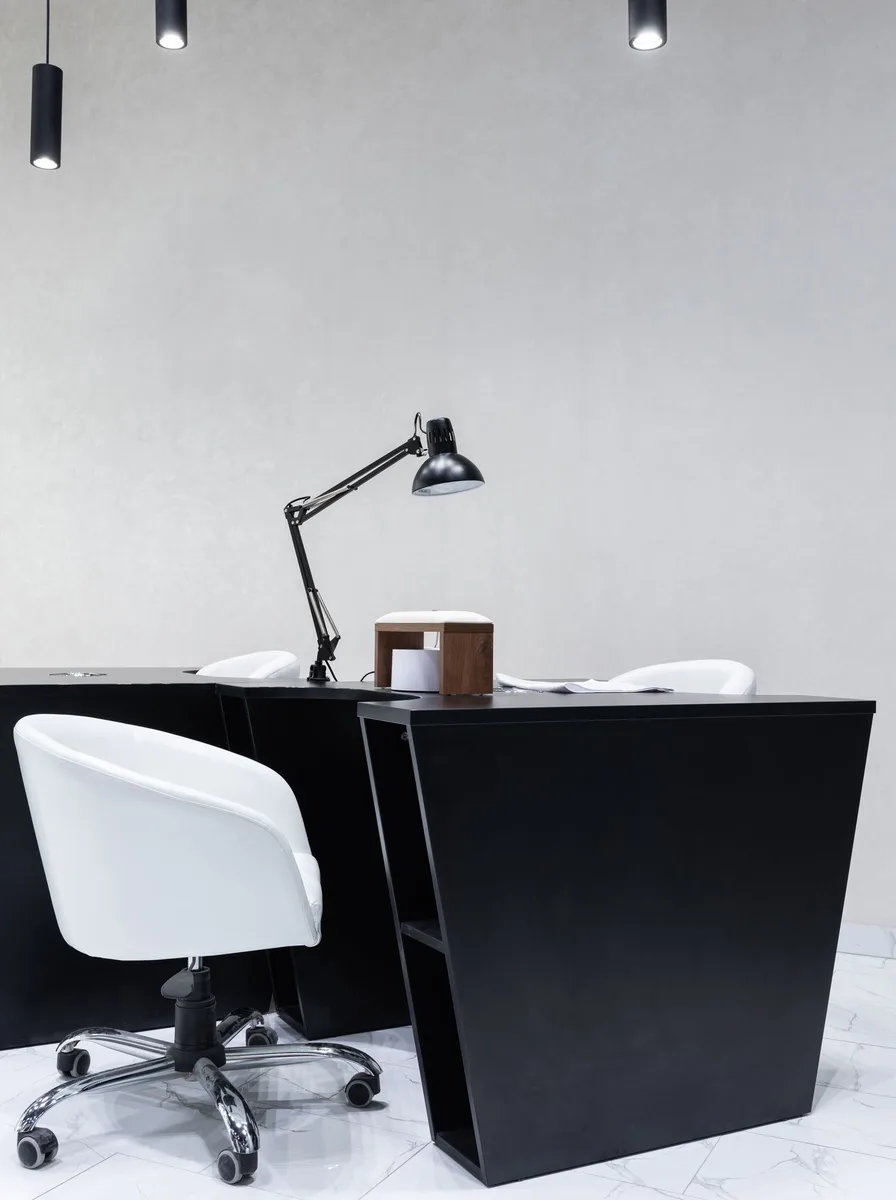
When your office is also your home, a squeaky chair is a household problem. Cheap mechanisms creak, plastic castors rattle on hard floors, and gas lifts hiss. Look for chairs with quiet mechanisms, soft wheels, and solid construction — and remember that a rug under your workspace absorbs both noise and rolling.
Keep it quiet:
● Rock the display model side to side in the shop — creaks now mean creaks forever.
● Rubber or polyurethane castors are far quieter than hard nylon on wood floors.
● Tighten all bolts after the first month; most new-chair squeaks come from settling.
● A low-pile rug under the desk area protects floors and hushes rolling noise.
Set a Budget That Makes Sense
You don’t need to spend a fortune, but the cheapest chairs cost more in the long run — replacing a £80 chair three times costs more than buying one £200 chair that lasts. For full-time remote work, the sweet spot is usually £150 to £350: proper ergonomics, decent materials, and a warranty that means something. Think of it as buying back comfort for every working day of the next five years.
Spend smart:
● Divide the price by the hours you’ll sit in it — even £300 is pennies per hour over three years.
● Check the warranty length; a five-year warranty signals a chair built to last.
● Second-hand premium chairs (from office clearances) are the best value in seating.
● Skip gimmicks like massage motors and built-in speakers — put the money into the mechanism.