

A small bedroom isn’t a problem to solve — it’s a puzzle to enjoy.
Every centimetre counts, which means every choice matters more. The good news: small rooms are cheaper to decorate, quicker to clean, and easier to make cozy than big ones. With smart planning, a tiny bedroom can hold everything you need and still feel open, calm, and completely yours.
The strategy is simple: go up, go hidden, and go double-duty.
Walls hold what floors can’t, storage hides inside furniture, and every piece earns its place by doing two jobs. Light colours and mirrors stretch the space visually, while ruthless editing keeps it feeling generous. Small-bedroom living is an exercise in intention — and the results are often more stylish than sprawling rooms.
This guide gathers 23 smart small bedroom ideas that squeeze maximum function from minimum square footage.
From wall-mounted nightstands and loft beds to over-door organizers, vertical shelving, and furniture that folds away, you’ll find a complete toolkit for making a little room live large — no extension required.
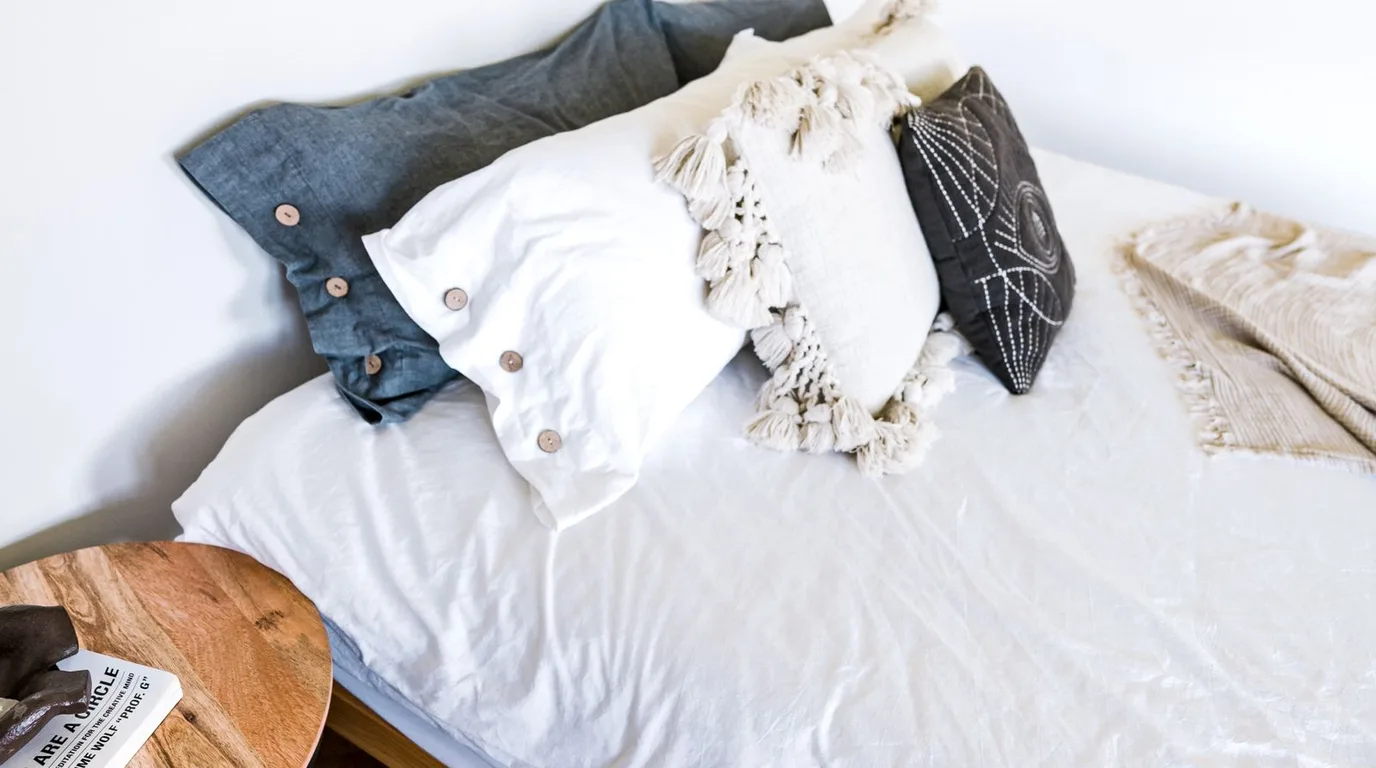
1. Mount Everything Possible on the Wall
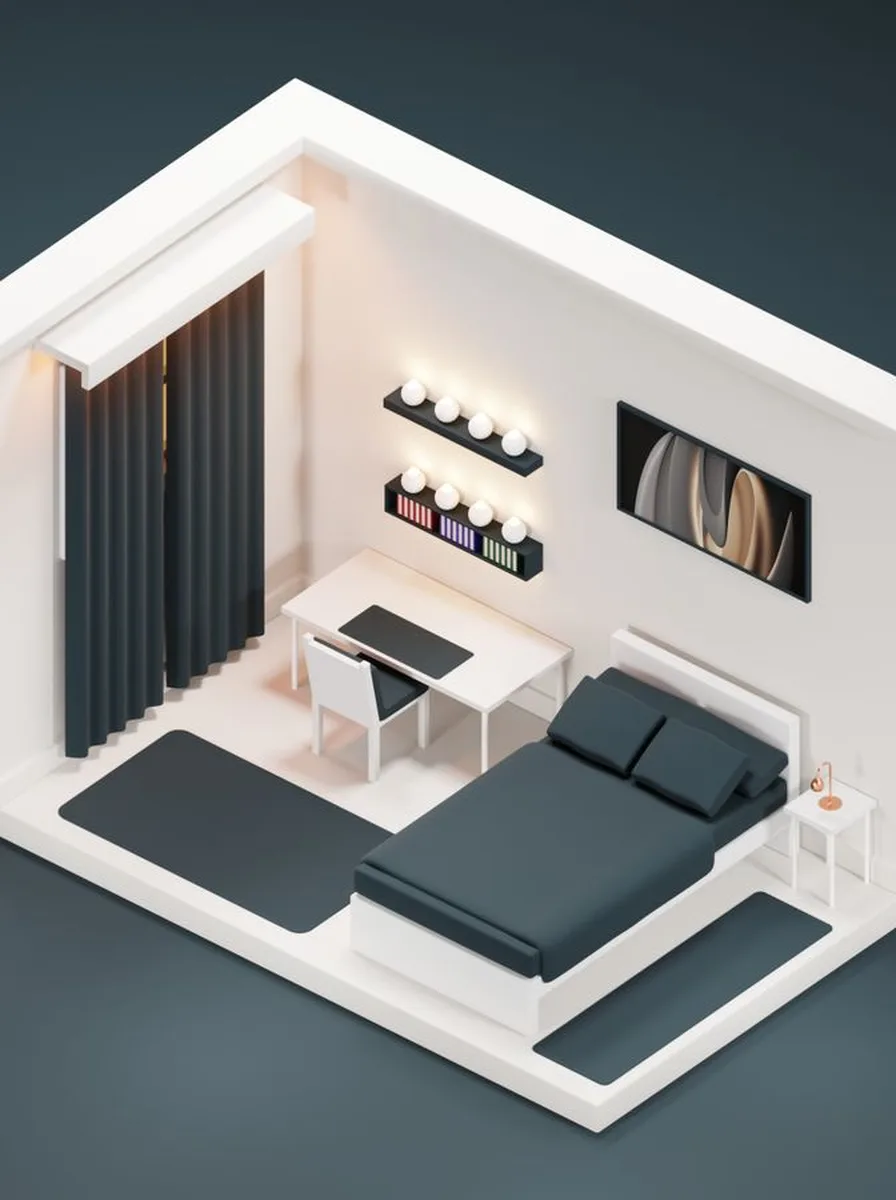
In a small bedroom, the floor is prime real estate — so get things off it. Wall-mounted nightstands, sconces instead of table lamps, floating shelves instead of bookcases: every item you lift onto the wall frees floor space and makes the room feel bigger. The eye reads clear floor as spaciousness. Wall-mounted lights free the entire nightstand surface — in a tiny room, every centimetre of surface matters. Choose swing-arm sconces for reading flexibility.
Start with the biggest floor-hogs: bedside tables and lamps are the easiest wins. A pair of wall sconces with swing arms gives better reading light than any table lamp while using zero surface. Once you start thinking vertically, you’ll find homes for everything on the walls. Hardwired sconces look cleanest, but plug-in versions with cord covers work for renters. Either way, the floor stays clear and the room feels larger.
2. Choose a Bed with Built-In Storage
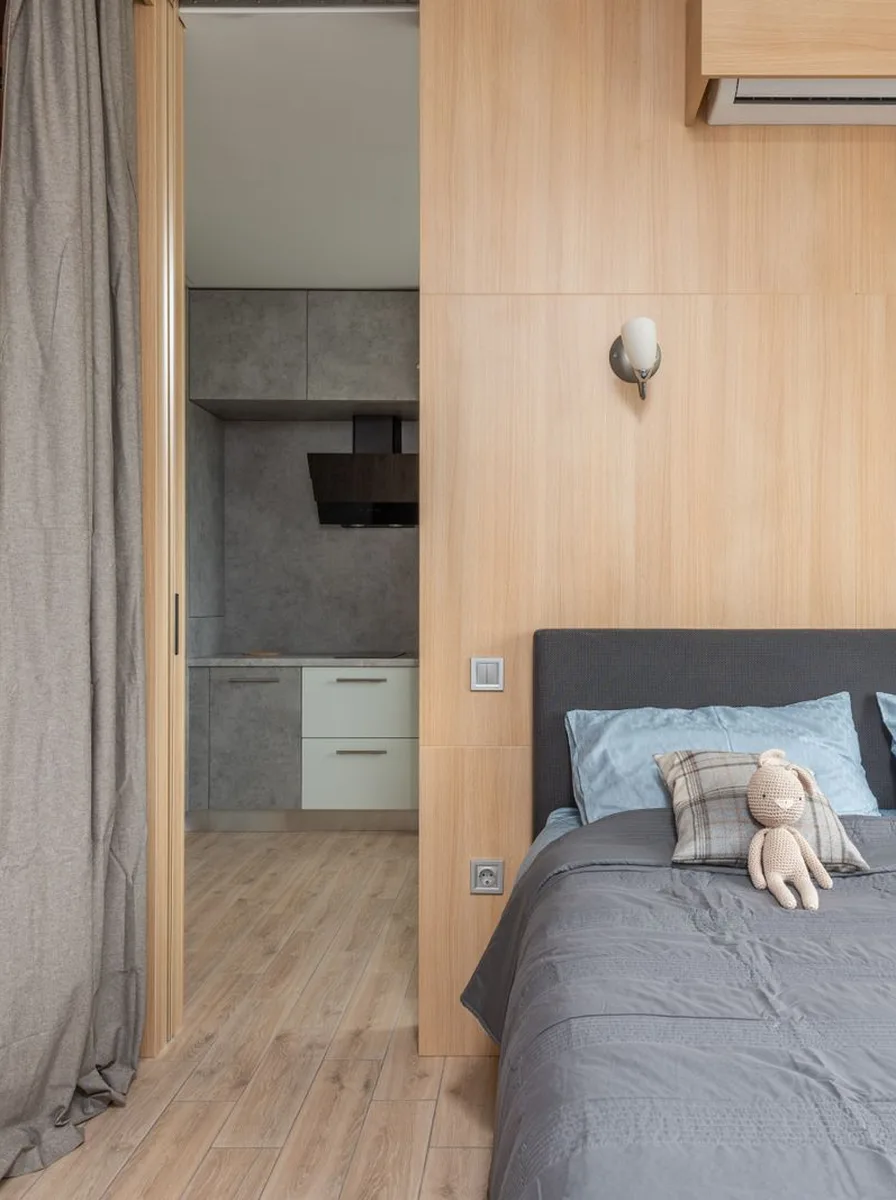
The bed occupies the most floor area, so make it work hardest. An ottoman bed that lifts to reveal a huge storage cavity, or a divan with deep drawers, swallows spare bedding, out-of-season clothes, and luggage — potentially replacing an entire wardrobe’s worth of storage. A wall-mounted folding desk disappears when the workday ends, restoring the bedroom’s calm. The psychological boundary matters as much as the physical one.
Ottoman beds offer the most space since the whole base opens up, while drawer divans give easier daily access. Either way, you’re gaining cubic metres of hidden storage from footprint you were using anyway. It’s the highest-ROI purchase a small bedroom can make. Mount at proper desk height — 73cm — for ergonomic comfort. A folding chair hung on the wall beside it completes the vanishing office.
3. Use the Back of the Door
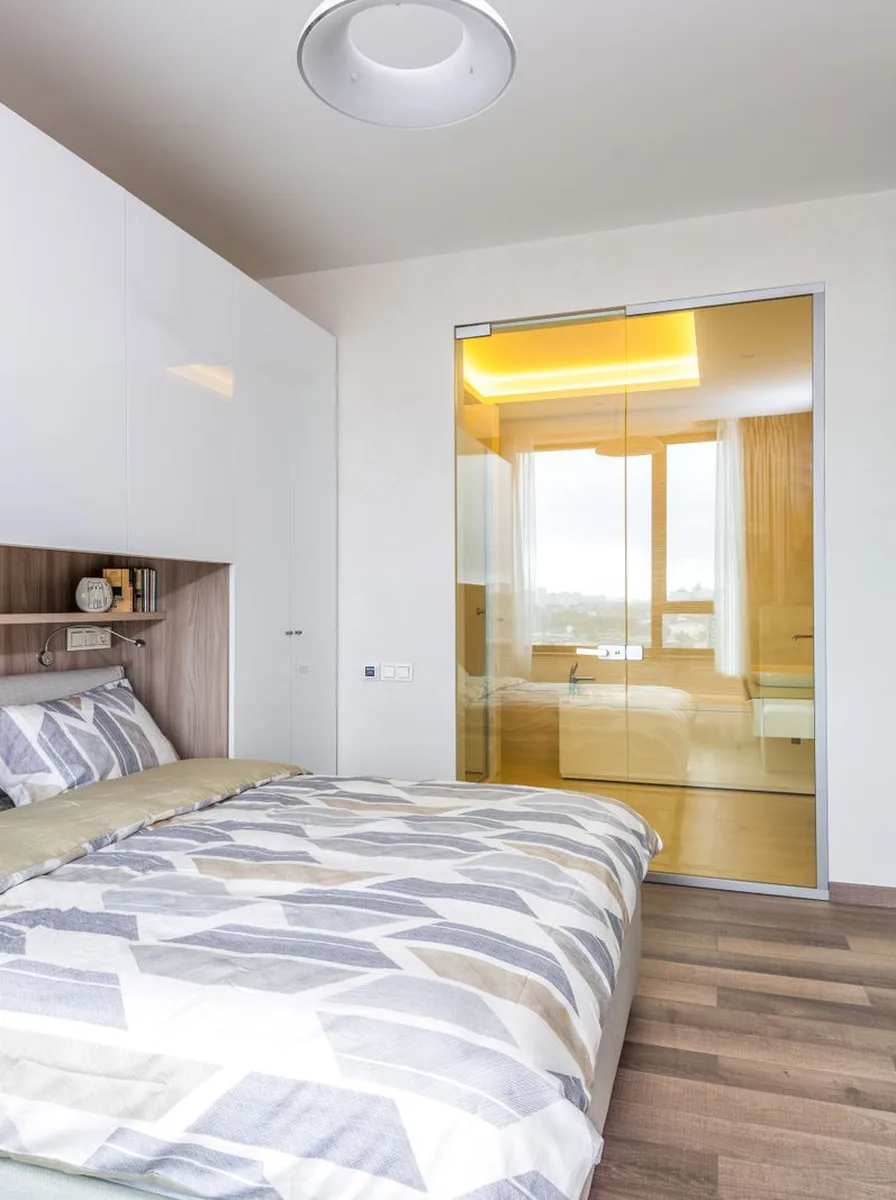
The back of the bedroom door is free storage hiding in plain sight. Over-door hooks hold robes, bags, and tomorrow’s outfit; slim over-door organizers with pockets swallow shoes, accessories, scarves, and small essentials. It uses zero floor and zero wall space. Choose a bed with built-in drawers rather than adding boxes underneath — integrated storage glides smoother and looks tidier. Two deep drawers can swallow a season’s wardrobe.
Choose organizers that sit flat so the door still closes fully, and keep the weight reasonable to protect hinges. This is rental gold — no drilling, no damage, just instant extra storage exactly where you need it. Keep everyday items in the drawers and occasional items in harder-to-reach storage. Frequency of use should dictate accessibility.
4. Go Vertical with Tall Shelving
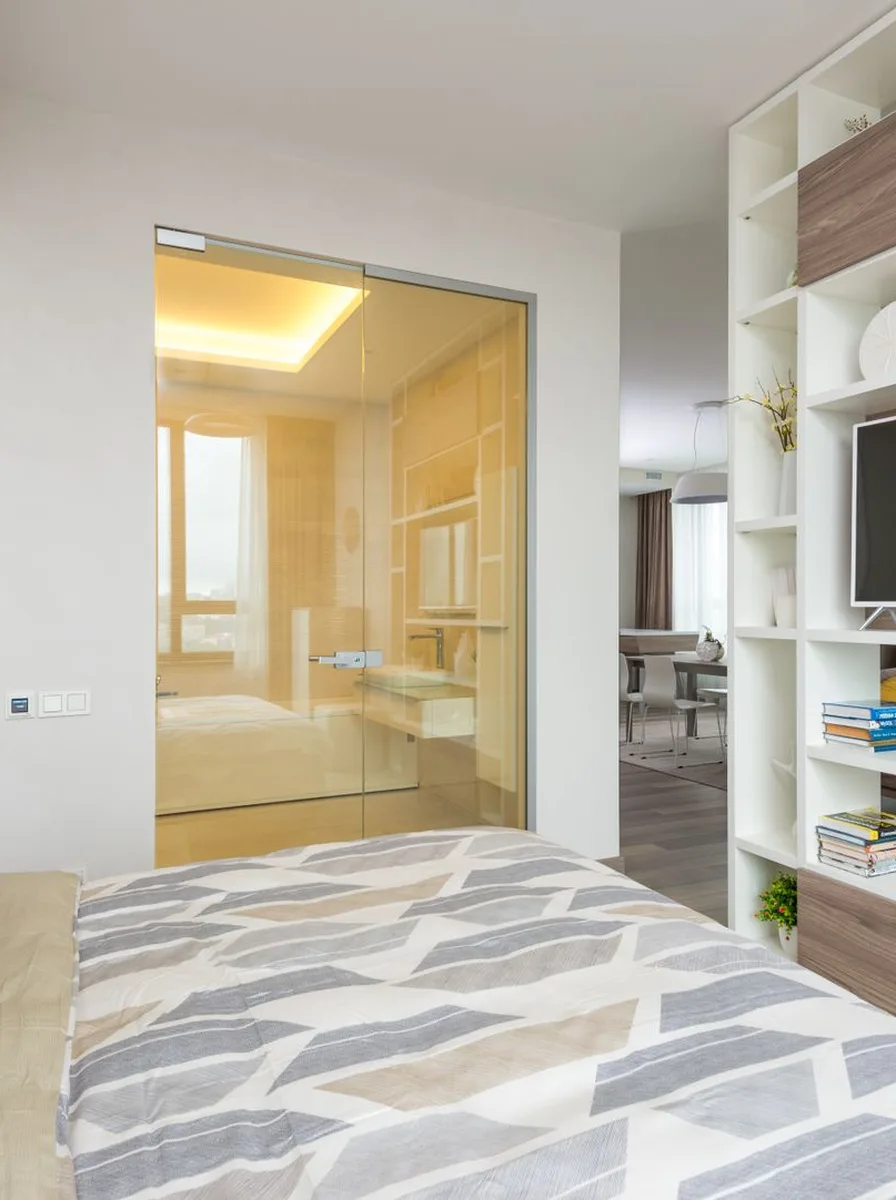
Small rooms usually have one thing in abundance: wall height. A tall, narrow bookcase uses a tiny footprint while offering metres of shelf space — far more efficient than a wide, low unit. Go as high as you comfortably can reach, with pretty boxes on the top shelves. A fold-down wall desk with a slim profile takes zero floor space when closed. Look for designs with interior shelving that stays usable even folded.
Anchor tall furniture to the wall for safety, especially in homes with children. Style the shelves with books below and decorative storage above, keeping everyday items at arm’s height. Vertical storage draws the eye up, which also makes ceilings feel higher. Anchor it securely to studs — a loaded desk is heavy. Safety fixings are non-negotiable for wall-mounted furniture.
5. Add a Mirror to Double the Space
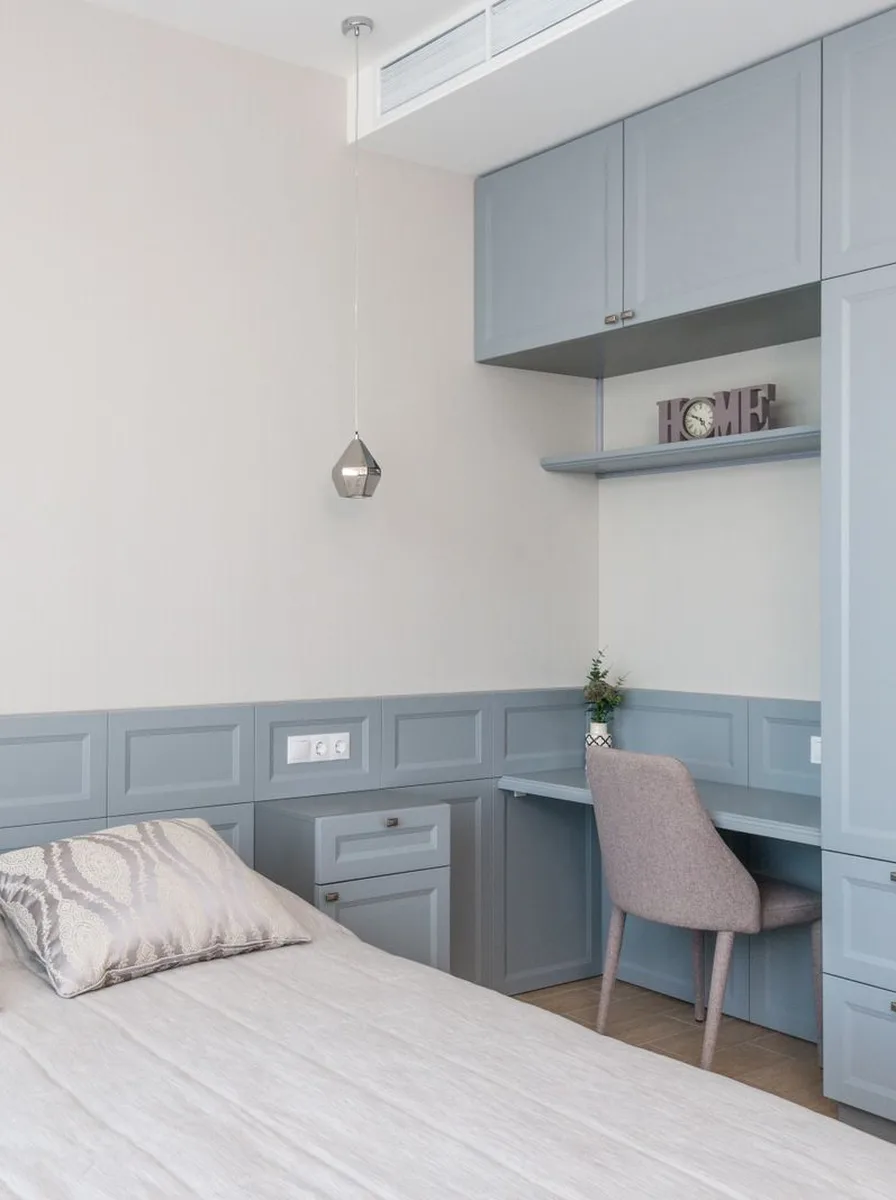
A large mirror is the oldest small-space trick because it works: it reflects light and the room itself, creating the illusion of double the space. Place a full-length mirror opposite or beside the window to bounce daylight deep into the room. If the wardrobe won’t fit, a curtained alcove or freestanding rail with a curtain works beautifully. The curtain hides visual clutter while keeping access easy.
Leaning a tall mirror against the wall (secured at the top) avoids drilling and looks effortlessly stylish. Mirrored wardrobe doors are the ultimate two-in-one, hiding clothes while visually expanding the room. One big mirror beats several small ones for the spacious effect. Choose curtain fabric that complements the bedding for a cohesive look. A rail with a curtain is a wardrobe with better ventilation.
6. Pick a Daybed for Day-Night Double Duty
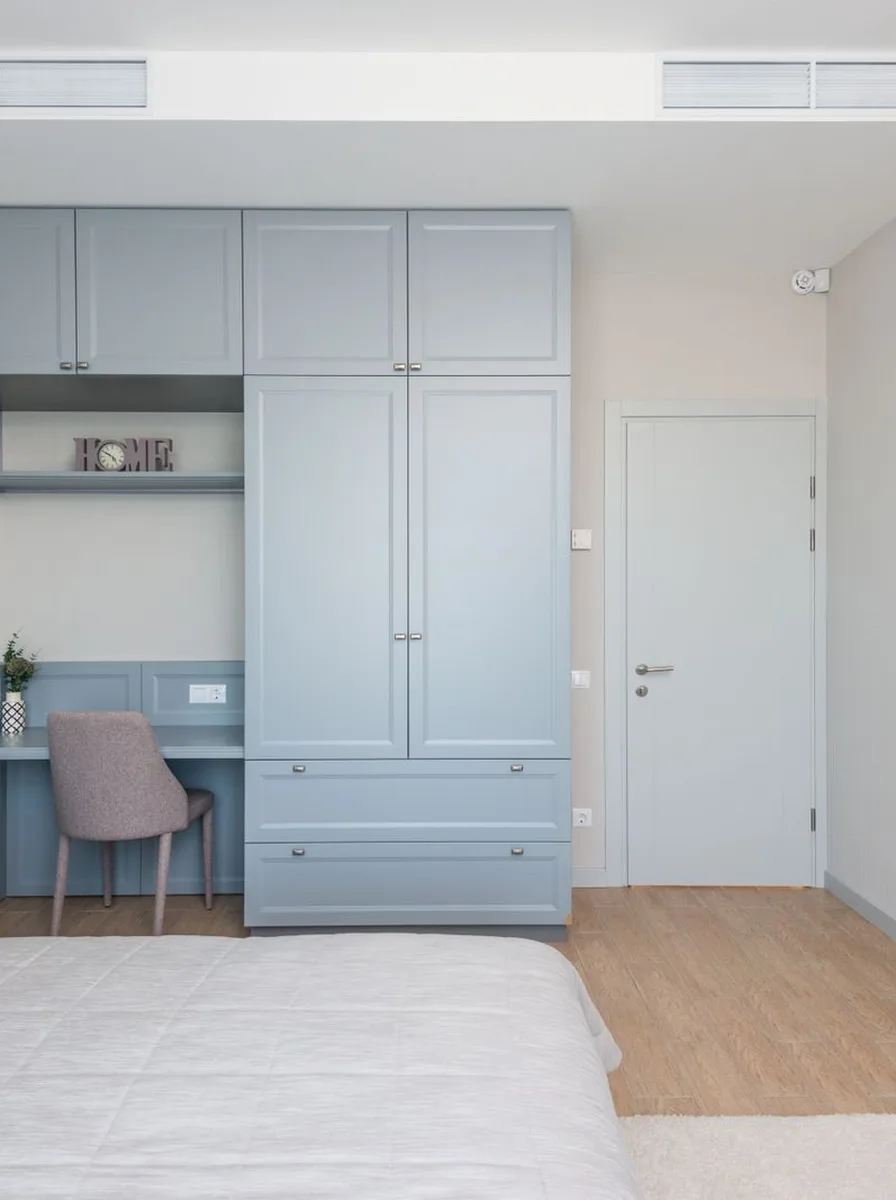
A daybed against the wall sleeps one at night and seats several by day, turning a bedroom into a studio living space. In box rooms, guest rooms, and teen rooms, this single swap can make the room feel twice as useful without changing its size. Paint the ceiling the same colour as the walls to blur the boundaries — the eye can’t find the edges, so the room feels boundless. This designer trick works in any small space.
Style it with a tailored daybed cover and a row of cushions so it reads as a sofa, not an unmade bed. Many daybeds include trundle or drawer storage underneath — yet more hidden space from the same footprint. Use the same sheen throughout for a seamless envelope. The monochrome wrap is cocooning, not boring, when the colour is right.
7. Use Under-Bed Drawers for Daily Items
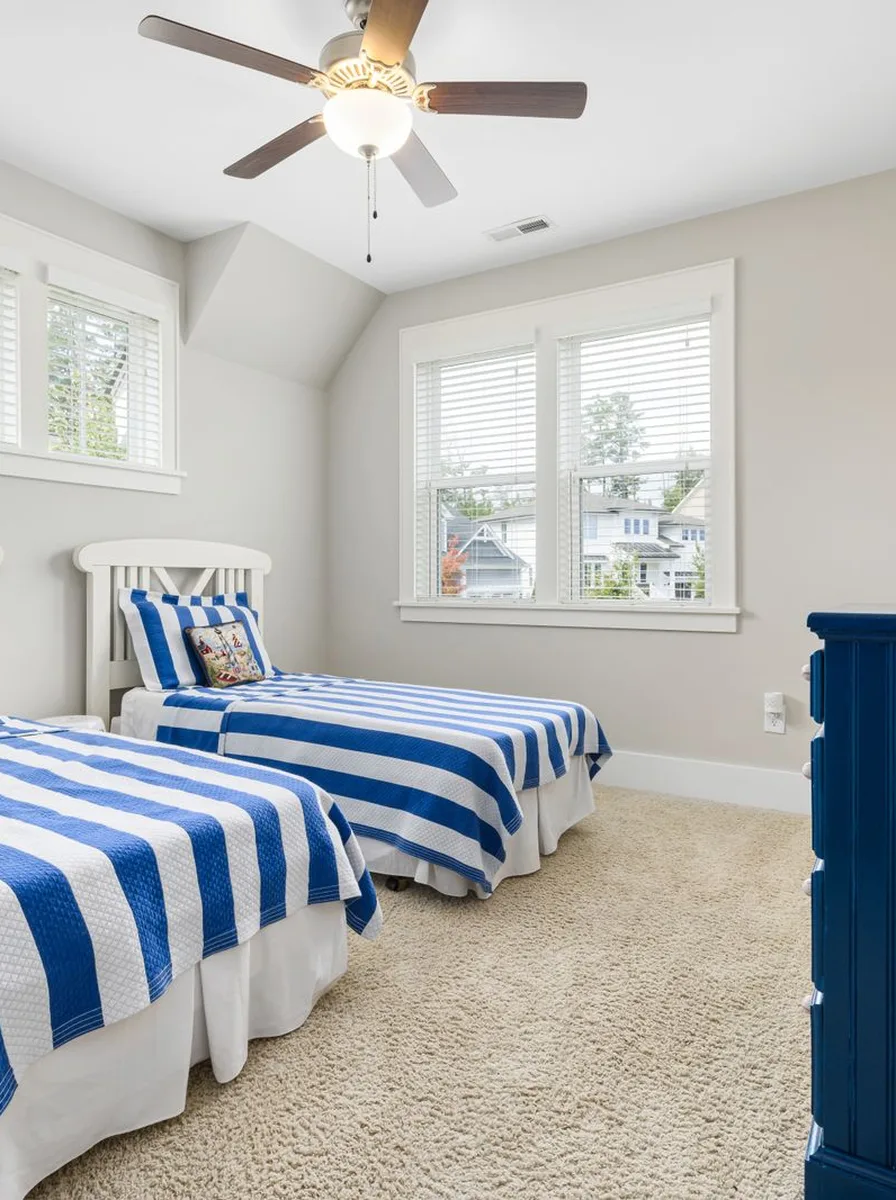
If an ottoman bed isn’t in the budget, simple under-bed drawers or boxes on wheels turn dead space into a dresser. Use them for daily items — jeans, t-shirts, gym kit — so a whole category of clothing lives outside the wardrobe, freeing it for everything else. Stackable modular cubes grow with your needs and move easily. Choose cubes with doors or fabric bins to hide contents.
Wheeled boxes glide out easily for daily access; label them so the system survives busy mornings. Choose low-profile boxes that fit your bed’s clearance, or add risers for extra height. Dead space becomes the hardest-working storage in the room. Arrange cubes as a nightstand, a bench base, or a room divider — one product, many jobs. Modularity is small-space gold.
8. Keep the Palette Light and Bright
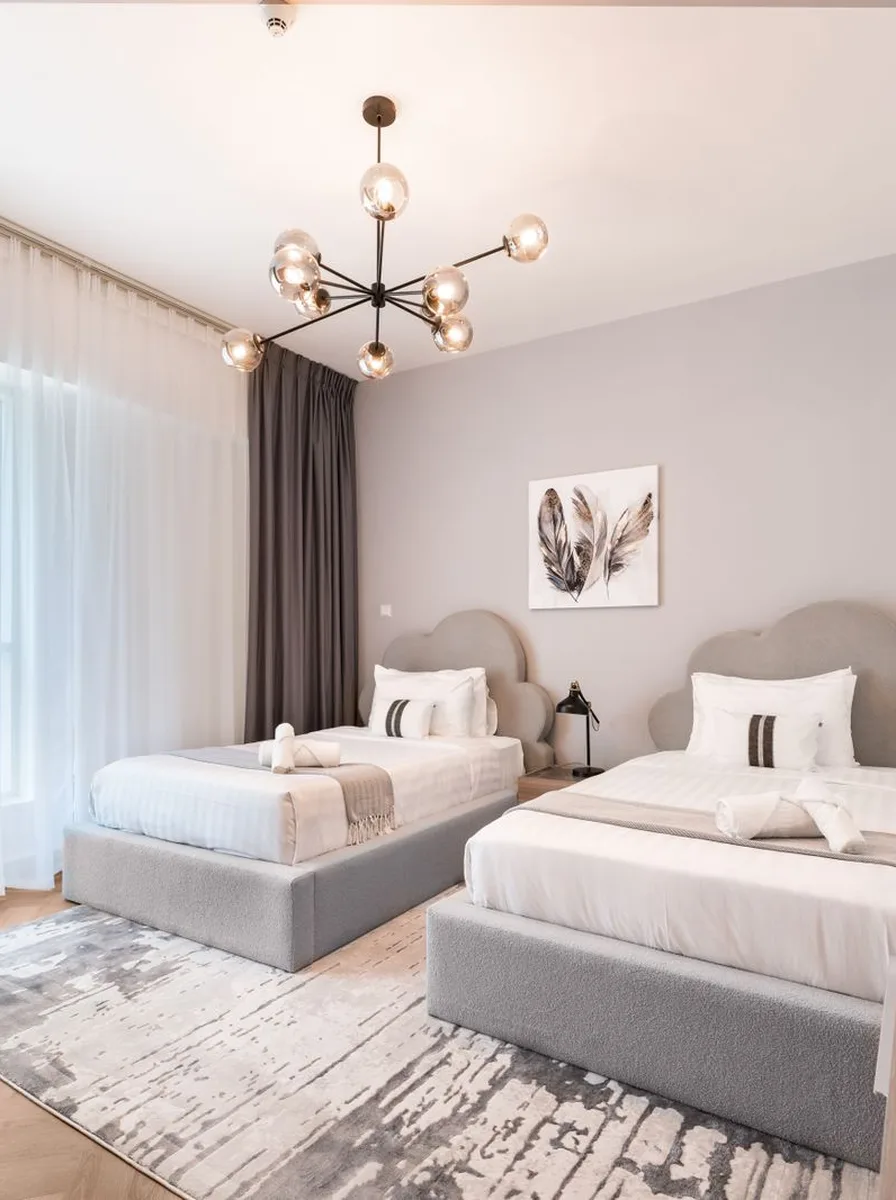
Light colours visually push walls outward — whites, pale greys, soft pastels all make a small bedroom feel larger because they reflect light instead of absorbing it. Keep walls, ceiling, and large furniture light, and the room’s boundaries seem to blur and recede. A pocket organizer on the bed’s side holds books, glasses, and chargers within arm’s reach. It replaces a nightstand in the tightest rooms.
This doesn’t mean boring: layer light tones with texture — white linen, cream knit, pale wood — for depth without darkness. Add colour in small, swappable doses like cushions or art. Light is the cheapest square footage you’ll ever gain. Choose one with divided pockets so items don’t tangle. The bedside caddy is the minimalist’s nightstand.
9. Try a Loft or High-Sleeper Bed
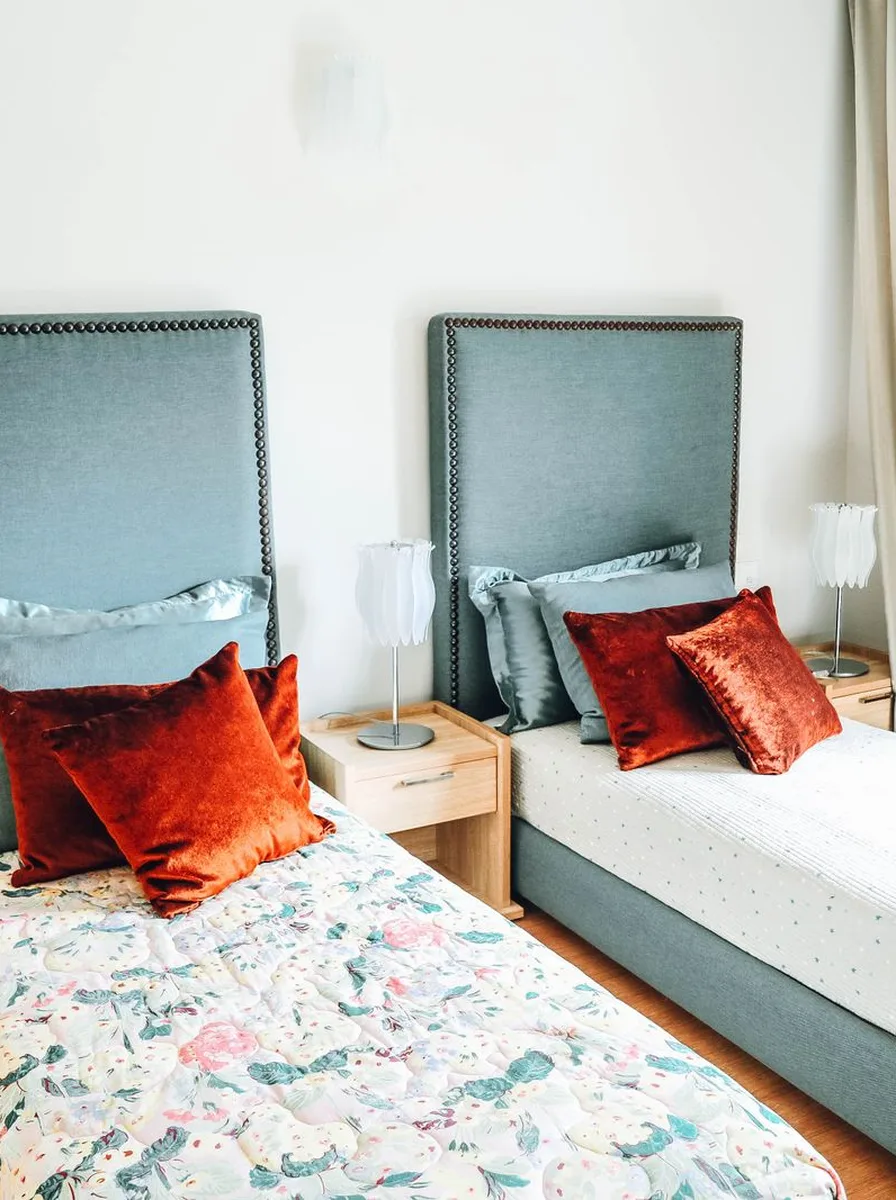
A loft bed reclaims the entire footprint beneath the mattress — a desk, a wardrobe, a reading nook, or all three can live under a high sleeper. In kids’ rooms, teen rooms, and studio flats, it’s like gaining a second room without moving. Under-shelf baskets clip onto existing shelves to double their capacity instantly. They’re the cheapest storage upgrade available.
Check your ceiling height first: you need enough clearance to sit up comfortably. Adults should choose sturdy models rated for grown-up weight. Add a clip-on shelf and a wall light up top, and the sleeping loft becomes a proper cozy nest. Use them in wardrobes for accessories and in kitchens for wraps — one product, whole-home use. Small additions compound into big capacity.
10. Fold-Down Desk for Work-From-Bedroom
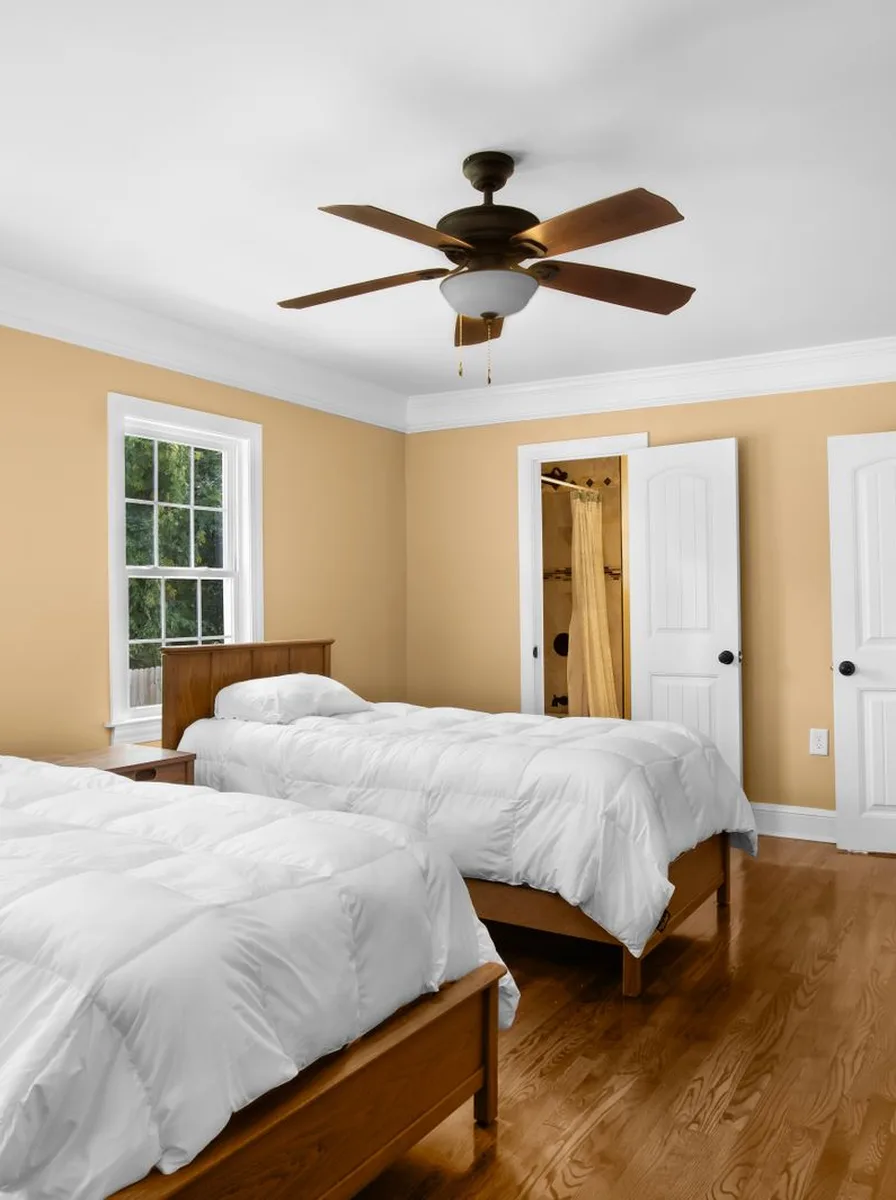
Working from a small bedroom doesn’t require a permanent desk hogging floor space. A wall-mounted fold-down desk gives you a proper work surface by day and vanishes flat against the wall at night — the room stays a bedroom, not an office that you sleep in. A wall-mounted drop-leaf table serves as desk by day and folds away at night. In a small bedroom, furniture must earn its footprint twice over.
Mount it at the right height for your chair, and add a wall-mounted shelf above for work essentials. When the laptop closes, fold the desk up and the workday visually ends too — a genuine wellbeing win for remote workers. Choose a leaf table with storage inside for office supplies. Folded flat, it becomes a slim console — two pieces of furniture in one.
11. Use Clear or Lucite Furniture
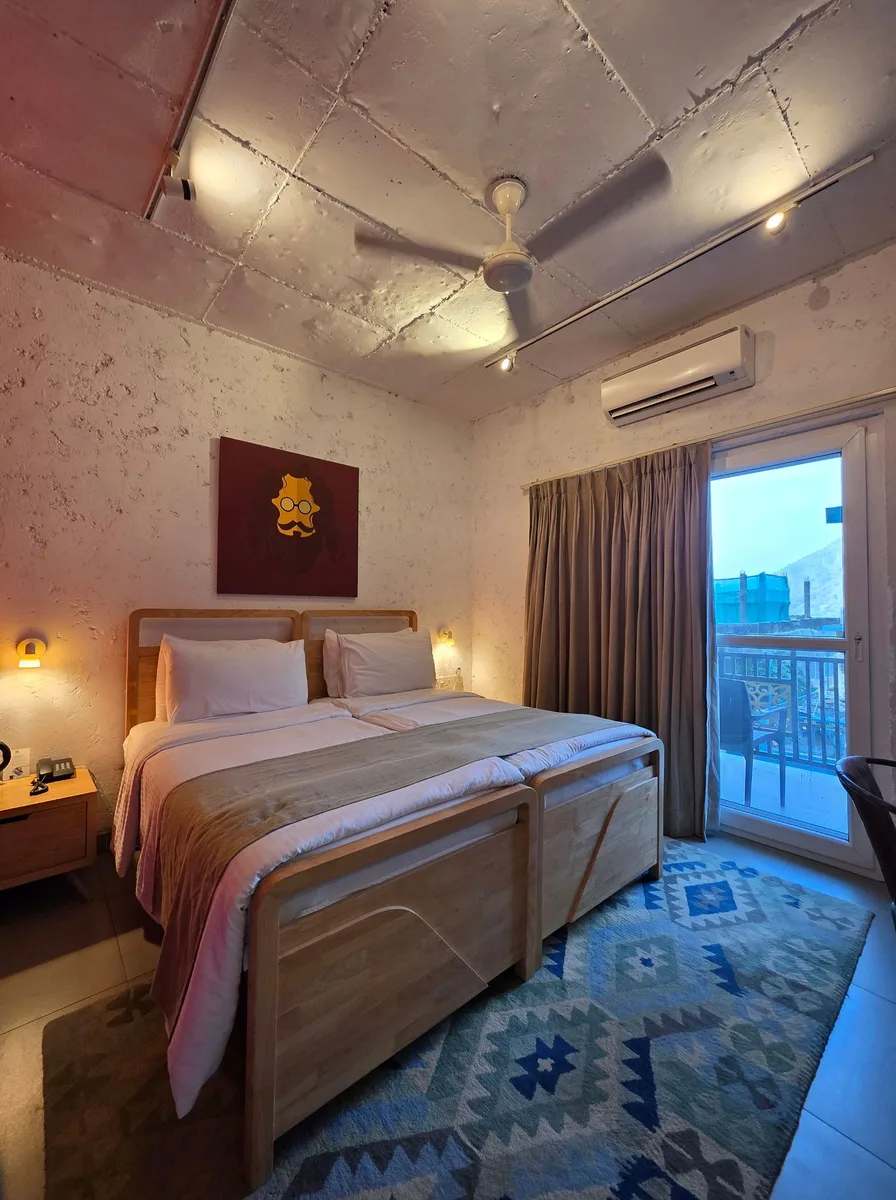
Transparent furniture — acrylic chairs, glass side tables — provides function without visual weight. Because you see through it, the brain barely registers it as an object, so the room feels less furnished than it is. It’s the closest thing to invisible furniture. Mount the TV on a full-motion arm so it tucks flat when not in use. A visible black screen dominates a small room; a tucked-away one disappears.
One or two clear pieces are enough; a whole room of acrylic looks cold. A ghost chair at a small desk or a glass bedside table keeps sightlines open. They also suit any style, since they visually disappear into whatever surrounds them. Consider skipping the bedroom TV entirely — tablets and laptops serve for occasional viewing. Less equipment means more calm.
12. Hang Curtains High and Wide
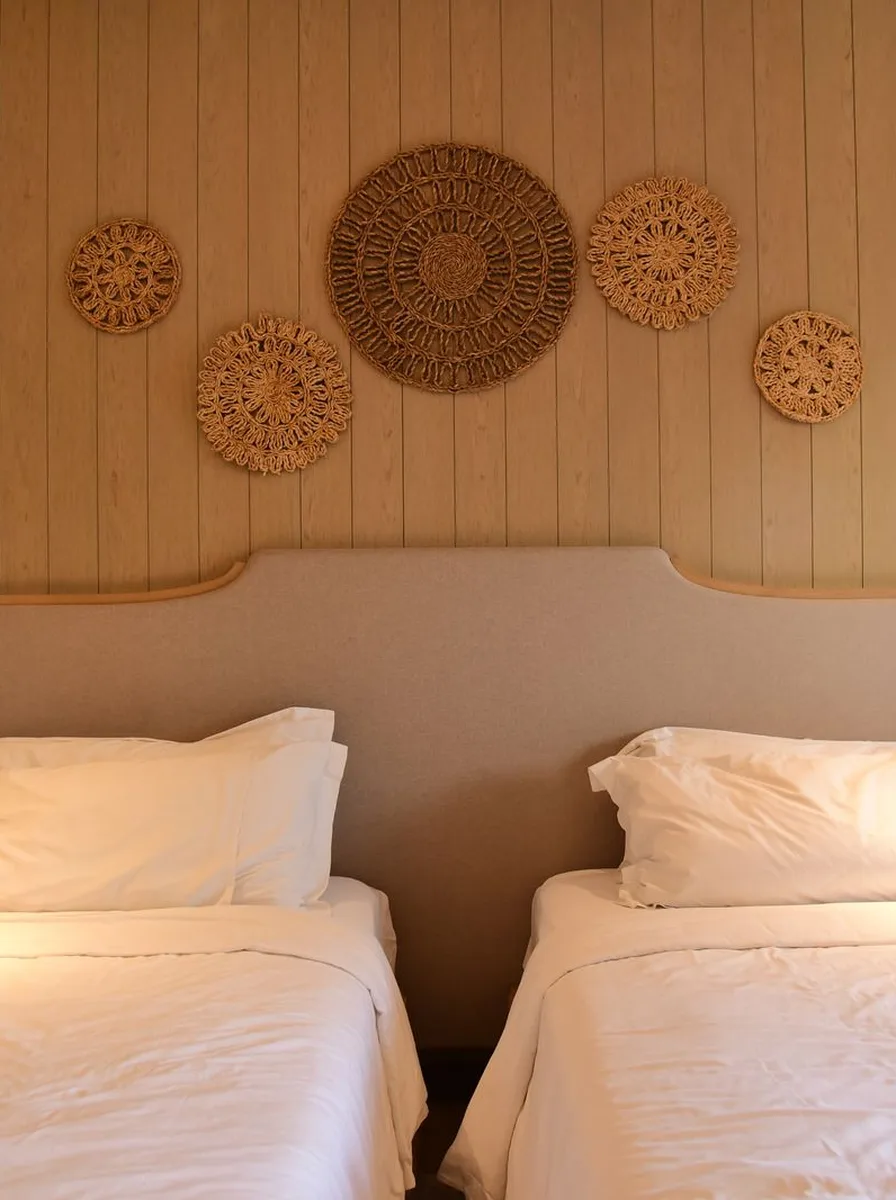
Mounting curtain rods close to the ceiling and well beyond the window frame makes windows look dramatically larger — and larger windows make rooms feel larger. Floor-length curtains in a light fabric elongate the walls and draw the eye up. Hang the organizer on the inside of the wardrobe door to keep the room’s surfaces clear. Every item stored behind a door is visual space saved.
This trick works even on tiny windows, which is exactly when you need it most. Keep the fabric light so the expanded window area glows rather than looms. It’s a twenty-minute job with a drill that transforms the room’s proportions. Choose slim fabric organizers over bulky plastic ones; they hold plenty while adding nothing visually. Inside-the-door storage is the small room’s secret weapon.
13. Choose Sliding Wardrobe Doors
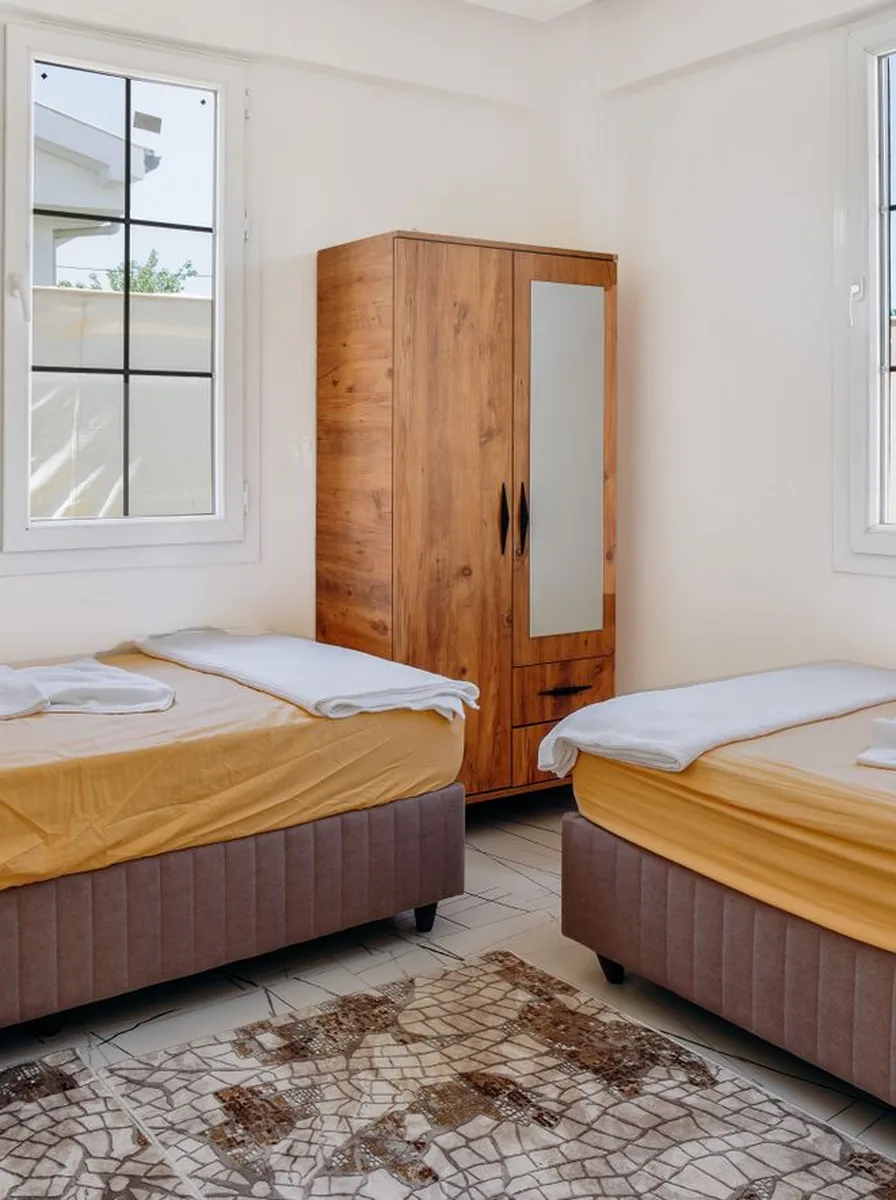
Hinged wardrobe doors need a metre of clear floor to swing open — space a small bedroom can’t spare. Sliding doors need zero clearance, so the wardrobe can sit closer to the bed and the room’s layout gains precious flexibility. A narrow console — 25cm deep — fits behind most doors or along short walls. It becomes a landing spot without obstructing walkways.
Mirrored sliding doors double the benefit, bouncing light while they glide. If replacing doors isn’t possible, removing them entirely and hanging a curtain uses even less space. Every centimetre of swing clearance you reclaim is usable room. Style it minimally: a small lamp, one tray, nothing more. In small rooms, surfaces must stay nearly clear to feel spacious.
14. Add Hooks Everywhere
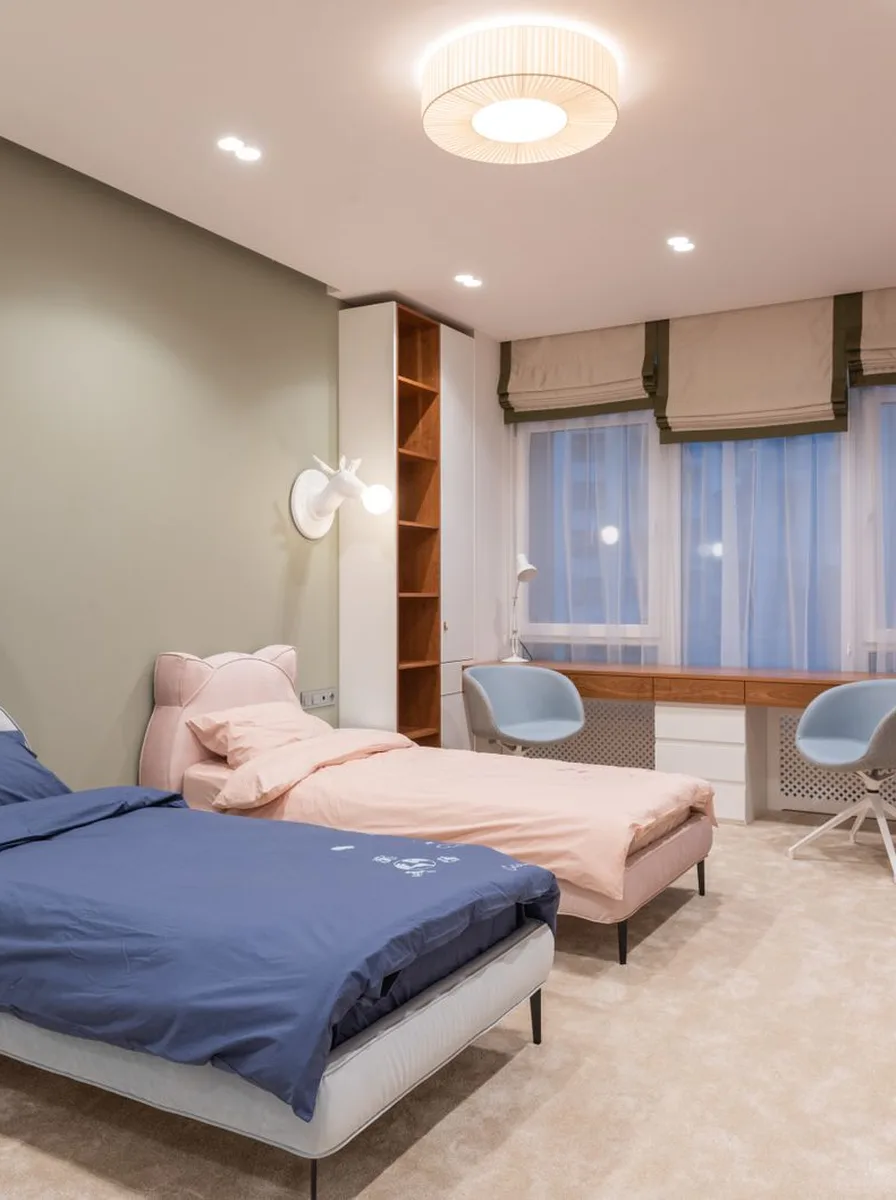
Hooks are the unsung heroes of small bedrooms: they hold robes, bags, hats, jewellery, and tomorrow’s outfit on centimetres of wall. A row of hooks inside the wardrobe door, beside the bed, or on any dead wall section turns unused surfaces into storage. Choose bed risers with built-in outlets to add both height and charging convenience. The extra 15cm of clearance fits proper storage boxes.
Use adhesive hooks in rentals — the good ones hold surprising weight and remove cleanly. Assign every hook a job so they don’t become clutter magnets. Hooks cost pennies and save square metres. Dust under the bed quarterly — raised beds collect more visible dust underneath. Storage bins with lids keep everything clean.
15. Use a Narrow Console as a Dresser
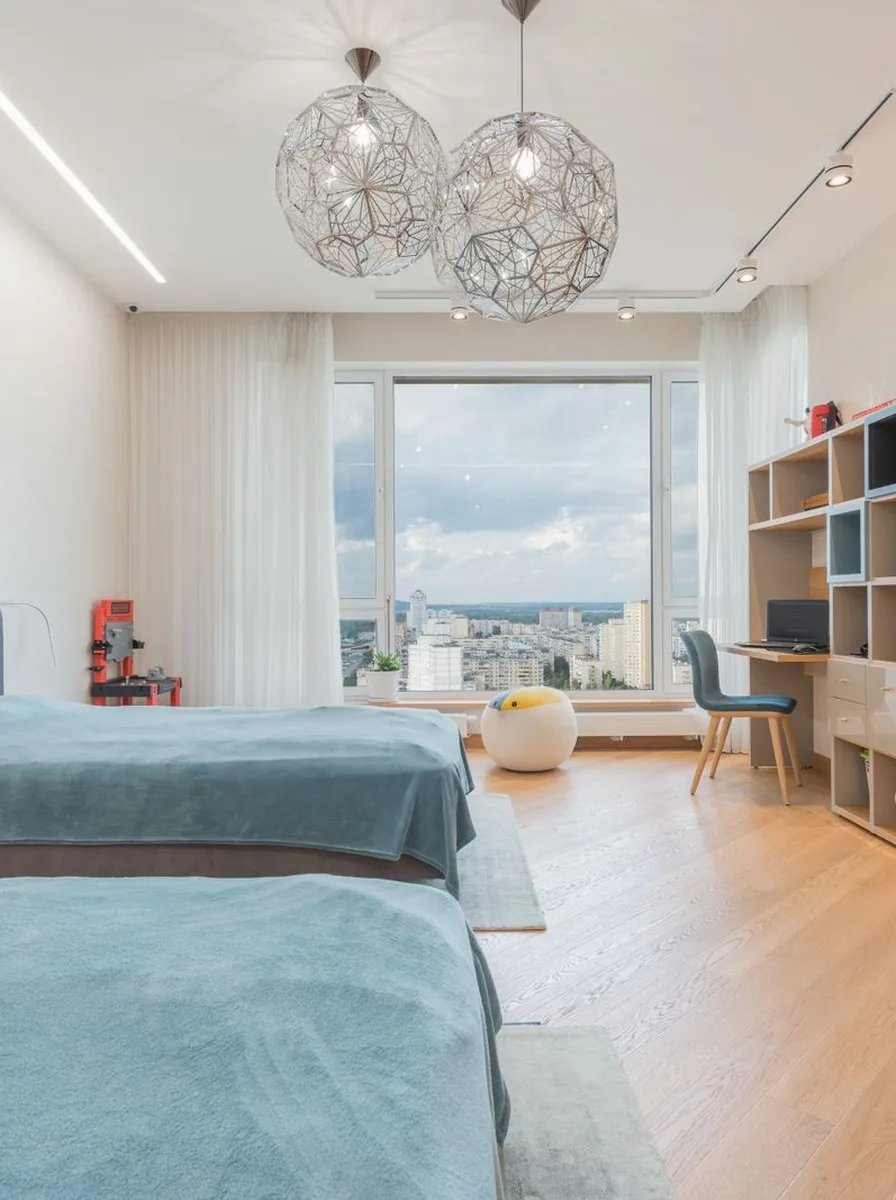
Standard dressers are 45cm deep, but slim console-style dressers at 25–30cm deep fit where normal ones can’t — along short walls, in alcoves, beside doors. You lose a little drawer depth but gain a whole piece of storage the room otherwise couldn’t hold. Keep the palette to three colours maximum; more fragments the space visually. One accent colour used in three places creates rhythm.
File-fold clothes so shallow drawers still hold plenty. Top the narrow dresser with a mirror and it doubles as a vanity. Measure your tight spots before shopping — the perfect slim dresser feels made for the room. Light, cool colours recede and expand; save deep tones for tiny accents. The palette is doing spatial work, not just decoration.
16. Keep Bedding Simple and Light
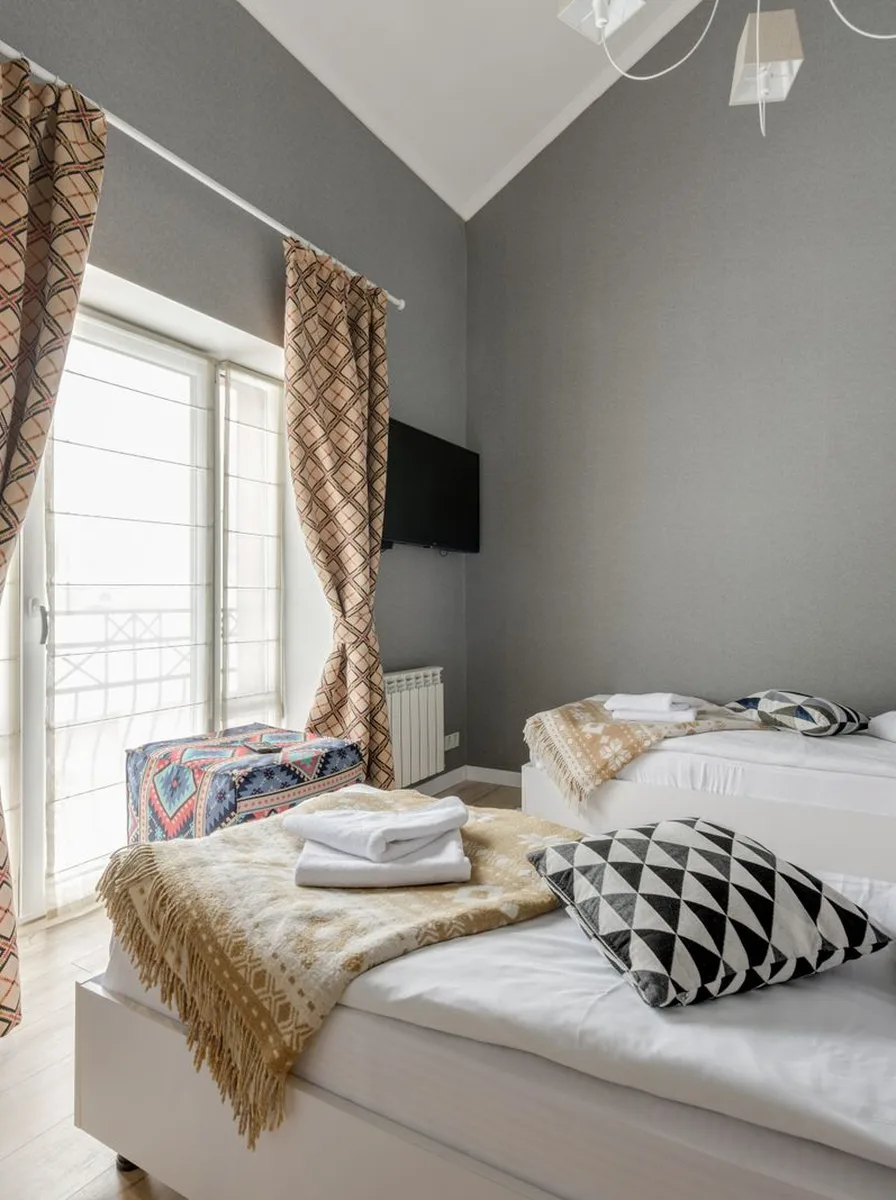
Busy, dark bedding makes a small bed look like it fills the room; simple light bedding makes the same bed look compact and calm. Choose plain duvets in white or pale tones, minimal pillows, and skip the mountain of cushions that eats the bed’s edges. Keep the shelf styling minimal — a few books, one plant, one object. Crowded shelves in a small room feel oppressive; sparse ones feel curated.
A bed dressed simply reads smaller, leaving the room feeling larger around it. Light bedding also reflects light, brightening the whole space. In small rooms, the bed should whisper, not shout. Paint the shelf the wall colour so it blends in. Invisible storage keeps the walls calm.
17. Create Zones with a Rug

In a room that must sleep, work, and dress you, a rug creates visual zones without walls. A rug under the bed defines the sleeping zone; a smaller one by a chair marks the reading corner. Zoning makes one small room feel like several purposeful spaces. Position the mirror to reflect the window, doubling the natural light. A mirror’s placement matters more than its size.
Keep rugs light-coloured so they don’t visually chop the floor. A single large rug is usually better than several small ones in tight spaces. Zones bring order, and order makes small feel intentional rather than cramped. Lean rather than hang in rentals; a full-length leaning mirror needs no fixings. Angle it slightly for the most flattering reflection.
18. Use the Space Above the Bed
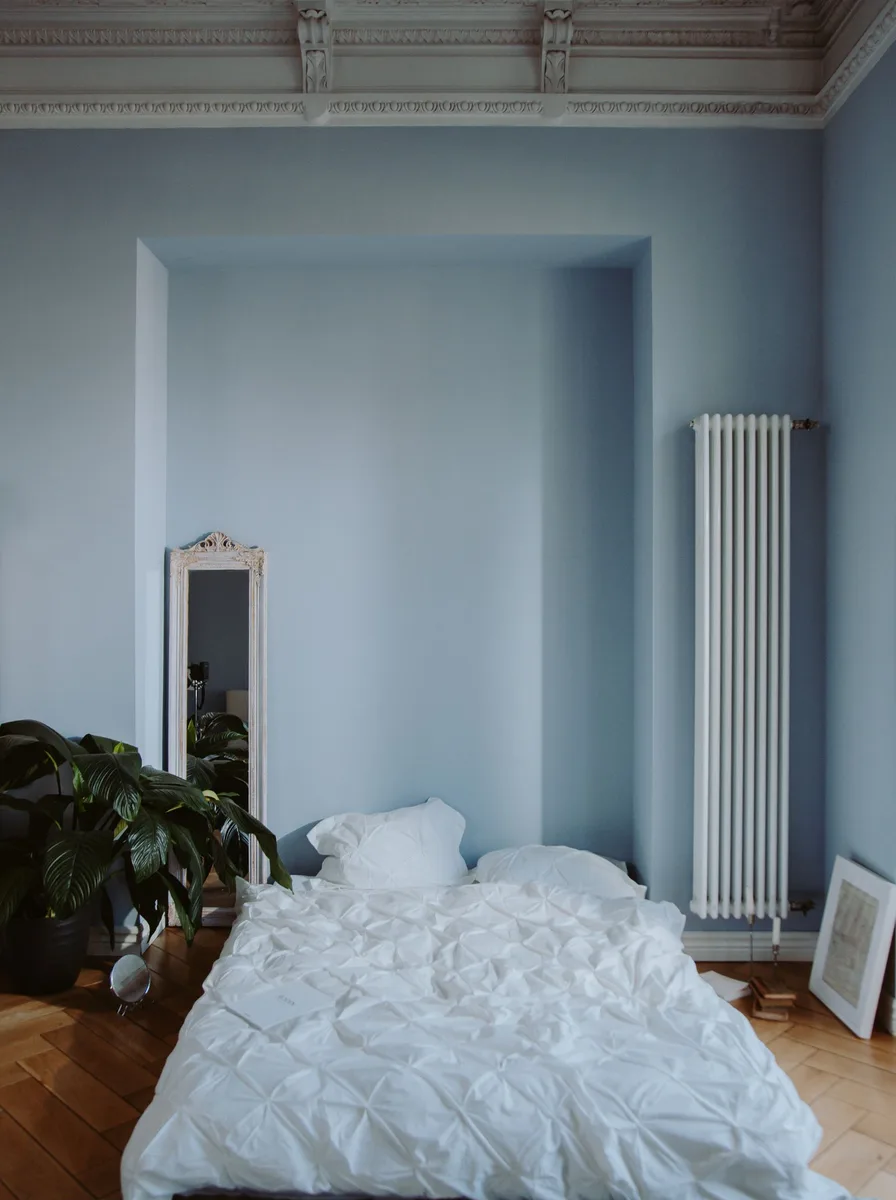
The wall above the bed is prime unused real estate. A shelf or two mounted high holds books, plants, and pretty storage boxes — the equivalent of a bookcase with zero footprint. In tiny rooms, this often replaces a whole piece of furniture. Under-bed drawers on wheels glide out easily for daily access. Choose shallow drawers that don’t scrape the floor.
Mount shelves high enough to sit up safely, and secure them well — nothing heavy enough to worry about. Style with a mix of useful and beautiful: books you read, a small plant, a lidded box for the less pretty essentials. Label each drawer so the system stays usable. Hidden storage only works when you remember what’s inside.
19. Choose Multi-Functional Pieces Only
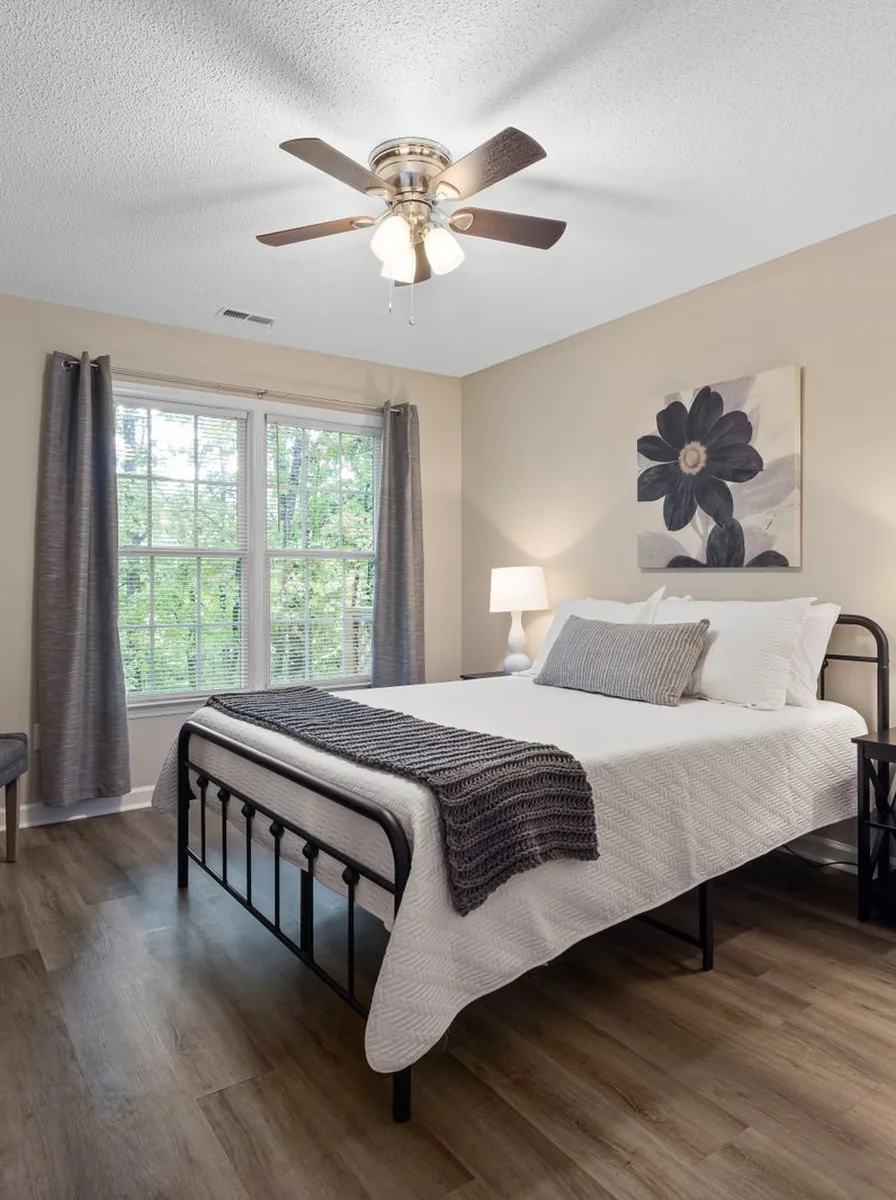
In a small bedroom, every piece should do at least two jobs: an ottoman that’s also blanket storage, a bench that’s also a laundry hamper, a mirror that’s also a jewellery cabinet. Single-purpose furniture is a luxury small rooms can’t afford. A slim upholstered bench — 30cm deep — fits at the foot of most beds without blocking walkways. It adds seating and a surface in one.
Audit each piece with the two-job test before it earns floor space. The best multi-functional pieces hide their second job — storage that looks like decor. Fewer, harder-working pieces always beat more single-use ones. Choose a bench with a lift-up top for hidden storage. Every piece in a small room should do double duty.
20. Keep Decor Minimal and Intentional
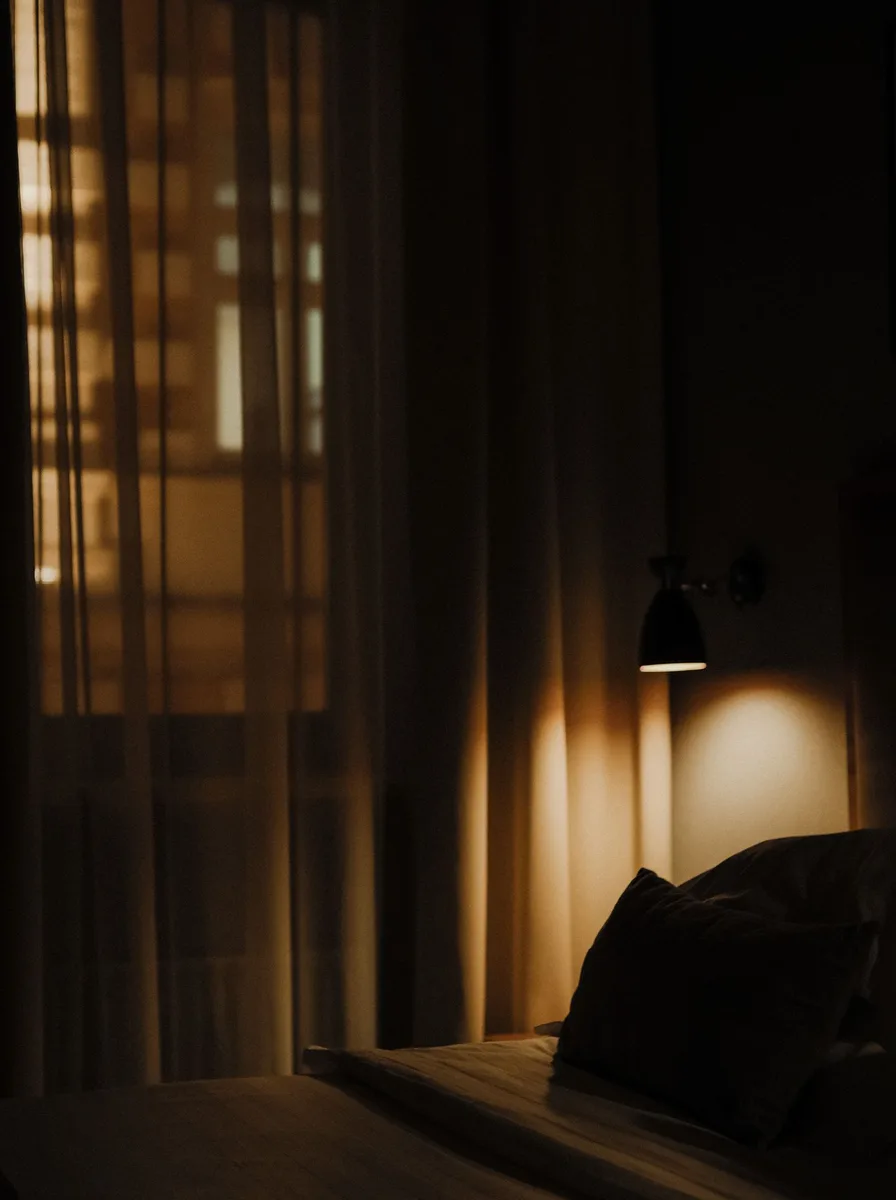
In small rooms, every decorative object has an outsized visual impact — three ornaments on a small dresser look like clutter where they’d vanish on a large one. Choose one or two meaningful pieces per surface and give them space to breathe. A sheer white curtain over the window maximises light while softening the view. In small rooms, heavy curtains eat visual space.
A single piece of art, one plant, one beautiful object: that’s a styled small room. Rotate decor seasonally to keep it fresh without accumulating. Restraint is the small room’s best decoration. Mount the rod high and wide to make the window feel larger than it is. The illusion of a bigger window expands the whole room.
21. Use Pocket Doors or Curtains Instead of Doors
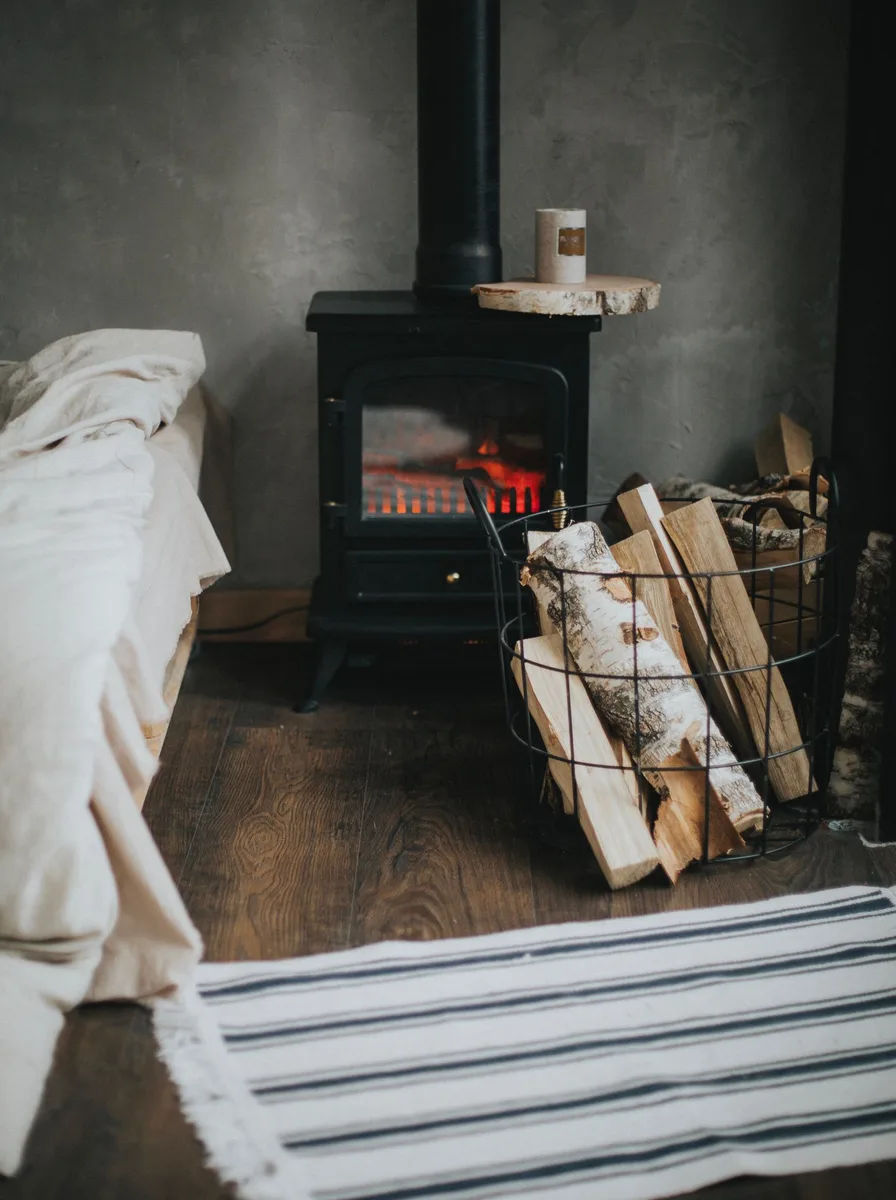
Interior doors eat a surprising arc of floor space. Where privacy allows — wardrobes, ensuite entries, even the bedroom door in some layouts — replacing a hinged door with a curtain or a sliding panel reclaims that whole swing area. A pendant with a translucent shade spreads light without a bulky base. Hang it 40cm above the nightstand for perfect reading height.
A ceiling-mounted curtain in a fabric that matches the walls looks soft and intentional, not makeshift. For wardrobes, curtains are often easier to live with than doors in tight spots. It’s a structural-feeling change for the price of fabric. Plug-in pendants with fabric cords suit renters — swag from a ceiling hook. Overhead light frees the floor completely.
22. Light Every Corner
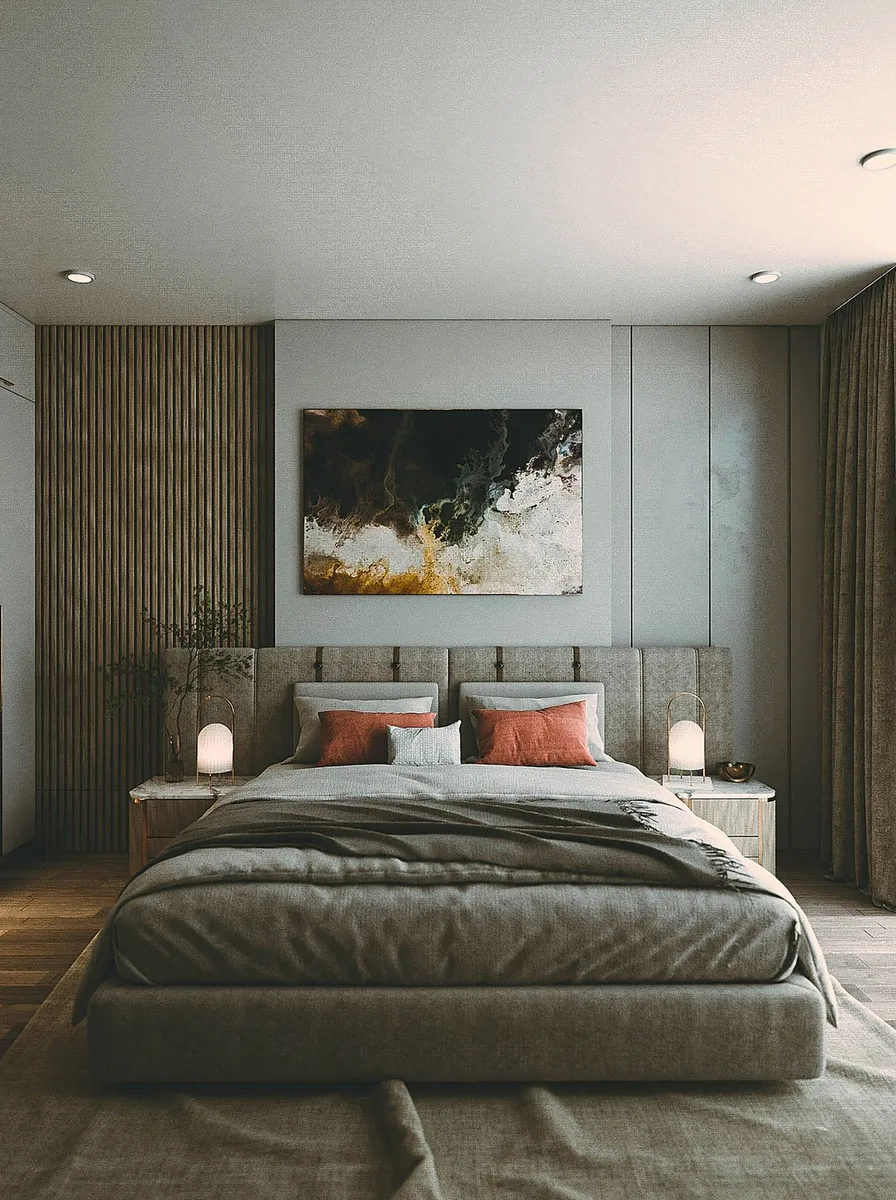
Dark corners make rooms feel smaller — they read as dead space the eye can’t enter. A small lamp, a wall washer, or even a candle-style LED in each corner keeps the whole room visually accessible, which makes it feel larger and more welcoming. Match the bedding to the wall colour for a seamless, expansive envelope. The bed is the room’s largest object; camouflaging it visually enlarges the space.
Use warm, low-level light for corners rather than bright spots; the goal is gentle illumination, not interrogation. Battery-operated puck lights are perfect for corners with no outlet. A room with no dark corners has no wasted space. Add interest through texture — quilted, knitted, woven — rather than colour. Monochrome rooms rely on touch, not hue.
23. Edit Ruthlessly, Then Edit Again
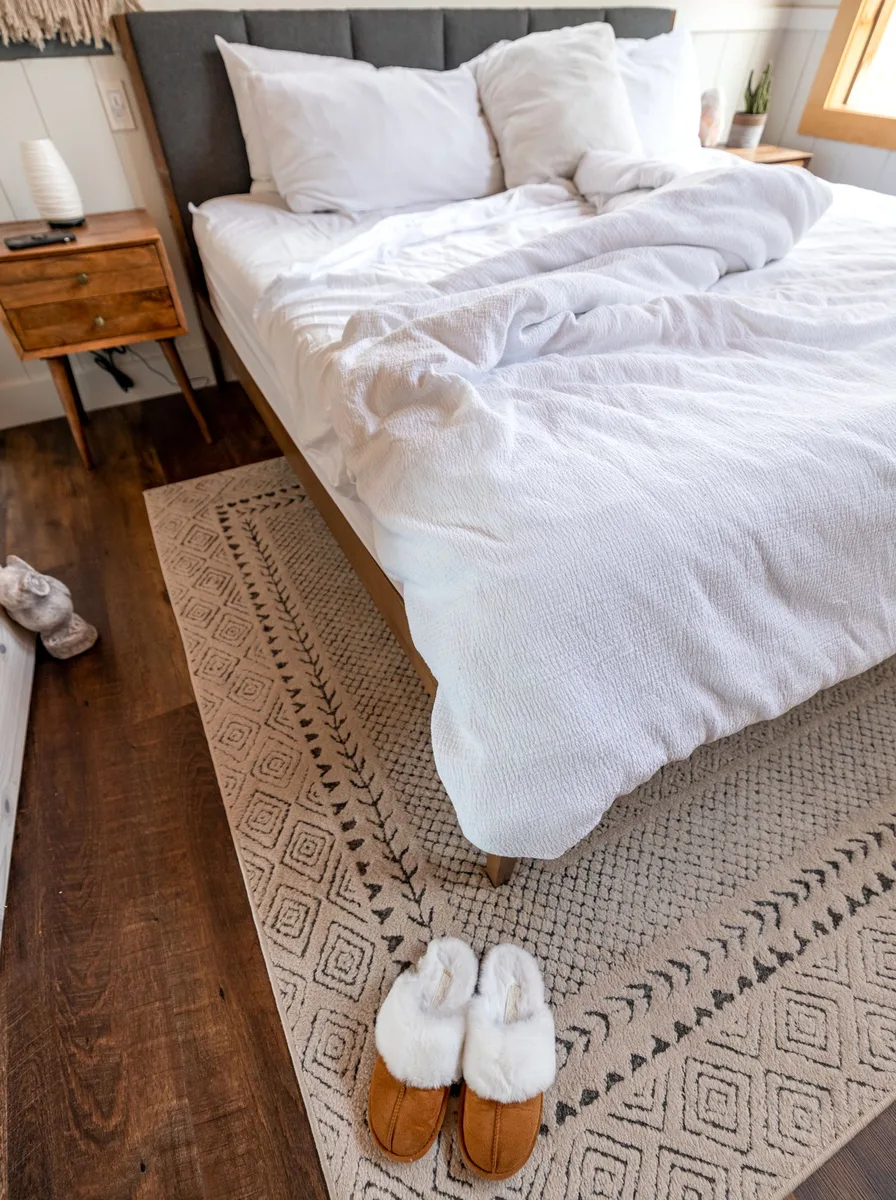
The ultimate small-bedroom idea isn’t furniture — it’s editing. Twice a year, remove everything from the room and only put back what you truly use and love. Small rooms punish accumulation faster than any other space, so regular edits keep them feeling generous. Empty the room mentally once a season and question every object’s right to be there. Small rooms have no storage budget for the unnecessary.
Apply the one-in-one-out rule going forward: every new item means one leaves. A small bedroom curated this way feels like a boutique hotel — everything chosen, nothing extra. Space, it turns out, is the ultimate luxury, and editing is how you afford it. One in, one out: every new item means an old one leaves. The rule keeps small rooms permanently balanced.

David is the home decor enthusiast behind HomeLushly. He shares practical, budget-friendly ideas for bedrooms, living rooms and seasonal decorating — from colour combinations that actually work to small-space styling tricks that make a room feel bigger. Every guide on HomeLushly is built around real photos and hands-on research, to help you make your home feel warm, personal and beautifully put together.