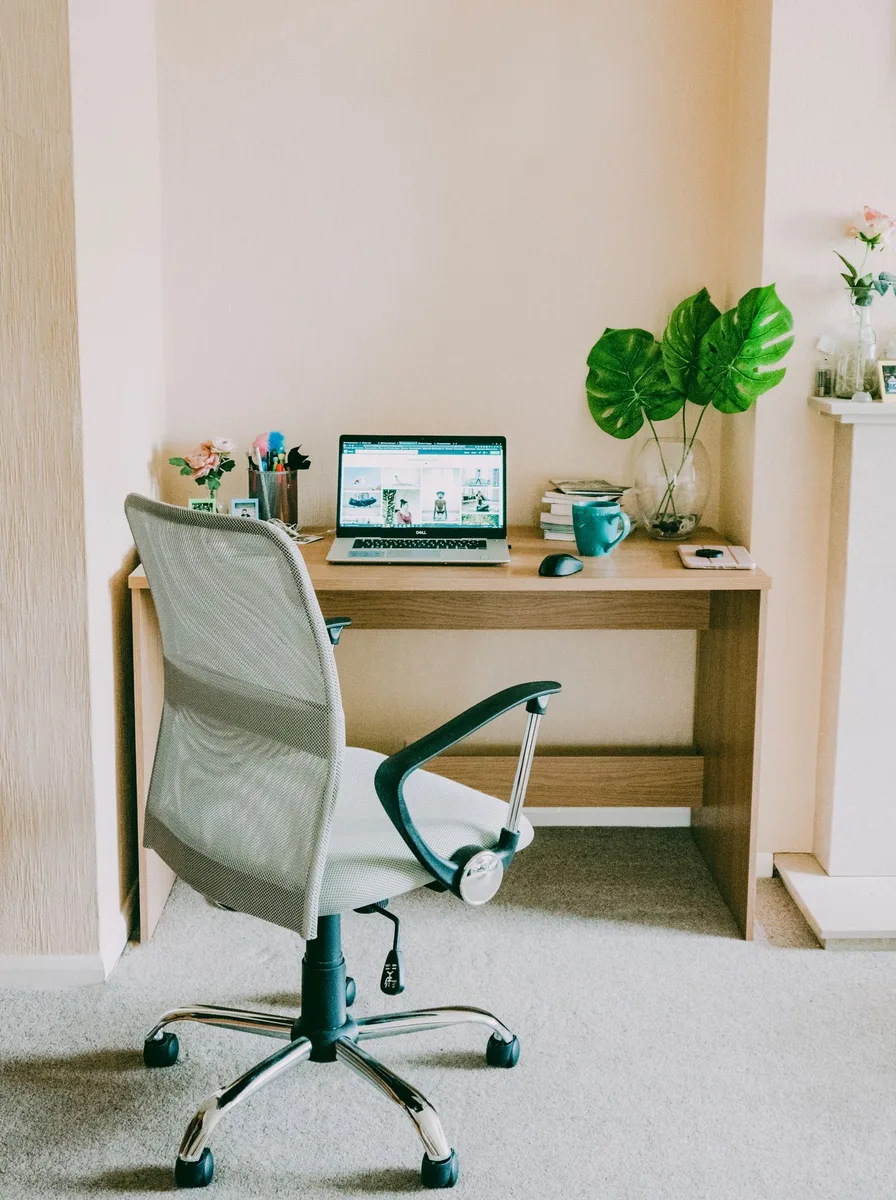
Small space doesn’t have to mean sore back. The trick to a small desk chair is knowing which features you can shrink — footprint, armrests, backrest height — and which you must never compromise: seat comfort, lumbar support, and smooth height adjustment. Shrink the wrong things and you’ll have a chair that fits the room but punishes the person.
This guide shows you how to measure your nook, which compact designs actually stay comfortable, and how to style a small chair so it disappears into your room. Big comfort, tiny footprint.
Measure Your Nook First
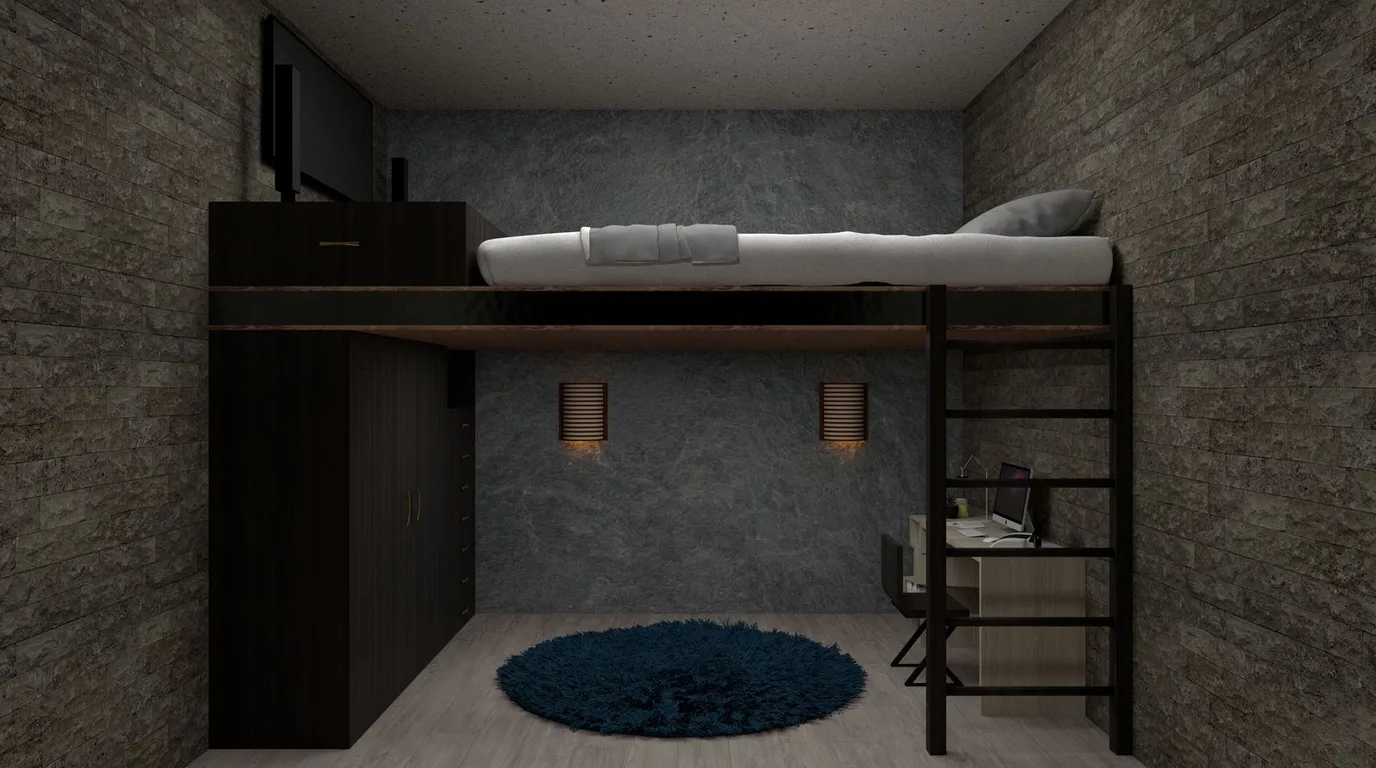
Small-space shopping starts with a tape measure, not a wishlist. Measure the width of your desk area, the depth the chair can occupy when pushed in, and the clearance needed to roll back and stand up — at least 60cm behind the desk. Note door swings and drawer openings too; a chair that blocks a drawer is a daily annoyance. Five minutes with a tape measure prevents months of regret.
Measure smart:
● Record the maximum chair width your space allows, then shop 5cm under it.
● Check the chair tucks fully under the desk — that’s your real space saving.
● Five-star bases need more floor than they appear to; measure the base diameter.
● Cardboard cut to the chair’s footprint, laid on the floor, reveals the truth fast.
Choose Armless or Flip-Up Arms
Armrests are the first thing to shrink in a tight space — they add 10 to 15cm of width and stop chairs sliding under desks. Armless chairs tuck completely away and suit rooms where the desk doubles as a dressing table or dining spot. If you want arm support, flip-up armrests give you the best of both: support while working, slim profile when stored.
Arm strategies:
● Armless is simplest and cheapest — and fine for under four hours a day.
● Flip-up arms pivot out of the way in one motion for tucking under the desk.
● Narrow fixed arms work if your desk has clearance and you type all day.
● Removable arms (a few designs offer them) adapt as your space changes.
Look for a Compact Footprint
Compact doesn’t just mean narrow — it means every dimension considered. Look for chairs with a smaller-diameter base, a backrest that doesn’t tower over a low desk, and a seat pan scaled for real use rather than boardroom presence. Some excellent compact chairs keep full ergonomics in a frame 10cm narrower than standard, proving that small needn’t mean basic.
Compact checklist:
● Base diameter under 65cm keeps the chair nimble in tight corners.
● A mid-back rather than high-back design suits desks under shelves or windows.
● Lighter chairs (under 12kg) are easier to pull out and tuck away daily.
● Swivel plus smooth castors matters more in small rooms — you turn instead of shuffling.
Consider Folding or Stacking Designs
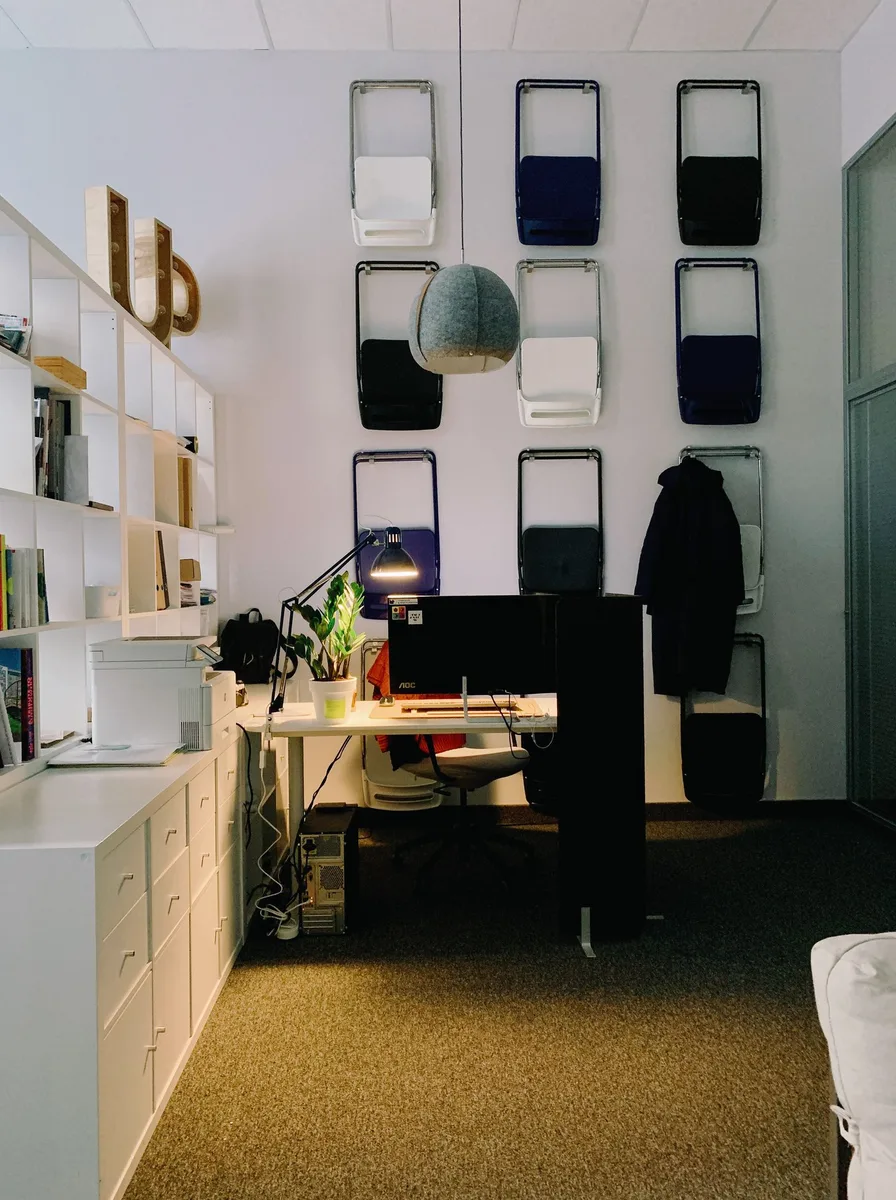
If your workspace must vanish — a bedroom corner, a living room alcove — folding or stacking chairs are brilliant. Modern folding task chairs fold flat to slide behind a door, and good ones still offer height adjustment and decent lumbar support. They’re not quite all-day thrones, but for part-time desk work they’re unbeatable.
Vanishing act:
● Folding task chairs collapse in seconds and hang on a wall hook.
● Stacking chairs suit households where two people hot-desk one spot.
● Check folded thickness — under 15cm slides behind most doors.
● Test the unfolding mechanism; if it’s fiddly, you’ll stop folding it.

Don’t Sacrifice the Seat
Here’s where small-chair shoppers go wrong: shrinking the seat into a padded stool. Your seat pan still needs to support your thighs, your height adjustment still needs to reach your knee-crease measurement, and your lower back still needs lumbar support. A compact chair with a proper seat beats a roomy-looking chair with a pancake cushion every time. Comfort scales down; it just needs the right engineering.
Non-negotiables:
● Seat depth should still leave two fingers of clearance behind your knees.
● Height adjustment range must include your measured knee height.
● Some lumbar support — even a fixed curve — beats none at all.
● Sit for ten minutes in the shop; small chairs reveal their flaws fast.
Style It to Disappear
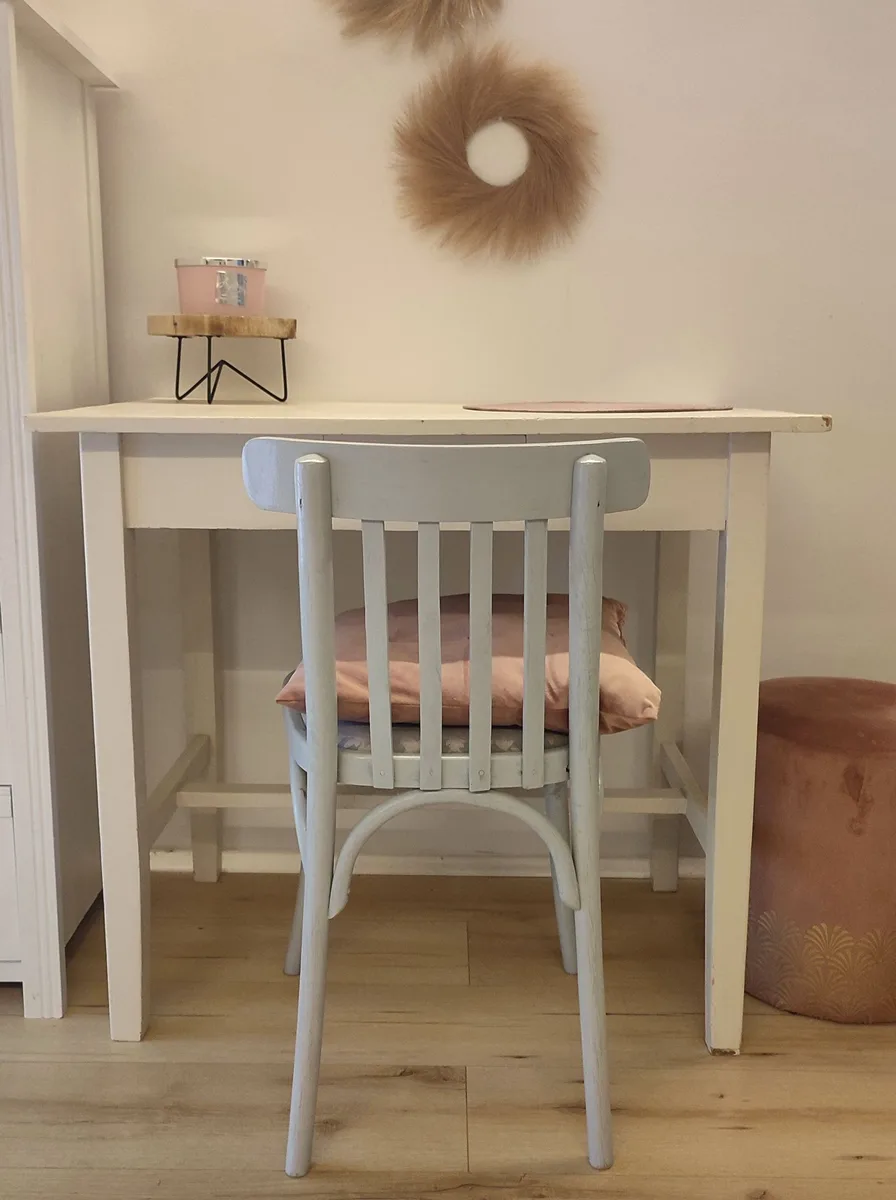
A small chair earns its place by blending in. Choose colours that echo your walls or curtains so the chair reads as part of the room, not an obstacle. Clear or light-toned bases, slim profiles, and fabric over shiny plastic all help a chair visually recede — so when work ends, your room feels like a room again. The goal is a workspace that vanishes on demand.
Disappearing tricks:
● Match the chair colour to your wall for near-invisibility in alcoves.
● A throw draped over the back turns a desk chair into occasional seating.
● Light woods and pale fabrics keep small rooms feeling open.
● Push it fully under the desk every evening — the habit makes the room feel bigger.