

A standing desk only solves half the problem. Standing all day brings its own fatigue — sore feet, aching lower back, stiff knees — which is why the smartest sit-stand setups include a chair designed for the in-between. Standing desk chairs aren’t ordinary office chairs; they’re taller, more active, and built for the rhythm of alternating between sitting, perching, and standing.
The options are wonderfully varied: perch stools that keep you half-standing, wobble stools that engage your core, drafting chairs with footrest rings, and leaning seats that split the difference. The right choice depends on your desk height, your floor, and how you like to move. This guide gathers 25 clever standing desk chair options, each with practical advice on reducing fatigue through better sitting.
From budget-friendly drafting stools to active wobble seats and anti-fatigue mat pairings, you’ll find a solution for every body and every budget.
Every idea includes a fatigue-fighting tip, because the chair is only half the story — how you use it through the day is what actually keeps you comfortable.

1. The Classic Drafting Stool

The drafting stool is the workhorse of standing-desk seating: a tall chair with a footrest ring, adjustable from roughly counter height to bar height. It lets you sit properly at a raised desk without hunching, and the foot ring takes the pressure off your legs by giving your feet somewhere to rest. For anyone new to sit-stand working, this is the safest first buy.
Set the seat so your feet rest flat on the ring with thighs roughly parallel to the floor, and your elbows at desk height. Tip: use a timer to alternate — 30 to 45 minutes sitting, then stand — because even the best stool isn’t meant for all-day sitting. The ring also doubles as a stretching bar for restless feet.
2. The Perch Stool: Half-Sit, Half-Stand
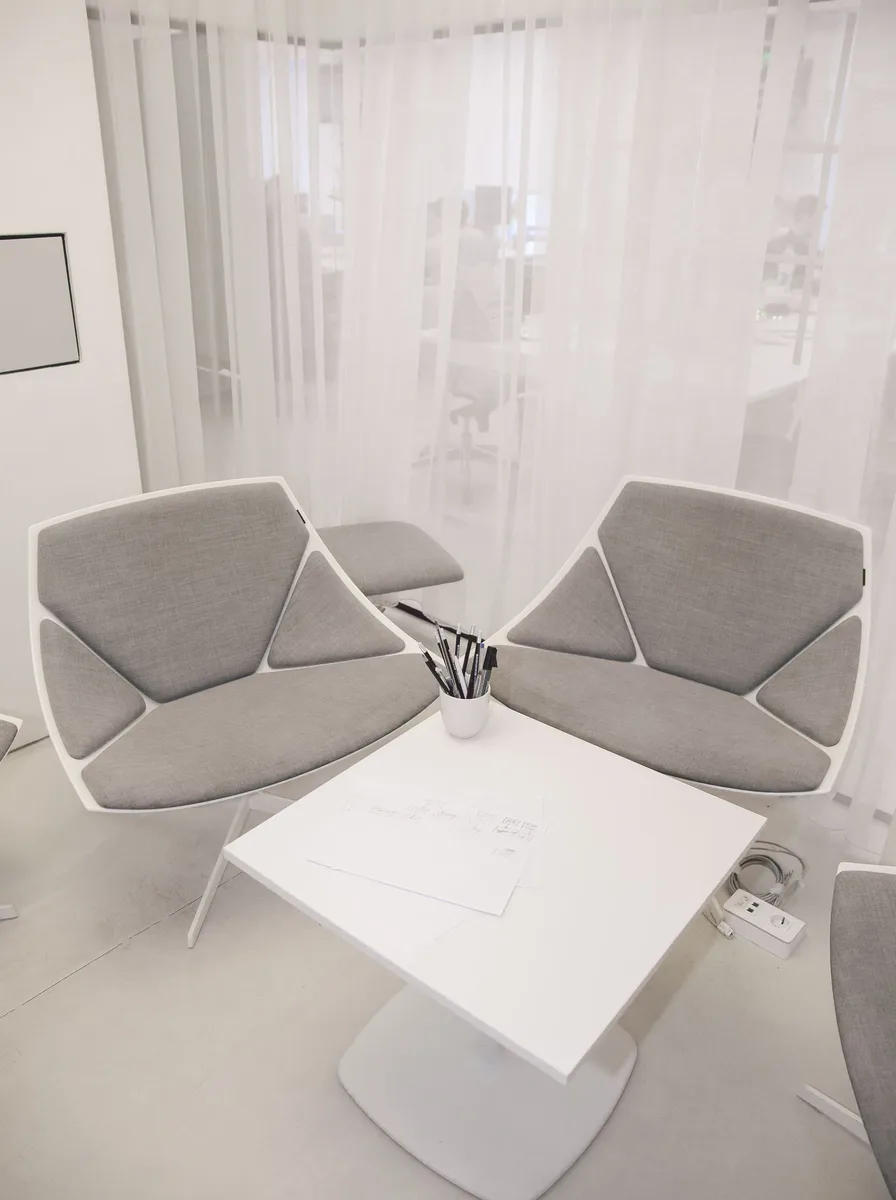
A perch stool has a tilted, bicycle-saddle-like seat that supports you in a semi-standing position — hips higher than knees, weight shared between seat and feet. This “perch” posture keeps your spine in its natural curve and your core gently engaged, burning slightly more energy than sitting while sparing your feet the full load of standing.
Perch stools shine for tasks like sketching, reviewing documents, or calls — anything where you want mobility. Position it so you can slide on and off easily, and keep the seat height so your feet stay flat on the floor. Tip: perch stools pair beautifully with anti-fatigue mats, since your feet still carry real weight.
3. Wobble Stools for Active Sitting
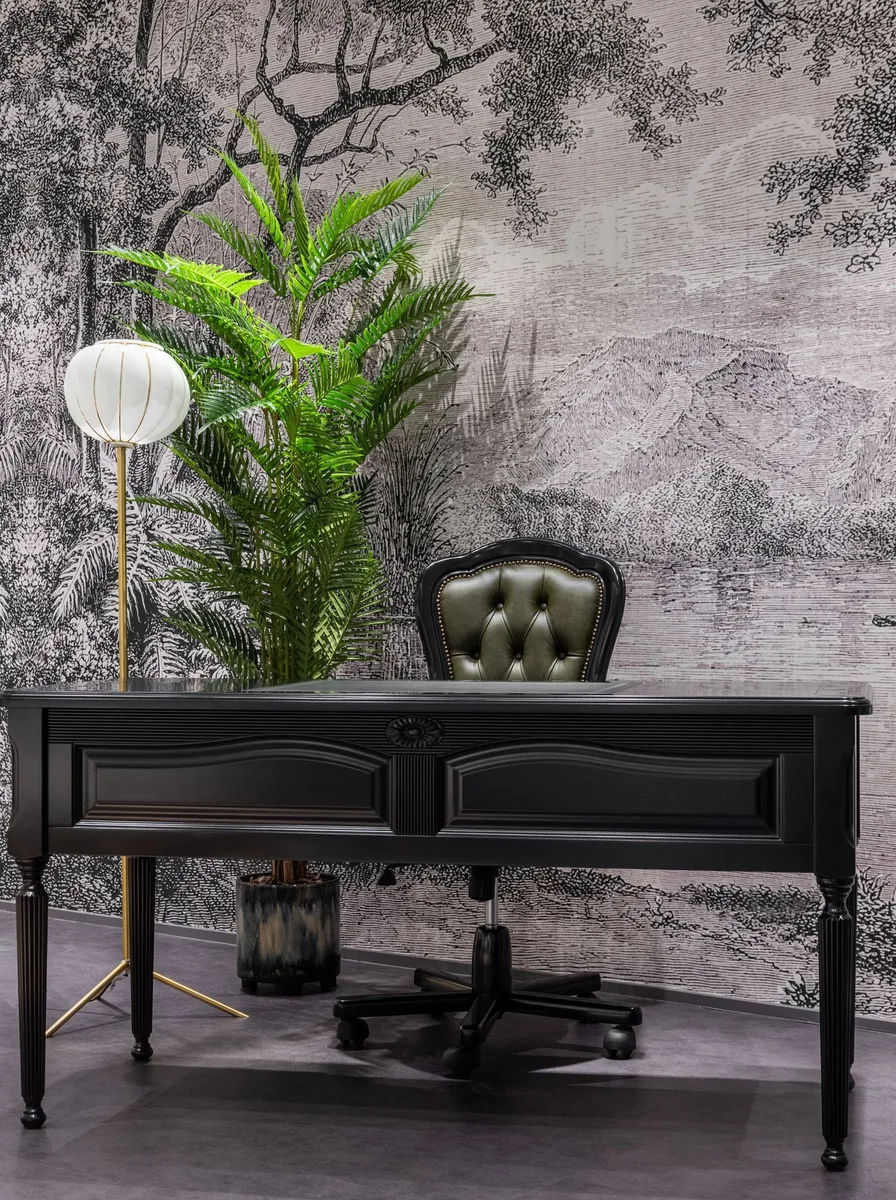
Wobble stools balance on a rounded base instead of legs, so your body makes constant micro-adjustments to stay upright. This active sitting engages your core, glutes, and leg muscles throughout the day — and those small movements are exactly what fights the stiffness of static postures. Users often report less lower-back ache within a week.
Start with short sessions of 15–20 minutes and build up; your stabilizing muscles need time to adapt, and overdoing day one brings soreness. Choose a wobble stool with an adjustable height so it works at both sitting and standing desk levels. Tip: keep your regular chair nearby during the transition weeks — variety beats heroics.
4. Sit-Stand Cycling: The Real Fatigue Fix
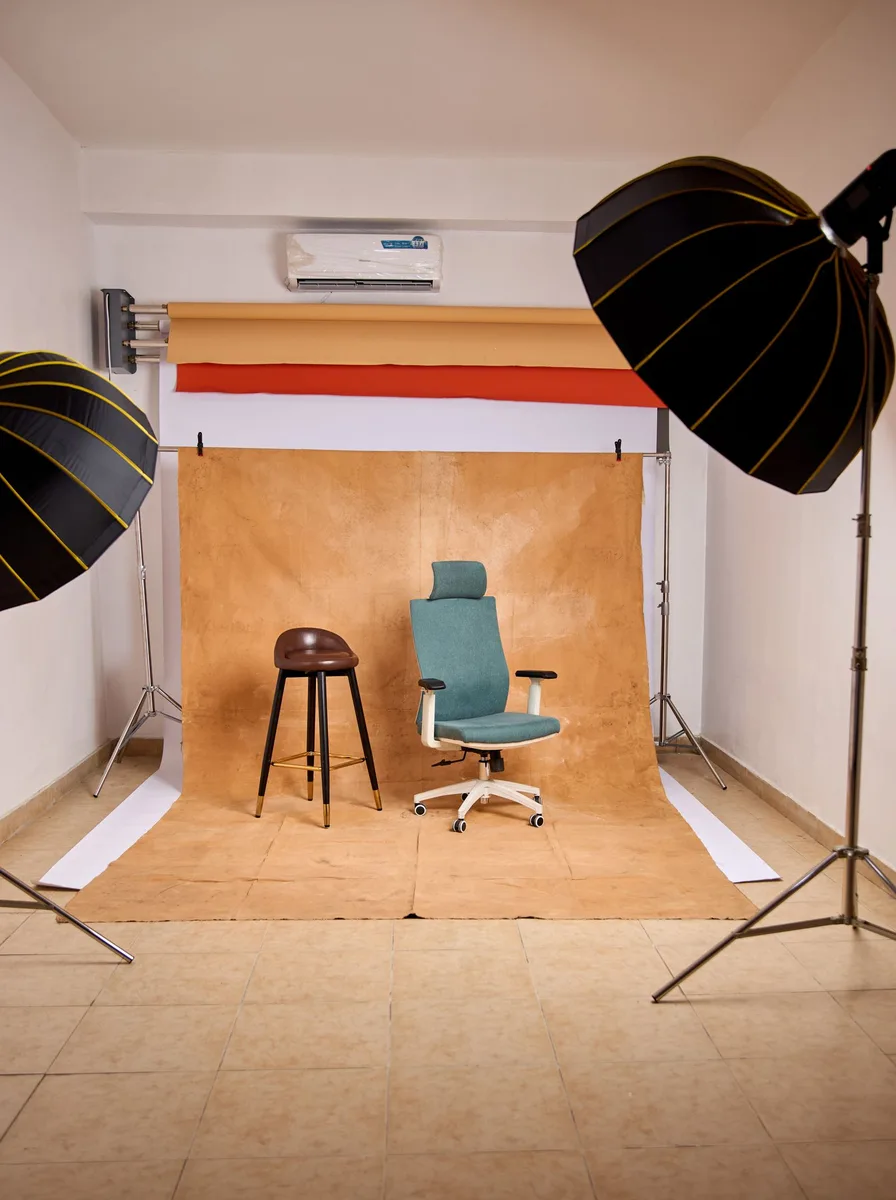
Here’s the truth no chair can change: the healthiest posture is your next one. Sit-stand cycling — deliberately alternating between sitting and standing through the day — beats any single position, because movement itself is what prevents fatigue. Aim for a ratio that suits you, such as 30 minutes sitting to 30 standing, or 20/40 if you prefer more stand time.
Make the switching effortless: a stool that slides under the desk, a mat already in place, monitor arms that adjust in seconds. Tip: tie transitions to natural breaks — stand for calls, sit for deep writing work, stand again after lunch when energy dips. The chair enables the cycle; the habit delivers the benefit.
5. Pair Your Stool with an Anti-Fatigue Mat
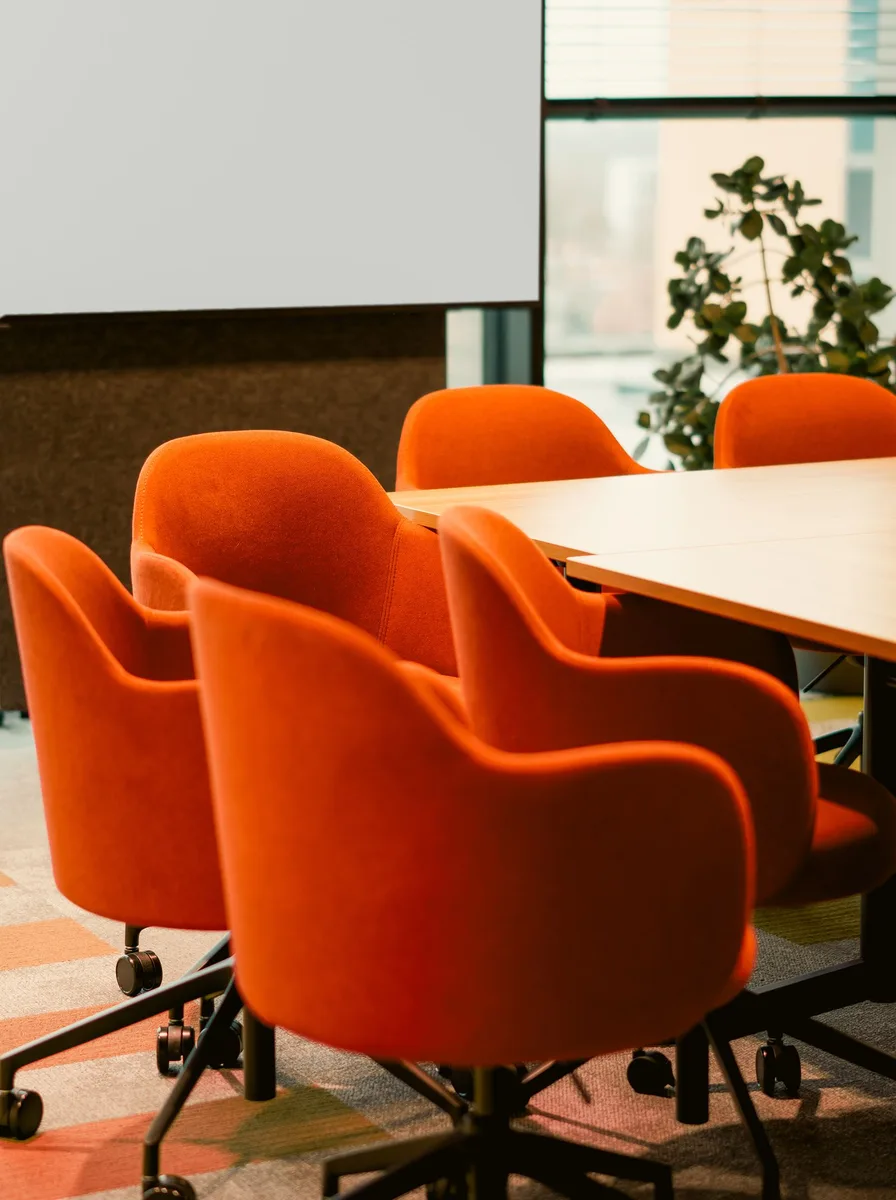
An anti-fatigue mat isn’t a chair, but it’s the best companion your standing-desk stool can have. The cushioned surface reduces pressure on feet, knees, and lower back during standing intervals, and encourages the subtle weight-shifting that keeps circulation flowing. When you perch or sit, the mat is simply there waiting for your next stand.
Choose a mat at least 20 inches deep so you can shift stance, with bevelled edges that won’t trip you or catch the stool’s base. Look for a balance of cushion and support — too soft and it destabilises you. Tip: textured “active” mats with massage bumps or balance rails turn standing time into gentle exercise.
6. The Footrest Ring: Small Detail, Big Relief
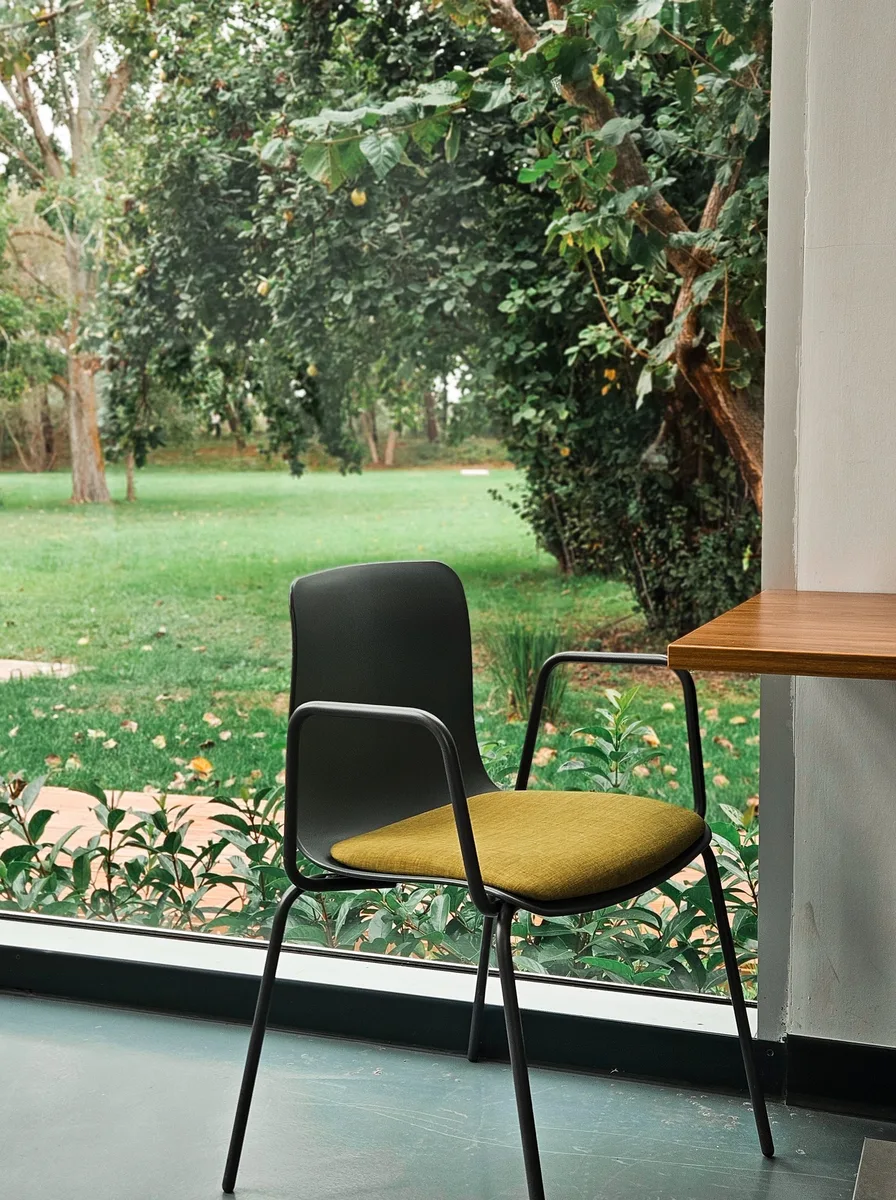
That circular ring around a drafting stool’s column looks minor, but it’s doing serious work. Dangling feet pull on the lower back and cut circulation behind the knees; a footrest ring lets your legs rest in a supported position, taking pressure off the lumbar spine. It’s the difference between perching comfortably and fidgeting constantly.
Adjust the ring so your thighs slope very slightly downward with feet flat on it — most rings slide and lock with a simple knob. If your stool lacks one, aftermarket rings fit standard gas-lift columns. Tip: alternate feet on the ring and floor through the day; even this tiny variation counts as movement.
7. Leaning Seats: The Stand-Up Compromise
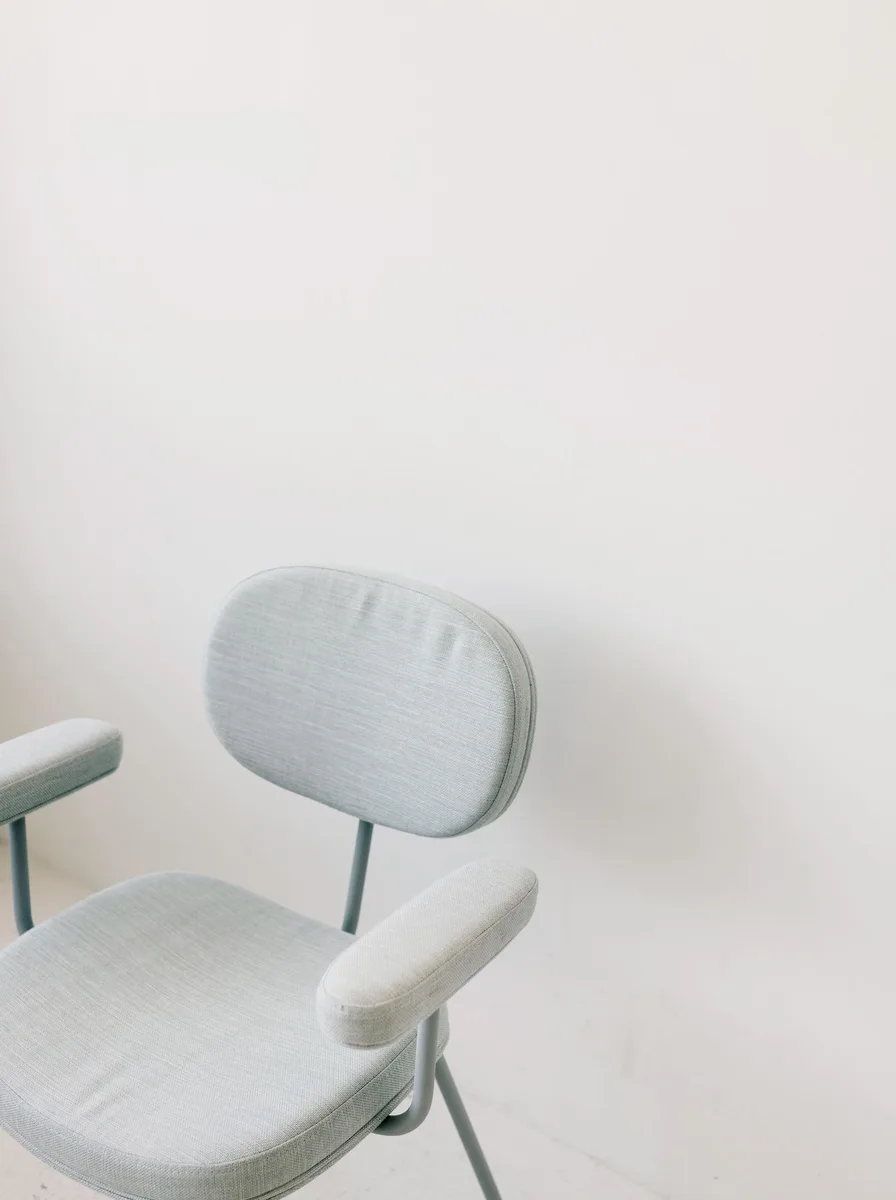
Leaning seats — narrow, angled pads you rest your hips against — support a near-standing posture with a fraction of the effort of standing free. They take roughly a third of your weight, which is enough to relieve tired feet and backs while keeping you upright and alert. Think of them as standing with a safety net.
Leaning seats suit quick tasks and short standing intervals; for longer sessions, graduate to a perch stool or full sit. Set the lean pad at hip height and stand close enough that your weight settles onto it naturally. Tip: they’re brilliant in tight spaces, since most fold flat against a wall when not in use.
8. Seat Height Range: Measure Before You Buy
Standing desks typically range from about 28 to 48 inches high, and your stool must match your preferred working heights — not just one of them. Measure your desk at sitting height and at standing height, then check the stool’s full adjustment range against both. A stool that tops out two inches too low will ruin your posture every single day.
As a rule, your seat should sit roughly 10–12 inches below the desk surface for comfortable elbow height. Gas-lift stools with wide ranges (often 8+ inches of travel) cover both sit and perch positions. Tip: write your ideal sitting and standing desk heights on a sticky note under the desk — it makes resetting after someone else uses your space instant.
9. The Saddle Stool for Hip Health
Saddle stools split the seat into a shape that drops your thighs downward, opening the hip angle far wider than a flat seat. This open posture reduces compression in the hip flexors — the muscles that shorten and ache from conventional sitting — and naturally straightens the lumbar spine. Riders often describe it as sitting the way the body wants to.
Expect an adjustment period of a week or two as your hips adapt to the wider stance. Start at a moderate height and raise it as you get comfortable; higher perching increases the hip-opening benefit. Tip: saddle stools work wonderfully for tasks requiring upper-body reach, like crafting or lab work, since nothing restricts your arms.
10. Backless vs Backed: Choose Your Support
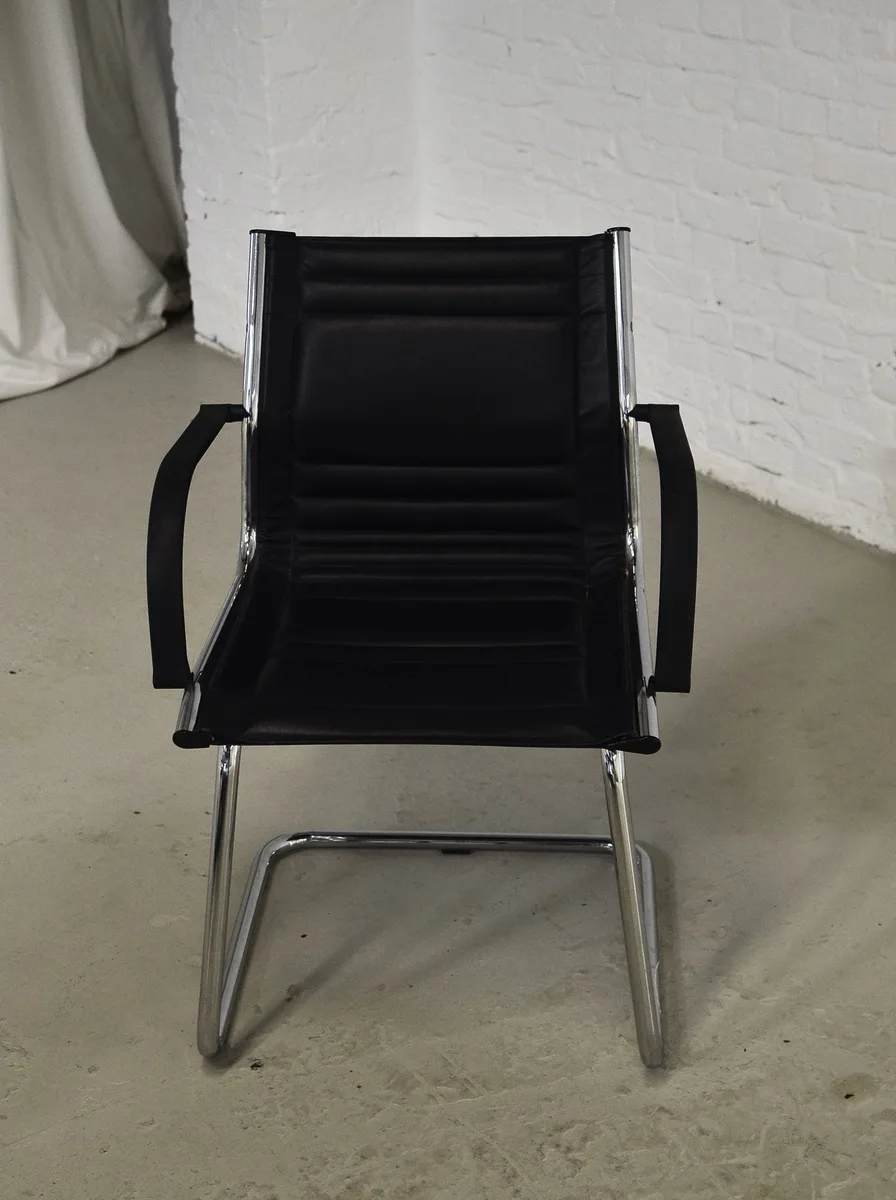
Backless stools force your core to do the postural work, which builds strength but tires you faster — ideal for short, active intervals. Backed stools let you lean back and genuinely rest, better for longer sitting stretches at a standing desk. Neither is universally better; the question is how long your sitting intervals run.
Many standing-desk users keep both: a backless stool for perching between stands, and a backed chair for focused hour-long sessions. If you must choose one, pick based on your longest sitting stretch — over 30 minutes favours a backrest. Tip: a small, adjustable lumbar pad on a backed stool gives support without the bulk of a full high back.
11. The Kneeling Chair, Tall Version

Kneeling chairs shift weight onto the shins and forward onto the seat, holding the spine upright with an open hip angle similar to saddle stools. Tall kneeling chairs adapt this posture for standing-desk heights, offering a genuinely different sitting geometry for people whose backs rebel against conventional chairs. The forward tilt feels odd for a day, then natural.
Pad quality matters enormously — thin shin pads become painful within the hour, so choose thick, high-density cushioning. Alternate kneeling intervals with standing rather than using it all day; like every posture, it works best in rotation. Tip: wear softer trousers or keep a small cushion handy, as hard seams press into shins.
12. Swivel Freedom: Reach Without Twisting
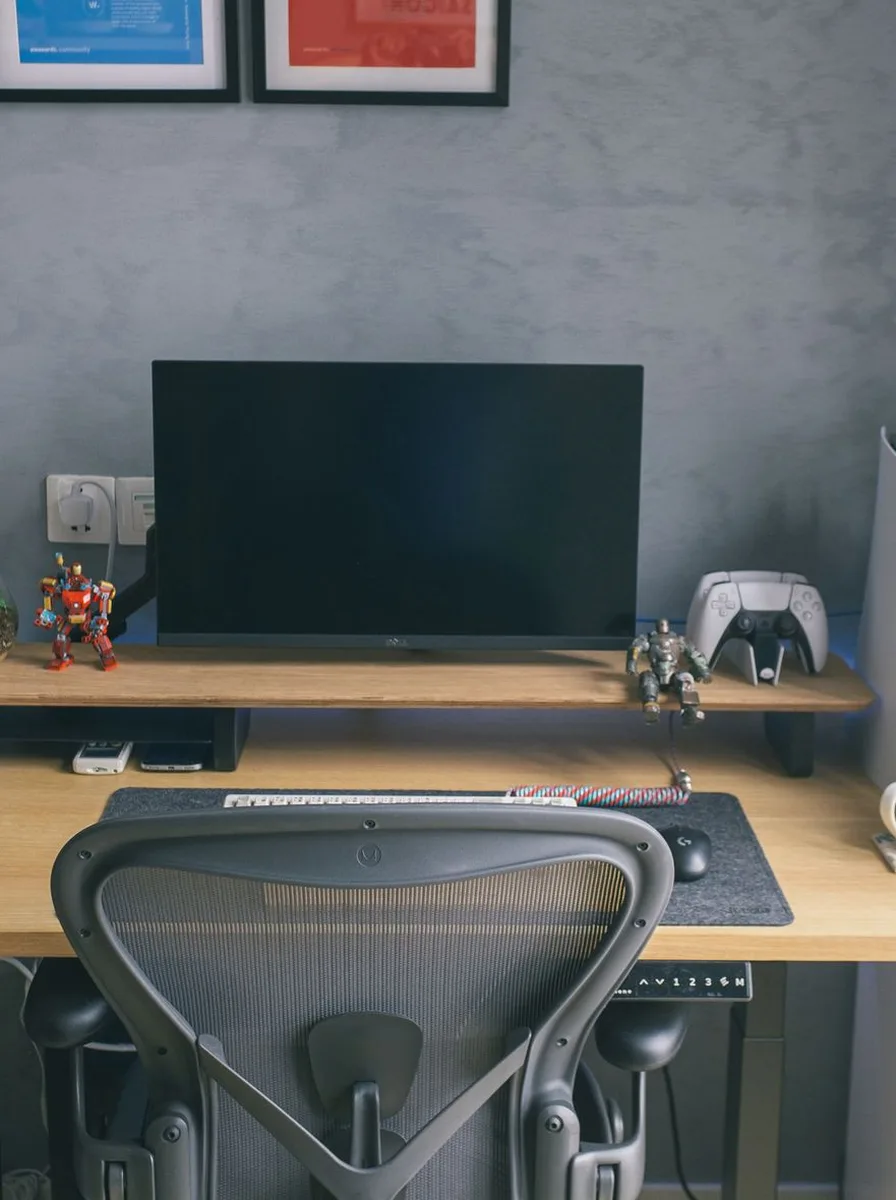
Repetitive twisting to reach side monitors, printers, or reference papers is a quiet source of back strain. A swiveling standing-desk stool lets your whole body rotate to face your work instead of torquing your spine — a small ergonomic win that compounds over thousands of repetitions a day. It’s one of the cheapest upgrades with the biggest payoff.
Look for smooth, quiet swivel action — gritty bearings discourage the very movement you’re buying it for. Combine swivel with a footrest ring so your feet rotate with you rather than planting and twisting. Tip: arrange your desk in a shallow arc around the stool so everything you reach for regularly sits within a half-turn.
13. Breathable Mesh for Warm Offices
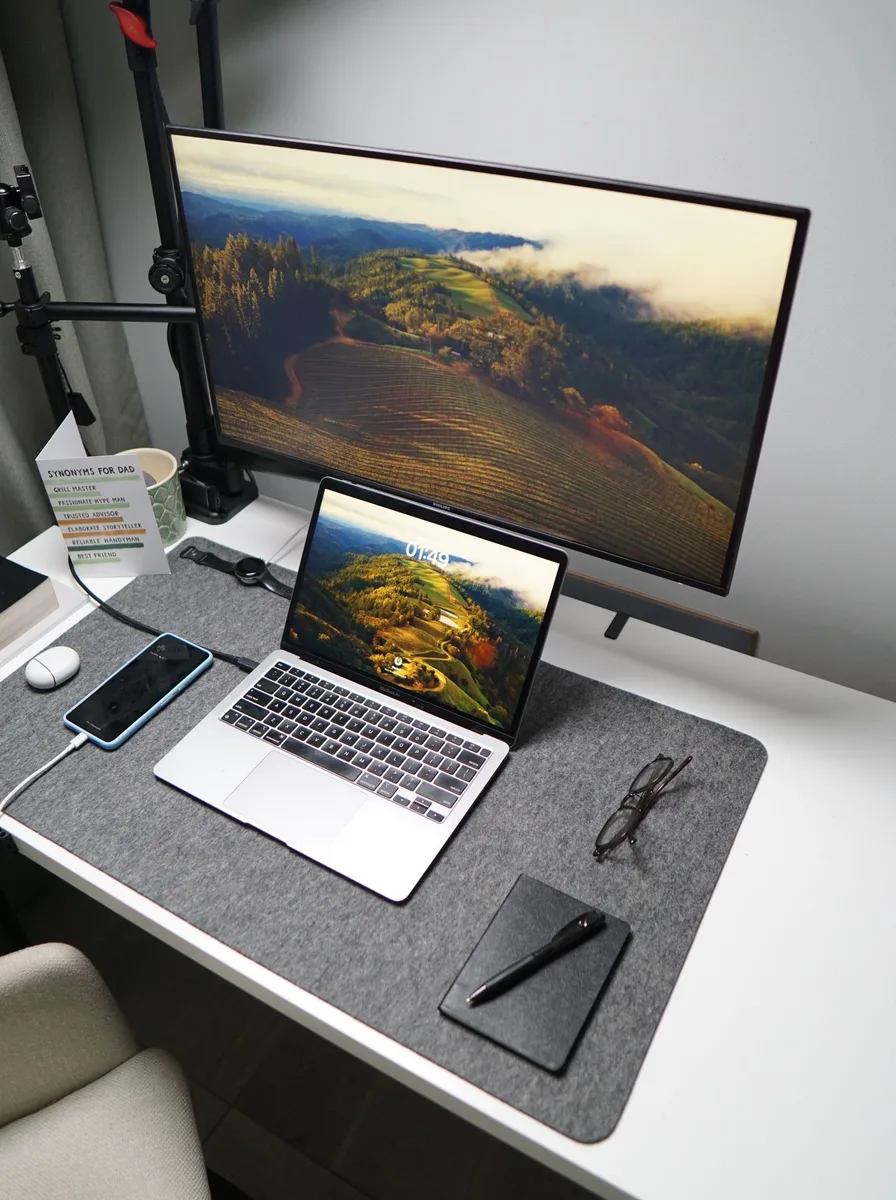
Standing-desk work runs warm — you’re moving more, and warm air rises to a raised desk. A mesh seat and back on your stool keeps air circulating where a padded vinyl seat would trap heat and sweat. For anyone in a warm climate or a stuffy home office, breathable mesh meaningfully improves comfort through long afternoons.
Mesh seats feel firmer than foam, so test-sit if possible — some people love the hammock feel, others miss cushioning. A mesh back with a foam or waterfall seat is a good compromise. Tip: mesh needs occasional vacuuming to stay fresh, and keep it out of direct sun, which degrades the fibres over time.
14. The Pneumatic Lift: Adjust in Seconds

The gas-lift lever is the unsung hero of sit-stand seating. Being able to adjust seat height in two seconds — without standing up, fiddling with pins, or breaking your workflow — is what makes height changes actually happen. Stiff or slow mechanisms get left at one height, and a stool stuck at one height is just an expensive regular stool.
Test the lever action before committing: it should glide smoothly under your weight in both directions. Levers positioned under the seat’s front edge are easiest to reach while perched. Tip: a quick spray of silicone lubricant on the column once a year keeps the action silky — a thirty-second maintenance job.
15. Footrest Bars on the Desk Itself

Some standing desks include a footrest bar on the frame — and if yours doesn’t, aftermarket bars clamp on in minutes. Resting one foot on a raised bar while standing shifts your pelvis, alternates the load between legs, and eases lower-back compression. It’s the standing equivalent of the stool’s foot ring, and the two work beautifully together.
Alternate feet every 15–20 minutes for the full benefit; set a subtle reminder until it becomes habit. The bar should sit about 6–8 inches off the floor — high enough to change your hip angle, low enough to stay stable. Tip: a footrest bar also gives fidgety feet something to do, which reduces the urge to lock your knees.
16. The Balance Board Combo
Pair your standing intervals with a balance board and your stool becomes the rest stop in an active workstation. Balance boards keep ankles, calves, and core working through micro-movements while you stand, dramatically reducing the static-load fatigue that makes all-day standing miserable. Then perch on the stool when your legs ask for a break.
Choose a board with a gentle rock rather than an aggressive wobble to start — you still need to type accurately. Keep the stool close enough to grab; confidence matters more than bravery here. Tip: balance-board standing pairs best with tasks that don’t demand fine mouse control, like reading, calls, and video meetings.
17. Armrests: Yes, No, or Flip-Up?

Armrests on a standing-desk stool are a genuine dilemma. Fixed arms support your shoulders during long typing sessions but get in the way when you slide the stool under the desk or hop on and off frequently. Flip-up or removable arms split the difference: support when you want it, clearance when you don’t.
If your work is mostly typing at the raised desk, arms set at elbow height reduce shoulder tension meaningfully. If you’re constantly transitioning between sit and stand, go armless for unobstructed movement. Tip: whatever you choose, the arms should never force your shoulders upward — shrugged shoulders all day is a fast track to neck pain.
18. The Tall Office Chair (Full-Back Drafting Chair)
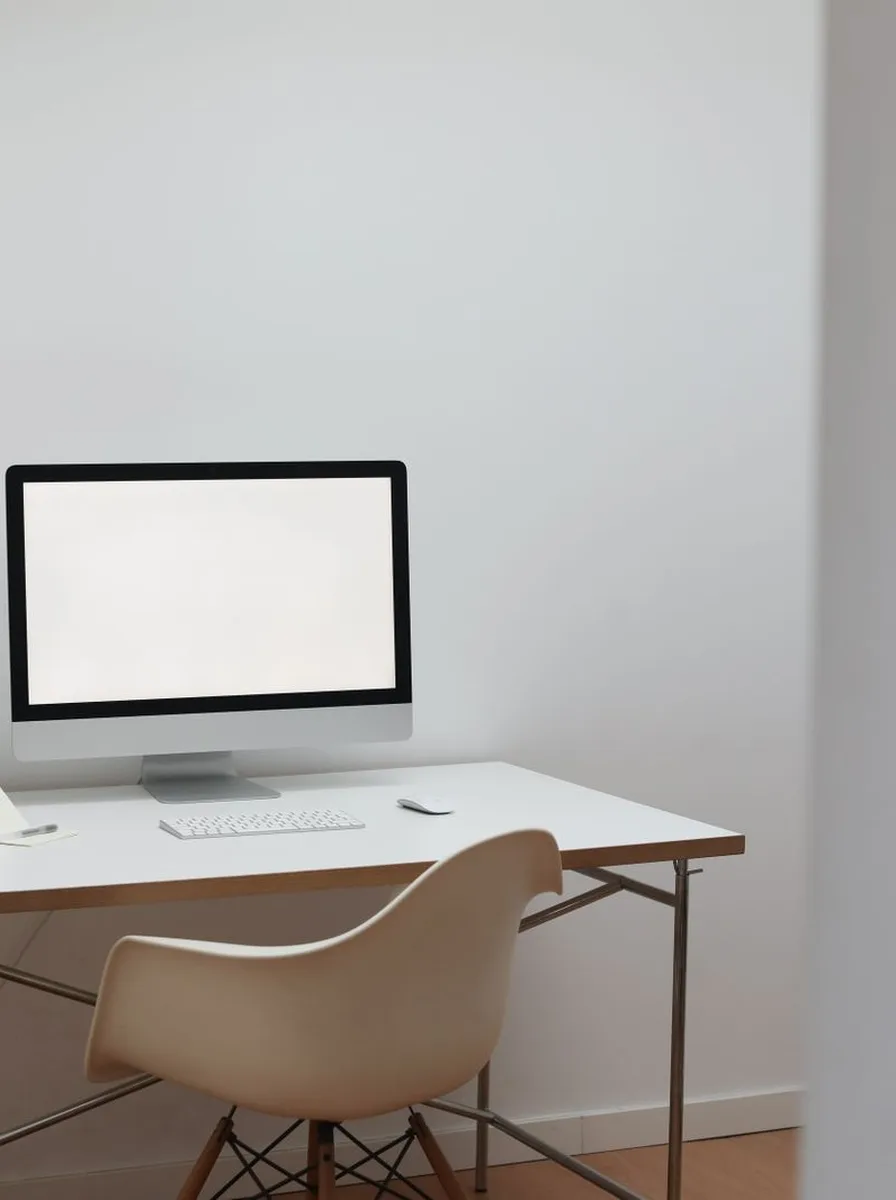
For those who want proper ergonomic support at standing-desk height, the full-back drafting chair is the answer: a complete office chair — lumbar support, tilt, armrests — on a tall gas lift with a foot ring. It delivers the familiar comfort of a task chair at any height your desk reaches, making long sitting intervals genuinely sustainable.
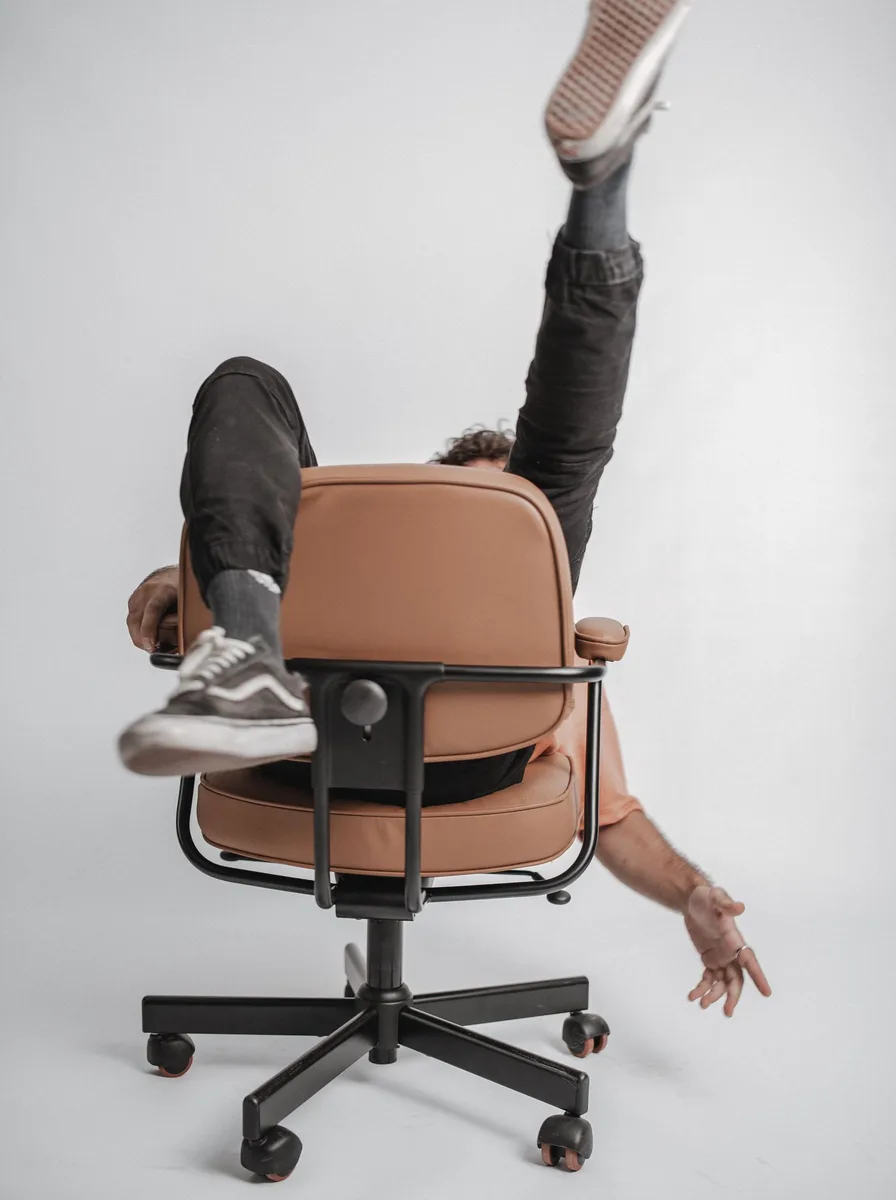
Because these chairs are tall and substantial, check stability: a wide five-star base and quality castors matter more at height. Use the tilt lock and tension adjustment to match your weight, just as you would a normal chair. Tip: this is the best option for anyone with an existing back condition who still wants sit-stand flexibility.
19. Flooring Matters: Castors vs Glides
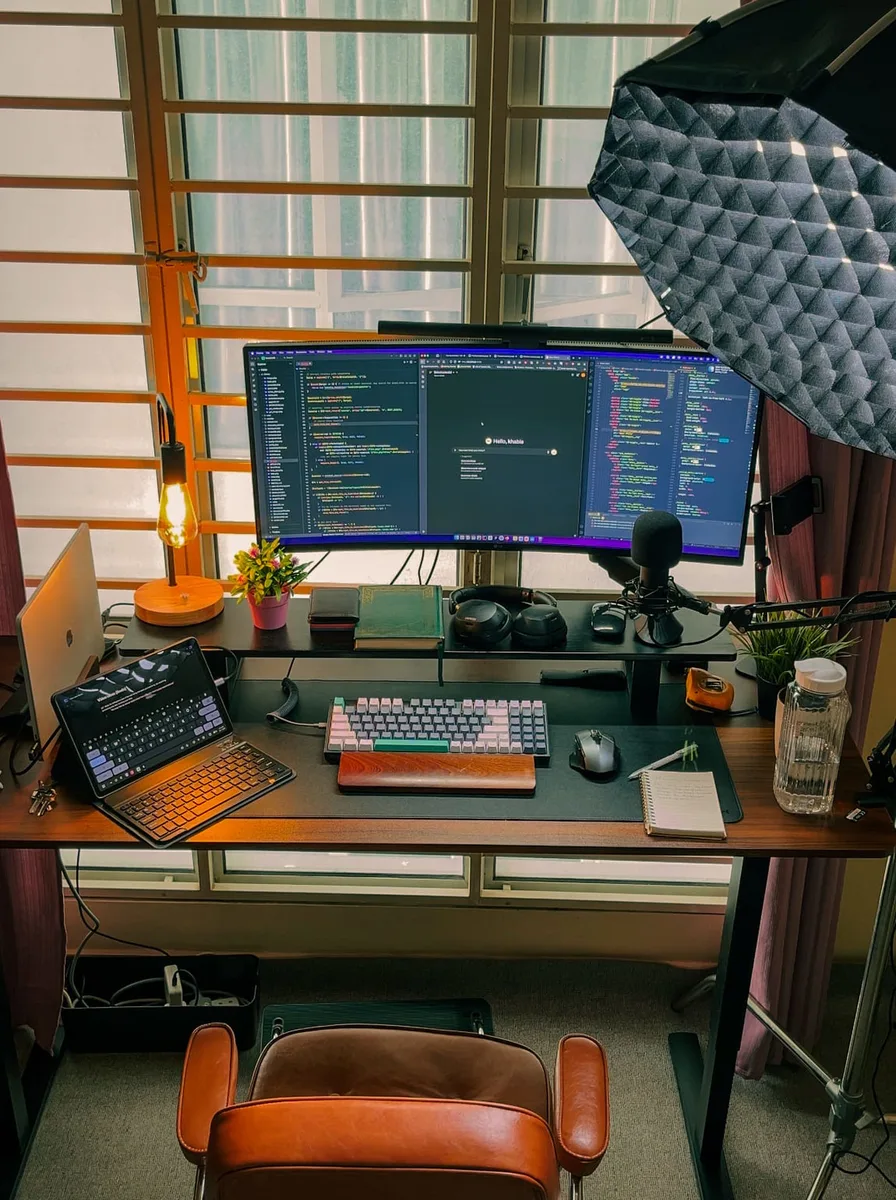
Your stool’s base meets your floor hundreds of times a day, and the wrong combination creates drag, noise, and wobble. Hard floors want soft, rubberized castors or felt glides; carpet wants harder wheels that roll rather than sink. Mismatched bases make every sit-to-stand transition a small wrestling match — and you’ll do it dozens of times daily.
A chair mat solves most conflicts: it gives smooth rolling on carpet and protects hard floors from scratches. Choose a mat sized for both your standing spot and the stool’s parking position. Tip: if your stool will live on an anti-fatigue mat, glides beat castors — wheels sink into foam and fight you.
20. The Folding Perch for Tiny Spaces
Small home offices need seating that disappears. Folding perch stools collapse flat in seconds and lean against a wall or slide behind a door, freeing the floor for standing work, exercise, or simply walking room. You get the fatigue-fighting benefit of perching without permanently surrendering square footage to a chair.
Check the unfolded lock mechanism carefully — it must feel rock-solid, since you’ll trust it with your weight many times a day. Padded seats fold bulkier but far more comfortably than bare boards. Tip: hang it on wall hooks at standing height so grabbing it is as easy as reaching for a jacket — frictionless access means you’ll actually use it.
21. Lumbar Support at Height

Lumbar support matters just as much on a tall stool as on a regular chair — arguably more, since perching postures load the lower back differently. Look for stools with an adjustable lumbar pad that actually reaches your lower back at your working height; a pad positioned for a standard chair will sit uselessly low on a tall stool.
The pad should fill the curve of your lower back without pushing you forward — adjustable depth beats fixed every time. If your stool lacks lumbar support, a small portable lumbar roll strapped to the backrest works surprisingly well. Tip: reassess the position whenever you change seat height, since the geometry shifts with every adjustment.
22. The Sit-Stand Timer Habit
The best stool in the world can’t help if you forget to move. A sit-stand timer — an app, a smartwatch nudge, even a kitchen timer — turns good intentions into a rhythm: stand for a while, perch for a while, sit for a while, repeat. External reminders beat willpower, especially during absorbing work when hours vanish unnoticed.
Start with gentle intervals, like 45 minutes per position, and tune to your body over two weeks. Some people thrive on frequent switches every 20 minutes; others prefer longer blocks. Tip: pair transitions with existing habits — stand when the kettle boils, sit when you start a new document — and the rhythm becomes automatic.
23. Stretch Breaks from the Stool
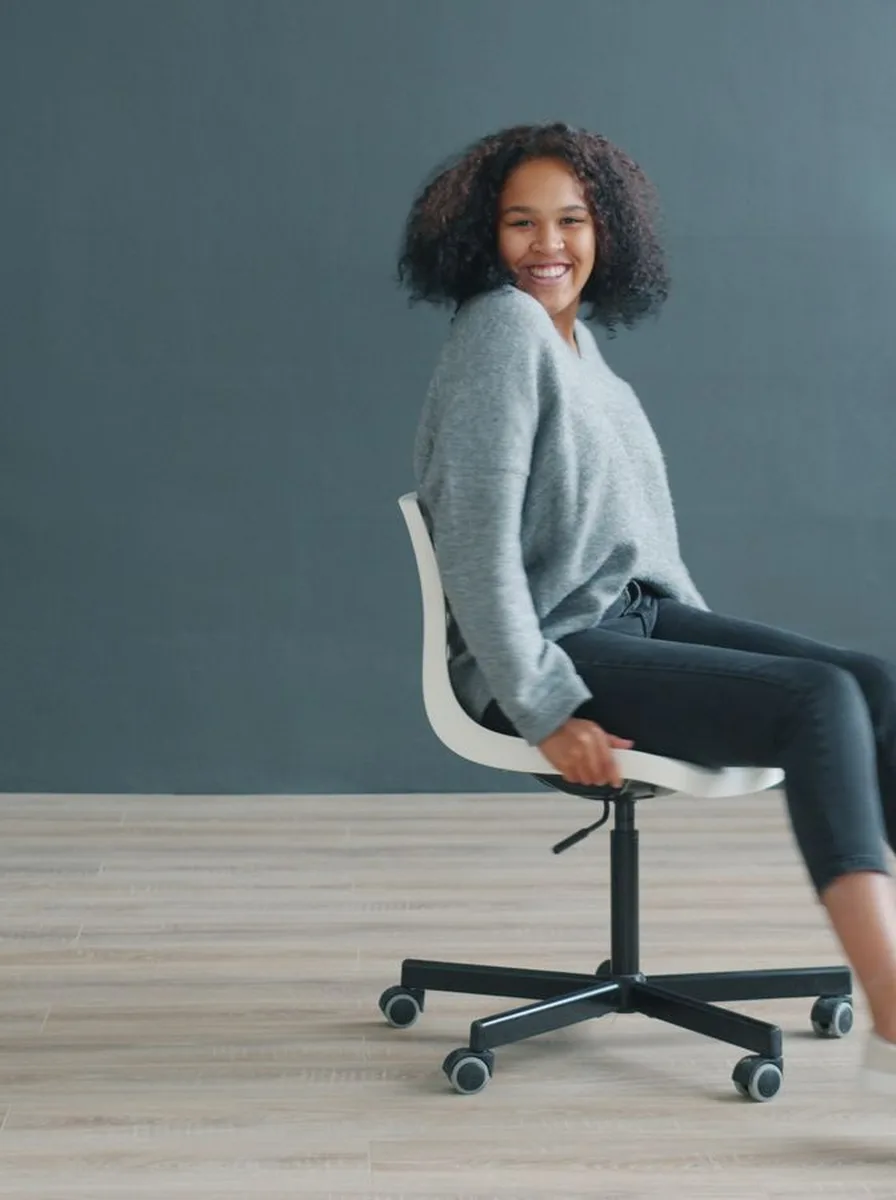
Your stool can be exercise equipment. Seated spinal twists, ankle circles on the foot ring, standing hip-flexor stretches using the seat for balance, shoulder rolls between tasks — a two-minute movement snack every hour does more for fatigue than any ergonomic feature. The stool’s presence is your cue; use it.
Build a tiny routine and stick it somewhere visible: neck rolls, chest opener against the desk edge, calf stretch on the mat, repeat. Keep a resistance band draped over the stool as a visual reminder. Tip: the most effective stretch for desk workers is the simplest — stand up, reach overhead, and take three slow breaths. Do it hourly.
24. Budget Picks That Actually Work
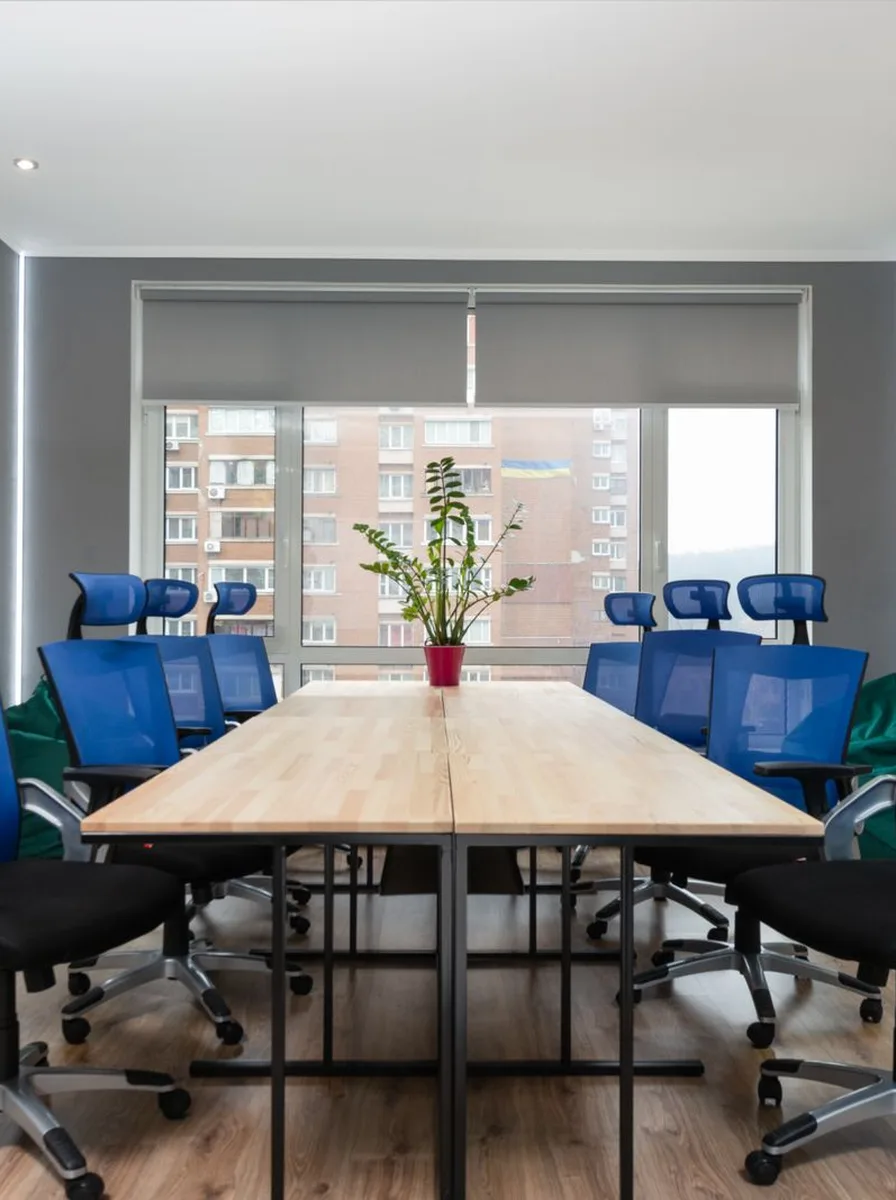
You don’t need to spend a fortune to sit-stand well. Solid drafting stools with foot rings start at very reasonable prices, basic wobble stools cost less than a dinner out, and a good anti-fatigue mat is one of the cheapest ergonomic upgrades available. The fatigue-fighting magic is in the movement pattern, not the price tag.
Prioritise adjustability and stability over features when buying budget: a wobbly tall stool is a safety hazard, not a bargain. Read reviews specifically mentioning daily use over months, not just unboxing impressions. Tip: buy the mat first if money is tight — it improves every standing minute immediately, whatever you’re sitting on.
25. When to Stand, Sit, or Perch: A Simple Framework
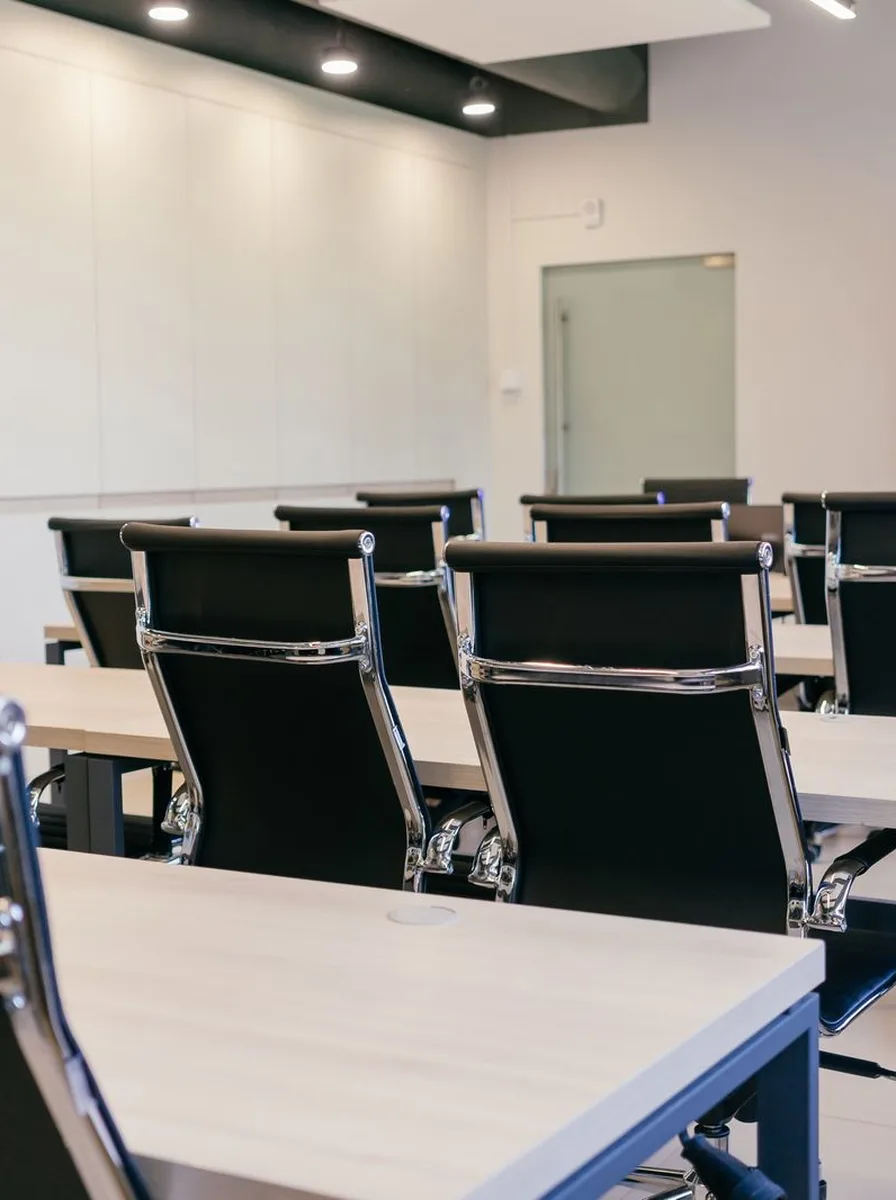
Match posture to task and you’ll fatigue slower all day. Stand for calls, brainstorming, and reading — activities where energy and alertness help. Sit for deep, precise work like writing and design, where stability aids focus. Perch for everything in between: email triage, quick reviews, the transitional moments. Let the task choose the posture.
Listen to your body’s early signals rather than pushing through: restless legs mean stand up, heavy eyelids mean move, an aching back means change position now — not in twenty minutes. Tip: end the day with a short standing stretch session at the desk; it unwinds the sitting hours and signals to your brain that work is done.