

A tiny room doesn’t have to mean an uncomfortable desk. The problem is rarely the chair itself — it’s choosing a full-size office chair for a space that can’t swallow one. Small-space desk chairs are designed around a different brief: slim profiles, tuck-under footprints, and clever tricks like folding, stacking, and transparency that make the chair visually disappear when you’re not using it.
The secret is matching the chair to the room’s constraints. An armless chair slides fully under the desk; a folding chair hangs on a wall hook; a clear acrylic chair barely registers visually at all. This guide collects 24 space-saving small desk chair ideas, each with practical advice on comfort, clearance, and making a tiny workspace feel bigger than it is.
From nesting stools and wall-mounted drop desks to light-coloured slim profiles and under-desk clearance tricks, you’ll find seating that fits your floor plan.
Every idea includes a space-stretching tip, because in a tiny room the chair should earn its square footage — or give it back when the workday ends.

1. Go Armless: The Single Biggest Space Saver
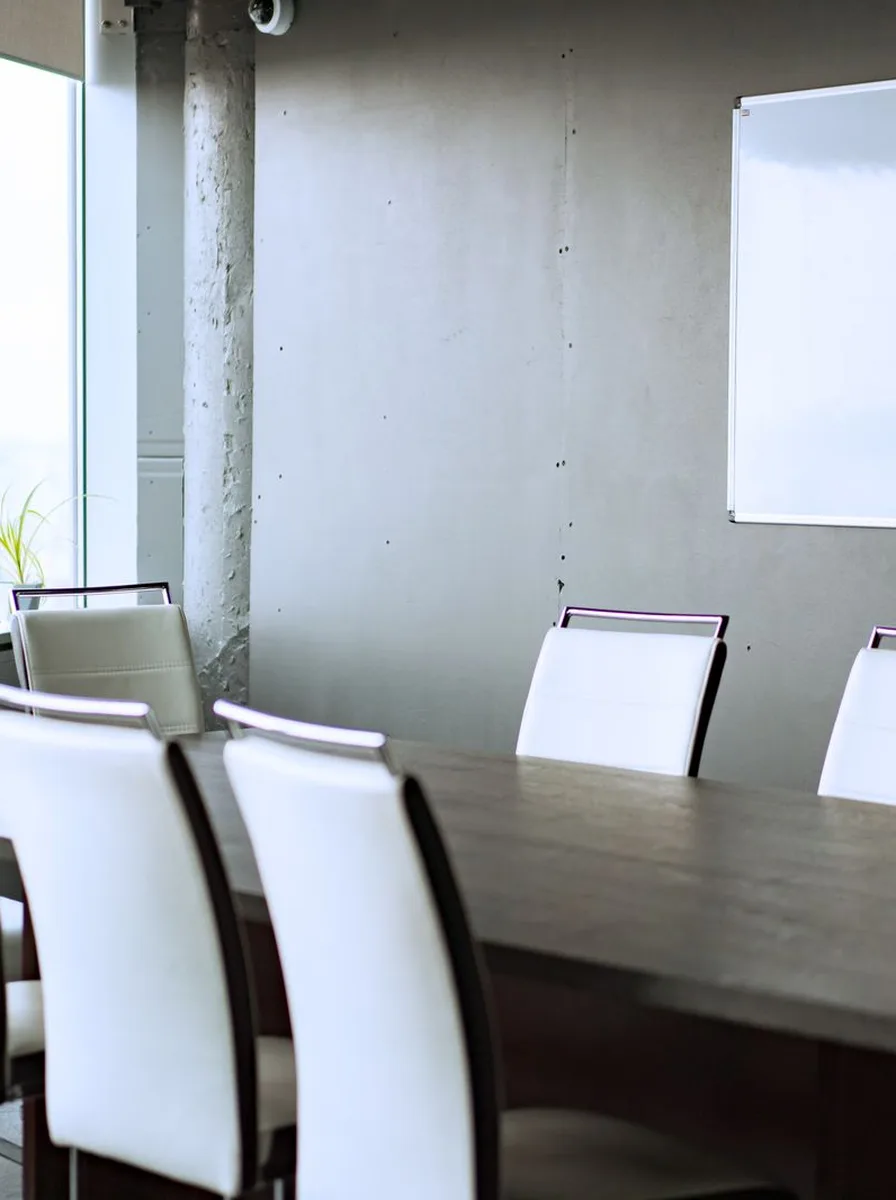
Armrests are the reason most office chairs refuse to slide under desks. Remove them and the chair’s footprint shrinks dramatically — an armless chair tucks completely beneath the desktop, reclaiming a full square metre of floor when you push it in. For tiny rooms, this one change matters more than any other feature.
Without armrests your shoulders do slightly more work, so take stretch breaks and keep the desk at proper elbow height. Choose an armless chair with a waterfall seat edge to protect the backs of your thighs. Tip: measure your desk’s underside clearance before buying — you need the seat plus a few centimetres to slide under cleanly.
2. The Folding Chair, Upgraded

Forget rickety metal folding chairs — modern folding desk chairs come with padded seats, ergonomic backs, and mechanisms that fold flat in one motion. When work ends, the chair collapses to a few inches thick and leans against a wall, hangs on a hook, or slides behind a door. Your tiny room gets its floor back every evening.
Test the folding mechanism in person if possible; it should lock open with absolute confidence and fold without pinching fingers. Padded models are worth the extra bulk for daily use. Tip: mount two sturdy wall hooks at chair height near the desk so storing it becomes a two-second habit, not a chore.
3. Stackable Chairs for Flex Rooms

If your tiny room serves double duty — bedroom by night, office by day — stackable chairs are brilliant. Keep one at the desk for work; when guests arrive or you need floor space, stack the spares in a corner where two or three chairs occupy barely more footprint than one. Many modern stackable designs are genuinely comfortable for desk work.
Look for stackable chairs with a slight flex in the backrest and a contoured seat — flat cafeteria-style seats punish you after an hour. Felt pads under the legs protect floors when stacking and unstacking daily. Tip: choose chairs that stack at least four high so a single corner can hold your whole seating set.
4. Clear Acrylic: The Invisible Chair
A transparent acrylic chair is the ultimate visual space-saver: because light passes through it, your eye reads the room as empty even with the chair sitting in the middle of it. In a tiny room, this perceptual trickery matters — the space feels larger, brighter, and less cluttered. Modern acrylic desk chairs are surprisingly sturdy and often beautifully sculpted.
Acrylic scratches, so lift rather than drag it, and clean with a soft cloth and mild soap — never abrasive cleaners. It can feel hard for long sessions, so add a slim cushion for the seat. Tip: pair a clear chair with a glass or light-coloured desk to double the disappearing act; the workstation nearly vanishes.
5. Master Under-Desk Clearance

Under-desk clearance is the measurement that decides whether your tiny room works. You need enough height for the chair’s seat and your thighs, plus a few centimetres of slide-under room so the chair disappears fully. Before buying anything, measure from floor to the desk’s underside — and to any crossbars or drawers that eat into that space.
As a rule, allow at least 60cm of clear knee height for comfortable sitting, and check that modesty panels or cable trays don’t intrude where your knees go. Tip: if clearance is tight, a slim-profile stool or a chair with a low seat-height range buys you precious centimetres without replacing the desk.
6. The Wall-Mounted Drop Desk with a Stool
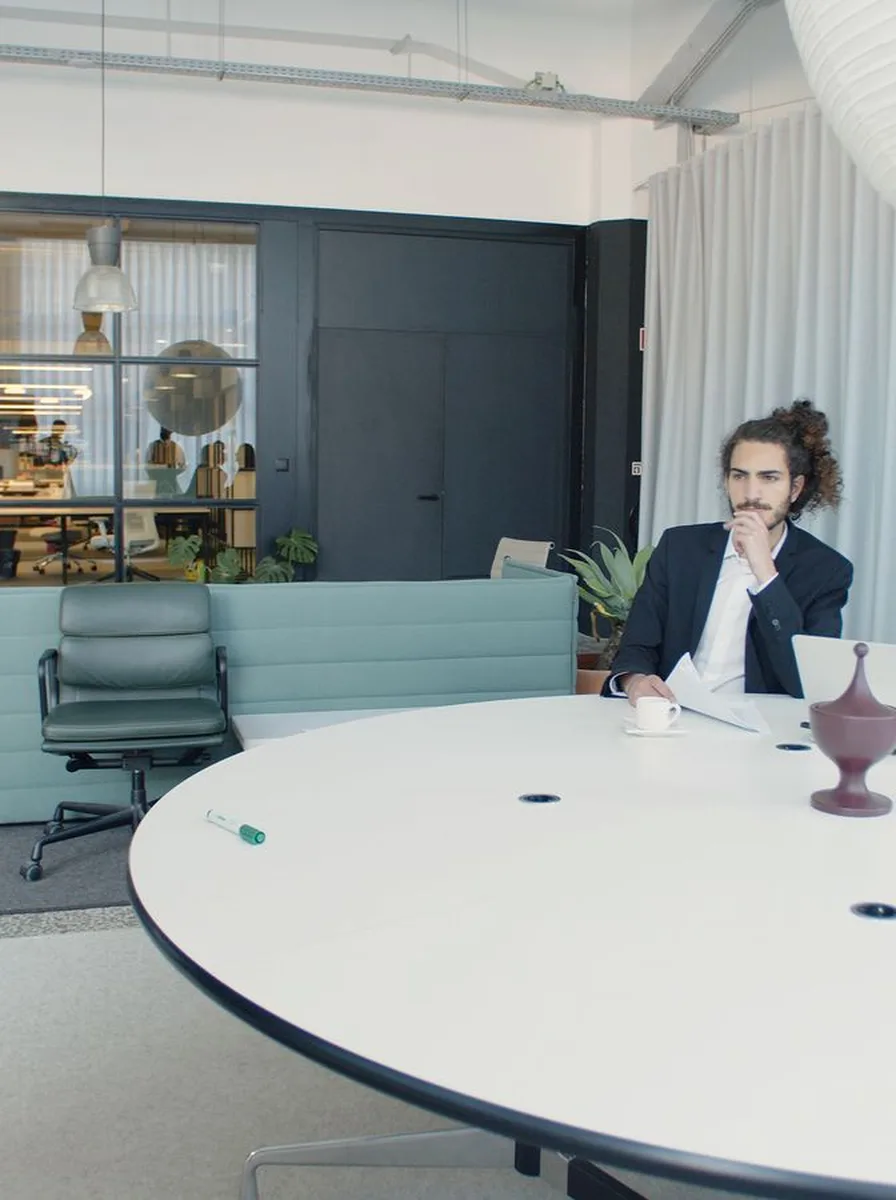
The ultimate tiny-room workstation isn’t a desk at all — it’s a wall-mounted drop-leaf table paired with a lightweight stool. Folded down, it’s a full working surface; folded up, it vanishes into the wall, leaving zero footprint. A simple stool or backless chair completes the setup and stashes anywhere.
Mount the drop desk into wall studs — it must hold your equipment’s weight plus leaning elbows safely. Choose a stool with a small footprint that can hang on the wall beside the folded desk. Tip: add a wall-mounted shelf above for storage so the freed floor space stays clear; vertical storage is a tiny room’s best friend.
7. Nesting Stools That Slide Together
Nesting stools are designed to slide into each other like Russian dolls, so two or three seats occupy the footprint of one. Keep one at your desk and nest the rest underneath or beside it — when you need extra seating, they pull out in seconds. They’re perfect for tiny rooms that occasionally host a second worker or a guest.
For desk use, choose nesting stools with a comfortable seat height and a backrest if you’ll sit for hours — many are backless, which suits shorter sessions. Cushioned tops make them double as side tables when nested. Tip: pick a set in a light colour so the nested stack reads as one tidy object, not a pile of furniture.
8. Slim-Profile Task Chairs
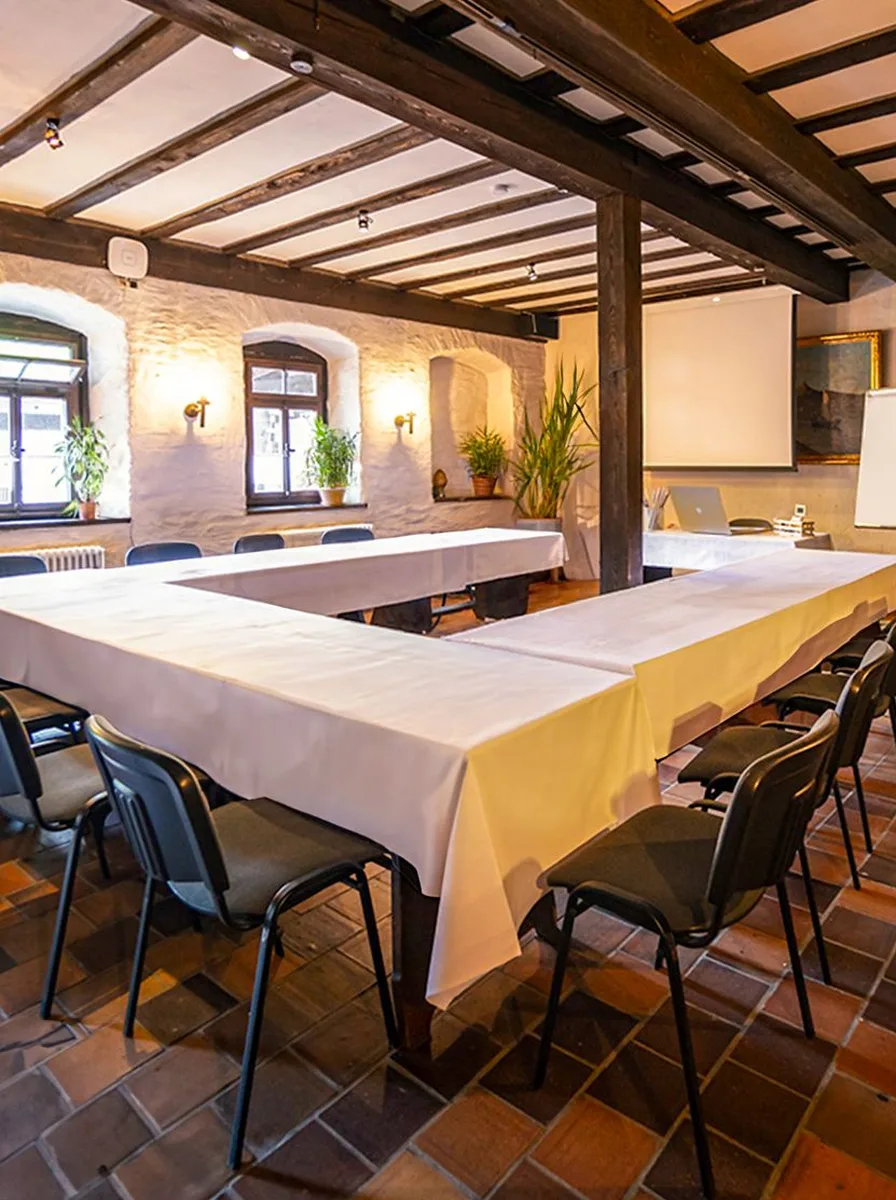
Slim-profile task chairs deliver real ergonomic features — lumbar support, adjustable height, tilt — in a narrower, lighter package than standard office chairs. They typically shave 10–15cm off the width by trimming armrests and slimming the backrest, which is exactly the margin a tiny room needs. You keep the comfort and lose the bulk.
Don’t confuse slim with flimsy: check the weight rating and the base stability, since narrow chairs can tip more easily. A five-star base is still the safest choice. Tip: a slim chair in a light colour against a white wall visually recedes, making the room feel bigger even when the chair is in use.
9. Light Colours Open Up the Space
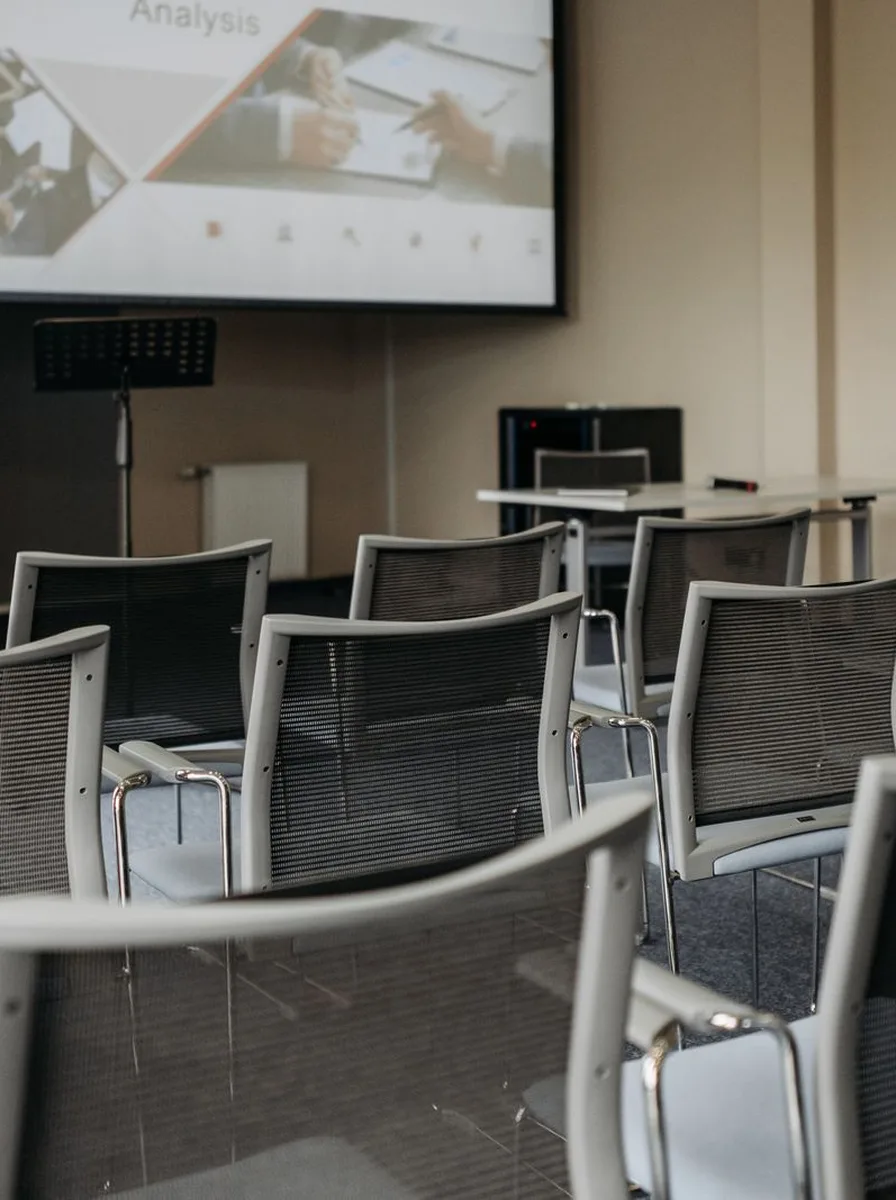
Colour is a space tool: a white, cream, or pale grey chair reflects light and visually recedes, while a black chair anchors itself as a heavy object in the room. In a tiny workspace, choosing a light-coloured chair is one of the cheapest ways to make the area feel airier — the chair simply demands less visual attention.
Light upholstery shows marks faster, so choose wipeable materials or removable, washable covers for daily-use chairs. Echo the chair’s colour in the desk or shelving for a cohesive, calm scheme. Tip: if you love dark furniture, compromise with a light chair and dark desk — the chair is the piece that moves and catches the eye.
10. The Backless Stool Solution
A backless stool is the smallest functional desk seat you can buy — no backrest means it slides entirely under the desk and occupies minimal floor space. For short work sessions, quick admin, or a secondary seat at a shared desk, it’s all you need. Height-adjustable models adapt to different users and desk heights.
Backless sitting engages your core but tires the back over long stretches, so reserve the stool for sessions under an hour or alternate it with standing. A padded, contoured seat makes a huge comfort difference over a flat wooden top. Tip: tuck it fully under the desk after every session — the clear floor is the whole point.
11. Corner Desks with Compact Chairs
Corners are dead space in most tiny rooms — a corner desk turns them into a workstation without consuming wall space you’d use for storage or a bed. Pair it with a compact chair that swivels within the corner’s footprint, and the whole setup occupies a triangle of floor that was previously wasted. It’s the most floor-efficient desk layout there is.
Choose a chair with a small turning radius; wide executive chairs can’t rotate in a tight corner without hitting walls. A swivel stool or slim task chair works best. Tip: mount a corner shelf above the desk for monitors or storage — lifting equipment off the desktop keeps the small surface usable.
12. Chairs That Hang on the Wall
Some clever chairs are designed to hang — either on a dedicated wall bracket or simply hooked over the desk edge. Wall-hung storage gets the chair completely off the floor, which transforms how big a tiny room feels; floor visibility is one of the strongest cues your brain uses to judge spaciousness. It’s an unusual solution that works remarkably well.
Check the chair’s weight and the bracket’s rating — a solid wood or metal chair needs serious fixings into studs. Folding chairs hang most easily and lie flattest against the wall. Tip: position the hooks near the desk at a height you can reach comfortably; if hanging the chair is awkward, you’ll stop doing it.
13. The Rolling Stool with Storage
In a tiny room, every object should multitask — including your chair. Rolling stools with built-in storage (a lift-up seat revealing a compartment, or a base tray) swallow office supplies, chargers, and notebooks that would otherwise need a drawer unit. You save the footprint of an entire storage piece while keeping essentials within arm’s reach.
Keep the stored items light and balanced so the stool stays stable when you sit; heavy loads low in the base actually improve stability. Locking castors prevent drift on hard floors. Tip: use the storage for daily-use items only — things you touch every day earn the space; archive the rest elsewhere.
14. Ghost Chairs: Polycarbonate Classics
The famous moulded polycarbonate “ghost” chair brings designer looks and near-invisibility in one piece. Like acrylic, it lets light through, but polycarbonate is tougher and more scratch-resistant, making it better suited to daily desk use. Its sculptural single-mould form looks intentional and elegant rather than merely practical.
Ghost chairs come in clear, frosted, and tinted finishes — frosted hides wear best while keeping the airy effect. The seat can feel firm, so add a thin pad for long sessions. Tip: a smoked or lightly tinted ghost chair adds subtle colour while preserving transparency; it’s the sophisticated middle ground between clear and solid.
15. Measure Twice: The Tiny-Room Checklist
Before buying any small-space chair, run the measurements: desk underside height, the chair’s width and depth, the turning space you need to pull out and sit down (usually 60–75cm behind the desk), and the door swing. A chair that fits under the desk but blocks the door is a failure — tiny rooms punish every unmeasured centimetre.
Make a paper template of the chair’s footprint and lay it on the floor; walk around it, open the door, pull it out as if sitting. This five-minute test prevents most buyer’s remorse. Tip: photograph the template in place — seeing it in a photo reveals crowding your eyes miss in person.
16. The Desk-Edge Perch Seat

A perch seat that hooks over or clamps to the desk edge eliminates the chair’s floor footprint entirely — you sit on a small padded saddle attached to the desk itself. It’s a niche solution, but in truly microscopic spaces (a hallway nook, a wardrobe office) it’s sometimes the only way to get seated work done. The perch folds away with the desk.
Check the clamp’s weight rating and test it thoroughly before trusting it daily; it must grip without damaging the desktop. These suit short sessions — think an hour or two — rather than full workdays. Tip: pair the perch with a standing-height desk setup so you can alternate between perching and standing without any floor-standing chair at all.
17. Low-Back Chairs for Sightlines

A low-back chair keeps sightlines open across a tiny room — you can see over it to the window or the far wall, which makes the space feel larger and less subdivided. High backs create visual walls that chop small rooms into smaller zones. For open-plan studios where the desk sits in the living area, a low back keeps everything feeling connected.
The trade-off is less upper-back support, so low backs suit people without existing back issues and sessions under a few hours. Look for a well-shaped lumbar curve in the low backrest — good design compensates for missing height. Tip: choose a low-back chair in the room’s wall colour and it practically melts into the background.
18. The Convertible Chair-Bedside Table

In a bedroom office, a sturdy stool or small chair can double as a bedside table — lamp and book on top by night, seating by day. Choosing a piece handsome enough for both roles means one object does two jobs and the room holds one fewer piece of furniture. A solid wood stool or a small upholstered cube works beautifully.
Pick something with a flat, stable top at a sensible bedside height (around 55–65cm) and a weight capacity that handles sitting. Keep the styling simple so it reads as furniture, not equipment. Tip: a lidded storage cube as the convertible piece adds hidden storage too — triple duty from a single small object.
19. Mirrored and Metallic Finishes
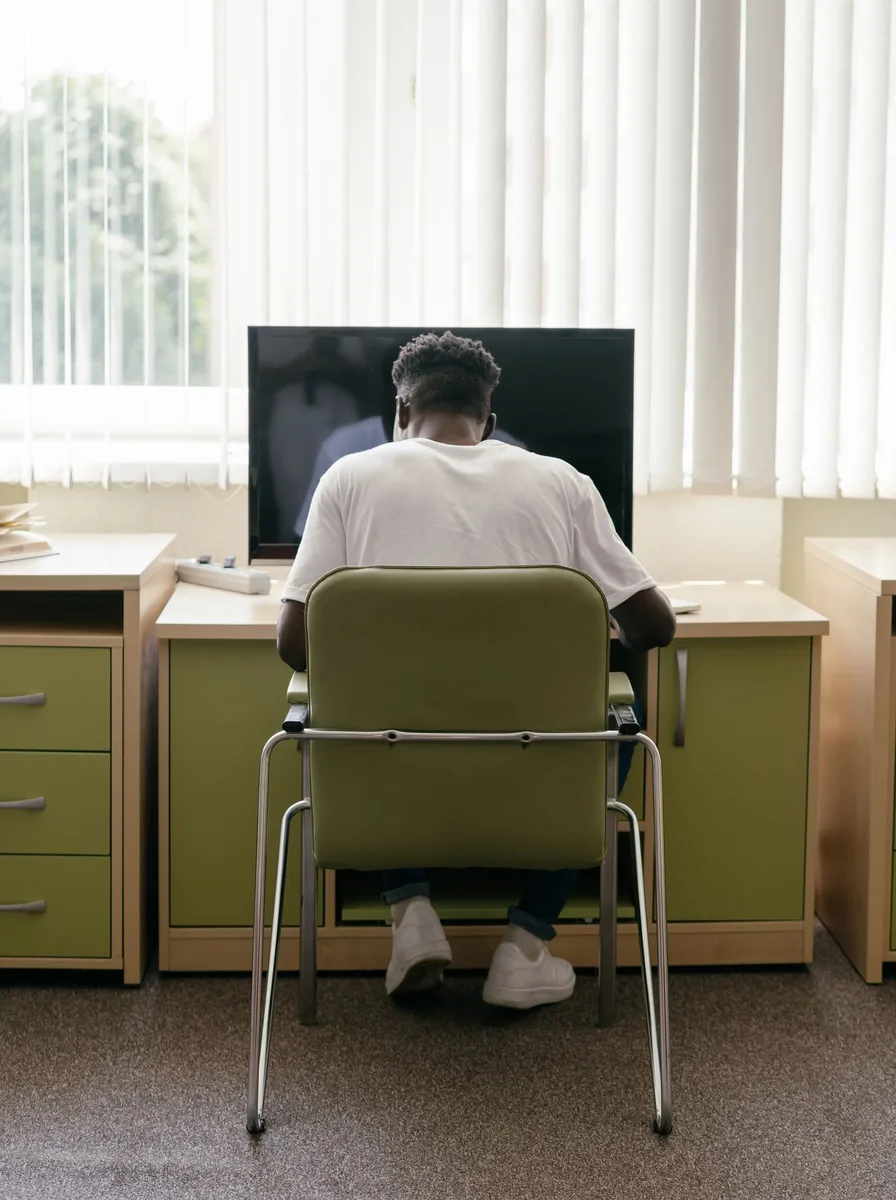
Borrow a trick from small-room decorating: reflective surfaces bounce light and create an illusion of depth. A desk chair with a polished chrome base, mirrored accents, or metallic-finish frame catches and scatters light around a tiny room, making the chair feel lighter and the space brighter. The effect is subtle but real.
Chrome shows fingerprints, so a quick wipe with a microfibre cloth keeps it gleaming; brushed or satin metal hides smudges better. Balance one metallic piece against matte surroundings so it reads as an accent. Tip: position the chair where it catches natural light from the window — the reflections do the most work there.
20. The Lap-Desk and Floor Cushion Alternative

Sometimes the most space-saving desk chair is no chair at all. A lap desk with a thick floor cushion turns any corner into a workstation with zero furniture footprint — when you’re done, the cushion stacks on a shelf and the lap desk slides under the bed. It’s ideal for tiny rooms, dorm rooms, and anyone who works cross-legged comfortably.
Ergonomics need attention: use a firm, thick cushion that raises your hips above your knees, and take frequent standing breaks since floor sitting compresses the hips. A lap desk with a wrist rest and a slight tilt improves the angle. Tip: this setup shines as a secondary workspace — keep your main desk elsewhere and use the floor nook for relaxed tasks.
21. Vertical Storage Above the Chair Zone

Freeing floor space isn’t only about the chair — it’s about everything around it. Moving storage vertically (wall shelves, pegboards, over-desk cabinets) clears the floor around your chair, which makes even a normal-sized chair feel less crowded. The chair gets its turning circle back, and the room breathes.
Keep daily essentials at arm’s reach on the lowest shelf and archives higher up; a small step stool handles the rest. Pegboards are ideal because they adapt as your needs change. Tip: leave one stretch of wall completely bare — visual rest space makes tiny rooms feel calmer, and the eye needs somewhere to land.
22. The Narrow-Profile Wooden Chair
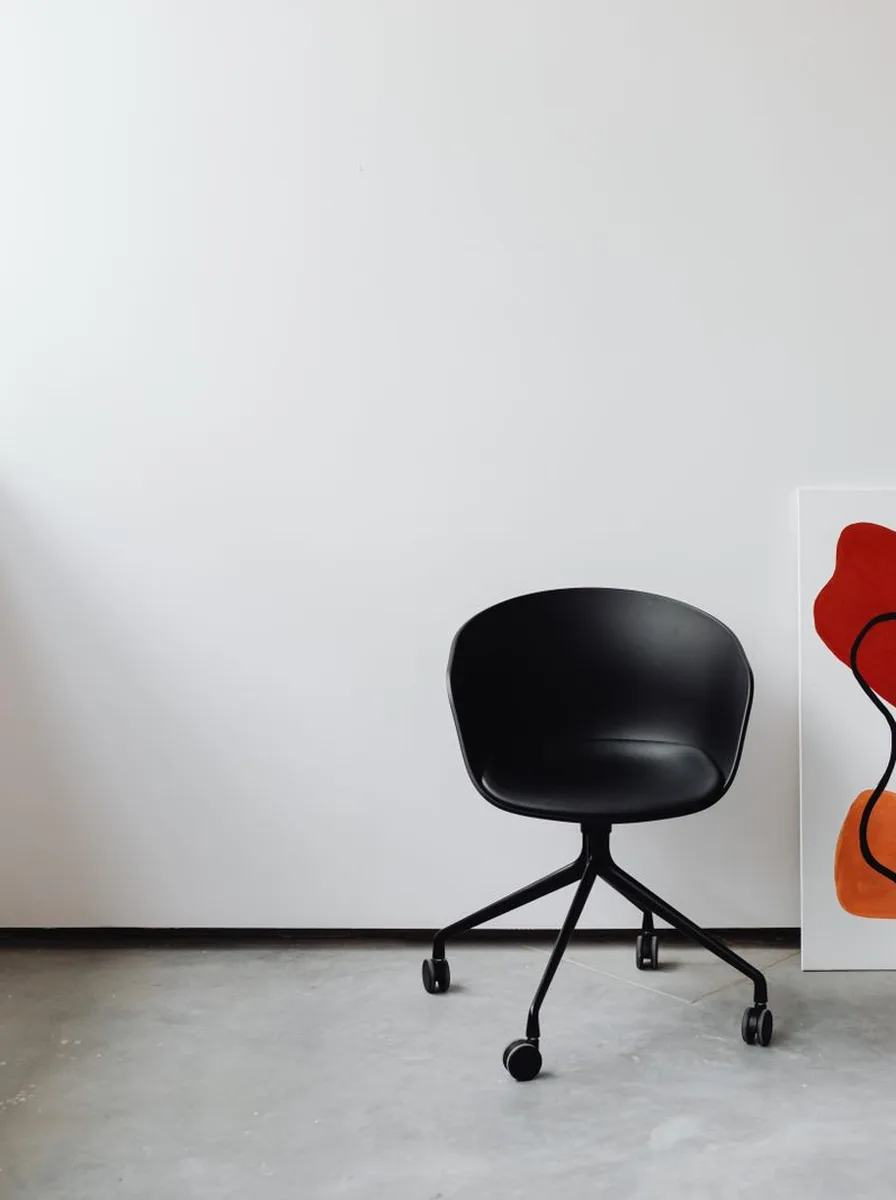
A simple wooden side chair with a narrow profile can be a perfectly good desk chair in a tiny room — especially vintage or Shaker-style designs built when rooms were smaller. They’re slim, light, easy to move, and they bring warmth and character that office chairs lack. For a few hours of daily desk work, comfort is perfectly adequate.
Add a seat cushion for longer sessions; a tie-on pad in a washable fabric transforms a hard wooden seat. Check the seat height against your desk — dining chairs often sit lower than desk height. Tip: a wooden chair that matches your room’s other furniture (bed frame, shelving) looks deliberate rather than makeshift — cohesion is free decoration.
23. Swivel Bases That Save Swing Space
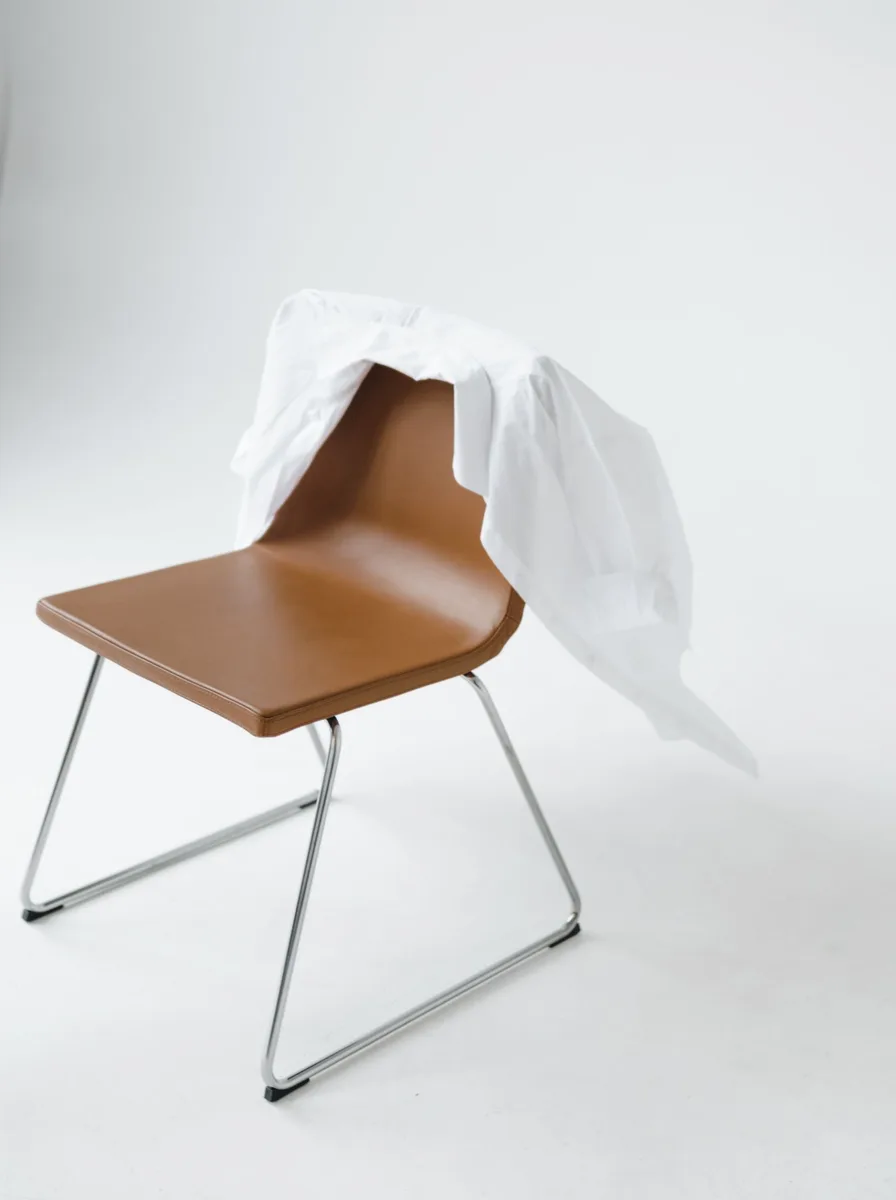
In a tight spot, a swivel base saves the swing space a four-legged chair needs — you rotate to get in and out instead of pulling the chair back and pushing it forward. That eliminates the 30–40cm of pull-out room behind the desk, which in a tiny room is precious. A compact swivel stool is the most manoeuvrable seat you can buy.
Choose a swivel with a modest base diameter so it spins within its own footprint, and lockable castors if the floor is slick. The ability to turn to face a side shelf or window without moving the chair is a bonus. Tip: centre the swivel chair under the desk when you finish — a tucked, centred chair makes the whole room look tidier instantly.
24. The Evening Tuck-Away Routine
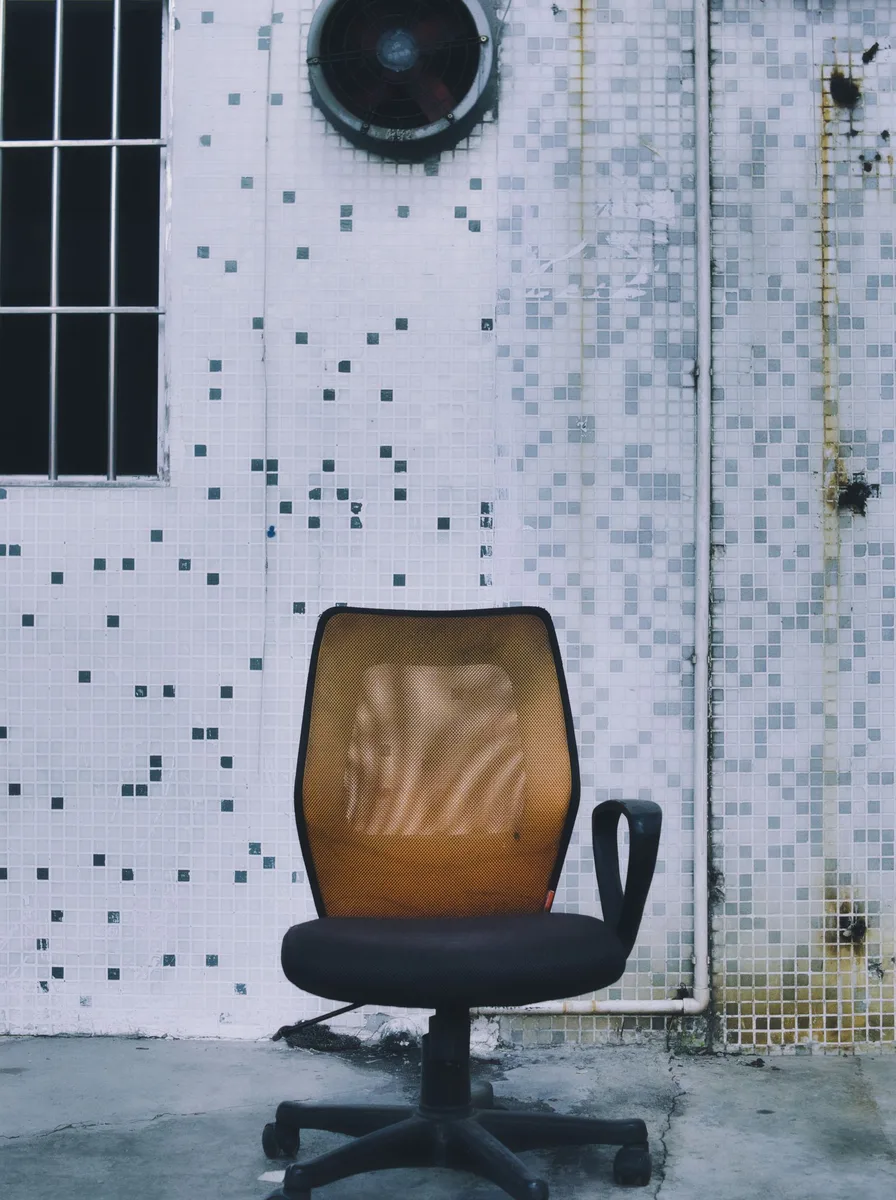
The final space-saving trick isn’t furniture — it’s habit. A two-minute evening routine — chair pushed fully under the desk, cables tidied, desktop cleared — resets your tiny room from office to living space every night. The psychological shift matters as much as the physical one: the room stops feeling like a workplace and becomes home again.
Make the routine frictionless: a chair that tucks easily, a cable tray that hides the spaghetti, a single tray or box where desktop items live overnight. Do it at the same time daily until it’s automatic. Tip: the tuck-away routine also protects your posture — a clear, reset desk invites a proper sitting setup each morning rather than a slouch into yesterday’s mess.