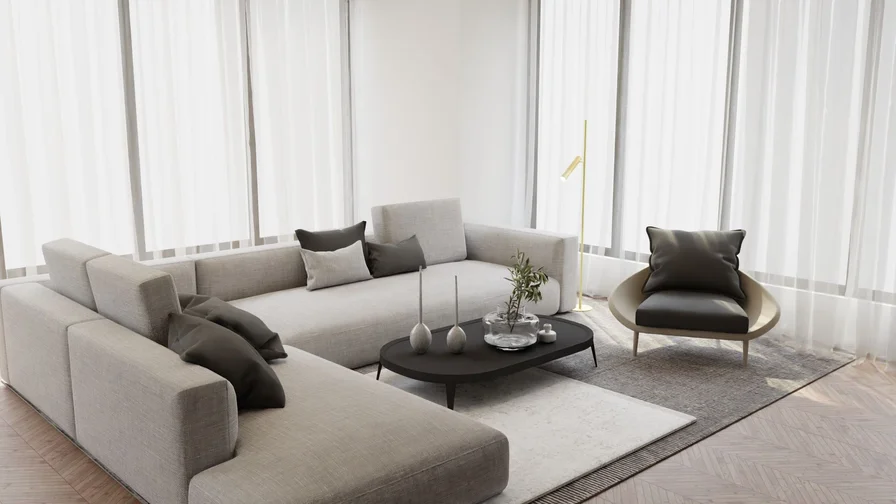
You don’t need a designer’s budget to get a designer’s look. Some of the most expensive-feeling living rooms are built on clever choices, not big spending — rooms where the paint is fresh, the clutter is gone, and every small detail feels intentional. That sense of polish is what the eye reads as luxury, and it’s entirely achievable on a tight budget.
The trick is knowing where cheap changes make the biggest difference. A few dollars of spray paint on dated hardware, a thrifted throw in a rich texture, or a lamp moved from a dim corner to center stage can shift a whole room’s mood. You just have to spend strategically instead of buying randomly.
In this guide, you’ll learn practical, low-cost ways to make your living room look expensive: how to declutter like a stylist, the paint colours and finishes that scream high-end, which small swaps give the biggest upgrade, and the finishing details designers always notice.

Declutter Before You Spend a Dime
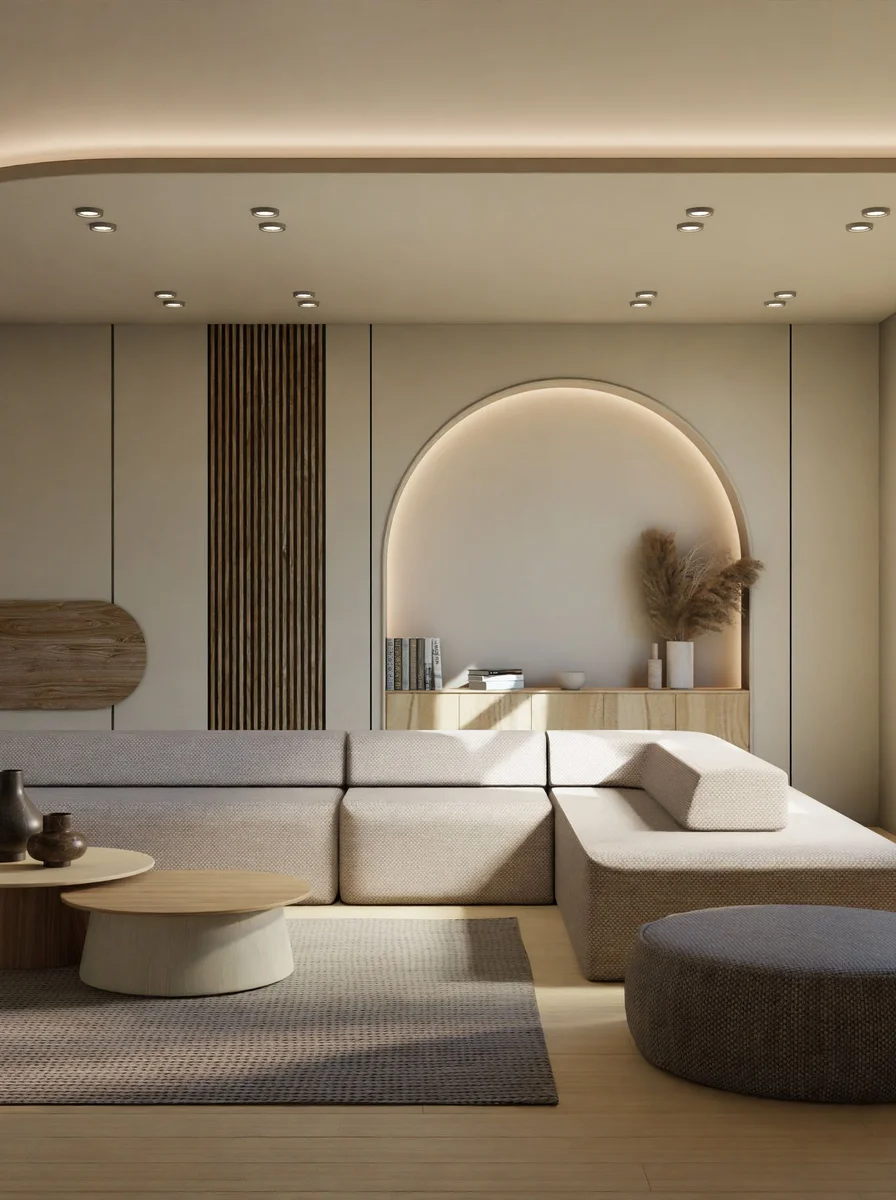
Every expensive-looking room has one thing in common: breathing room. Clutter is the single fastest thing that makes a space look cheap, and getting rid of it costs absolutely nothing. Take a photo of your living room and look at it with fresh eyes — photos reveal the piles, tangled cables, and crowded corners your brain has learned to ignore.
Start with the surfaces: clear the coffee table, console, and open shelves so only a few intentional pieces remain. Corral everyday items like remotes and chargers into a tray or basket so they look styled instead of scattered. Then tackle the cables — run them behind furniture or tame them with cheap cord clips, because visible wires instantly cheapen a room.
Editing also lets your best pieces shine. One beautiful vase on an empty shelf looks far more expensive than five trinkets crowded together, and removing one bulky piece of furniture can make everything else look better. Less is genuinely more when you’re chasing a high-end feel.
Decluttering tips for an expensive look:
● Leave a third of every surface empty — generous empty space reads as luxury.
● Group small items into trays or baskets so they look curated, not random.
● Remove one piece of furniture if the room feels crowded; fewer, better pieces win.
● Do a five-minute tidy every evening so the room always looks effortlessly polished.
Use Paint as Your Secret Weapon
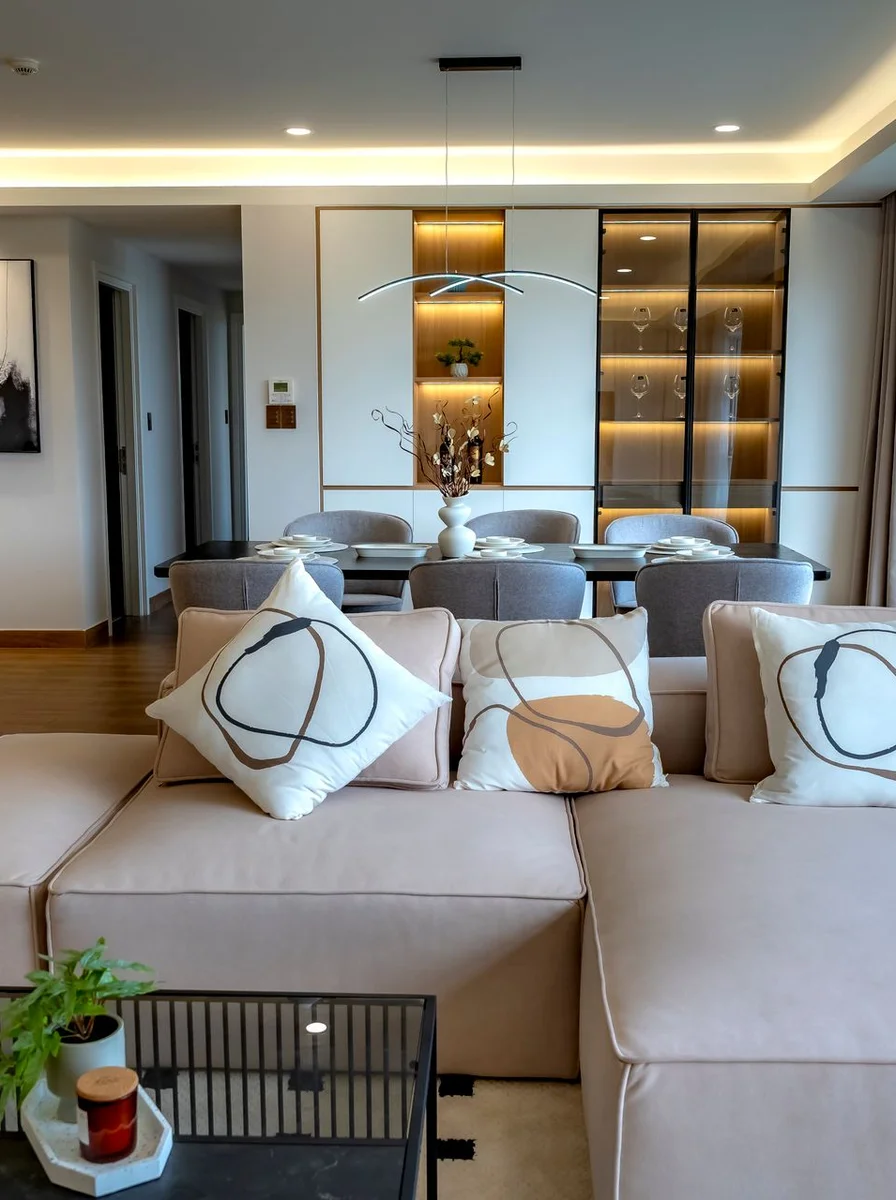
Paint is the cheapest way to make a room look like a million bucks. A fresh coat in the right color instantly covers scuffs, dated finishes, and that flat rental-beige that makes everything look tired. High-end living rooms tend to lean on rich, enveloping colours — warm whites, deep charcoal, olive, navy, or a moody green — because saturated color looks deliberate and custom.
You don’t even have to paint the whole room. An accent wall behind the sofa, painted built-in shelves, or a bold color inside a bookcase all read as designer moves for the price of a single can. If you rent, peel-and-stick options and removable wallpaper give you the same impact without touching the walls.
Don’t stop at the walls, either. Spray-painting a dated frame, a thrifted side table, or old lamp bases in matte black or brushed gold can make them look brand new and surprisingly expensive. Paint is the one upgrade that forgives almost everything.
Paint tips that fake a luxury finish:
● Choose warm whites and creamy tones — they look richer than stark, cold white.
● Try one deep, moody wall color; saturated color reads as custom and high-end.
● Use satin or eggshell finishes on walls; they catch light more elegantly than flat.
● Spray dated frames or hardware in matte black or gold for an instant designer upgrade.
Swap Hardware and Textiles
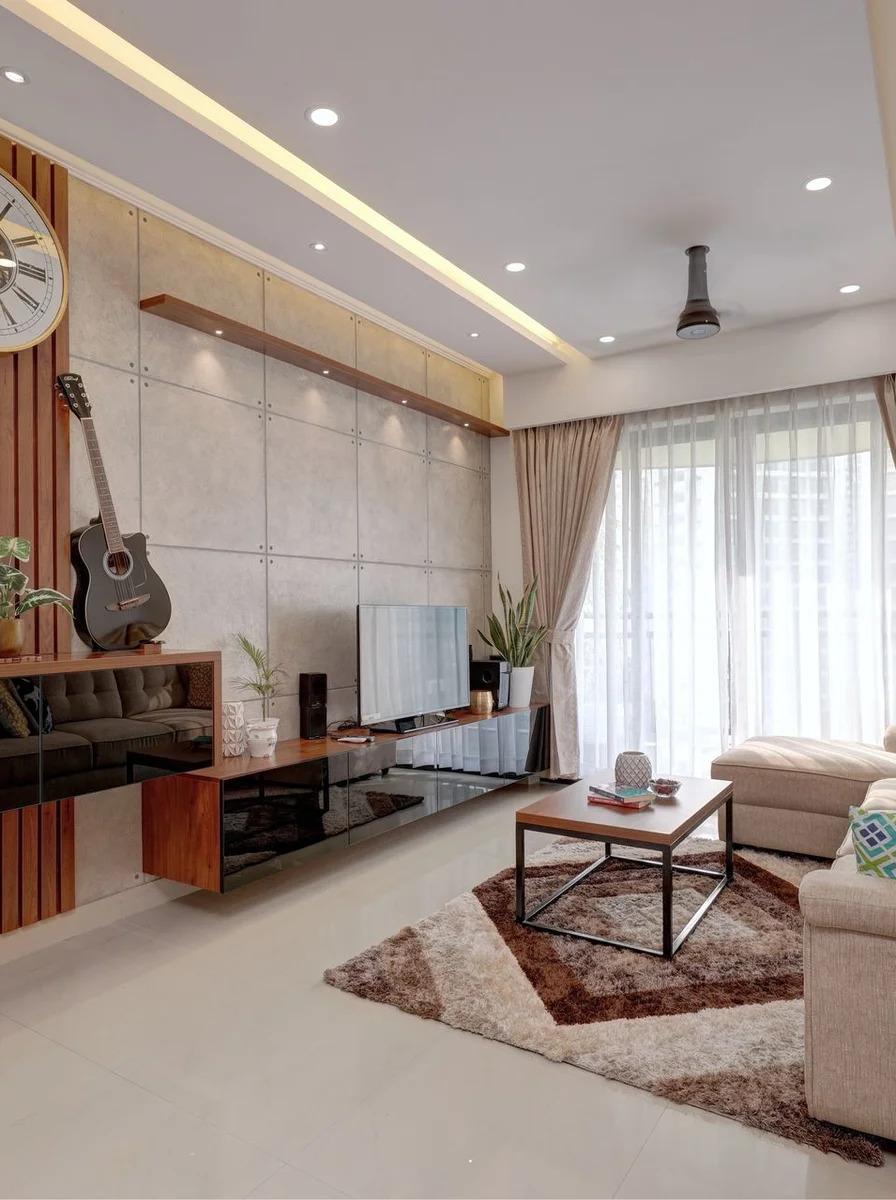
Some of the least expensive rooms look pricey because of what you touch and see up close. Outdated drawer pulls, basic switch plates, and thin, shiny curtains are small things that quietly drag a room down — and they’re all cheap to replace. Swapping cabinet handles for brushed brass or matte black ones, for example, costs a few dollars per pull and makes built-ins and media consoles look custom.
Textiles are the other half of this trick. Rich fabrics read as luxury even when they’re inexpensive: swap thin polyester curtains for heavier linen-look panels hung high and wide, pile on throw pillows in velvet or boucle, and add a textured throw across the sofa arm. These soft layers add the depth and weight that budget rooms often lack.
Shop secondhand for the biggest wins — quality curtains, real wool throws, and solid hardware all show up at thrift stores for a fraction of retail. Nobody will ever know what you paid.
Swap tips for a high-end feel:
● Replace dated pulls and knobs with brushed brass or matte black hardware.
● Hang curtains high, wide, and long enough to kiss the floor — short curtains look cheap.
● Layer throw pillows in two or three rich textures like velvet, linen, and boucle.
● Thrift real wool, linen, and solid-metal pieces instead of buying new synthetics.
Style the Details Designers Notice
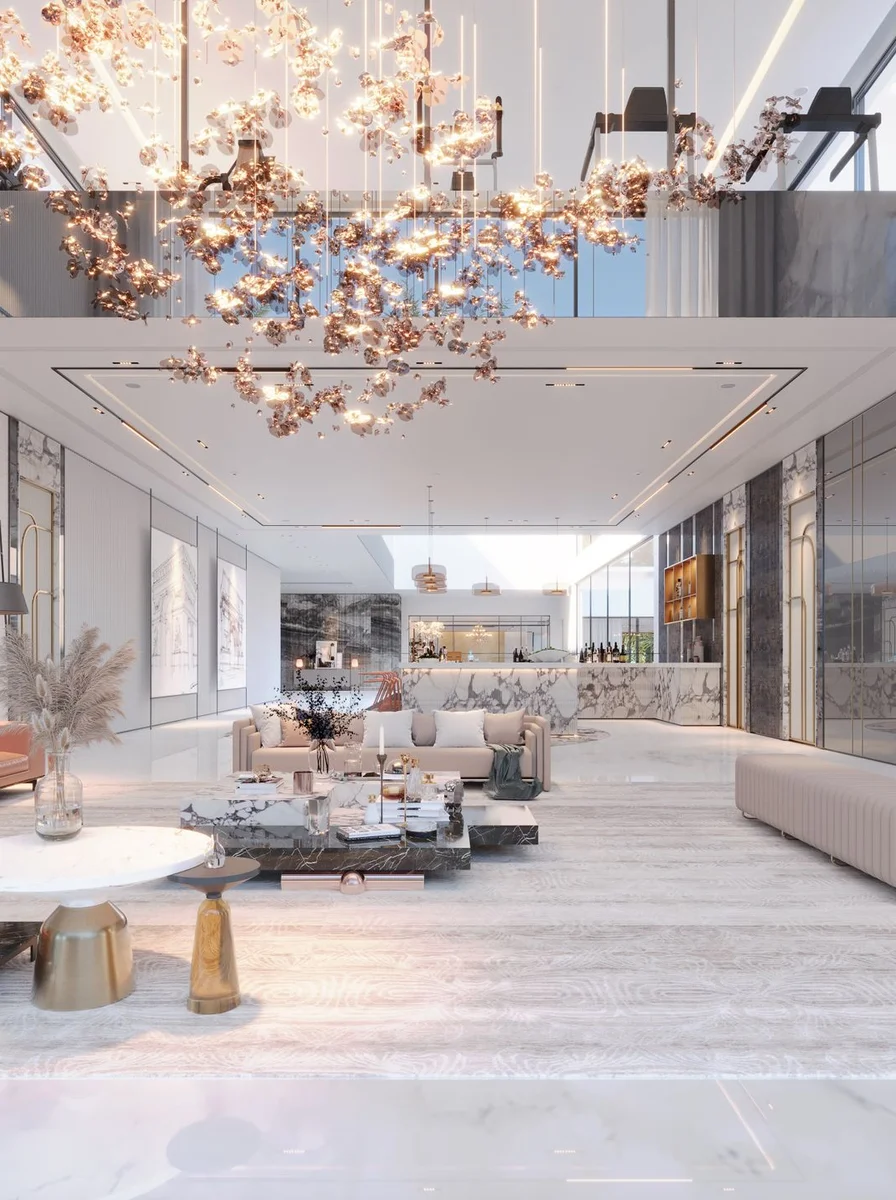
Expensive-looking rooms are finished, and finishing is mostly about styling the details. Designers style coffee tables, consoles, and shelves in odd-numbered groupings with varied heights — a stack of books, a candle, and a small vase — because that composition looks intentional instead of accidental. Copy that formula on every surface and the whole room suddenly looks pulled together.
Lighting details matter just as much. Swap harsh overhead bulbs for warm white ones, add a table lamp or two for layered glow, and hide the light source where you can — a lamp behind the sofa or under a shelf feels far more expensive than a bright ceiling fixture. Even matching your lampshades can make a room look cohesive.
Finally, frame it: real art in real frames (thrifted frames with new prints inside work perfectly) and a mirror or two to bounce light around. These are the details visitors register as “designed” without knowing why.
Finishing touches designers swear by:
● Style surfaces in threes with varied heights: books, a candle, and a vase.
● Switch to warm white bulbs and add lamps for layered, flattering light.
● Hang real framed art — thrifted frames with fresh prints look genuinely expensive.
● Add a large mirror to bounce light; it doubles both brightness and perceived space.

David is the home decor enthusiast behind HomeLushly. He shares practical, budget-friendly ideas for bedrooms, living rooms and seasonal decorating — from colour combinations that actually work to small-space styling tricks that make a room feel bigger. Every guide on HomeLushly is built around real photos and hands-on research, to help you make your home feel warm, personal and beautifully put together.