

A small room is not a decorating problem — it is a decorating shortcut.
When every square foot counts, the right choices do more work than they ever could in a big space. A low bed, a leggy chair, or one well-placed mirror can change how the entire room reads, because there is nowhere for the eye to hide. Small rooms also forgive bold moves: what might overwhelm a large space becomes just the right amount of character in a little one.
The trick is controlling what the eye sees — and what it does not.
Rooms feel crowded when sightlines are blocked, colours compete, and every surface shouts at once. Keep the floor visible, the palette tight, and the furniture slim, and the same square footage suddenly breathes. It is less about owning less, though that helps, and more about choosing pieces that earn their space twice over: visually light and practically hardworking.
This guide gathers 23 small room decor ideas that never feel crowded, each one chosen to stretch your space rather than shrink it.
From floating furniture and glass-top tables to vertical stripes, layered lighting, and deliberate negative space, you will find a complete playbook for making a tiny room feel open, calm, and generous — starting with changes you can make this weekend.
1. Float Furniture Slightly Off the Walls

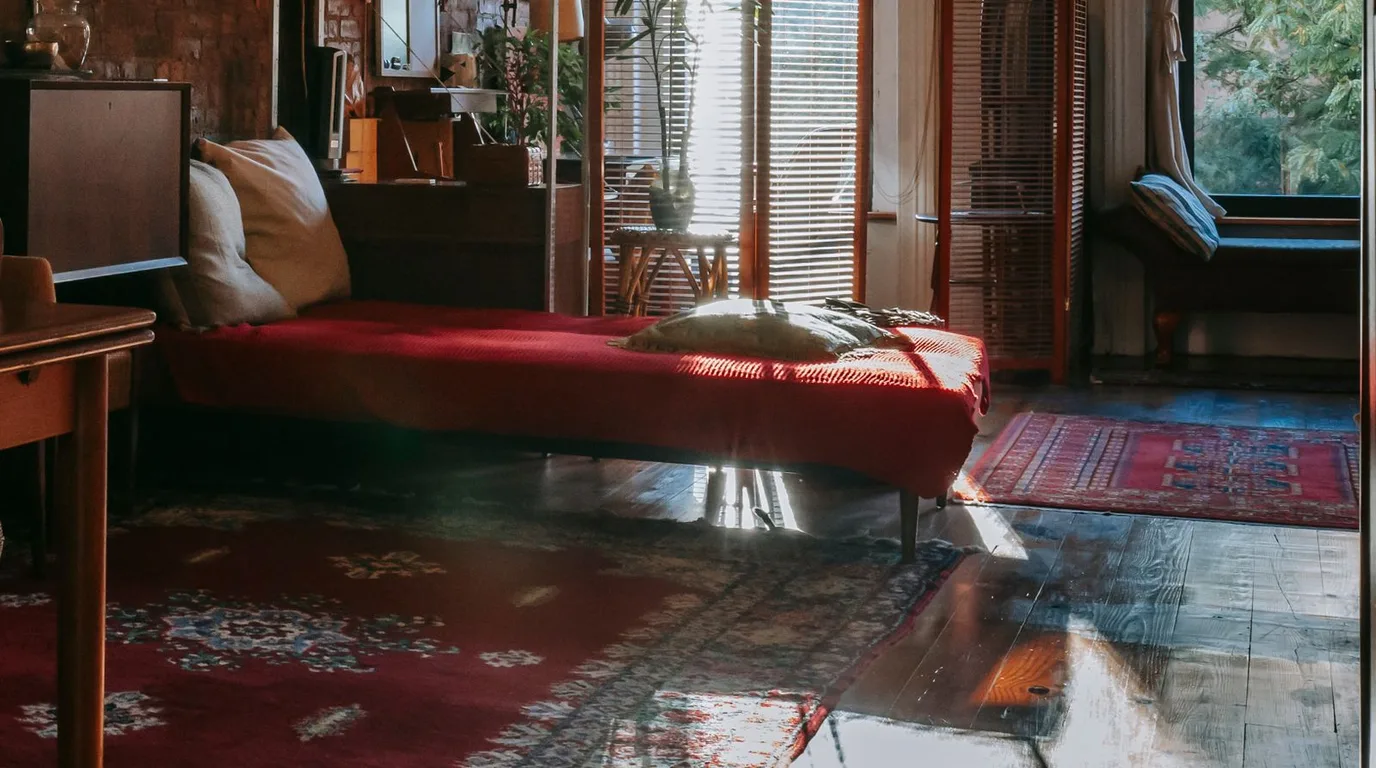
Pushing every piece hard against the walls feels logical, but it actually makes a small room read as cramped — the furniture becomes a solid ring with a hole in the middle. Floating pieces even a few inches off the wall lets light and shadow slip behind them, which gives each item breathing room and makes the walls feel further away than they are.
Start with the bed or sofa: pull it two to three inches from the wall and watch the room relax. You do not need a walkway behind it — the gap itself is the trick. In a truly tiny room, even floating just the nightstands and dresser, rather than the bed, softens that boxed-in feeling without costing you a single inch of usable floor.
2. Choose Low-Profile Pieces That Sit Close to the Floor

Tall, bulky furniture chops a small room into vertical slices and swallows the wall space above it. Low-profile pieces — a platform bed, a low-slung sofa, a squat dresser — keep the upper half of the room open, so the eye travels across uninterrupted and the ceiling feels higher. The room reads as wider because nothing interrupts the sightline at standing height.
Aim for seating with a seat height around fifteen to seventeen inches and a bed frame no taller than fourteen inches off the floor. Pair low furniture with art hung slightly lower than usual so everything sits on one calm horizontal band. The result feels intentional and lounge-like rather than cramped — think Japanese-inspired calm, not kids’ furniture.
3. Pick Leggy Furniture That Shows the Floor Beneath
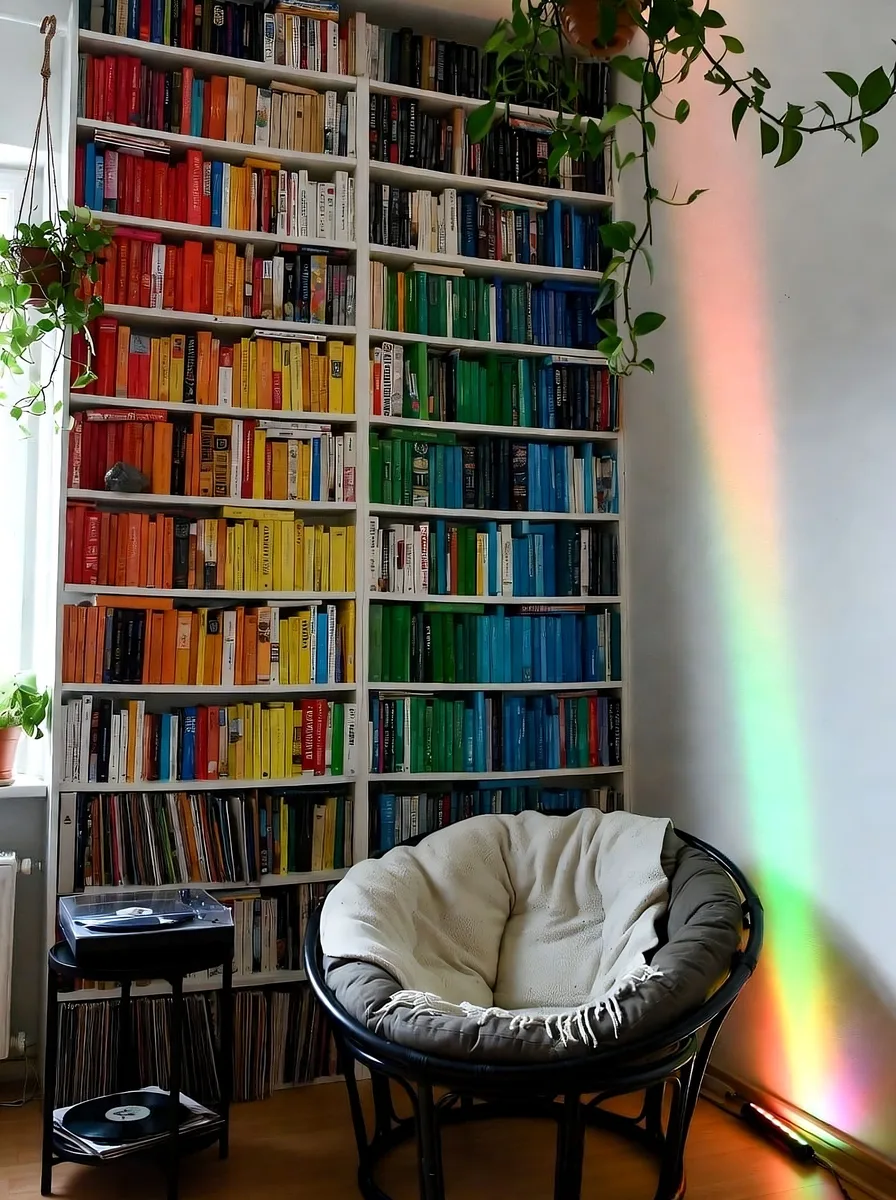
A sofa or dresser that sits directly on the floor creates a solid block the eye cannot get past; the same piece on six-inch legs reveals a strip of floor underneath, and that visible floor is pure visual space. Leggy furniture makes the room feel like it continues beneath everything, which quietly doubles how airy the floor plan feels.
Look for mid-century-style pieces with tapered wooden legs, or add aftermarket legs to a boxy dresser — screw-on furniture legs cost little and take minutes to fit. Aim for at least four to six inches of clearance so the shadow line reads clearly. Keep the area under pieces dusted and clear; stored clutter underneath cancels the whole effect.
4. Hang a Large Mirror Opposite the Window
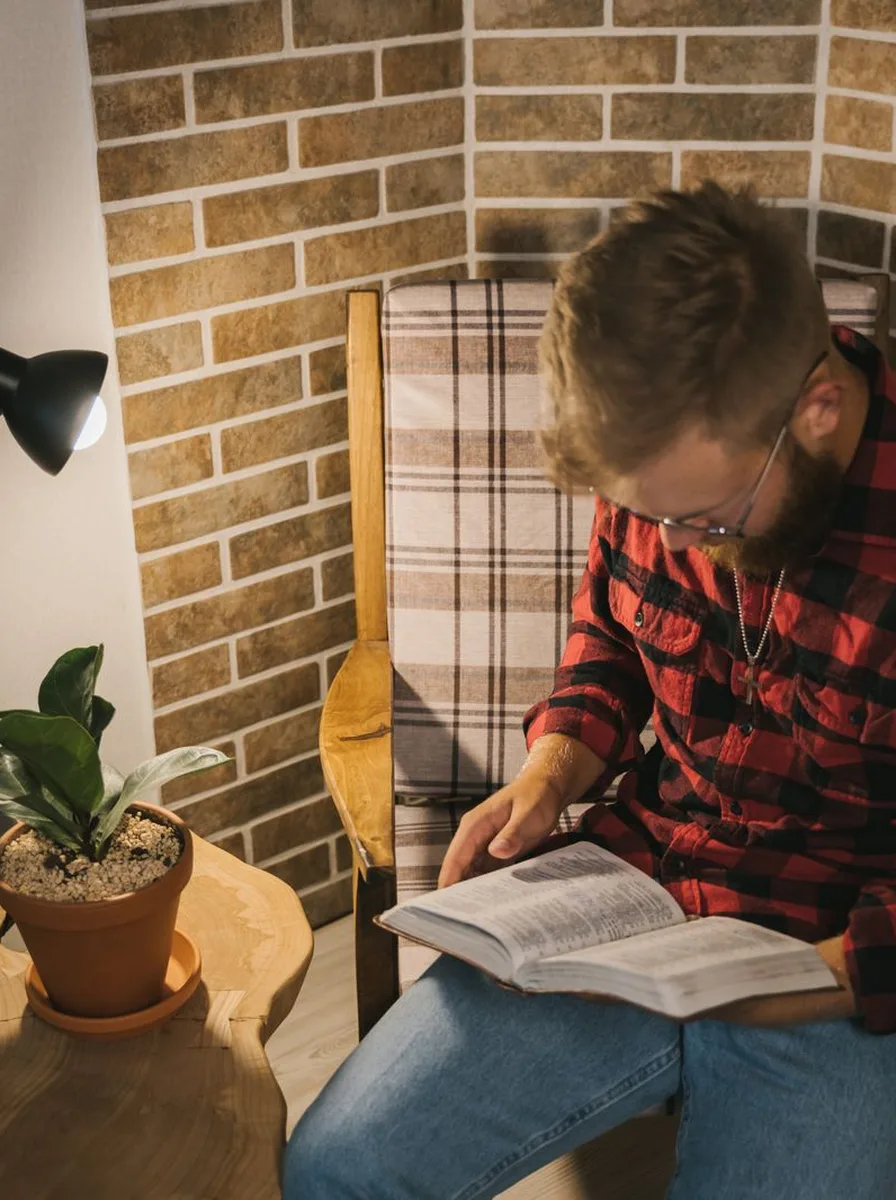
A large mirror is the fastest way to make a small room feel twice its size because it does two jobs at once: it bounces daylight into the darkest corner and creates a convincing illusion of a second space beyond the glass. Hung opposite the window, it effectively doubles your brightest wall and erases the feeling of being boxed in.
Go as big as the wall and budget allow — a mirror at least two-thirds the width of the wall makes the real difference; a tiny mirror just decorates. Choose a slim frame in a light finish so the edge melts into the wall. Angle it slightly if needed so it reflects the window or greenery outside rather than a blank wall or the ceiling.
5. Paint Walls and Ceiling the Same Light Colour
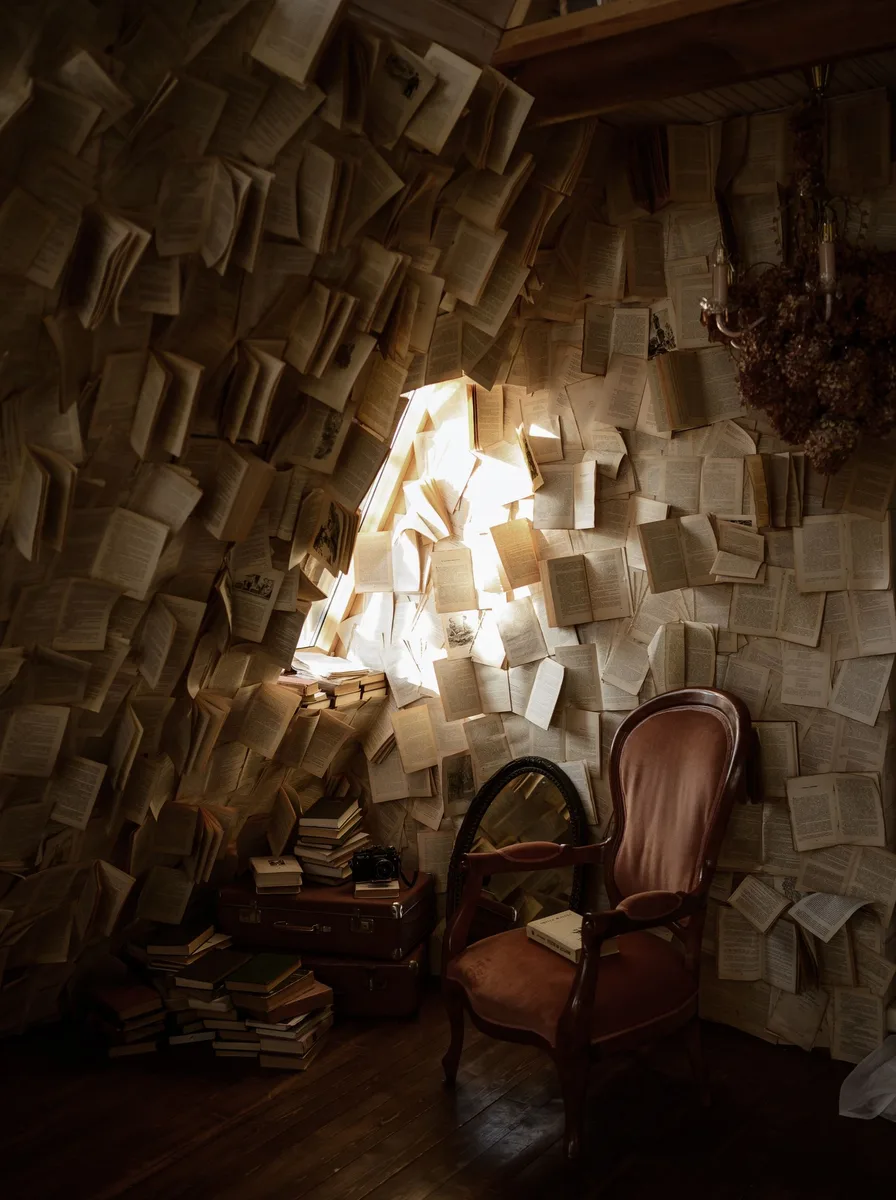
A white ceiling against coloured walls draws a hard line around the room that announces exactly where it ends. Painting walls and ceiling the same light, warm shade erases that boundary — the eye slides from wall to ceiling without stopping, and the room feels taller and more seamless. It is the cheapest architectural trick there is.
Choose a soft warm white, pale greige, or whisper of sage with a light reflectance value above seventy. Use a flat or matte finish on the ceiling and eggshell on the walls so light bounces gently rather than glaring. If you rent and cannot paint, the same effect comes from keeping curtains, bedding, and walls in one light family.
6. Mount Curtains High and Wide of the Frame

Curtains hung just inside the window frame make the window look small and the wall look chopped up. Mounting the rod four to six inches below the ceiling and extending it eight to twelve inches past each side of the frame makes the window read dramatically larger — and when the panels stack clear of the glass, maximum daylight floods in.
Choose panels one-and-a-half to two times the rod width for proper fullness, and let them just kiss the floor — puddling fabric eats visual space in a small room. Light, airy fabrics in a tone close to the wall colour keep the effect seamless. A simple matte black or brushed brass rod adds a finished, tailored note.
7. Stick to a Tight Two-Colour Palette
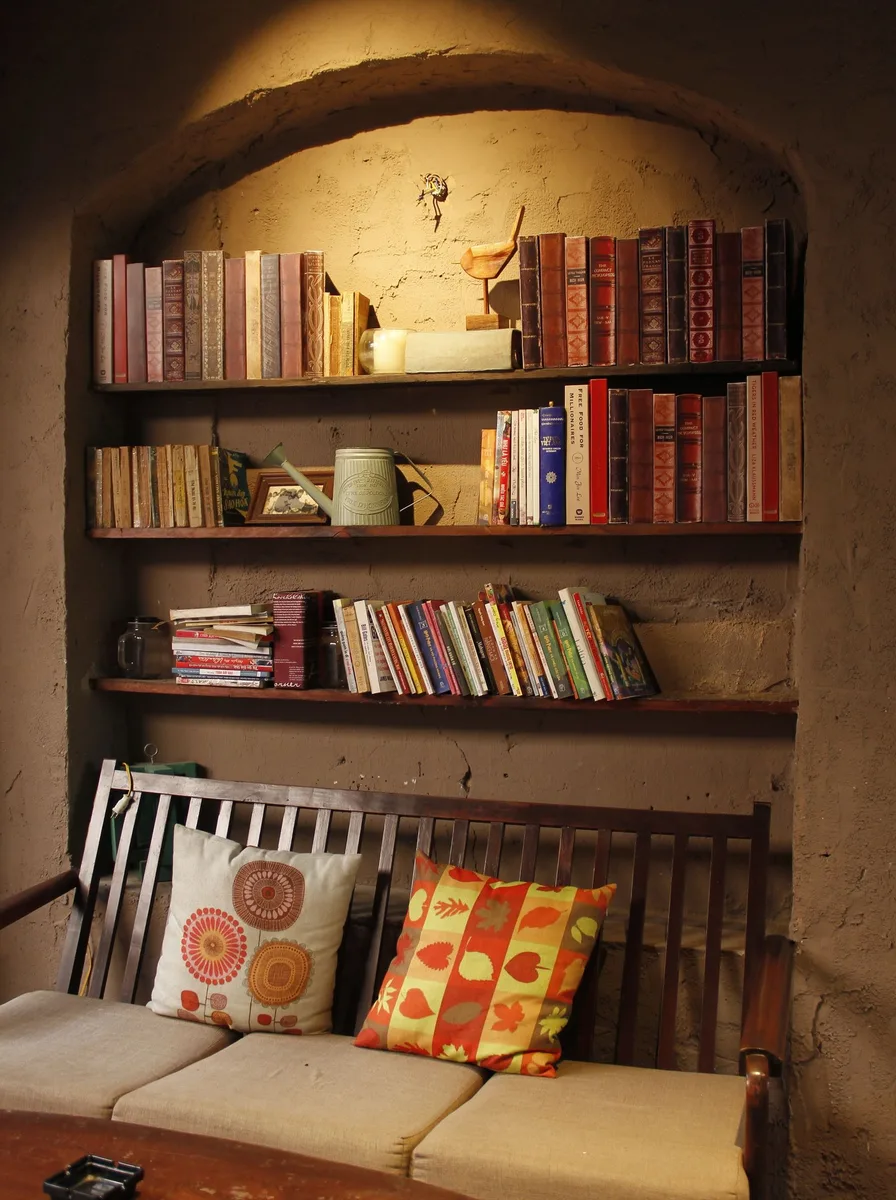
Every new colour in a small room is another visual stop for the eye, and too many stops make the space feel busy and closed in. Limiting the scheme to two colours — say, warm white plus soft sage, or cream plus warm wood tones — lets the eye glide across the room without interruption, which reads as calm and spacious.
Pick your two colours, then vary them through texture rather than adding new hues: linen, wool, rattan, and oak in the same family keep things interesting without visual noise. If you crave a third accent, keep it to one small object you can swap seasonally. Restraint is what makes a small room feel designed rather than crowded.
8. Use Glass and Acrylic Pieces That Nearly Disappear
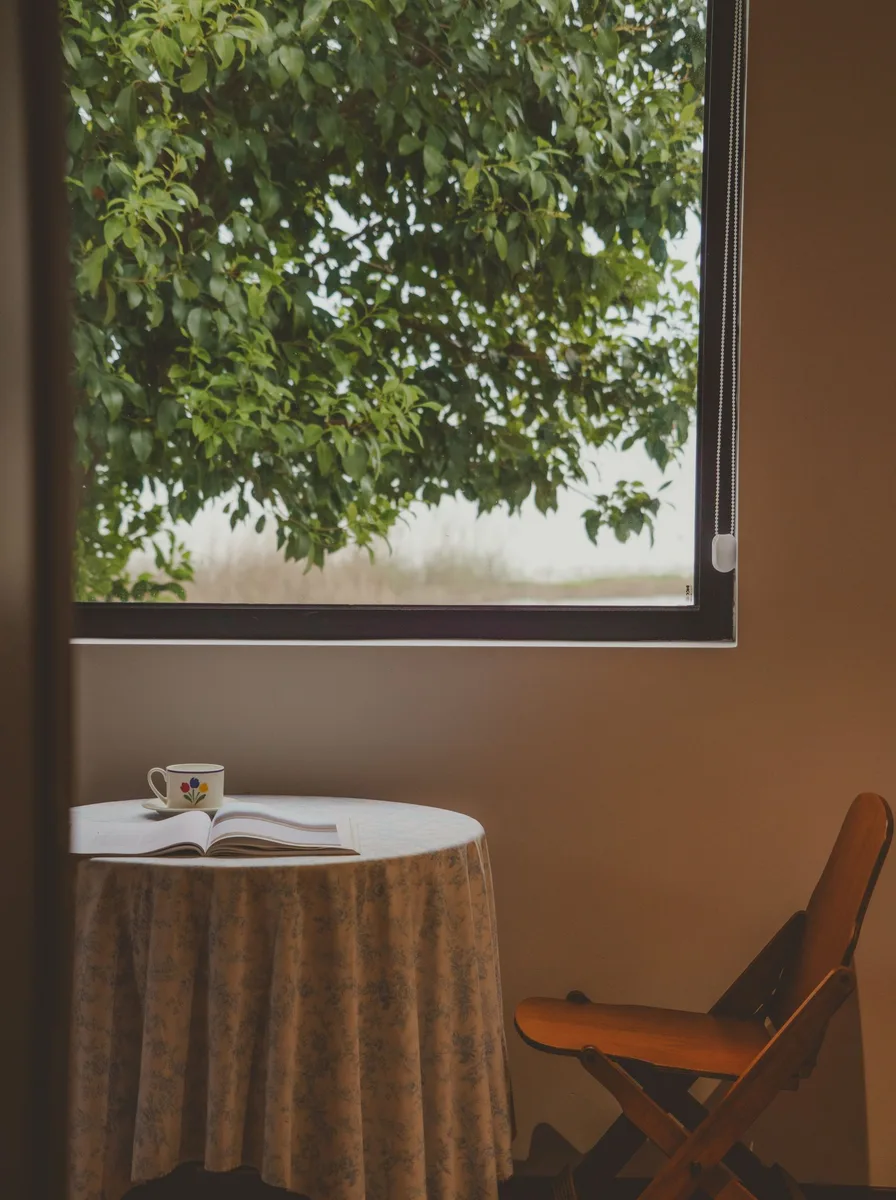
A solid side table blocks the sightline across a room; a glass or acrylic one lets the eye pass straight through, so the furniture barely registers. Transparent pieces give you the surface you need — for a lamp, a book, a drink — while contributing almost zero visual weight. In a small room, that is the closest thing to free furniture.
A glass-top coffee table, an acrylic side chair, or a console with a clear base all do the job. Keep glass clean — smudges are the one thing that makes it visible — and pair transparent pieces with one solid anchor, like a rug, so the room still feels grounded. Tempered glass tops are sturdy, safe, and surprisingly affordable.
9. Keep One Clear Path Through the Room

Rooms feel crowded when you have to sidestep furniture to cross them — the body registers every squeeze, and the brain files the room as “too small.” Keeping one clear, generous path from door to window (or door to bed) changes the physical experience completely: you move freely, so the room feels bigger than its measurements.
Aim for a walkway at least twenty-four to thirty inches wide, even if it means a smaller coffee table or skipping the accent chair. Arrange furniture so the path runs in a straight or gentle L line rather than zigzagging. Once the route is clear, the furniture around it reads as arranged, not crammed.
10. Layer Your Lighting Instead of One Overhead
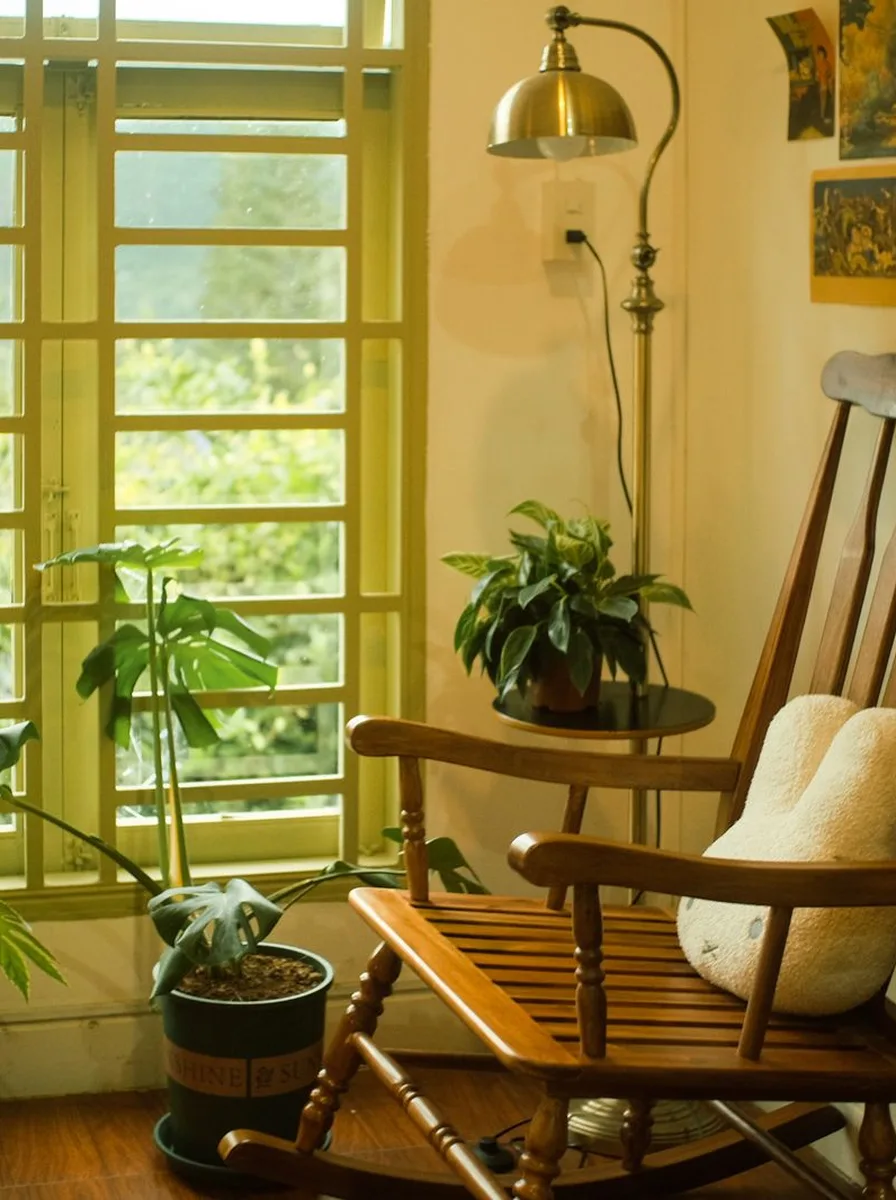
A single overhead light flattens a small room into one harshly lit box with dark corners — the corners are what make it feel small. Layered lighting (a floor lamp here, a sconce there, a small table lamp by the bed) fills those corners with warm pools of light, and lit corners recede, making the walls feel further away.
Aim for at least three light sources at different heights, all with warm bulbs around 2700K, and put as many as possible on dimmers. Wall-mounted sconces and plug-in picture lights add layers without eating surface space. In the evening, turn off the overhead entirely — a small room lit only by lamps feels like a cosy retreat, not a cell.
11. Choose Furniture That Does Two Jobs
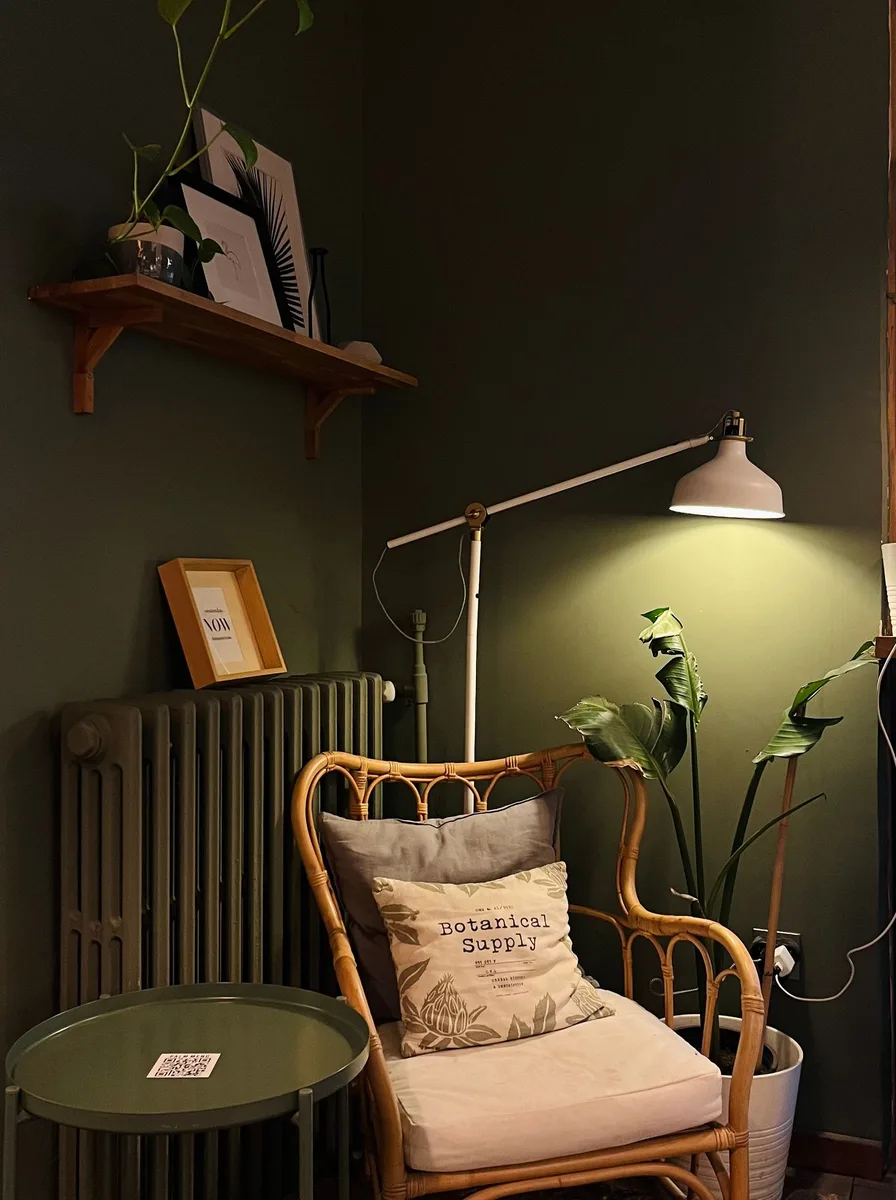
In a small room, every piece should earn its footprint twice. A storage ottoman is a footrest, a coffee table, and a blanket chest. A daybed is a sofa by day and a guest bed by night. A drop-leaf table is a console most days and a dining table when friends come over. Fewer pieces doing more jobs means fewer objects competing for the eye.
Audit each piece: if it does only one thing, ask whether a harder-working version exists. Prioritise the big footprint items first — bed, sofa, table — because doubling their function halves the furniture count. The visual payoff is immediate: three multitasking pieces feel airier than six single-purpose ones, even at the same total size.
12. Use Vertical Stripes to Pull the Eye Upward
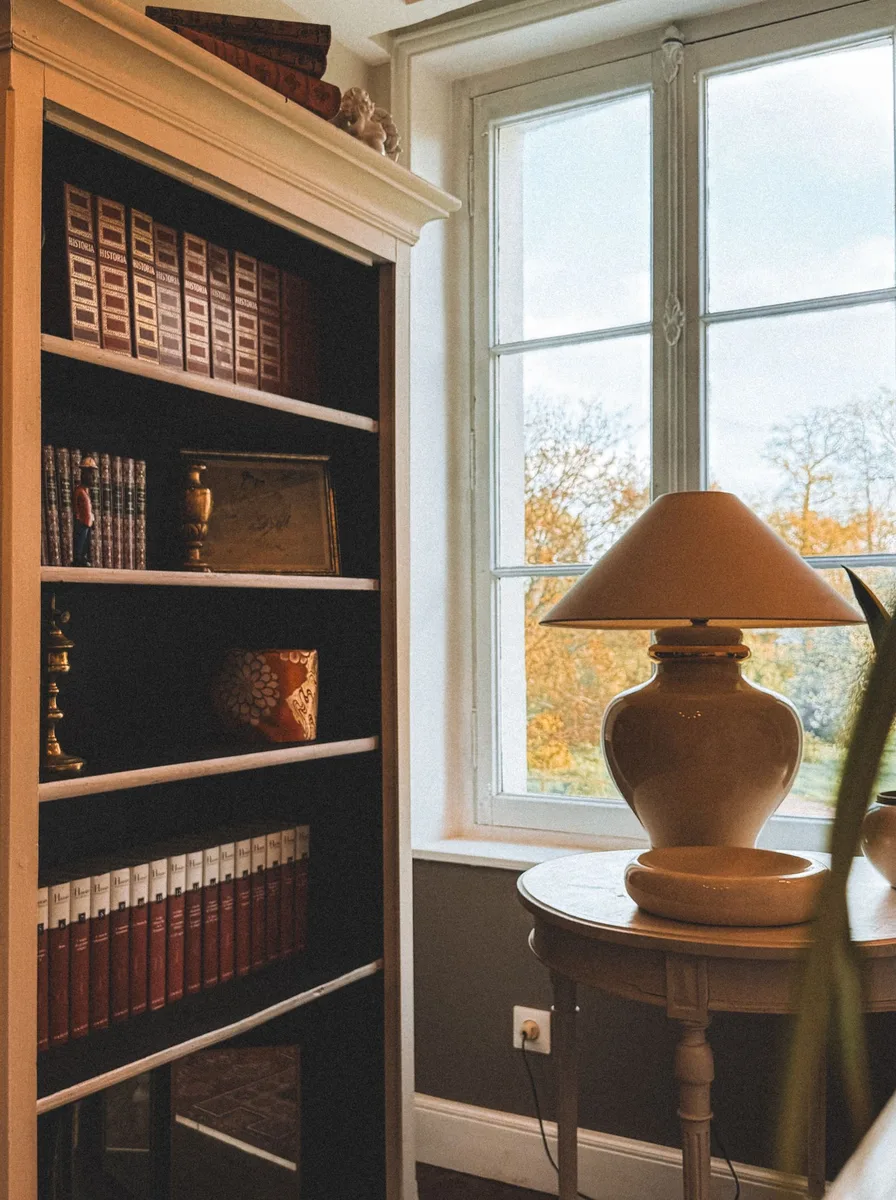
Vertical stripes are an optical illusion you can hang on the wall: they draw the eye upward, making ceilings feel higher and the whole room feel taller and less boxy. In a small room, that upward pull counteracts the closed-in feeling better than almost any other pattern, because height is the dimension small rooms lack most.
Keep the stripes narrow and tone-on-tone — a subtle pinstripe wallpaper or ticking-stripe curtains in white and pale grey add the effect without busyness. Limit the pattern to one surface: striped curtains with plain walls, or one striped accent wall with plain bedding. One striped moment lifts the room; three competing ones shrink it.
13. Hang One Oversized Art Piece, Not Many Small Ones

A gallery wall of ten small frames turns a small wall into visual confetti — each frame is another stop for the eye. One large piece, thirty by forty inches or bigger, does the opposite: it becomes a single confident focal point that anchors the room and actually makes the wall feel grander. Big art in a small room is a power move that works.
Choose abstract, landscape, or soft botanical prints in your room’s palette, framed simply with a wide mat — the mat makes even an affordable print look expensive. Hang the centre at fifty-seven inches from the floor, the gallery standard. One statement piece plus breathing room around it beats a crowded salon wall every time.
14. Size Rugs So Floor Shows Around the Edges

A rug that stretches wall to wall makes a small room feel carpeted and closed in; a rug with a visible border of floor around it frames the space and actually makes it feel larger. That perimeter of hard flooring gives the eye a boundary to rest on, which paradoxically makes the room read as more generous.
Leave twelve to eighteen inches of bare floor showing around the rug — in a bedroom, the rug should extend about eighteen inches beyond each side of the bed rather than under the whole room. Choose low-pile rugs in light tones; thick, dark rugs visually anchor and shrink. A flat-weave cotton or jute rug keeps things light underfoot and under-eye.
15. Repeat One Material for a Calm, Cohesive Feel

A room full of different materials — chrome here, dark wood there, plastic somewhere else — feels visually noisy, and noise reads as crowding. Repeating one warm material, like light oak or rattan, through several pieces ties the room together into a single calm statement. Cohesion is quiet, and quiet feels spacious.
Pick your hero material and echo it three to five times: oak bed frame, oak floating shelf, oak picture frames, a rattan basket or two. Keep the finishes close in tone so they read as a family. This trick costs nothing extra if you are buying new pieces anyway — it is simply a decision to coordinate rather than collect.
16. Build Storage Up, Not Out

Wide, low storage eats the most precious thing in a small room: floor area. Tall, narrow storage — a slim bookcase, floor-to-ceiling shelving on one wall, stacked wall cabinets — uses the air above your head instead, which is free real estate. Going vertical keeps the floor clear, and clear floor is the number-one signal of spaciousness.
Choose pieces no deeper than twelve inches for wall storage so they never loom. Anchor tall bookcases to the wall for safety, and style the top shelves lightly — heavy, dark objects up high press down on the room. A single tall unit in a corner holds as much as two wide dressers while using half the footprint.
17. Hide the Messy Stuff Behind Closed Doors
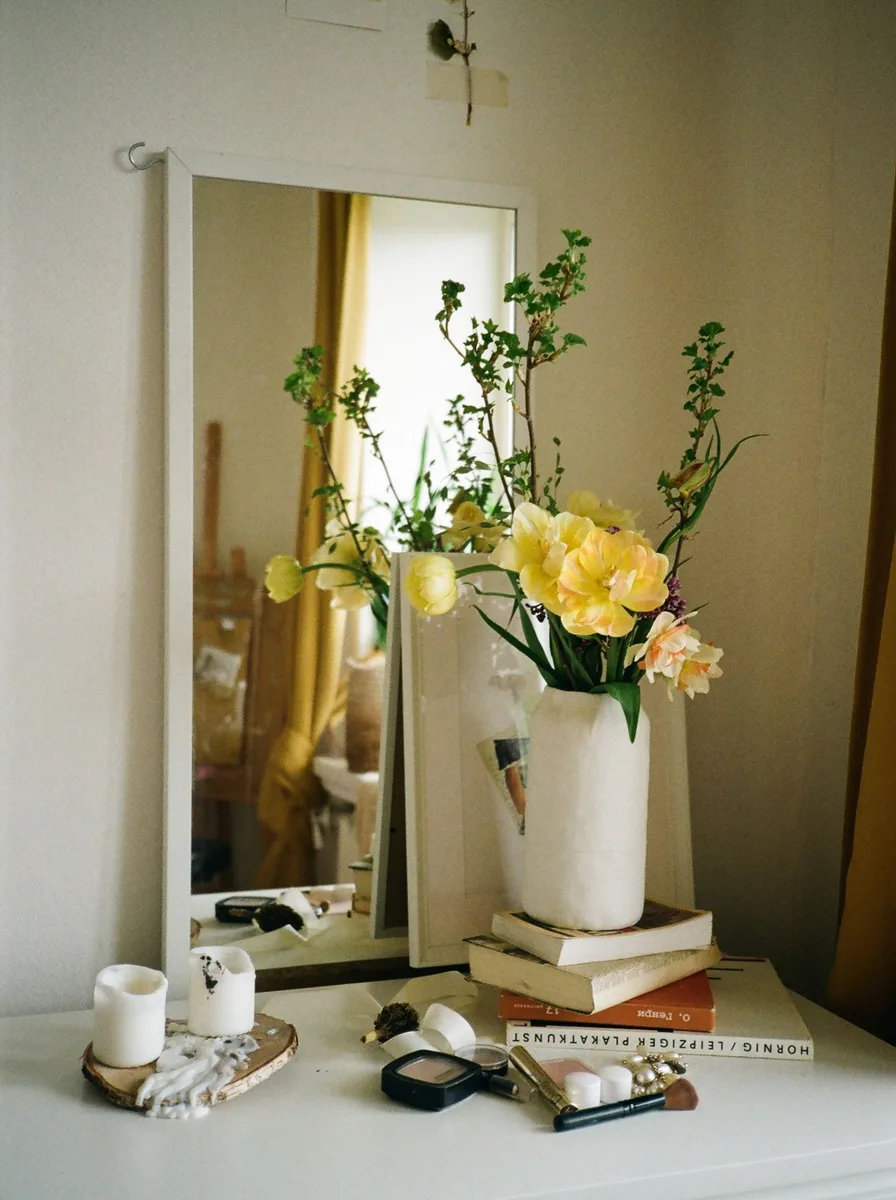
Open shelving looks airy in photos but in real life it displays every mismatched, half-used thing you own — and visual clutter is what makes small rooms feel crowded fastest. Closed storage (doors, drawers, lidded baskets) hides the chaos so the room shows only its calm face. Out of sight genuinely means out of mind here.
Keep one open shelf for a few beautiful objects if you love the look, and close everything else. If you already own open bookcases, add simple fabric bins or cabinet doors to tame them. The rule is easy: pretty things can stay visible, everyday mess goes behind a door — and the room instantly feels twice as tidy.
18. Favour Slim Silhouettes in Every Piece

Two chairs can seat the same person while occupying wildly different amounts of visual space: the bulky recliner swallows the corner, the slim wishbone chair barely sips it. In a small room, choosing slim silhouettes — narrow arms, thin frames, delicate profiles — across every piece compounds into a dramatically airier feel.
When shopping, check depth and arm width, not just overall size: a sofa with slim track arms can be six inches narrower than a rolled-arm version at the same seat width. Dining chairs with open backs, spindle beds, and pedestal tables all keep profiles light. Measure doorways too — slim pieces are easier to move in small spaces.
19. Try a Glass-Top Table That Visually Vanishes
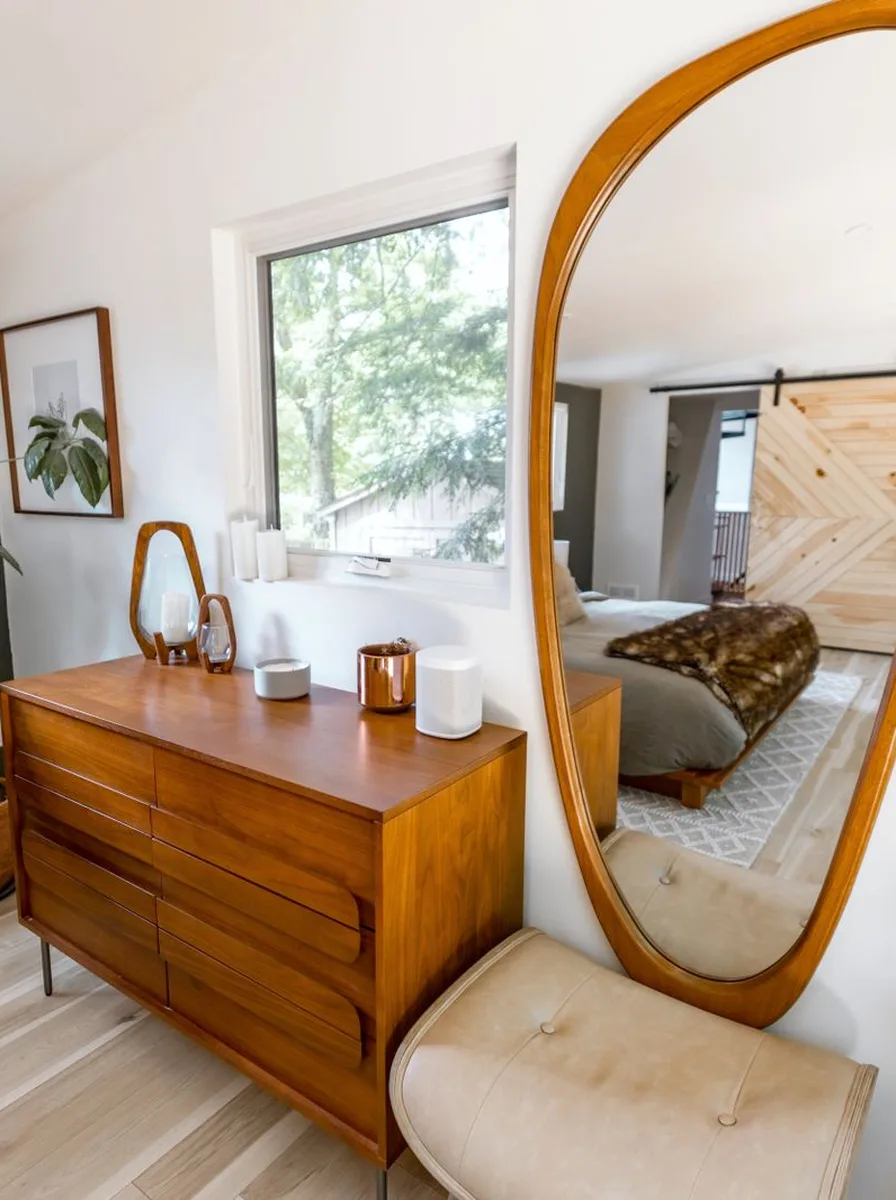
The coffee table or desk is often the largest flat object in a small room, and a solid one becomes a visual roadblock in the middle of the floor. A glass-top version gives you the same usable surface while letting the eye — and the light — pass straight through to the floor beyond. The middle of the room stays open even though the table is right there.
Pair a glass top with slim metal or light-wood legs to keep the whole piece featherweight. A round glass coffee table is ideal: no sharp corners in tight walkways, and the curve softens the room. Keep the surface styled minimally — one book, one small object — because everything on glass is fully visible from every angle.
20. Keep Décor on One Horizontal Line
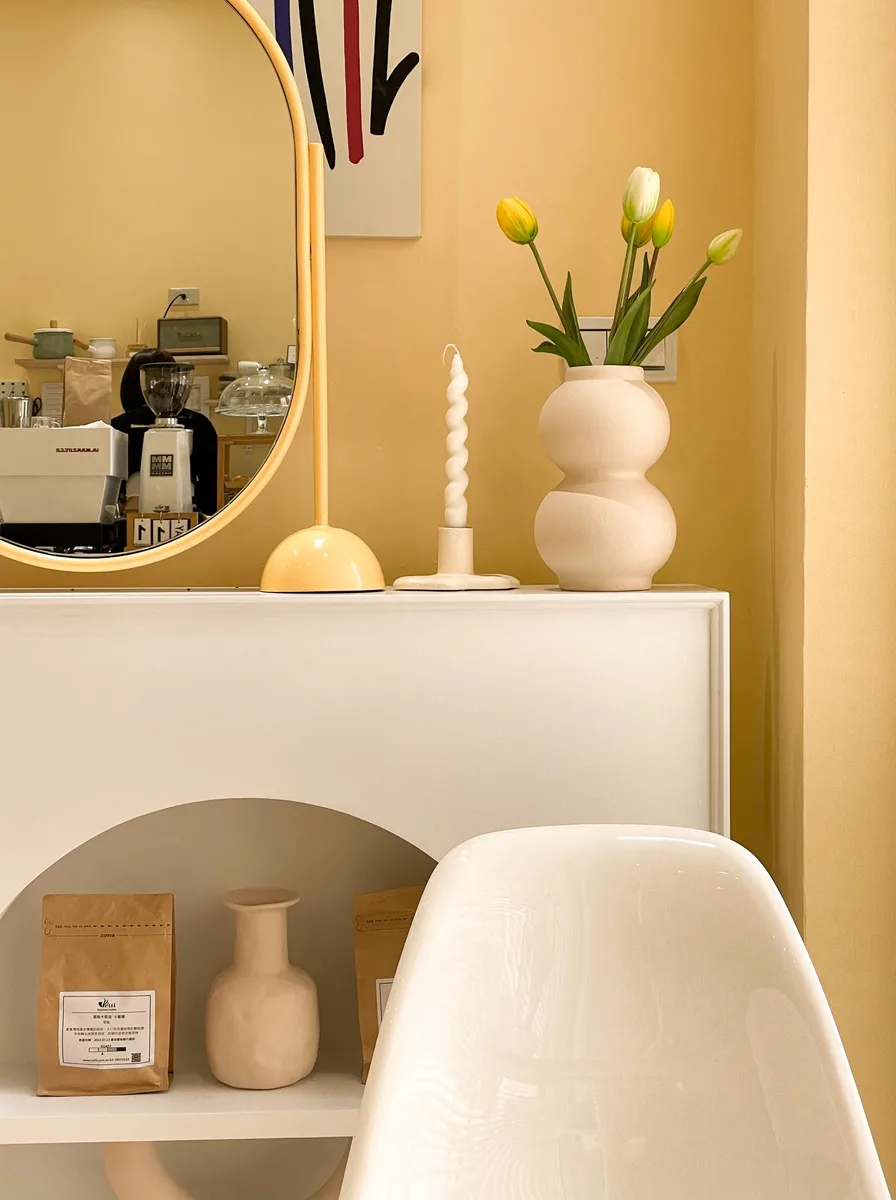
Décor scattered at every height — tall vase here, low stack there, something dangling above — makes the eye bounce around restlessly, and restlessness reads as clutter. Arranging decorative objects along one calm horizontal band, roughly at eye level, gives the room a composed, gallery-like order that feels instantly more spacious.
Hang art, shelves, and mirrors so their centres align around fifty-seven to sixty inches from the floor, and keep tabletop objects low and grouped. Leave the space above that line mostly empty so the ceiling feels high. This one alignment trick can make a mismatched collection of objects look like a deliberate, curated scheme.
21. Mount a Fold-Down Surface for Flexible Space

A permanent desk or dining table claims floor space around the clock for jobs that happen a few hours a day. A wall-mounted fold-down surface gives you a full workstation or dining spot when open and melts back into a slim wall panel when closed — floor space that appears and disappears on demand is the ultimate small-room luxury.
Mount into wall studs at standard table height (twenty-eight to thirty inches) with hardware rated well above your expected load. Choose a model with a finished underside so it looks like intentional wall art when folded. Pair it with a folding chair hung on a nearby hook, and the whole setup vanishes in under a minute.
22. Add One Plant for Life Without Clutter

A small room full of objects feels crowded; a small room with one sculptural plant feels alive. Greenery adds colour, texture, and a sense of freshness that no inanimate décor can match, and a single well-chosen plant gives you all of that without adding visual noise. One plant is décor; five plants is a collection to maintain.
Choose an architectural shape — a snake plant, a fiddle-leaf fig, or a trailing pothos on a high shelf — rather than a fussy cluster of small pots. One medium plant in a beautiful pot beats five tiny ones in plastic nursery pots. Place it where it catches natural light and the eye: a bright corner or beside the window.
23. Finish by Leaving Deliberate Negative Space
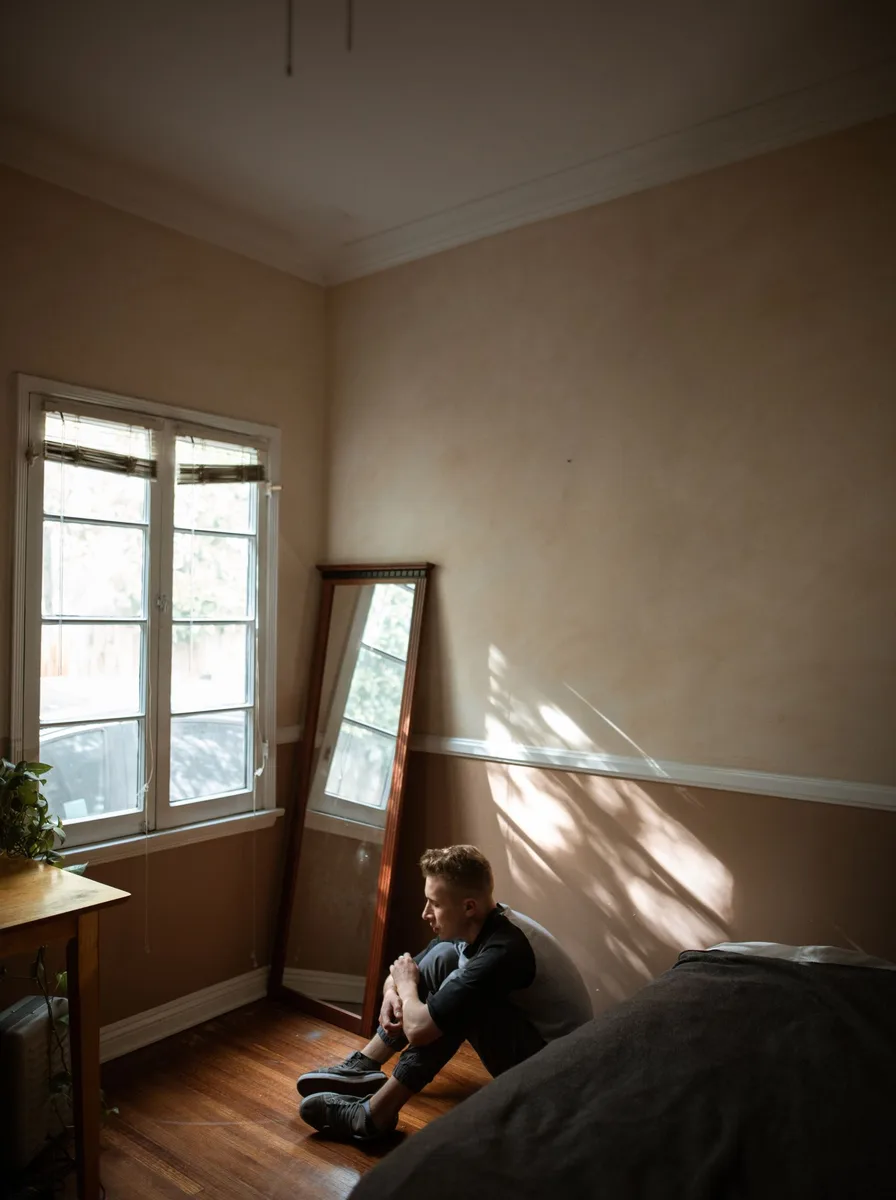
The most powerful small-room trick is also the simplest: leave some space empty on purpose. An unstyled corner, a bare stretch of wall, a clear tabletop — these quiet gaps give the eye somewhere to rest, and rested eyes read a room as calm and generous. Negative space is not wasted space; it is what makes everything else look intentional.
Resist the urge to fill every surface. When you catch yourself adding “just one more thing,” stop and live with the emptiness for a week — most people find the room feels better, not barer. Edit ruthlessly, keep what you love, and let the breathing room do the decorating. Space itself is the final décor piece.