

An accent wall is the exclamation mark of a dining room. Done well, it gives the whole room a focal point, a sense of drama, and a backdrop that makes the table look incredible. Done badly, it’s just a random dark wall that fights everything else. The difference is planning.
The best dining room accent walls feel inevitable — as if the room was always meant to look that way. This guide takes you through choosing the right wall, picking a treatment with real impact (paint, wallpaper, wood, or mural), and styling the room around it so the statement feels balanced, not shouty.
Accent walls suit dining rooms especially well because the room has a natural focal point — the table — and guests spend hours looking at the walls. A little drama goes a long way here.

Choose the Right Wall
Not every wall deserves to be the accent. The ideal candidate is the wall your eye lands on when you enter the room — usually the one behind the table or the sideboard. It should be the most visible, least interrupted wall: avoid walls broken up by doors, radiators, or awkward corners.
Picking your wall:
● Stand in the doorway — the first wall you notice is your accent wall.
● The wall behind the dining table is the classic choice; diners face it and guests see it on entry.
● Avoid the wall with the biggest window — daylight will wash out your statement.
● If the room is open-plan, the accent wall can define the dining zone within the larger space.
● When two walls compete, choose the one with the fewest switches, sockets, and vents interrupting it.

Go Bold With Paint
Paint is the simplest statement: one wall in a deep, saturated colour instantly creates drama. Forest green, inky navy, rich terracotta, or near-black all make stunning dining room backdrops — they recede visually, making the wall feel further away, while making brass, wood, and candlelight glow against them.
Bold paint, done well:
● Test the colour on a large board and live with it for two days — deep colours change dramatically in different light.
● Use a matt finish; it looks velvety and hides imperfections that satin would highlight.
● Paint the wall edge-to-edge, including behind radiators — a half-painted accent looks accidental.
● Carry a whisper of the accent colour elsewhere (napkins, art, a vase) so it feels connected.
● Two coats minimum over a tinted primer; deep colours need the depth to look rich, not patchy.
Make Wallpaper the Star
Wallpaper gives you pattern, texture, and depth that paint can’t. A dramatic mural, a bold botanical, or a subtle grasscloth can carry the whole room’s personality. In dining rooms, where walls are mostly seen rather than touched, even delicate wallpapers survive beautifully.
Wallpaper that wows:
● A large-scale mural or panoramic print makes the biggest statement — one wall, no competition.
● Grasscloth and textured weaves add quiet luxury; they catch light beautifully at dinner time.
● Hang art and mirrors sparingly on wallpapered walls — the paper is the art.
● Peel-and-stick options now look genuinely good and suit renters or commitment-phobes.
● Order samples and tape them up for a few days; wallpaper changes dramatically at scale and in lamplight.
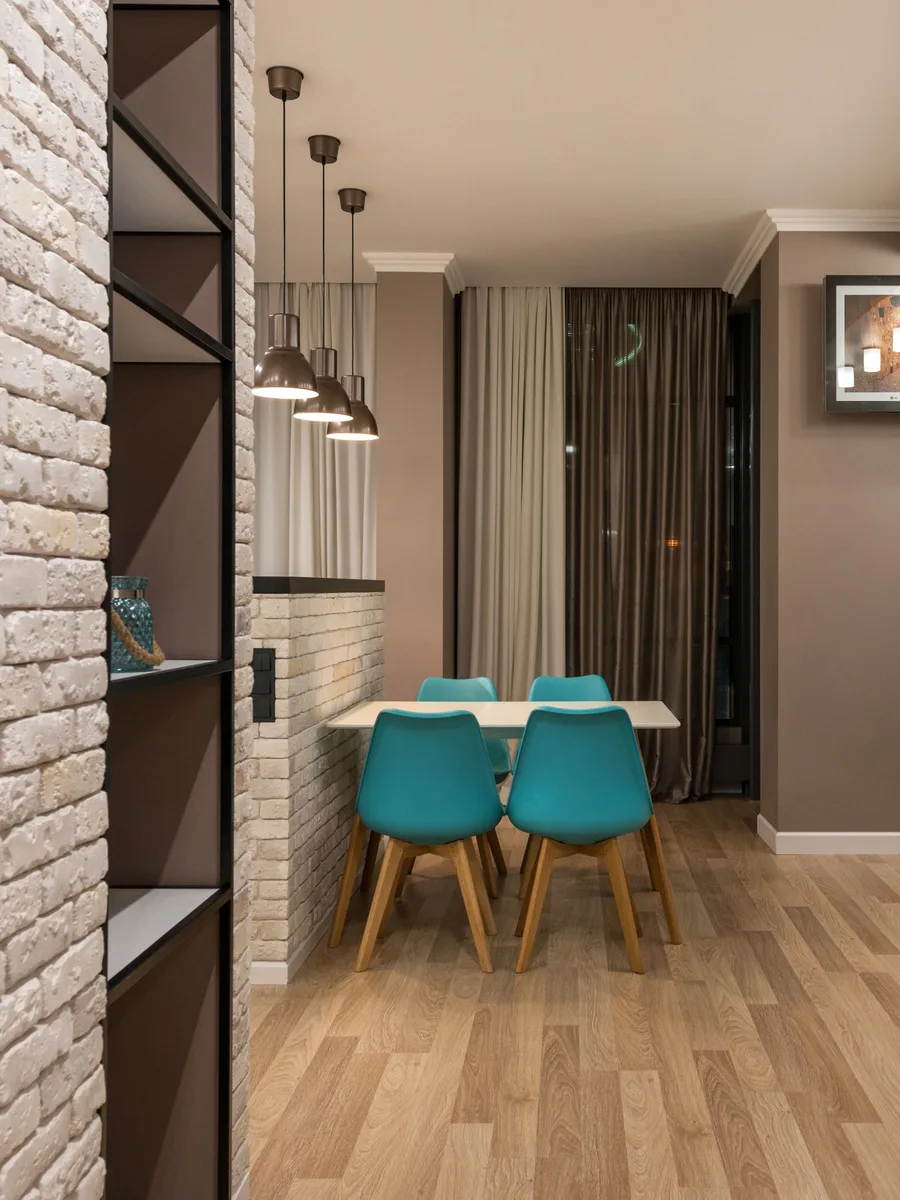
Add Texture With Wood or Panels
Three-dimensional treatments — vertical wood slats, fluted panels, or board-and-batten — add a tactile quality that flat paint can’t match. They catch light and shadow through the evening, so the wall changes mood as the day progresses. Timber battens over a painted wall are an affordable weekend project with a high-end result.
Textured wall ideas:
● Vertical slats in oak or painted black elongate the wall and feel contemporary.
● Fluted MDF panels give a designer look for the price of basic timber and paint.
● Board-and-batten in the wall colour adds subtle architecture without shouting.
● Keep furniture in front simple — the wall is busy enough; let it breathe.

Style Around the Statement
Once the accent wall is in, the rest of the room must support it, not compete. Keep the other three walls calm and quiet, choose furniture and art that complement the statement, and light the accent wall so it shines after dark. Balance is everything — one star per room.
Balancing the room:
● Keep other walls neutral and mostly bare; the accent wall needs visual quiet around it.
● Echo the accent colour or material once or twice elsewhere for cohesion.
● A picture light or directional spot on the accent wall makes it glow in the evening.
● If the wall is dark, lighten everything in front of it — pale table, light chairs, bright textiles.

Check It Morning, Noon, and Night
A statement wall lives through many moods, so judge it at all hours before calling it done. Daylight shows the true colour, afternoon sun tests for glare, and evening lamplight reveals whether it glows or glooms. The best accent walls look good in all three — if yours only works at one time of day, adjust the lighting or the shade.
The final review:
● View the wall in daylight, dusk, and lamplight before committing to styling.
● If it feels too heavy at night, add a picture light or brighter bulbs nearby.
● Photograph it — the camera is brutally honest about whether the statement lands.
● Live with it for a week; a true statement grows on you, a mistake nags at you.