
Every great kids bedroom starts as inspiration before it becomes a room. The designers’ secret is not talent — it is knowing where to look, how to spot the ideas worth stealing, and how to translate a five-figure look into a real home. Inspiration, collected properly, becomes your makeover blueprint.
The mistake most people make is saving pretty pictures with no plan to use them. Inspiration only works when you analyse it: what colours repeat, what shapes appear, what feeling comes through. Those patterns are your style, waiting to be decoded.
Give yourself permission to borrow boldly. Every designer you admire started by copying rooms they loved — originality comes later, from the mix. Your job right now is to collect generously and notice honestly what keeps pulling your eye.
This guide shows you where to find the best luxury kids bedroom ideas, how to turn a pile of images into a clear vision, and how to adapt high-end looks to your space, your child, and your budget.
Know Where Designers Look
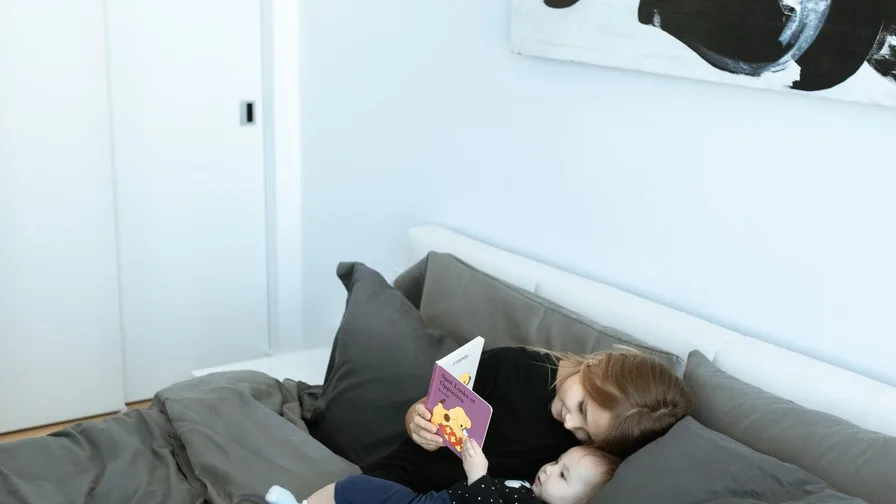
Designers don’t scroll randomly — they hunt in specific places. Interiors magazines and their websites, Pinterest boards curated by stylists, boutique children’s furniture brands’ lookbooks, and real-home tours on design blogs. These sources show considered rooms, not just pretty corners staged for a photo.
Look beyond kids’ rooms too. The best children’s bedrooms borrow from grown-up design: hotel suites for bedding layers, restaurants for lighting ideas, galleries for art hanging. A kids room designed only from kids rooms ends up looking like all the others — cross-pollination is where originality lives.
Best hunting grounds:
● Pinterest, but follow interior stylists rather than generic boards — curation is everything.
● Children’s furniture brands publish lookbooks that are free masterclasses in styling.
● Design blogs’ real-home tours show how luxury works in actual family houses.
● Save hotel kids’ clubs and boutique family suites too — hospitality design is endlessly stealable.
Build a Vision Board That Works
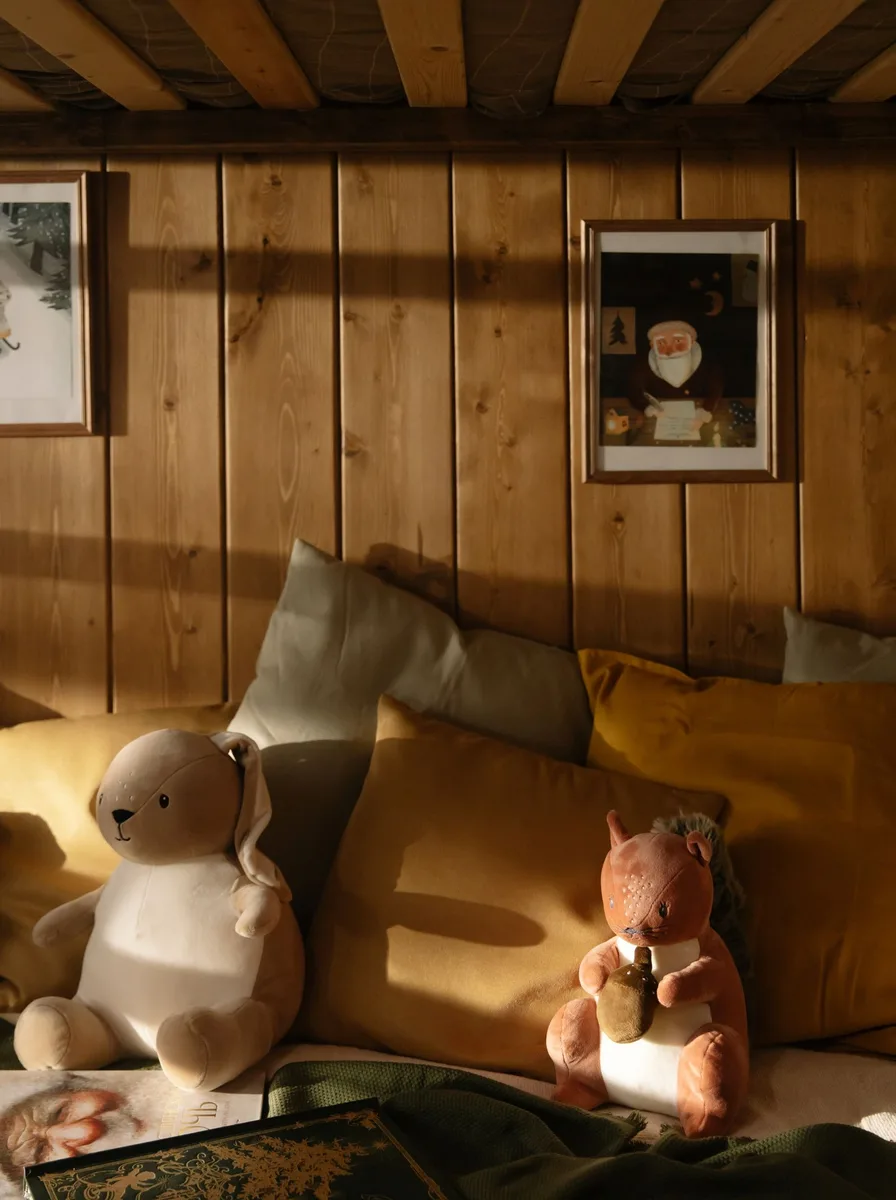
A vision board turns vague liking into a concrete plan. Collect 15–20 images you love, then interrogate them: which three colours appear most, what bed styles repeat, what lighting shows up. The answers become your brief — colours, shapes, mood — and every shopping decision gets easier.
Make the board physical if you can. Print the key images, stick paint swatches beside them, add a fabric sample from the curtain shortlist. A board you can hold beats a phone screen because you see everything at once — and you can carry it into paint shops for matching.
Vision board method:
● Save generously at first, then delete anything that doesn’t fit the emerging pattern.
● Note the feeling words: calm, playful, grand, cosy — your room should deliver that feeling.
● Include texture close-ups, not just room shots; materials are half the luxury.
● Keep the board on your phone while shopping to veto impulse buys that break the vision.

Learn to Spot Real Quality
Inspiration teaches your eye. Start noticing what makes expensive rooms look expensive: the weight of curtains, the pile of the rug, the way art is framed, the absence of visible clutter. Train yourself to see these details and you can recreate the effect at any price.
Practice the squint test: blur your eyes at an inspiration photo and notice what still reads. Usually it’s the big shapes — the bed’s silhouette, the curtain’s fall, the rug’s expanse. Those large gestures matter more than any accessory, so prioritise your budget and effort there.
Quality tells:
● Full-length, lined curtains always look more expensive than short or unlined ones.
● Real art in real frames beats posters stuck with tape, whatever the art costs.
● Matching hardware — all brass knobs, all black handles — signals intention.
● Breathing room on surfaces reads as luxury; crowded surfaces read as chaos.
Adapt Ideas to Your Space
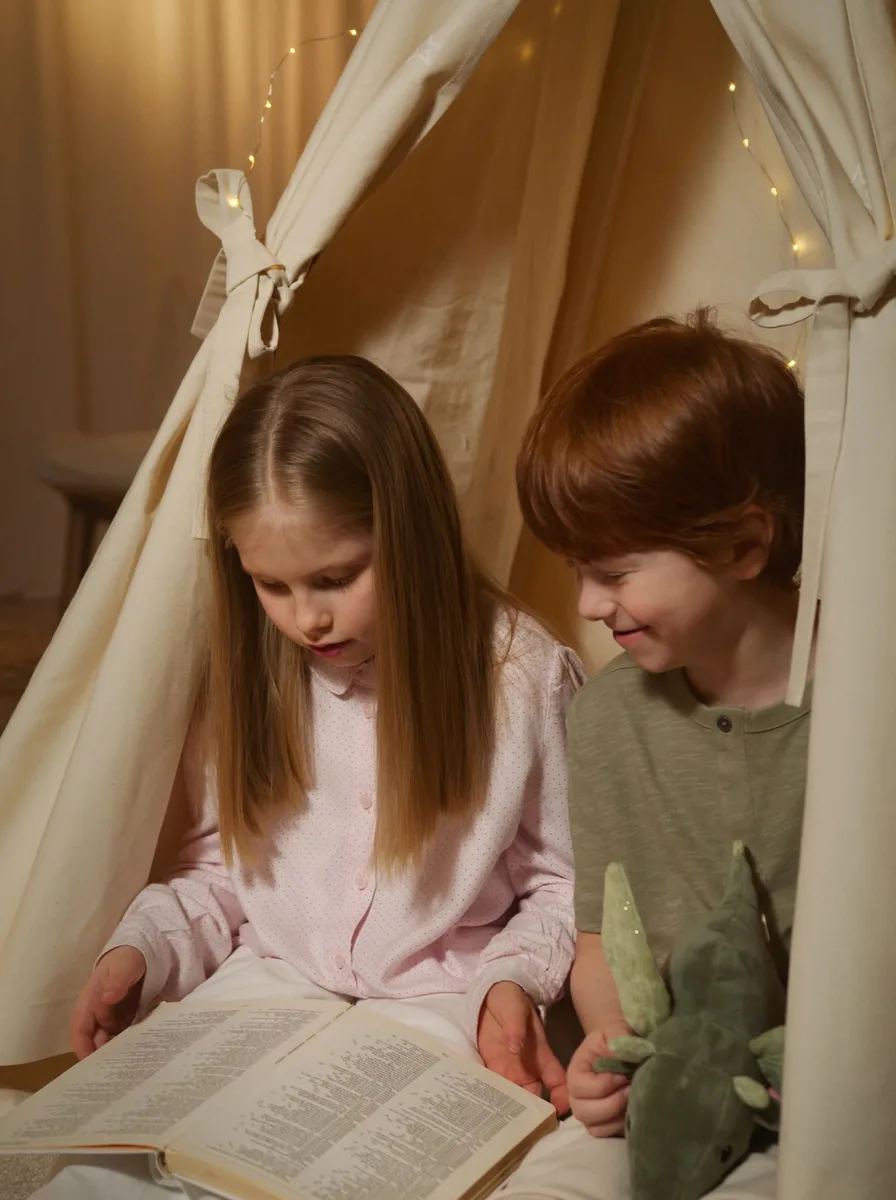
A mansion bedroom idea still works in a box room if you steal the principle, not the proportions. Love a dramatic canopy but have low ceilings? Use a wall-mounted half-canopy. Adore a reading nook but lack space? A window seat cushion and good lamp create the same feeling in two square feet.
Measure twice, dream once. Before committing to any big idea, tape its footprint on the floor with painter’s tape and live with it for a day. Walk around it, open the doors, imagine the morning rush. Adaptation fails most often on circulation — the beautiful plan nobody can walk through.
Adapting like a designer:
● Steal the colour story and one hero idea; let go of the rest without guilt.
● Small rooms suit the same luxury rules — calm palette, good lighting, edited styling.
● Awkward spaces become features: alcoves make perfect reading nooks or display shelves.
● Photograph your empty room and sketch ideas onto the photo before spending anything.
Turn Inspiration Into Action
Inspiration without action is just daydreaming. Convert your vision board into a shopping list grouped by priority: paint and lighting first, big furniture second, textiles third, accessories last. Set a start date, tackle one layer per weekend, and photograph the progress — the before-and-after is your reward.
Protect your momentum above all. A makeover that stalls halfway looks worse than no makeover at all, so keep the project moving with small weekly wins. Finish the paint before buying cushions; hang the curtains before styling shelves. Sequenced progress beats scattered perfection.
Making it happen:
● Write the shopping list from the vision board; if it’s not on the list, don’t buy it.
● Start with the cheapest high-impact change — usually paint — for instant momentum.
● Do lighting early; it transforms the room while the rest is still in progress.
● Involve your child in choosing between two parent-approved options; ownership matters.


