

An executive chair is more than a place to sit — it is the anchor of the entire office.
It frames you on video calls, greets clients across the desk, and carries you through the longest working days. Where a task chair disappears into the background, a luxury executive chair makes a statement: this is a room where serious work happens.
True luxury in an executive chair lives in the details.
Top-grain leather that softens with age, hand-set tufting, polished aluminium that catches the light, stitching as precise as tailoring — each element is chosen to look better and feel better year after year. Cheap imitations copy the silhouette; they cannot copy the materials or the craft.
This guide presents 22 luxury executive desk chair designs and details that elevate your office style.
From high-back silhouettes and Chesterfield tufting to modern minimalist forms, knee-tilt mechanisms, and the perfect mahogany desk pairing, you will find the design language that suits your space — and know exactly what quality looks like.
1. High-Back Silhouette That Commands the Room
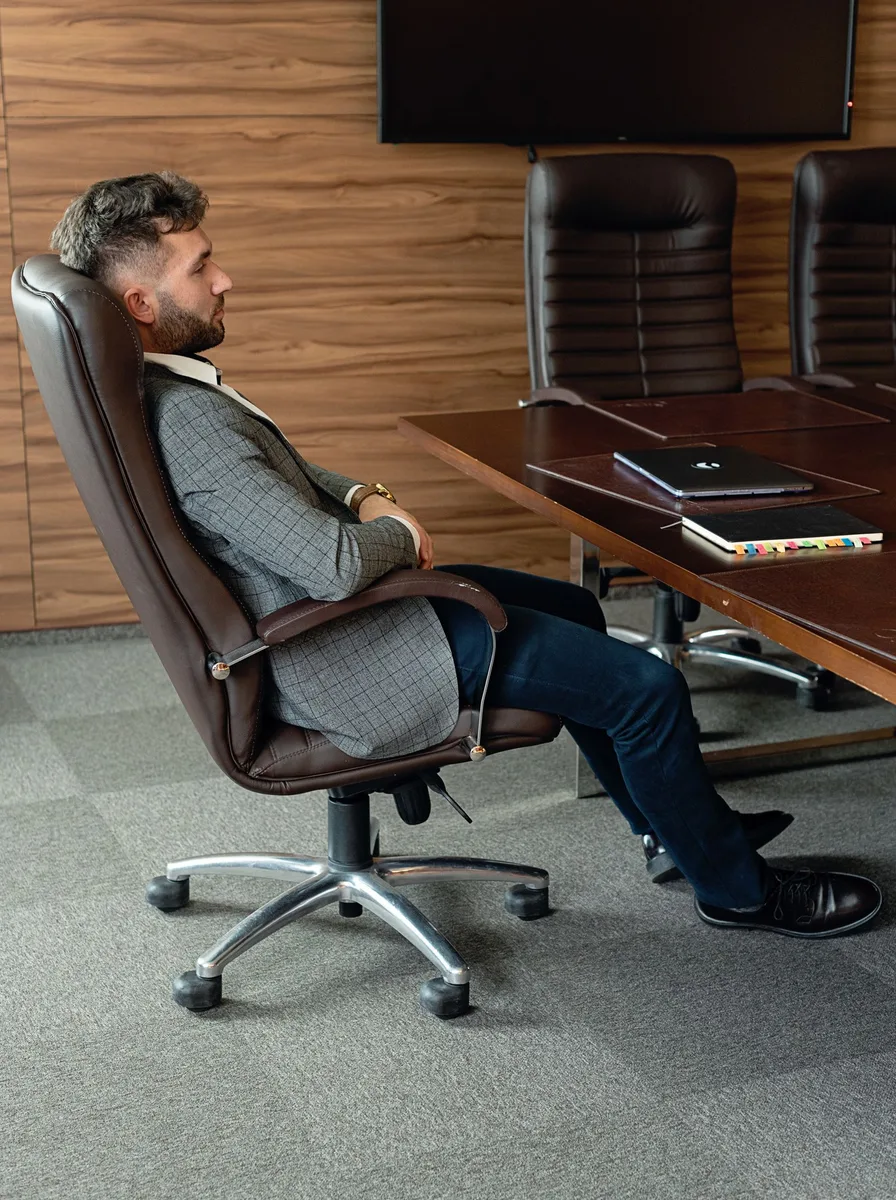
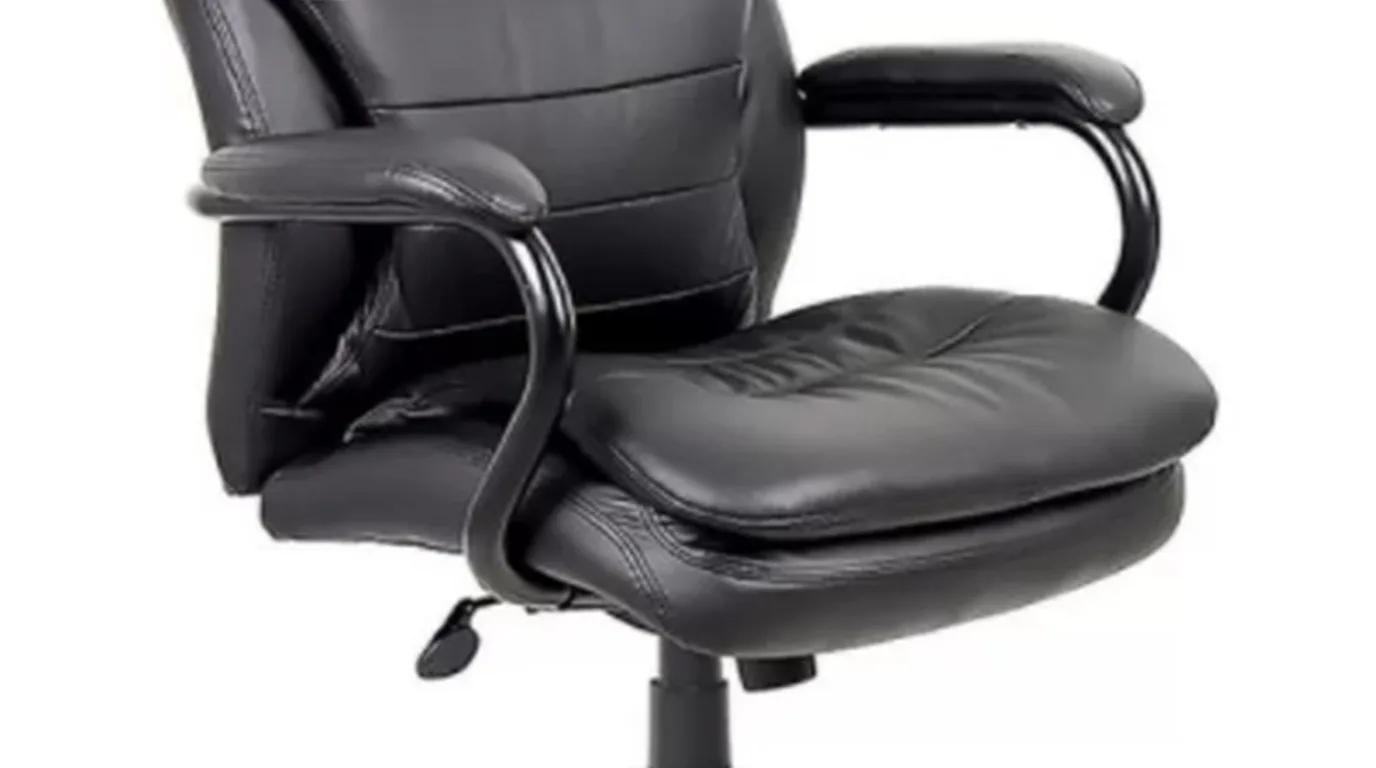
The defining trait of a luxury executive chair is its high back — rising to cradle the shoulders, neck, and head. That tall silhouette does two jobs at once: it supports your full upper body through long working days, and it gives the chair a throne-like presence that anchors any office, from corner suite to home study.
When choosing, check the backrest height against your own: the top should reach at least the base of your skull when seated. A back that’s too short looks stubby and leaves your neck unsupported; one that’s properly tall frames you like a portrait. In executive design, proportion is everything.
2. Top-Grain Leather Upholstery

Top-grain leather is the second-highest grade of hide — sanded smooth, finished for durability, and supple from day one. It drapes over an executive chair’s curves without wrinkling, resists daily wear far better than bonded or faux leather, and carries the unmistakable smell and feel of the real thing.
Run your hand across it when shopping: top-grain feels smooth but not plasticky, with subtle natural grain. It costs more than bonded leather, but bonded leather peels within a couple of years while top-grain lasts a decade. For a chair you sit in daily, the upgrade pays for itself.
3. Hand-Tufted Backrest Detailing

Deep button tufting — the diamond-patterned dimpling pulled tight across the backrest — is the hallmark of traditional executive luxury. Each tuft is set by hand, creating sculpted padding that looks rich and feels plush against your back. It’s a craft detail that machines still can’t replicate convincingly.
Tufting suits classic office schemes: wood panelling, brass lamps, leather-bound books. Keep the buttons tight and even — loose or puckered tufting signals rushed work. Dust the crevices occasionally with a soft brush; the dimples collect dust the way flat leather doesn’t.
4. Contrast Stitching That Shows the Craft
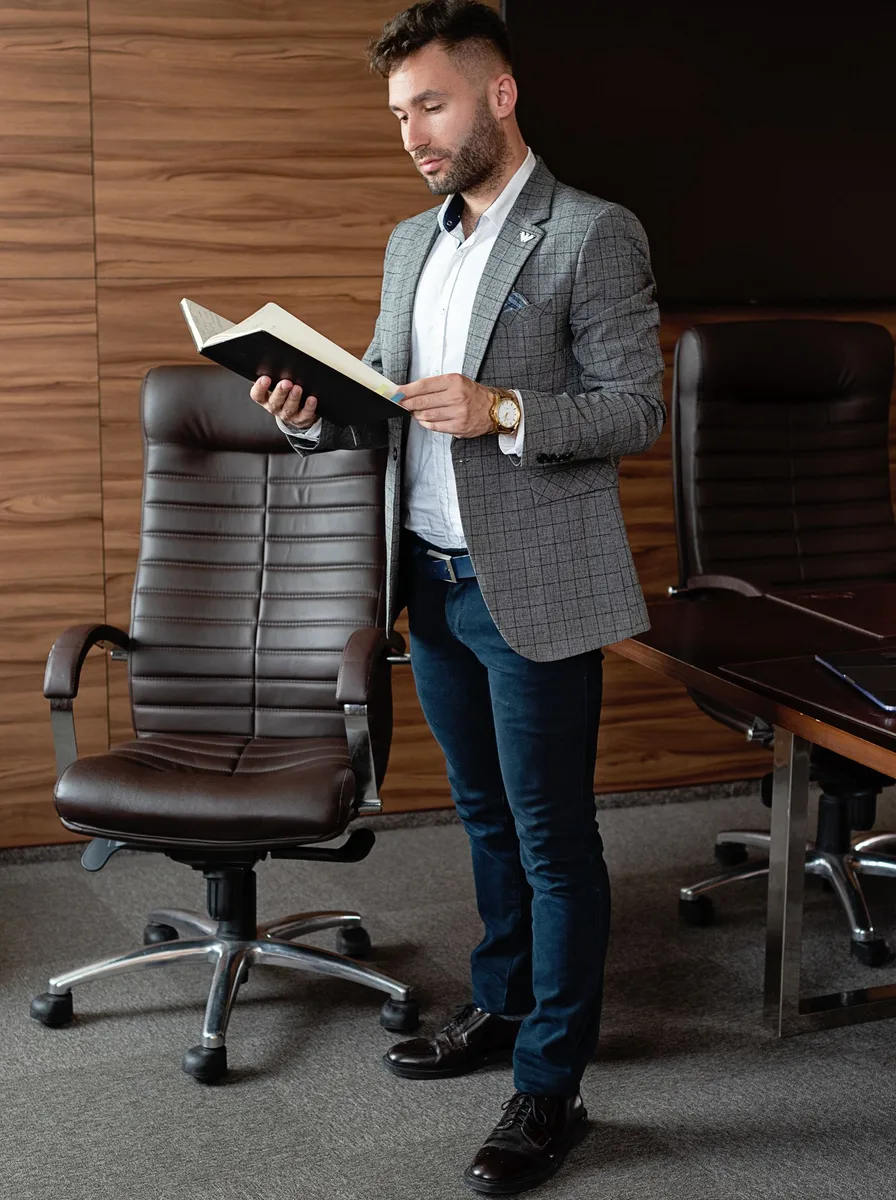
Look closely at a fine executive chair and you’ll see the stitching doing quiet decorative work — often a lighter thread against dark leather, tracing the seams of the seat and backrest. It’s the tailoring of the chair world: precise, even stitching signals careful construction the way a good suit’s seams do.
Check that stitches are uniform with no loose threads or wandering lines, especially around curves. Contrast stitching in cream or tan against oxblood or black leather is the classic pairing. It’s a small detail with outsized effect — the difference between furniture and fine furniture.
5. Polished Aluminium Five-Star Base
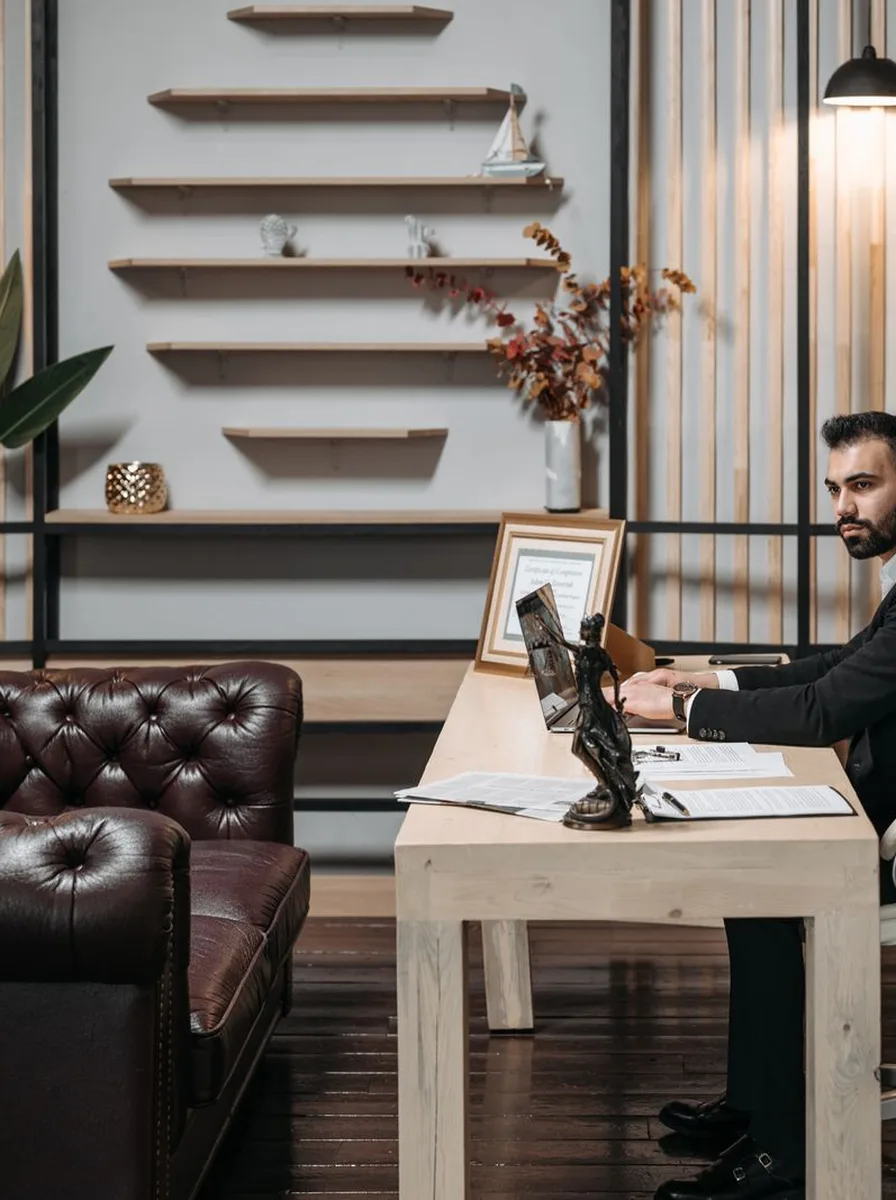
Beneath a luxury executive chair, expect a five-star base in polished aluminium — mirror-bright, reassuringly heavy, and engineered to glide. The polished finish catches the light and reads as jewellery for the chair, a deliberate contrast to the leather above. It also outlasts painted or plastic bases by years.
Polished aluminium shows fingerprints, so keep a microfibre cloth in the desk drawer for a quick weekly shine. Check the welds and joints for smoothness — premium bases feel like a single sculpted piece. The weight of it tells you everything about what’s holding you up.
6. Chrome Accent Trim
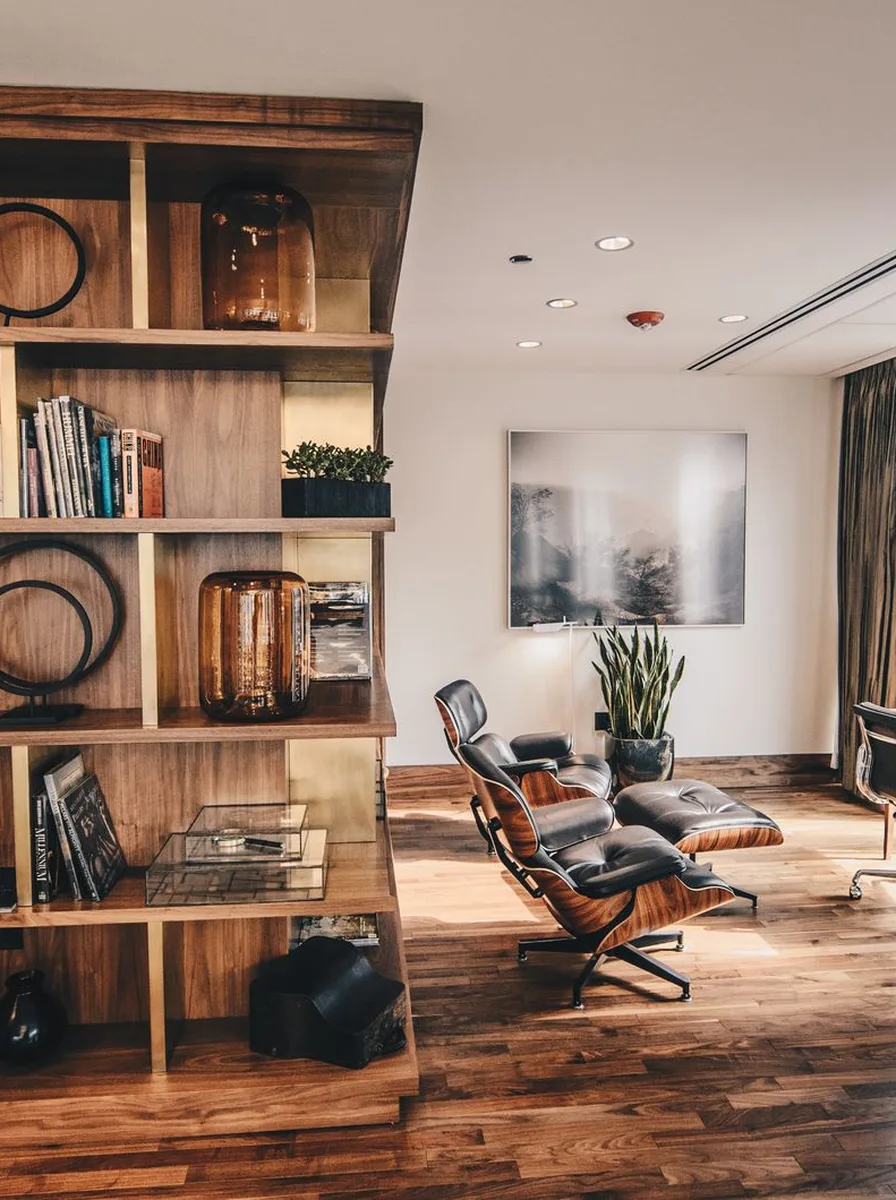
Chrome trim — on armrest supports, the tilt mechanism housing, or the gas-lift cover — adds jewellery-like highlights to an executive chair. Against dark leather and wood tones, those bright lines draw the eye and give the chair a tailored, finished look that plain black components never achieve.
Quality chrome is smooth and blemish-free; cheap chrome plating bubbles and flakes within a year. Wipe it down with a damp cloth — never abrasive cleaners — to keep the mirror finish. A little chrome goes a long way: the best designs use it as punctuation, not paragraphs.
7. Wooden Armrest and Base Accents
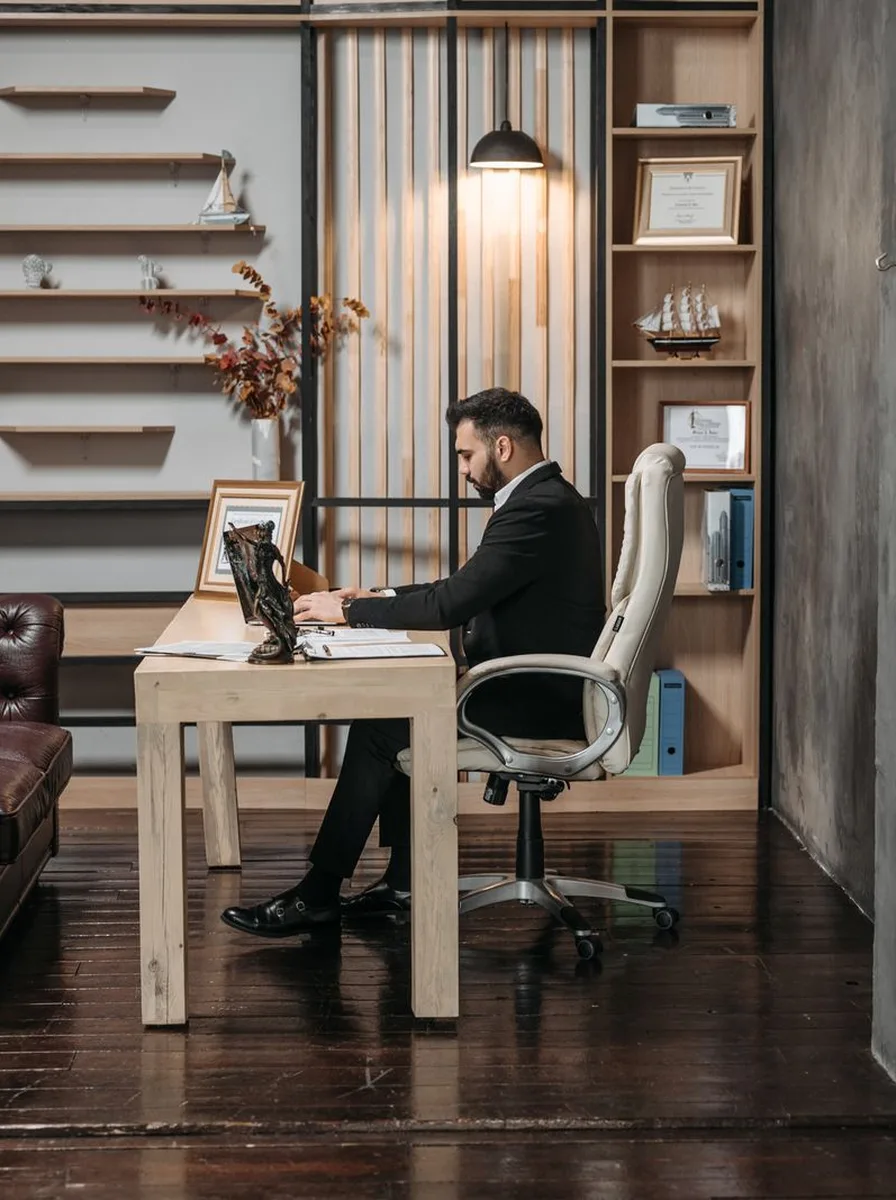
Wood accents — armrest caps in walnut or mahogany, a wooden trim ring on the base — bridge the chair to the rest of a traditional office. The warmth of real wood softens all that leather and metal, and it ties the chair visually to wooden desks, bookshelves, and flooring.
Look for solid wood rather than wood-look plastic; the grain and weight are unmistakable. Walnut suits modern schemes, mahogany and cherry suit traditional ones. A light furniture wax once or twice a year keeps the wood rich. It’s the detail that makes the chair feel like it belongs to the room.
8. Pairs Beautifully with a Mahogany Desk
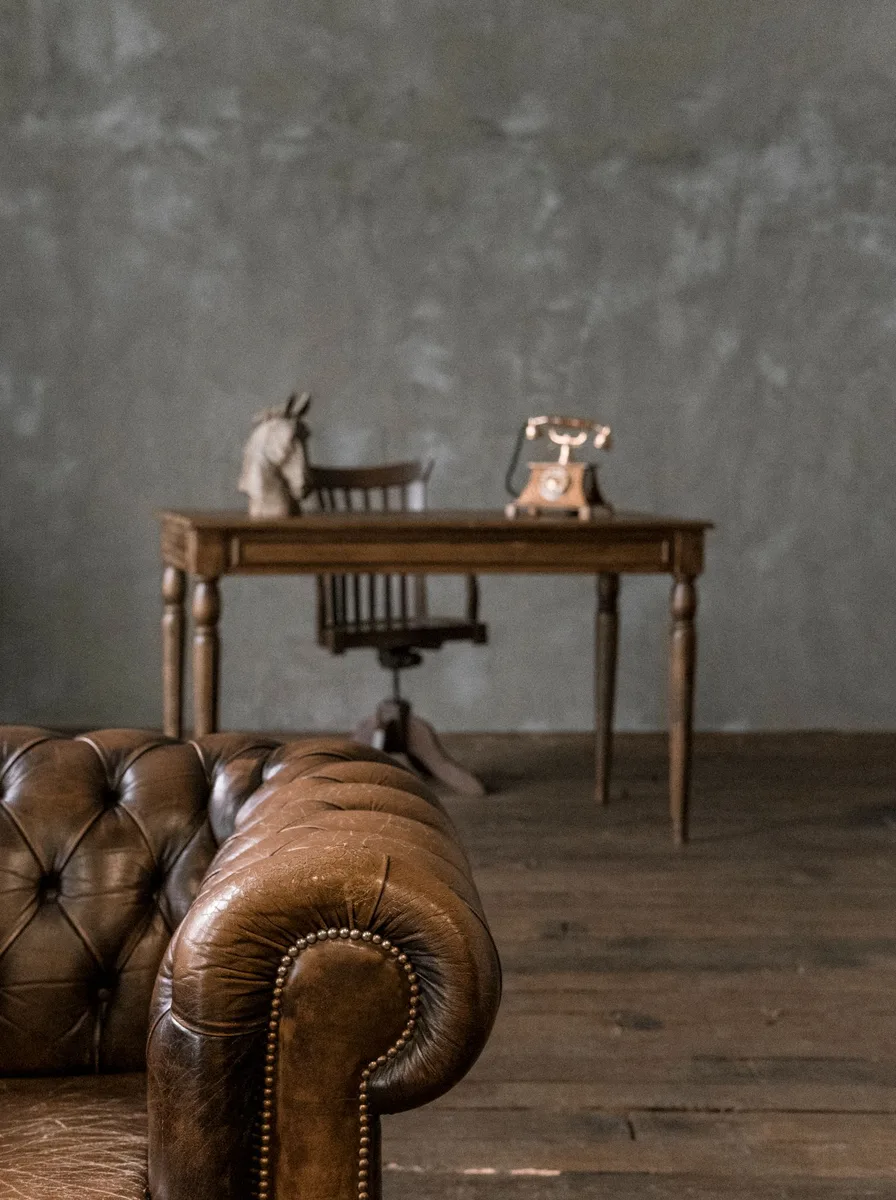
An executive chair finds its natural partner in a mahogany desk — the deep red-brown wood and dark leather are a pairing perfected over a century of boardrooms. Together they create a study or office that feels established and serious, the kind of room where decisions get made.
Match undertones, not exact colours: warm leather with warm wood, cool grey leather with darker stained wood. Keep the desk surface relatively clear so the pairing reads as intentional, not cluttered. If mahogany feels too traditional, walnut offers the same richness with a more contemporary edge.
9. Knee-Tilt Mechanism for Effortless Recline
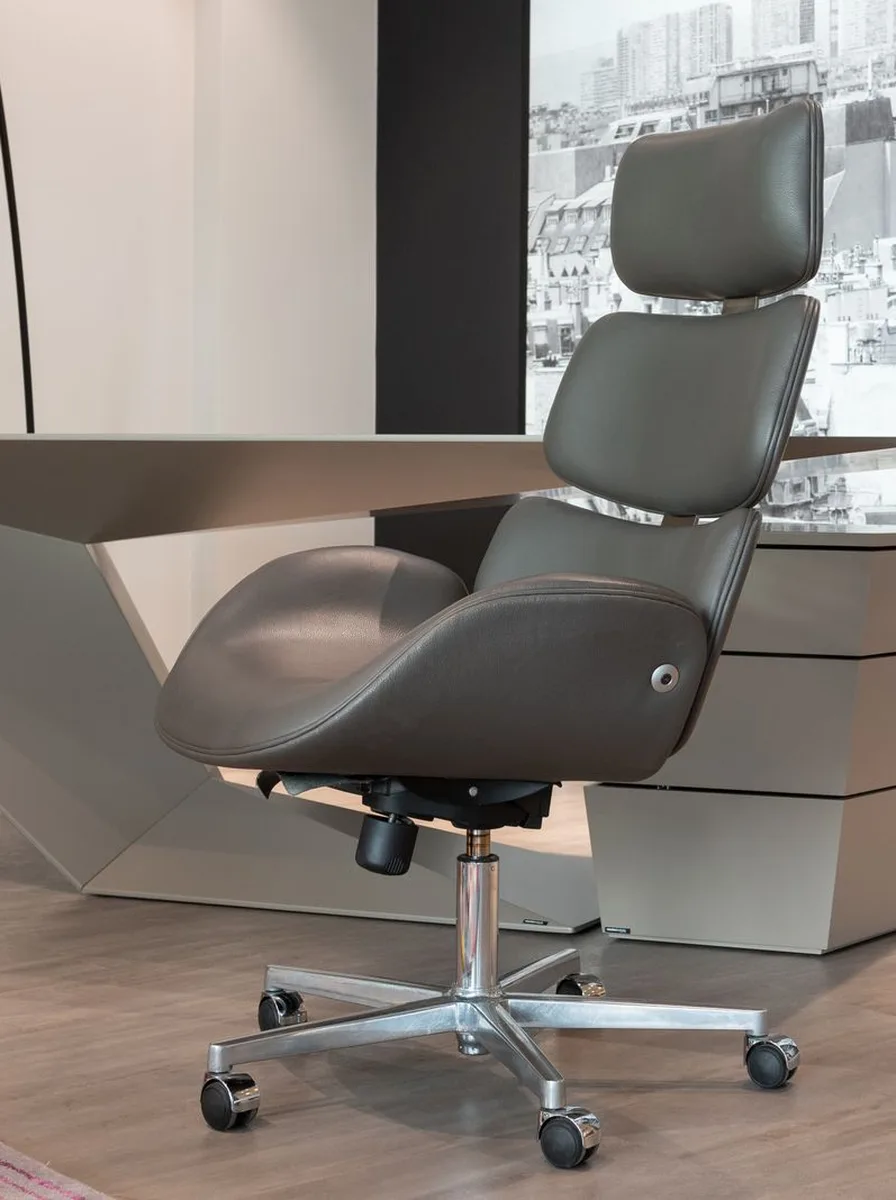
A knee-tilt mechanism pivots the chair near the knees rather than the centre of the seat, so reclining keeps your feet planted and your eye level steady. It’s the mechanism of choice for high-end executive chairs because the motion feels natural — you lean back and the chair follows without lifting your feet off the floor.
Test it by reclining while “typing”: your hands should stay roughly over the keyboard instead of sliding away. The mechanism adds cost, which is why budget chairs use simpler centre-tilts. If you spend hours alternating between upright work and leaned-back thinking, knee-tilt is worth every penny.
10. Padded Leather Arm Caps

Executive armrests are typically finished with padded leather caps — soft, upholstered pads rather than bare wood or plastic. They cushion your forearms and elbows through long days of typing and calls, and they continue the chair’s leather story right down to the details.
Press the padding: it should feel dense and spring back, not thin and spongy. Width matters too — narrow caps leave elbows hanging off the edge. Leather caps wipe clean easily, which matters for a surface your forearms touch all day. It’s quiet luxury you feel rather than see.
11. Built-In Lumbar Support, No Pillow Needed
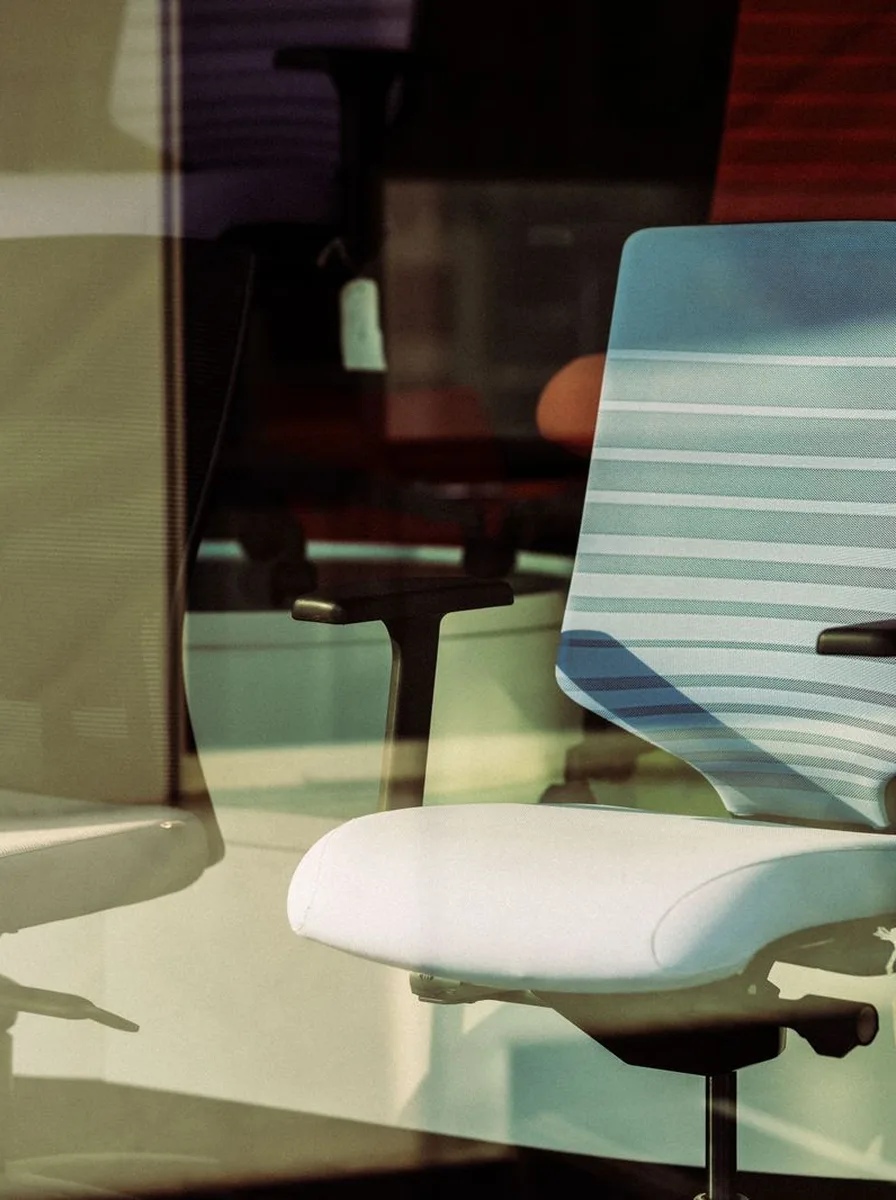
Luxury executive chairs build lumbar support into the backrest’s sculpting rather than strapping on a pillow. The lower backrest curves gently forward to meet your spine’s natural arch, giving all-day lower-back support that’s invisible — no straps, no slipping cushions, nothing to adjust.
Sit fully back and check that the curve meets the small of your back without pushing you forward. Because it’s fixed, fit matters more: test before buying if you can. Some high-end models add subtle adjustability to the built-in curve — the best of both worlds if your back is picky.
12. True Boardroom Presence
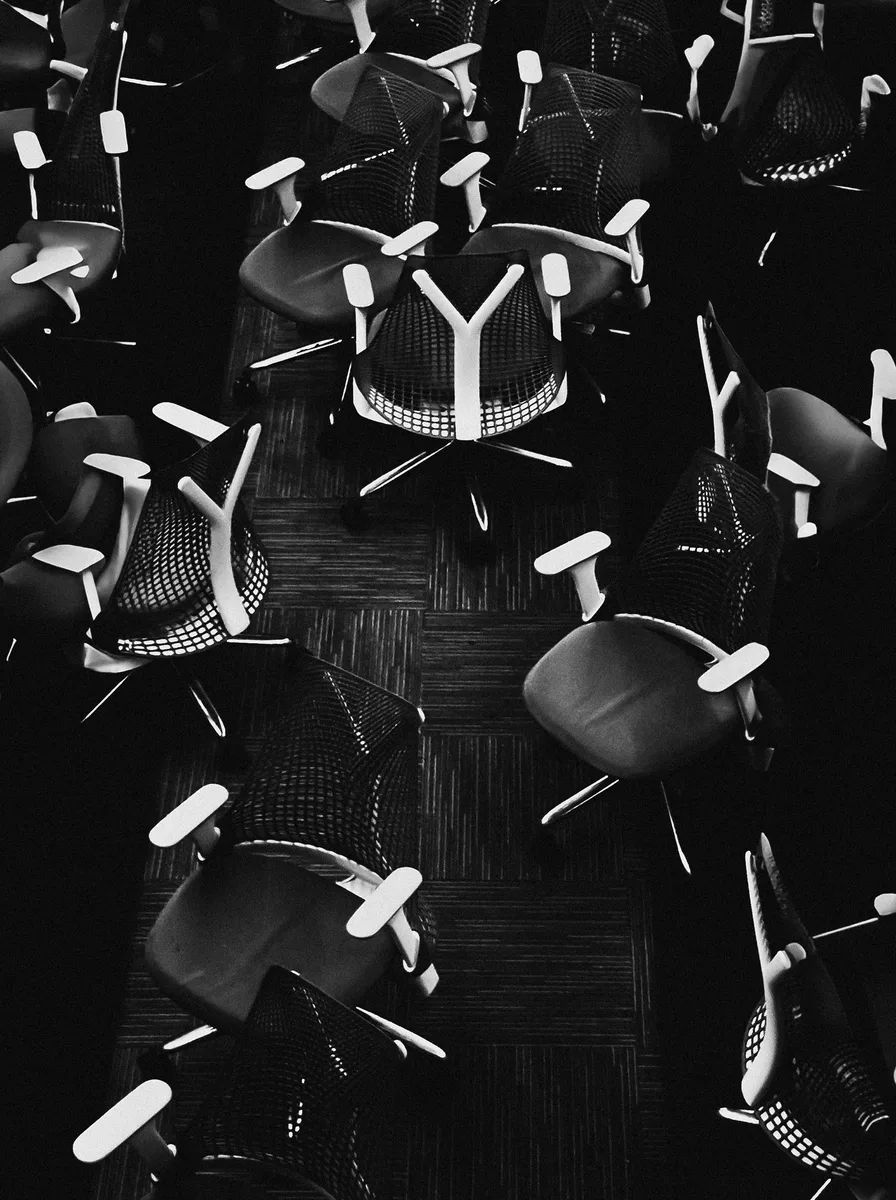
Some chairs are designed to be sat in; executive chairs are designed to be seen. A high back, rich leather, and confident proportions give the chair boardroom presence — it looks authoritative at the head of a conference table and signals seniority before a word is spoken.
If you host clients or lead video calls, this matters: the chair frames you. Choose darker, richer finishes for maximum gravitas — black, oxblood, or deep brown. Keep the leather conditioned so it glows rather than dulls under office lighting. Presence is partly posture, partly furniture.
13. Timeless Traditional Chesterfield Style
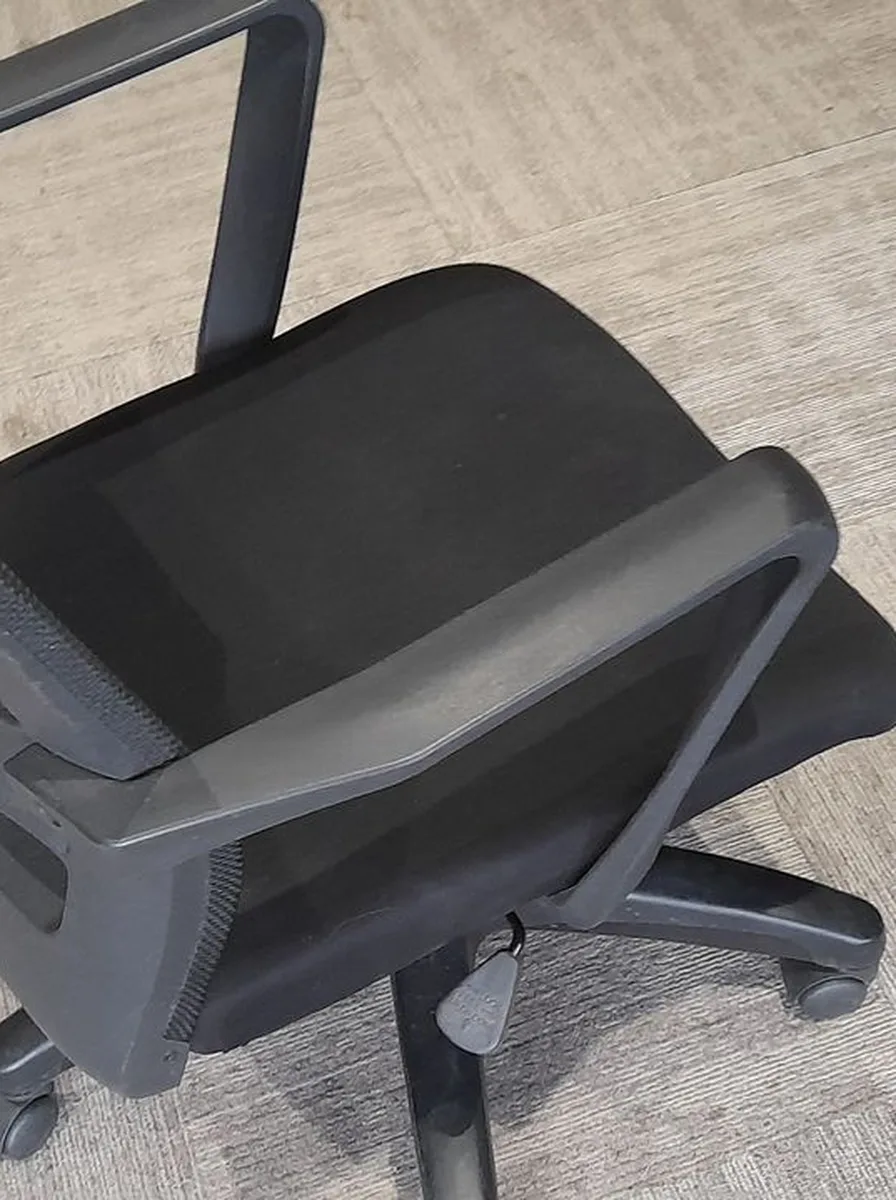
The Chesterfield-inspired executive chair — deep button tufting, rolled arms, nailhead trim — has looked right for over a century and will look right for another. Choosing the timeless traditional style means your chair never dates, never clashes, and quietly gains character as the leather ages.
Traditional styles demand traditional surroundings to sing: wood, brass, books, warm lighting. In a stark white modern office, a Chesterfield can look like a costume — know your room. Buy the best leather you can afford; traditional designs show their materials honestly, with nowhere to hide.
14. Sleek Modern Executive Style

The modern executive chair keeps the luxury — top-grain leather, polished metal — but strips away the tufting and ornament for clean lines and a sculpted silhouette. It’s the choice for contemporary offices, glass desks, and anyone who wants authority without the antique-shop overtones.
Modern styles live or die on proportion and finish: seams must be razor-straight, leather flawless, metal polished. There’s no tufting to hide behind. Pair with minimalist desks and neutral palettes; the chair becomes a sculptural object. It’s tradition’s tailored younger sibling.
15. Leather That Ages into a Rich Patina
One of real leather’s greatest pleasures is patina — the way it darkens, softens, and gains character with years of use. A quality executive chair doesn’t just survive a decade; it improves, developing a lived-in richness that no new chair can fake and no faux leather can match.
Help the patina along: condition the leather every six to twelve months and keep the chair out of direct sunlight, which fades unevenly. Embrace small marks as character rather than flaws. A ten-year-old executive chair with a deep, glowing patina is a thing of beauty — and a story.
16. Weight-Activated Synchro-Tilt
Synchro-tilt mechanisms recline the backrest and seat in a fixed ratio — typically two degrees of backrest for every one of seat — mimicking how your body naturally leans. Weight-activated versions auto-adjust the resistance to your body weight, so the recline feels effortless whether you’re slight or solid.
It’s the mechanism that makes a chair feel “expensive” in the first lean: smooth, balanced, no fighting. Test by reclining slowly — the motion should feel like floating, not tipping. Combined with a knee-tilt pivot on the finest models, it’s the gold standard of executive recline.
17. Deep, Plush Seat Cushioning

Executive comfort starts with a deep, generously padded seat — thick foam, sometimes layered over pocket springs, that cradles you rather than perching you. The plushness signals luxury instantly, and it distributes your weight so pressure points never build up through a long working day.
Press the cushion firmly: quality foam rebounds slowly and evenly, while cheap foam stays dented. The seat should feel supportive after an hour, not just in the showroom minute. Very soft isn’t always better — the best executive cushions balance plushness with a firm core that holds its shape for years.
18. Silent-Glide Casters for Quiet Offices
In an executive office, the screech of cheap casters shatters the atmosphere. Silent-glide casters — soft-coated wheels on precision bearings — roll almost noiselessly across wood and tile, letting you move between desk and meeting table without announcing it to the whole floor.
The soft coating also protects hardwood and won’t pick up the grit that scratches floors. If your chair came with hard plastic wheels, upgrading to soft rollerblade-style casters is a cheap transformation. Quiet movement is one of those luxuries you only notice when it’s missing.
19. Commercial-Grade Build That Lasts Decades

True luxury executive chairs are built to commercial standards — the same engineering that survives a decade of daily boardroom use. Reinforced frames, heavy-duty mechanisms, and dense foam mean the chair you buy for your home office could genuinely outlast your career there.
Look for BIFMA certification or stated commercial ratings, and warranties of five to ten years or more. The price stings once; a cheap chair replaced three times costs more and never feels as good. Buy it once, buy it right — that’s the executive mindset applied to furniture.
20. Generous Proportions for Larger Frames

Executive chairs traditionally run generous — wider seats, taller backs, broader armrests — because they’re designed for long, comfortable occupation by all body types. That generosity means larger-framed sitters get genuine comfort instead of perching on the edges of a chair built for someone smaller.
Check seat width and depth against your own measurements; “executive” sizing varies between brands. A properly proportioned chair lets you sit fully back with a fist’s gap behind your knees and your arms resting naturally. Comfort at scale is a hallmark of real luxury, not an afterthought.
21. Matching Guest Chairs Complete the Set
The executive look reaches its full effect as a set: matching guest or side chairs in the same leather, facing the desk. It turns a home office into a proper study and a corporate office into a suite — visitors sit in comfort, and the room reads as designed rather than assembled.
Guest chairs don’t need the full mechanism — fixed or simple swivel bases in matching upholstery do the job. Two is the classic number, flanking the desk’s front. It’s an investment, but a coordinated set photographs beautifully and makes every meeting feel a notch more considered.
22. The Executive Chair as a Home-Office Status Piece

In the work-from-home era, the executive chair has become the home office’s status piece — the one object that says this is a serious workspace, not a laptop on a dining chair. It anchors video-call backgrounds, impresses clients, and, not insignificantly, makes you feel the part every morning.
Position it where the camera catches the high back and rich leather, with decent lighting on the scene behind you. Keep the leather conditioned and the metal polished — it’s in frame daily. A great executive chair doesn’t just support your work; it upgrades how the world sees it.