

A tiny room and minimalism were made for each other.
When space is limited, every object speaks louder — so fewer objects means a quieter, calmer room. Minimalism is not about deprivation or empty white boxes; it is about keeping only what serves you and letting the room breathe around it. The result is a space that lowers your shoulders the moment you walk in.
The calm comes from consistency, not emptiness.
A tight palette, one repeated material, clear surfaces, and hidden storage do more for peace than simply owning less. Minimalist rooms feel restful because the eye has nowhere stressful to land: no clutter competing for attention, no colour clashes, no visual noise. Every remaining piece earns its place, and you feel that intention.
This guide collects 20 minimalist tiny room ideas for a calm, peaceful space, each one practical for real homes and real budgets.
From the all-white canvas and the two-colour rule to hidden storage, single-shade bedding, and a two-minute nightly reset, you will find everything you need to turn your smallest room into the most peaceful one in the house.

1. Start with a Blank All-White Canvas
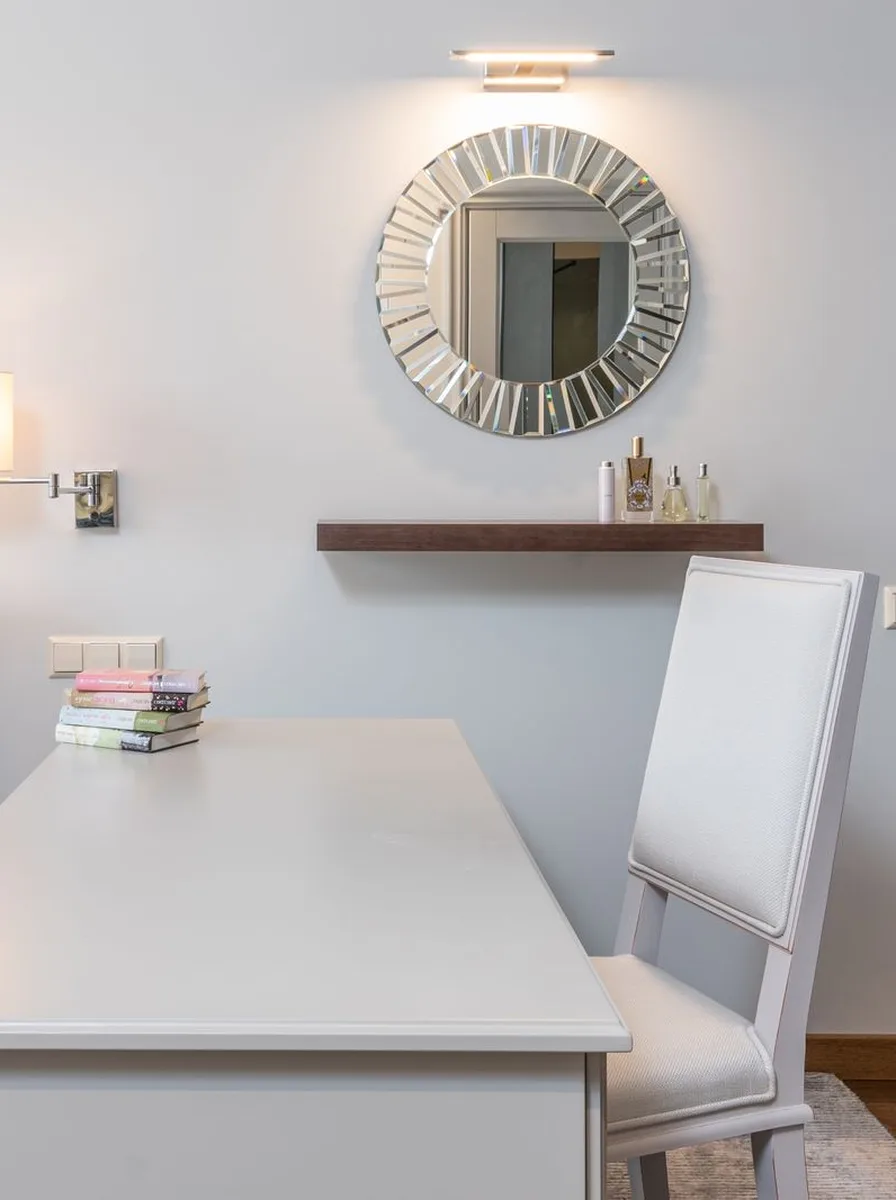
White is minimalism’s foundation because it reflects maximum light and erases the visual boundaries between walls, ceiling, and trim. In a tiny room, an all-white canvas makes the architecture itself the décor — the window, the ceiling height, the quality of daylight — and everything you add afterward stands out with quiet clarity against it.
Keep your whites consistent in tone: all warm or all cool, because mixed whites look accidentally mismatched rather than serene. A soft warm white (think Swiss Coffee or White Dove tones) flatters skin and lamplight. Paint trim and walls the same white in different sheens — flat on walls, satin on trim — for subtle depth without adding colour.
2. Limit the Palette to Two Quiet Colours
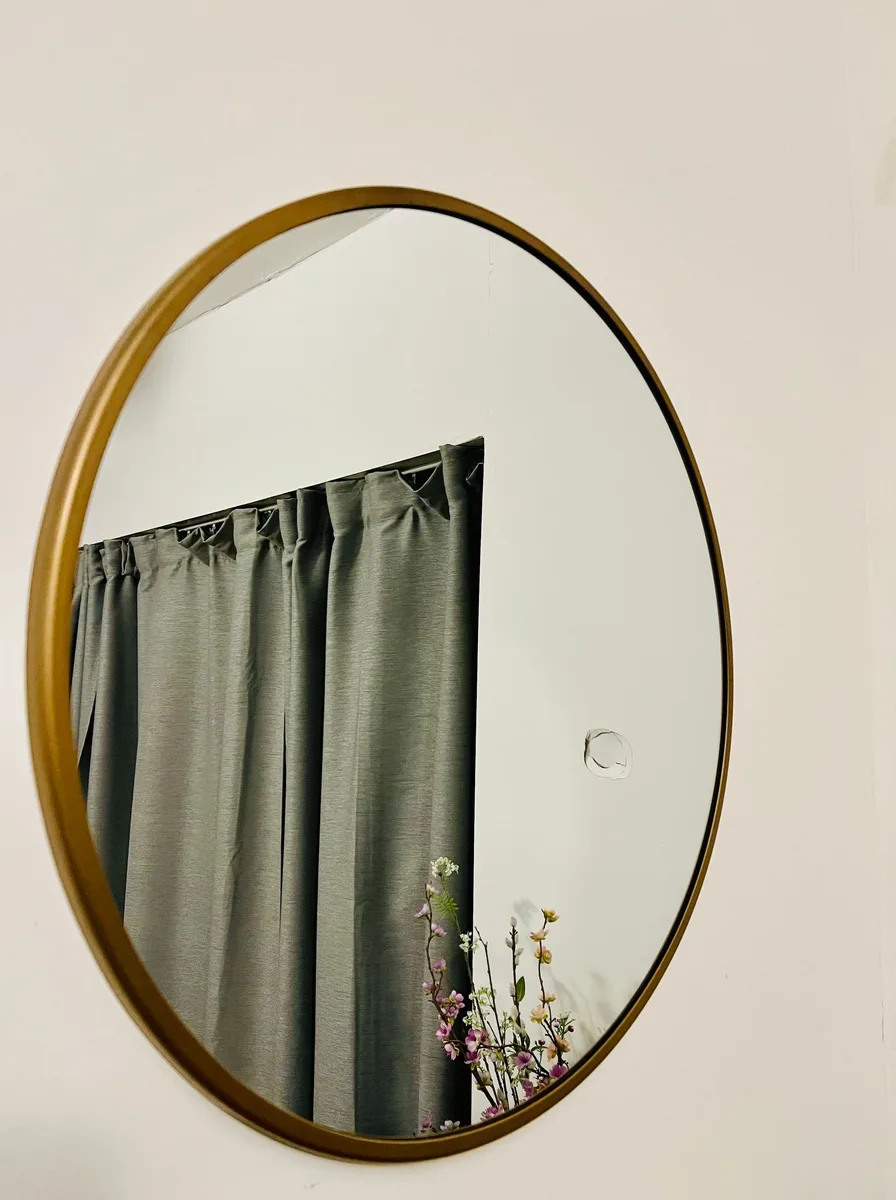
Minimalist calm collapses the moment too many colours compete. Two quiet colours — white plus warm wood, or cream plus soft grey — give the room just enough variation to feel designed while keeping the overall impression serene. Restraint in colour is what separates a peaceful room from a merely plain one.
Choose your pair and apply it everywhere: walls, bedding, curtains, and larger furniture all draw from the same two wells. If a third colour tempts you, confine it to one small, swappable object like a single cushion or a candle. When in doubt, remove a colour rather than adding one — subtraction is the minimalist’s superpower.
3. Let One Texture Carry the Room

When colour is quiet, texture becomes the room’s personality. One hero texture — washed linen, chunky knit, natural rattan, or pale oak grain — repeated through bedding, a throw, and a basket gives a minimalist room depth and warmth without a single extra object. Texture is felt more than seen, which is exactly why it suits calm spaces.
Pick your texture and echo it three times at different scales: linen bedding, a linen lampshade, a linen-covered storage box, for example. Keep the colour of the textured pieces within your two-colour palette so the variety stays tactile, not visual. Natural materials age gracefully, which suits the minimalist buy-once philosophy.
4. Hide Everything Behind Closed Storage
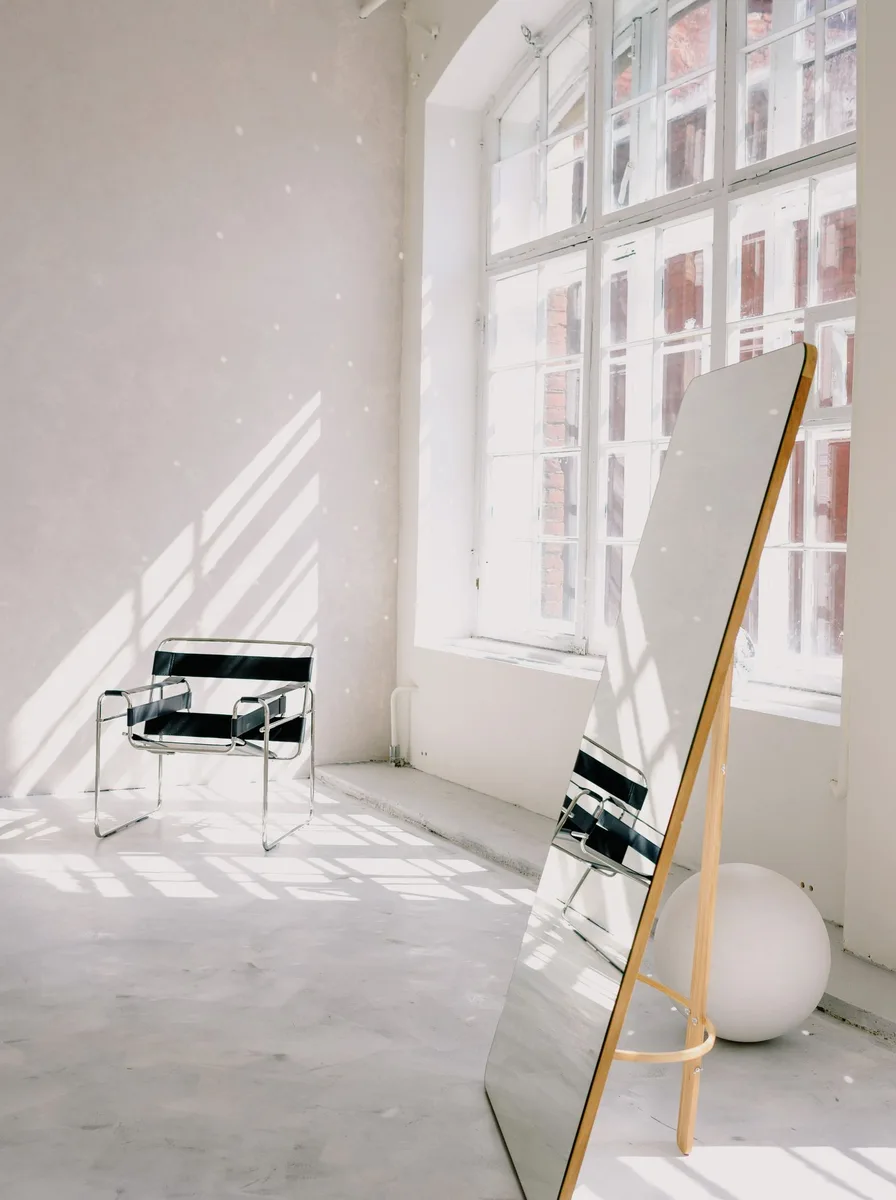
Minimalism’s calm depends on what you cannot see. Open shelves display every imperfect, half-used thing you own; closed storage — drawers, cupboards, lidded boxes — lets the room show only its serene face. A tiny room with closed storage feels twice as calm as the same room with everything on display, even holding identical contents.
Favour one tall closed wardrobe over a set of open shelves, and choose nightstands with drawers rather than open tables. Inside the closed storage, organise however you like — the calm is for the eye, not the drawer. If ripping out open shelving is not an option, add simple doors or matching fabric bins to tame what is there.
5. Choose Furniture with Clean, Simple Lines
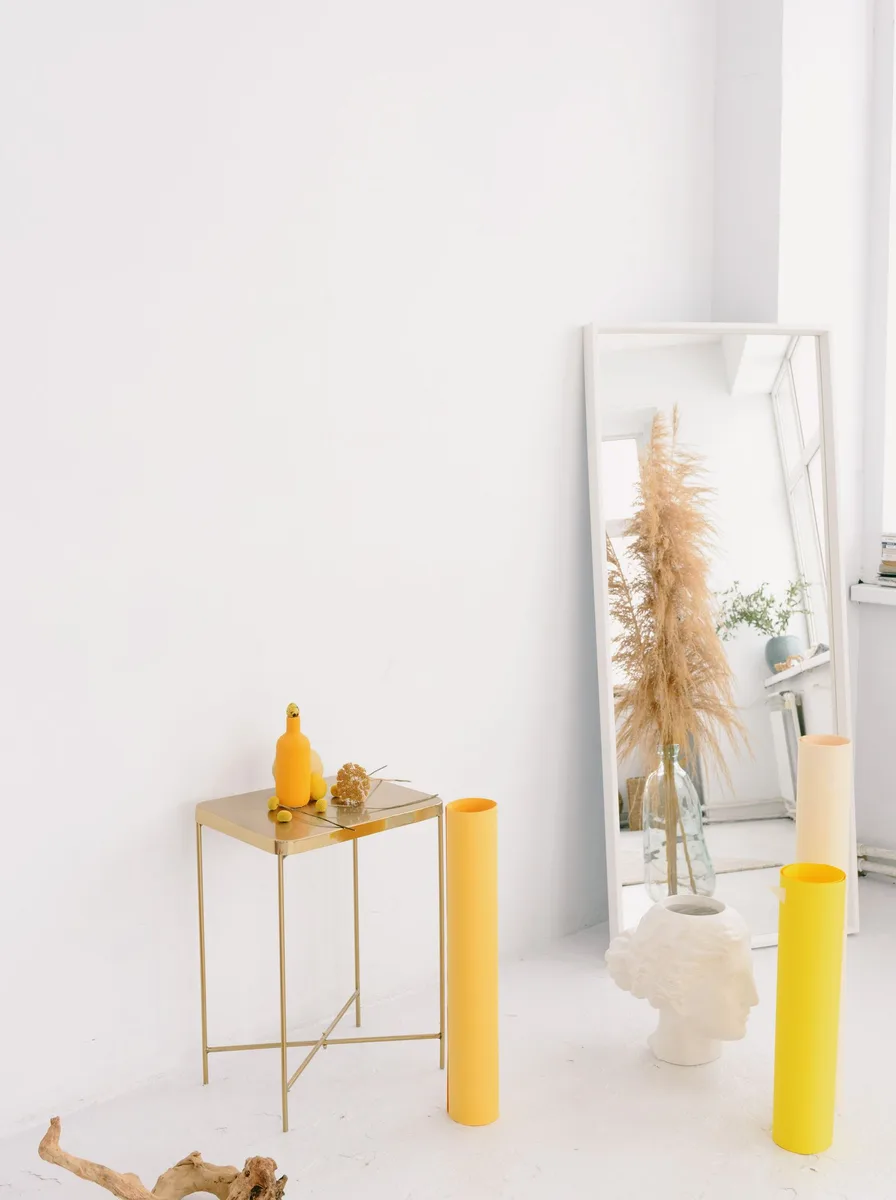
Ornate furniture shouts; simple furniture whispers. Clean-lined pieces — a platform bed with no footboard, a dresser with flat drawer fronts, a chair with a single unbroken silhouette — reduce visual noise to nearly zero. In a tiny room, where every piece is always in view, simplicity of form is what keeps the space feeling restful rather than busy.
Look for handleless drawers, flush surfaces, and legs that continue the piece’s lines rather than decorating them. Scandinavian and Japanese-inspired designs are the natural hunting ground. Avoid fussy details like carved trim or patterned upholstery — in a minimalist room, the shape of the piece is the decoration, and it should be a quiet one.
6. Keep Every Surface Nearly Clear
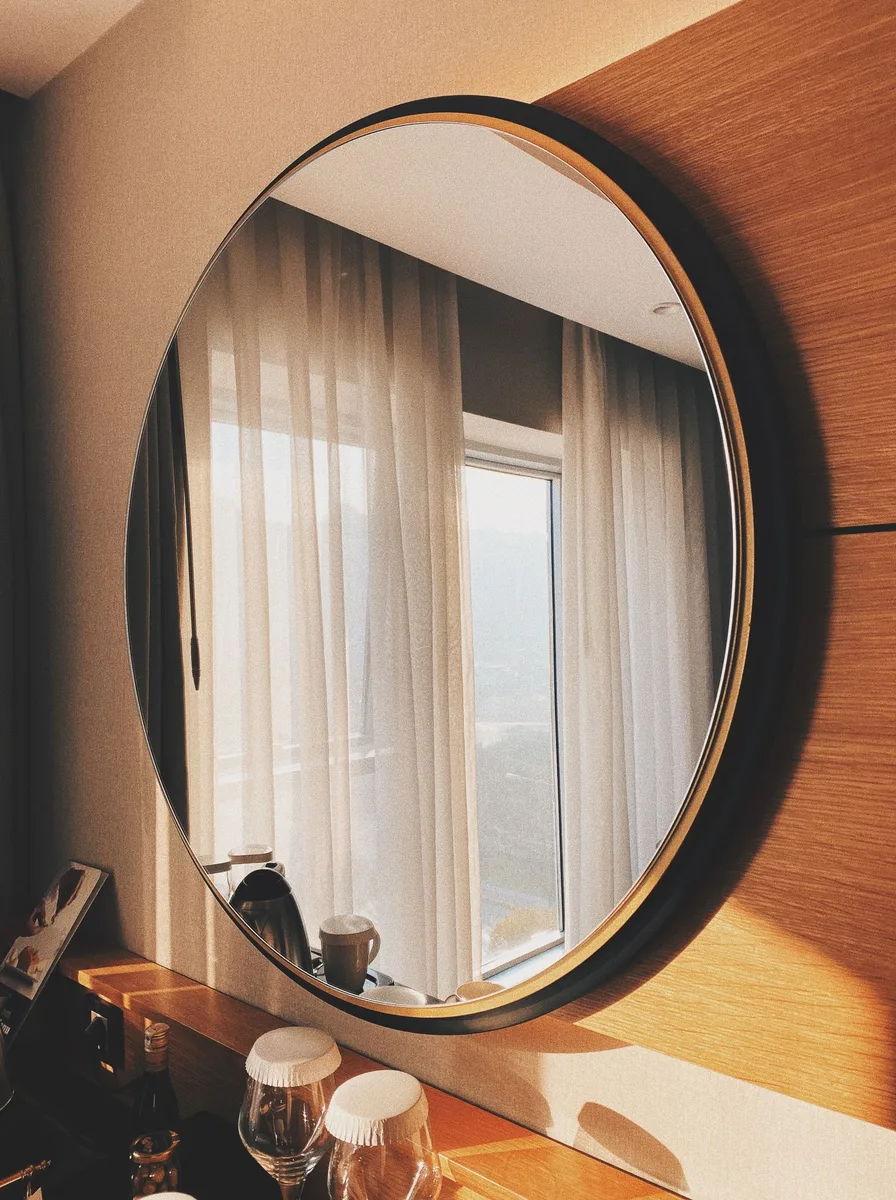
Clear surfaces are the fastest route to a calm room because the eye reads empty horizontal planes as order. A nightstand with just a lamp and a book, a dresser with one small tray — these restrained surfaces signal that the room is under control, and your nervous system believes it. Cluttered surfaces whisper chaos even when the room is technically tidy.
Give every surface a strict limit: the nightstand holds three items maximum, the dresser top one tray with its contents. Everything else lives in drawers or cupboards. Do a weekly surface sweep and return strays to their homes — in a tiny room this takes five minutes and preserves the calm all week long.
7. Hang One Large, Calm Piece of Art

A minimalist room needs a focal point, and one large, calm artwork does the job without disturbing the peace. A soft abstract wash, a misty landscape, or a simple botanical study in your palette gives the eye somewhere beautiful to rest — which is the whole point. One piece says “curated”; a cluster says “collected.”
Choose pieces with plenty of negative space in the image itself — misty, empty compositions calm a room more than busy detailed ones. Frame simply with a wide mat and thin frame in white, oak, or black. Hang the centre at fifty-seven inches and give the art generous empty wall around it; the breathing room is part of the artwork’s calming effect.
8. Dress the Bed in a Single Shade

The bed dominates a tiny bedroom, so its bedding sets the room’s entire mood. Dressing it in a single shade — all white, all warm sand, all soft grey — turns the biggest object in the room into one calm, unbroken plane. Mixed patterns and competing colours on the bed chop the room’s largest surface into visual noise.
Layer the single shade through texture rather than pattern: a linen duvet, a knit throw, pillows in the same tone with different weaves. Keep accent pillows to two maximum, both in the same colour family. Wash bedding weekly — single-shade schemes show wear faster, but crisp, clean bedding is half the minimalist bedroom’s magic.
9. Pick a Low Bed for Visual Calm
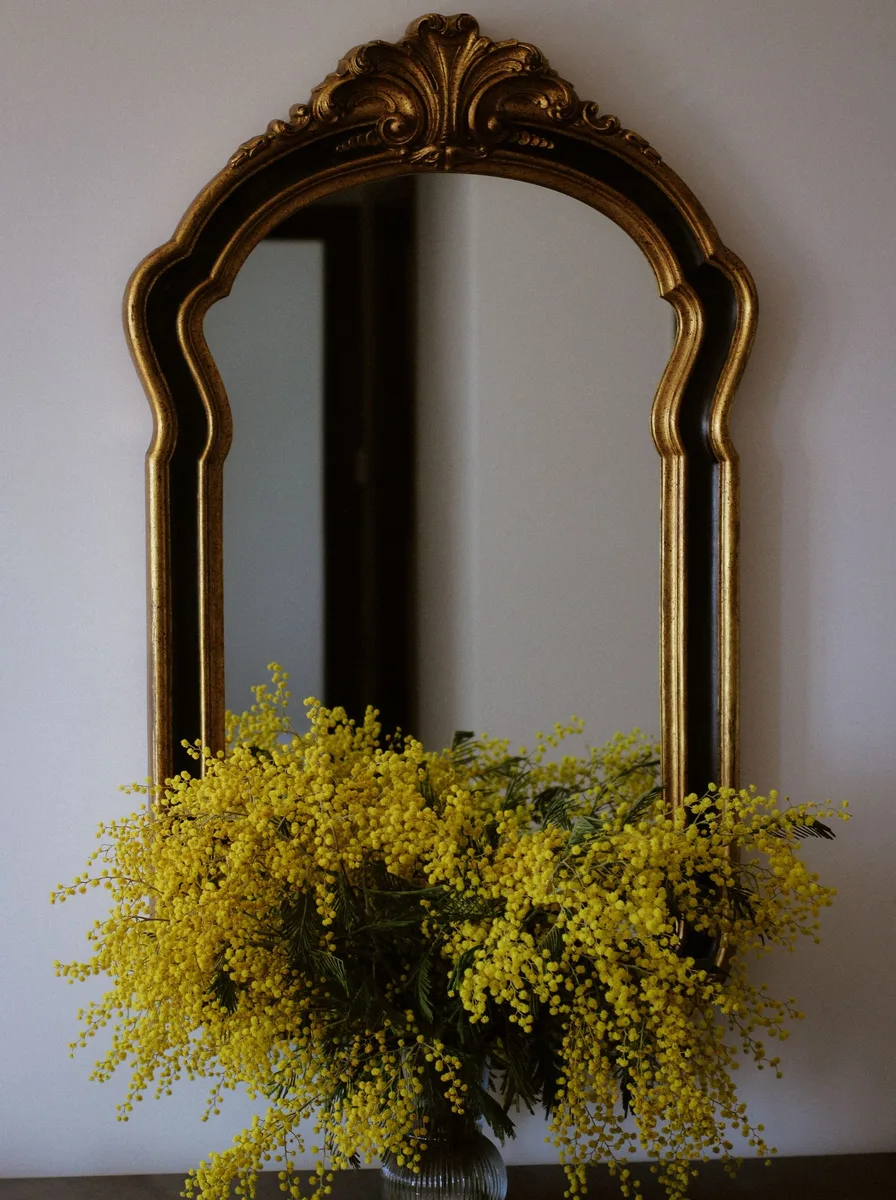
A tall bed with a high headboard dominates a tiny room and cuts it in half visually. A low platform bed — mattress sitting fourteen to eighteen inches off the floor — keeps the room’s upper half open and unbroken, which reads as calm and expansive. Low furniture literally lowers the room’s visual centre of gravity.
Skip the tall upholstered headboard in favour of a low wooden one, a simple wall-mounted cushion panel, or nothing at all — a single piece of art above the bed works beautifully. Pair the low bed with low nightstands so everything sits on one serene horizontal band. The Japanese-inspired look is calm by design, not by accident.
10. Keep Most of the Floor Visible

Visible floor is visible space — every square inch of flooring the eye can see registers as room you have. Minimalist tiny rooms keep furniture footprints small and the floor largely bare: no skirted furniture hiding the edges, no sprawling rugs covering everything, no piles colonising corners. The floor becomes part of the calm.
Choose furniture on legs so floor shows beneath, and if you use a rug, keep it modest with a generous border of bare floor around it. Resist storing things on the floor — bags, laundry, and boxes belong in cupboards or on hooks. A quick nightly floor check (nothing on it that should not be) maintains the serene, open feeling.
11. Use Soft, Hidden Lighting
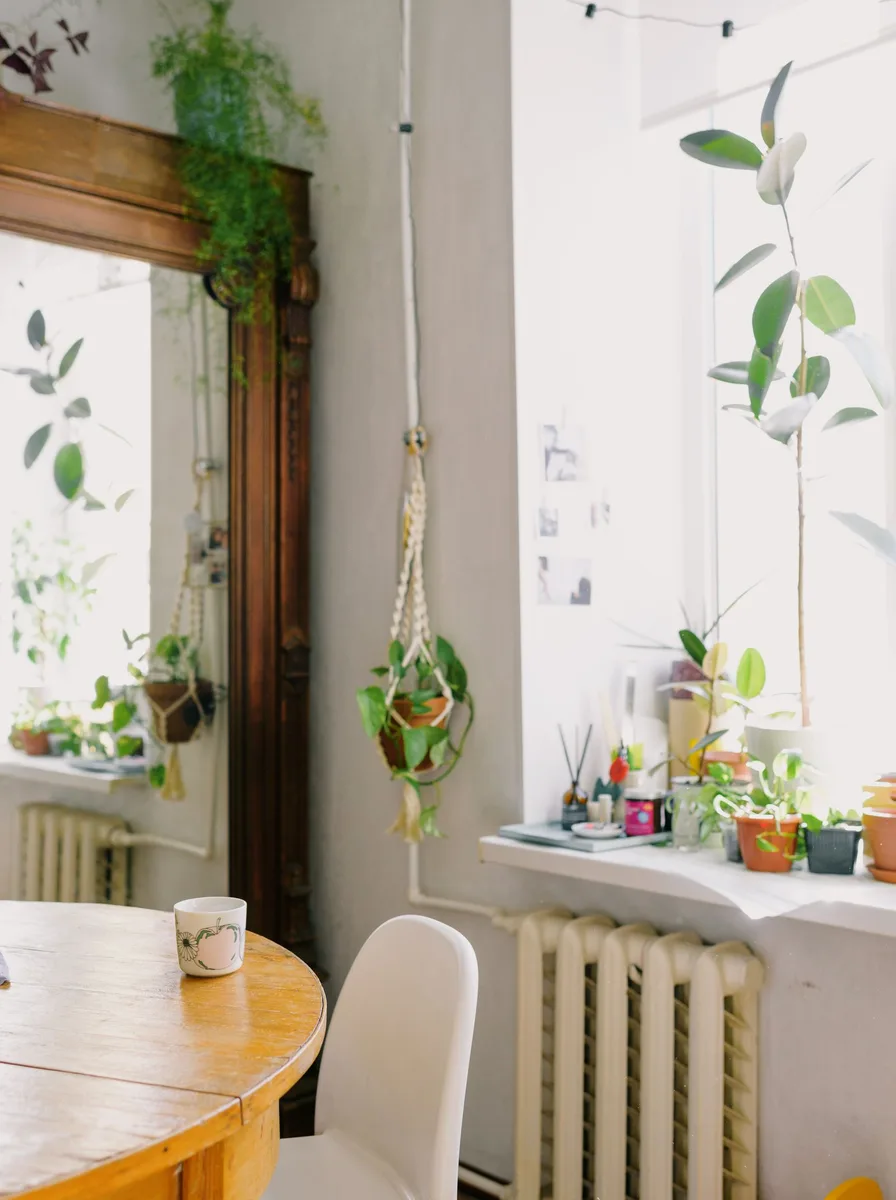
Harsh overhead lighting destroys minimalist calm in seconds — it flattens everything into one glaring box. Soft, hidden lighting (an LED strip behind the headboard, a lamp with a fabric shade, a candle on the dresser) creates gentle pools of warmth that make the room feel like a retreat. Calm rooms glow; they never glare.
Hide the sources wherever possible: LED strips tucked behind furniture or under floating shelves, shades that diffuse rather than direct. Use warm bulbs around 2700K exclusively, and dim everything in the evening. Turn off the overhead permanently if you can — a tiny room lit by two soft lamps feels infinitely more peaceful than one lit by a ceiling fixture.
12. Add Just One Living Plant

A minimalist room needs one living thing — it adds colour, softness, and a sense of life that no object can provide. But just one: a single sculptural plant in a beautiful pot gives you all the freshness with none of the jungle maintenance. One plant is a considered choice; a windowsill of pots is a hobby corner.
Choose an architectural, easy-care plant: a snake plant, ZZ plant, or a single olive tree in a simple ceramic pot. Place it where it catches daylight and the eye — a bright corner or beside the window. Water on a schedule and wipe the leaves occasionally; a thriving, dust-free plant is part of the calm, a struggling one works against it.
13. Choose One Material and Repeat It
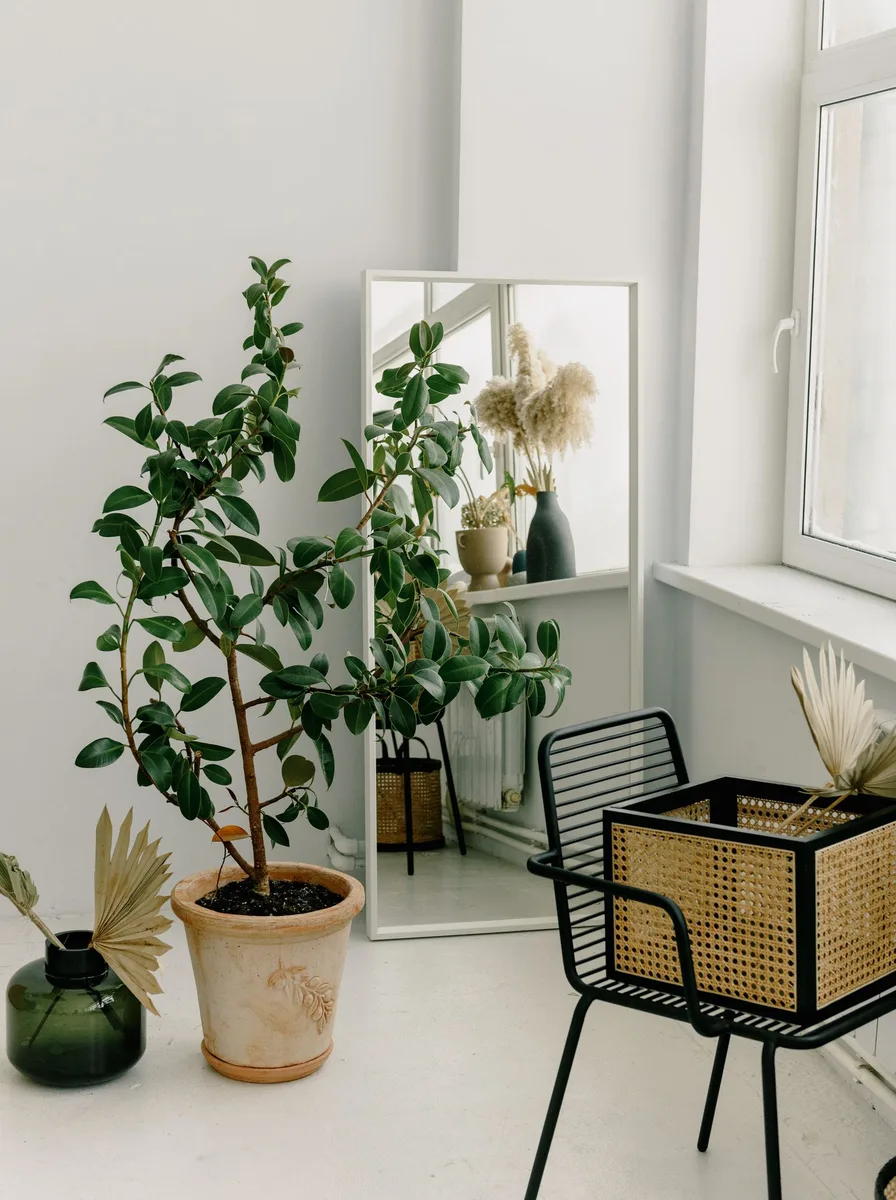
Cohesion is calming, and nothing creates cohesion like a repeated material. When light oak appears in the bed frame, the floating shelf, and the picture frames — or rattan in the basket, the lamp base, and the mirror frame — the room reads as one thoughtful composition rather than a collection of purchases. Sameness soothes.
Pick your hero material and echo it in three to five pieces, keeping tones closely matched. Let other materials recede: white walls, simple textiles, minimal metal. This is a shopping filter as much as a style choice — when every new piece must match the material story, impulse buys that would disturb the calm simply stop happening.
14. Hang Simple Curtains to the Ceiling
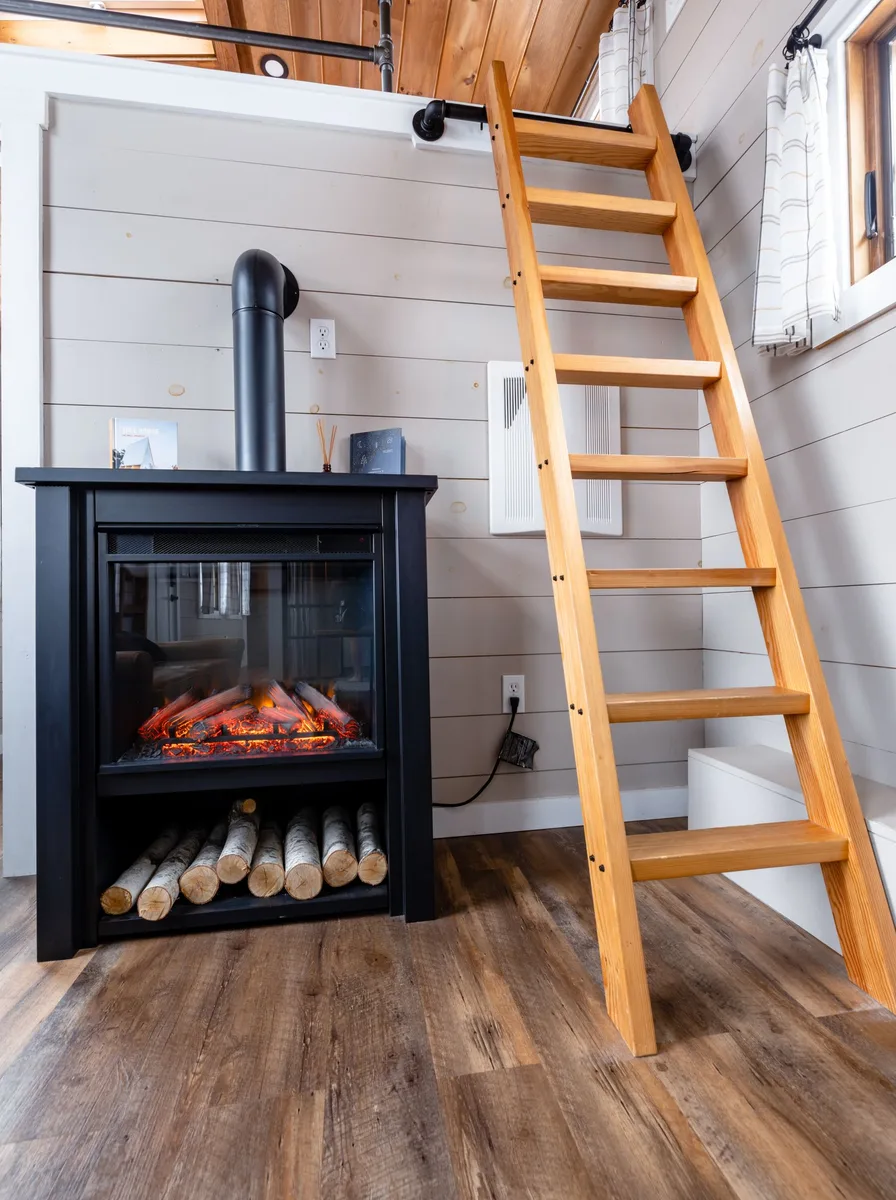
Fussy curtains — heavy patterns, tie-backs, pelmets — add visual noise a minimalist room cannot afford. Simple, full-length panels in a plain weave, hung from just below the ceiling to just kissing the floor, frame the window with quiet elegance and make the wall feel taller. Simplicity here reads as luxury.
Choose linen or a linen-look fabric in white or a tone matching your walls, with no pattern at all. Mount the rod four to six inches below the ceiling and extend it past the frame so panels stack clear of the glass. One panel per side, full and unadorned — the fabric’s natural drape is the only decoration needed.
15. Use Matching Containers Everywhere

The few things a minimalist room must store should disappear into matching containers — same colour, same material, same calm. Uniform boxes and baskets turn necessary storage into a quiet rhythm rather than a patchwork of mismatched clutter. Consistency in containers is invisible organisation: the eye sees order before it sees objects.
Choose one container style — natural seagrass baskets, white lidded boxes, or light-wood crates — and buy enough for every visible storage need at once. Label discreetly on the underside or back if needed, keeping fronts clean. When every box matches, even a shelf of stored things looks like part of the design.
16. Skip the Rug or Choose a Flat, Quiet One
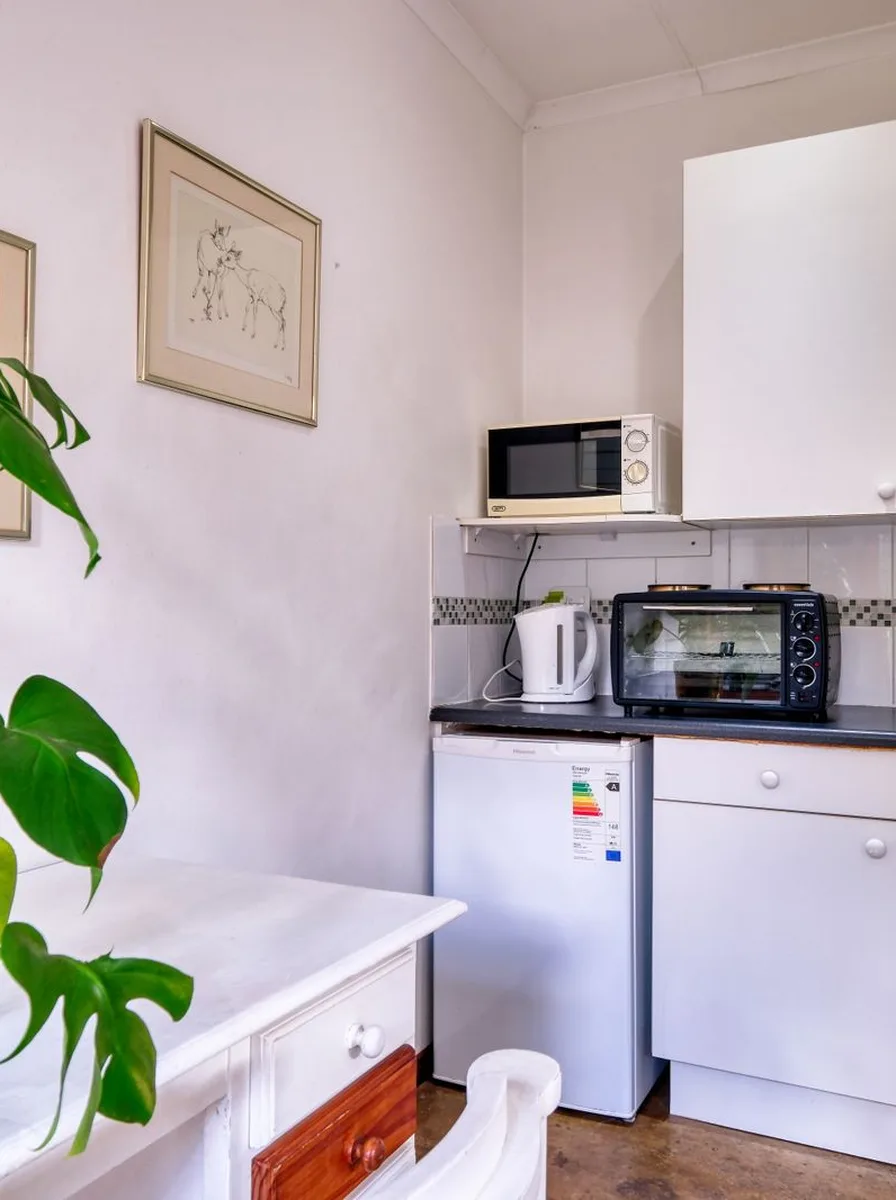
A bold, busy rug can single-handedly undo a minimalist room’s calm — it becomes the loudest thing in a quiet space. Either skip the rug entirely and let beautiful flooring speak, or choose a flat, quiet one: low-pile, single tone, no pattern. The rug should be felt underfoot, not noticed by the eye.
A flat-weave cotton, jute, or low-pile wool rug in white, sand, or pale grey adds warmth without visual weight. Keep it modestly sized with floor showing around the edges. If your flooring is already beautiful — pale wood or polished concrete — consider going rug-free; bare floors are the ultimate minimalist statement and the easiest to keep serene.
17. Edit Décor Down to Three Objects

Minimalist styling is an editing exercise: choose the three objects you love most and let them hold the room. A vase with a single stem, a beautiful book stack, one sculptural bowl — three considered pieces read as intentional curation, while ten small things read as clutter regardless of how pretty each one is. Fewer objects, more meaning per object.
Gather every decorative object in the room, choose your three favourites, and box the rest for a month — if you do not miss them, donate them. Rotate the three seasonally if you crave change: a branch in winter, fresh flowers in spring. The discipline of three keeps the room calm permanently, not just after a tidy-up.
18. Keep Technology Out of Sight
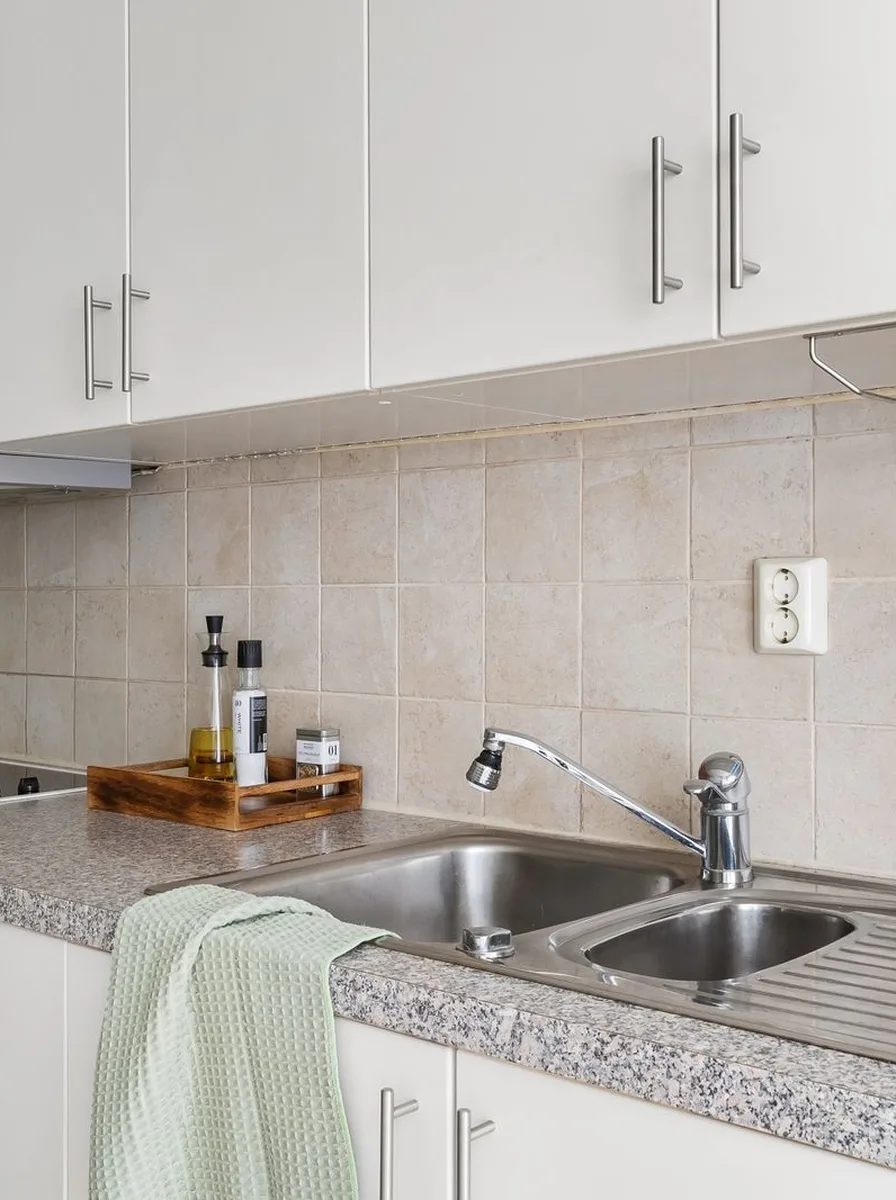
Nothing breaks minimalist calm like a tangle of chargers, a glowing router, or a TV dominating the wall. Technology is visually noisy — black rectangles, blinking lights, cable spaghetti — and in a tiny room there is nowhere to look away from it. Hiding it restores the room’s serenity instantly.
Charge devices inside a drawer fitted with a power strip, corral cables with velcro ties and a lidded cable box, and mount the TV on an arm that folds flat or hide it behind sliding art. Put the router in a ventilated basket or cupboard. Out of sight, out of mind is literal here — hidden tech lets the room feel like a retreat, not a workstation.
19. Style with Symmetry for Instant Calm

The human eye finds symmetry deeply restful — matched pairs signal order without any conscious effort. Two identical nightstands, two matching lamps, two cushions mirrored on the bed: this quiet doubling gives a tiny room an immediate sense of balance and intention. Symmetry is calm you can arrange in an afternoon.
Mirror the bed’s two sides exactly: same nightstand, same lamp, same small object on each. Keep the arrangement simple — symmetry with fussy objects just doubles the fuss. You do not need the whole room mirrored; one symmetrical vignette (the bed wall, the dresser top) is enough to anchor the room’s calm.
20. End with a Nightly Two-Minute Reset
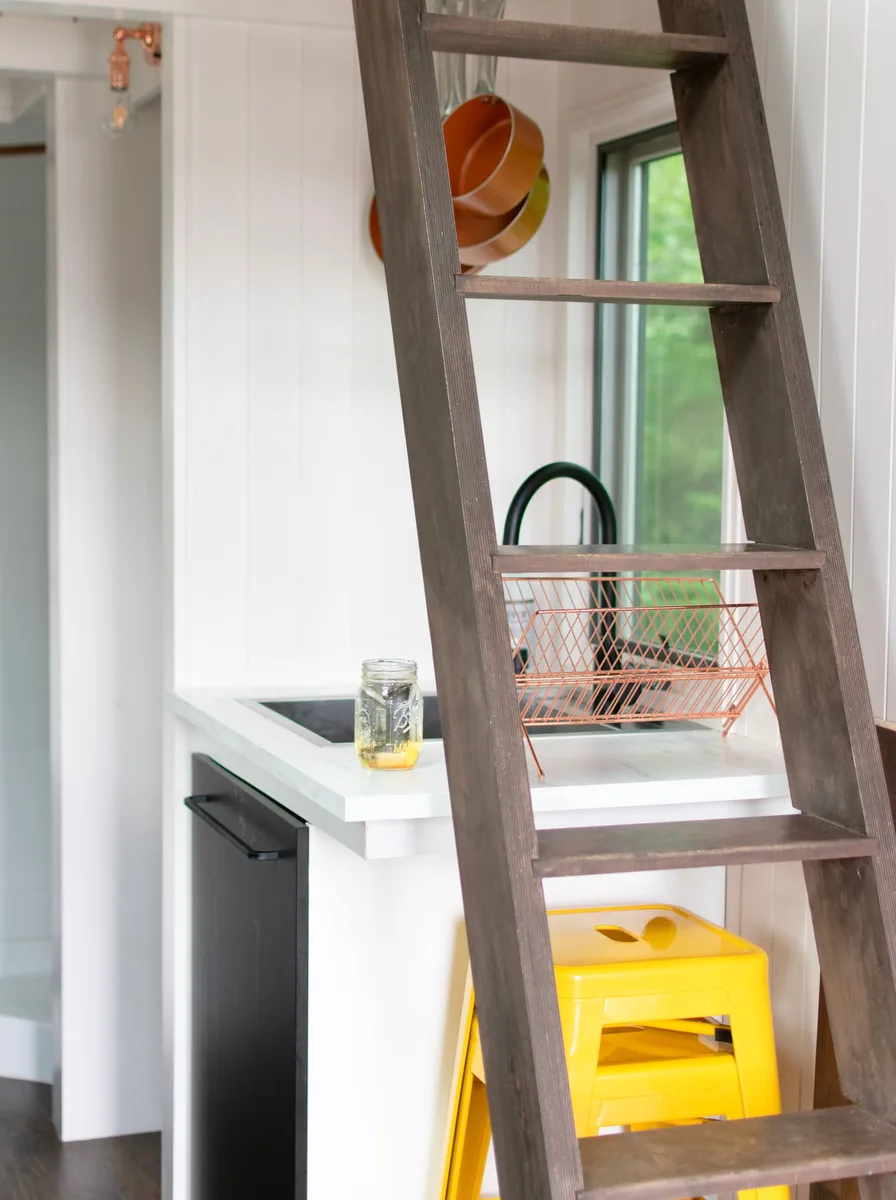
Minimalist calm is a practice, not a purchase — and it is maintained in two minutes a night. Before bed, walk the room and return every stray item to its home: the book to the nightstand, the clothes to the hamper or hook, the cup to the kitchen. A tiny room resets in under two minutes because there is so little in it.
Make it a ritual, not a chore: same time, same order, perhaps with a candle lit while you do it. The payoff compounds — you wake to a serene room every single morning, which makes the calm self-reinforcing. This final habit is what keeps the other nineteen ideas working for years instead of weeks.