

Few things change a workspace as instantly as a leather office chair. Where a fabric task chair fades into the background, leather brings weight, warmth, and a quiet sense of authority — the kind of seat that makes a Monday morning feel deliberate rather than endured. It is also one of the most practical upgrades you can make: leather wipes clean, resists odours, and ages with character instead of wearing thin.
The choices run deep, though — full-grain versus bonded, high-back executive versus slim task chair, cognac versus oxblood versus classic black. Get it right and the chair anchors your whole office for a decade. This guide rounds up 21 elegant leather office chair ideas, each with practical guidance on picking, pairing, and caring for leather in a real working office.
From tufted Chesterfield silhouettes and buttery cognac finishes to sleek black task chairs and smart vegan alternatives, you will find a look for every desk style and budget.
Every idea includes care and pairing tips, because a leather chair is an investment — and a little knowledge keeps it looking like one for years.
1. The Classic Cognac High-Back
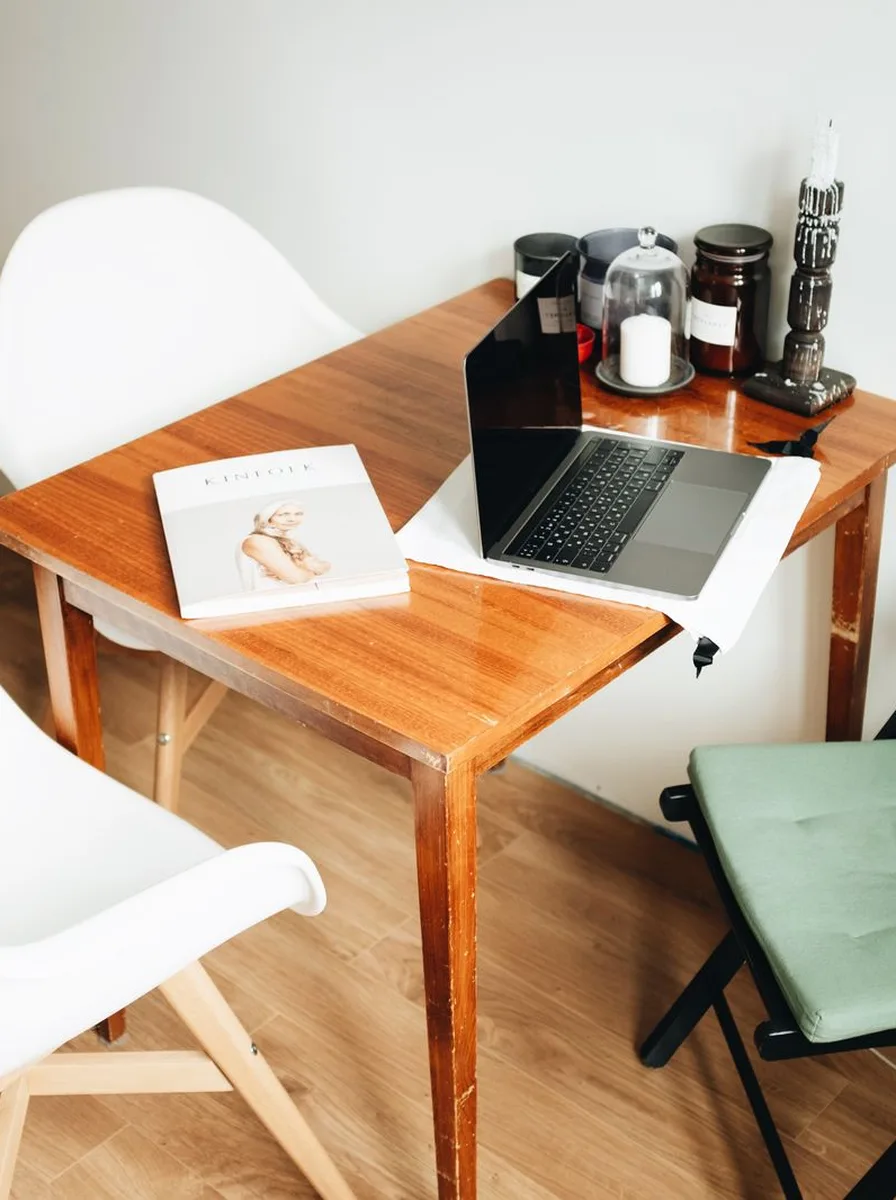
Cognac is the leather colour that does everything: warm enough to feel inviting, dark enough to look serious, and flattering against nearly every wood tone. A high-back cognac chair in full-grain leather brings instant gravitas to a home office, with the high back supporting long reading sessions and video calls. Look for button-free, smooth upholstery if your style leans modern, or piped seams for a traditional touch.
Cognac develops a gorgeous patina — the surface darkens and softens where you sit, becoming uniquely yours. Condition it every six months with a quality leather balm to keep it supple and prevent cracking at the creases. Pair it with a walnut or oak desk and a brass desk lamp; the warm metals echo the leather’s amber tones and the whole corner glows.
2. Black Leather, Brass Base
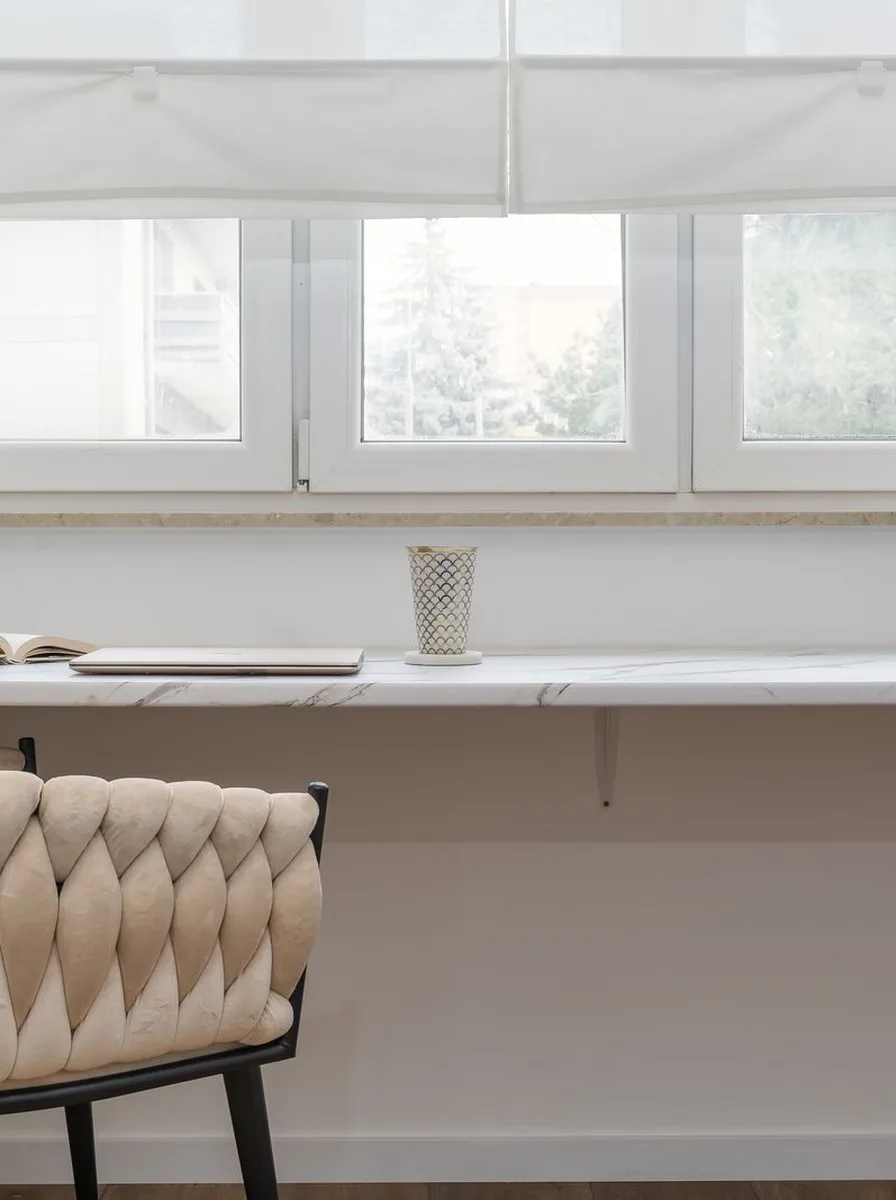
A black leather chair on a polished brass or gold-toned base is pure boardroom confidence. The dark upholstery keeps it sober and professional, while the metallic base lifts it out of the ordinary — catching the light and giving the chair a jewellery-like presence. This combination suits both executive home offices and client-facing spaces where first impressions matter.
Black leather shows dust and lint more than lighter shades, so keep a microfibre cloth handy for a weekly wipe-down. To stop the look feeling heavy, pair the chair with a light-coloured desk — white, pale oak, or marble — so the black anchors the room instead of dominating it. The brass base works best against warm woods and cream walls.
3. The Tufted Chesterfield Task Chair
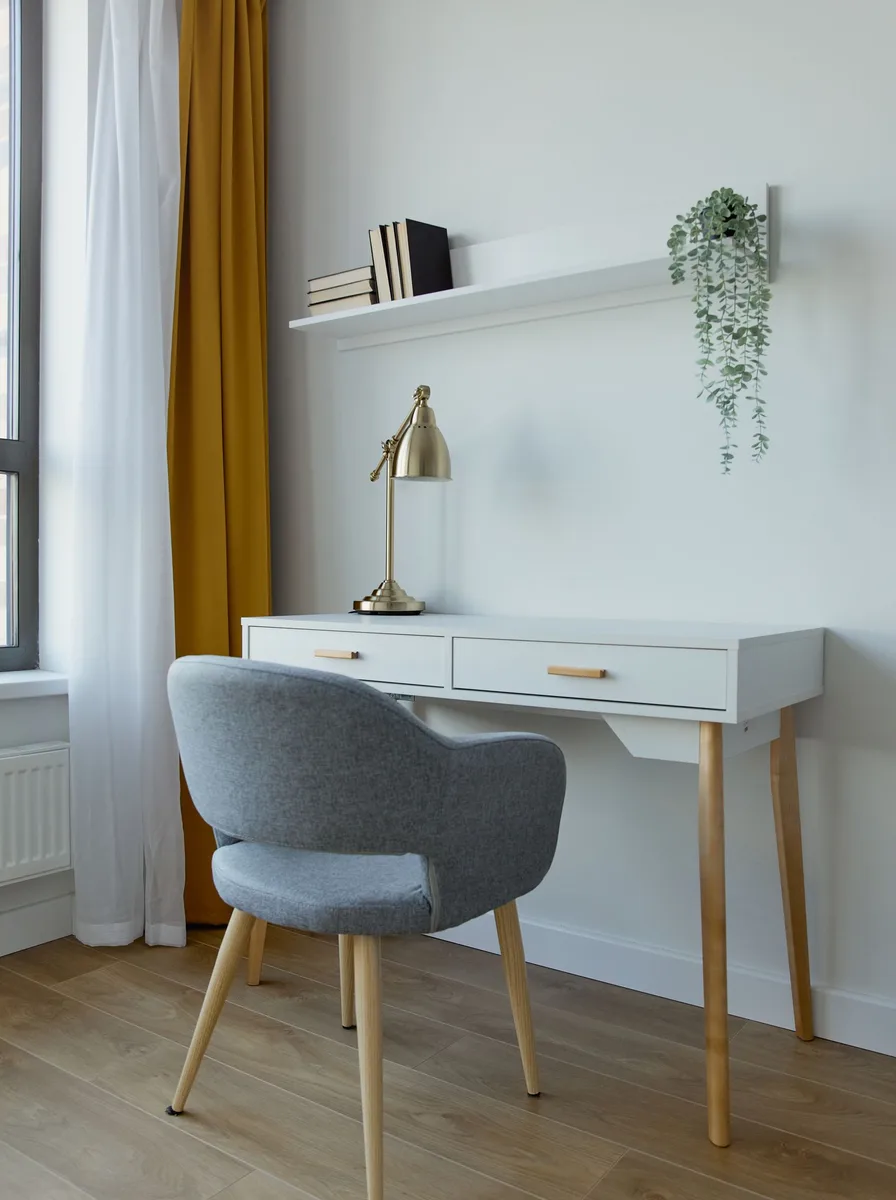
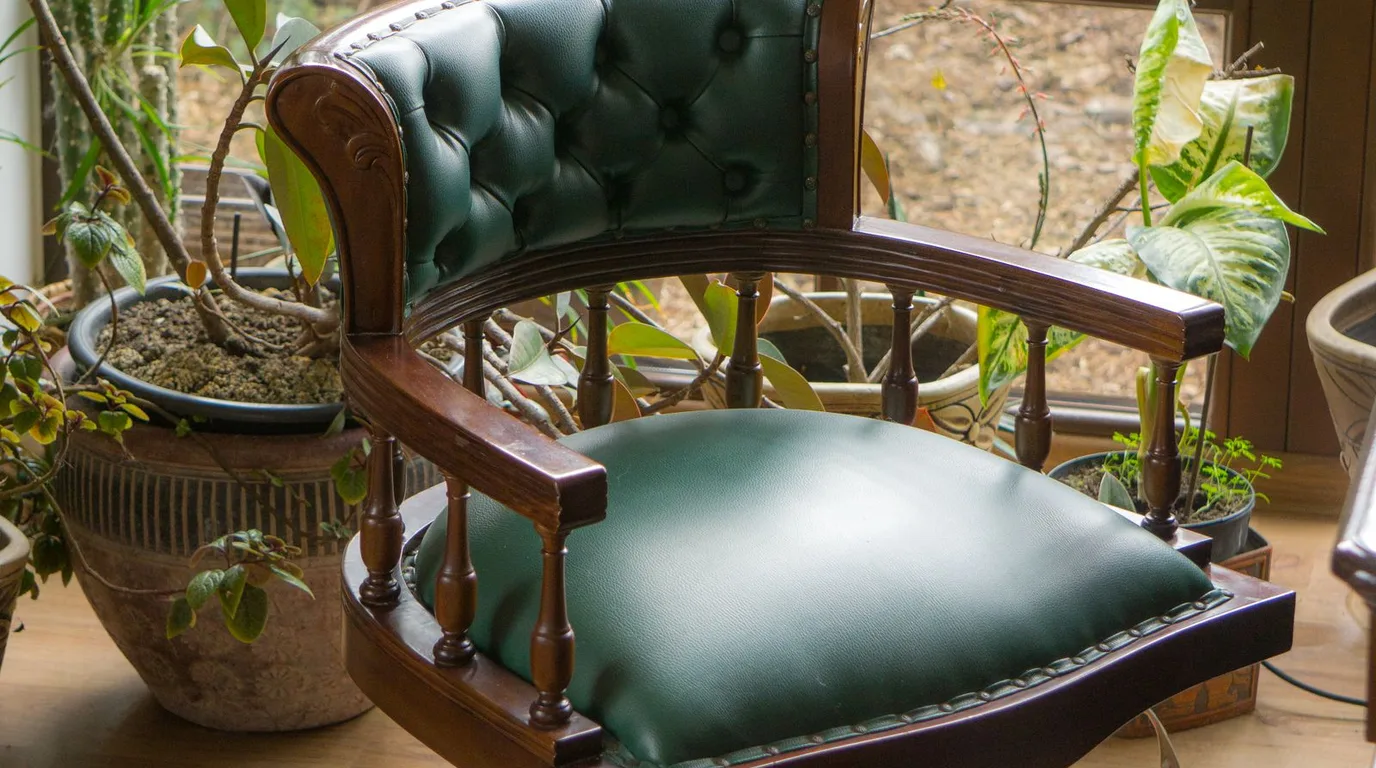
The Chesterfield’s deep button tufting and rolled arms were born in gentlemen’s clubs, but the silhouette has been cleverly adapted to desk chairs — same diamond tufting, now on castors with a proper ergonomic base. It is the chair for anyone whose office doubles as a library or study, where the furniture should feel collected rather than corporate.
Tufting collects dust in its creases, so vacuum the upholstery monthly with a soft brush attachment. Choose an oxblood or espresso Chesterfield for maximum club-room drama, and pair it with dark wood panelling or a leather-topped desk. Keep the rest of the office quiet — the chair is the statement, so let it have the floor.
4. Buttery Tan for a Soft, Modern Look
Tan or camel leather reads softer and more contemporary than cognac, with a golden undertone that feels relaxed rather than formal. A tan leather chair suits the modern Scandinavian-style home office beautifully — light walls, pale wood desk, a bit of greenery. It brings warmth without the weight of a darker hide, keeping the space airy.
Lighter leather absorbs dye transfer from dark denim, so be mindful of what you sit in during the first year, and condition regularly since pale hides show dryness faster. Tan pairs wonderfully with boucle throws and linen cushions if you want to soften the workspace further. Keep direct sunlight off it — UV fades light leather unevenly.
5. Full-Grain vs Bonded: Know the Difference
Before buying, learn the leather grades, because they decide how long your chair lasts. Full-grain is the top layer of the hide — strong, breathable, and the only kind that develops a rich patina. Top-grain is sanded and refinished, still good quality. Bonded leather is shredded scraps glued to a backing: cheap, but it peels within a few years of daily use.
For a chair you sit in eight hours a day, full-grain or top-grain is worth the investment — they cost more upfront but outlast bonded three to one. Press the leather: real grain shows natural pores and wrinkles, while bonded looks plasticky and uniform. Tip: if a “genuine leather” chair is suspiciously cheap, it is almost certainly bonded.
6. Oxblood: The Rich Red-Brown
Oxblood sits between brown and burgundy — a deep, wine-dark red-brown that reads as both classic and slightly daring. An oxblood leather chair brings library warmth to an office without the orange cast of lighter browns. It is the colour of old legal briefcases and vintage desk sets, and it makes a workspace feel established and quietly luxurious.
Oxblood pairs best with dark green walls, brass hardware, and walnut — a true study palette. In brighter rooms, balance it with cream upholstery or light rugs so it doesn’t darken the space. Condition oxblood regularly, as colour variation shows dryness more on dark hides; a tinted conditioner can refresh fading edges on the seat and armrests.
7. The Low-Profile Leather Task Chair
Not every leather chair needs a high back. A low-profile leather task chair — slim mid-back, minimal arms, clean lines — brings the leather look to compact offices and modern setups without visual bulk. It tucks neatly under a desk and suits standing-desk users who sit only part of the day. Black or dark brown keeps it sleek.
Ergonomics still matter: look for adjustable seat height, lumbar support, and a tilt mechanism even in a slim profile. Because there’s less leather to show off, the quality of the hide matters more — a cheap bonded low-back shows its flaws quickly. Tip: this style photographs well for video calls, sitting comfortably in frame.
8. Distressed Leather for Character
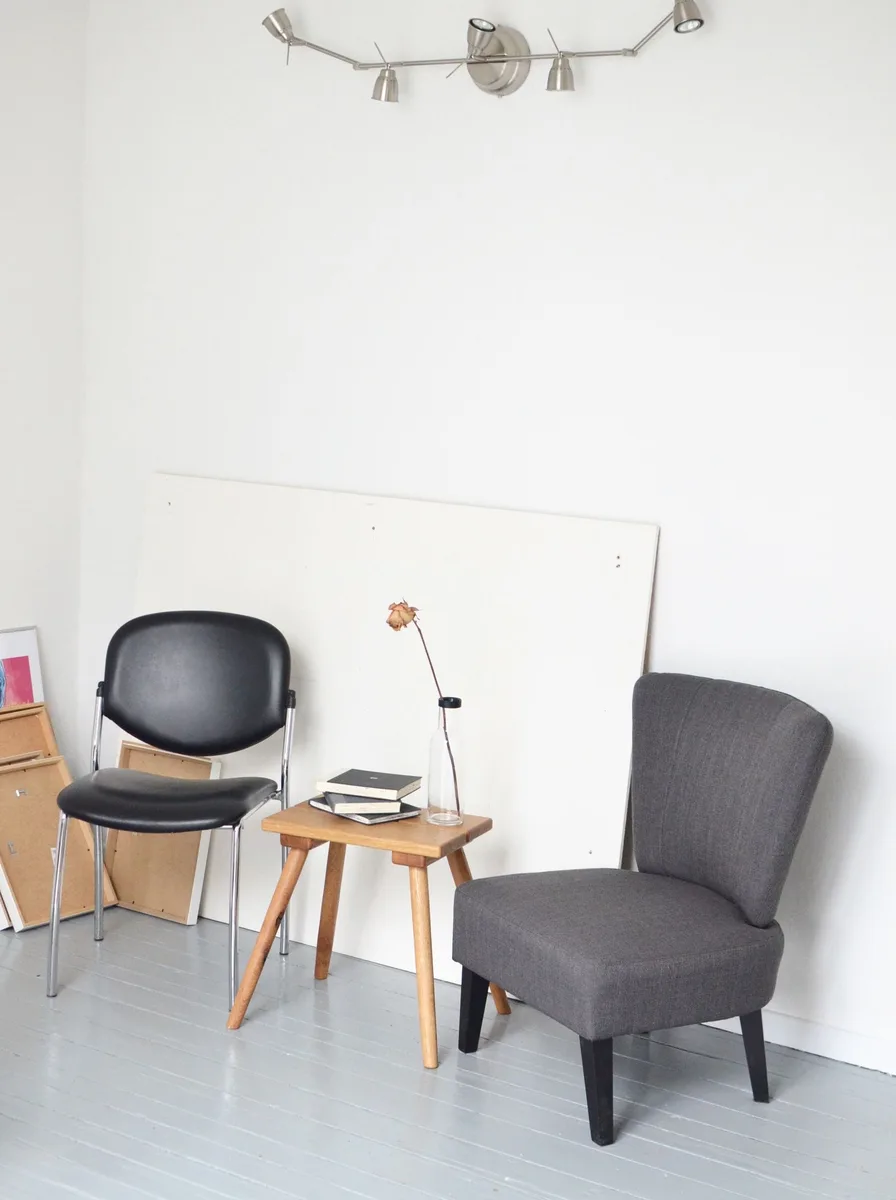
Distressed or pull-up leather is finished to show marks and scratches as lighter streaks, giving the chair a rugged, lived-in character from day one. It is the leather equivalent of raw denim — casual, tactile, and forgiving. This finish suits creative studios, loft offices, and anyone who finds pristine furniture stressful to live with.
The beauty of distressed leather is low maintenance: new scratches blend into the existing character rather than standing out. A quick rub with your hand warms the waxes and fades minor marks. Pair it with industrial touches — metal shelving, exposed brick, a steel desk frame — and lean into the workshop aesthetic rather than fighting it.
9. Leather and Wood: The Perfect Pairing
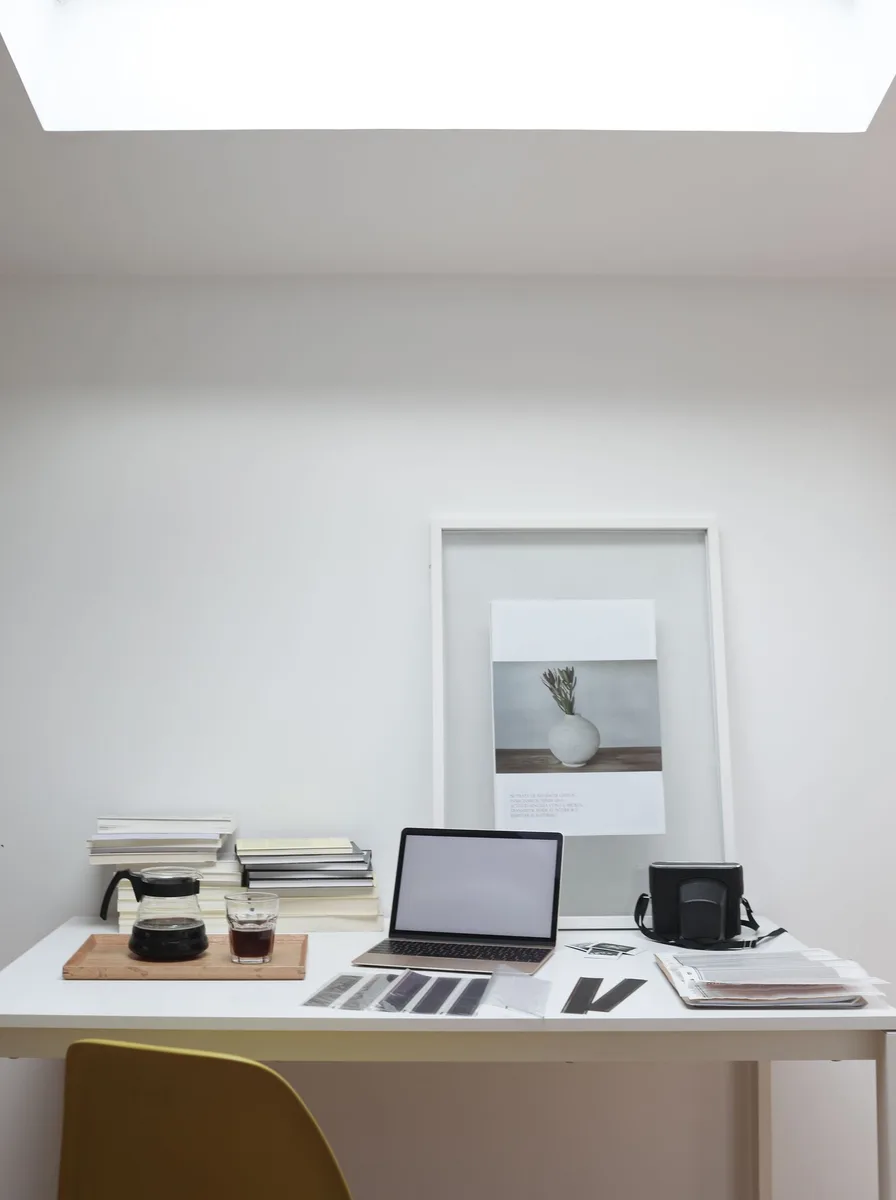
Leather and wood are the oldest partnership in office furniture, and the combination flatters both materials. A leather chair with wooden armrests or a wood-accented base brings organic warmth that all-metal frames lack, and the textures — smooth hide, grained timber — play beautifully against each other. Walnut arms with cognac leather is the timeless pairing.
Match the wood tone to your desk for a pulled-together look: oak arms with an oak desk, walnut with walnut. The leather needs its usual conditioning, while the wood benefits from an occasional wax. Tip: if the arms feel hard on your elbows during long sessions, add slim leather elbow pads — they blend invisibly with the chair.
10. White Leather in a Bright Office
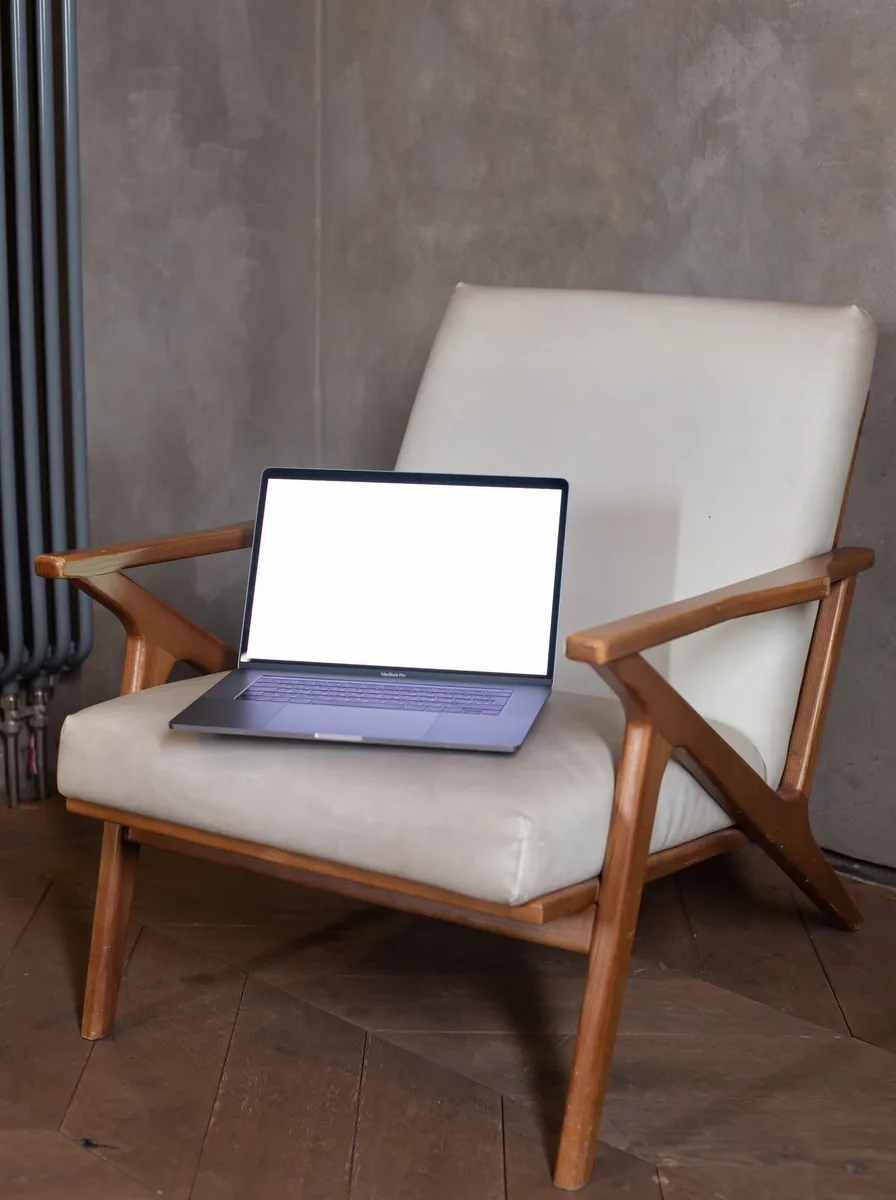
White or ivory leather is the bold minimalist’s choice — crisp, light-bouncing, and undeniably elegant in a bright, all-white office. It makes the chair feel like sculpture rather than equipment, and in a sunlit room it keeps the workspace feeling open and gallery-like. This is the leather look for designers and anyone whose office is part of a living space.
White leather demands commitment: wipe it weekly with a damp cloth, condition it quarterly, and keep pens and newsprint away — ink stains are the enemy. Use a leather protector spray at purchase to resist dye transfer. Tip: choose a chair with removable seat cushion covers if possible, so the hardest-wearing part can be professionally cleaned.
11. The Leather Swivel Armchair
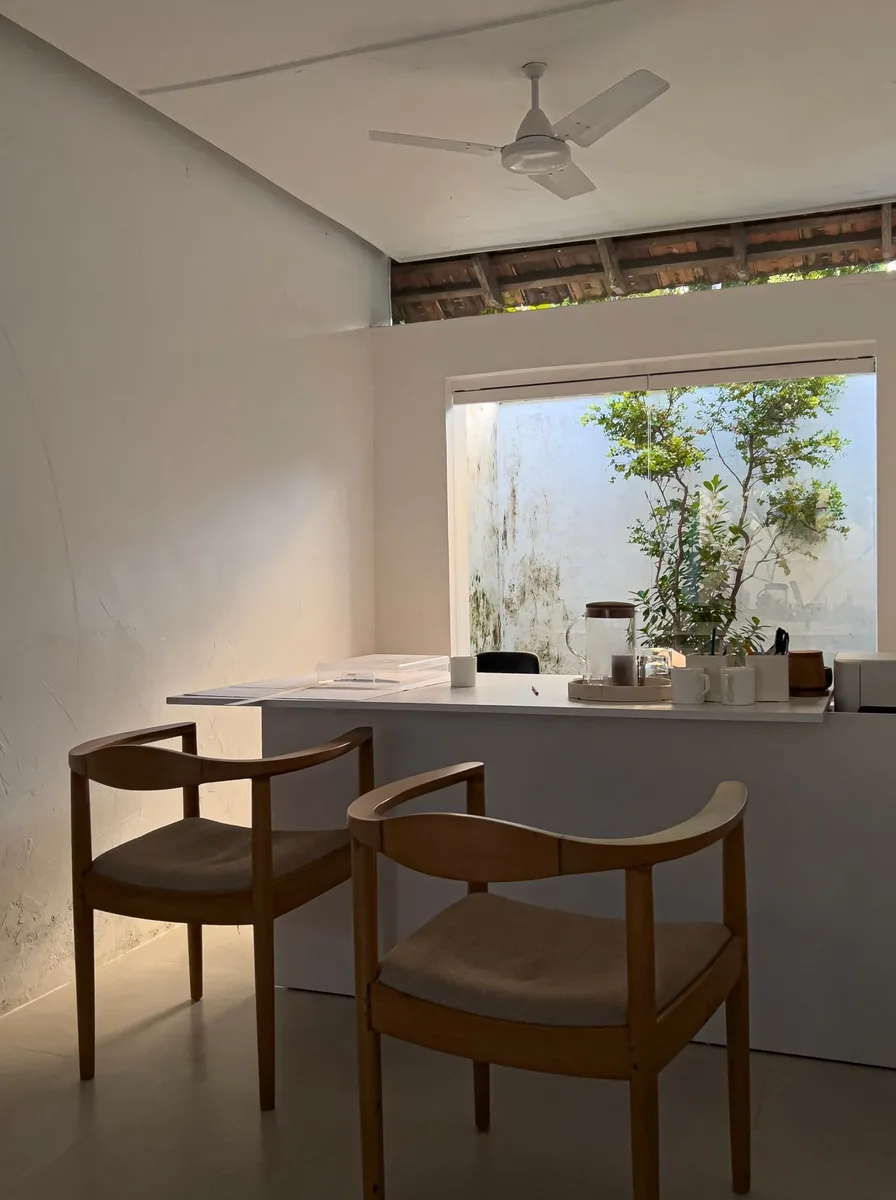
Blurring the line between office chair and lounge chair, the leather swivel armchair offers deep cushioning, generous arms, and a full swivel base — perfect for reading, thinking, and long phone calls rather than intense typing. It turns a corner of the office into a retreat, and many people do their best thinking away from the keyboard.
Place it near a window or beside a floor lamp with a side table, creating a second zone in the office. Because it is lower and deeper than a task chair, it doesn’t replace an ergonomic seat for desk work — think of it as the thinking chair. Condition the seat and armrests where hands rest; body oils build up fastest there.
12. Vegan Leather: The Smart Alternative
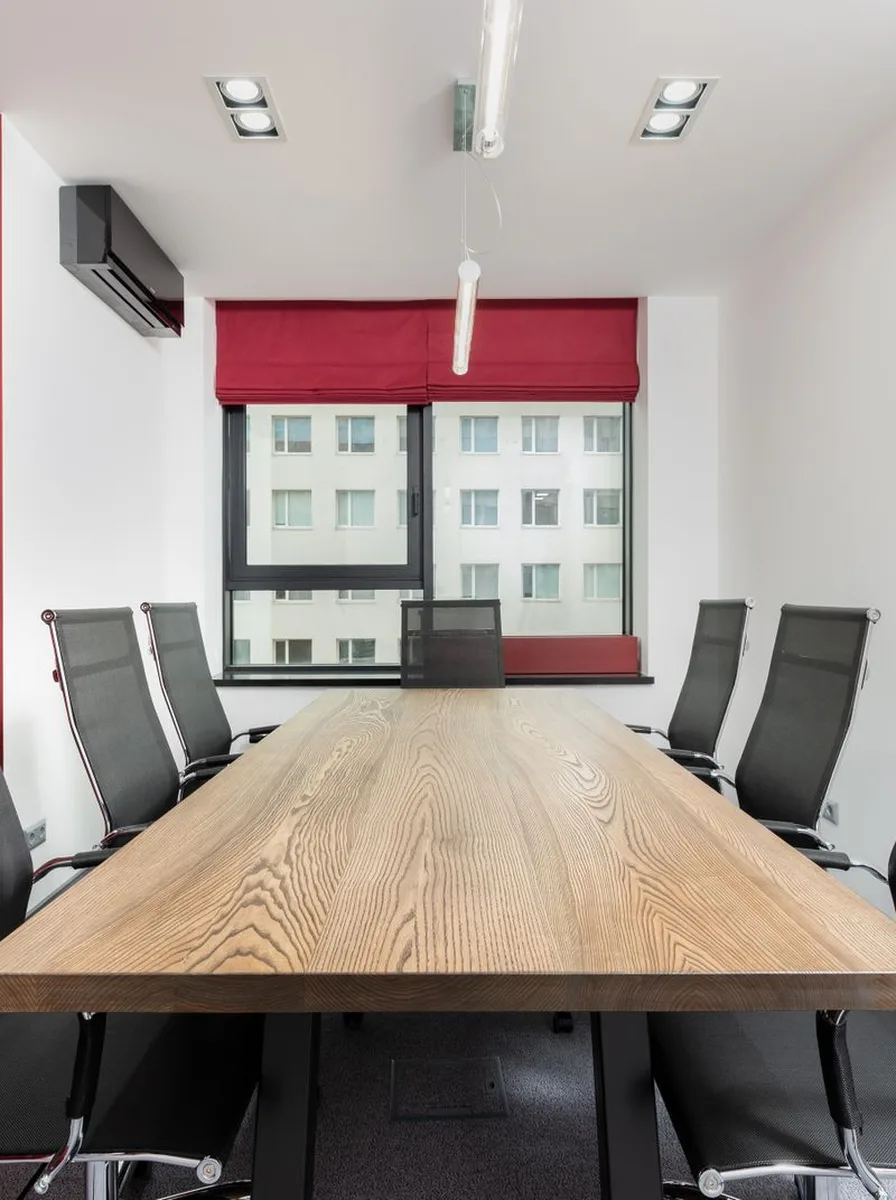
Modern vegan leathers — polyurethane and newer plant-based options — have come a long way from the plasticky faux leather of the past. Good vegan leather looks convincingly like the real thing, costs less, and suits anyone avoiding animal products. It is also inherently stain-resistant and doesn’t need conditioning, which simplifies care considerably.
The trade-off is longevity: vegan leather doesn’t develop patina and can crack after years of heavy use, so buy from reputable makers with strong warranties. Clean it with a damp cloth and mild soap — never use leather conditioner, which can damage the coating. Tip: darker colours and textured grains hide wear better than smooth pale finishes.
13. Nailhead Trim Details
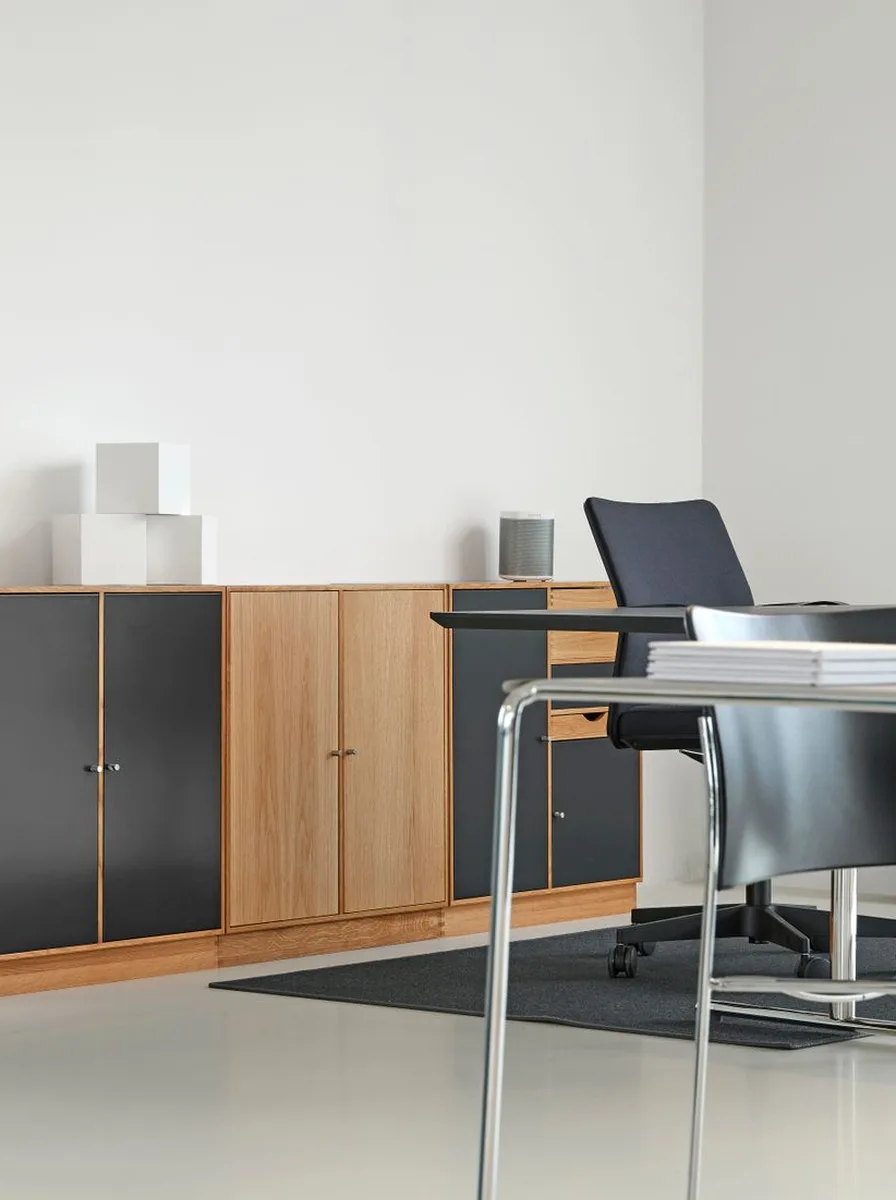
Nailhead trim — rows of small metal studs along the chair’s edges — is a detail borrowed from fine upholstery that instantly elevates a leather office chair. It adds a tailored, furniture-maker feel that plain seams can’t match, and the metal glints catch the light as you move. Brass studs on cognac or black leather are the classic combination.
Check that the studs are individually applied rather than a glued strip — individual nails last longer and look sharper. Dust the trim line with a soft brush during your regular clean, as grime collects around the studs. Pair a nailhead chair with other tailored details: a leather desk pad, a structured wastebasket, framed prints.
14. The Wingback Office Chair
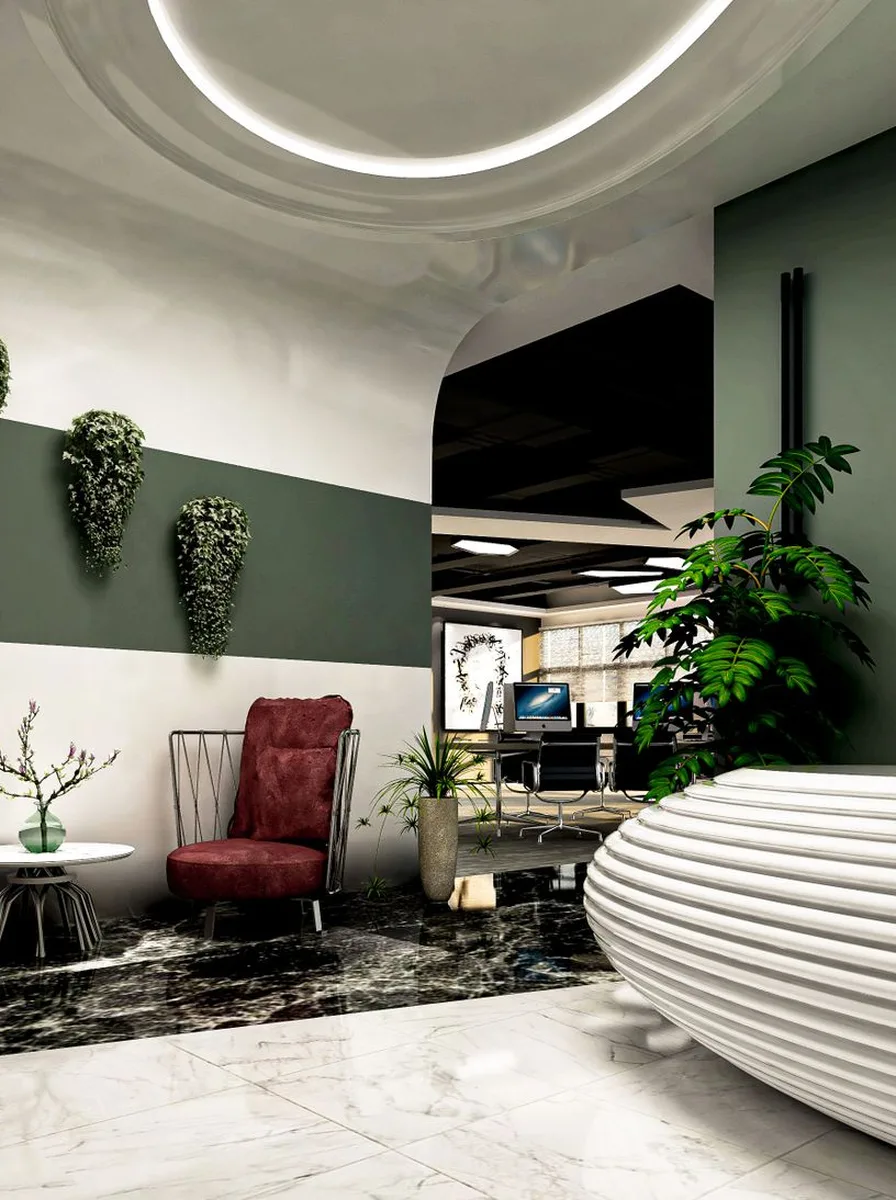
Wingback chairs bring their sheltering side panels from the fireside to the desk, creating a cocoon of focus that genuinely helps concentration in open or shared spaces. The wings block peripheral distraction and draughts alike, and in leather the silhouette looks distinguished rather than stuffy. It is the executive chair for deep-work people.
Wingbacks are substantial, so measure your space — they need room to swivel and breathe. The wings’ inner faces get the most wear, so condition them well. Style-wise, a wingback loves a rug underneath and a bookshelf behind it; the combination reads as a private study even in a corner of a bedroom office.
15. Grey Leather for Modern Neutrals
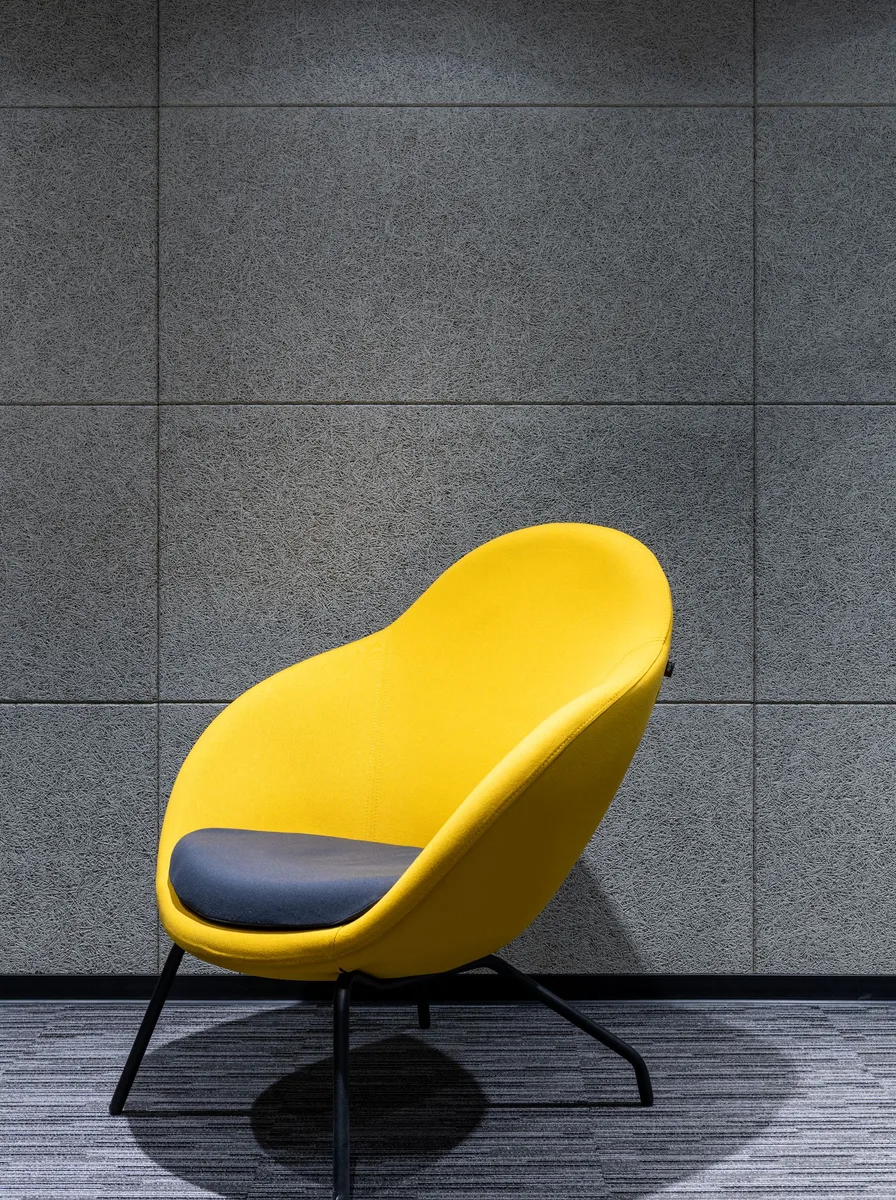
Grey leather occupies the middle ground between black’s formality and brown’s warmth — cool, contemporary, and endlessly easy to live with. A grey leather chair slots into modern grey-and-white offices without the heaviness of black, and it hides dust and wear better than either extreme. Charcoal for drama, dove grey for softness.
Grey leather pairs beautifully with chrome bases and glass desks for a clean tech-office look, or with pale wood for Scandinavian calm. Because grey is neutral, you can change your whole office palette around it without replacing the chair. Tip: grey shows water spots, so blot spills immediately rather than letting them air-dry.
16. Conditioning: The Twice-Yearly Ritual
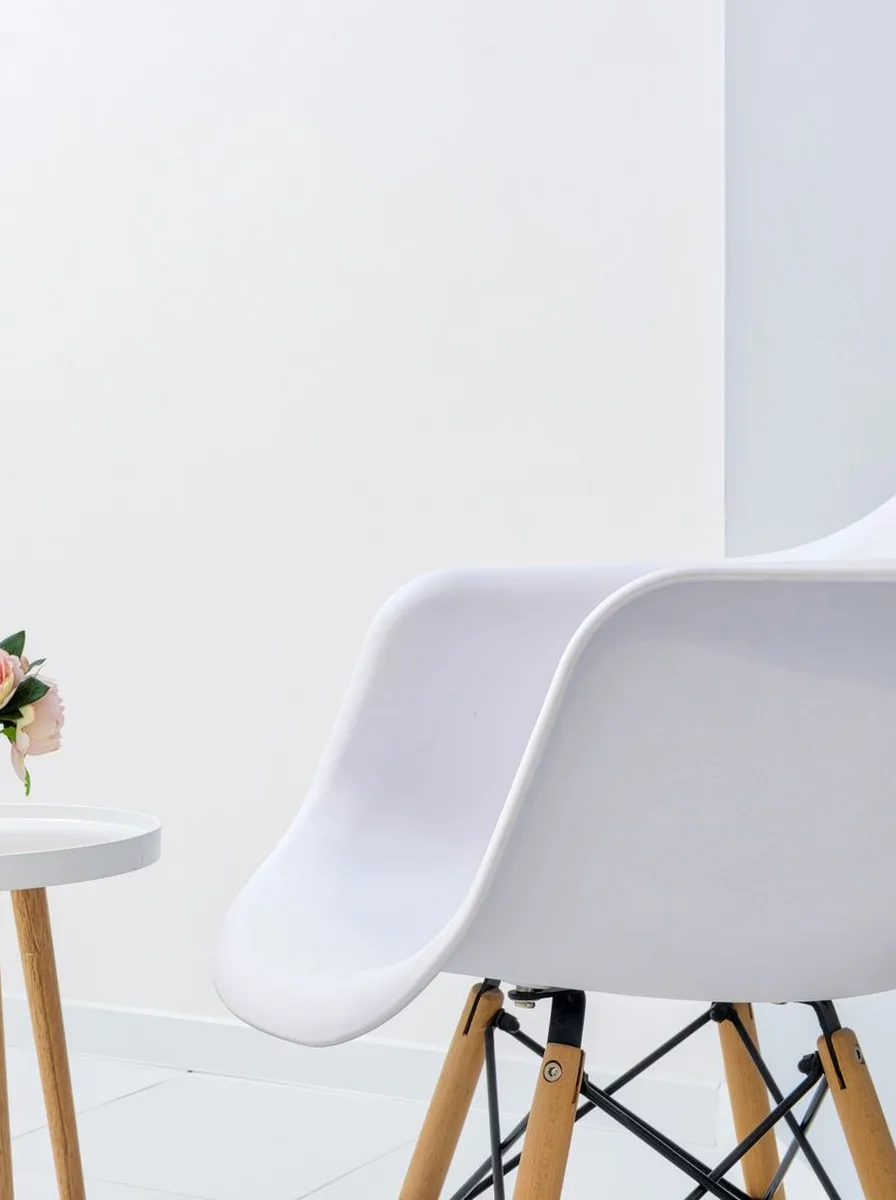
Leather is skin, and like skin it dries out — especially in heated or air-conditioned offices. A twice-yearly conditioning ritual keeps your chair supple, prevents the cracking that ruins cheap chairs, and deepens the colour. The process is simple: wipe the chair clean, apply conditioner in thin layers with a soft cloth, let it absorb, then buff off the excess.
Always test conditioner on a hidden spot first, and use less than you think — over-conditioning leaves a sticky film that attracts dust. Schedule it with the seasons: once as heating season starts, once as it ends. Tip: keep a small tin of balm in your desk drawer; a quick rub on the armrests every month handles the highest-wear areas between deep conditions.
17. Leather with a Footrest Base
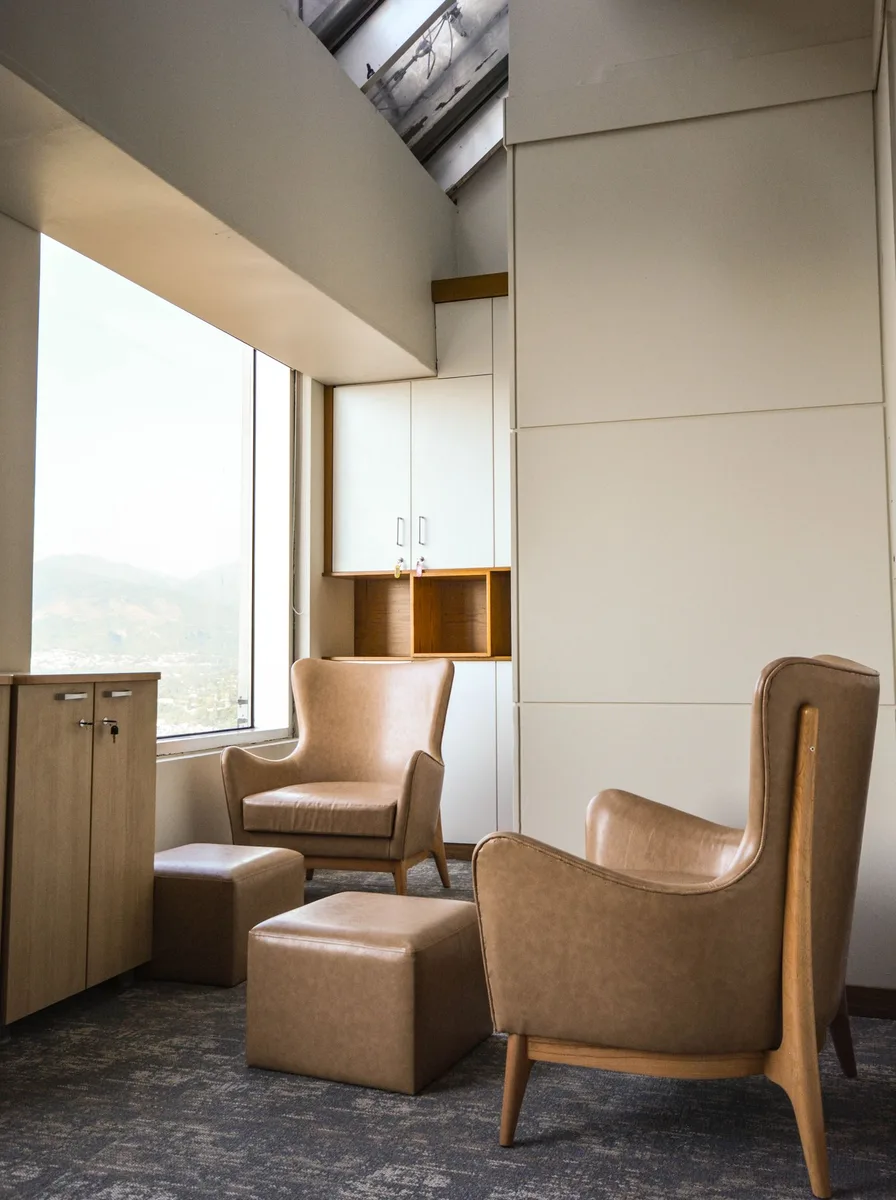
Some executive leather chairs come with an integrated or matching footrest, and the combination turns an office into a genuine relaxation space. After hours of focused work, kicking back with your feet up in a leather recliner is one of life’s underrated pleasures — and it makes the home office a place you actually want to linger, not escape.
Look for chairs where the footrest tucks away or matches the upholstery exactly; a mismatched ottoman looks like an afterthought. If your chair doesn’t include one, a standalone leather ottoman in the same colour works beautifully. Tip: the recline lock matters — a chair that holds its tilt lets you genuinely rest rather than constantly re-adjusting.
18. The Mid-Century Leather Desk Chair
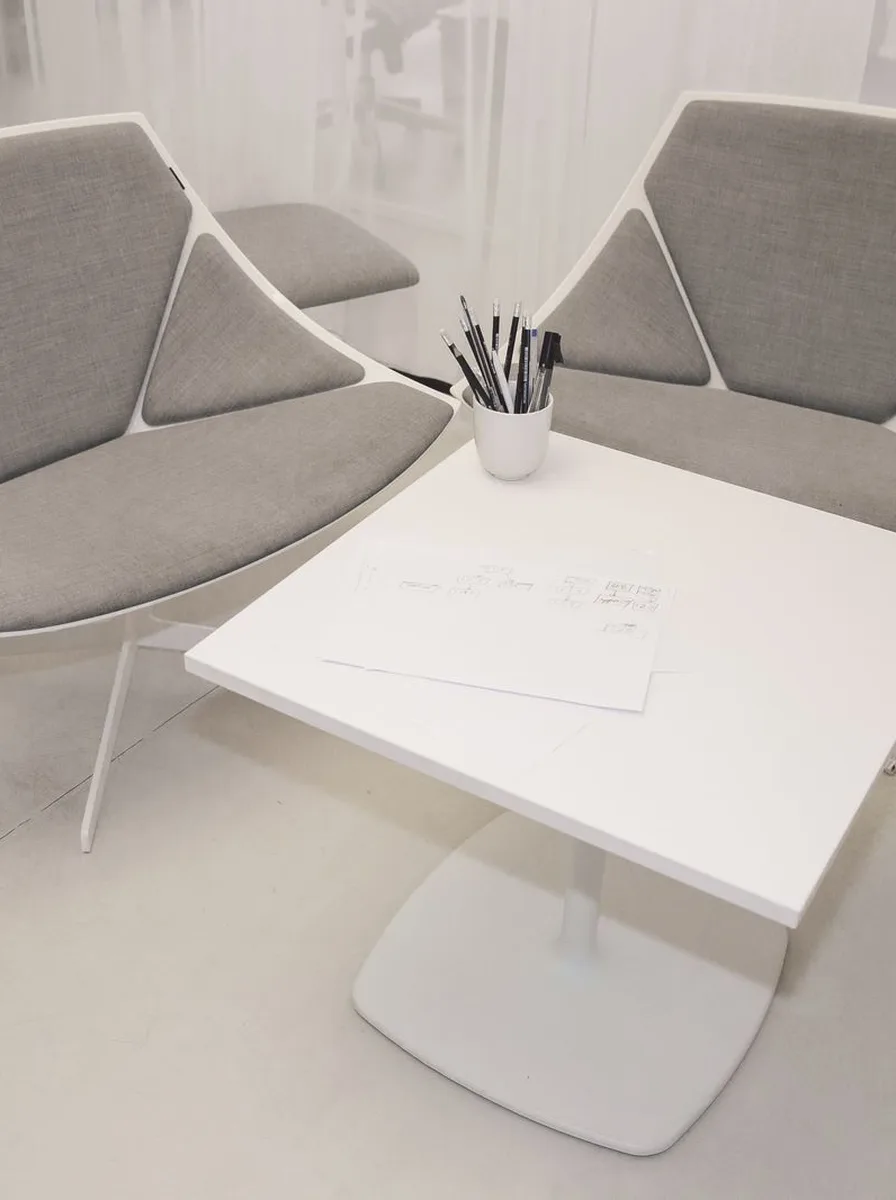
Mid-century style — slim tapered legs, a sculpted plywood or moulded shell, leather seat and back pads — brings gallery elegance to the home office. These chairs read as design objects first and task seating second, and they suit anyone whose office is visible from the living room. Tan or black leather pads on walnut frames are the iconic look.
Comfort is the compromise: these chairs suit a few hours of work, not a full ergonomic day, so pair them with good posture habits or use them at a secondary desk. The leather pads usually strap on and are replaceable — a practical plus. Tip: felt pads under the legs protect floors and stop the chair drifting on hard surfaces.
19. Leather in a Modern Minimalist Office
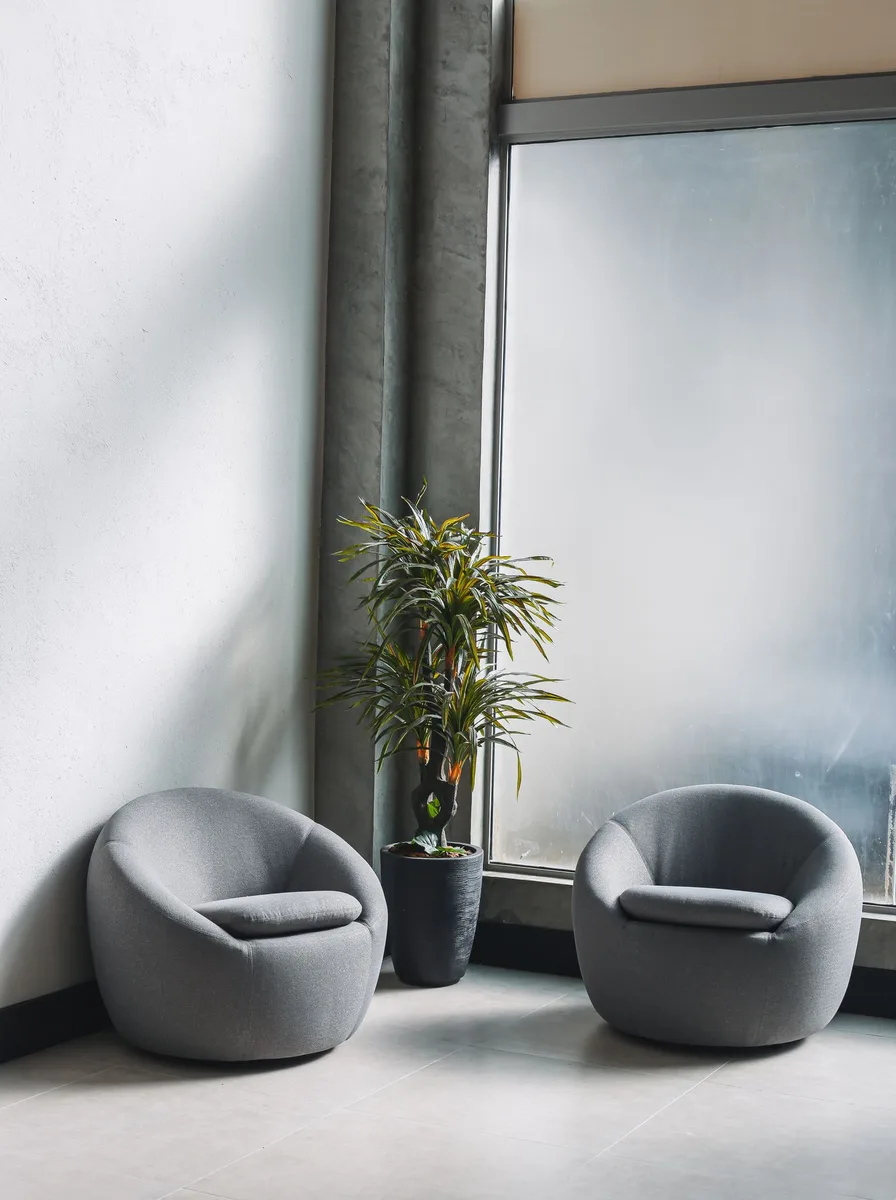
Leather can absolutely work in a minimalist office — the key is choosing the right silhouette. A smooth, unadorned leather chair in black, white, or grey, with a simple five-star base and no tufting or studs, adds warmth and texture without visual noise. Here leather is the one rich material in a calm scheme, and that’s enough.
Keep the rest of the palette restrained: white desk, one plant, hidden cable management. The leather’s natural grain provides all the texture the room needs. Tip: in minimal spaces every object is on display, so invest in the best hide you can afford — flaws have nowhere to hide when the chair is the room’s focal point.
20. The Two-Tone Leather Chair
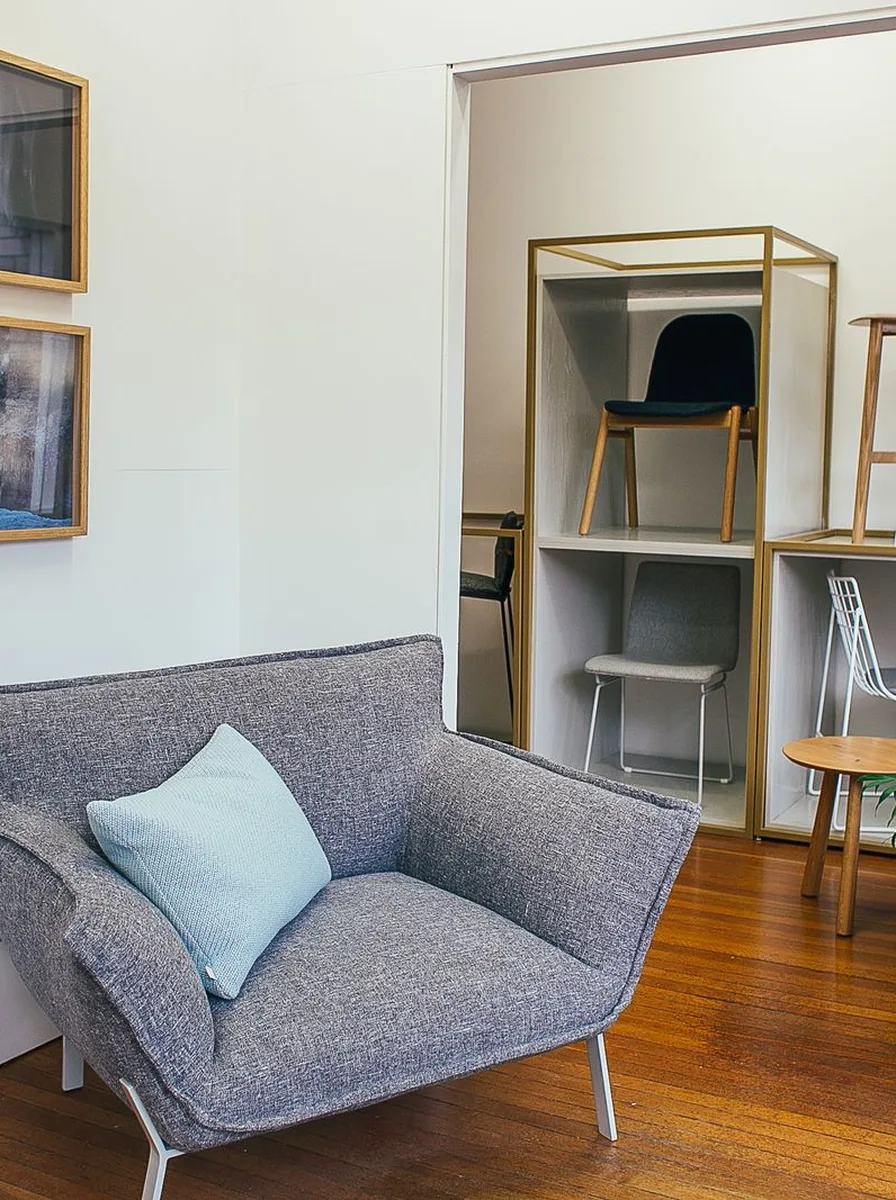
Two-tone leather chairs — a dark seat with lighter back panels, or contrasting piping and inserts — add bespoke, tailored interest to an office. The colour blocking can slim a bulky executive chair visually or echo your room’s palette: a black-and-tan chair, for instance, ties together dark shelving and a light wood desk in one piece of furniture.
Because two-tone chairs are statement pieces, keep the surrounding decor simple so the chair stays the focus. Condition both colours equally — lighter panels show dryness first. Tip: when buying, check the colour combination in your room’s lighting; showroom lights flatter contrasts that can look harsher at home.
21. Buying Vintage Leather Chairs
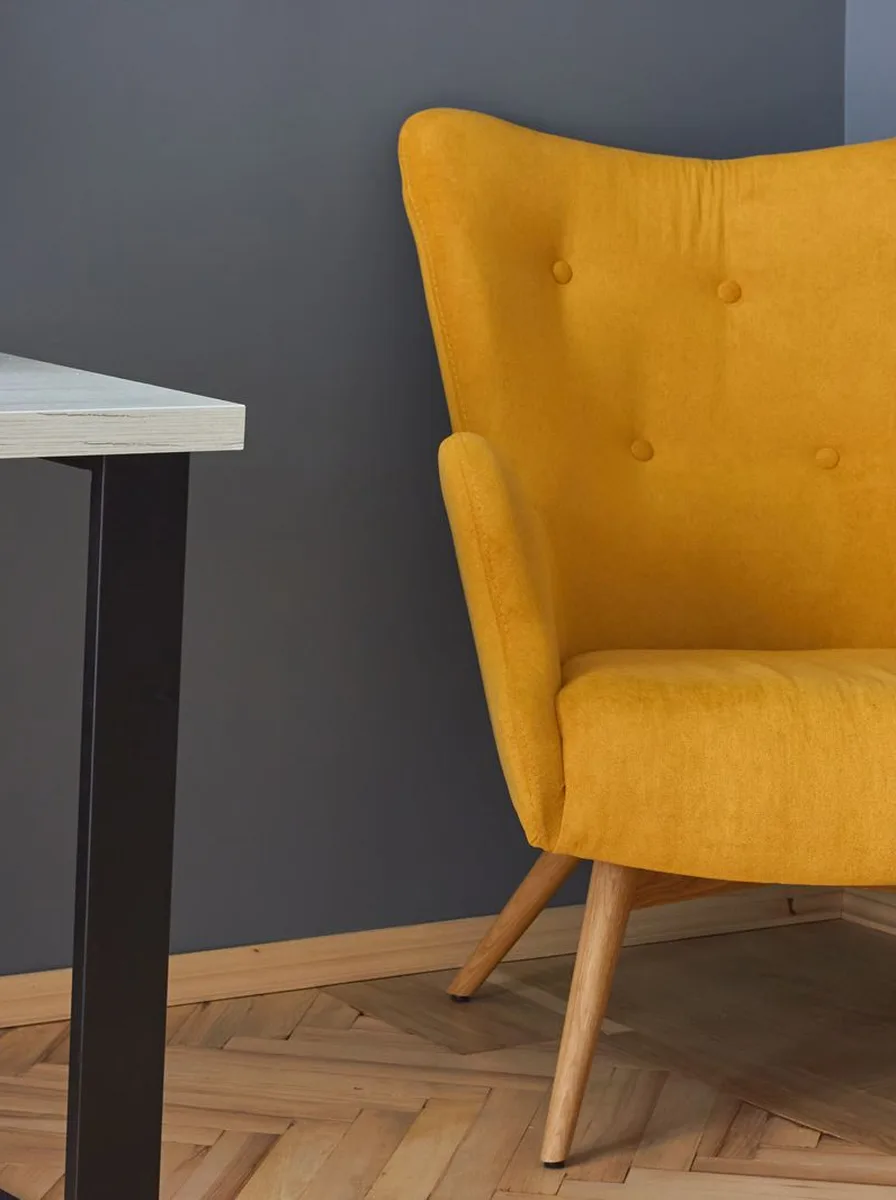
A vintage leather office chair offers what new chairs can’t: decades of patina, old-growth hides, and craftsmanship from an era of solid frames. Well-kept vintage chairs from mid-century makers are often cheaper than new full-grain equivalents and built to be reupholstered for another lifetime. The hunt itself — flea markets, estate sales, auction sites — is half the fun.
Inspect before you buy: check the frame for wobble, the mechanism for smooth tilt, and the leather for dryness versus actual tears — dry leather revives with conditioning, torn leather needs a specialist. Sit in it for ten minutes, not ten seconds. Tip: budget for a professional deep clean and condition; a £40 service can make a £100 vintage chair look like a £1,000 one.

David is the home decor enthusiast behind HomeLushly. He shares practical, budget-friendly ideas for bedrooms, living rooms and seasonal decorating — from colour combinations that actually work to small-space styling tricks that make a room feel bigger. Every guide on HomeLushly is built around real photos and hands-on research, to help you make your home feel warm, personal and beautifully put together.