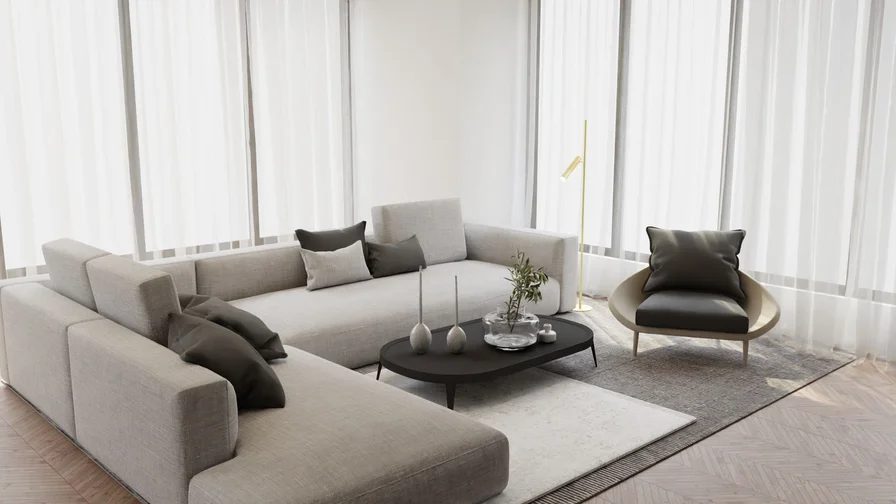
Minimalism is not about having less for the sake of it — it is about making every remaining piece earn its place.
A minimalist living room feels calm because the eye has nowhere stressful to land: clean lines, a restrained palette, clear surfaces, and generous breathing room around each object. The result is a space that is easier to clean, easier to relax in, and paradoxically more stylish than a room stuffed with decor. When nothing competes, everything you kept gets to shine.
The minimalist trick is ruthless editing paired with higher standards for what stays.
Choose fewer, better pieces — one beautiful armchair instead of three average ones — and give each one space to be appreciated. Stick to a tight palette of whites and warm neutrals, hide the clutter in closed storage, and let texture do the decorating: linen, wool, marble, and wood add all the richness a quiet room needs. One plant, one artwork, one light fixture can be plenty.
This guide gathers 28 minimalist living room ideas that maximize style without clutter, each shown in a real-style setting with practical tips you can copy.
From the one-plant focal point and the nearly empty coffee table to hidden tech and single-statement lighting, these ideas prove that less really is more.
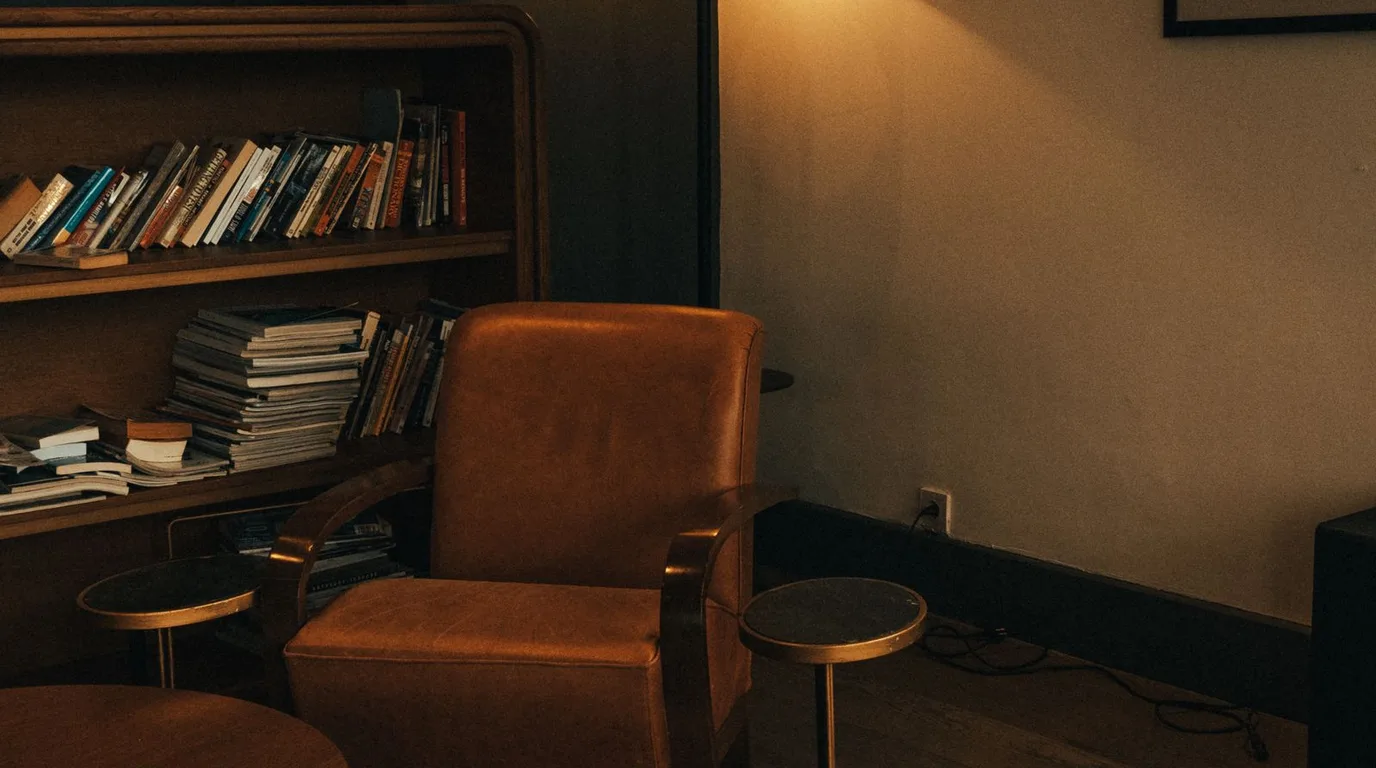
1. Style One Sculptural Plant as the Focal Point
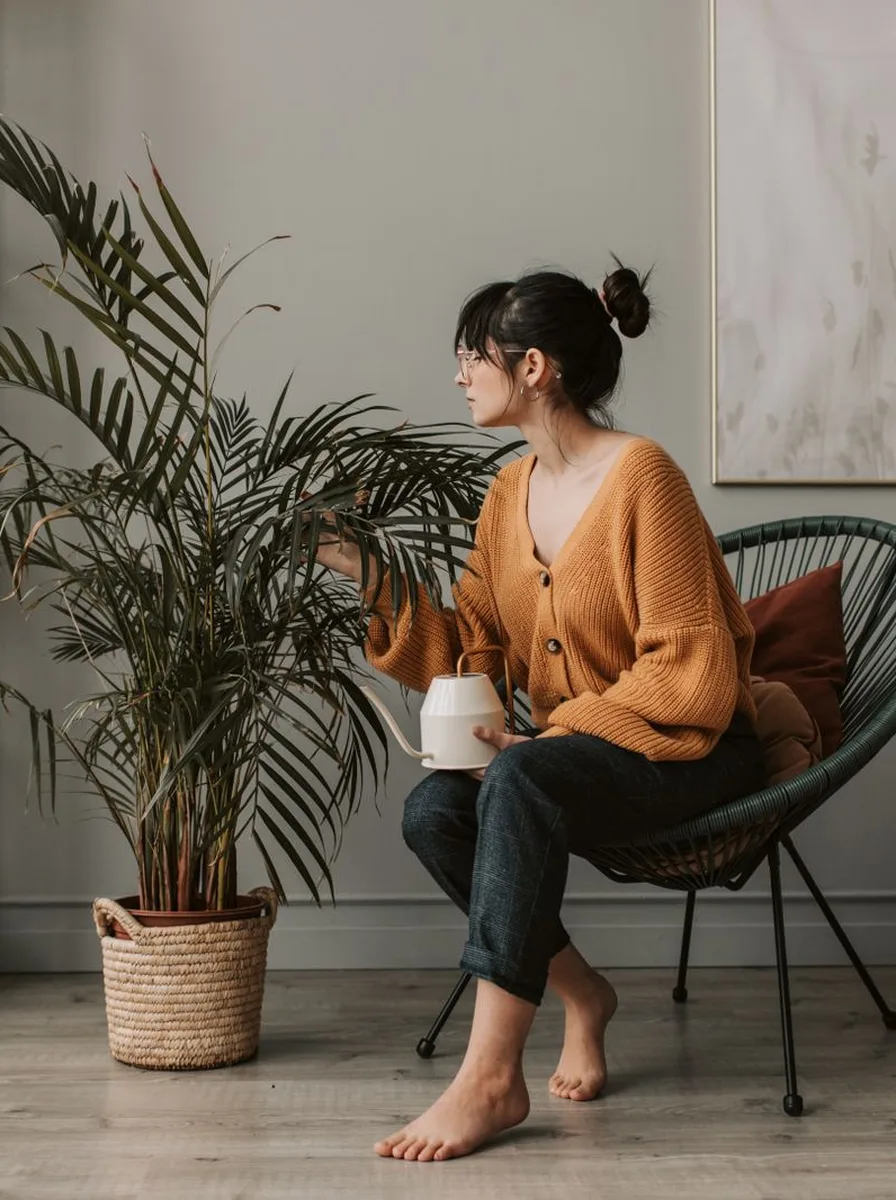
In a minimalist living room, a single sculptural plant does the work of ten accessories. An olive tree, a bird of paradise, or a tall fiddle-leaf fig brings organic shape, height, and living green into a quiet scheme — it becomes the room’s natural sculpture. Place it where it catches daylight, in a simple pot that matches your palette, and let it be the one exuberant thing in an otherwise restrained room.
Choose a plant you can actually keep alive in your light conditions; a struggling plant undermines the calm. Water on a schedule, wipe the leaves monthly, and rotate the pot quarterly for even growth. One large, healthy plant always looks more minimalist-luxe than a crowded collection of small pots competing for attention on every surface.
2. Keep Luxury to a Single Material

Minimalist luxury is about depth, not quantity — choose one beautiful material and let it carry the room. A travertine coffee table, a solid oak bench, or a single marble side table gives the space a sense of permanence and craft that no amount of small decor can match. When one material is genuinely beautiful, everything around it can be simple, and the room still feels rich.
Invest where your hands and eyes land most: the coffee table top, the armchair’s upholstery, the rug underfoot. Keep the hero material’s companions quiet — plain linen, pale wood, matte ceramic — so it stays the star. This is also a budget strategy: one splurge piece surrounded by simple basics looks far more luxurious than mid-range everything.
3. Add One Velvet Cushion, Not Ten
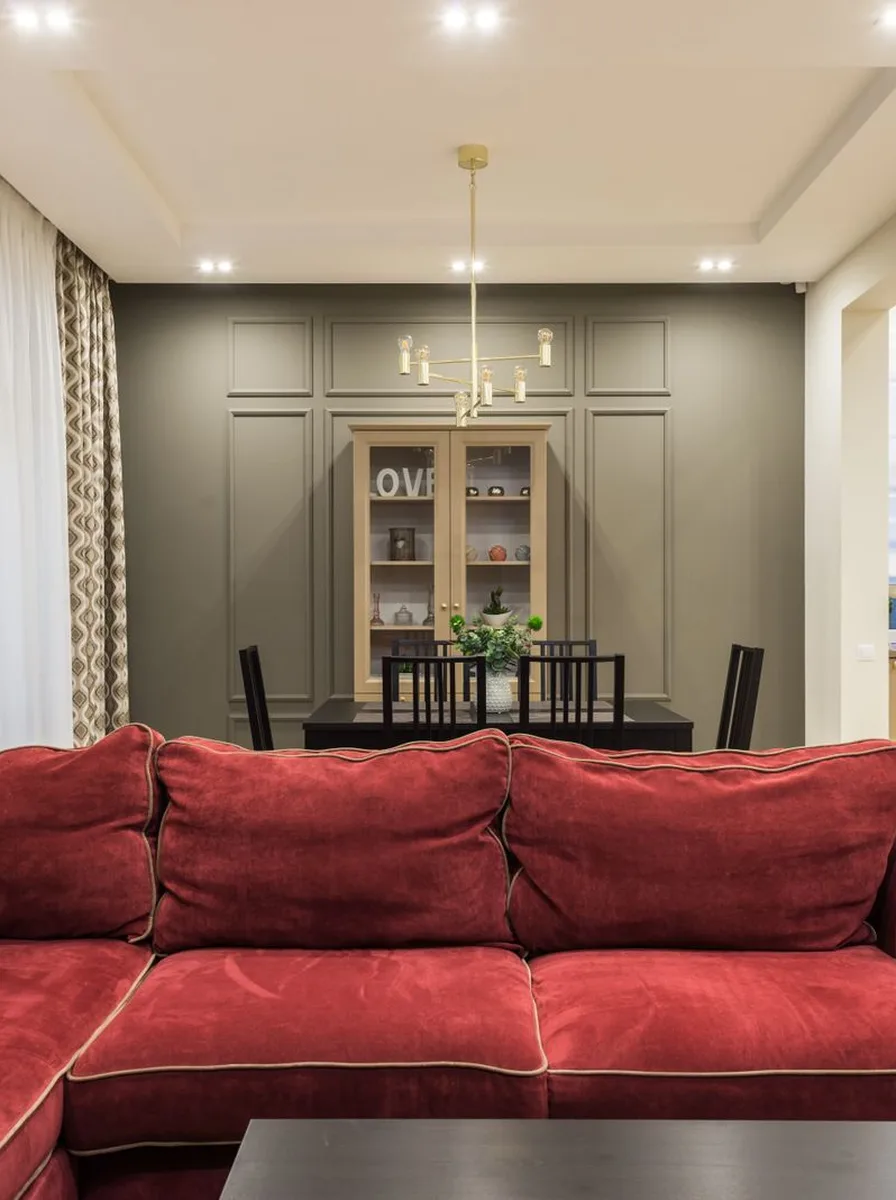
Minimalism loves a single moment of luxury, and one velvet cushion on a plain linen sofa is exactly that. The contrast between matte upholstery and light-catching velvet adds richness without adding visual noise. Choose a deep, muted tone — forest, ink, clay — that works with your palette, and let that one cushion be the sofa’s entire decoration. Restraint is what makes it feel deliberate.
Keep the rest of the sofa bare or add at most one plain cushion in the sofa’s own fabric. The single velvet cushion should look placed, not tossed — plump it and position it with intention. When you want a seasonal change, swapping one cushion cover is the entire redecoration, which is minimalism at its most practical.
4. Choose Low-Profile Furniture with Clean Lines
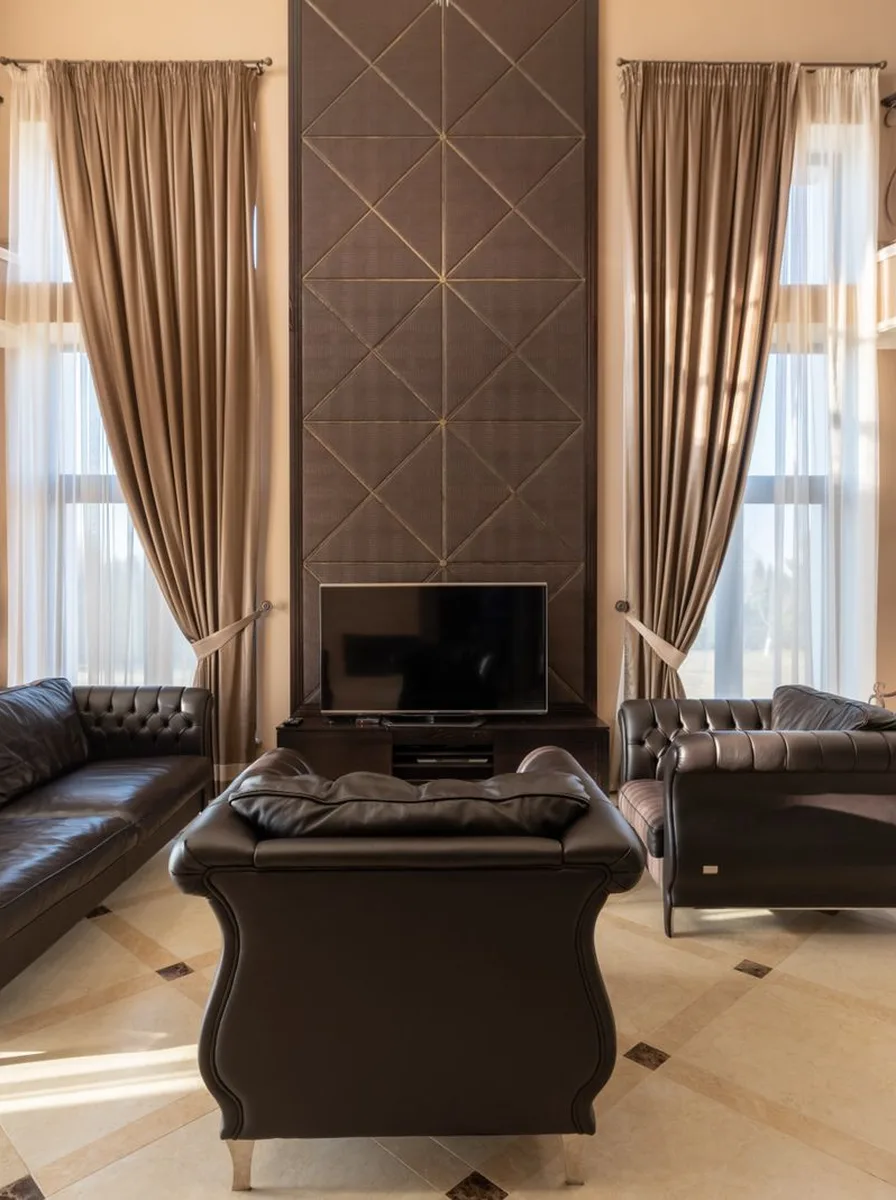
Low-profile furniture is the backbone of minimalist style — pieces that sit close to the ground make ceilings feel higher and the room feel calmer. A low sofa with clean track arms, a platform-style coffee table, and seating without fussy skirts or tall backs keep sightlines open across the space. When furniture stays low, the room’s architecture and light become part of the design.
Check seat heights before buying: low sofas around 38 to 40 centimetres can be hard for older guests to get out of, so balance aesthetics with comfort. Pair low seating with a low coffee table at a similar height for proper proportion. One taller element — a floor lamp or the plant — provides the vertical contrast that keeps low furniture from feeling squat.
5. Leave Breathing Room Around Every Piece

Negative space is a minimalist’s most powerful decorating tool — the empty floor and wall around each piece is what makes the piece look important. Resist the urge to fill every corner; instead, pull furniture slightly away from walls and leave clear pathways of at least 75 centimetres. A room with breathing room feels larger, calmer, and more expensive than one packed with furniture.
If a corner feels empty, that is usually the point — but if it genuinely bothers you, add one thing: the plant, a floor lamp, a single artwork leaning on the wall. Audit the room monthly and remove anything that has crept in without a purpose. Minimalism is a maintenance practice as much as a look; the editing never really stops.
6. Hide the Clutter with Closed Storage

Minimalism only works if the clutter has somewhere to go — closed storage is the engine room of the whole style. A low sideboard with doors, an ottoman with a lift-up lid, and a media console with drawers swallow the remotes, chargers, magazines, and toys that would otherwise break the calm. What you cannot see cannot stress you, and the room stays serene with almost no daily effort.
Choose storage with clean, handleless fronts so the pieces read as calm blocks rather than busy furniture. Inside, use simple boxes or dividers so putting things away takes seconds — if tidying is hard, it will not happen. One closed storage piece per zone (seating, media, reading corner) is usually enough for a living room.
7. Pick One Statement Light Fixture

A minimalist room needs exactly one lighting star — a sculptural pendant, an arc floor lamp, or a paper lantern-style shade that doubles as art. This single fixture gives the quiet room its personality and its focal point, so choose something with a beautiful silhouette. Everything else can be discreet: recessed spots, a small reading lamp, hidden LED strips.
Hang the statement fixture where it will be seen and used — over the coffee table or the reading chair — and put it on a dimmer. Keep its material in conversation with the room: natural fibres, matte metal, or opal glass all suit minimalist palettes. One great light beats five forgettable ones, and it is often the piece guests remember.
8. Work in a Single Neutral Palette
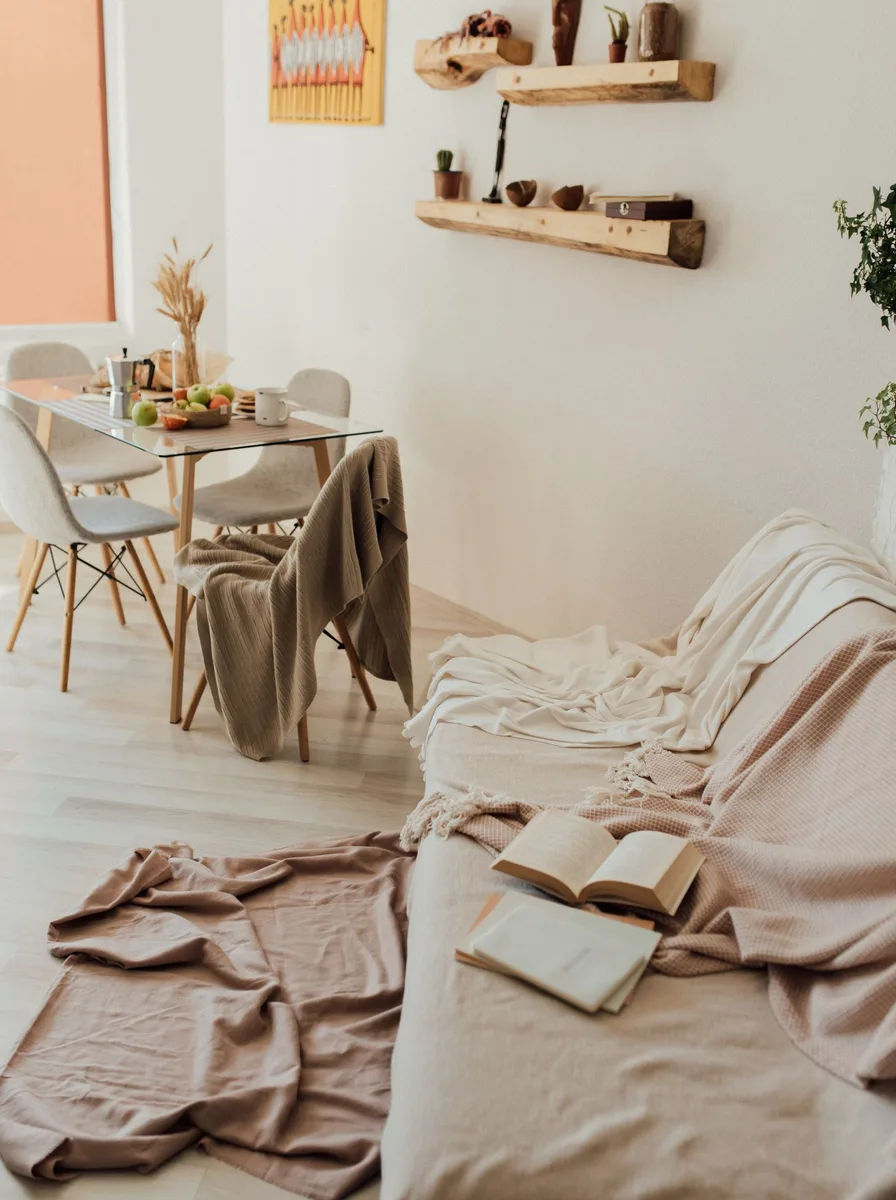
A single neutral palette — warm whites, ivory, sand, soft grey — is the minimalist’s greatest shortcut to calm. When walls, sofa, rug, and curtains all live in the same tonal family, the room feels seamless and twice as large, because the eye meets no visual interruptions. The discipline of one palette also makes shopping easier: if it is not in the family, it does not come home.
Prevent flatness by varying texture within the palette: boucle against linen, matte ceramic beside polished wood, a nubby wool rug under a smooth sofa. Keep undertones consistent — all warm or all cool — or the scheme can look accidentally mismatched. One dark accent, used sparingly, gives the neutrals something to lean against.
9. Mount the TV Flush on a Bare Wall

The minimalist TV solution is radical simplicity: mount the screen flush on a bare wall with nothing around it. No console crowded with gadgets, no gallery of frames competing for attention — just the screen, floating like a dark artwork. Use an ultra-slim mount and run cables inside the wall so the installation looks seamless. When the TV is off, it reads as a quiet black rectangle, not an eyesore.
Hide the set-top box, console, and router in a nearby closed cabinet or behind the sofa, connected wirelessly where possible. Mount at seated eye level — screen centre around 105 centimetres from the floor — for comfortable viewing. If a bare wall feels too stark, one low bench beneath the screen softens it without adding clutter.
10. Use One Floor Lamp as Sculpture

A single sculptural floor lamp — an arc, a tripod, or a slim column in matte black or brushed brass — earns its floor space by being beautiful even when switched off. Place it beside the reading chair or at the sofa’s end, where it provides task light and vertical interest in one. In a minimalist room, the lamp’s silhouette becomes part of the decor, so choose it like art.
Fit a warm bulb around 2700K and add a dimmer for evening mood. Keep the lamp’s footprint small and its cord tidy — run it along the skirting or under the rug to the nearest outlet. One great lamp eliminates the need for table lamps entirely, which keeps side tables clear and the room calmer.
11. Place a Single Statement Armchair

One beautiful armchair, angled into the seating arrangement, gives a minimalist living room its character without crowding it. Choose a sculptural form — a curved boucle chair, a tailored leather sling, a classic mid-century profile — in a material that feels special. Because it stands nearly alone, the chair’s shape and texture become the room’s personality.
Give the chair breathing room on all sides so its silhouette reads clearly. Pair it with nothing more than a small side table or a floor lamp; the chair does not need styling props. This is the seat everyone will fight over, so make sure it is genuinely comfortable — beautiful but punishing defeats the purpose of a living room.
12. Hang Sheer Curtains for Soft Light
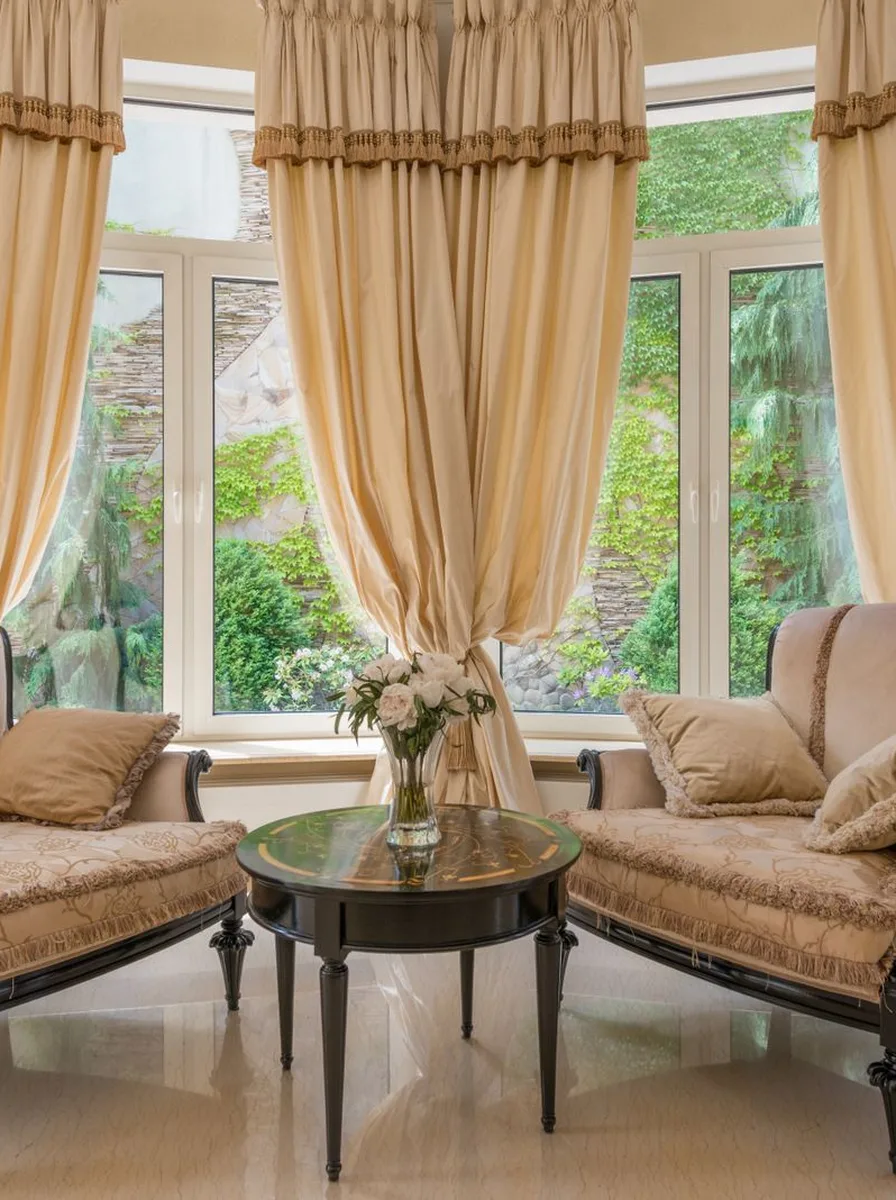
Sheer curtains are the minimalist window treatment — they soften daylight into a gentle glow, provide daytime privacy, and add the faintest layer of texture without visual weight. Hang them from ceiling to floor on a slim, discreet rod, and let them fall in soft, unstructured folds. The filtered light makes the whole room feel serene, which is exactly the minimalist goal.
Choose a sheer with a little body — a linen voile rather than flimsy polyester — so the panels hang beautifully. For night-time privacy, layer a simple roller blind behind the sheers; it disappears by day. Keep the sheers white or ivory to match the palette, and wash them twice a year — clean sheers glow, dusty ones just look grey.
13. Add a Velvet Throw in a Muted Tone

A single velvet throw, folded with intention over the sofa’s arm, adds a whisper of luxury to a minimalist room. Choose a muted tone — dusty rose, sage, warm taupe — that sits quietly within your palette rather than shouting. The velvet’s soft sheen catches the light differently from every angle, giving the calm room a subtle, shifting richness.
Fold, don’t drape randomly: a neat fold over the arm or a tidy rectangle across the seat looks deliberate, which is the whole minimalist point. One throw is enough — two starts to look like a collection. Keep it clean and brushed; velvet shows wear, and a tired throw undermines the crisp calm you are building.
14. Keep the Coffee Table Nearly Empty
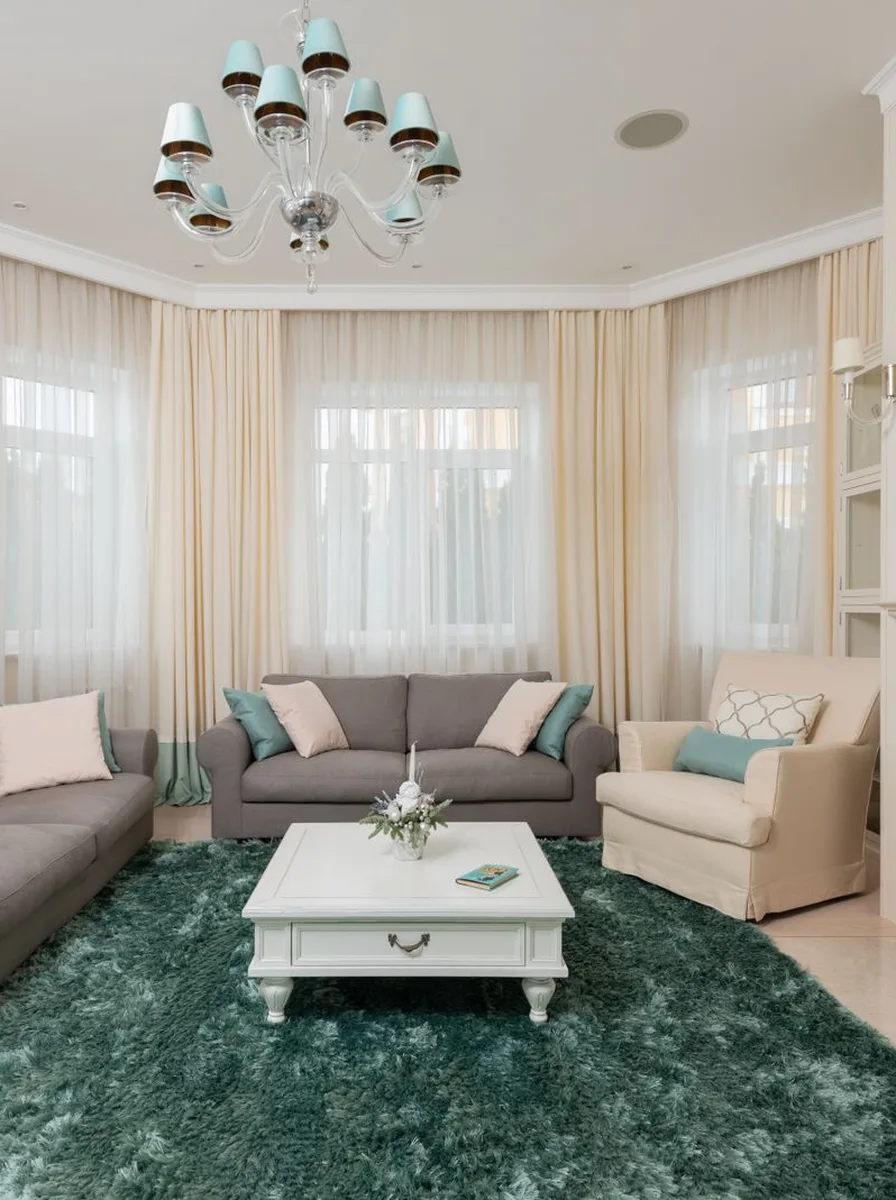
The nearly empty coffee table is minimalism’s signature move — a clear surface that proves the room is calm on purpose. Allow yourself a maximum of three items: a small stack of books, one sculptural object, and perhaps a tiny plant or candle. Everything else — remotes, coasters, the mail — lives in a drawer or a tray that can be cleared in seconds.
Use a lidded box or a beautiful tray to corral the daily essentials so clearing the table takes one motion. Choose a coffee table with a lower shelf or drawer for the things you actually use. The discipline pays off daily: a clear table makes the whole room feel tidy even when the rest of life is not.
15. Let Big Windows Do the Decorating

If your living room has generous windows, let them be the decor — a minimalist room with a great view needs almost nothing else. Keep window treatments minimal or sheer, arrange seating to face the outlook, and resist filling the wall space around the glass. Daylight, sky, and greenery outside provide all the colour, movement, and interest the room needs, for free.
Keep the glass clean inside and out; in a minimalist room, dirty windows are depressingly visible. Position one low piece of furniture — a bench, a daybed — beneath a big window to create a view-facing perch. At night, the windows go dark, so make sure your single statement light fixture carries the evening mood.
16. Add a Marble Side Table as the Star
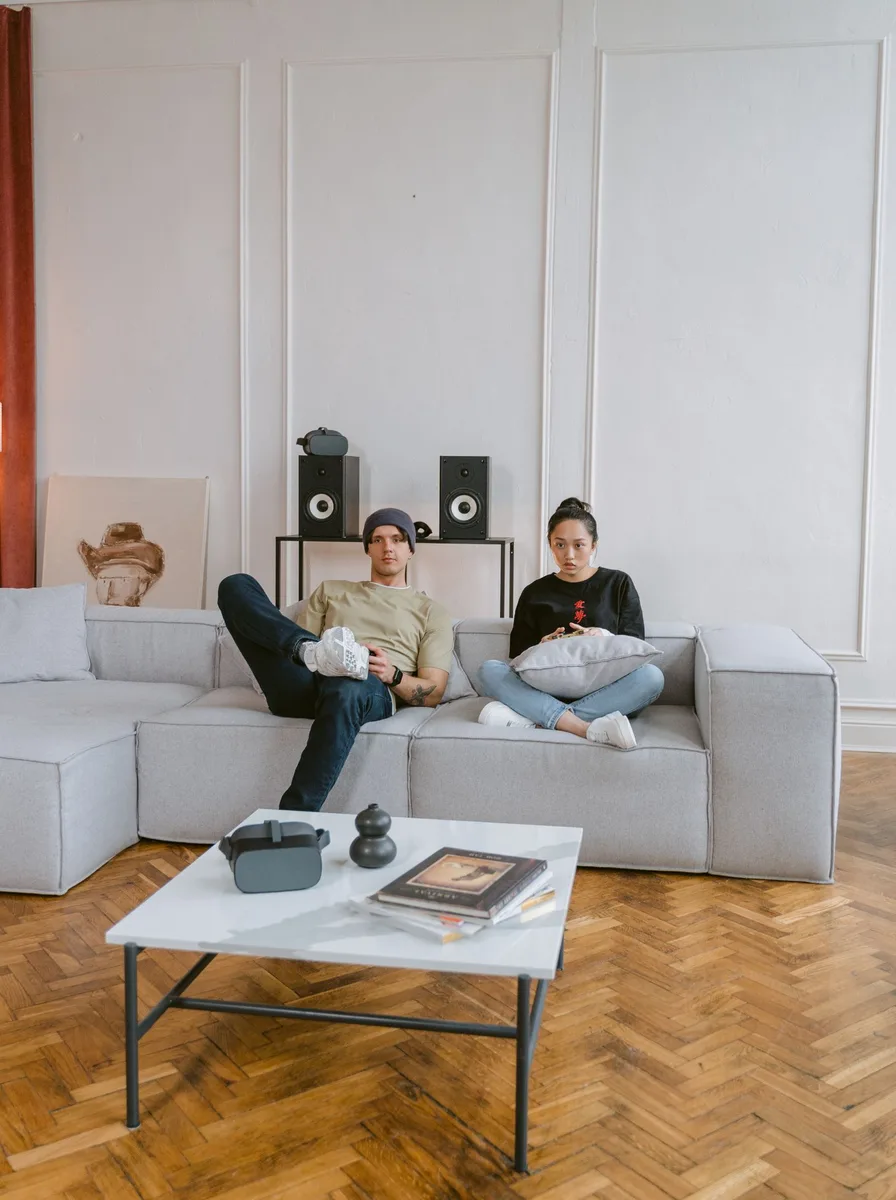
A small marble side table beside the armchair or sofa is minimalist luxury in its purest form — one perfect object, beautifully made, doing a simple job. The stone’s natural veining provides all the pattern the quiet room needs. Choose a simple drum, cube, or pedestal form and keep the top clear except for a book or a cup; the marble is the decoration.
Real marble is heavy and needs coasters to prevent etching, so consider a marble-look porcelain or a sealed stone if you want zero maintenance. One stone table is enough — a second one turns a moment into a theme. Let it be the room’s single cool, hard surface among soft textiles for the contrast minimalism thrives on.
17. Choose One Rich Texture and Repeat It

Repetition is a minimalist decorating strategy: choose one rich texture — velvet, boucle, raw linen — and echo it in two or three places. A velvet cushion, a velvet throw, and a velvet ottoman in the same muted tone create a thread of luxury that ties the room together without adding a single new colour. The repetition feels intentional and deeply calming.
Keep the repeated texture in the same colour family to avoid a patchwork effect. Two or three echoes are enough; more starts to feel like a theme park. This trick works because texture reads as richness even in a strict palette — it is how minimalist rooms feel luxurious without feeling decorated.
18. Go All-White for Maximum Calm

The all-white living room is minimalism’s purest expression — walls, sofa, rug, and curtains in white create a seamless space where light bounces endlessly and the mind genuinely unwinds. It works because white erases visual boundaries: the room feels larger, brighter, and impossibly serene. Choose a warm white throughout so the calm feels inviting rather than clinical.
Texture is non-negotiable in an all-white room — layer boucle, linen, wool, and ceramic whites so the space has depth. Keep whites in the same undertone family or the scheme looks accidentally mismatched. Performance fabrics or washable slipcovers make all-white liveable with kids and pets; the calm is only calming if you are not terrified of it.
19. Frame the View with Simple Blinds
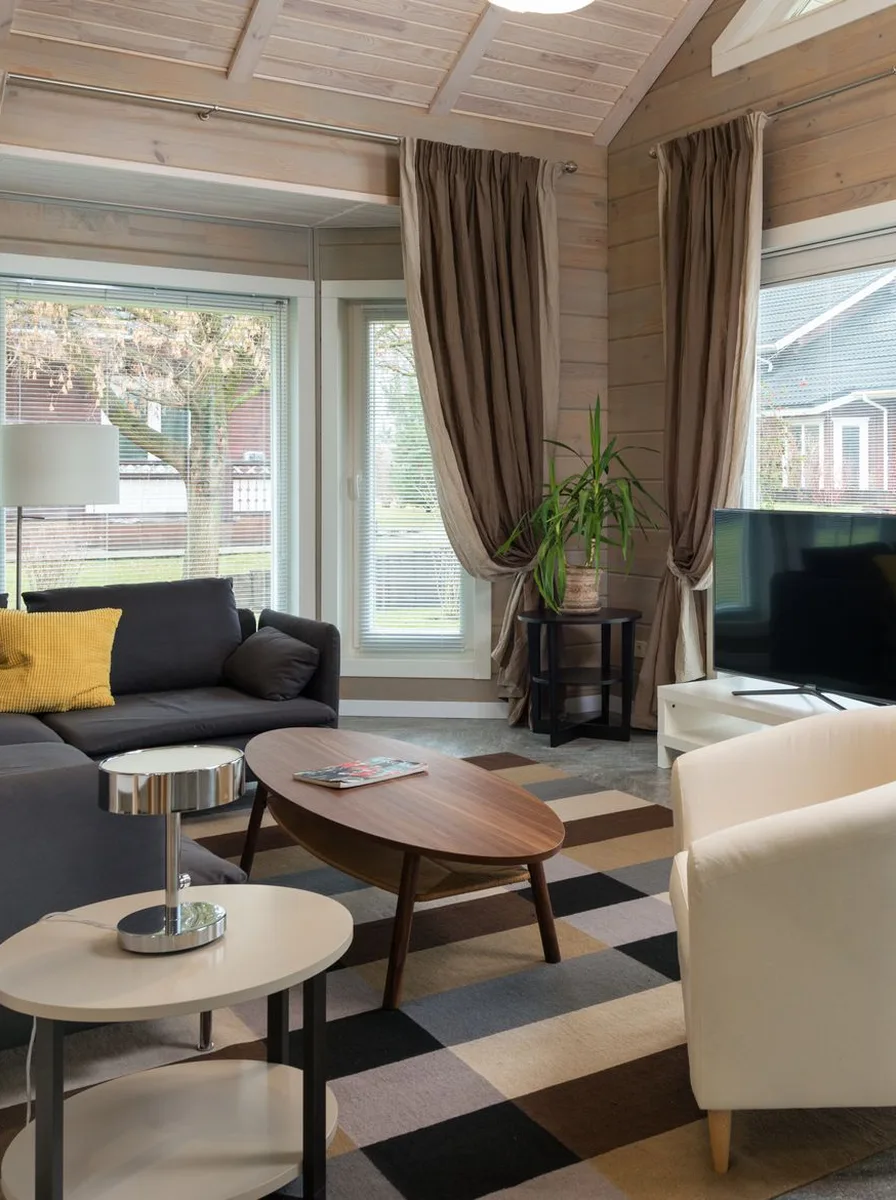
Simple roller or Roman blinds in white or natural linen are the minimalist’s window treatment — they disappear when raised and provide clean privacy when lowered. Mount them inside the window recess for the neatest look, so the wall around the window stays completely clear. No pelmets, no tiebacks, no fuss: just a flat, tailored plane of fabric.
Choose a light-filtering fabric rather than blackout for living rooms, so daytime privacy does not mean darkness. Motorised blinds on a remote add a touch of quiet luxury and eliminate dangling cords. Keep the blind colour close to the wall colour and the whole window treatment effectively vanishes — which is exactly the point.
20. Style the Sofa with Two Cushions Only
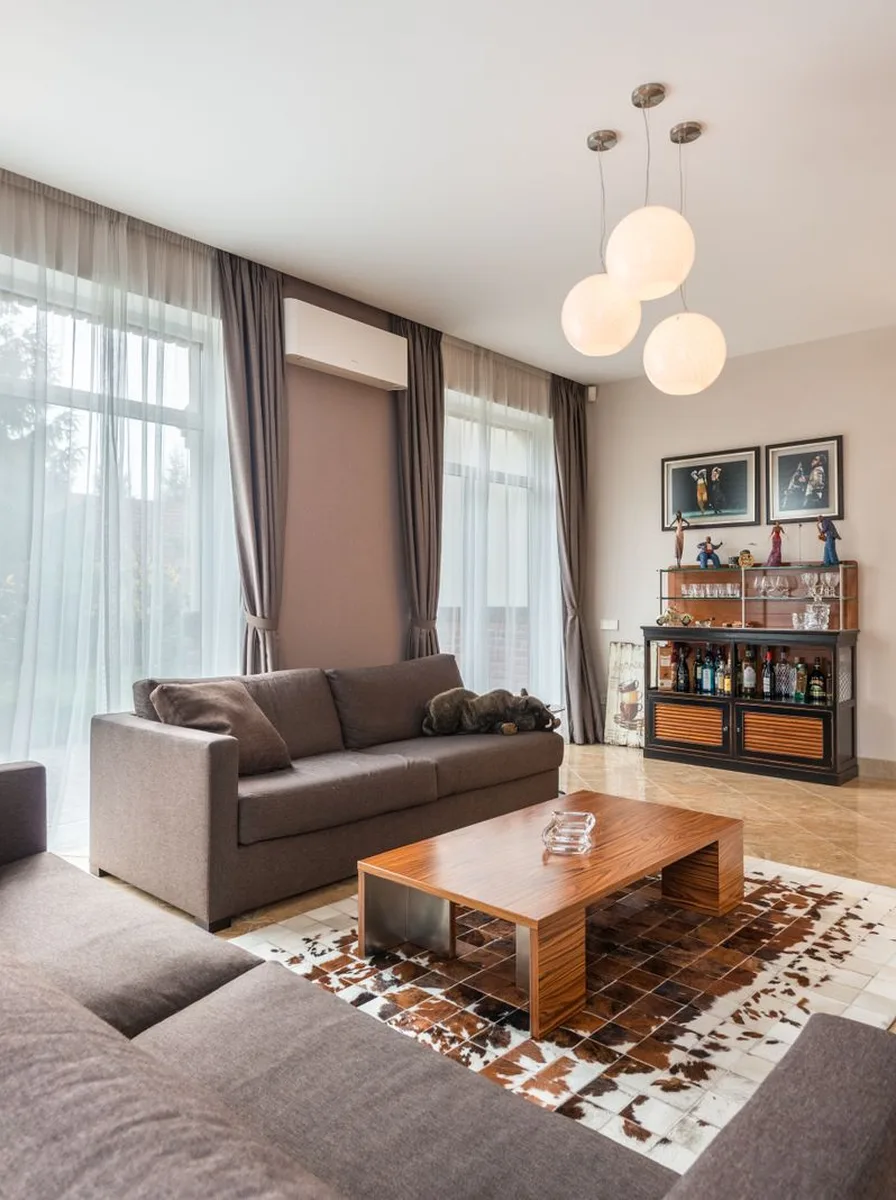
The two-cushion sofa is a small discipline with a big payoff — it keeps the seating looking tailored instead of cluttered. Choose two cushions in the sofa’s tonal family, one in a contrasting texture, and place them with intention rather than tossed. The restraint makes the sofa’s own lines and upholstery the focus, which is where minimalist attention belongs.
Resist the souvenir cushion creep — every extra cushion dilutes the calm. If you want seasonal change, swap the two covers rather than adding more. Plump them daily so they hold their shape; in a minimalist room, a sagging cushion is disproportionately noticeable. Two good cushions always beat six average ones.
21. Hang a Minimalist Pendant, Nothing Else

One pendant, hung low over the coffee table, is all the ceiling needs in a minimalist living room. A simple opal globe, a paper lantern, or a slim matte shade provides soft, diffused light and a quiet sculptural moment. The single fixture keeps the ceiling plane calm and gives the room one clear focal point overhead — nothing competes, nothing clutters.
Hang it low enough to feel connected to the seating — around 75 centimetres above the coffee table — but high enough to preserve sightlines. Put it on a dimmer and choose a warm bulb; minimalist rooms live or die by their evening light. Keep the ceiling otherwise empty: no spots, no tracks, just the one pendant doing its quiet job.
22. Keep Surfaces Clear of Small Objects
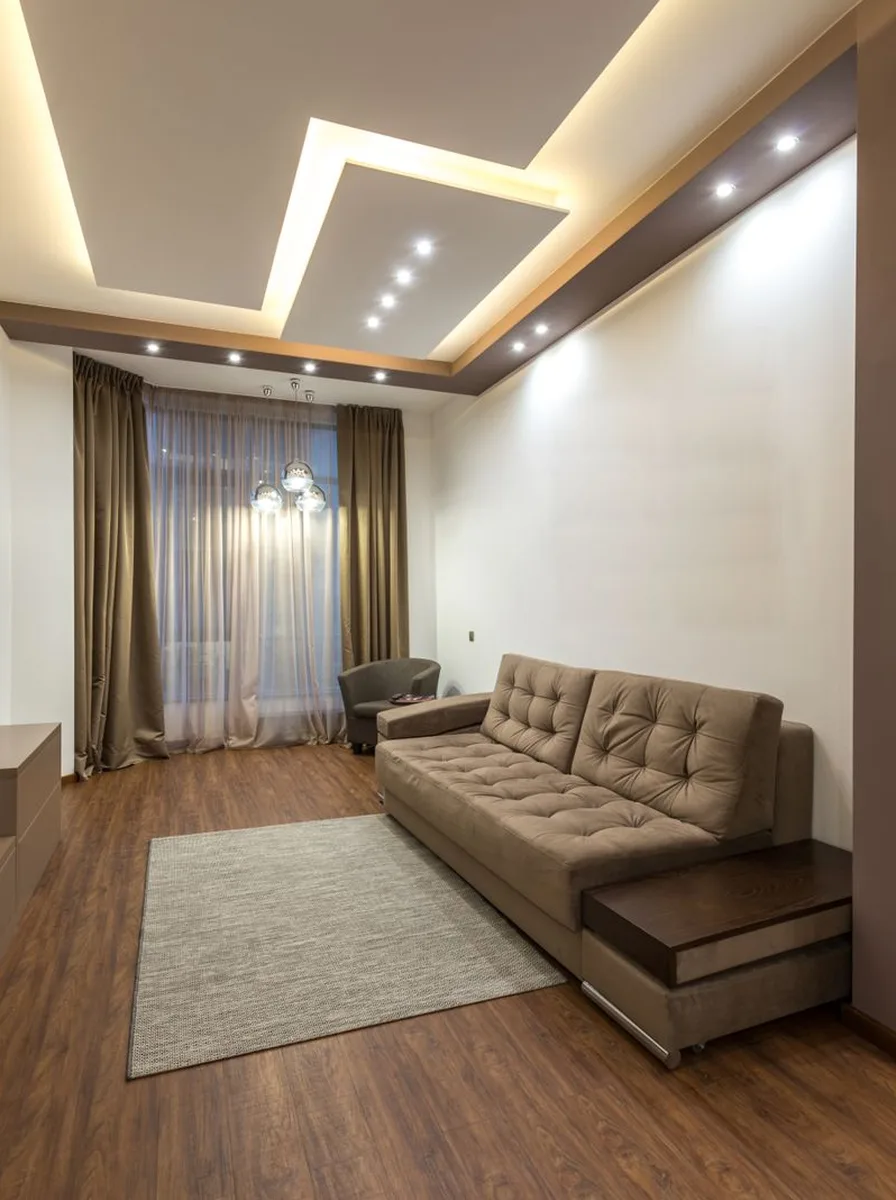
Small objects are the enemy of calm — a dozen little things on a sideboard create more visual noise than one large piece of furniture. In a minimalist living room, every surface should hold at most one or two considered items. Walk the room with a basket, gather every small orphan object, and rehome them in drawers. The transformation is instant and dramatic.
Give incoming small items a landing zone with a lid — a box by the door, a drawer in the sideboard — so they never colonise surfaces. Apply the one-in-one-out rule to decor: something new arrives, something old leaves. Clear surfaces are not about deprivation; they are what let the room’s few beautiful things actually be seen.
23. Edit Your Bookshelf to Half Empty

A half-empty bookshelf is a minimalist statement — it says every book here was chosen. Remove half the books, keep the ones you love or that look beautiful, and let generous empty space frame what remains. Style the gaps with a single vase or a small stack of art books laid flat. The shelf becomes a curated display rather than storage, and the room breathes easier.
Store the overflow elsewhere — a closed cabinet, another room, or donated onward. Arrange remaining books with some vertical and some horizontal stacks for rhythm, and keep the colour story calm. A bookshelf edited to half empty also makes cleaning effortless: one wipe, no rearranging forty spines.
24. Use a Single Piece of Oversized Art
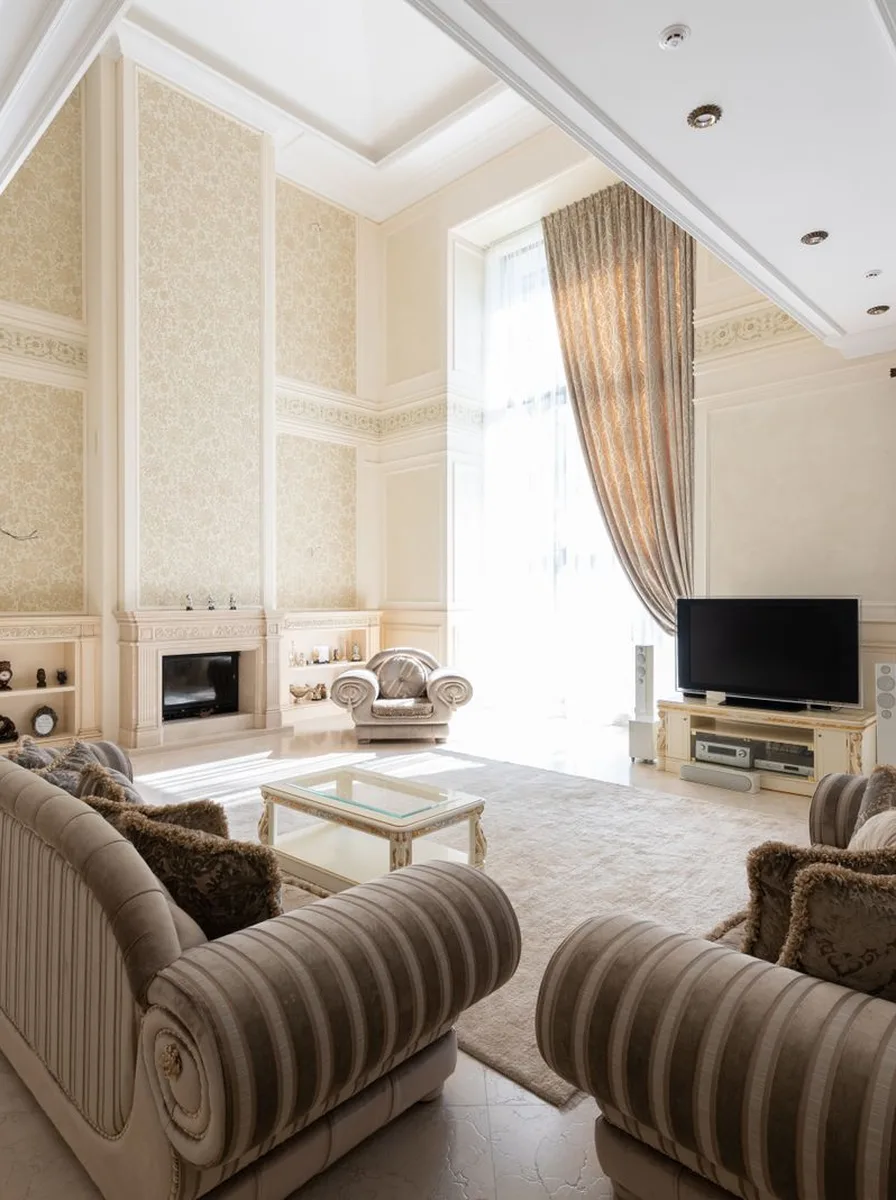
One oversized artwork beats a gallery wall in a minimalist room — a single large canvas gives the wall a clear focal point without visual chatter. Choose something calm and abstract in your palette’s tones, sized to fill at least two-thirds of the wall width above the sofa. The scale itself is the drama; the image can stay quiet.
Hang it low enough to connect with the furniture — the bottom edge around 15 to 20 centimetres above the sofa back. A simple thin frame, or no frame at all on a gallery-wrapped canvas, keeps the look clean. Large-scale prints are affordable and deliver the same impact as originals at this scale.
25. Add One Touch of Brushed Gold

A single touch of brushed gold — a lamp base, a picture frame, a small tray — warms a minimalist room like candlelight. Gold’s soft glow contrasts beautifully with matte neutrals and pale woods, adding a hint of luxury without breaking the calm. The key is singularity: one gold moment reads as jewellery, while five reads as a theme.
Brushed or satin finishes suit minimalism better than high-polish gold, which can look flashy against quiet surroundings. Place your gold accent where it catches natural light — near a window or under a lamp — so it glows gently. If gold is not your metal, brushed brass or warm bronze delivers the same warming effect.
26. Embrace Bare-Floor Minimalism

Skipping the rug entirely is a bold minimalist move that makes a room feel larger and architecturally clean. Beautiful wood, polished concrete, or pale stone floors become part of the design when left bare, and the uninterrupted surface lets light flow across the room. Furniture legs — slim, visible, uncluttered — become part of the composition against the open floor.
Bare floors show dust, so a quick daily sweep or robot vacuum keeps them looking intentional rather than neglected. Add felt pads to every furniture leg to protect the surface and make rearranging effortless. If the room feels cold underfoot, one small sheepskin by the favourite chair adds warmth without committing to a full rug.
27. Layer One Soft Neutral Rug

If bare floors feel too stark, one soft rug in a pale neutral adds comfort without compromising the calm. Choose a low-pile wool or a flatweave in ivory, sand, or light grey — no pattern, or at most a whisper of texture. The rug should be large enough to anchor the seating group, with front legs of the sofa and chairs resting on it.
Keep the rug’s tone close to the floor or the sofa so it blends rather than contrasts — in minimalism, the rug is a comfort layer, not a statement. A rug pad underneath adds cushioning and prevents slipping. Vacuum weekly and rotate it twice a year; a well-kept neutral rug can last a decade and quietly hold the whole room together.
28. Hide Cables and Tech Completely

Visible cables are the fastest way to shatter minimalist calm — a tangle of black wires behind the TV undoes every other effort in the room. Route cables inside walls, behind trunking painted to match, or through a cable spine from console to floor. Hide routers, boxes, and chargers in a ventilated closed cabinet, and go wireless wherever the technology allows.
Do a cable audit twice a year: unplug dead chargers, coil excess length with Velcro ties, and label what remains. A charging drawer in the sideboard keeps devices out of sight while they power up. When every wire is invisible, the room’s quiet lines finally get to speak — and the calm feels complete rather than staged.