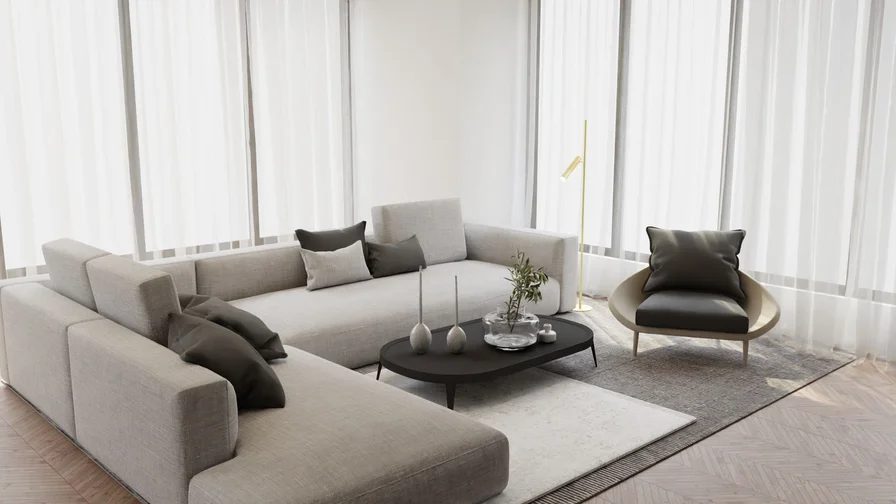
Your living room should be the place you exhale at the end of the day — a stylish retreat that feels calm, comfortable, and completely yours. But most living rooms end up as pass-through spaces: a sofa facing a TV, a few random pieces, nothing that invites you to slow down. The difference between that and a true retreat is intention.
Creating a retreat doesn’t mean starting over. It means arranging what you have around how you actually want to feel — zones for rest and gathering, seating you genuinely sink into, colours that calm instead of shout, and objects that tell your story. Small, thoughtful changes add up to a room that restores you.
In this guide, you’ll learn how to transform your living room into a stylish retreat: defining zones for rest and gathering, choosing seating you sink into, calming your palette down, and adding personal, collected touches that make the space unmistakably yours.
Define Zones for Rest and Gathering

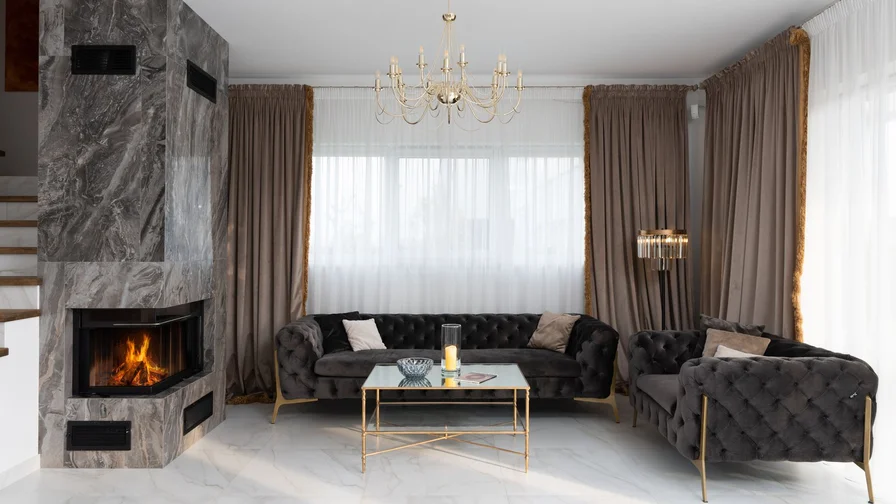
A retreat feels purposeful because every corner has a job. Even in one open room, you can define zones: a reading chair with a lamp and side table becomes a quiet nook, while the sofa and coffee table anchor the gathering zone. That sense of purpose is what makes a room feel designed instead of accidental.
Rugs are the easiest zone-makers. A rug under the seating area tells the eye “this is where we gather,” and a smaller rug or sheepskin by the reading chair marks “this is where I unwind.” Furniture placement does the rest — angle a chair toward the window for a contemplative spot, or pull two chairs together for conversation.
You don’t need walls or dividers. Light, texture, and arrangement are enough to carve a single room into different experiences, and each experience makes the whole room feel richer and more considered.
Zoning tips for a retreat feel:
● Anchor the main seating with a rug large enough to fit the front legs of all pieces.
● Create a reading nook with a chair, lamp, and side table in a quiet corner.
● Angle furniture toward each other for conversation, not just toward the TV.
● Use lighting to separate zones — a lamp marks a nook better than a divider.
Choose Seating You Sink Into
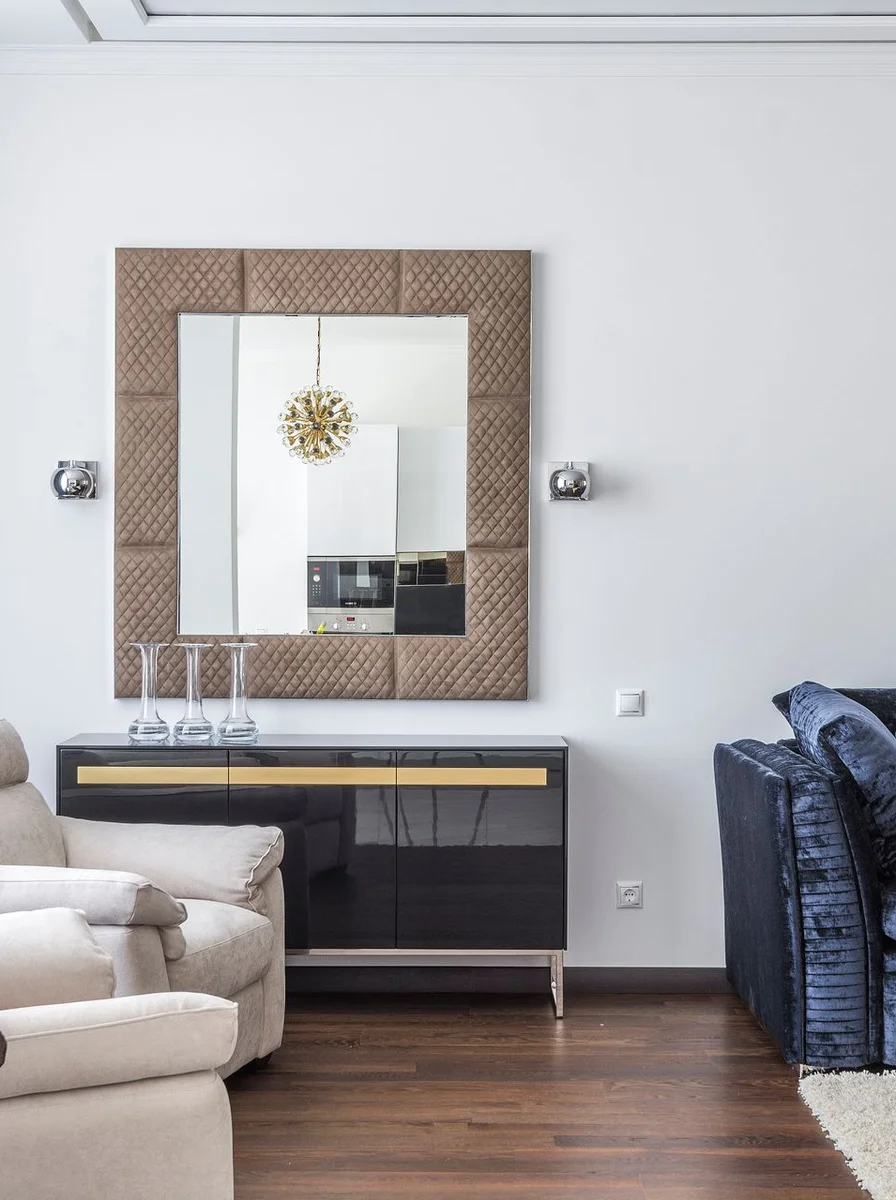
A retreat is only as good as its seating. If your sofa is stiff or your chair is uncomfortable, no amount of styling will make the room feel restful. The most inviting living rooms have seating you genuinely sink into — deep cushions, soft upholstery, and enough room to curl up with a book or stretch out for a nap.
Look for depth and softness: seat depths of 22 inches or more, feather-blend or high-resilience foam cushions, and armrests at a comfortable leaning height. An ottoman or footstool multiplies comfort by giving feet a place to land, and a chaise or daybed invites the kind of lounging a formal sofa never will.
Arrangement matters too. Pull seating slightly away from walls, add a side table within arm’s reach for tea or a book, and drape a throw where hands naturally fall. Comfort should feel inevitable, not accidental.
Seating tips for sink-in comfort:
● Choose sofas with 22+ inch seat depth and soft, feather-blend cushions.
● Add an ottoman or footstool so feet always have somewhere to rest.
● Keep a side table within arm’s reach of every seat for drinks and books.
● Drape a soft throw on each seat so coziness is always within reach.
Calm the Palette Down
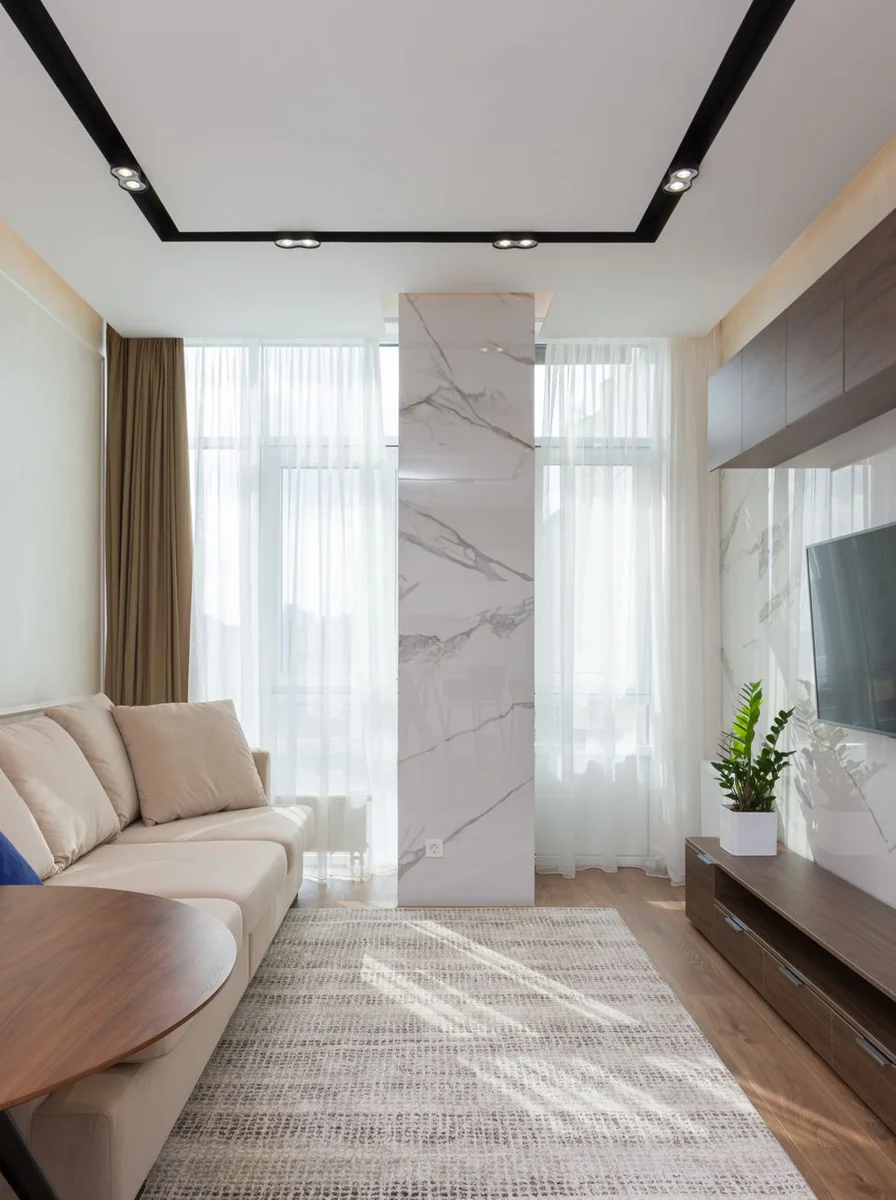
Retreats are calm, and calm starts with color. Busy, high-contrast palettes keep the eye — and the mind — moving, while soft, tonal palettes let everything settle. Think warm whites, soft beiges, sage, dusty blue, and gentle greys: colours that recede instead of demanding attention.
You don’t have to go monochrome. Pick one calm base color and layer two or three close tones around it — ivory walls, an oatmeal sofa, a taupe rug, sage cushions. That tonal layering creates depth without visual noise, which is exactly what high-end serene rooms do.
Bring contrast back in small, natural doses: dark wood, black metal, or a deep green plant keeps the palette from feeling washed out. Just keep the loudest notes small and let the quiet colours dominate.
Palette tips for a calming retreat:
● Build around one calm base — warm white, beige, or soft gray — and layer close tones.
● Keep big surfaces (sofa, rug, curtains) in quiet tones; add color in small accents.
● Use natural materials — wood, linen, stone — to add warmth without adding noise.
● Limit bold patterns to one or two accents so the room stays restful, not busy.
Add Personal, Collected Touches

A retreat should feel like you, not a showroom. The rooms that feel most special are the collected ones — shelves with travel finds, framed photos of people you love, art you chose because it moved you. These personal layers are what turn a nicely decorated room into a place with soul.
Display the things with stories: the ceramic bowl from a trip, the stack of art books you actually read, the framed print from a local artist. Group them in small, intentional vignettes rather than scattering them everywhere — a curated shelf tells a story; clutter just looks messy.
Mix old and new for character. A vintage side table beside a modern sofa, an heirloom frame with a new print inside — that tension between eras is what makes rooms feel collected over time rather than bought in a single day.
Personal styling tips for a collected feel:
● Display objects with stories — travel finds, heirlooms, art you love — in small vignettes.
● Mix vintage and modern pieces so the room feels collected, not catalog-bought.
● Frame personal photos in matching frames for a gallery wall that feels intentional.
● Rotate a few pieces seasonally so the room keeps feeling fresh and alive.