
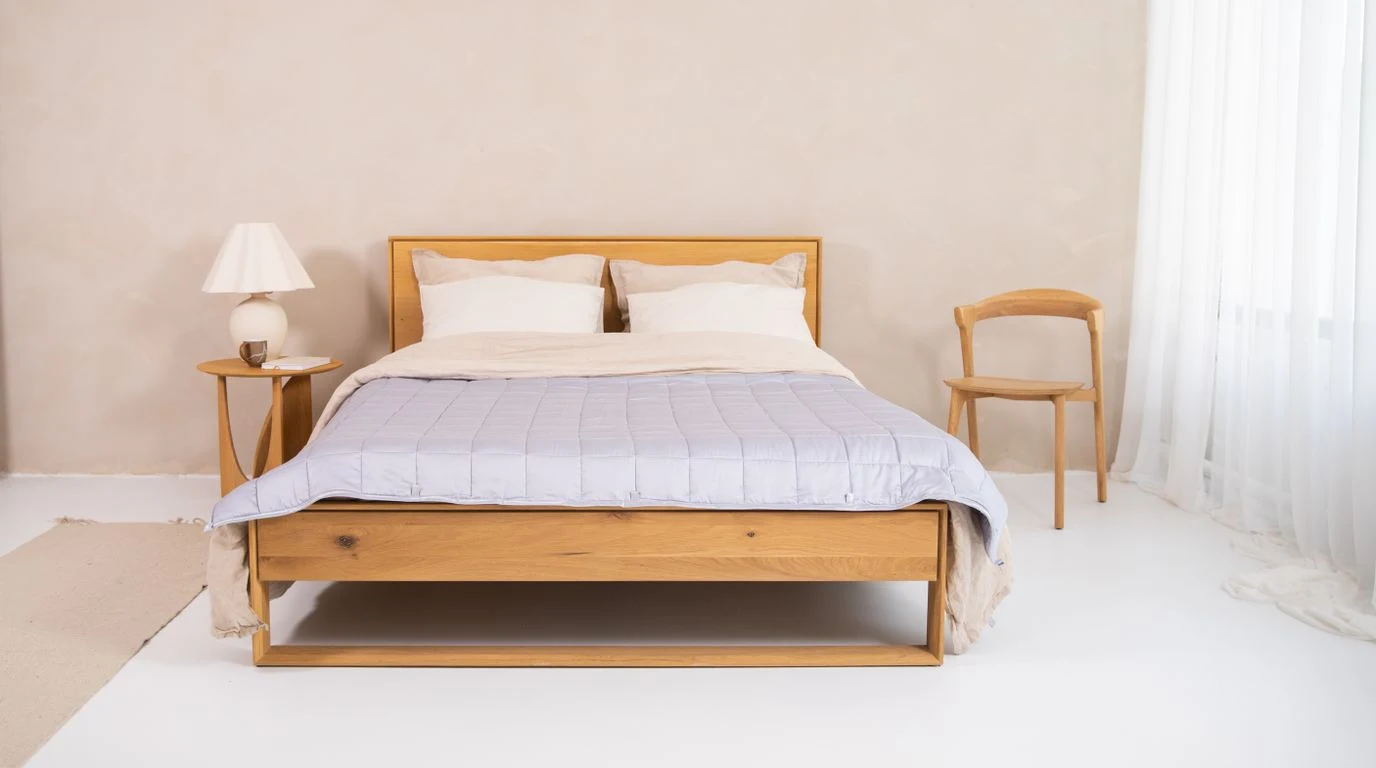
There is a reason solid wood beds have never gone out of style.
A bed made from real timber feels different the moment you lie down — sturdy, quiet, and warm to the touch. No squeaks, no wobble, and no sagging slats after a year of use. A well-built wooden bed can easily last twenty years or more, which makes it one of the smartest furniture investments you will ever make.
But “solid wood” covers a lot of ground, from pale Scandinavian pine to deep, dramatic walnut.
This guide collects 24 brilliant solid wood bed ideas for lasting comfort, each with its own look, its own strengths, and practical tips to help you choose the right one for your bedroom, your budget, and your style.
1. Classic Oak Four-Poster
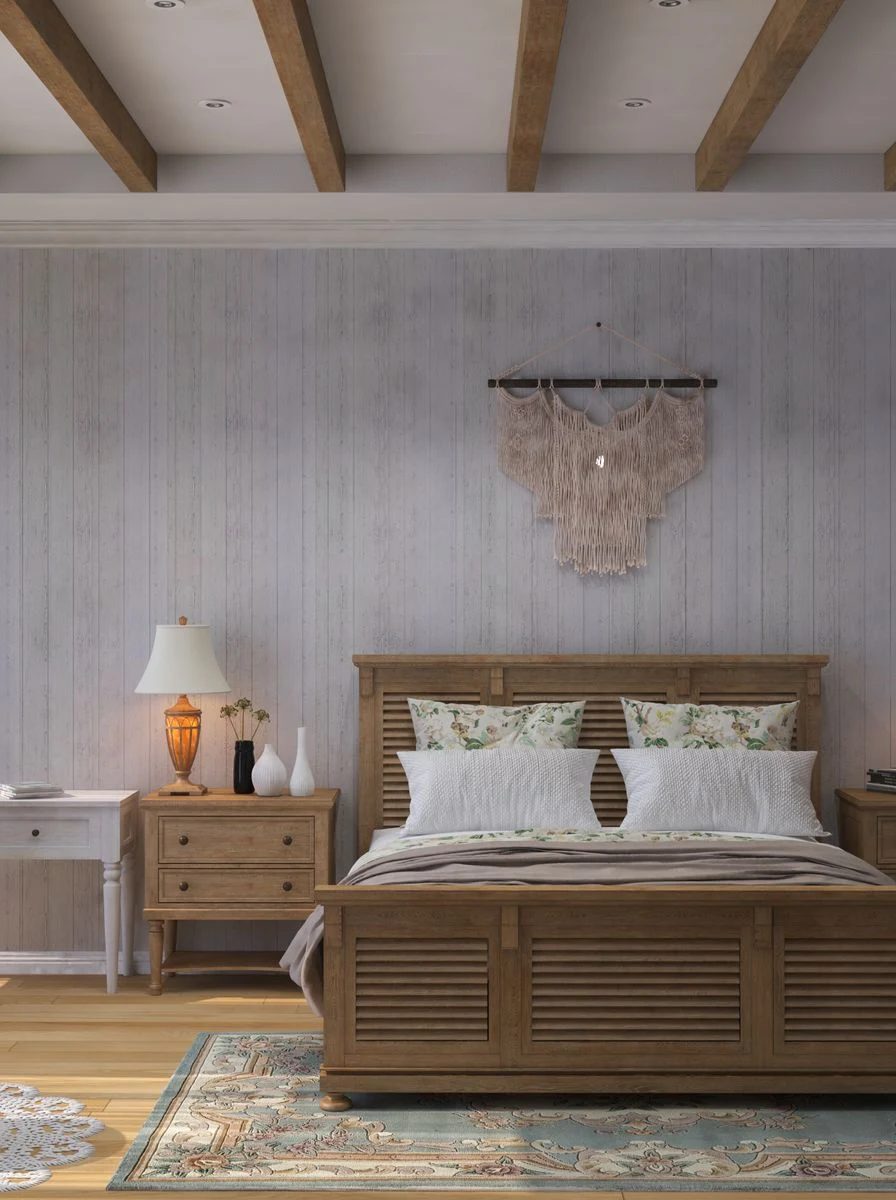
The oak four-poster is the heavyweight champion of bedroom furniture, and it earns that title honestly. Four solid posts anchor the corners, joined by thick rails that keep the mattress rock-steady for decades. Oak’s tight grain shrugs off dents and scratches, and its warm honey tone deepens beautifully with age, so the bed actually looks better in year ten than in year one.
Why it’s great for lasting comfort: the rigid frame eliminates the tiny shifts that make cheaper beds creak, so you sleep undisturbed. For the full effect, pair it with crisp white or soft ivory bedding and let the wood be the star. Budget tip: solid oak costs more up front, but a secondhand oak four-poster from a furniture auction or estate sale often sells for a fraction of retail — sand it lightly and rub in a little furniture oil to bring it back to life.
Low ceilings? Look for a low-post four-poster — you keep all the grandeur without the posts crowding the room. You can also drape a length of sheer muslin across the top rails for softness; it filters morning light beautifully and costs almost nothing.
2. Walnut Platform Bed

Walnut is the wood of quiet luxury. Its chocolate-brown heartwood, streaked with darker grain lines, gives a platform bed a rich, sophisticated presence without any need for fussy carving. The low platform design sits close to the floor, which makes the bedroom feel calm and grounded, and the solid side rails support the mattress directly — no box spring required.
Comfort-wise, the platform construction spreads your weight evenly, so the mattress wears evenly too. Dress it with bedding in cream, camel, or soft grey to echo the wood’s natural warmth. If genuine walnut stretches the budget, look for beds made from walnut-stained acacia or rubberwood with solid rails — you get the look and the sturdiness at a gentler price. Finish with two walnut nightstands to complete the set.
Protect walnut’s rich finish with felt pads under lamps and books, and wipe spills promptly — walnut is tough but not fond of standing water. The wood will deepen in color over the years; consider it a feature, not a flaw, and choose bedding that works with both young and mature tones.
3. Reclaimed Timber Bed
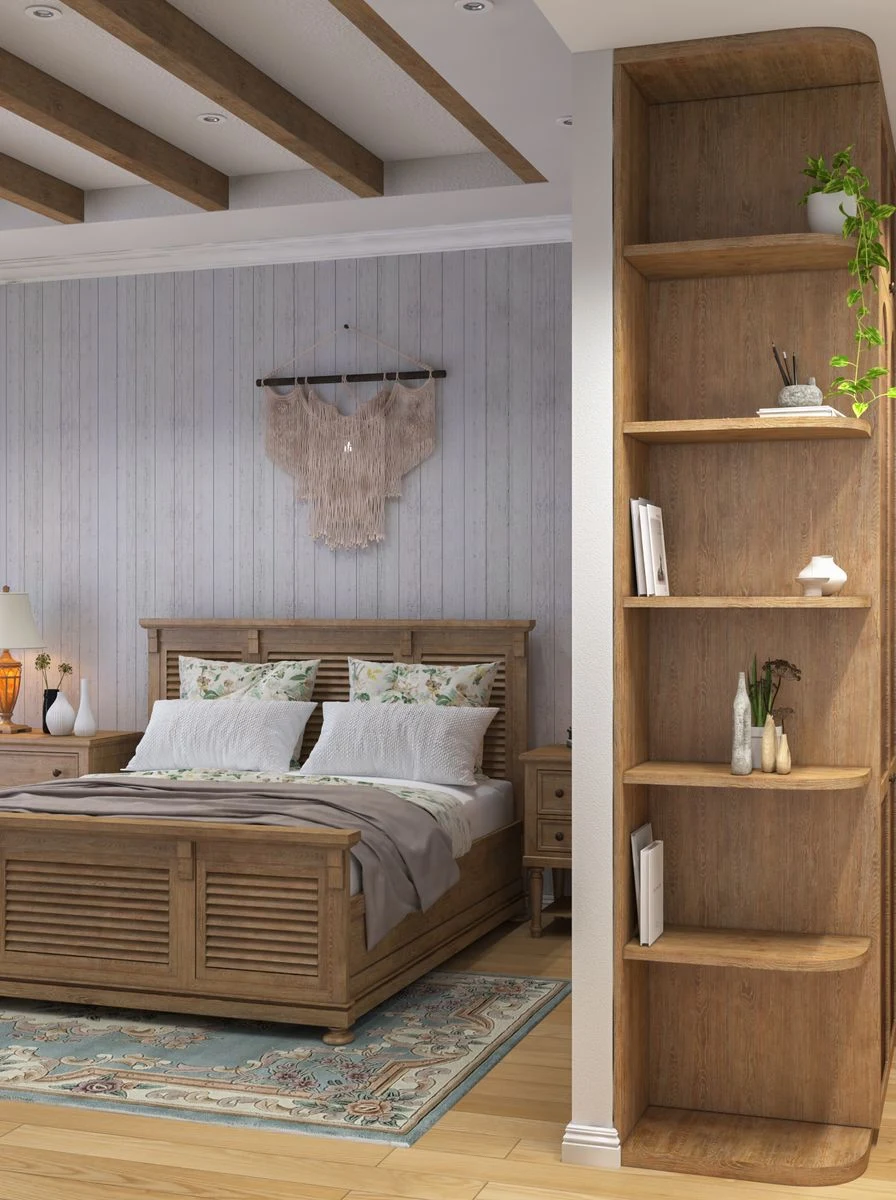
A bed built from reclaimed timber carries its history in every nail hole and saw mark. Old barn beams, factory floorboards, and railway sleepers get a second life as headboards and frames, and because the wood has been seasoning for decades, it is exceptionally stable — it has already done all the shrinking and settling it will ever do.
That stability means a reclaimed bed stays silent and square for life. Style it with simple linen bedding in natural tones so the wood’s character shines through. Practical tip: buy from a maker who kiln-dries reclaimed wood before building, which kills any hidden pests. Sealing the surface with a clear matte lacquer keeps splinters away while preserving the rustic texture you fell in love with.
Ask your maker where the timber came from — a beam from a 1920s barn or an old textile mill gives the bed a story guests will ask about. Reclaimed beds suit entry-adjacent master bedrooms especially well, where the history sets the tone for the whole home.
4. Scandinavian Pine Bed
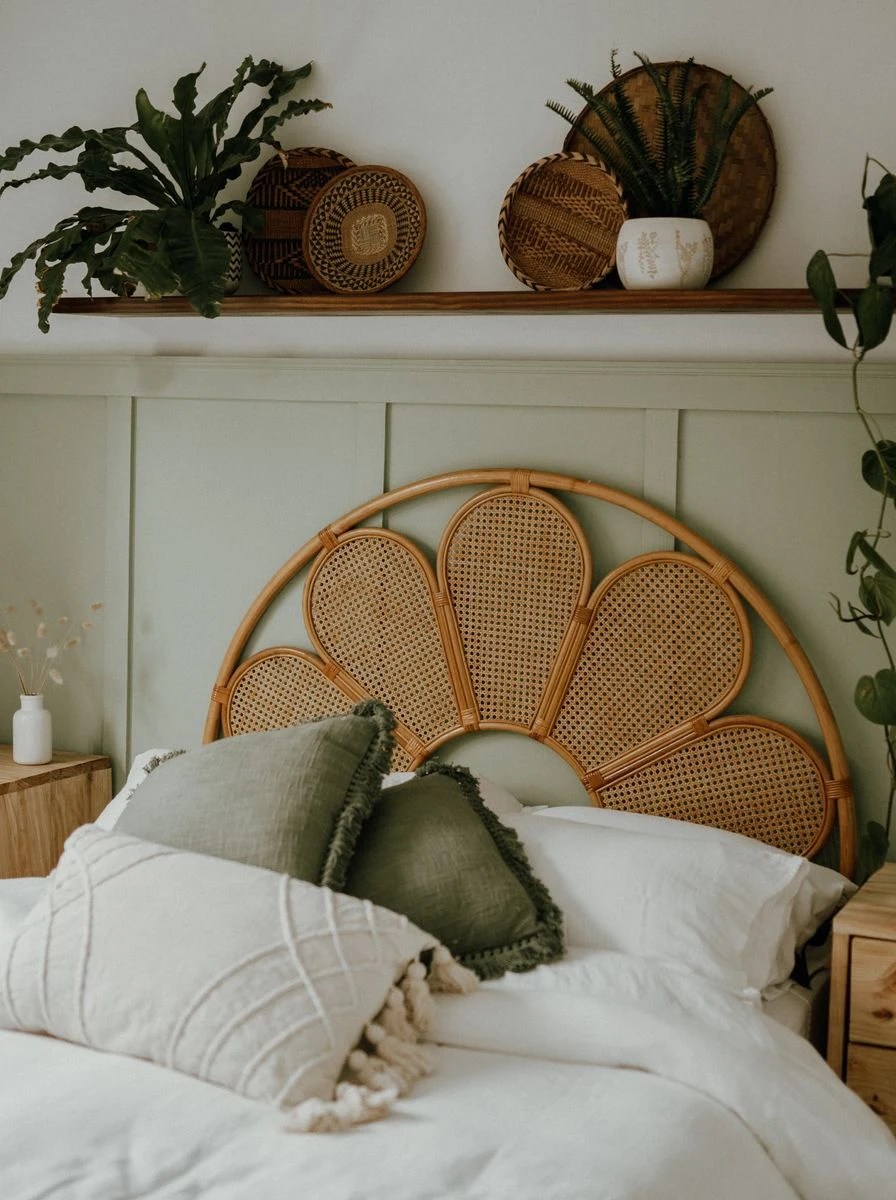
Light, airy, and honest — the Scandinavian pine bed is proof that simplicity is a design decision, not a compromise. Pale pine with a clear finish keeps small bedrooms feeling open, and the clean lines work with almost any bedding you already own. Pine is a softer wood, so it is also one of the most affordable ways to get into solid timber furniture.
For lasting comfort, choose a pine bed with thick rails (at least 3 cm) and a proper slatted base with center support legs. Pine dents more easily than oak, which is actually a plus for families — little marks just add character, and a quick sand and re-oil every few years keeps it fresh. Pair with white bedding and a sheepskin throw for the full Nordic look.
Pine’s softness is a hidden safety plus in children’s rooms: bumps against rounded pine rails hurt less than against hard oak. Choose a design with softly rounded edges, and let kids’ inevitable dents become part of the bed’s character rather than damage to fret over.
5. Teak Slatted-Headboard Bed

Teak has a reputation earned on boat decks and tropical verandas: it laughs at humidity, resists insects, and barely moves with the seasons. A teak bed with a slatted headboard brings that durability into the bedroom, and the horizontal slats add a breezy, modern rhythm that keeps a chunky wooden frame from feeling heavy.
The gaps between the slats also let air circulate behind your pillows, which keeps bedding fresher in warm climates. Teak’s golden-brown color pairs beautifully with terracotta, olive, and sand tones. Care is simple — wipe with a damp cloth and apply teak oil once a year. Genuine teak is pricey, so check for FSC certification to be sure you are getting responsibly sourced timber worth the money.
In warm climates a teak bed can even work in a semi-outdoor sleeping porch — the same weather resistance that suits boat decks handles humidity and temperature swings. Just keep it under a roof overhang, oil it twice a year, and enjoy the most durable bedroom investment you will ever make.
6. Cherry Sleigh Bed

With its gracefully curved headboard and footboard, the cherry sleigh bed brings old-world elegance into a modern bedroom. Cherry wood starts as a warm reddish-brown and deepens to a rich mahogany-like tone with exposure to light — your bed will literally mature alongside you, growing more beautiful every year.
The curved panels are not just pretty; they make a wonderful backrest for reading in bed, far more comfortable than a flat board. Because cherry is a hardwood, the frame stays silent and solid for decades. Style it with deep jewel tones like emerald or navy for a classic look, or soft blush for something lighter. Tip: keep it out of harsh direct sunlight at first so the color deepens evenly rather than in patches.
Sleigh beds often have solid panel bases rather than slats, so rotate your mattress head-to-foot every few months and use a breathable protector to prevent moisture buildup. The curved footboard also makes a perfect perch for folding tomorrow’s clothes at night.
7. Ash Storage Bed

Ash is the athlete of hardwoods — pale, springy, and incredibly strong, which is why it is used for tool handles and sports equipment. In a bed frame, that strength translates into slim, elegant rails that still hold a king-size mattress without complaint. Add built-in drawers underneath and you get a bed that solves the bedroom’s biggest problem: where to put everything.
Deep drawers on smooth runners swallow spare bedding, winter clothes, and all the clutter that ruins a calm bedroom. Because ash is light in color, the bed won’t darken a small room. Look for dovetailed drawer boxes and soft-close runners — the signs of a bed built to be opened and closed daily for years. A light oak-style finish keeps it feeling fresh and modern.
Label what’s inside each storage drawer — out-of-sight clutter becomes forgotten clutter otherwise. Once a year, vacuum the drawer runners and wipe them with a dry cloth; smooth runners are the difference between storage you love and storage you avoid.
8. Mahogany Canopy Bed

Few things say “sanctuary” like a mahogany canopy bed. The deep reddish-brown wood, polished to a soft glow, frames your sleeping space like architecture. You don’t need heavy curtains — even bare posts with a simple top frame create a sense of enclosure that helps many people fall asleep faster, like a grown-up version of a cozy den.
Mahogany is dense and heavy, so the frame is phenomenally stable — once assembled, it does not budge. Drape sheer white voile panels for a romantic touch, or leave it open for a cleaner, more masculine feel. This is an investment piece, so check that the posts are solid mahogany rather than veneer over pine; solid posts can be refinished forever, while veneer cannot.
Tall canopy posts and climbing toddlers are a risky mix, so anchor the posts to the wall with discreet anti-tip brackets. It takes ten minutes, costs very little, and means the bed stays put no matter what adventures happen in the bedroom.
9. Bamboo Solid Wood Bed

Bamboo is technically a grass, but don’t let that fool you — strand-woven bamboo is harder than red oak and grows to harvest size in about five years, making it one of the most sustainable bed materials on the planet. A solid bamboo bed has a distinctive linear grain and a warm caramel tone that suits modern, tropical, and Japandi bedrooms alike.
Comfort bonus: bamboo naturally resists moisture and odors, so the frame stays fresh in humid climates where other woods might struggle. It is also naturally quiet — bamboo’s density dampens vibration. Pair with crisp white sheets and rattan accessories for a resort feel. Look for “strand-woven” on the label; it is far denser and more durable than plain pressed bamboo.
Check that the finish is low-VOC or formaldehyde-free — reputable bamboo makers certify this. Strand-woven bamboo is so dense it barely needs finishing at all; a simple hardwax oil keeps it beautiful and keeps your bedroom air clean.
10. Sheesham Rosewood Bed
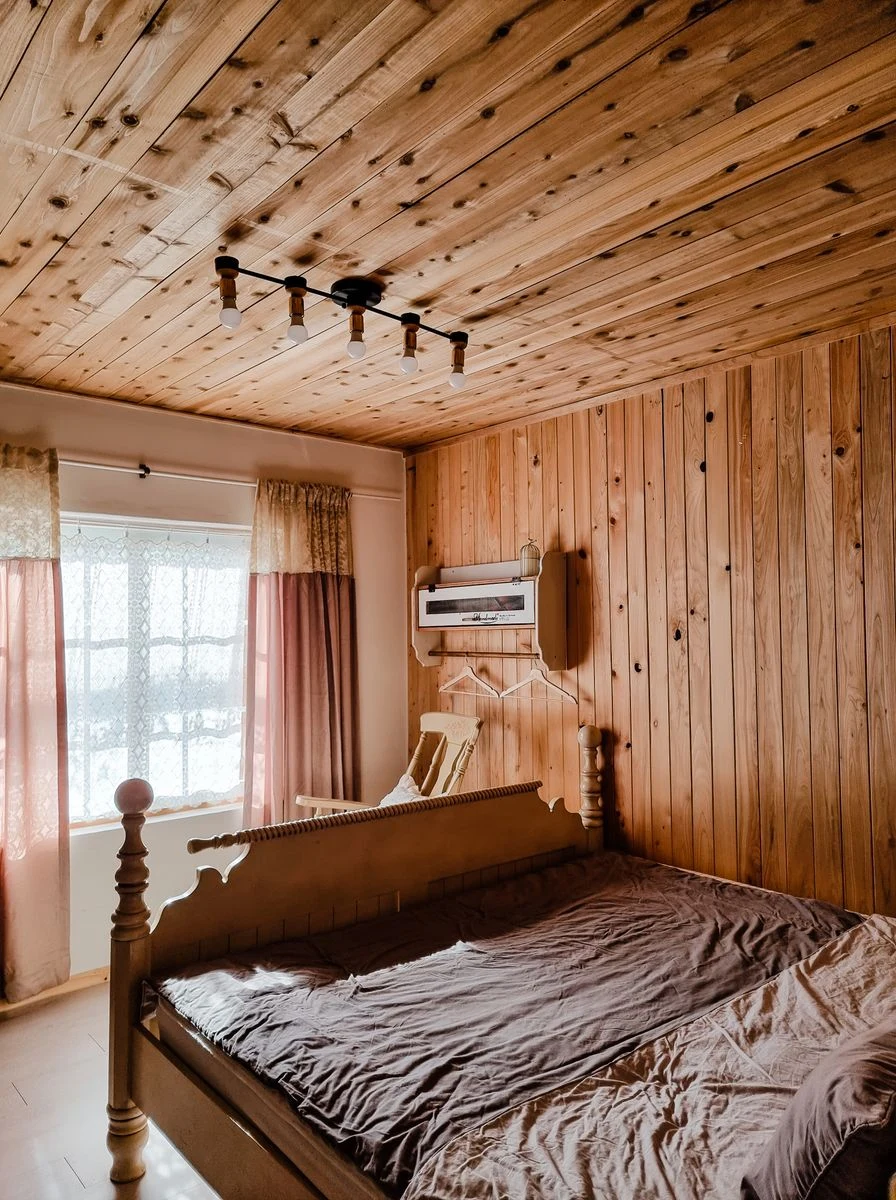
Sheesham, also called Indian rosewood, is the show-off of the timber world — swirling grain patterns in gold, brown, and dark chocolate that make every single bed one of a kind. No two sheesham headboards ever look alike, which is exactly the point. It is a dense, heavy hardwood that polishes to a lustrous finish and resists everyday wear with ease.
That density means a sheesham bed feels absolutely planted — no rocking, no creaking, ever. The dramatic grain does the decorating for you, so keep bedding simple: solid ivory, charcoal, or warm beige. Sheesham offers a genuinely premium look at a mid-range price, which explains its popularity. Wipe with a dry cloth and apply a little beeswax polish twice a year to keep the glow.
Sheesham’s dramatic grain varies wildly between boards, so if you’re buying matching nightstands, view all the pieces together before committing. What looks stunning solo can clash as a set — or harmonize perfectly. A good retailer will happily line them up for you.
11. Acacia Wood Bed
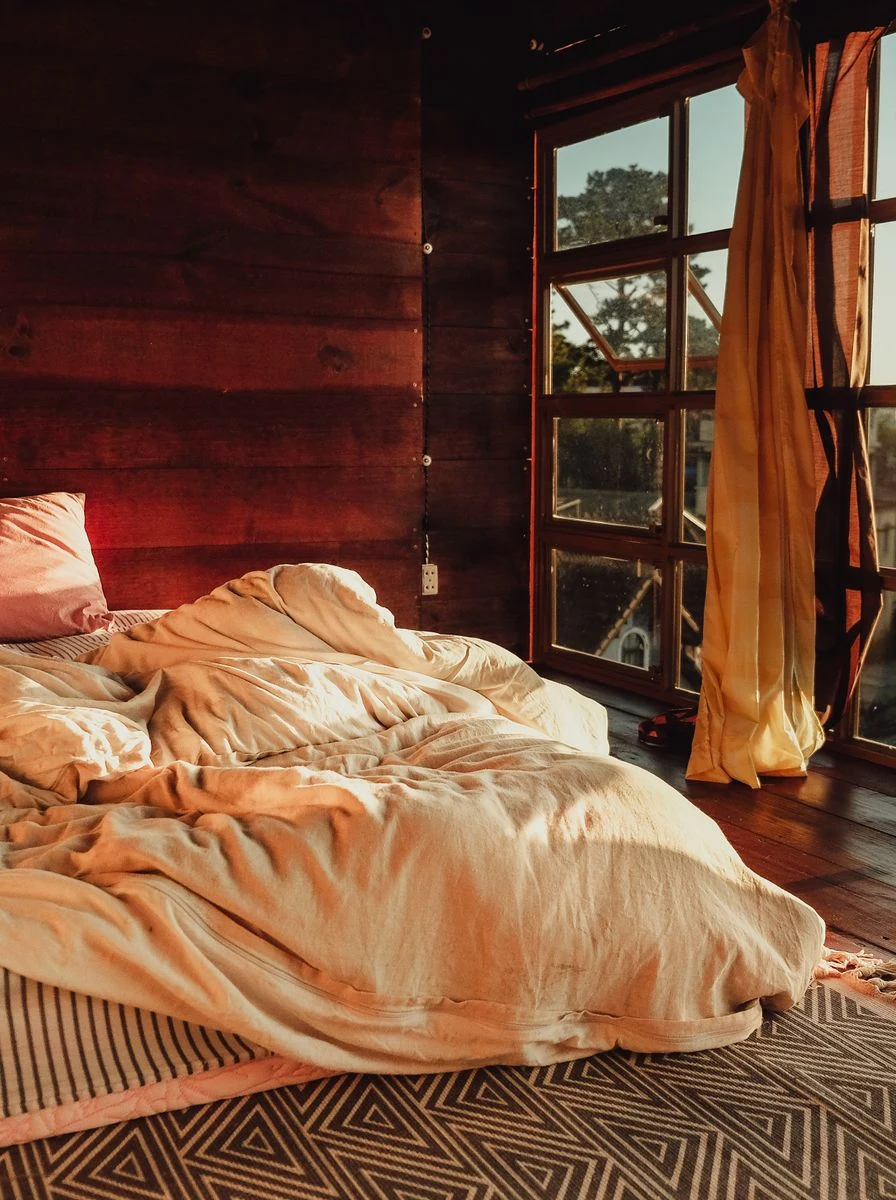
Acacia is the overachiever of affordable hardwoods. It is harder than oak, shrugs off scratches, and has a lively grain with color variations from golden brown to dark streaks that give even a simple platform bed real personality. Best of all, it typically costs far less than oak or walnut while outperforming both on hardness.
For lasting comfort, acacia’s toughness is the headline — it handles kids, pets, and daily life without looking tired. The natural water resistance also makes it forgiving about the occasional spilled glass of water. Style it with earthy tones like rust, sage, and cream. Because acacia grows quickly and sustainably, it is an easy choice to feel good about too.
Acacia’s lively color variation pairs best with calm, solid bedding — busy patterns compete with the grain instead of complementing it. Let the wood provide the visual interest and keep textiles quiet; the result feels rich rather than restless.
12. Maple Minimalist Bed

If your idea of calm is a bedroom with nothing to distract you, the maple minimalist bed is your match. Hard maple is pale, smooth, and fine-grained — almost blank-canvas-like — which lets the form of the bed speak instead of the wood. Low profiles, hidden joinery, and zero ornamentation keep the visual noise at absolute zero.
Maple is one of the hardest domestic woods, so those slim minimalist rails are stronger than they look. The light color reflects daylight beautifully, making small or north-facing bedrooms feel brighter. Keep bedding in a tight palette — white, grey, one accent color — to preserve the serene effect. A maple bed with an oil finish can be spot-repaired with a light sanding, so it stays pristine for decades.
Maple’s pale, even surface shows almost nothing — dust and fingerprints wipe away in seconds, which makes it ideal for a crisp, hotel-like bedroom. Keep one microfiber cloth in the nightstand and a two-minute weekly wipe-down keeps the whole bed gleaming.
13. Aromatic Cedar Bed
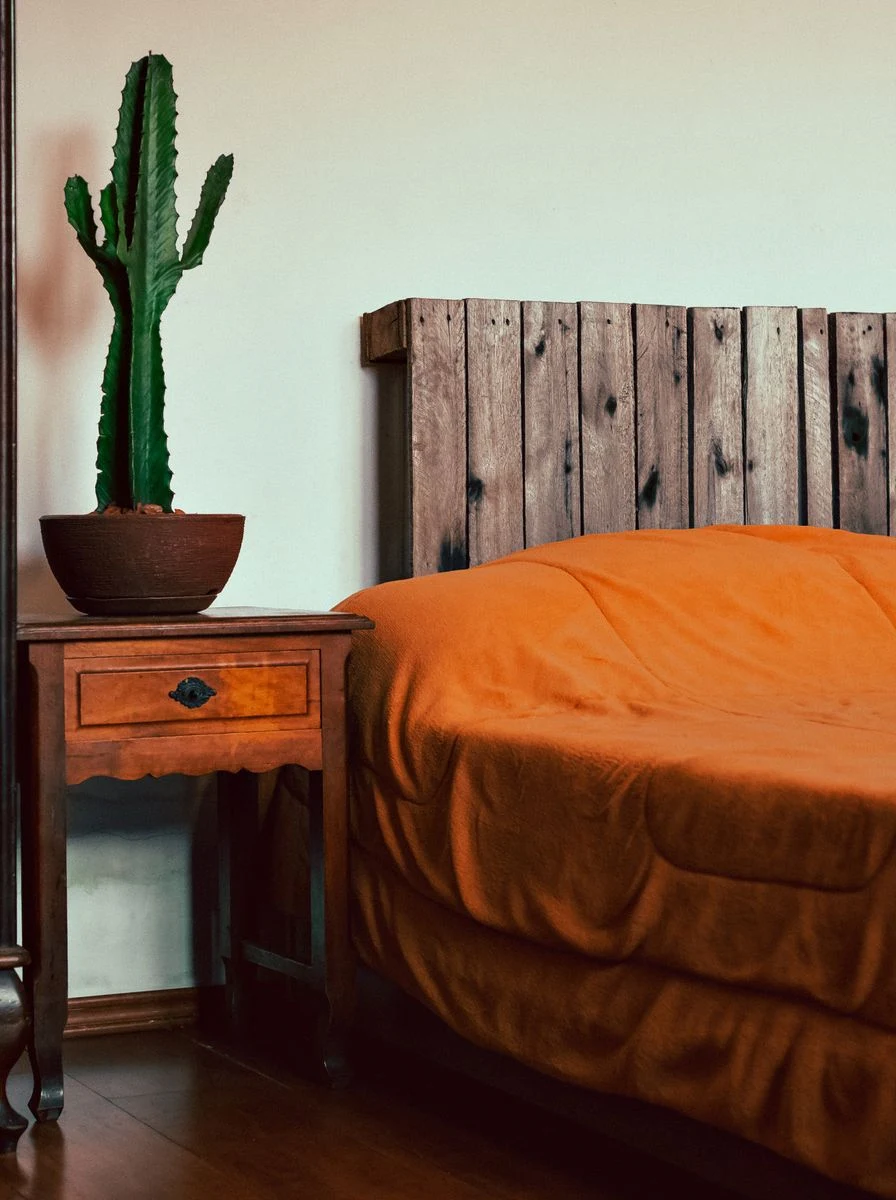
A cedar bed engages a sense most furniture ignores: smell. The wood’s natural oils release a fresh, forest-like scent that many people find genuinely relaxing at bedtime — like falling asleep in a cabin without leaving home. Those same oils repel moths and insects, which is why cedar has lined closets and chests for centuries.
Cedar is a softer wood, so it suits a calm adult bedroom better than a kids’ rough-and-tumble zone. The warm reddish tone pairs gorgeously with cream wool throws and forest-green accents. To keep the scent alive, lightly sand the inside of the rails once a year — it takes five minutes and refreshes the aroma completely. A cedar bed turns bedtime into aromatherapy.
Skip scented sprays and sachets near a cedar bed — the wood’s own aroma is the point, and artificial fragrances just muddy it. If the scent ever fades after many years, that light annual sanding of the inner rails brings it right back.
14. Whitewashed Oak Bed
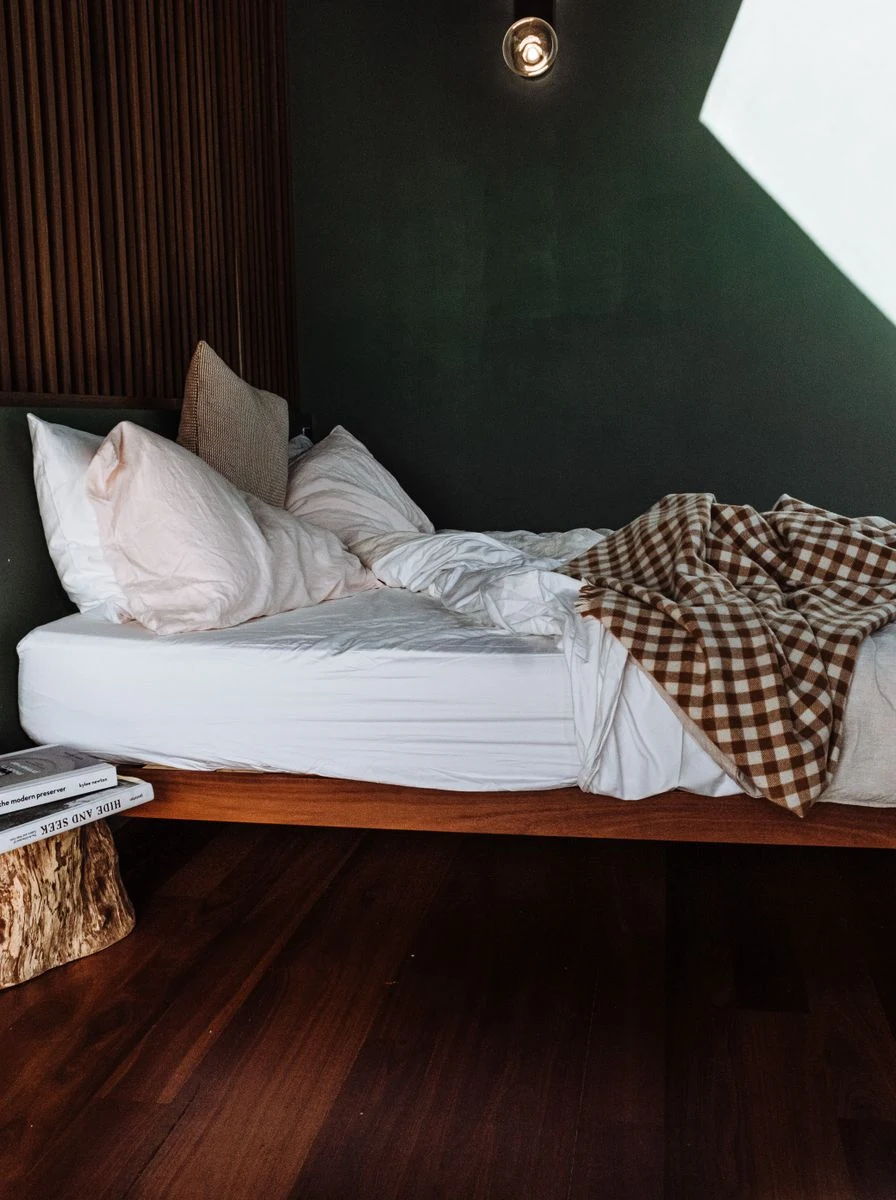
Whitewashing lets you have it both ways: the strength and grain of solid oak with a light, coastal finish that keeps the room feeling bright. The white pigment settles into the grain while the wood’s texture shows through, creating a soft, weathered look that hides dust and minor marks far better than a dark finish.
This is a brilliant choice for beach houses, bright apartments, or anyone who loves oak’s durability but not its golden color. Pair with sea-blue, sandy beige, or soft coral bedding. Practical note: choose a whitewash sealed with a hard-wearing lacquer rather than a simple wax, so the finish survives daily use. It wipes clean with a damp cloth and never needs polishing.
Keep a small pot of matching whitewash for touch-ups; a dabbed brushstroke on a nick disappears in minutes. Because the finish is already distressed, your repairs blend invisibly — this is the most forgiving bed finish to live with.
15. Live-Edge Slab Bed
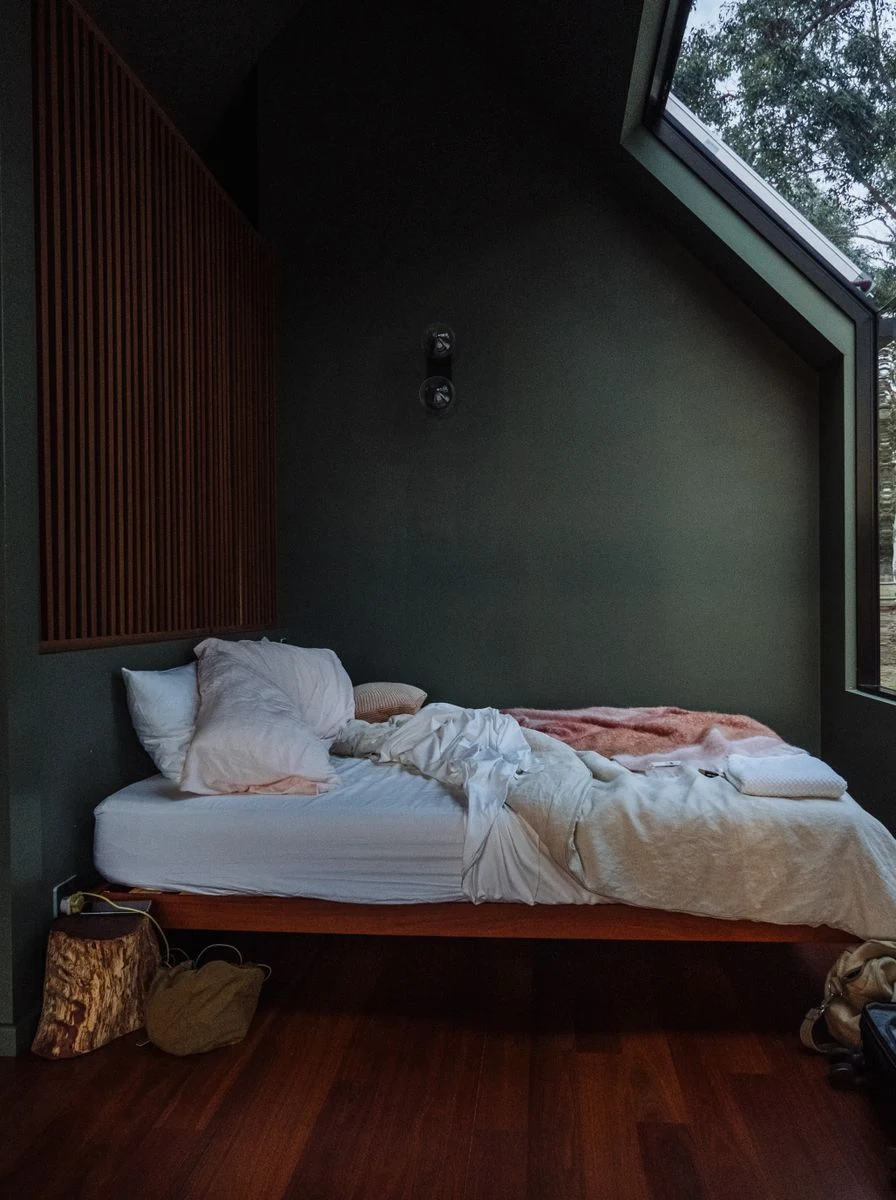
A live-edge bed keeps the tree’s natural outer edge — wavy, organic, wonderfully imperfect — along the headboard. Each slab is cut from a single piece of timber, so the grain flows uninterrupted from one side to the other like a landscape. No two are ever alike, and that is precisely why people fall in love with them.
Beyond the drama, a single thick slab is structurally superb — there are no joints to loosen in the headboard. The organic edge softens the look of a chunky frame, so the bed feels artistic rather than bulky. Style with simple solid-color bedding to let the wood’s edge be the sculpture in the room. Make sure the live edge is sanded smooth and sealed; a good maker does this as standard.
A live-edge headboard’s wavy top edge means crisply tucked bedding looks odd against it — instead, let the duvet drape naturally and fold a throw over the foot. The relaxed styling suits the organic shape and actually looks more expensive.
16. Bookcase Headboard Bed
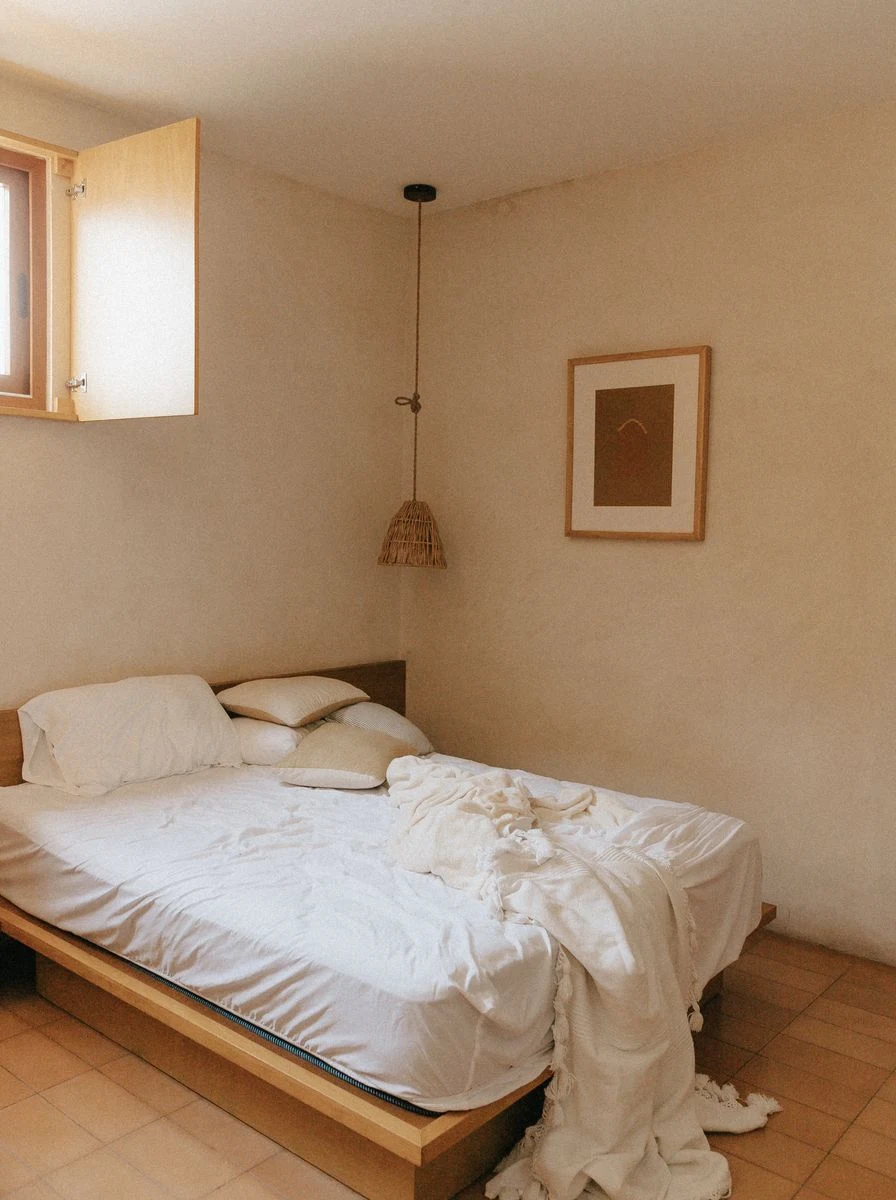
For readers, a bookcase headboard bed is pure genius. Solid wood shelves built right into the headboard hold your current novels, a reading lamp, glasses, and a glass of water — everything within arm’s reach, no nightstand required. It is especially brilliant in small bedrooms where every square centimeter counts.
Because the headboard is deep and solid, it also makes a superb backrest for reading or morning coffee in bed. Choose adjustable shelves if you can; book sizes vary. Keep the top shelf styled simply — a small plant, one framed photo — so it feels like decor, not storage. Solid wood shelves won’t sag under a row of hardcovers the way particleboard does, which is the whole point.
Tall bookcase headboards should be anchored to the wall with the anti-tip hardware most makers include — a fully loaded shelf is top-heavy. It’s a five-minute job that turns a beautiful feature into a completely safe one.
17. Solid Wood Bed with Upholstered Panels
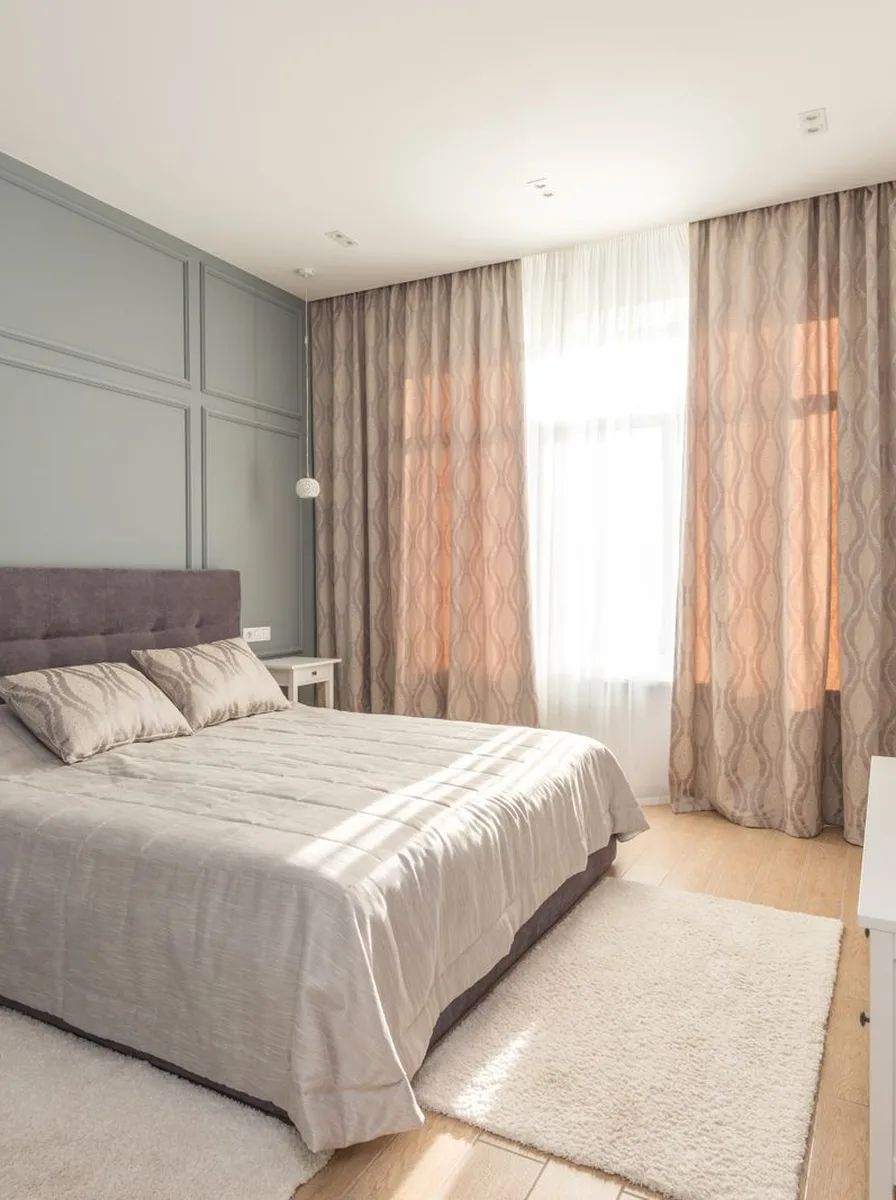
This hybrid gives you the best of both worlds: a rock-solid timber frame with soft, padded panels set into the headboard. You get the longevity and silence of solid wood plus a cushioned surface to lean against while reading or watching a film. Linen or bouclé panels in a neutral tone keep it elegant rather than fussy.
The panels are usually removable on quality beds, which means you can re-cover them in a new fabric years later for a whole new look — the frame underneath will still be going strong. Choose a performance fabric if you have kids or pets; it resists stains and wipes clean. This style bridges traditional and contemporary bedrooms effortlessly.
Vacuum upholstered panels monthly with the upholstery attachment; dust settles into fabric faster than you’d think. For light fabrics, a yearly professional clean keeps them fresh — far cheaper than re-covering, and the solid frame underneath never ages.
18. Rustic Log Bed
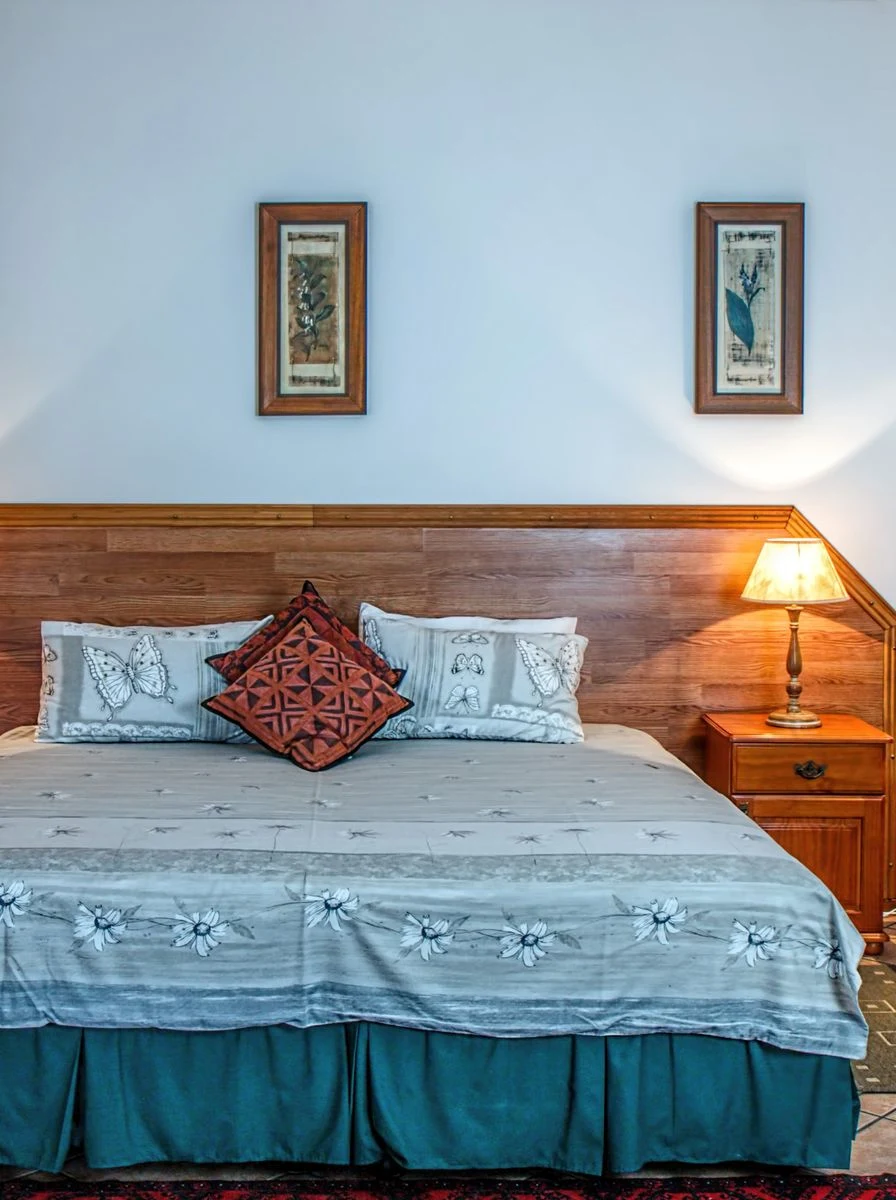
Built from whole or half logs, the rustic log bed is the closest thing to sleeping in a mountain lodge. The rounded timbers, visible knots, and bark-textured details create a bed with enormous presence — it doesn’t just furnish a room, it defines it. Cedar and pine logs are traditional choices, naturally resistant to insects and decay.
Log beds are among the heaviest and sturdiest beds you can buy; once assembled, they simply do not move. Balance the ruggedness with softness: chunky knit throws, flannel sheets, and warm lighting. Because the logs are so visually strong, keep the rest of the room simple — plain walls and minimal furniture let the bed be the undisputed star.
Measure your doorways, stairwells, and hallways before ordering a log bed — these frames barely disassemble and the pieces are enormous. Makers will advise on access, but discovering a corner too tight on delivery day is a headache worth avoiding.
19. Mid-Century Modern Bed
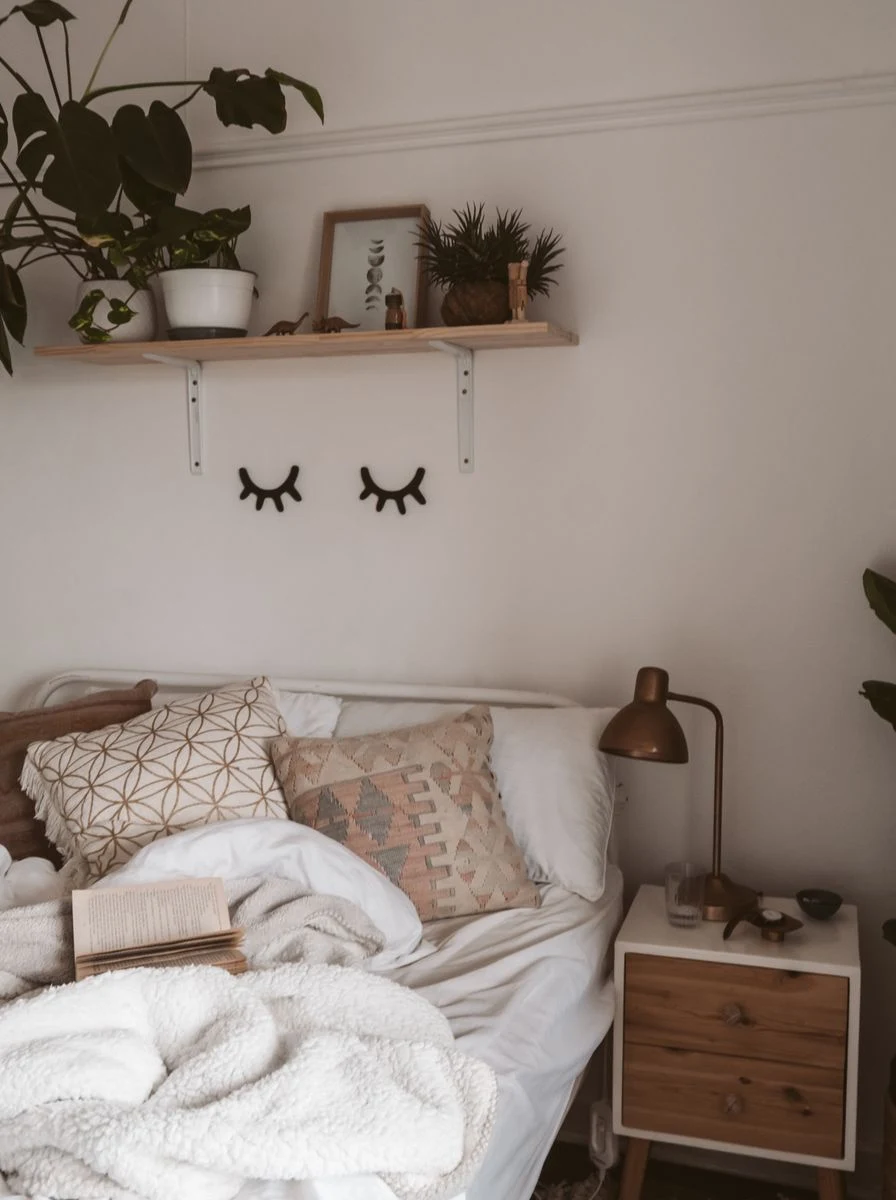
Tapered legs, a floating-look headboard, and warm walnut or teak tones — the mid-century modern bed has been stylish for seventy years and shows no sign of leaving. The design genius is in the proportions: the frame sits slightly off the floor on angled legs, which makes even a solid wood bed feel light and airy instead of blocky.
That raised base is practical too — a robot vacuum glides right underneath, and the airflow keeps things fresh. For authentic lasting comfort, look for solid wood construction rather than veneer; many reproductions cut corners. Pair with geometric-patterned bedding in mustard, teal, or burnt orange for the classic look, or keep it neutral for a quieter take.
Mid-century tapered legs on a thick rug can wobble slightly, so use a proper rug pad with grip underneath. The pad also protects the rug and makes the whole arrangement feel planted — a small detail that makes the bed feel far more expensive.
20. Floating Solid Wood Bed
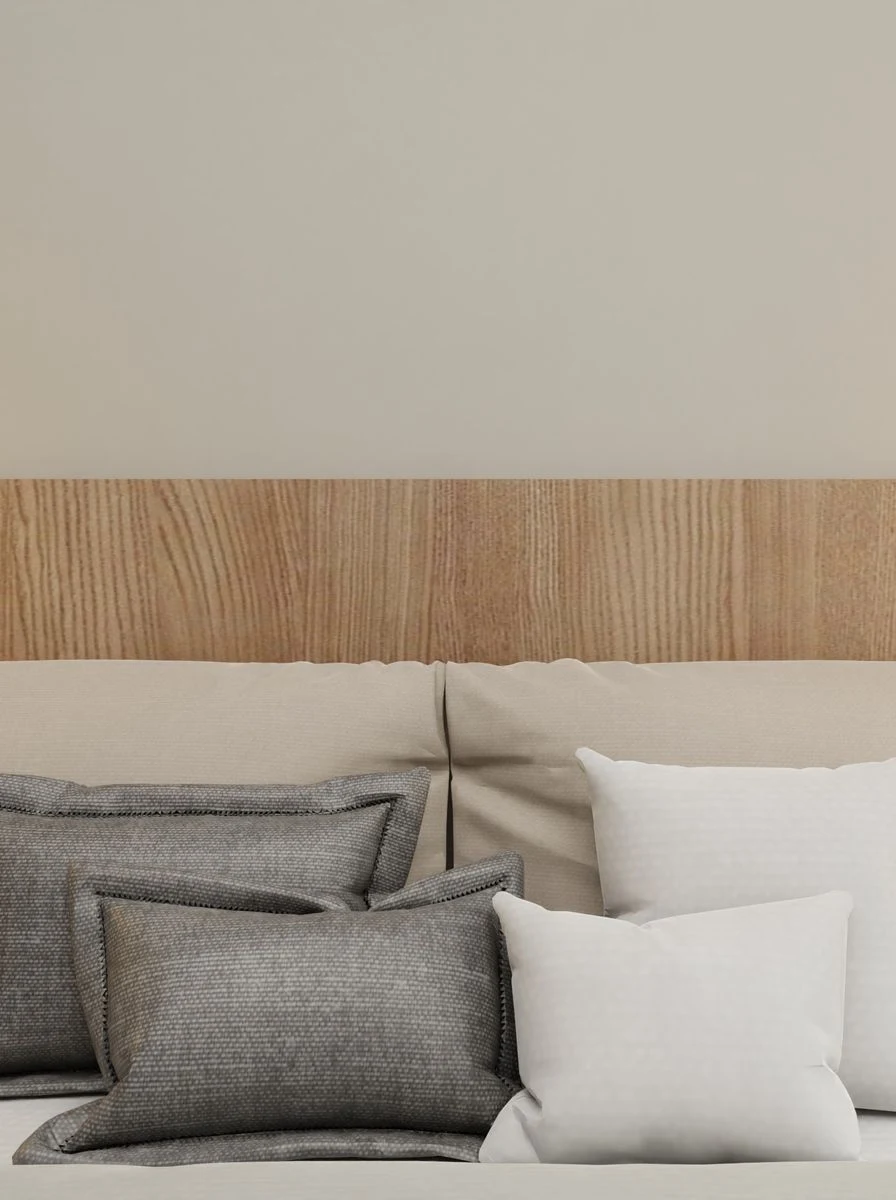
A floating bed looks like magic: the solid wood frame hovers above the floor, supported by a recessed base you can’t see from most angles. The effect makes the bedroom feel larger and calmer, and cleaning underneath is effortless. Add a strip of warm LED lighting under the frame and the bed glows softly at night — part furniture, part art installation.
Don’t confuse the airy look with fragility; quality floating beds use a heavy-duty steel-reinforced inner frame clad in solid wood, rated for serious weight. The clean lines demand tidy bedding — a simple duvet in one color looks best. This is the bed for minimalists who still want the warmth of real timber.
Put the under-bed LED strip on a dimmer or a motion sensor: a soft glow for midnight bathroom trips, full warmth for evening ambiance. Warm white (around 2700K) flatters wood far better than cool white, which can make timber look grey.
21. Trundle Solid Wood Bed

The trundle bed is the hardest-working bed in this list. By day it is a handsome solid wood daybed or twin; by night the pull-out trundle underneath becomes a second full sleeping space for guests, sleepovers, or a partner who steals the covers. In a home office or guest room, it is unbeatable value.
Solid wood matters here more than anywhere — the trundle gets dragged in and out constantly, and only real timber joinery survives that abuse for years. Look for smooth-rolling casters and a trundle that pops up to full height. Dress the main bed as a daybed with cushions and a throw so the room works as a sitting space until guests arrive.
Measure the trundle clearance before buying a thick mattress for it — many trundles only accept mattresses 15 cm or slimmer. A low-profile mattress on the trundle plus a good topper gives guests real comfort without jamming the mechanism.
22. Tall Statement Headboard Bed

Sometimes a bedroom needs drama, and a tall solid wood headboard delivers it. Rising a meter or more above the mattress, it becomes the room’s architecture — framing the bed like a stage. Vertical paneling draws the eye upward, making ceilings feel higher and the whole room feel grander.
A tall headboard is also wonderfully practical: it protects the wall, gives excellent back support for sitting up, and creates a natural focal point so the rest of the room can stay simple. Keep walls a calm solid color and let the wood’s height do the talking. In a large bedroom, this is the single fastest way to make the space feel designed rather than just furnished.
In rooms with ceiling fans, check the fan’s blade clearance against a tall headboard’s top corners before you buy. A tape measure and two minutes of checking beats the awful discovery that the fan clicks the headboard on its lowest setting.
23. Low Tatami-Style Platform Bed
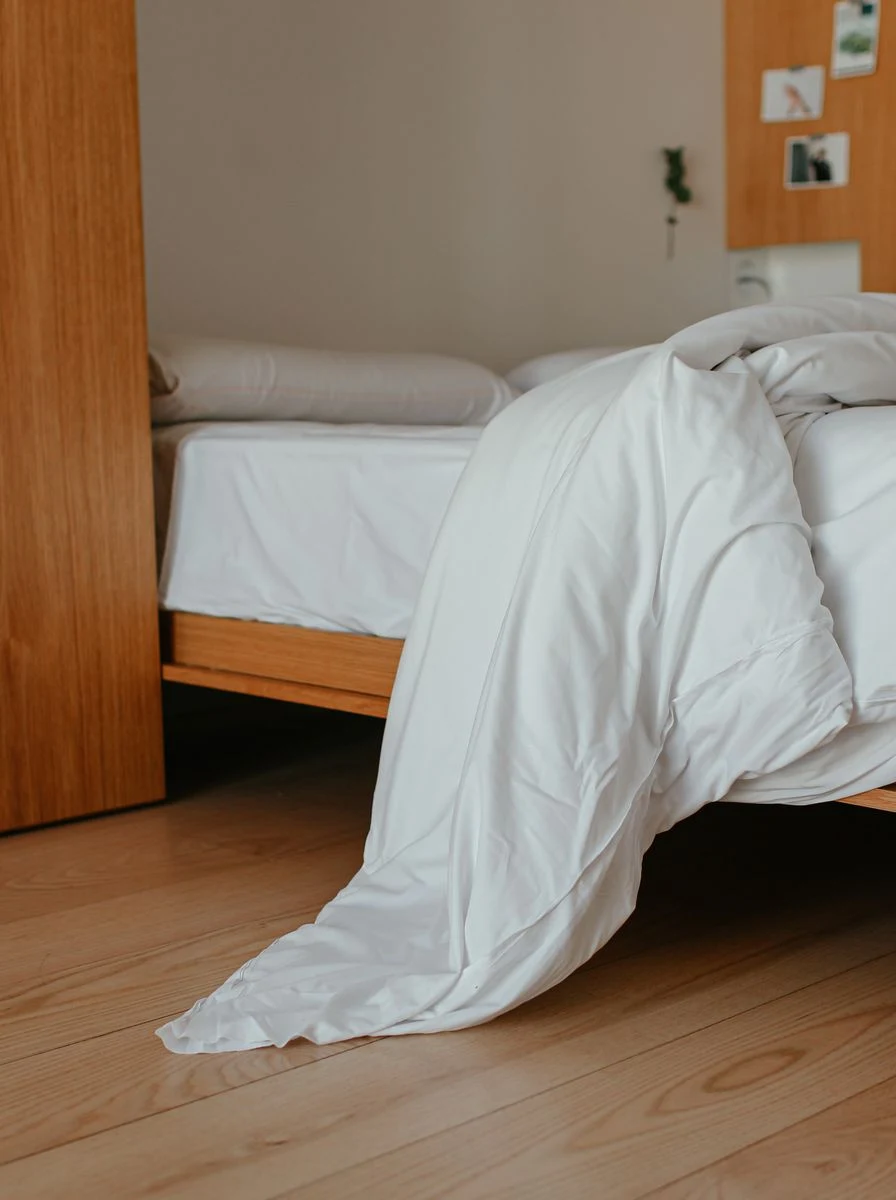
Inspired by Japanese interiors, the tatami-style platform sits just centimeters off the floor — a simple, low rectangle of solid wood that brings instant serenity. Sleeping closer to the ground feels grounding and calm, and the minimalist form makes even a small bedroom feel spacious and uncluttered.
The low height makes getting in and out easy on the knees, and the wide platform edge doubles as a handy shelf for a book or alarm clock — no nightstand needed. Choose a light wood like ash or beech for an airy feel, and pair with low-profile bedding in natural fibers. This is minimalism with warmth, not coldness.
Pair a tatami-style platform with a low-profile or Japanese-style mattress for authentic comfort — a towering pillow-top defeats the purpose. The wide platform edge also makes a perfect spot for a small tray with tea, turning bedtime into a ritual.
24. Hand-Carved Heirloom Bed
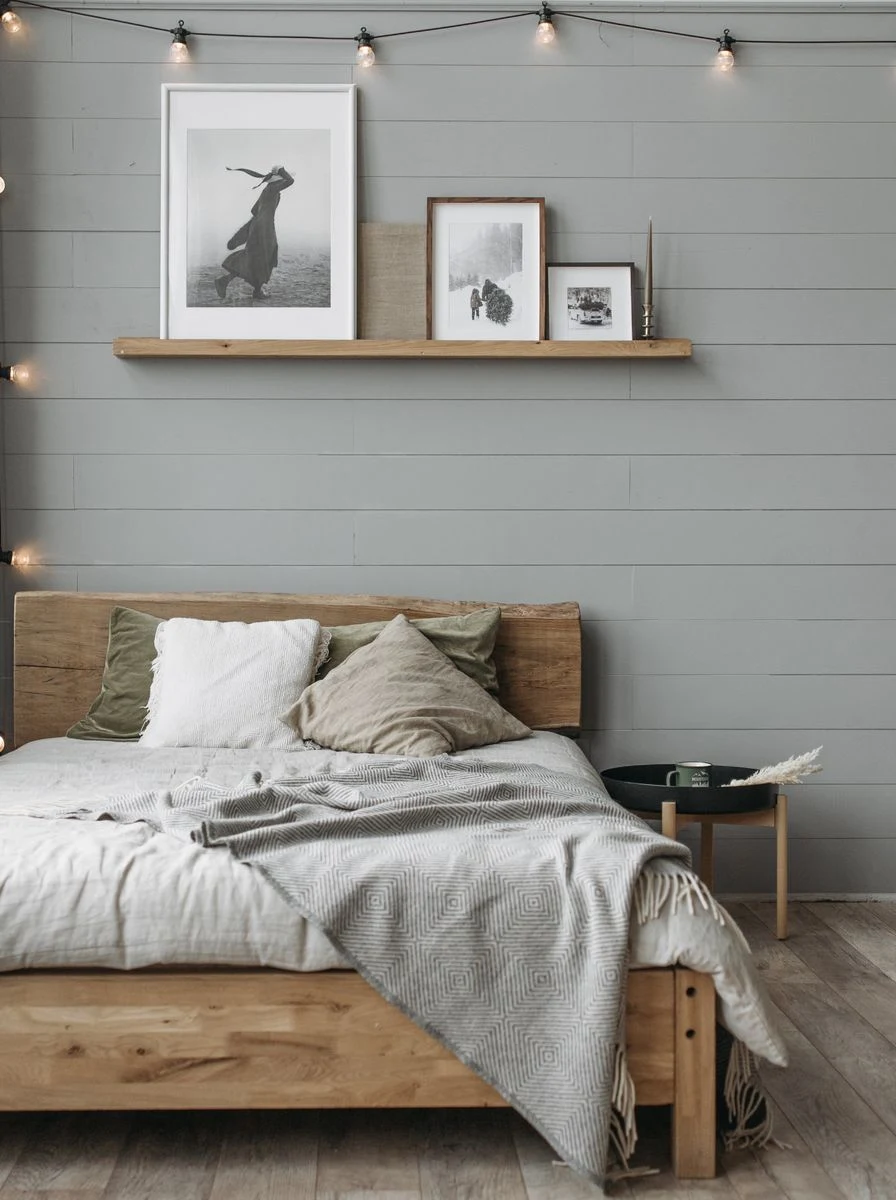
A hand-carved bed is furniture as art. Floral motifs, geometric patterns, or traditional designs are chiseled directly into solid hardwood by craftspeople, creating a piece that can genuinely be handed down through generations. Unlike mass-produced carving, hand work has tiny variations that catch the light and reward a closer look every single day.
Because these beds are built by artisans from dense hardwoods like teak or rosewood, they are among the most durable beds money can buy — a century of use is not an exaggeration. Let the carving shine with simple, solid bedding and good lighting; a picture light above the headboard turns it into a gallery piece. Buy from a maker who signs their work — provenance matters for heirlooms.
Dust hand carvings regularly with a soft natural-bristle brush — cloths catch on the details and leave lint behind. Given the value, list the bed on your home insurance as a named item; true artisan pieces appreciate rather than depreciate.
