

Comfort in a desk chair isn’t about softness — it’s about support that disappears. The most comfortable chair for long hours is the one you stop noticing by 10am: no pressure points, no fidgeting, no counting down to lunch so you can stand up. Soft armchairs feel wonderful for twenty minutes; a well-engineered task chair feels wonderful for twenty thousand hours.
This guide breaks comfort down into its real ingredients: cushioning, breathability, adjustability, and fit. You’ll learn how to test chairs properly and break in the right one so it feels made for you.

Define What Comfort Means for You
Comfort is personal, and it helps to know your own pattern before shopping. Do your thighs go numb? Does your lower back ache? Do your shoulders creep up? Each complaint points to a different feature: numb thighs mean seat depth or edge pressure, back ache means lumbar support, shoulder tension means armrest height. Write down your top two complaints — they’re your shopping list. Bring that list to the shop and test specifically for those issues.
Know yourself:
● Track when discomfort starts — hour two versus hour six tells you how much support you need.
● Note where it hurts: thighs, lower back, shoulders, and neck each implicate different features.
● Consider your build honestly — petite, tall, and broad sitters need different chairs.
● Think about temperature too; if you run hot, breathability matters as much as padding.
Cushioning: Foam Density Matters
The secret of lasting comfort is foam density, not thickness. A thick slab of cheap foam feels heavenly in the shop and flat as a pancake in six months. High-density or moulded foam resists bottoming out and distributes your weight evenly, so no single pressure point screams by afternoon. Press test every chair: quality foam rebounds slowly, cheap foam stays dented.
Foam wisdom:
● High-resilience moulded foam is the gold standard for seat cushions.
● Memory foam feels luxurious but can trap heat — fine in cool rooms, less so in warm ones.
● A contoured seat pan (slightly dished) cradles you better than a flat slab.
● Ask about foam density if buying online — 50kg/m³ and above signals quality.
Breathability for All-Day Sitting
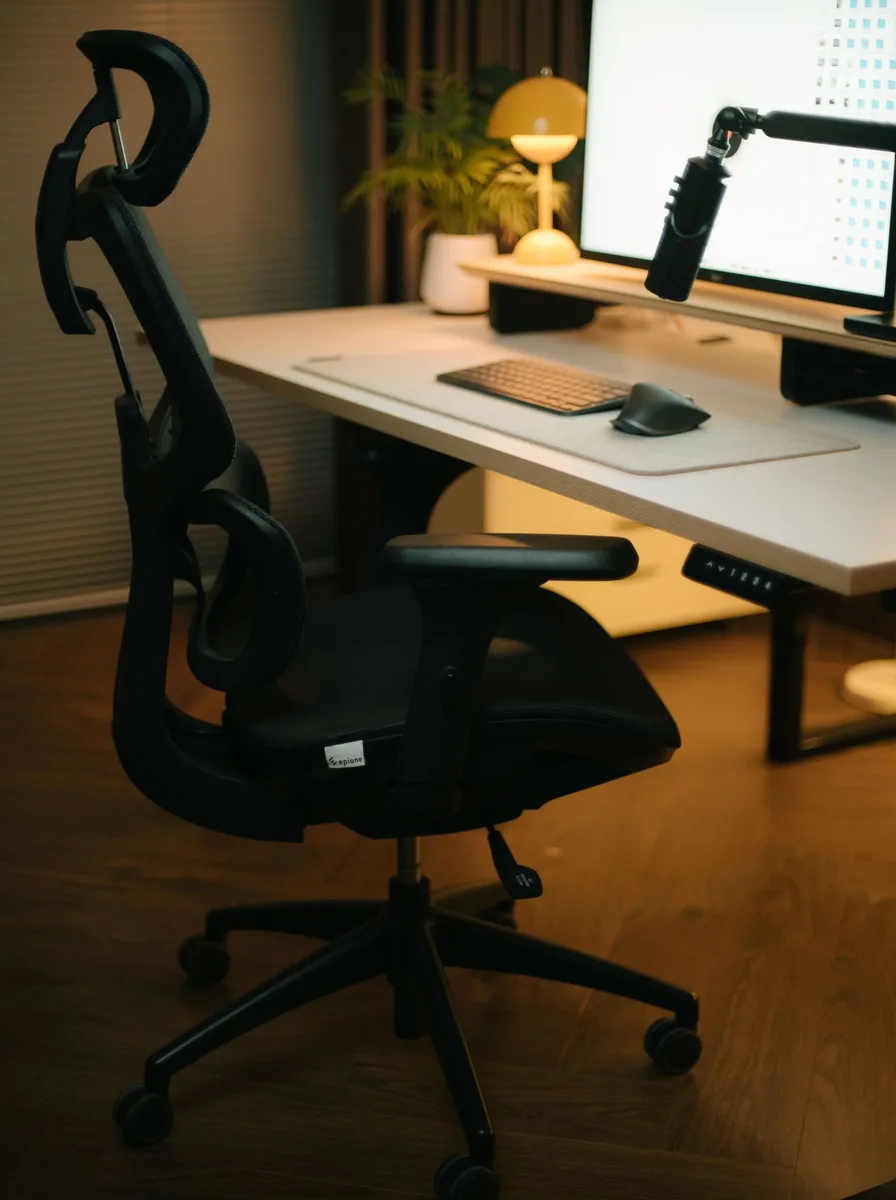
Heat is the silent comfort killer. After four hours, a non-breathable seat turns into a sticky trap that has you shifting constantly. Mesh backs are the classic solution — they flex with you and let air flow — while mesh or ventilated seat pans handle the underside. If you love upholstery, choose open-weave fabrics over vinyl or bonded leather.
Stay cool:
● A full mesh back and seat is the coolest-riding option for warm rooms.
● Perforated or open-weave fabrics breathe far better than solid vinyl.
● Dark colours hide sweat marks; light colours reflect heat — pick your priority.
● If your room runs warm, breathability matters more than extra padding.
The Importance of Adjustability
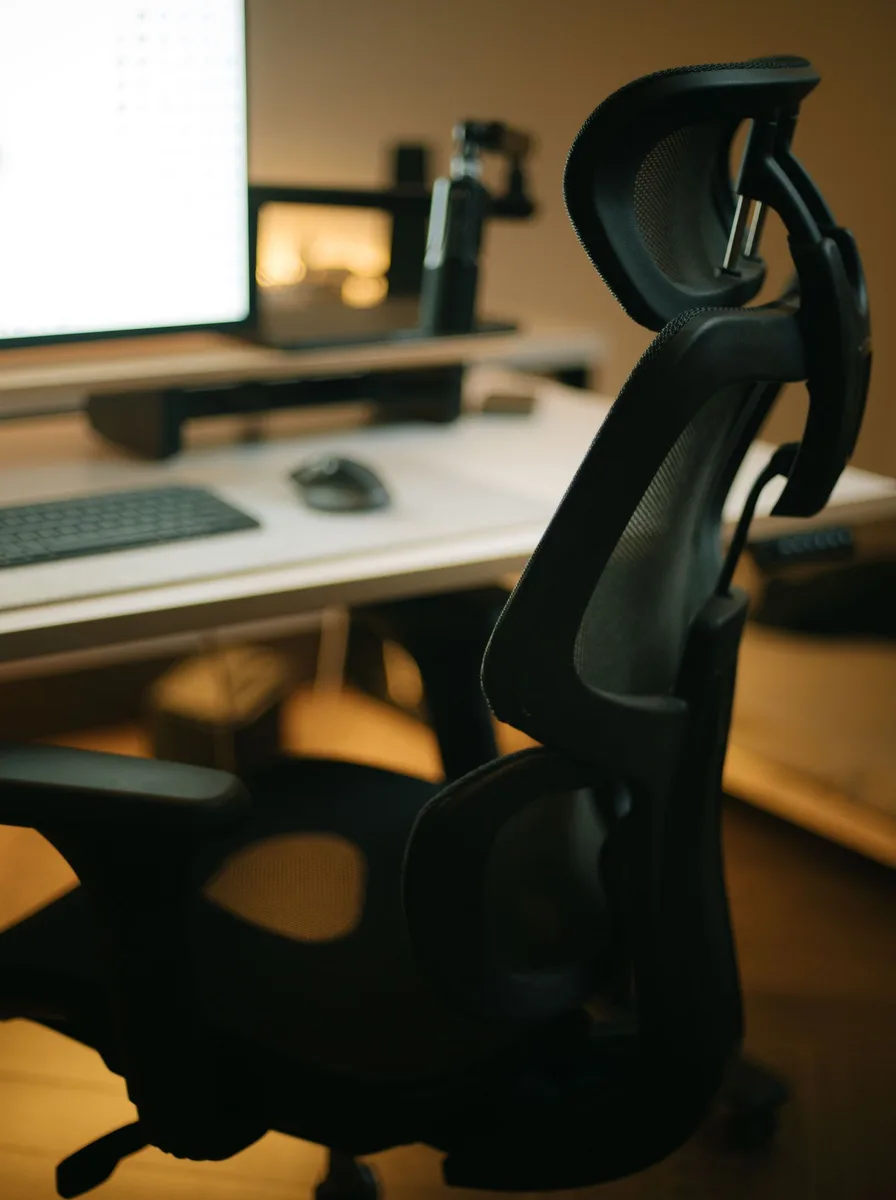
A chair that fits perfectly out of the box is rare — adjustability is how a good chair becomes your chair. Prioritise in this order: seat height (essential), lumbar support (essential for long hours), seat depth, armrest height, and tilt tension. Each adjustment you actually use multiplies comfort; each one you ignore was wasted money, so be realistic about what you’ll bother with.
Adjust in order:
● Height and lumbar first — these two fix 80% of discomfort.
● Seat depth next, especially if you’re notably tall or petite.
● Armrests matter hugely if you type all day; less so if you’re often away from the desk.
● Skip exotic adjustments you’ll never touch and spend the savings on better foam.
Test Before You Commit
Never buy a long-hours chair on looks alone. In a shop, sit for at least ten minutes — fifteen is better — in your normal working posture, not perched politely on the edge. Wiggle, recline, adjust everything, then sit still and notice what nags you. Online, buy from retailers with 30-day returns and actually use the chair for real workdays before deciding.
Test properly:
● Sit the way you really sit, including the slump — the chair should correct it, not punish it.
● Check for pressure points behind the knees and under the thighs after ten minutes.
● Recline fully and sit upright; both should feel supported, not precarious.
● Keep the box for two weeks — returning a chair is normal, not failure.

Break It In Properly
Even the right chair can feel strange on day one — your body has spent years adapting to the wrong one. Give it a full working week: adjust the settings on day one, then leave them alone for three days while your muscles recalibrate. Revisit the adjustments at the end of week one; settings that felt odd initially often feel perfect once the slump habit fades.
Breaking in:
● Expect mild unfamiliarity for 3–5 days — that’s adaptation, not a bad chair.
● Resist the urge to constantly tweak; change one thing at a time.
● Notice what’s better, not just what’s different — less fidgeting is the real signal.
● After two comfortable weeks, you’ve found your chair — stop shopping and enjoy it.

David is the home decor enthusiast behind HomeLushly. He shares practical, budget-friendly ideas for bedrooms, living rooms and seasonal decorating — from colour combinations that actually work to small-space styling tricks that make a room feel bigger. Every guide on HomeLushly is built around real photos and hands-on research, to help you make your home feel warm, personal and beautifully put together.