

The right wall art doesn’t just decorate a dining room — it seasons it.
A bold abstract over the sideboard makes weeknight suppers feel like an occasion; a calm landscape softens Sunday lunches; a witty print gives dinner guests something to talk about before the food arrives. Walls are the largest surface in the room, yet they’re the last thing most people decorate. Flip that order and the whole room changes — often for less than the cost of the meal you’re serving.
Choosing art for a dining room has its own logic.
Because you sit still and face the walls for an hour at a time, the art gets studied far more closely here than in a hallway you rush past. That means scale matters — go bigger than you think — and subject matters too: warm, appetising, conversation-starting pieces beat cold minimalism at the dinner table. The best dining room art is the kind people lean in to look at between courses.
This guide collects 26 eye-catching dining room wall art ideas, each shown in a real-style setting with practical tips for choosing, hanging, and styling.
From gallery-style clusters and vintage landscapes to hand-painted murals and leaning canvases, you’ll find art for every wall, budget, and appetite — each one ready to transform every meal you serve beneath it.
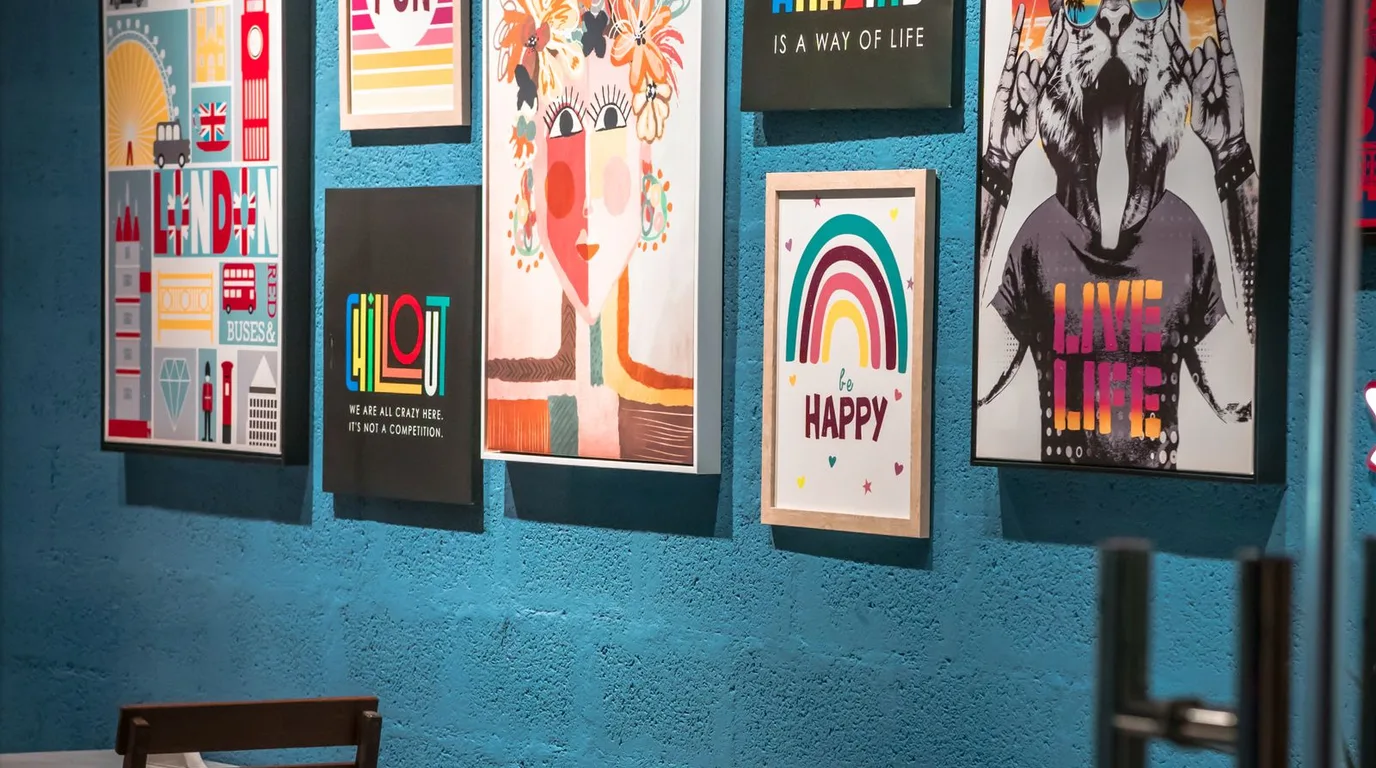
1. Frame Your Table with Graphic Line Frames
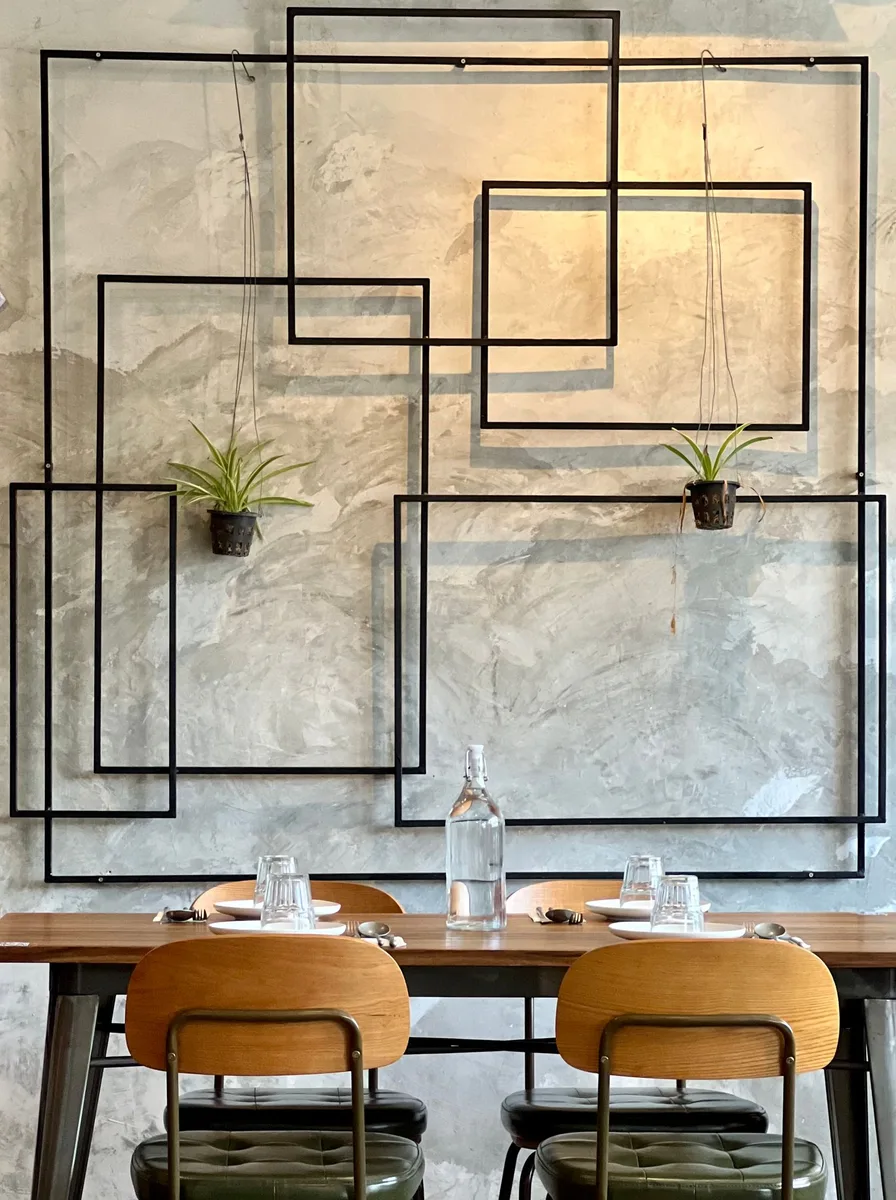
Slim metal frames with geometric line art bring an architectural crispness to a dining room without shouting. Hung in a loose cluster over the table, their open linear shapes keep the wall feeling light — perfect above a wooden table where you want interest, not heaviness. The black lines act like jewellery: precise, graphic, and quietly confident.
Keep the frames’ finish consistent — all matte black or all brass — so the group reads as one piece. Hang the cluster’s centre at eye level from a seated position, roughly 120 to 130 centimetres, since diners view it sitting down. Pair with simple wooden chairs and let the line art be the room’s only pattern; it doesn’t need competition.
2. Hang a Petite Cluster Over the Table
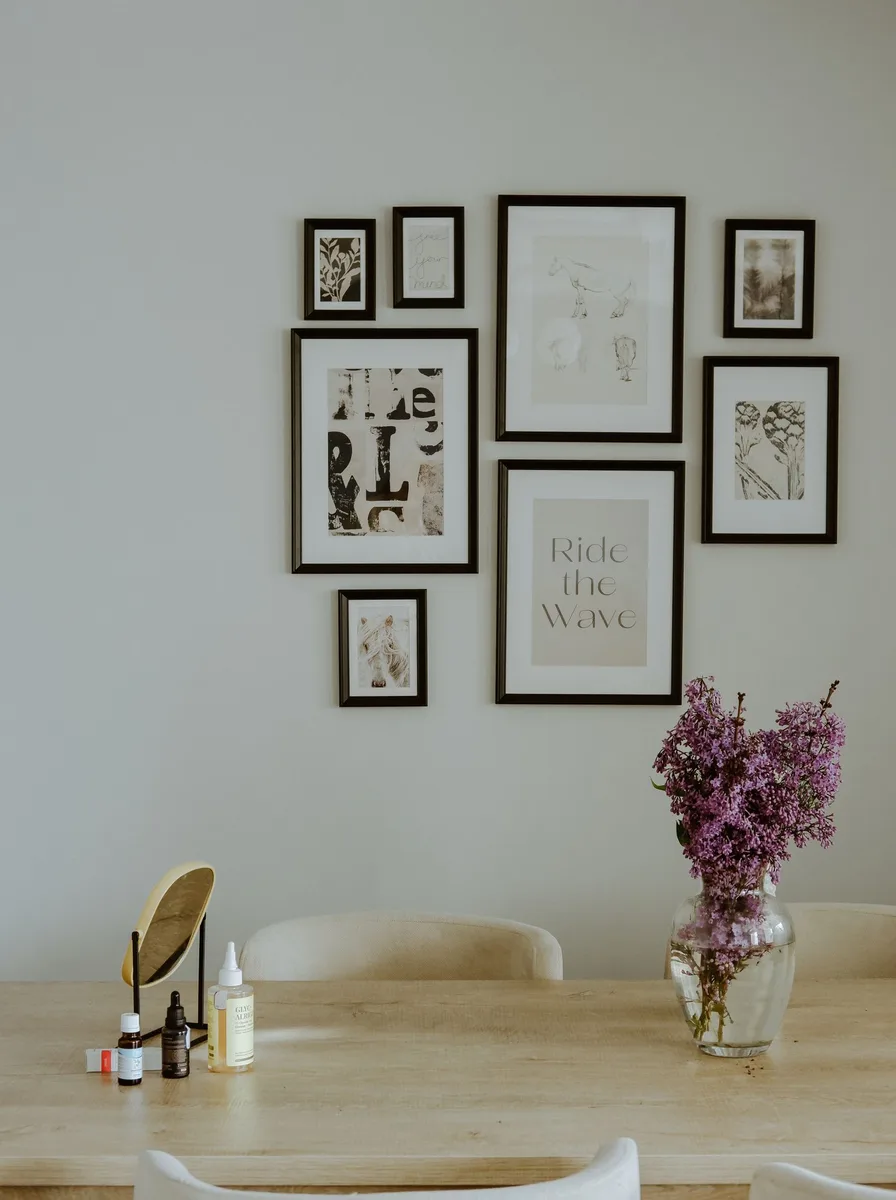
A small, asymmetric cluster of frames is the friendly middle ground between one lonely print and a full gallery wall. Five to seven modest frames, grouped a little off-centre above the table, feel collected and personal — the kind of wall that grows from flea-market finds and favourite postcards. The asymmetry keeps it relaxed; the tight grouping keeps it intentional.
Unite the cluster with a consistent frame colour or a shared palette in the art, then let sizes and subjects vary. A vase of fresh flowers on the table below echoes the cluster’s casual charm and pulls the wall’s colours into the room. Hang the lowest frame about 20 centimetres above the tabletop so the arrangement feels connected to the furniture, not floating.
3. Go Bold with Colourful Abstract Panels
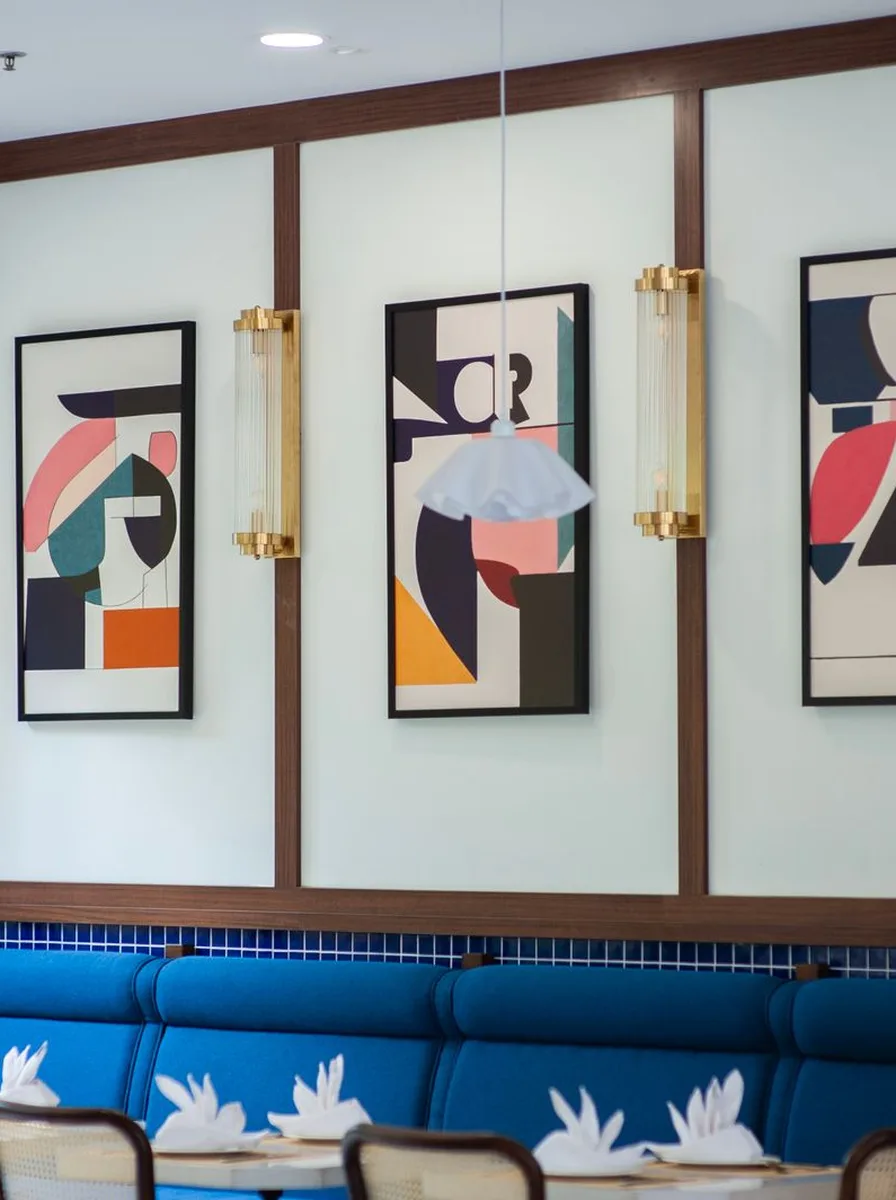
Colourful abstract panels are made for dining rooms: they energise the space, flatter candlelight, and give guests something vivid to admire. Hang two or three panels in a row between wall sconces, and the lighting turns the art into a proper evening feature. Choose abstracts with warm undertones — coral, amber, terracotta — and the whole room feels more appetising.
Scale the panels to the wall: each piece should be roughly two-thirds the width of the furniture beneath it. If your dining chairs are bold — a deep blue banquette, say — pick art that shares one accent colour with the upholstery and contrasts with the rest. Abstracts are forgiving to live with because there’s no “right” subject to tire of; they simply set a mood.
4. Give It a Retro Poster-Bar Vibe
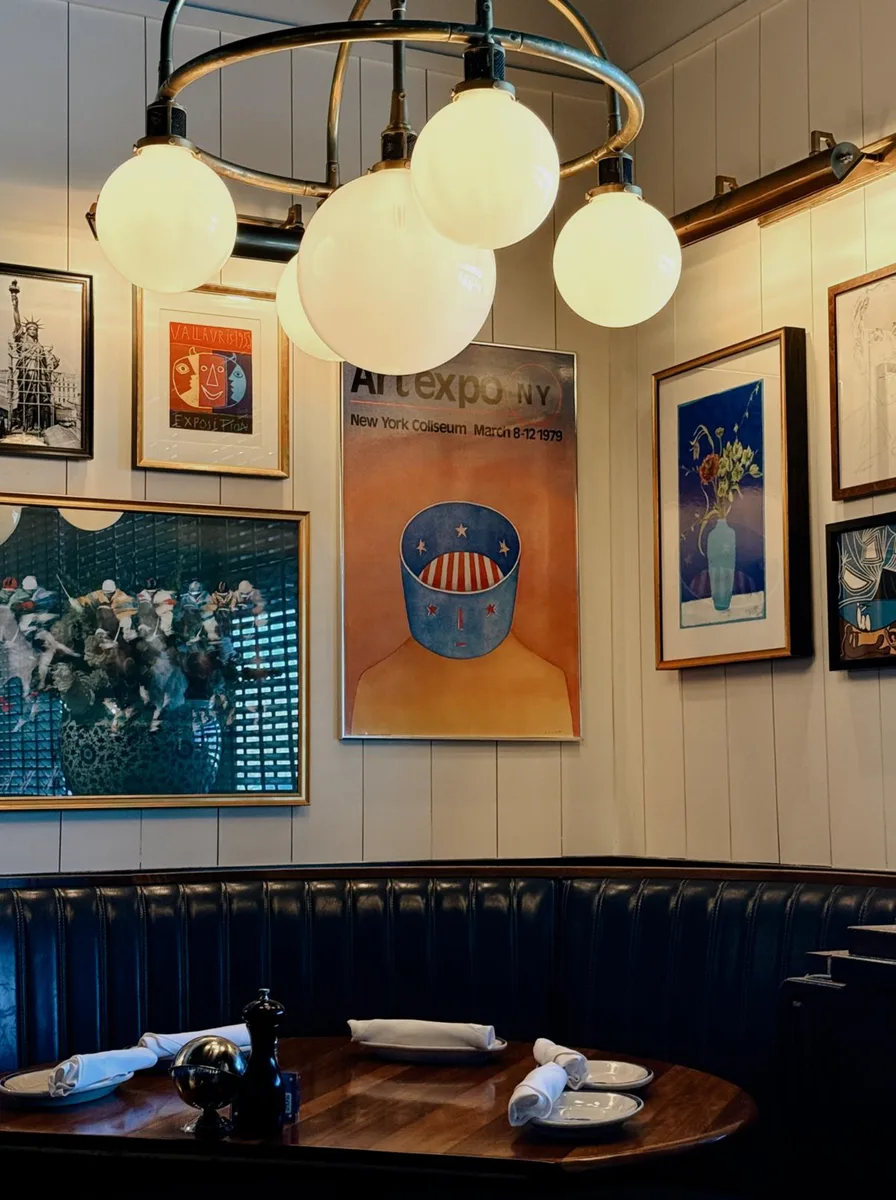
Vintage music and travel posters bring instant atmosphere — the buzz of a favourite bar, minus the noise. A wall of framed gig posters, grouped tightly and lit by warm pendants, turns a dining room into the coolest corner of the house. The retro graphics and bold typography do the decorating heavy lifting, so the furniture can stay simple.
Frame posters properly rather than pinning them; real frames signal intention and protect the prints. Mix poster sizes but keep frames uniform — slim black frames let the colourful graphics shine. This is also a brilliant way to display a collection: gig tickets, festival wristbands, and signed prints all earn their place. Dim the pendants low and dinner feels like a night out.
5. Make a Statement with Animal Art
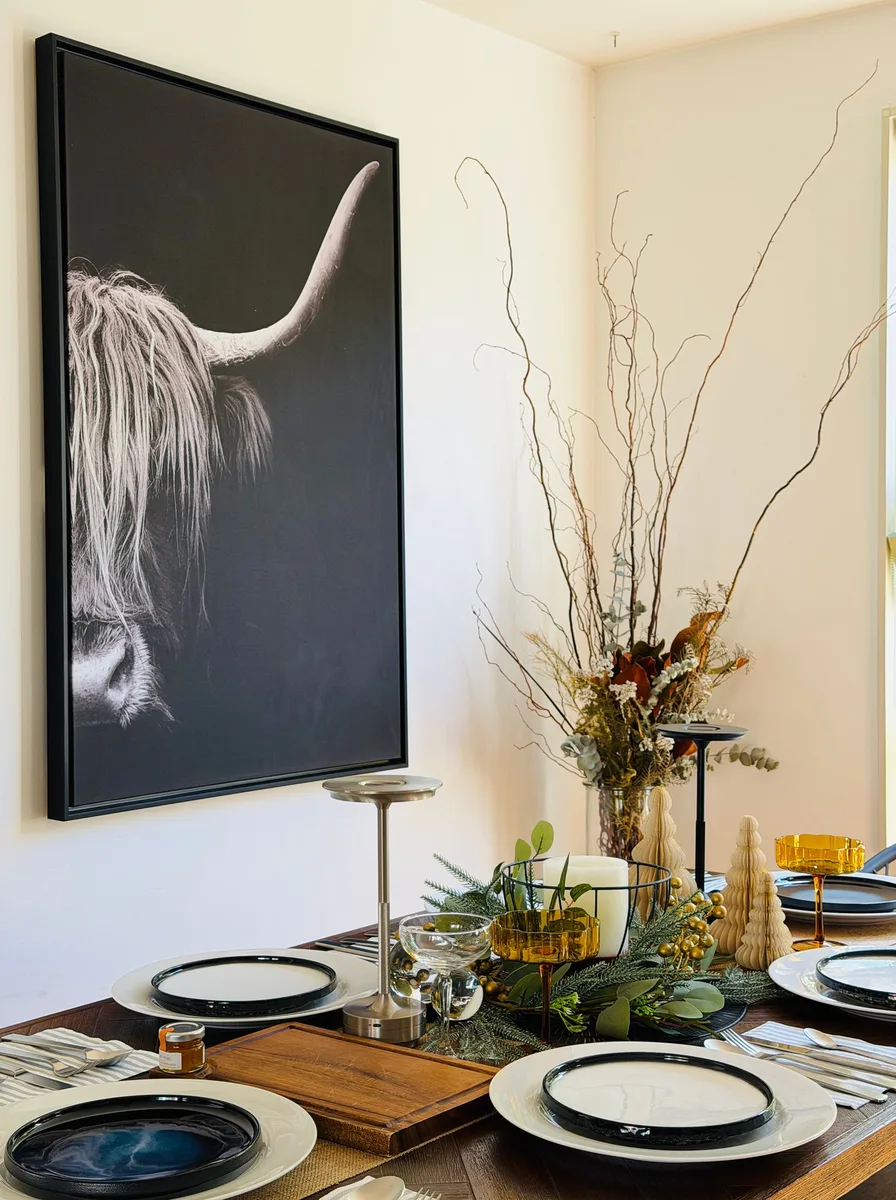
One large animal portrait — a Highland cow, a stag, a heron — is a dining room classic for good reason. Animals bring warmth and character, they suit wooden tables and natural textures, and they give the room a focal point with real presence. A big monochrome beast on a neutral wall is bold without being loud: graphic, a little humorous, endlessly likeable.
Go large — the print should dominate its wall, at least a metre wide — and hang it low enough to meet the eye of seated diners. Style the table to echo it: linen placemats, a branchy centrepiece, stoneware plates. Animal art pairs beautifully with rustic and farmhouse dining rooms, but a single dramatic creature also sharpens up a plain modern space.
6. Fill a Brick Wall with Eclectic Art
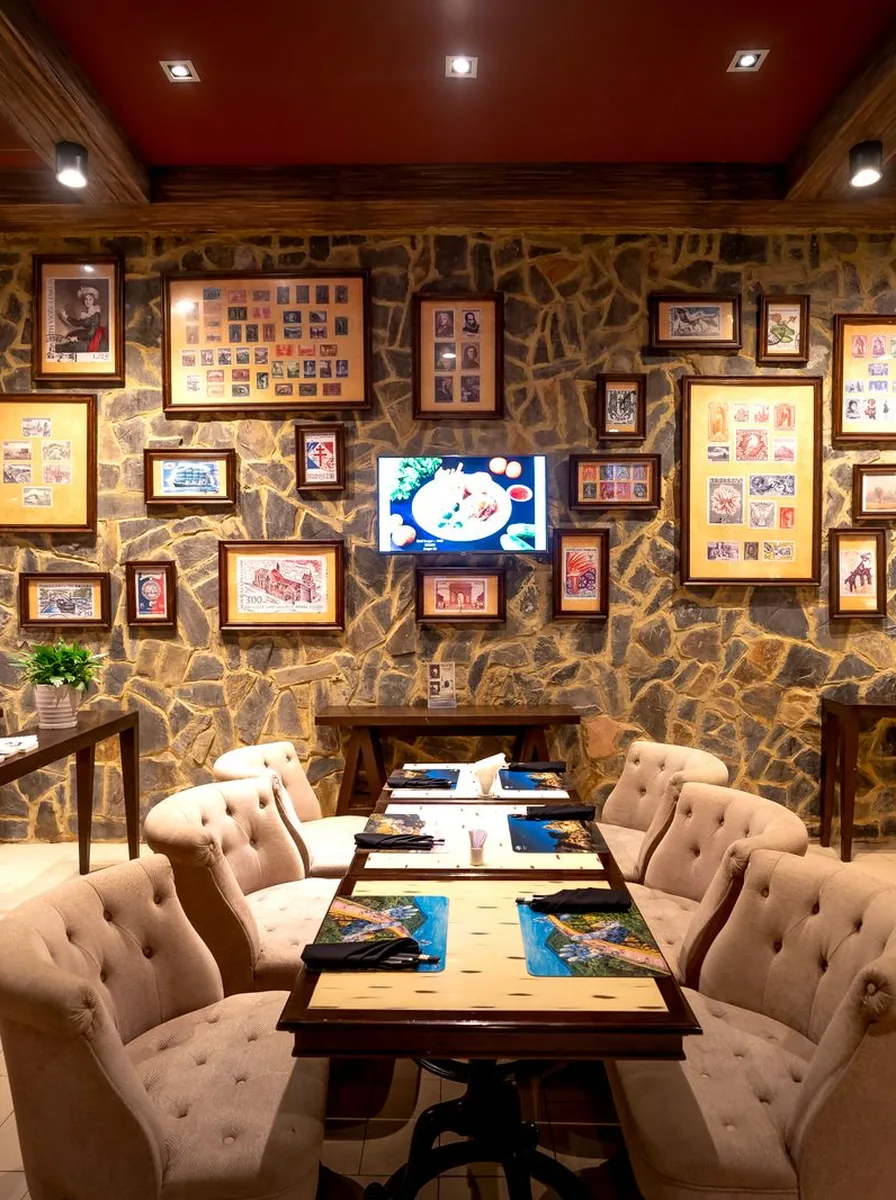
Exposed brick is already a feature, but covering it with an eclectic mix of framed art takes it from architectural detail to full-blown atmosphere. The trick is density and variety: gilt frames beside plain wood, small portraits beside landscapes, hung close together like a European bistro. The brick’s warm texture unifies everything behind the frames.
Use brick clips or adhesive hooks rated for masonry rather than drilling, especially in rentals. Warm lighting is essential — spotlights or picture lights make the gilt frames glow against the brick. Keep the table setting simple beneath such a busy wall: plain linen, simple glassware, and let the wall be the feast for the eyes.
7. Create a Blank-Canvas Grid to Fill Over Time
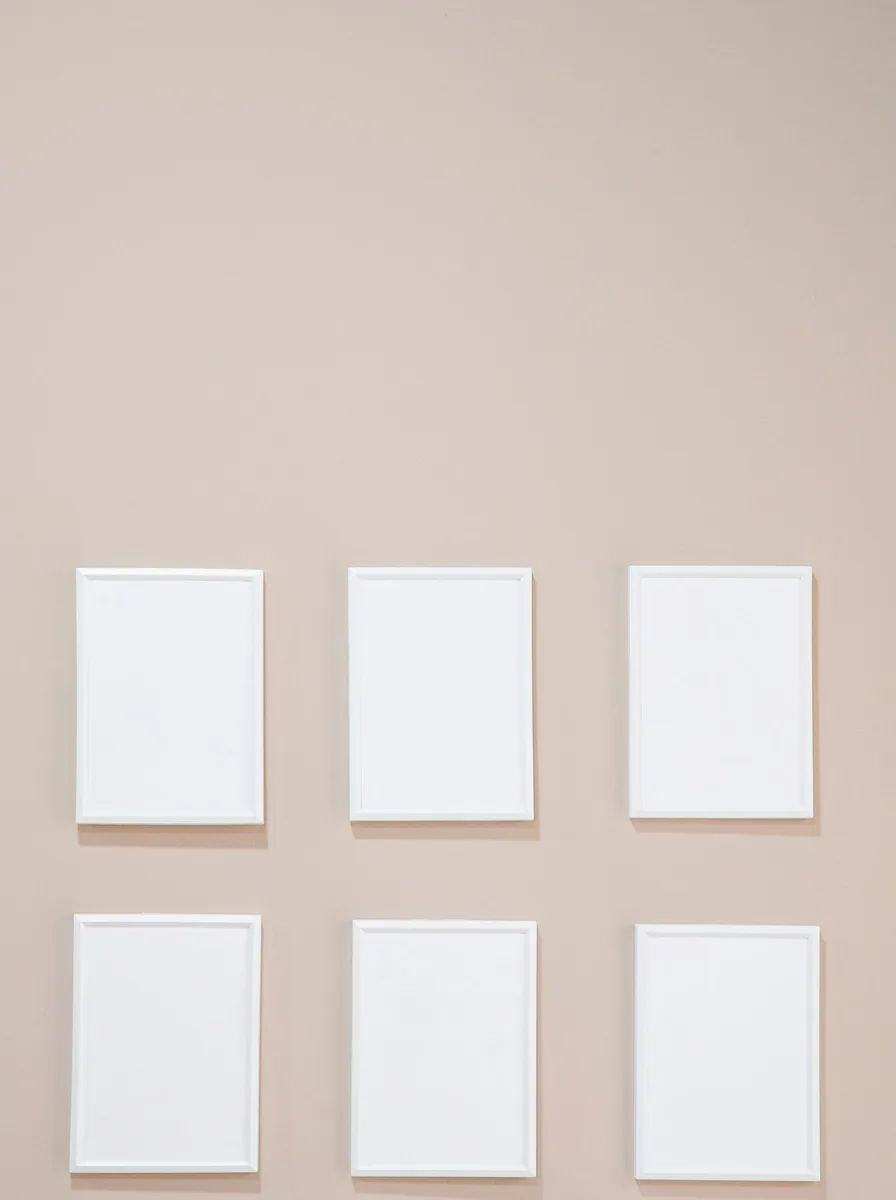
Here’s a wonderfully patient approach: hang a grid of empty frames — six identical white frames, evenly spaced — and fill them gradually with art you find and love. The empty grid looks sculptural and intentional from day one, and every new piece becomes a small celebration. It’s decorating as a slow hobby rather than a shopping spree.
Choose frames with deep mounts so even small finds look substantial, and keep a consistent theme in mind — travel photos, botanical prints, children’s art — so the grid coheres as it fills. Hang the grid’s centre at 145 centimetres and use a spirit level; in a grid, wonky is very visible. This is the perfect project for anyone who loves hunting for art more than buying it all at once.
8. Set Bright Frames Against Dark Wood
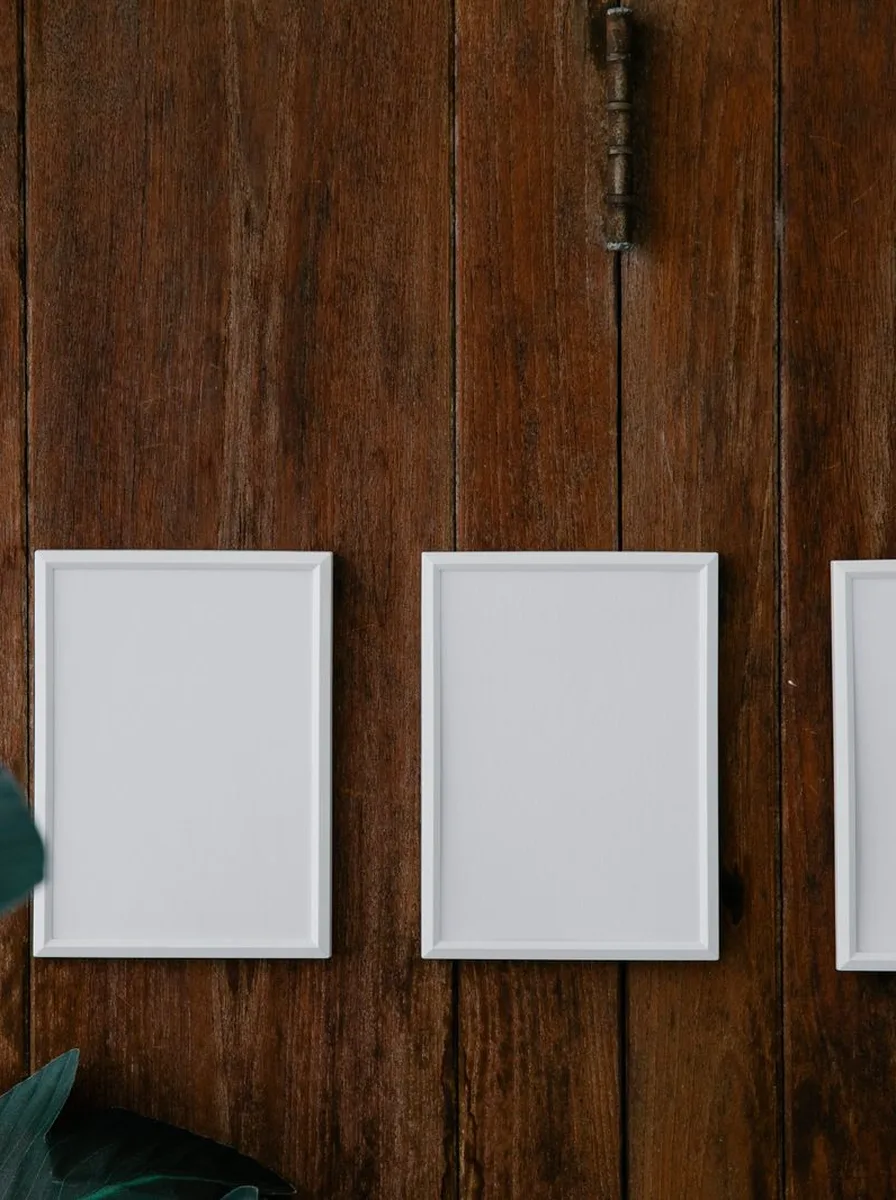
Dark wood panelling can swallow small art whole — so go bright and bold. Crisp white frames pop against walnut or mahogany like stars against night sky, and the high contrast makes even simple prints look dramatic. Three large white frames in a row is all it takes to turn a dark, traditional dining room wall into a modern feature.
Keep the art inside light too: pale abstracts, white-on-white textures, or bright photography. The white-on-dark formula needs good lighting to sing, so add picture lights or aim a spotlight at each frame. This contrast trick also works on deep painted walls — charcoal, navy, forest green — wherever the background threatens to eat the art.
9. Tuck Art into a Cosy Corner
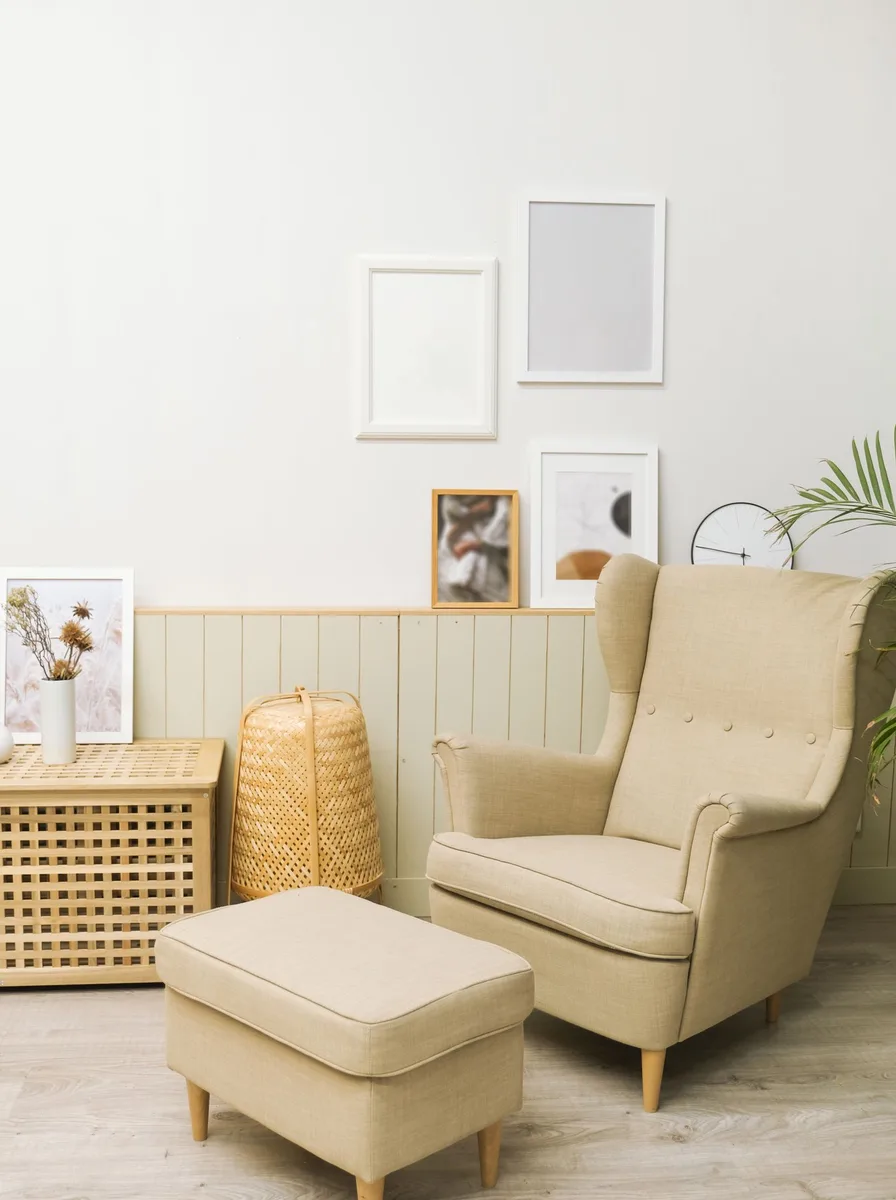
Dining rooms aren’t only tables — a reading chair in the corner, a window seat, a little drinks station all deserve art too. A small cluster of frames above a cosy armchair turns a forgotten corner into a destination, and the intimate scale suits personal pieces: small landscapes, a favourite photograph, a sketch from a holiday.
Keep the frames’ total width close to the chair’s width so the grouping feels anchored. A small side table with a lamp doubles as display space for a leaning frame or a tiny sculpture. Warm, low lighting makes corner art glow in the evening — and gives one lucky diner the best seat for after-dinner coffee.
10. Choose Vintage Landscapes for Warmth
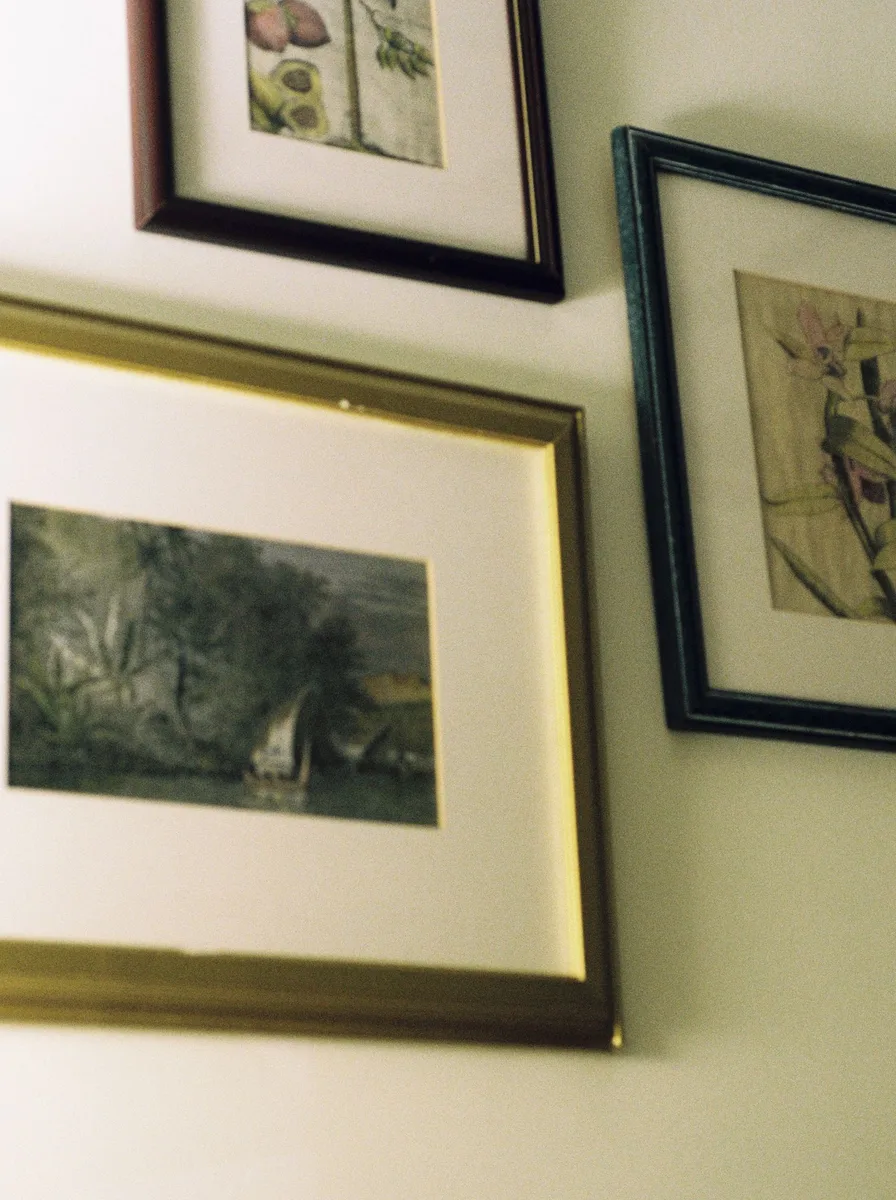
Vintage landscape paintings — moody skies, rolling fields, quiet harbours — bring a mellow, timeless warmth to a dining room that modern prints can’t quite match. Their muted palettes flatter candlelight and wood tones, and they make a new-build dining room feel as though it has stories. Hunt flea markets, auctions, and antique shops; original oils are often cheaper than new prints.
Group two or three landscapes of similar tone together rather than scattering them — the repetition reads as a collection. Keep frames traditional: gilt, dark wood, or aged brass. Hang them where the evening light catches the varnish, and style the table with linen and brass candlesticks to complete the old-master mood. Patina is the point; don’t over-restore.
11. Curate an Artist-Style Studio Wall
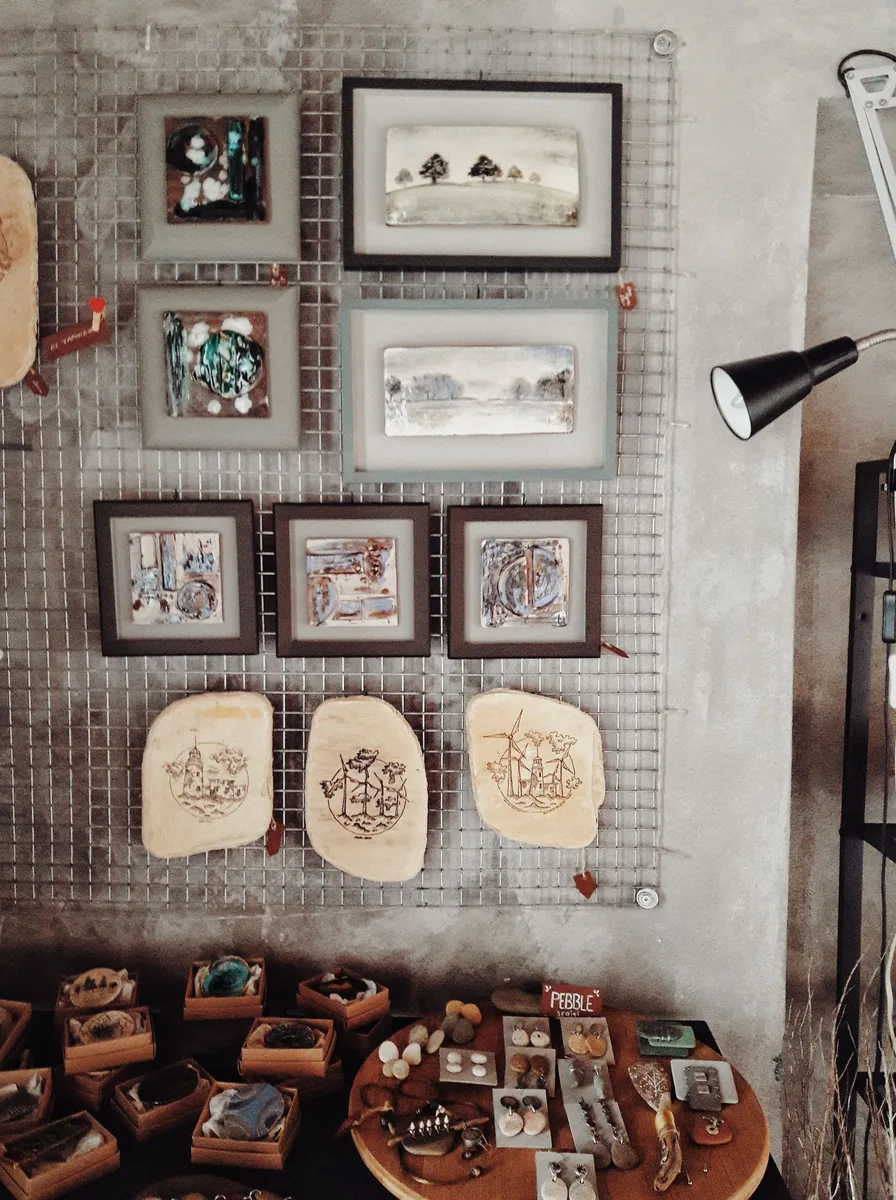
Borrow the creative energy of an artist’s studio: a dense grid of small mixed artworks — sketches, studies, ceramic tiles, tiny canvases — pinned or hung edge to edge. The variety is the style, and the wall becomes a living mood board that rewards close looking. In a dining room, it gives guests something new to discover at every meal.
Mount the pieces on a painted board or directly on the wall with removable strips so you can rearrange freely. A unifying backdrop — warm white or soft grey — keeps the mix from tipping into chaos. Include a few three-dimensional pieces, like small plates or textile samples, for depth. This wall is never finished, and that’s exactly its charm.
12. Bring Home Colourful Figurative Paintings
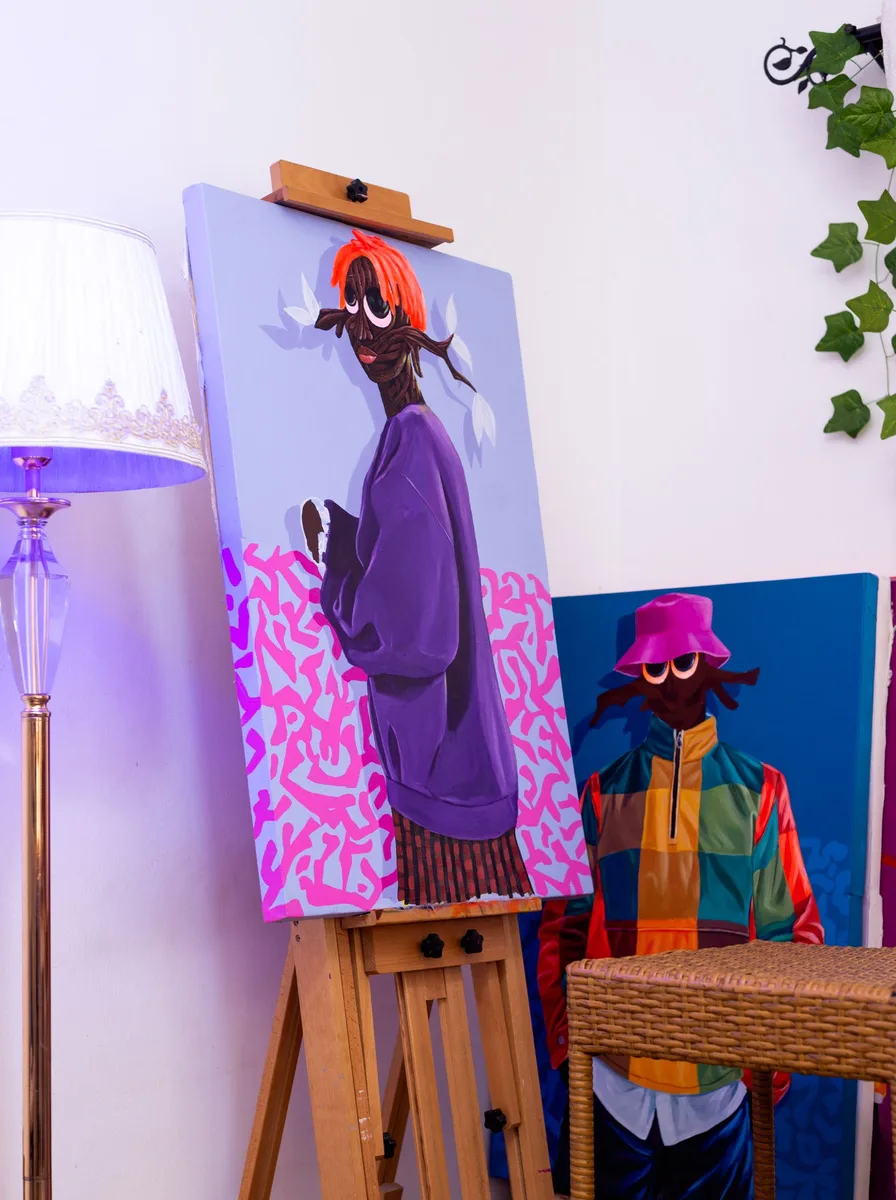
Figurative paintings — bold, colourful depictions of people — bring human energy to a dining room in a way abstracts never can. A large canvas in saturated pinks, blues, and oranges becomes the room’s personality: joyful, confident, unmissable. Choose figurative work with warmth in its palette and the dining room feels like it’s hosting a permanent party.
Give a big figurative piece room to breathe: hang it alone on its wall with at least 60 centimetres of clear space around it. Pull one strong colour from the painting into the room — cushions, a table runner, glassware — so the art feels woven into the scheme. Buy from local artists and art students where you can; original figurative work is more affordable than you think.
13. Try a Moody Oversized Abstract
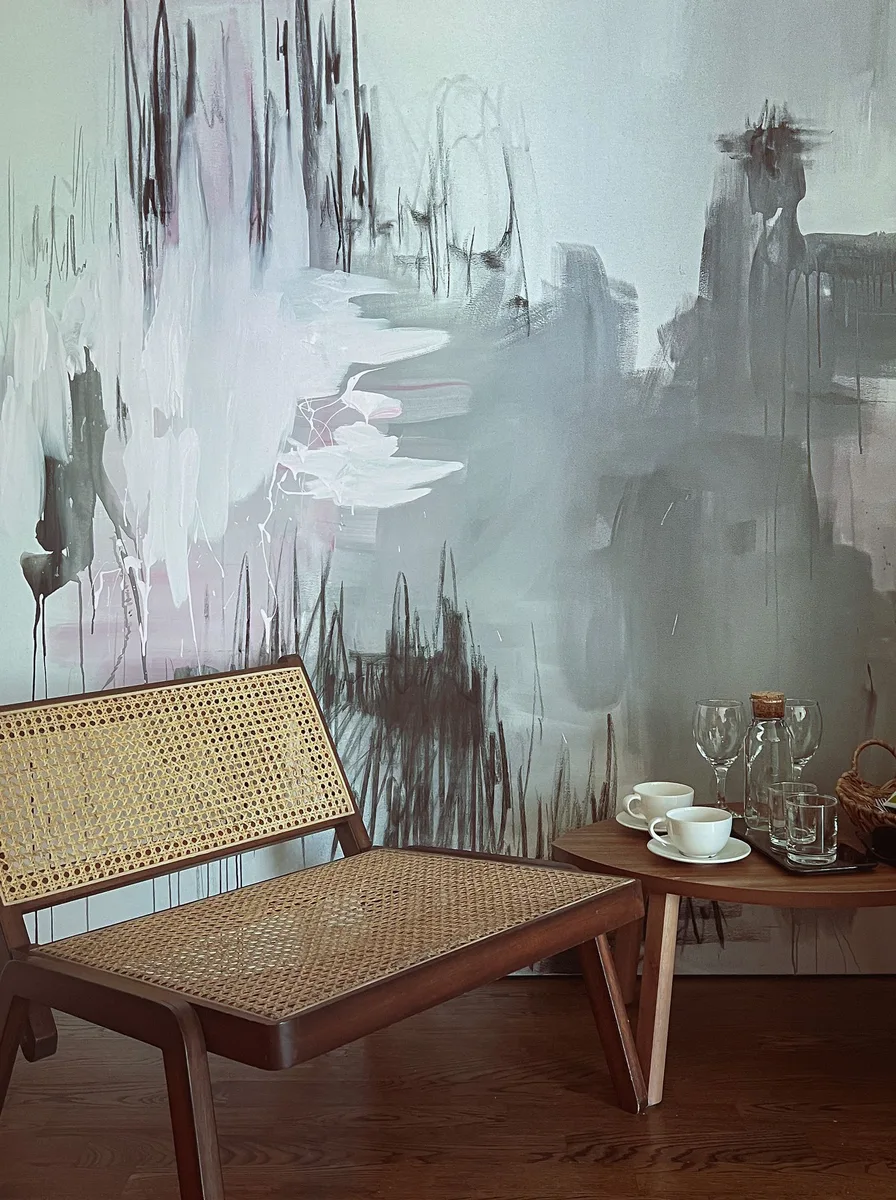
For dining rooms that lean sophisticated rather than sunny, a moody oversized abstract — layers of grey, charcoal, and ink with flashes of light — brings serious gallery gravitas. The large scale fills the wall in one move, and the restrained palette lets dramatic furniture, like a rattan chair or a sculptural light, take the spotlight. Moody art loves evening light.
Hang it low and let it dominate: the bottom edge around 100 to 110 centimetres from the floor works above a low sideboard. Keep surrounding walls pale so the dark canvas has contrast to push against. One oversized moody piece beats five small timid ones every time — commit to the scale and the room instantly looks designed.
14. Keep It Simple with a Single Line Drawing
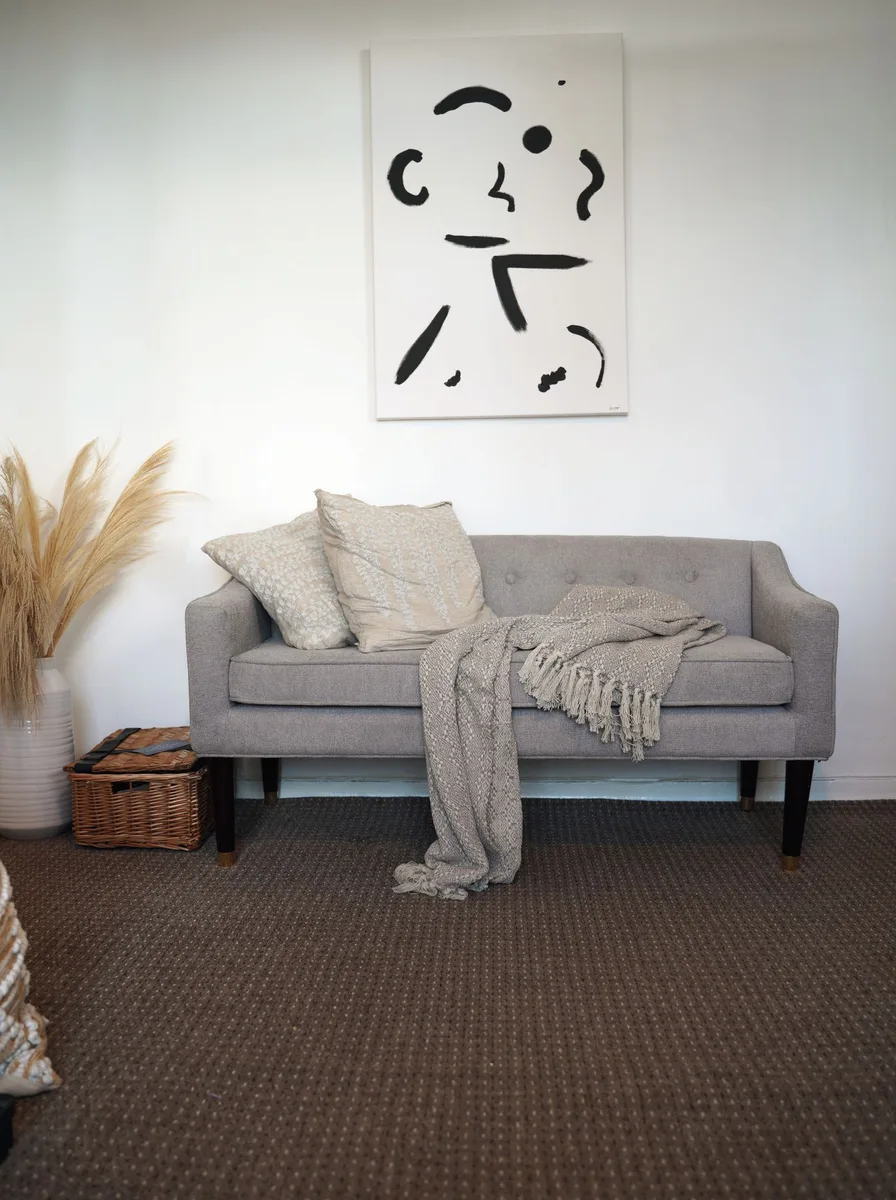
One perfect line drawing — a continuous-line face, a botanical study, a simple figure — can hold a whole wall when it’s given space. The minimalism is the luxury: a single black line on white paper, in a slim frame with a wide mount, reads as confident and calm. In a busy dining room, it’s the visual equivalent of a deep breath.
Scale matters more than ever with minimal art — go larger than feels safe, at least 70 by 100 centimetres, or the piece disappears on the wall. Hang it dead centre on its wall with generous clear space all around. This is the ideal choice for minimalist and Scandinavian dining rooms, where every object has to earn its place.
15. Go Gallery-Grand with Classical Oils
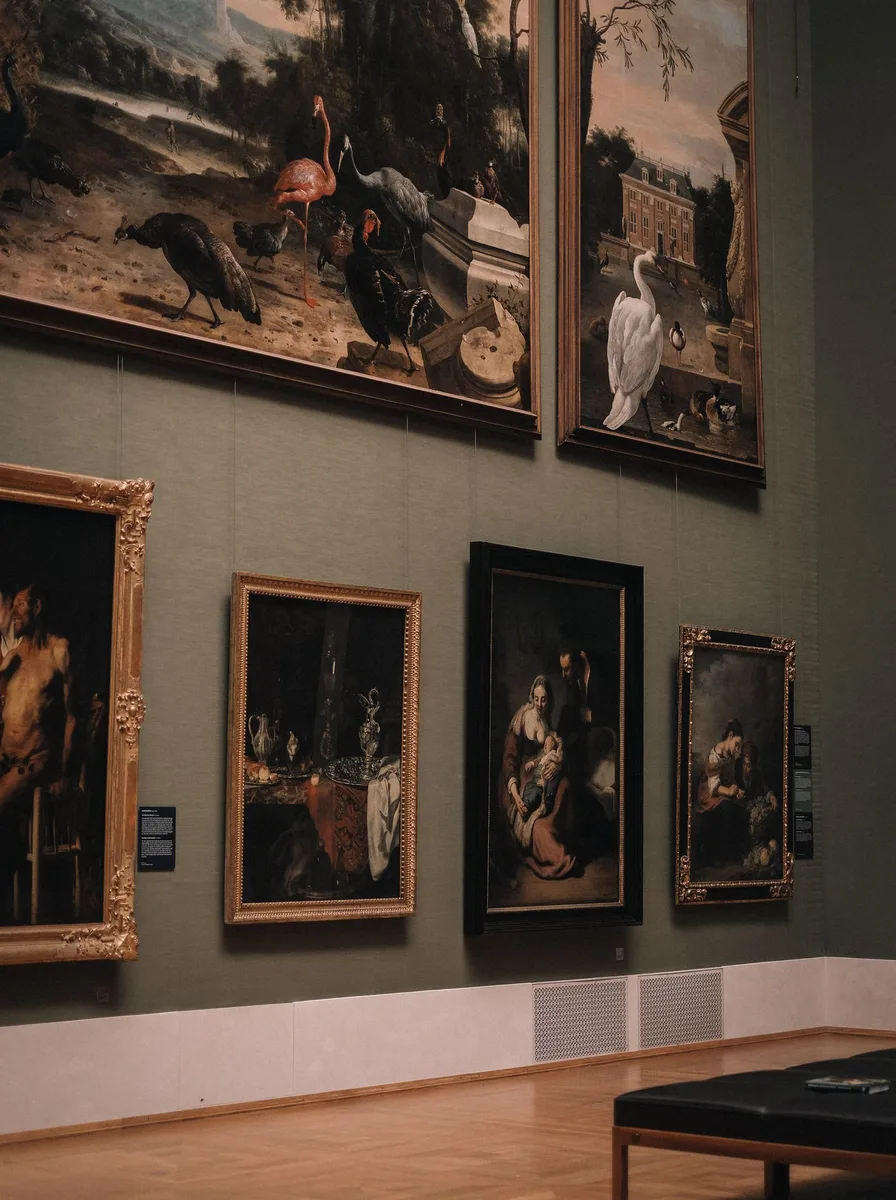
Channel the great dining halls of old houses: classical oil paintings — dark, rich, dramatic — hung salon-style on a deep-coloured wall. The formality suits dining rooms beautifully; there’s something about candlelight on old varnish that makes every meal feel ceremonial. You don’t need museum pieces — good reproductions or flea-market originals carry the same atmosphere.
Paint the wall first in a deep, enveloping colour — ink blue, oxblood, or forest green — so the gilt frames glow. Hang the largest painting at eye level and cluster smaller ones around it, edges nearly touching. Add a picture light above the centrepiece; nothing sells old-master drama like a warm pool of light on dark paint. Serve dinner late and let the room do the theatre.
16. Paint Your Own DIY Wall Mural

The most personal wall art of all is the kind you paint yourself. A hand-painted mural — even a simple one, like sweeping brushstrokes, a botanical repeat, or a soft ombré — turns a dining room wall into something no one else on earth has. Imperfection is part of the charm; a mural painted by hand has a warmth that printed wallpaper can’t fake.
Start small: one wall, two or three colours, simple shapes. Project your design onto the wall with a cheap projector to trace outlines, then fill in with sample pots. Keep furniture and textiles simple so the mural stays the star. And remember — it’s only paint. The low stakes are exactly what make a DIY mural fun rather than frightening.
17. Display Art-in-Progress on an Easel
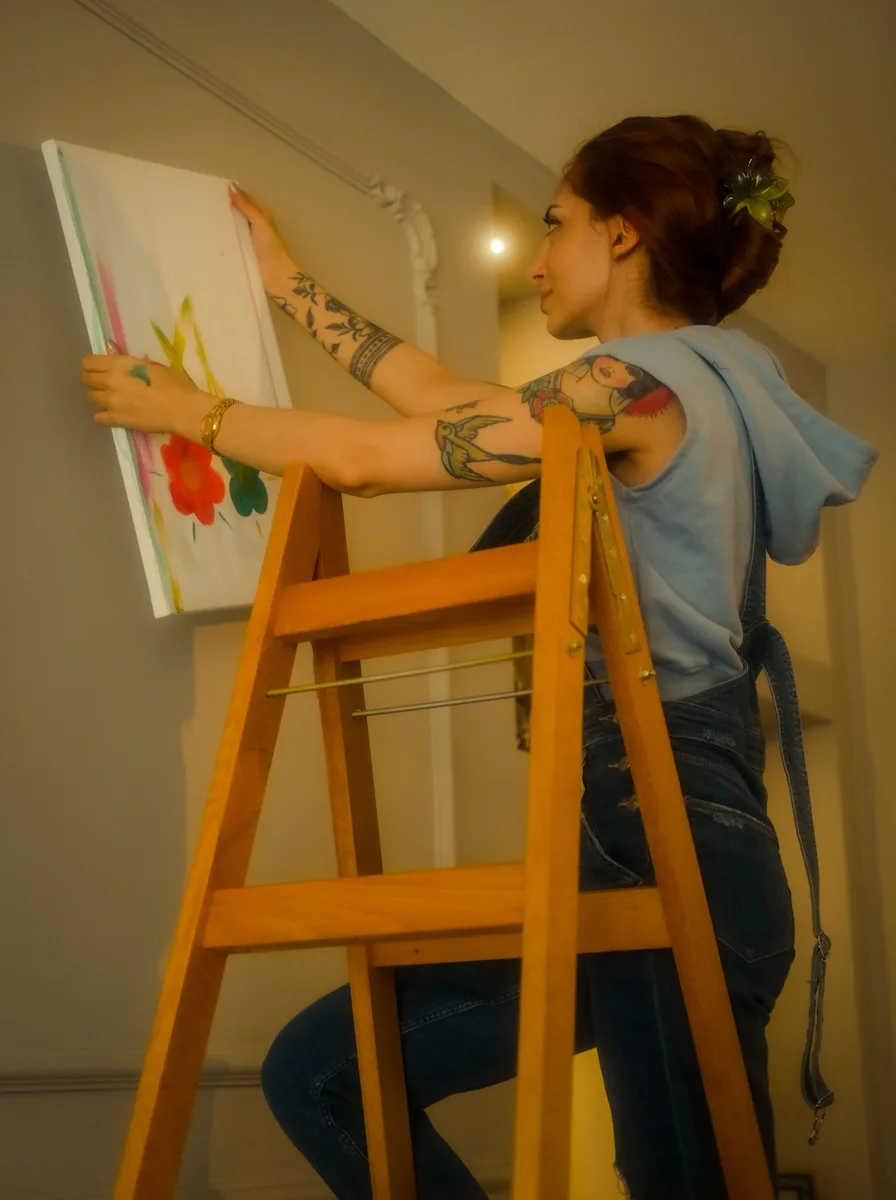
An easel in the corner with a work-in-progress canvas is wall art with a story still being written. It brings creative energy into the dining room, gives guests something to ask about, and — practically — it means your art collection is always growing. Even if you’re not the painter, displaying a friend’s or a local artist’s unfinished work supports them and enlivens your room.
Position the easel where it catches natural light but stays clear of chair backs and serving traffic — a corner near the window is ideal. A drop cloth beneath protects the floor and adds to the studio authenticity. Rotate the canvas every few months; a changing display keeps the dining room feeling alive in a way static art never does.
18. Choose Soft Textured Neutrals
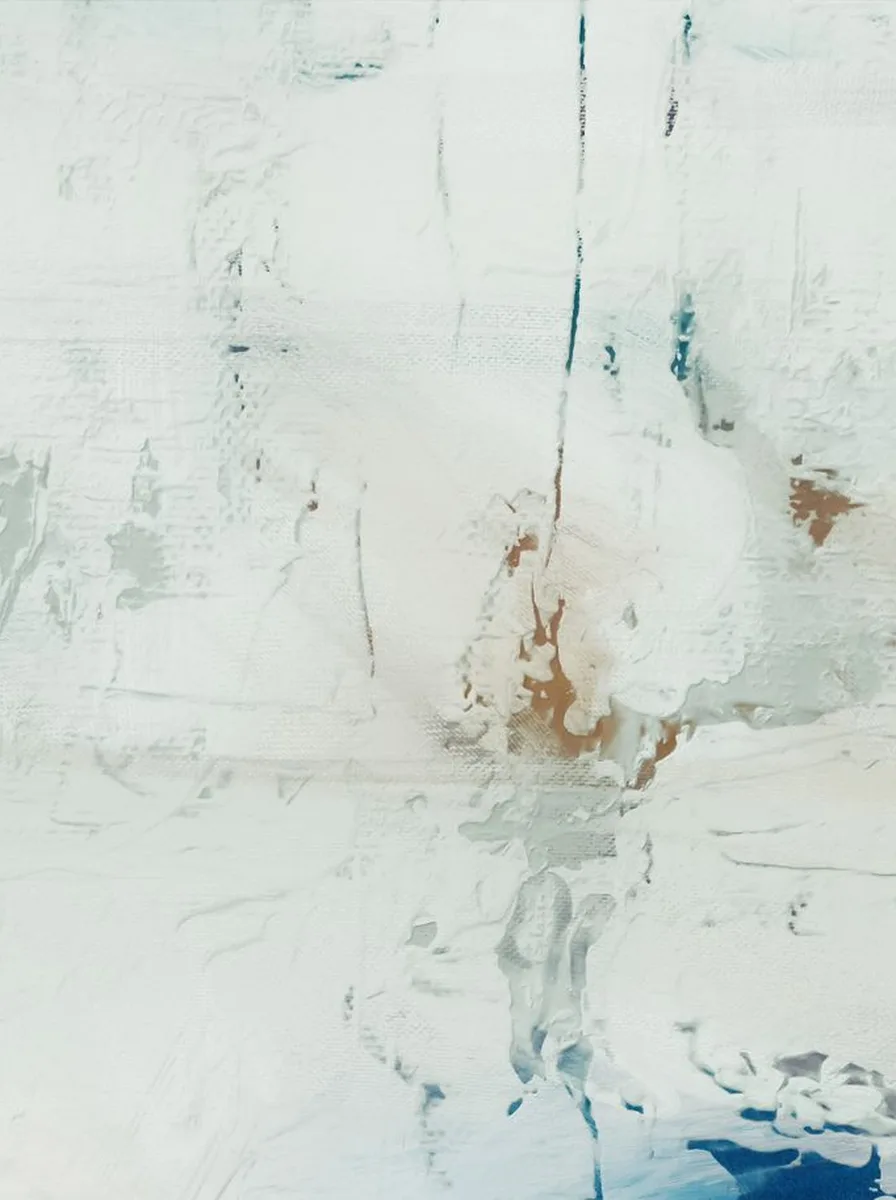
Not every dining room wants colour shouting from the walls. Soft textured neutrals — layered whites, plaster tones, pale blues with visible brushwork — bring calm sophistication and catch light beautifully. The texture is the interest: up close, the painting rewards attention with ridges and layers; from the table, it glows like a quiet backdrop to the meal.
Choose a piece with real physical texture — impasto, mixed media, or layered plaster — rather than a flat print, because the shadows are the art. Hang it where daylight rakes across the surface to show off the texture. Pair with natural materials: linen, oak, stoneware. Neutral art is the hardest-working choice for open-plan spaces, where the dining wall must harmonise with the living area.
19. Hang One Tall Vertical Canvas
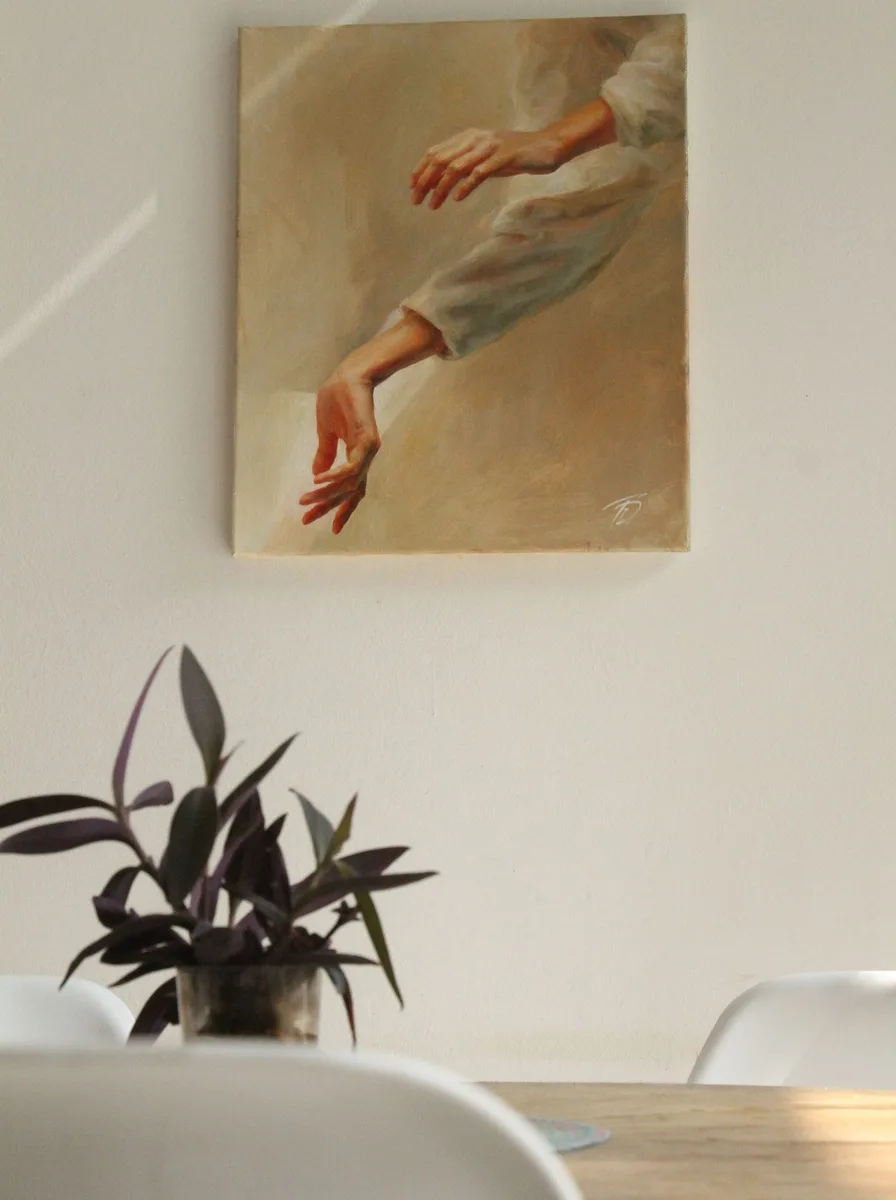
A tall, narrow canvas is the unsung hero of dining room walls — it fills vertical space, suits the wall beside a doorway or between windows, and draws the eye upward. A single vertical piece with a strong image, like an expressive hand study or an elongated abstract, has the presence of a much larger artwork while fitting where wide pieces can’t.
Hang it so its centre sits at eye level, about 145 centimetres, and give it clear space on both sides — narrow art needs breathing room more than wide art does. A plant at its base grounds the composition and fills the floor space below. Vertical canvases are also brilliant in dining rooms with low ceilings, where they cheat the height upward.
20. Style Sculptural Cubes on a Textured Wall
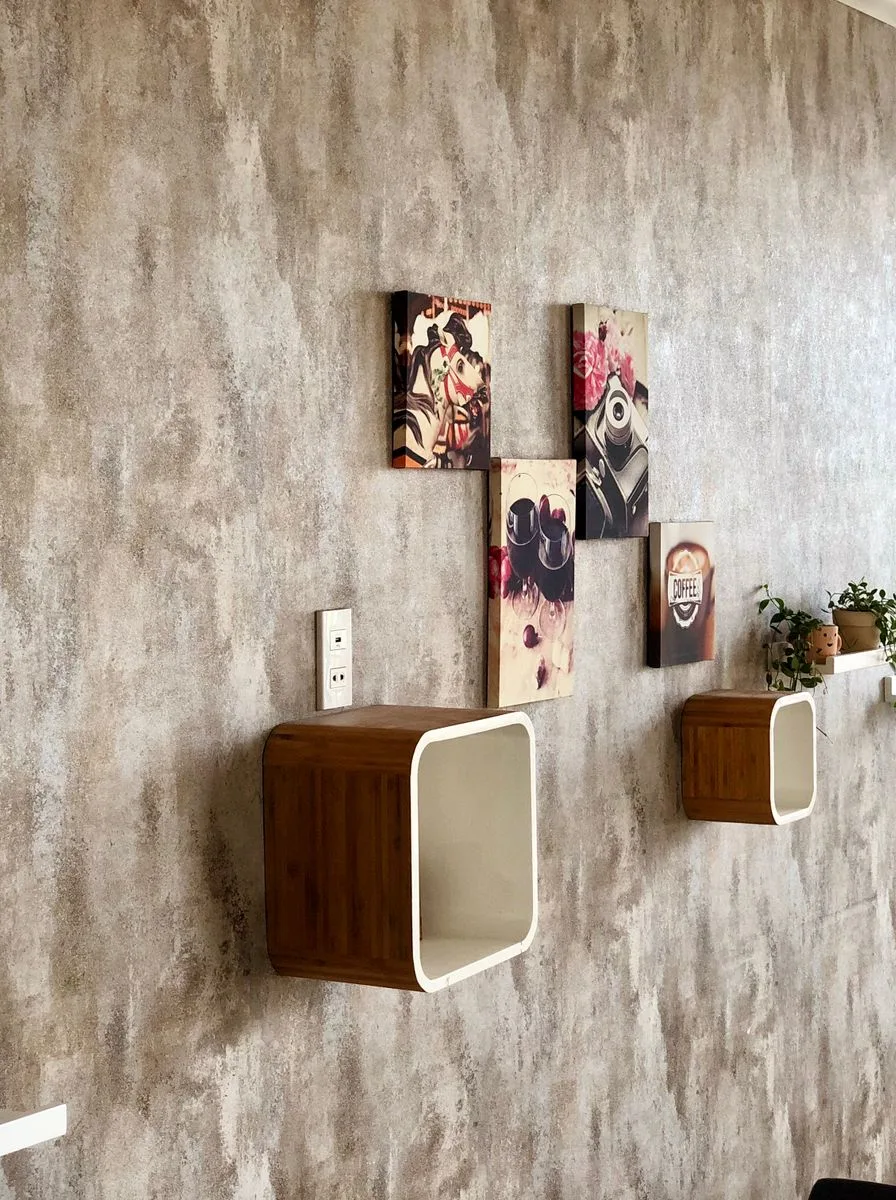
Wall art doesn’t have to be flat. Small sculptural cubes and box shelves mounted on a textured concrete or plaster wall create a three-dimensional display that changes as the light moves across it. Style each cube with a tiny artwork, a plant cutting, or a found object, and the wall becomes a cabinet of curiosities with real depth.
Keep the cubes’ finish consistent — raw wood or matte black — so the collection reads as one installation. Arrange them asymmetrically with varied spacing; the irregularity is what makes it art rather than shelving. This is a wonderful option for renters if you use strong adhesive mounts, and for anyone whose art taste runs to objects as much as pictures.
21. Pair a Bright Abstract with Bookshelves
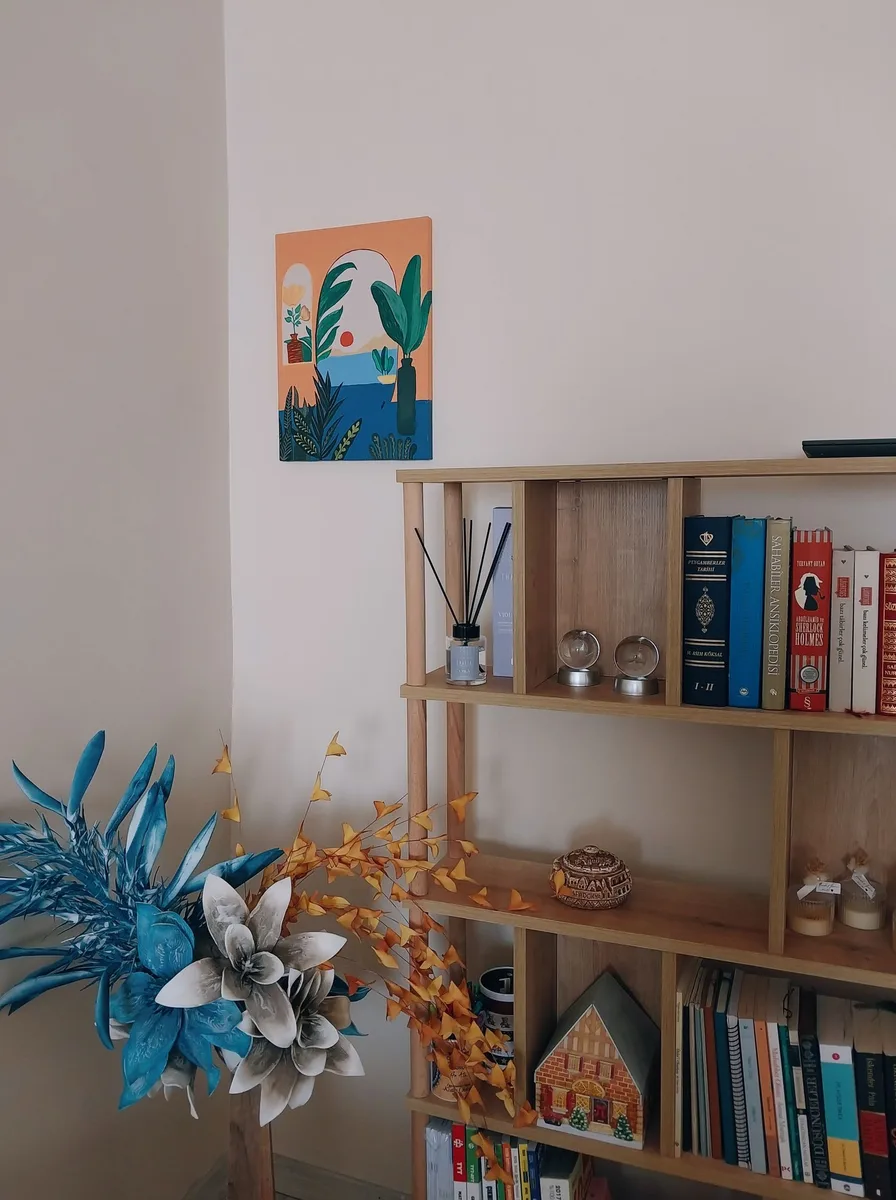
Dining rooms with bookshelves — cookbooks, novels, the family library — gain enormously from one bright abstract hung nearby. The painting’s colour lifts the whole corner, and the books’ spines echo its palette in miniature. It’s the classic scholar’s dining room: art for the eye, books for the mind, all within reach of the table.
Choose an abstract that shares two or three colours with your book spines for a cohesive look, and hang it at the same height as the shelf tops so the two read as one composition. Keep the shelf styling loose — books plus one or two objects — so the painting remains the focal point. This corner becomes the room’s personality in a single glance.
22. Paint a Bold Colour-Block Mural
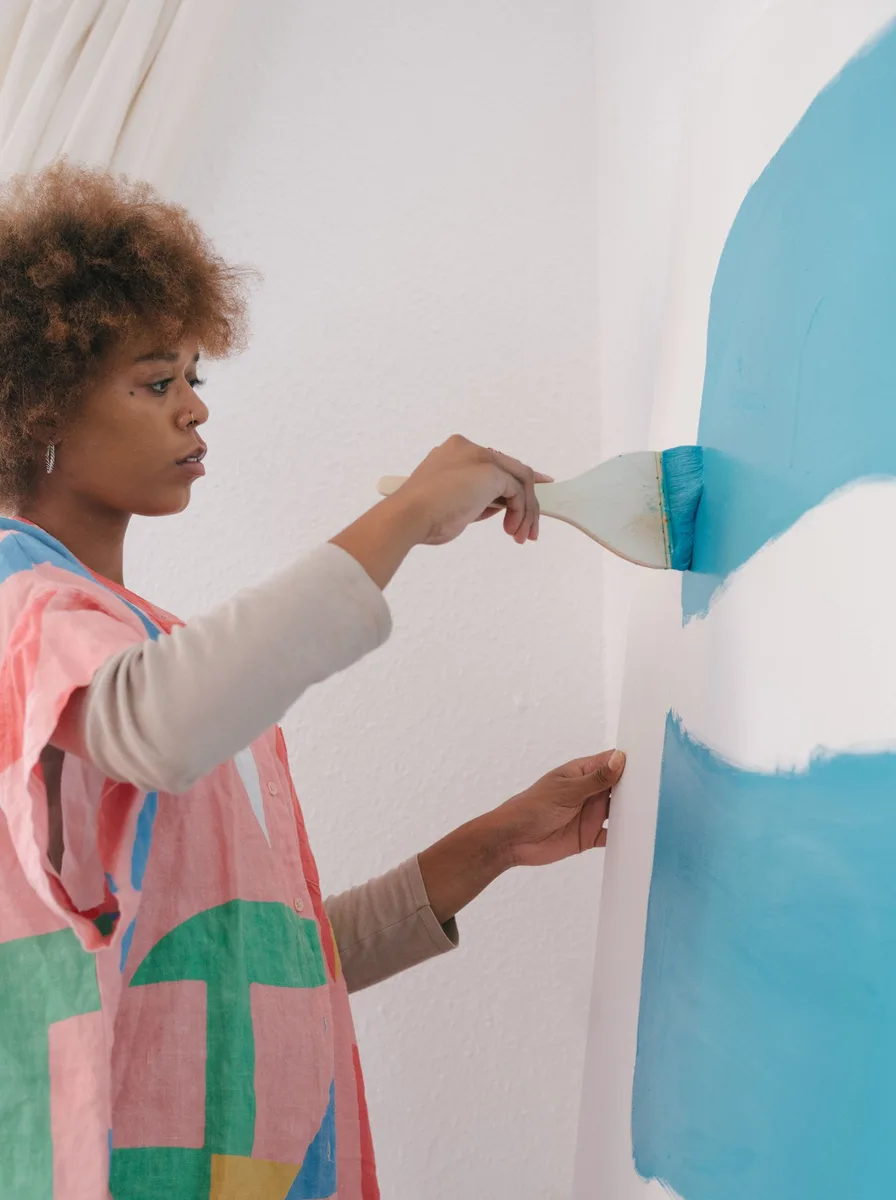
If a full mural feels ambitious, try colour-blocking: one bold shape — a sweeping blue curve, a giant arch, a circle behind the sideboard — painted directly on the wall. It’s mural impact with beginner difficulty, it costs a single sample pot, and it frames your furniture like art. A blue colour-block behind a dining table, for instance, acts as a permanent backdrop that makes every table setting pop.
Map the shape with painter’s tape first and step back to check the proportions before painting. One confident colour beats three hesitant ones; choose a shade you love living with. Keep the rest of the wall white so the block reads as deliberate art, not a half-finished paint job. It’s the fastest wall transformation on this list — an afternoon’s work, years of impact.
23. Dedicate a Corner to Creative Display
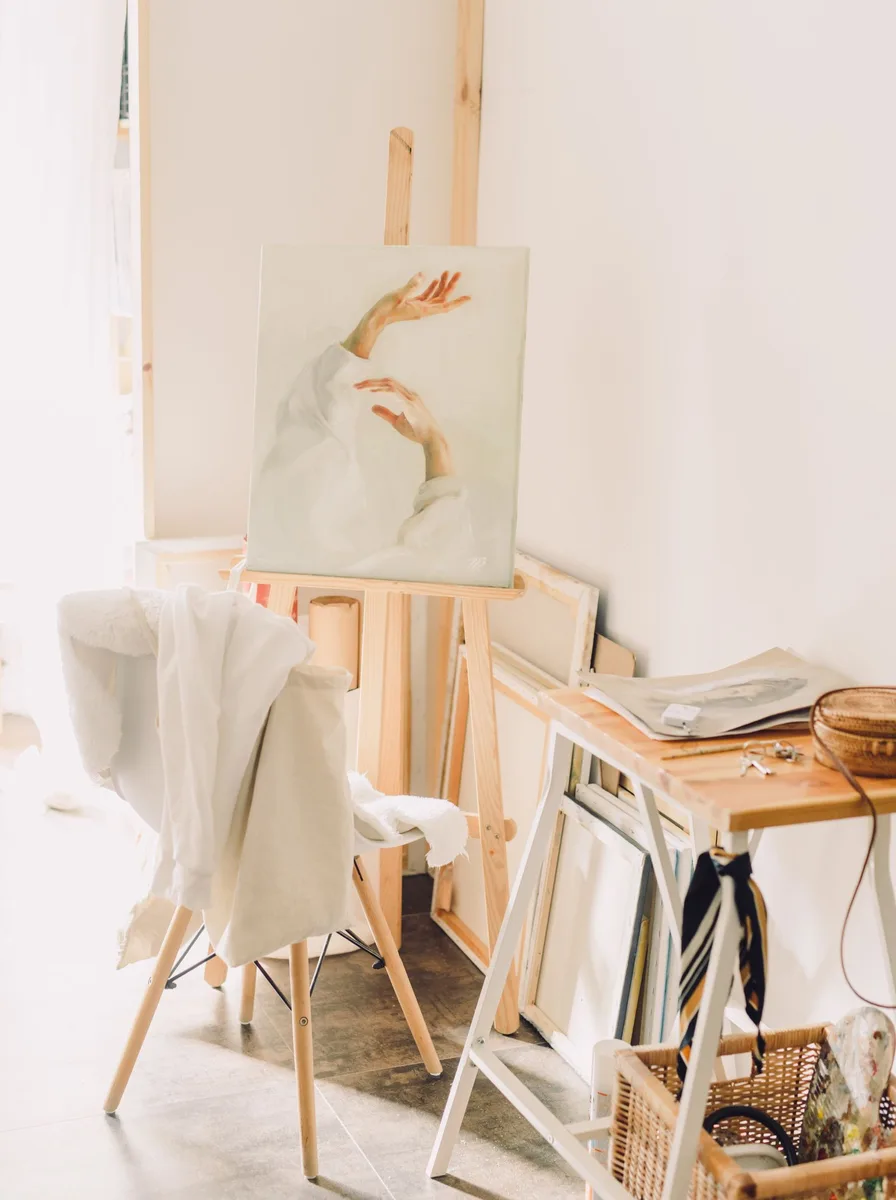
Give one corner of the dining room over to creativity: an easel with a canvas, a small work table, a few brushes in a jar. Even in a home without a dedicated studio, a creative corner brings warmth and humanity to the dining space — and it tells guests this is a house where things get made. The works in progress are the art.
Keep the corner tidy enough to live with: a small trolley or shelf corals the supplies, and a washable rug protects the floor. Rotate finished pieces onto the main walls and start new ones — the corner becomes the engine room of your home’s art collection. Natural light is the only real requirement, so claim the corner nearest the window.
24. Let One Blank Canvas Breathe
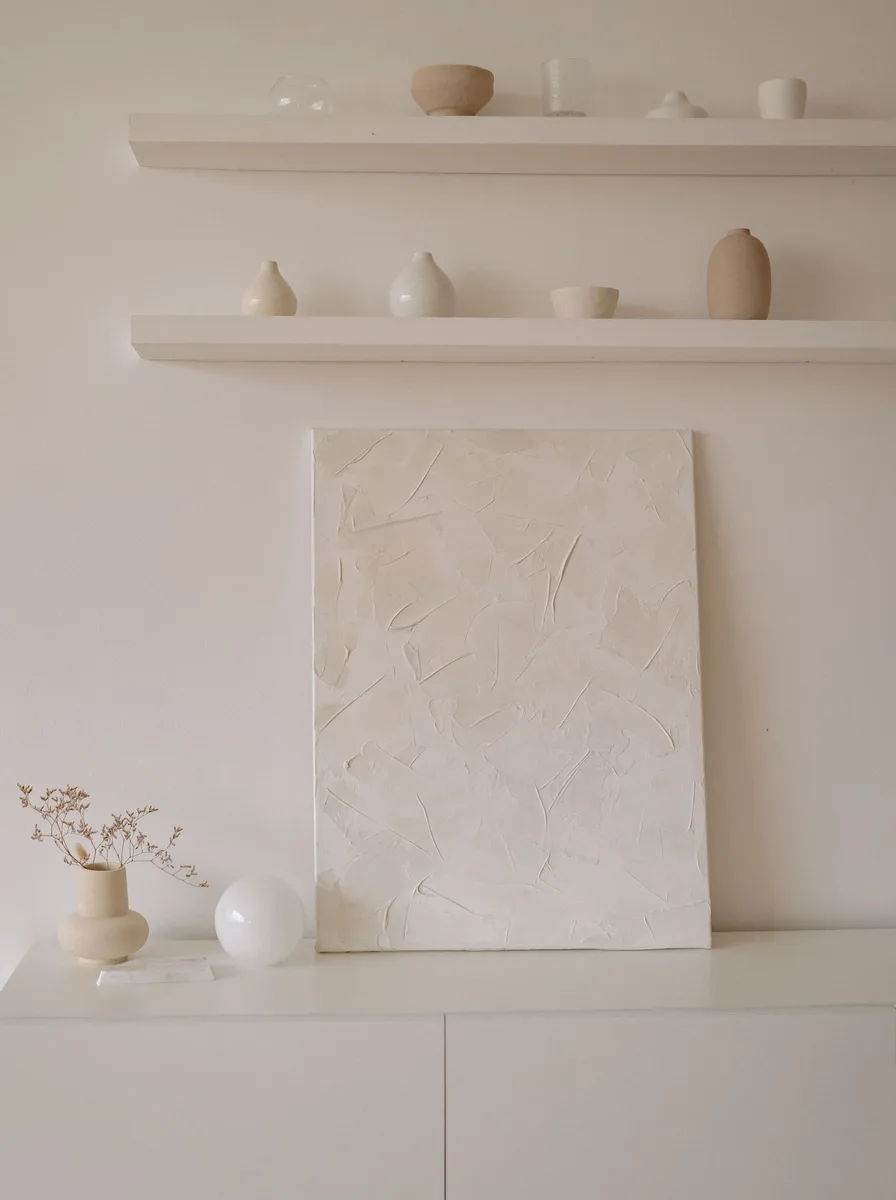
There’s a quiet confidence in leaning a large blank — or nearly blank — canvas against the dining room wall. It reads as potential: the promise of art, the calm of emptiness, a sculptural white shape that catches light and shadow. In a minimalist dining room, one unpainted canvas can be more powerful than a wall of busy prints.
Choose a deep-profile canvas, at least 5 centimetres thick, so it has presence from the side, and lean it at a slight angle against the wall or on a low console. Style the shelf or surface around it with restraint — a few handmade ceramics, one stem in a vase. The blank canvas also makes a wonderful guest book alternative: let dinner guests sign it over the years.
25. Mix Warm Abstracts with Mini Frames
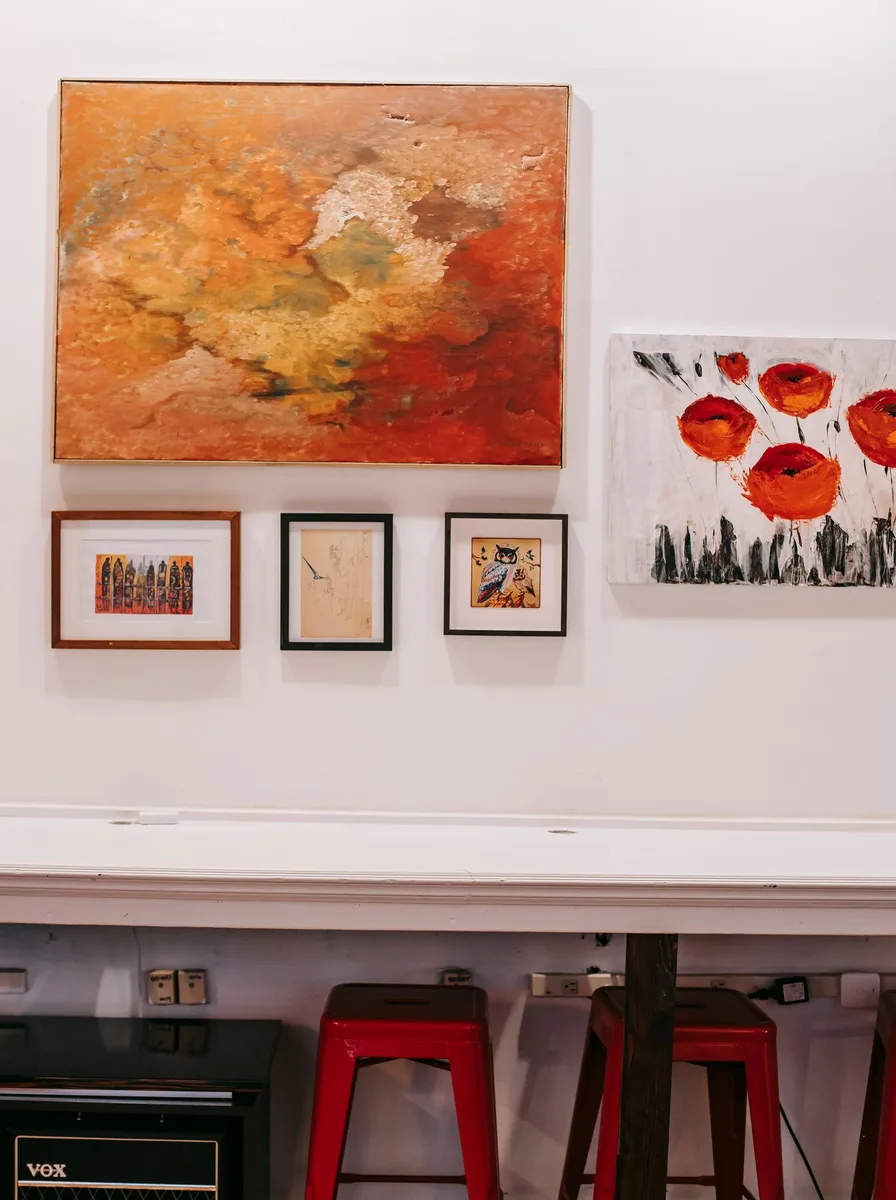
Pair one warm abstract — all amber, rust, and gold — with a scattering of mini frames, and you get a display with both a hero and a supporting cast. The large painting sets the colour story; the small frames add detail and personality up close. It’s a brilliant formula for the wall over a console or bar cart, where guests stand and look closely.
Keep the mini frames’ art in the same warm family as the big painting so the group coheres — sepia photos, small botanical studies, tiny abstracts. Hang the large piece first, then cluster the small frames to one side in a loose constellation. Red stools, brass, and candlelight complete the warm, café-like glow.
26. Lean a Large Canvas for Instant Impact
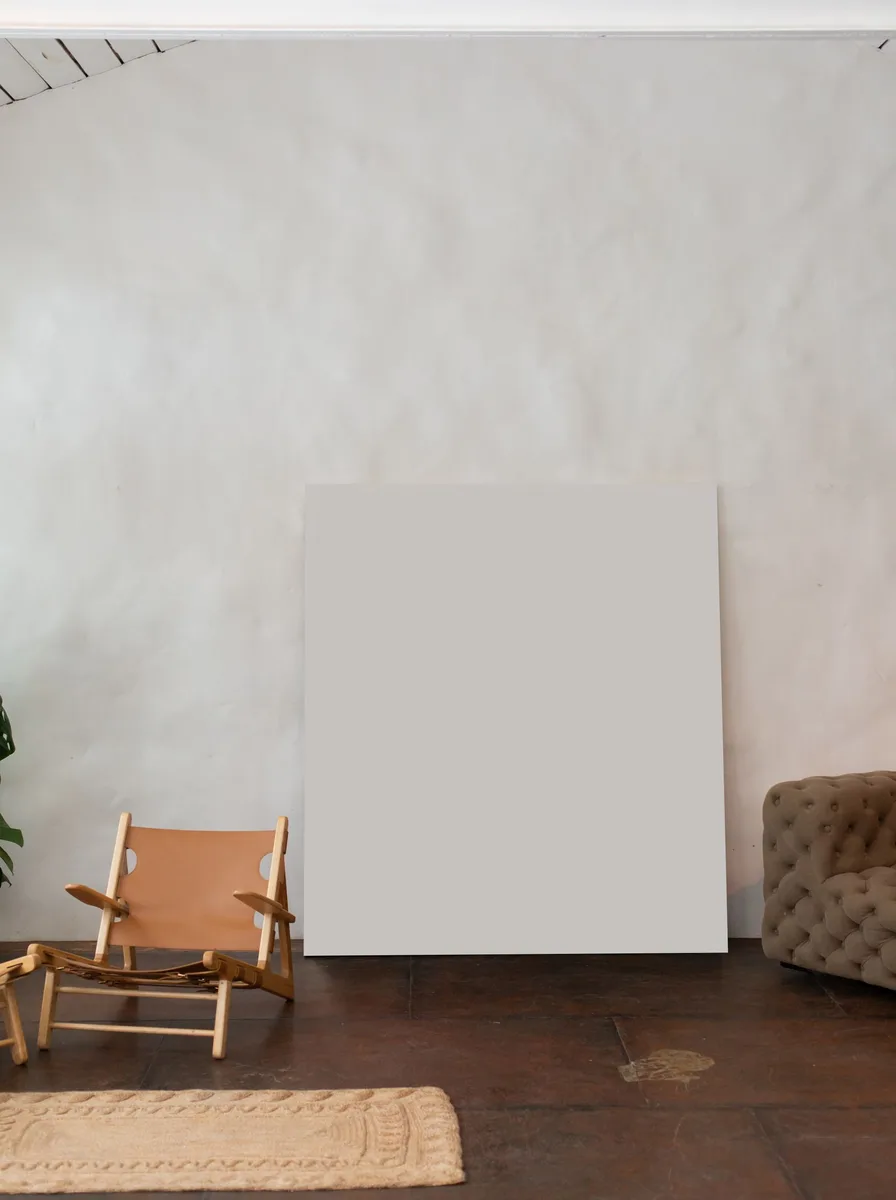
End with the simplest big move of all: lean an oversized canvas against the wall and walk away. No measuring, no drilling, no commitment — just a large-scale artwork bringing instant presence to a bare dining room wall. The casual lean suits modern, relaxed dining rooms, and the scale alone makes the room feel considered.
Go as large as the wall allows; a canvas that spans two-thirds of the wall’s width looks deliberate, while a small lean looks temporary. A woven rug and a simple wooden chair are all the styling this needs — the canvas is the event. When you move or redecorate, it lifts off the floor in seconds. Maximum impact, minimum effort.
Want this look on your walls? These canvas wall art sets on Amazon: https://amzn.to/4y2Fwd0

David is the home decor enthusiast behind HomeLushly. He shares practical, budget-friendly ideas for bedrooms, living rooms and seasonal decorating — from colour combinations that actually work to small-space styling tricks that make a room feel bigger. Every guide on HomeLushly is built around real photos and hands-on research, to help you make your home feel warm, personal and beautifully put together.