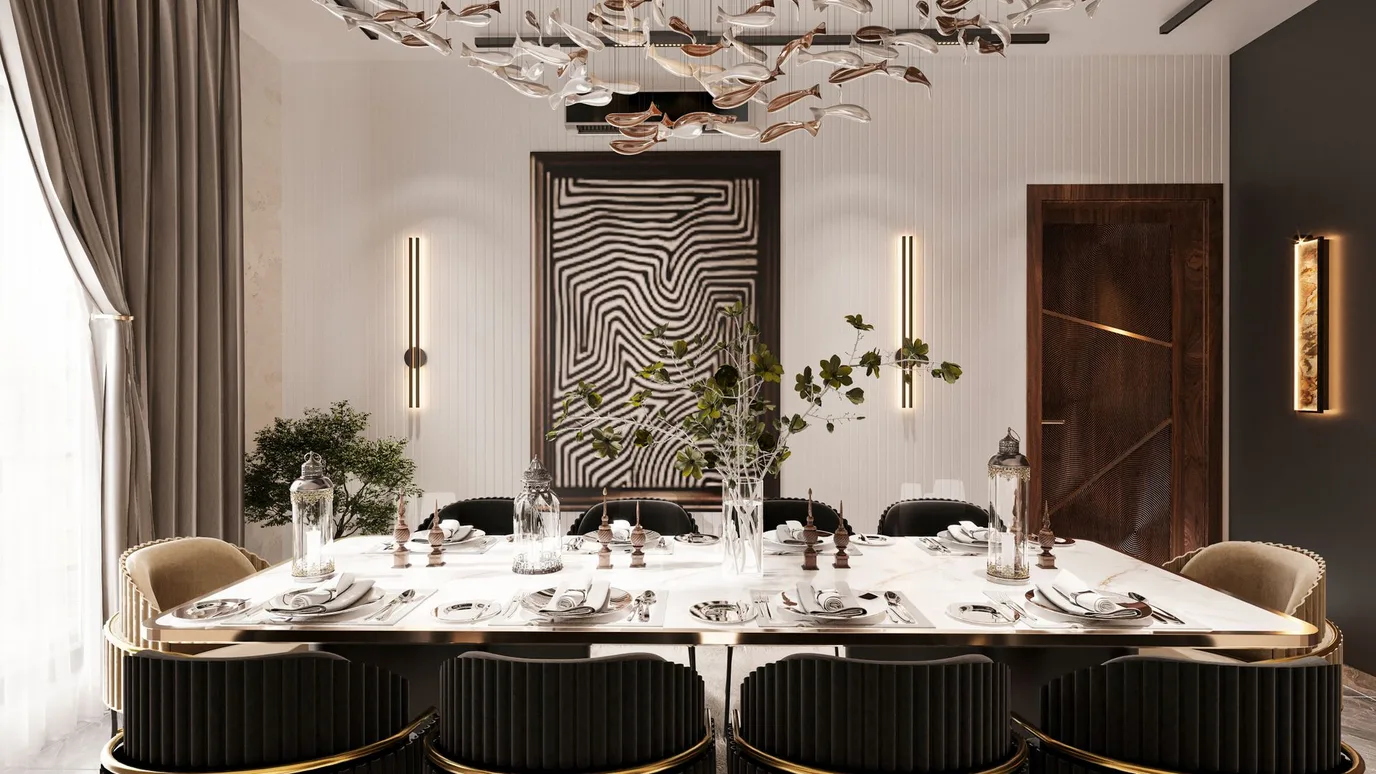
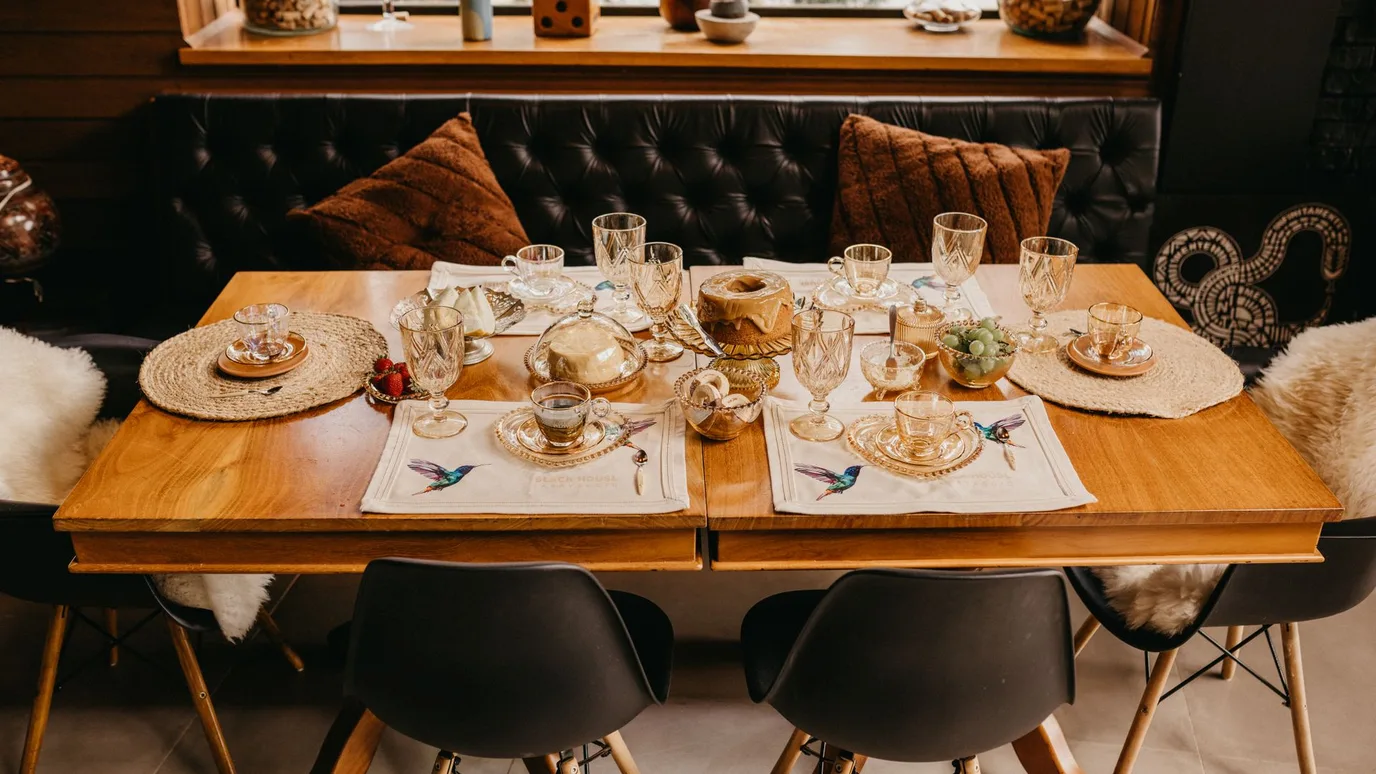
Your dinner table says a lot before a single word is spoken. Guests walk in, they glance at the table, and they already know the kind of evening ahead. Whether you are hosting a big holiday feast, a casual dinner party, or an intimate date night at home, the right decor pulls everything together. The good news? You do not need a huge budget or a design degree to make it happen. Small, thoughtful touches go a long way. From candles and greenery to layered linens and playful centerpieces, this guide walks you through 25 dinner table decor ideas that are easy, affordable, and genuinely impressive. Pick one or mix several — either way, your guests will notice.
1. Build a Candle Cluster Centerpiece
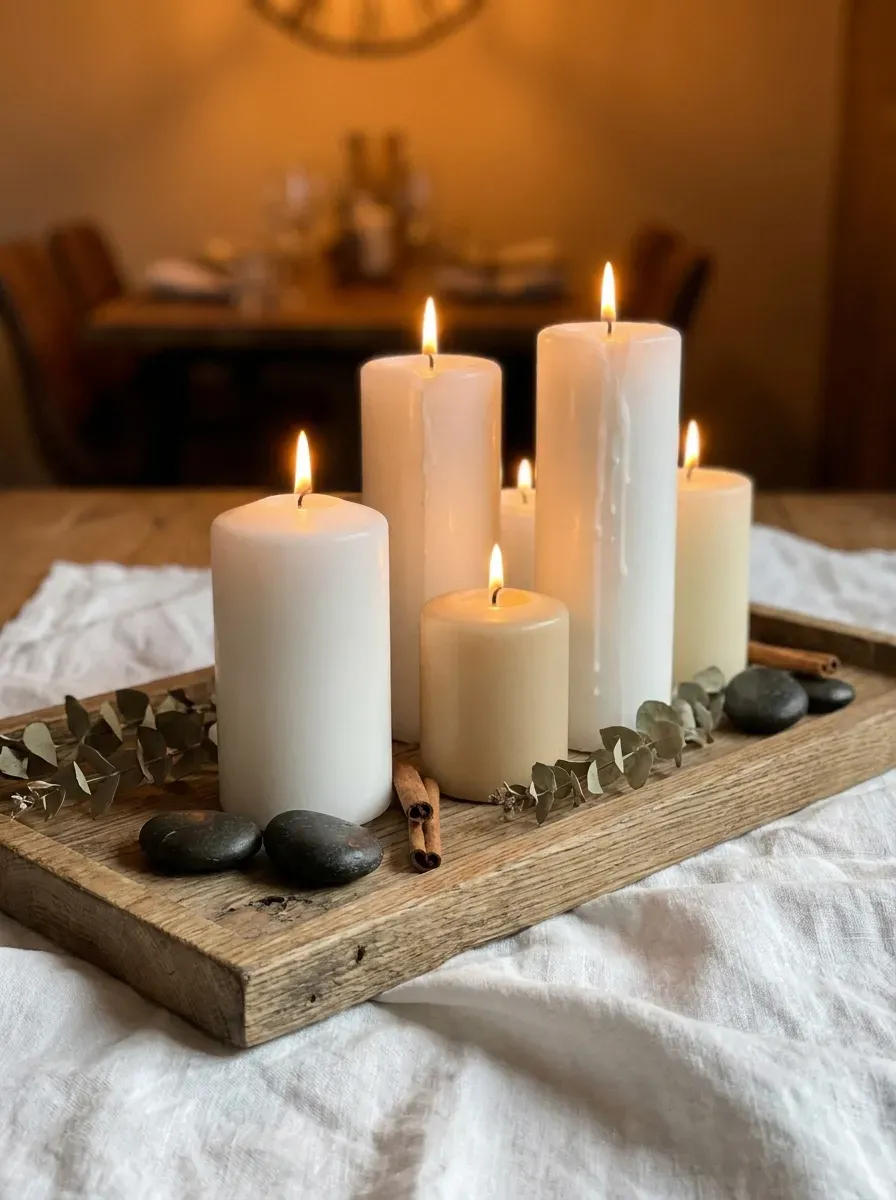
Candles are one of the easiest ways to set the mood instantly.
A candle cluster centerpiece means grouping candles of different heights together in the center of the table. No matching required — that is actually the point. Mismatched heights create visual interest.
Use pillar candles, taper candles, or tea lights. Mix them freely. Place them on a wooden board, a mirrored tray, or even a ceramic plate.
Budget tip: Dollar stores and discount home shops often carry plain white or ivory candles in bulk. You can get a full look for under $10.
Surround the base of the candles with small props. Try dried flower stems, cinnamon sticks, pebbles, or greenery clippings. These small details fill empty space without adding cost.
One safety reminder: keep candles away from fabric napkins and low-hanging floral pieces. Use flameless LED candles if children will be at the table.
Change the candle colors with the season. White and cream for winter. Terracotta and dusty pink for fall. Sage green for spring gatherings.
This look takes five minutes to pull together and looks like something from a high-end restaurant spread.
2. Layer Your Table Linens
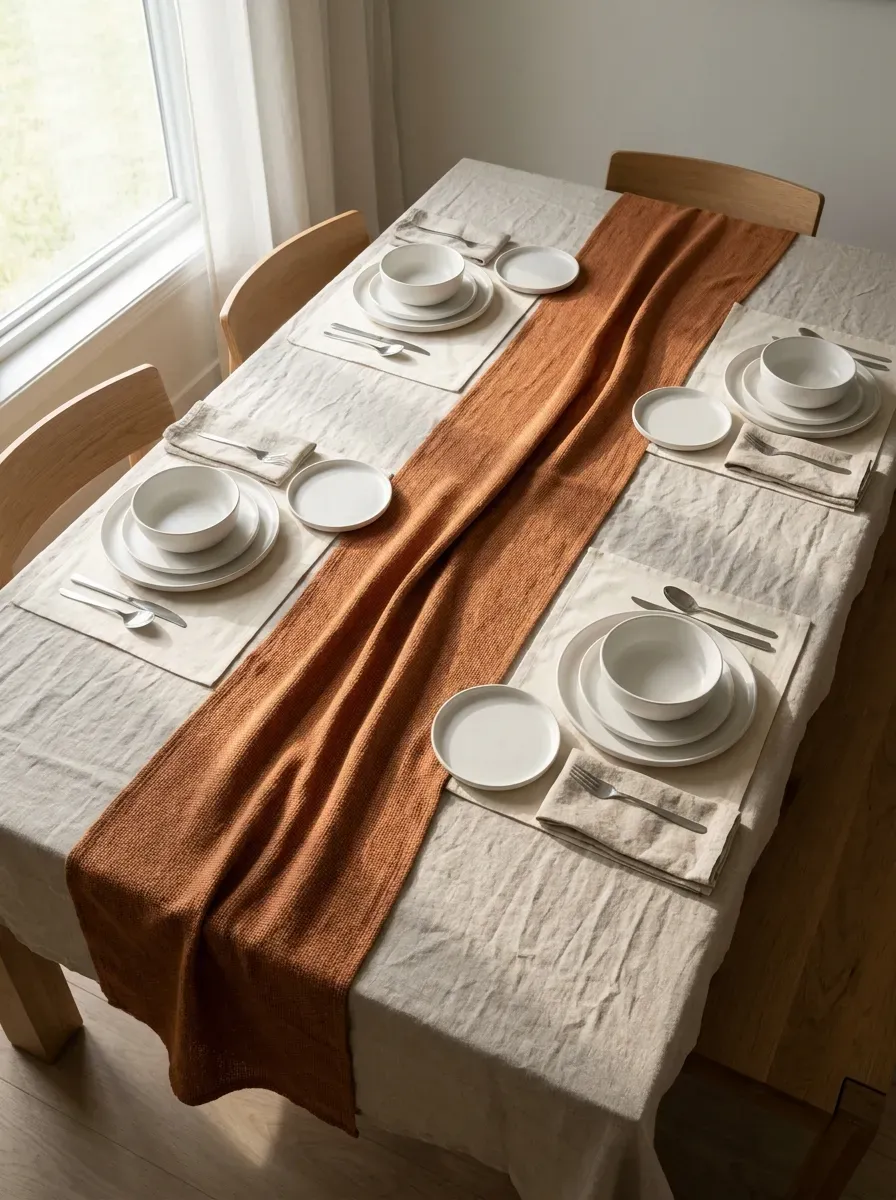
Layering linens adds depth and warmth to any table setting.
The idea is simple: start with a base tablecloth, add a table runner across the center, and then place individual placemats under each setting. Three layers, three textures, one cohesive look.
You do not need all three to match. In fact, mixing textures works better. Linen tablecloth, woven runner, and cotton placemats look collected and intentional.
DIY tip: A linen tablecloth can be a simple piece of fabric from a fabric store, hemmed or left raw at the edges for a casual look.
Think about color contrast too. A white tablecloth pops with a dark olive runner. A natural burlap base pairs well with a cream or blush linen runner.
For a budget-friendly version, skip the tablecloth entirely. Just use a runner and placemats on a clean wood table. The bare wood acts as your base layer.
Layered linens also protect your table from spills and heat, which is always a bonus at dinner parties.
Swap out just the runner to change the whole vibe of the table without buying new dinnerware or decor.
3. Use Fresh Greenery as Your Main Centerpiece
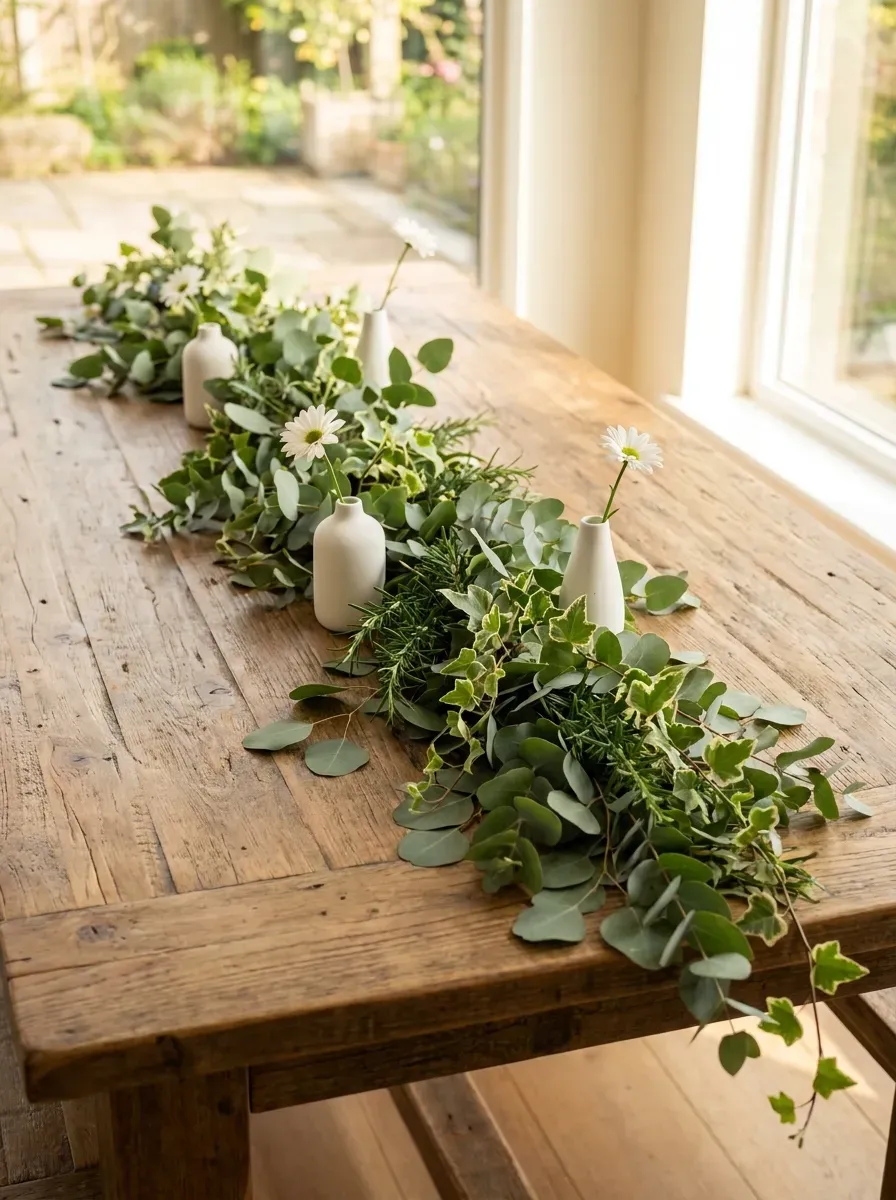
Fresh greenery is one of the most affordable and beautiful centerpiece options available.
You do not need flowers to make a table stunning. A greenery garland running down the center of the table creates a lush, garden-party feel that guests always comment on.
Go to a grocery store or garden center and pick up eucalyptus, rosemary, Italian ruscus, or even basic ivy. These are usually cheap — sometimes just a few dollars a bunch.
Lay the greenery directly on the table in a loose, organic arrangement. Do not overthink it. Overlap pieces, let some trail off the edge slightly, and tuck in small clusters at natural gaps.
Budget tip: Ask a florist for leftover greenery at the end of the week. Many will give it away or sell it at a heavy discount.
Add small touches within the garland. Tuck in a few pillar candles, tiny votive holders, or single-stem flowers for color.
Greenery also smells incredible. Eucalyptus and rosemary both release a light, natural scent that makes the whole dining room feel fresh.
After the dinner, repurpose the greenery in a vase or hang it to dry for decoration.
4. Try a Single-Color Tablescape
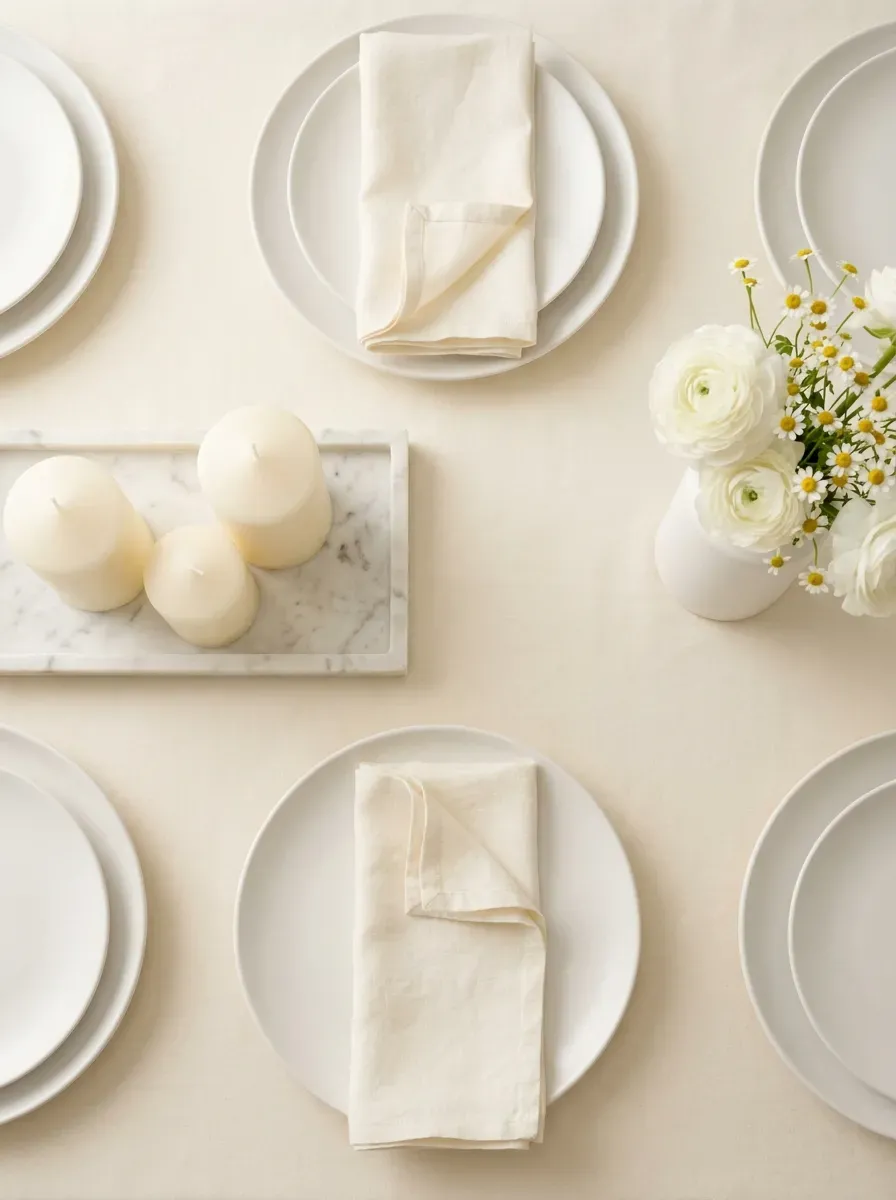
A monochromatic table is one of the most striking looks you can pull off.
Choose one color family and use it across everything: linens, plates, flowers, candles, and accessories. This is called a tonal tablescape, and it photographs beautifully too.
White and cream is a classic combination. Soft blush pink feels romantic. Sage and terracotta reads as earthy and warm. Even all-black works for a bold, dramatic setting.
The trick is to vary the shades and textures within that one color. Matte ceramic next to a glossy vase. A rough linen napkin next to a smooth cotton runner. These texture differences keep the look from feeling flat.
Budget tip: Pull items from around your home that fall in the same color family. A white kitchen mixing bowl can hold flowers. A cream linen from your closet becomes a runner.
You do not need to buy anything new. Raid your cabinets, shelves, and linen closet first.
Single-color tablescapes look intentional and polished even when they come together in 20 minutes. Guests always assume more effort went into it than actually did.
5. Add a Pop of Color With Cloth Napkins

Cloth napkins are one of the smallest upgrades with the biggest visual impact.
Switching from paper napkins to cloth immediately makes a table feel more intentional and put-together. You do not need to spend a lot to do this well.
Choose a napkin color that contrasts or complements your table linens. Deep burgundy on white linen. Soft sage on a natural burlap runner. Mustard yellow on a grey tablecloth.
Folding matters. A simple fold styled on the plate looks clean. You can also roll napkins and tie them with twine, ribbon, or a piece of dried grass for a quick and charming touch.
Budget tip: Buy a set of linen or cotton napkins from a discount home store or secondhand shop. Fabric napkins are reusable, so they pay for themselves fast.
If you already have napkins, experiment with different folding styles before buying anything new. Search “easy napkin folds” for tutorials — most take under two minutes.
Place a small item on top of the folded napkin: a sprig of rosemary, a small pinecone in winter, or a single dried flower head. These tiny extras are practically free and look thoughtful.
Cloth napkins also reduce waste, which is a practical bonus.
6. Create a Low Floral Centerpiece

A centerpiece should never block your guests’ view of each other.
This is why low floral arrangements work so well at dinner tables. Keep flowers at or below eye level when seated. That way conversations flow freely across the table without anyone craning around a tall vase.
Use a shallow bowl, a wide ceramic pot, or even a low wooden tray as the vessel. Fill it with a mix of blooms that feel seasonal — garden roses in summer, dahlias in fall, ranunculus in spring.
Budget tip: Buy one bunch of flowers from the grocery store. Cut the stems short, group the blooms tightly together in a low dish with water, and they look like a florist arrangement.
Add greenery clippings from your yard or garden to fill gaps. Herbs like basil, sage, or mint work surprisingly well mixed with flowers.
A low arrangement lets guests see each other and creates an intimate atmosphere. That is the whole goal of dinner table decor — to support conversation, not compete with it.
If you want more drama, cluster three small low vessels together instead of using one large arrangement. The grouped look feels fuller and more dynamic.
7. Incorporate Fruits and Vegetables as Decor
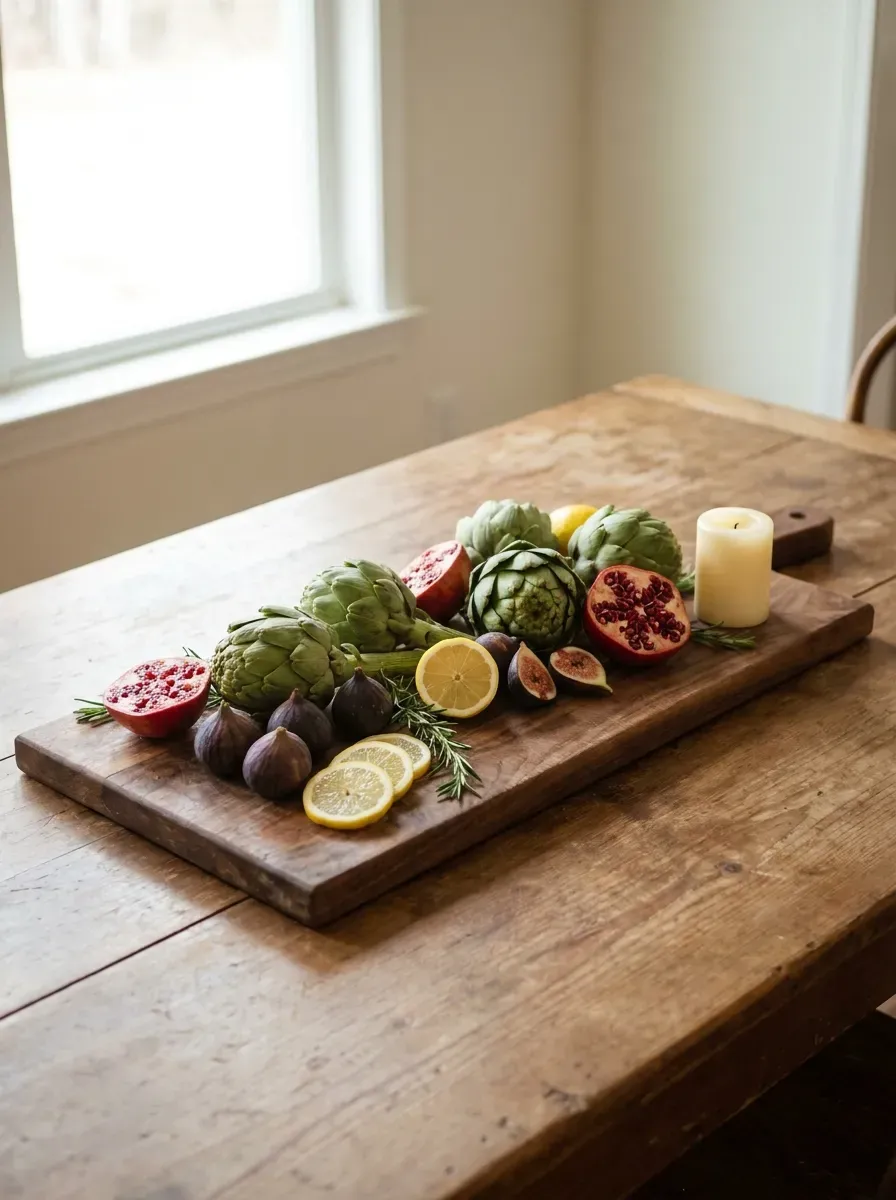
Fruits and vegetables make surprisingly beautiful table decor.
This is one of the most affordable and creative ideas on this list. Artichokes, pomegranates, figs, lemons, pears, and small gourds are naturally sculptural. They look stunning clustered on a wooden board or scattered along a table runner.
For a fall table, pile mini pumpkins and gourds in varying shapes and colors down the center. For a summer dinner, halved lemons and oranges beside white candles look fresh and cheerful.
Budget tip: Use produce you already bought for cooking. Arrange it before dinner, then use it in the meal or a fruit bowl after guests leave. Zero waste.
Artichokes are a personal favorite for this. They have incredible shape and color and cost almost nothing. Cluster three or four on a wooden board with some herbs and a candle, and the result looks like it came from a catering spread.
Mix fruits with other natural elements. Pinecones and apples for autumn. Citrus slices and olive branches for a Mediterranean-inspired look.
This idea also works beautifully for non-floral guests or anyone with flower allergies. All the visual interest, none of the pollen.
8. Use Mismatched Vintage Plates

Perfectly matching china is not the only way to set a beautiful table.
Mismatched vintage plates have a collected, personal, and lived-in quality that mass-produced matching sets simply cannot replicate. Each plate tells a small story, and together they create a table that feels unique.
Shop thrift stores, estate sales, and flea markets for interesting plates. Look for pieces with similar color palettes — blue and white, soft florals, earthy tones — even if the patterns differ.
Budget tip: Mismatched plates from charity shops often cost under $1 per plate. You can build an entire set for the price of one new plate at a department store.
The key to making this look intentional is cohesion through color. If every plate shares a common color or tone — even loosely — the table reads as curated rather than random.
Add matching napkins or a unified tablecloth to tie the varied plates together. When other elements are consistent, the mismatched plates become an intentional design choice.
This style works especially well for casual dinner parties, garden-themed gatherings, or brunches. It has a warm, welcoming energy that guests respond to.
9. Set the Mood With Fairy Lights

String lights are not just for Christmas or outdoor spaces.
Fairy lights woven into a table centerpiece create a warm, magical atmosphere that candles alone sometimes cannot achieve. They work especially well for evening dinners when you want a cozy, glowing table without overhead lighting.
Weave a strand of battery-operated warm white fairy lights through a greenery garland or loosely along the center of the table. The effect is soft and romantic.
Budget tip: Battery-operated LED string lights are widely available for just a few dollars and reusable for years. No outlet needed.
For an even simpler look, coil a strand of fairy lights inside a large glass jar or hurricane vase. No greenery required. It glows beautifully and takes 30 seconds.
Pair fairy lights with candles for a fully layered lighting effect. The mix of warm tones at different heights creates the kind of ambiance people usually only experience at restaurants.
This trick also photographs incredibly well, which guests appreciate when they want to share a picture of the table.
Turn off harsh overhead lights and let the fairy lights and candles do the work. Your whole dining room will feel transformed.
10. Make a Statement With Tall Taper Candles
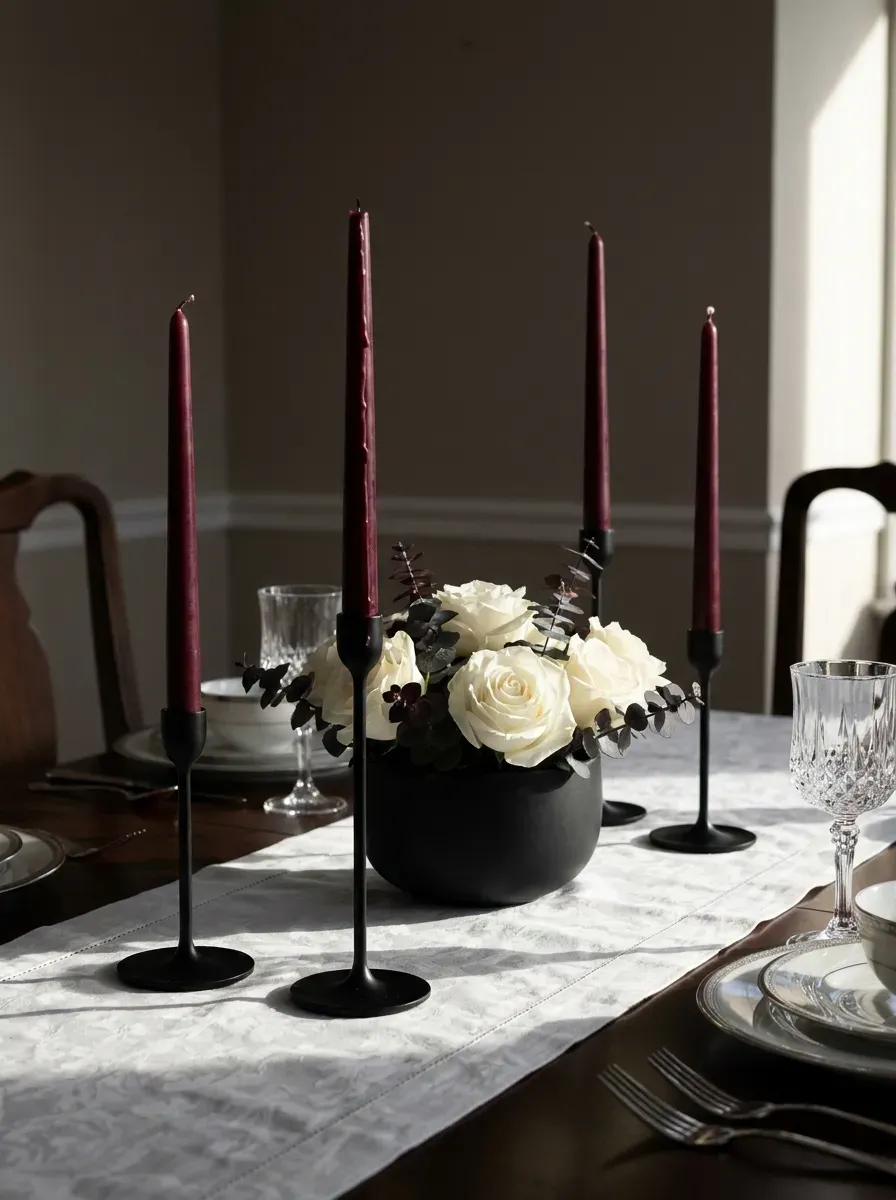
Taper candles are elegant, affordable, and architecturally stunning.
They draw the eye upward and create vertical drama on a table that mostly lives in the horizontal plane. A few taper candles in tall candlestick holders instantly give the table a more formal, sophisticated feeling.
Mix candlestick heights for a dynamic effect. Cluster them toward the center or space them evenly down the table length. Either approach works.
Budget tip: Plain beeswax or paraffin taper candles are inexpensive at craft stores and last for hours of dinner conversation. Candlestick holders can be found at thrift stores for almost nothing.
Experiment with candle color. Classic white or ivory is timeless. Deep burgundy or forest green adds drama. Dusty pink or sage reads as soft and romantic.
Make sure candle holders are stable. Tapers are taller and narrower than pillar candles, so they can tip if the holder is not the right size. Test before guests arrive.
Always trim wicks to about a quarter inch before lighting. This prevents excess smoke and gives a cleaner, more even flame.
Taper candles photograph well and give any table — even one with simple everyday dishes — an elevated, intentional feeling that guests respond to immediately.
11. Create a Herb Garden Centerpiece

Herbs are edible, fragrant, and genuinely beautiful as table decor.
A grouping of small potted herbs down the center of a table creates a kitchen garden centerpiece that smells incredible and serves double duty. Guests can actually pick a sprig of basil or thyme during the meal.
Use terracotta pots for a warm, earthy look. Cluster them on a wooden board or tray so they feel grouped rather than scattered. Add a small handwritten tag to each pot for a charming personal touch.
Budget tip: A four-pack of herb starts from a grocery store or garden center costs just a few dollars. These are living plants you can replant in a garden or kitchen window after dinner.
Mix herb varieties for visual contrast. Tall rosemary stalks next to compact thyme, and sprawling basil next to upright mint, creates natural variation in height and texture.
This centerpiece works for nearly any dinner party style — rustic farmhouse, Mediterranean-inspired, casual family meals. The herbs keep the look grounded and unpretentious.
After dinner, pot the herbs in your kitchen garden or windowsill. Guests might even ask to take one home as a small parting gift, which is always a lovely touch.
12. Use Place Cards for a Personal Touch

Place cards do two things: they make guests feel expected, and they look polished.
A handwritten place card at each setting signals that thought and care went into the gathering. Even at casual dinners, this small gesture makes people feel welcomed in a specific, personal way.
You do not need to order fancy printed cards. Write names in your best handwriting on thick card stock, small pieces of kraft paper, or even smooth flat river stones using a paint pen.
Budget tip: Cut thick paper or watercolor paper into small rectangles. Use a calligraphy pen or even a simple felt-tip marker in a dark ink. Imperfect handwriting has its own charm.
Prop place cards against a small stone, fold them into tent shapes, or tuck them into a napkin fold. Each method works and looks intentional.
You can add a small decorative element to each card: a single dried flower taped to the corner, a small leaf from the garden, or a wax seal if you want a more formal feel.
Place cards also help you manage seating deliberately, which keeps conversation flowing and prevents awkward seating situations — always a quiet gift to your guests.
13. Layer Plates for a Restaurant-Style Place Setting

Layering plates is one of the easiest tricks to make a table feel restaurant-quality.
A charger plate sits at the bottom. It is usually a larger, decorative plate that stays on the table through multiple courses. Your dinner plate goes on top of it. A bread plate or salad plate can stack on top of that.
This layered effect adds depth to each place setting and makes the table look full and intentional even before any food arrives.
Budget tip: Charger plates are often sold in discount shops for just a dollar or two each. Gold, silver, rattan, and clear acrylic are all popular options. They reuse endlessly.
Mix charger materials with your dinnerware. Gold chargers under white plates is a classic pairing. Rattan chargers under ceramic dishes feel rustic and warm.
The charger also protects your tablecloth from drips between courses — a practical bonus.
Pair layered plates with matching or complementary napkin folds for a cohesive look. When every place setting feels considered, the whole table reads as carefully designed.
Guests notice this kind of detail immediately, even if they cannot always name what makes the table feel special.
14. Add Personality With Seasonal Flowers

Seasonal flowers are always more affordable — and more beautiful — than out-of-season ones.
Choosing blooms that are in season keeps your floral budget low while giving the table a fresh, timely feeling. Spring calls for tulips and ranunculus. Summer is perfect for sunflowers and dahlias. Fall brings chrysanthemums and marigolds. Winter shines with amaryllis and evergreen sprigs.
You do not need a florist. Grocery stores carry seasonal flowers, and farmer’s markets often sell loose bunches for just a few dollars.
Budget tip: One or two bunches of grocery store flowers, loosely arranged in a simple vessel, look as good as a professional arrangement when you keep the vase simple and the stems short.
Trim stems at an angle for better water uptake. Remove any leaves that fall below the waterline to keep the water clean and the arrangement lasting longer.
Use vessels you already own. A mason jar, a ceramic pitcher, a wide soup bowl, or even an old wine bottle work beautifully as flower vases.
Change your flower choice with each gathering to keep the table feeling new. Guests who visit regularly will always notice and appreciate the seasonal detail.
15. Incorporate Natural Wood Elements
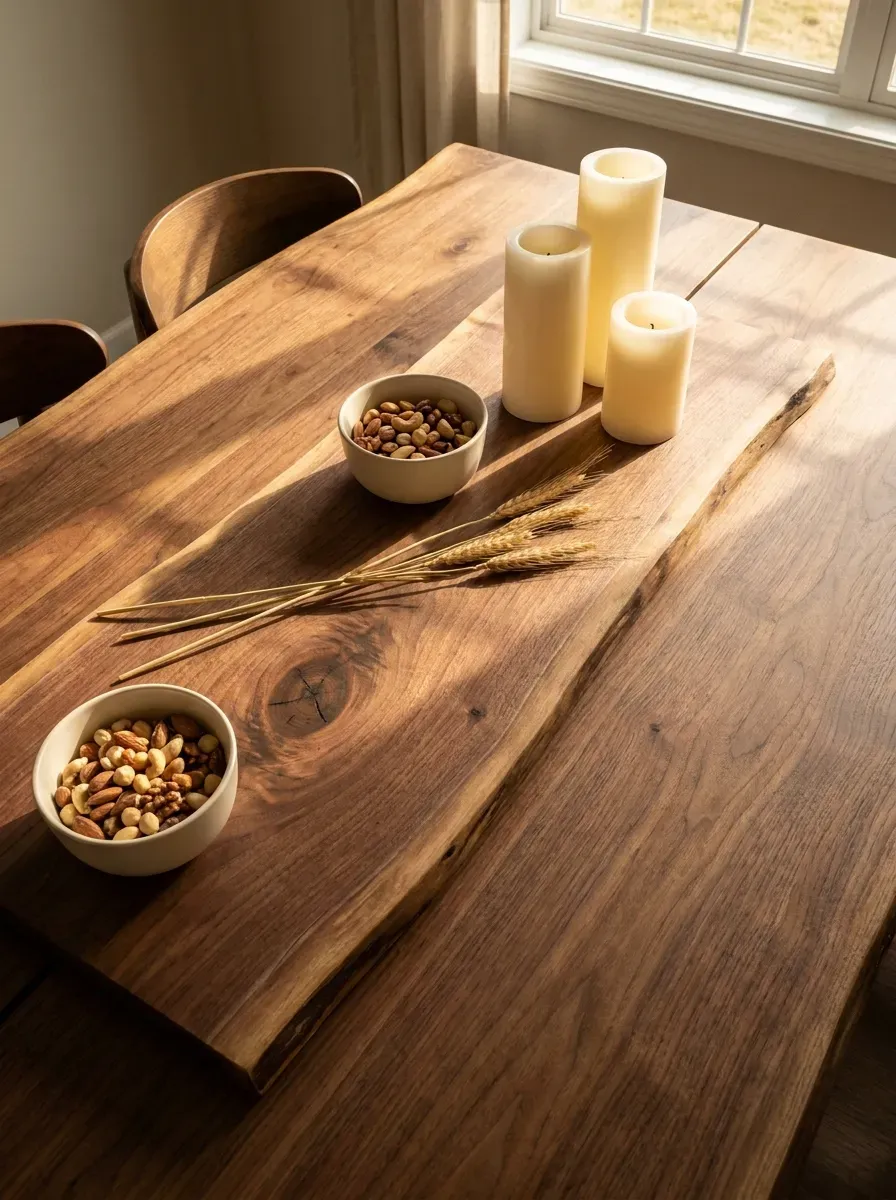
Wood brings warmth, texture, and a natural feel to any table setting.
A live-edge wooden board, a set of wooden chargers, or a simple butcher block piece used as a centerpiece base immediately grounds the table in something organic and tactile.
Wood works with almost every style. Rustic farmhouse, Scandinavian minimal, Mediterranean, and even modern-sleek tables all benefit from a wooden element somewhere.
Budget tip: Use a simple wooden cutting board from your kitchen as a centerpiece tray. Arrange candles, small vases, or herbs on top of it. It looks intentional and costs nothing extra.
Unfinished wood has a raw, handmade quality that feels warm at the table. Darker stained wood adds richness and formality.
Mix wood with metals for contrast. A wooden board under brass candlesticks. Wooden chargers beside silver cutlery. The contrast is visually interesting.
Wood slices can also work as individual coasters or charger plates for a very rustic, outdoor-inspired look. You can find these online or at craft stores for minimal cost.
Natural wood will never look out of place at a dinner table. It is timeless and adaptable in a way that few other materials are.
16. Play With Heights and Levels

Varying height is one of the most important principles in table styling.
A table where everything sits at the same level looks flat. Mixing tall, medium, and low elements creates visual rhythm and makes the table feel more dynamic and interesting to look at.
A tall narrow vase or candlestick at one end. A medium-height arrangement in the center. Small tea lights or votives scattered at the base level. That range of heights draws the eye and creates movement.
Budget tip: Repurpose objects from your home to create height variation. Stack books under a tray. Use a cake stand as a platform for a centerpiece. Elevate a candle group on a wooden box.
When mixing heights, keep the tallest element either centered or at the ends of the table — never off to one side, which creates visual imbalance.
The same rule applies to each individual place setting. A tall wine glass beside a shorter water glass beside a flat plate already creates mini levels at each seat.
Teaching yourself to think in three dimensions — not just flat arrangements — will change how you style every table you ever set from this point forward.
17. Use Unexpected Vessels as Vases
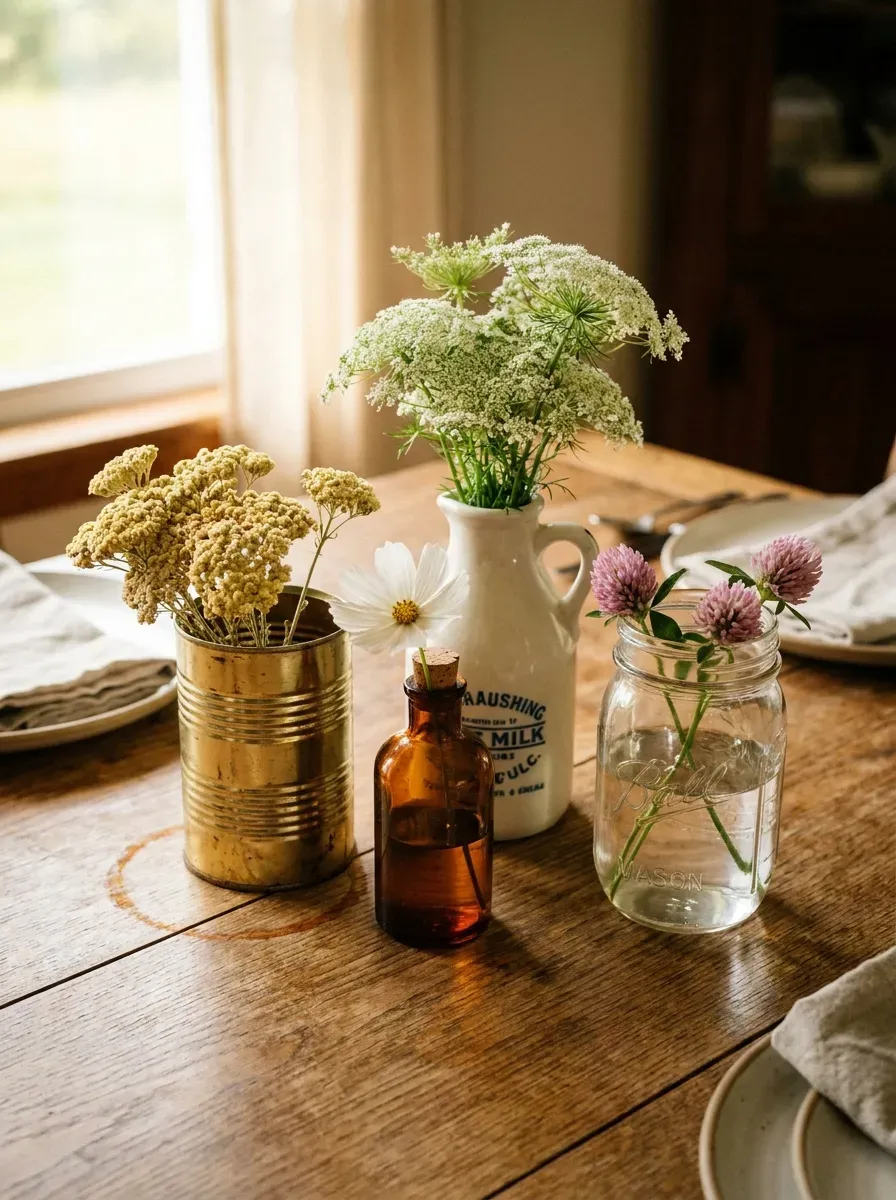
The container you put flowers in matters just as much as the flowers themselves.
Instead of a traditional vase, try unexpected vessels that add character and conversation to the table. Old tin cans wrapped in twine. Brown glass medicine bottles. A ceramic coffee mug. A wide-mouth mason jar. A copper watering can.
Each of these holds water and holds stems, which is all a vase technically needs to do. What they add is personality.
Budget tip: Clean and repurpose containers from your kitchen or pantry. A tomato paste can with the label soaked off looks charming holding a few stems. No cost at all.
Cluster several small mismatched vessels together in the center of the table, each holding one or two stems. This grouped approach looks abundant and intentional without requiring a large flower budget.
The key is varying the vessel shapes and heights while keeping the flowers themselves cohesive in color or type.
This approach also works beautifully for outdoor or casual dinner parties where a formal vase might feel out of place.
Get into the habit of seeing every container as a potential vase before you recycle it. That perspective shifts everything.
18. Add a Signature Scent to the Table
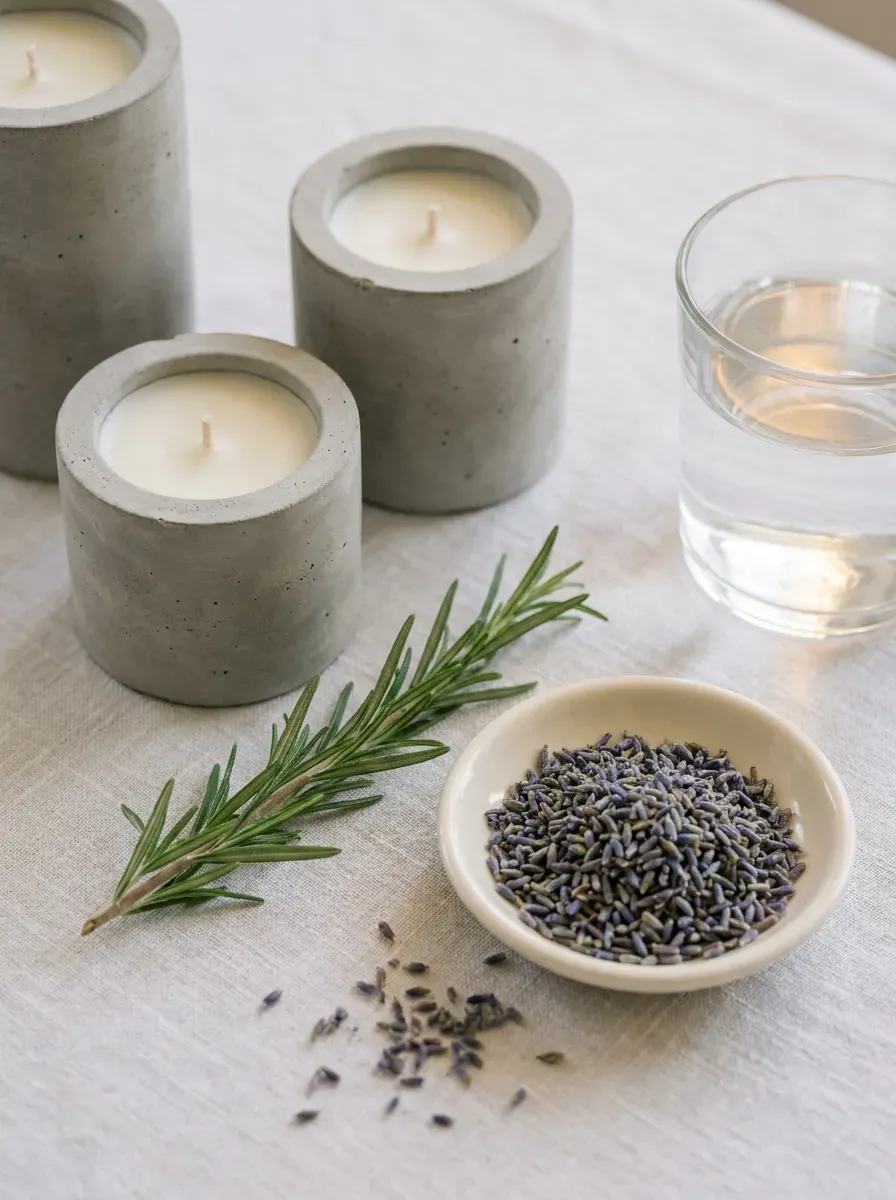
A dinner table engages all five senses — not just the visual ones.
Scent is one of the most powerful and often overlooked elements of table decor. The right fragrance in the room makes guests feel immediately comfortable and adds an invisible layer of atmosphere.
Choose scents that complement the food being served. Avoid heavy floral or synthetic fragrances that compete with the meal. Opt for softer, natural options instead.
Rosemary candles. Beeswax tapers with a subtle honey scent. A small dish of dried lavender placed near the center. Cedar or sandalwood votives for a warm, woody note.
Budget tip: Simmer a pot of water with citrus peel, cinnamon sticks, and cloves on the stove before guests arrive. It fills the whole space with a welcoming, natural scent at no real cost.
Fresh herbs placed on the table — rosemary, thyme, mint — release scent as they warm from the candlelight nearby. Another free and practical option.
Avoid plug-in air fresheners or spray fragrances at the table. They are often too sharp and artificial for a dining setting.
A subtly scented table creates a sensory memory that guests carry home with them long after the dinner ends.
19. Bring in Woven or Rattan Accents
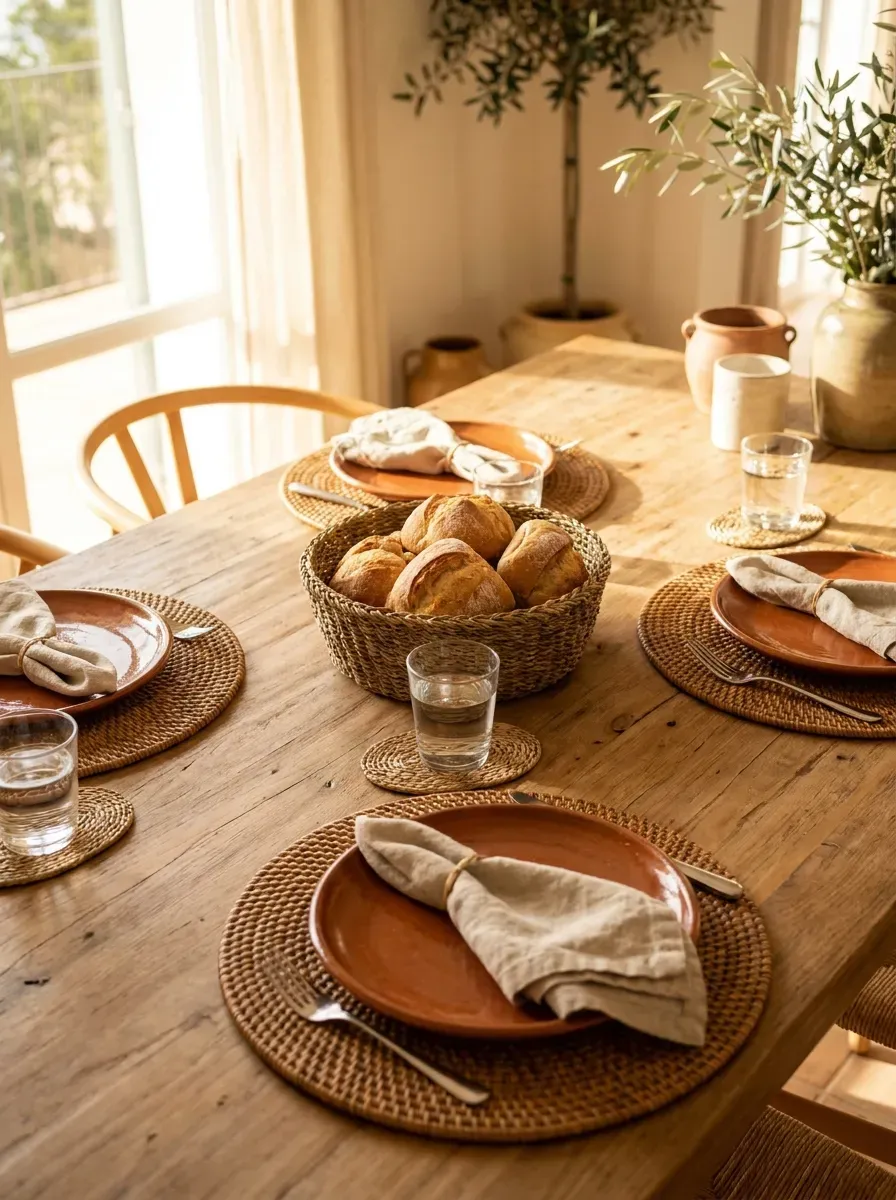
Woven textures add warmth and tactile interest to a dinner table.
Rattan placemats, a woven centerpiece tray, seagrass coasters, or a braided bread basket all introduce natural texture that feels relaxed and welcoming. These materials photograph beautifully and work across many different table styles.
Rattan and seagrass work particularly well with earthy color palettes — terracotta, sand, olive green, and warm white. They fit Mediterranean, coastal, and bohemian-inspired tables with ease.
Budget tip: Rattan and woven items are incredibly common at discount home stores and thrift shops. A full set of rattan placemats can cost just a few dollars if you look in the right places.
Use a woven tray as the base of your centerpiece. Place candles, small vases, or herb pots on top of it. The tray keeps the centerpiece organized and adds another layer of texture.
Mix woven accents with smoother surfaces for balance. Rough rattan beside a smooth ceramic plate. A woven runner beside a polished wine glass. The contrast between rough and smooth is visually satisfying.
Woven pieces are durable, reusable, and easy to store. They are a worthwhile addition to any hosting toolkit.
20. Style a Dessert or Cheese Board at the Table
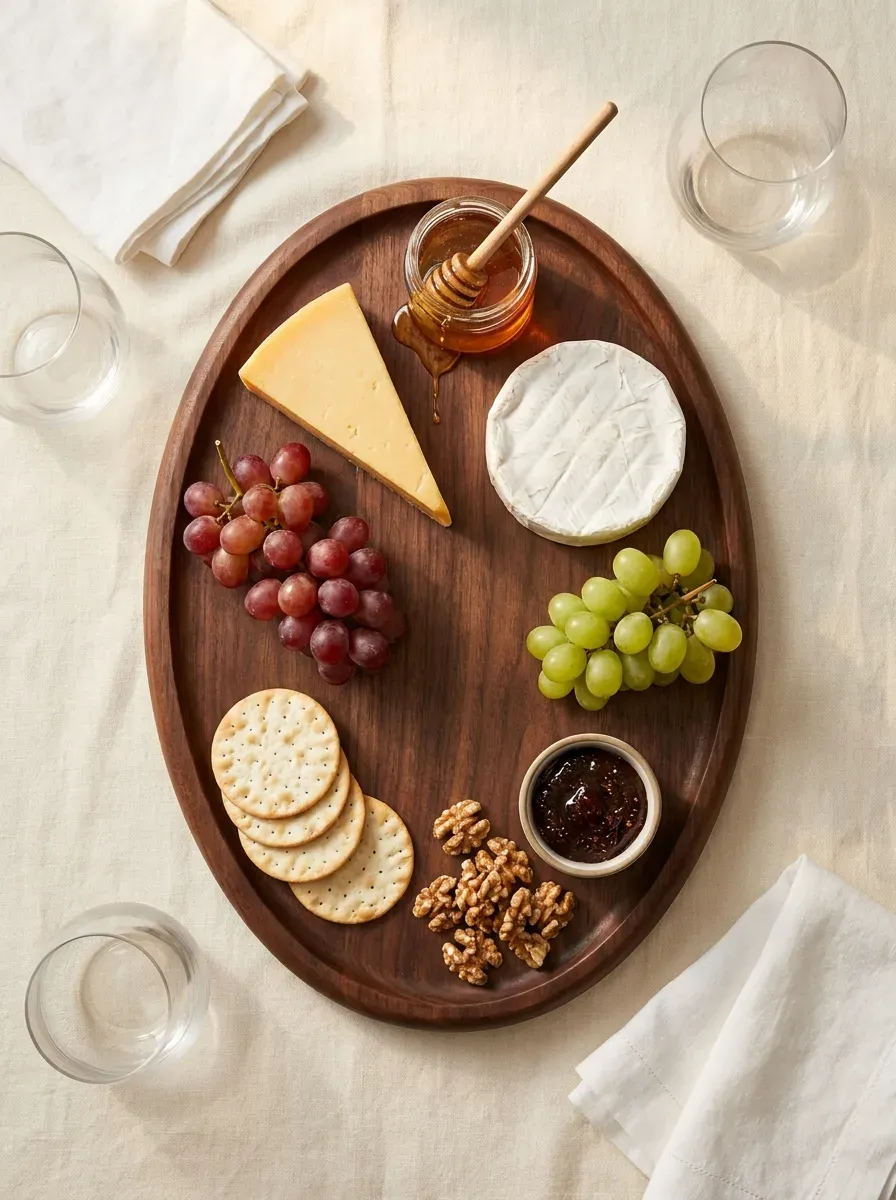
A styled food board is simultaneously a decor piece and the star of the meal.
A charcuterie board or dessert board placed at the center of the table serves as a stunning centerpiece before guests start eating from it. The abundance of color, texture, and shape makes it genuinely beautiful to look at.
Use a large wooden board, a slate tile, or a marble slab as your base. Arrange items by color and texture. Cluster grapes near soft cheeses. Place crackers in a fanned arc. Add small jam jars and honey pots for height.
Budget tip: You do not need expensive imported cheeses. A simple board with one or two cheeses, some grapes, crackers, and nuts from any grocery store looks impressive when styled thoughtfully.
Use small ceramic bowls or ramekins on the board to hold olives, honey, or spreads. These add elevation and prevent everything from sitting flat.
Fill gaps with herbs. Sprigs of rosemary tucked between items look professional and smell great.
A styled board eliminates the need for a separate centerpiece. It does double the work — looking beautiful and feeding people — which is a genuinely smart hosting move.
21. Create a Themed Color Story
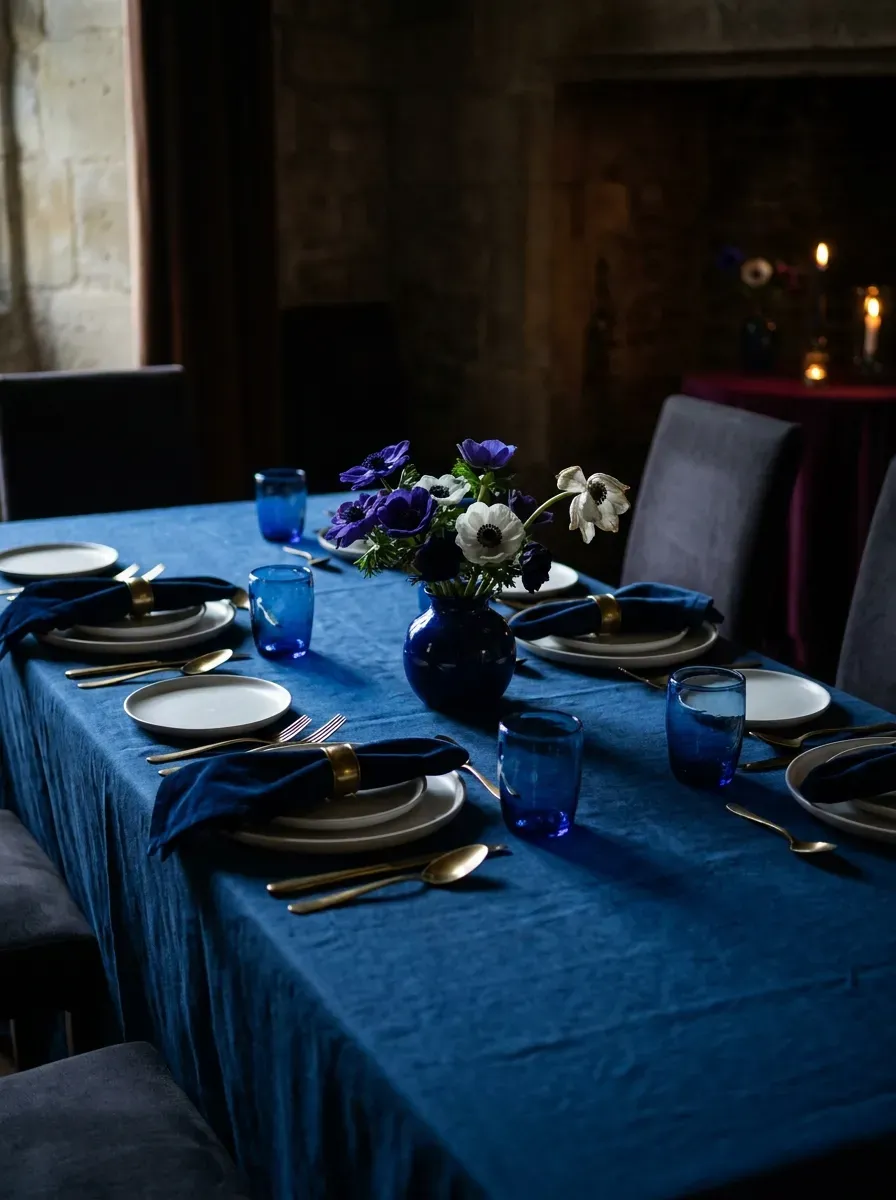
Choosing a color story gives your whole table a cohesive, curated look.
Pick two or three colors and repeat them across the linens, dinnerware, florals, and accessories. This repetition creates visual harmony even when individual pieces are mismatched or from different sources.
For a warm harvest feel: terracotta, rust, and mustard yellow. For a moody evening dinner: navy, gold, and deep plum. For a fresh spring brunch: blush pink, sage green, and white.
Budget tip: You do not need to buy new items for every theme. Rotate which pieces you put out based on your color story. A rust-colored runner and some terracotta pots can transform a table your guests saw last season.
Start with the linens, since they cover the most surface area and set the tone fastest. Then build upward from there — flowers, candles, small accents — pulling from the same palette.
When you have a clear color story, even simple, inexpensive decor looks like a deliberate, cohesive design decision.
Avoid using more than three main colors. More than that and the table starts to look busy rather than designed.
22. Use Unique Napkin Rings
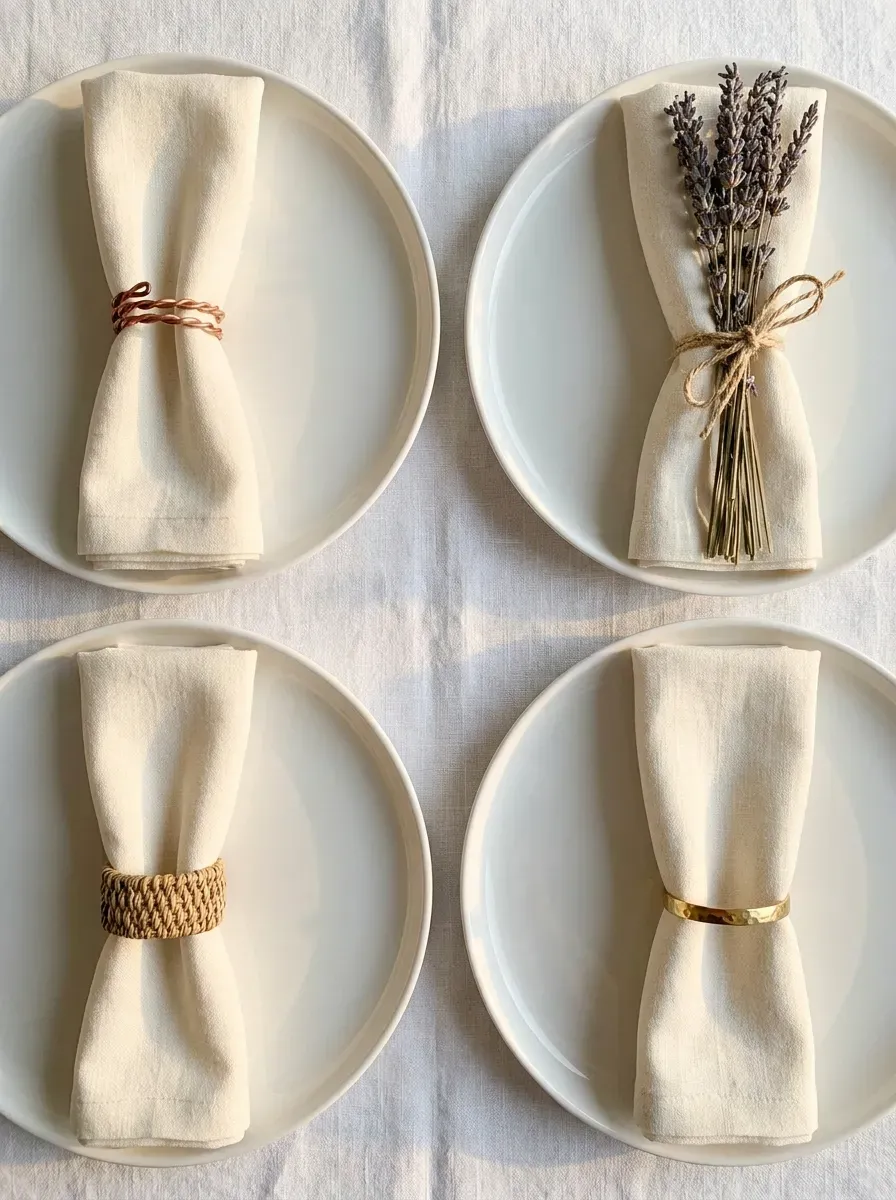
Napkin rings add a finishing detail that makes each place setting feel complete.
They are small, affordable, and easy to DIY. A napkin ring signals that every detail of the table was considered — which is exactly the impression a thoughtful host wants to give.
You can buy napkin rings, but making them is genuinely easy. Wrap craft wire into a small ring. Tie a bundle of dried lavender with twine and slide a napkin through. Use a short piece of ribbon in a simple loop. Even a single cinnamon stick tied with twine works in autumn.
Budget tip: Old bangle bracelets, curtain rings, or napkin rings from thrift shops work perfectly. You can often find full sets for almost nothing.
Match the material of your napkin rings to the overall table aesthetic. Copper or brass for warm, glam settings. Natural twine or leather for rustic looks. Simple white ribbon for clean and minimalist tables.
Change napkin rings seasonally to refresh a table you have styled many times before. It is one of the smallest changes that makes the biggest cumulative difference when you look at the table as a whole.
Guests often notice and remark on creative napkin ring choices — a detail that takes almost no time to execute.
23. Incorporate Candlelight in Multiple Forms
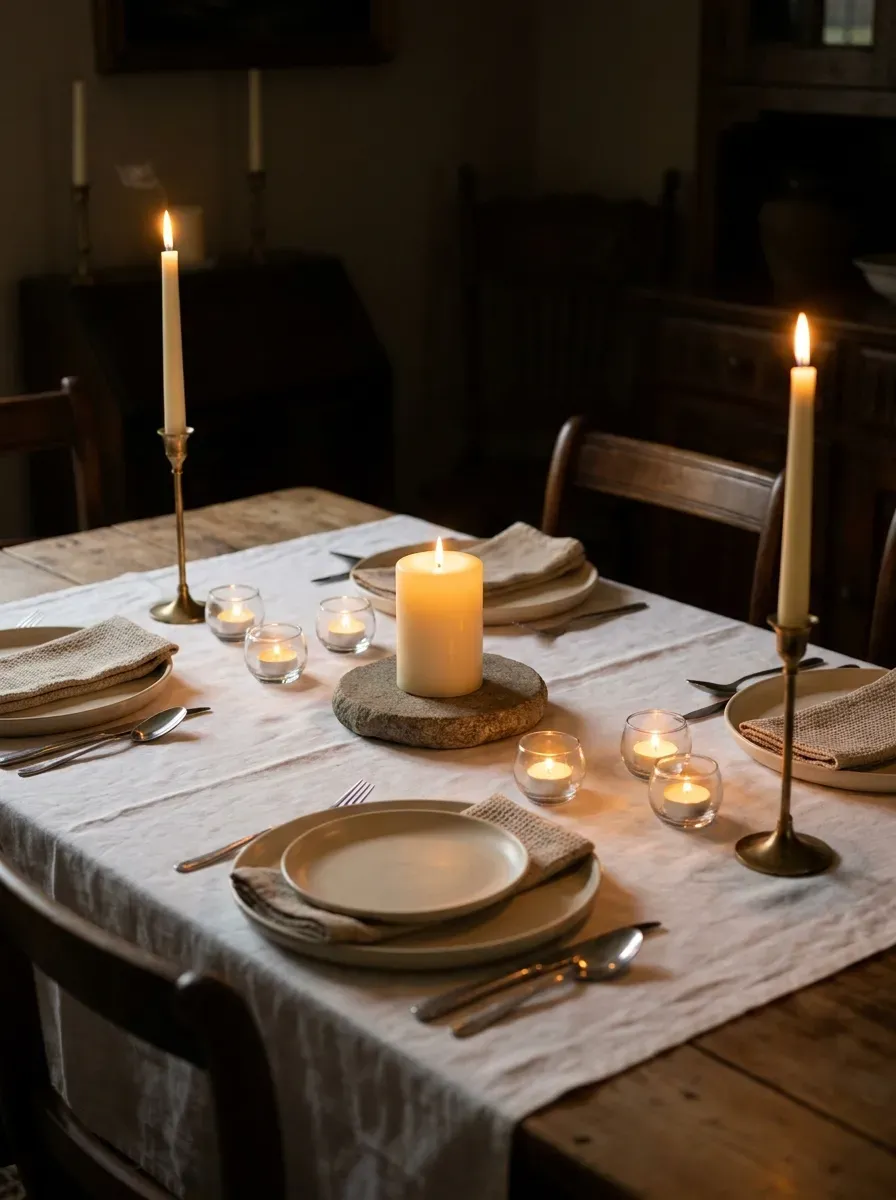
Layering different types of candlelight creates a warm, immersive atmosphere.
Using multiple forms of candles — tapers, votives, pillar candles, and tea lights — at different heights and placements fills the table with gentle, moving light that no overhead fixture can replicate.
Tall tapers create vertical drama. Wide pillar candles anchor the center. Small votives or tea lights in glass holders scatter light across the full table surface. The combination feels rich and intentional.
Budget tip: Tea lights in bulk are among the cheapest decor items available. A hundred tea lights for a few dollars, placed in mismatched glass votives or small jam jars, create an atmosphere that feels genuinely special.
Vary the candle holder materials too. Clear glass lets light pass through. Frosted glass diffuses it softly. Metal reflects it. Ceramic absorbs and warms it. Each material creates a slightly different kind of glow.
Set up your candles before guests arrive and light them right before people sit down. Walking into a candlelit table is one of the best first impressions a host can make.
Always have a lighter nearby so you can relight candles that go out during the meal without interrupting the flow of dinner.
24. Add a Personal or Sentimental Centerpiece
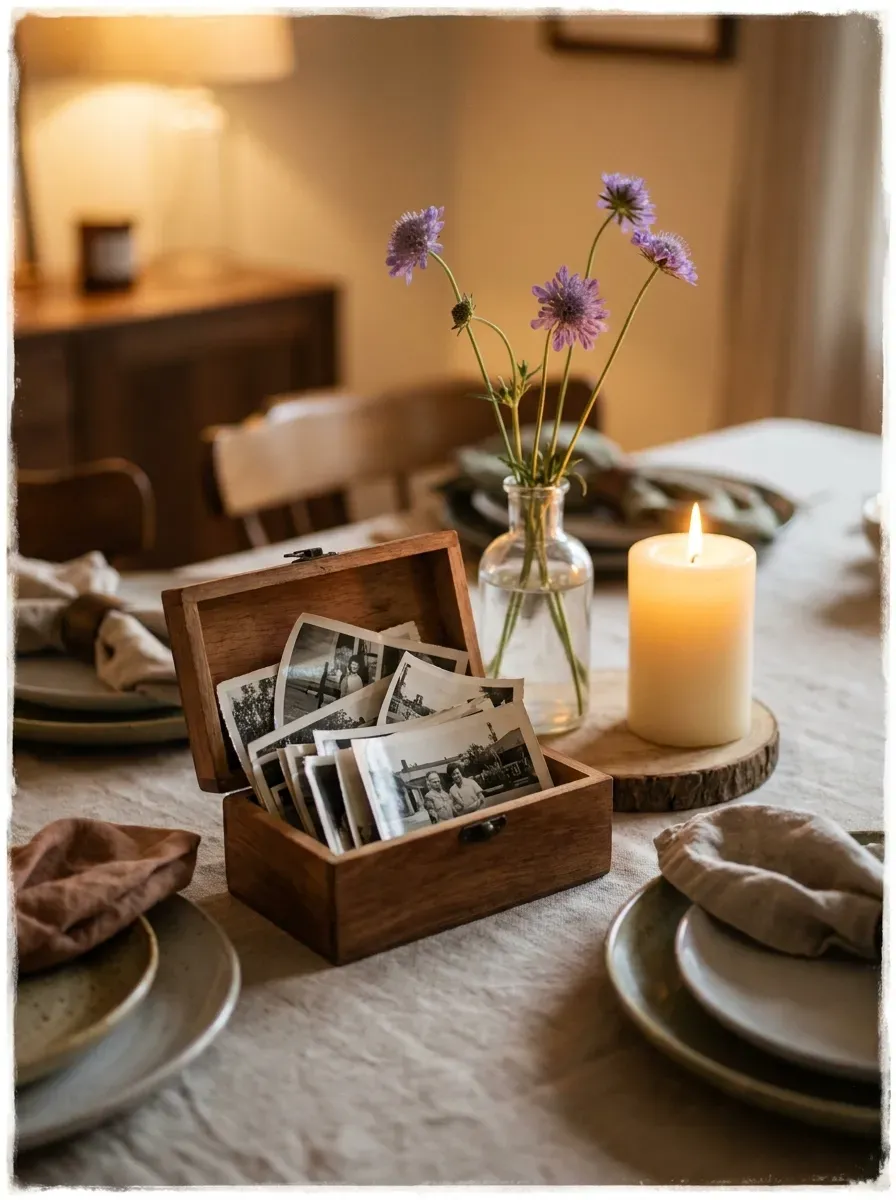
The most memorable table decor often has a personal story behind it.
A sentimental centerpiece brings warmth that no store-bought item can replicate. This could be a collection of family photographs in small frames. A vase filled with flowers from your own garden. Your grandmother’s serving bowl repurposed as a centerpiece.
Guests find these personal touches meaningful. They create conversation. They reflect who you are as a host.
Budget tip: Scan old family photos and print them at home or at a local print shop for just a few cents each. Display them in a simple cluster of small frames down the center of the table.
You can also display objects that represent a shared memory with your guests. A map of a place you all visited. A bottle of wine from a trip. A few books that hold meaning.
This idea works particularly well for milestone dinners — anniversaries, reunions, milestone birthdays — where nostalgia is already part of the emotional tone.
Not every dinner needs a sentimental centerpiece. But when the occasion calls for one, nothing else you do at that table will land as powerfully. It turns a dinner into an experience guests remember for years.
25. Keep One Spot Beautiful and Bold
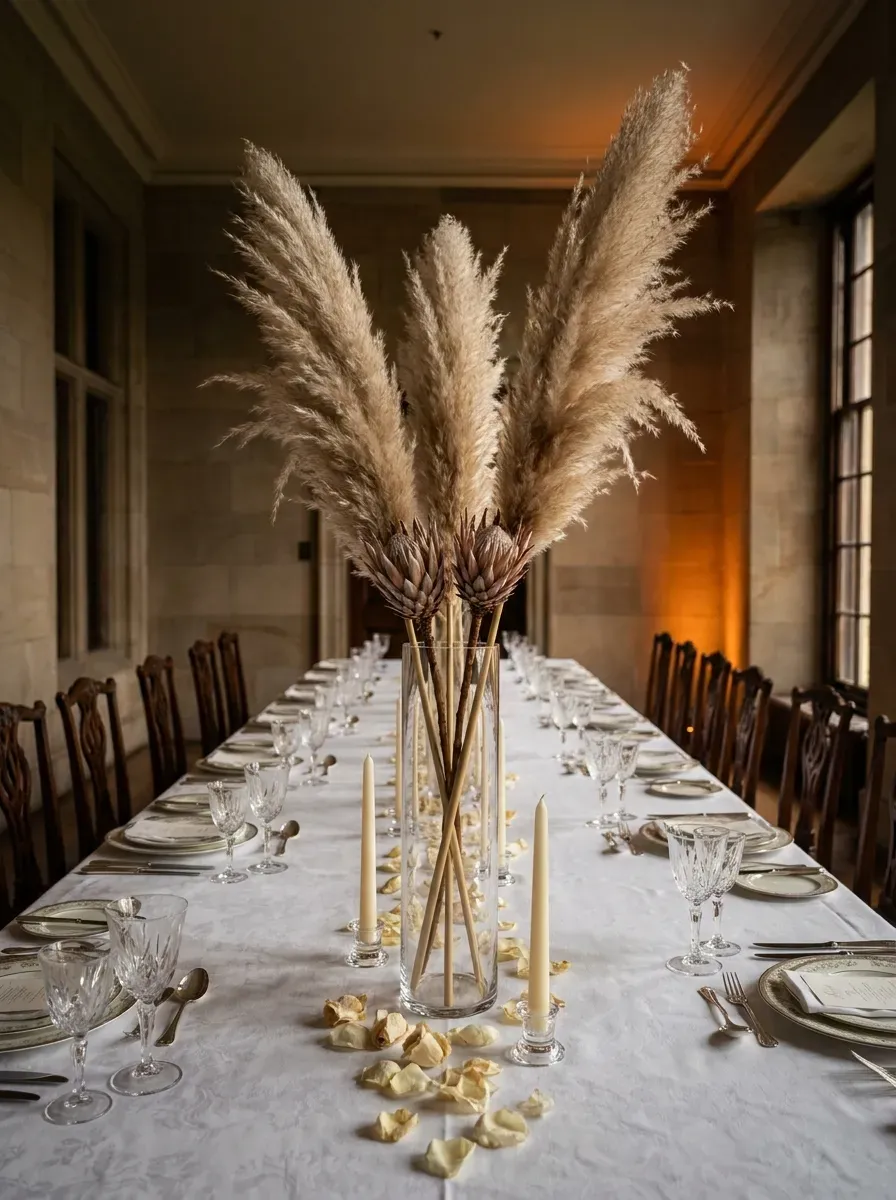
Sometimes the most powerful design choice is doing one thing boldly instead of many things moderately.
Choose one strong focal point and build the rest of the table around it. A dramatic tall floral arrangement at the center. A sculptural ceramic piece. A statement candelabra. One element that is visually arresting and everything else stays simple.
This approach avoids the cluttered, busy look that happens when too many decor ideas compete at once. One bold centerpiece lets the eye settle and the rest of the table feel calm and deliberate.
Budget tip: A large bunch of pampas grass from a craft store, placed in a tall simple vase, creates instant drama at a low cost. Dried elements also last indefinitely, so you use them again and again.
Tall dried botanicals — pampas grass, banksia, protea, dried cotton stems — are all architectural enough to stand alone as a centerpiece without needing additional elements around them.
Once your focal point is in place, keep the rest of the table restrained. Simple linens. Unfussy place settings. Minimal accessories.
Confidence is the most important ingredient in bold table styling. Choose your statement piece and trust it. Your guests will too.
Conclusion
A beautiful dinner table does not require a large budget, professional training, or hours of preparation. It requires intention. When you choose a color story, add layers of texture, let candlelight do the heavy lifting, and bring in one or two personal touches, the result is a table that feels genuinely welcoming and considered. Start with what you already have at home — candles, greenery, cloth napkins, a wooden board — and build from there. Try one idea from this list at your next gathering. Then try another. Over time, you will develop your own instincts for what works and what feels right for your space and your guests. The most impressive dinner tables are not the most expensive ones. They are the ones where someone clearly cared — and that care is something every guest can feel the moment they walk in the room.