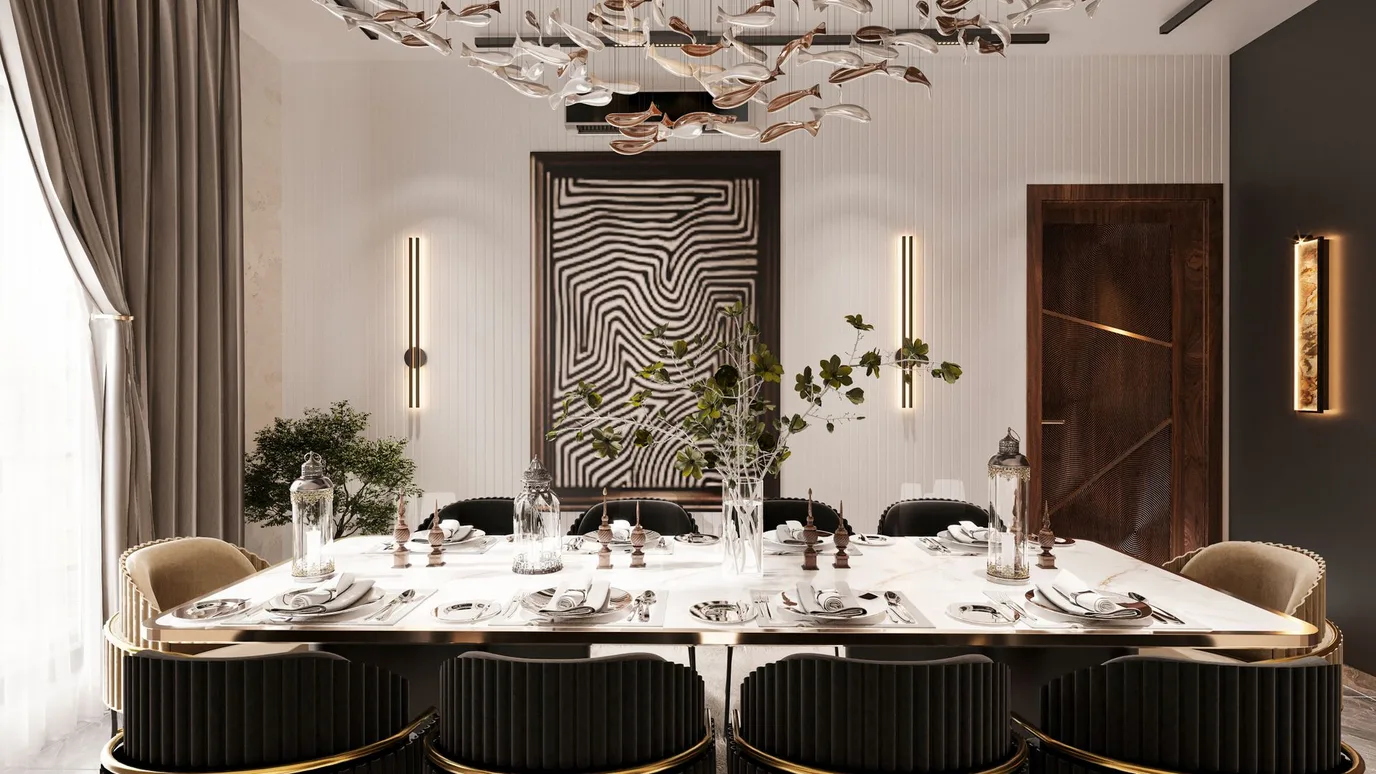
Flowers change a dining table the way sunlight changes a room — instantly and completely.
A single stem can lift a Tuesday dinner; a full arrangement turns an ordinary meal into an occasion. Floral centerpieces work because they bring color, scent, and life to the table all at once, and they suit every style from farmhouse to formal. The best part is that stunning arrangements don’t require a florist — grocery-store bunches and garden cuttings style beautifully with a few simple techniques.
The golden rule is simple: keep it low enough to see over.
Anything above eye level between diners becomes a wall, not a decoration. Low, lush arrangements in bowls and compotes are the safest bet; taller vases belong at the table’s ends or should be moved aside when you sit down. Change the water every two days, trim stems at an angle, and remove spent blooms, and even budget flowers will last a week.
This guide gathers 24 beautiful floral table centerpieces for every taste and skill level.
From romantic peonies and classic roses to wildflower jars, floating blooms, and dried bouquets that last for months, each idea includes practical tips on choosing flowers, arranging them, and keeping them fresh — so every meal gets a little brighter.

1. Float a Cloud of Peonies

Few flowers match the romance of peonies — those blowsy, ruffled heads in blush, cream, and coral look like they were designed for dining tables. Pack a dozen stems tightly into a low, wide bowl so the blooms form a lush dome just above the rim. The arrangement stays low enough for conversation and reads as pure luxury.
Peonies are seasonal, peaking in late spring and early summer, so enjoy them while they last. Buy buds that are soft like marshmallows — they will open within a day. Change the water daily and keep the bowl away from fruit, whose ethylene gas speeds wilting. One week of glory is typical; make it count.
2. Stand Classic Roses Tall

A tall vase of long-stemmed roses is the timeless centerpiece for anniversaries, Valentine’s dinners, and any night you want drama. Choose one color — deep red, blush pink, or creamy white — and arrange twenty or more stems at graduated heights for a full, fountain-like shape. The height draws the eye up and makes the whole room feel dressed.
Strip all leaves below the waterline and recut stems underwater every two days to maximize vase life. A tall arrangement belongs at the table’s end or center only if it sits above eye level — when in doubt, move it to a sideboard once guests sit down. Dried rose petals scattered at the base add a romantic finishing touch.
3. Gather Wildflowers in Mason Jars
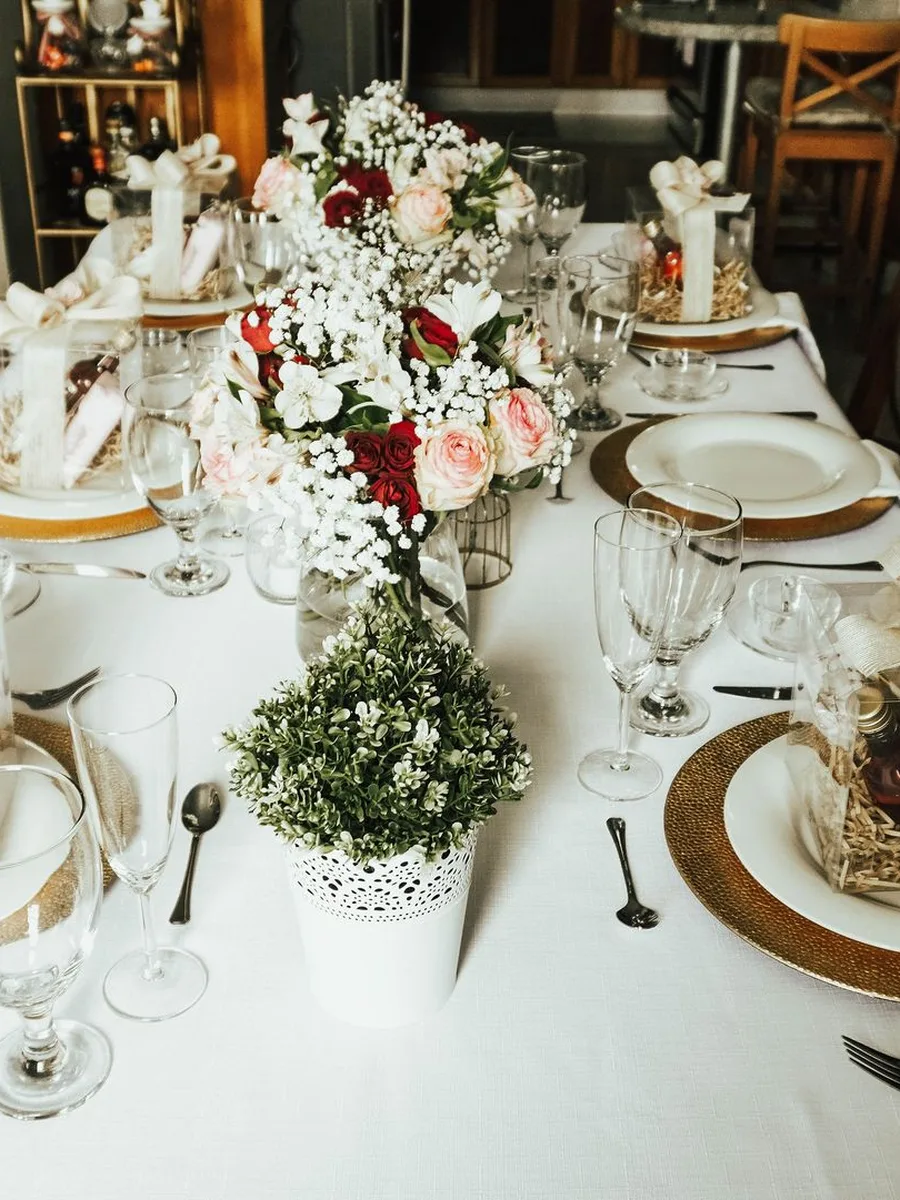
Three mason jars of mixed wildflowers down the table’s center are charming, casual, and nearly free if you have a garden or a roadside to forage. Mix daisies, black-eyed Susans, Queen Anne’s lace, and whatever is blooming — the charm is in the variety, not the perfection. Tie a ribbon or twine around each jar for a finished look.
Use jars in the same size for a tidy row, or mix pint and quart jars for a relaxed feel. Keep the arrangements low — trim stems to about eight inches — so they don’t block conversation. Refresh water daily; wildflowers are thirsty. This is the perfect centerpiece for summer barbecues, brunches, and any meal that should feel easy.
4. Line Up a Row of Bud Vases

Bud vases prove that one perfect stem beats a dozen mediocre ones. Line five to seven small vases down the table’s center, each holding a single bloom — a rose, a ranunculus, a sprig of freesia. The repetition creates rhythm, and each guest gets their own little arrangement to admire up close. It is minimalism with warmth.
Collect bud vases in one material — all clear glass, all ceramic — for a cohesive look, or mix vintage finds for eclectic charm. Keep water fresh with a drop of bleach per vase, and swap out fading stems individually rather than redoing the whole row. This approach stretches one grocery-store bouquet across the entire table.
5. Run a Garland of Roses and Eucalyptus

A garland runner of eucalyptus woven with roses lies flat along the table, giving you flowers without a single blocked sightline. Start with two or three eucalyptus garlands as the base, then tuck in roses, spray roses, and filler blooms every few inches. The result is lush, fragrant, and effortlessly elegant — wedding-worthy, in fact.
Mist the garland daily to keep it fresh for up to a week, and keep candles in glass holders so flames stay clear of foliage. Build it the morning of the event for peak freshness. For a longer-lasting version, use preserved eucalyptus and high-quality faux roses — from a few feet away, no one will know.
6. Bundle Dried Lavender

Dried lavender bundles bring Provence to the table with zero maintenance and months of fragrance. Tie six to eight bundles with twine and stand them in a ceramic pitcher or a row of small glasses — the purple-grey spikes look beautiful against white linens and rustic wood alike. The scent is calming, which suits long, leisurely dinners.
Handle bundles gently; dried buds shed if knocked around. Keep them out of direct sun to preserve the purple color. Every few weeks, squeeze a bundle gently to release more fragrance. When the scent finally fades after several months, crumble the buds into sachets for drawers — the centerpiece keeps giving.
7. Arrange a Low Compote Bowl

A footed compote bowl — that shallow, stemmed dish — is the florist’s secret for low, lush centerpieces. Fill it with a tight dome of garden flowers: roses, dahlias, zinnias, and filler greens, all trimmed short so the blooms sit just above the rim. The pedestal gives the arrangement presence while the low profile keeps conversation flowing.
Use a piece of soaked floral foam or a flower frog inside to hold short stems upright. Pack blooms densely; gaps are the enemy of this style. Refill the water daily since shallow vessels dry out fast. Thrift stores often carry compote bowls for a few dollars — the shape matters more than the pedigree.
8. Pour Sunflowers into a Pitcher

Sunflowers in a ceramic pitcher are pure happiness — bold, sunny, and impossible to arrange badly. Choose stems with heads at different stages, from tight buds to full blooms, and let them lean naturally at varied angles. A white or cream pitcher makes the yellow pop; a blue one nods to country kitchens.
Strip the lower leaves, which foul the water fast, and change the water every two days — sunflowers are heavy drinkers. Keep the arrangement away from direct sun through a window, which wilts the heads. One bunch of a dozen stems fills a pitcher generously and costs less than most takeout dinners.
9. Keep It Simple with Tulips

Tulips need no arranging — drop fifteen stems into a glass vase and they compose themselves, arching and turning toward the light in that charming, wayward way. Choose one color for a modern look or a mixed bunch for spring exuberance. Their clean lines suit contemporary tables, and the clear vase shows off the elegant stems.
Tulips keep growing in the vase, so trim them a little shorter than you want on day one. They prefer cool rooms and fresh water; a penny in the vase is an old trick said to keep stems straight. Expect a week of beauty, with the blooms opening wider and more romantic each day.
10. Dome Hydrangeas in Glass
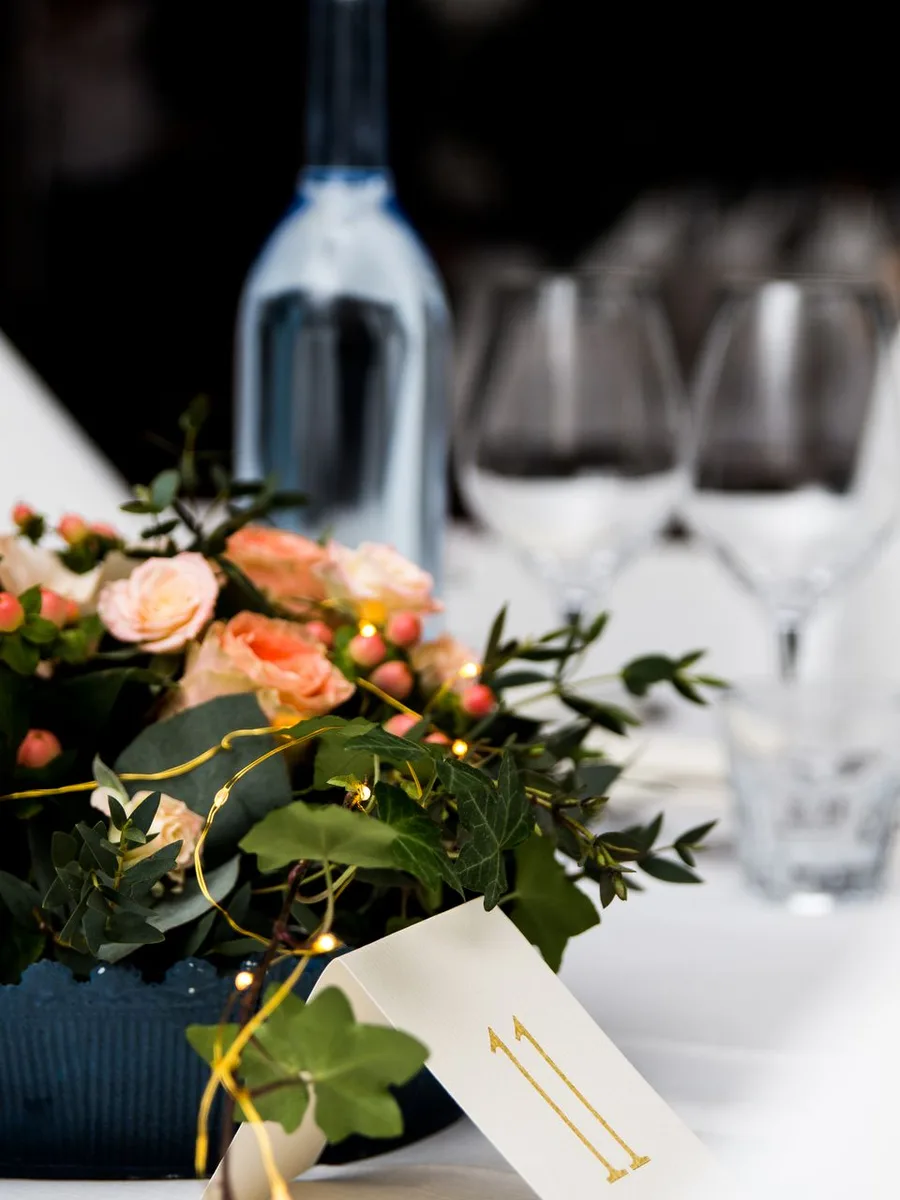
Five hydrangea heads packed into a glass vase form a perfect cloud — no arranging skill required. The blooms’ natural dome shape does all the work; just trim the stems to one height and let the heads rest against each other. White hydrangeas suit formal tables; blue and pink ones bring cottage charm. One vase, five minutes, done.
Hydrangeas wilt dramatically when thirsty but revive just as fast — submerge the whole head in cool water for an hour to rescue a droopy bloom. Recut stems and use the aluminum-sulfate trick for bluer blooms if you grow your own. They last about a week in the vase and dry beautifully for everlasting arrangements.
11. Pot a Single Orchid

A single phalaenopsis orchid in a beautiful pot is the most elegant low-effort centerpiece there is. The arching stem of white or blush blooms lasts for months, not days, and the sculptural shape needs no arranging at all. Slip the plastic nursery pot inside a ceramic cachepot that matches your decor and you are finished.
Water sparingly — three ice cubes a week is the famous rule — and keep the orchid in bright indirect light between meals. Wipe the leaves monthly with a damp cloth to keep them glossy. When the blooms finally fade, keep the plant; with patience and a cool spell, it will rebloom and return to the table.
12. Fill a Basket with Garden Flowers

A woven basket overflowing with garden flowers feels like a just-picked gift — informal, abundant, and full of charm. Line the basket with a waterproof container or a plastic bag, then arrange whatever is blooming: cosmos, zinnias, dahlias, sweet peas. Let stems spill naturally over the edges for that gathered, generous look.
Keep the basket low and wide so it doesn’t tower over the table. Tuck a jar of water inside for the stems and refill it daily — baskets hide the mechanics beautifully. This is the ideal centerpiece for garden parties and summer lunches, where a little wildness is exactly right.
13. Float Blooms in a Shallow Bowl

Floating flower heads in a shallow bowl are stunningly simple: fill a wide glass or ceramic bowl with water, snip the heads off roses, dahlias, or gardenias, and set them afloat. The blooms open flat on the water’s surface like water lilies, and the effect is serene and luxurious. It is also the perfect use for flowers too short-stemmed for a vase.
Use room-temperature water and change it daily to keep it clear. Sturdy heads like roses and dahlias float for two to three days; delicate ones last a day. Add a few floating candles for evening — the flames reflect on the water and double the magic. Keep the bowl centered and stable; wide and shallow means tip-proof.
14. Set Single Stems in Vintage Bottles
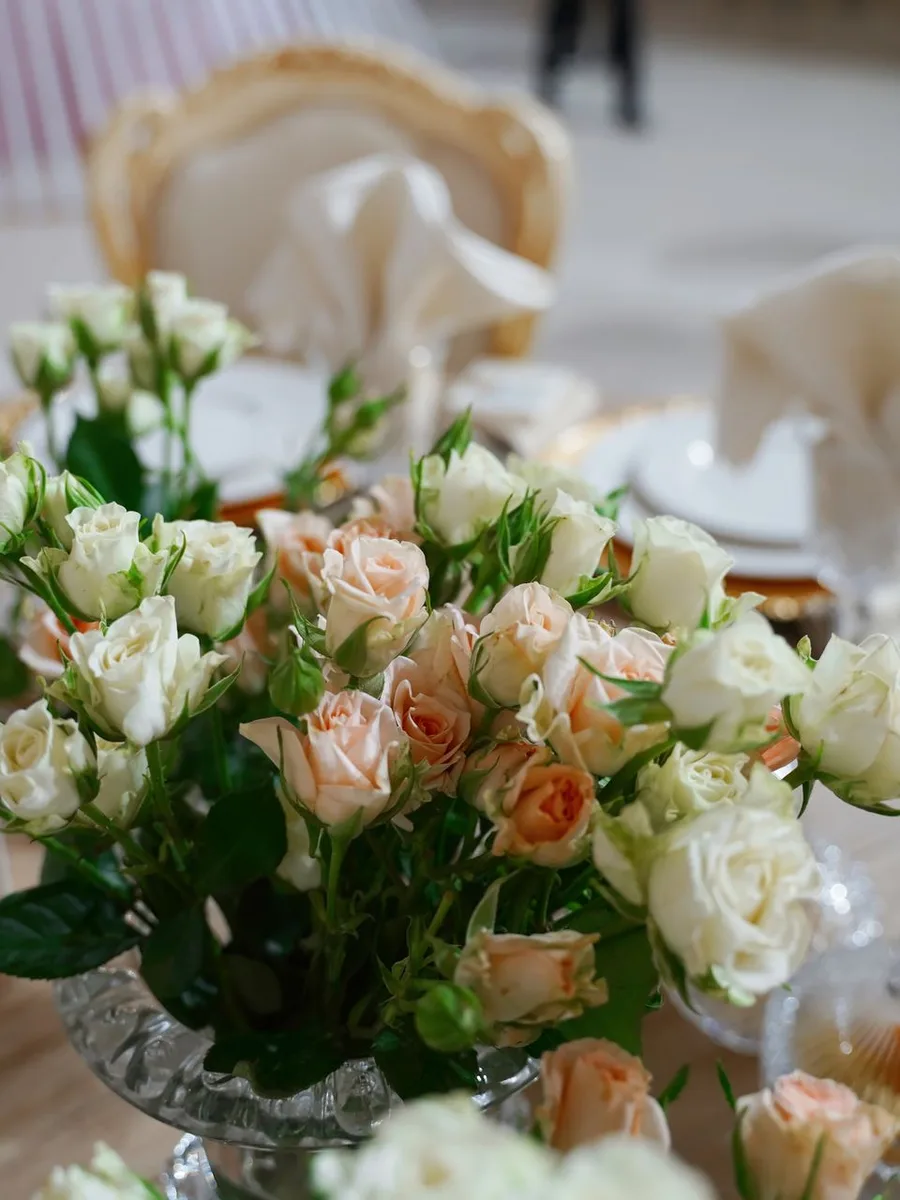
A collection of vintage glass bottles — apothecary, milk, soda — each holding a single stem turns one bouquet into a whole tablescape. The varied glass tints, from amber to cobalt to sea green, catch the light beautifully, and the single-stem approach makes every bloom a star. It is romantic, a little bohemian, and endlessly collectible.
Hunt flea markets and thrift stores for interesting bottles; odd shapes are the point. Keep stems short so blooms hover just above the bottle mouths. Change the water in each bottle every two days — narrow necks hide murky water, but the flowers know. Group in odd numbers along the table’s center line.
15. Ring a Candle with a Flower Wreath

A small wreath of fresh flowers circling a pillar candle combines bloom and flame in one compact centerpiece. Use a foam wreath form or simply lay stems in a ring on a plate, weaving in roses, spray carnations, and greenery. Set a glass hurricane or tall pillar in the middle and the flowers frame the glow.
Always keep flames well clear of the flowers — a glass hurricane around the candle is the safe choice, or use a flameless pillar. Mist the wreath daily to keep it fresh for several days. For a lasting version, build the wreath from dried flowers and preserved greenery; it will look beautiful for months.
16. Display Ranunculus in a Footed Vase
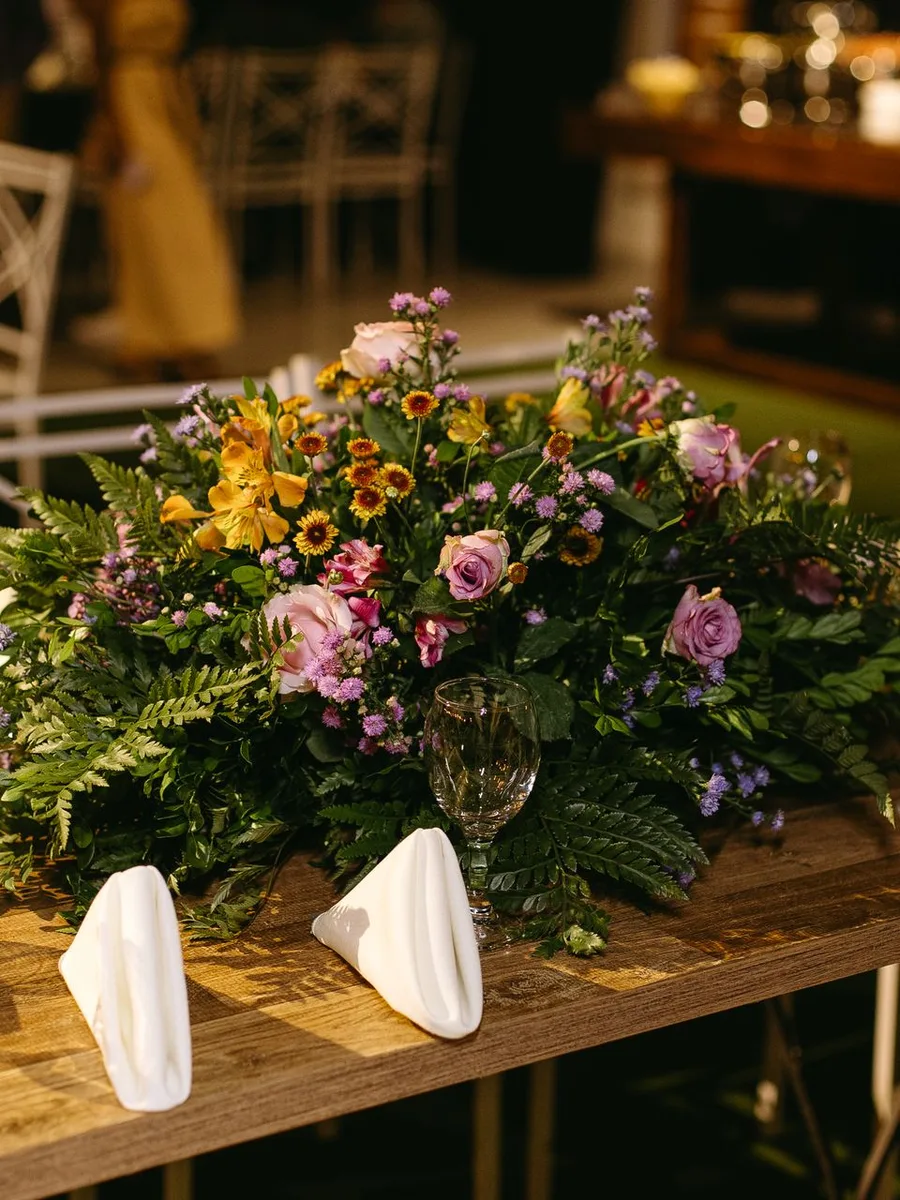
Ranunculus — those tissue-paper blooms in sherbet colors — look exquisite in a footed vase, where the elevated bowl shows off every layer. Arrange a dozen stems in a tight cluster, mixing blush, peach, and cream, with just a few stems of greenery. The delicate, ruffled heads belie how long they last: up to ten days with care.
Ranunculus are spring flowers, so enjoy them from late winter through spring. They drink steadily, so check the water daily and recut stems every few days. Keep them cool — heat shortens their life dramatically. Their slender stems suit narrow-necked vases that hold the blooms upright in a neat posy.
17. Brighten Up with Daisies

White daisies in a glass jug are cheerfulness in its purest form — the floral equivalent of a sunny kitchen. Their simple shape and bright faces suit casual meals, brunches, and family dinners, and they are among the most affordable flowers you can buy. A generous bunch in a clear jug needs no arranging beyond a quick trim.
Daisies last seven to ten days if you change the water every two days and remove any leaves below the waterline. They pair happily with almost anything — add a few stems of blue cornflowers or yellow billy balls for a playful mix. Keep them in a cool spot; heat makes the petals drop early.
18. Go Dramatic with Pampas Grass
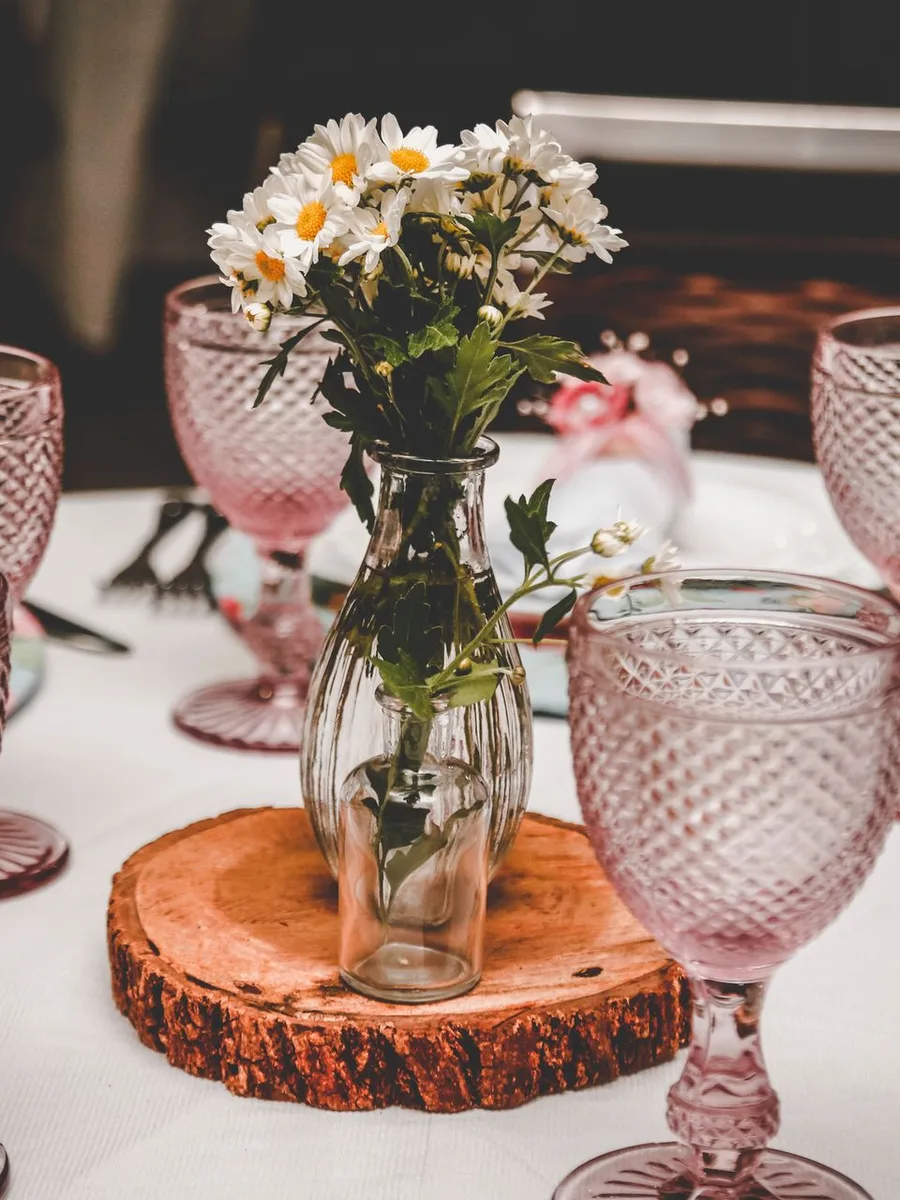
Feathery pampas grass plumes in a tall floor vase bring soft drama to the dining room — the dried fronds add height, movement, and texture with zero watering. Place the vase at the table’s end or in a nearby corner rather than the center, so the tall plumes frame the scene without blocking anyone’s view.
Shake plumes outdoors before bringing them in to release loose fluff, and give them a light hairspray mist to reduce shedding. Keep pampas away from open flames — the plumes are highly flammable. The neutral beige tones last for years and suit boho, modern, and transitional rooms equally well.
19. Branch Out with Cherry Blossoms

Tall branches of cherry blossom — real in spring, faux the rest of the year — bring breathtaking height and delicacy to the table. The bare dark branches traced with pale pink blooms are sculptural even before the flowers open. Place the vase at the table’s end where the height frames the room rather than interrupting conversation.
For real branches, split the stem ends and use warm water to encourage buds to open; they last about a week. High-quality faux branches are nearly indistinguishable and last forever — fluff the blooms after unpacking. Either way, keep the arrangement to branches alone; blossoms this beautiful need no filler.
20. Mix Succulents with Fresh Flowers

Tucking small succulents among fresh flowers creates a centerpiece with wonderful texture contrast — the plump, sculptural rosettes against soft petals. Plant the succulents in tiny pots hidden within the arrangement, or wire faux succulents onto picks and insert them among roses, lisianthus, and eucalyptus. The mix feels modern and a little unexpected.
Use real succulents in their own tiny pots so watering stays separate from the cut flowers — lift them out, water, and replace. When the fresh flowers fade, the succulents remain as a lasting base for the next arrangement. This trick works especially well in low, wide containers where the succulents can nestle naturally.
21. Roll a Carnation Pomander

A pomander — a perfect sphere of blooms — is a showstopper that looks far harder than it is. Cover a foam ball with short-stemmed carnations, pushing each stem into the soaked foam until no green shows, then set the ball on a candle holder or small vase as a pedestal. The result is a lush, formal orb of color.
Carnations are the ideal pomander flower: affordable, long-lasting, and dense enough to cover the foam. Soak the foam ball thoroughly before starting and mist the finished ball daily. A six-inch ball needs about forty carnations. Make it the day before the event and store it cool overnight.
22. Plant a Wildflower Meadow in a Dough Bowl
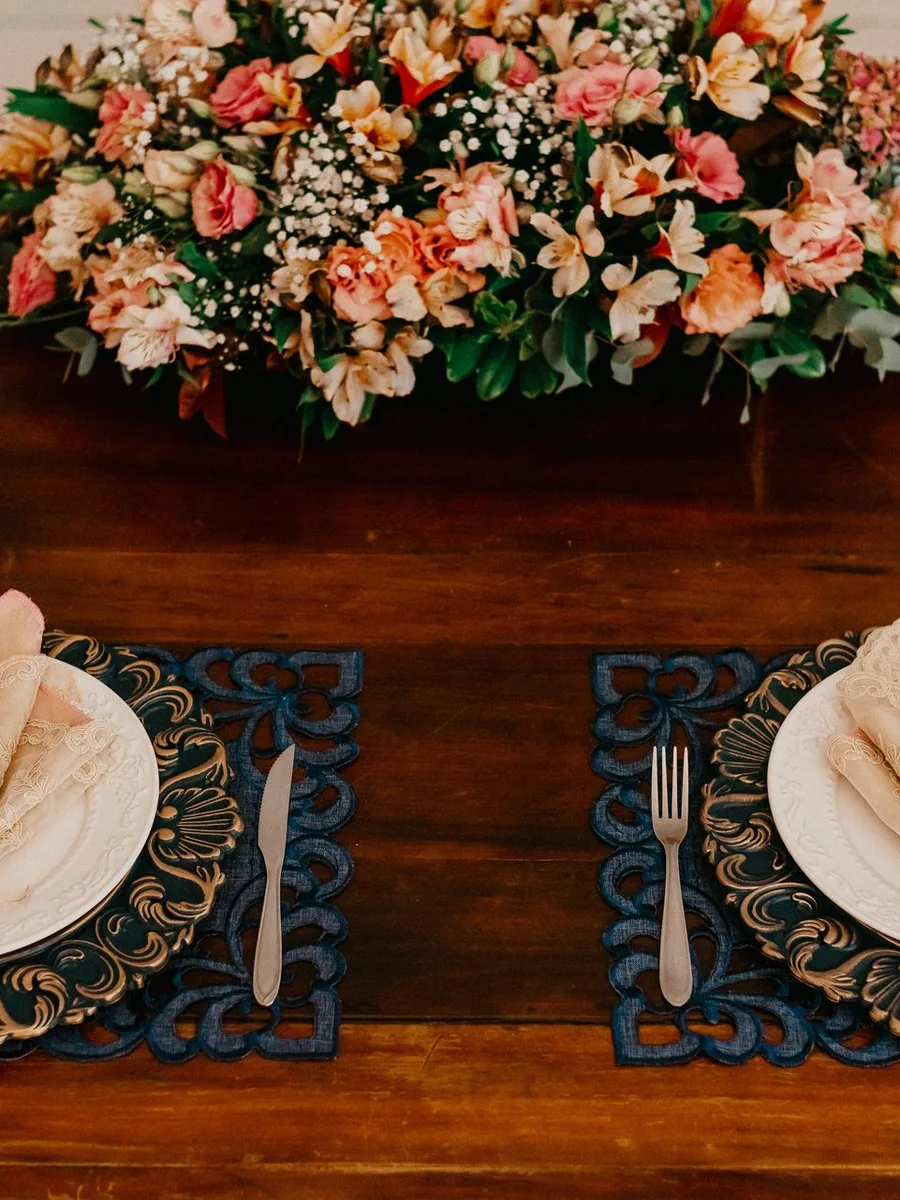
A rustic dough bowl planted with a jumble of wildflowers looks like a slice of meadow on the table. Line the bowl with a shallow waterproof tray, add soaked floral foam, and pack in cosmos, cornflowers, daisies, and grasses at varying heights. The low wooden vessel keeps the wildness grounded and suits farmhouse and cottage tables.
Let some stems lean and spill for a natural, just-gathered feel — perfection is the enemy here. Water the foam daily; shallow containers dry quickly. Forage responsibly or buy a mixed wildflower bunch from the market. When the flowers fade, the bowl itself returns to duty holding fruit or pinecones.
23. Combine Herbs with Edible Flowers

An arrangement of fresh herbs dotted with edible flowers — nasturtiums, borage, calendula, chive blossoms — is a centerpiece guests can literally eat. The green-on-green texture of basil, mint, and rosemary is beautiful on its own; the bright edible blooms add confetti-like color. It suits food-focused gatherings where the decor should celebrate the meal.
Grow the herbs in small pots clustered on a tray so they stay fresh for weeks, and add cut edible flowers in tiny water tubes the day of the dinner. Only use flowers you are certain are edible and pesticide-free — never florist flowers. Invite guests to snip garnishes for their plates; interactive centerpieces are always a hit.
24. Style a Dried Bouquet That Lasts

A dried bouquet — strawflowers, statice, wheat, bunny tails, dried roses — gives you flowers that last for months with literally no care. The muted, textural palette suits modern and boho tables, and the arrangement never wilts mid-dinner-party. Mix warm neutrals with one accent color, like dusty rose or sage, for a designed feel.
Keep dried arrangements out of direct sun to prevent fading and away from humidity, which makes stems limp. Dust occasionally with a cool hairdryer. When a stem fades, pull it and slot in a fresh dried stem — the bouquet evolves rather than dies. It is the ultimate set-and-forget centerpiece for busy households.