

Curtains in the kitchen are back — and not the fussy, flame-adjacent drapes of decades past.
Today’s kitchen curtains are light, practical, and full of personality: breezy linens, charming café styles, and tailored Romans that soften hard cabinetry and add the pattern and texture that kitchens often lack.
The right curtain does three jobs at once: it filters light, frames the view, and injects style.
In a room dominated by hard surfaces — tile, steel, stone — fabric is the softening agent that makes a kitchen feel like a home rather than a laboratory. And unlike a renovation, curtains can be changed with the seasons.
These 25 beautiful kitchen window curtain ideas cover every style and budget, each shown with practical tips on fabric, hanging, and care.
Find the one that makes your kitchen feel finished.
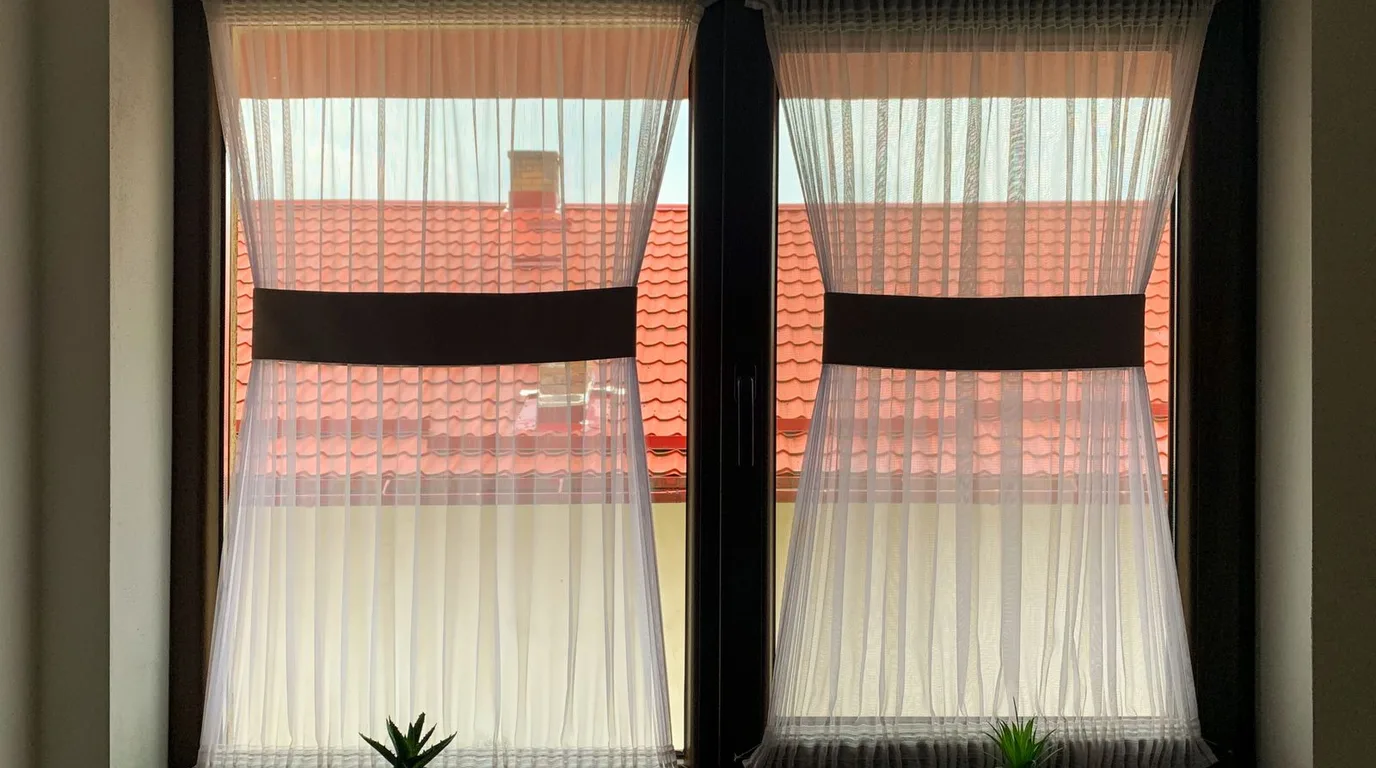
1. Choose Breezy Linen Café Curtains
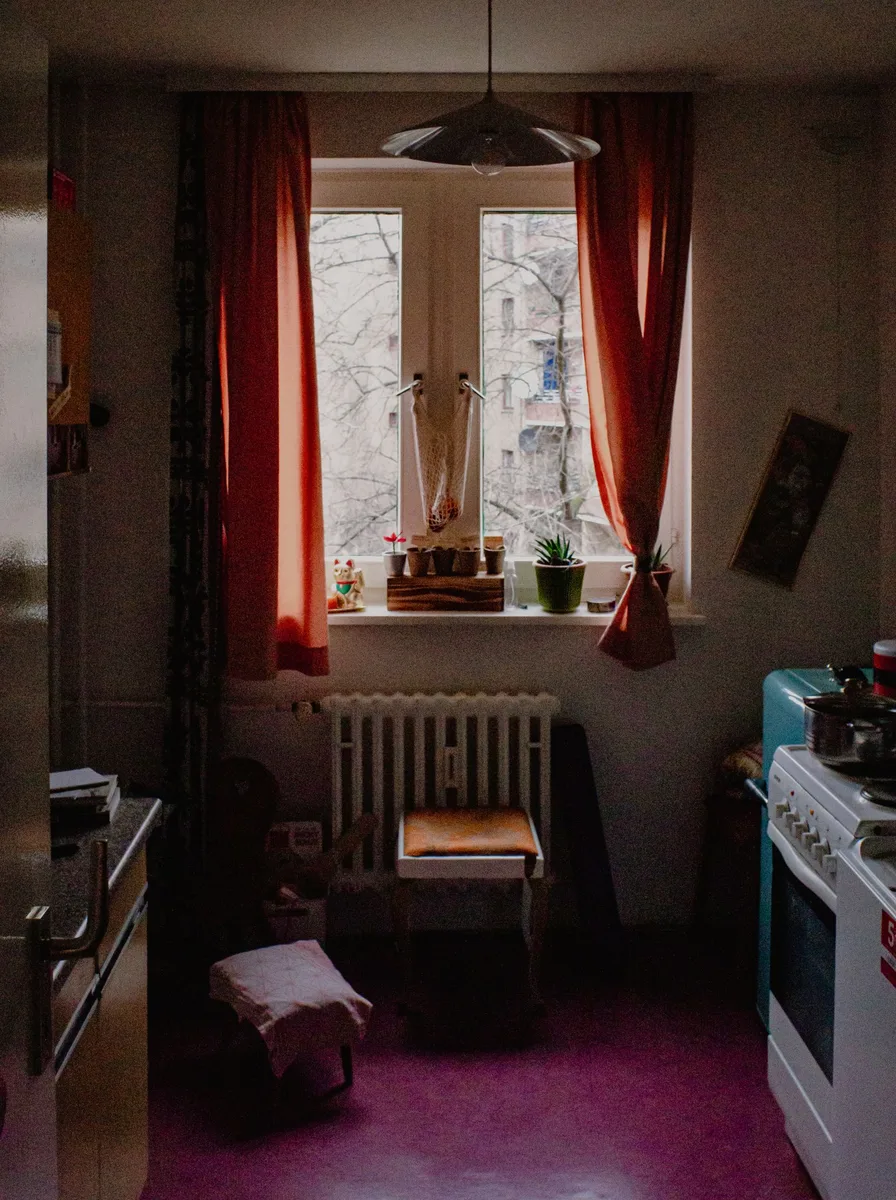
Linen café curtains are the effortless classic: they cover the lower half for privacy, let light pour in above, and their rumpled texture adds relaxed European charm. The natural fibres glow when backlit, filling the kitchen with soft, golden light.
Hang on a slim tension rod at mid-window — no drilling, perfect for renters. Choose a natural flax or soft white; the slight slub of real linen is the whole point. Machine-washable linen gets softer with every wash, so these only improve with kitchen life. A double row of stitching along the hem adds a tailored finish that elevates the simplest curtain.
2. Try Full-Length Linen Drapes
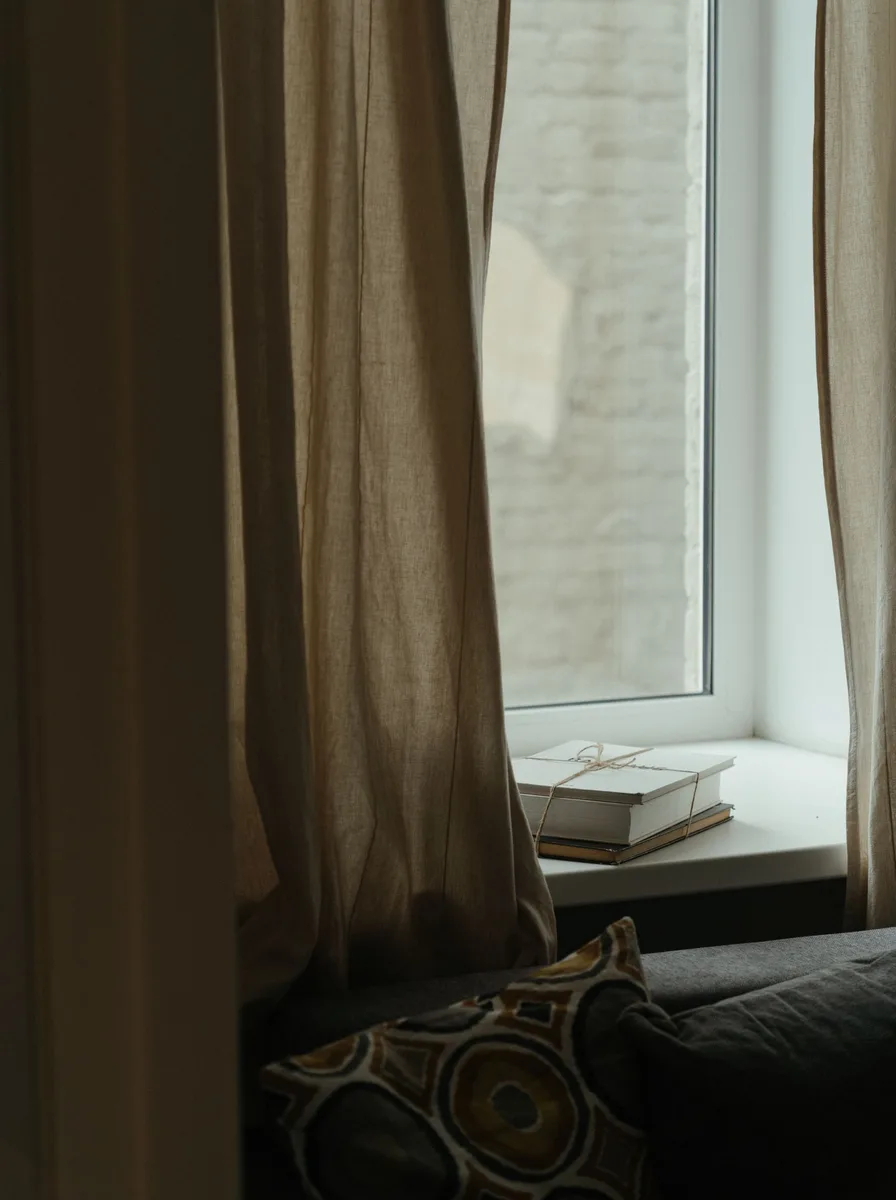
Full-length linen drapes bring unexpected softness and drama to a kitchen, especially in open-plan spaces where the kitchen shares air with living areas. The long, flowing lines add height and a sense of luxury that short curtains cannot match.
Keep them clear of the hob and oven — this suits windows away from the cooking zone, ideally beside a dining nook. Hang high and wide so the window feels grand, and choose a washable linen blend. Tie-backs in natural rope keep them practical by day. Weighted hems — a few coins sewn into the corners — make long drapes hang beautifully.
3. Add a Patterned Roman Blind
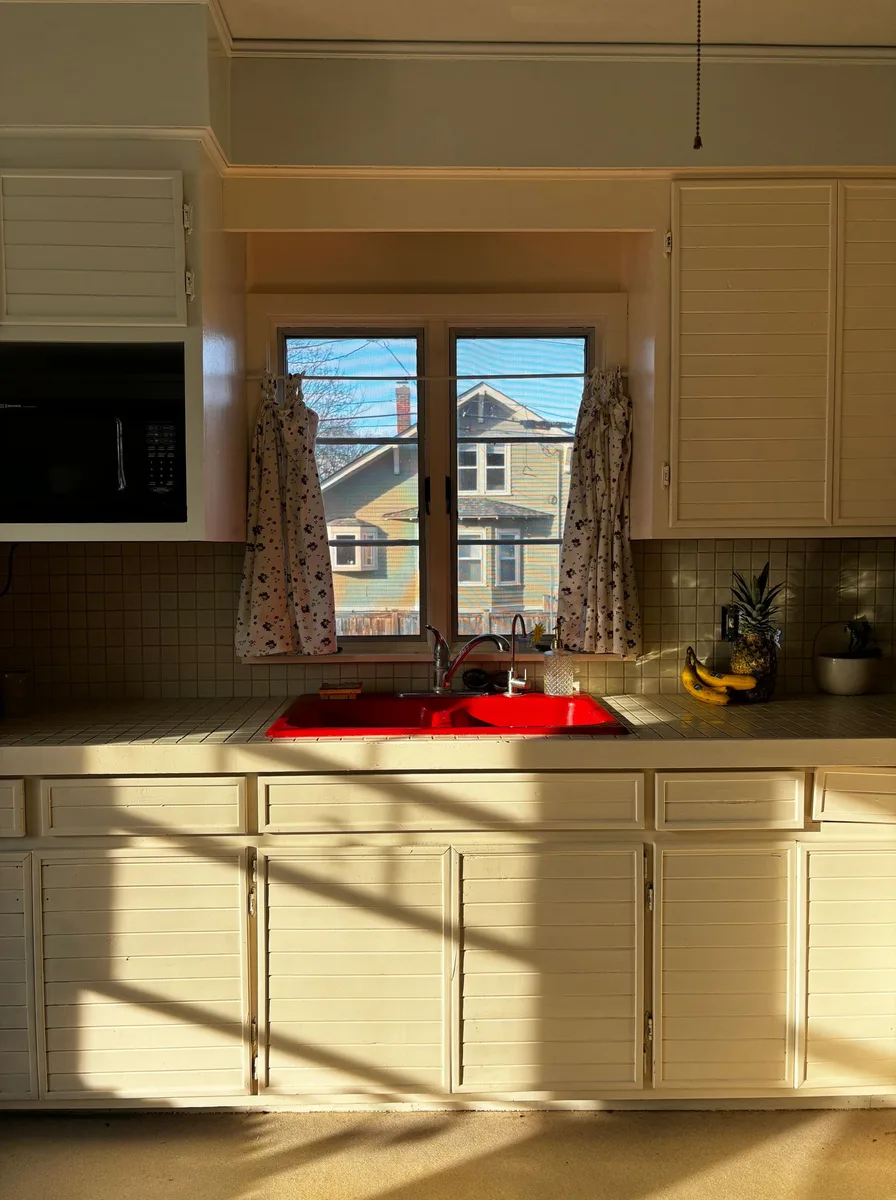
A Roman blind in a beautiful pattern — botanical, stripe, or small-scale geometric — is the tailored way to bring fabric to the kitchen window. The crisp folds read as upholstered and intentional, adding colour exactly where the eye lands.
Choose a wipeable or machine-washable fabric, and consider a blackout or thermal interlining for north-facing windows. Keep the pattern scale in proportion to the window: small prints for small panes. The blind becomes the room’s artwork — pick one you love. A cordless or wand-operated blind is the safest choice for family kitchens.
4. Hang Sheer Voile Panels
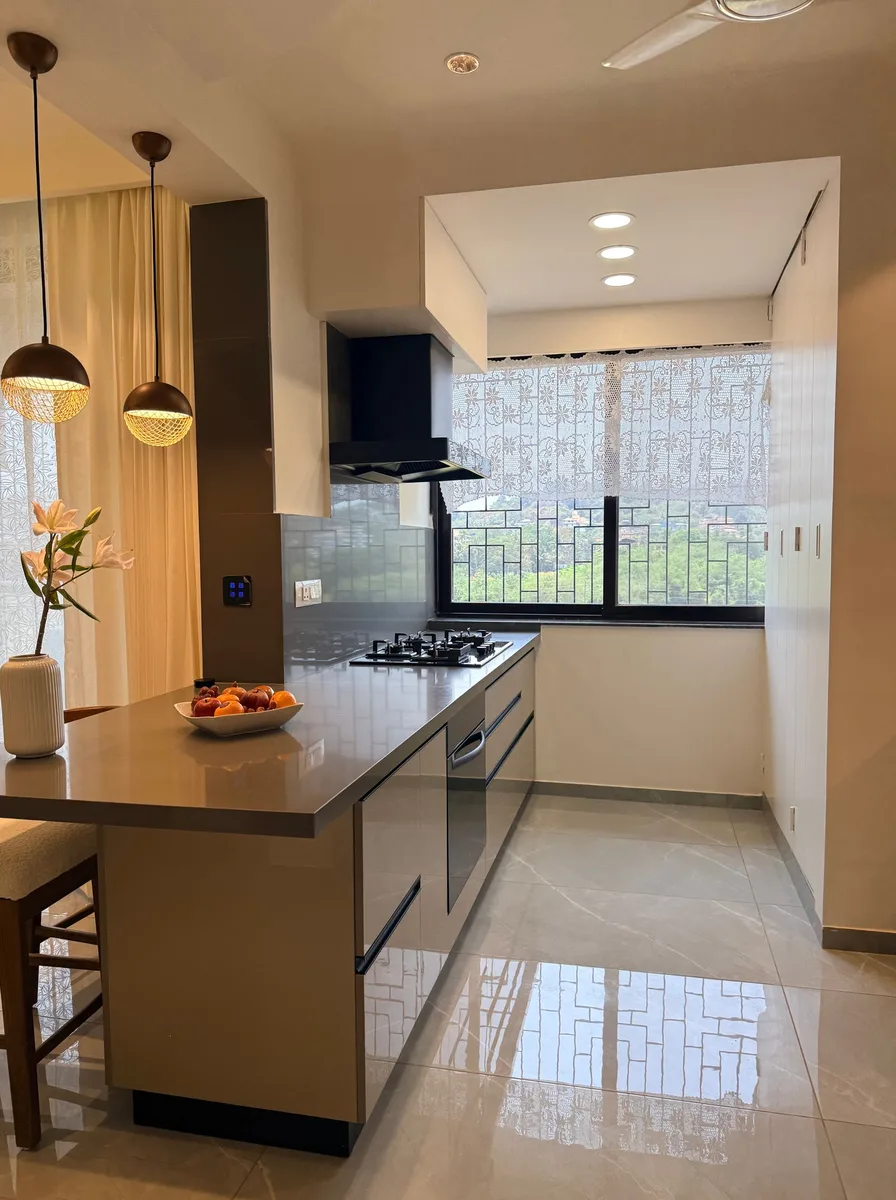
Sheer voile panels are the lightest touch: they diffuse harsh sunlight, add a whisper of privacy, and move gently with the breeze from an open window. The ethereal softness flatters every kitchen style, from ultra-modern to country cottage.
Use a double rod so sheers can sit behind a heavier curtain or blind for evening privacy. White or ivory keeps the light clean; a subtle woven stripe adds interest. Voiles wash easily and dry in minutes — the lowest-maintenance curtain there is. Layer two voile panels in slightly different whites for a subtle, luminous depth.
5. Try Gingham for Cottage Charm
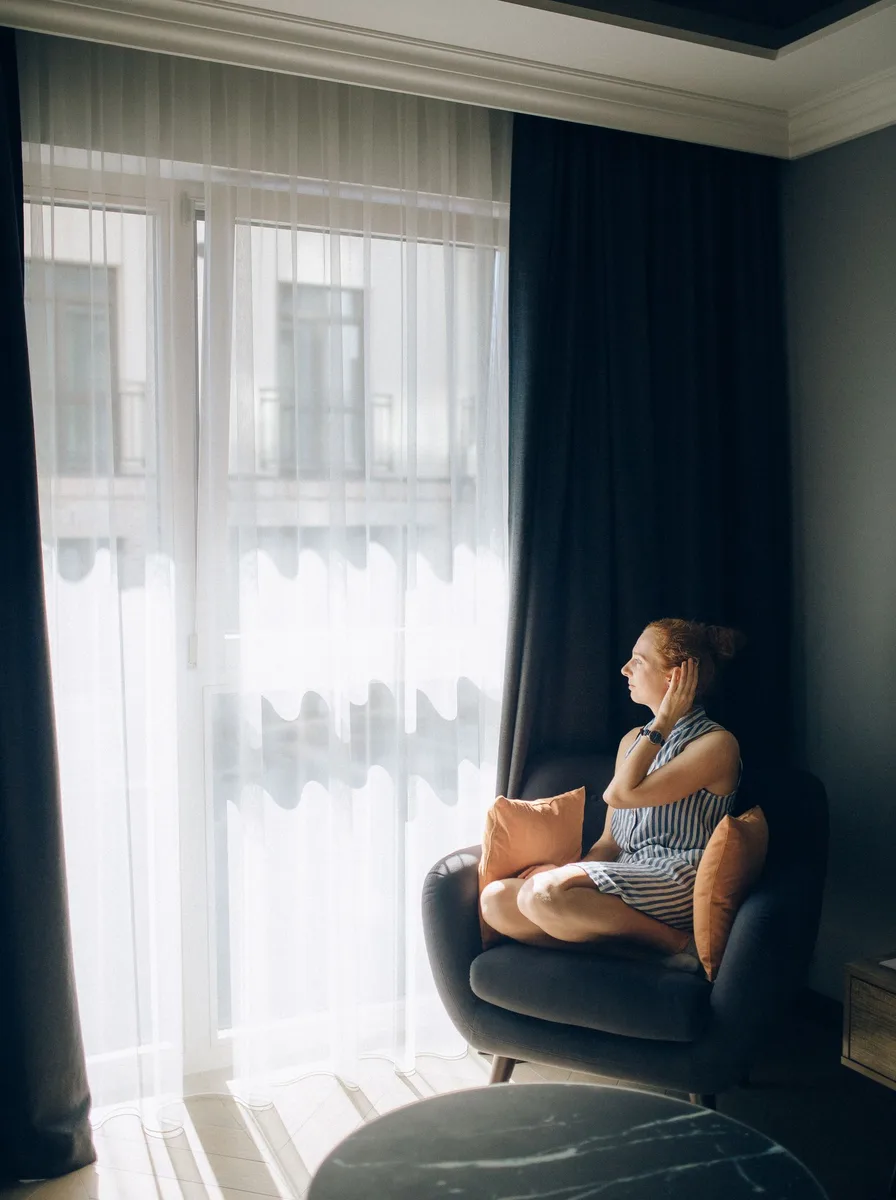
Gingham checks bring instant farmhouse cheer to a kitchen window. The simple woven pattern feels nostalgic and fresh at once, and it pairs beautifully with painted cabinetry, butcher block, and vintage accessories.
Choose a classic red, blue, or green check on white for authenticity, or a softer sage or oatmeal for a modern take. Café-length gingham on a tension rod is the quickest kitchen refresh imaginable. The pattern hides minor stains — a practical bonus near cooking zones. Match the check scale to the window — small checks for small panes keeps the pattern in proportion.
6. Choose Striped Cotton Curtains
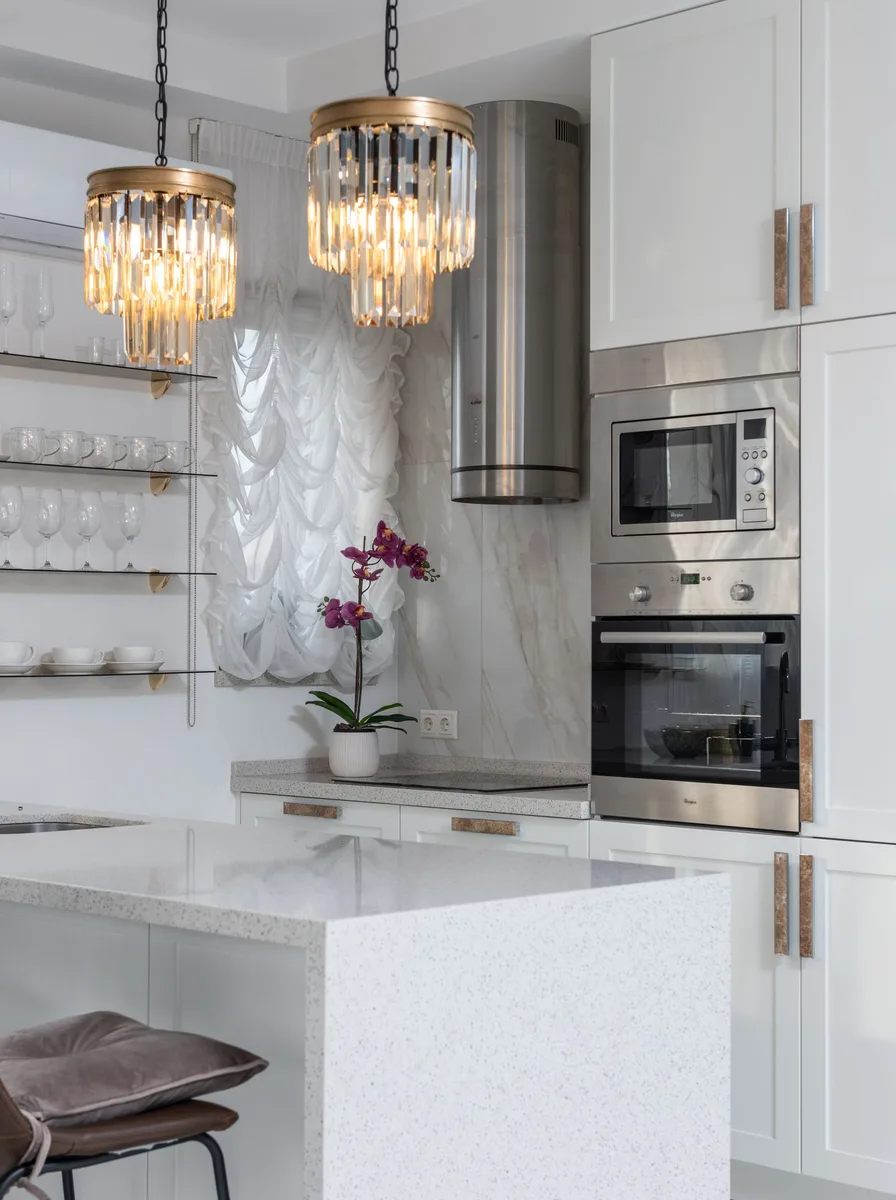
Stripes are the hardest-working pattern in curtain design: they add rhythm, feel timeless, and suit almost any kitchen. A ticking stripe in navy or charcoal reads as classic utilitarian chic; wider awning stripes bring bistro energy.
Hang stripes vertically to add height to the window, and match the stripe colour to an accent elsewhere — bar stools, a rug, open shelving. Cotton canvas weaves are durable and washable. Keep the rest of the window simple so the stripes carry the look. A striped curtain pairs beautifully with a plain Roman blind on the same window for layered pattern.
7. Add a Valance for a Finished Top
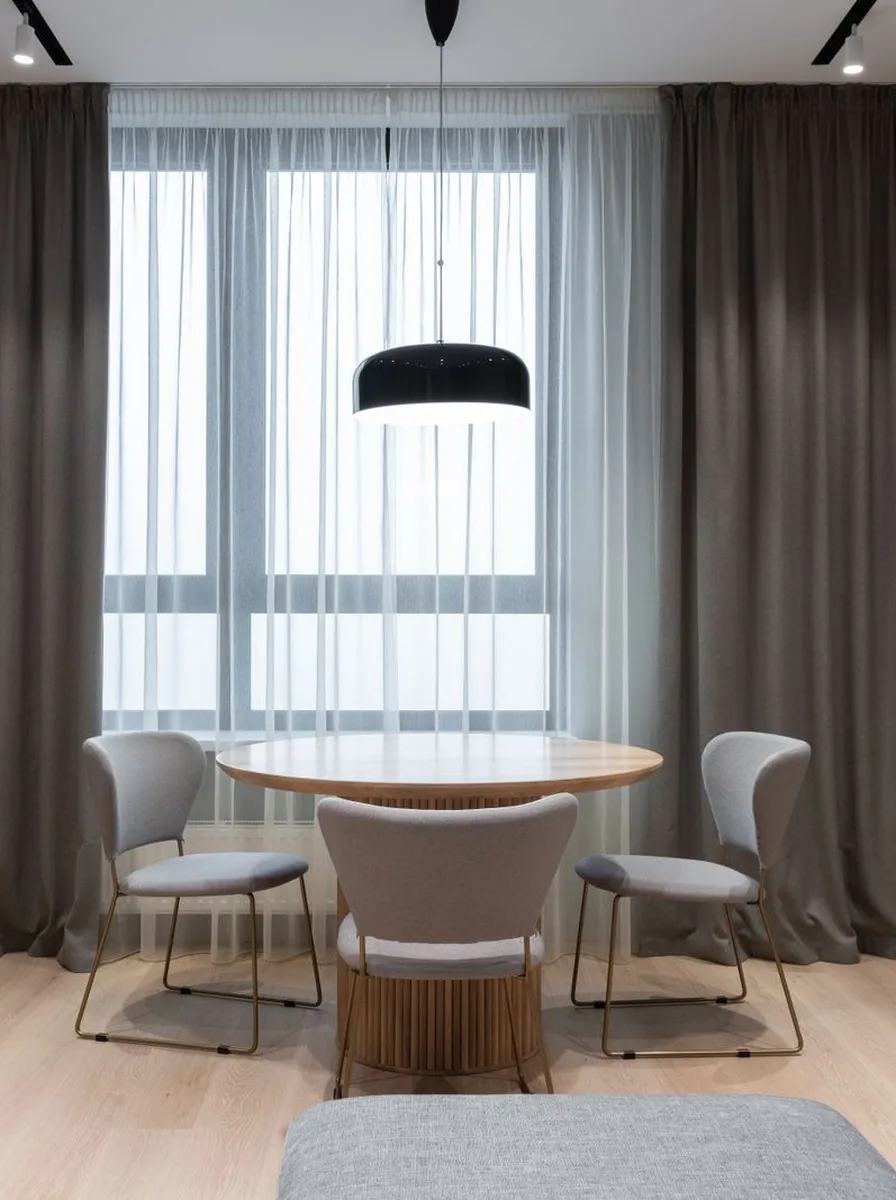
A valance — a short gathered skirt across the top of the window — hides hardware, adds pattern, and gives the window a dressed, finished feel without the commitment of full curtains. It is the jewellery, not the outfit.
Keep valances shallow (15–25cm) and mount them high to avoid darkening the room. A relaxed, unstructured valance suits casual kitchens; a tailored box-pleat version suits traditional ones. Pair with a blind or sheer below for full function. Interline the valance lightly so it holds its shape instead of collapsing.
8. Try Botanical Print Curtains
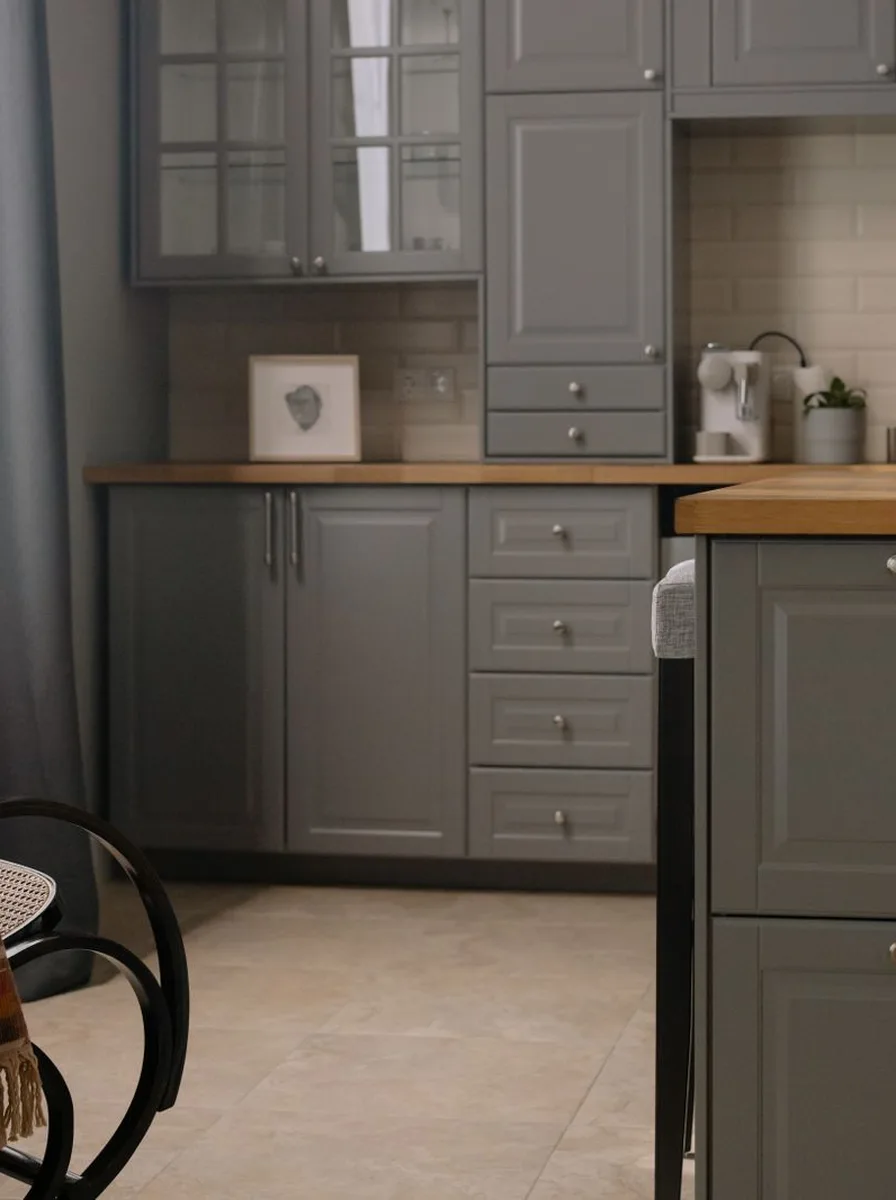
Botanical prints — leaves, ferns, trailing vines — bring the garden indoors and flatter the view beyond the glass. The organic patterns soften modern kitchens and feel at home in period ones, connecting the window to the world outside it.
Choose a print with a light background so the curtain glows rather than blocks light. Linen and cotton canvas take botanical prints beautifully. Echo one colour from the print in small accessories — a plant pot, a tea towel — to tie the room together. Press a real leaf from the garden and tuck it into the curtain fold — a tiny, personal signature.
9. Hang Curtains High and Wide
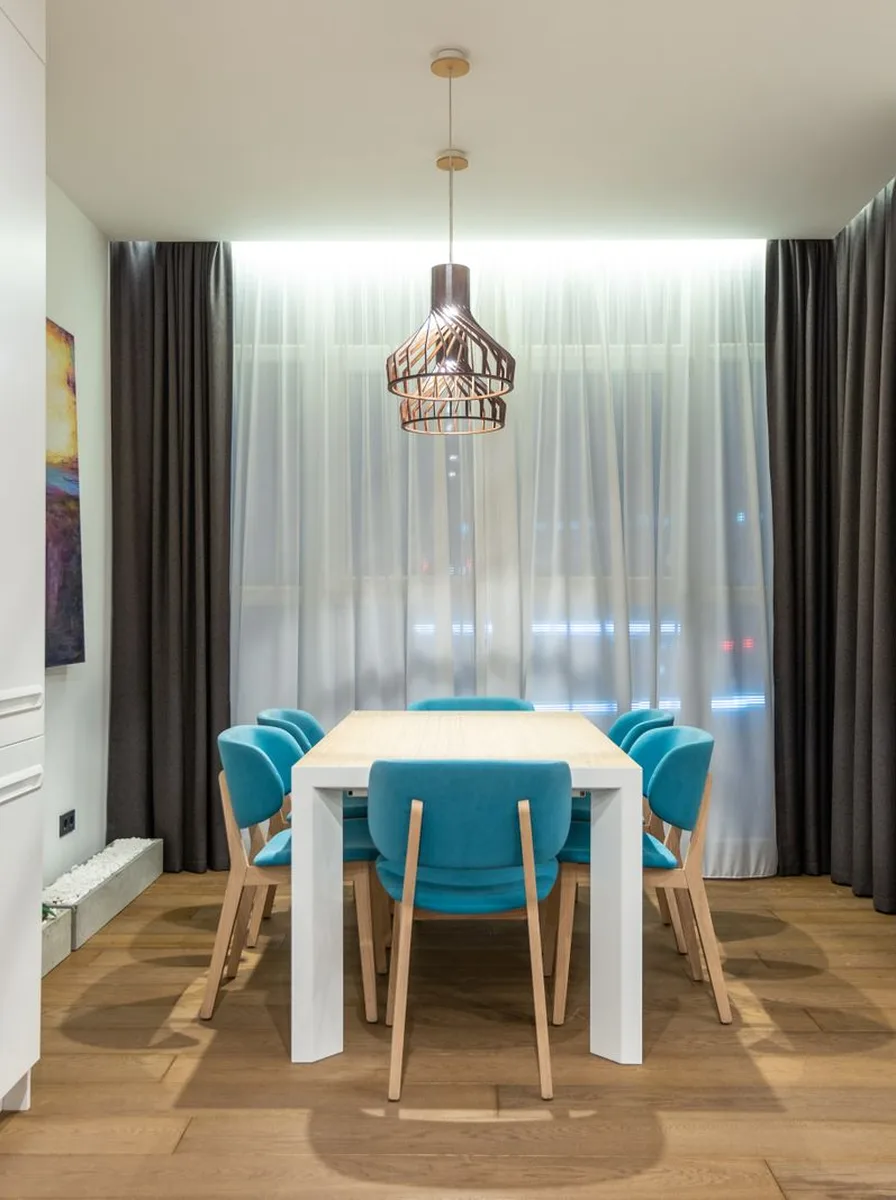
Hanging the rod close to the ceiling and well beyond the frame makes any kitchen window feel dramatically larger. The eye reads the curtain, not the glass, so a modest window gains presence and the wall gains height.
Extend the rod 15–20cm beyond each side of the frame and mount it 10–15cm above the top — or at ceiling height for maximum drama. When open, the curtains should just kiss the frame edges, leaving the glass fully clear. This one trick transforms proportions overnight. Paint the rod the wall colour so it disappears and the curtains appear to float.
10. Choose Thermal Curtains for Cold Windows
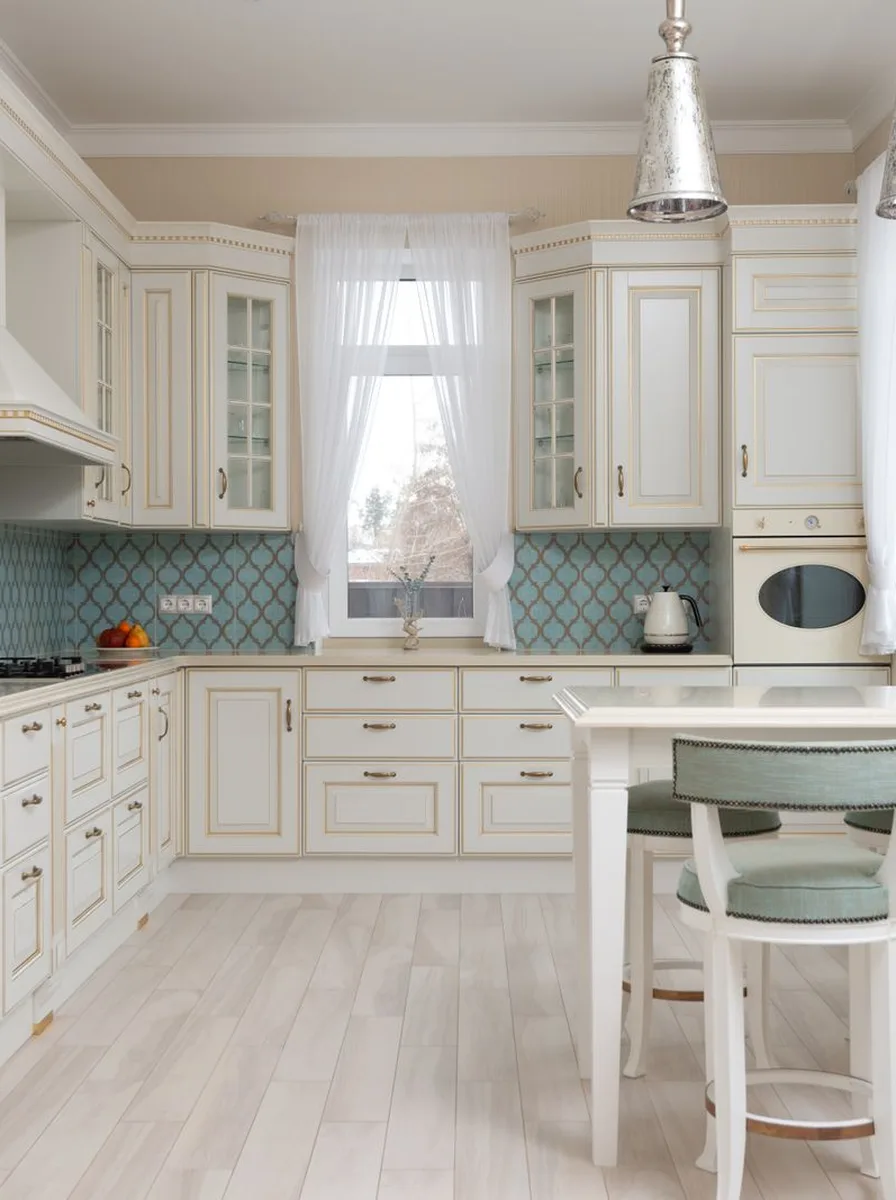
Old, single-glazed, or north-facing kitchen windows leak heat — thermal curtains fight back. The insulating interlining keeps the kitchen warmer in winter and cooler in summer, and the heavier drape adds a luxurious, upholstered feel.
Look for curtains labelled thermal or add separate thermal linings to curtains you love. They work best as full-length side panels that can be drawn at night. The energy saving is real, and the cosy, draft-free kitchen is the daily reward. Close thermal curtains as soon as dusk falls — the insulation works hardest against cold glass.
11. Try a Relaxed Unlined Look
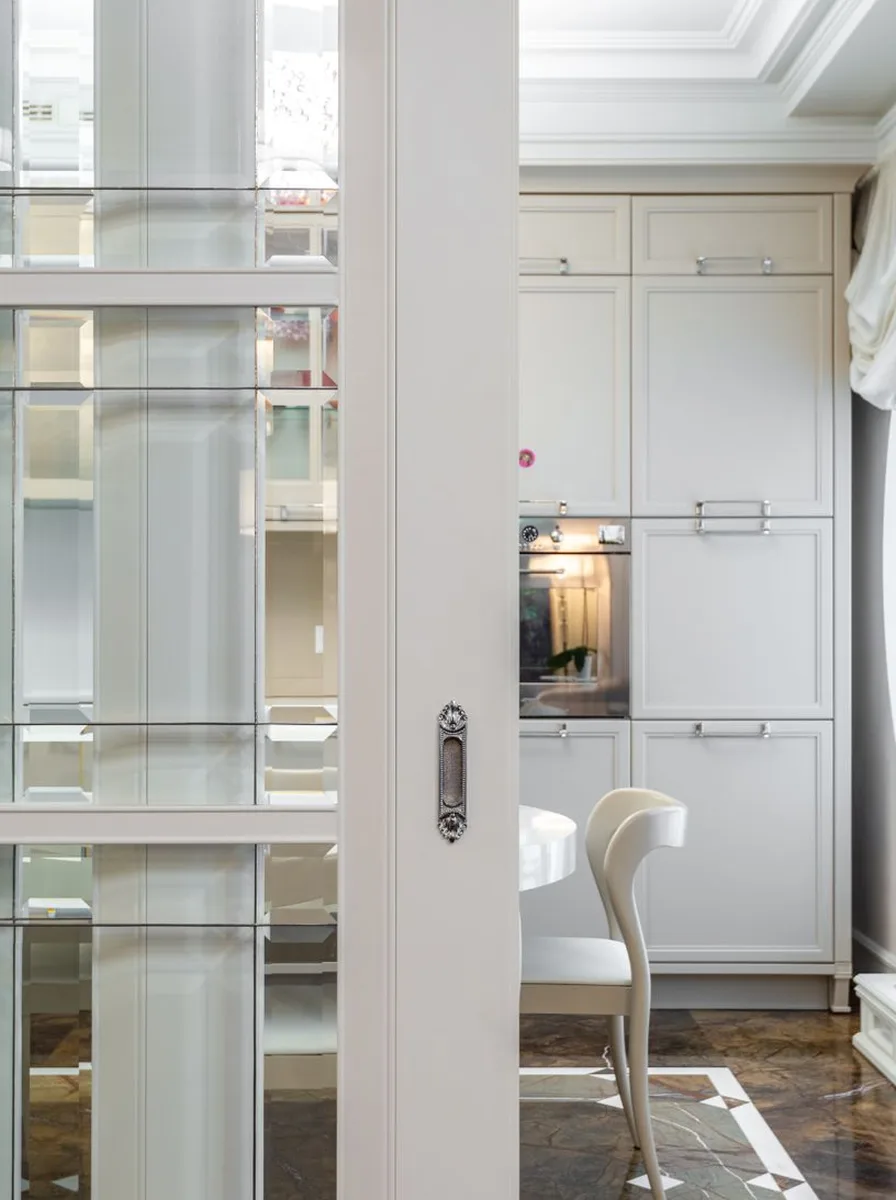
Unlined curtains in washed linen or cotton have a soft, collapsible drape that feels effortlessly chic. Without stiff interlining, the fabric falls in gentle folds and glows beautifully when backlit — the antithesis of fussy, formal dressing.
This suits relaxed, modern-country kitchens where perfection is not the goal. Choose a medium-weight fabric so the curtain still hangs well. The casual look forgives wrinkles, making it ideal for busy family kitchens where ironing is a fantasy. A French seam on unlined curtains gives a clean finish visible from both sides.
12. Add Tie-Backs in Natural Rope
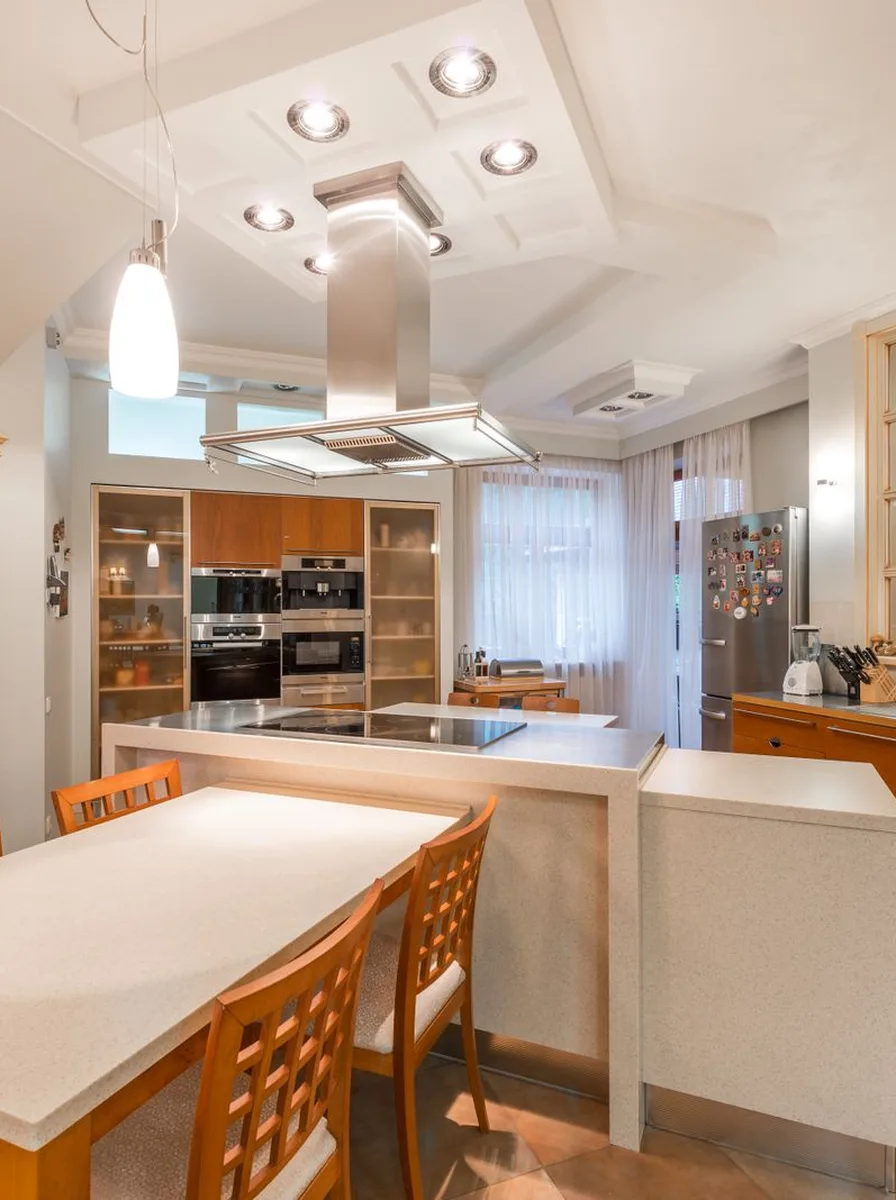
Thick jute or cotton rope tie-backs give kitchen curtains a relaxed, coastal-farmhouse feel while holding them neatly clear of the worktop. The natural texture contrasts beautifully with crisp curtain fabric and adds a handcrafted detail.
Fix tie-back hooks at about two-thirds height for the most flattering drape. Rope suits linen, cotton, and voile; skip it for formal silks. It is a five-minute upgrade that makes ready-made curtains look custom. Whip the rope ends with thread to stop fraying and add a crafted detail.
13. Choose Eyelet Curtains for Easy Glide

Eyelet (grommet) curtains slide effortlessly and fall in deep, even folds — practical for kitchen windows that get opened and closed daily. The modern, unfussy heading suits contemporary kitchens and makes the curtains easy to remove for washing.
Use a slim metal or wooden pole and let the eyelets do the talking. The deep folds need fabric 1.5 to 2 times the window width. Eyelets work best with medium-weight fabrics; very sheer or very heavy cloths hang less well. Metal eyelets in a finish matching your tap or handles tie the window into the room’s hardware.
14. Try a Pencil-Pleat Heading
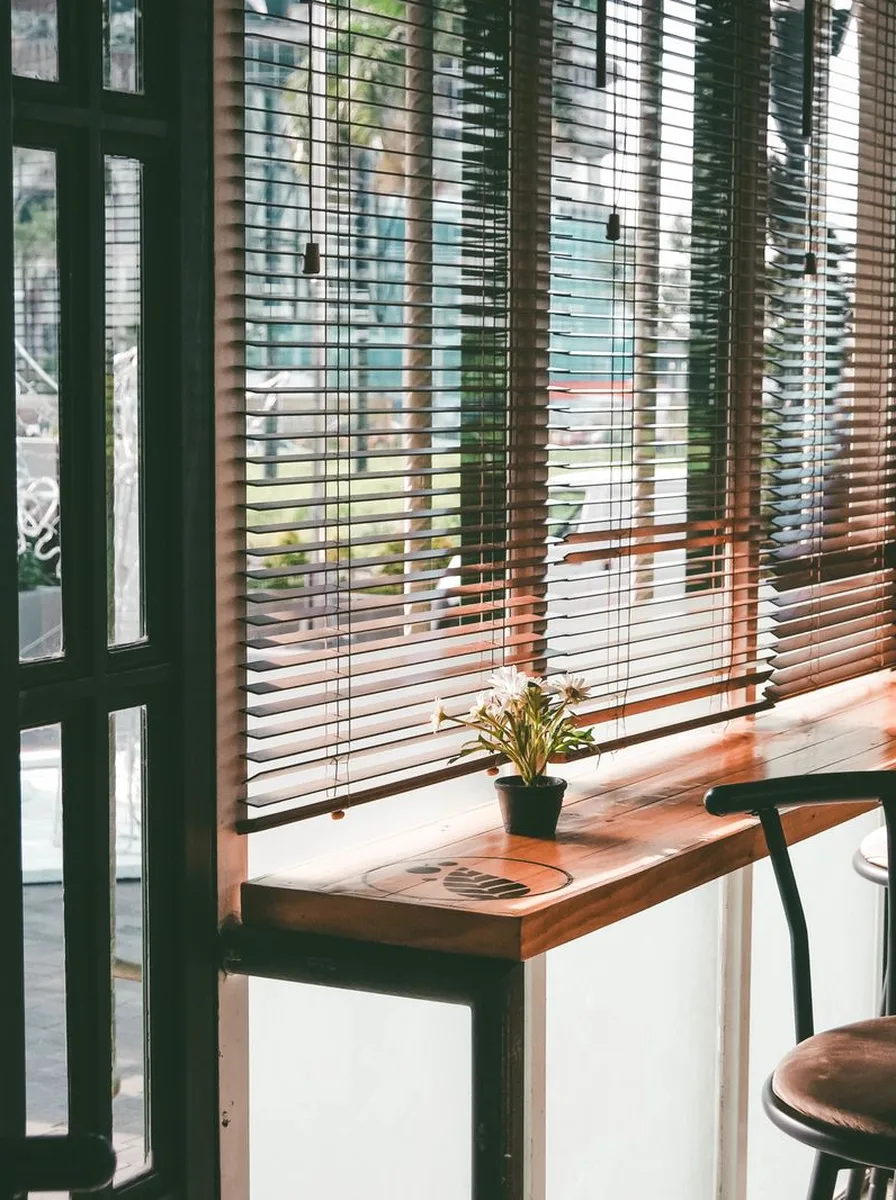
The classic pencil-pleat heading gathers fabric into neat, uniform folds and works with both poles and tracks. It is the most versatile curtain heading — traditional enough for country kitchens, tidy enough for modern ones.
Gather to about half the fabric width for full, luxurious pleats. Pencil pleats suit patterned fabrics particularly well, as the even gathering shows the print to advantage. Hooks make them simple to hang and adjust. Use long-reach curtain hooks to make hanging a freshly washed set a one-person job.
15. Add a Blackout Lining for Shift Workers

If the kitchen doubles as a breakfast room for night-shift workers, blackout-lined curtains let the room go dark for daytime sleep. The lining also adds body, insulation, and a rich, expensive drape to the curtain.
Choose a proper blackout lining rather than a dimout for true darkness. The extra weight needs a sturdy pole and brackets. Even if you never need the darkness, the improved hang and thermal performance make the lining worthwhile. A blackout lining also deadens sound — a bonus if the kitchen faces a busy road.
16. Choose Washable Fabrics Only
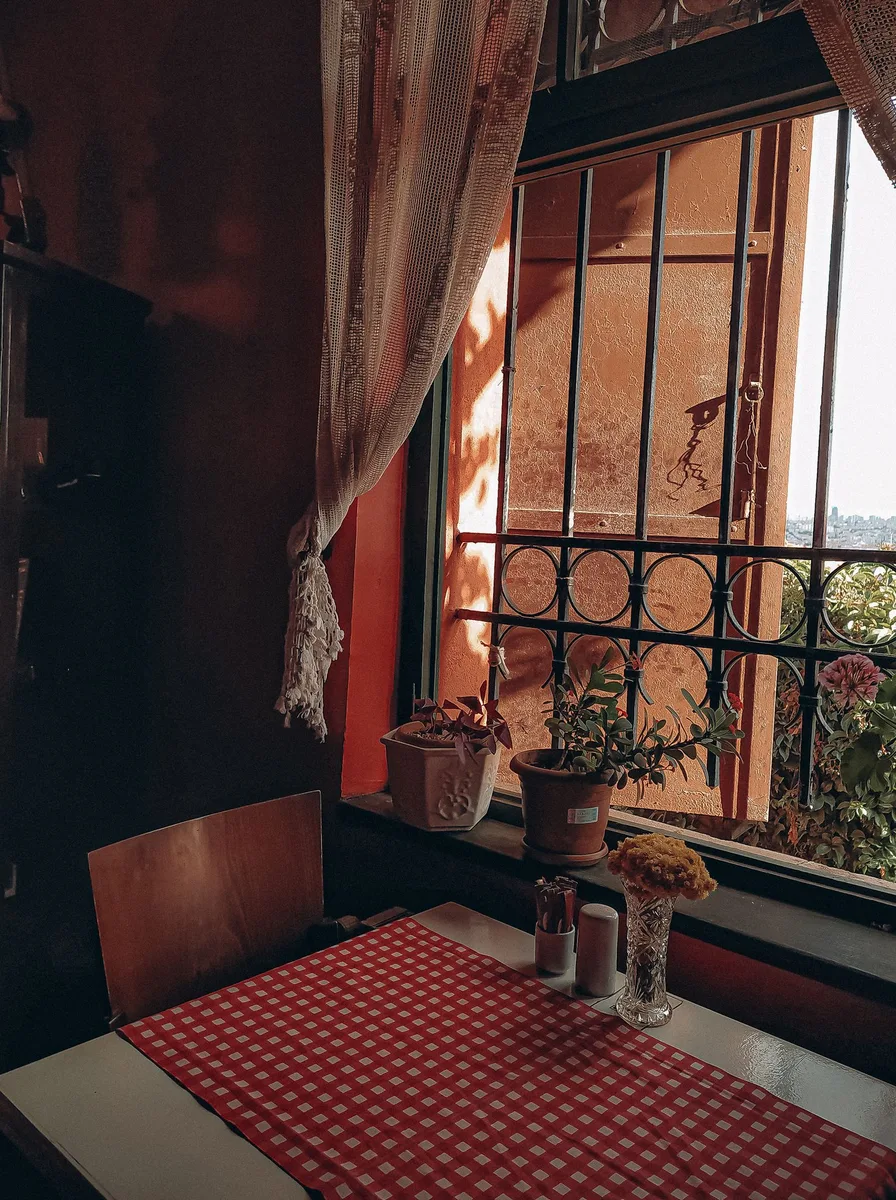
Kitchen curtains live near steam, grease, and splashes — washability is non-negotiable. Cotton, linen blends, and polyester-cotton mixes all survive regular machine washing, while silk, velvet, and dry-clean-only fabrics will quickly look tired.
Check the care label before you fall in love, and pre-wash fabric to allow for shrinkage. Having a spare set means the window is never bare on laundry day. Practical fabric is the difference between curtains that last years and curtains that last months. Wash curtains with a cup of white vinegar in the rinse to keep whites bright and soft.
17. Try Colour-Blocked Curtains
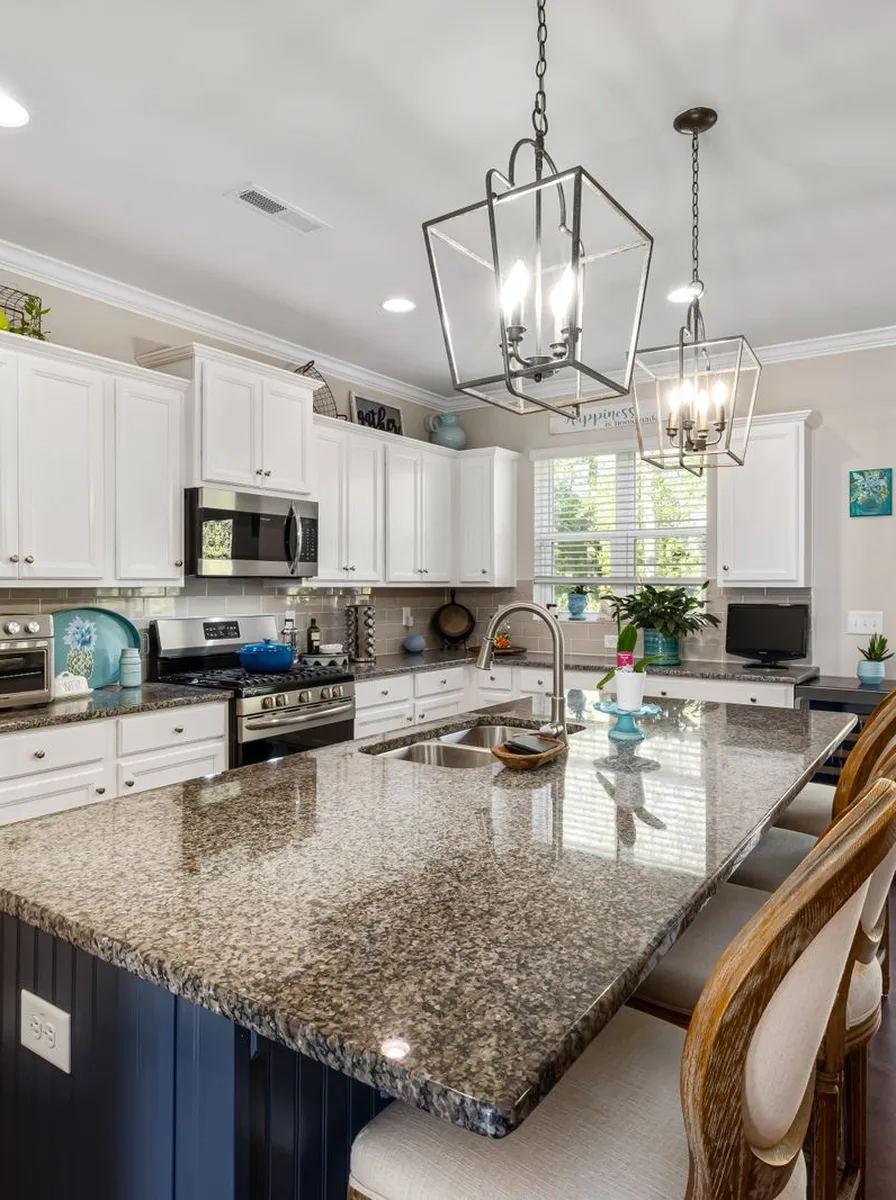
Colour-blocked curtains — two or three horizontal bands of colour — add a graphic, contemporary punch to the kitchen window. The bold bands feel modern and artistic, and you can pick colours that echo your cabinetry or accessories.
Keep the blocks simple: a deep base band with a lighter top, or three graduated tones. This is a great DIY project — straight seams, no pattern matching. The strong horizontal lines also make narrow windows feel wider. Use the curtain’s boldest band colour in one small accessory — a kettle, a plant pot — to echo it.
18. Hang Double Rods for Layering
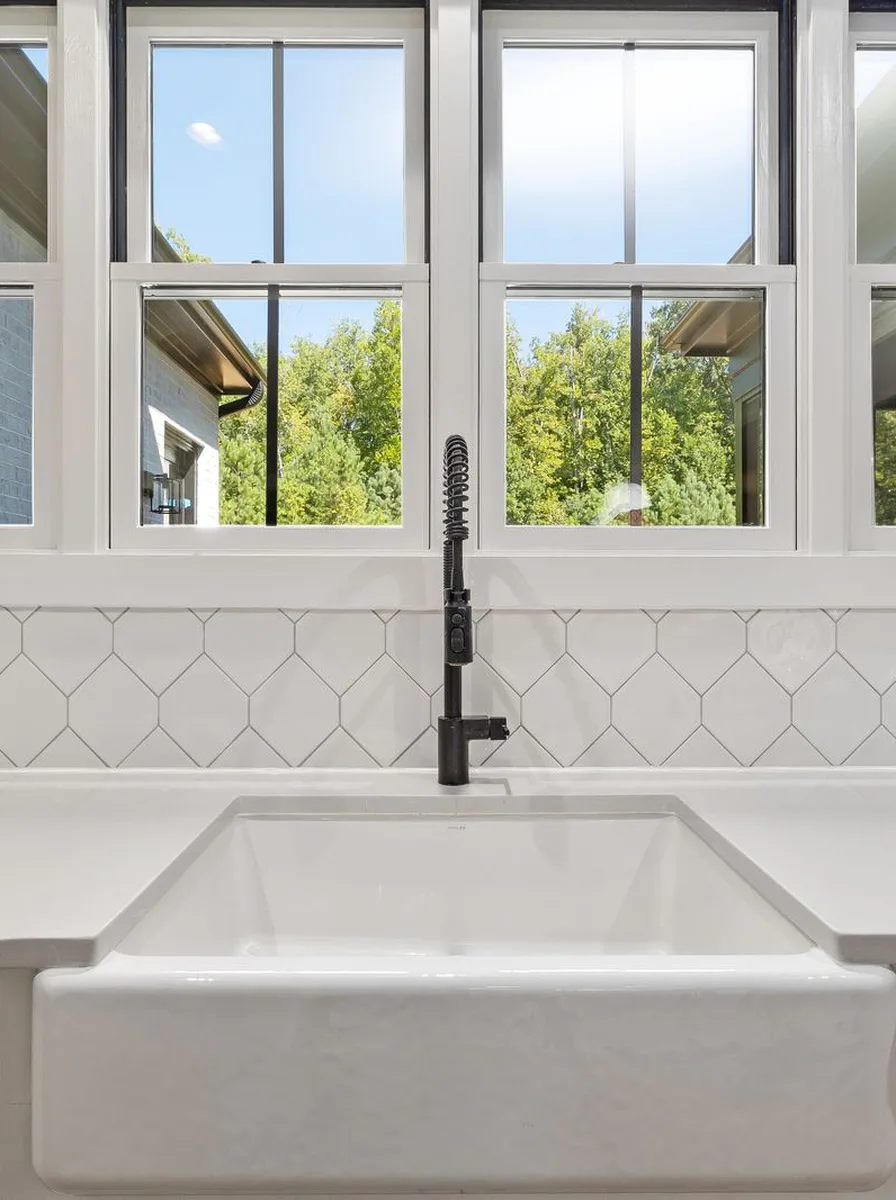
A double curtain rod lets you layer sheers behind heavier curtains — privacy and light control in one elegant system. By day the sheers glow; by evening the curtains close for cosiness. It is the most versatile window dressing there is.
Mount the double bracket securely — two curtains are heavy. Keep the sheer simple and let the front curtain carry the pattern. This suits kitchen-diners where the window needs to work from bright breakfast to candlelit dinner. Mount the back rod slightly higher so the sheer gets maximum light even behind the curtain.
19. Add Beaded or Wooden Trim
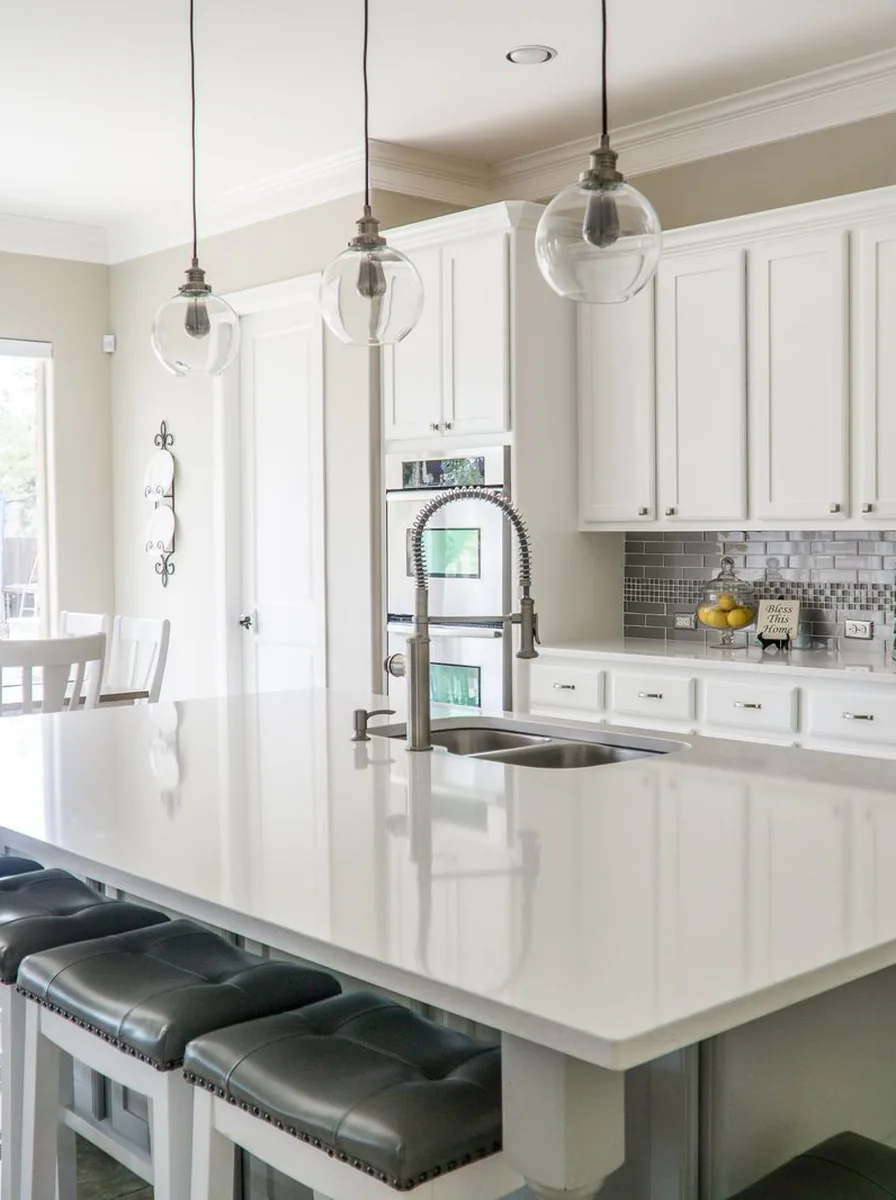
A row of wooden beads, a grosgrain edge, or a simple tape trim turns plain curtains into custom-looking ones. The small detail catches the eye and adds a crafted finish that ready-mades usually lack.
Sew or iron-on trim along the leading edge or hem — the leading edge shows most. Wooden beads suit coastal and boho kitchens; a contrast tape suits tailored ones. It is a tiny effort for a distinctly bespoke result. Continue the trim onto matching tie-backs for a fully custom, designer look.
20. Try Outdoor Fabric for Splash Zones
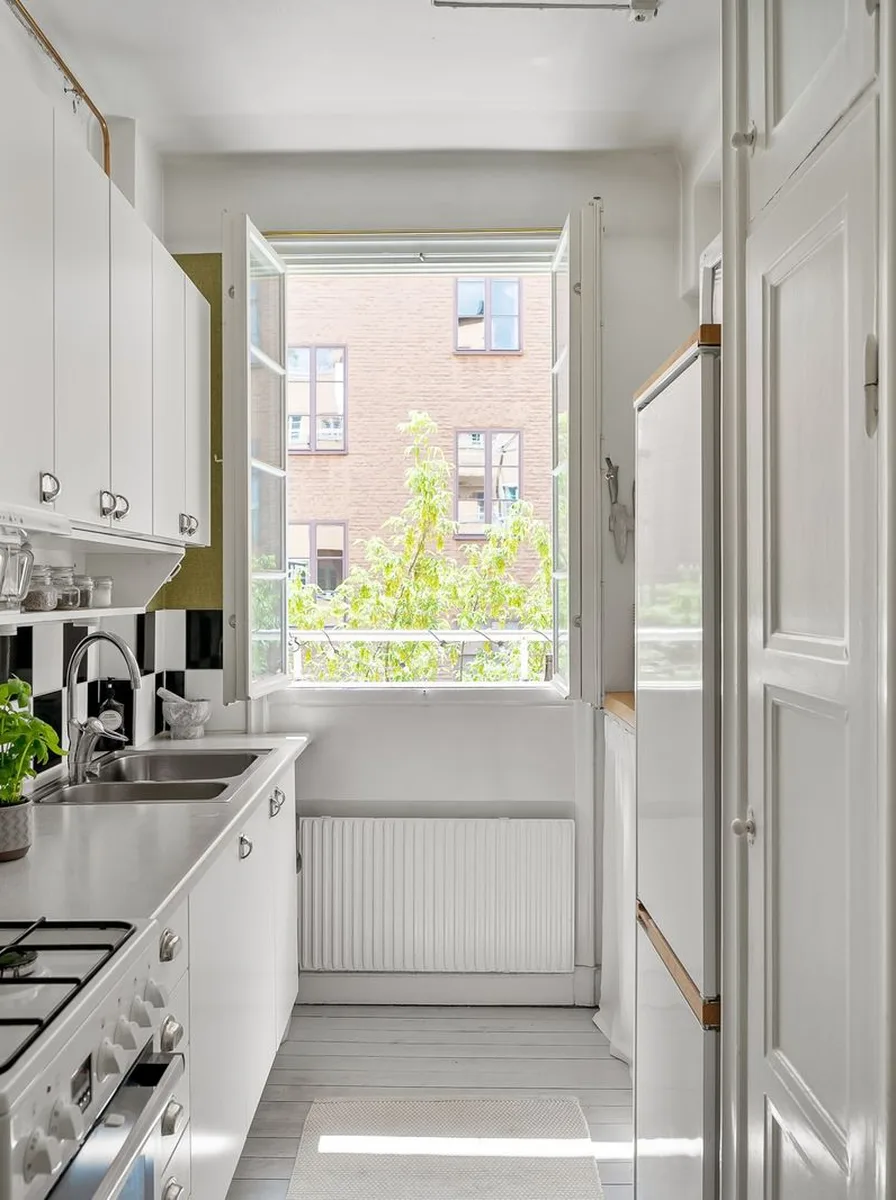
Curtains near the sink or hob need to survive water and wipe clean — outdoor fabrics are the answer. Modern outdoor textiles look and feel like indoor linen but shrug off splashes, resist fading, and hose clean.
Use them for café curtains or Romans in the splash zone, keeping softer fabrics elsewhere. The range of patterns has exploded — stripes, botanicals, geometrics all available. They cost more upfront but outlast three sets of ruined cotton. Outdoor fabrics also resist the fading that ruins ordinary curtains on sunny windows.
21. Choose a Cottage Pinch-Pleat
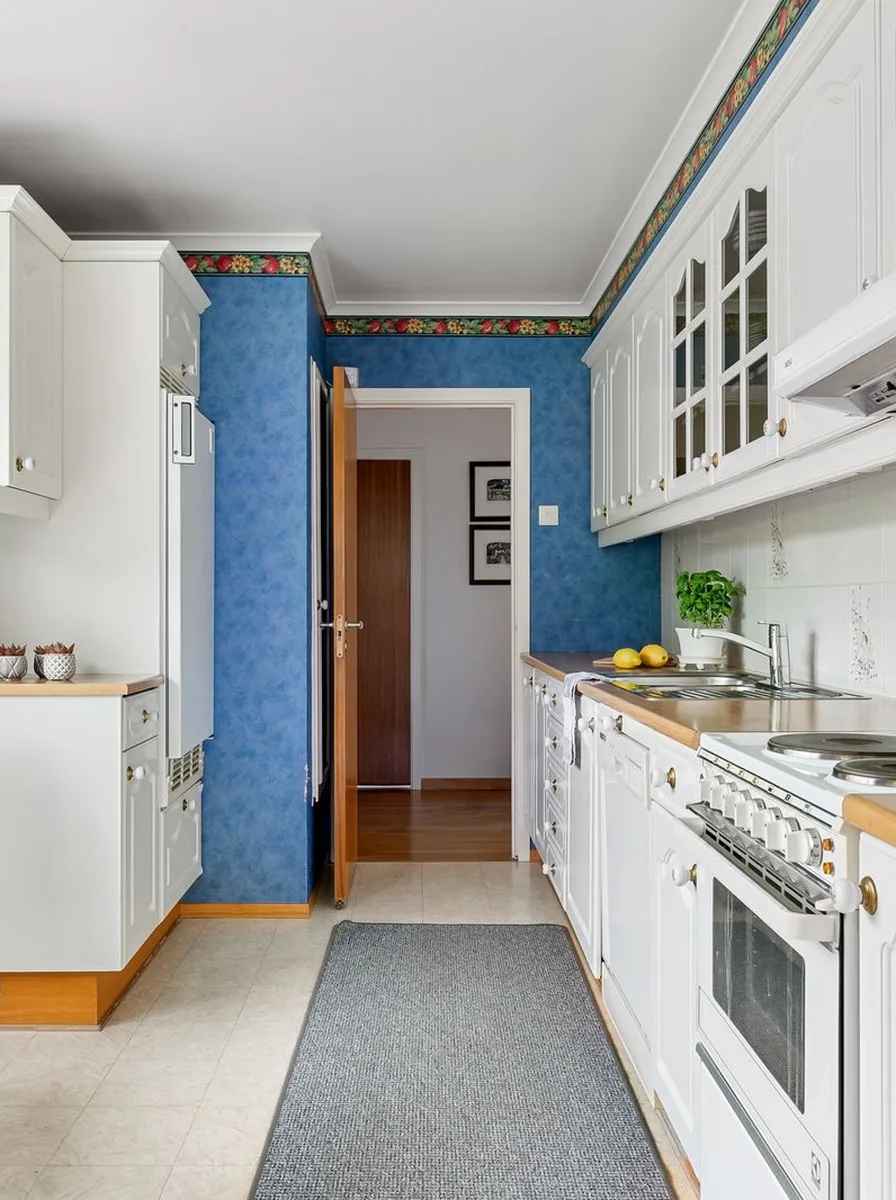
Pinch pleats — small, tailored folds pinched at the top — give curtains a smart, upholstered finish that suits traditional and cottage kitchens. The structured heading holds its shape beautifully and stacks neatly to the sides.
Pinch pleats need a track or pole with gliders and about twice the fabric width for fullness. They show off plains and subtle textures best; busy patterns get lost in the folds. The result reads as quietly expensive and permanently tidy. Space pinch pleats evenly with a pleating tape to keep the folds perfectly regular.
22. Add a Contrasting Leading Edge
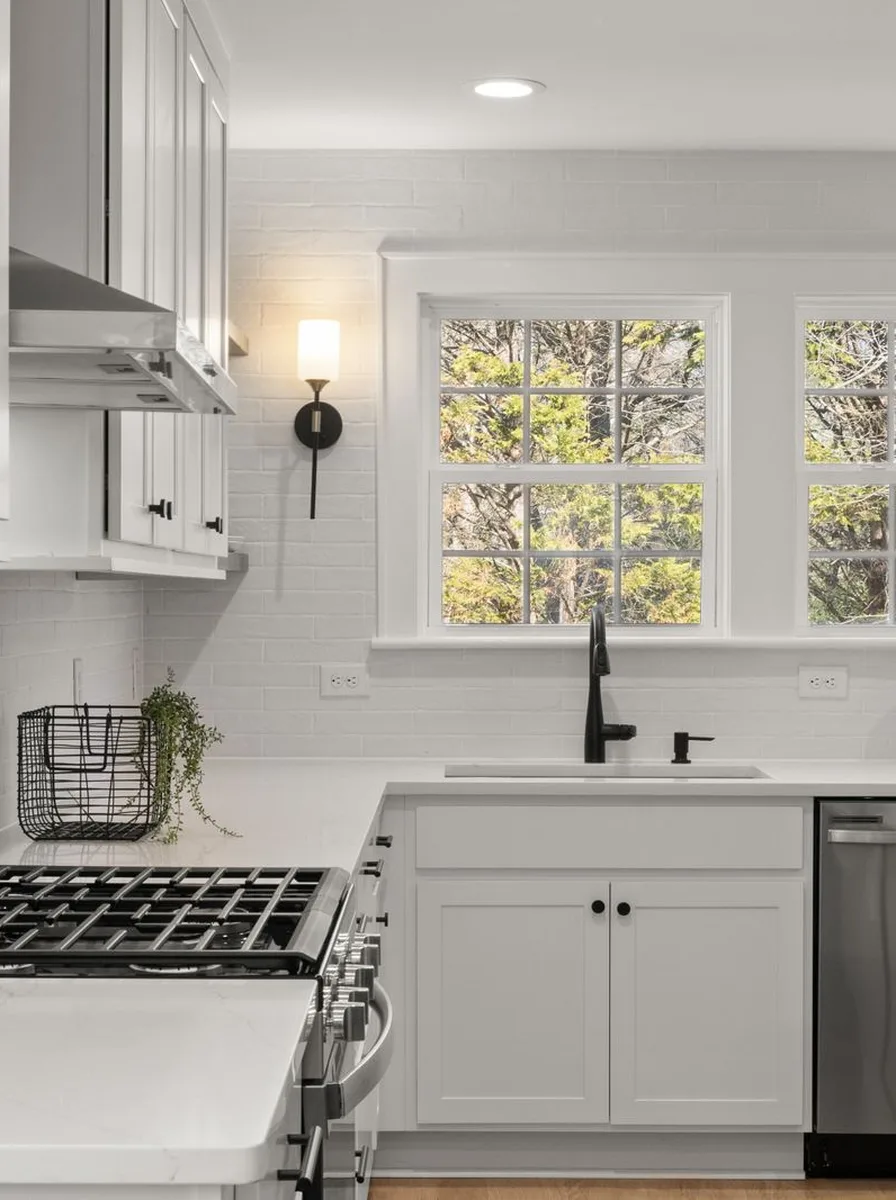
A band of contrasting fabric down the leading edge of each curtain — the edge that meets in the middle — adds a designer detail for the price of a metre of fabric. The flash of contrast frames the window like a picture mount.
Choose a contrast that picks up an accent colour: ochre against sage, navy against natural linen. A 10–15cm band is enough. It is the kind of detail interior designers charge for, achievable in an afternoon with a sewing machine. Mitred corners on the contrast band give the most professional finish.
23. Try Short Café-Length on Every Window
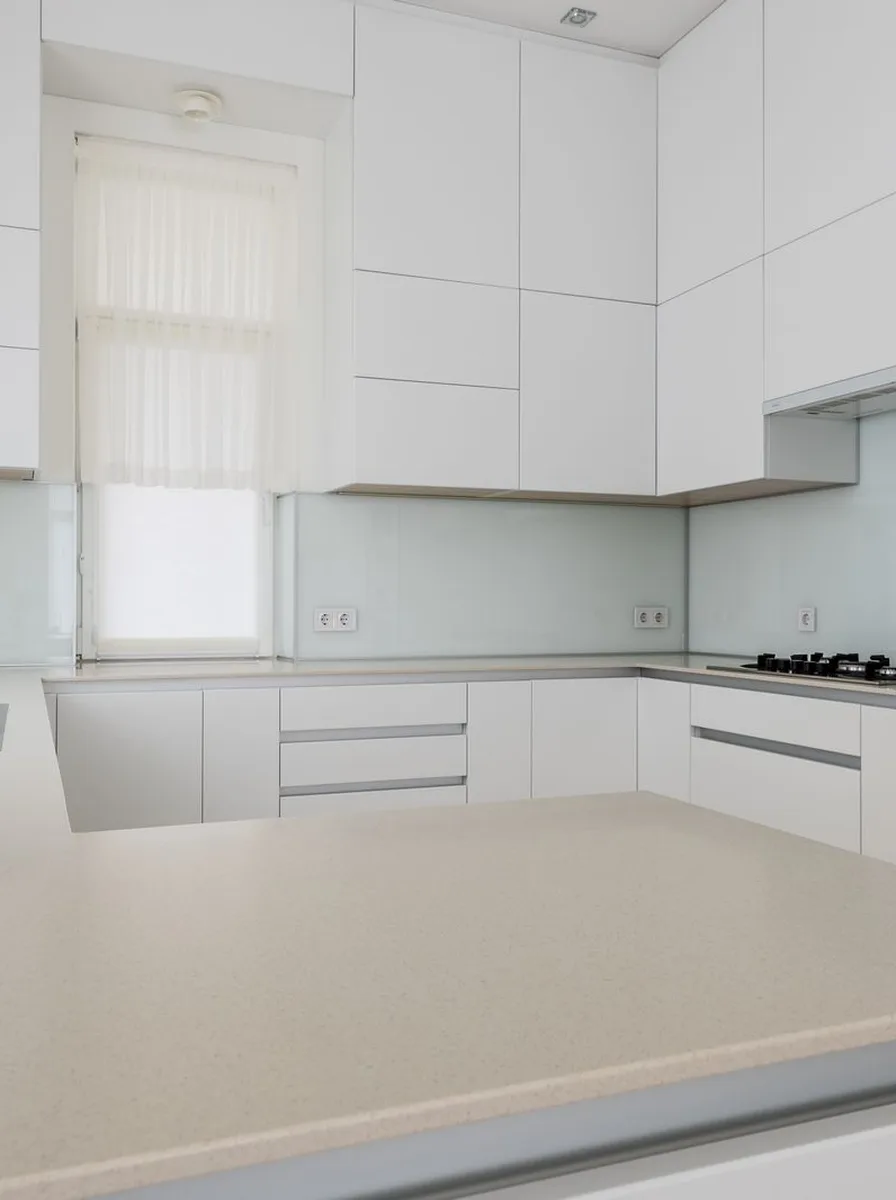
Café-length curtains on all the kitchen’s windows — not just one — create a cohesive, charming rhythm through the room. The repeated half-dressing feels intentional and keeps every window bright while giving uniform privacy.
Use identical fabric and hanging height on each window for the pulled-together effect. This works beautifully in kitchens with multiple small windows, where full curtains would overwhelm. The repetition is restful: same fabric, same drop, calm room. Keep a spare set in the same fabric so laundry day never leaves a window bare.
24. Choose Fire-Retardant Fabric Near Hobs
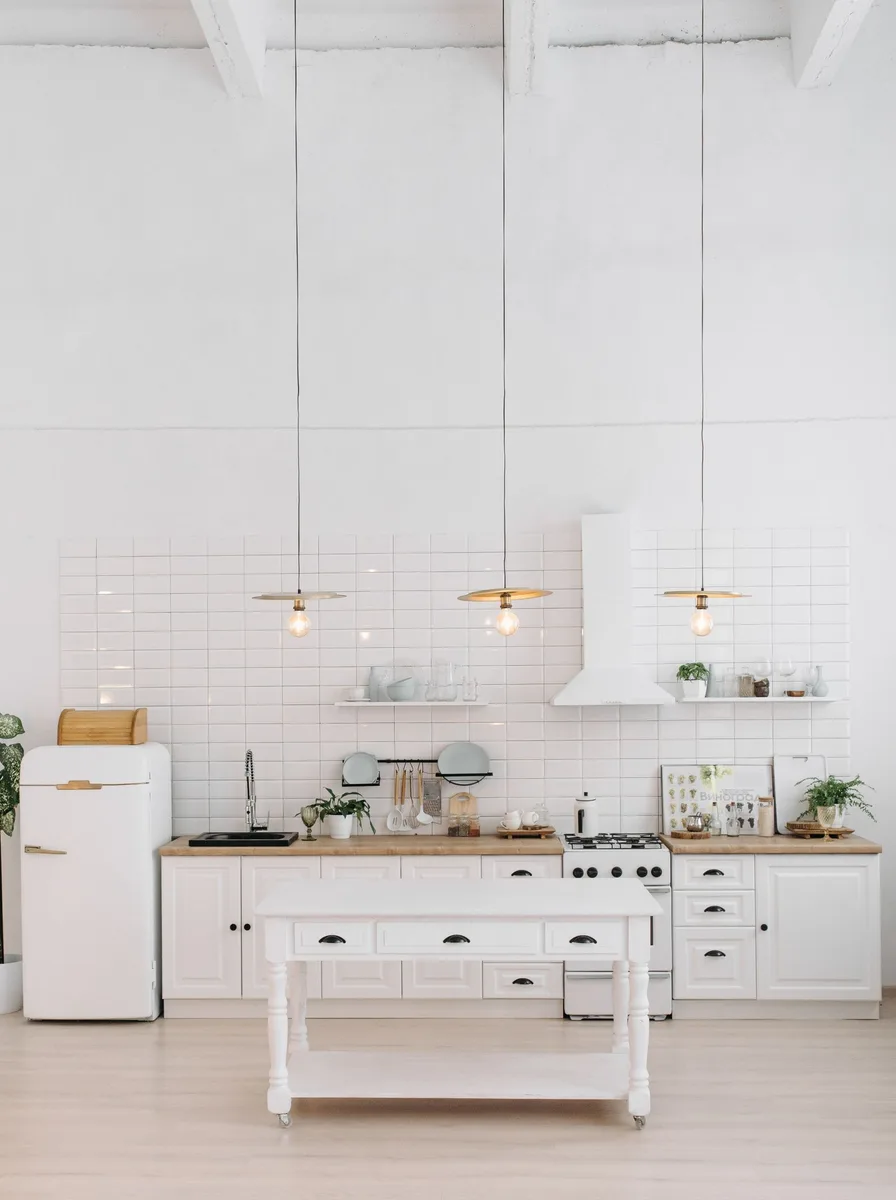
Safety first: any curtain near a hob or open flame should be fire-retardant or inherently flame-resistant. Many curtain fabrics can be treated, and some — like certain polyesters and treated cottons — meet the standards off the shelf.
Keep all fabric well clear of heat sources regardless of treatment — tie-backs are your friend. Check the label for BS 5867 compliance in the UK or equivalent standards elsewhere. Beautiful and safe is the only acceptable combination. Keep a small fire blanket near the hob regardless — curtains are only part of kitchen safety.
25. Finish with Steam-Pressed Pleats
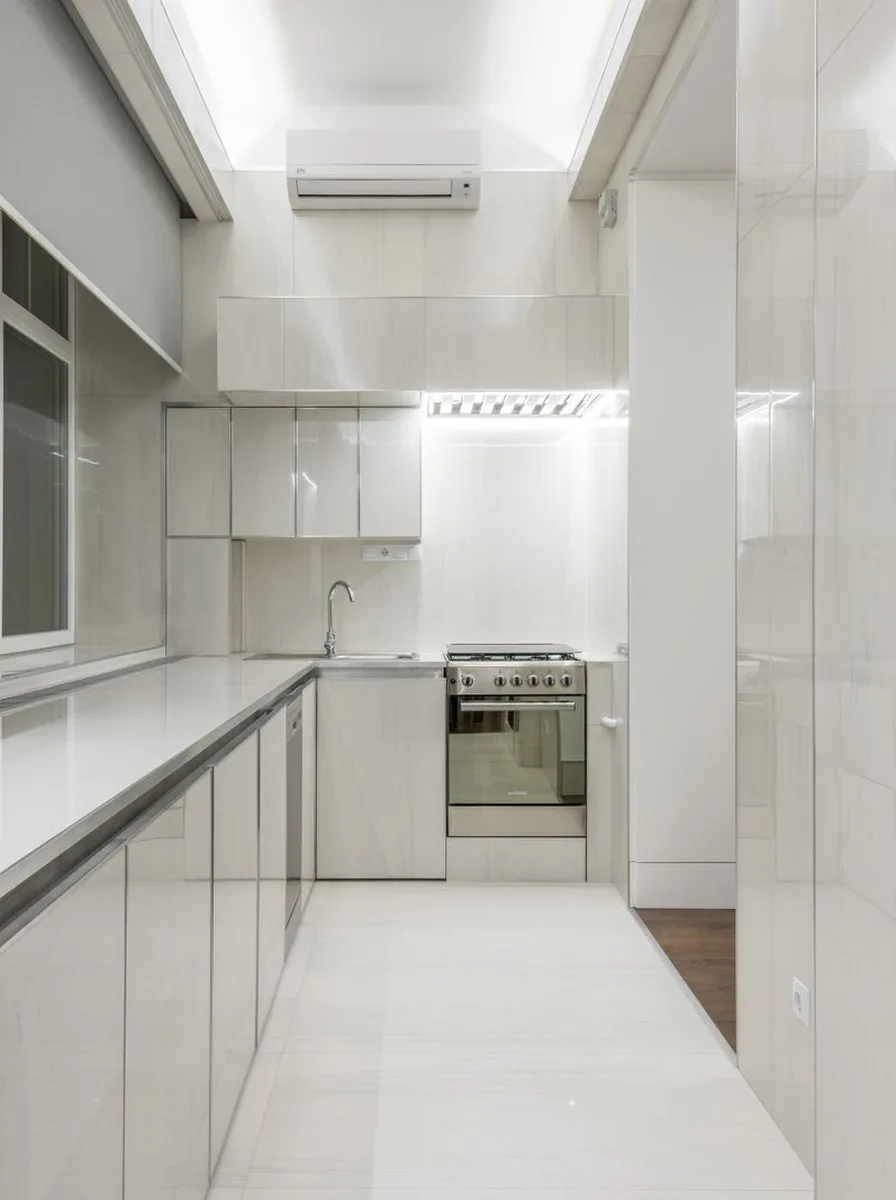
The final touch that separates good curtains from great ones: pressing. Crisp pleats, a straight hem, and a smooth heading make even budget curtains look bespoke. Ten minutes with a steam iron transforms the whole window.
Press pleats into shape after hanging, working from top to bottom. A handheld steamer is the lazy genius’s tool — no ironing board needed. Re-steam seasonally; kitchen humidity undoes pressing faster than in other rooms. The difference is immediately visible. A quick steam after hanging also releases the creases from packaging in minutes.
Curtains are the fastest way to change a kitchen’s mood without touching a wall or a cabinet. They soften, they pattern, they glow — and they can be swapped with the seasons or on a whim. Choose the fabric that makes you smile when the light hits it, hang it with care, and enjoy the most transformative textile in the house.

David is the home decor enthusiast behind HomeLushly. He shares practical, budget-friendly ideas for bedrooms, living rooms and seasonal decorating — from colour combinations that actually work to small-space styling tricks that make a room feel bigger. Every guide on HomeLushly is built around real photos and hands-on research, to help you make your home feel warm, personal and beautifully put together.