

A small bedroom can still hold a beautiful wooden bed — the trick is choosing one that works with the room instead of against it. A chunky frame with a tall, heavy headboard can swallow a compact room whole, leaving you squeezing past the corners just to open the wardrobe. The right wooden bed, though, can make that same small room feel calm, open, and comfortable.
In this guide, we’ll cover six practical rules for picking a wooden bed that fits a small bedroom — from measuring like a pro to storage tricks and finishes that make the room feel bigger. No designer jargon, just simple choices that work.
Measure Twice, Buy Once
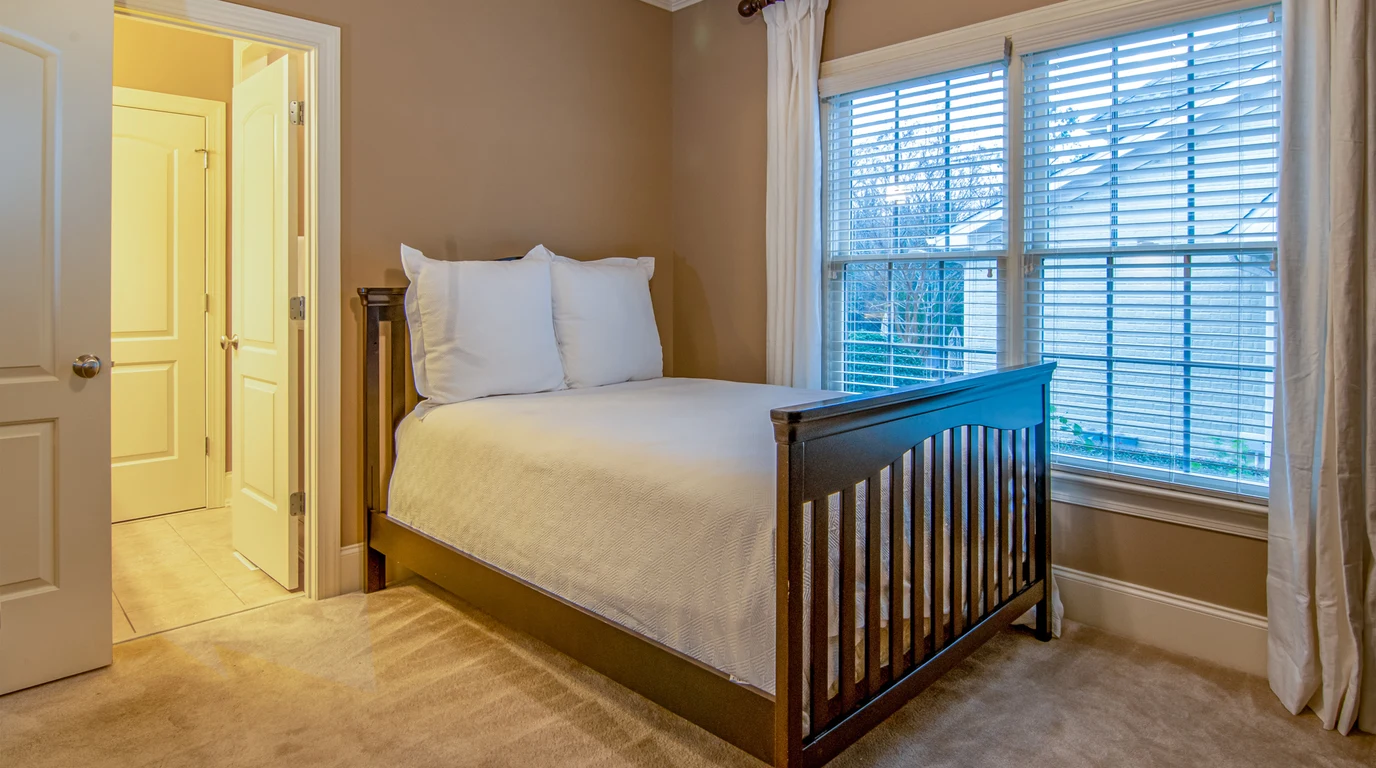
The biggest mistake people make is falling in love with a bed before checking it fits. Beds always look smaller in a showroom or in photos than they do in your actual room, so take measurements first and shop with numbers in hand. Write down your room’s length and width, then mark the bed’s footprint on the floor with painter’s tape — it’s the cheapest way to “try on” a bed before you buy.
Before you buy, check these details:
● Leave at least 2 feet (60 cm) of clear walking space on each side of the bed you need to use.
● Remember the frame adds 2–3 inches beyond the mattress size on every side.
● Measure your doorways and stairwell so the frame can actually reach the bedroom.
● Note windows, radiators, and plug sockets — a tall headboard shouldn’t block light or access.
Storage Beds That Hide the Clutter
In a small bedroom, the space under your bed is some of the most valuable real estate in the house. A wooden bed with built-in drawers or a lift-up (ottoman) frame turns that dead space into hidden storage for clothes, bedding, or shoes. This one choice can let you skip a whole dresser or chest, which frees up precious floor space for walking and living.
What to look for when shopping:
● Drawers should glide smoothly and open fully — shallow, sticky drawers get annoying fast.
● Lift-up ottoman frames give the most storage, but check the ceiling height so the lid opens fully.
● Solid-wood drawer boxes are sturdier than flimsy particle board ones and last for years.
● If you buy a frame with open space underneath instead, use matching baskets to keep it tidy.

Go Low to Gain Visual Space
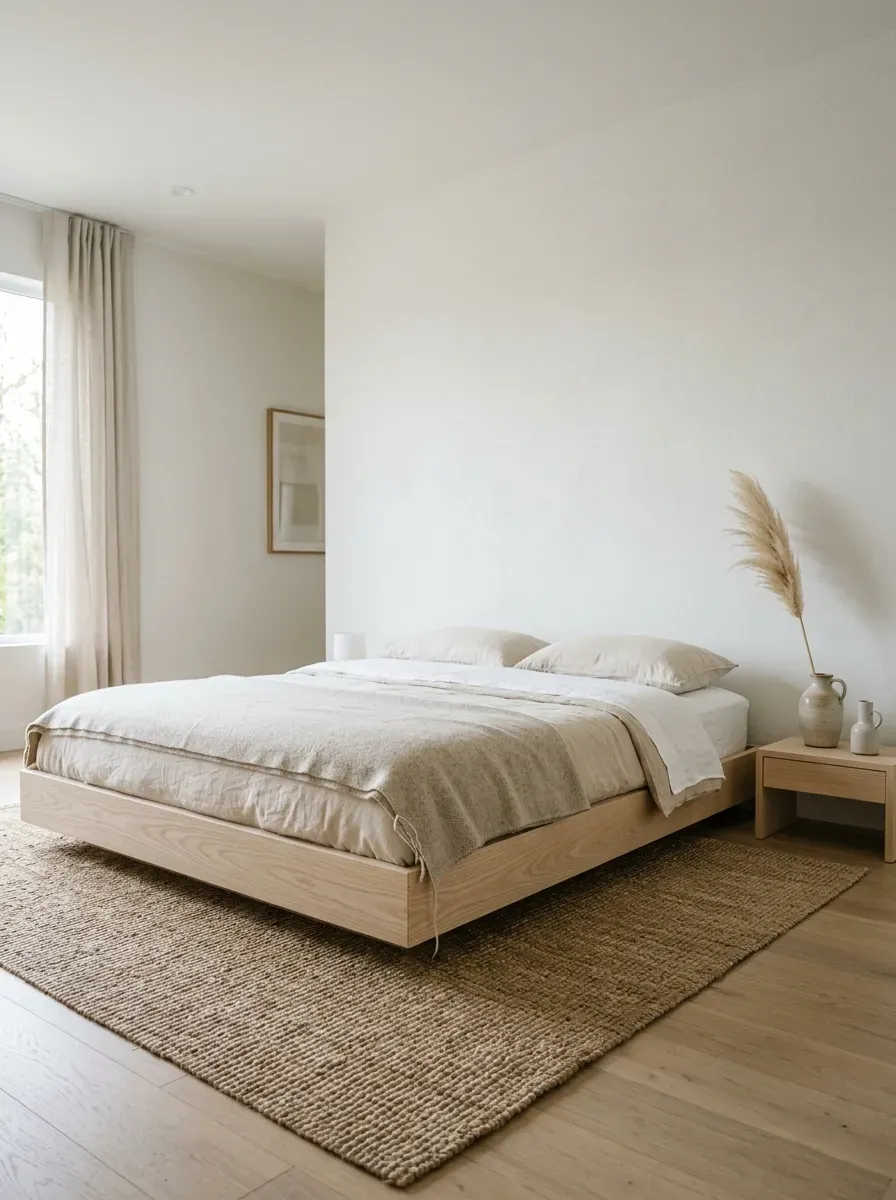
Low-profile wooden beds are a small room’s best friend. The lower the bed sits, the more wall you can see above it, and that extra visible wall tricks your eye into reading the room as bigger and airier. Platform beds sit naturally low because they skip the box spring, which also means the mattress rests directly on wooden slats — simple, sturdy, and space-smart.
How to make a low bed work:
● Look for frames with a rail height of around 10–14 inches off the floor.
● A platform design removes the need for a box spring, saving 5–8 inches of height and the cost of buying one.
● Keep bedding fitted and simple — bulky bed skirts on a low bed just collect dust.
● Very low beds can be tricky for older knees, so test the sitting height before committing.

Light Woods Open the Room Up
Dark woods like walnut and mahogany look rich, but in a small bedroom they can feel heavy and make the walls seem closer than they are. Pale woods — ash, oak, birch, pine, or light bamboo — bounce more light around the room and give the bed a breezy, open feel. A light-wood frame almost disappears against pale walls instead of dominating the whole space.
Smart finish choices for tight spaces:
● Natural ash, white oak, and raw pine finishes reflect the most daylight.
● A matte or satin finish looks softer and less bulky than high-gloss varnish.
● Match the wood tone loosely to your floor or trim so the bed blends in rather than standing out.
● If you already own a dark-wood bed, light bedding and pale walls can balance it out for now.
Skip the Footboard, Keep the Flow
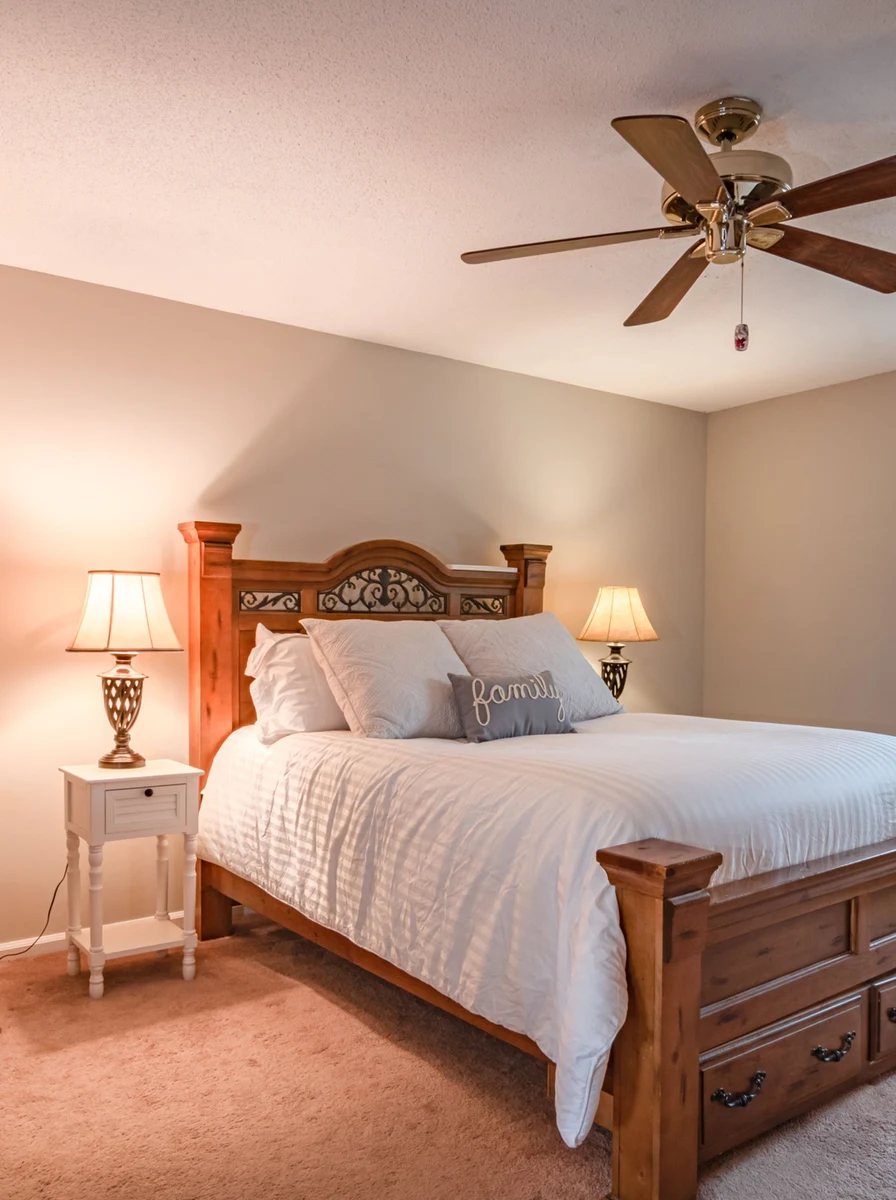
A footboard adds inches of length and creates a visual “stop” that cuts the room in half. In a small bedroom, a footboard-free frame lets your eye travel straight across the bed to the wall beyond, which makes the whole room feel longer. As a bonus, changing the sheets becomes far less of a wrestling match without a footboard in the way.
Open-foot designs to consider:
● Simple rail frames with no footboard keep the bed’s silhouette slim and airy.
● A slightly recessed or floating-look foot keeps the floor visible underneath, adding to the open feel.
● If you love a classic look, choose a very low footboard that stays below mattress height.
● Rounded or tapered legs make walking past the bed’s corners less painful — literally.
One Multipurpose Piece Beats Three Small Ones
It’s tempting to squeeze in a nightstand, a chair, a bookshelf, and a storage bench around the bed — but every extra piece shrinks the walkable floor. One smart multipurpose piece does more for less: a wooden bed with integrated bedside shelves or a built-in headboard shelf replaces both a nightstand and wall storage in one go, keeping the footprint of the bed as your only footprint.
How to consolidate:
● A headboard with built-in shelves holds your lamp, books, and charger — no nightstand needed.
● A floating shelf mounted at pillow height on each side costs less than a pair of nightstands and takes zero floor space.
● A bench at the foot of the bed can store blankets inside and double as a seat for dressing.
● Before adding any furniture, ask yourself: can the bed itself do this job already?

David is the home decor enthusiast behind HomeLushly. He shares practical, budget-friendly ideas for bedrooms, living rooms and seasonal decorating — from colour combinations that actually work to small-space styling tricks that make a room feel bigger. Every guide on HomeLushly is built around real photos and hands-on research, to help you make your home feel warm, personal and beautifully put together.