

Luxury is a look, not a price tag.
The most expensive-looking bedrooms share certain traits — confident colour, good lighting, quality-feeling textiles, and ruthless editing — and none of those require a big budget. They require decisions. A budget makeover done with conviction beats an expensive one done timidly, every time.
The strategy is spending where it shows.
Put your pounds into the bed wall, the bedding, and the lighting — the three things every eye lands on. Save everywhere else with paint, thrift finds, and DIY. Luxury is mostly about what you don’t see: no clutter, no mismatches, no half-measures.
This guide gathers 24 budget bedroom makeover ideas that look surprisingly luxurious.
From transformative paint and second-hand scores to velvet-look fabrics, brass details, and the free power of decluttering, you’ll learn exactly how to engineer a high-end look on a high-street budget — most ideas cost less than a dinner out.
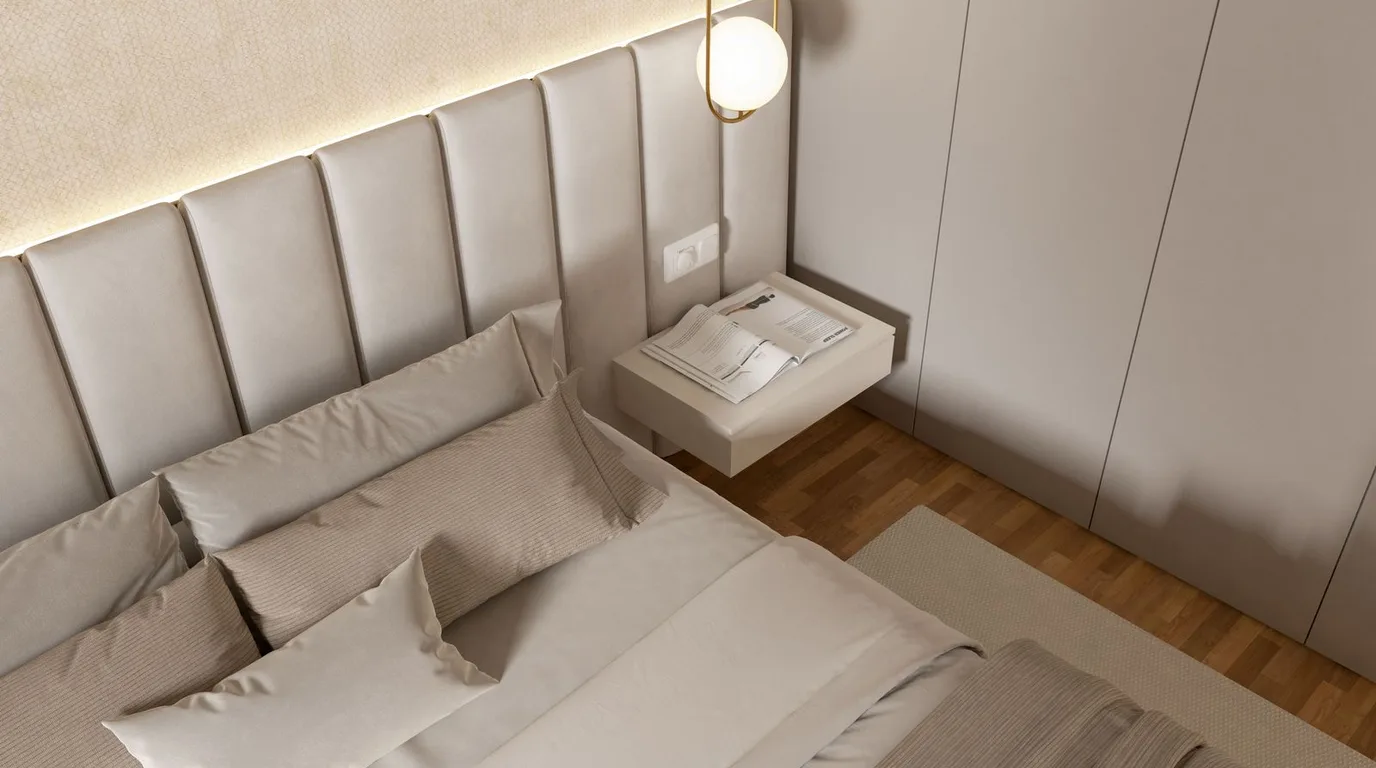
1. Paint: The Cheapest Luxury There Is
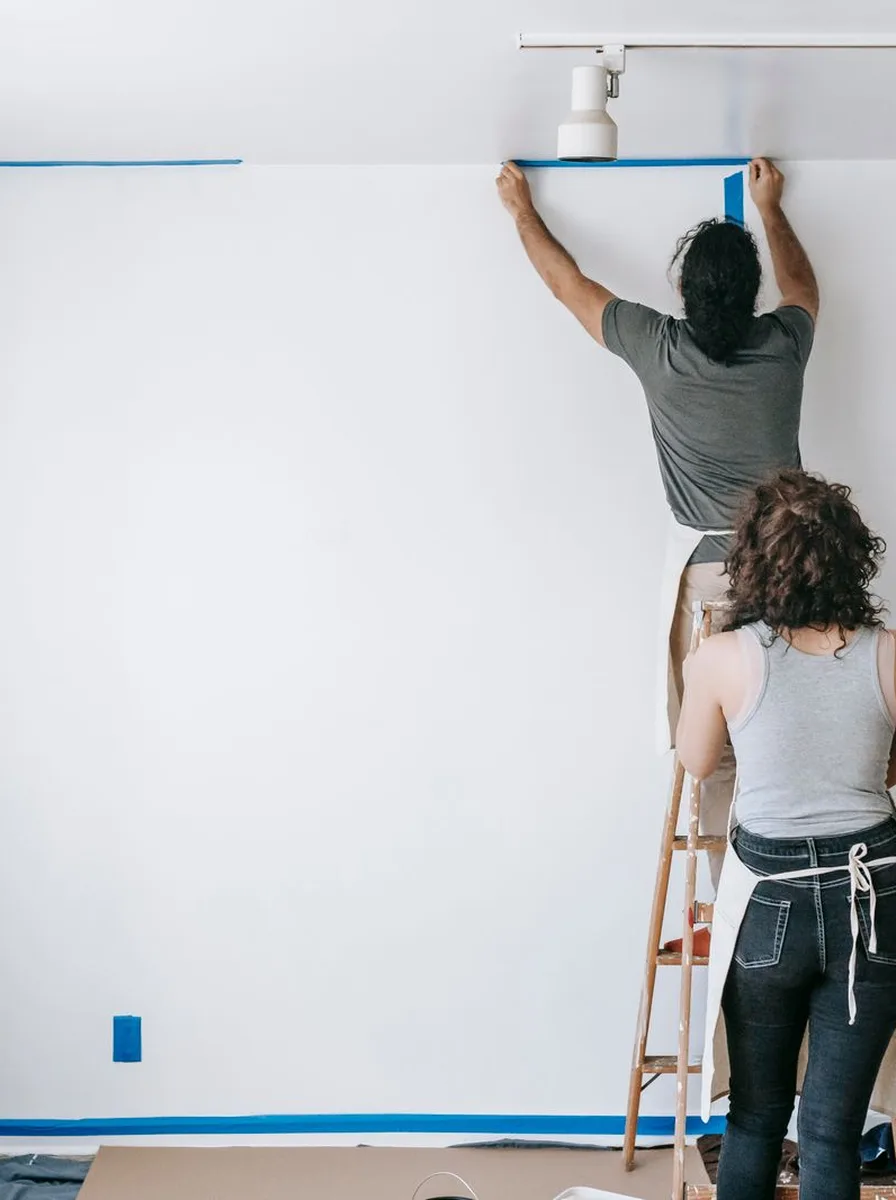
One tin of paint transforms a room more than any other single purchase. Deep, confident colours — forest green, inky navy, warm charcoal — look inherently expensive because they signal bold decisions. A whole room in a rich colour feels like a designer suite. Test your colour with a large swatch painted on the wall — small tester pots lie. Live with it for two days, viewing in morning and evening light, before committing.
Don’t fear the dark: deep colours make bedding and art glow and hide imperfections. Two coats, careful edges, done in a weekend. For the price of a takeaway, you get the biggest luxury upgrade available. A deep colour on all four walls cocoons beautifully in bedrooms; don’t assume you must keep three walls white. Bold all-over colour is very designer.
2. Hunt Second-Hand First
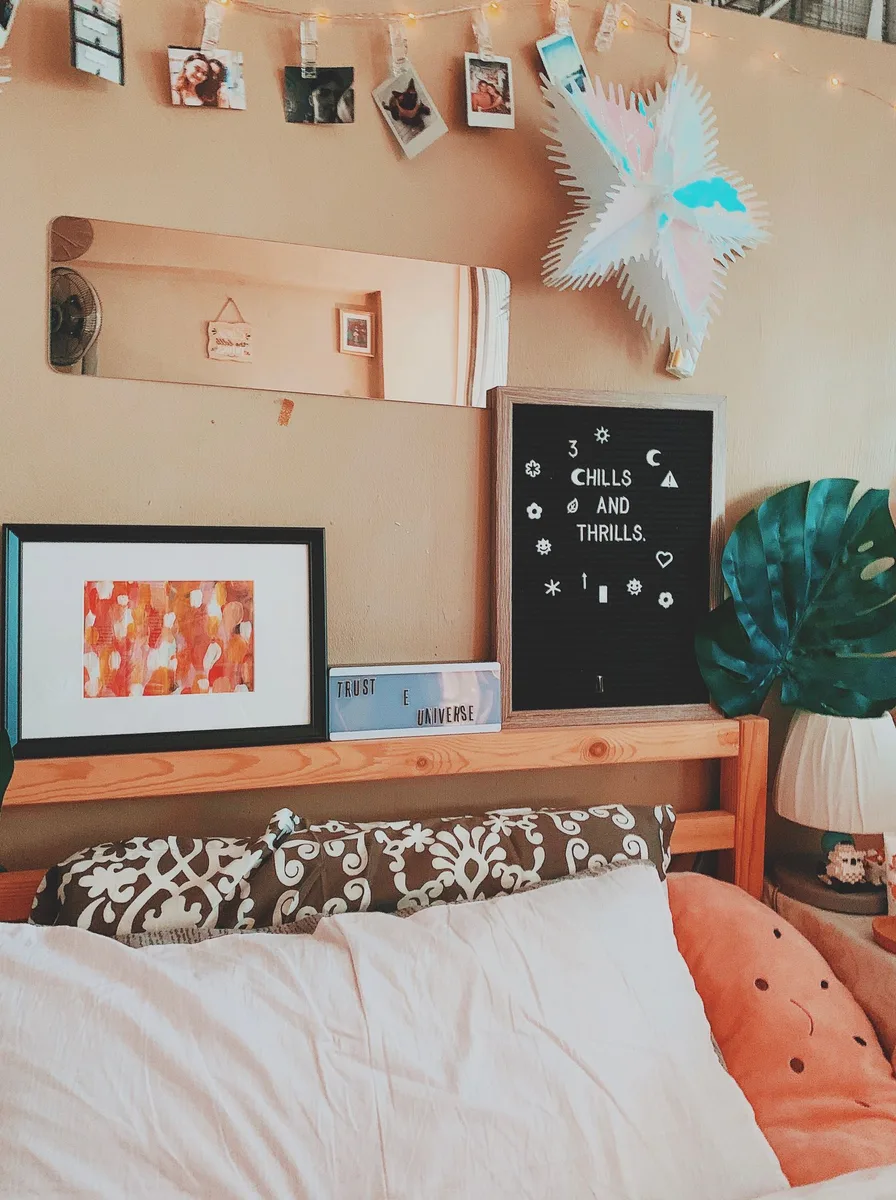
Solid wood furniture lasts generations, so second-hand pieces are luxury materials at disposable prices. Charity shops, marketplaces, and auctions hide oak dressers, real-wood nightstands, and quality frames for a fraction of new flat-pack — and they’re better made. Estate sales and house clearances often beat charity shops for solid wood furniture — you’re buying from homes, not donations. Go early for the best pieces.
Look past surface wear: scratches sand out, dated finishes paint over. Check joints and drawers for solid construction. Second-hand hunting takes patience, but the finds have character new furniture can’t buy. Learn to spot dovetail joints and solid backs — signs of quality worth restoring. Veneer can be beautiful too, but check it’s not peeling beyond repair.
3. Fake Velvet with Budget Fabrics
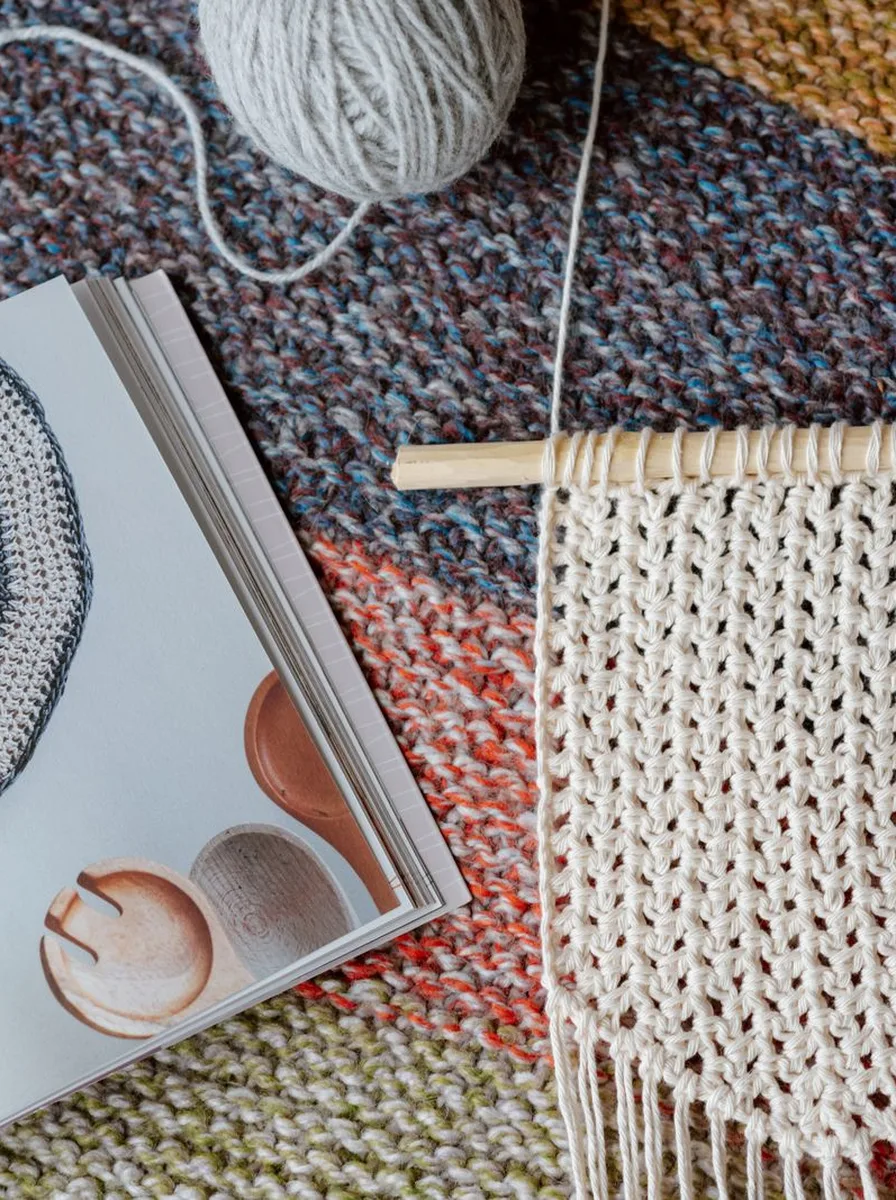
Velvet reads as luxury instantly, and modern velvet-look fabrics deliver the plush sheen cheaply. Cushion covers, a throw, or an upholstered bench in velvet-look fabric adds the rich texture of high-end interiors for high-street money. Look for velvet-look cushion covers with hidden zips — the details signal quality. Wash inside-out on a cool gentle cycle to protect the pile.
Deep jewel tones — emerald, sapphire, ruby — maximise the luxe effect. Mix with matte fabrics like linen so the sheen stands out. A little velvet goes a long way; it’s an accent, not a theme. Pair velvet-look pieces with matte naturals like linen and jute; the contrast makes the sheen look richer. A little sheen goes a long way.
4. Spray-Paint Dated Metallics Gold
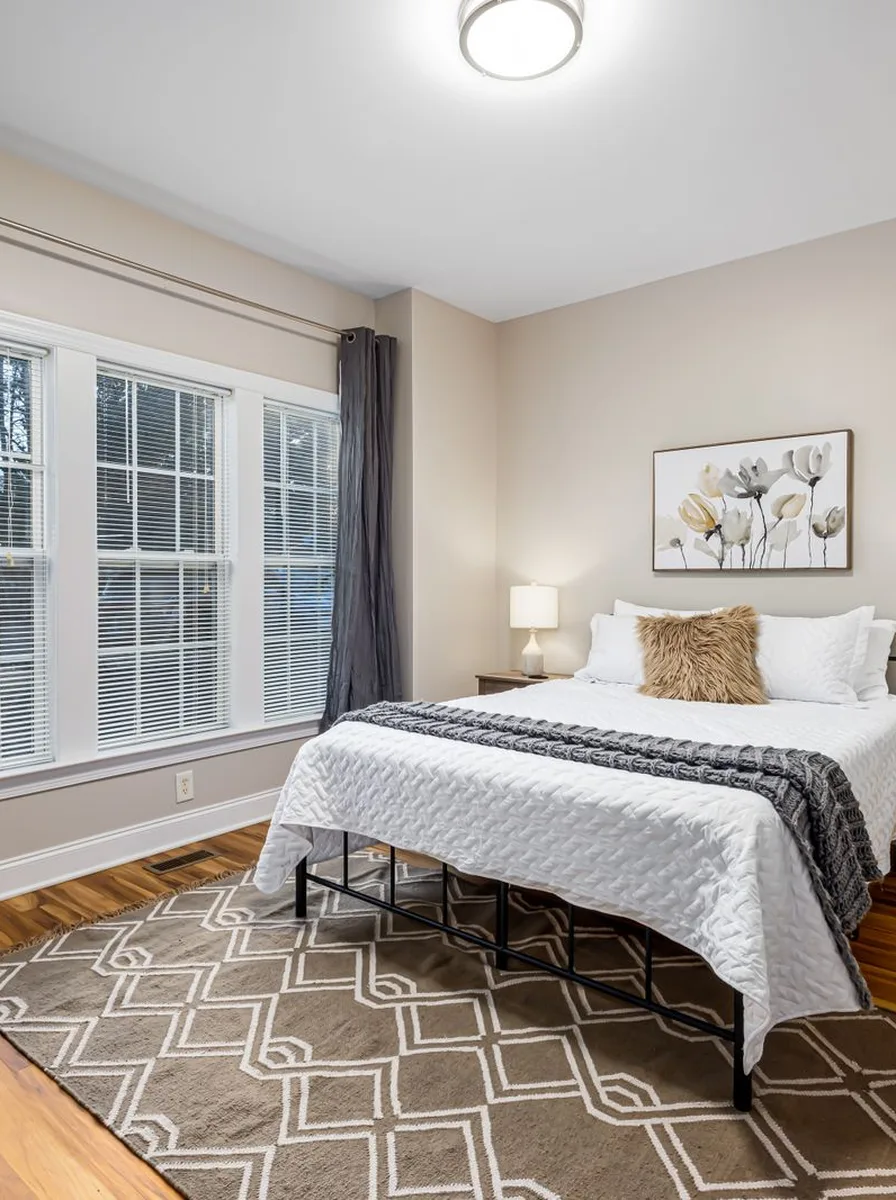
A can of metallic spray paint turns dated brass, sad silver, and boring black into cohesive luxe details. Lamp bases, mirror frames, drawer handles, picture frames — one afternoon of spraying unifies mismatched bits into a deliberate brass scheme. Disassemble what you can — handles off, glass out — for the cleanest spray job. Light, even coats from 20cm away prevent drips and orange-peel texture.
Brushed gold and champagne finishes look more expensive than bright yellow gold. Spray in light coats outdoors, and let cure fully. For under a tenner, the room gains jewellery. Let pieces cure for 24 hours before handling; spray paint feels dry long before it’s hard. A clear topcoat adds durability for handled items.
5. Make Your Own Headboard
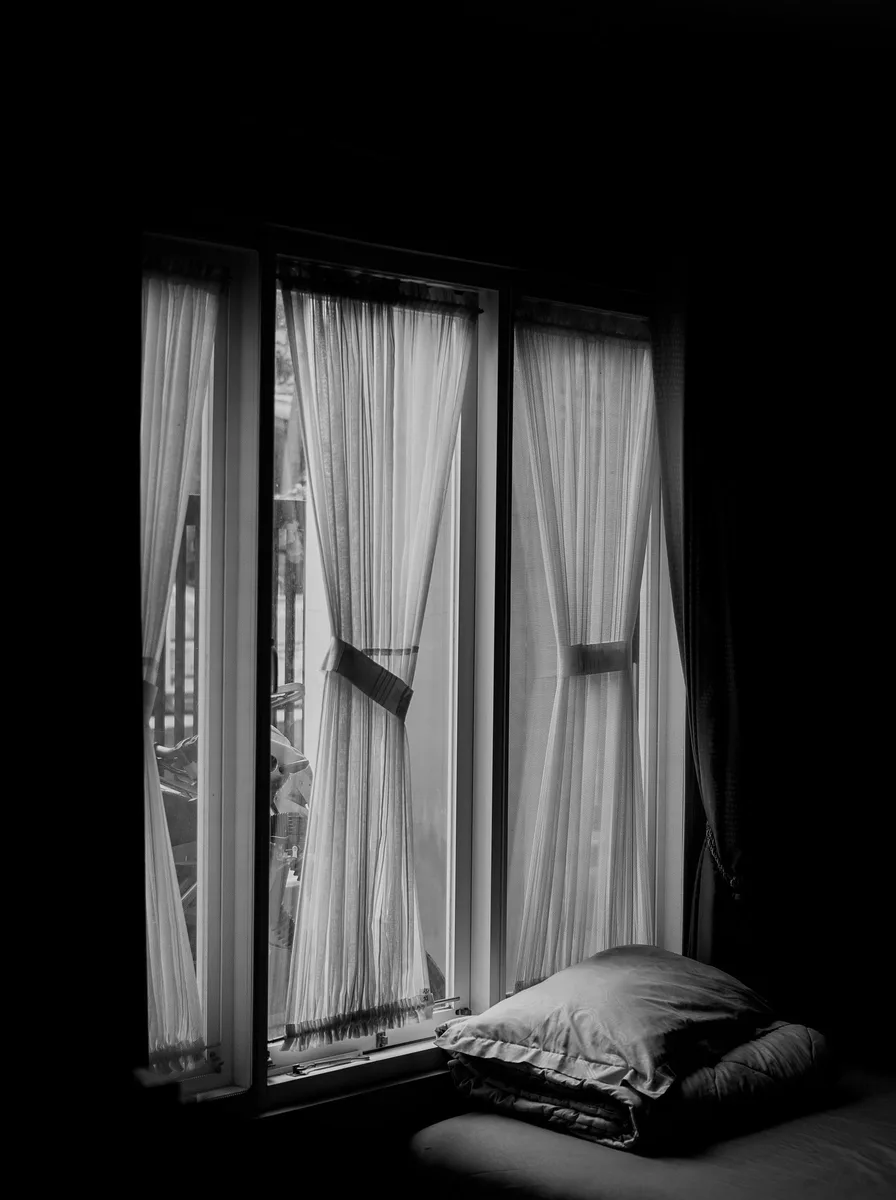
Upholstered headboards cost hundreds new; DIY versions cost the price of plywood, foam, and fabric. A tall, padded headboard in a luxe fabric transforms the bed into a designer centrepiece — nobody will guess it was a weekend project. Sketch the headboard shape full-size on paper first — it’s easier to adjust a drawing than plywood. A simple tall rectangle with rounded top corners suits most rooms.
Button tufting looks advanced but is just buttons pulled through with thread. Keep the shape simple — a tall rectangle — and let the fabric do the talking. DIY headboards are the ultimate budget-luxury flex. Wrap the plywood in wadding before the fabric for a plush, professional feel. A staple gun is the essential tool; borrow one if you don’t own it.
6. Layer Bedding Like a Hotel

Hotels look luxurious because they layer: sheets, duvet, coverlet, throw, and a full complement of pillows. Recreate it with budget pieces — the layering itself is the luxury, not the labels. Three layers plus plumped pillows reads as five-star. Fold the top sheet back over the duvet for the classic hotel band of white — it’s the detail that screams luxury. Hospital corners on the flat sheet keep everything crisp.
White is the classic hotel choice and hides nothing, so keep it fresh. Turn down the top sheet, fold the throw in thirds, karate-chop the cushions. Technique is free; the look is priceless. Plump pillows daily with a karate chop to the top edge for the hotel dent. Freshly laundered bedding smells like luxury too.
7. Add Picture-Frame Moulding
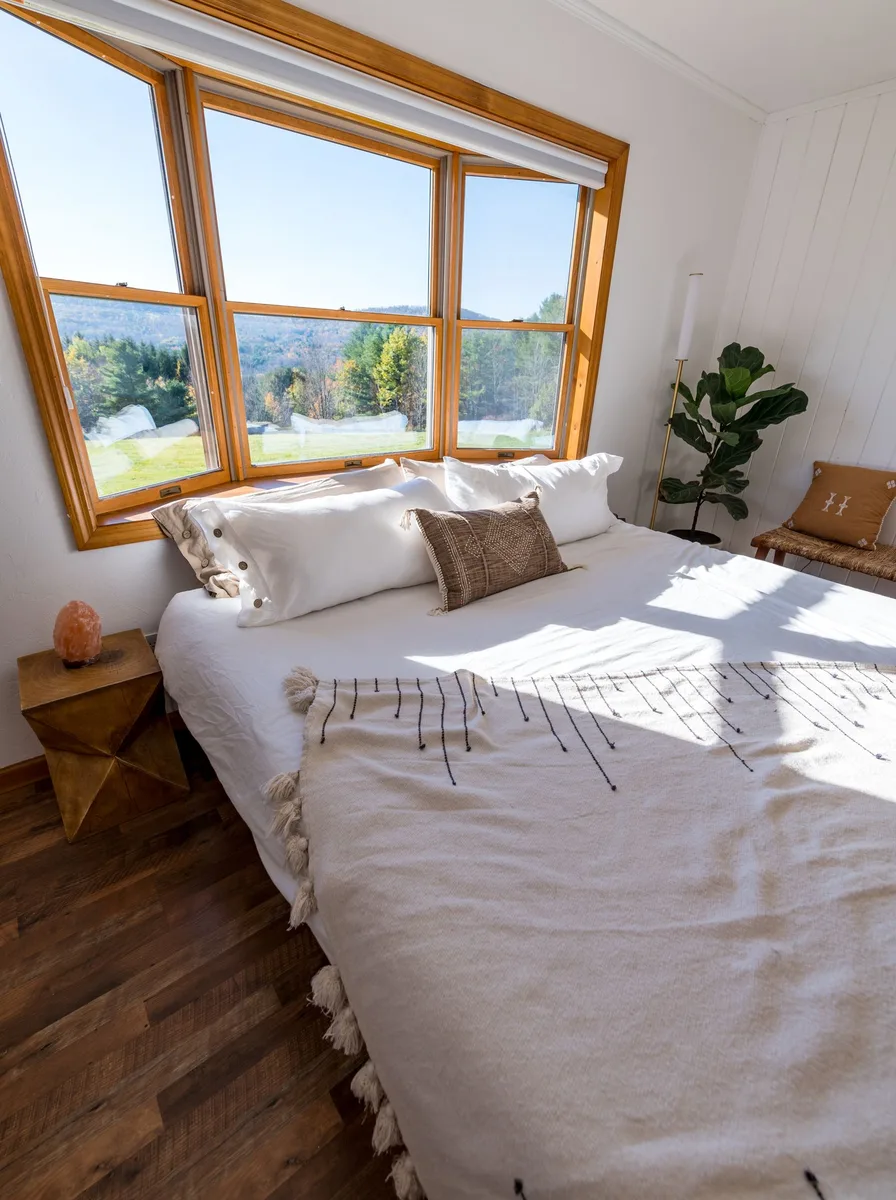
Picture-frame moulding — thin trim boxes glued to the wall and painted over — adds the architectural detail of period homes for the price of timber strips. It makes plain walls look panelled and expensive, especially painted in one deep colour. Use a spirit level and draw faint pencil guidelines before sticking anything — moulding applied wonky looks worse than none. Lightweight trim needs only grab adhesive.
Keep the boxes large and simple; fussy small ones look busy. Paint trim and wall the same colour for a seamless, high-end finish. It’s the detail that makes guests assume the house is far grander. Fill and sand all joints before painting; visible seams betray the budget origins. Paint everything — trim and wall — one colour for the seamless designer look.
8. Upgrade Lighting on the Cheap
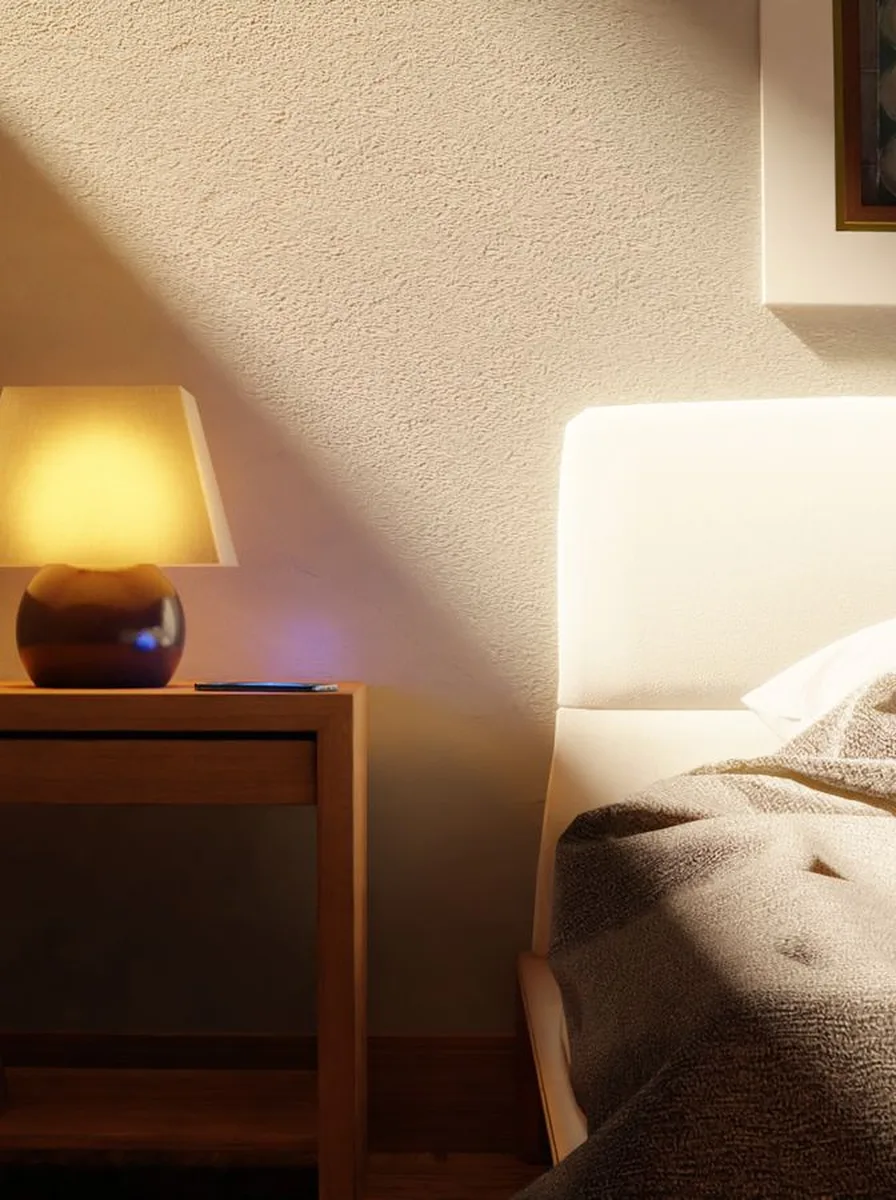
Lighting makes or breaks the luxury illusion, and it doesn’t need to be expensive. A big paper lantern, a rattan pendant, or a pair of matching thrifted lamps with new shades all deliver designer looks cheaply. Warm bulbs throughout, always. Paper lanterns give enormous scale for very little money and suit modern rooms beautifully. Hang at a height that clears heads but stays in the sightline.
Scale up — oversized lights look intentional and expensive. Dimmers or smart bulbs add evening mood for little money. Light is atmosphere, and atmosphere is luxury. Plug-in swag hooks let renters hang pendants anywhere — the fabric cable becomes part of the look. Always use LED bulbs in paper shades for safety.
9. Use Removable Wallpaper Strategically
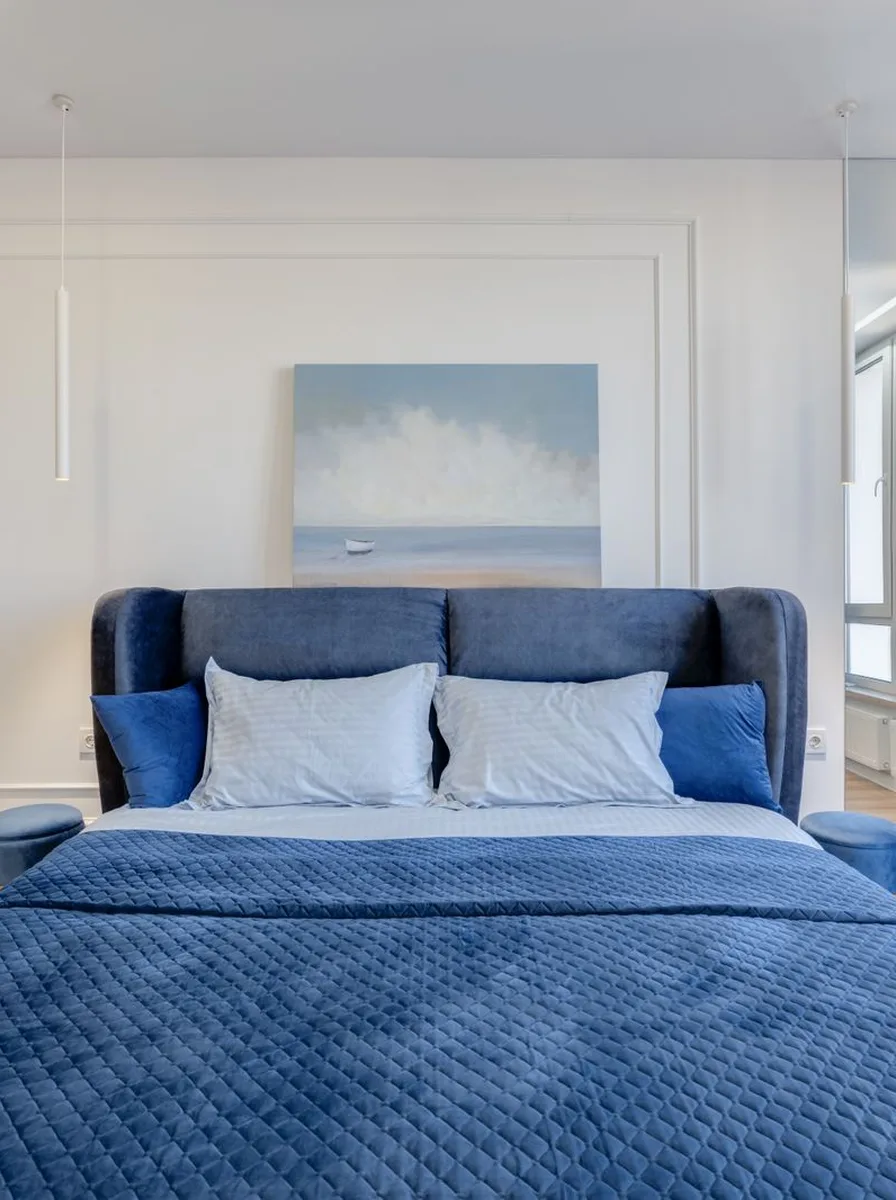
One wall of peel-and-stick wallpaper delivers pattern and texture that paint can’t — grasscloth looks, mural scenes, bold geometrics — for the price of a few rolls. It’s the accent wall with extra dimension. Measure the wall and order 10 percent extra — pattern matching and mistakes eat paper. Start from the most visible corner and work outward.
Choose the bed wall and echo the paper’s colours in bedding. Modern removable papers reposition easily, so DIYers get professional results. Pattern is the shortcut to designed. Smooth with a plastic smoother as you go, working from the centre outward to push out bubbles. A sharp snap-blade knife gives the cleanest trims.
10. Paint Old Furniture Boldly
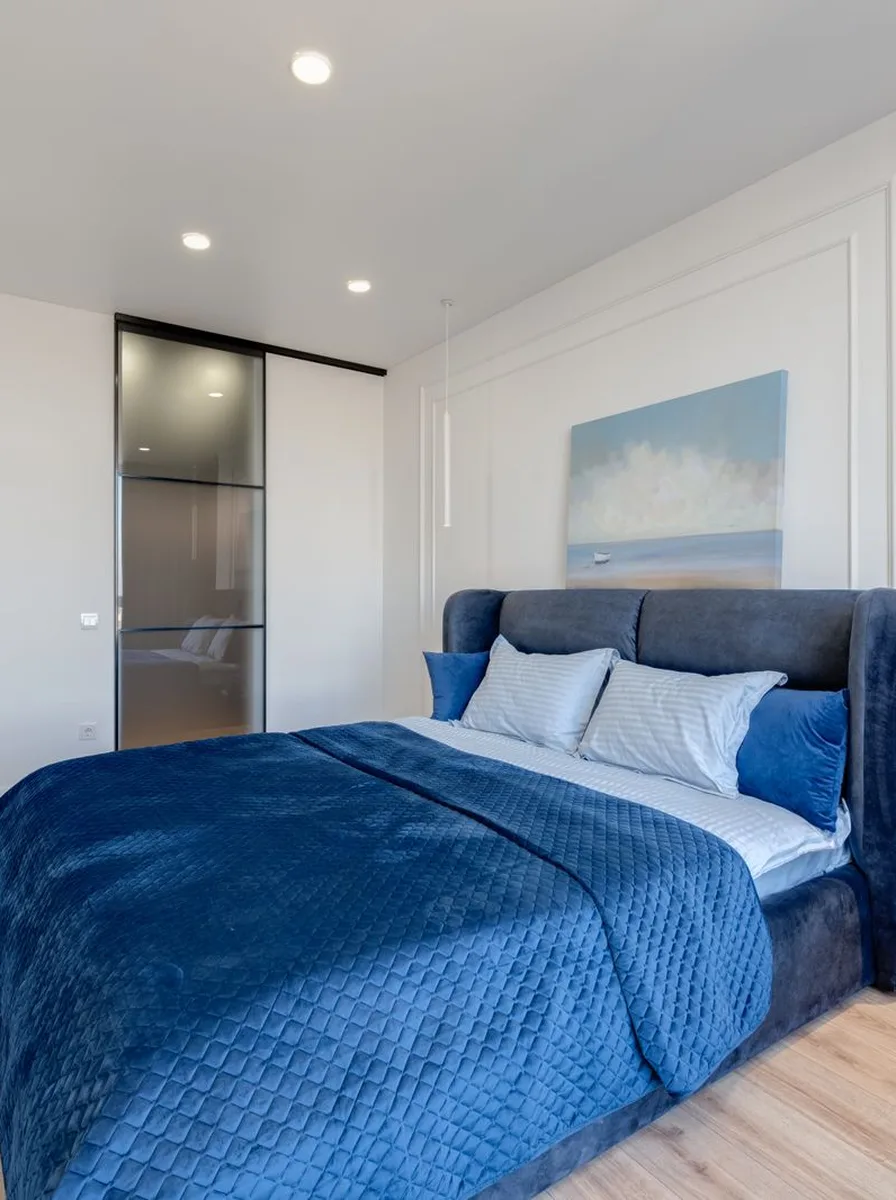
Dated furniture becomes a statement in a bold paint colour. Deep green, navy, or black transforms a sad pine dresser into a modern anchor piece — paint is the great equaliser. New handles complete the metamorphosis. Chalk-style furniture paint needs minimal prep — just clean well — making it the fastest transformation. Wax or seal afterwards for durability on high-touch pieces.
Prep well: clean, sand, prime, two coats. Satin or eggshell finishes look more expensive than gloss on furniture. A bold painted piece looks custom, and custom looks costly. Don’t paint the insides of drawers; they stick. Paint drawer fronts and frames only, and let everything cure for a week before heavy use.
11. Hunt for a Quality Rug Second-Hand
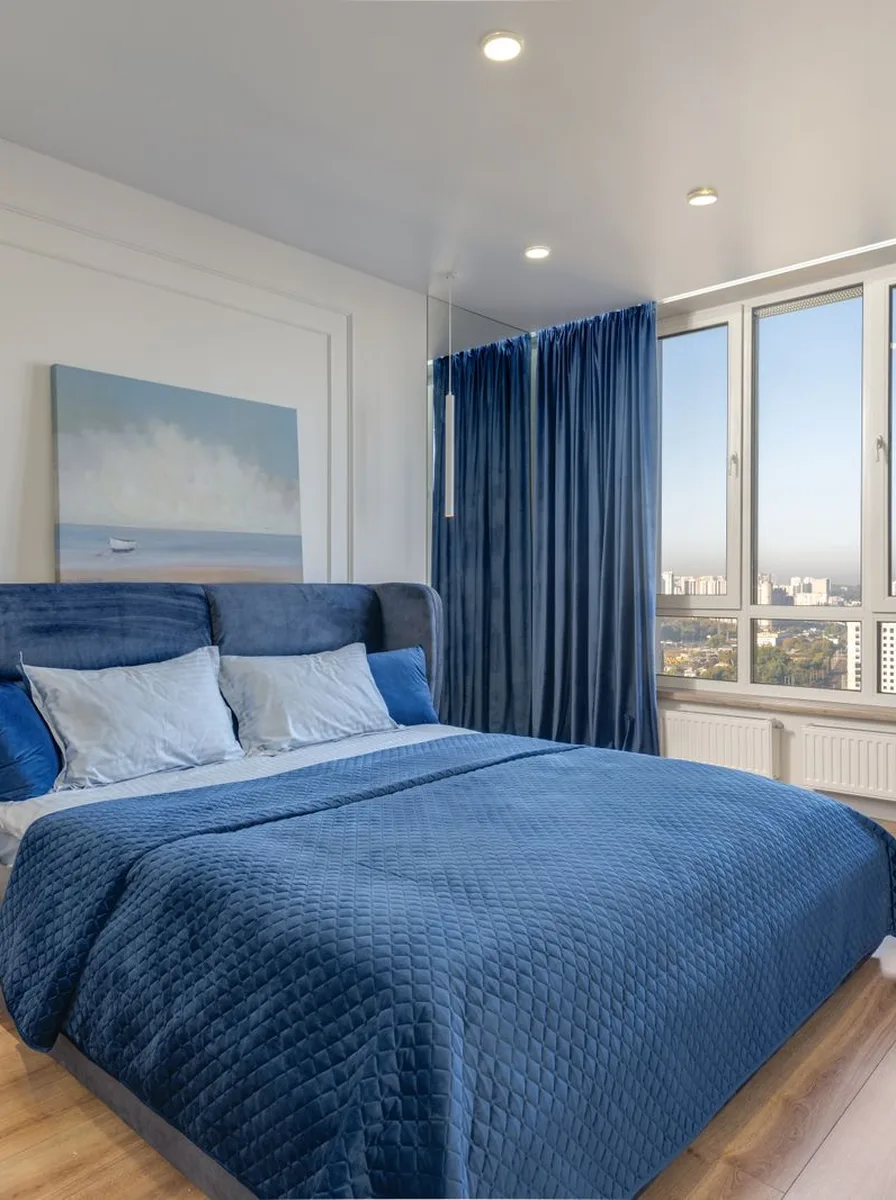
Real wool rugs cost a fortune new and pennies second-hand. Charity shops and online marketplaces are full of quality rugs sold for almost nothing — a quick professional clean and they look magnificent. Patterned vintage-look rugs add the collected richness of expensive interiors. Check second-hand rugs in daylight for stains and wear — reputable sellers allow inspection. A professional clean costs little and transforms even grubby finds.
Go as large as the room allows; generous rugs read as luxury. Check the back for quality — hand-knotted signs mean a bargain. Underfoot luxury for the price of lunch. Layer a thin rug pad underneath for comfort and to protect floors. Vintage rugs hide wear gracefully; that’s their charm and their value.
12. Create Symmetry for Free
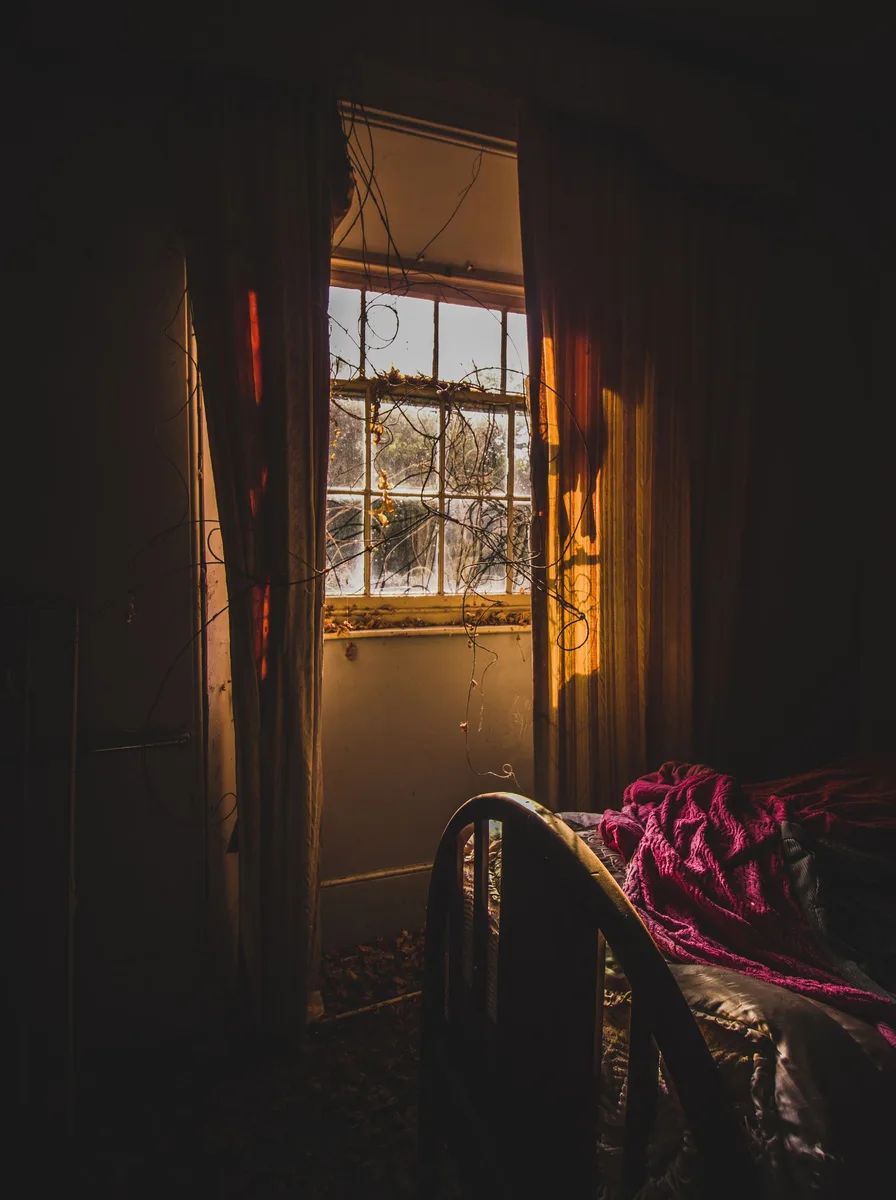
Symmetry costs nothing and looks like money: matching nightstands, matching lamps, mirrored styling each side of the bed. The eye reads symmetry as order and intention — the visual language of luxury hotels. If true symmetry isn’t possible, aim for visual balance instead — similar visual weight on each side. A tall lamp on one side can balance a stack of books on the other.
Matching doesn’t mean expensive — two identical budget lamps styled the same way deliver the effect. Frame the bed symmetrically and the whole room looks designed. Balance is free luxury. Photograph the room and check the symmetry on screen; the camera reveals imbalance the eye misses. Adjust until the photo feels settled.
13. Style Surfaces Like a Stylist
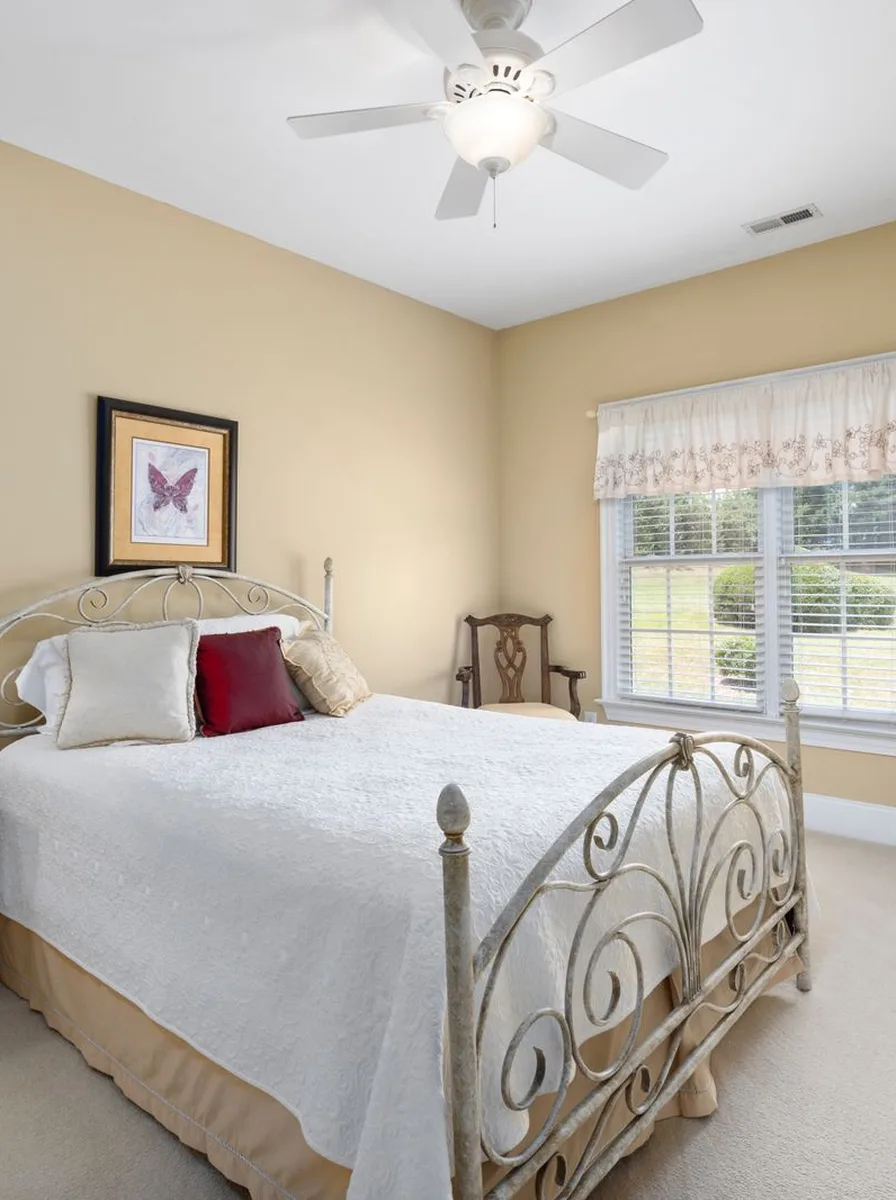
Styling is free — it’s arrangement, not acquisition. Group existing objects in odd numbers with varying heights, add a tray, remove half of what’s there. A styled surface looks expensive because it looks considered, whatever the objects cost. The rule of three applies: group objects in threes with one tall, one medium, one small. Triangles of objects please the eye more than straight lines.
Thrift shops supply the raw materials: brass candlesticks, interesting vases, art books. The magic is in the editing and grouping. Styling turns possessions into composition. Shop your own home first — styling is rearrangement. The best-styled rooms are assembled from things already owned, just better placed.
14. Add Crown Moulding or Trim
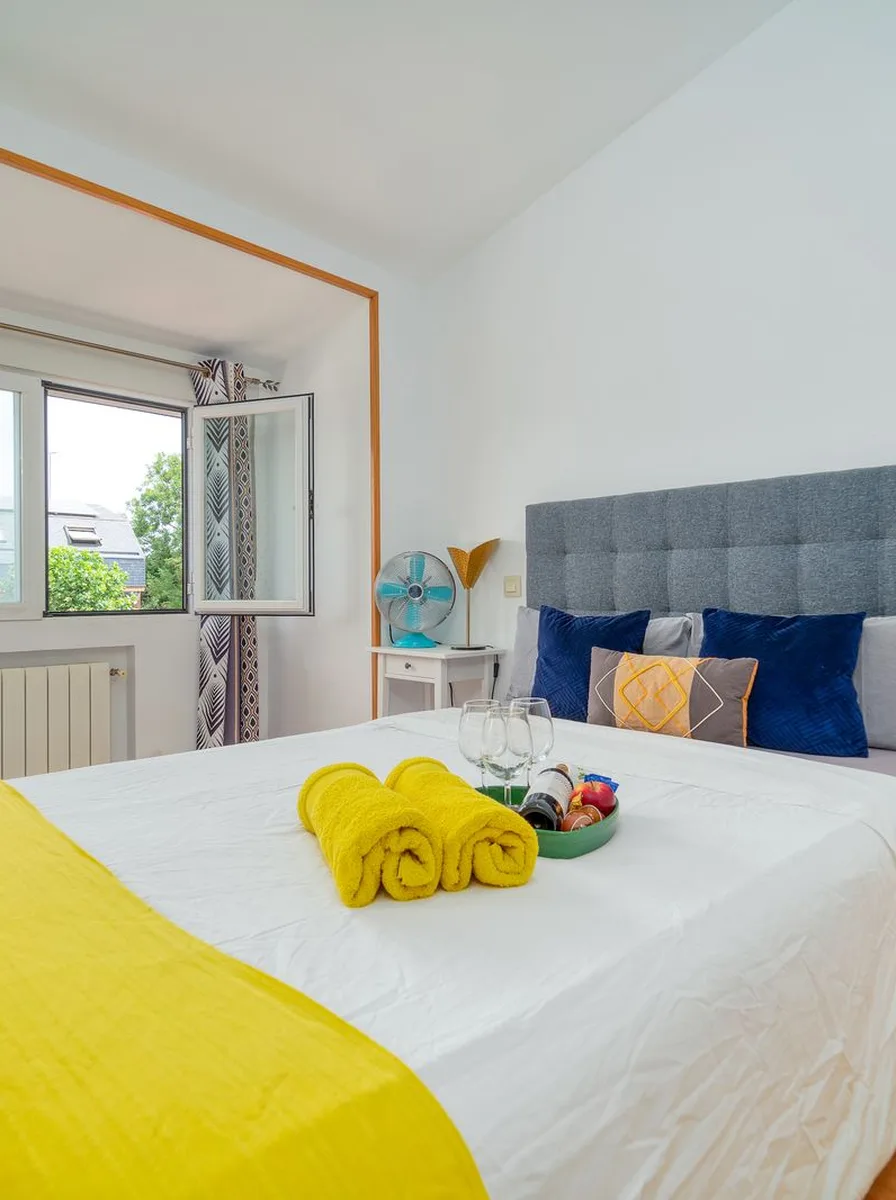
Crown moulding at the ceiling line adds the finished detail of expensive homes for the price of lightweight trim and paint. It makes ceilings look higher and rooms look custom — the kind of detail buyers pay premiums for. Measure twice and mitre corners carefully; neat joints are what make trim look expensive. Caulk every gap before painting — caulk is the difference between DIY and professional.
Foam or MDF moulding is light, cheap, and paints beautifully. Keep the profile simple in modern rooms. It’s architectural jewellery on a trim budget. Paint trim the same colour as the wall for modern seamlessness, or crisp white against colour for classic definition. Either way, two coats minimum.
15. Use Mirrors to Fake Space and Light
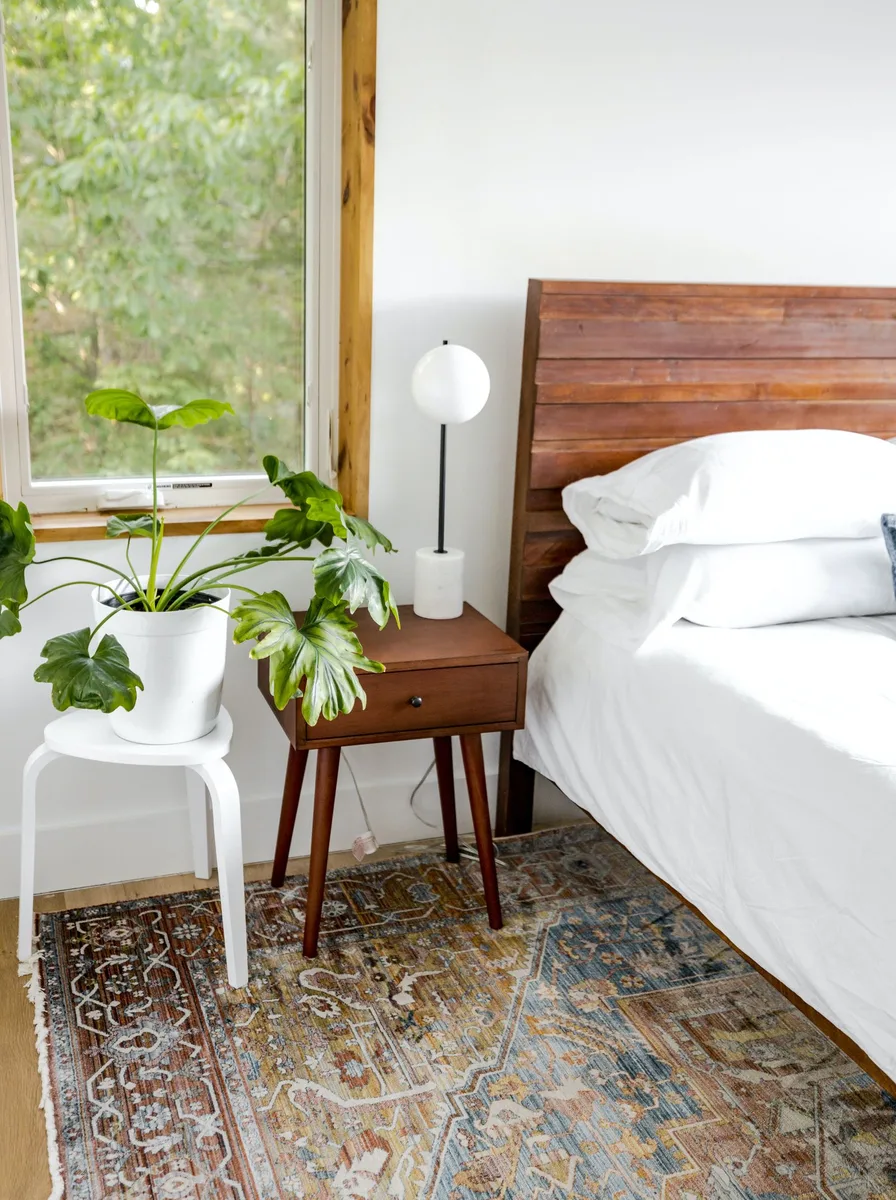
Big mirrors are a budget decorator’s best friend: they double light, fake space, and look inherently glamorous. A large leaning mirror — even a budget one — adds the kind of drama you’d expect in a far pricier room. Check the mirror’s reflection before fixing it in place — you want window, art, or greenery reflected, never clutter or the bed’s messy side. A mirror’s view is part of its job.
Thrift shops often have large mirrors for very little; a coat of spray paint on the frame unifies them. Position to reflect the window for maximum light gain. Reflection is free square footage. For rented rooms, large leaning mirrors need no fixings at all beyond an anti-tip strap. Clean with vinegar and newspaper for a streak-free shine.
16. Sew Simple Curtain Panels
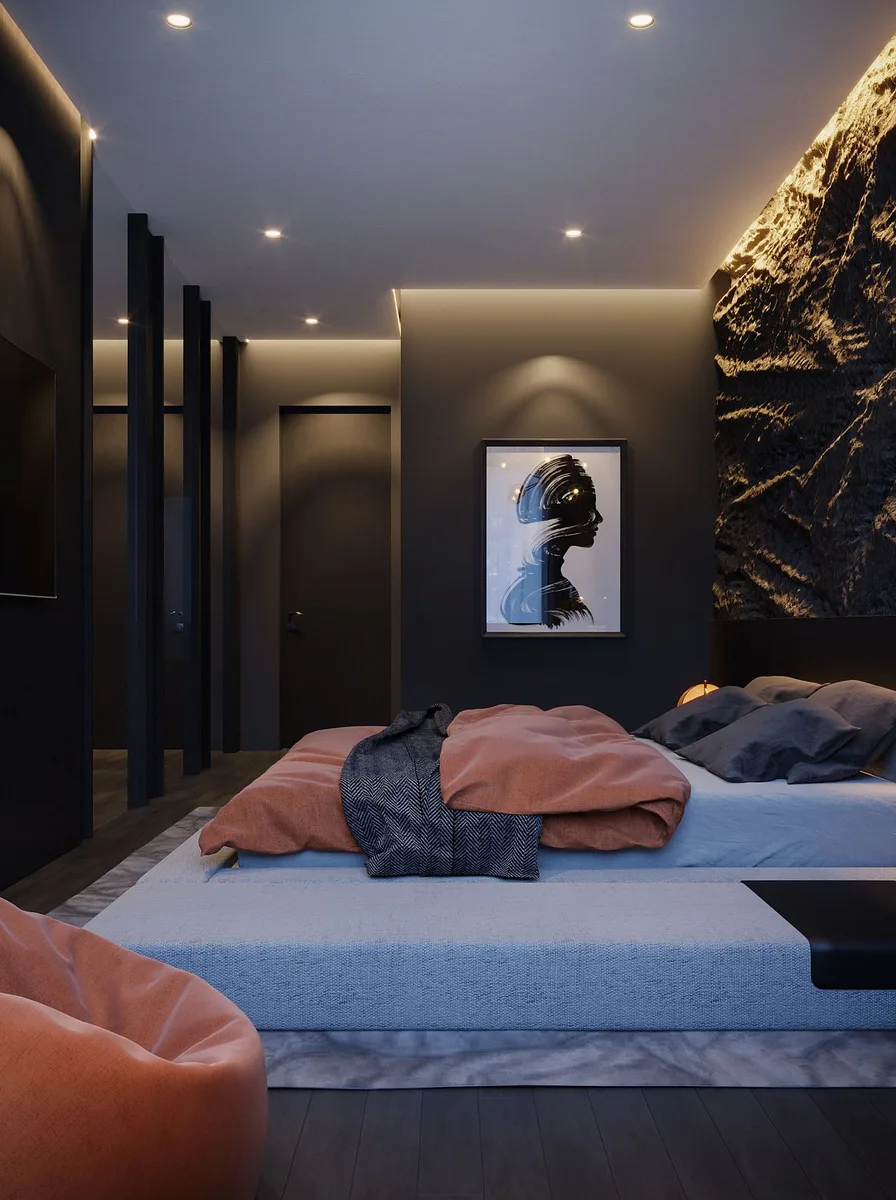
Curtains are just rectangles of fabric — even beginners can hem simple panels. Buying fabric by the metre and hemming the edges costs a fraction of ready-mades, and you get exactly the fabric and length you want. Floor-length, hung high, they look custom. Pre-wash fabric to prevent shrinkage after the first wash — nothing sadder than curtains that shrink off the floor. Iron hems crisp for a tailored finish.
No-sew hemming tape works too. Choose a fabric with a luxe look — linen-look, velvet-look — and the result fools everyone. Custom curtains, craft-store prices. Add 10cm to your measured drop for hems and headings. Full-length curtains that just kiss the floor look custom; short ones look like a mistake.
Want blackout-level darkness for deeper sleep? Check out these blackout curtains on Amazon: https://amzn.to/4zksyIH
17. Declutter Like You Mean It
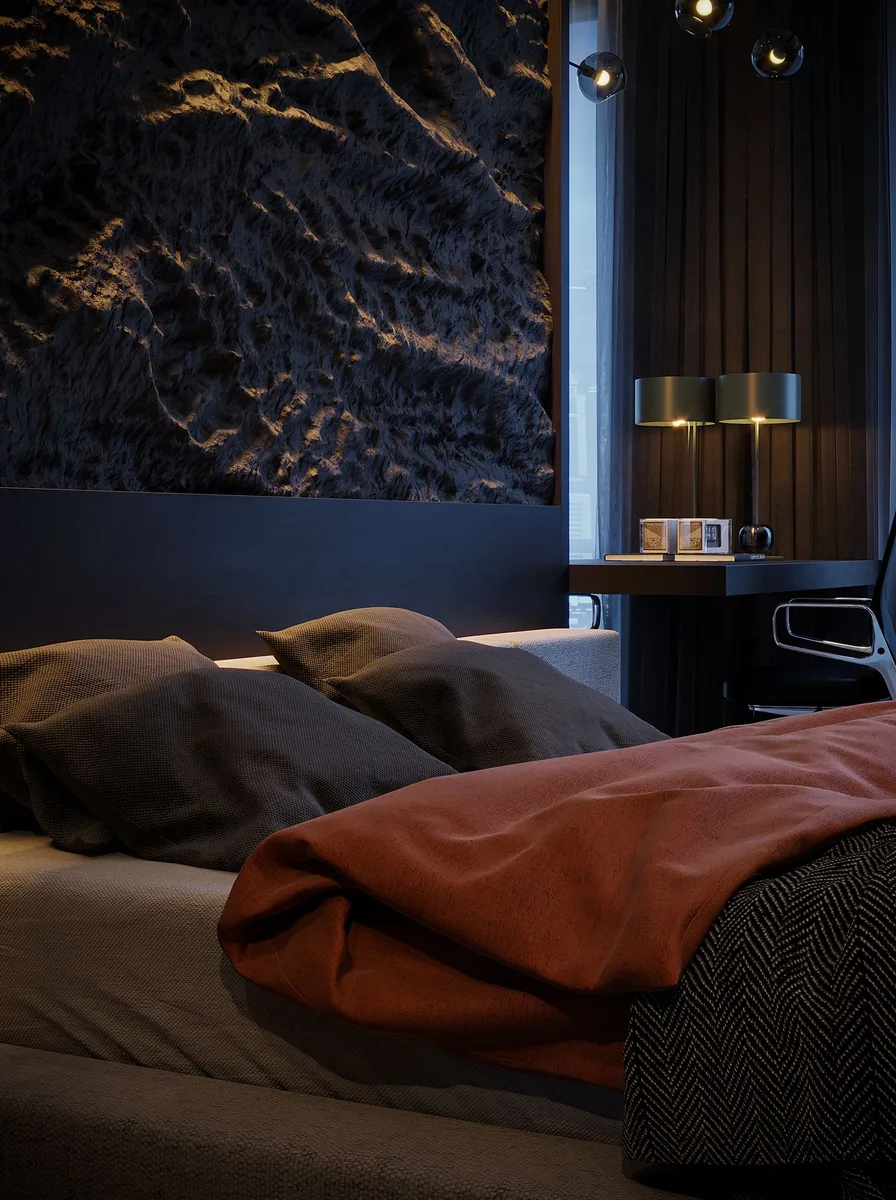
The most luxurious rooms share one trait: nothing extra. A ruthless declutter — every surface cleared, every drawer organised, everything homeless given a home — makes a budget room look more expensive than a cluttered luxury one. And it’s free. Be honest about what you actually use: the treadmill of good intentions — unread books, unworn clothes — is what clutters rooms. Donate generously; someone else will love it.
Expensive interiors are edited; copy the edit. If it doesn’t serve the look or the function, it goes. Restraint is the ultimate luxury good, available at no cost. Once decluttered, give everything a designated home, or clutter creeps back within weeks. A place for everything is the only lasting system.
18. Add Warm Wood with Contact Paper

Wood-look contact paper transforms flat-pack and tired furniture into warm, wood-toned pieces. Wrapped drawer fronts, tabletops, or shelf surfaces gain the richness of real wood grain for a few pounds a roll. Modern prints are convincingly realistic. Clean surfaces with sugar soap before applying contact paper, and work slowly from one edge, smoothing as you go. A credit card wrapped in cloth makes a perfect smoother.
Apply slowly with a smoothing tool to avoid bubbles, and wrap edges for a finished look. It’s renter-friendly and reversible. Faux wood, real warmth. For curved edges, warm the paper slightly with a hairdryer so it moulds around the curve. Trim excess with a sharp craft knife for crisp edges.
19. Create a Focal Point with Art
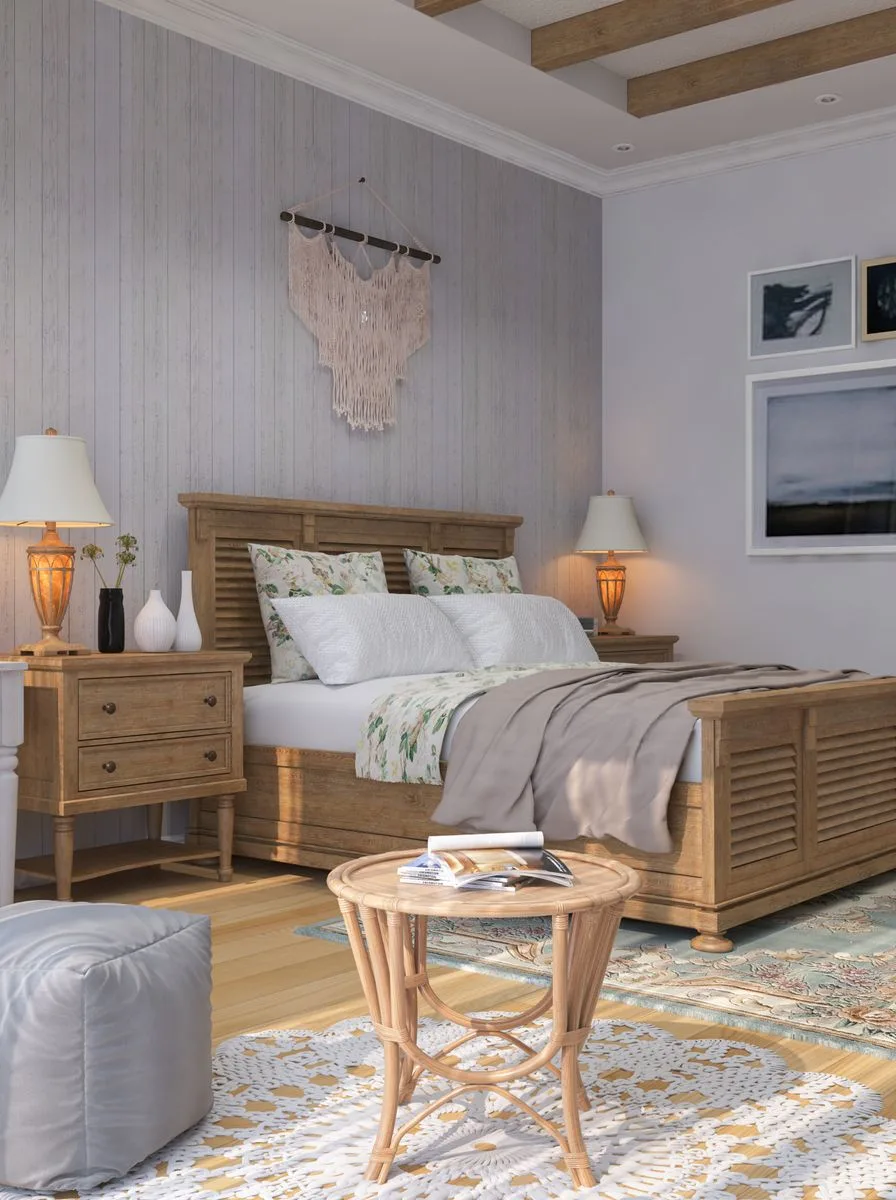
One large piece of art gives a room a focal point — the thing expensive rooms always have. Free printable art, enlarged photos, or budget canvas prints in a simple frame deliver gallery impact cheaply. Scale is what sells it: go big. Oversized art from budget print shops, mounted simply, looks gallery-worthy at a fraction of framed originals. Abstract and landscape prints are the safest large-scale choices.
Hang it over the bed or dresser at the right height — art hung too high looks lost. A strong focal point organises the whole room around it. One piece, whole-room effect. The frame matters as much as the art — a thin black or natural wood frame elevates any print. Hang so the centre sits at eye level from the bed.
20. Layer Textures, Not Colours
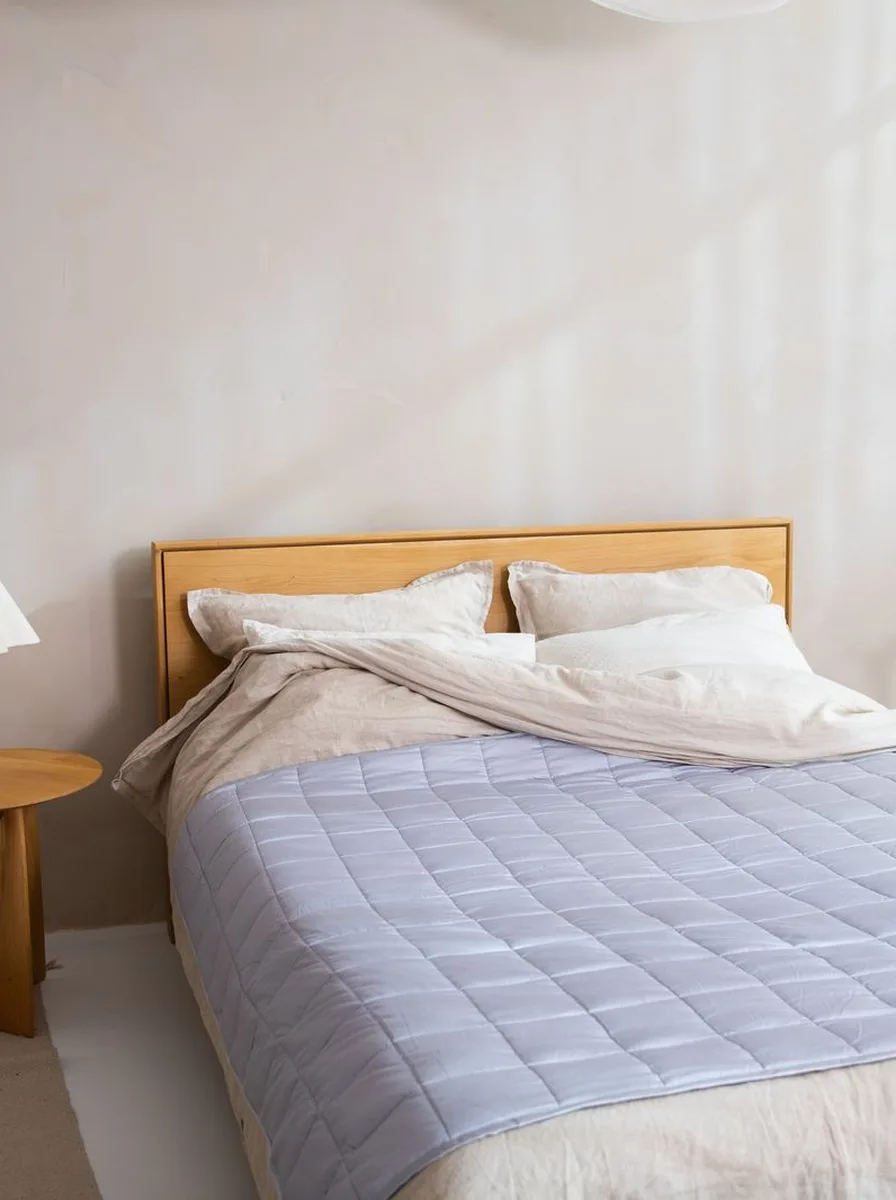
Expensive neutrals work through texture: linen, knit, velvet, wool, and wood in one palette feel rich without a single bold colour. Thrifted and budget textiles in varied textures layer into a scheme that feels deeply luxurious. Combine matte and sheen, rough and smooth: a nubby throw against smooth cotton, a shaggy rug under sleek bedding. Contrast is what makes texture interesting.
Combine at least four textures in the bedding alone. Texture adds the depth that makes neutral rooms interesting. Richness you can feel beats colour you can see. Keep textures in one tonal family so the mix reads as rich, not busy. Touch everything before buying — texture is felt, not just seen.
21. Paint the Inside of the Wardrobe
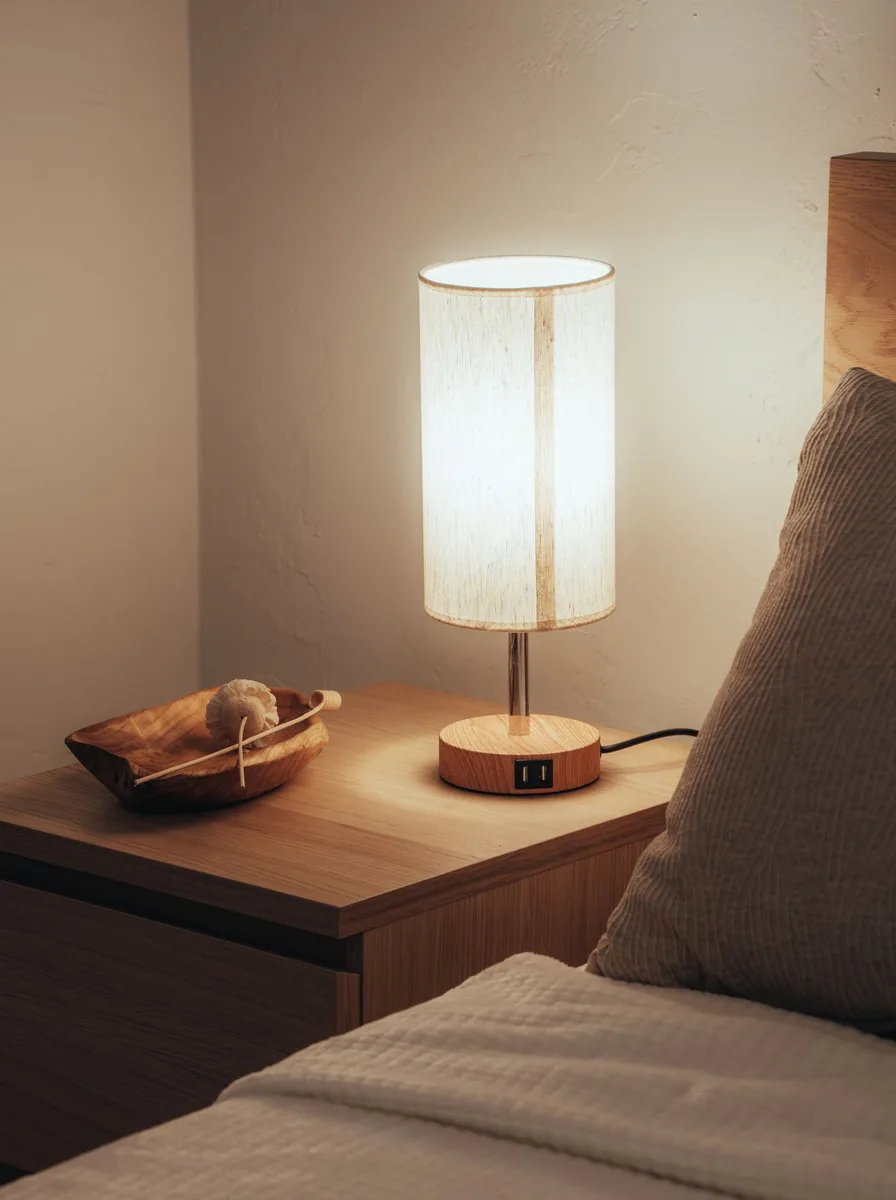
A secret luxury: paint the inside of your wardrobe a gorgeous colour. Every opening delivers a little jolt of delight — the kind of hidden detail expensive custom joinery is famous for. It costs the dregs of a paint tin. A tester pot is enough to transform a wardrobe interior — you need very little paint for a hidden surprise. Choose a colour that delights you personally; it’s your secret.
Deep green, inky blue, or warm terracotta all thrill against hanging clothes. Line shelves with pretty paper to complete the effect. It’s luxury for an audience of one — you. Line the shelves with wrapping paper or peel-and-stick liner for the full boutique effect. Every opening becomes a small moment of joy.
22. Use Books as Decor
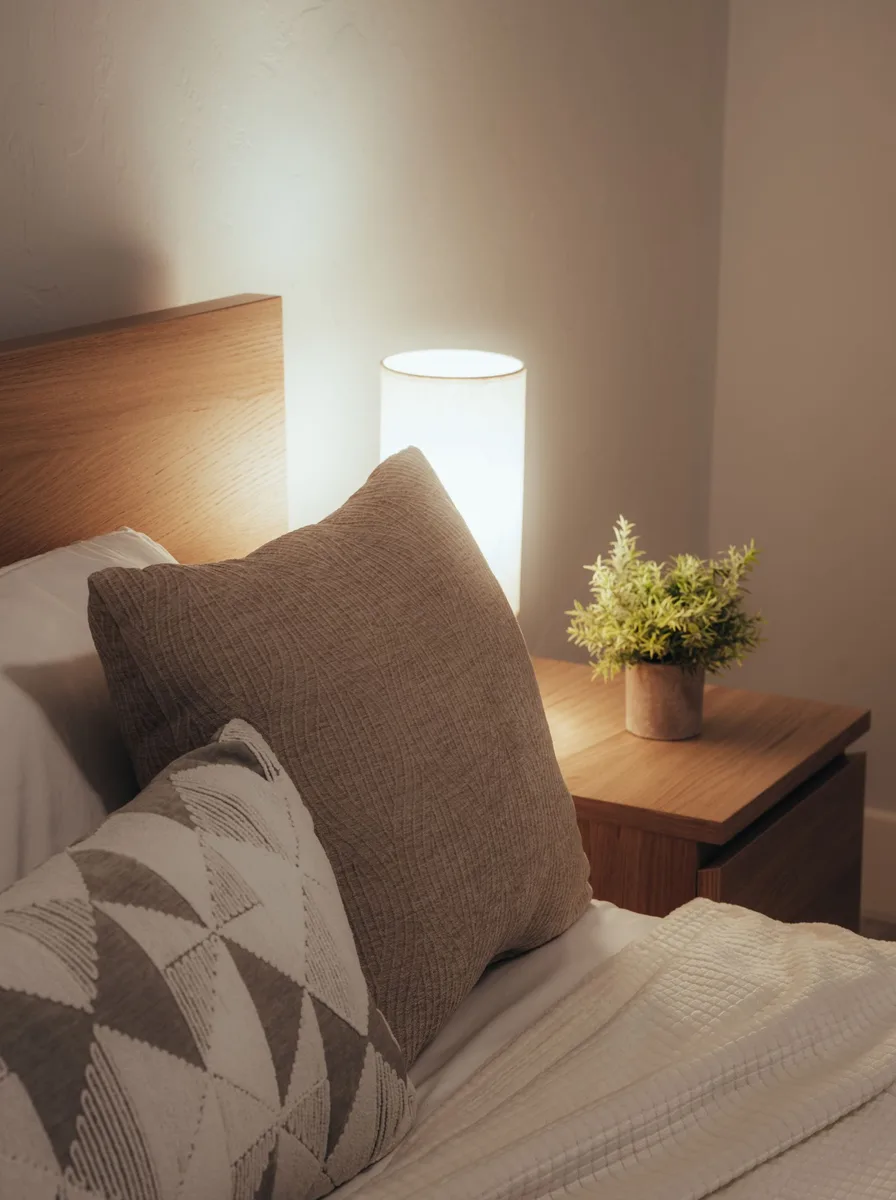
Books are the cheapest sophisticated decor: stacks of large-format books on nightstands and dressers signal cultivated taste for charity-shop prices. They add height, colour, and intellectual texture no ornament can match. Remove dust jackets to reveal often-beautiful cloth bindings underneath. Arrange by height or colour — rainbow shelves look playful, tonal shelves look elegant.
Stack largest to smallest, top with a small object. Remove dust jackets for prettier spines. A room with books feels considered — and consideration reads as luxury. Use books as risers to give small objects height in your styling. Books are the hardest-working decor: beautiful, useful, and full of ideas.
23. Add a Scent Signature
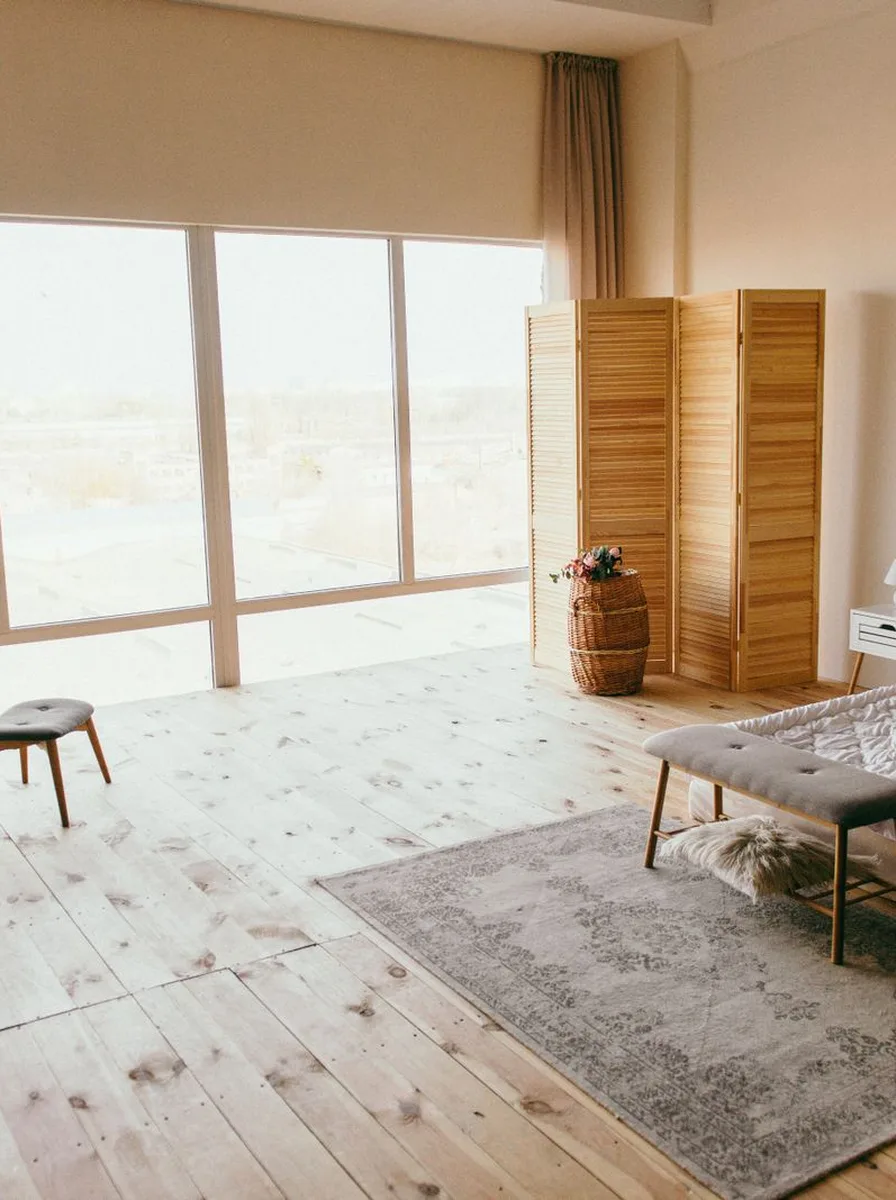
Luxury hotels all smell amazing — copy them with a reed diffuser or quality candle in a signature scent. Scent is processed emotionally; a beautiful-smelling room feels expensive before the eyes even focus. One scent, consistently used, becomes the room’s identity. Place the diffuser where air moves gently — near a doorway, not in a dead corner. Flip the reeds weekly and replace the oil monthly for consistent scent.
Decant budget diffuser oil into a pretty vessel for the full effect. Scent the bedding lightly too. Invisible, unforgettable luxury. Layer the same scent family in bedding spray for a cohesive signature. Scent is memory’s strongest trigger; choose one you’ll love for years.
24. Finish with Fresh Flowers
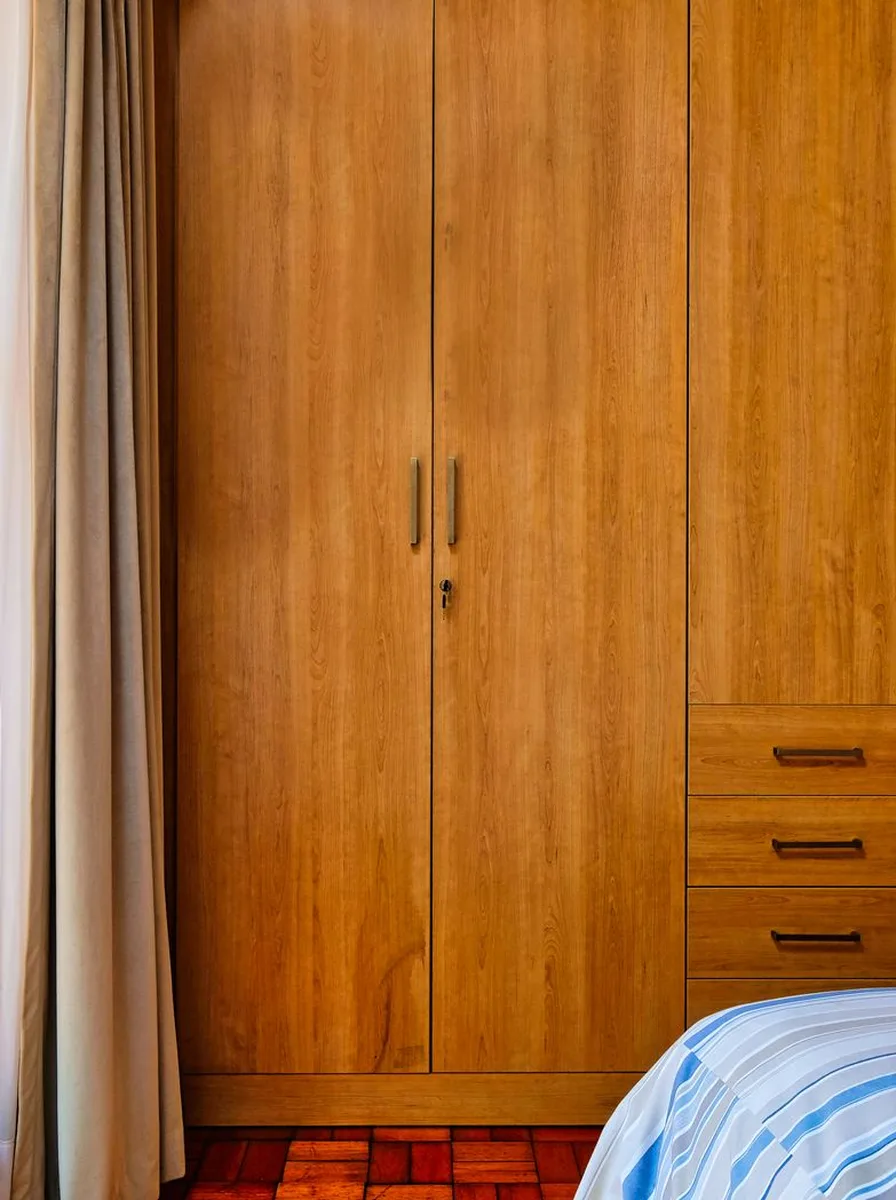
Fresh flowers are the oldest luxury signal in decorating — no expensive interior photographs without them. A supermarket bunch, split across two small vases, brings life and colour for a few pounds. It’s the finishing touch that says this room is cared for. Split supermarket bunches across several small vases rather than one big arrangement — more impact, spread around the room. Odd numbers of stems look most natural.
Even a single stem in a bud vase counts. Eucalyptus lasts weeks and scents the room. Fresh flowers are affordable luxury in its purest form. Change the water every two days and trim stems at an angle to double vase life. Even greenery alone — eucalyptus, ferns — looks elegant.

David is the home decor enthusiast behind HomeLushly. He shares practical, budget-friendly ideas for bedrooms, living rooms and seasonal decorating — from colour combinations that actually work to small-space styling tricks that make a room feel bigger. Every guide on HomeLushly is built around real photos and hands-on research, to help you make your home feel warm, personal and beautifully put together.