

A teen bedroom makeover doesn’t need a big budget — it needs a good eye. Some of the most dramatic room transformations cost less than a takeaway dinner, built on rearranged furniture, thrifted treasures, DIY art, and styling tricks that make cheap things look expensive. Money helps, but vision matters more. In fact, constraints often produce more creative results than blank-cheque budgets — when every pound has to work hard, you make bolder, smarter choices.
The budget makeover formula is simple: edit first, rearrange second, then add a few strategic new pieces. This guide walks through each step, with costs kept low throughout. By the end, you’ll have a room that looks completely new — without the receipt to prove otherwise.

Start by Editing and Rearranging
The cheapest makeover step is free: remove everything that doesn’t earn its place, then rearrange what’s left. Moving the bed to a different wall, swapping the desk position, or simply decluttering can make a room feel brand new. Designers call this “shopping your home” — rediscovering what you already own.
Free transformation steps:
● Take everything out, clean thoroughly, then only bring back what you love.
● Try the bed on a different wall — layout changes everything.
● Swap textiles between rooms for an instant fresh palette.
● Photograph each layout option; the camera shows what works.

Thrift and Secondhand Like a Pro
Thrift stores are treasure chests for bedroom makeovers: solid wood frames, mirrors, lamps, baskets, and unique decor for a fraction of retail. Go with measurements and a short list so you buy with purpose. The best finds are usually boring colours in great shapes — paint transforms them.
Thrifting strategy:
● Mirrors, frames, and lamps are the highest-value thrift categories.
● Check the furniture section for solid wood pieces to paint or restyle.
● Baskets and storage boxes cost almost nothing secondhand.
● Visit regularly — stock turns over fast and the best goes quickly.
DIY Your Wall Art
Large art is expensive in stores but nearly free to make. Abstract painted canvases, framed fabric, printed quotes in thrifted frames, or a washi-tape gallery wall all look intentional and personal. DIY art has a bonus: nobody else has exactly the same piece.
Easy art projects:
● Paint simple abstract shapes on a cheap canvas in your palette colours.
● Frame wrapping paper, fabric scraps, or pages from old books.
● Print favourite quotes and photos at a copy shop for pennies.
● Create a washi-tape grid directly on the wall — removable and free.
Paint: The Budget Miracle
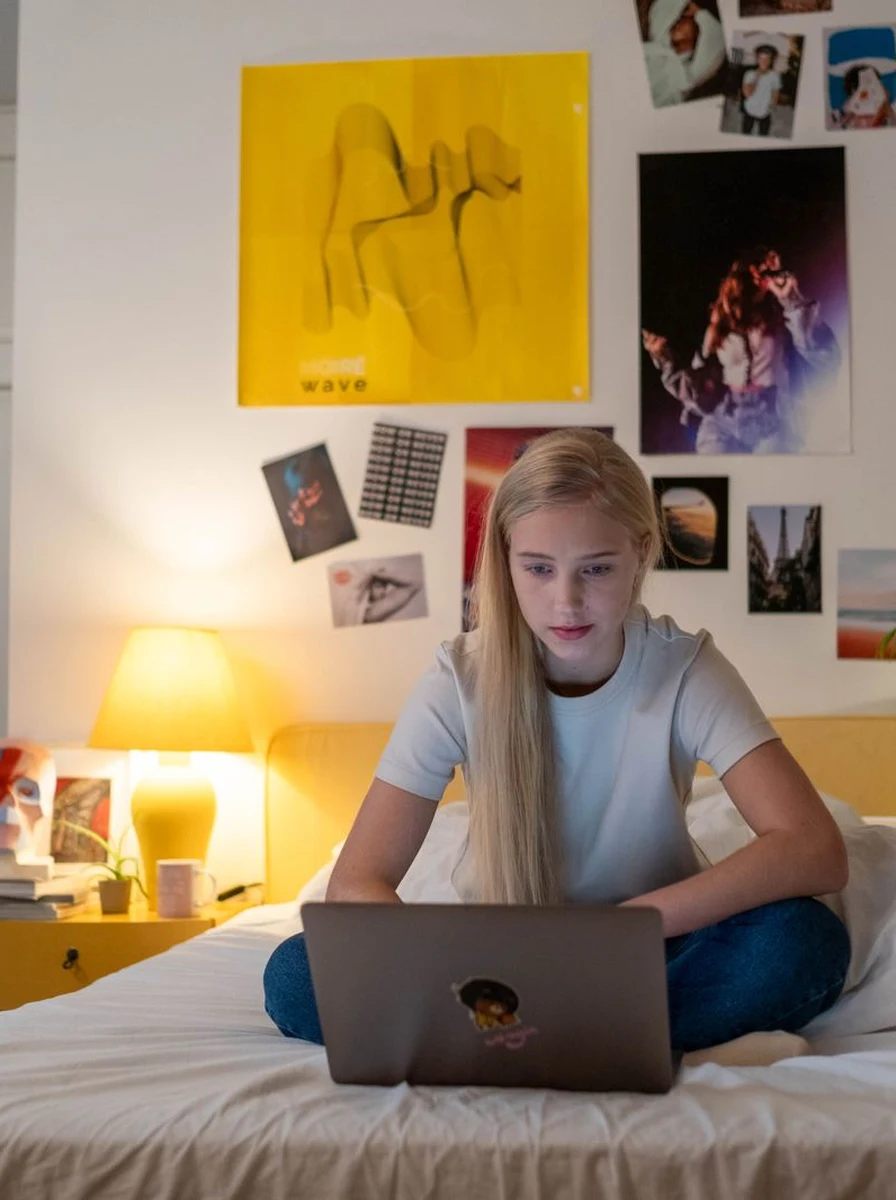
Nothing transforms a room faster per pound than paint. One accent wall, painted furniture, or even painted picture frames can shift the whole mood. Sample pots cover small projects for almost nothing, and a single litre paints a feature wall.
High-impact paint moves:
● One deep accent wall behind the bed adds instant drama.
● Paint mismatched furniture one colour to make it look like a set.
● Spray-paint old frames, lamp bases, and handles for a cohesive finish.
● Try colour-blocking: paint the bottom half of a wall for a designer look.
Upgrade Textiles Strategically
Textiles deliver the most visible change for the money. A new duvet cover, a couple of cushion covers, and a rug remnant can redefine the room’s entire palette. Focus on the largest textile surfaces first — bedding and rug — since they dominate what the eye sees.
Textile priorities:
● A duvet cover set changes the room’s colour story instantly.
● Cushion covers (not new cushions) are the cheapest style update.
● A large rug anchors the room; check remnants and secondhand first.
● Hem cheap curtains to the right length — fit matters more than fabric.
Light It Right for Pennies
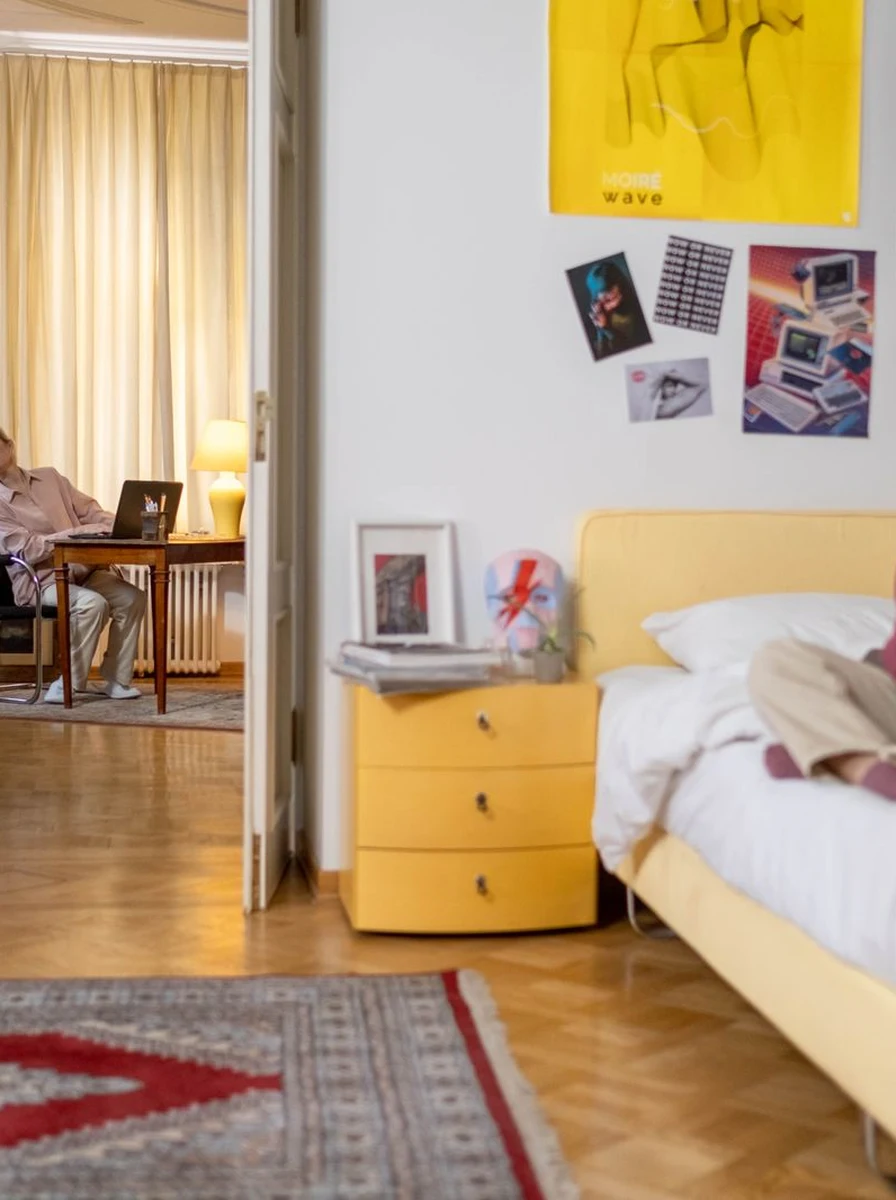
Lighting transforms mood for very little money. A string of fairy lights, a thrifted lamp with a new shade, and warm bulbs throughout will make even an unchanged room feel completely different after dark. Good lighting makes budget decor look deliberate.
Cheap lighting wins:
● Fairy lights are the highest cosiness-per-pound purchase in existence.
● Thrift lamps plus a new shade look brand new.
● Warm LED bulbs in every fixture unify mismatched lamps.
● Battery candles give glow without wiring or fire risk.
Style What You Have
Styling — the art of arranging — costs nothing and changes everything. Group objects in odd numbers, vary heights, leave breathing room, and corral small items on trays. A styled shelf of things you already own looks more expensive than a cluttered shelf of new purchases.
Free styling rules:
● The rule of three: group decor in threes for a curated look.
● Vary heights with books or boxes under shorter objects.
● Leave 30% of every shelf empty — space reads as luxury.
● Rotate displayed items seasonally to keep the room feeling fresh.
● Take a photo of each styled shelf — if it looks good small, it looks good in person.
Spend Where It Shows
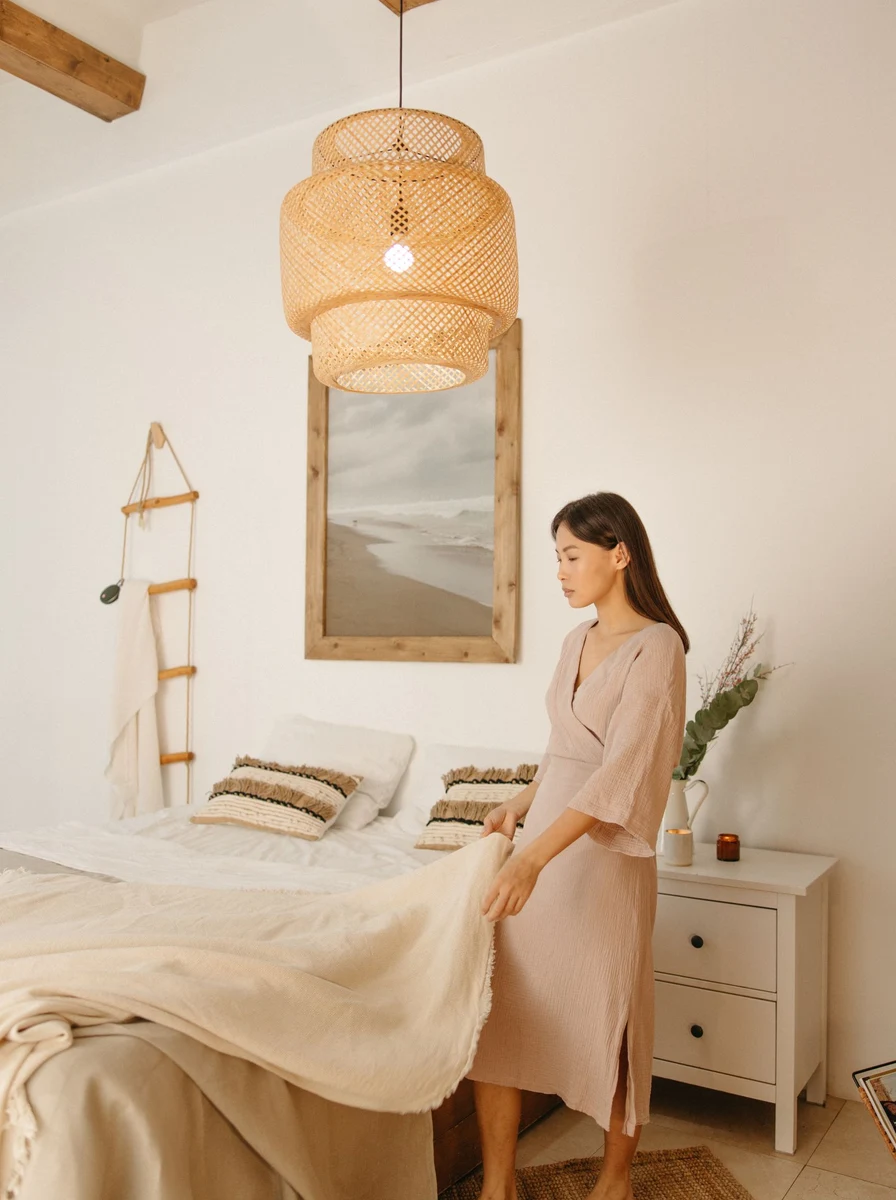
With a limited budget, allocate ruthlessly: spend on what you see and touch most. Bedding, lighting, and one statement piece give the biggest return. Save on things nobody notices — the inside of drawers, the back of the wardrobe, premium hangers.
Smart budget allocation:
● Bedding first — it’s the room’s largest visual surface.
● Lighting second — it changes how everything looks.
● One statement piece third — art, mirror, or rug.
● Everything else: thrift, DIY, or wait until the budget recovers.
● Keep a running wishlist; buying slowly beats buying twice.