
A minimalist teen bedroom is calm in a chaotic world.
Clear surfaces, a quiet palette, and only what you love — it is a room that helps you think, rest, and breathe. Minimalism is not empty; it is edited.
The minimalist formula is less but better, plus hidden storage.
Every item earns its place through function or joy. Neutral colors, natural materials, and clean lines create the calm; clever storage keeps it that way. What is out of sight keeps the mind quiet.
This guide gathers 24 elegant minimalist teen bedroom ideas for a calm and stylish room, each with a real-room photo and practical tips.
From decluttering to palette discipline to serene styling, you will learn how to create calm — and keep it.
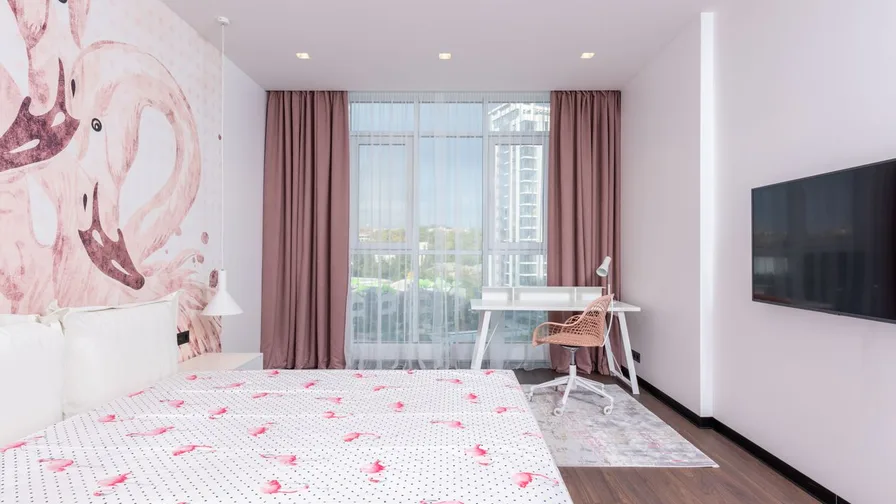
1. Declutter Ruthlessly First

Minimalism starts with editing — remove everything that does not serve or delight. Sort into keep, donate, relocate. A calm room cannot be built on clutter.
Do one category at a time: clothes, then books, then decor. If you have not used it in a year, it goes. The first purge is the hardest and most transformative.
2. Choose a Neutral Palette
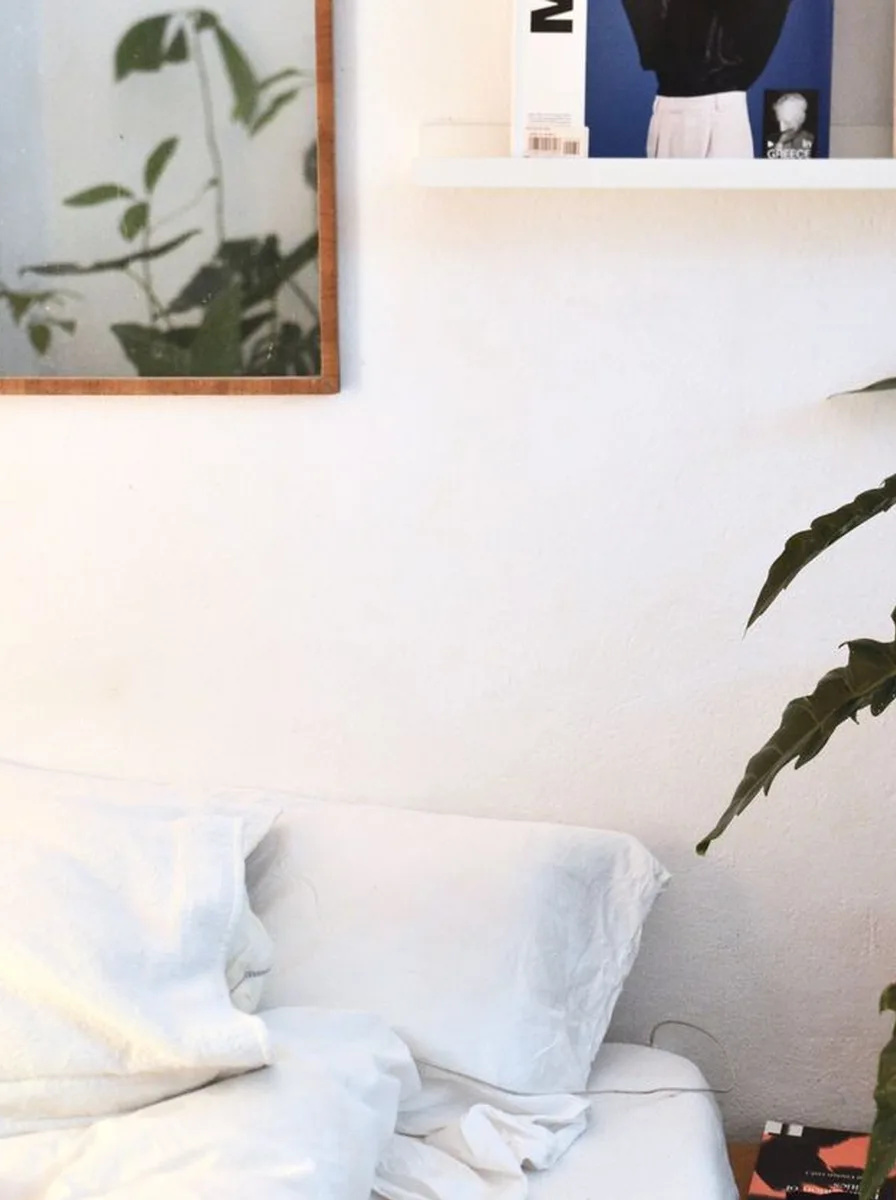
Whites, creams, beiges, soft greys — neutrals are minimalism’s language. They create the calm, cohesive backdrop. One palette throughout keeps the eye at rest.
Warm neutrals feel cozier than cool ones for bedrooms. Add depth with shades, not new colors. A neutral room makes colorful belongings pop intentionally.
3. Use Hidden Storage Everywhere

Minimalism survives on hidden storage — if everything has a closed home, surfaces stay clear. Drawers over shelves, boxes over piles. Out of sight is the whole strategy.
Under-bed drawers, ottoman storage, closed nightstands. Label inside boxes so hidden does not mean lost. The goal: clear surfaces in under five minutes.
4. Pick a Simple Platform Bed

A low, simple platform bed is the minimalist bed — clean lines, no ornament, quiet presence. Natural wood or neutral upholstery. It anchors the room without dominating.
Skip the footboard for visual lightness. Neutral bedding keeps the calm. Under-bed clearance either stores things or stays visibly clean.
5. Keep Surfaces Nearly Clear
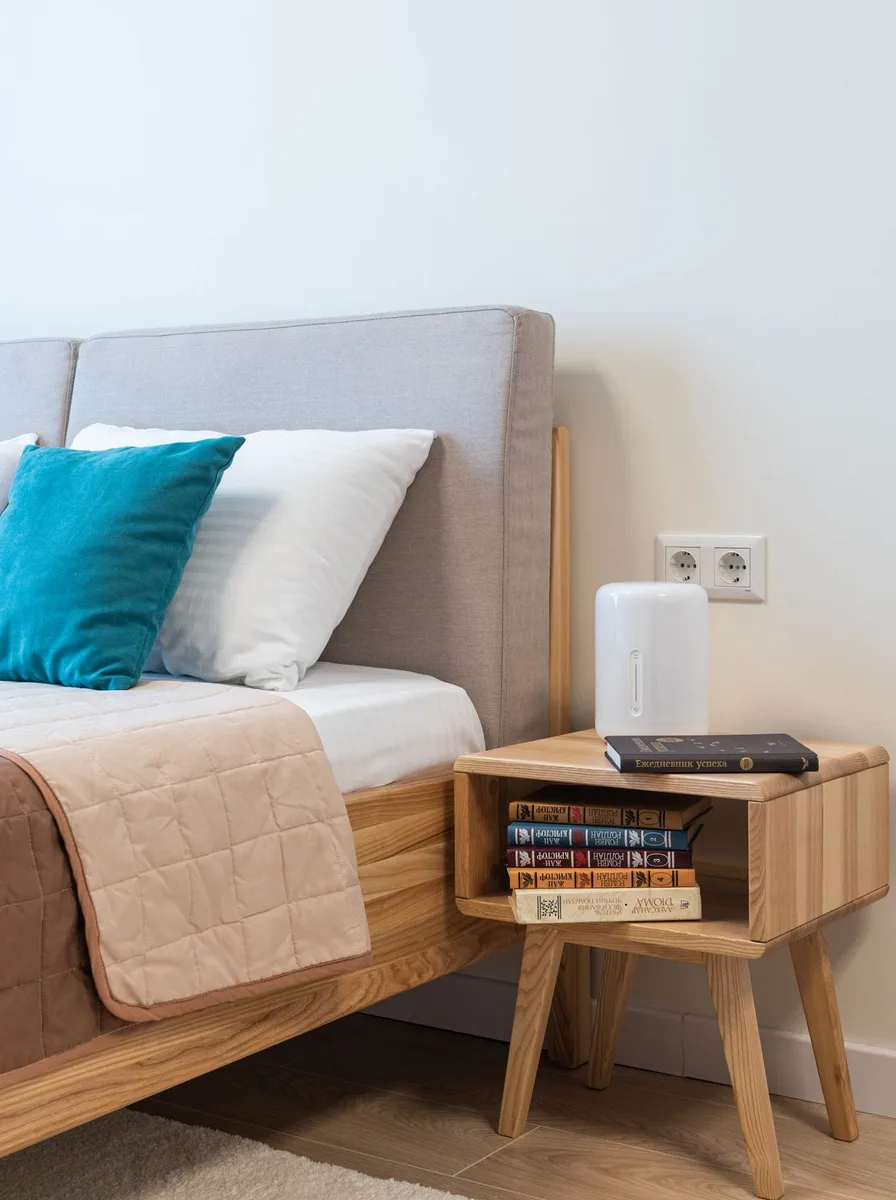
Clear surfaces are minimalism’s signature — a nightstand with just a lamp and a book. Every object on display is a decision. Less visual noise means a quieter mind.
Use the one-in-one-out rule for surfaces. Corral small necessities on a single tray. Photograph surfaces monthly to catch creep.
6. Use One Piece of Art
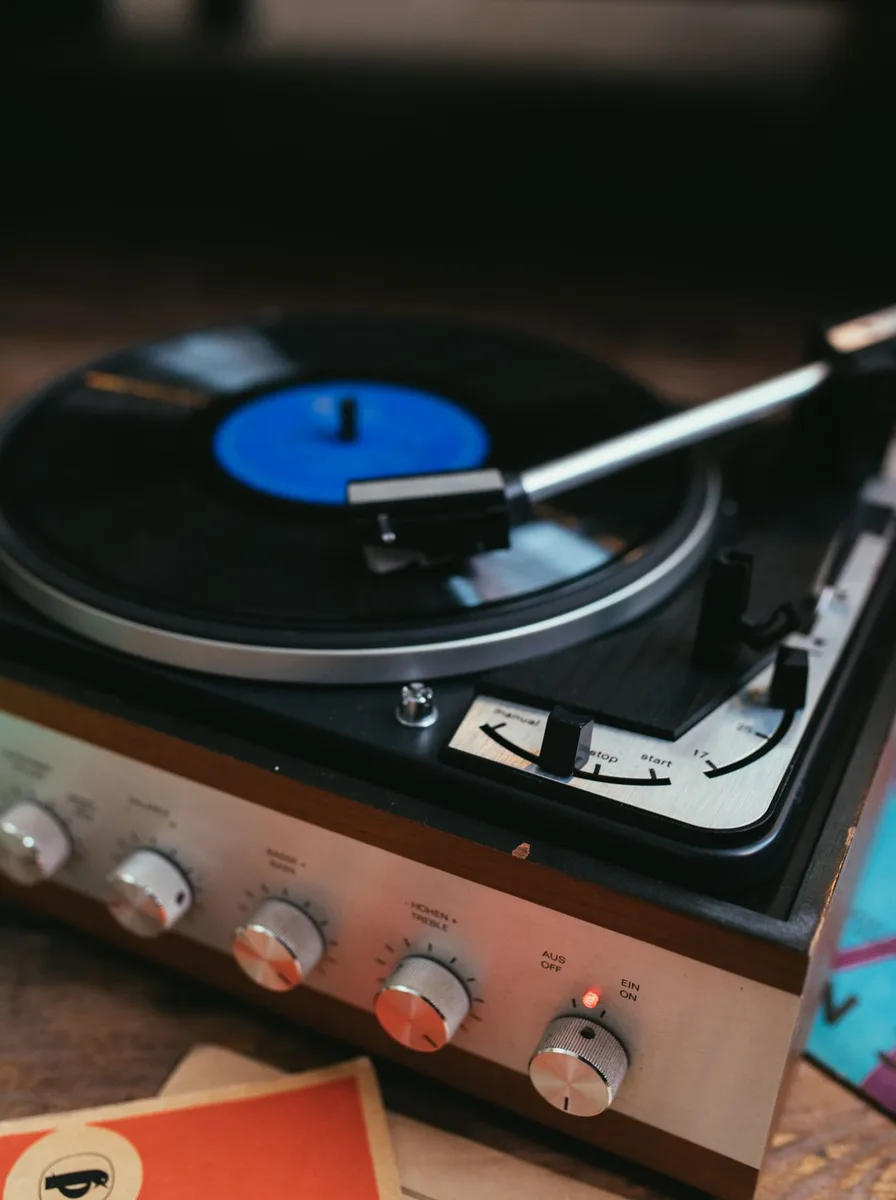
One well-chosen art piece gives a minimalist room its soul — calm does not mean characterless. A large abstract or photograph in your palette. Let it breathe with empty wall around it.
Hang it at eye level where you see it most. Simple frames — thin black, natural wood. One piece means it must be one you love.
7. Choose Quality Over Quantity Bedding
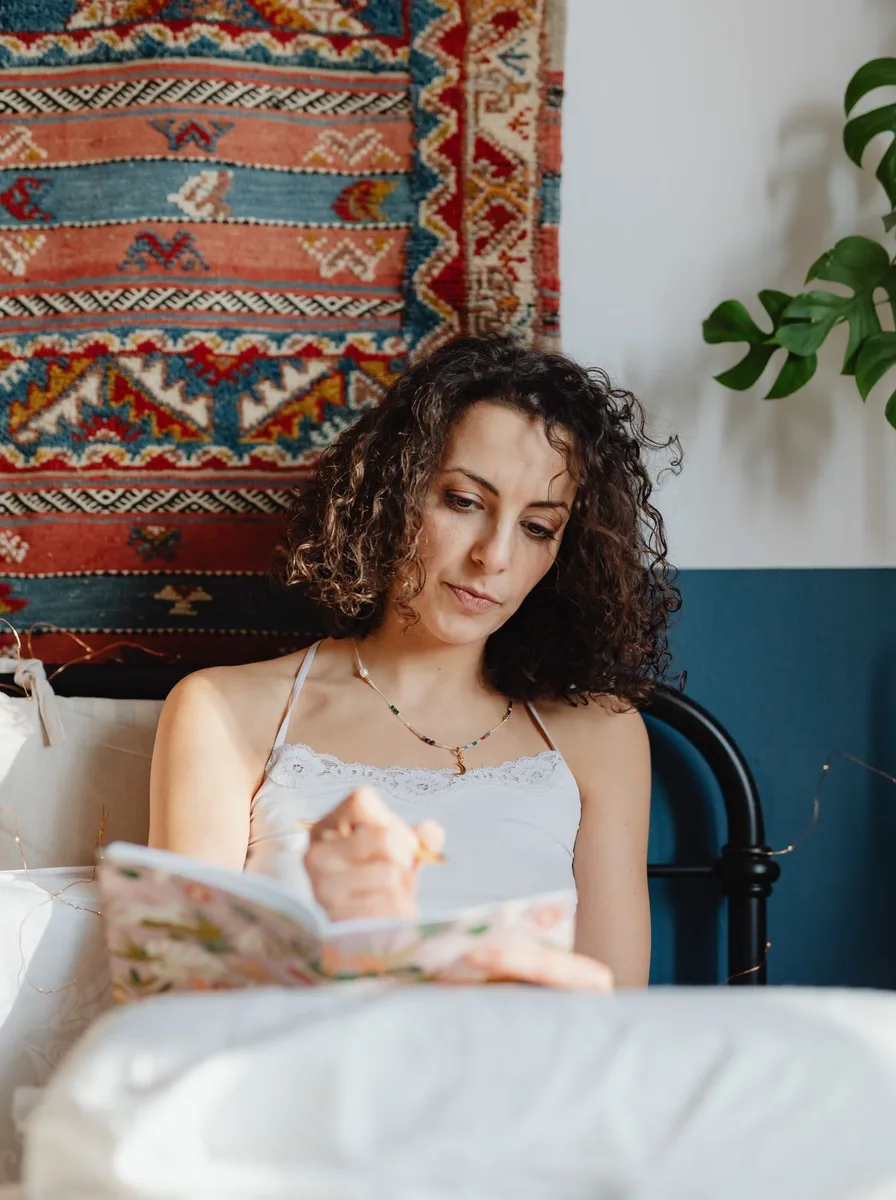
Fewer, better bedding pieces — one good duvet, two good pillows — look and feel more luxurious than piles. Minimalist beds are made simply and crisply. Quality fabric is the decoration.
White or neutral bedding is the classic. Wash weekly; minimalism shows everything. A single textured throw adds interest without clutter.
8. Add One Plant

One beautiful plant adds life to minimalism — green against neutrals is striking. A sculptural snake plant or olive tree in a simple pot. Living things keep minimalism warm.
Choose something you can keep alive — snake plants forgive. A plain ceramic or concrete pot suits the aesthetic. One plant is a feature; five is a collection.
9. Use Natural Materials
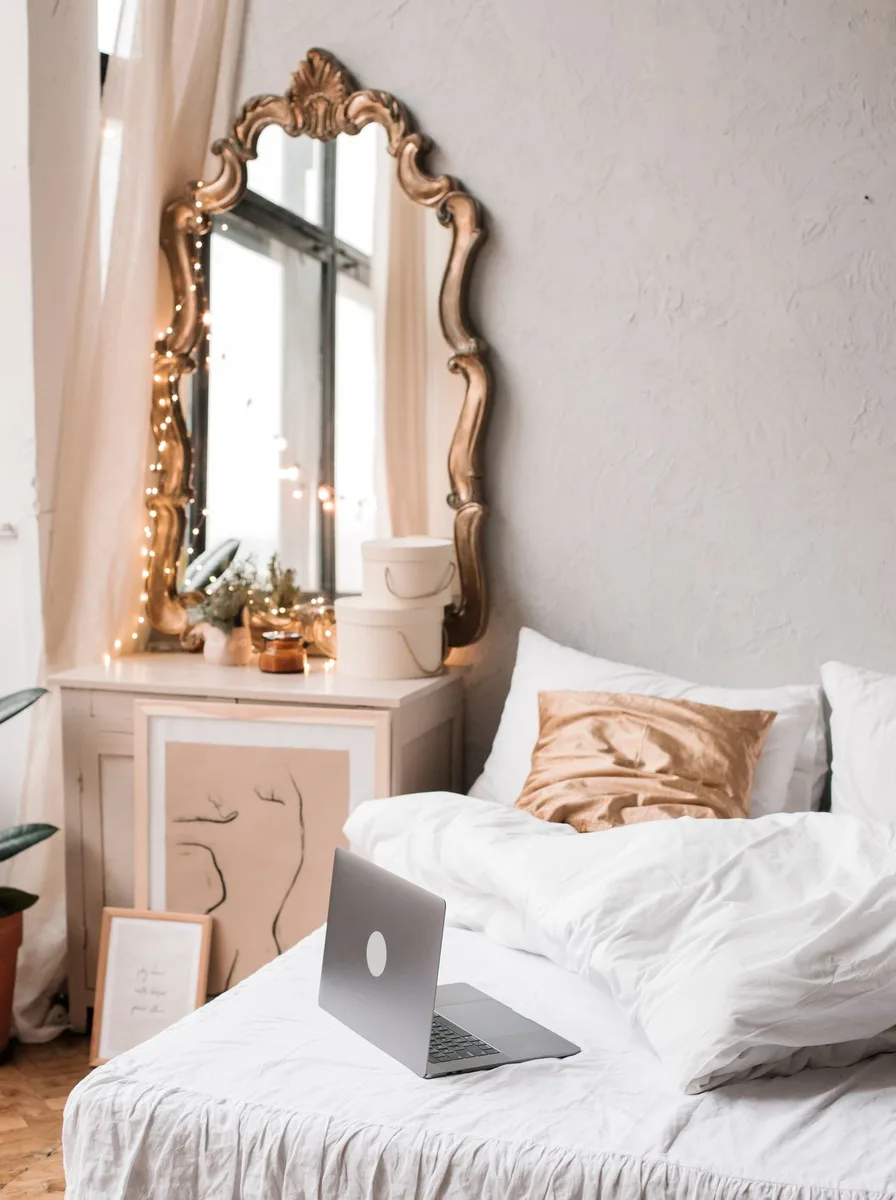
Wood, linen, wool, stone — natural materials add warmth that minimalism needs. They provide texture and variation within a quiet palette. Nature does not do clutter.
A wooden bench, linen curtains, a wool rug — each adds organic calm. Keep finishes matte and honest. Natural materials age beautifully.
10. Conceal the Desk Clutter
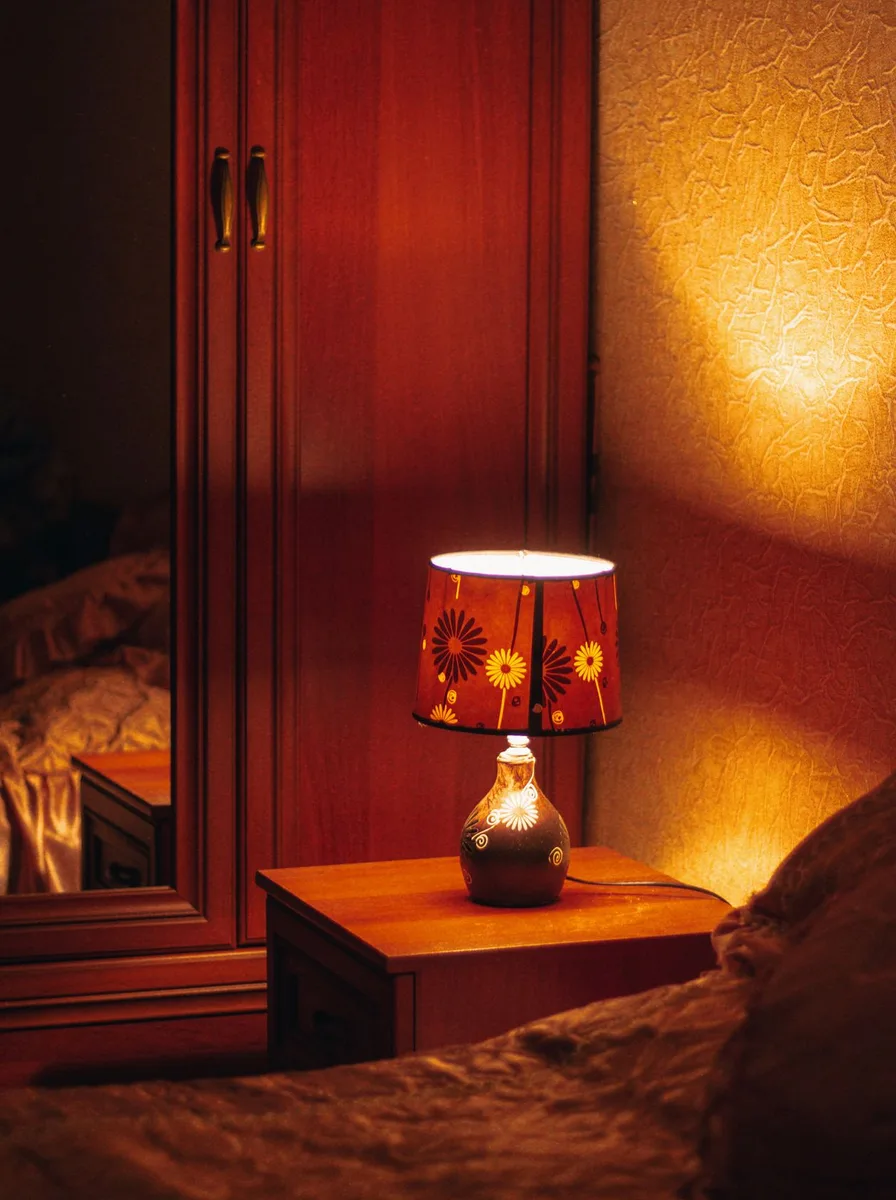
A minimalist desk hides its workings — closed drawers, a cable tray, nothing on top but the current project. Clear desk, clear mind is real. Shut drawers at day’s end.
A desk with drawers beats a table-desk for minimalism. Use a desk organizer inside, not on top. The laptop closes and slides away.
11. Use Soft, Diffused Lighting
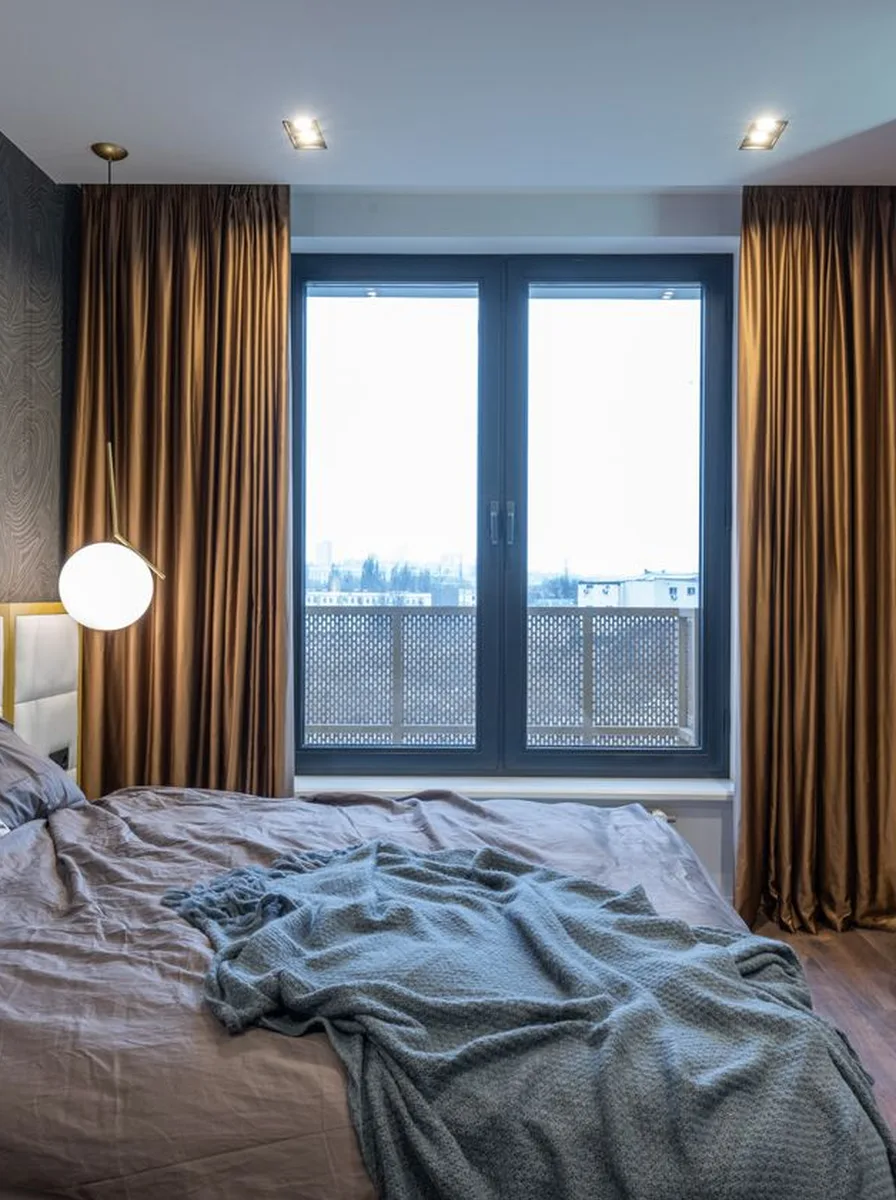
Harsh overheads kill calm — soft, layered, diffused light creates it. Paper lanterns, fabric shades, and dimmers. Light should glow, not glare.
A paper floor lantern is minimalist lighting icon. Dimmers on everything. Warm bulbs only — 2700K max.
12. Choose Low Furniture
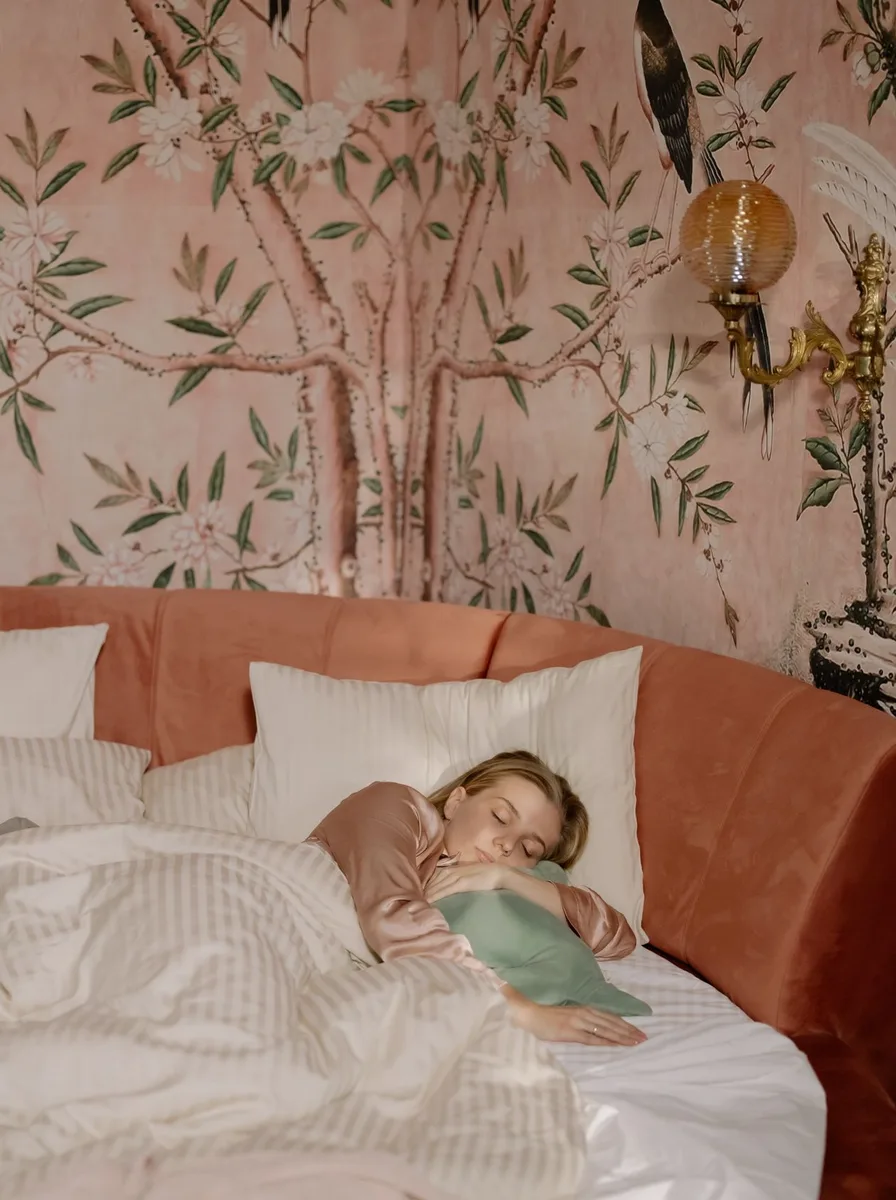
Low-profile furniture makes ceilings feel higher and rooms calmer — less visual mass. Low beds, low dressers, floor cushions. The horizon line drops and the room breathes.
Keep the tallest piece under four feet if possible. Low furniture suits small rooms especially. It also forces the low-clutter habit.
13. Limit Decor to Meaningful Pieces
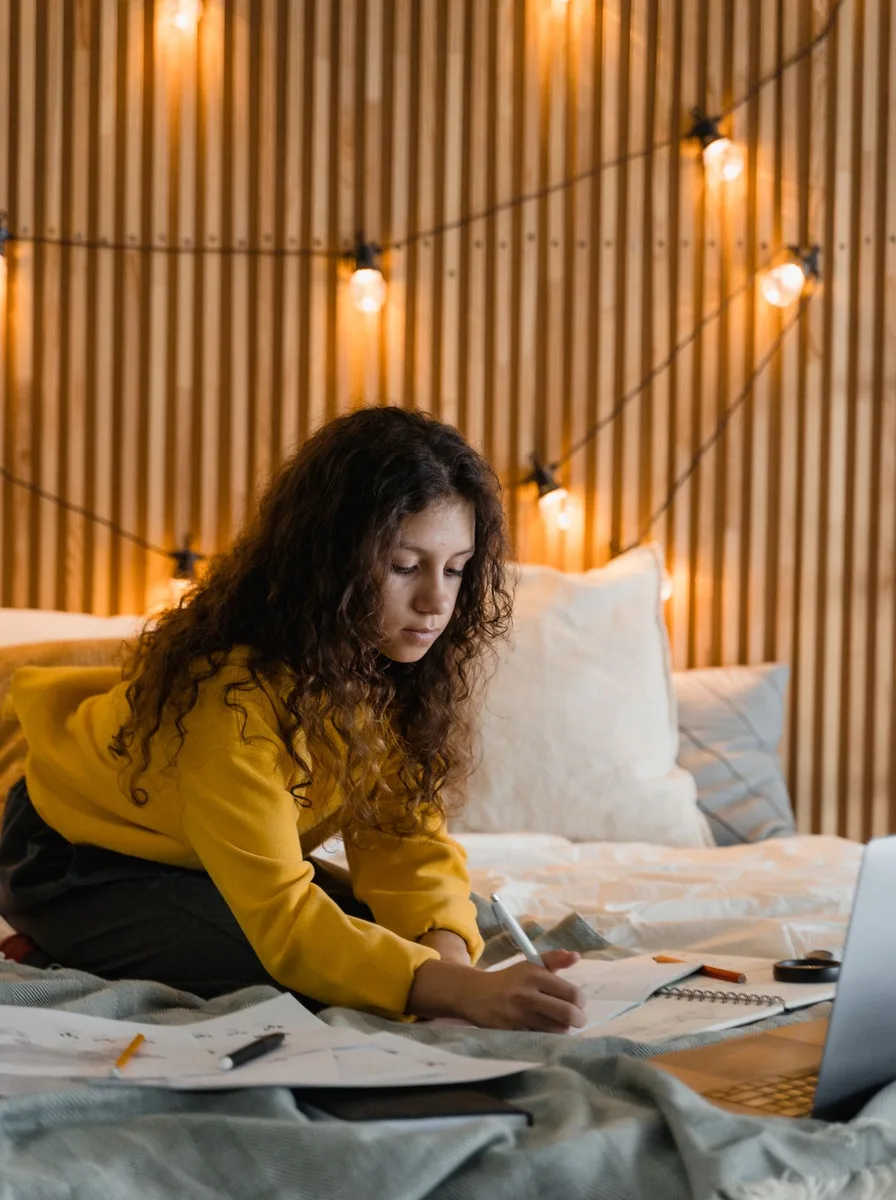
Minimalist decor is only what you love — three meaningful objects beat thirty pretty ones. Each piece should earn its surface. Sentiment over stuff.
Rotate seasonal favorites instead of accumulating. One shelf for display, styled sparsely. If it does not move you, it does not stay.
14. Use a Monochrome Scheme
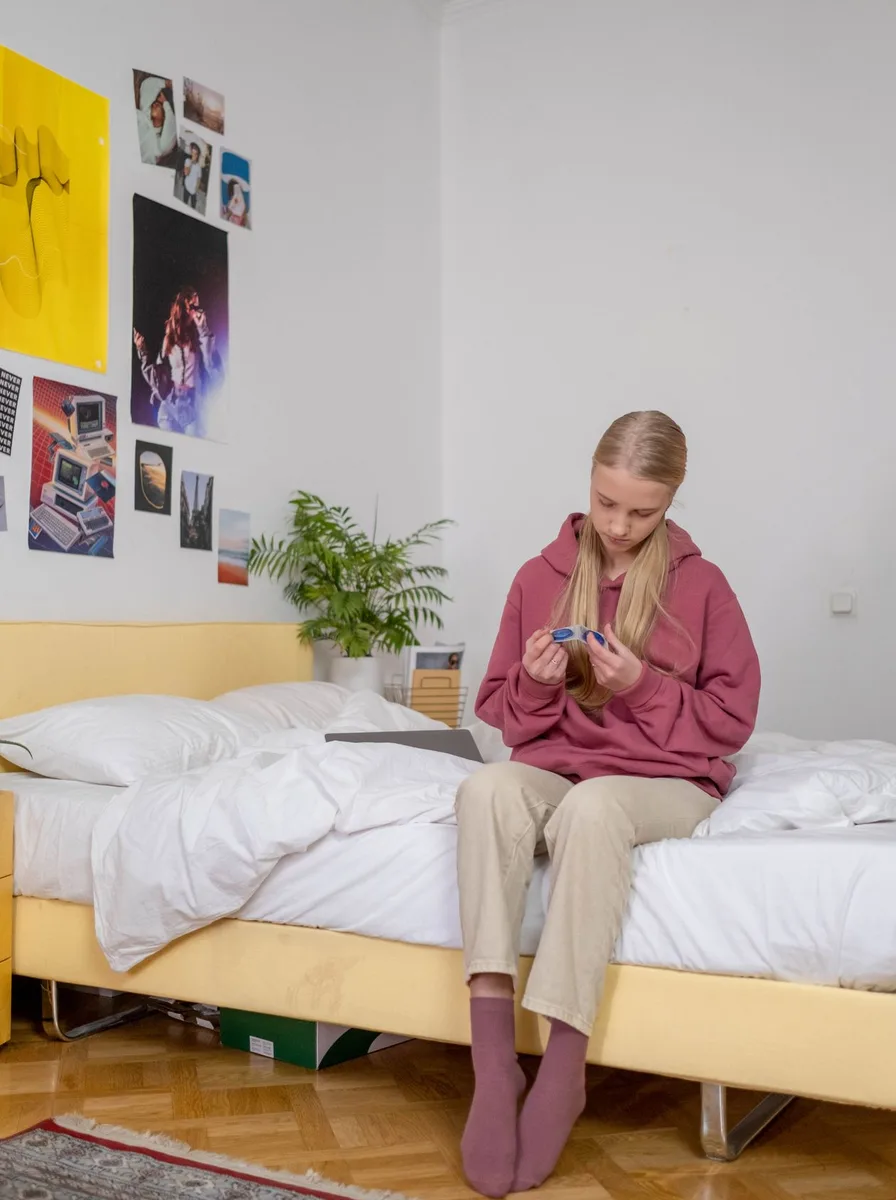
One color, many shades — all-white, all-beige — is minimalism at its purest. It is serene, sophisticated, and foolproof. Texture does all the talking.
Layer whites: bright, cream, oatmeal. Add one natural wood tone for warmth. Monochrome makes small rooms feel larger.
15. Keep the Floor Mostly Bare
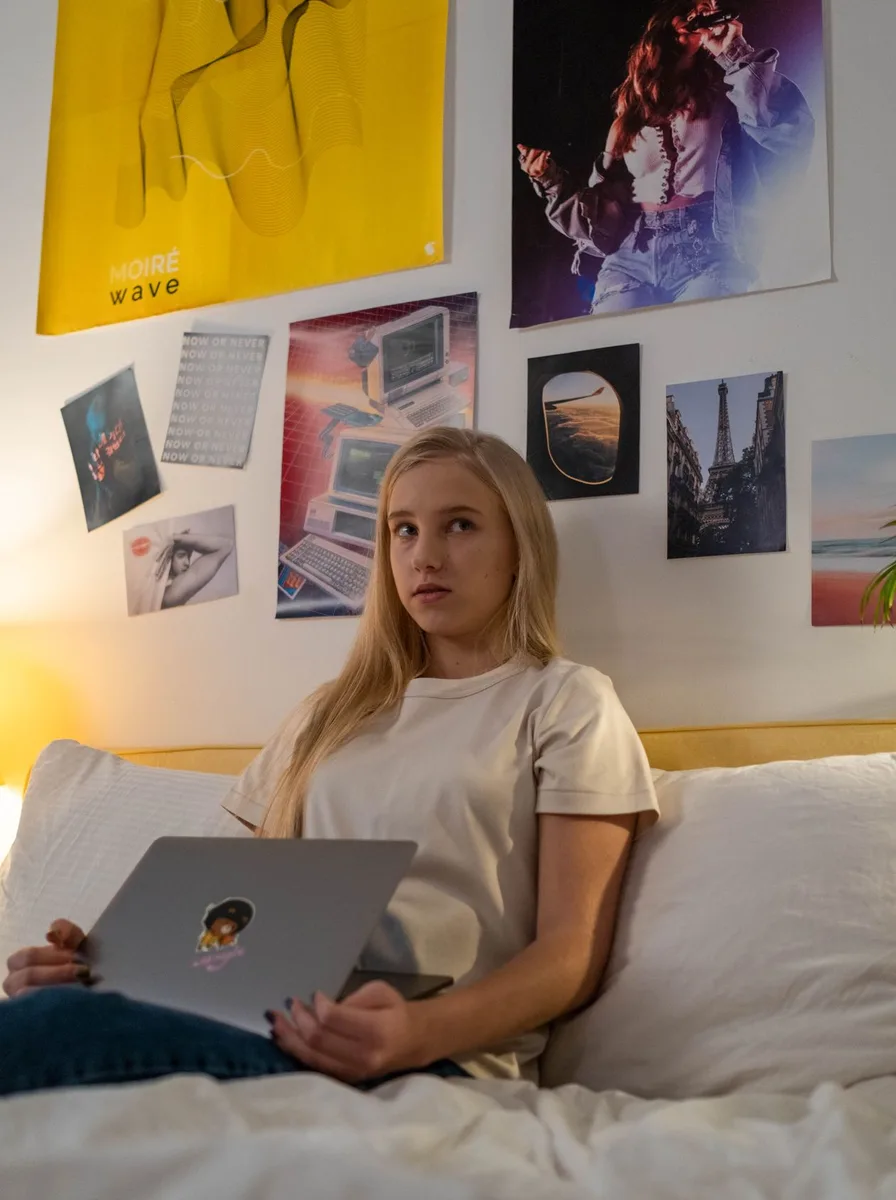
Minimalist floors show themselves — one rug or none, no obstacle course. Visible floor equals visual calm. It also makes cleaning effortless.
A single flat-weave rug defines the bed zone. Bare wood or neutral carpet is fine alone. Fewer floor objects means fewer dust traps.
16. Use Streamlined Storage Boxes
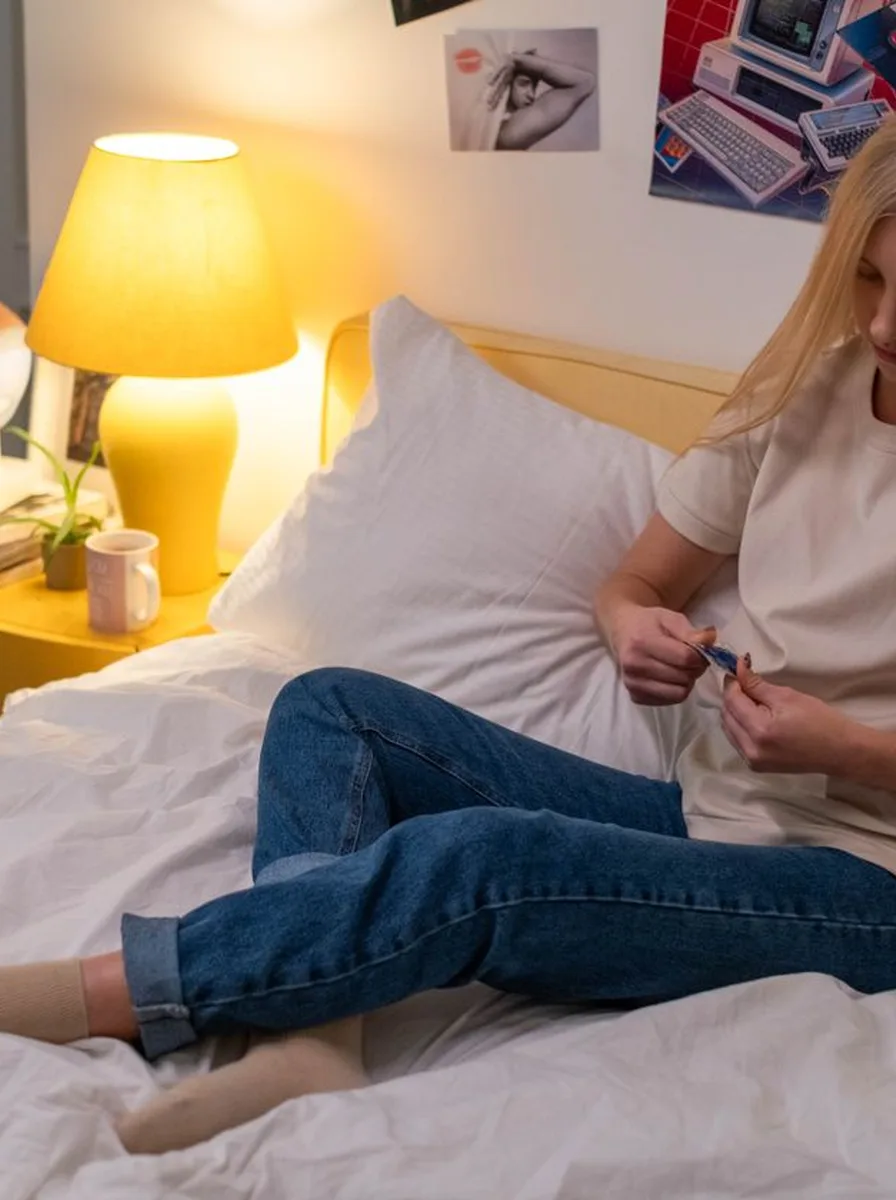
When storage must show, make it beautiful — matching boxes in neutral tones. Uniform containers read as design, not clutter. Labels keep them functional.
Same boxes, same color, everywhere. Linen or matte finishes suit minimalism. Stack neatly; alignment matters.
17. Choose a Simple Rug
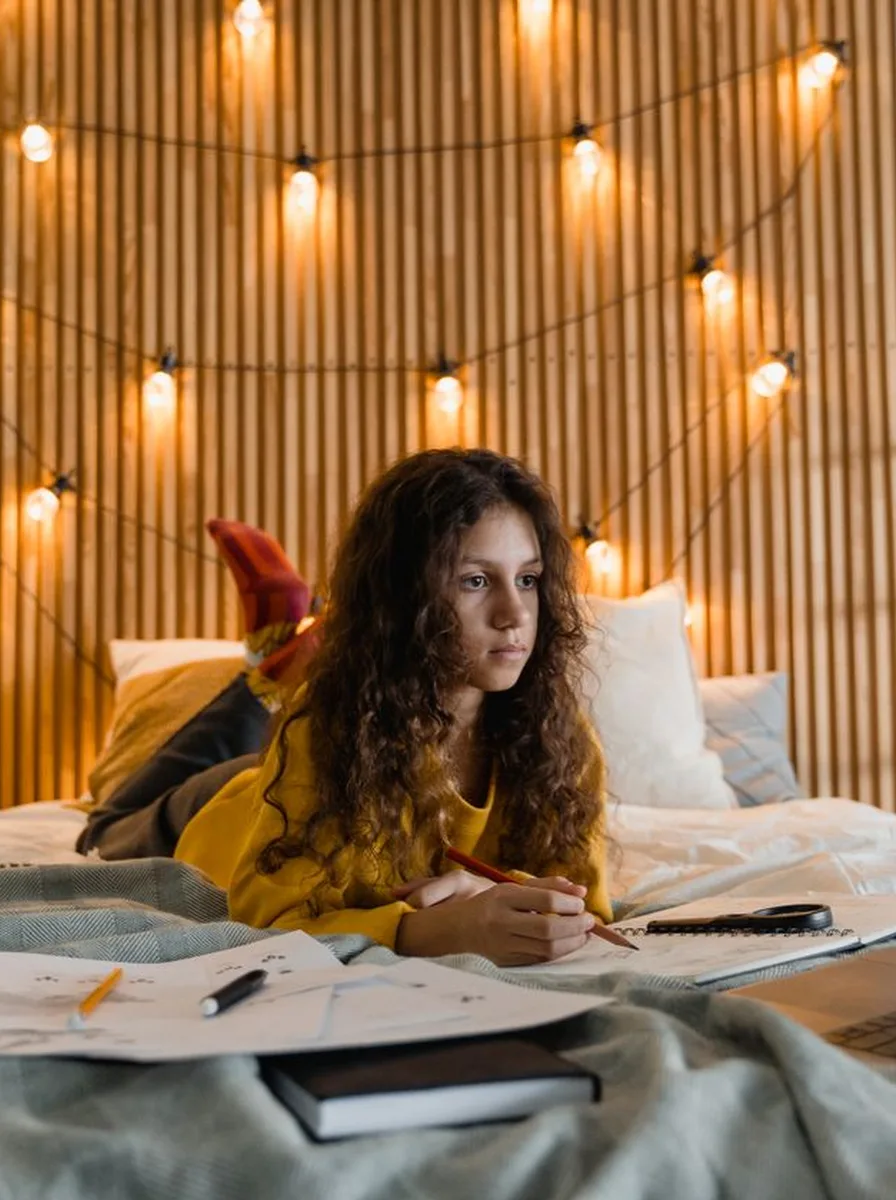
One simple rug — flat-weave, neutral, subtle pattern — grounds the room quietly. It should whisper, not shout. Texture over pattern.
Natural fibers: wool, cotton, jute. Size it to the bed zone. A good rug pad keeps it flat and safe.
18. Minimize Wall Decor
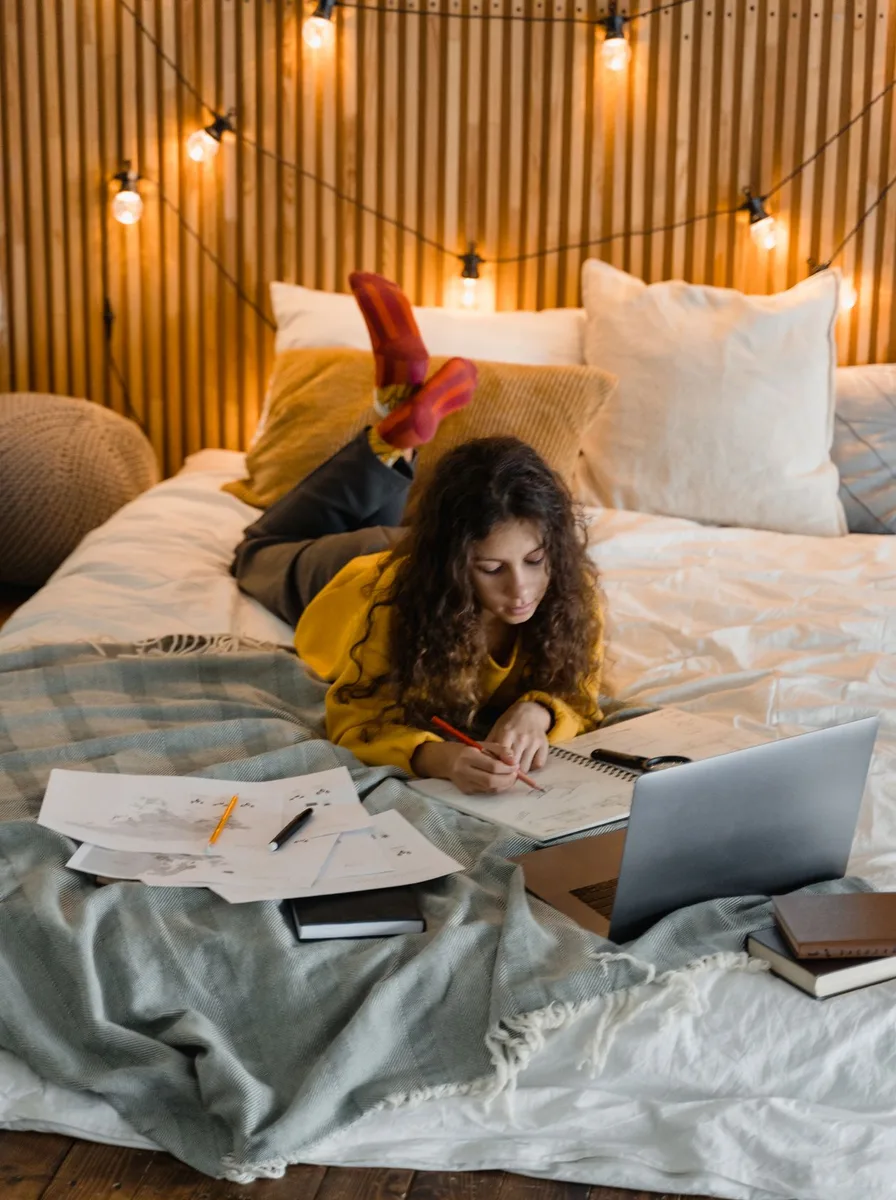
Bare walls are a minimalist feature — every empty expanse is intentional calm. One art piece, one mirror, done. Resist filling for filling’s sake.
If a wall feels bare, live with it a week before adding. Negative space is the luxury. Photograph to check balance.
19. Use a Capsule Wardrobe Approach
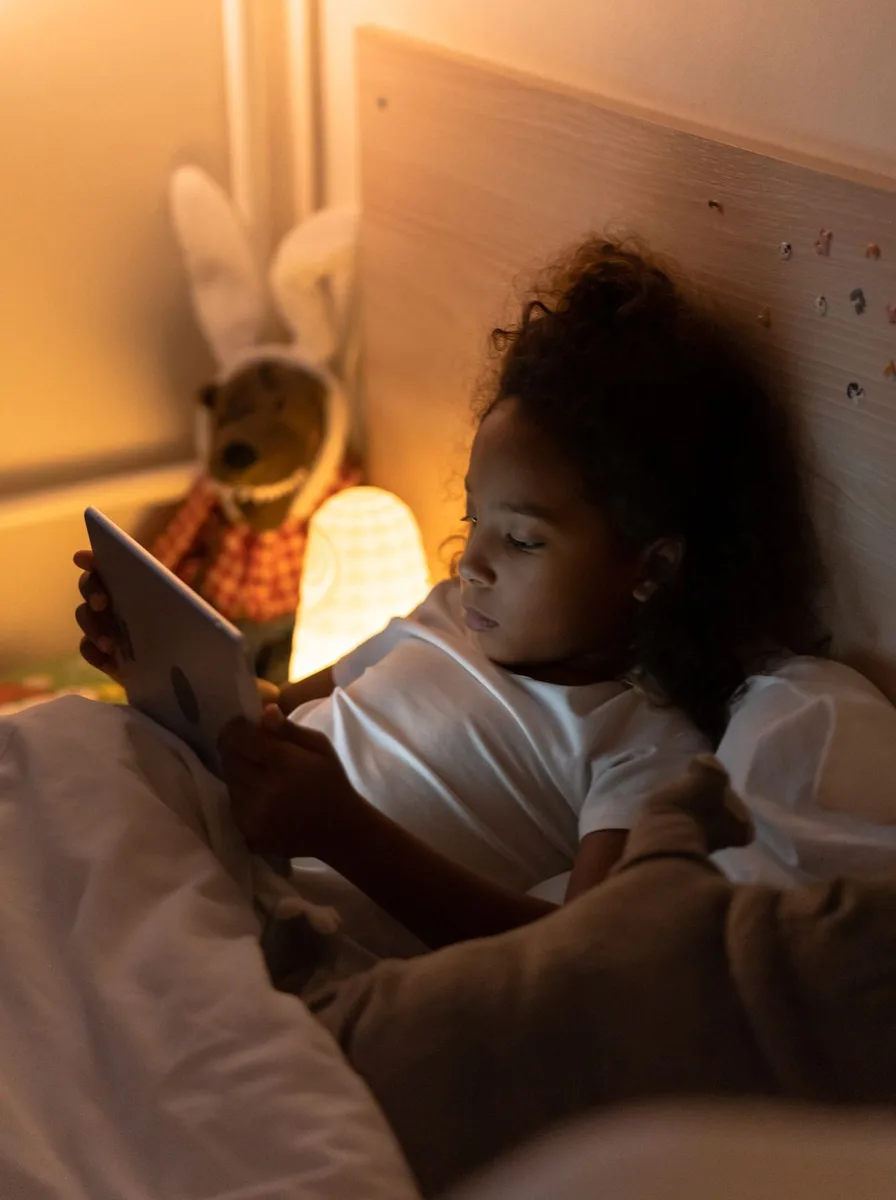
Fewer clothes, all loved, all fitting — the wardrobe version of minimalism. An unstuffed closet is calming and makes mornings easier. Quality over quantity applies.
Donate what does not fit or flatter. Matching hangers complete the calm. A small, loved wardrobe beats a bursting one.
20. Add Subtle Scent
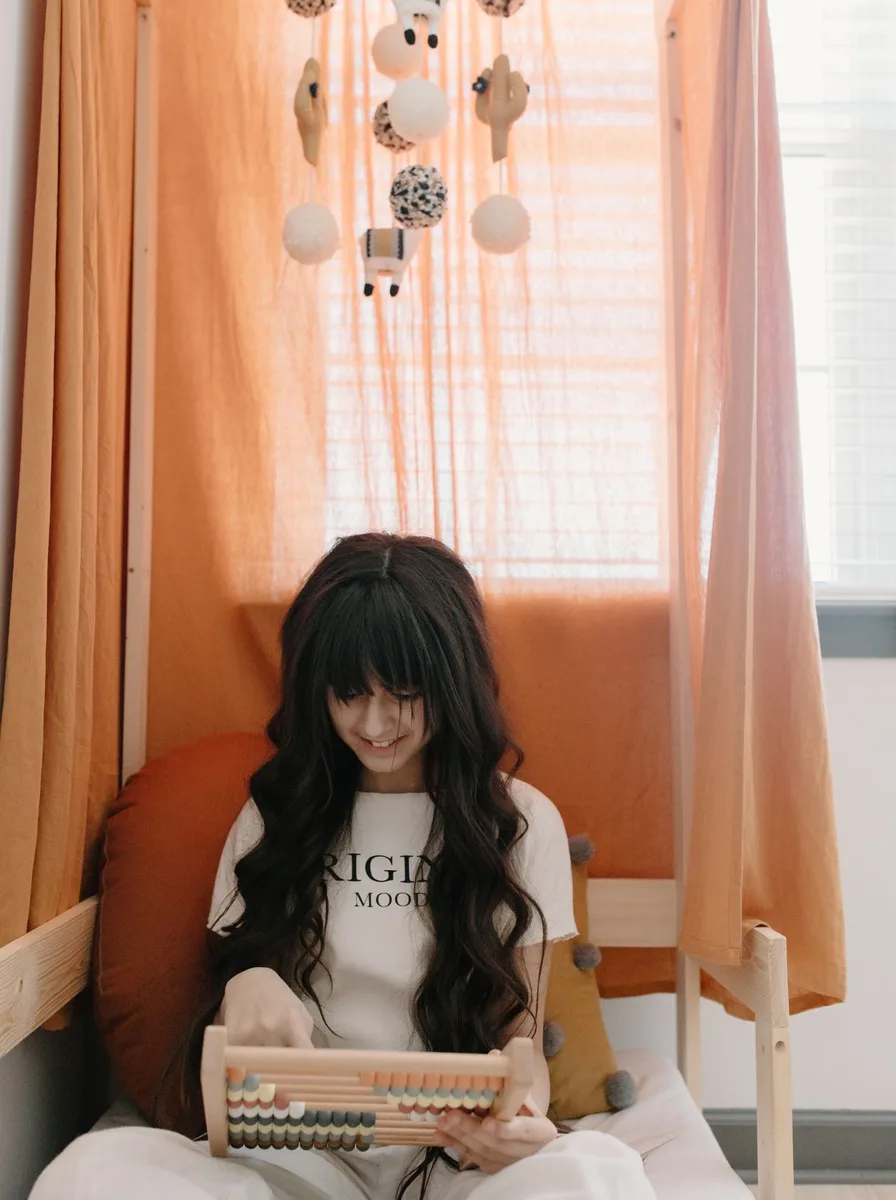
A barely-there scent — clean linen, white tea — completes the calm without announcing itself. Minimalism smells like nothing much, pleasantly. Subtle is the point.
A reed diffuser on low, or nothing at all. Avoid heavy or sweet scents. Fresh air from an open window is the most minimalist scent.
21. Use Frosted or Sheer Curtains
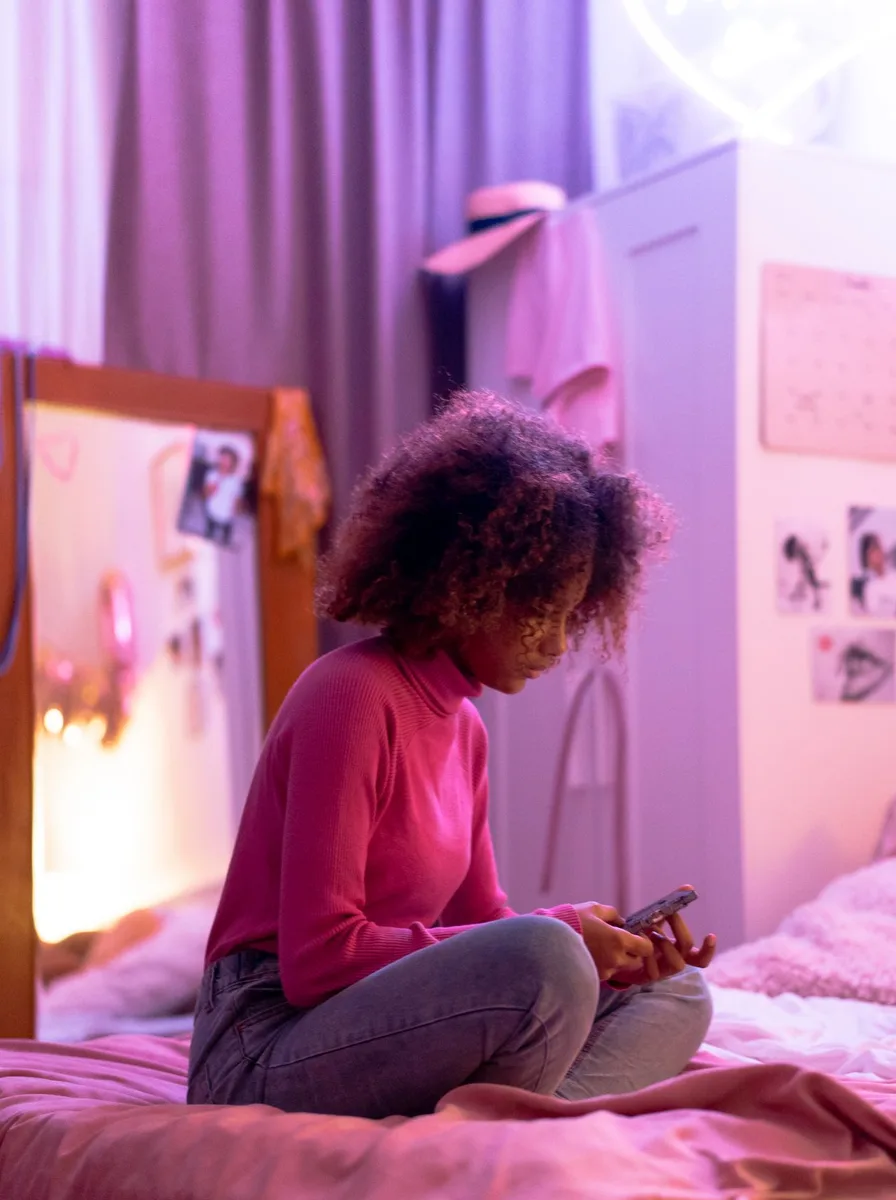
Sheer curtains filter light into softness — privacy without heaviness. They keep the room bright and airy. Minimalism loves light.
White or natural sheers, ceiling-hung. Layer over blackout blinds for sleep. Sheers soften the window’s hard lines.
22. Create a Tech-Free Corner
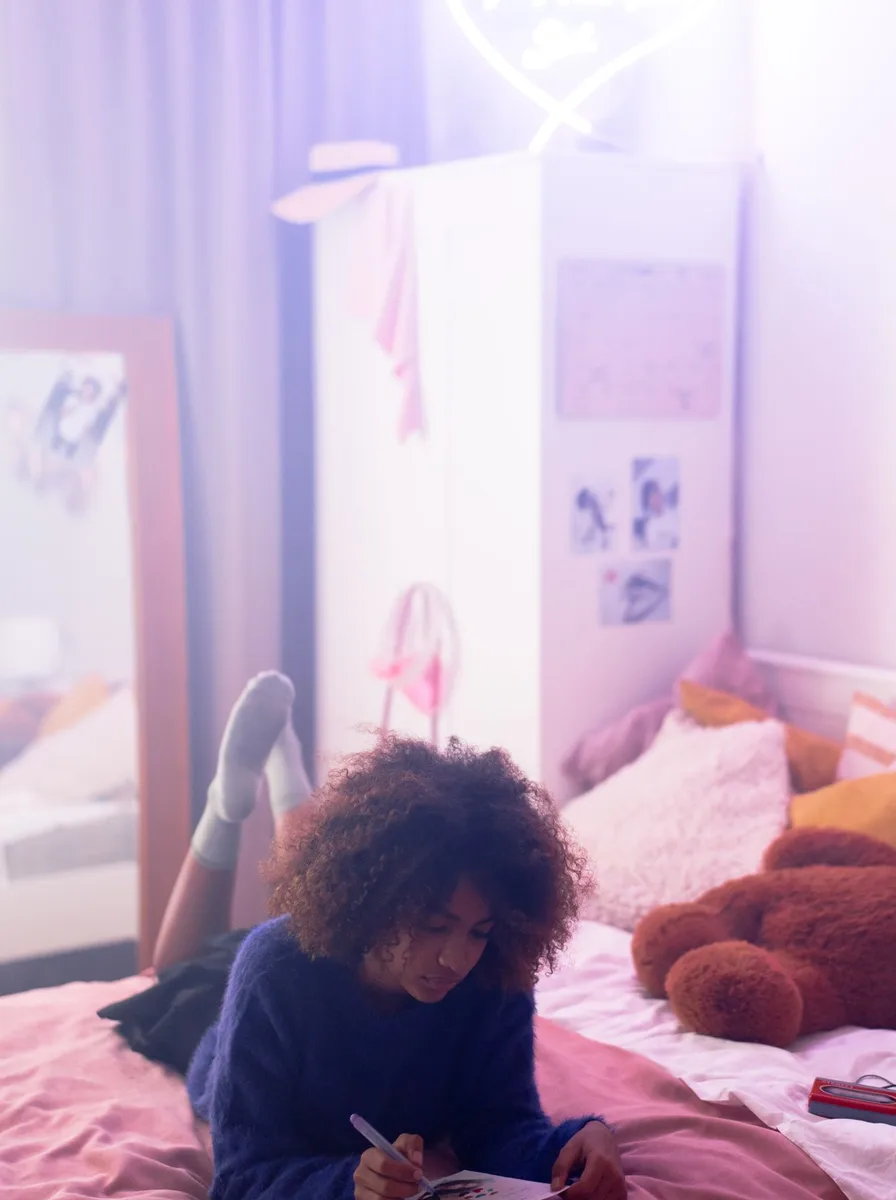
A small corner with a chair, plant, and books — no screens — is minimalism’s gift to a teen. It is a retreat within a retreat. Even ten minutes there resets.
Face it toward the window. Keep a book and journal there. No chargers allowed — that is the rule.
23. Do a Monthly Edit
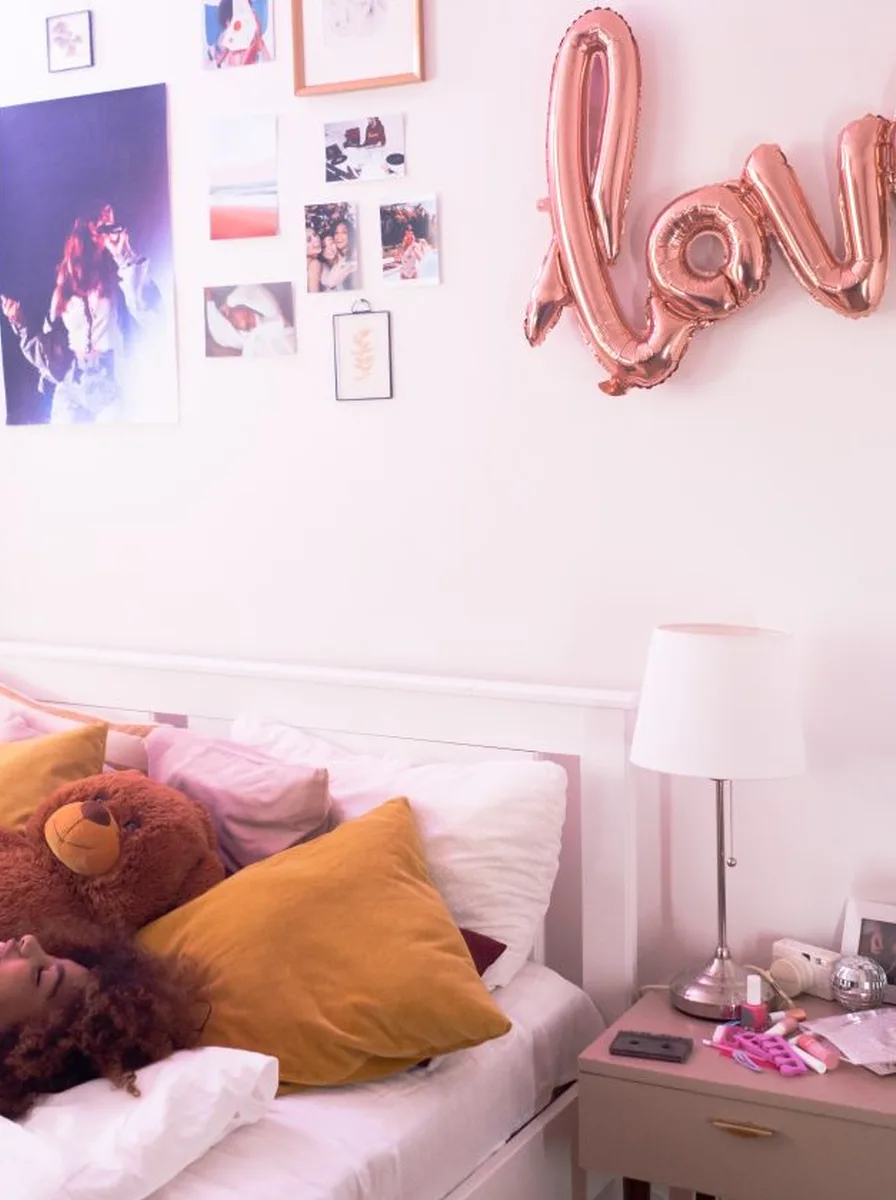
Minimalism is maintenance — a monthly ten-minute edit keeps accumulation at bay. Surfaces, shelves, closet: what crept in? The edit is the practice.
Set a recurring phone reminder. One bag out monthly keeps balance. Celebrate the calm after each edit.
24. Finish with Breathing Room
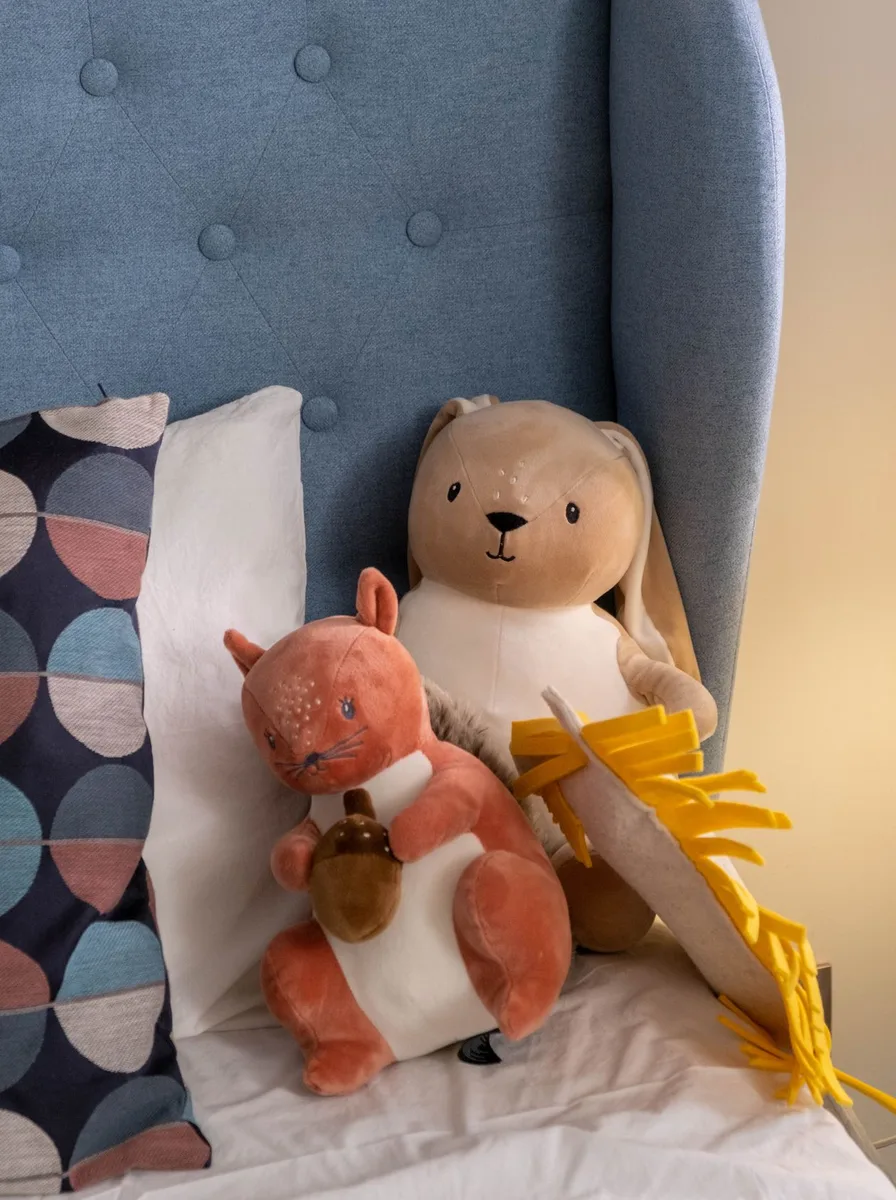
The final minimalist test: does the room breathe? Walk in and feel the calm. If something nags, it has not earned its place. Trust the feeling.
Sit in the room for five minutes doing nothing. Notice what draws the eye — it should be calm things. Breathing room is the whole point.

David is the home decor enthusiast behind HomeLushly. He shares practical, budget-friendly ideas for bedrooms, living rooms and seasonal decorating — from colour combinations that actually work to small-space styling tricks that make a room feel bigger. Every guide on HomeLushly is built around real photos and hands-on research, to help you make your home feel warm, personal and beautifully put together.
