
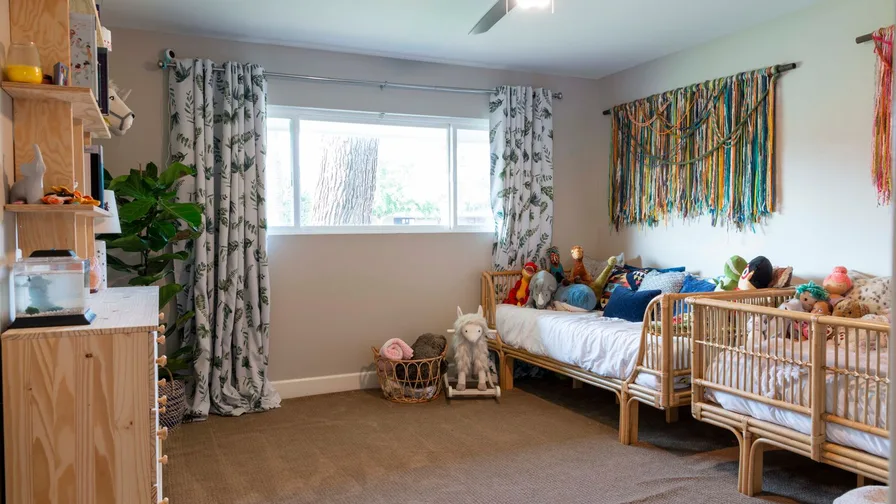
Designer kids rooms look expensive because of decisions, not price tags. The designers’ playbook is simple: spend where it shows, save where it doesn’t, repeat a tight palette, and style with confidence. You can run the exact same play on a real-family budget and get 90 percent of the look.
The golden rule is the 70-20-10 split: 70 percent affordable basics, 20 percent mid-range upgrades on visible pieces, 10 percent splurge on the one thing everyone notices. That single considered splurge — a great rug, a beautiful pendant — lifts everything around it.
Start by auditing what you already own. That solid dresser, the decent curtains, the rug with life left in it — keepers save hundreds before you spend a penny. A budget makeover that reuses well is always smarter than one that replaces everything, because the savings fund the pieces that actually transform the room.
This guide shows you where designers spend and where they secretly save, plus the DIY and second-hand tricks that deliver the look for less. Your child’s room will look designed, and your bank account will survive it.
Spend Where It Shows, Save Where It Doesn’t
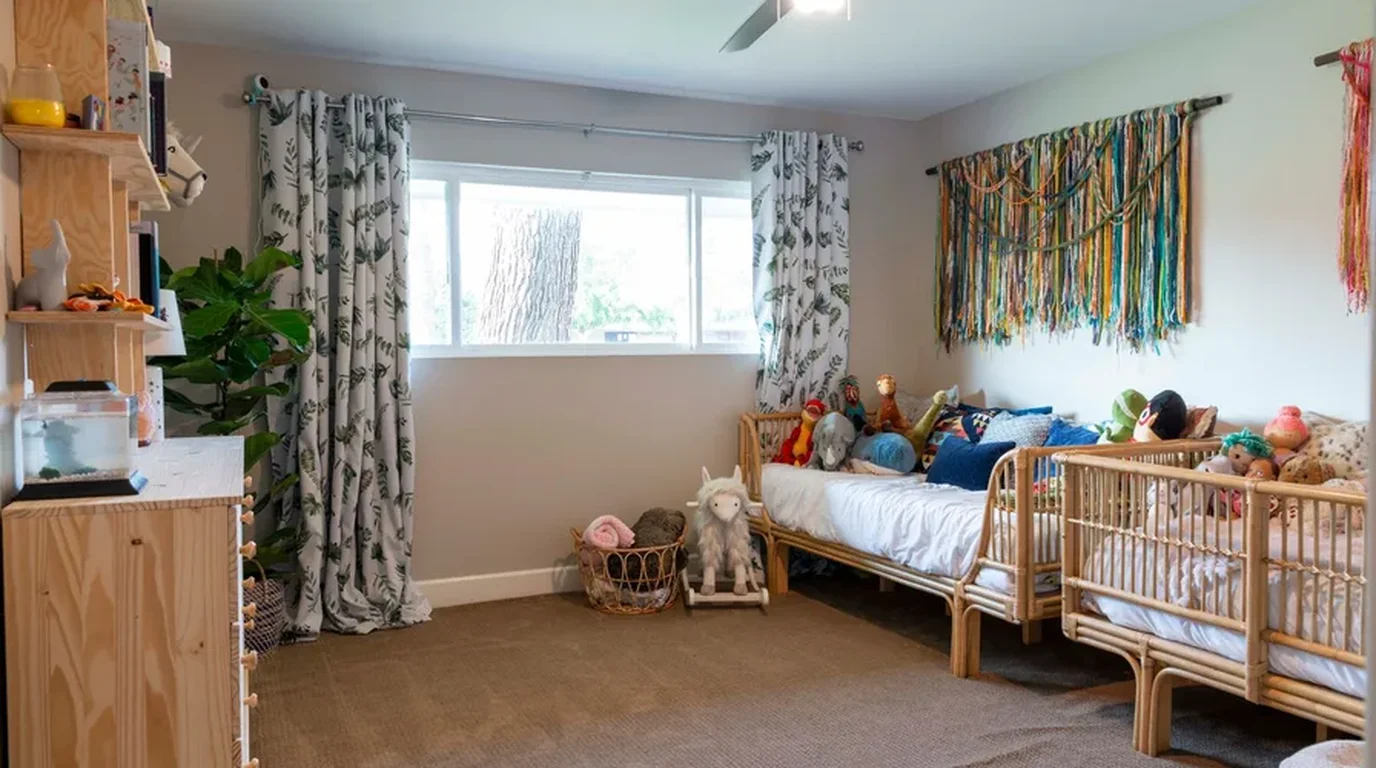
Designers allocate budget ruthlessly. The rug, the curtains, and the lighting are seen and touched constantly — spend there. Inside wardrobes, basic storage boxes, and plain white bedding can all be budget buys nobody will ever notice. This triage is the whole game.
Think of it as cost-per-glance. The pendant light gets looked at a hundred times a day; the inside of a drawer gets seen only by you. Direct money toward the high-glance items and be ruthless about economising on everything else. Nobody has ever walked into a room and admired the storage boxes.
Smart budget triage:
● Splurge on the rug: it covers the most floor area and sets the room’s quality bar.
● Save on plain bedding in white or neutral — layer cheap cushions on top for the look.
● Spend on one lighting hero; save with simple matching bedside lamps.
● Invest in the mattress (sleep matters) but save on the bed frame with a painted second-hand find.
Master the Second-Hand Score
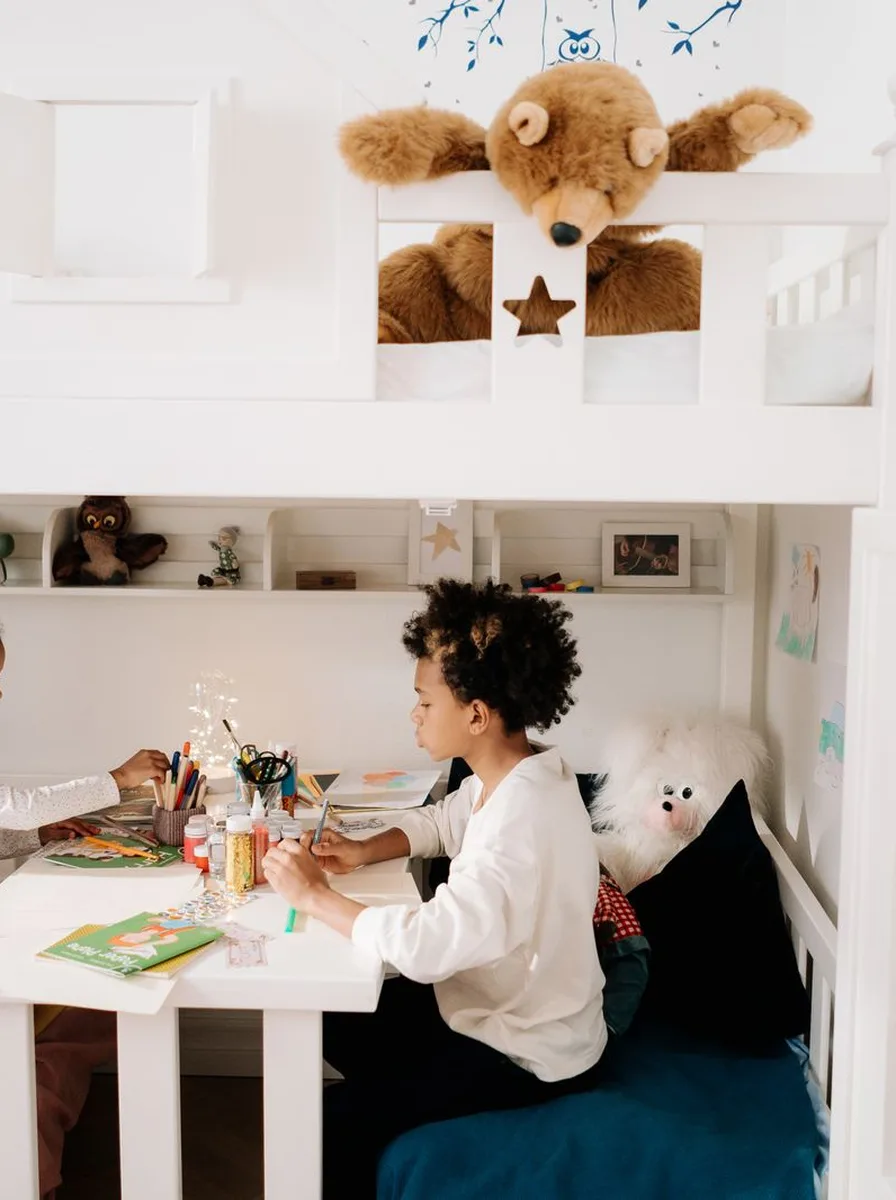
The best designer trick is buying used and making it look bespoke. A solid wood dresser with a coat of paint and new knobs looks custom-made; a vintage rug adds the patina money can’t buy new. Check resale sites weekly — good pieces go fast, but patience pays.
Learn to see past the ugly. Dated varnish, wrong-colour paint, and tired handles are all fixable in a weekend; wobbly joints and water damage are not. Buy for bones — solid construction, good proportions, dovetailed drawers — and fix the surface yourself. That is exactly what the professionals do.
Second-hand wins:
● Solid wood furniture paints beautifully; avoid veneer or flat-pack for upcycling.
● Swap knobs and handles — new brass or leather pulls transform a dated dresser instantly.
● Look for quality frames at charity shops; spray them one colour for a gallery wall.
● A pre-loved rug in wool beats a new synthetic one on looks, feel, and longevity.
DIY the High-Impact Upgrades
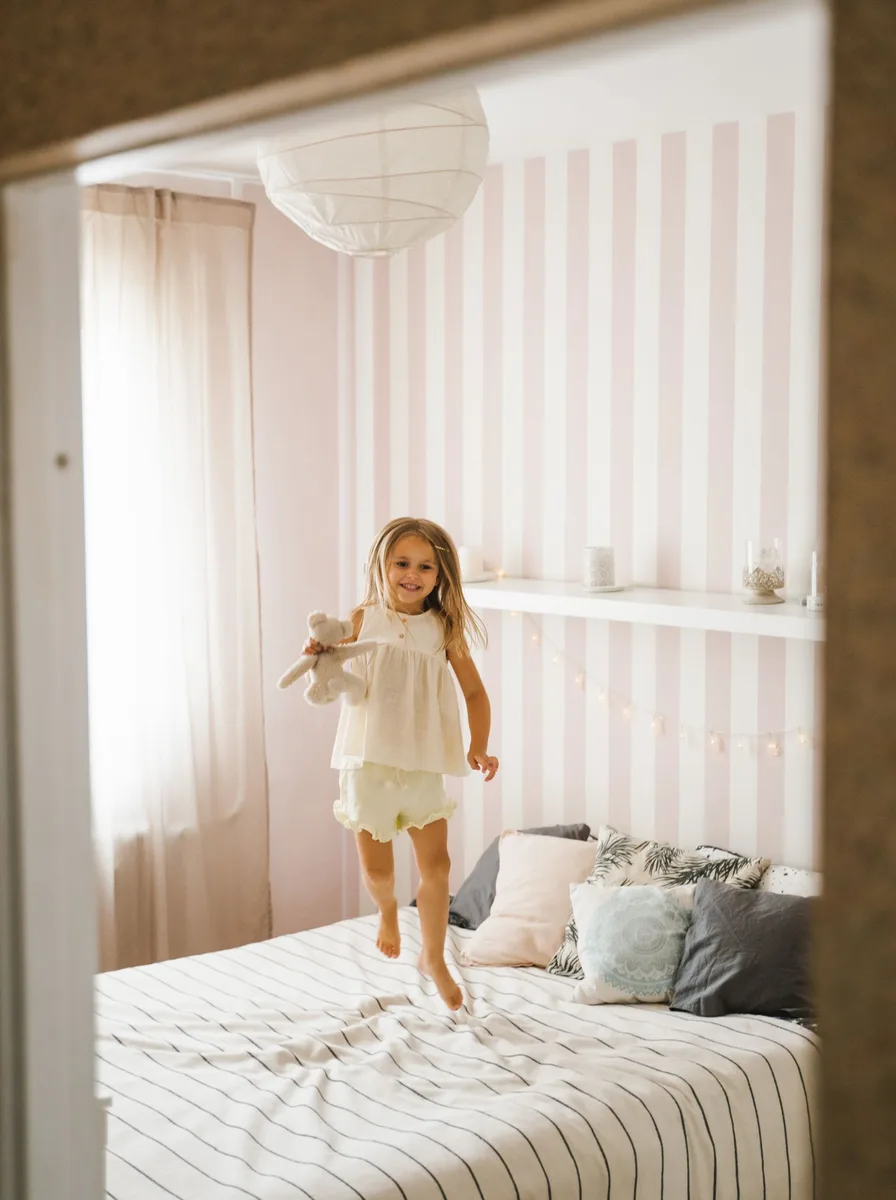
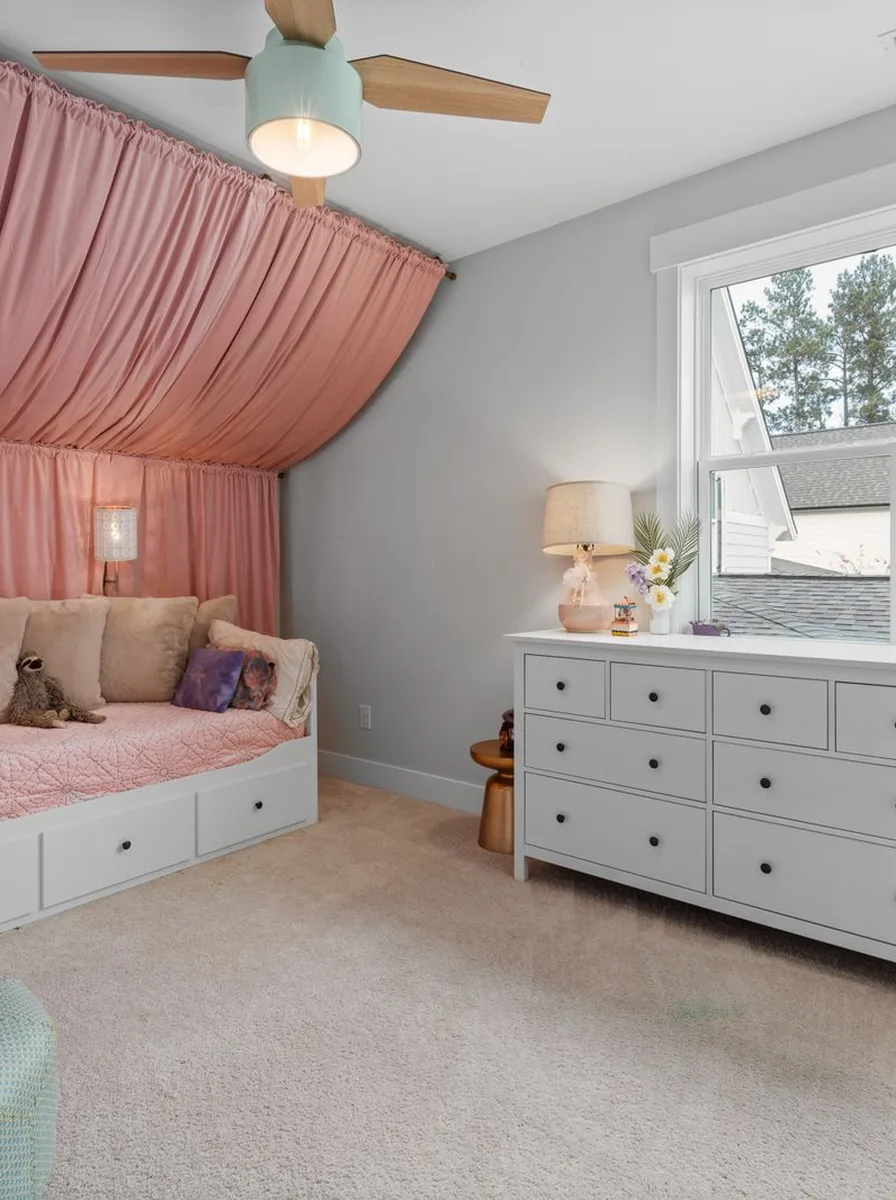
Labour is the expensive part of design, so DIY is your superpower. A panelled accent wall, painted furniture, or handmade canopy costs a fraction of the done-for-you version. Pick one weekend project per month and the room transforms steadily without a scary bill.
Start with paint, the highest return on effort in all of decorating. One tin changes a wall, a dresser, or a whole room’s mood in a day. Then graduate to simple builds — floating shelves, a window seat cushion, a plywood headboard. Each project builds skills for the next, and the savings compound fast.
DIYs with designer payoff:
● Wall panelling kits plus paint give the panelled look for the price of a takeaway.
● Paint is the cheapest transformation on earth — one rich colour changes everything.
● Sew simple cushion covers or a canopy from affordable fabric; straight seams only.
● Mount a cheap blind inside a deep window reveal for a made-to-measure look.
Fake It With Cohesion
Here is the real secret: cohesion fakes money. A room where everything matches the palette looks expensive even when every item was cheap. Mismatched colours, on the other hand, make even pricey pieces look random. Discipline with colour is free and it is everything.
Cohesion extends beyond colour to finish and style. All-brass hardware, all-oak shelving, all-linen textiles — these repetitions create the quiet consistency that reads as designed. When in doubt, remove the odd one out rather than adding something new. Editing is free too.
Cohesion tricks:
● Limit yourself to three colours plus neutrals; reject anything outside the palette.
● Repeat materials: if you have rattan baskets, echo rattan in a lampshade or mirror.
● Decant: put cheap bits into matching containers and suddenly the shelf looks styled.
● Keep packaging out of sight — visible boxes and labels scream budget instantly.

Style Like You Mean It
Styling is free, and it is what most budget rooms skip. Clear surfaces, group objects in threes, vary heights, add something living. A styled ten-pound shelf beats an unstyled hundred-pound one every single time. This is where the designer look actually lives.
Photograph as you style. The camera is brutally honest about what works — it flattens the room into two dimensions and exposes every imbalance your eyes gloss over in real life. Style, snap, adjust, repeat. Three rounds of this and any shelf looks professional.
Styling that costs nothing:
● Edit first: remove everything, then add back only what earns its place.
● Use books as risers to vary heights on shelves — free and always chic.
● Frame children’s art properly; a four-pound frame makes a drawing look like art.
● One plant, one candle, one stack of books: the styling trinity that never fails.

David is the home decor enthusiast behind HomeLushly. He shares practical, budget-friendly ideas for bedrooms, living rooms and seasonal decorating — from colour combinations that actually work to small-space styling tricks that make a room feel bigger. Every guide on HomeLushly is built around real photos and hands-on research, to help you make your home feel warm, personal and beautifully put together.


