

Minimalism isn’t about empty rooms — it’s about rooms where everything belongs. A minimalist teen bedroom feels calm, looks effortlessly stylish, and is blissfully easy to keep tidy. For a teenager juggling school, friends, and a busy mind, a calm space is genuinely restorative. There’s real psychology behind it: visual clutter raises stress, while clear, ordered spaces help focus and sleep — both precious commodities in teen life.
The minimalist approach is simple in theory: keep only what serves a purpose or brings joy, give everything a home, and let the room breathe. This guide shows how to apply minimalist principles to a real teen bedroom — without it feeling cold, boring, or unlike her.
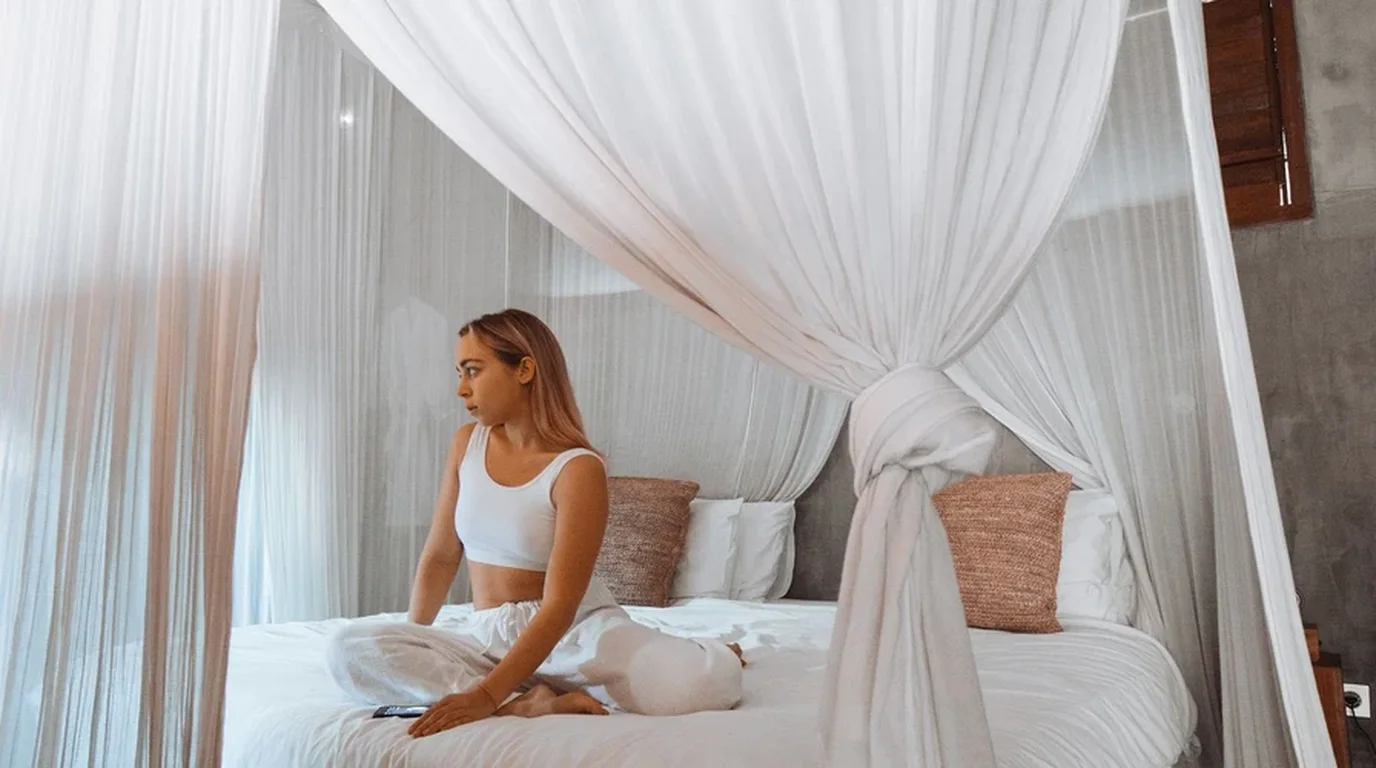
Declutter With Purpose
Minimalism starts with editing. Go through everything and keep only what she uses, loves, or finds beautiful. Be honest about the rest: outgrown clothes, dead pens, forgotten hobbies. Decluttering isn’t about deprivation — it’s about making room for what matters.
The purposeful edit:
● Sort by category (clothes, books, papers) not by location.
● Ask of each item: do I use it, love it, or need it? If no, it goes.
● Donate or sell good items — letting go feels better with purpose.
● Do one category per day; marathon declutters burn out.
● Photograph sentimental items before letting them go — the memory stays.
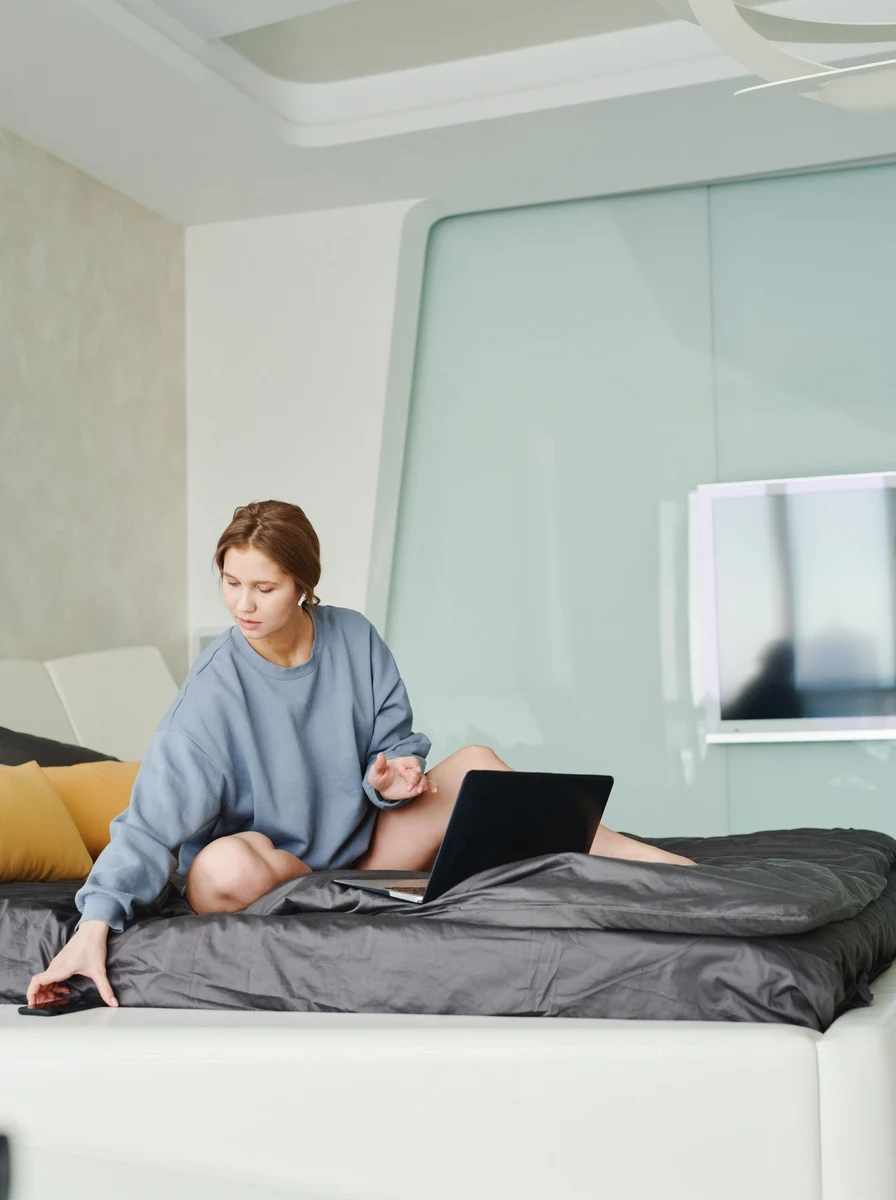
Give Everything a Hidden Home
Minimalist rooms look calm because clutter is contained, not because teens own nothing. Closed storage — drawers, lidded boxes, wardrobe interiors — hides the necessary mess of real life. If every category has a designated home, tidying takes minutes.
Hidden-home storage:
● Under-bed drawers swallow out-of-season clothes and spare bedding.
● Lidded boxes on shelves look clean while holding anything.
● A wardrobe with doors beats an open rail for visual calm.
● One “in-between” basket handles the not-clean-not-dirty clothes.
● Label the inside of drawers so the system survives busy weeks.
Choose a Quiet Palette
Minimalist colour is restrained: whites, warm neutrals, soft greys, with texture providing interest instead of pattern. A quiet palette makes small rooms feel larger and busy minds feel calmer. Add warmth through wood tones and textiles so it never feels stark.
Quiet colour rules:
● Two neutrals plus one wood tone is the classic minimalist base.
● Warm whites (not blue-whites) keep the room cosy.
● If she wants colour, add it in one swappable textile.
● Match storage boxes to the wall colour so they visually disappear.
● Test paint swatches at different times of day before committing.
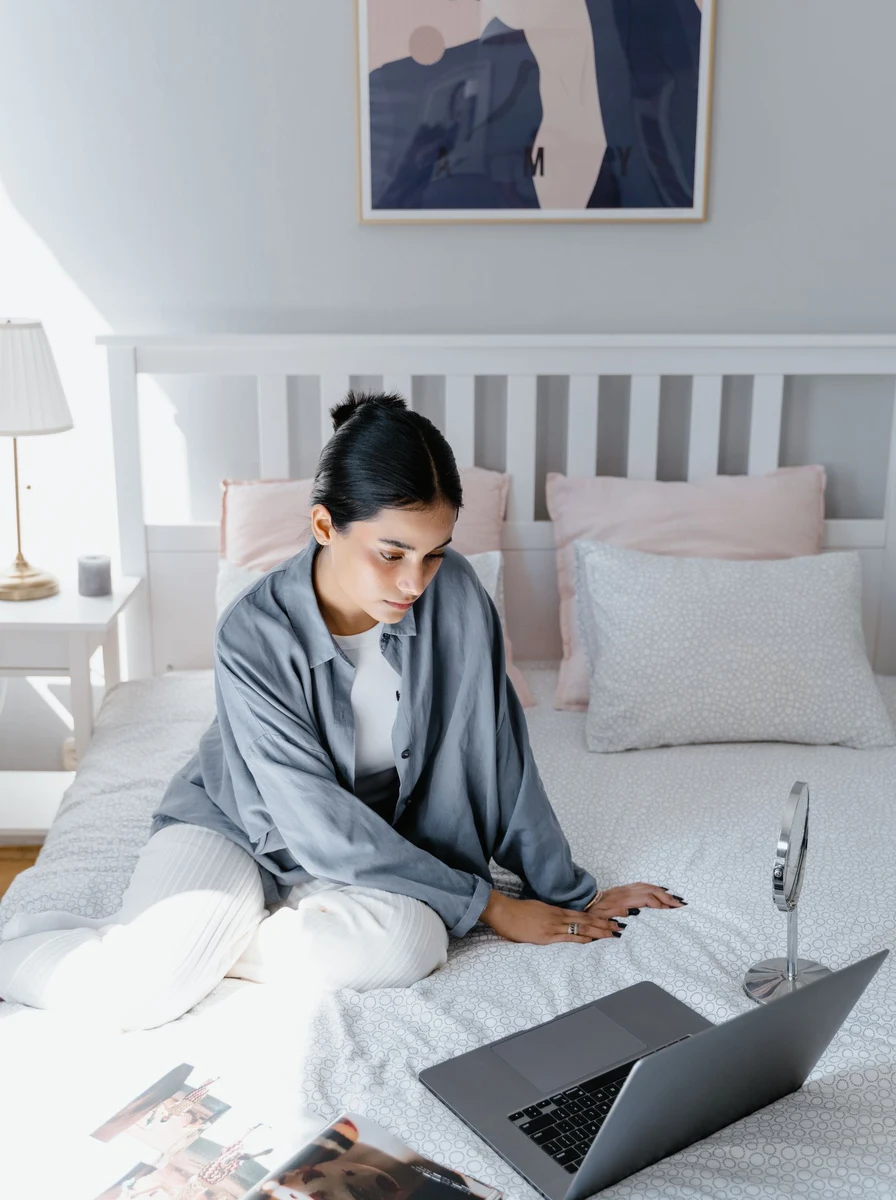
Style Surfaces Sparingly
In minimalism, each surface holds one to three intentional objects. A bedside table with a lamp, a book, and a small plant is perfect. This restraint makes each chosen piece more beautiful — and dusting takes seconds.
Surface styling:
● The “three or fewer” rule for every surface.
● Corral small items on a single tray to read as one object.
● Leave genuine empty space — it’s part of the design.
● Choose fewer, better pieces rather than many small ones.
Keep Walls Mostly Clear
Minimalist walls breathe. One piece of art, or one small shelf with a plant, is enough. Resist filling every wall — the emptiness is what makes the room feel calm and spacious. What you hang should be chosen with extra care since it carries more visual weight.
Minimalist walls:
● One large artwork beats many small frames.
● A single floating shelf with two or three objects is plenty.
● Mirrors add depth without visual noise.
● Leave at least one wall completely bare.
● A wall-mounted reading light frees the bedside table completely.
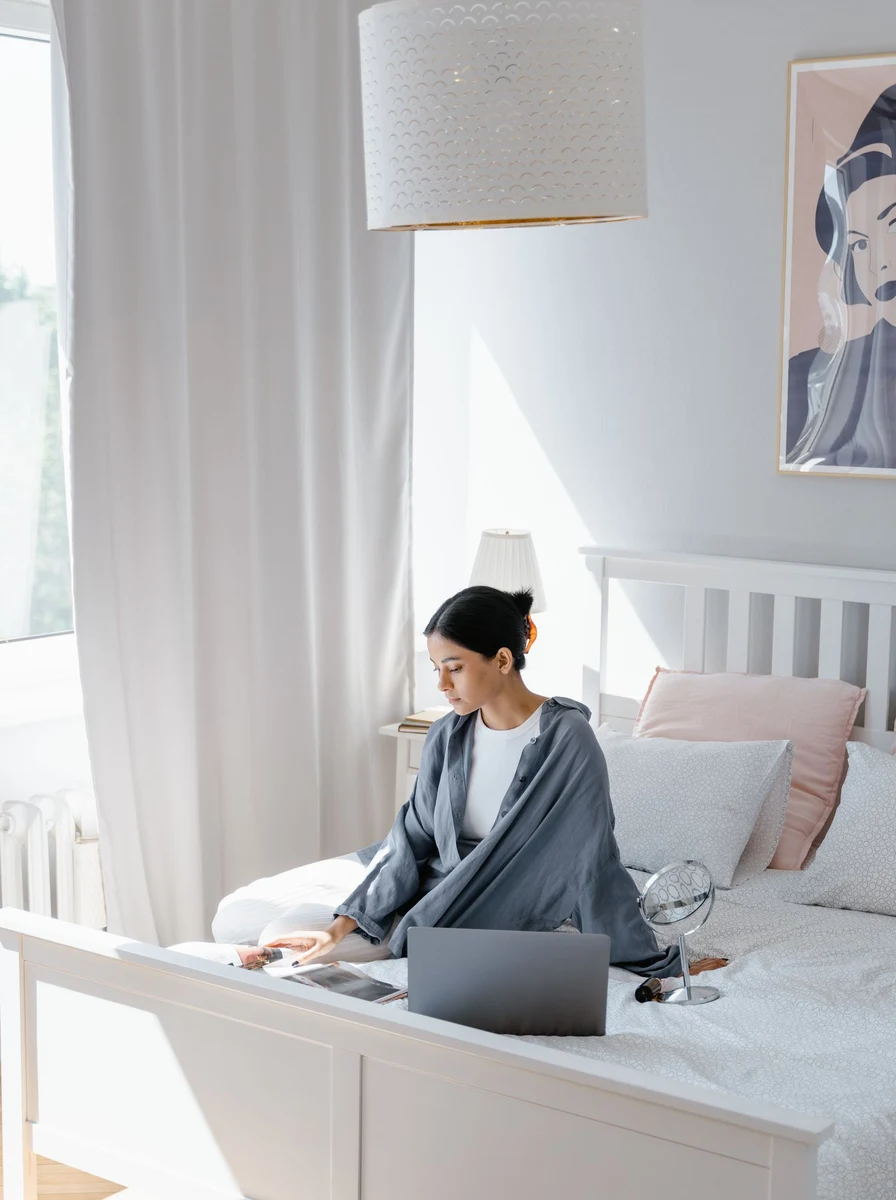
Warm It With Texture
The difference between stark and serene is texture. Linen bedding, a wool throw, a jute rug, and a wooden stool add warmth without adding visual clutter. In a quiet palette, texture becomes the star — and it’s what makes minimalism feel inviting rather than cold.
Warming textures:
● Linen or washed-cotton bedding in a soft neutral.
● One chunky knit throw for the bed or chair.
● A natural-fibre rug softens hard floors.
● Wood accents — a stool, frames, a tray — add organic warmth.
Build Easy Maintenance Habits
A minimalist room stays minimalist through habits, not willpower. A two-minute morning reset, one-in-one-out for new things, and a weekly ten-minute tidy keep the calm intact. The system should be so easy it runs on autopilot.
Effortless upkeep:
● Make the bed every morning — it sets the room’s tone.
● End each day with a two-minute surface sweep.
● New item in? Something old goes out the same day.
● A Sunday ten-minute reset handles the week’s drift.
● Keep cleaning supplies minimal too — one all-purpose spray is enough.
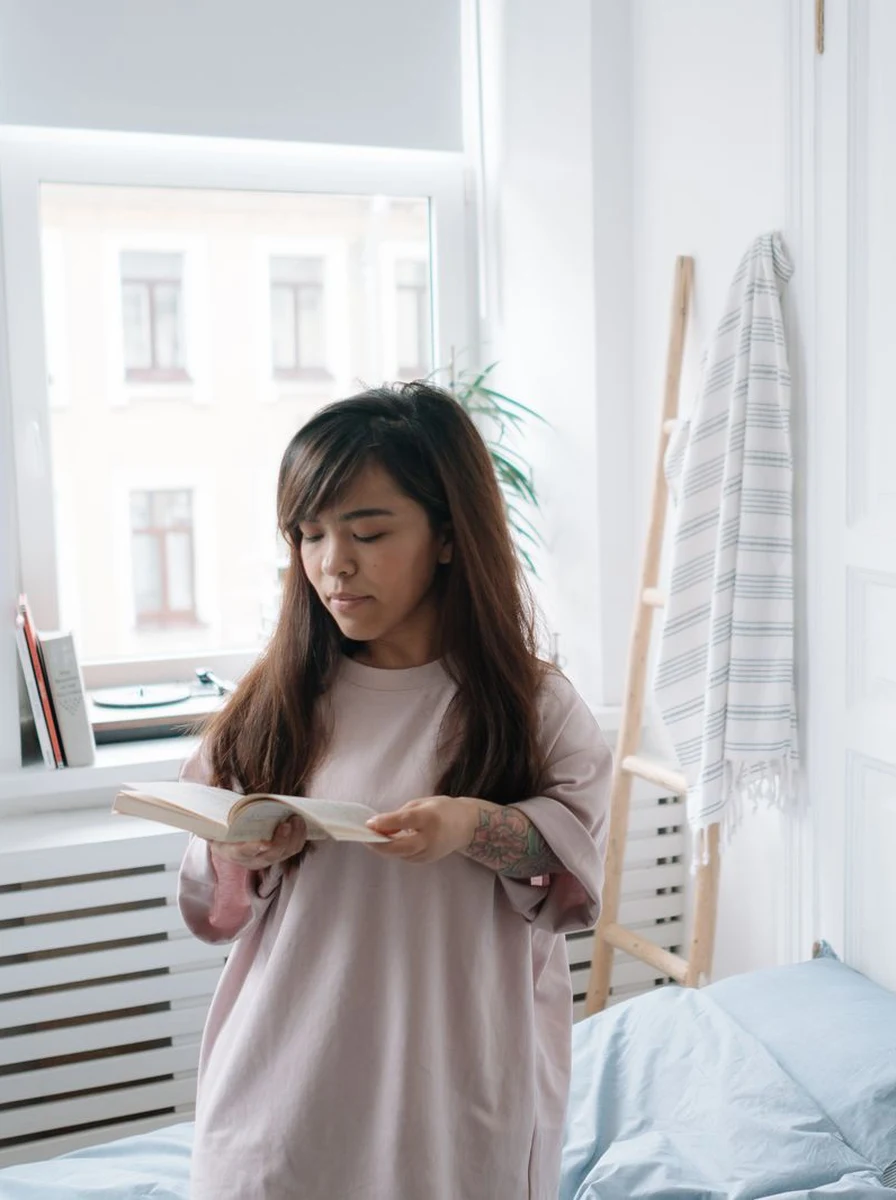
Let Personality Whisper
Minimalism still has room for her. The difference is curation: one framed photo she loves, a single treasured object on the shelf, bedding in her favourite neutral. Personality in a minimalist room is quiet but unmistakable — quality over quantity.
Quiet personality:
● One meaningful artwork, beautifully framed, says more than ten posters.
● A single plant she chose and cares for adds life.
● Let her pick the textures — velvet vs. linen is self-expression too.
● The room should feel like a deep breath that’s still hers.
● A single scent, like a favourite candle, becomes part of the room’s identity.

David is the home decor enthusiast behind HomeLushly. He shares practical, budget-friendly ideas for bedrooms, living rooms and seasonal decorating — from colour combinations that actually work to small-space styling tricks that make a room feel bigger. Every guide on HomeLushly is built around real photos and hands-on research, to help you make your home feel warm, personal and beautifully put together.