

There’s Halloween cute, and then there’s Halloween creepy — the kind that makes visitors hesitate for just a second before knocking. A creepy wreath doesn’t rely on bright orange and smiling pumpkins. It whispers instead of shouts: dark colours, unsettling textures, and details that get under your skin.
The art of creepy is restraint. A single black rose among dead branches is creepier than a dozen plastic skulls. A wreath that looks like it grew in a haunted forest beats one that looks like it came from a party store. Less is more, dark is better, and the uncanny valley is your friend.
In this guide, you’ll learn how to decorate your door with a creepy Halloween wreath: the dark palette and materials that create dread, unsettling details that reward a closer look, and styling tricks that make your entrance genuinely eerie.
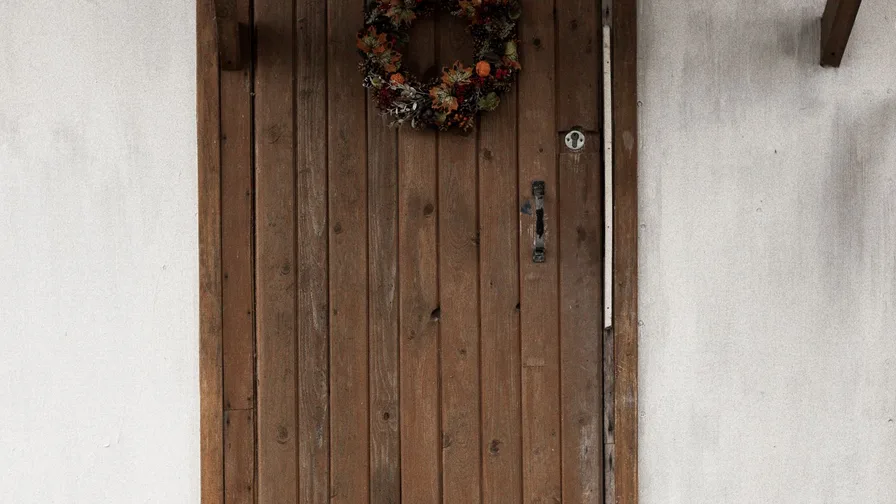
Embrace the Dark Palette

Creepy starts with colour — or the absence of it. Black is your foundation, but pure black alone can look flat. Layer in deep, desaturated tones: blood red, bruised purple, dried-bone white, mossy grey-green. These are the colours of decay and moonlight, and they trigger something primal.
Avoid anything bright or cheerful. No vivid orange, no cheerful green, no glitter (unless it’s black glitter, which is perfectly creepy). Matte finishes feel more unsettling than shiny ones — think dried flowers instead of silk, rough bark instead of smooth ribbon.
Creepy colour combinations:
● Black + dried-bone white + grey: ghostly and desolate.
● Black + blood red + dark purple: gothic and vampiric.
● Charcoal + moss green + brown: swampy and ancient.
● All black with varied textures: the most unsettling of all.
Creepy is a mood, not a shopping list. Before adding anything to your wreath, ask whether it deepens the unease or just adds noise. A single perfect element — one crow, one skull, one black rose — disturbs more than a dozen competing scares. Trust the darkness to do half the work.
Use Unsettling Natural Materials
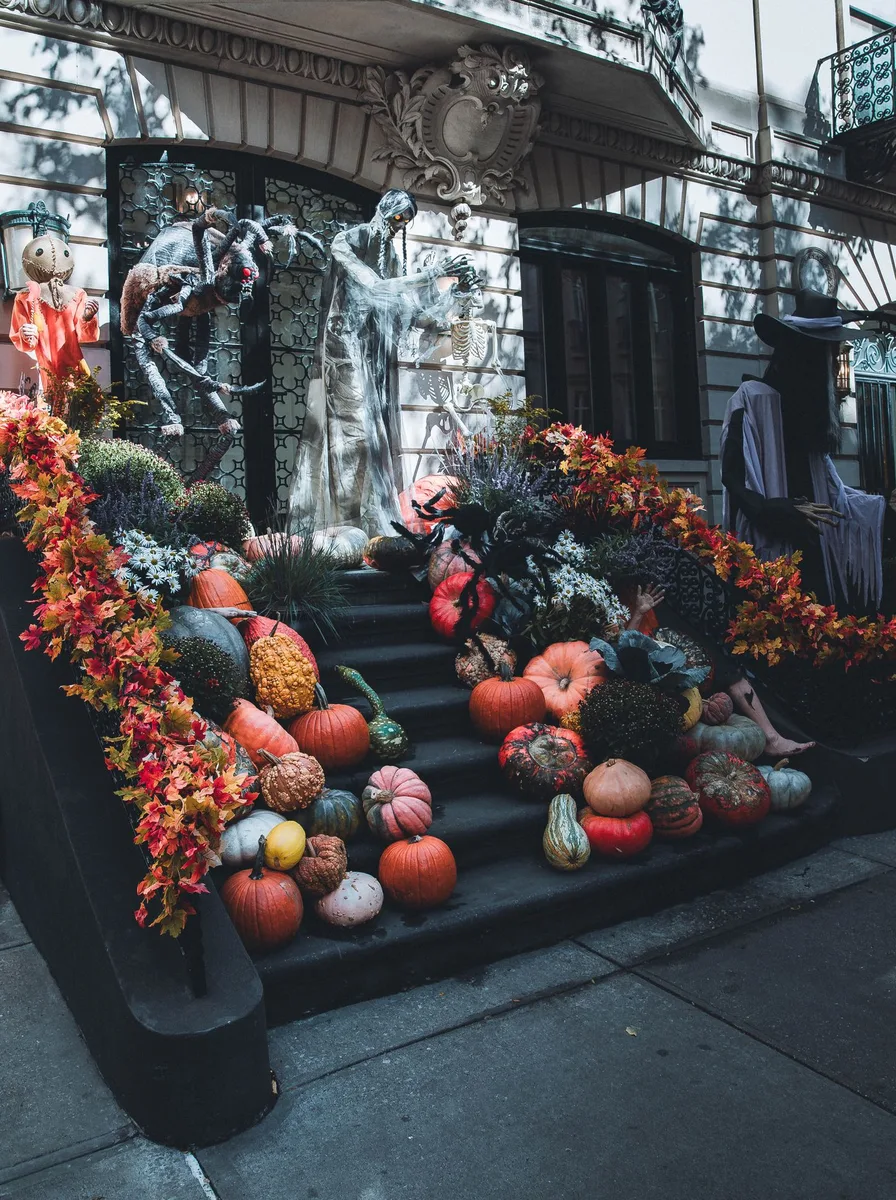
Nature does creepy better than any factory. Twisted dead branches, thorny stems, dried seed pods, and Spanish moss have an organic wrongness that plastic can’t replicate. A wreath built from these materials looks like it crawled out of a haunted forest on its own.
Collect branches after storms — the more gnarled, the better. Dried flowers in dark tones (black-eyed Susans past their prime, dried roses) add mournful beauty. Spanish moss draped over everything gives that Southern-gothic, abandoned-mansion feel. Let some pieces stick out at odd angles; perfect symmetry is comforting, and comfort is the enemy of creepy.
Creepy natural elements:
● Gnarled branches and twigs as the wreath base itself — no ring needed.
● Dried roses in black, burgundy, or faded brown for mournful elegance.
● Spanish moss draped and hanging for abandoned, overgrown vibes.
● Pinecones painted matte black, thorns, and dried seed pods for texture.
Natural materials age beautifully, which means your creepy wreath gets better every year. The branches twist a little more, the dried flowers fade a little further, the moss settles. Lean into this — a creepy wreath should look like it’s been hanging in a haunted forest for a decade.
Add Details That Disturb

The best creepy wreaths have details that make people look twice — and wish they hadn’t. A single crow perched in the branches. Tiny bones tucked among the moss. A cracked porcelain doll face peering out. These are the touches that turn a dark wreath into a genuinely disturbing one.
The key is sparing use. One unsettling focal point surrounded by dark, natural texture is far creepier than a wreath crammed with every scary item you own. Let the viewer’s imagination do the heavy lifting — suggest, don’t show everything.
Disturbing details that work:
● A black crow or raven perched as if watching visitors.
● Small animal bones or a tiny skull half-hidden in moss.
● A cracked mirror shard or antique key — objects with implied stories.
● Black butterflies or moths — beautiful, but with funereal associations.
Placement of disturbing details is everything. The crow should be visible but not obvious — perched where a casual glance misses it but a second look finds it. That delayed discovery, the moment of ‘wait, was that there before?’, is the essence of creepy.
Style the Surroundings for Full Effect
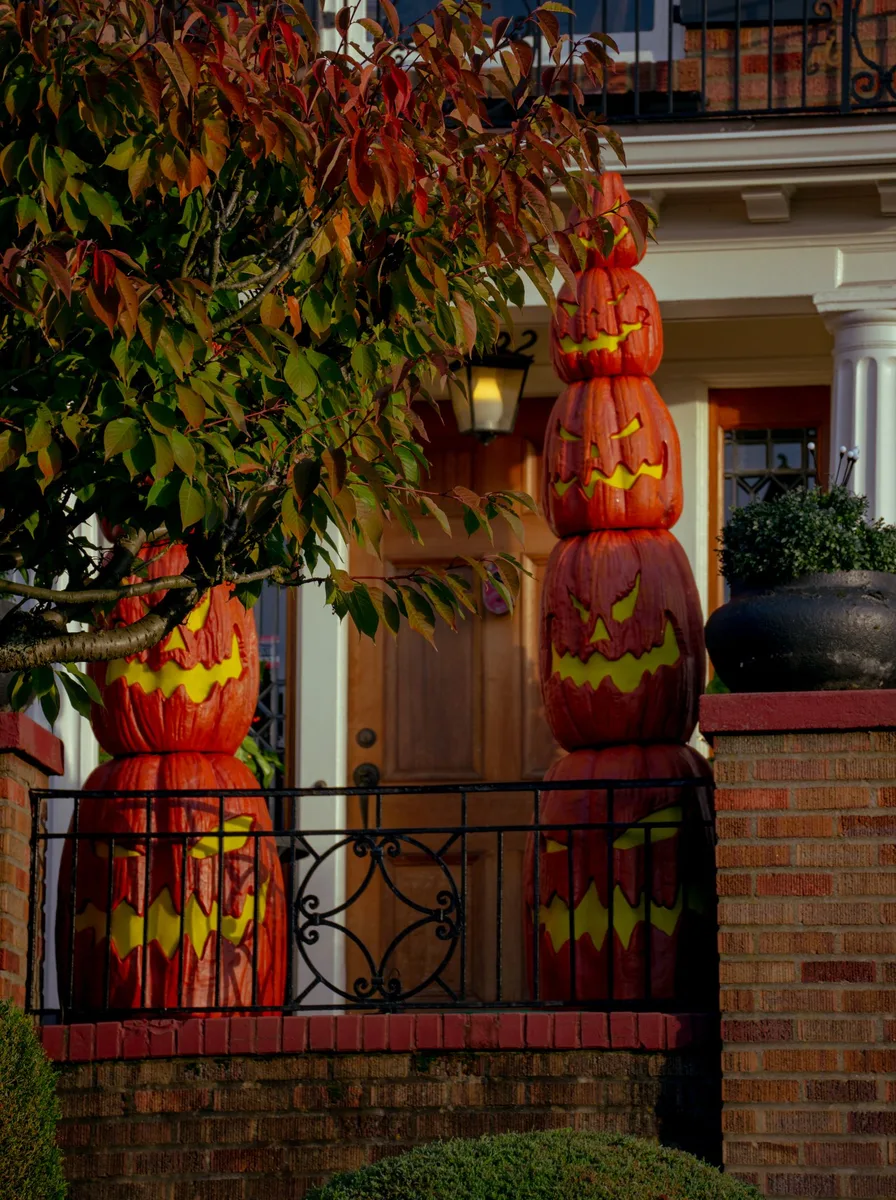
A creepy wreath on a cheerful, well-lit door is a contradiction. To sell the eeriness, the surroundings need to cooperate. Dim the porch light or swap it for a flickering amber bulb. Let the area around the door go a little wild — dead plants in pots, leaves scattered on the steps, cobwebs in the corners.
Sound helps too, if you’re committed. A hidden speaker playing faint whispers or creaking wood puts visitors on edge before they even process what they’re seeing. And keep the rest of the decor minimal — the wreath is the star, and clutter dilutes dread.
Surrounding styling tips:
● Swap the porch bulb for dim amber or flickering flame-effect.
● Scatter dead leaves on the steps — don’t sweep too thoroughly.
● Place dead or dormant plants in pots flanking the door.
● Keep other decorations minimal; let the wreath dominate.
A creepy wreath demands commitment from the whole entrance. If the wreath whispers horror but the porch screams cheerful, the effect collapses. Dim the lights, let the leaves lie, and give your wreath the gloomy stage it deserves.

David is the home decor enthusiast behind HomeLushly. He shares practical, budget-friendly ideas for bedrooms, living rooms and seasonal decorating — from colour combinations that actually work to small-space styling tricks that make a room feel bigger. Every guide on HomeLushly is built around real photos and hands-on research, to help you make your home feel warm, personal and beautifully put together.