

A small bedroom does not have a stuff problem — it has a hidden-space problem.
Every bedroom contains far more storage than it appears to: the void under the bed, the air above the door, the back of the door, the top of the wardrobe, the gaps between furniture. The difference between a cramped bedroom and a calm one is rarely square footage — it is how much of that invisible space you have claimed.
The best tricks work instantly and cost little.
A set of under-bed boxes, a row of hooks on a door, drawer dividers, or vacuum bags for winter coats can each claw back the equivalent of a whole dresser in a single afternoon. None of these ideas requires renovation or a big budget — just a fresh look at the space you already own and a willingness to use all of it.
This guide collects 26 simple small bedroom storage tricks that create space instantly, each one tested for real compact bedrooms.
From under-bed drawers and lift-up bed bases to cascading hangers, over-the-door organisers, and vacuum-packed off-season clothes, you will find a trick for every wasted inch — and every one of them makes your small bedroom feel bigger the same day.
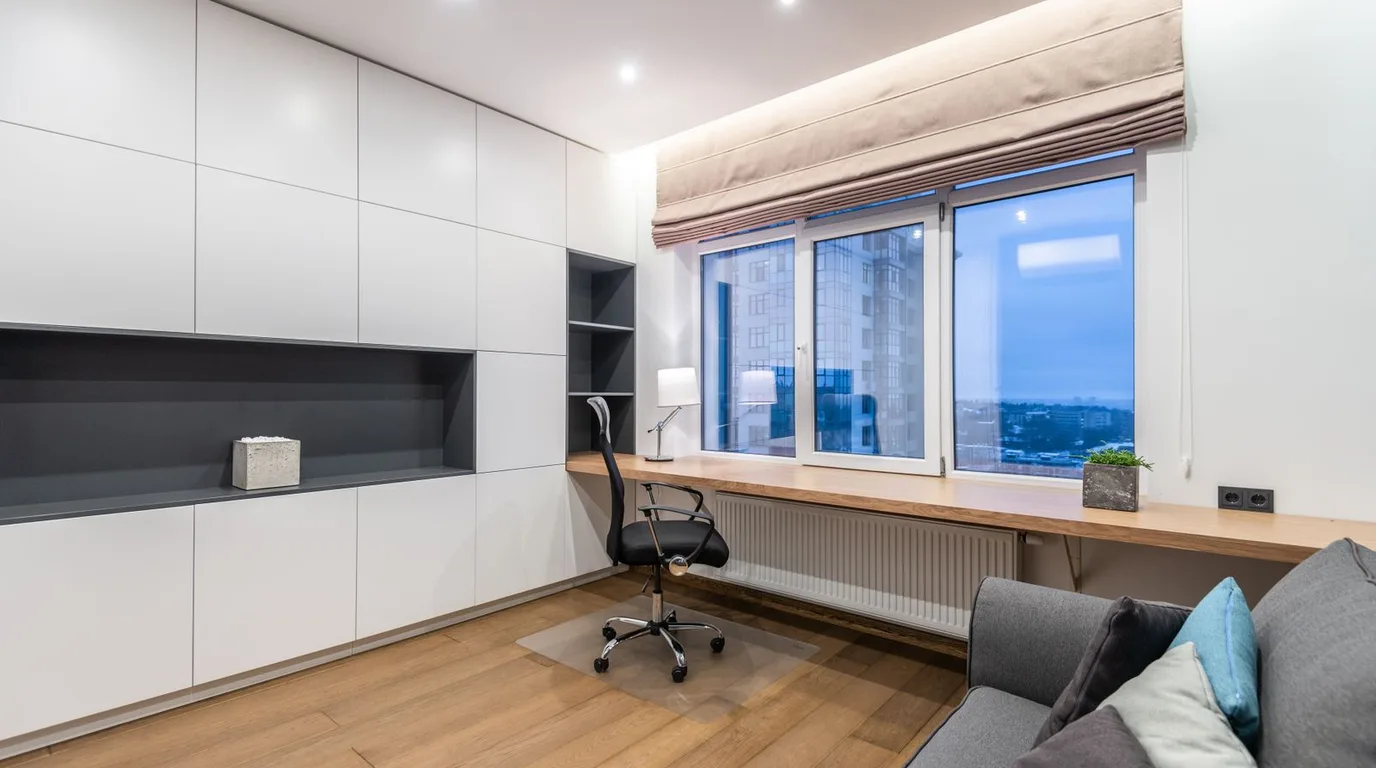
1. Slide Flat Storage Boxes Under the Bed
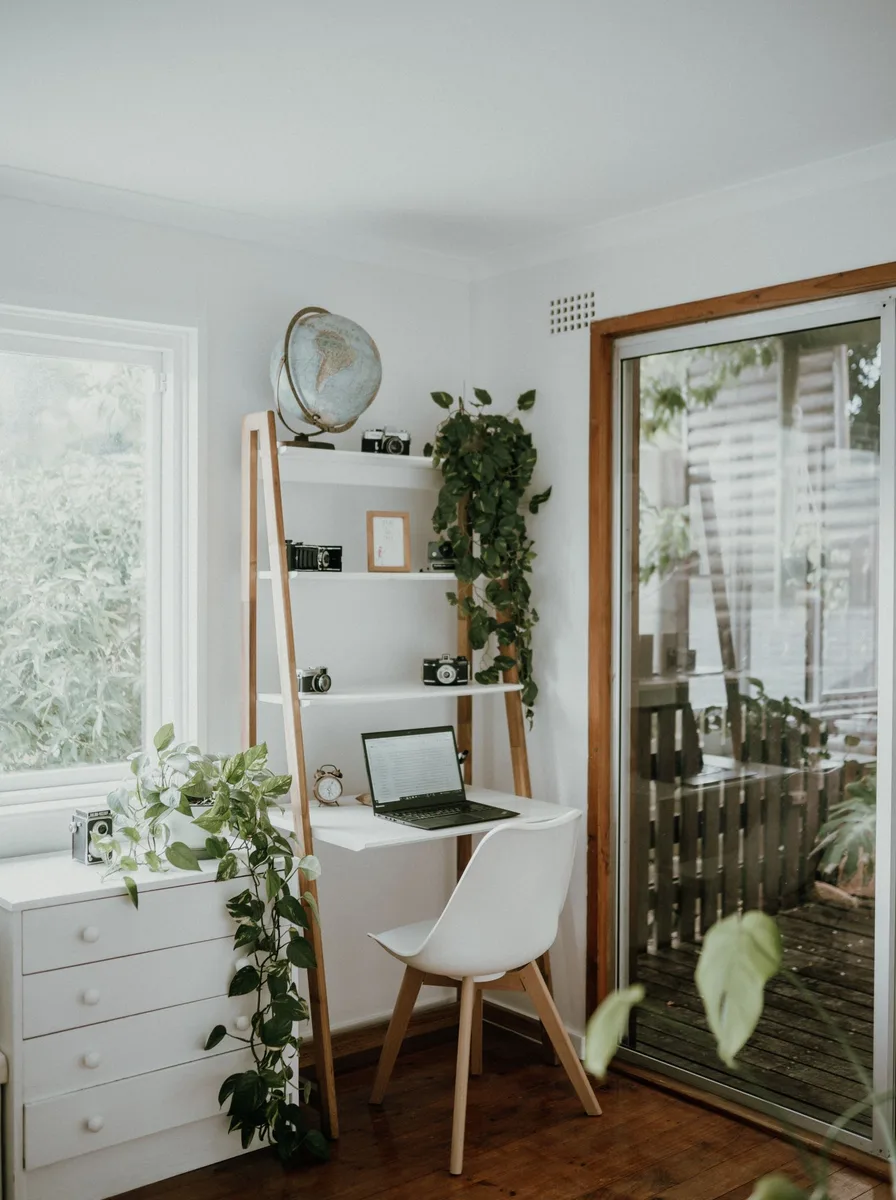
The space under a bed is the largest unused storage zone in most bedrooms — a full bed footprint of it, completely wasted. Flat lidded boxes or low bins slide into that void and swallow off-season clothes, spare bedding, shoes, or luggage. It is the equivalent of adding an extra dresser without using a single inch of floor.
Choose boxes no taller than six to seven inches so they glide under standard frames, with lids to keep dust out and handles or wheels for easy pulling. Divide by category and label the ends so you grab the right box first time. If your bed sits on the floor, inexpensive risers add the needed clearance in minutes.
2. Upgrade to a Bed with Built-In Drawers
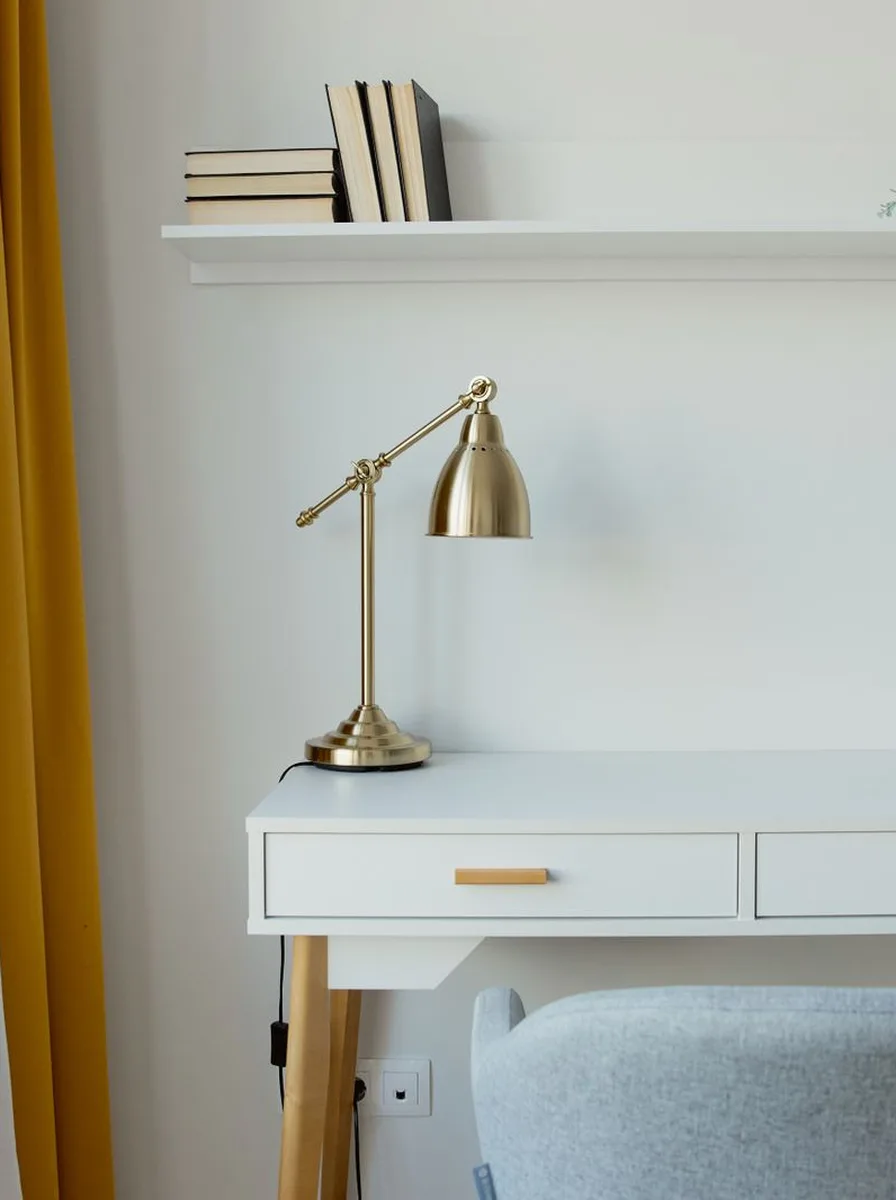
If you are buying a bed anyway, built-in drawers turn the frame itself into a dresser. Two to four deep drawers in the bed base hold as much as a standalone chest of drawers — clothes, linens, or shoes — while the room gains back the entire footprint a dresser would have occupied. The storage is simply part of the furniture.
Look for drawers on smooth full-extension glides so you can reach the back, and check they open fully without hitting nightstands. Captain’s beds with drawers on both sides suit rooms where the bed floats; single-sided drawers suit beds pushed against a wall. Keep heavier items low and centred so drawers glide easily for years.
3. Lift the Whole Mattress with a Storage Base
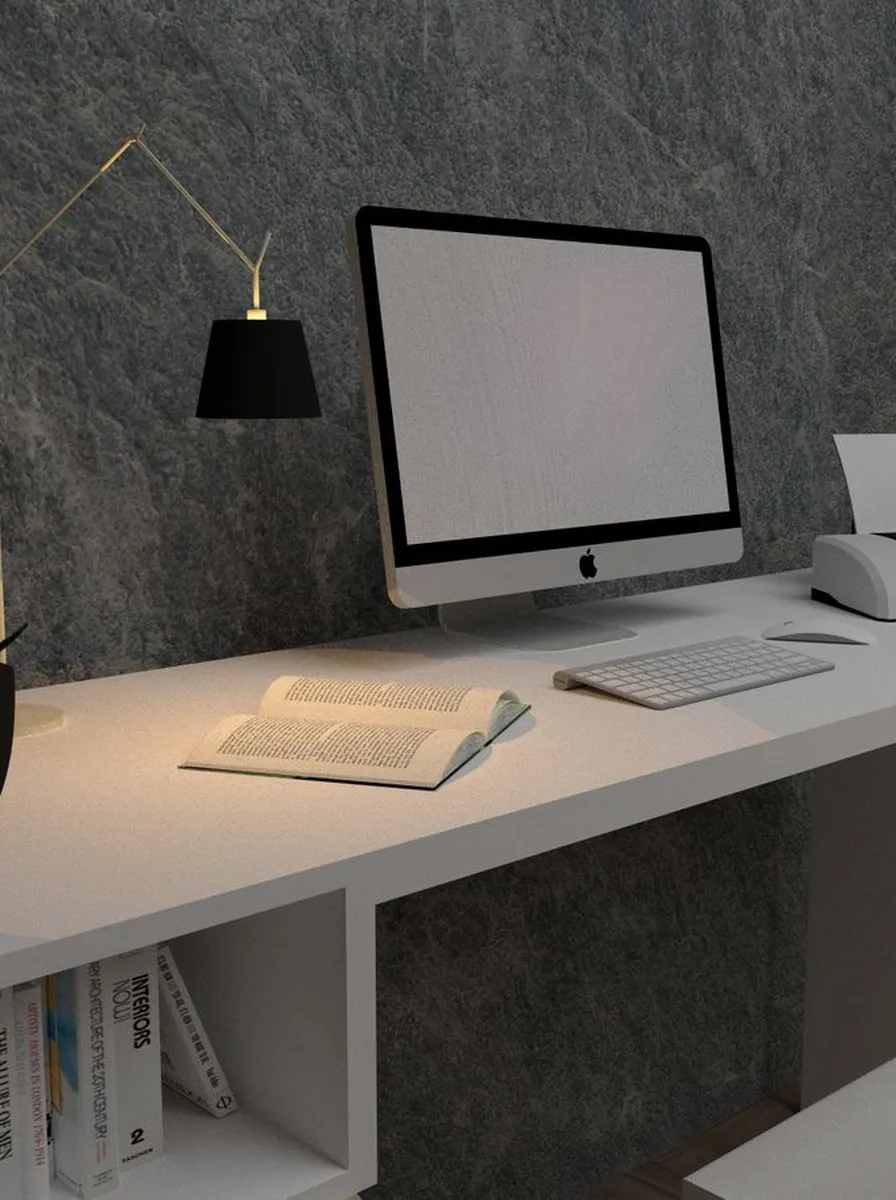
Under-bed drawers are good, but a hydraulic lift-up base is better: the entire mattress platform rises on gas pistons to reveal one vast, undivided cavity — the full footprint of the bed. Bulky items that defeat drawers, like suitcases, seasonal duvets, and sports gear, slide in effortlessly. It is the maximum storage any bed can offer.
Choose a base with quality pistons rated for your mattress weight plus bedding, and a lined interior that keeps dust out. Store heavier items toward the foot so lifting stays easy, and keep a small inventory list taped inside the lid — out of sight really does mean out of mind. Air it occasionally in humid climates to prevent mustiness.
4. Shelve the Wall Above the Headboard
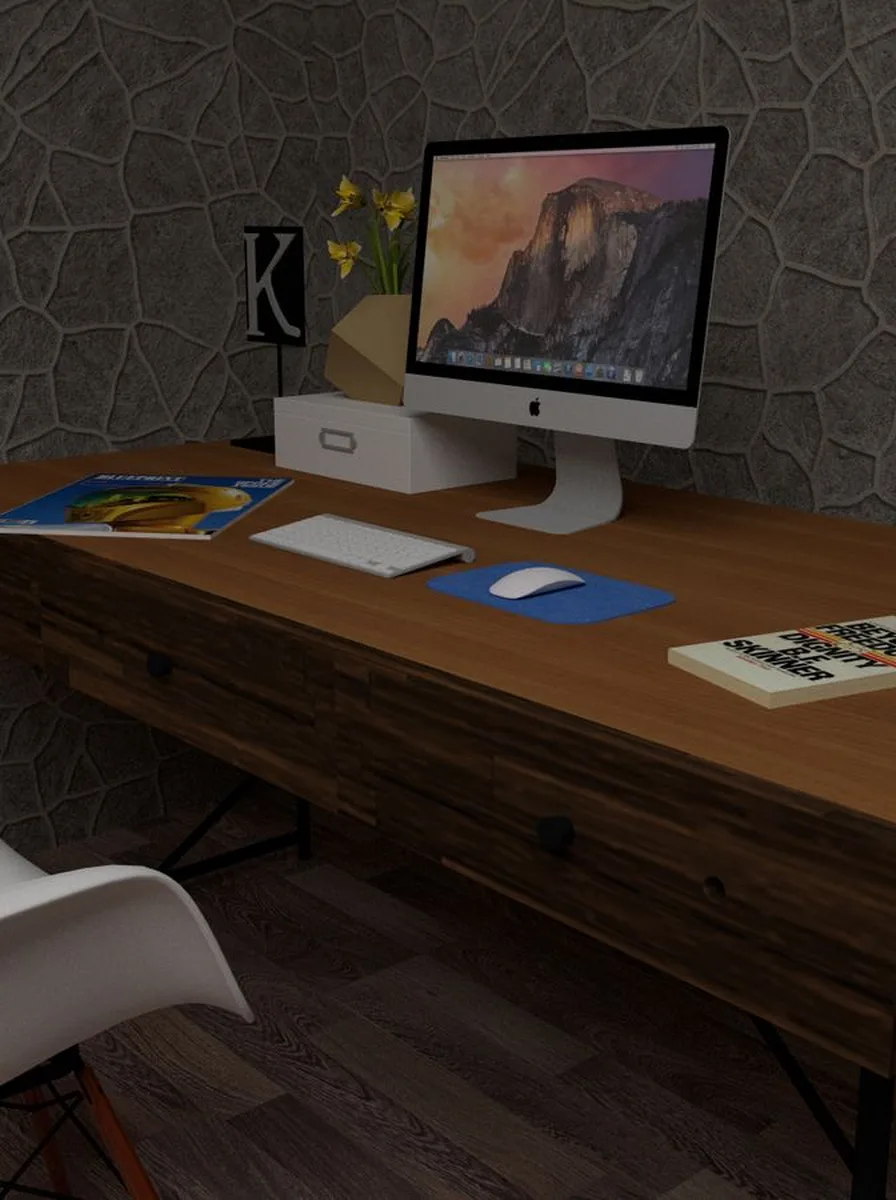
The wall above the headboard is prime storage hiding in plain sight — wide, central, and almost always bare. One or two floating shelves there hold books, baskets, or a small plant collection in space that was contributing nothing. In a bedroom with no room for a bookcase, this is where the library lives.
Mount shelves twelve to eighteen inches above the headboard top, anchored into studs, and keep them shallow — eight to ten inches deep — so nothing looms over sleepers. Style with books, one small basket for odds and ends, and nothing fragile directly above pillows. Two shorter shelves flanking a piece of art look more designed than one long plank.
5. Choose a Headboard with Hidden Compartments
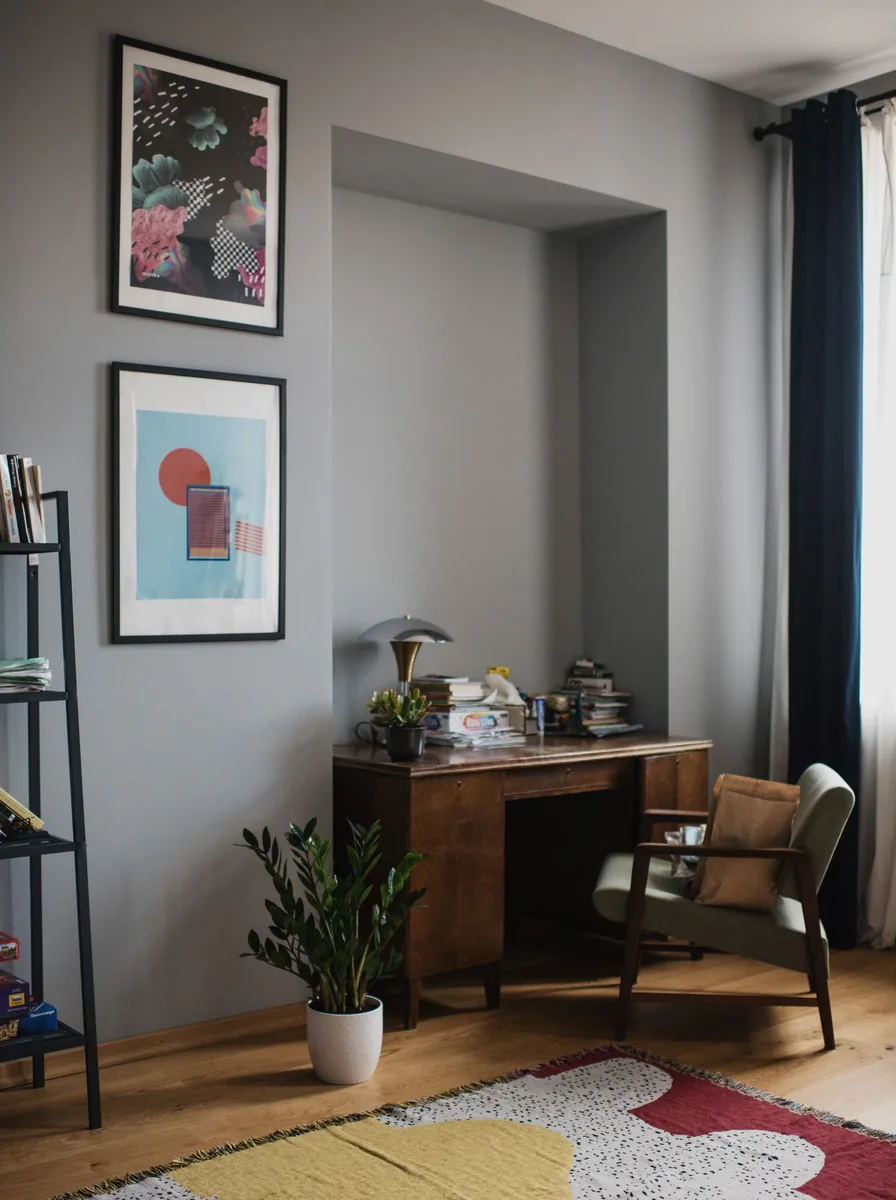
A headboard spans the full width of the bed — valuable real estate that usually does nothing but look pretty. Storage headboards with shelves, cubbies, or sliding panels turn that span into a bookcase, nightstand replacement, and charging station in one. In a tiny bedroom, the right headboard can eliminate bedside tables entirely.
Choose a headboard at least as wide as the mattress with shelves eight inches deep minimum for books. Run a slim power strip along the back for phone chargers and a reading light, with cord channels to keep it neat. Style the shelves lightly — books, one plant, a clock — then enjoy the floor space where two nightstands used to stand.
6. Park a Storage Ottoman at the Foot of the Bed

A storage ottoman at the foot of the bed earns its footprint three times over: footrest, extra seat, and hidden blanket chest. The hinged lid opens to swallow spare duvets, pillows, or out-of-season clothes — the bulky bedroom items that never fit neatly in drawers. It is the fastest tidy-up tool in a small bedroom: lift, toss, close.
Pick one at least thirty inches wide with a hinge that stays open on its own, and an upholstered top sturdy enough to sit on. Keep a tray on top so it doubles as a surface for books or tea; the tray lifts off in one motion. Choose a fabric in your bedding palette so it reads as part of the bed, not an extra.
7. Hook the Back of the Bedroom Door
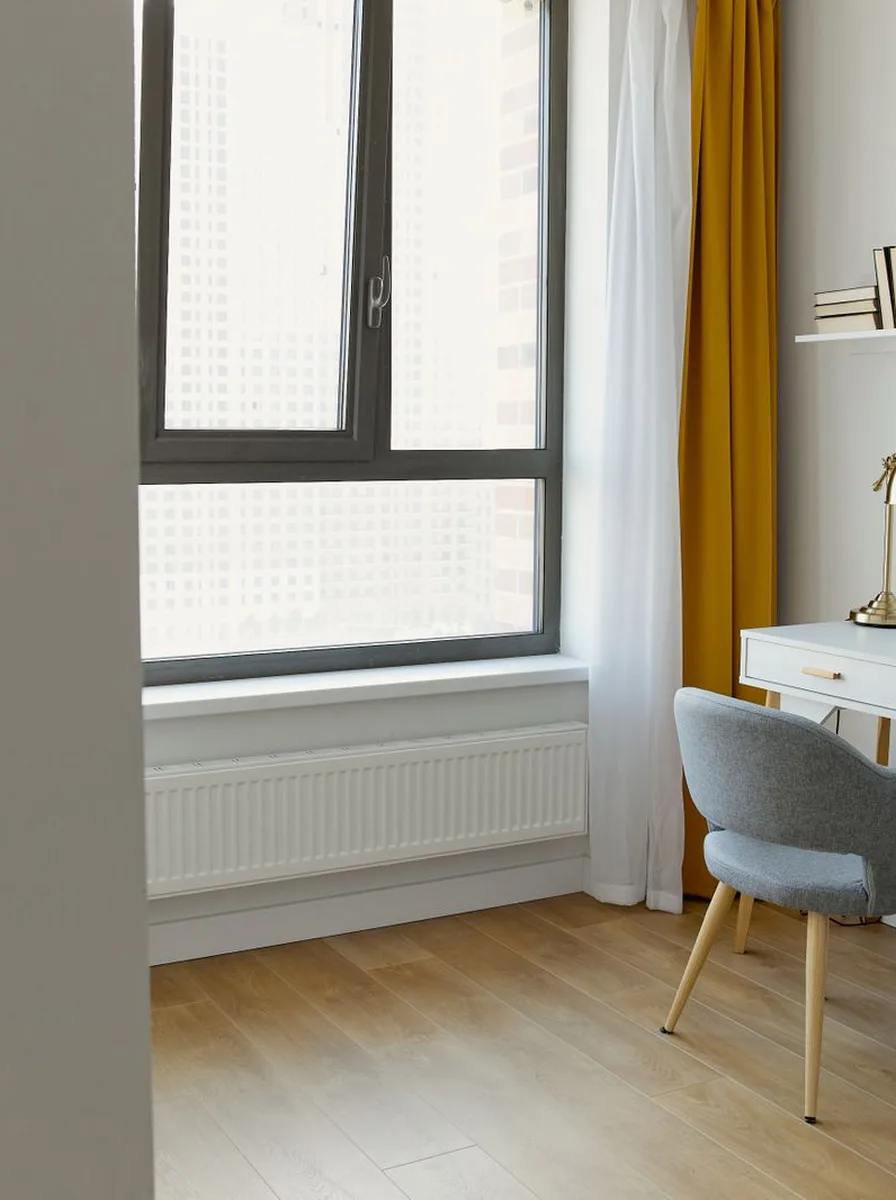
The back of the bedroom door is free storage most rooms waste completely. A row of sturdy hooks there holds tomorrow’s outfit, robes, bags, or hats — the items that otherwise colonise chairs, bed corners, and the floor. Getting them onto hooks instantly clears the surfaces that make a small bedroom look messy.
Use an over-the-door hook rail (no drilling, renter-friendly) or screw individual hooks into the door for heavier loads. Assign each household member one or two hooks so the system stays personal and maintained. Hang tomorrow’s clothes there each night — it doubles as outfit planning and keeps the “chairdrobe” extinct.
8. Hang an Over-the-Door Organiser for Everything
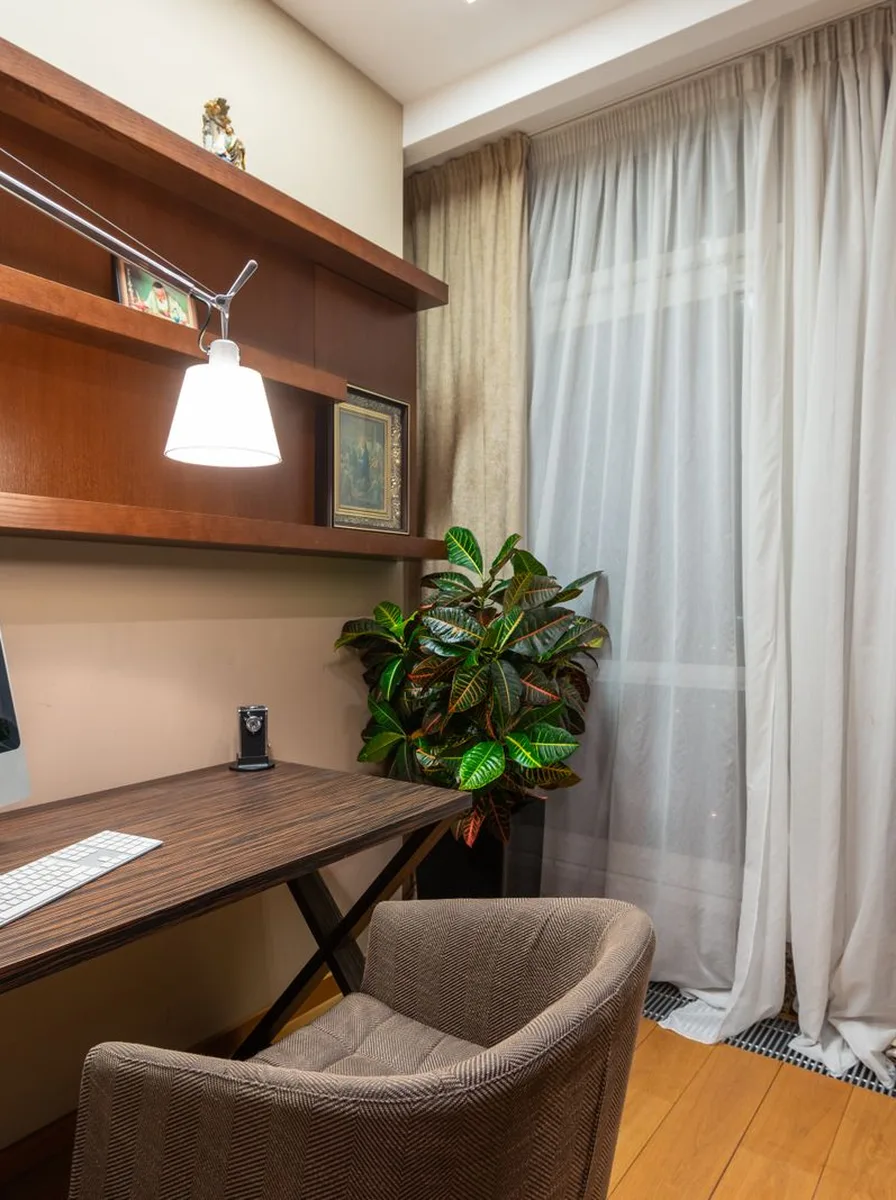
An over-the-door pocket organiser adds twenty or more compartments without using a single inch of floor or shelf space. In a bedroom it holds accessories, underwear, socks, scarves, or toiletries — all visible, all grabbable. Because the pockets are clear or open, you actually use what you store instead of forgetting it in a drawer.
Hang one inside the wardrobe door for accessories and another on the bedroom door for daily grab-and-go items. Choose sturdy fabric with reinforced pockets and metal hooks that grip doors up to one-and-three-quarter inches thick. Assign each row a category so restocking stays intuitive and the organiser never becomes a junk wall.
9. Divide Every Drawer with Adjustable Inserts
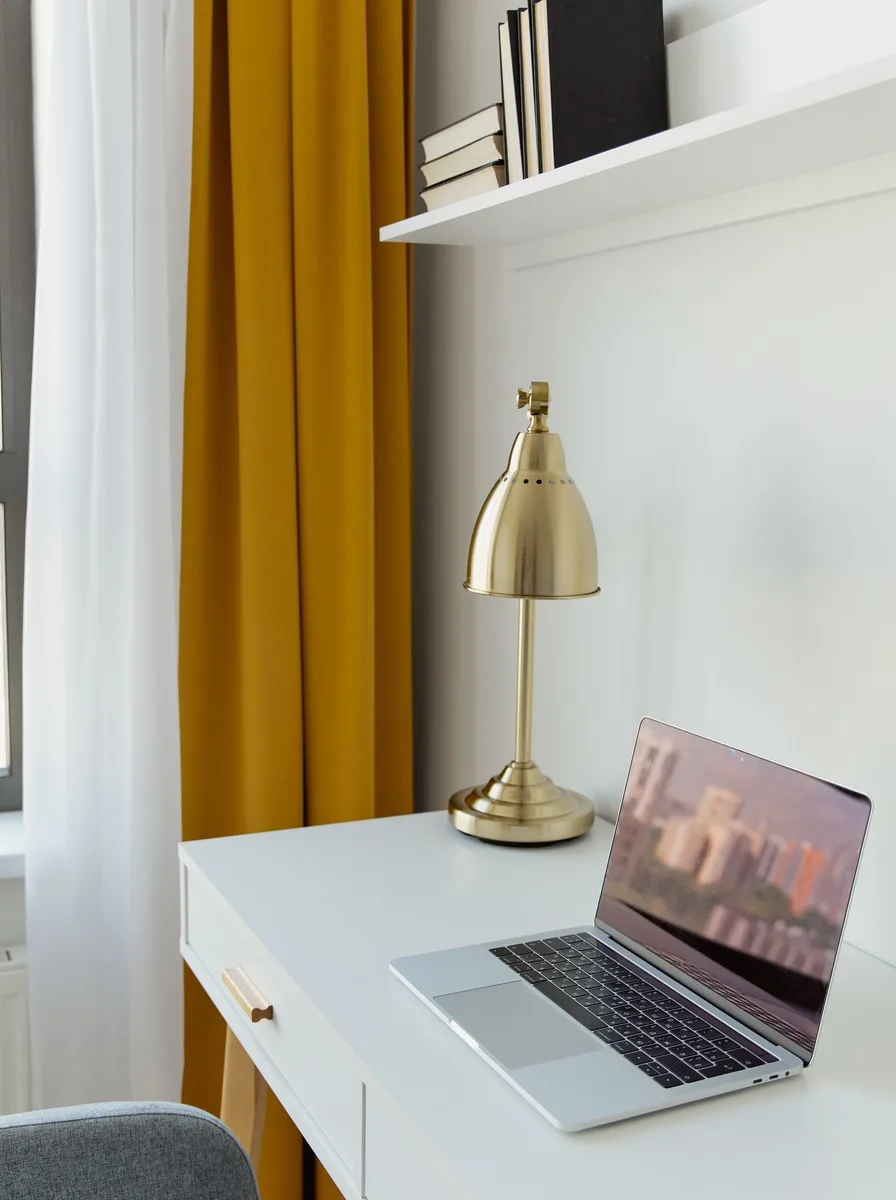
An undivided drawer is a junk drawer waiting to happen — items slide, pile, and tangle until opening it feels like archaeology. Adjustable dividers carve one chaotic space into neat compartments, so socks, underwear, and accessories each have a lane. Divided drawers hold the same contents in half the perceived mess, and you stop buying duplicates of things you already own.
Spring-loaded bamboo dividers fit any drawer without tools and reconfigure in seconds as needs change. In the dresser, use them for socks and underwear; in the nightstand, for chargers and reading glasses. The rule is simple: if you have to dig for it, the drawer needs more divisions.
10. File-Fold Clothes to Double Drawer Space

Stacked clothes hide everything below the top item, so you wear the same three shirts while the rest molder underneath. File folding — folding garments into rectangles and standing them upright like files — lets you see every item at a glance and pull one out without toppling the pile. Drawers hold noticeably more, and getting dressed gets faster.
Fold shirts, pants, and underwear into thirds so each piece stands on its own, then line them up front to back. Use shallow dividers or small boxes to keep the files upright. This works in dressers, under-bed boxes, and even deep shelves. Five extra seconds of folding saves five minutes of digging every single morning.
11. Shrink Off-Season Clothes with Vacuum Bags
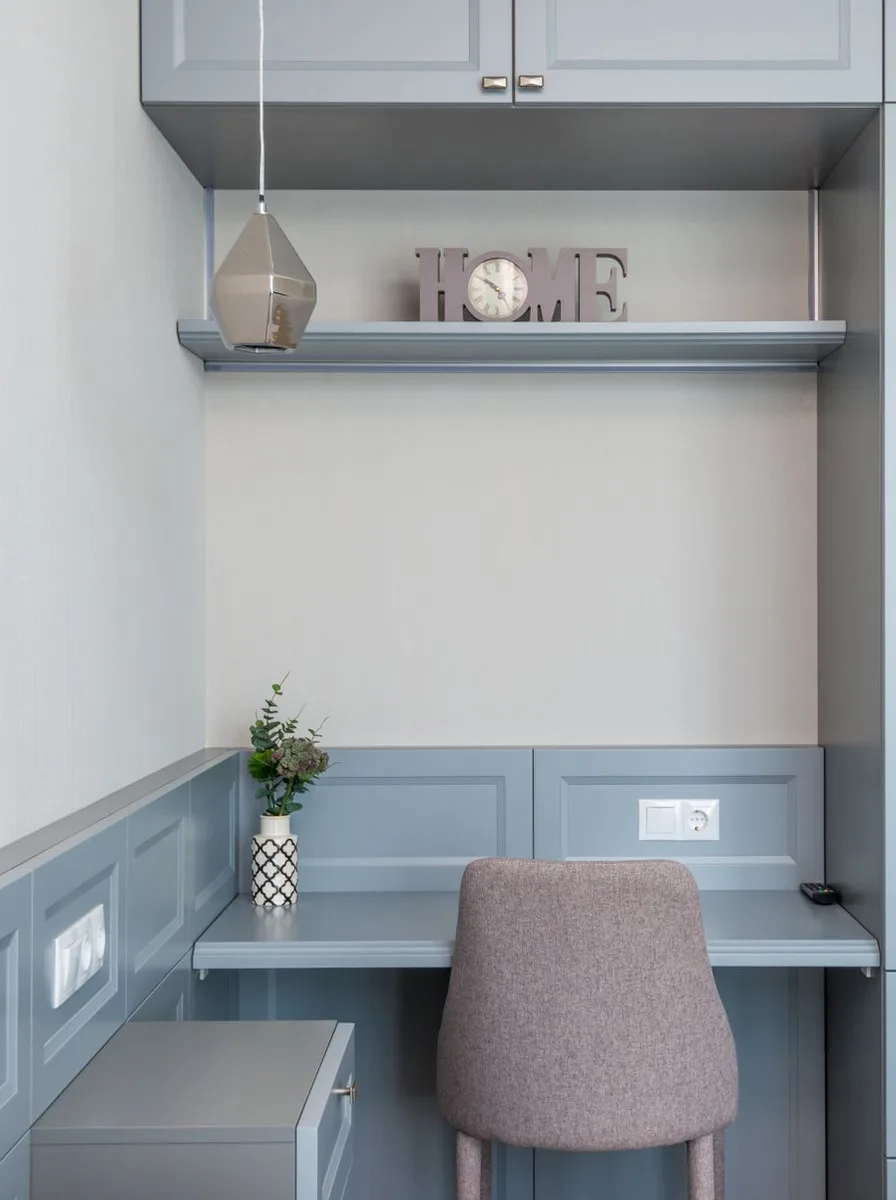
Bulky winter coats and spare duvets eat enormous bedroom storage for months at a time. Vacuum storage bags compress them to a third of their volume — a pile that filled a whole shelf flattens to a few inches. The sealed bags also protect against dust, moths, and mustiness while everything waits for its season.
Wash everything before packing, fold neatly, and fill bags only three-quarters full so they seal properly. Slide the flattened bags under the bed or on top of the wardrobe. Buy bags with double-zip seals and roll the air out rather than sitting on them. Swap the bags when seasons change — the whole rotation takes under an hour.
12. Double Hanging Space with Cascading Hangers
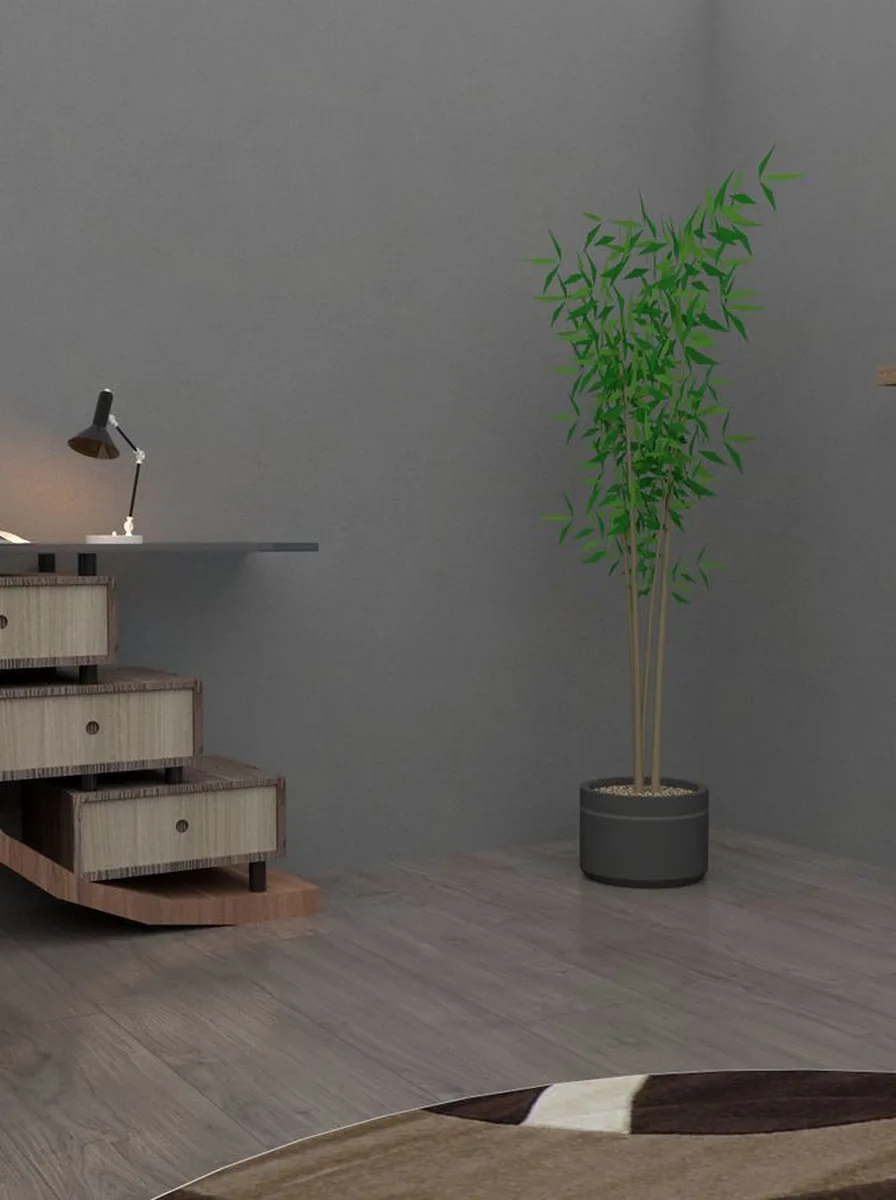
A single wardrobe rail holds one row of clothes, but cascading hangers stack four or five garments vertically from one hook — multiplying hanging capacity without a wider wardrobe. They are perfect for shirts, blouses, and lightweight layers, turning one crowded rail into a neat vertical column of outfits.
Use slim velvet hangers for the cascade so clothes grip instead of sliding, and keep each chain to similar-weight garments so it hangs evenly. Reserve cascading for everyday items; heavy coats still deserve their own space. Pair with the file-folding trick for drawers and a small wardrobe suddenly handles a full wardrobe.
13. Add a Slim Rolling Cart to Dead Gaps
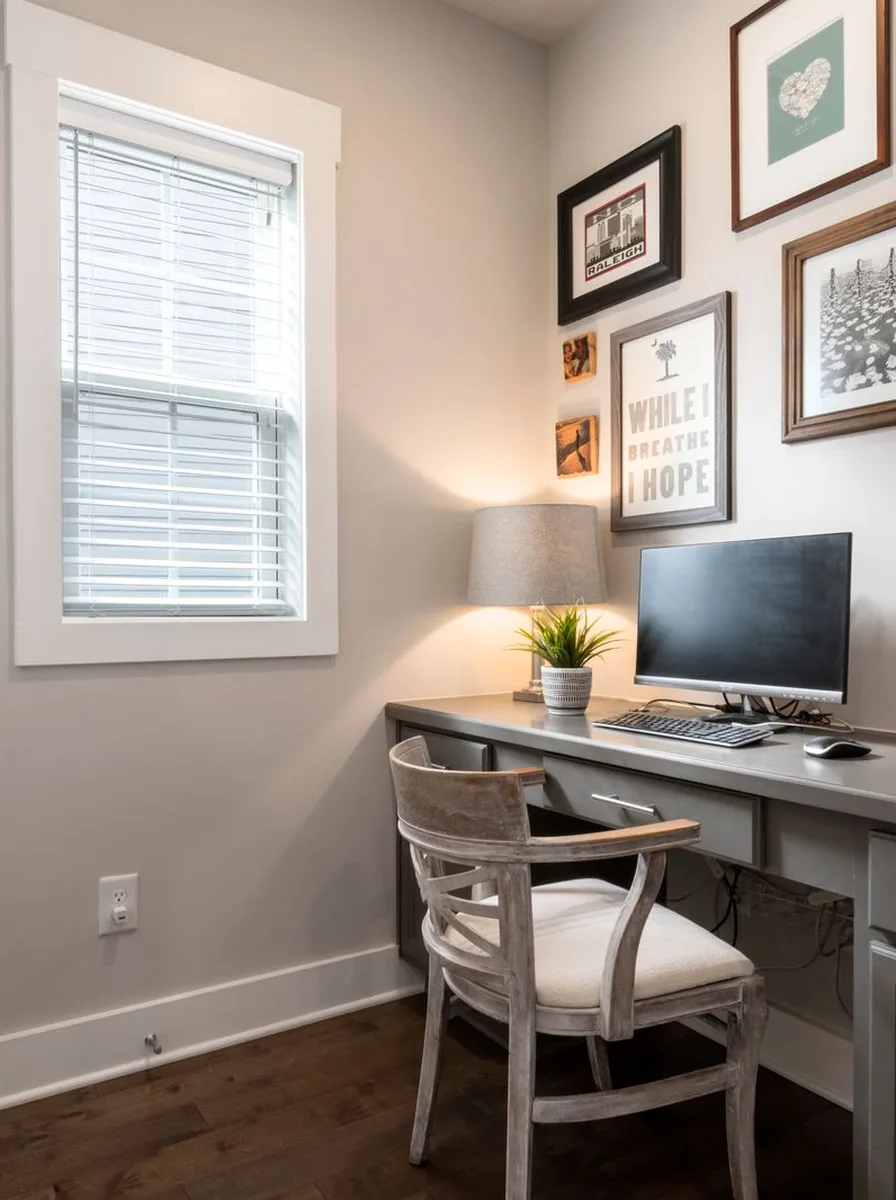
Every bedroom has dead gaps — between the dresser and the wall, beside the wardrobe, in that awkward six inches nothing fits. A slim rolling cart, five to eight inches wide with three or four tiers, turns a wasted gap into a tower of storage for books, chargers, skincare, or craft supplies. Pull it out, grab what you need, slide it back.
Measure your gap carefully, including skirting board depth, before buying. Load heavier items on the bottom tiers so it rolls smoothly, and choose one with a handle and locking casters. Add small bins on each tier to stop items sliding. One slim cart can clear an entire nightstand of clutter in a bedroom with no drawer space.
14. Claim the Shelf Above the Door Frame
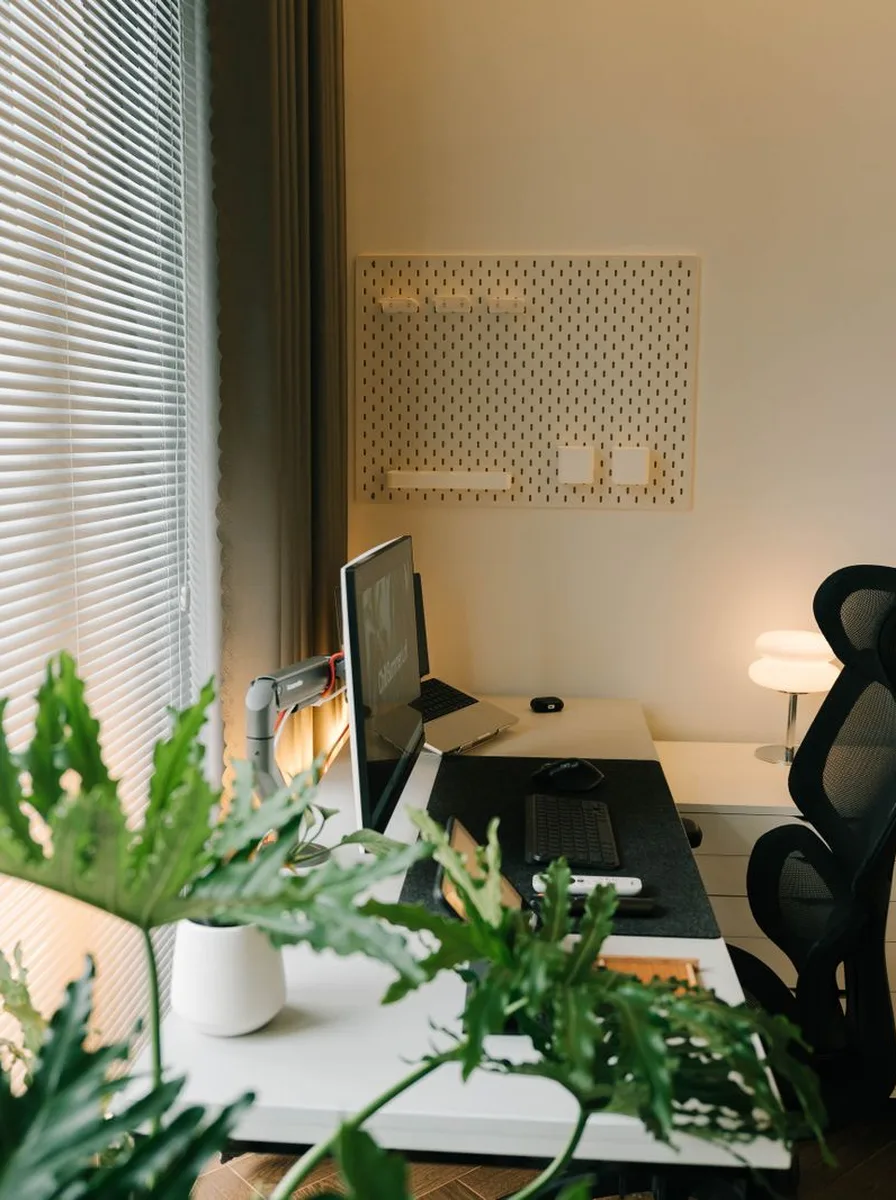
Look above the bedroom door — that strip of wall is storage gold hiding in plain sight. A single shelf mounted there holds books, memory boxes, or spare linens in space that would otherwise sit empty forever. It is the highest shelf in the room, which makes it perfect for the things you need rarely but want nearby.
Mount the shelf twelve to eighteen inches above the frame with brackets rated for at least twenty pounds, anchored into studs. Use matching lidded boxes so the high shelf looks styled rather than stuffed — at that height, uniformity reads as intentional. Keep a small folding step stool in the wardrobe so the shelf stays usable.
15. Use the Space on Top of the Wardrobe
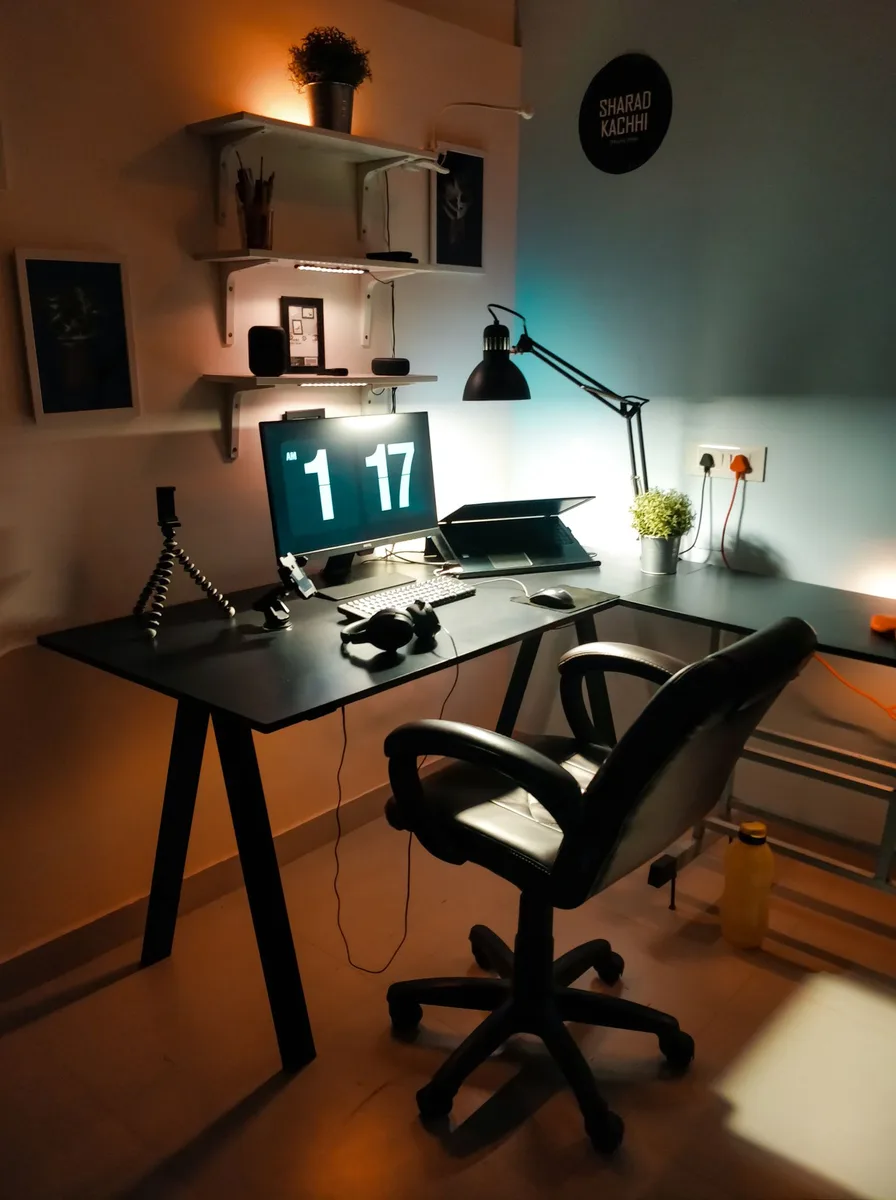
The top of the wardrobe is a full shelf of storage most bedrooms leave dusty and bare. With matching lidded boxes or baskets, it becomes the perfect home for spare bedding, memory boxes, and luggage — bulky, light, rarely needed items that would otherwise eat closet or floor space. Height is free; use it.
Choose boxes that fit the wardrobe’s depth and leave a finger’s width of clearance for easy sliding. Label the fronts so you are not hauling down three boxes to find one blanket. Keep a folding step stool nearby, and dust the tops quarterly — high storage only works when retrieving things stays effortless, not an expedition.
16. Stack Clear Bins on Wardrobe Shelves
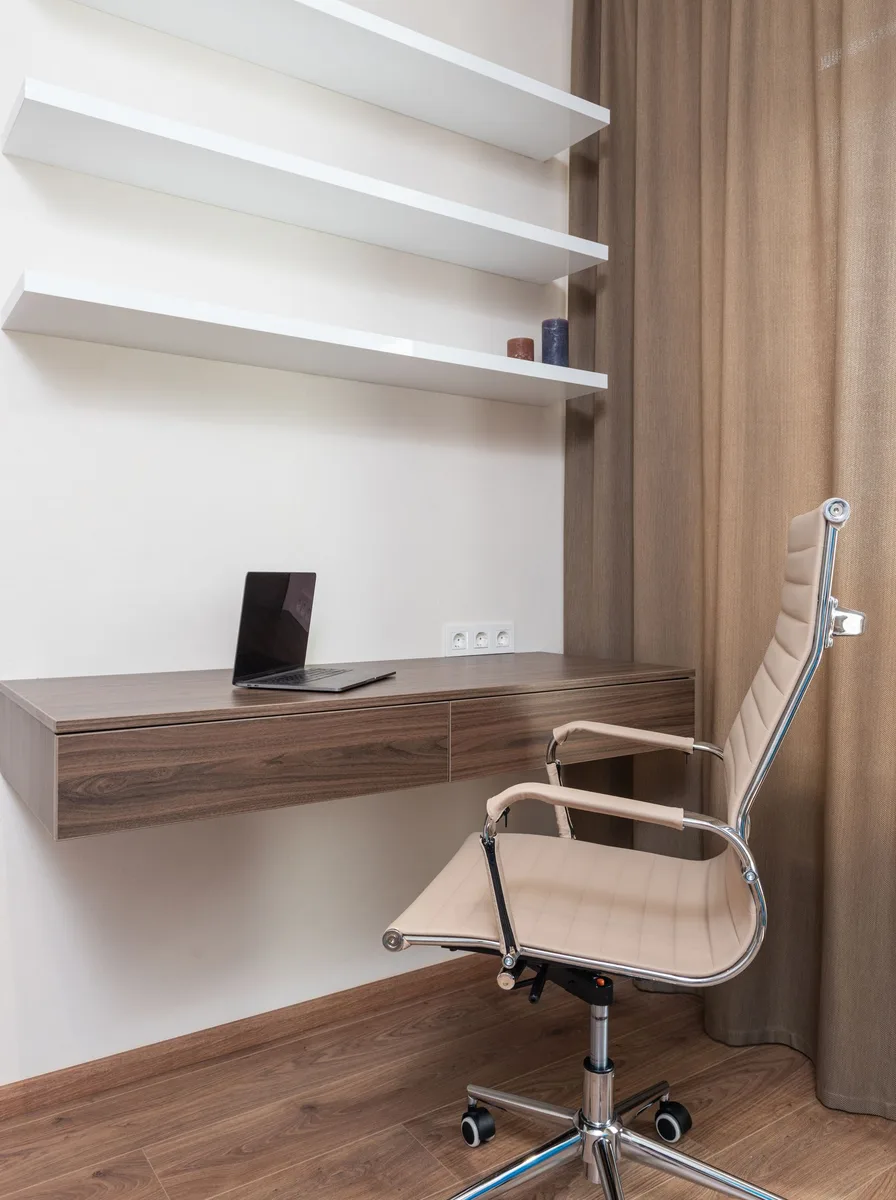
Wardrobes waste the most space at the very top and the very bottom — above the rail and below hanging clothes. Stackable clear bins claim both zones: spare linens and seasonal items up high, shoes and bags down low. Clear walls mean you identify contents without opening a single lid, which keeps the system maintained.
Buy one bin size and stack no more than three high for stability, heaviest on the bottom. Label the front of each bin even though it is clear — labels speed up grab-and-go. Leave one empty bin as overflow buffer; a system with no slack breaks the first busy week. Measure shelf depth first so bins do not jut past the doors.
17. Hang a Pegboard for Jewellery and Accessories
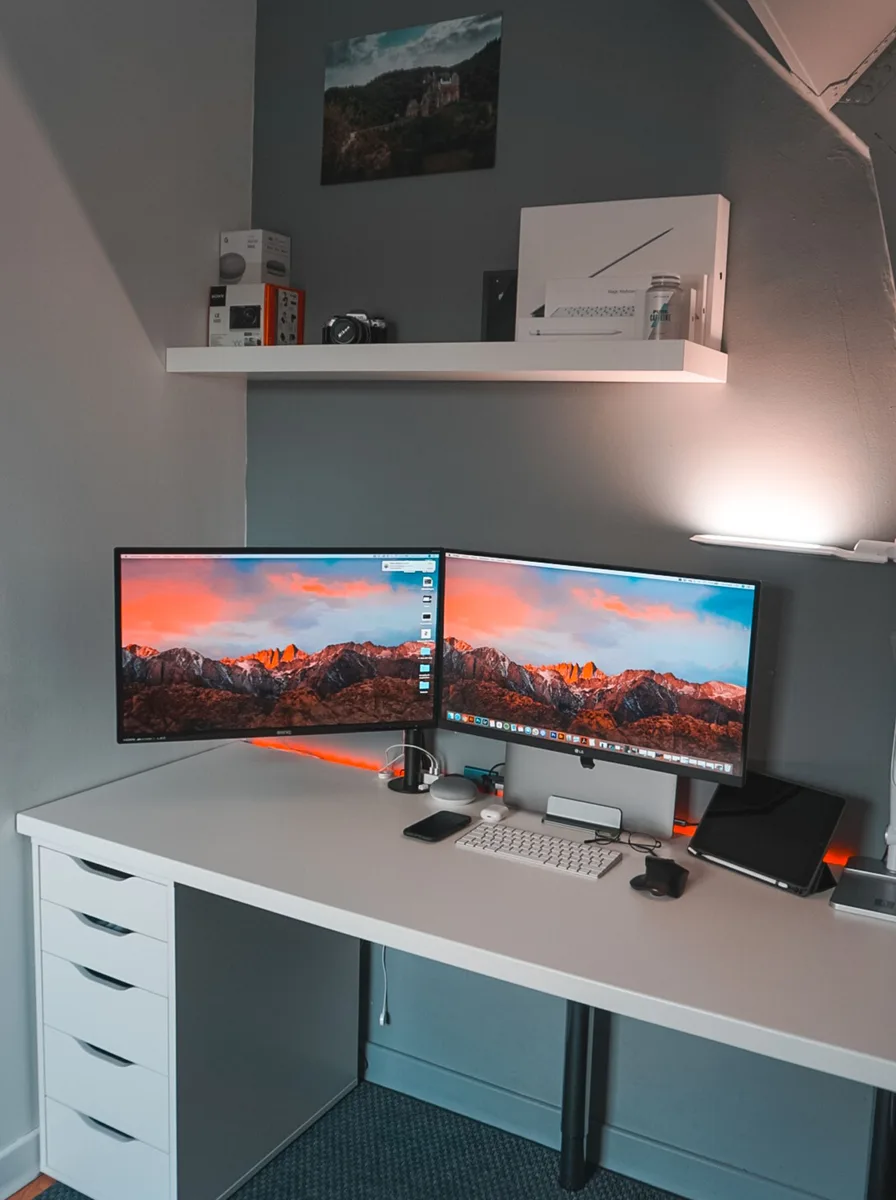
Jewellery, sunglasses, belts, and hair accessories tangle hopelessly in drawers but shine on a pegboard. A small board on the bedroom wall turns accessories into a tidy, visible display — everything findable at a glance, nothing knotted. Unlike fixed hooks, pegboard hooks move in seconds as your collection changes.
Mount a two-by-three-foot panel with spacers so hooks seat properly, and frame it in wood trim so it reads as décor rather than hardware-store leftover. Paint it your wall colour for a seamless built-in look. Hang necklaces on hooks, drape scarves on dowels, and add a tiny shelf for perfumes — a complete accessory station in two square feet.
18. Mount Floating Nightstands to Free the Floor
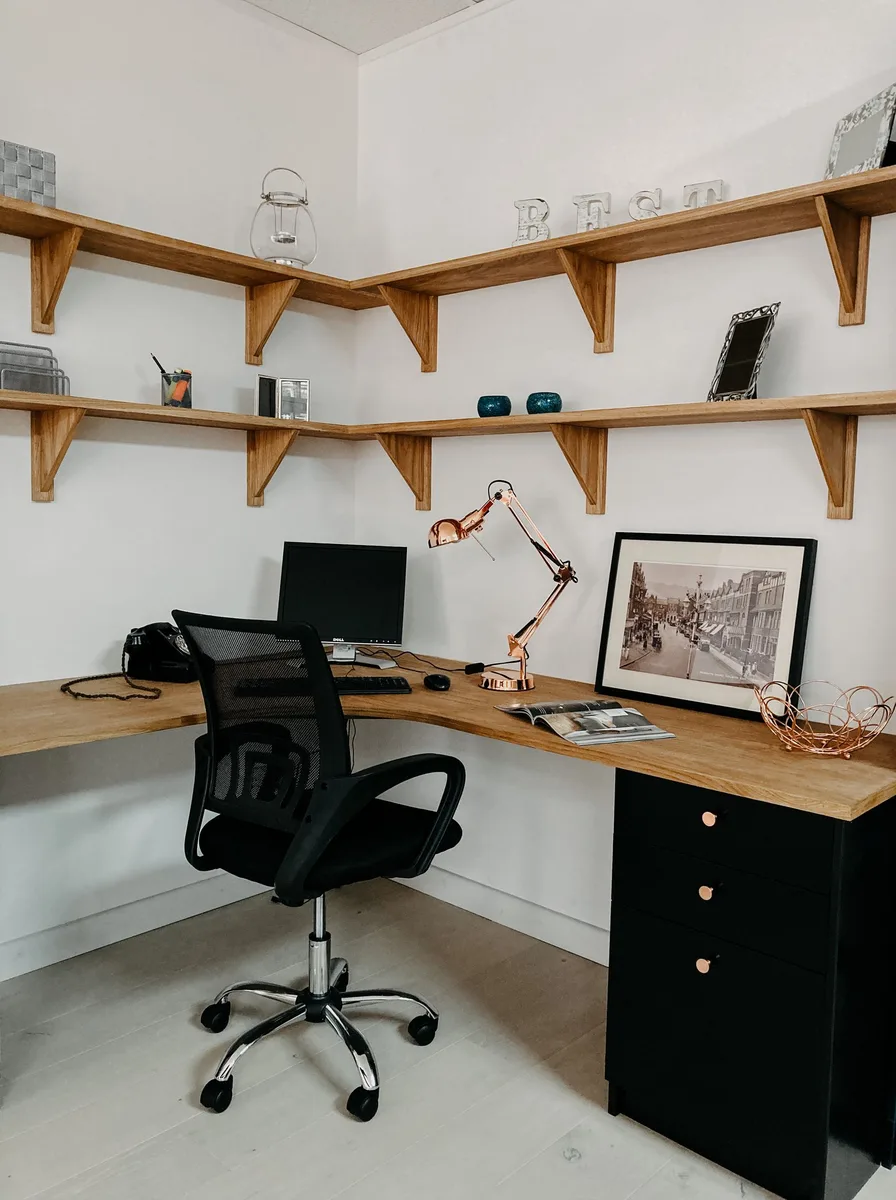
A traditional nightstand eats two square feet of floor on each side of the bed. A wall-mounted floating nightstand gives you the same surface and drawer while leaving the floor completely clear underneath — the room feels larger, cleaning gets easier, and the floating look is pure modern calm. Small change, big spatial payoff.
Mount into studs at a height matching your mattress top (usually twenty-four to twenty-six inches), choosing a unit rated for at least twenty pounds. A single drawer plus an open cubby covers lamp, book, water, and charger. Keep the underside clear — storing things beneath a floating nightstand defeats the airy effect entirely.
19. Slide a Narrow Console Behind the Headboard
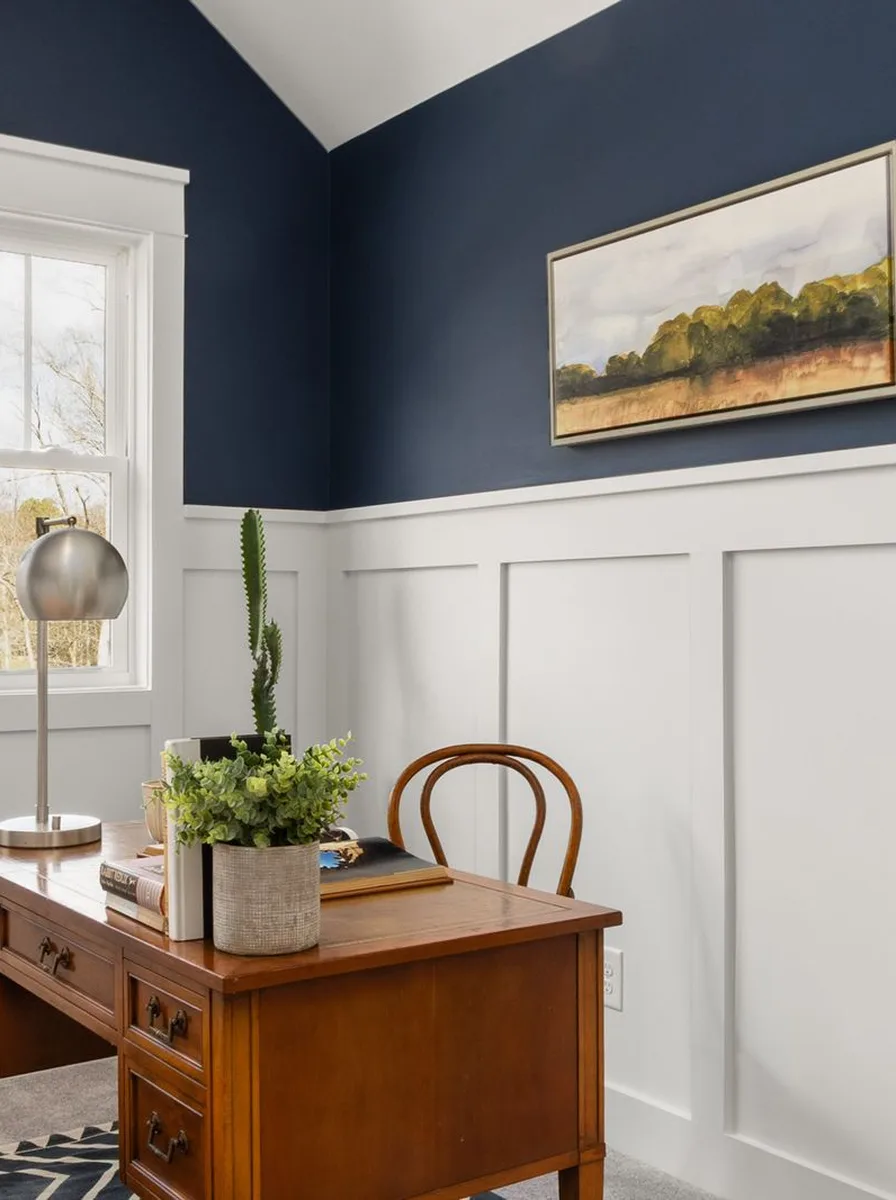
When the bed floats even slightly off the wall, the gap behind the headboard becomes a slim storage ledge waiting to happen. A narrow console table — eight to ten inches deep — slid into that gap holds books, a reading lamp, chargers, and a carafe, replacing bedside tables in rooms too narrow for them. Dead space becomes the nightstand.
Choose a console the full width of the bed so it reads as intentional, with a lower shelf for extra books or baskets. Secure it to the wall with anti-tip hardware since it sits behind the bed. Add a power strip along its back edge for chargers — cables drop neatly behind, and both sides of the bed share one streamlined station.
20. Store Bedding in a Trunk That Doubles as Seating
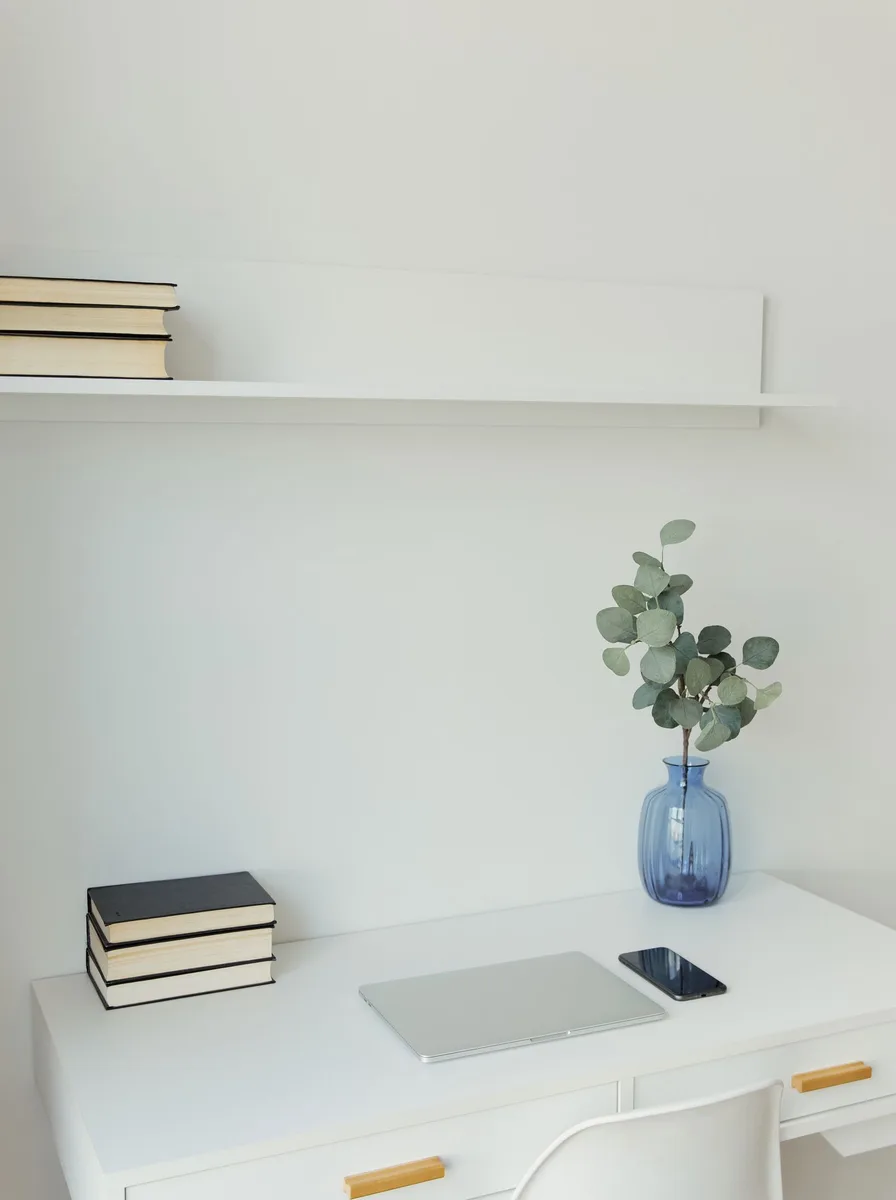
Spare duvets, quilts, and guest pillows are bulky and homeless in most small bedrooms. A storage trunk at the foot of the bed — or under the window — swallows them whole while doubling as a bench for getting dressed. It is classic, beautiful, and ruthlessly practical: the bulkiest bedroom items hidden inside the prettiest box in the room.
Choose a trunk with a hinged lid supported by soft-close stays (no slammed fingers), sized to your spare bedding — usually thirty-six to forty-eight inches wide. Add a flat cushion on top to make it genuinely comfortable seating. Cedar-lined trunks protect wool blankets from moths naturally, a bonus for stored textiles.
21. Use Wall-Mounted Baskets for Grab-and-Go Items
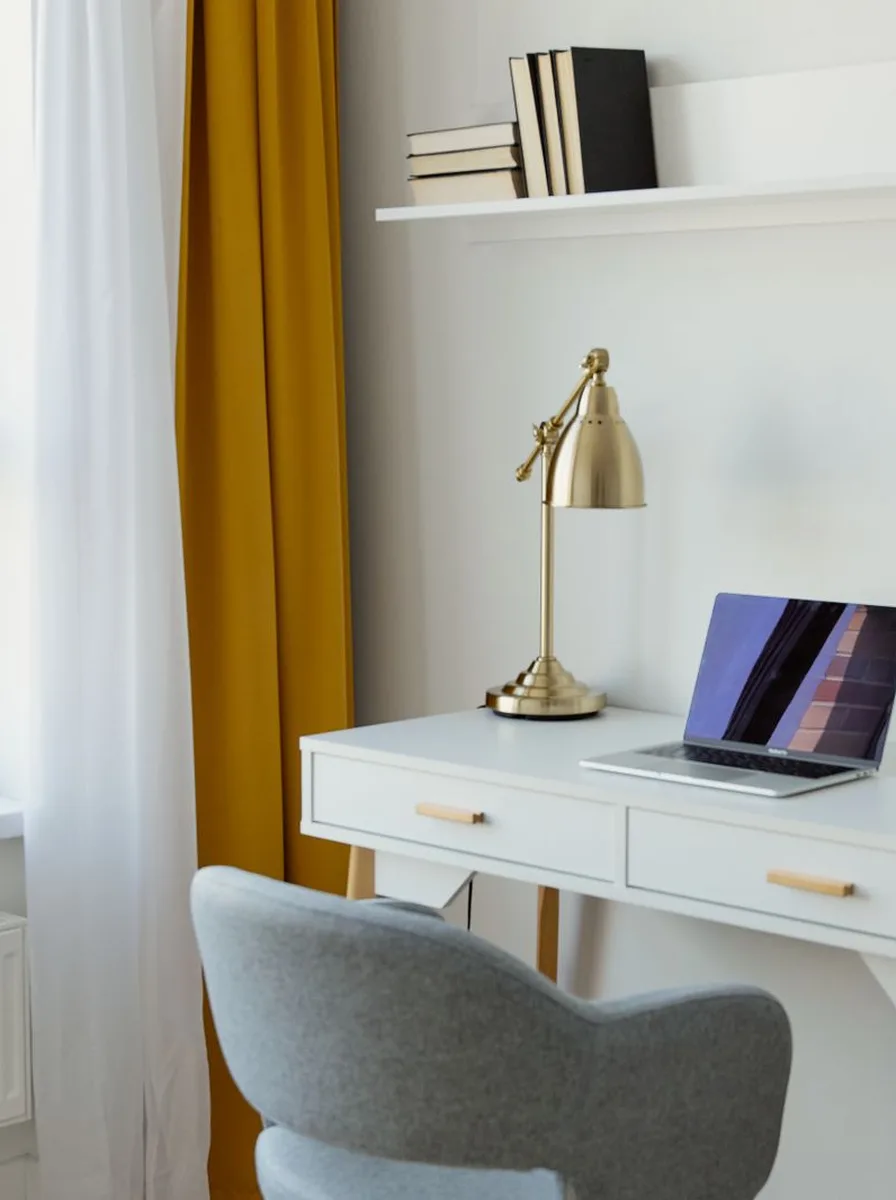
The items you reach for daily — sunglasses, keys, lip balm, the TV remote — deserve wall space near the door, not drawer space you will never open in a hurry. Two or three wall-mounted baskets by the bedroom door keep every grab-and-go essential visible and one-handed reachable. It ends the frantic morning search for good.
Hang baskets at staggered heights for a styled look, heaviest items lowest, using anchors rated for the load. Wire baskets suit a modern room; woven ones suit a softer scheme. Assign each household member one basket so items do not migrate. Review monthly and evict anything you have not grabbed in weeks.
22. Tuck a Folding Luggage Rack in the Corner
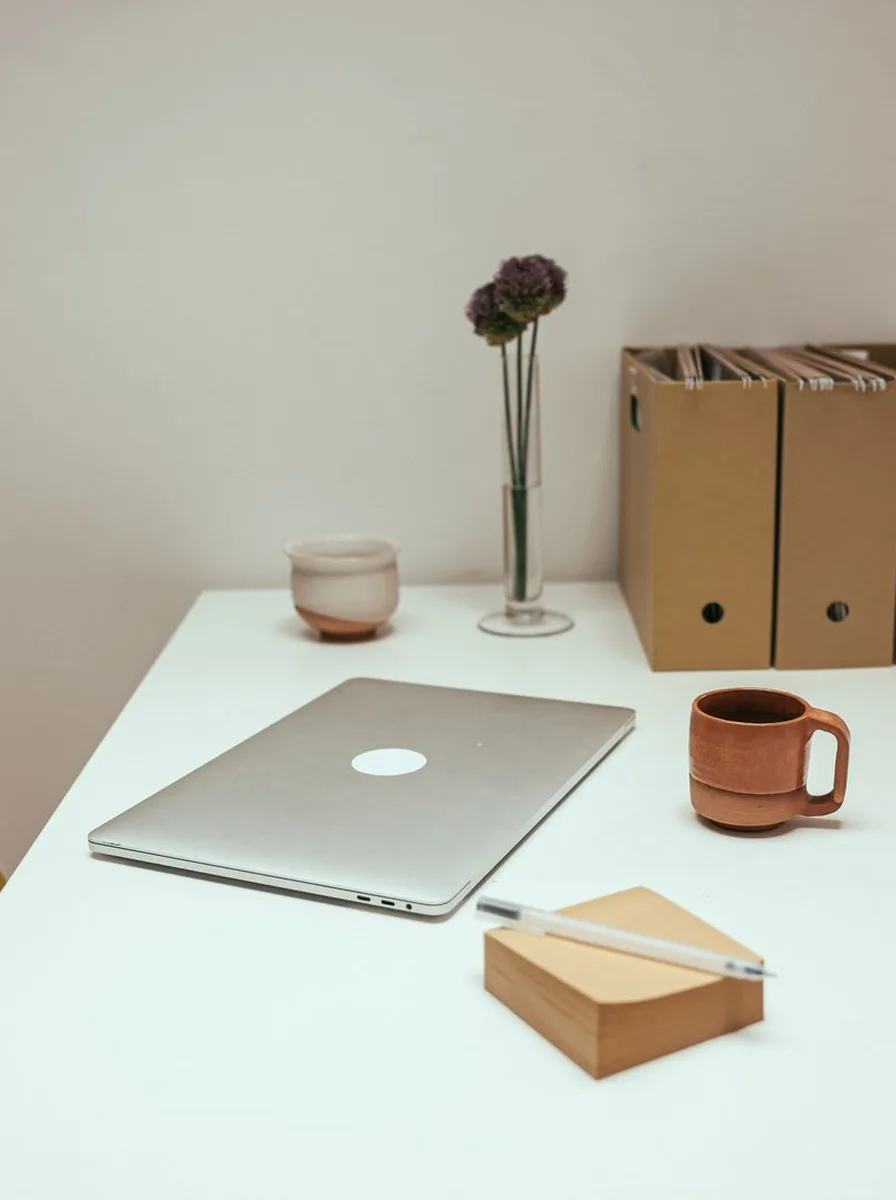
Suitcases have no natural home in a small bedroom — they lean in corners, block wardrobes, and collect dust. A folding luggage rack gives the suitcase a proper parking spot: it holds the case at a comfortable packing height, then folds flat to a few inches thick and slides behind the wardrobe or under the bed when the trip is over.
Choose a wooden or bamboo rack rated for at least fifty pounds with wide straps that will not mark luggage. Keep it folded in its slim storage spot between trips so it never becomes permanent clutter. Bonus: guests love finding one in a spare room — it is the hotel touch that makes a small guest bedroom feel considered.
23. Add a Second Rail Below for Short Items
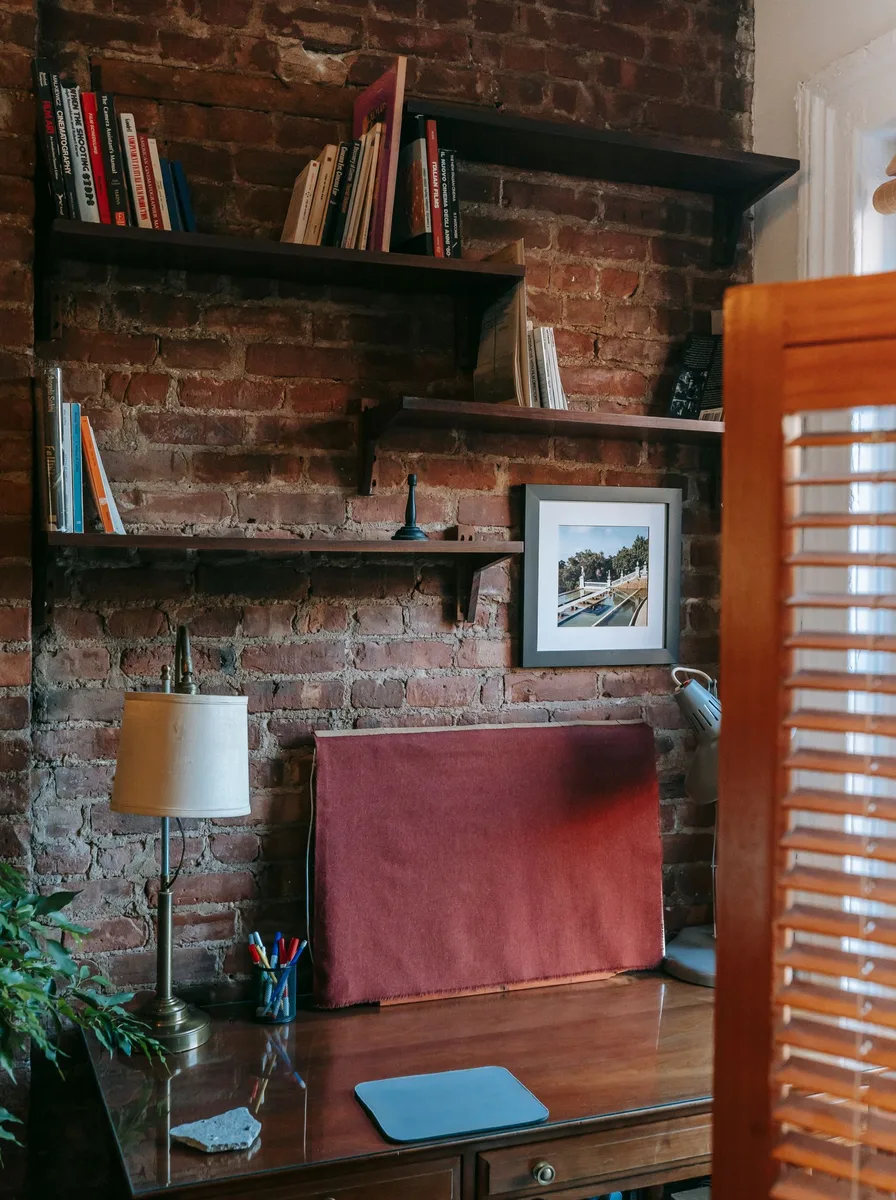
Most wardrobe rails hang at full length, wasting the lower half beneath shirts and folded trousers. Adding a second, lower rail — or a tension-rod rail — doubles hanging capacity for short items: shirts above, trousers or skirts below. The same wardrobe footprint suddenly holds twice the clothes with zero extra furniture.
Mount the lower rail about forty inches below the upper one, checking that longer shirts clear it. A spring-tension closet rod needs no drilling and suits renters perfectly. Keep heavy coats on the upper rail (stronger mounting) and lighter shirts below. This one addition can postpone buying a bigger wardrobe indefinitely.
24. Hang Seasonal Bags from Sturdy Wall Hooks
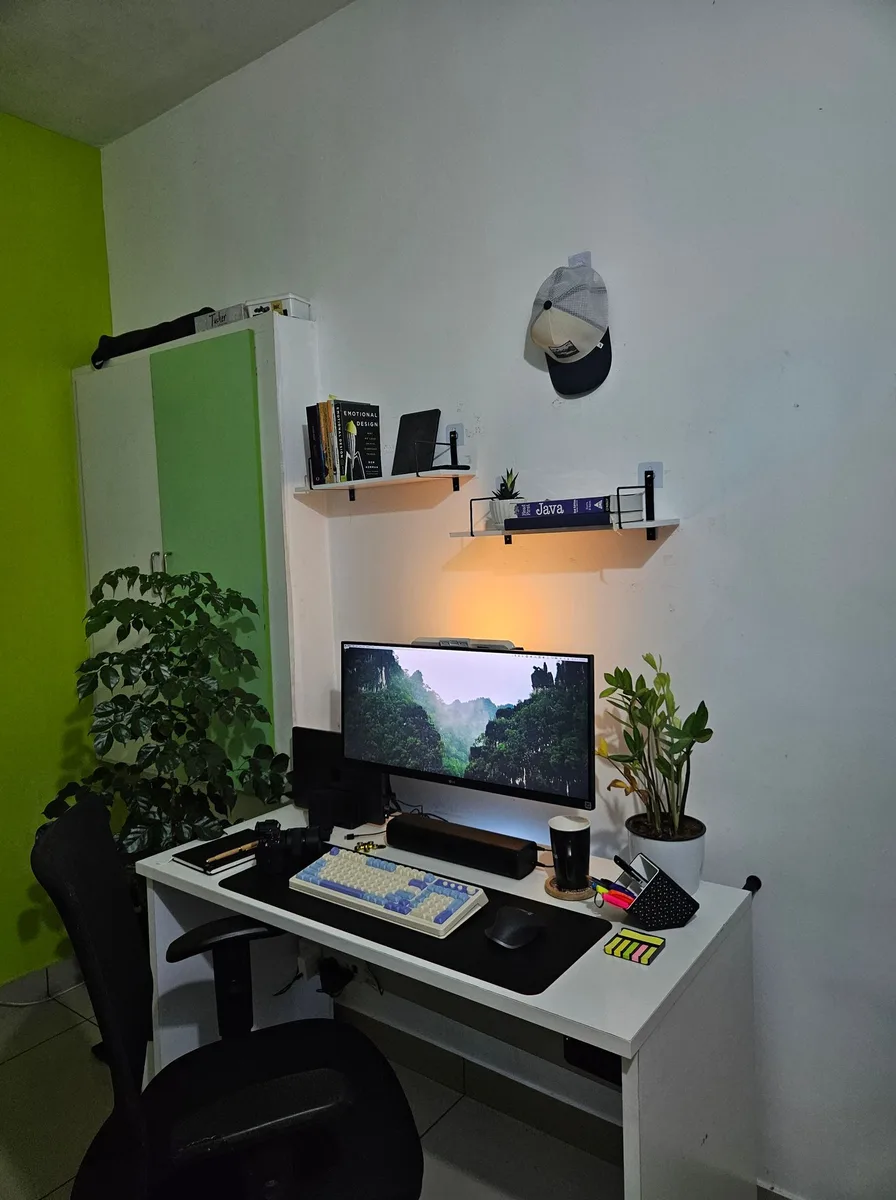
Handbags, tote bags, and backpacks devour shelf and floor space while slowly losing their shape in a pile. A row of sturdy wall hooks — on the wall beside the wardrobe or inside its doors — hangs each bag separately, saving its shape and freeing the shelf entirely. Visible bags also get used more, which is a quiet win against the forgotten-handbag pile.
Use hooks rated for at least ten pounds each, spaced eight to ten inches apart, screwed into studs or solid wardrobe panels. Hang bags by their handles, heaviest lowest. Inside wardrobe doors they stay hidden; on an open wall they become a colourful display. Either way, the shelf they vacated is pure gained storage.
25. Use Magnetic Strips for Bobby Pins and Clips
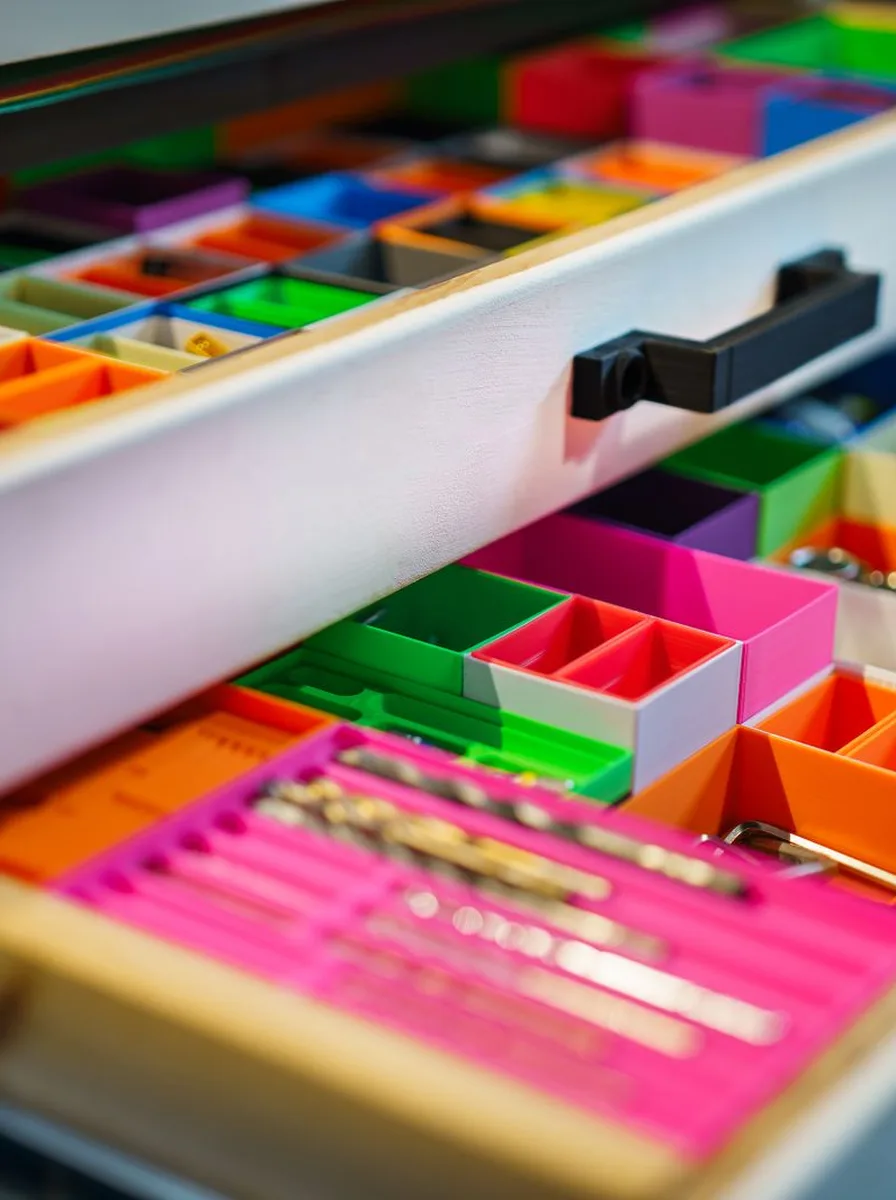
Bobby pins, hair clips, and tweezers are the escape artists of the bedroom — tiny, metal, forever vanishing into drawers and under furniture. A short magnetic strip mounted inside a drawer, on the wall by the mirror, or inside a cabinet door catches them all in one visible line. No more digging, no more buying replacements for pins you already own.
Mount a six-to-twelve-inch strip with screws or strong adhesive at the spot you get ready each morning. In a drawer, fix it to the inside wall so pins stay put when the drawer opens. Wipe the strip occasionally — it collects its share of dust along with the pins. One strip ends the great bobby-pin hunt permanently.
26. Finish with a Bedside Caddy Instead of a Nightstand
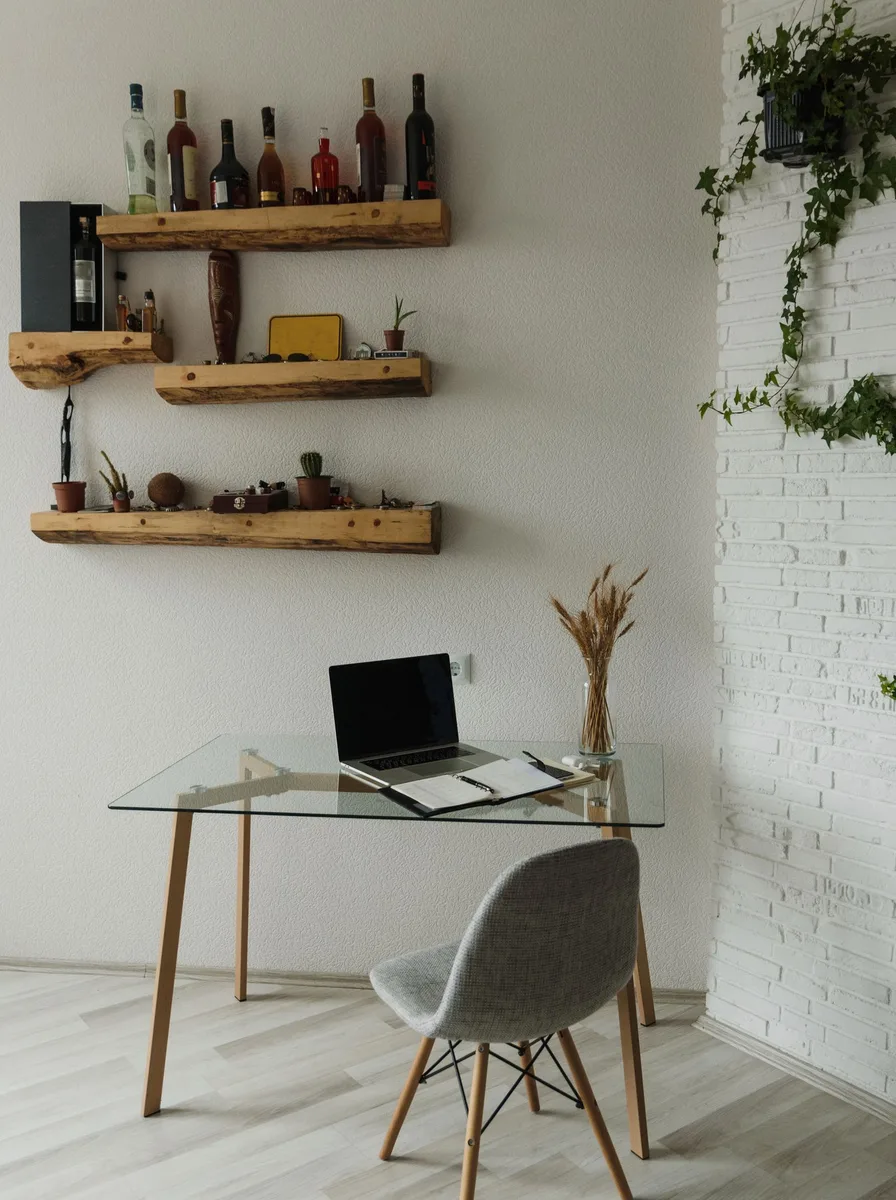
In the smallest bedrooms there is simply no floor for a nightstand — and that is where a bedside caddy wins. This fabric or felt organiser hooks over the mattress edge or bed frame, holding your phone, book, glasses, water bottle, and charger in slim pockets. All the function of a nightstand in zero square feet of floor.
Choose a caddy with at least four pockets of varying sizes and a sturdy hook or strap that grips your bed frame securely. Keep a small power strip behind the bed so the charger’s cable runs neatly into a pocket. When the caddy fills up, it is your signal to declutter — it holds the essentials, and the essentials only.

David is the home decor enthusiast behind HomeLushly. He shares practical, budget-friendly ideas for bedrooms, living rooms and seasonal decorating — from colour combinations that actually work to small-space styling tricks that make a room feel bigger. Every guide on HomeLushly is built around real photos and hands-on research, to help you make your home feel warm, personal and beautifully put together.