

A tiny bedroom is not a design dead end — it is a chance to be clever.
Every small room has hidden potential: walls that can work harder, light that can be doubled, and furniture that can earn its floor space twice over. The most beautiful small bedrooms are not the biggest ones; they are the ones where every choice was made on purpose. Once you learn the tricks, square footage stops being the boss of your style.
The real secret is that most space-stretching ideas also make a room prettier.
A big mirror adds light and elegance. Floating furniture looks modern and shows off more floor. One light color everywhere feels calm and cohesive, while a single bold accent keeps things interesting. Small rooms reward bold, clear decisions — because you see the whole picture at once, a few confident moves transform everything in an afternoon.
This guide collects 21 clever tiny bedroom ideas that make a small room look bigger and more beautiful.
From mirror placement and ceiling-height curtains to floating nightstands and daybeds, each idea comes with practical tips, measurements, and easy swaps you can try this weekend — no renovation required.
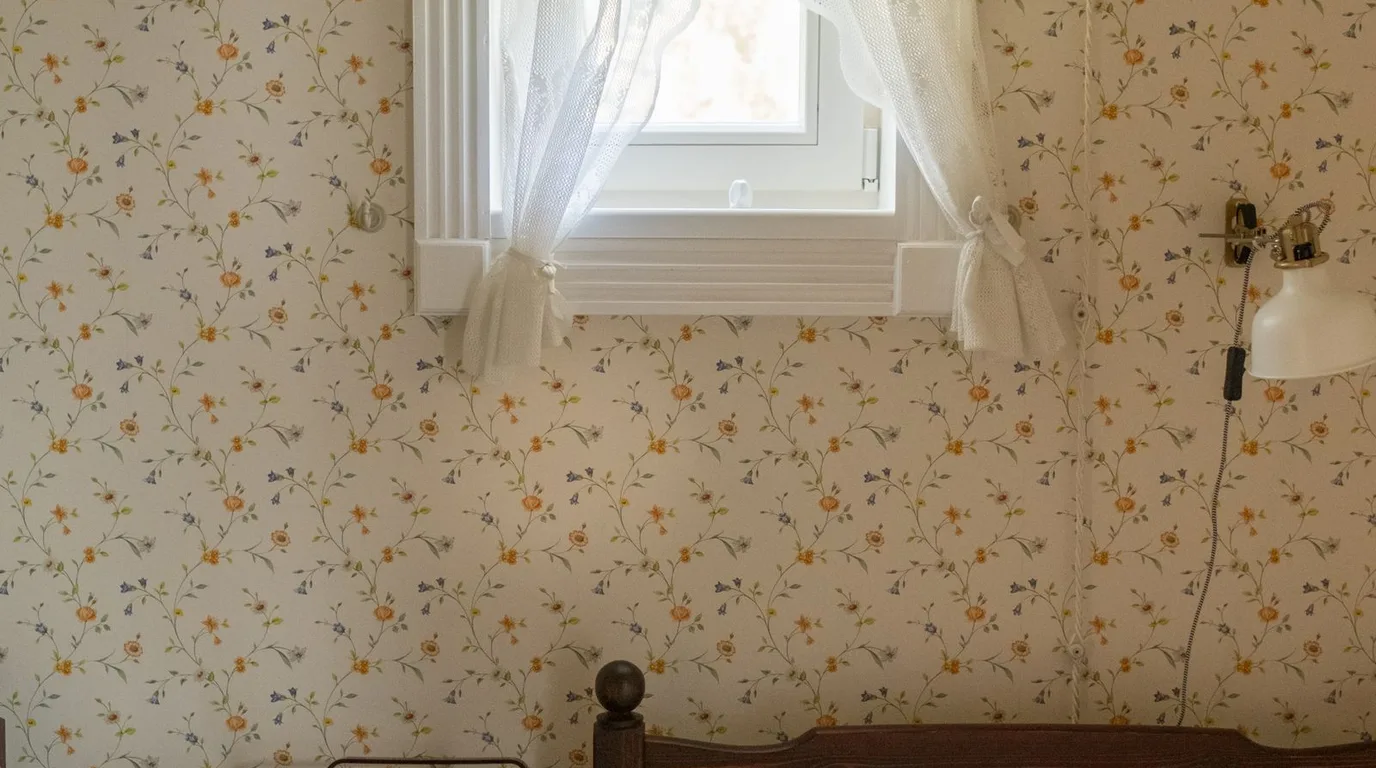
1. Hang a Big Mirror Opposite the Window
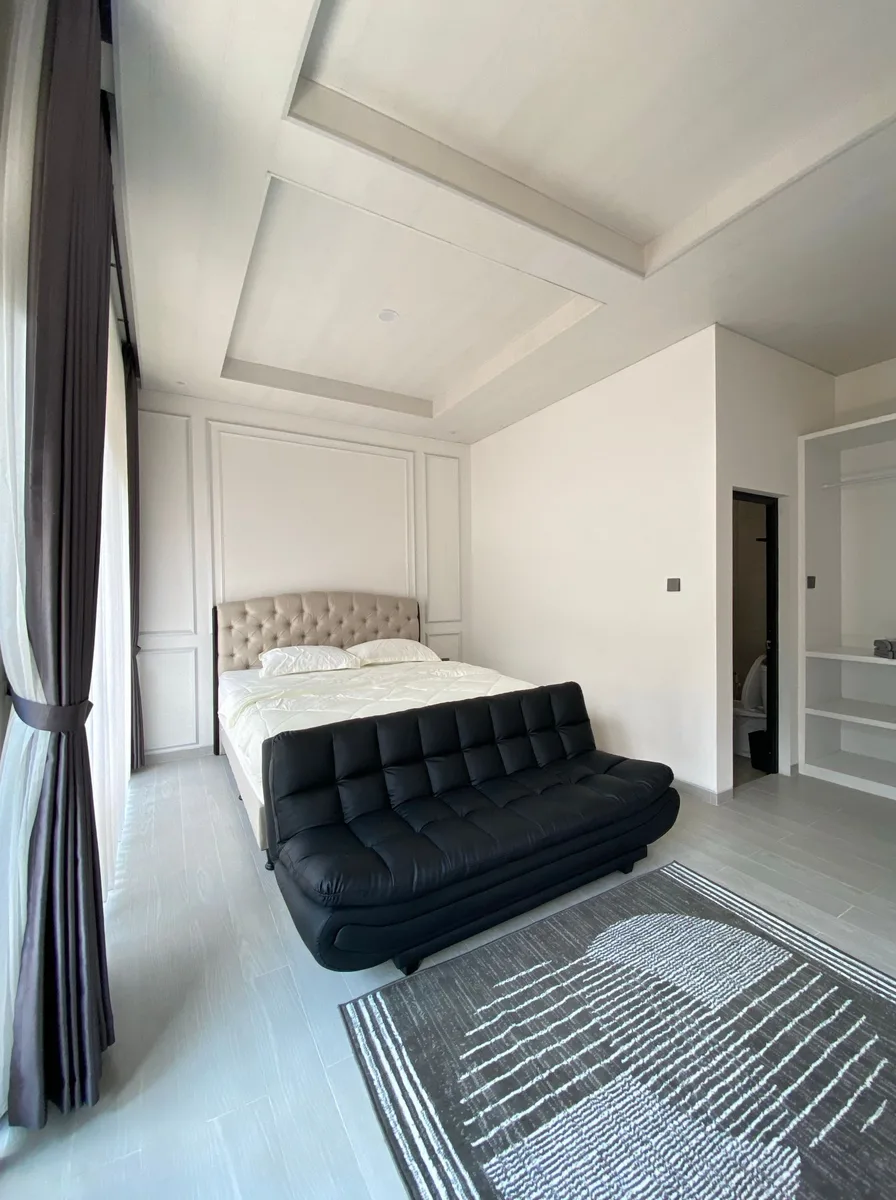
Nothing makes a small bedroom feel bigger faster than a large mirror. Positioned across from or beside the window, a mirror doubles your daylight and creates the illusion of a second room stretching beyond the glass. Choose one big mirror — at least 24 inches wide — rather than several small ones, because one continuous reflection reads as genuine space while scattered pieces read as clutter.
A floor-length leaning mirror is the easiest option since it needs no drilling, and an arched or round shape softens all the straight lines of a boxy room. Keep the frame slim and pale — white, light wood, or thin brass — so it blends into the walls instead of cutting a dark outline across them. Tip: angle it slightly toward the brightest part of the room for maximum light bounce.
2. Paint Walls and Ceiling One Light Color
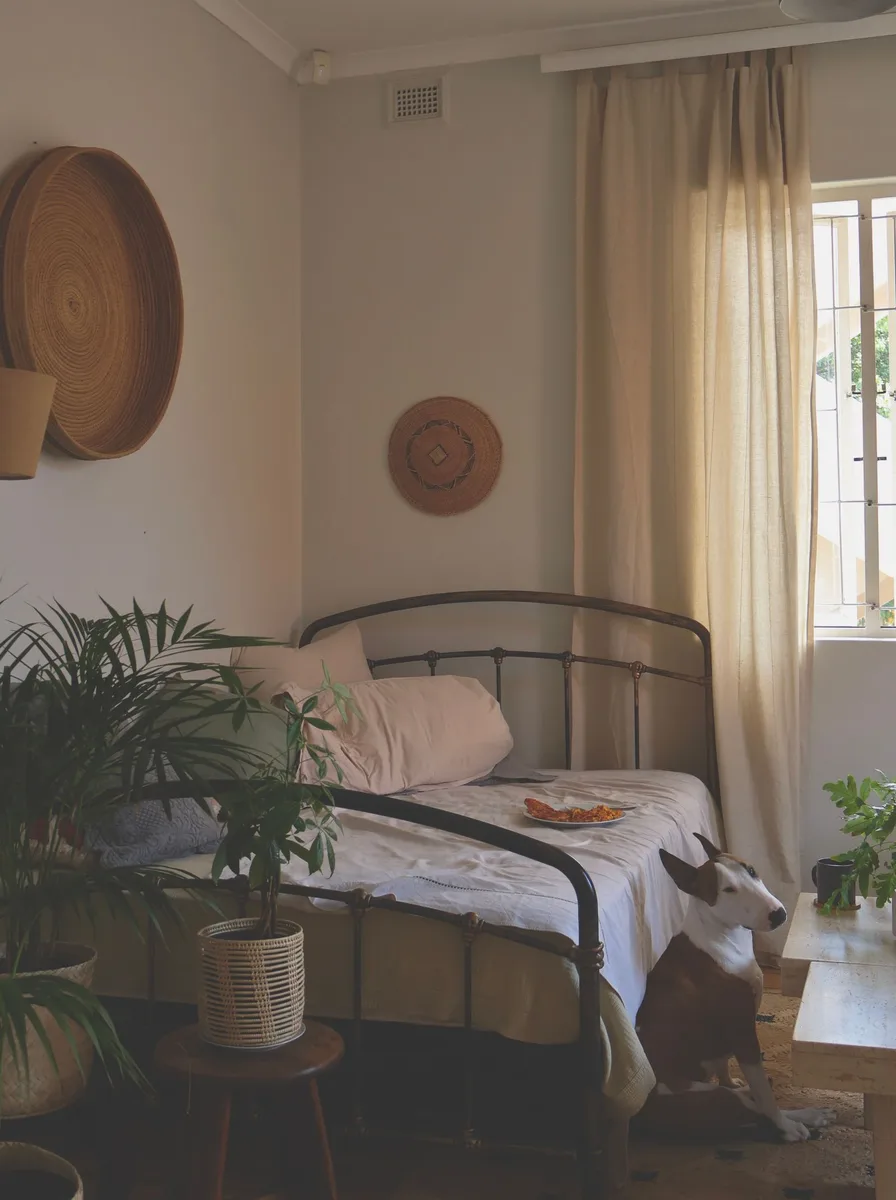
When walls and ceiling share the same light color, the line where they meet disappears — and with it goes the room’s sense of boundaries. A soft warm white, pale greige, or whisper of peach keeps every surface reflective and unified. Small bedrooms look best in colors with a light reflectance value (LRV) above 70, which bounce daylight deep into corners instead of swallowing it.
Use a flat or eggshell finish rather than semi-gloss; it hides imperfections and looks more sophisticated. If pure white feels cold, warm it with texture — a knit throw, a jute rug, woven baskets — rather than darker paint. One-tin decorating like this is also the cheapest transformation on this list, and it takes a single weekend.
3. Float Your Nightstands Off the Floor
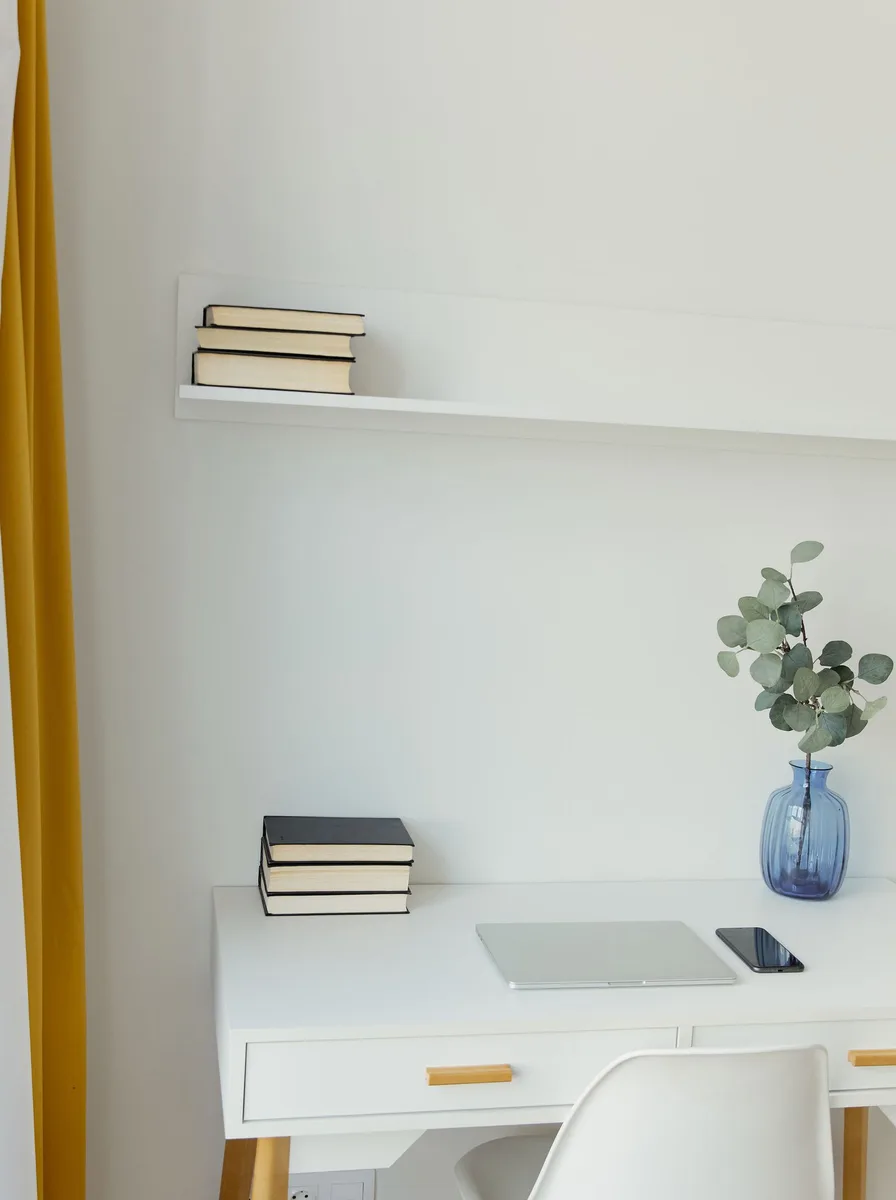
Wall-mounted nightstands free up the floor beneath them, and visible floor is the single biggest signal of spaciousness in a small bedroom. A floating shelf or small drawer unit mounted at mattress height gives you a landing spot for a lamp, book, and water without a single leg touching the ground. The room instantly looks lighter and airier.
Choose a shelf at least 12 inches deep so a lamp base fits safely, and anchor it into a stud or use heavy-duty wall anchors rated for 50 pounds or more. Match the shelf to your wall color so it nearly disappears, or pick warm wood for a touch of contrast. Bonus: cleaning under them takes seconds — no more dust bunnies behind the bed.
4. Choose a Low-Profile Bed Frame
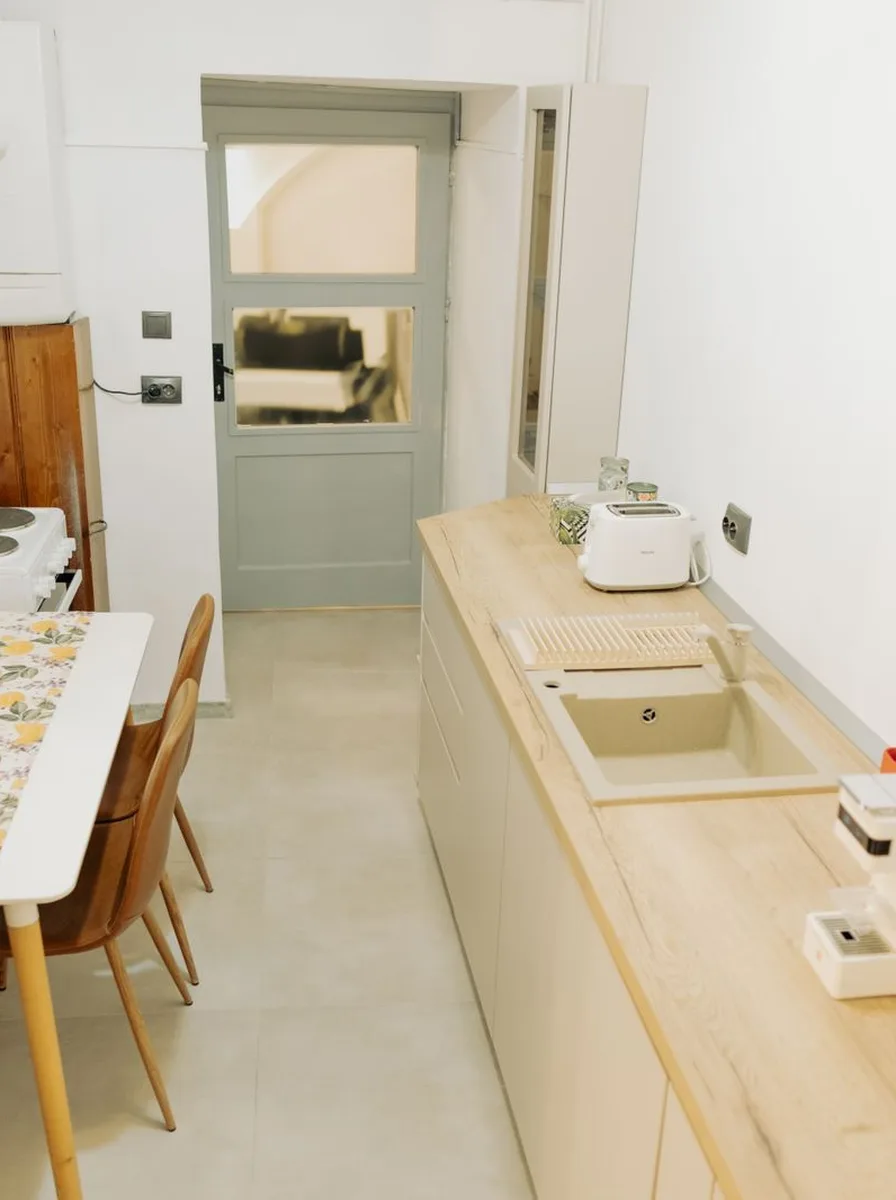
A low bed frame — platform style with a mattress top no higher than 24 inches from the floor — keeps sightlines open across the room. When you can see over the bed to the far wall, the room reads as one generous space instead of two cramped halves. Skip tall, heavy headboards too; a simple low headboard or none at all keeps the air flowing visually.
Platform frames also eliminate the need for a box spring, which shaves several inches of bulk. Look for frames with legs at least 6 inches tall if you want under-bed storage bins to slide underneath, or choose a solid-base platform for a cleaner look. Dress it with bedding in light, solid colors to keep the low silhouette feeling intentional rather than sparse.
5. Hang Curtains at Ceiling Height
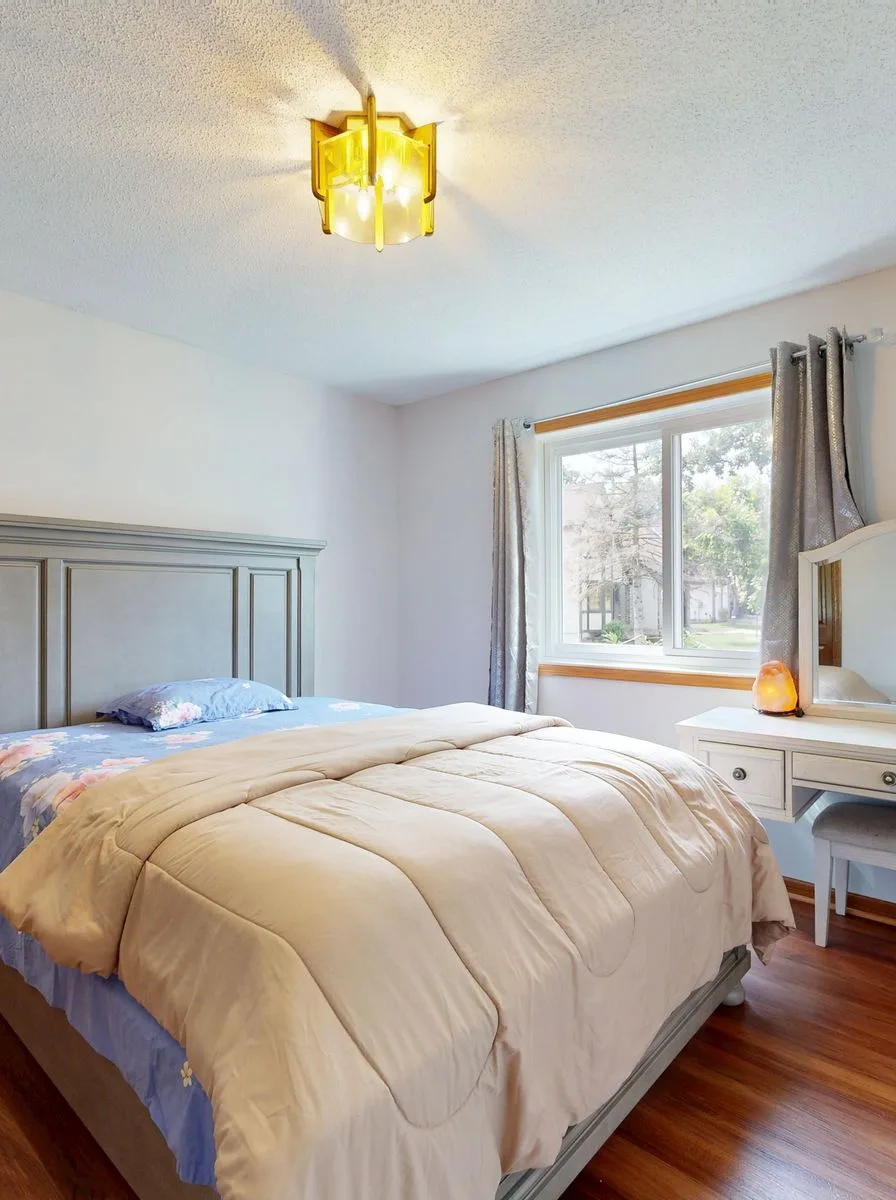
Mounting the curtain rod just below the ceiling — and extending it 4 to 6 inches beyond the window frame on each side — is the oldest ceiling-heightening trick in the book, and it works every time. Long curtains draw the eye from floor to ceiling in one unbroken line, making walls feel taller and the window feel grander. The room gains a sense of height that square footage alone can’t give.
Let panels just kiss the floor rather than pooling, which keeps the look tailored. Lightweight linen or sheer fabrics in a color close to your walls keep the panels from feeling heavy. For tiny windows, consider curtains in a single wide panel per side — fewer breaks in the fabric means a cleaner, more spacious look.
6. Swap Bedside Lamps for Wall Sconces
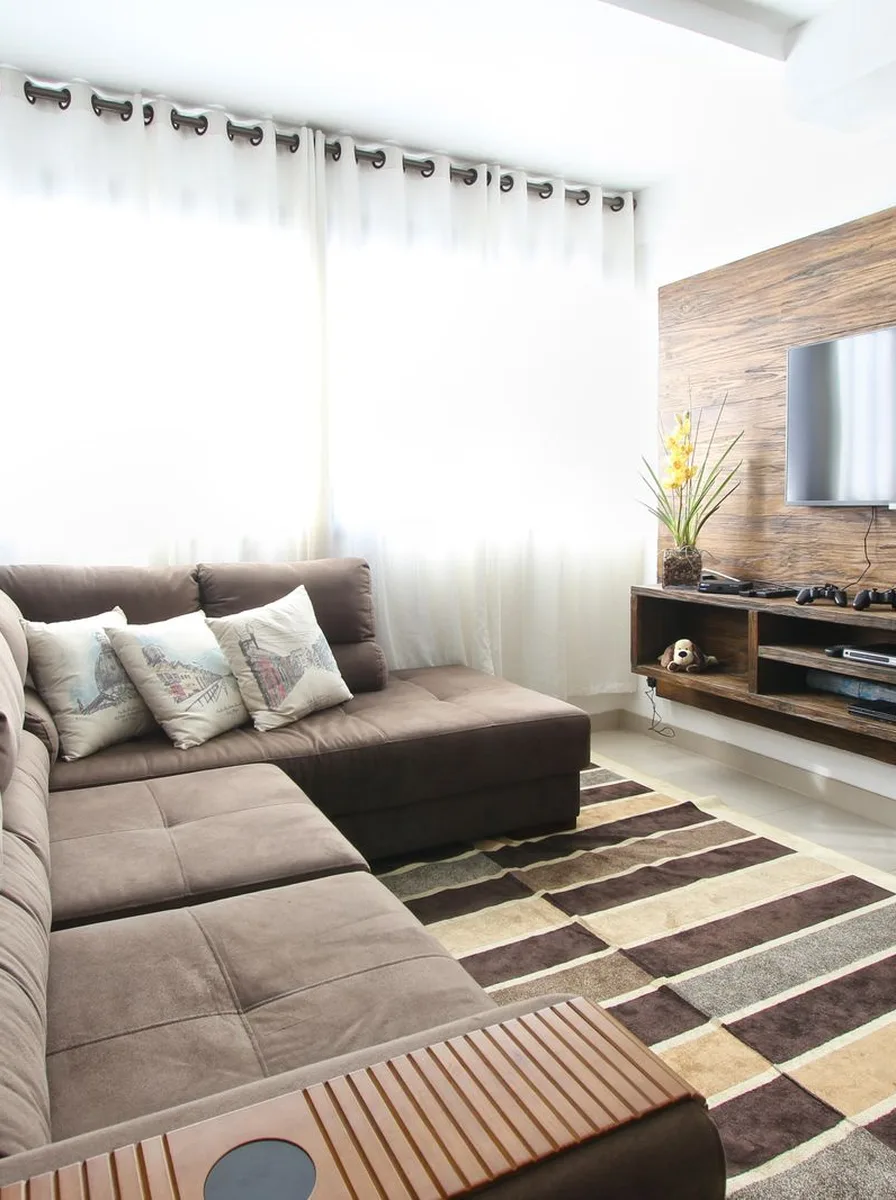
Table lamps eat precious nightstand space; wall sconces give it back. A pair of slim sconces mounted beside or above the headboard frees both nightstands entirely for books, glasses, and chargers — and the upward-and-downward wash of light adds a cozy glow that a single lamp shade can’t match. The room looks more designed and less cluttered in one move.
Mount sconces so the shade sits about 18 to 24 inches above the mattress for comfortable reading light, and choose plug-in styles if you can’t hardwire — the cord can run neatly behind the headboard. Swing-arm sconces are the most practical choice because they adjust for reading in bed. Warm bulbs around 2700K keep the glow relaxing.
7. Keep Bedding Light and Monochrome
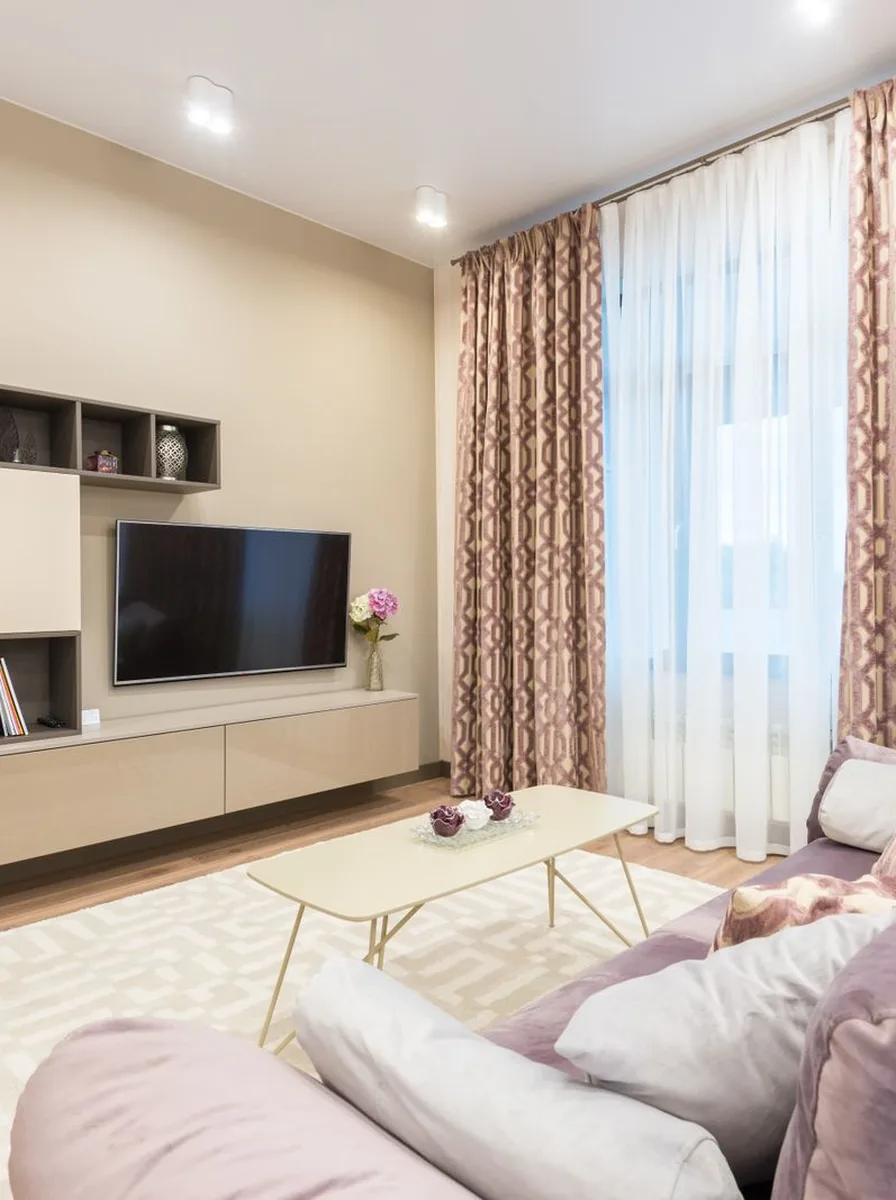
The bed is the biggest object in a small bedroom, so its dressing sets the room’s visual weight. Light, tonal bedding — white sheets, cream duvet, one pale accent pillow — makes the bed blend into the room instead of looming over it. A monochrome scheme removes visual interruptions, letting the eye glide across the space uninterrupted.
Layer two or three shades of the same color family for depth: think white, ivory, and sand. Add texture rather than pattern — a waffle-weave throw, linen pillowcases — so the bed stays interesting without getting busy. Wash tip: light solid bedding is also the easiest to mix and match, so your whole linen closet works with every combination.
8. Add Vertical Stripes for Instant Height
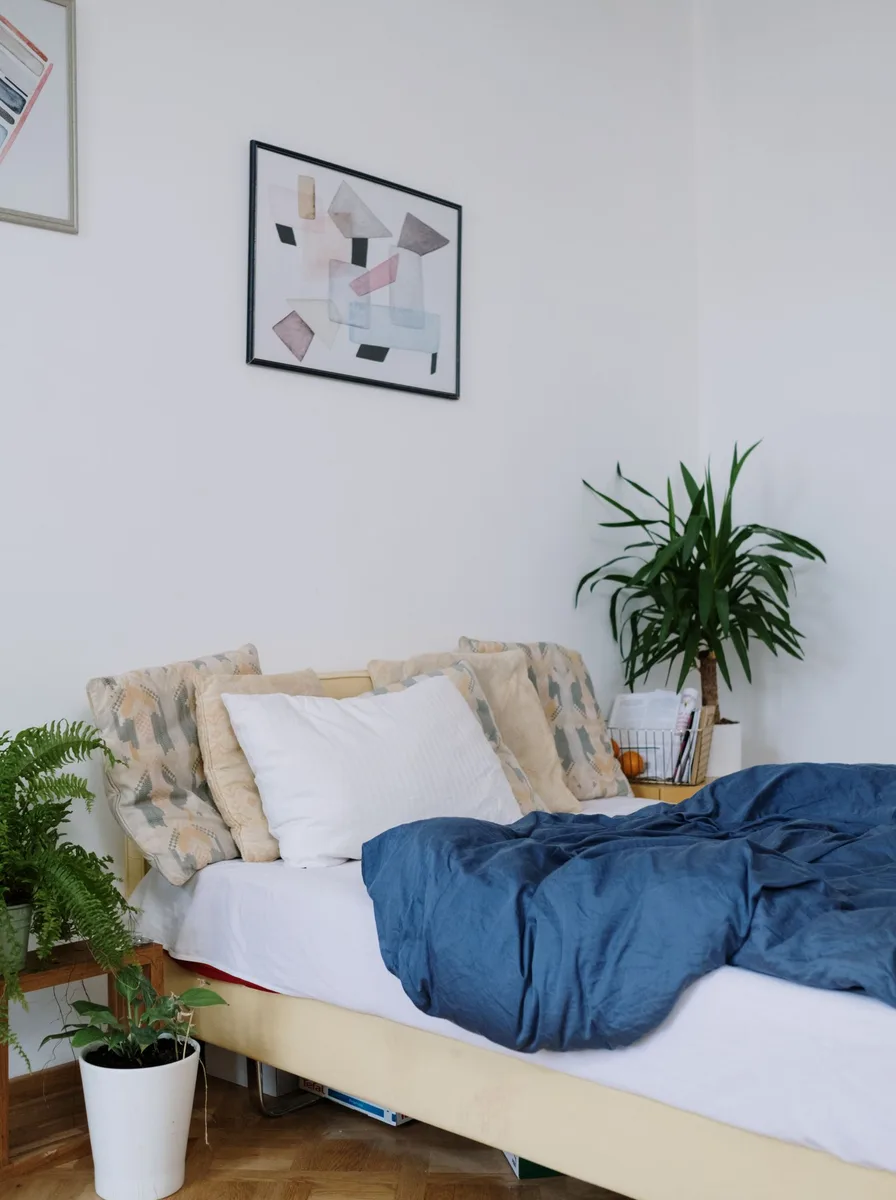
Vertical stripes are an optical illusion you can live with: they pull the eye upward and make ceilings feel several inches taller than they are. In a tiny bedroom, a striped wallpaper on one wall — or even striped curtains — adds pattern and personality while quietly stretching the room’s proportions. Fine, tone-on-tone stripes work best; bold, high-contrast stripes can feel busy.
If wallpaper feels like a commitment, try a peel-and-stick striped mural behind the bed; it removes cleanly and costs a fraction of traditional paper. Keep the stripe narrow — under an inch wide — and the background light. Pair it with solid bedding and curtains so the stripe stays the room’s single pattern moment.
9. Pick Furniture with Visible Legs
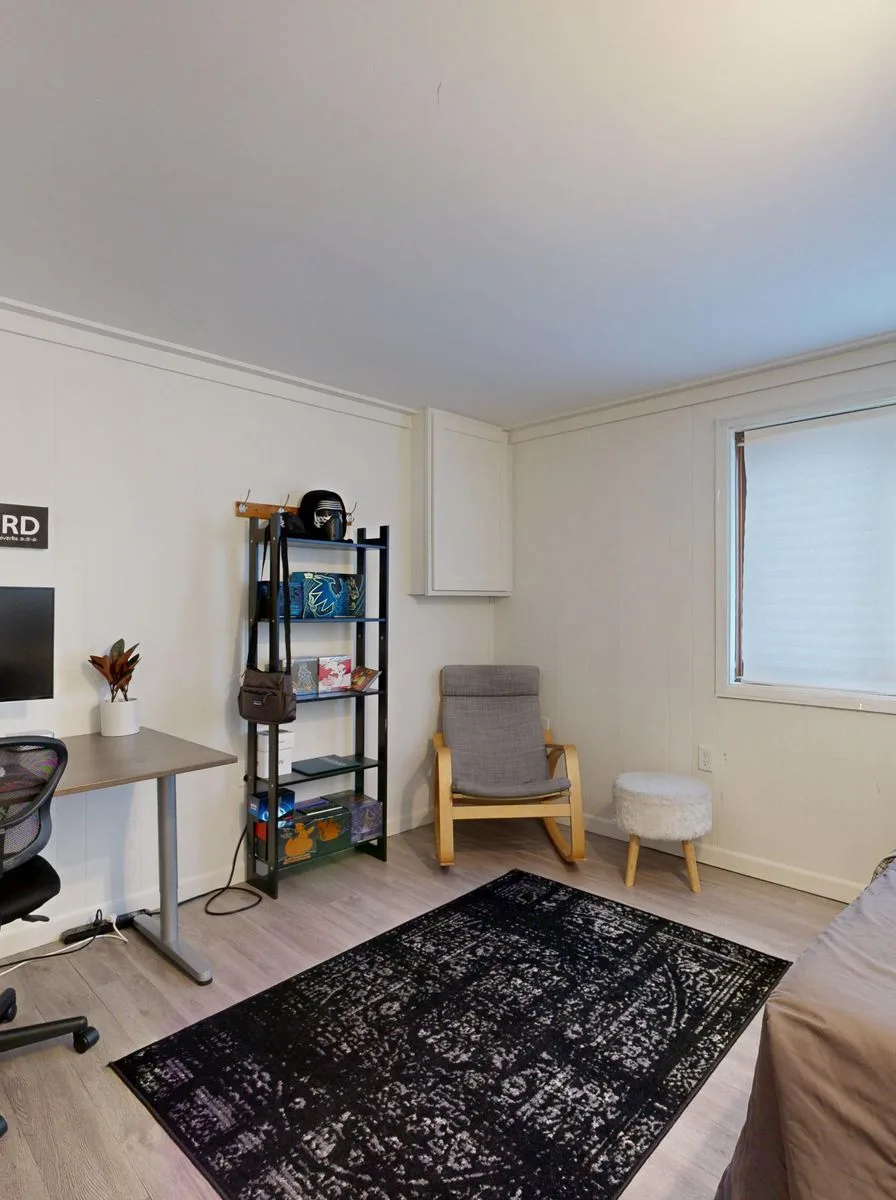
Furniture that sits on legs — dressers, chairs, even the bed — lets you see floor underneath, and that sliver of visible floor tells your brain the room continues. Chunky, floor-hugging pieces block that signal and make walls feel closer. A mid-century style dresser on tapered legs or an armchair with slim wooden legs can make the same footprint feel twice as light.
Aim for at least 4 to 6 inches of clearance under pieces so light and sightlines pass through. Glass-top side tables and open-base designs push this even further — they barely register visually. When shopping, lift or look underneath; if you can’t see through it, it will make a small room feel smaller.
10. Tuck the Bed into a Corner
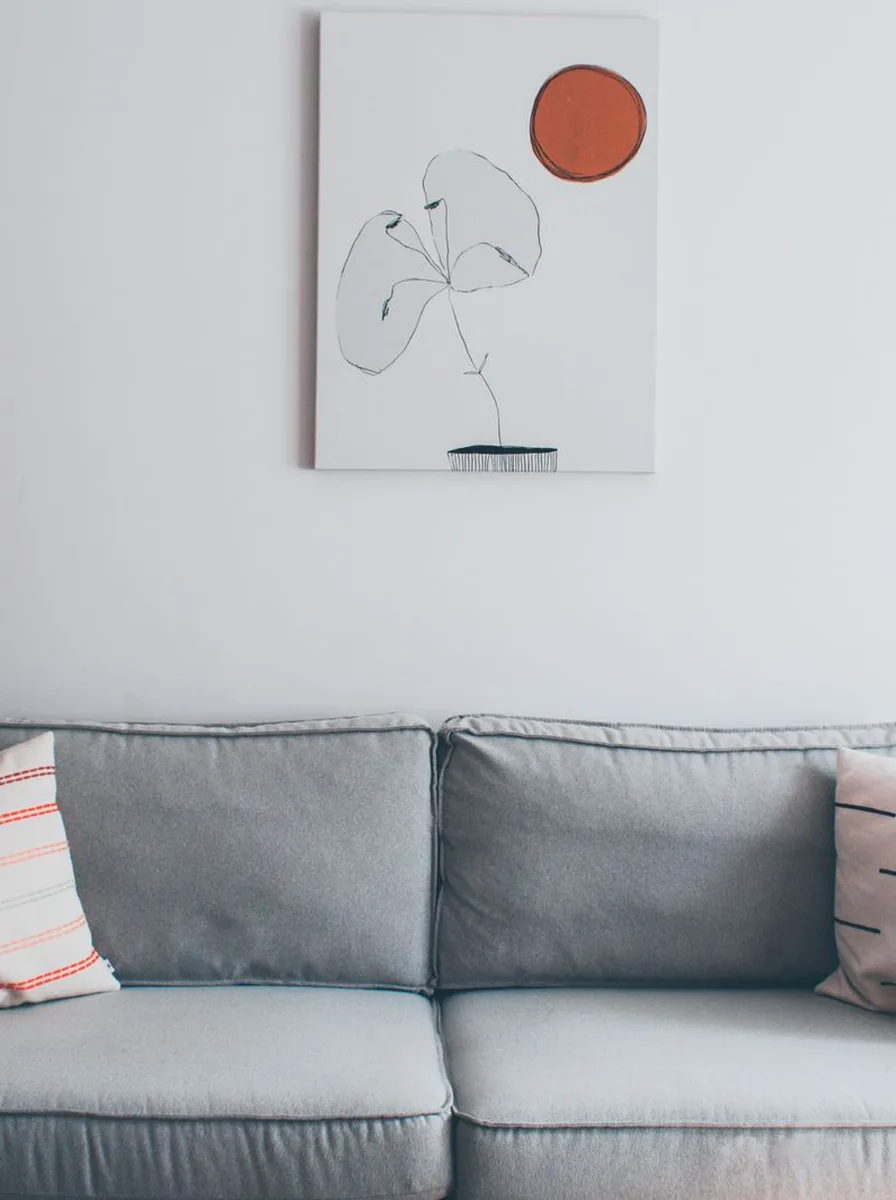
Pushing the bed into a corner — against two walls instead of floating in the middle — frees a surprising amount of open floor in a tiny bedroom. The corner placement turns dead space behind the bed into useful space beside it, leaving one long clear stretch for a dresser, desk, or simply breathing room. It also makes the bed feel cozy and cocoon-like rather than cramped.
Style the corner like a daybed by day: a row of pillows along the walls in two or three coordinating tones. Keep one side of the bed fully accessible so making it isn’t a wrestling match, and put the reading lamp on the open side. This layout shines in square rooms under 100 square feet, where every inch of floor matters.
11. Layer Lighting Instead of One Overhead
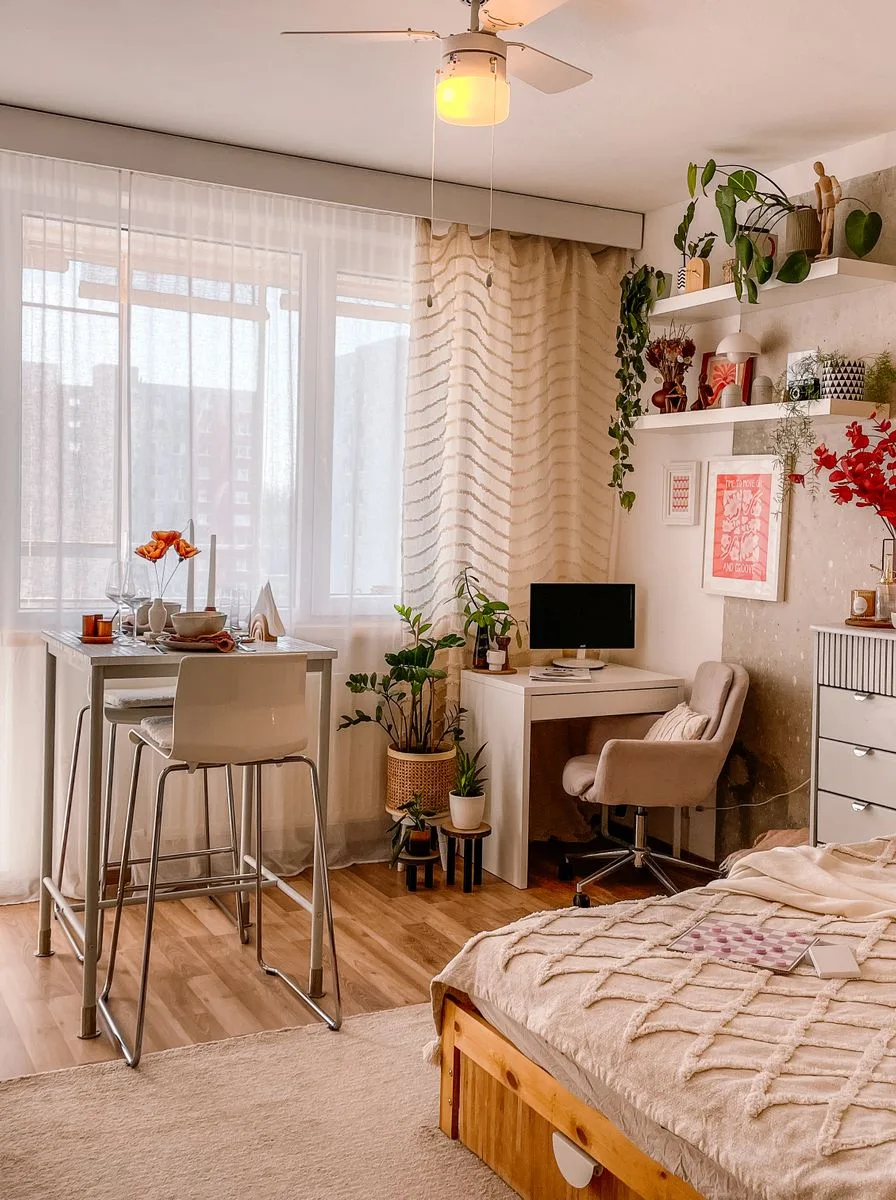
A single harsh ceiling light flattens a small bedroom and makes it feel like a cell. Three layers — ambient (overhead or pendant), task (reading light), and accent (a small lamp or LED strip behind the headboard) — add depth and dimension that trick the eye into seeing more space. Pools of warm light at different heights make walls recede and corners soften.
Start with a dimmable overhead, add a plug-in wall sconce or clip light for reading, then tuck a warm LED strip behind the headboard or under a floating shelf for glow. Keep all bulbs the same warm temperature (2700K) so the layers blend. Battery-operated puck lights in dark corners work too — no wiring needed.
Kids will love this night light projector on Amazon: https://amzn.to/474I0fX
12. Use a Daybed for Double-Duty Living
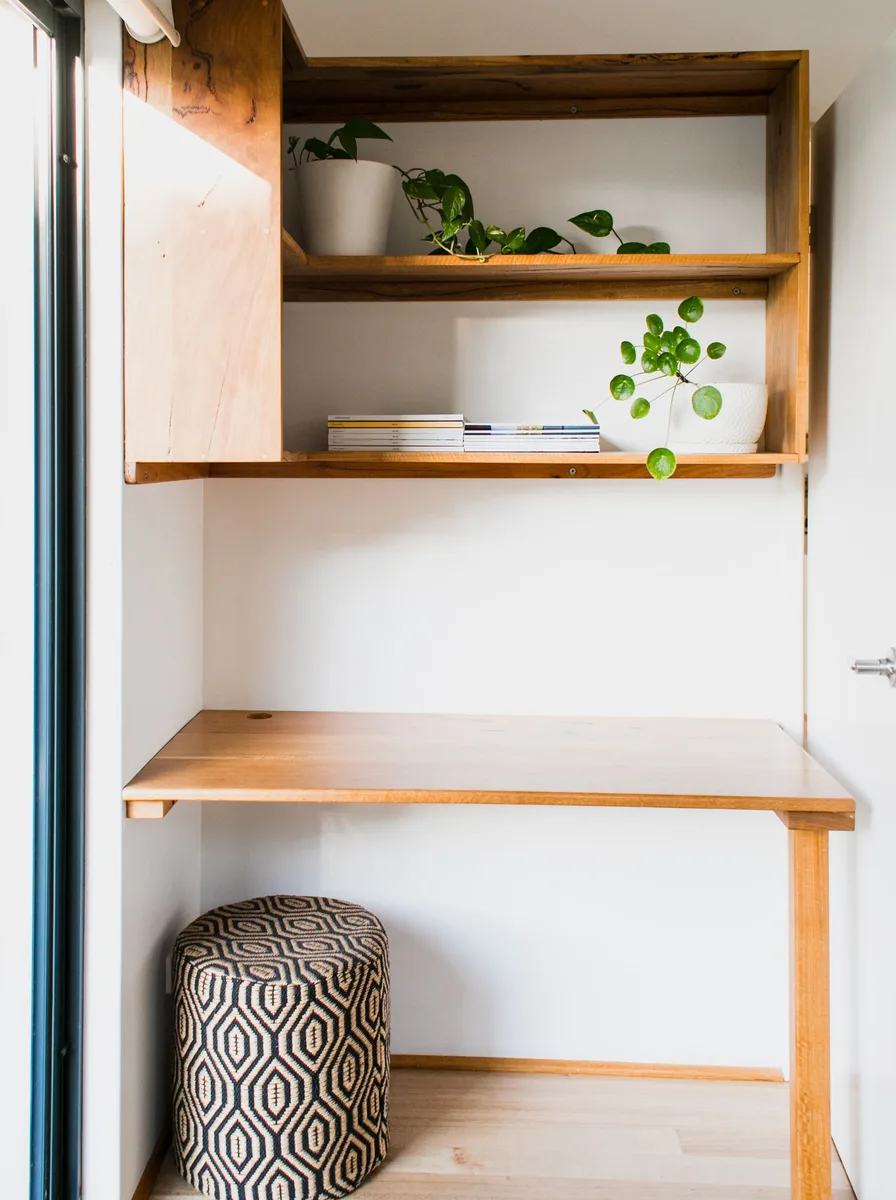
In the smallest bedrooms, a daybed is a revelation: it sleeps one comfortably at night and works as a sofa all day, which means the room doubles as a lounge, office, or guest space without any furniture shuffling. Pushed against the longest wall, a daybed leaves the floor clear for a desk or dresser — the room becomes a studio rather than a corridor with a bed.
Choose a daybed with a tailored cover in a pale color and a row of cushions along the wall so it reads as seating, not a bed pretending. Many models include built-in drawers or a trundle for extra storage or sleepovers. Keep the palette light — white, beige, one soft accent — so a narrow room never feels like a tunnel.
13. Install Slim Wall Shelves Instead of Bookcases
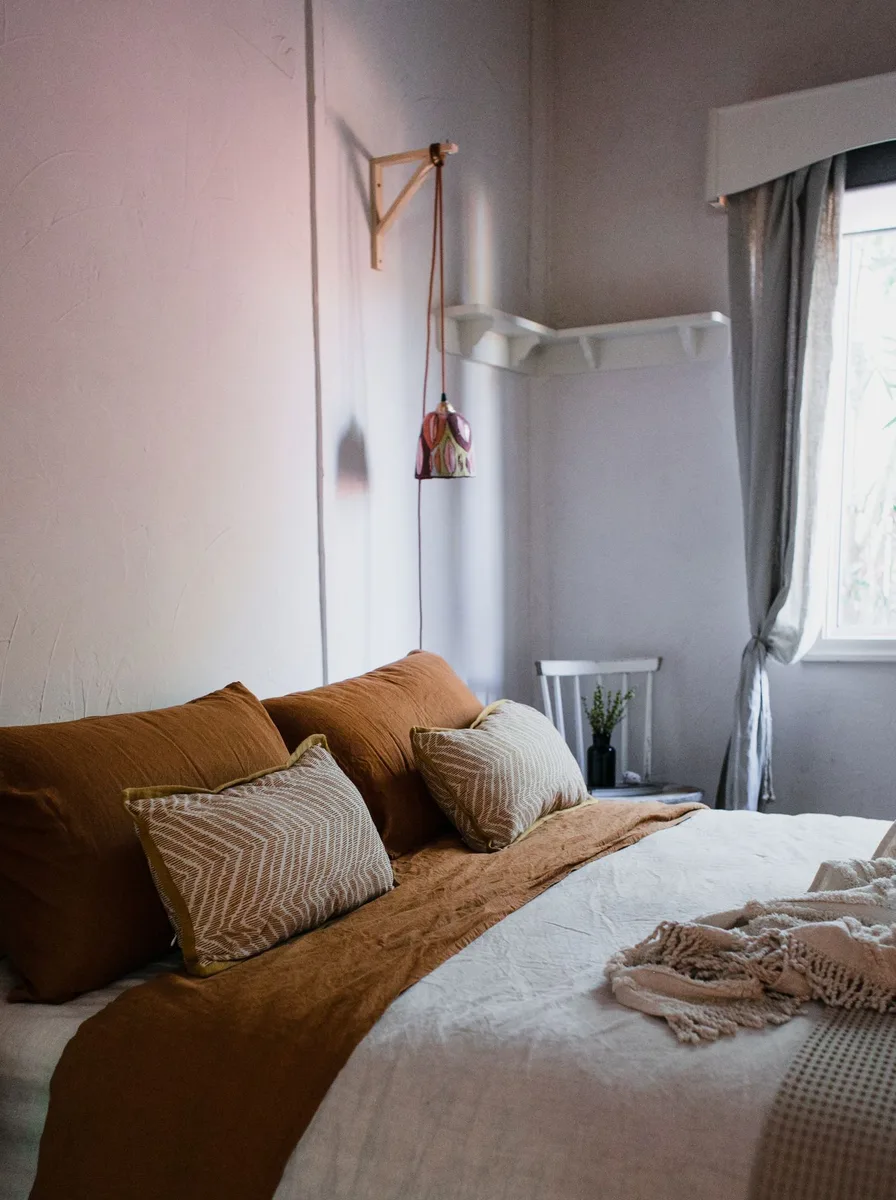
A freestanding bookcase swallows floor space and visual air; a pair of slim wall shelves holds the same books and decor while leaving the floor untouched. Mounted above a desk or beside the bed, floating shelves give you display and storage exactly where you need it, with zero footprint. Two 36-inch shelves can hold a small library and still look airy.
Space shelves 12 to 15 inches apart for books, and keep the styling light — leave some breathing room rather than cramming every inch. White or wood-tone shelves that match your trim nearly disappear; brass brackets add a jewelry-like touch. Always anchor into studs when holding books, since a loaded shelf can weigh 30 pounds or more.
14. Choose a Round Rug to Soften the Box
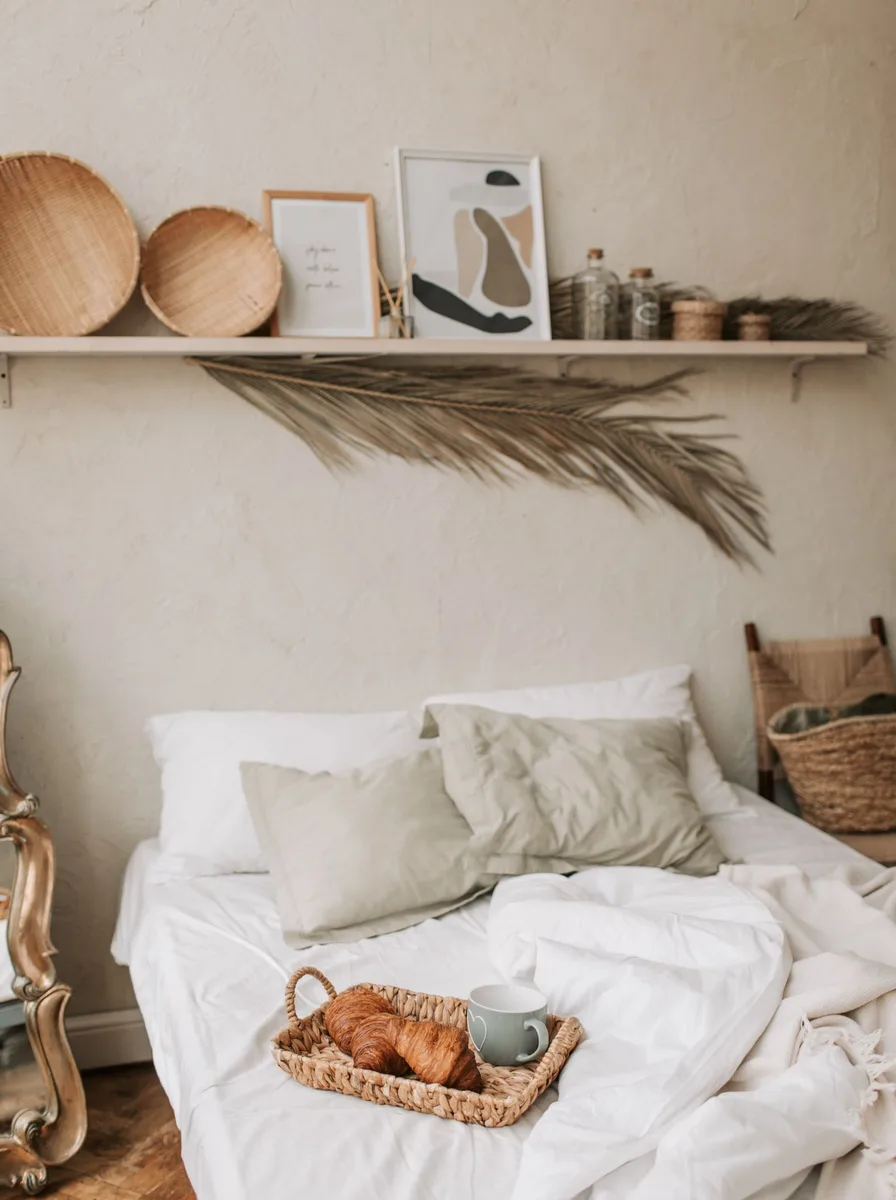
Small bedrooms are all right angles, which can feel rigid and tight. A round rug breaks the boxiness: its curves contrast with the room’s straight lines and trick the eye into reading the space as wider. Place a 5-foot round rug so it tucks just under the front third of the bed — it anchors the room without covering so much floor that the room feels smaller.
Light, low-pile rugs work best; thick shag eats visual space and traps dust. A flatweave cotton or jute rug in a pale tone adds texture while staying visually light. Pro tip: if the room is very narrow, skip the rug under the bed entirely and place a small round one beside it — a landing spot for bare feet that doesn’t shrink the floor.
15. Let Daylight In with Sheer Curtains
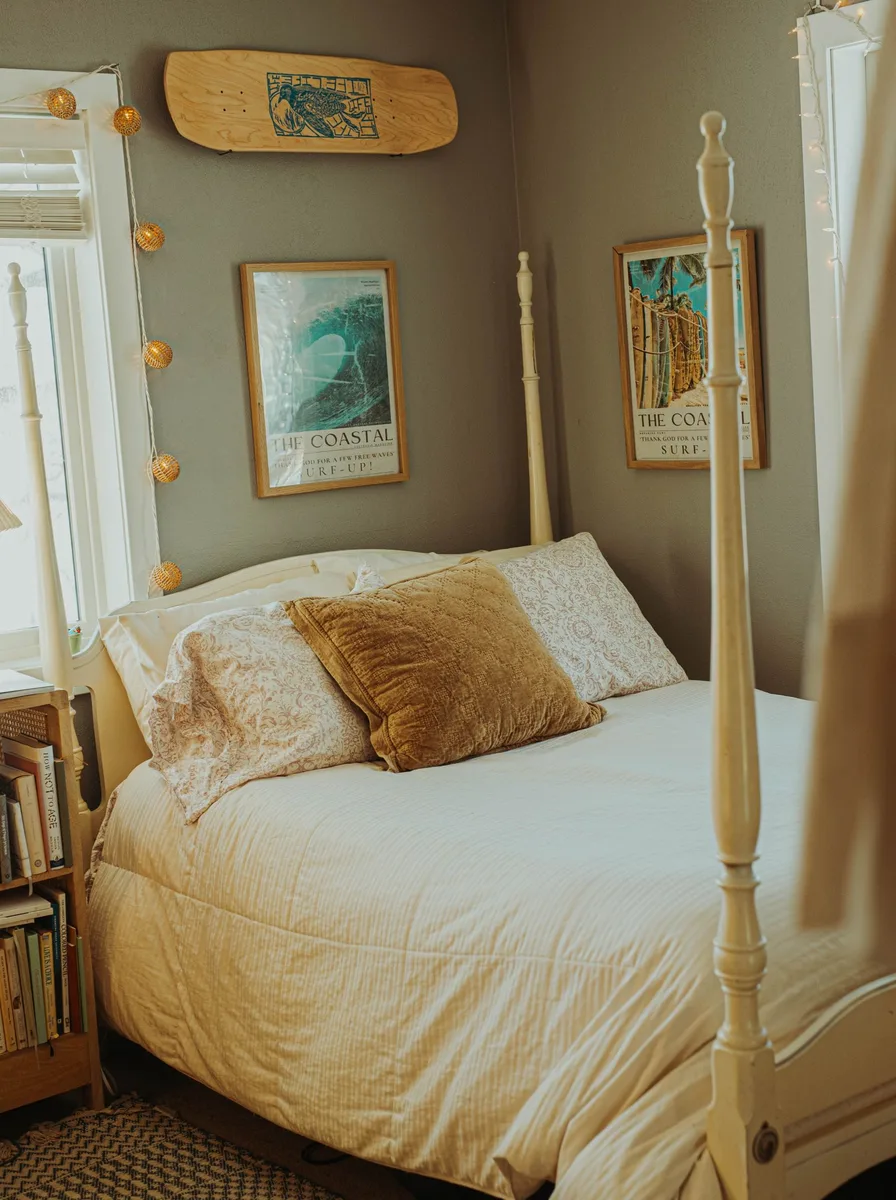
Heavy curtains absorb light and visual space; sheer white curtains give both back. Floor-length sheers filter daylight into a soft glow that makes walls look further apart, and because you can see through them, the window’s depth becomes part of the room. The result is a bedroom that feels brighter and several feet wider.
Choose a voile or lightweight linen with a little texture so the panels don’t look flimsy, and mount the rod high and wide so the sheers stack clear of the glass. For privacy at night, layer a simple roller blind behind them — invisible by day, practical after dark. Sheers also cost far less than lined drapes, which is a happy bonus.
16. Create One Gallery Wall, Not Scattered Frames
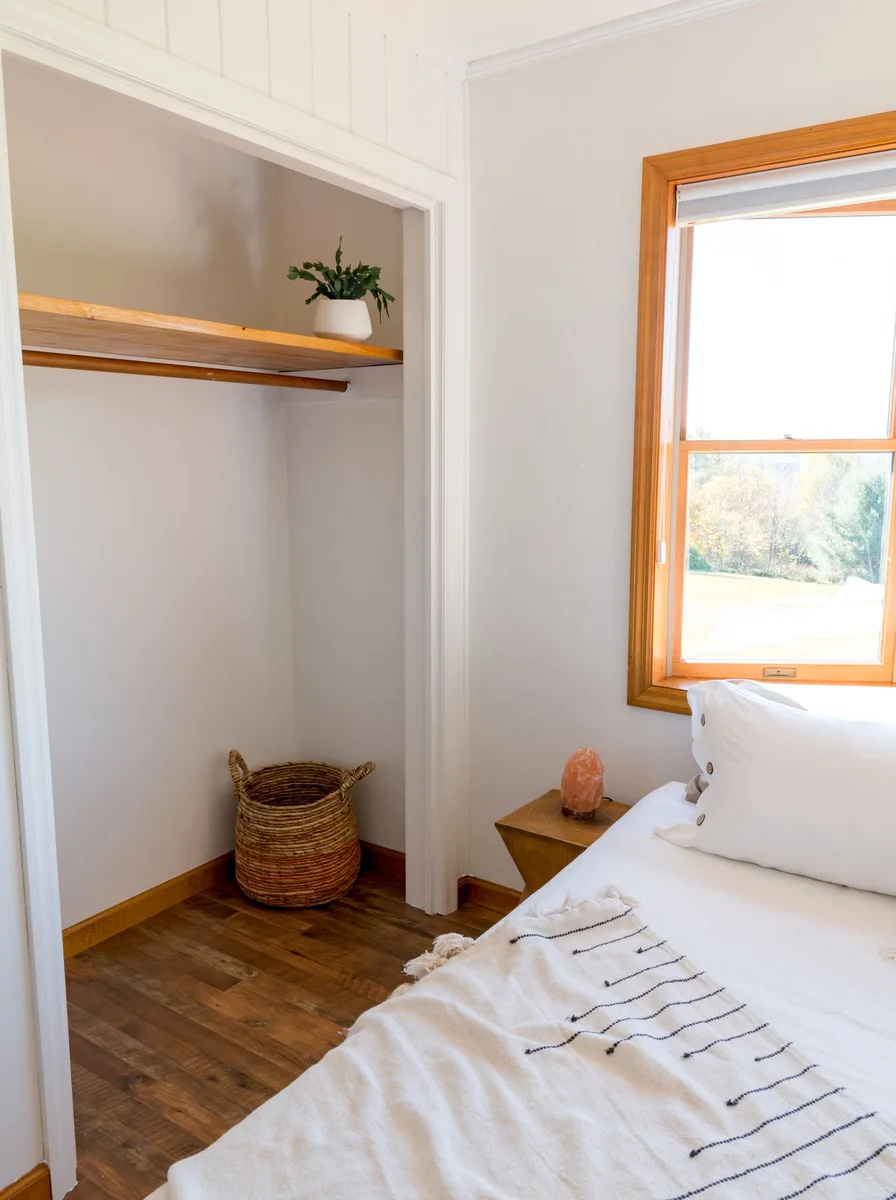
Ten small frames scattered around a tiny bedroom read as clutter; one tight gallery wall reads as art. Grouping 6 to 9 frames in a cluster above the bed or dresser gives the eye one confident focal point instead of a dozen competing ones. The wall looks designed and intentional, which makes the whole room feel more polished and spacious.
Plan the arrangement on the floor first, keeping the whole cluster within a zone about 30 inches tall and 36 inches wide. Use matching slim frames in one finish — black, white, or natural wood — so the collection reads as one piece. Hang the center of the cluster at eye level, roughly 57 inches from the floor, gallery-style.
17. Try Clear and Reflective Furniture Accents
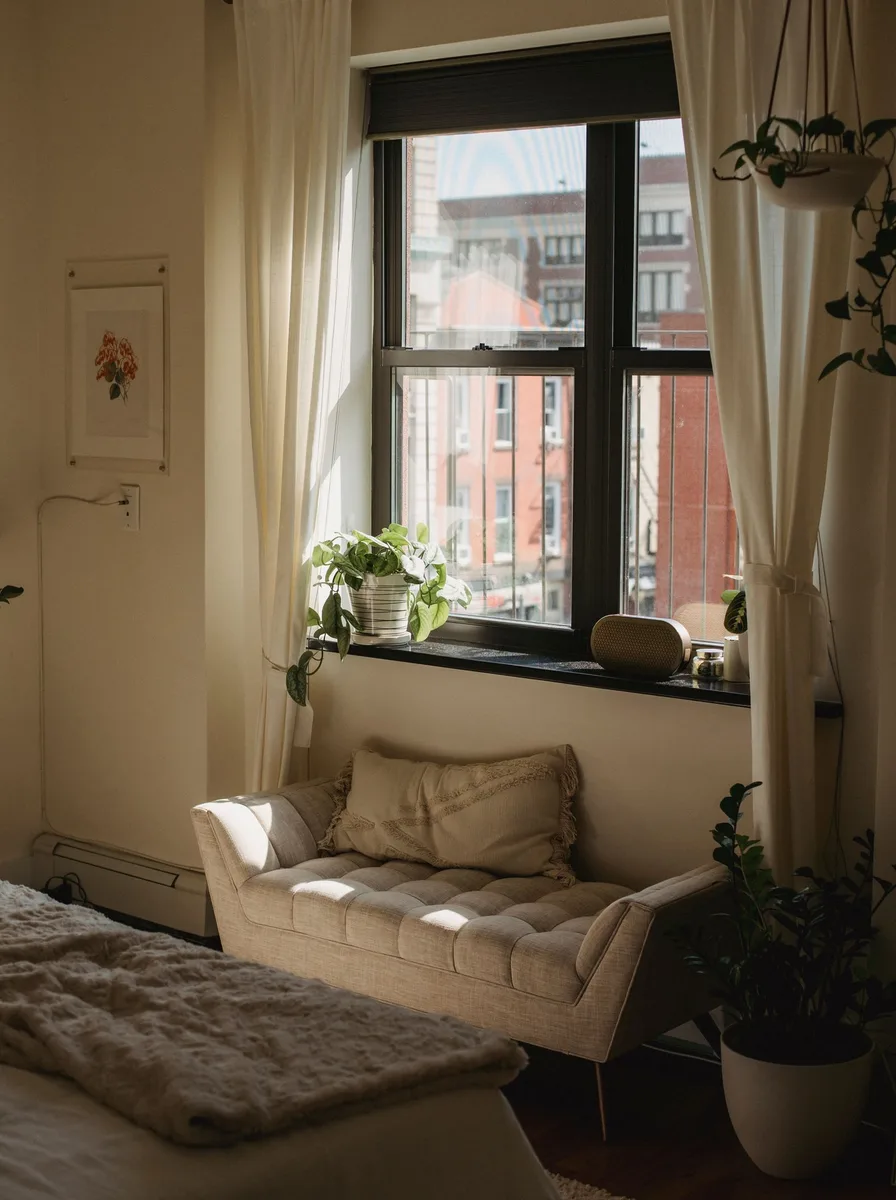
Furniture you can see through barely registers in a room. A clear acrylic side table, a mirrored tray, or a glass lamp base holds its function while letting light and sightlines pass straight through — the visual weight is close to zero. One or two transparent pieces mixed with solid furniture keep a small bedroom feeling open without looking unfinished.
Acrylic side tables are the easiest win: they hold a lamp and book but look like they’re floating. Keep clear pieces polished, since dust and fingerprints show more on transparent surfaces. Pair them with one reflective accent — a mirrored tray on the dresser — to bounce light around the room. Two clear pieces is plenty; more can feel cold.
18. Paint the Backs of Built-Ins a Soft Color
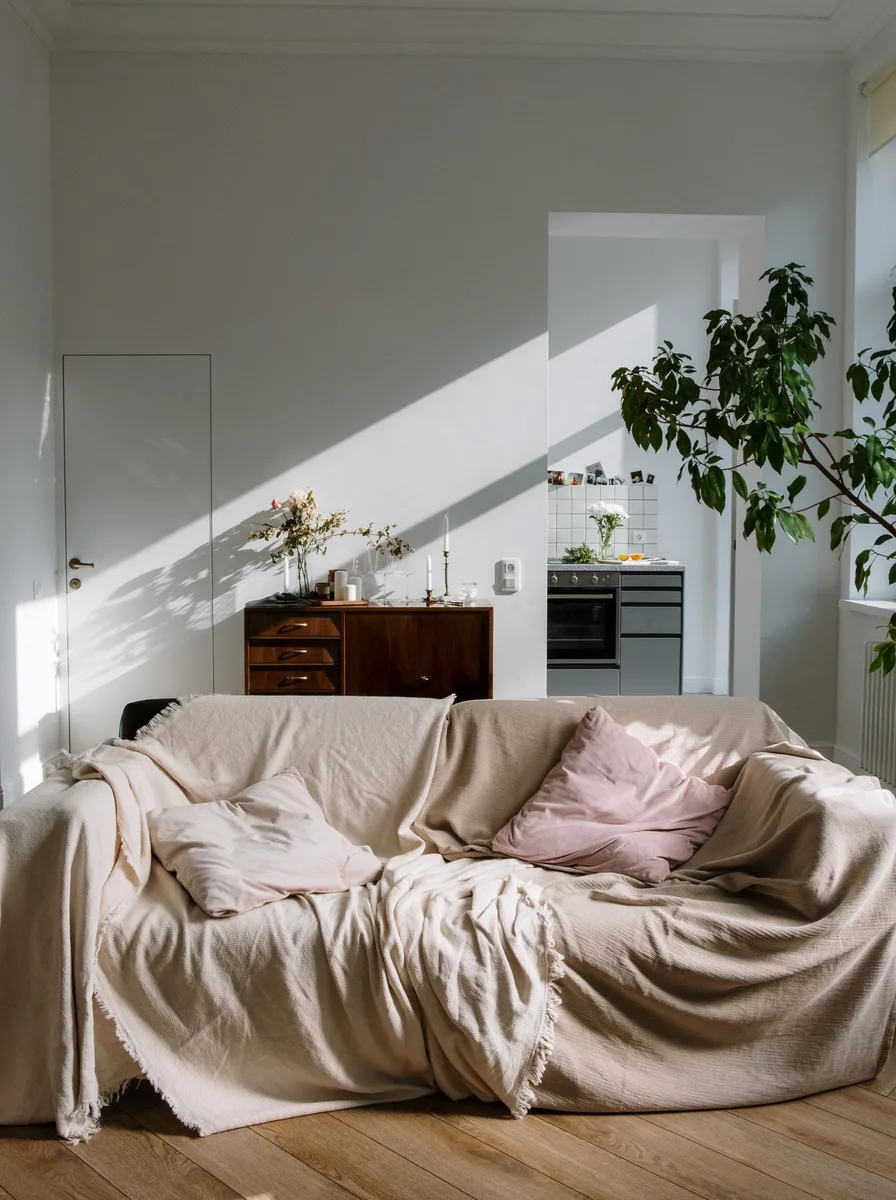
If your tiny bedroom has a closet nook, alcove, or built-in shelves, painting just the backs of those recesses adds depth and character without closing the room in. A soft sage, dusty blue, or warm blush inside a white alcove creates a layered, jewel-box effect — the recess reads as deeper than it is, which makes the room feel more architecturally interesting.
This is renter-friendly if you use peel-and-stick wallpaper inside the recess instead of paint. Keep the color light and the finish matte so it reads as shadow rather than paint. Style the recessed area simply — a few books, one plant — so the colored backdrop gets its moment. Small dose, big payoff.
19. Style with Plants Instead of Knick-Knacks
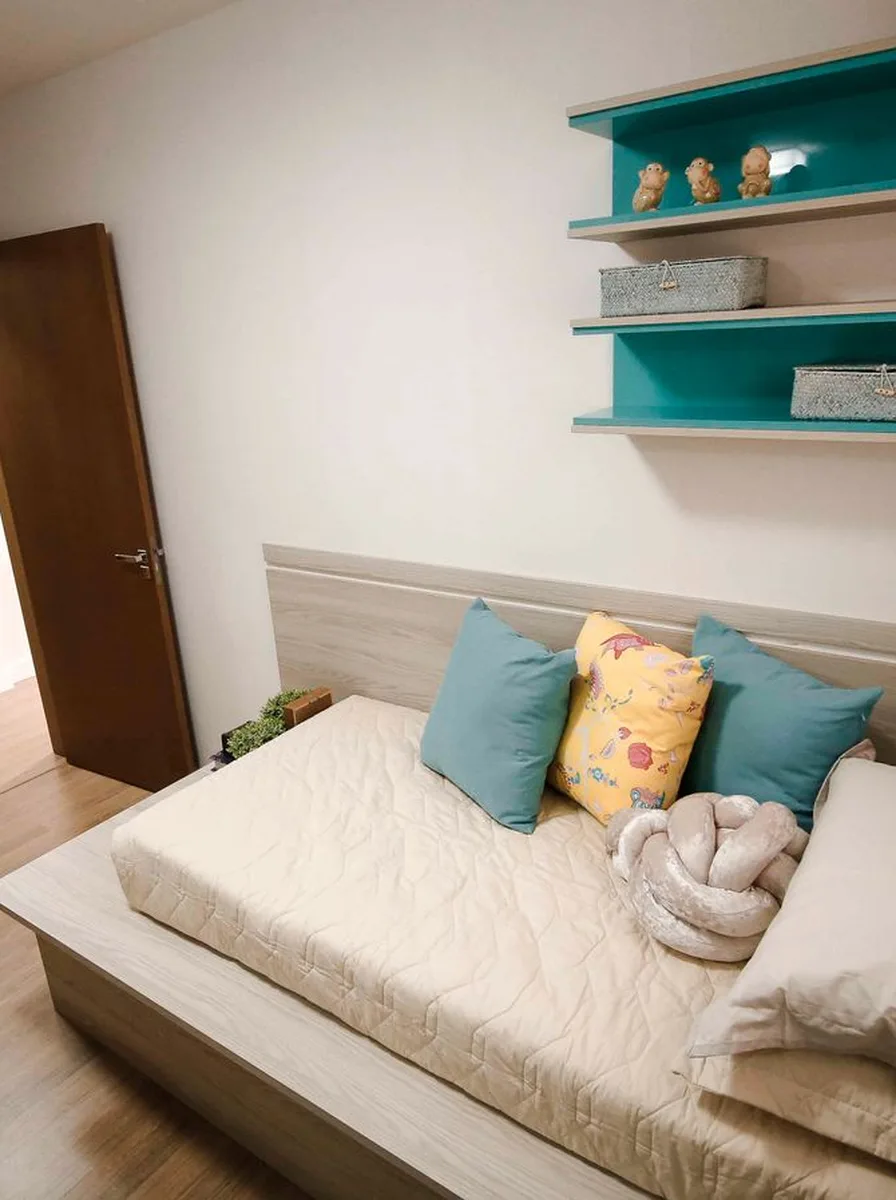
Decorative objects pile up fast in small rooms, but plants add life, color, and height without visual clutter. A tall snake plant in a corner draws the eye upward, a trailing pothos on a high shelf softens hard edges, and greenery against light walls makes everything feel fresher and more alive. One or two well-chosen plants beat a shelf of trinkets every time.
Pick low-maintenance varieties that tolerate bedroom light: snake plants, pothos, ZZ plants, and spider plants all forgive neglect. Use pots in one material — ceramic white, terracotta, or woven baskets — for a cohesive look. Hanging planters free surfaces entirely, and a tall floor plant in an empty corner turns dead space into a design moment.
20. Keep Surfaces Clear with a Landing Tray
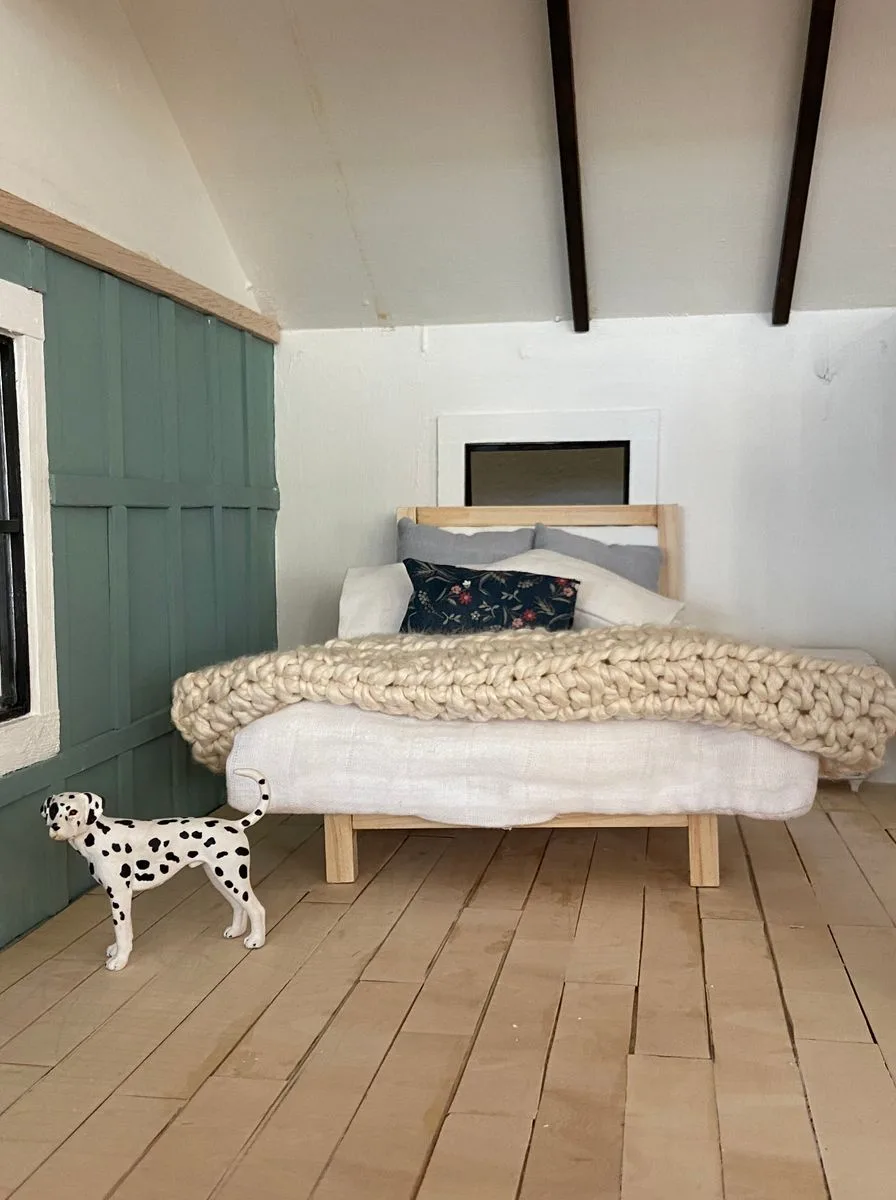
Visual calm is the fastest route to a bigger-feeling room, and nothing kills calm like scattered small items. A single tray on the nightstand or dresser corrals the daily essentials — phone, glasses, lip balm, book — into one tidy zone. The tray reads as one object instead of six, and the rest of the surface stays blissfully clear.
Choose a tray about 10 to 12 inches across in a material that complements the room — rattan for warmth, marble for polish, wood for coziness. Everything that doesn’t fit the tray gets a home elsewhere; that’s the rule that makes it work. At night, the tray becomes your sleep kit; by day, it keeps the room photo-ready in seconds.
21. Finish with a Statement Pendant Light
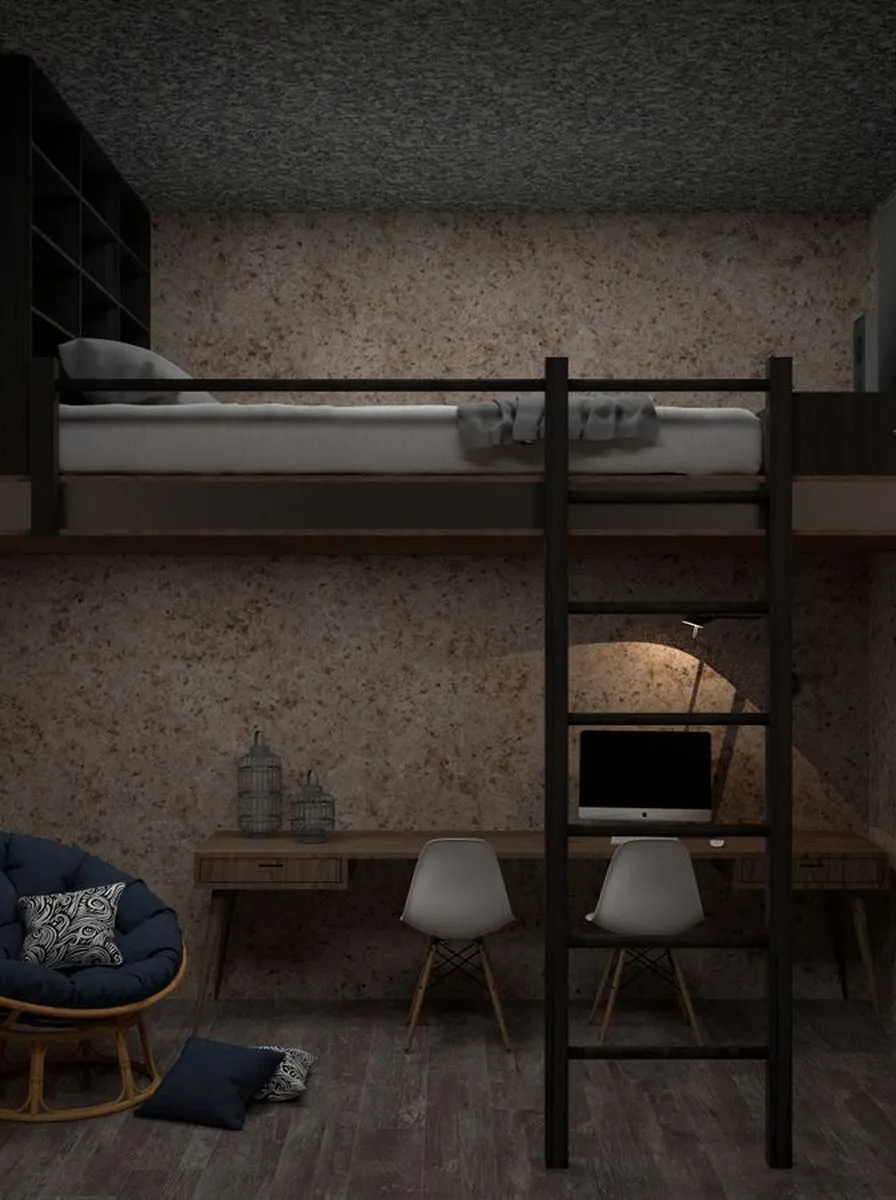
The ceiling is the most underused decorating surface in a tiny bedroom. A single statement pendant — rattan, paper lantern, or a sculptural shade — draws the eye upward, adds height, and gives the room a clear focal point without touching a single square foot of floor. It’s the exclamation point that makes the whole room feel designed.
Hang the pendant’s base about 7 feet from the floor in the center of the room, or lower it to about 30 inches above a nightstand for a dramatic bedside light. Keep the shade light and open so it glows rather than blocks; rattan and paper shades cast beautiful patterned light. One bold pendant beats a plain flush-mount every time — in style and in perceived space.

David is the home decor enthusiast behind HomeLushly. He shares practical, budget-friendly ideas for bedrooms, living rooms and seasonal decorating — from colour combinations that actually work to small-space styling tricks that make a room feel bigger. Every guide on HomeLushly is built around real photos and hands-on research, to help you make your home feel warm, personal and beautifully put together.