

Every home has one: the big, blank, slightly embarrassing empty wall. It’s the wall you never quite knew what to do with, so it stayed bare — and now it makes the whole room feel unfinished. The good news is that an empty wall is actually an opportunity. It’s a blank canvas, and with a clear plan, it can become the most stylish feature in the room.
The mistake most people make is buying random pieces and hoping they work together. A stylish feature wall needs a concept first: one clear idea that everything else supports. Once you have that, the wall practically decorates itself.
This guide shows you how to turn an empty wall into a stylish feature, step by step: studying the wall before you touch it, choosing one clear focal point, layering art with shelves and objects, adding lighting that makes it glow, and grounding it all with furniture and plants.
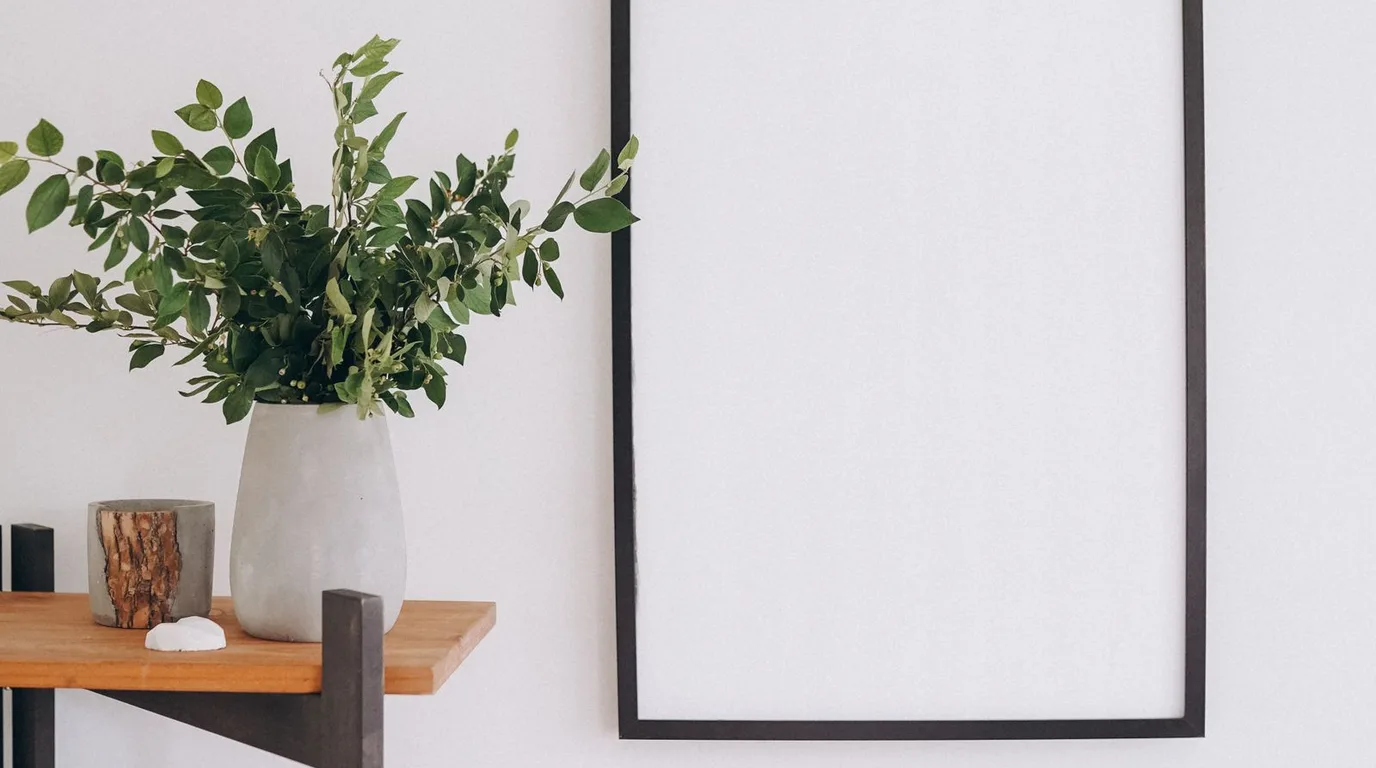
Study the Wall Before You Touch It
Before buying a single frame, spend time really looking at your empty wall. Notice its size and proportions, what furniture sits against or near it, how light falls on it through the day, and what you see when you enter the room. A wall beside a window has different needs from a wall in a dark hallway; a wall behind a sofa needs different treatment from a wall in an empty dining area.
Also notice the wall’s role in the room. Is it the first thing you see when you walk in? Then it deserves star treatment. Is it a secondary wall glimpsed from the sofa? Then something calm and textural might suit it better. Understanding the wall’s job prevents the most common error: decorating it in isolation from the room.
What to observe:
● Measure the wall and note doors, switches, and vents you must work around.
● Watch the light at different times — a dark wall needs lighter, brighter decor.
● Check sight lines: what do you see of this wall from the room’s entrance?
● Note the furniture below or nearby — the wall and furniture should relate.
Pick One Clear Focal Point
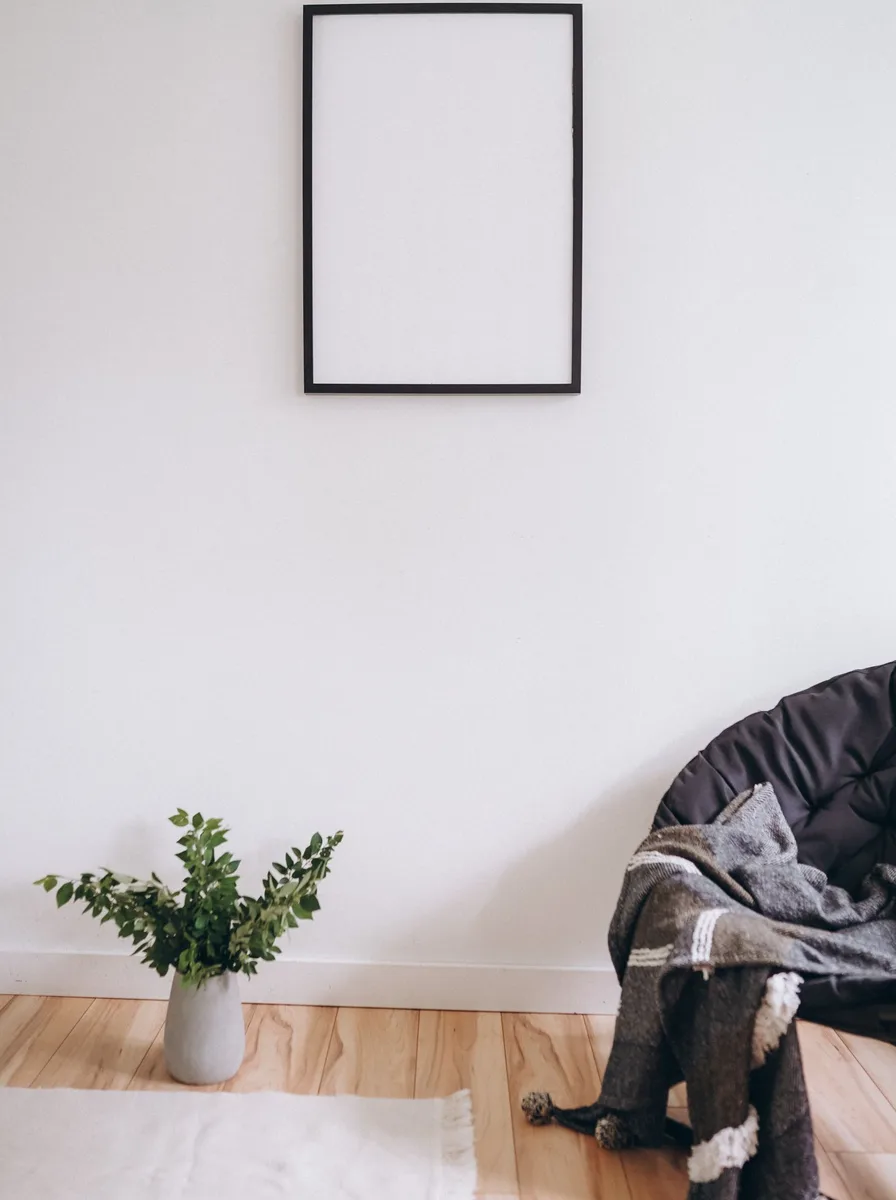
A stylish feature wall has one hero, not five. Decide what the single star of this wall will be: an oversized artwork, a dramatic mirror, a sculptural light fitting, a wallpapered panel, or a beautiful piece of furniture like a console table styled with intention. Everything else on the wall plays a supporting role.
This decision simplifies everything that follows. If the hero is a large painting, you know the surrounding pieces should be quieter. If it’s a mirror, you know to keep nearby art minimal so reflections stay clean. One clear focal point is what separates a designed wall from a wall of random stuff.
Choosing your hero:
● The hero should be the largest or most striking thing on the wall.
● Place it at the wall’s natural centre of attention — usually eye level, slightly off-centre.
● Let the hero reflect your taste; this wall is your style statement.
● If the wall is huge, the hero can be a zone — a gallery cluster or shelf arrangement.
Layer Art, Shelves, and Objects
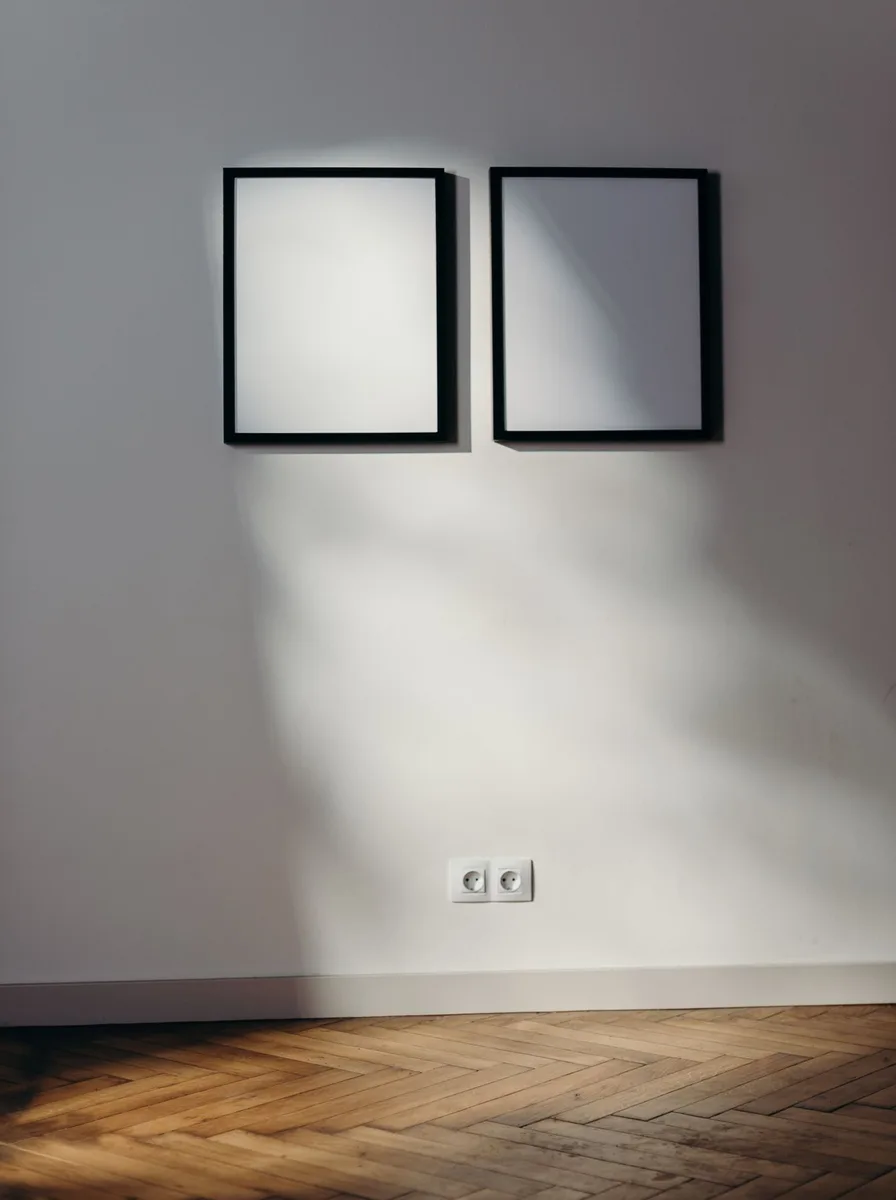
With your focal point chosen, build supporting layers around it. This is where the wall gains richness: a piece of art flanked by a floating shelf, a shelf styled with books and a plant beneath a mirror, a textile hung beside a framed print. Layering different types of decor — flat art, dimensional objects, greenery — creates the depth that makes a wall feel styled rather than simply decorated.
Keep the layers connected. Repeat colours, materials, or shapes between the layers so the wall reads as one composition. A black-framed print, a black metal shelf, and a black vase create rhythm; scattered unrelated items create noise. Step back frequently as you arrange — the overall impression matters more than any single piece.
Layering principles:
● Combine at least two types of decor: art plus shelves, or mirror plus textile.
● Repeat one colour or material across layers for cohesion.
● Vary heights and depths — flat frames, protruding shelves, trailing plants.
● Leave some empty wall showing; negative space is part of the design.
Add Lighting to Make It Glow
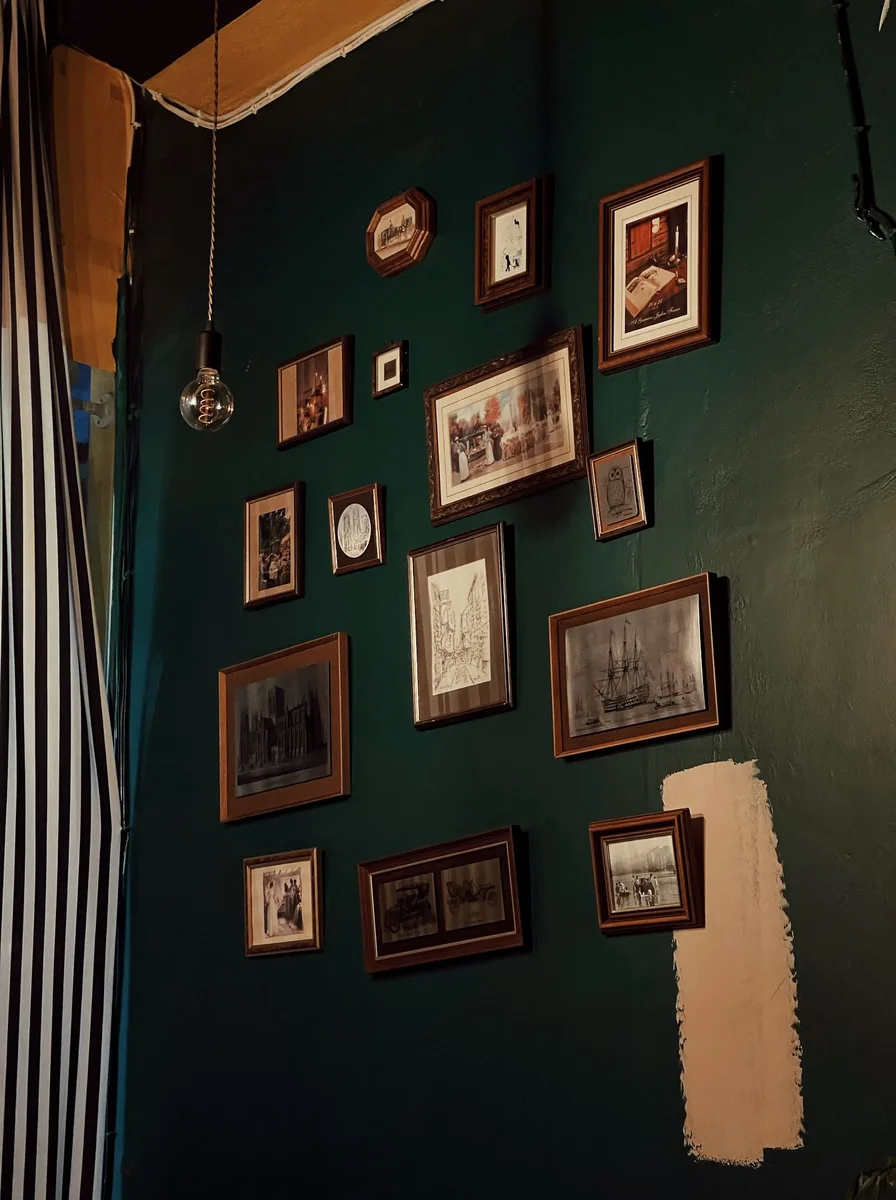
A feature wall without dedicated lighting is a feature wall at half power. In daylight any wall looks fine, but in the evening, the walls with their own light are the ones that glow. A picture light above art, sconces flanking a mirror, or LED strips washing down from a shelf transform your feature wall into the room’s evening star.
Warm light is essential — around 2700K — and dimmers let you tune the mood. Plug-in options mean no electrician: battery picture lights, plug-in sconces with cord covers, and USB LED strips have made feature-wall lighting accessible to everyone.
Feature wall lighting:
● A picture light above the hero artwork makes it glow like a gallery piece.
● Flanking sconces add symmetry and frame the feature beautifully.
● LED strips under a floating shelf wash the wall below in soft light.
● Put feature-wall lights on a dimmer for evening ambience.
Ground It With Furniture and Plants
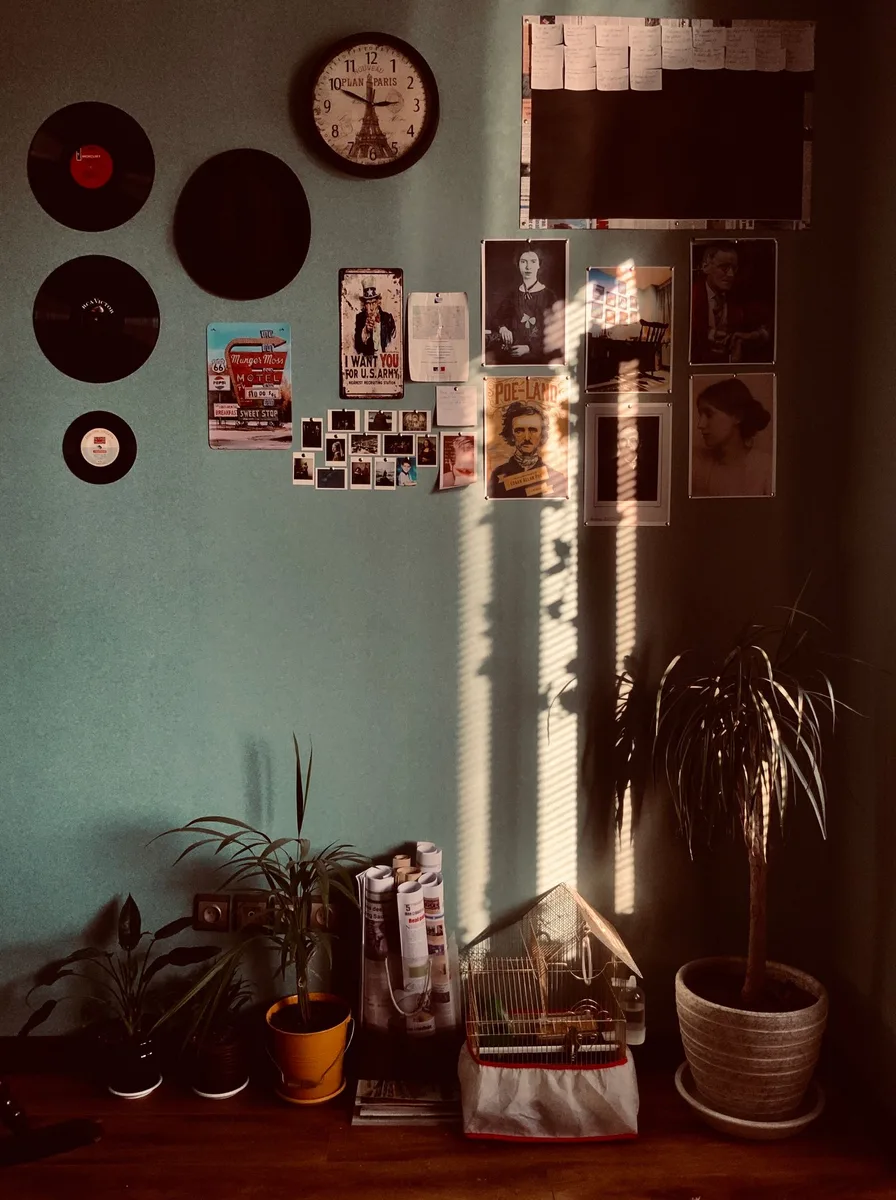
A decorated wall floating above an empty floor still feels unfinished. Ground your feature wall with something at its base: a console table, a bench, a low bookcase, or even a large plant. This anchors the wall to the room and gives the eye a complete composition from floor to ceiling.
The grounding piece should relate to the wall above it — roughly centred beneath the arrangement and proportional in width. Style its top simply: a lamp, a stack of books, a vase with branches. A tall plant beside the furniture softens the wall’s edge and adds life, literally and visually.
Grounding the feature:
● Place a console, bench, or low cabinet beneath the wall arrangement.
● Keep the furniture width to about two-thirds of the wall display above.
● Add one tall plant to soften the composition’s edge.
● Style the surface simply — a lamp and one or two objects is enough.

David is the home decor enthusiast behind HomeLushly. He shares practical, budget-friendly ideas for bedrooms, living rooms and seasonal decorating — from colour combinations that actually work to small-space styling tricks that make a room feel bigger. Every guide on HomeLushly is built around real photos and hands-on research, to help you make your home feel warm, personal and beautifully put together.