

The farmhouse kitchen window is where rustic charm lives: sun-warmed wood, gingham curtains fluttering, herbs thriving on the sill, and a view of the garden beyond.
It is nostalgia you can cook in — the feeling of a farmhouse kitchen even if your home is a city terrace.
Farmhouse style is really about honesty: natural materials, handmade touches, and things that age gracefully.
Around the window that means wood over plastic, linen over polyester, and displays that are useful as well as pretty. Nothing too perfect, nothing too precious.
These 22 cozy farmhouse kitchen window ideas bring that warm, rustic feel to any home, each with practical tips to get the look without the farmhouse price tag.
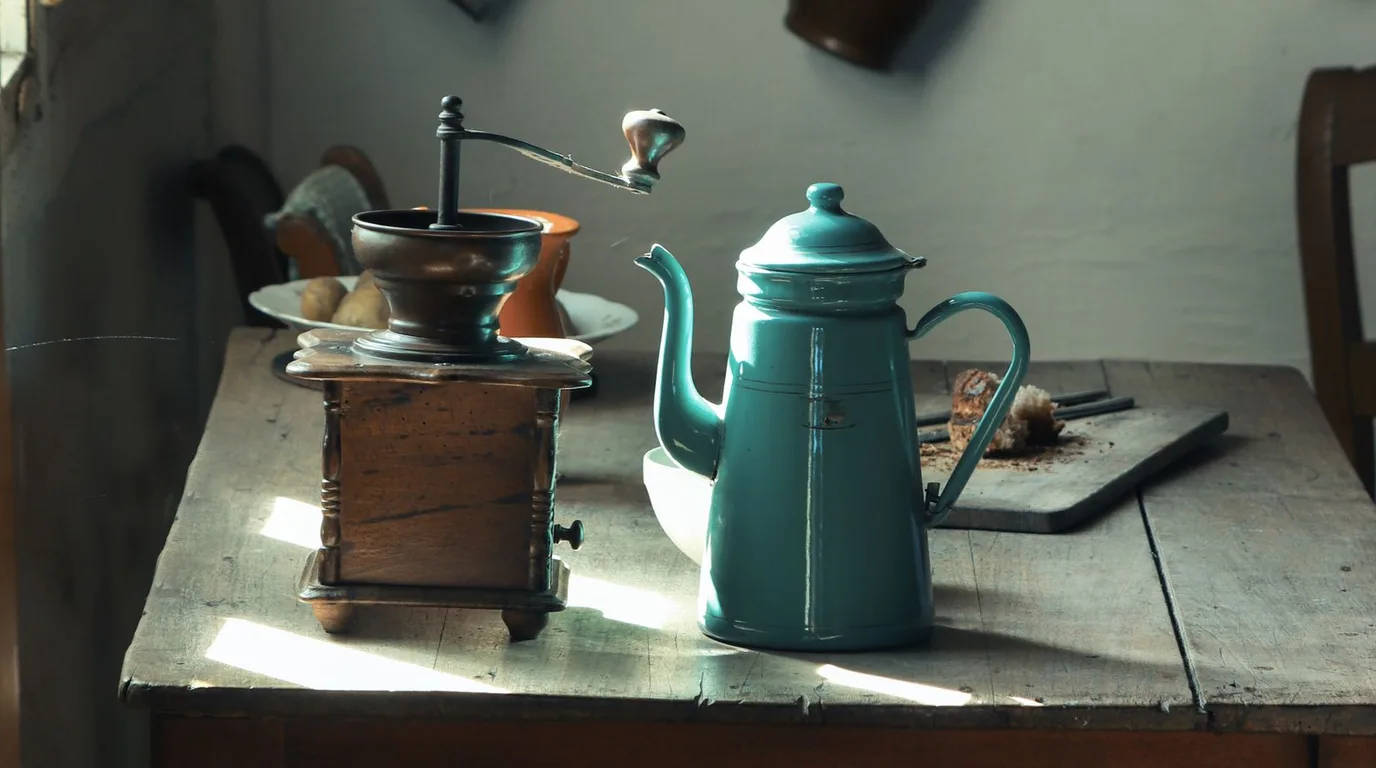
1. Frame Windows in Reclaimed Wood
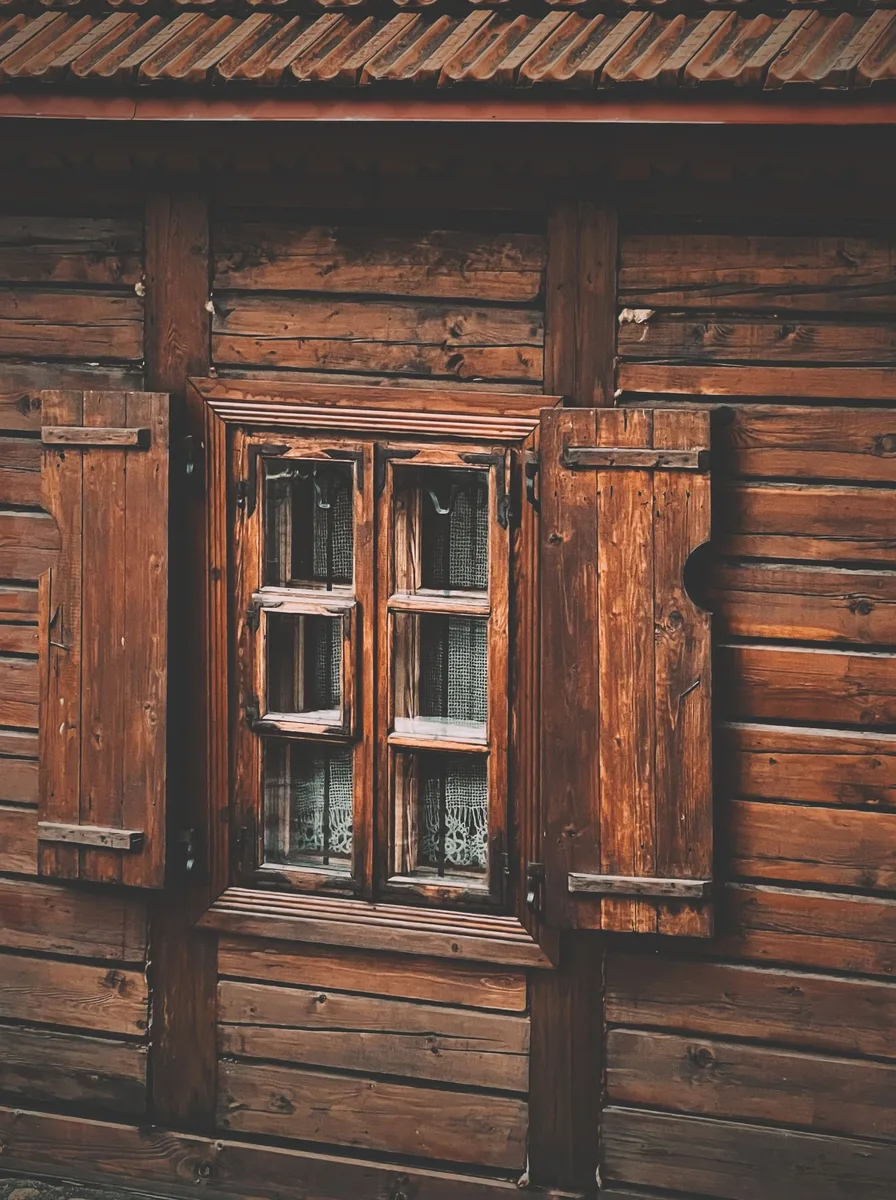
Reclaimed timber window frames — or new wood with a reclaimed finish — bring instant history and warmth. The weathered grain, knots, and nail holes tell a story that new materials cannot, and the honeyed tones glow in window light.
Source reclaimed boards from salvage yards, or distress new pine with wire brushes and wax. Seal well against kitchen moisture. The imperfect, storied wood is the soul of the farmhouse window — embrace every mark. A beeswax finish over the sealed wood adds a soft, hand-rubbed lustre. Rub the sealed wood with a little lemon oil twice a year to keep it glowing.
2. Hang Gingham Café Curtains
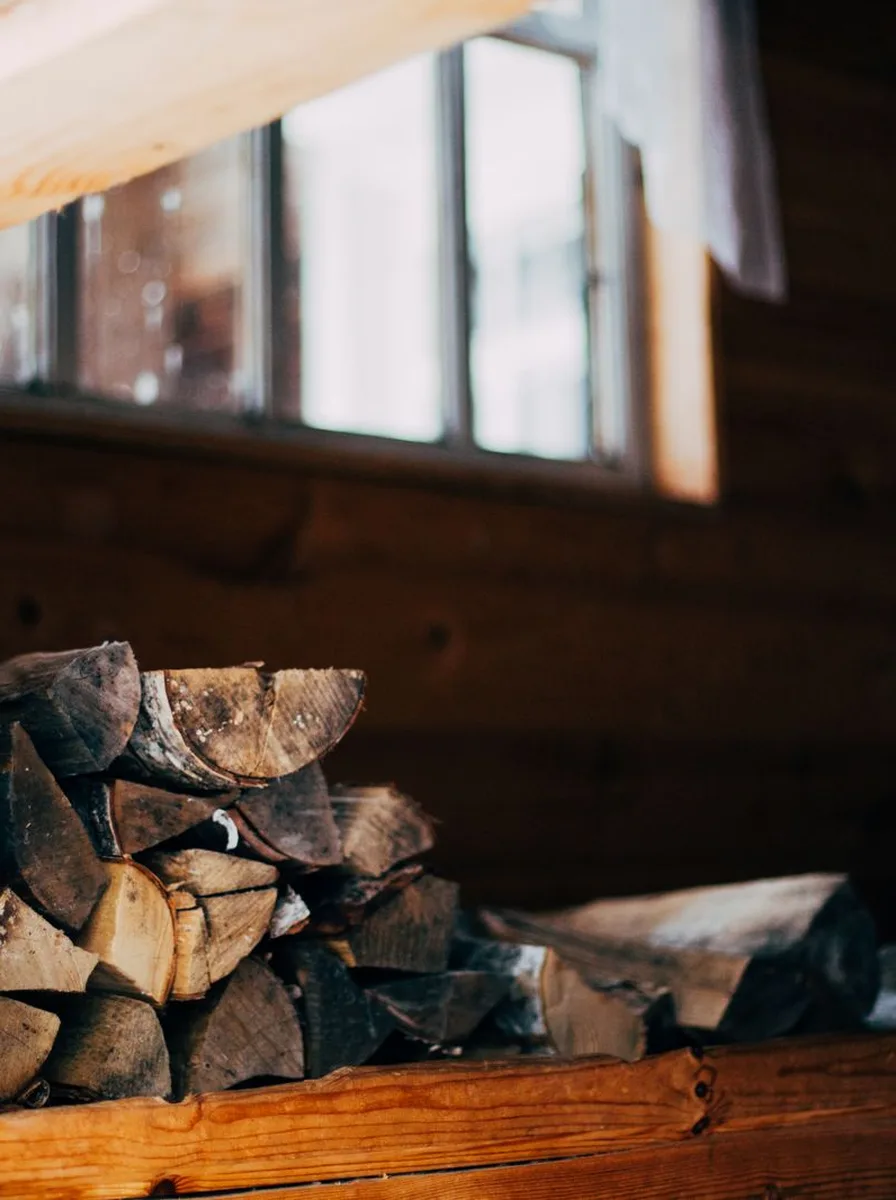
Nothing says farmhouse like gingham café curtains: the cheerful check, the half-height privacy, the flutter in the breeze. It is the pattern of farmhouse kitchens everywhere, and it never feels try-hard — just welcoming.
Choose classic red or blue checks for authenticity, sage or oatmeal for a softer take. A tension rod means no drilling. The washable cotton handles kitchen life cheerfully, and the whole project costs less than a takeaway. Layer a gingham café curtain over a plain voile for privacy plus pattern. Wash gingham in cool water so the checks stay crisp and bright.
3. Style a Sill Herb Garden in Terracotta
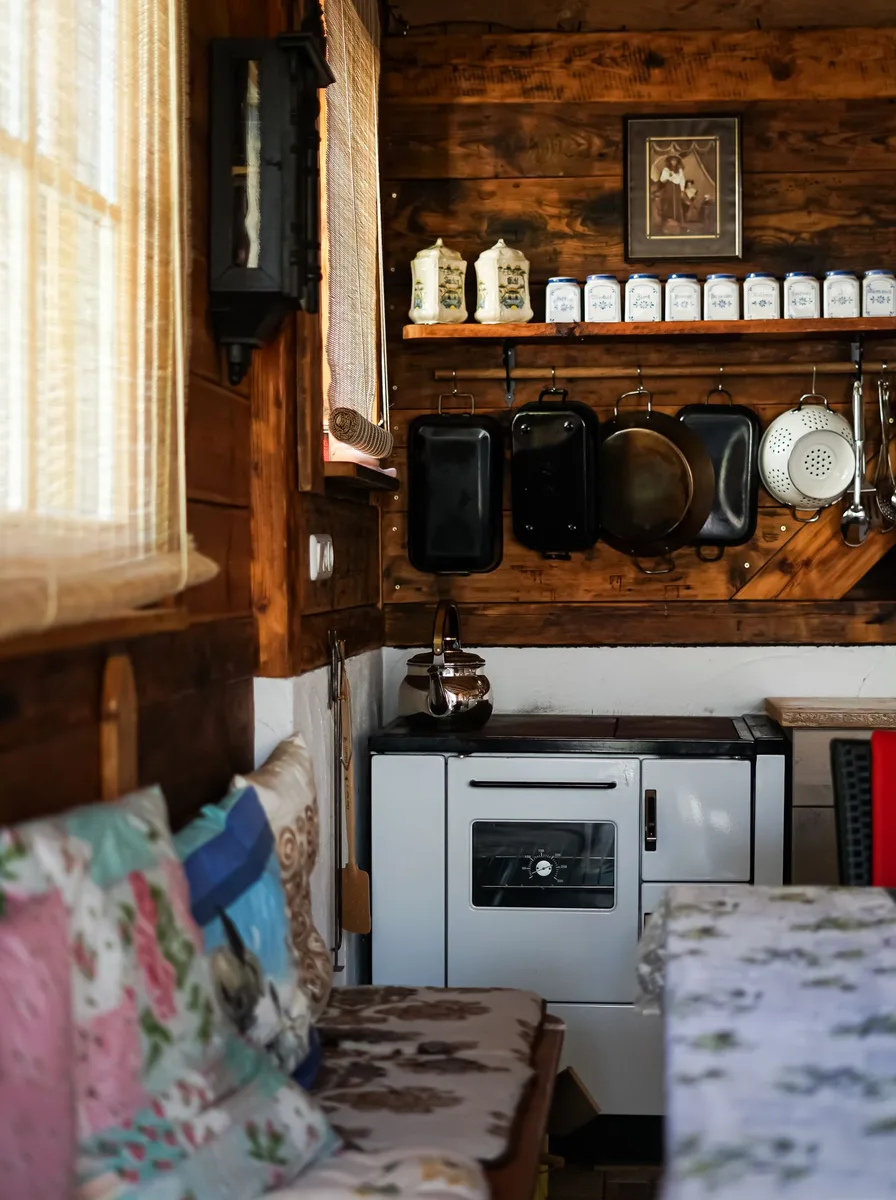
Terracotta pots of herbs along the sill are the farmhouse window’s signature: practical, fragrant, and beautiful. The warm clay tones glow against the light, and the greenery softens the hard lines of the window.
Use mismatched vintage terracotta for authenticity — the patina is the point. A long, low trough keeps the display tidy. Snip herbs freely; the garden is for using, and regular cutting keeps plants bushy and productive. Chalkboard labels on the pots add a market-stall charm and help guests identify the herbs. Rotate the pots weekly so every plant gets its share of the light.
4. Add a Deep Butcher-Block Sill
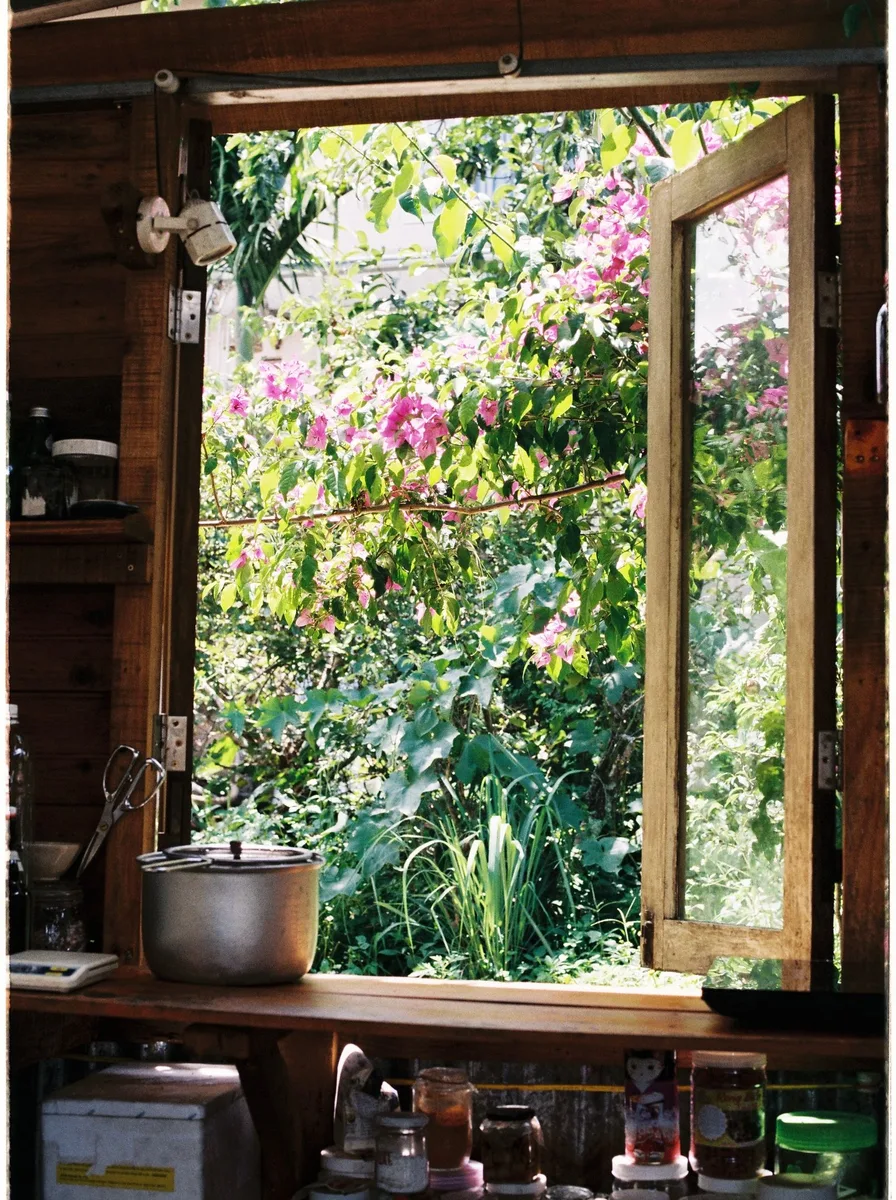
A thick butcher-block sill — oak, beech, or maple — adds craftsman warmth and a practical surface for hot pots, cookbooks, and displays. The solid timber feels honest and hardworking, the antithesis of fussy.
Oil the wood regularly with food-safe oil to keep it glowing and protected. Let it overhang the wall slightly for a furniture-like feel. The sill becomes a stage: today herbs, tomorrow pumpkins, always beautiful. End-grain butcher block is kinder to knife edges if you chop directly on the sill. Re-oil a butcher-block sill monthly in a hard-working kitchen.
5. Hang Dried Flower Bunches
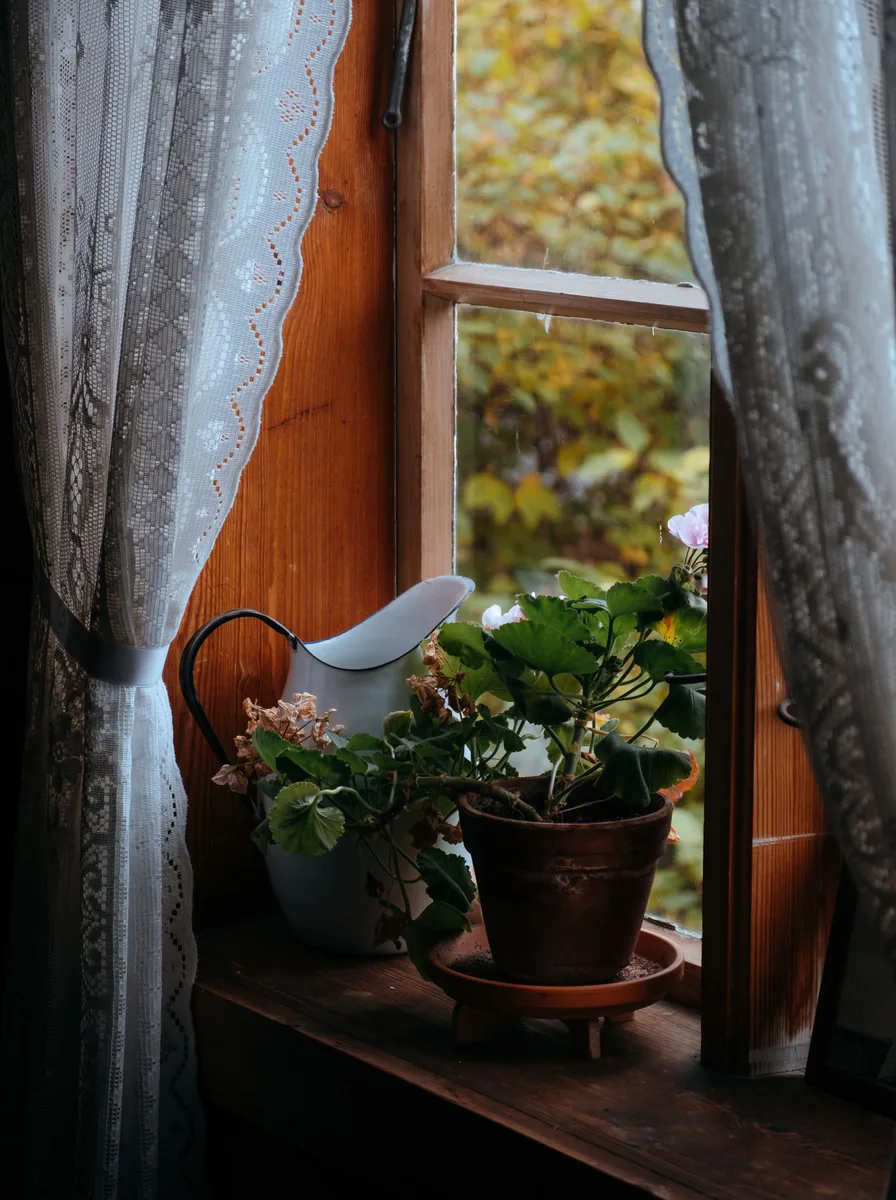
Bunches of dried lavender, wheat, and eucalyptus hung from the window frame bring farmhouse romance and a gentle fragrance. The muted, papery textures glow against the light, and the display lasts for months.
Tie with twine and hang from small cup hooks or a wire across the reveal. Keep clear of direct steam to prolong their life. Refresh seasonally — wheat for harvest, lavender for summer — and the window always tells the time of year. A light hairspray mist helps dried flowers hold their shape and colour longer. Refresh dried arrangements each autumn when the garden offers new material.
6. Choose a Farmhouse Sink Under the Window
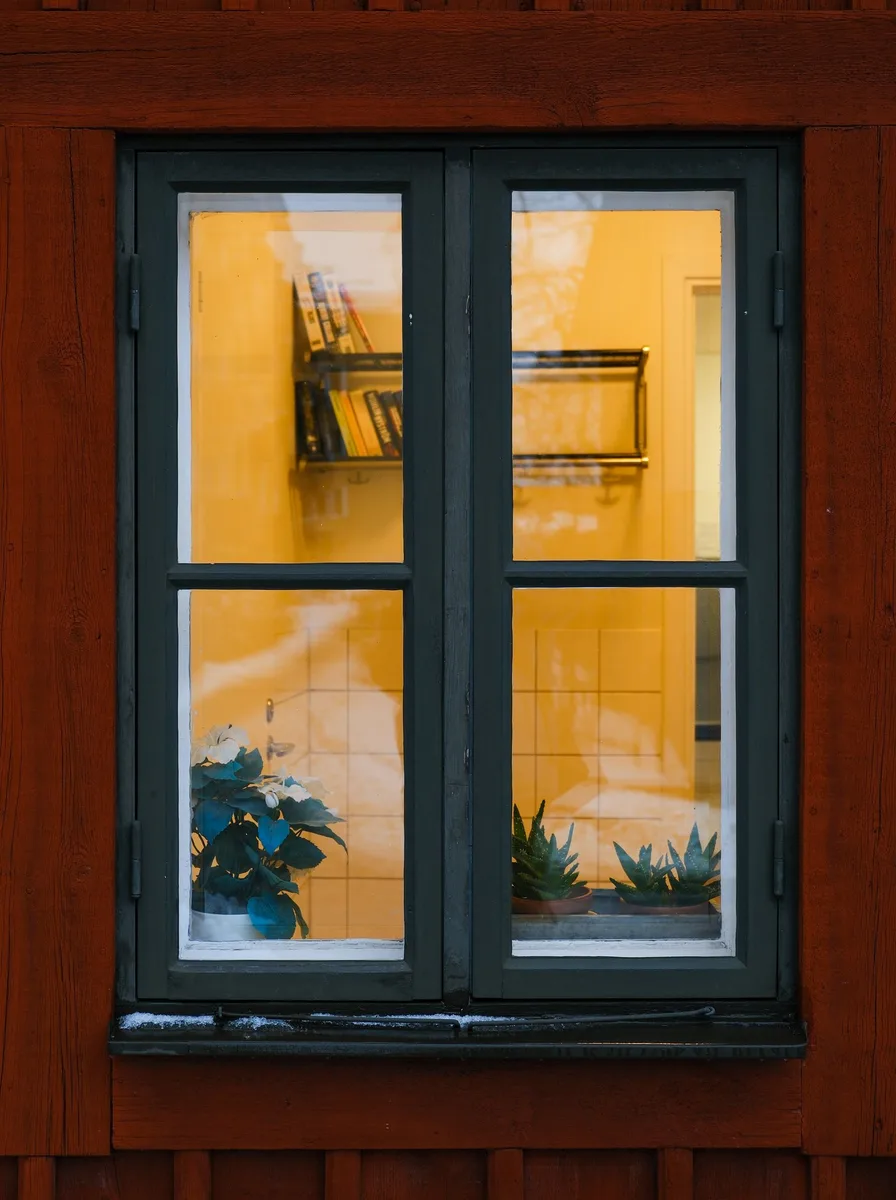
The classic Belfast or butler sink beneath the window is the farmhouse kitchen’s beating heart. The deep, generous basin handles everything from flower arranging to stock pots, and the view makes the washing-up almost pleasant.
Centre the sink on the window for the iconic look, with bridge taps in brass or chrome. The high backsplash of the butler sink frames the view like a picture. It is a working choice that happens to be the most charming one too. A rinse spray on a spring coil adds modern function to the classic look. A wipeable blind fabric matters more than the pattern in a cooking zone.
7. Display Vintage Enamelware
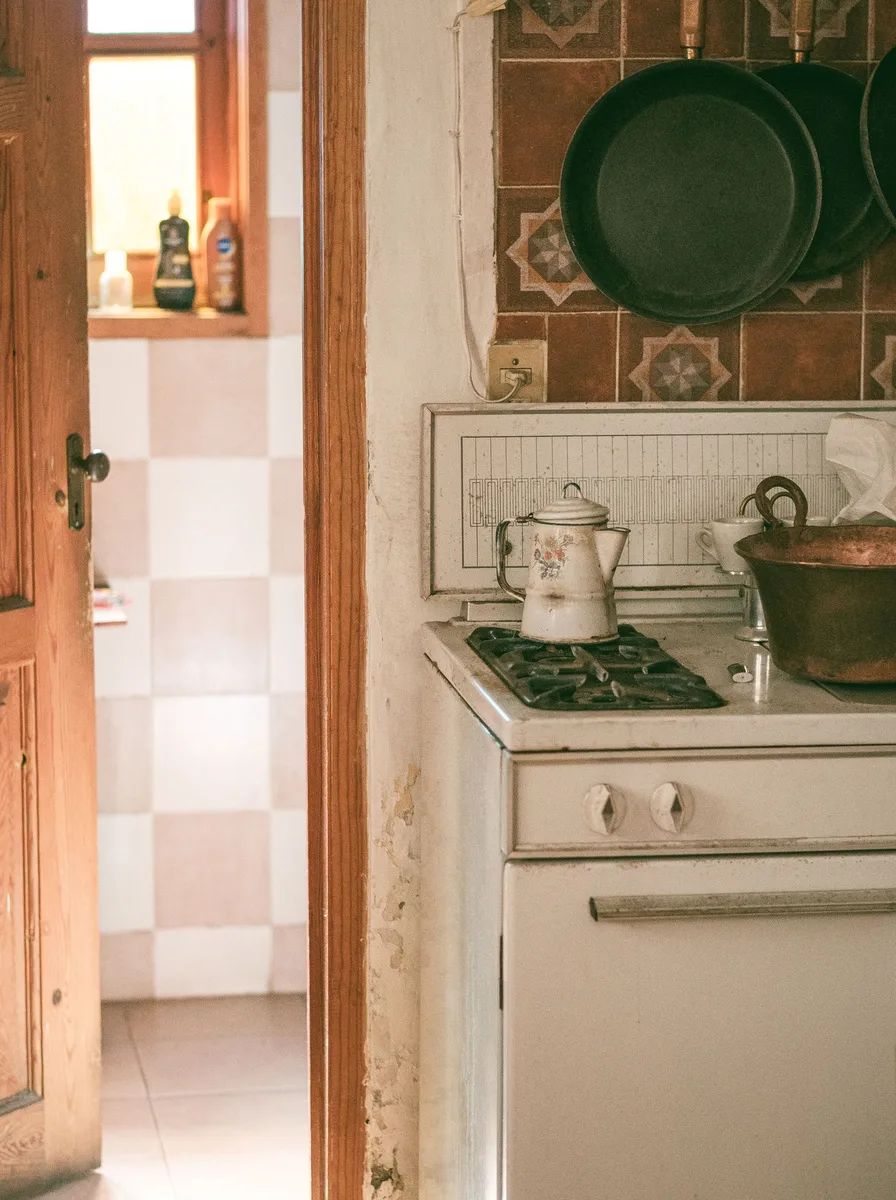
Vintage enamel jugs, bowls, and cups on the sill bring farmhouse history in blue-and-white or cream. The glossy enamel catches the light, the chips tell stories, and the pieces are genuinely useful — this is decor that works.
Hunt flea markets and salvage shops for authentic patina; new enamelware works too. Group in odd numbers and mix sizes. Use the jugs for flowers and the bowls for fruit — a display that earns its keep never feels cluttered. Modern enamelware in the same colours fills gaps while you hunt vintage pieces. Hunt car-boot sales in spring when vintage enamelware is plentiful and cheap.
8. Add Wooden Shutters Inside
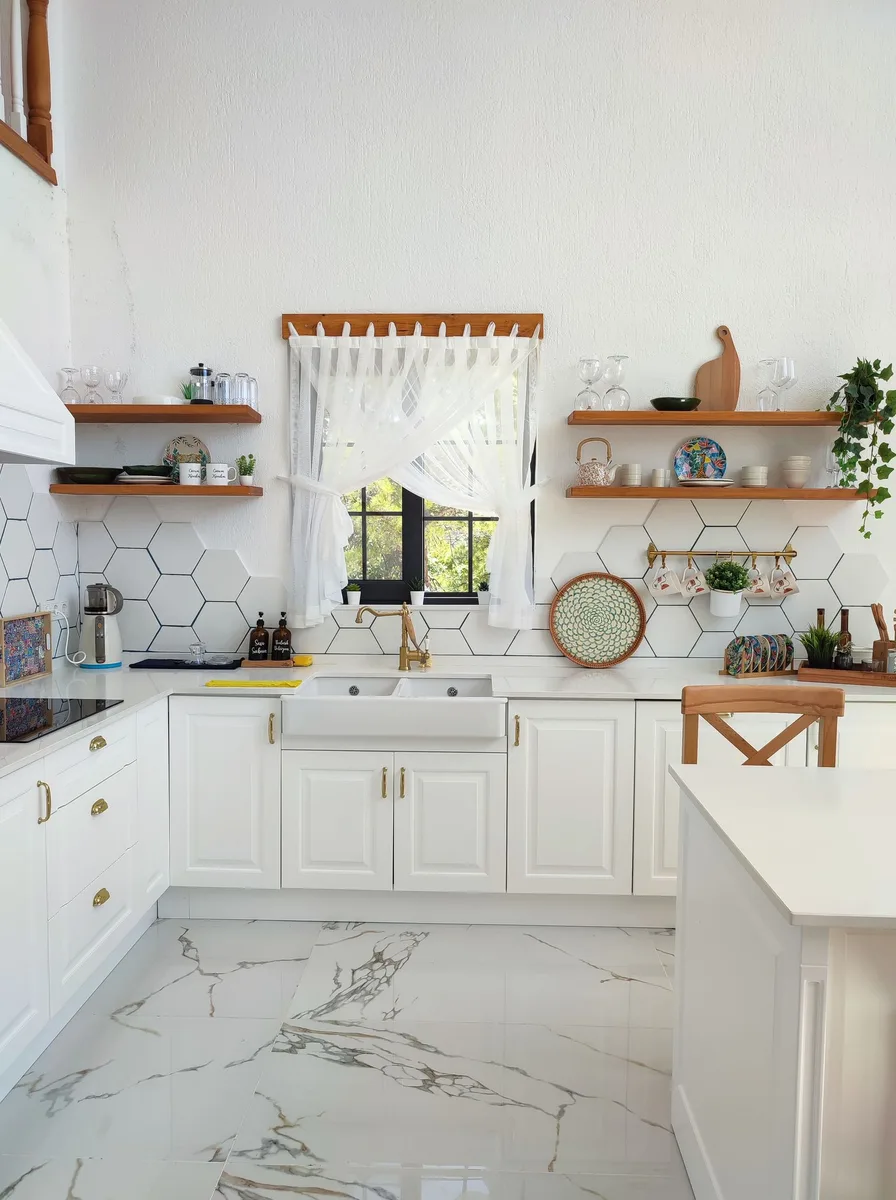
Interior wooden shutters — solid or louvred, painted or stained — give farmhouse windows a tailored, crafted finish. They control light beautifully, add a layer of insulation, and look like they have always been there.
Choose a heritage paint colour — sage, cream, or soft grey — or leave the wood natural. Café-height shutters suit street-facing windows. The solid feel and soft click of real wood beats any blind for farmhouse authenticity. A cut-out handle in the shutter panel avoids the need for protruding knobs. Leave a 5mm shadow gap around shutters so the wood can move with the seasons.
9. Hang a Wreath of Wheat or Herbs
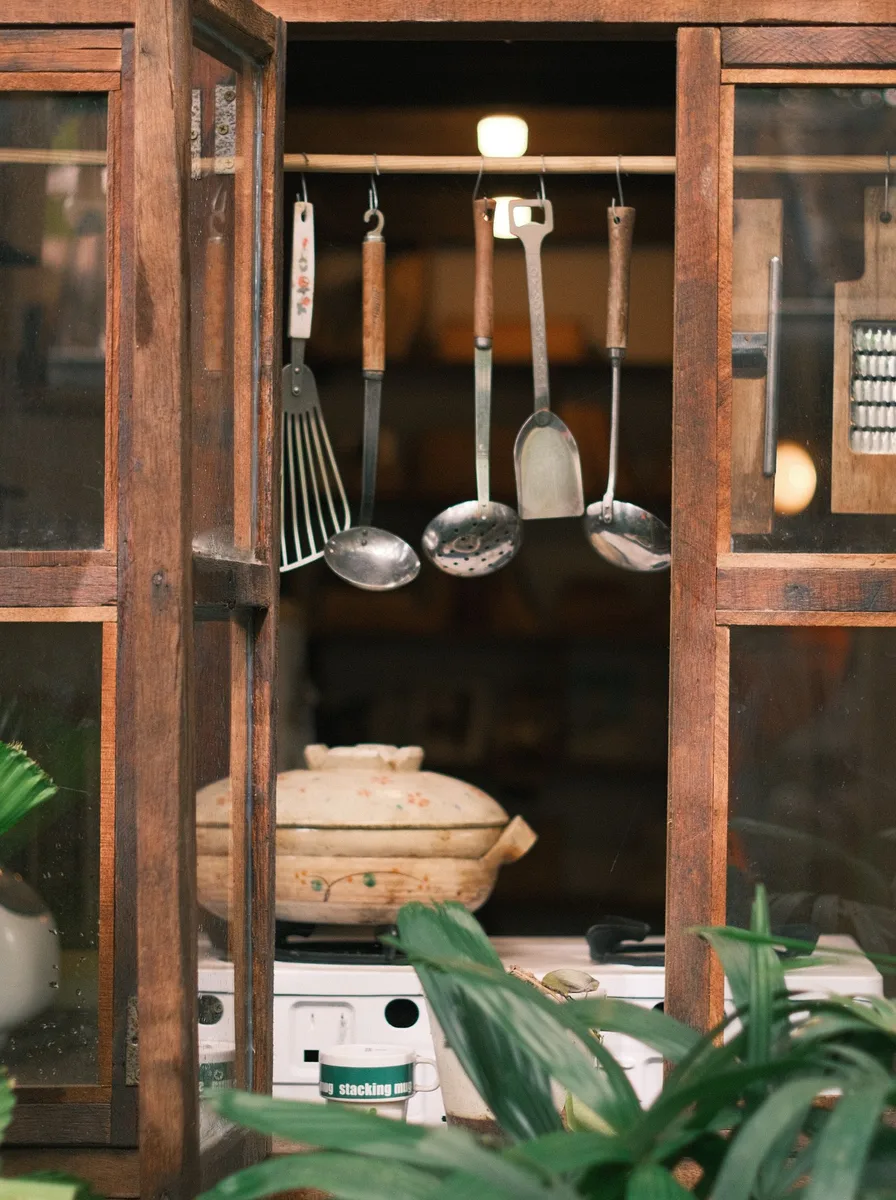
A wreath hung on the farmhouse window — wheat for harvest time, herbs for summer, pine for winter — is the warmest welcome a window can give. The natural materials and handmade feel are farmhouse essentials.
Make your own by wiring bunches to a vine or wire base — it is easier than it looks. Hang from a ribbon over the sash or a suction hook. Dried wreaths last for months; the scent of a fresh herb wreath is worth the shorter life. Store off-season wreaths in a breathable bag hung in a dry shed — never plastic. Swap the wreath with the seasons — dried lavender in summer, pine in winter.
10. Use Chicken-Wire Cabinet Doors Nearby
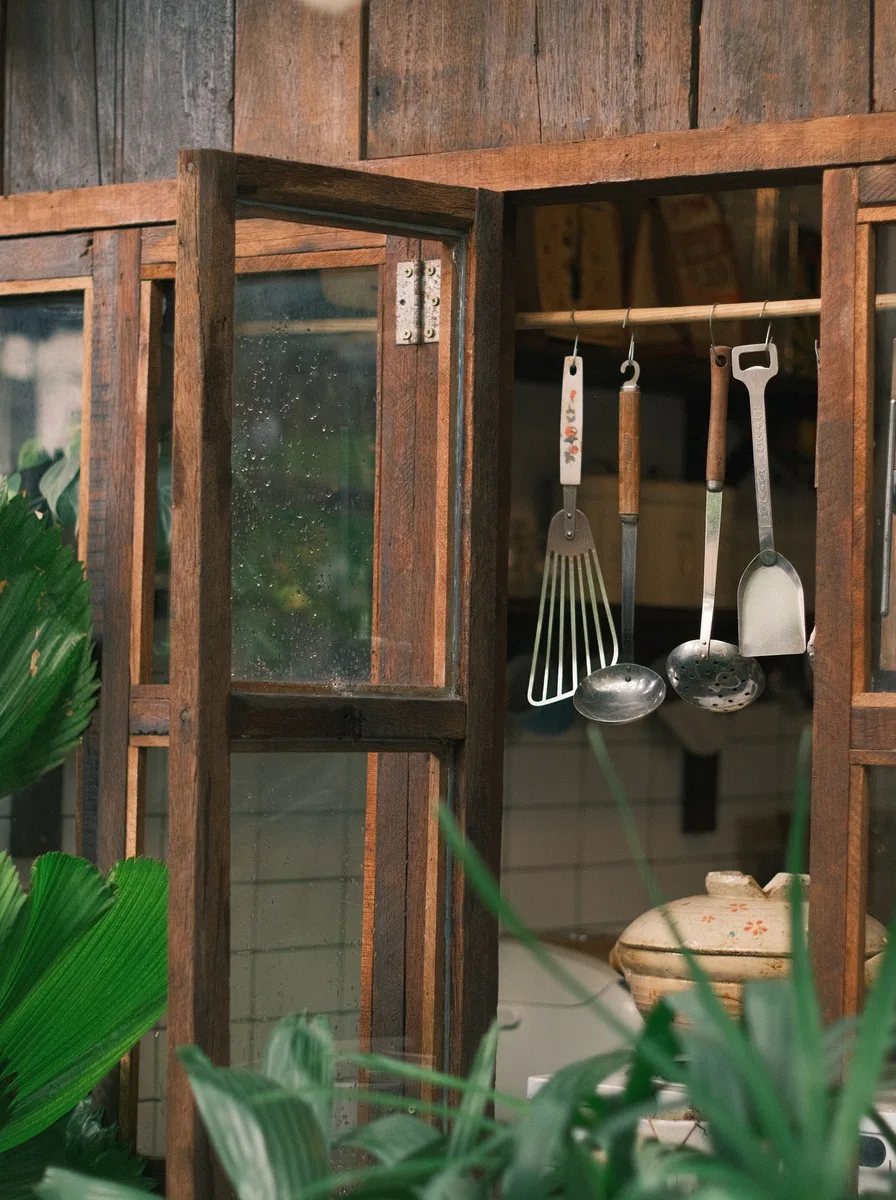
Cabinet doors with chicken-wire panels beside the window extend the farmhouse story beyond the glass. The wire adds texture and a hint of the henhouse, and it keeps the wall units feeling light and open.
This is a simple DIY: replace solid door panels with framed wire mesh. Use it on one or two doors flanking the window, not the whole kitchen. The glimpse of crockery behind the wire is part of the charm. Back the wire with a plain voile so the contents stay dust-free but visible. Decant dry goods into matching jars for a pantry display that earns its place.
11. Style with Mason Jar Lanterns
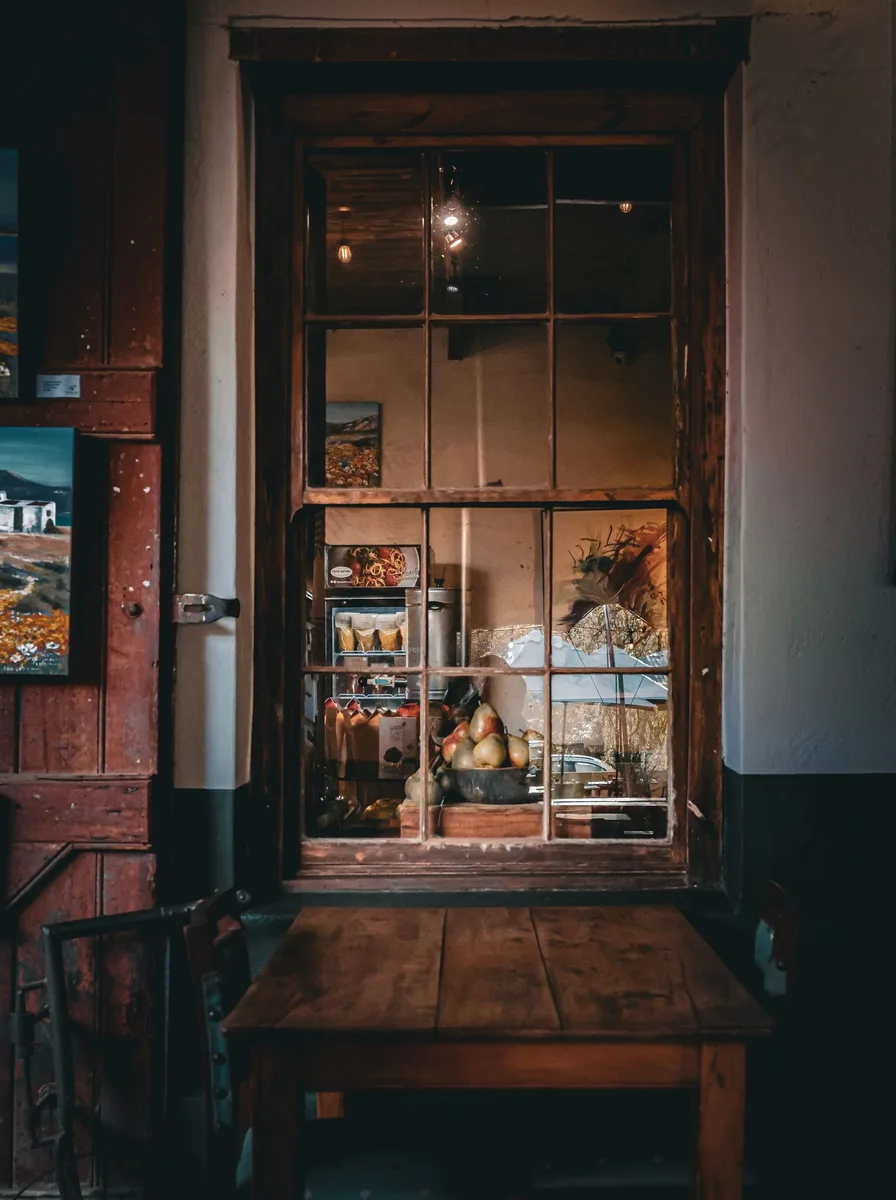
Mason jars with tealights or fairy lights on the sill bring a soft, firefly glow to farmhouse evenings. The humble jar becomes a lantern, and the flickering light through the glass is pure countryside magic.
Use genuine vintage jars or new ones with zinc lids for the look. Battery tealights are safest near curtains. Group three at varying heights on a wooden tray. At dusk, light them while you cook — the ritual is as lovely as the glow. A string of battery fairy lights coiled inside a large jar makes an instant farmhouse lamp. Cluster odd numbers of jars — threes and fives always look more natural.
12. Add a Window Seat with Gingham Cushions
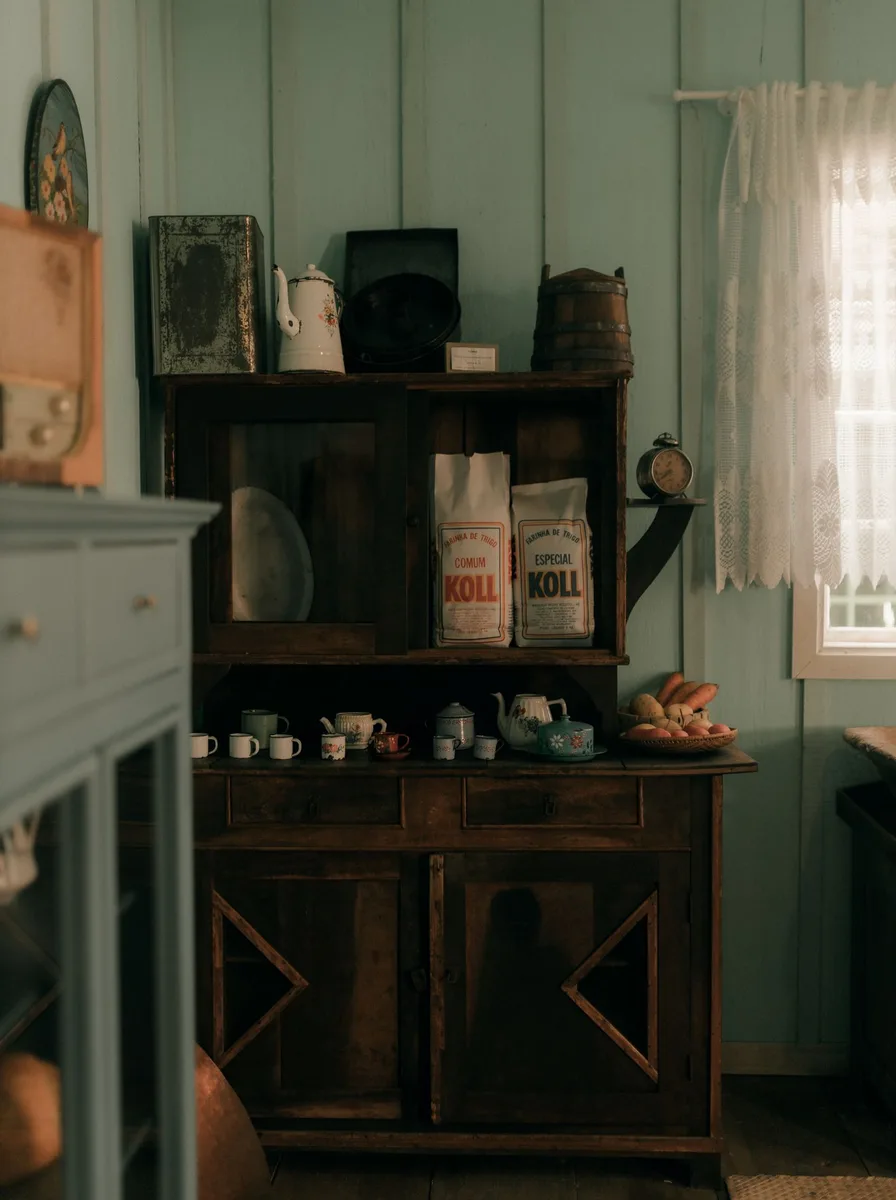
A simple built-in seat beneath the farmhouse window, dressed with gingham or ticking-stripe cushions, creates the coziest corner in the house. It is made for slow mornings, seed catalogues, and watching the garden wake up.
Build from painted pine with storage inside for linens. Dress with a washable cushion pad and a pile of mismatched cushions. A folded quilt within reach completes the invitation. This is the seat everyone fights for. A striped ticking cushion cover hides the wear of daily use beautifully. Choose a cushion insert one size up from the cover for a plumper sit.
13. Hang Copper Pans Beside the Window
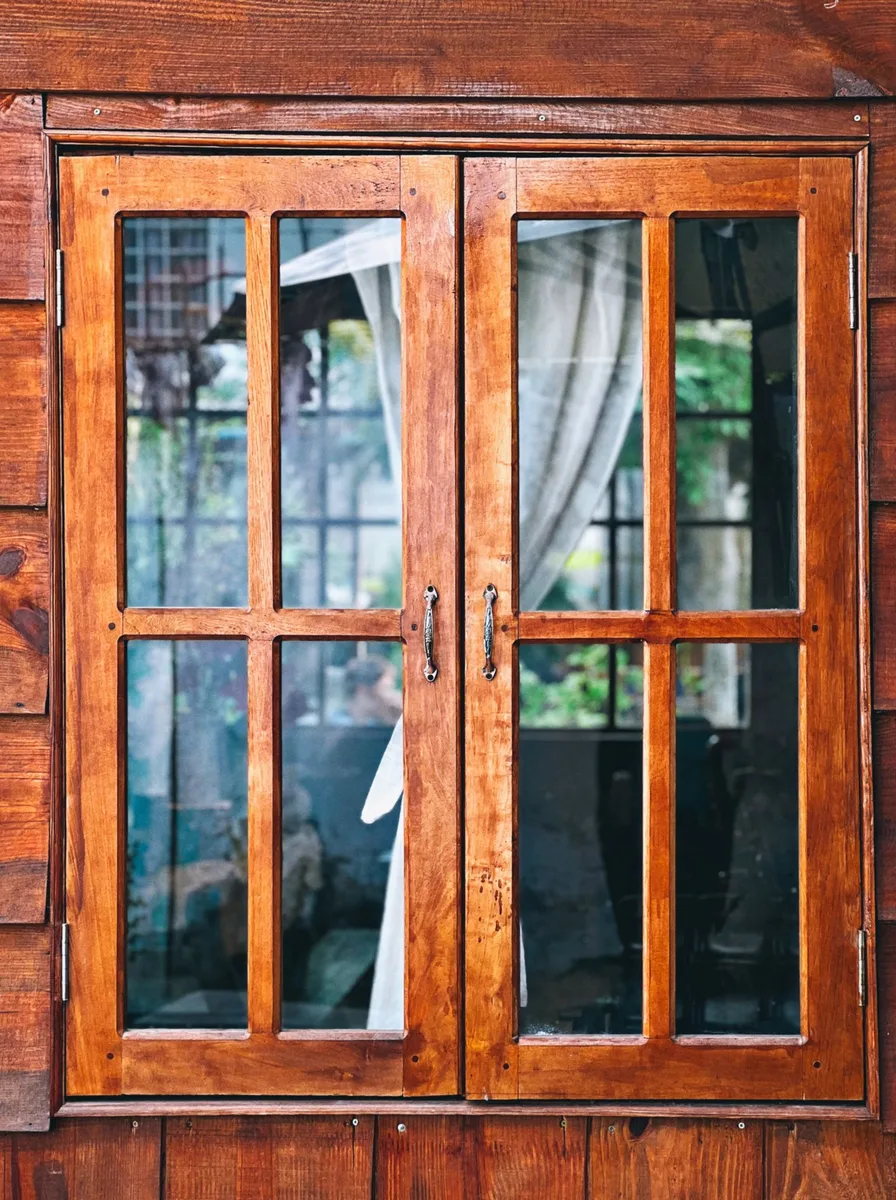
Copper pans on a rail beside the window catch the light and glow like treasure. The warm metal is the jewellery of the farmhouse kitchen — practical, beautiful, and better with age and patina.
Fix a sturdy rail with S-hooks; copper is heavy. Two or three pans are enough — this is curation, not storage. Polish the insides, let the outsides mellow. The gleam against window light never fails to make visitors sigh. A lemon-and-salt scrub brings back the shine when the patina goes too far. Polish brass monthly with a paste of vinegar, flour and salt.
14. Choose Distressed Painted Frames
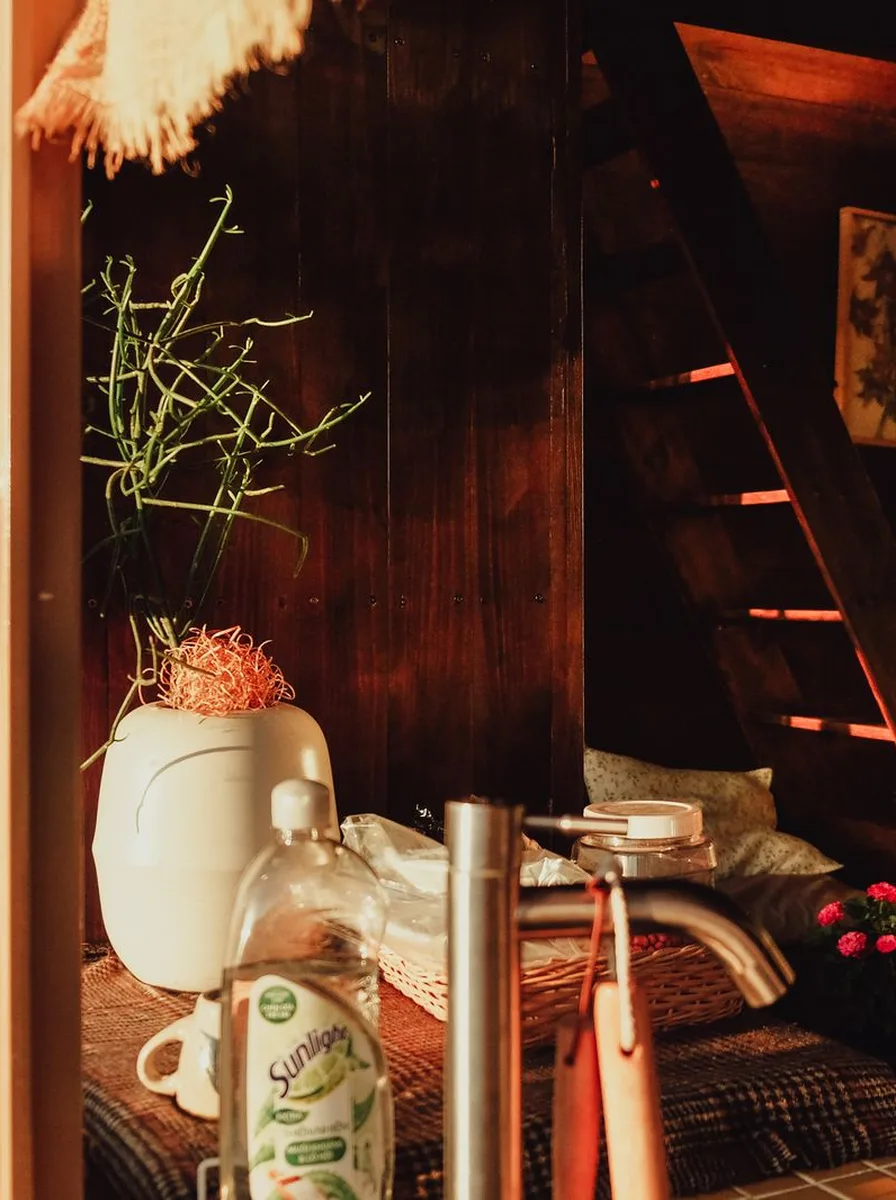
Window frames in distressed cream, sage, or duck-egg paint bring shabby-chic farmhouse character. The worn edges and soft colour feel collected over time, not bought yesterday — the essence of the look.
Achieve it with chalk paint, sanded back at edges and handles, then waxed. Or buy pre-distressed. Keep the distressing believable — edges and corners wear first. The gentle imperfection makes the whole kitchen feel relaxed and welcoming. Two thin coats of chalk paint distress more authentically than one thick one. Distress edges with fine sandpaper for a finish that looks decades old.
15. Display a Collection of Rolling Pins
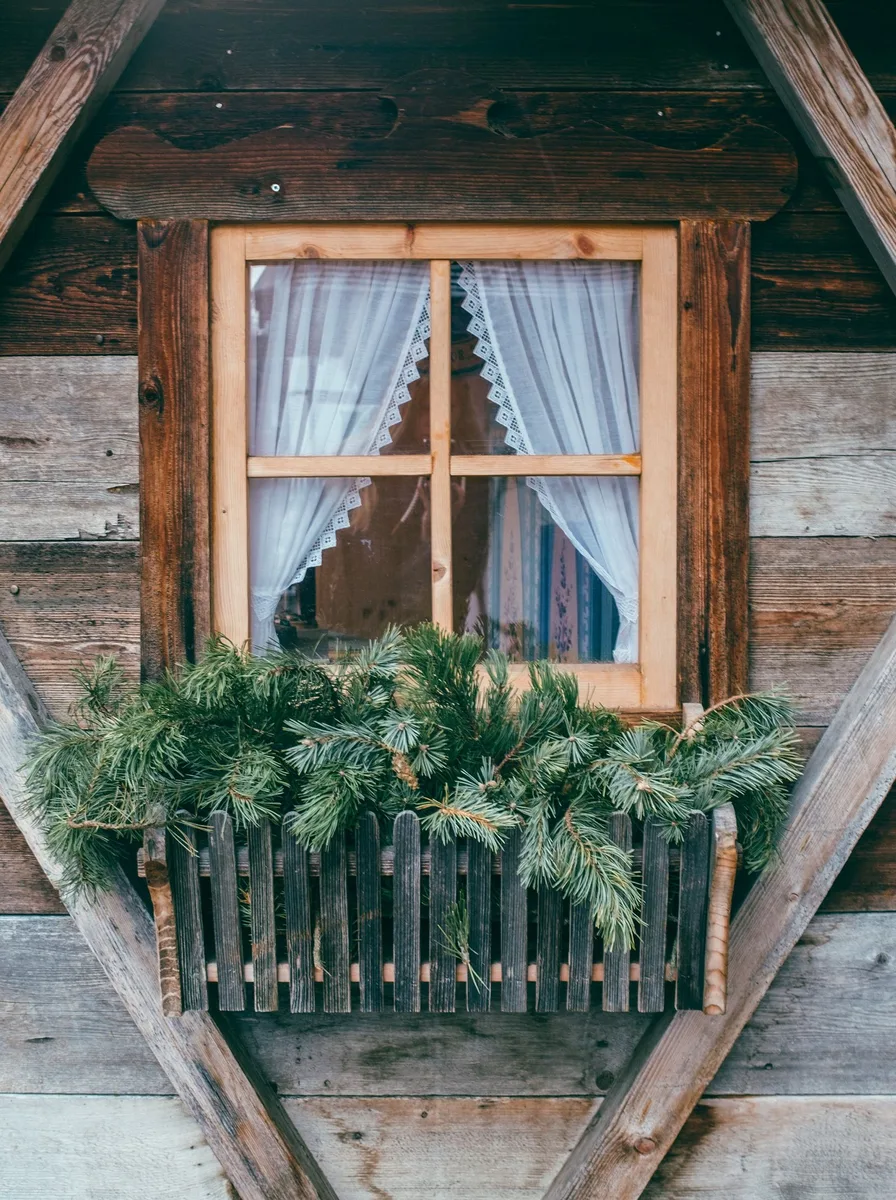
Vintage rolling pins lined up on the sill or hung on the wall are pure farmhouse whimsy: the turned wood, the varied shapes, the suggestion of baking. It is decor with a wink — charming precisely because it is unexpected.
Collect from flea markets; the more varied the better. Line them on a deep sill or hang on pegs beside the window. A light oiling keeps the wood glowing. It is a conversation piece that costs almost nothing. A wall-mounted plate rack also displays rolling pins beautifully and accessibly. Keep everyday plates on the rack and best china safely in the cupboard.
16. Add a Ticking-Stripe Blind
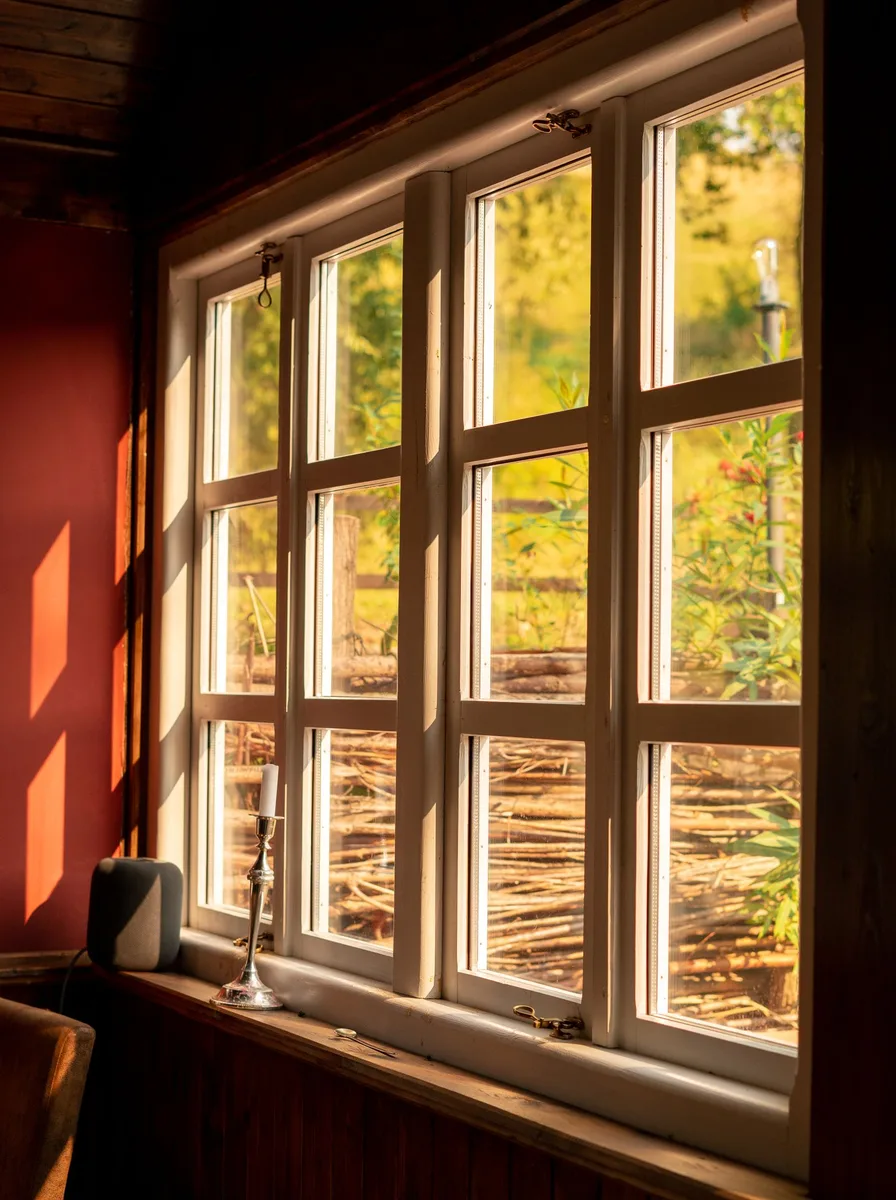
A Roman blind in classic ticking stripe — the blue-grey stripe of vintage French mattresses — is farmhouse tailoring at its best. The utilitarian pattern feels honest and hardworking, and the neat folds keep it smart.
Choose a cotton canvas that wipes clean. The stripe’s vertical lines add height to the window. It pairs beautifully with gingham elsewhere — stripe plus check is the farmhouse pattern formula. Keep the rest of the window simple. A blackout lining makes the ticking blind practical for early summer mornings. Angle the blind’s slats up in summer to bounce light onto the ceiling.
17. Grow Tomatoes on the Sill
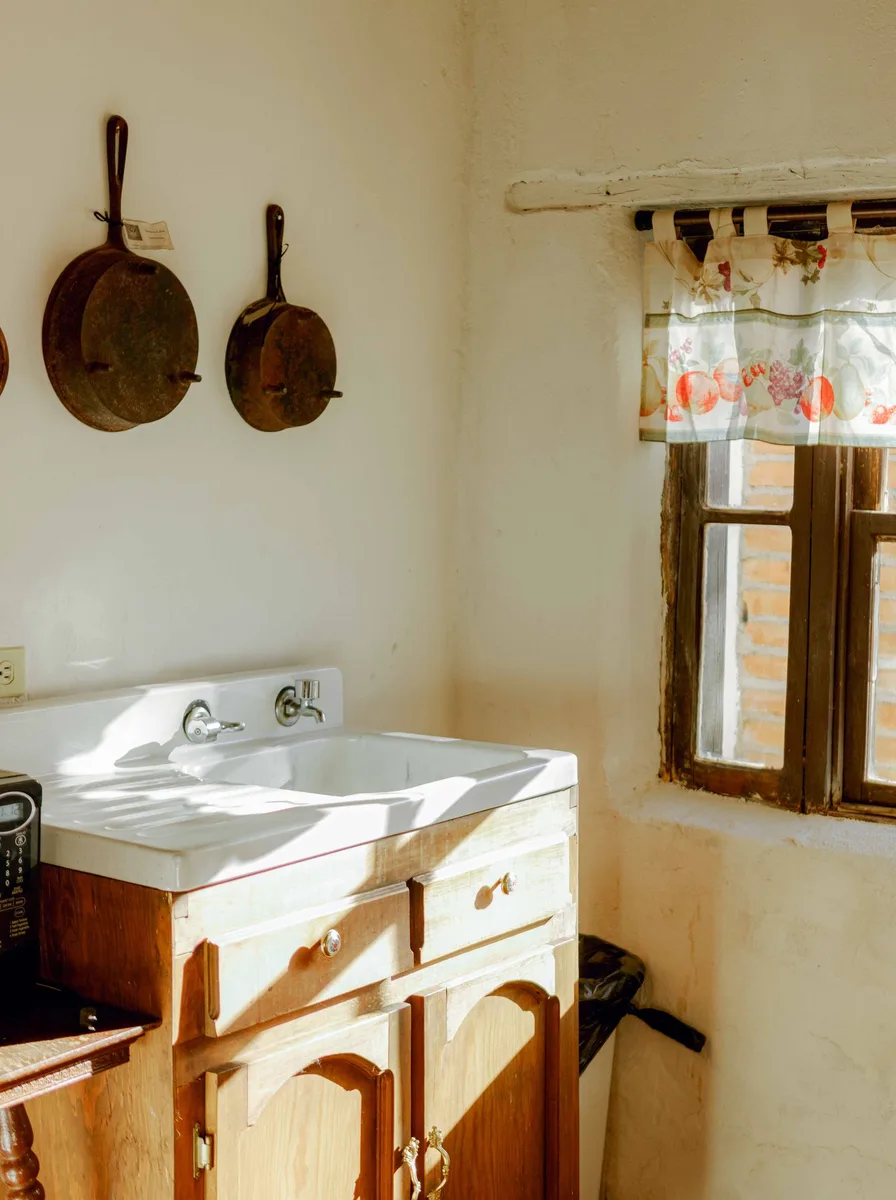
The ultimate farmhouse flex: tomatoes ripening on the kitchen sill. Cherry varieties thrive in the bright, warm microclimate of a sunny window, and there is nothing more satisfying than picking lunch while you cook it.
Use deep pots and a sunny, south-facing sill. Support with small canes as they grow. The plants are beautiful — yellow flowers, then green-to-red fruit — and the taste of a sun-warmed tomato beats anything from a shop. Pinch out the side shoots of cordon varieties for bigger, better fruit. Choose compact fruit varieties bred for containers and small spaces.
18. Hang a Quilt as a Curtain
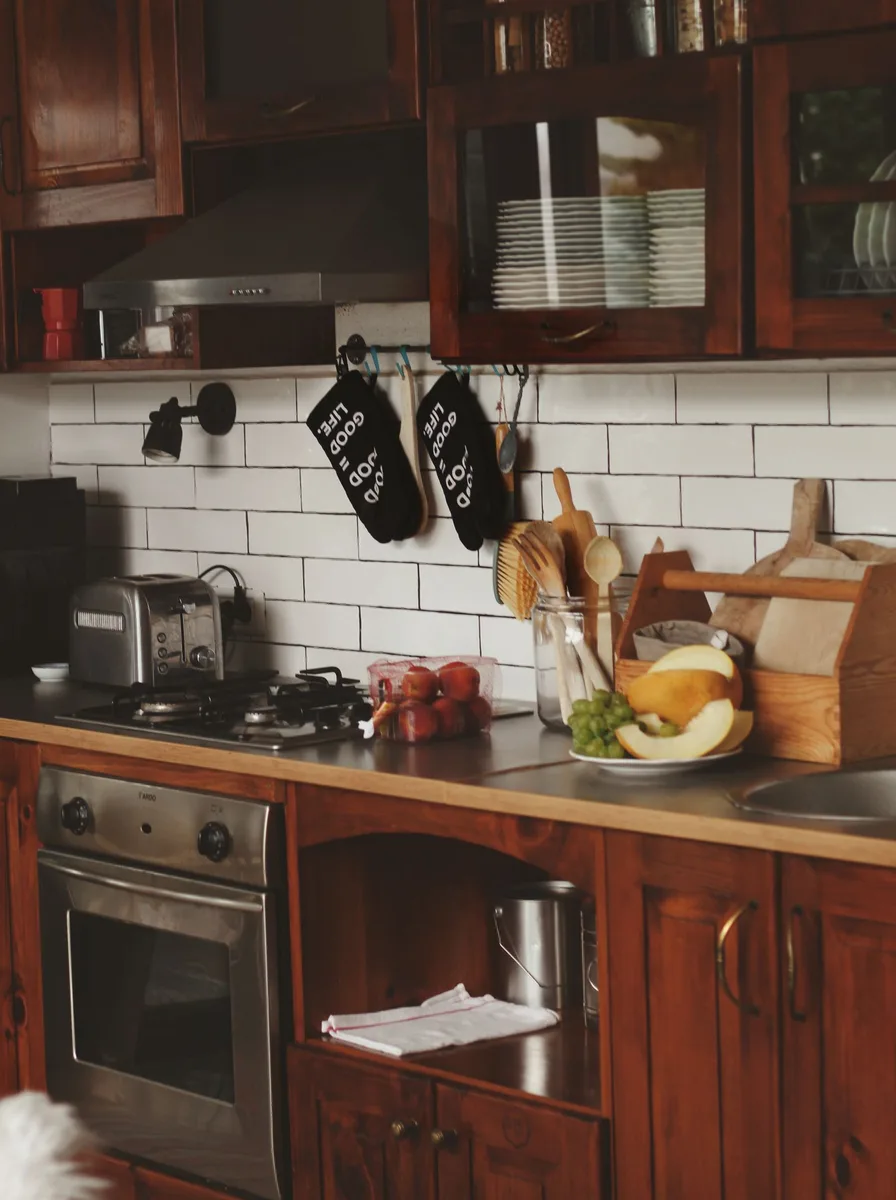
In the truest farmhouse spirit, a beautiful quilt hung as a curtain is decor with a story. The patchwork adds colour, pattern, and heritage, and it insulates the window on cold nights — form and function in one heirloom.
Hang from a sturdy rod with clip rings, or fold over the rod for a softer drape. Use a quilt you love but do not mind fading — sun is hard on textiles. It is a bold, personal choice that makes the kitchen unmistakably yours. A quilt sleeve sewn across the top slides onto the rod without clips or damage. Hem the valance with iron-on tape if sewing is not your thing.
19. Add Iron Window Boxes Outside
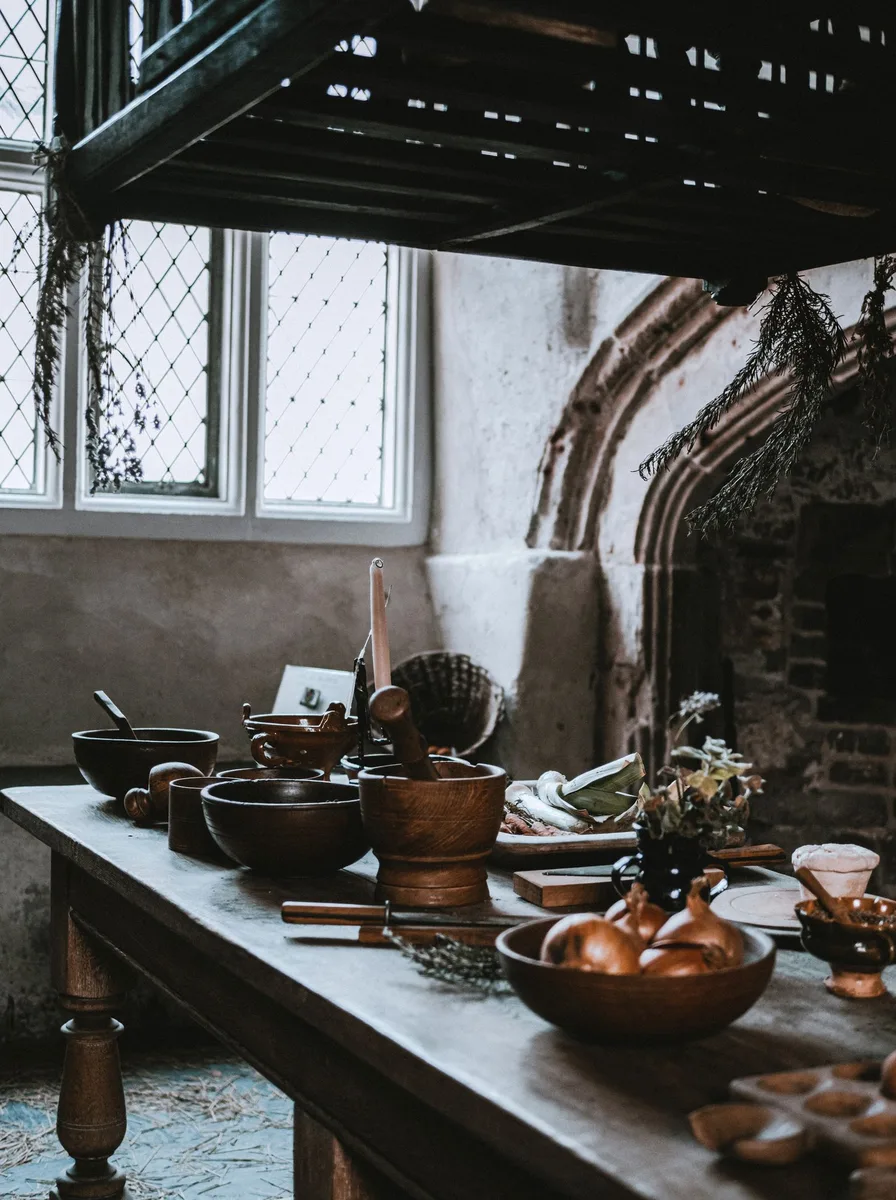
Wrought-iron window boxes planted with herbs, trailing nasturtiums, or simple geraniums frame the farmhouse window from outside. The black iron against the wall is classic, and the planting softens the architecture.
Fix boxes securely to take the weight of soil and water. Plant for the seasons: herbs for use, flowers for joy. From inside, the greenery becomes part of the view — a living curtain that needs no laundering. Coco liners inside iron boxes hold soil while letting excess water drain. Re-line window boxes each spring with fresh compost for hungry summer plants.
20. Style with a Dough Bowl
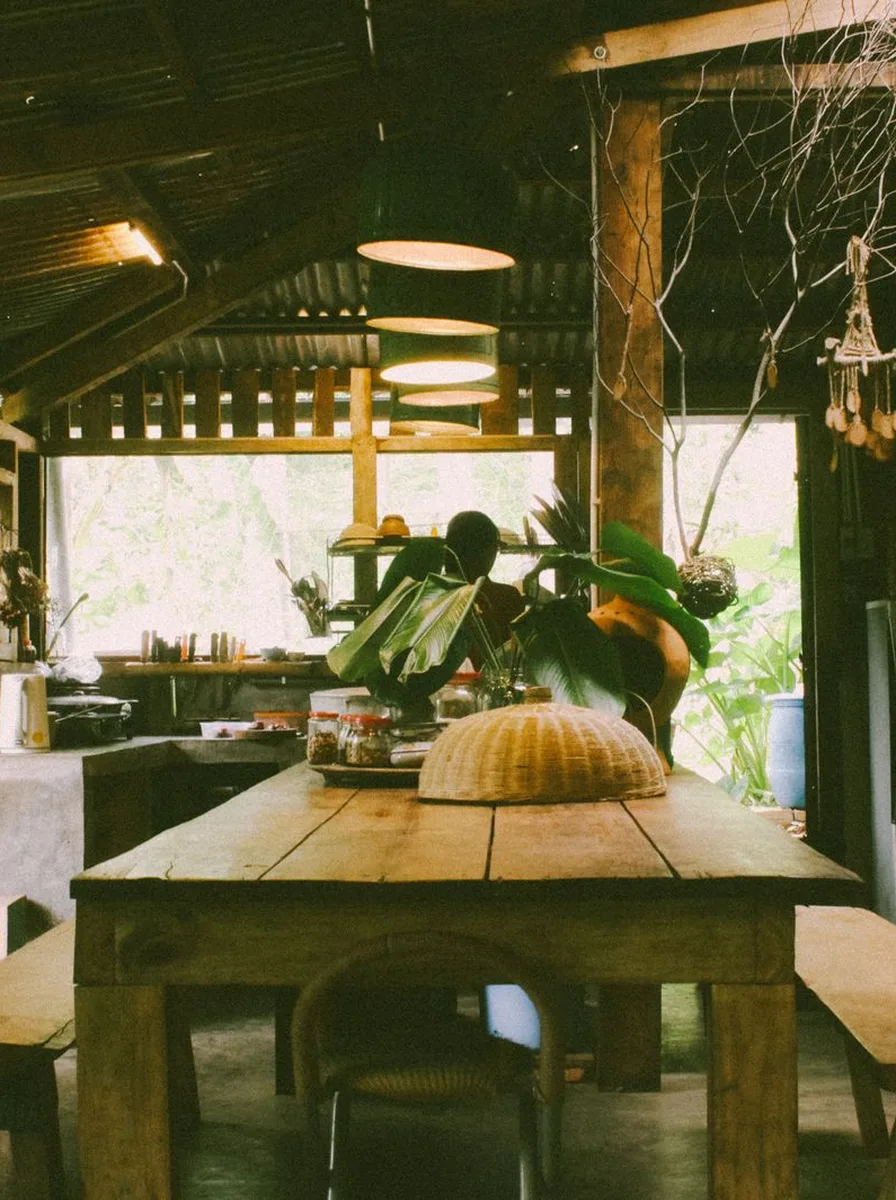
A wooden dough bowl on the sill — filled with seasonal fruit, pinecones, or simply empty — is the farmhouse still life. The hand-carved, worn wood glows in window light, and the generous shape anchors the display.
Fill seasonally: lemons in summer, apples in autumn, baubles at Christmas. Or leave it empty — the bowl itself is beautiful. Vintage bowls have the best patina; new ones earn it. It is the easiest styled moment in the farmhouse kitchen. A light mineral-oil rub keeps a vintage dough bowl from drying and cracking. Treat a vintage dough bowl as decor only — line it if you store food inside.
21. Use Linen with a Raw Hem
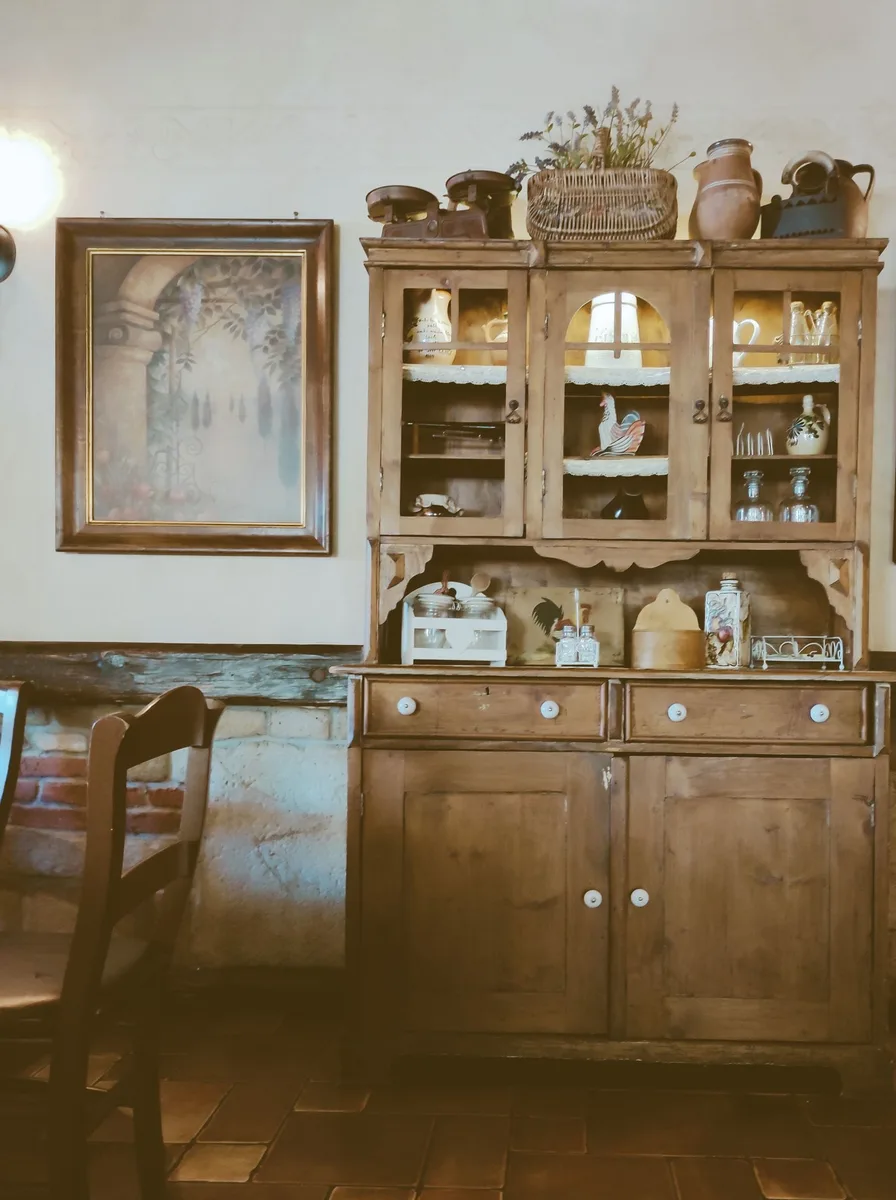
Curtains in washed linen with an unfinished, frayed hem are farmhouse perfection: relaxed, textural, and deliberately imperfect. The raw edge says handmade and unhurried — the opposite of stiff, tailored dressing.
Cut linen to length and pull a few threads for a soft fringe; no sewing needed. The natural fibres glow against the light. Embrace the wrinkles — pressing would ruin the point. This is the curtain equivalent of a deep breath. Pull threads evenly from both sides for a fringe that looks intentional, not accidental. Trim fringe with sharp scissors while it hangs for the straightest edge.
22. Finish with Warm Lamplight
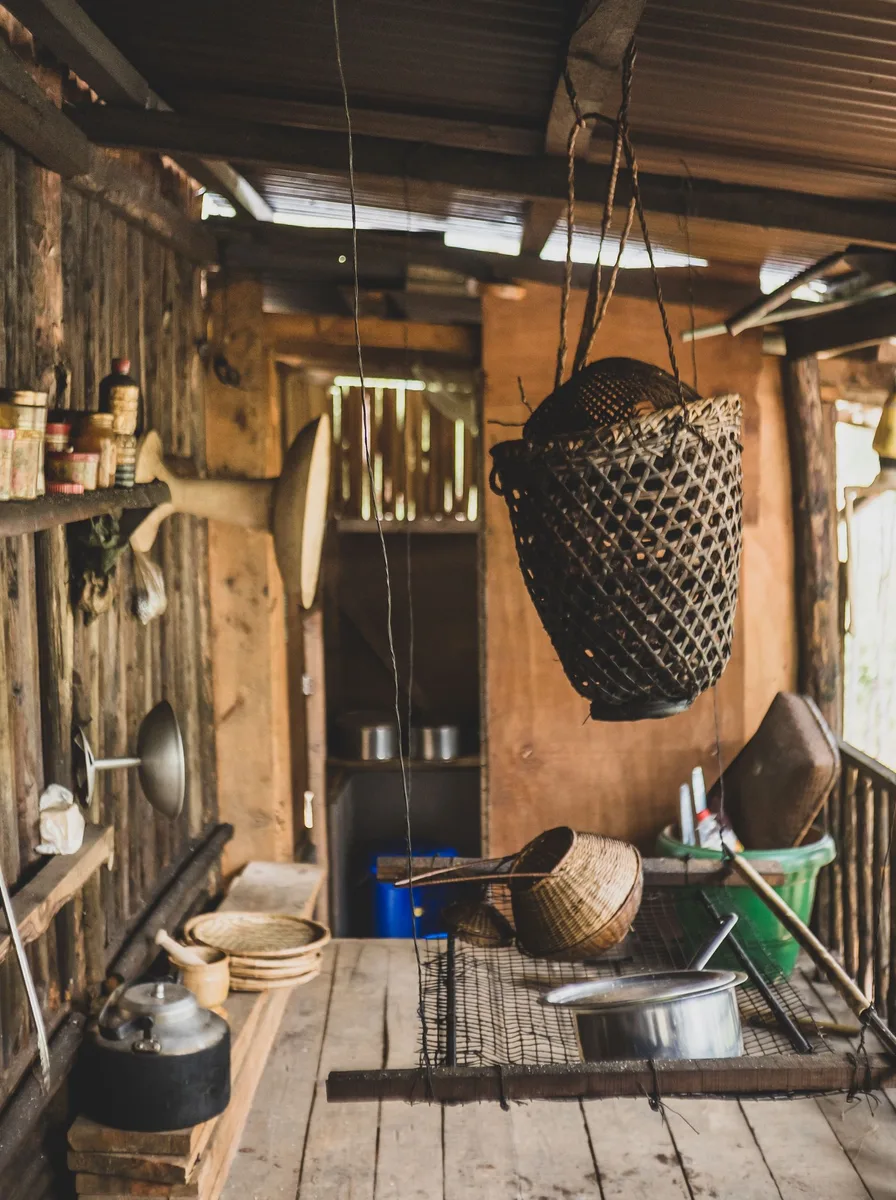
Farmhouse windows glow after dark: a small lamp on the sill, fairy lights in a jar, candles in the window. The warm light spilling out is the welcome-home beacon, and inside it keeps the kitchen cosy long after sunset.
Use warm-white bulbs (2700K or less) for the amber farmhouse glow. A tiny lamp with a linen shade on the sill is the classic. Put lights on timers so the welcome is automatic. The lit farmhouse window is pure nostalgia — and it is yours. A smart plug on a sunset schedule means the welcome glow is always on time. A warm 2700K bulb keeps the farmhouse glow cosy rather than clinical.
Farmhouse style is not about living in the past — it is about choosing things that feel honest, warm, and made to last. The window is where that spirit shines brightest: wood with a story, fabric with a texture, and a view that connects the kitchen to the world outside. You do not need a farmhouse to have a farmhouse window — just a love of the genuine.
Need new cutting boards for food prep? Check out this wooden cutting board set on Amazon: https://amzn.to/4y0IxdH
Looking for a charming way to organize your kitchen utensils? Check out this ceramic utensil holder on Amazon: https://amzn.to/4dtARtf

David is the home decor enthusiast behind HomeLushly. He shares practical, budget-friendly ideas for bedrooms, living rooms and seasonal decorating — from colour combinations that actually work to small-space styling tricks that make a room feel bigger. Every guide on HomeLushly is built around real photos and hands-on research, to help you make your home feel warm, personal and beautifully put together.