

Kitchen windows face a daily dilemma: you want the light, but not the audience.
Whether your kitchen overlooks the street, a neighbour’s garden, or a busy pavement, the right window treatment gives you privacy without turning the room into a cave. The trick is filtering views, not blocking light.
Modern treatments are cleverer than ever — top-down blinds, reeded glass, reflective films — and many add insulation, UV protection, or easy-clean surfaces as a bonus.
Beauty and practicality are no longer a trade-off; the best options deliver both.
These 28 brilliant kitchen window treatments solve the privacy puzzle in style, each with honest notes on light, cost, and upkeep so you can choose with confidence.
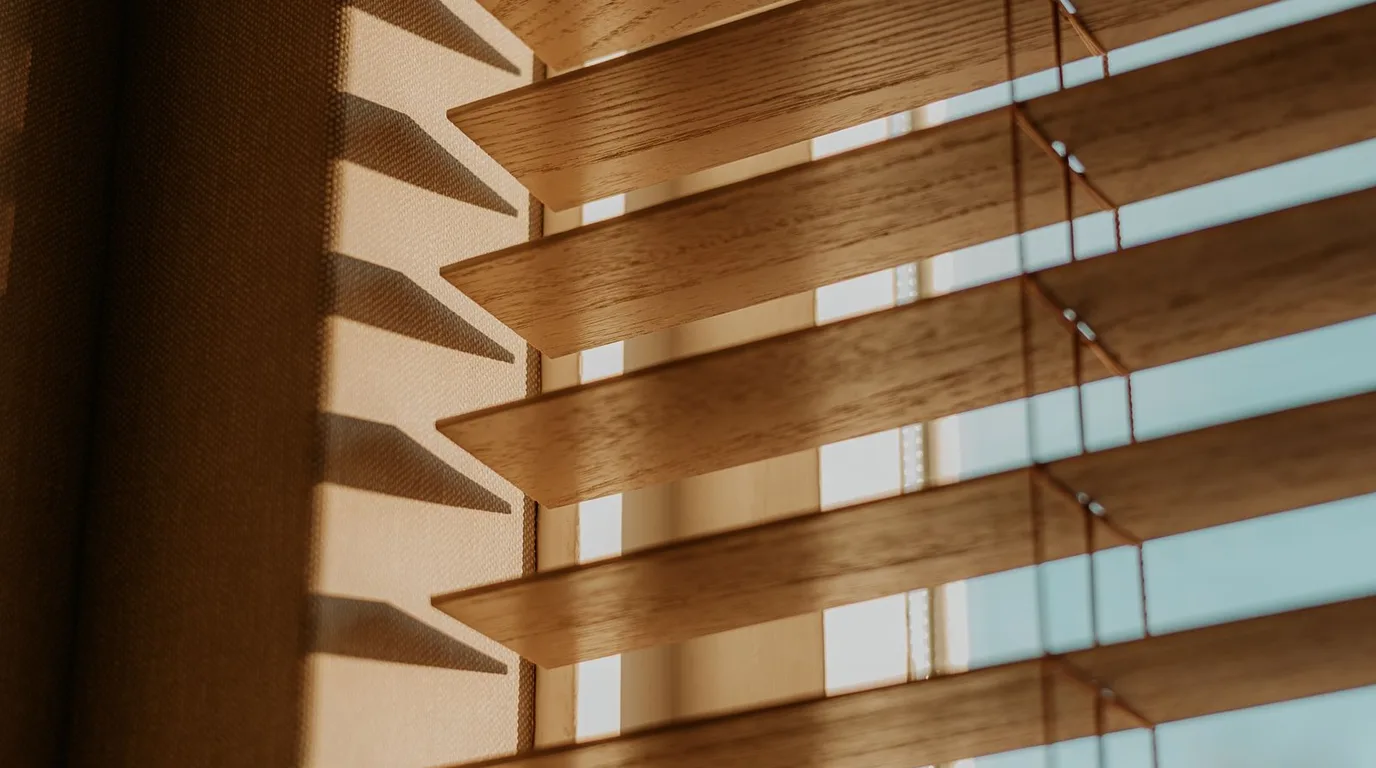
1. Fit Top-Down Bottom-Up Blinds
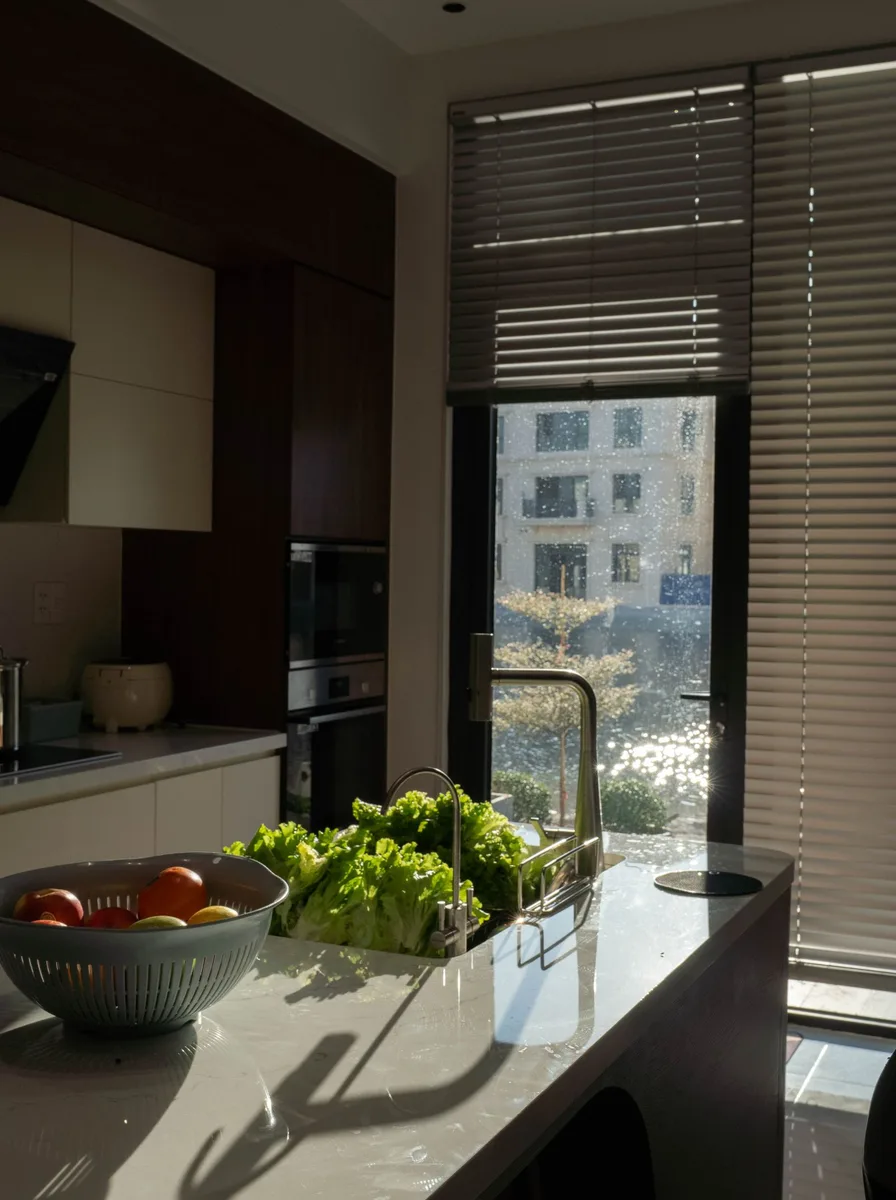
Top-down bottom-up blinds are the privacy genius of window treatments: lower the top for daylight and sky views while the bottom stays covered at street level. You get light where you want it and privacy where you need it — simultaneously.
Honeycomb or pleated versions insulate as well as they shade. They suit any window shape and look clean and modern. The cordless versions are child-safe and sleek. Once you have lived with them, every other blind feels like a compromise. The top-down position is also perfect for high summer — light from the sky, shade at eye level.
2. Apply Reflective Window Film
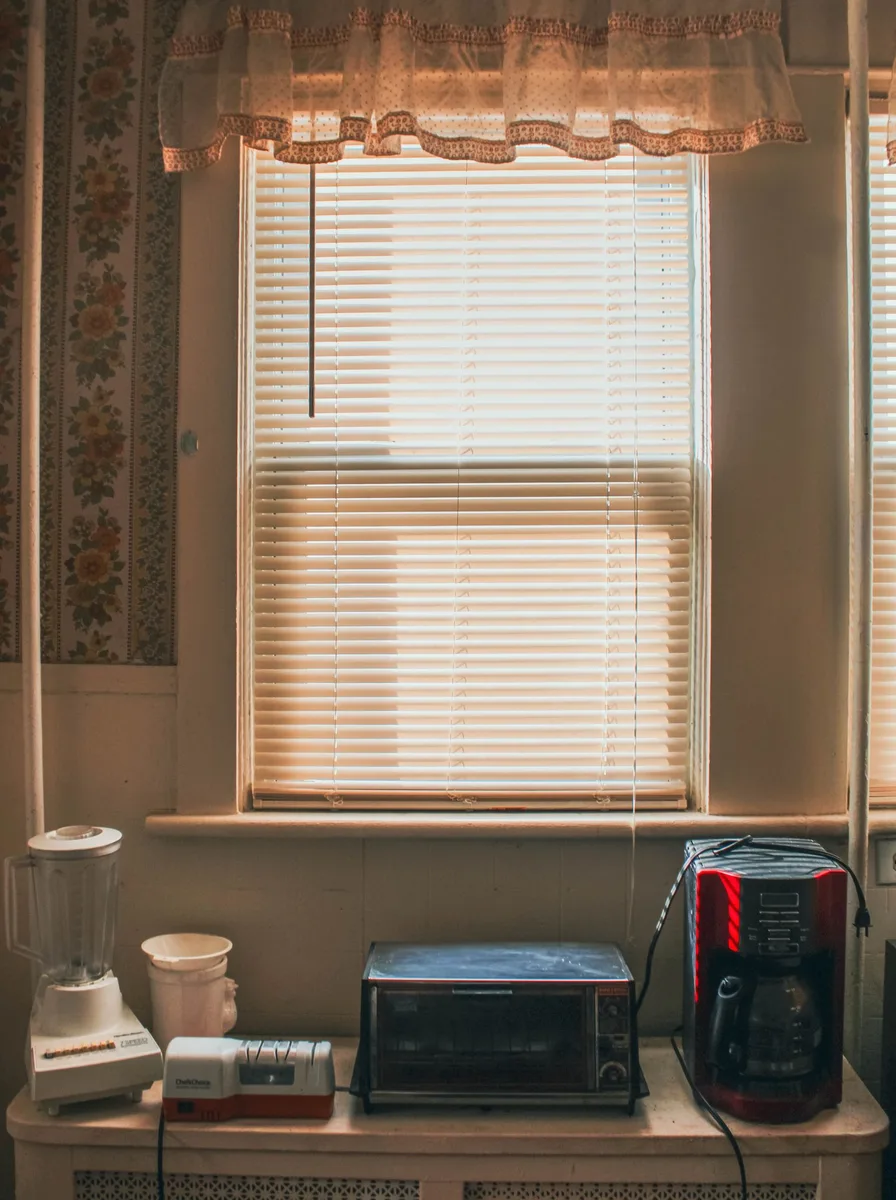
Reflective (one-way mirror) film gives daytime privacy while keeping the view out — from outside, the glass reads as mirror; from inside, you see straight through. It is the highest-tech low-cost privacy fix available.
It works on the light-differential principle, so it is a daytime solution; at night with lights on, add a blind. The film also blocks UV, protecting floors and fabrics from fading. Apply carefully with soapy water, or hire a fitter for large panes. Combine reflective film with a simple roller blind for a complete day-and-night solution.
3. Choose Reeded Glass Inserts
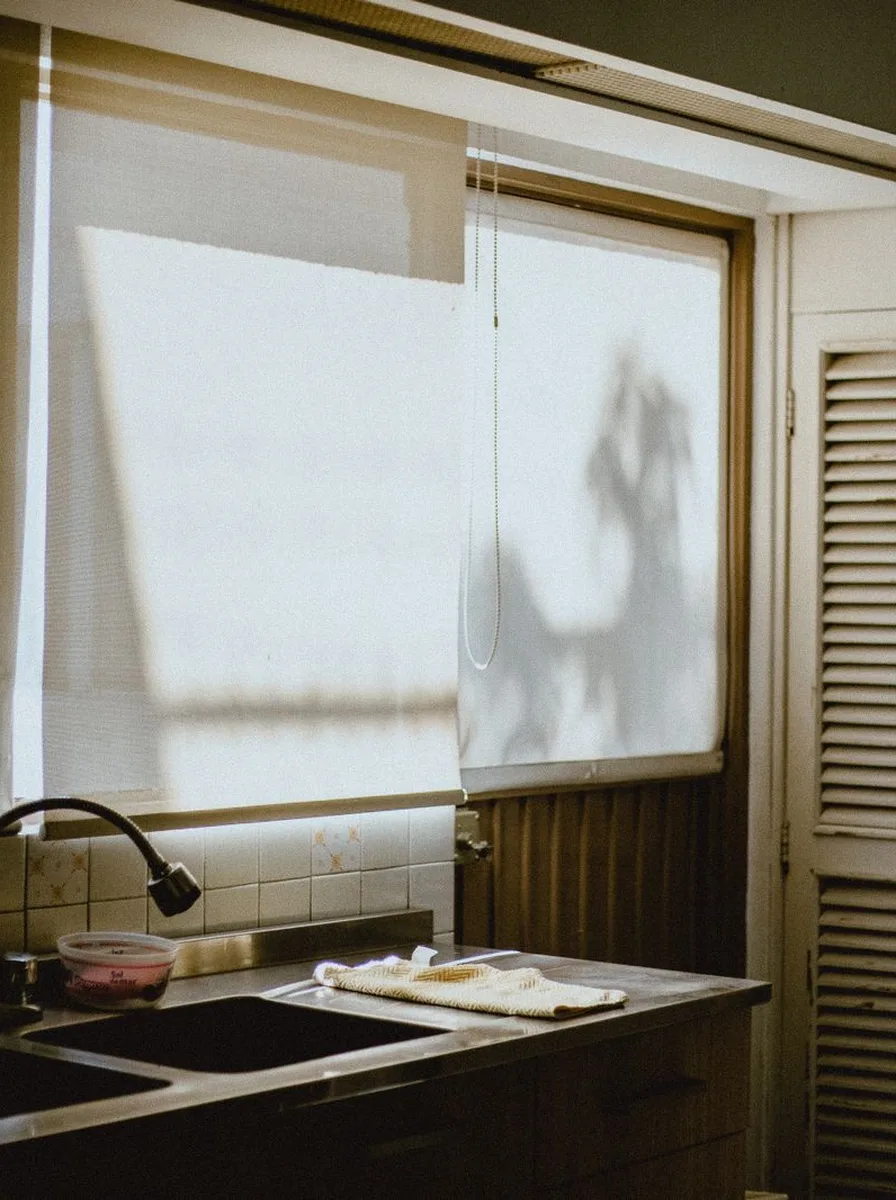
Reeded glass — with its fluted, light-catching ribs — obscures the view while pouring in daylight. It is privacy with architectural character, far more beautiful than plain frosted glass, and it suits both modern and period kitchens.
Use it for street-facing windows, sidelights, or the lower sashes of tall windows. The vertical ribs echo fluted cabinetry and tiles for a coordinated look. It wipes clean easily and never needs laundering — the practical luxury of permanent privacy. Backlight reeded glass with a picture light above and the ribs glow like sculpture at night.
4. Install Plantation Shutters
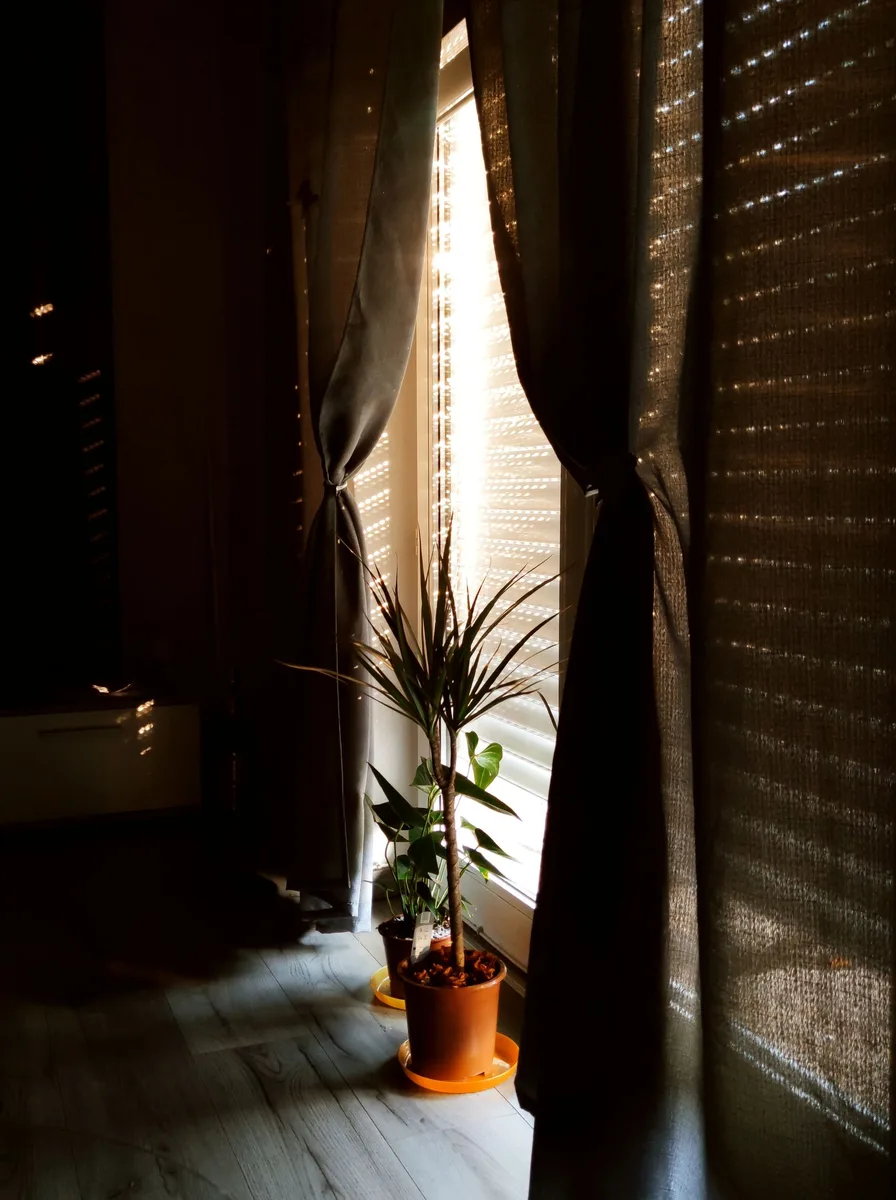
Plantation shutters are the tailored, permanent answer to kitchen privacy. The adjustable louvres let you angle daylight onto the ceiling while keeping sightlines blocked, and the solid construction adds insulation and a sense of craftsmanship.
Choose wide louvres (89mm) for a contemporary feel and a wipeable finish for the kitchen environment. Tier-on-tier styles open the top independently — the shutter equivalent of top-down blinds. They add genuine value to a home and never look dated. A mid-rail break lets you tilt the top and bottom louvres independently — the best of both worlds.
5. Layer Sheers Behind Curtains
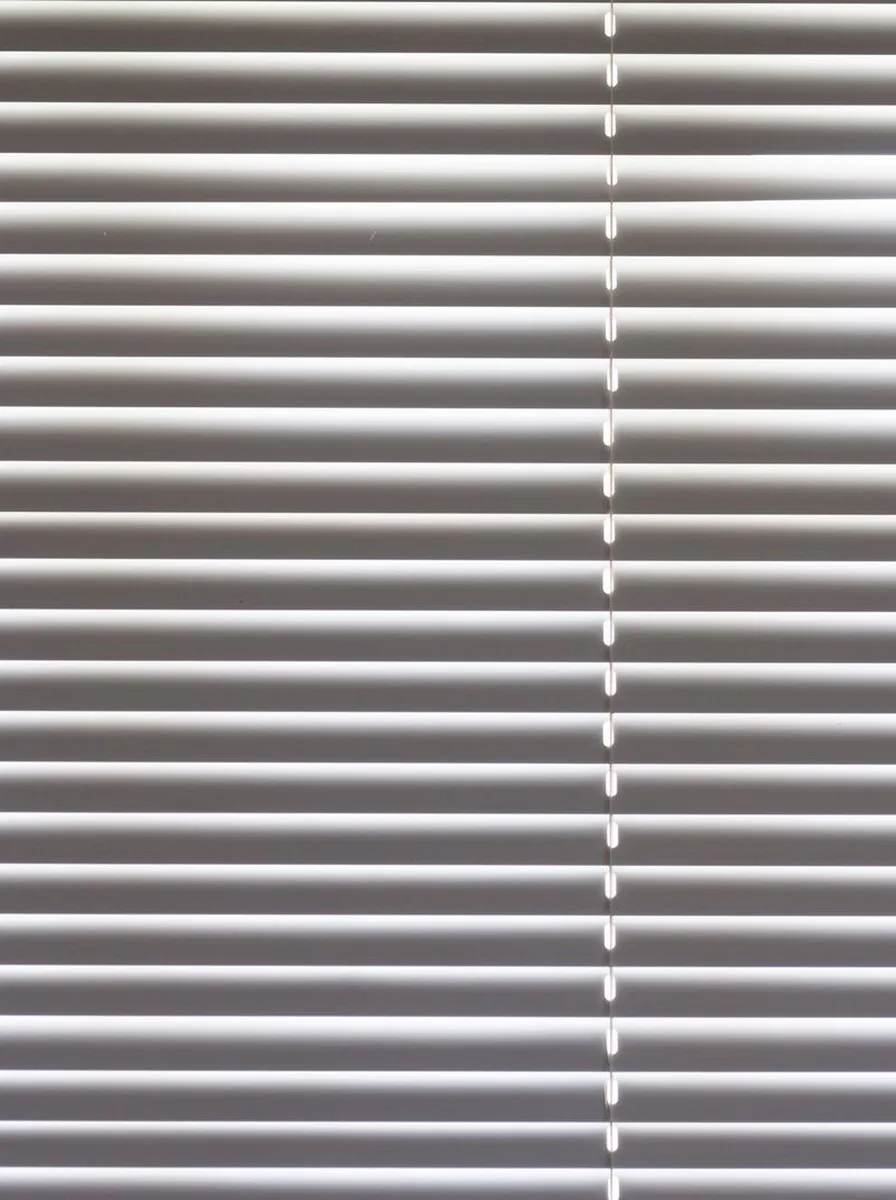
The classic layered combination — sheer voile plus heavier curtains — remains unbeatable for flexible privacy. Sheers by day soften the view in; curtains drawn at night give total seclusion. Two layers, every scenario covered.
Mount on a double rod or track, keeping the sheer simple and the curtain patterned or plain to taste. The layering adds a soft, finished depth to the window. It is a slightly more formal look, ideal for kitchen-diners that host evening gatherings. A wave heading on the sheer gives a soft, contemporary fold that suits modern kitchens.
6. Try Patterned Privacy Film
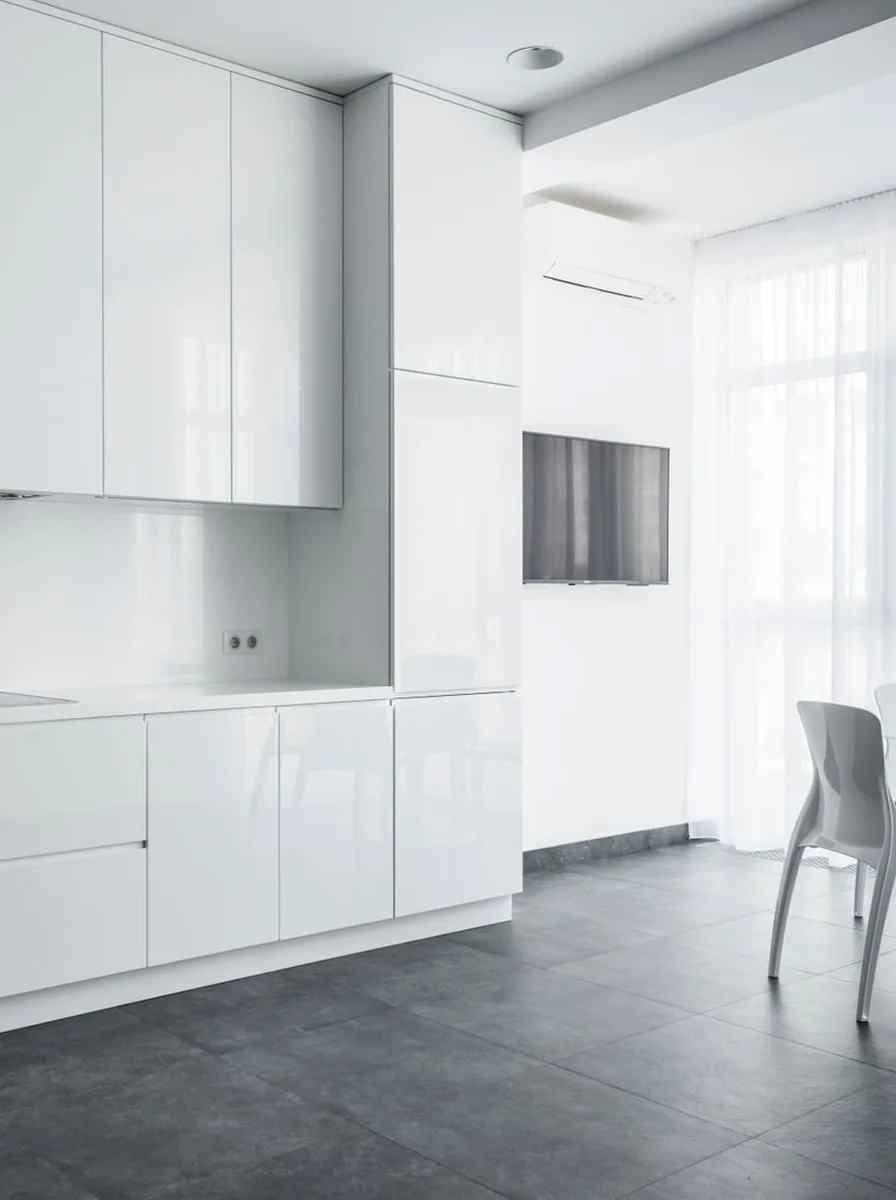
Decorative window film with frosted botanicals, geometrics, or Art-Deco fans turns the privacy problem into a design feature. The pattern obscures the view while the frosted areas still transmit plenty of light — and it looks intentional, not apologetic.
Full-window coverage gives maximum privacy; a bordered or half-height application keeps more view. The films are renter-friendly and removable. Choose a pattern that flatters your kitchen’s era — deco fans for 1930s houses, botanicals for cottages. A border-only application frames the view like a mount while keeping the centre clear.
7. Fit Venetian Blinds in Aluminium
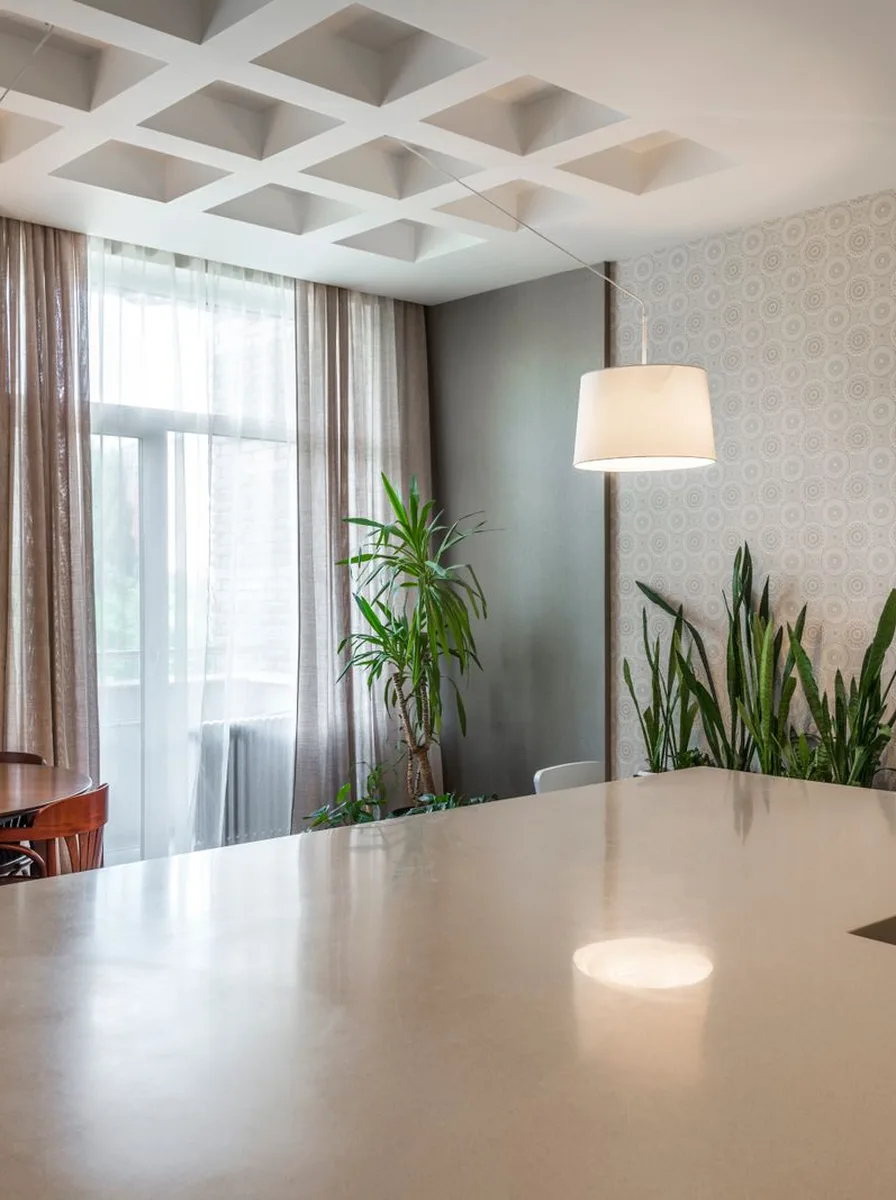
Aluminium Venetians give precise, fingertip control of light and privacy: tilt the slats to direct daylight up while blocking horizontal sightlines. The slim profile suits modern kitchens, and the wipe-clean slats are made for greasy air.
Choose a matte finish in white, silver, or black — glossy slats show dust. A 25mm slat looks neat on small windows; 50mm suits larger ones. Keep a microfibre mitt handy; a monthly once-over keeps them pristine with minimal effort. A tilt wand rather than cords is safer and gives finer control of the slat angle.
8. Choose Wooden Venetians for Warmth
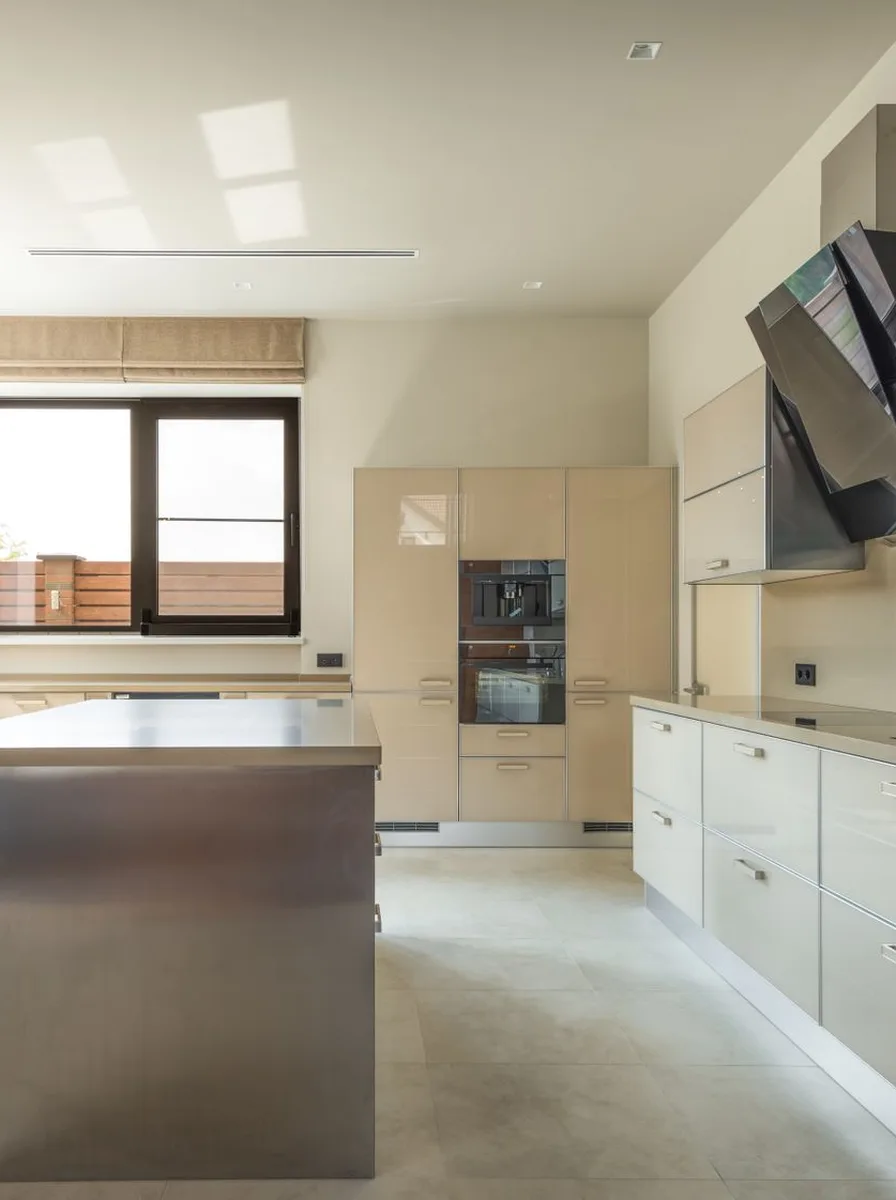
Wooden (or faux-wood) Venetians bring the same precise light control as aluminium but with natural warmth. The timber slats add texture and a crafted feel that softens contemporary kitchens and suits traditional ones perfectly.
Faux wood is the smart choice near sinks and hobs — it will not warp in steam. Real wood suits drier spots and takes stain beautifully. Match the slat tone to your flooring or worktop for a coordinated, designed feel. Dust wooden slats with a dryer sheet — it repels the static that attracts kitchen grease.
9. Install a Privacy Screen Outside
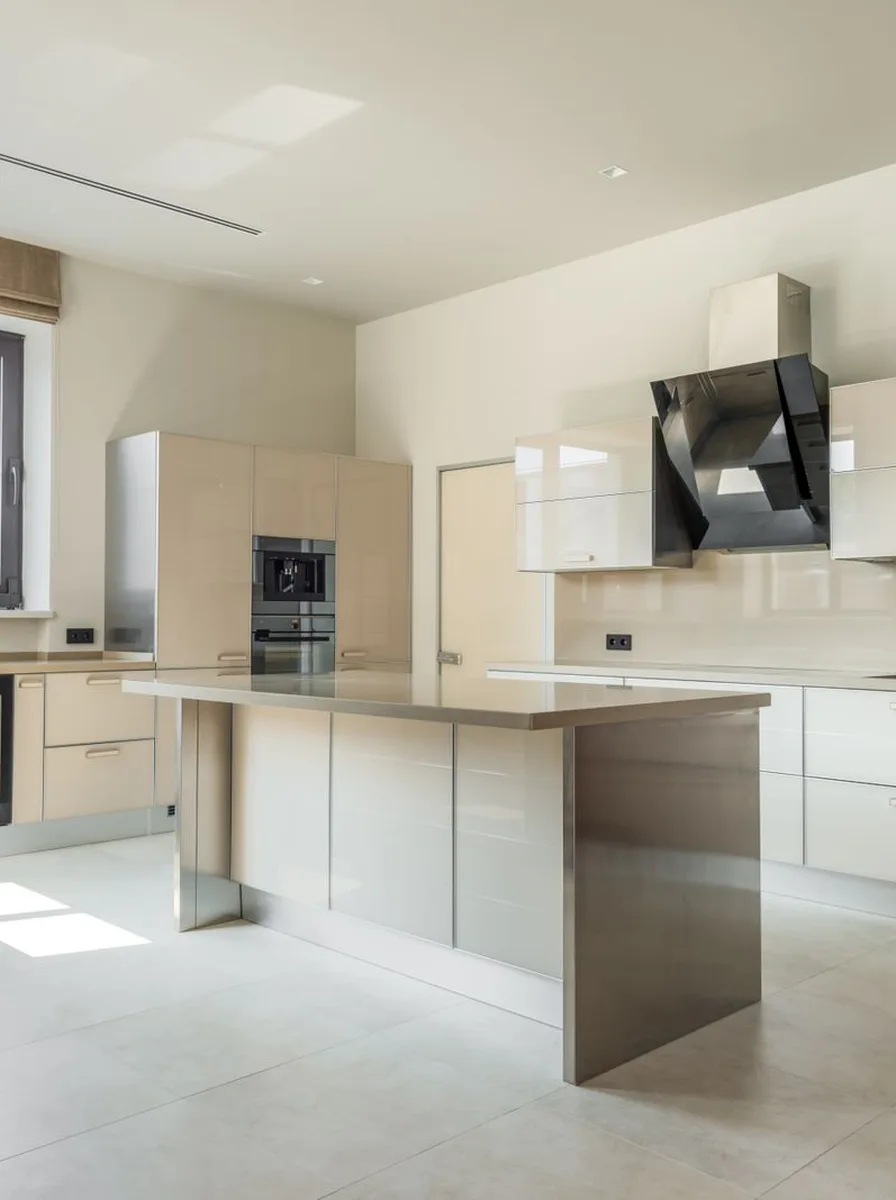
Sometimes the best privacy treatment is not on the window but beyond it: a trellis with climbers, a row of tall grasses, or a decorative screen a metre from the glass. The greenery filters the view softly while the window itself stays clear and bright.
This suits ground-floor kitchens overlooked from the street. Evergreen planting gives year-round cover; deciduous gives summer privacy and winter light. It is the only privacy solution that improves with age — and the outlook becomes a garden feature. A retractable side awning gives adjustable privacy that follows the sun through the day.
10. Use Café-Style Half Shutters
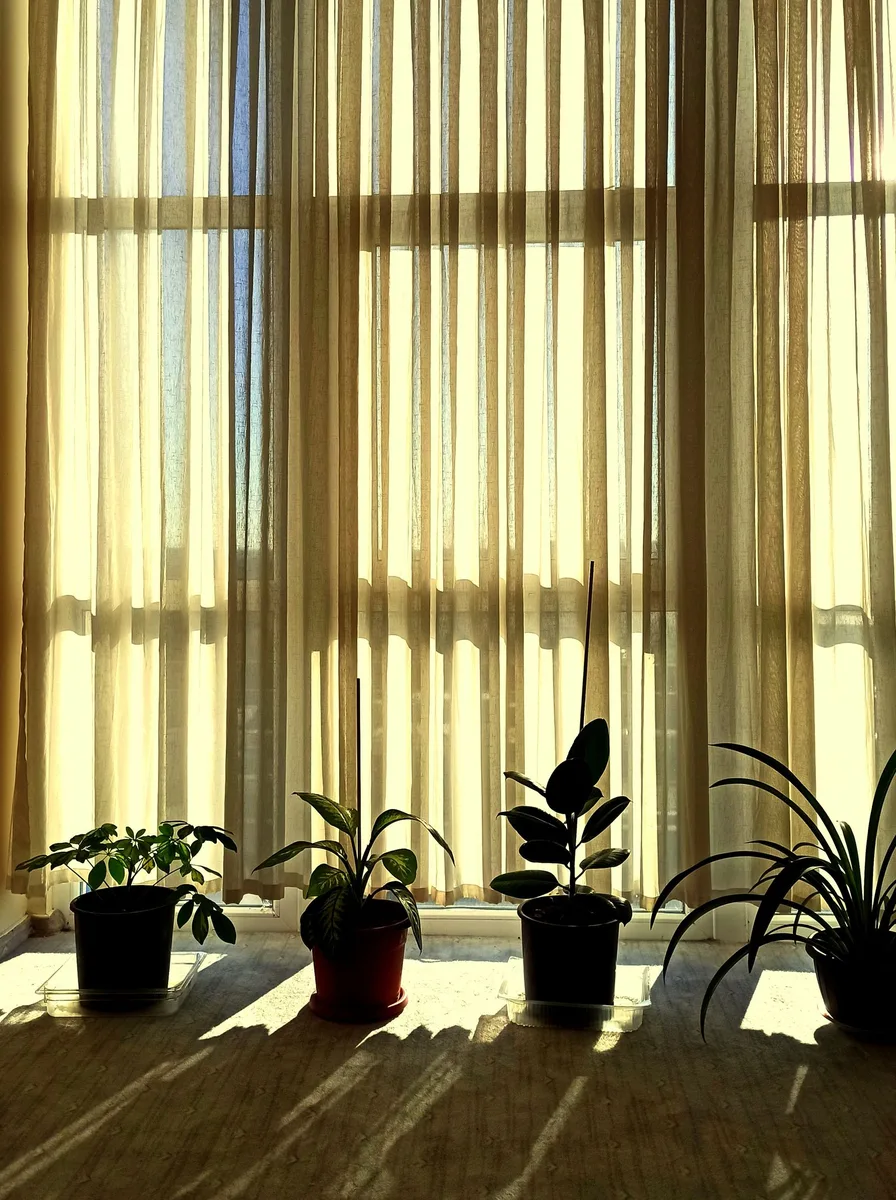
Café shutters cover the lower half of the window — the sightline zone — while leaving the top open to the sky. They are charming, practical, and perfectly proportioned for street-facing kitchens where the issue is passers-by, not the heavens.
Solid or louvred panels both work; louvred gives adjustable light. Paint them to match the woodwork for a built-in look. They fold back flat when you want the full view — privacy on demand, character always. A small shelf fitted across the top of café shutters doubles as a display ledge.
11. Apply Frosted Spray for Texture
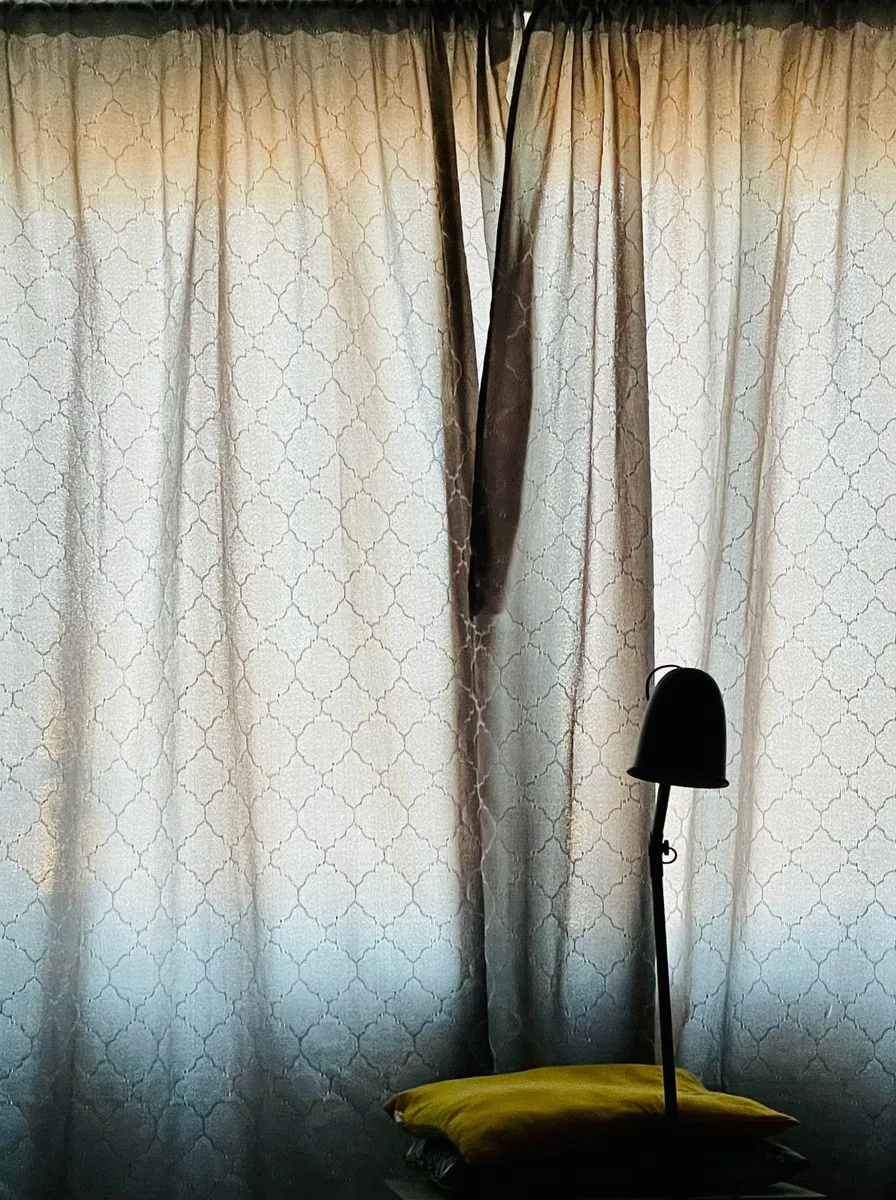
Frosted glass spray gives an even, etched look for pennies and total creativity — use stencils for borders, bands, or motifs. It is the DIY privacy fix: a steady hand, masking tape, and an afternoon.
Mask crisp lines for a professional finish, and build the frost in light coats. A simple band at eye level preserves the view above and below. It is not easily reversible, so practise on a spare pane first — but the bespoke result can look genuinely artful. Seal the finished design with a clear matte lacquer so it survives kitchen steam.
12. Fit Perfect-Fit Blinds in the Frame
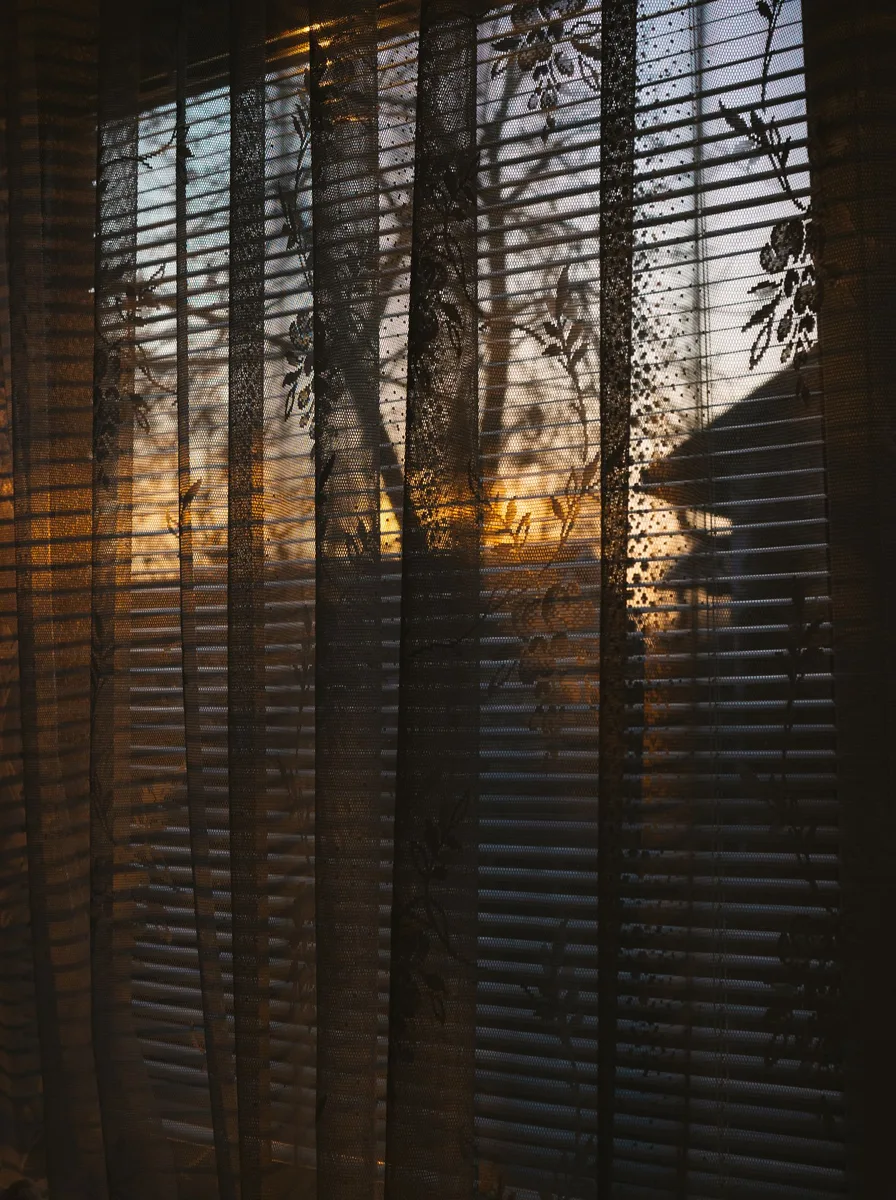
Perfect-fit blinds clip into the window frame with no drilling — ideal for UPVC windows, tilt-and-turns, and renters. The blind moves with the opening sash and sits flush, giving a neat, integrated look with excellent light control.
Available as pleated, cellular, or Venetian styles, they handle the awkward windows other blinds cannot. Measure the frame’s internal beading carefully. They are particularly brilliant on doors with glass panels, where conventional blinds swing and clatter. The no-drill clip system also makes them the ideal blind for rented homes.
13. Choose Duette Shades for Insulation
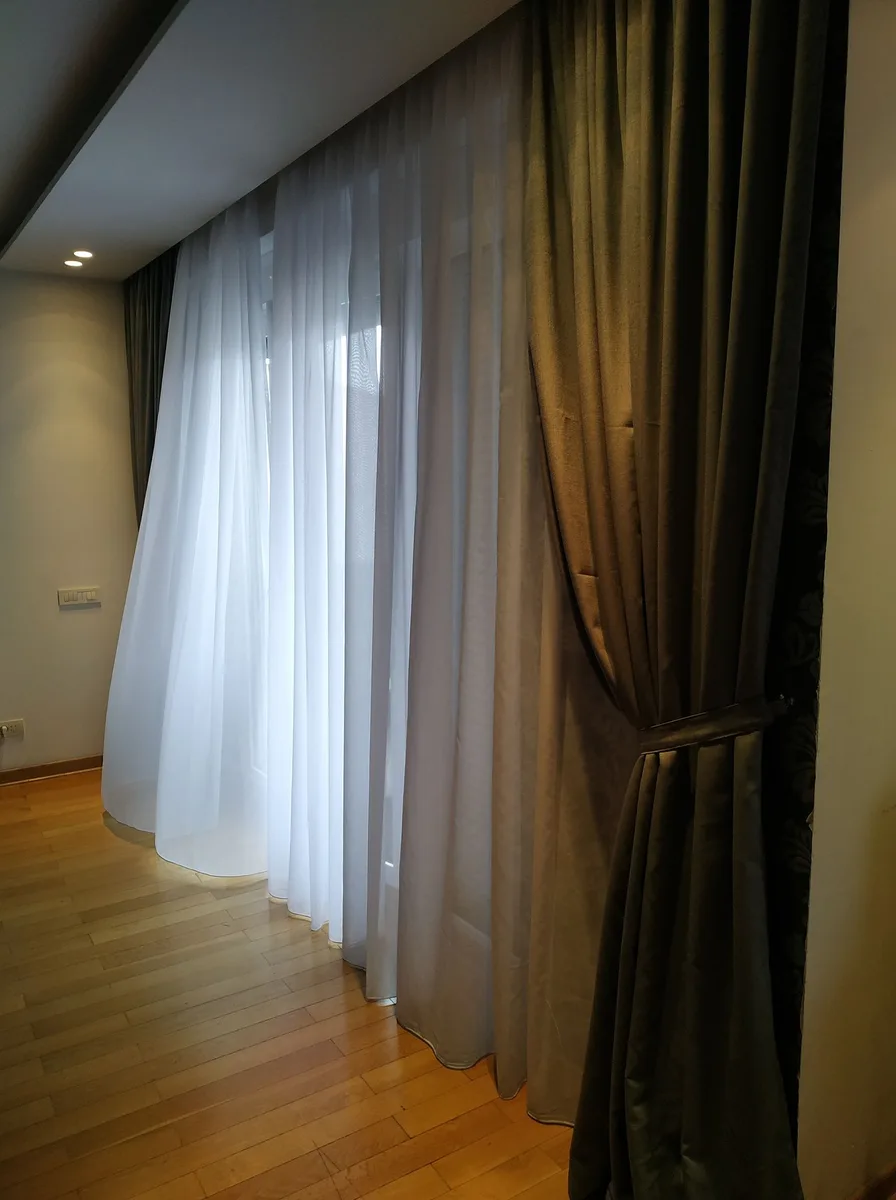
Duette (honeycomb) shades are the overachievers: privacy, light filtering, and serious insulation in one slim package. The cellular structure traps air, cutting heat loss through the glass — measurable on the energy bill.
Top-down/bottom-up operation gives the full privacy flexibility. The fabric comes in sheers, semi-opaques, and blackouts. In a kitchen with large or old windows, the thermal improvement alone justifies them; the good looks are a bonus. The double-cell construction insulates measurably — noticeable on winter heating bills.
14. Hang Outdoor Bamboo Screens
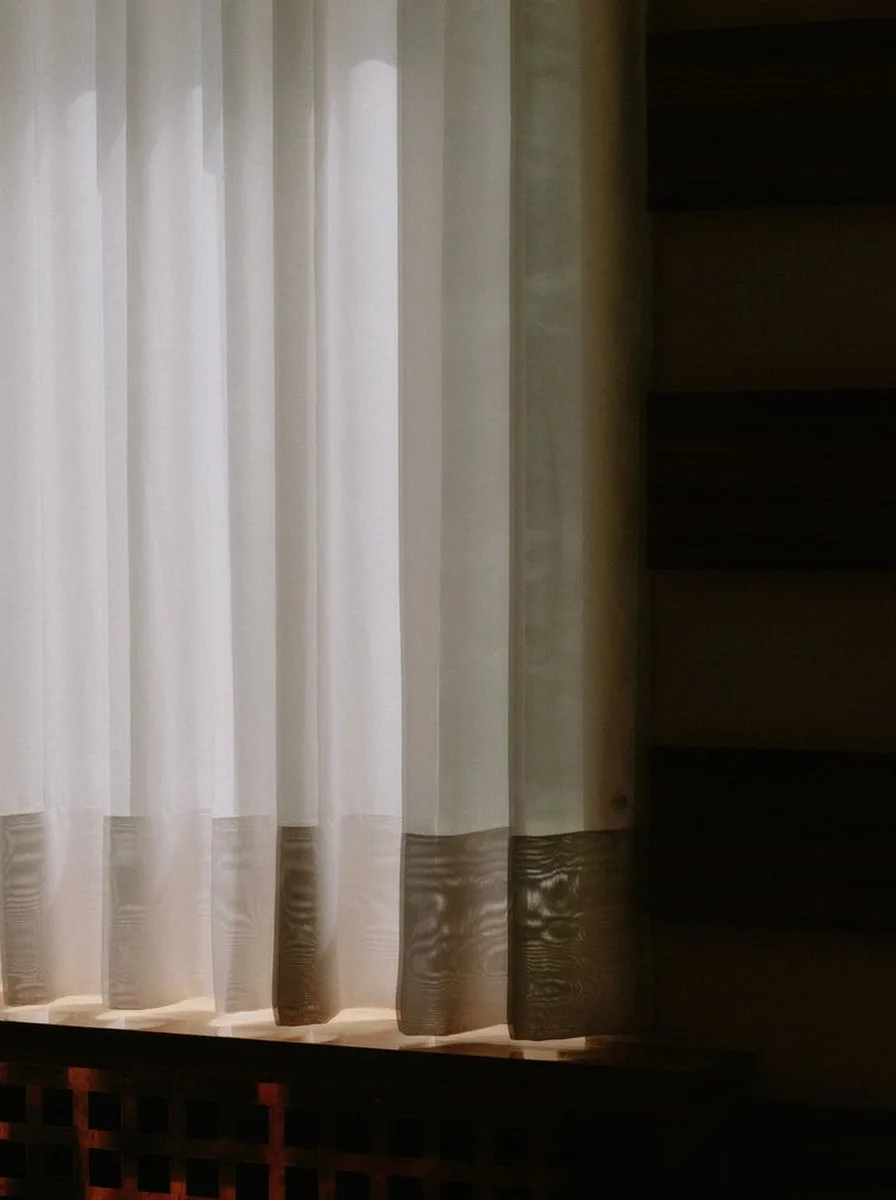
A bamboo or reed screen hung outside the window — like a mini awning — filters the view and the sun before they reach the glass. It brings warm, natural texture and a holiday feel, and it keeps the kitchen cooler in summer.
Fix to the wall above the window with sturdy brackets, angled slightly outward. Roll-up versions adjust with the sun. The dappled light through the reeds is beautiful. It suits sunny, south-facing kitchens where heat and glare are the real issues. Treat outdoor bamboo annually with oil to keep it supple and weather-resistant.
15. Install Switchable Smart Glass

Switchable (electrochromic) glass turns from clear to frosted at the touch of a button — the ultimate in flexible privacy. Clear for the view, opaque for the evening, with no blinds, curtains, or cleaning beyond the glass itself.
It is a premium choice, best specified during renovation when wiring can be hidden. The frosted state still transmits light, so the kitchen never darkens. For the tech-loving kitchen, it is the party trick that is also genuinely practical. Most systems default to frosted when powered off — privacy even in a power cut.
16. Use Net Curtains, Modernised
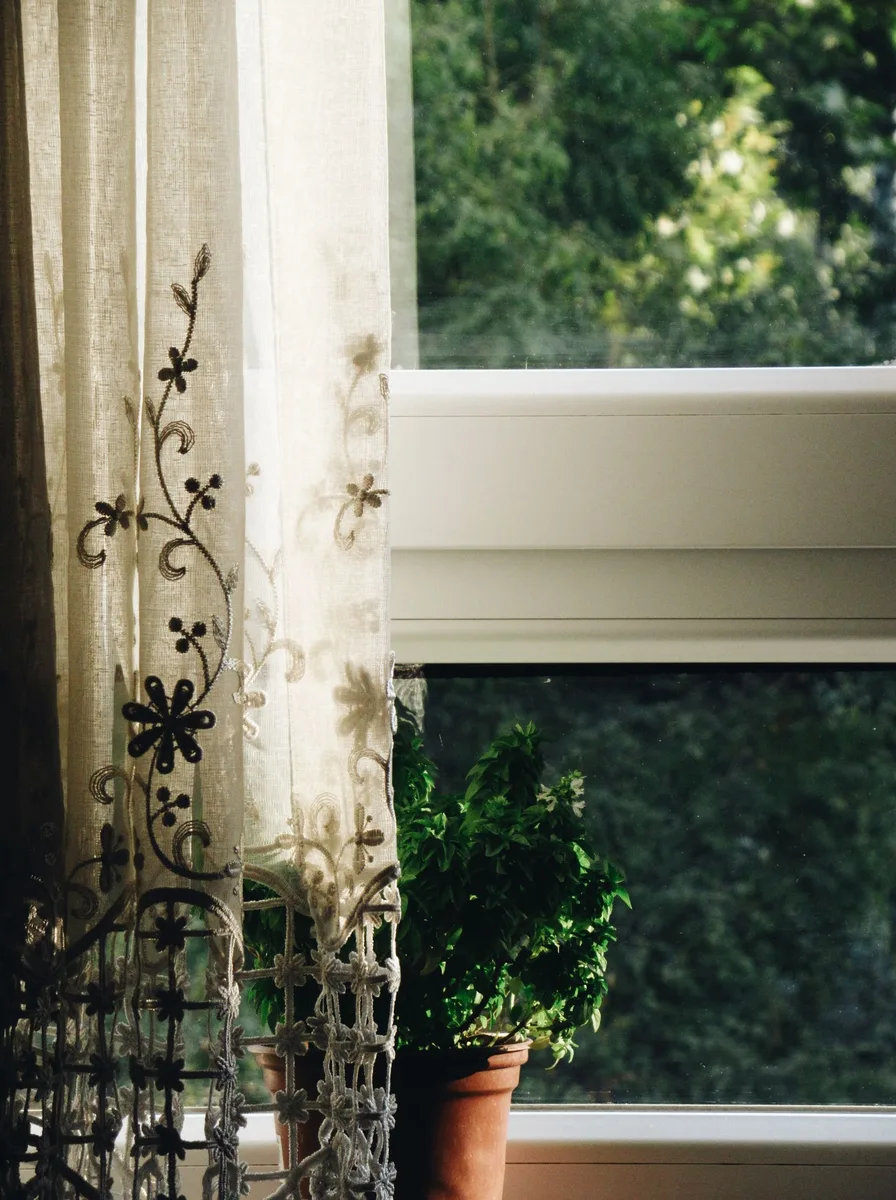
The humble net curtain deserves rehabilitation: in a crisp white voile, full and luminous, it gives daytime privacy with maximum light. The trick is generosity — skimpy nets look sad; full, billowing ones look deliberate and pretty.
Hang on a slim wire or tension rod inside the reveal, gathered to twice the width. Choose a simple weave without fussy patterns for a contemporary feel. They wash in minutes and cost almost nothing — the original and still excellent privacy solution. A weighted hem cord keeps nets hanging straight without daily straightening.
17. Fit a Window Box Outside
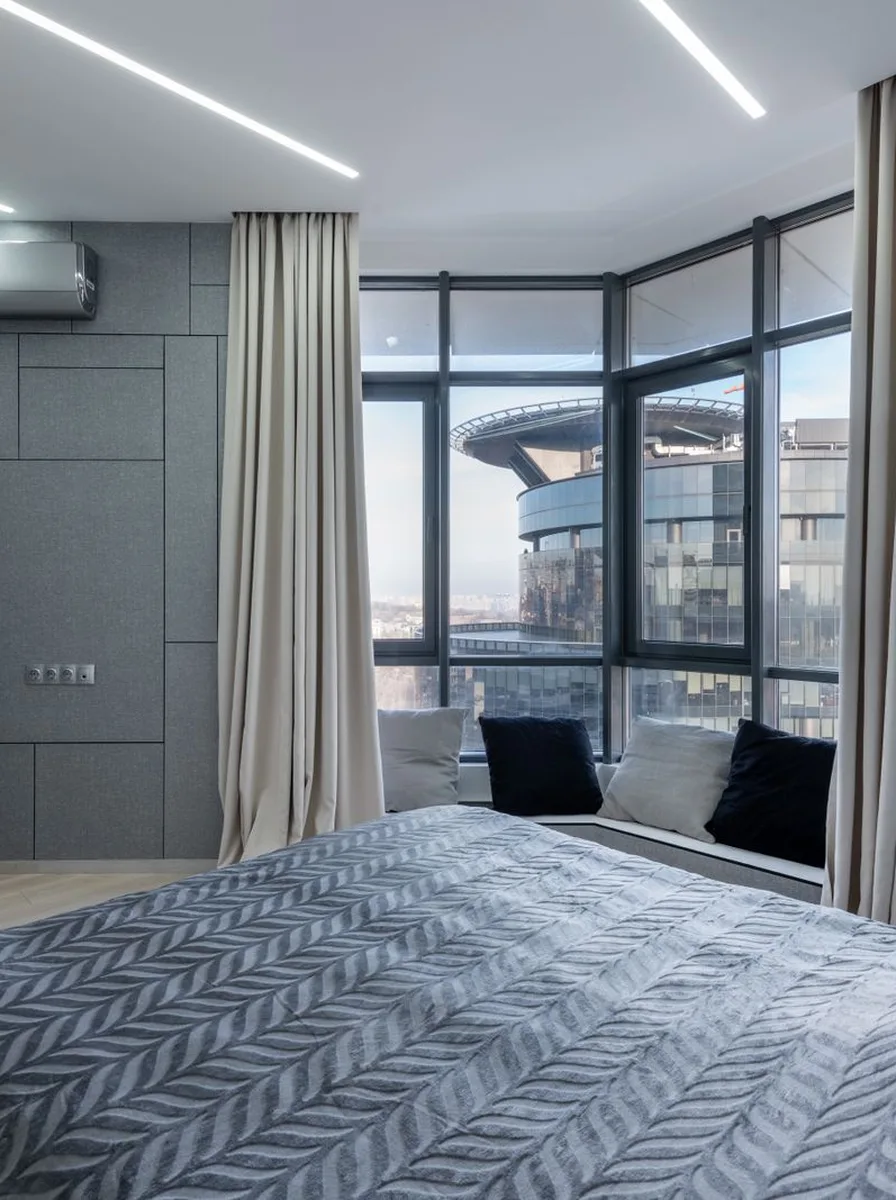
A deep window box planted with trailing greenery creates a living privacy screen that smells wonderful and changes with the seasons. From inside, the planting softens the view out; from outside, it screens the view in.
Secure the box properly — soil and water are heavy — and choose plants for the aspect: herbs and trailing rosemary for sun, ferns and ivy for shade. Self-watering boxes reduce the maintenance. It is privacy you can eat, if you plant it right. A drip tray inside the box protects the wall below from water stains.
18. Choose Blackout Roller Blinds

For kitchens that double as media rooms or need darkness for shift workers, blackout rollers give total light exclusion with a clean, minimal look. By day they vanish into a slim cassette; by night the room goes cave-dark.
Choose a cassette and side channels for true blackout — light bleeds around standard rollers. The wipeable fabric suits kitchens. Even if you rarely need darkness, the thermal and privacy benefits make them a solid everyday choice. Side channels in the frame colour make the blackout system all but invisible by day.
19. Install Sliding Panel Blinds
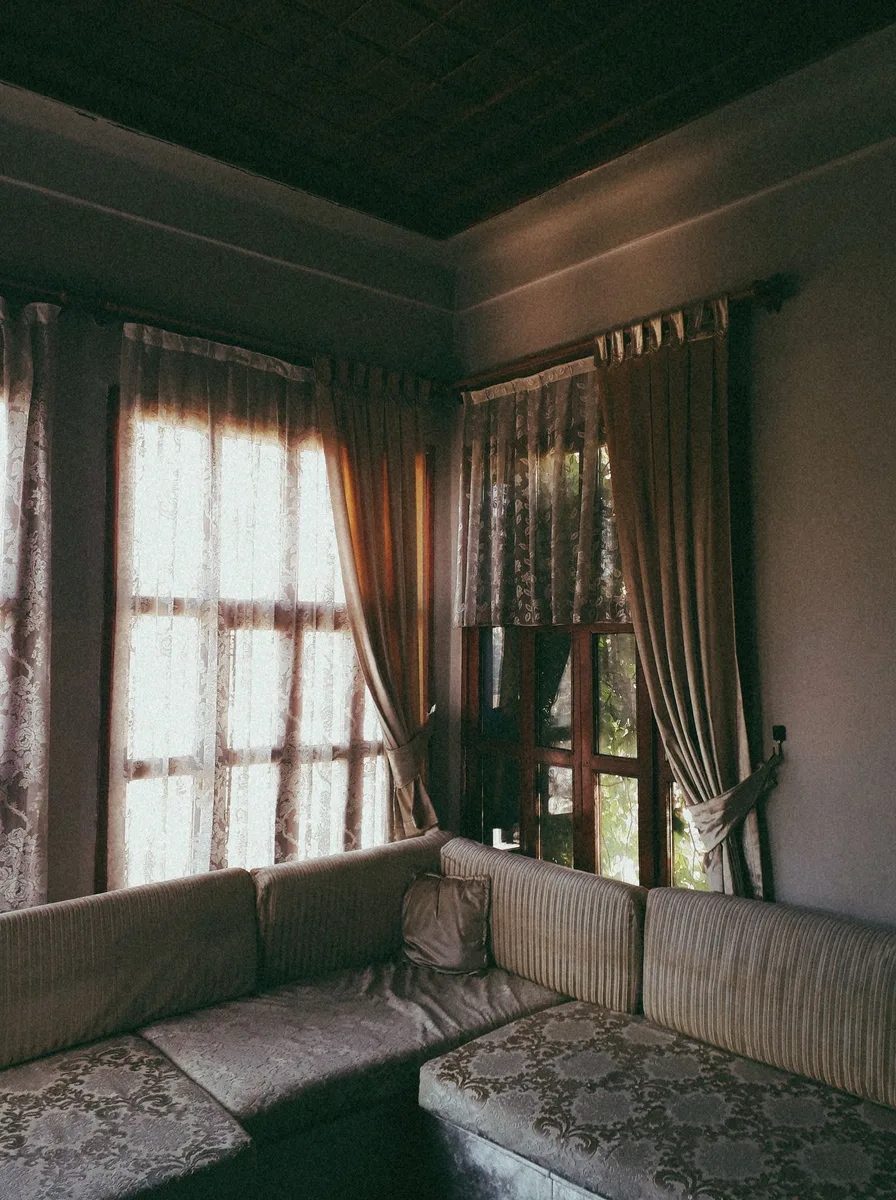
Panel blinds — wide fabric panels that glide on a track — suit large kitchen windows and sliding doors. They stack neatly to one side, give bold, graphic lines, and offer privacy in proportion to how far you slide them.
Choose light-filtering weaves for daytime privacy with glow, or denser weaves for evening. The large panels show off big patterns beautifully. They are the modern answer to vertical blinds, without the office-block associations. A fabric with a subtle vertical texture helps the wide panels hang perfectly straight.
20. Use Stained Glass for Artful Privacy
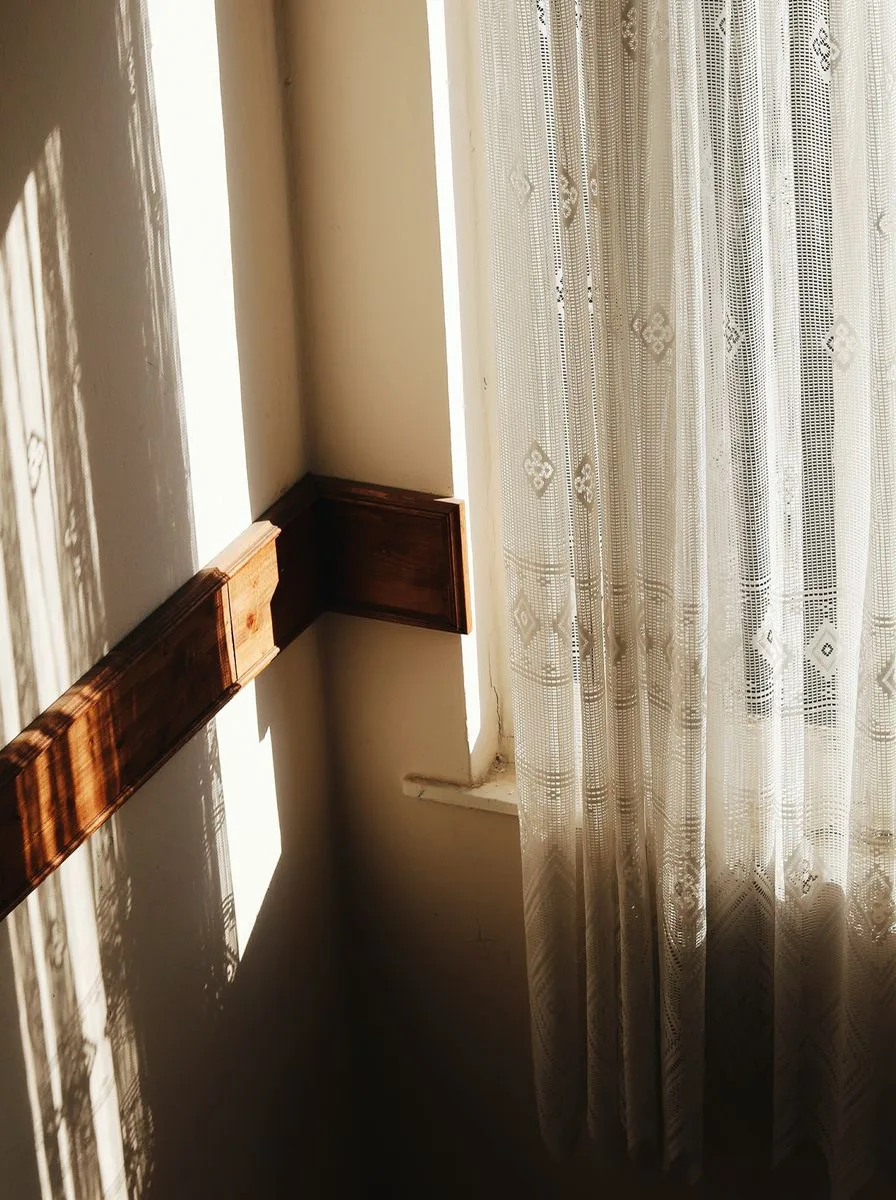
A stained-glass panel — antique or new — gives privacy through beauty rather than obscurity. The coloured light transforms the kitchen, and the panel itself becomes the room’s artwork. Privacy as a side effect of gorgeousness.
Hang in front of the existing window on chains, or commission a double-glazed unit with the art sealed inside. Even small panels make an impact. Salvage yards and artisans offer options at every budget; the light show is priceless. A suction-mounted LED strip above the panel keeps the colours glowing after dark.
21. Fit Secondary Glazing with Obscure Glass
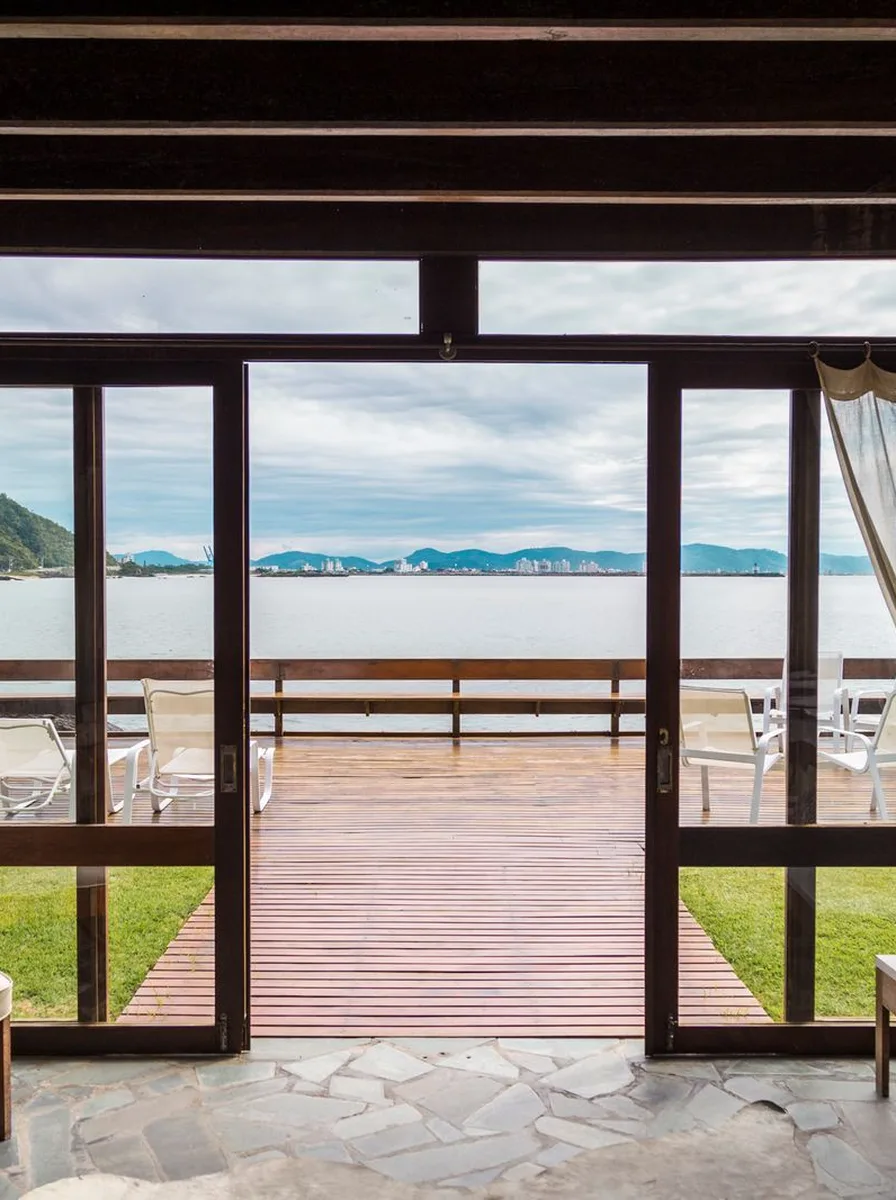
Secondary glazing — a discreet internal pane — with obscure glass gives privacy plus draught-proofing and noise reduction. It is the heritage-home solution: the original windows stay untouched while comfort soars.
The slim aluminium frames are barely visible, and the obscure pane can be frosted, reeded, or patterned. Opening panels allow cleaning access. It is an investment, but for listed or period kitchens it solves privacy, cold, and noise in one move. The air gap also cuts street noise dramatically — peace as well as privacy.
22. Choose Vertical Blinds, Updated
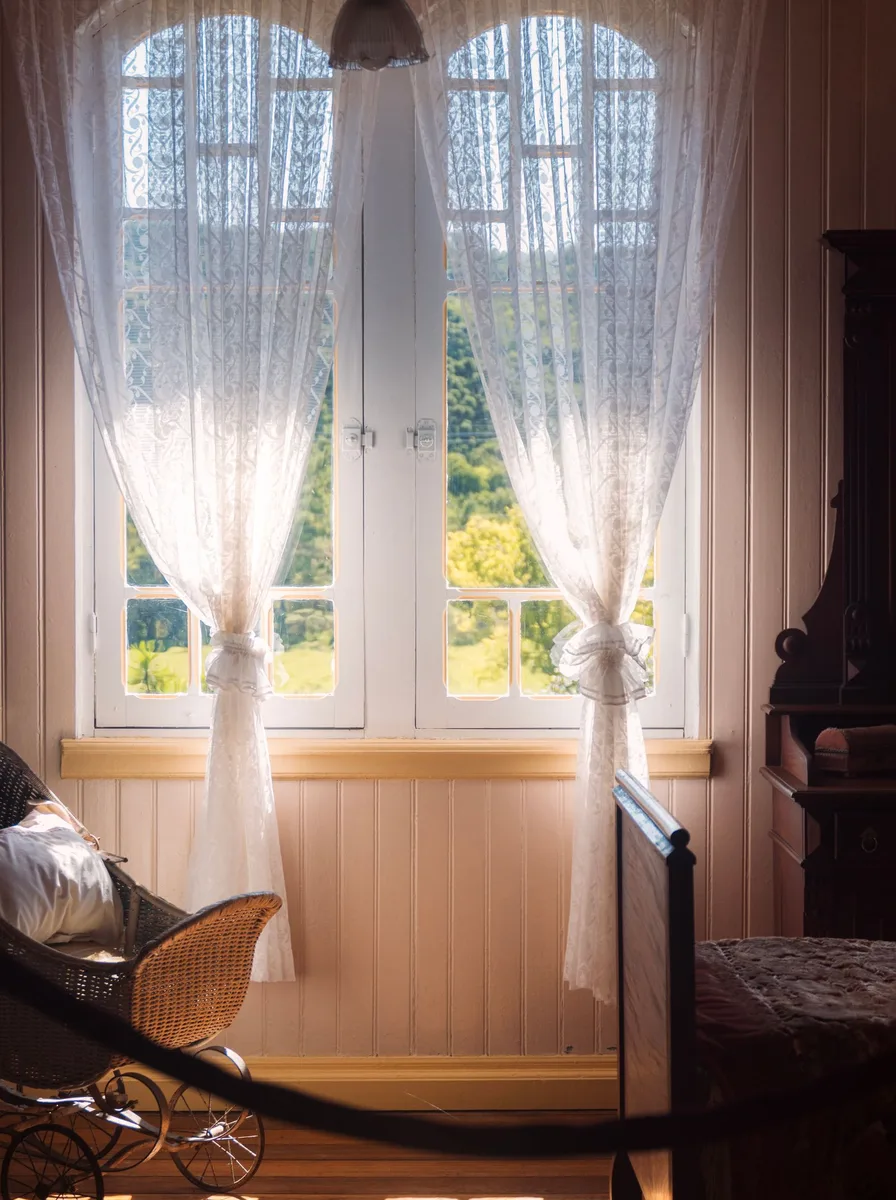
Modern vertical blinds have moved on from the office: wipeable fabric vanes in soft whites and textures, wand controls, and the ability to tilt for light or draw fully for privacy. They suit wide windows and doors brilliantly.
Choose fabric vanes over PVC for a softer look, and a wand over cords for safety and simplicity. The ability to walk through a partially open blind suits busy kitchen-doors. Keep vanes clean with a regular dust — they are the easiest blinds to maintain. A wand control avoids the tangled cords that plague older vertical blinds.
23. Apply One-Way Film with UV Protection
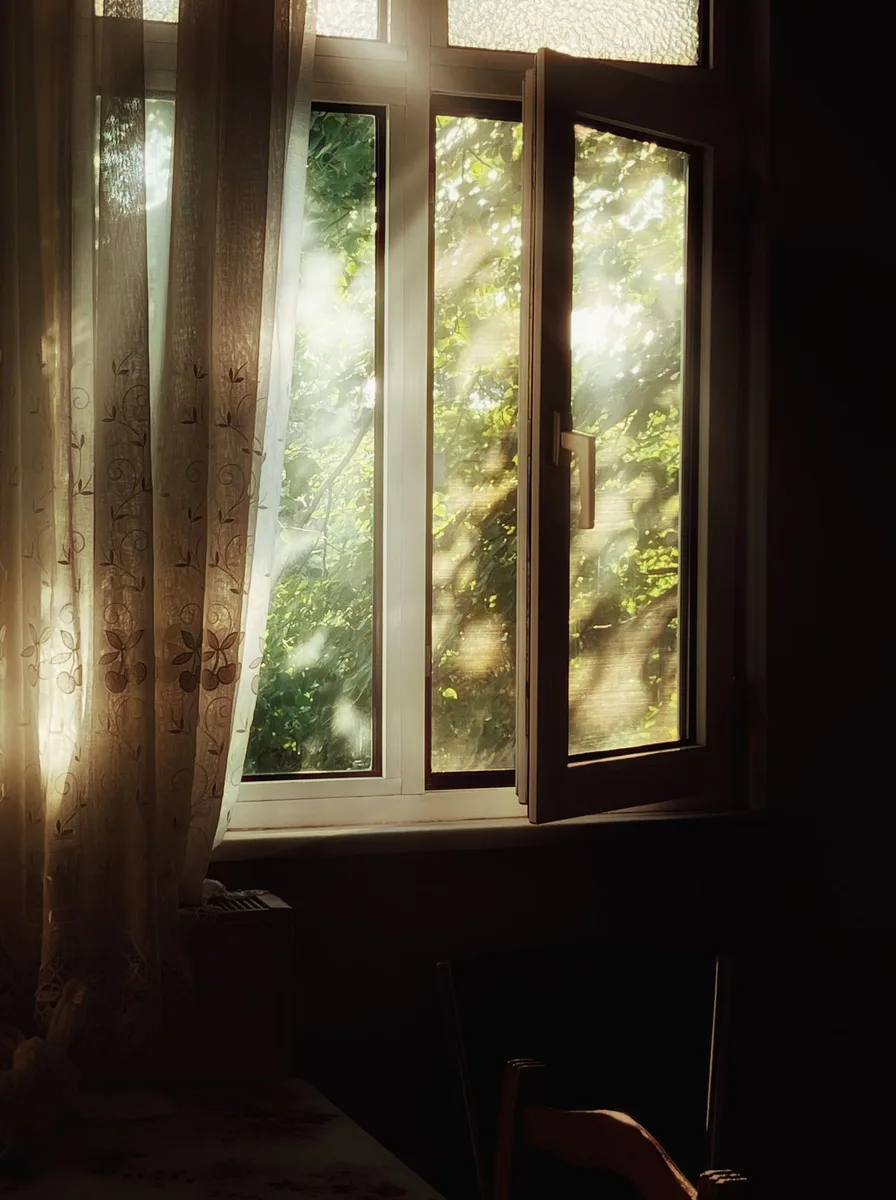
One-way mirror film does double duty: daytime privacy plus serious UV and heat rejection. Kitchens with big south-facing windows stay cooler, and floors, cabinets, and fabrics stop fading — privacy with a practical superpower.
Professional fitting gives the best finish on large panes; DIY works for small ones. Remember it reverses at night — pair with a blind for evenings. The heat reduction alone can make an unbearable summer kitchen comfortable. The UV block also protects wooden worktops and floors from bleaching.
24. Hang Woven Wood Shades
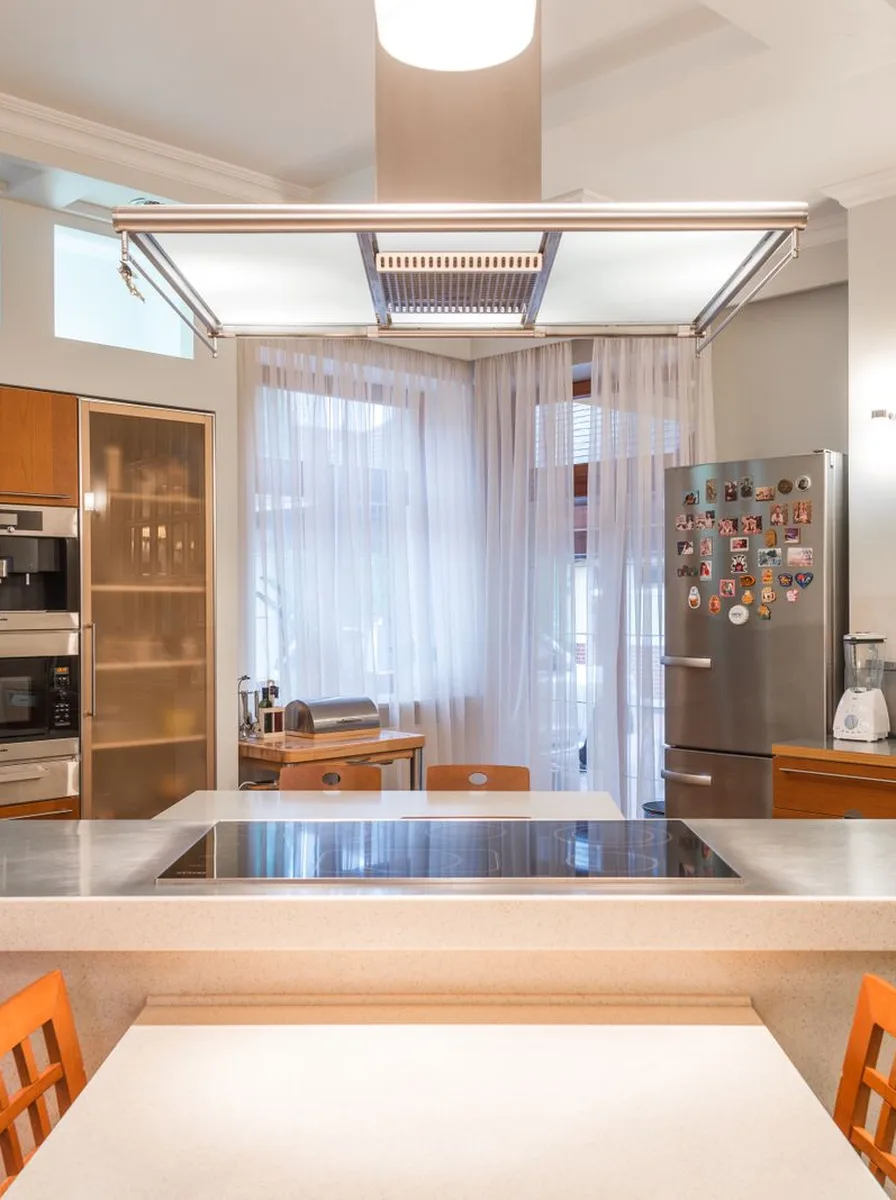
Woven wood (matchstick) shades filter light into a warm, dappled glow while giving daytime privacy. The natural reeds and grasses add organic texture that softens modern kitchens and sings in rustic ones.
The weave is not opaque, so add a privacy lining for overlooked windows or evening use. They roll up small and look beautiful doing it. The texture plays wonderfully with wooden worktops and open shelving — nature, layered. A privacy lining on a separate roller behind the shade gives you both textures on demand.
25. Use a Privacy Hedge Beyond the Glass
The longest-term privacy solution is a living one: a hedge or row of pleached trees beyond the kitchen window. It screens the view permanently, improves the outlook, and only gets better — and taller — with time.
Choose evergreen for year-round cover: laurel, yew, or photinia. Pleached (flat-trained) trees give height without depth — ideal for small gardens. It takes patience, but no manufactured treatment offers the beauty of a green, living screen. Underplant the hedge with bulbs for spring interest while the evergreen does the screening.
26. Install Glass Brick Sections

Glass bricks in part of the window wall give total privacy with gorgeous, light-transmitting texture. The chunky, rippled glass glows like ice and brings an Art-Deco, architectural character that flat glass cannot match.
Best used for a section of wall rather than the whole window — beside the main pane, or in a bathroom off the kitchen. They insulate well and never need curtains. It is a bold, permanent choice that makes the kitchen feel designed by an architect. Mortar-coloured sealant between bricks keeps the installation looking crisp for decades.
27. Choose Motorised Blinds for High Windows
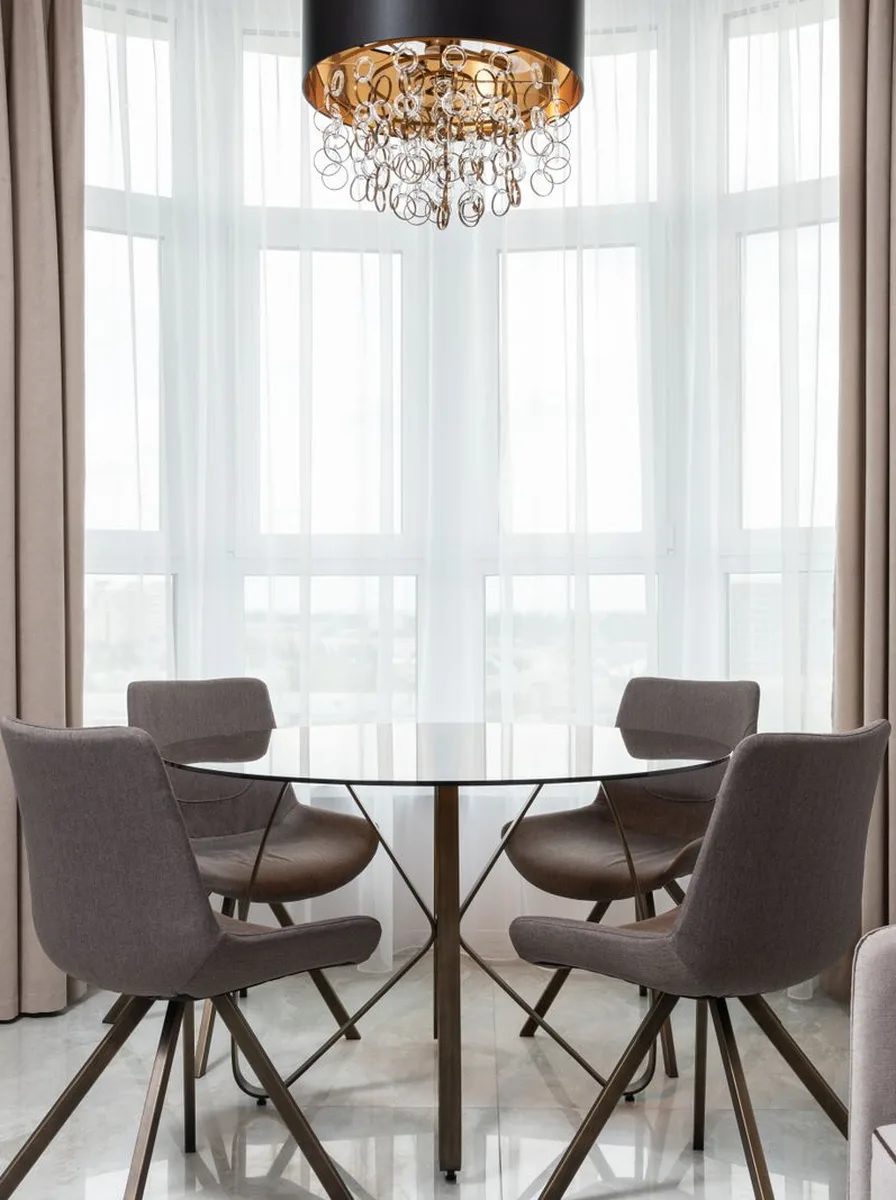
High or hard-to-reach kitchen windows still need privacy — motorised blinds solve the access problem elegantly. A remote or voice command raises, lowers, and tilts; some even follow the sun automatically.
Battery-powered versions need no wiring and recharge every few months. They are worth it for skylights, gable windows, and anything above a worktop you cannot reach. The daily convenience quickly becomes something you cannot live without. Solar-powered motors trickle-charge from daylight — no batteries to remember.
28. Finish with Layered Confidence
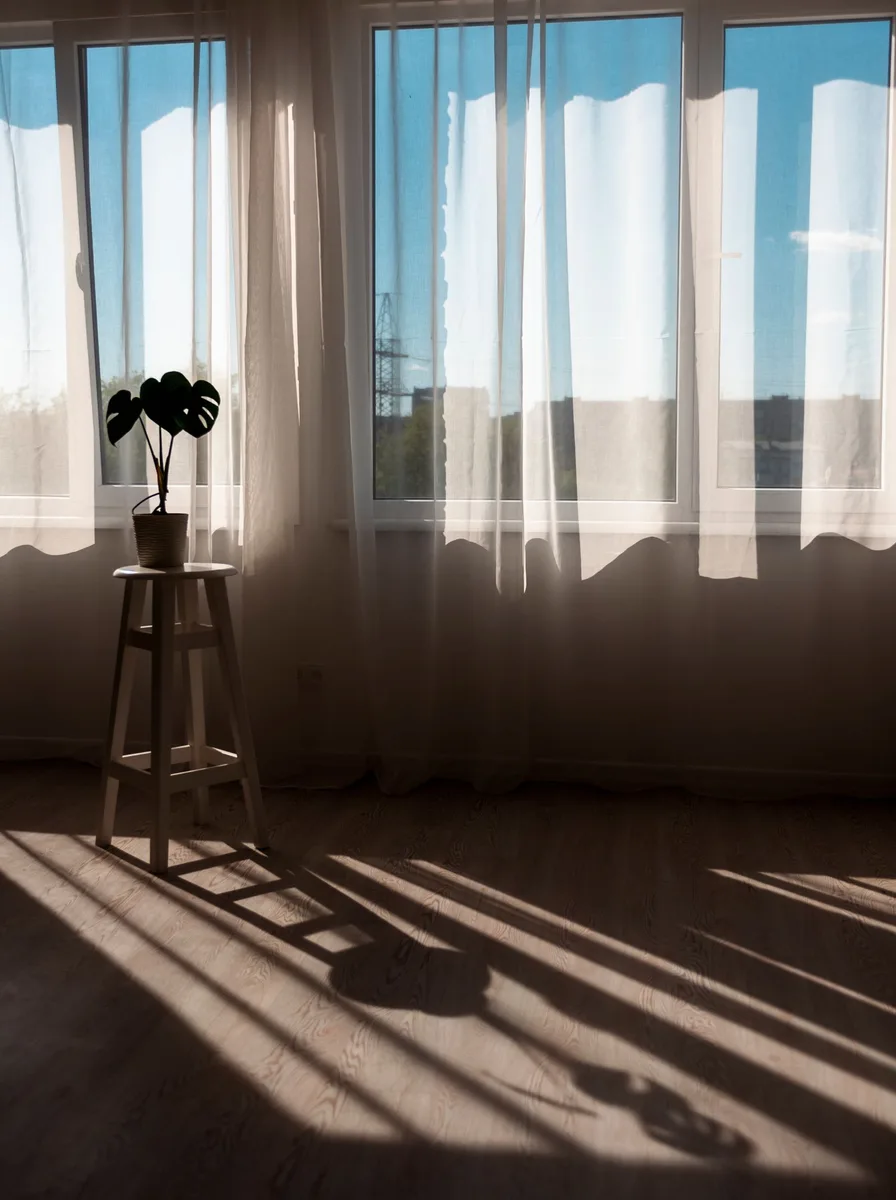
The most brilliant privacy solution is often a combination: film for daytime, a blind for evening, a sheer for softness. Layering gives you a setting for every hour and every season — and the layered look itself is rich and designed.
Build layers gradually, starting with the most-needed. Keep the palette consistent so layers read as intentional. A kitchen window that adapts from bright morning to private evening is a window that truly works — and that is the real luxury. Start with the film — it is the cheapest layer and transforms the window immediately.
Privacy and beauty were never really opposites — they just needed the right treatment to meet in the middle. Whether you choose film, shutters, smart glass, or a living hedge, the goal is the same: a kitchen that feels open to the light and closed to the world, exactly when you want each. Layer thoughtfully, and the window works as hard as you do.

David is the home decor enthusiast behind HomeLushly. He shares practical, budget-friendly ideas for bedrooms, living rooms and seasonal decorating — from colour combinations that actually work to small-space styling tricks that make a room feel bigger. Every guide on HomeLushly is built around real photos and hands-on research, to help you make your home feel warm, personal and beautifully put together.