

Decorating the walls of a small dining room is a balancing act. Bare walls feel unfinished, but too much decor makes the room close in fast. The good news is that the right wall choices can actually make a small dining room feel bigger — mirrors, light colours, and well-scaled art trick the eye into seeing more space.
The golden rule is: decorate up and out, not in. Keep the floor clear, use the walls for storage and style, and choose every piece for its size as much as its looks. This guide shows you exactly how to dress small dining room walls so they feel finished and airy, never crowded.
Small dining rooms are more common than ever, from city flats to cosy cottages, and they can be the most charming rooms in the house. The constraints simply force smarter, more deliberate choices — which usually leads to better design.
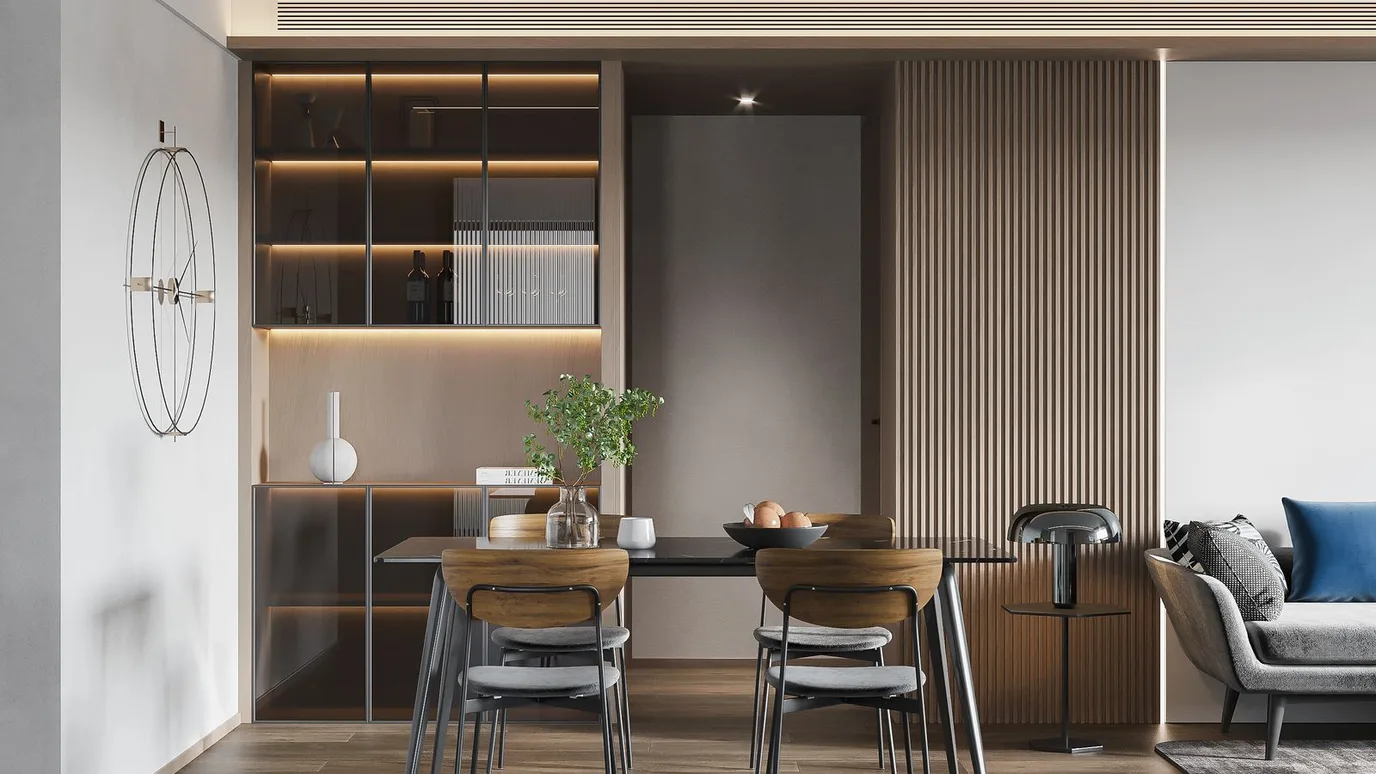
Keep Walls Light and Continuous
Colour is your most powerful space tool. Light walls — warm white, pale grey, soft cream — reflect light and push the walls visually outward. Painting the walls and ceiling the same light colour blurs where one ends and the other begins, which lifts the ceiling. Avoid chopping a small room into colour blocks.
Colour tricks for small dining rooms:
● One light colour on all walls and the ceiling maximises the sense of space.
● If you want an accent wall, keep it tonal — a slightly deeper shade of the same colour, not a contrast.
● A horizontal stripe or dado rail visually widens; vertical panelling draws the eye up.
● Matt paint hides wall imperfections that glossy paint would spotlight in a small room.
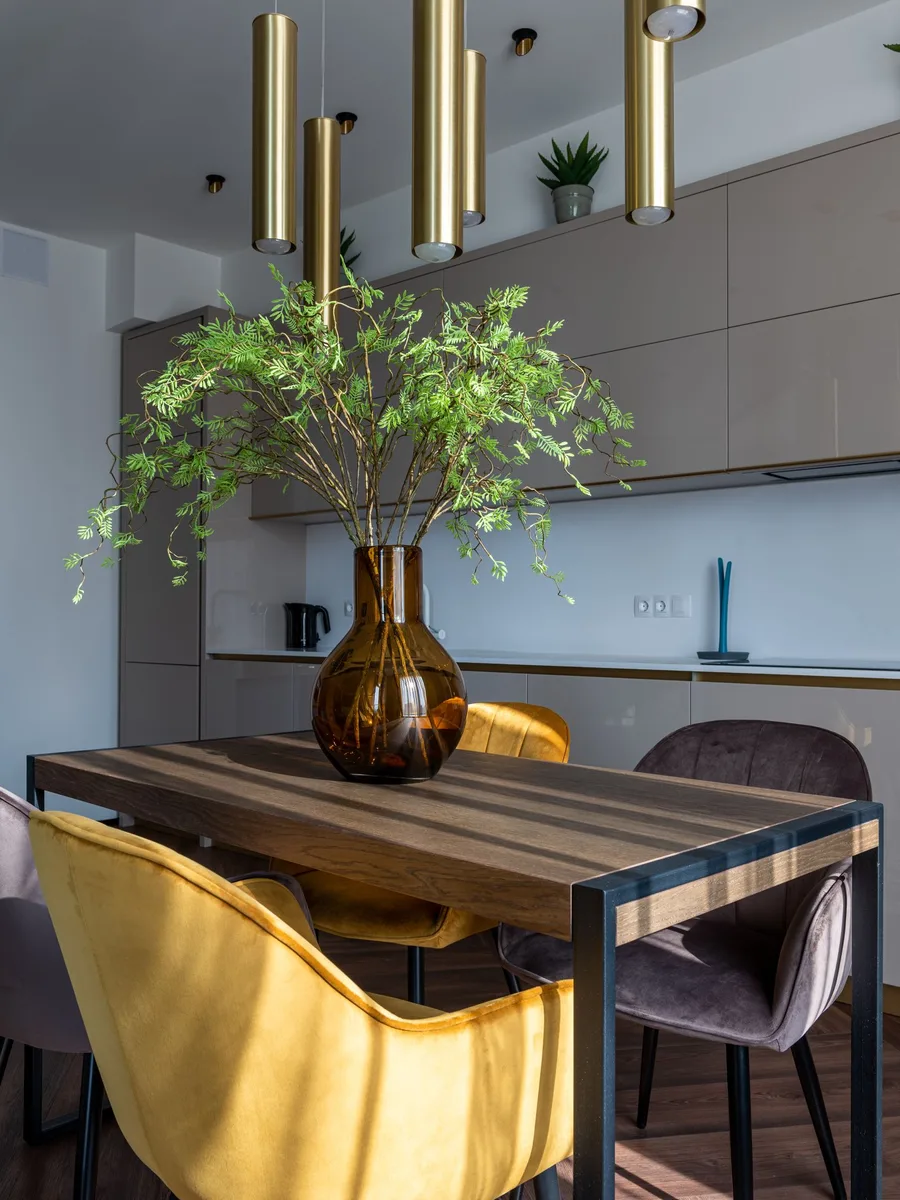
Use One Large Mirror
A mirror is the single best wall investment for a small dining room. It bounces light into dark corners and visually doubles the space — but only if it’s big enough. A tiny mirror looks like an afterthought; one generous mirror, roughly the width of the table or sideboard, transforms the room.
Mirror rules for small spaces:
● Hang it on the wall opposite a window to throw daylight deep into the room.
● A frameless or thin-framed mirror keeps the look light; chunky frames eat visual space.
● Position it to reflect the prettiest view — the pendant light, a plant, or the table setting.
● In a very narrow room, mirror the long wall to visually widen the whole space.
Choose Art in the Right Scale
Small rooms don’t need small art — in fact, one medium-to-large piece looks calmer than a fussy cluster of tiny frames. The mistake is filling every inch; instead, give one or two pieces room to breathe. A single artwork above the sideboard, sized to about two-thirds of its width, is the classic small-dining-room move.
Art sizing that works:
● One piece at two-thirds the width of the furniture below beats five small frames.
● Hang art lower than you think — centre around 145cm, which suits seated diners.
● Light, airy subjects (landscapes, abstracts in pale tones) keep the mood open.
● If you love a gallery wall, keep it to one tight cluster on a single wall, not spread around.
● Oversized art with lots of negative space (sky, water, mist) reads as a window, expanding the room.
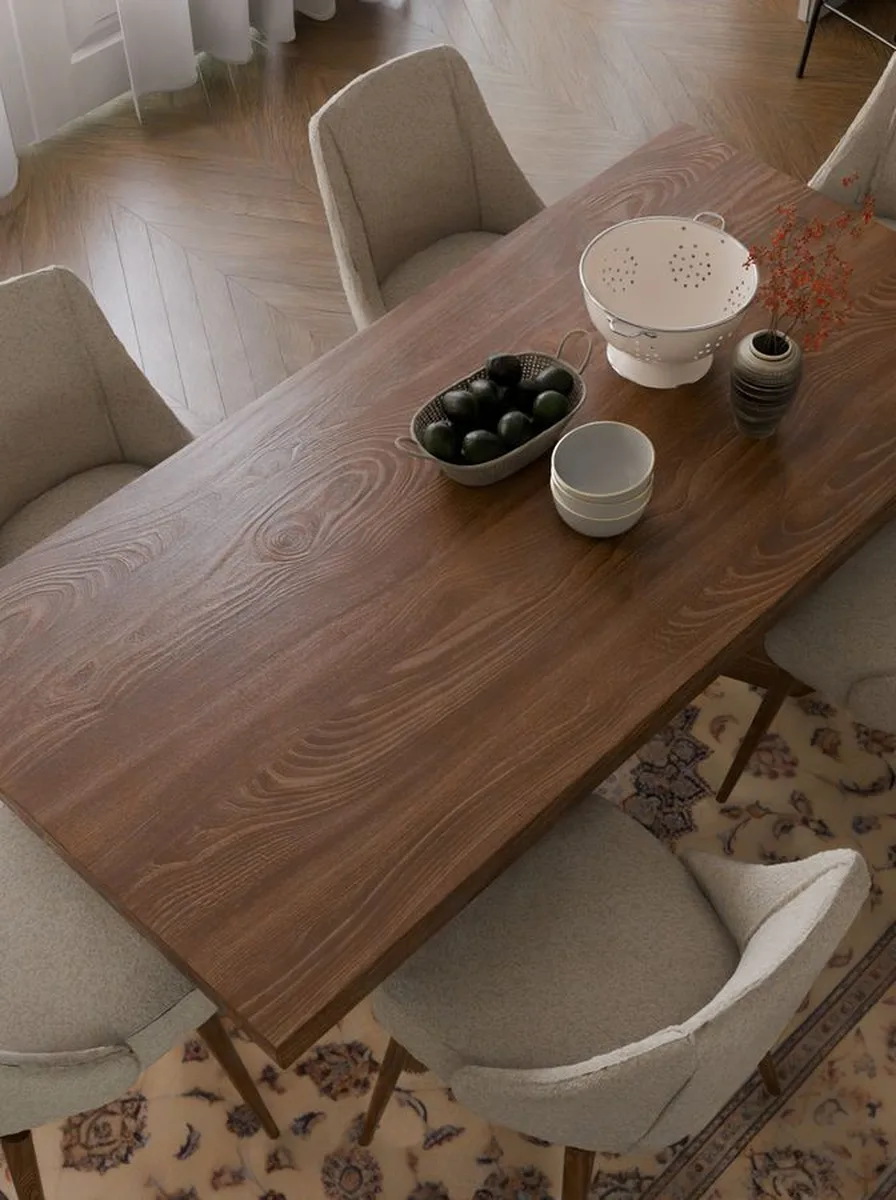
Store Up, Not Out
In a small dining room the walls should work hard. A slim floating shelf or two, a narrow picture ledge, or a wall-mounted cabinet gives you display and storage without stealing a centimetre of floor. The trick is keeping them shallow — 15 to 20cm deep is plenty — and styling them lightly.
Wall storage that stays airy:
● One or two floating shelves for glasses, a plant, and a couple of art prints is enough.
● A picture ledge lets you layer frames without drilling a dozen holes — and you can restyle in minutes.
● Wall-mounted wine racks or plate rails turn storage into decoration.
● Keep shelf styling to odd-numbered groups with space between them; crammed shelves shrink the room.
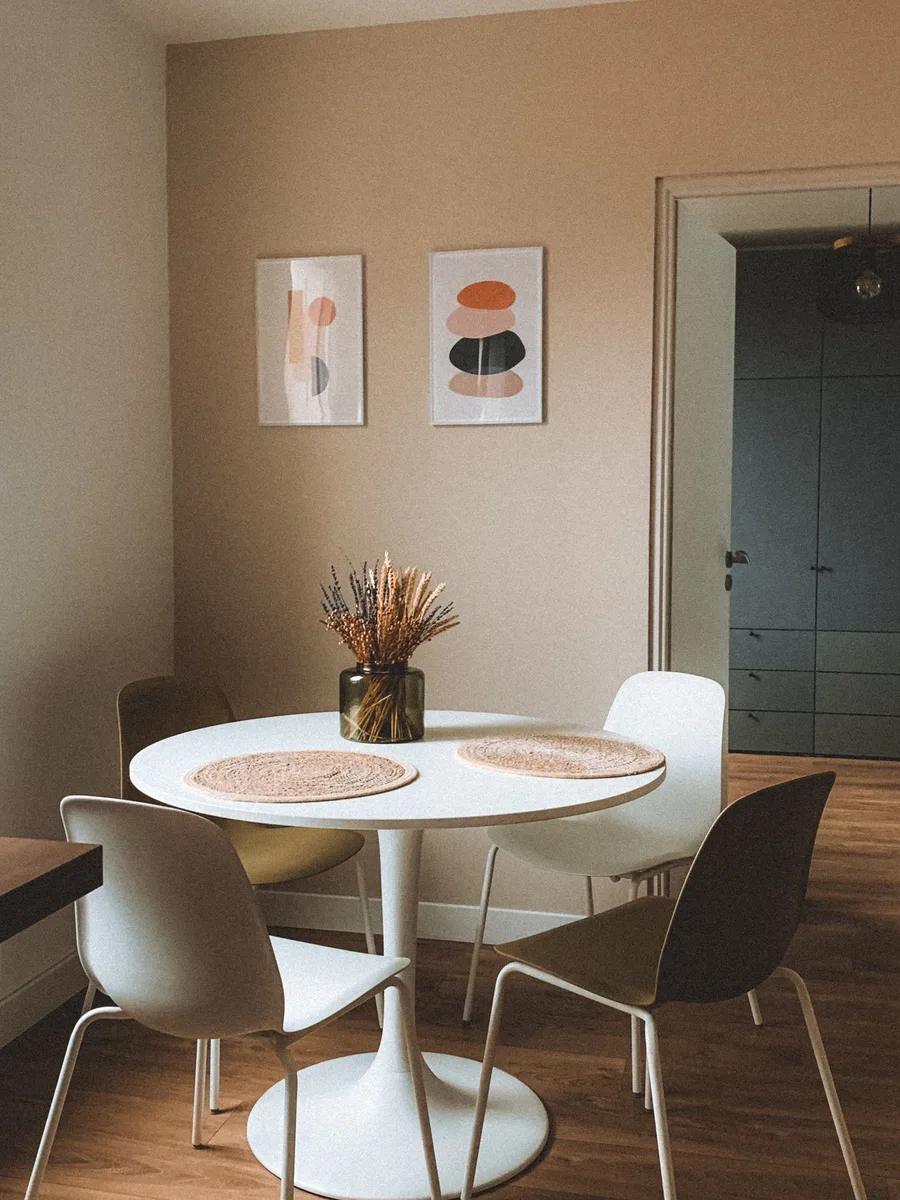
Add Light to Create Depth
Dark corners make small rooms feel smaller, so light the walls themselves. A pair of slim wall sconces, a picture light over the art, or even plug-in LED strips behind a shelf washes the walls with light and pushes them visually outward. Layered light adds depth that a single ceiling bulb never can.
Lighting for spaciousness:
● Uplights or wall washers make ceilings feel higher by drawing the eye upward.
● Warm 2700K bulbs keep the glow cosy; cool light feels clinical in a small space.
● A dimmer on every light source lets one room shift from bright family meals to intimate dinners.
● Mirrors plus wall lights is the magic combination — each multiplies the other.
Leave Breathing Room
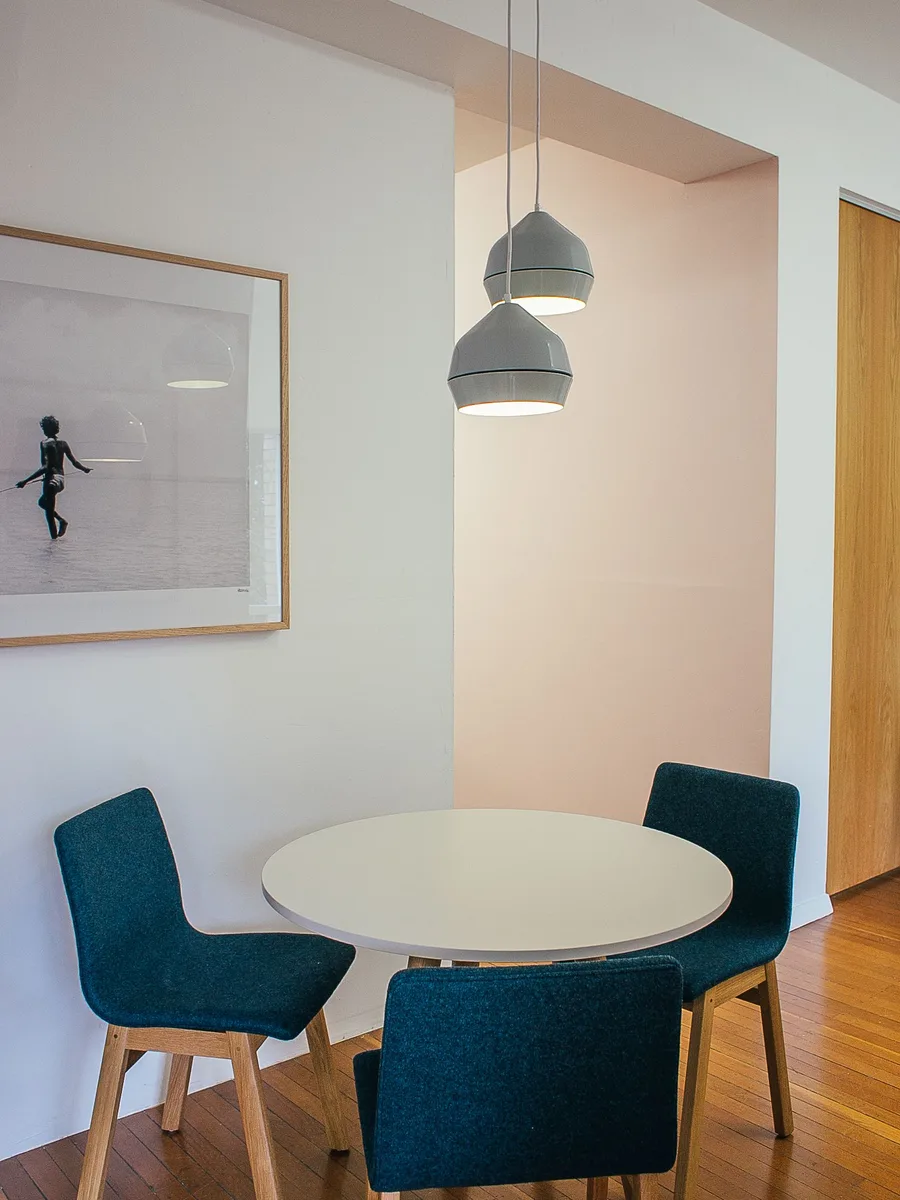
The final rule of small dining rooms is the hardest: stop before you think you’re done. Empty wall space is not wasted space — it’s what makes the decorated parts shine and the room feel calm. Every wall doesn’t need something on it; two well-dressed walls beat four busy ones.
The breathing-room check:
● Leave at least one wall mostly bare — it gives the eye somewhere to rest.
● Keep the wall behind the table the simplest; diners sit close to it and clutter feels oppressive.
● Photograph the room and look for the busiest spot — that’s where you edit first.
● When in doubt, take something down. A small room rewards restraint more than any other.

David is the home decor enthusiast behind HomeLushly. He shares practical, budget-friendly ideas for bedrooms, living rooms and seasonal decorating — from colour combinations that actually work to small-space styling tricks that make a room feel bigger. Every guide on HomeLushly is built around real photos and hands-on research, to help you make your home feel warm, personal and beautifully put together.