

Farmhouse style is all about warmth you can feel. A farmhouse dining room wall should look collected over time, not bought in one afternoon — think weathered wood, soft neutrals, vintage-inspired signs, and greenery that softens every hard edge. The goal is a room where guests instantly relax.
The trick is balancing rustic with clean. Too much distressed wood and the room feels like a barn; too little and it loses its soul. This guide shows you how to layer shiplap or warm paint, signature farmhouse pieces, and natural textures in the right order, so the walls feel cosy, charming, and pulled together — never cluttered.
Whether your home is a country cottage or a city flat, these farmhouse wall ideas work anywhere. It’s a forgiving style: imperfections add character, and the whole look gets better the more lived-in it feels.
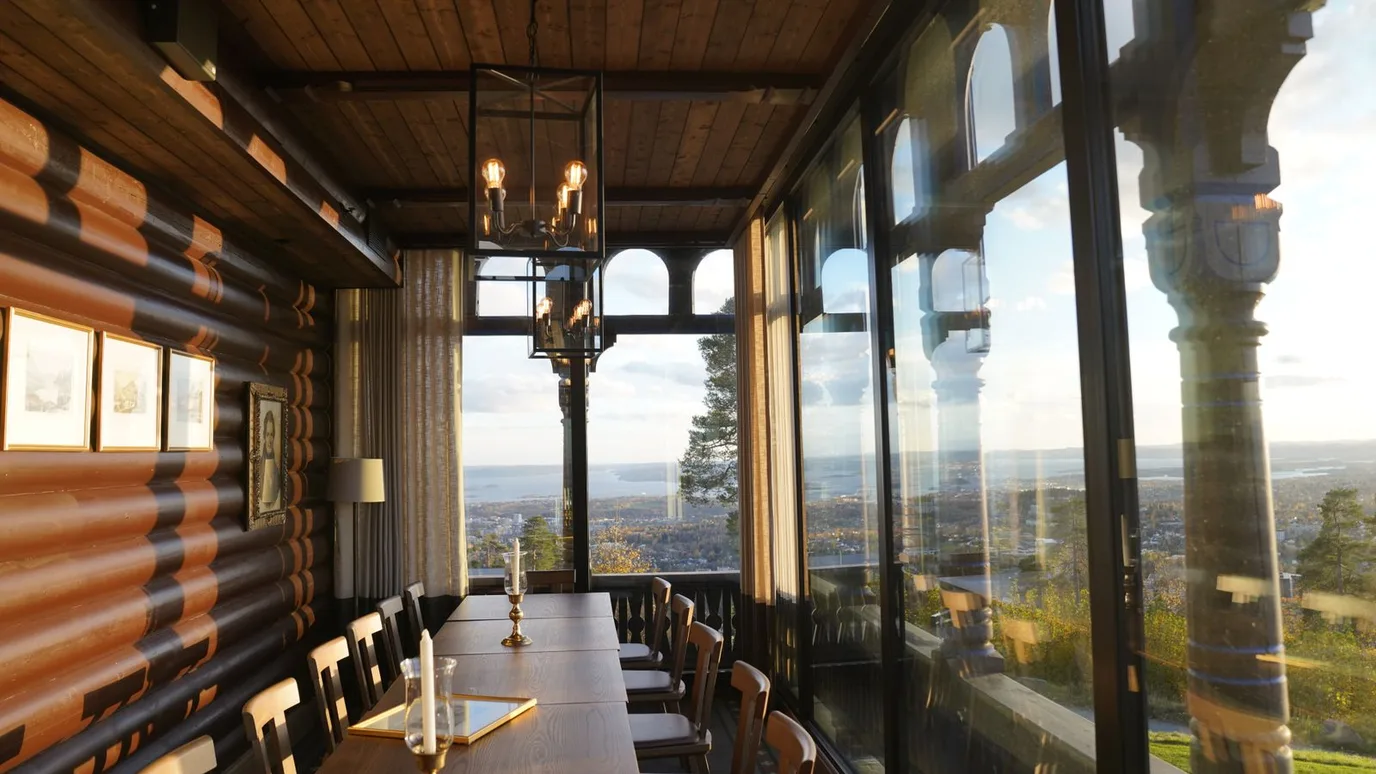
Start With Warm Walls and Wood
Farmhouse walls work best in warm whites, creamy beiges, or soft sage — colours that glow in lamplight and flatter wood tones. If you want texture, a shiplap or tongue-and-groove accent wall behind the table is the signature farmhouse move; it adds instant character for the cost of a few boards and a weekend.
Wall foundations that feel farmhouse:
● Choose warm white over cool white — cool tones fight the cosy rustic mood.
● A single shiplap wall costs little and changes the whole room; paint it the same colour as the other walls for a calm look.
● Exposed ceiling beams or a reclaimed wood mantel shelf add rustic weight without touching all four walls.
● If painting everything feels flat, try limewash paint for soft, cloudy texture that suits farmhouse perfectly.
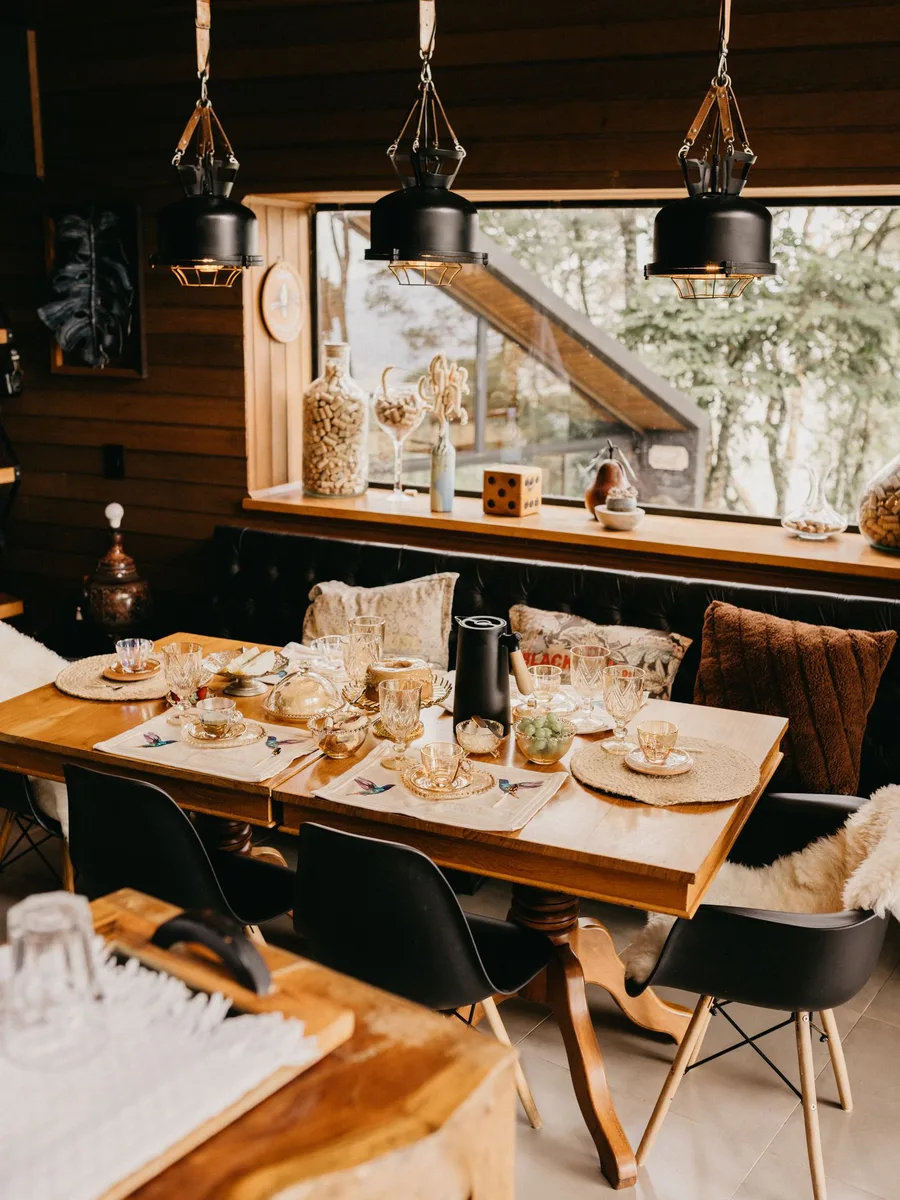
Hang One Vintage-Style Sign
The farmhouse wall sign is a classic for a reason — a single “gather” or market-style sign above the sideboard or table instantly sets the tone. The key is one, not five. One well-chosen sign reads as charming; a wall of slogans reads as a gift shop. Pick wood or metal with a slightly worn finish and simple lettering.
Sign styling that works:
● Size it to the furniture: roughly two-thirds the width of the sideboard or table below.
● Hang it at seated eye level, with the centre around 140 to 150cm from the floor.
● Pair it with greenery, like a eucalyptus wreath overlapping one corner, to soften the lettering.
● Avoid glossy or plastic-looking signs — matte wood and aged metal keep the authentic feel.
● If words aren’t your thing, a vintage-style clock or an old window frame gives the same farmhouse anchor without lettering.
Add Wreaths and Greenery
Nothing softens a farmhouse wall like greenery. A simple eucalyptus or boxwood wreath on the wall, olive branches in a jug on the sideboard, or a trailing plant on a shelf brings life to all the wood and neutrals. Greenery is the cheapest way to make rustic walls feel fresh rather than dusty.
Using greenery well:
● Hang one wreath as art — on a bare wall section, a nail, or a wide ribbon from a picture rail.
● Faux eucalyptus looks convincing and lasts for years; mix one real plant nearby for authenticity.
● Drape a garland along a floating shelf or across the top of a large mirror for instant softness.
● Keep arrangements loose and natural — tight, perfect spheres look formal, not farmhouse.
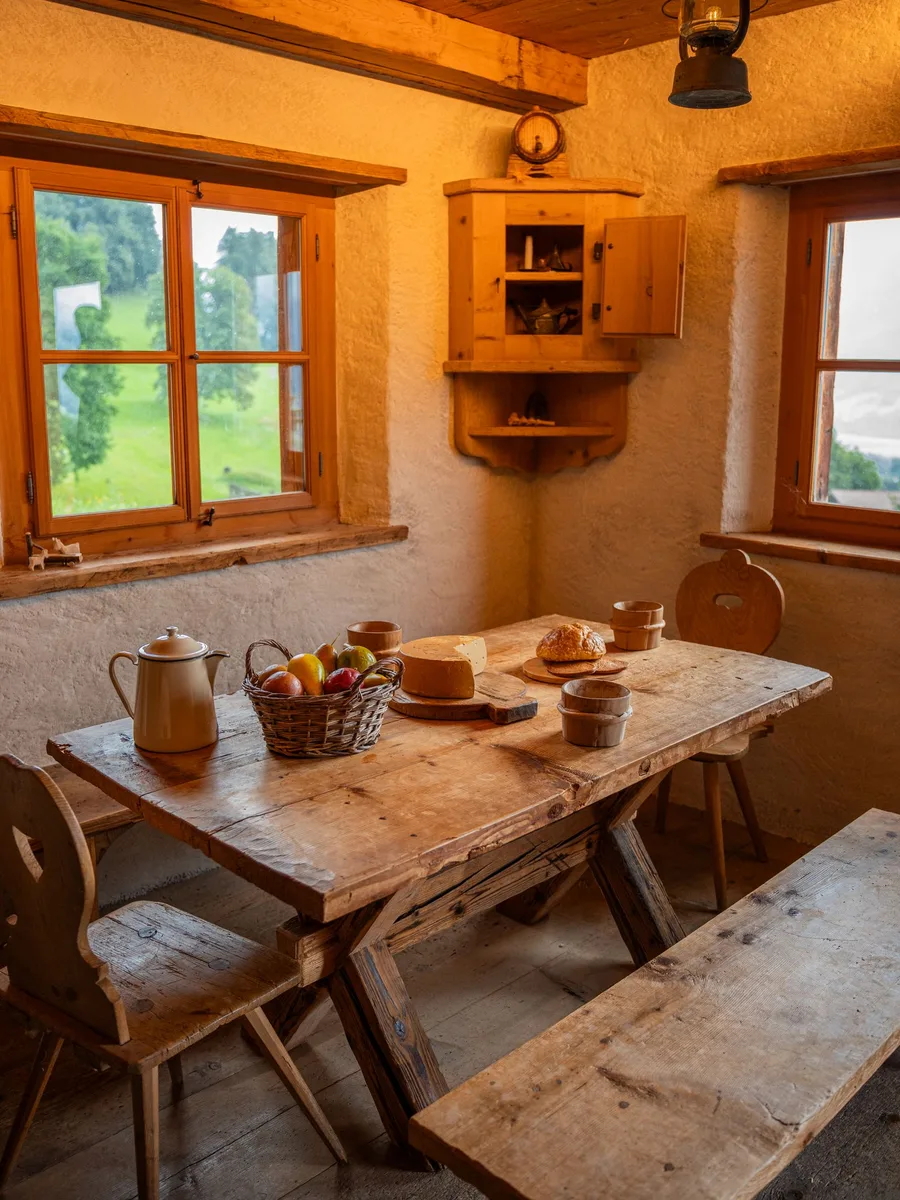
Style Open Shelves With Everyday Pieces
Open wooden shelves are farmhouse gold — practical, pretty, and full of character. The secret to shelves that look styled rather than messy is the mix: everyday dishes and glasses at the back, a few decorative pieces at the front, and breathing room between groups. Stick to a tight palette of white, wood, and green.
Shelf styling formula:
● Stack white plates and bowls in groups — repetition looks intentional and calm.
● Add one vintage find per shelf, like an old jug, brass candlesticks, or wooden boards.
● Leave at least a third of each shelf empty; crowded shelves read as clutter, not charm.
● Use chunky wooden brackets or black metal ones — skip flimsy modern brackets that clash with the look.
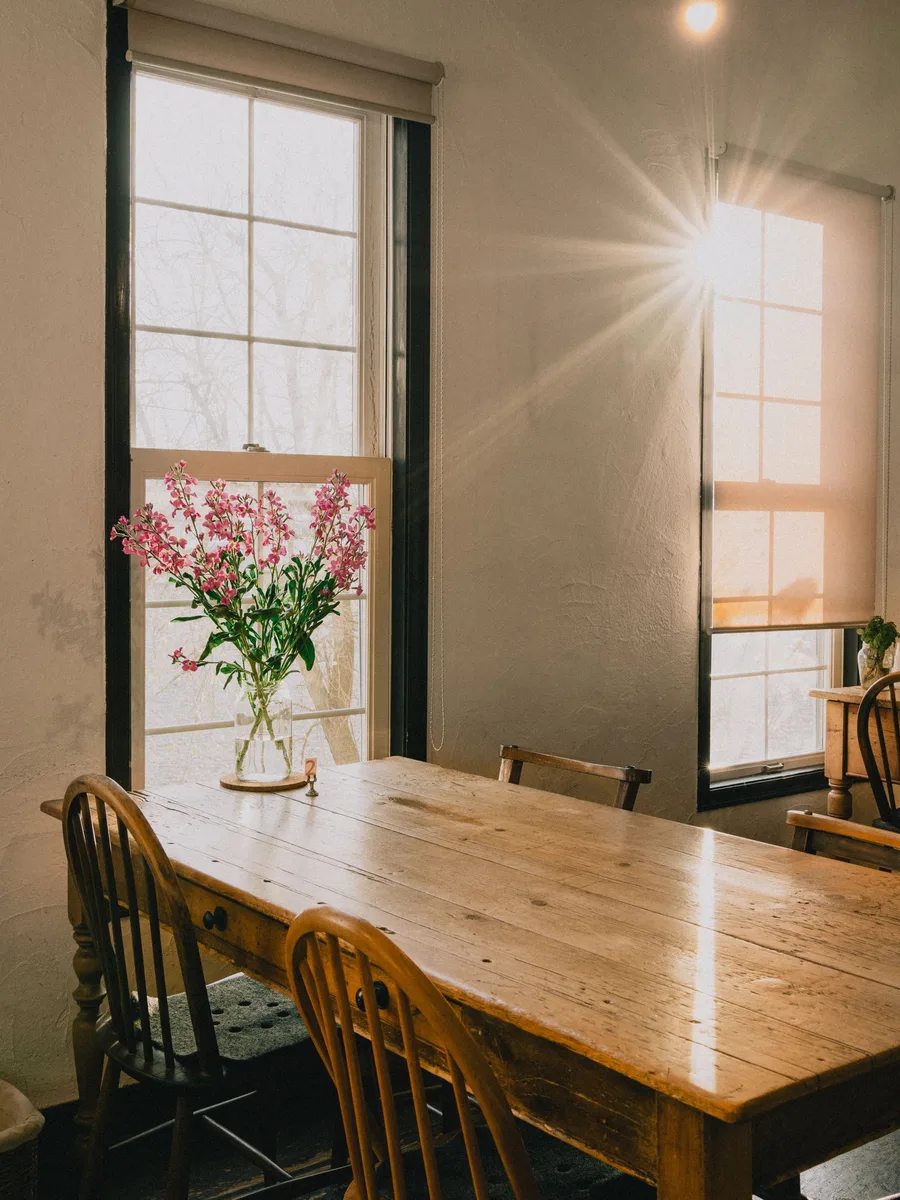
Layer Texture for the Cosy Finish
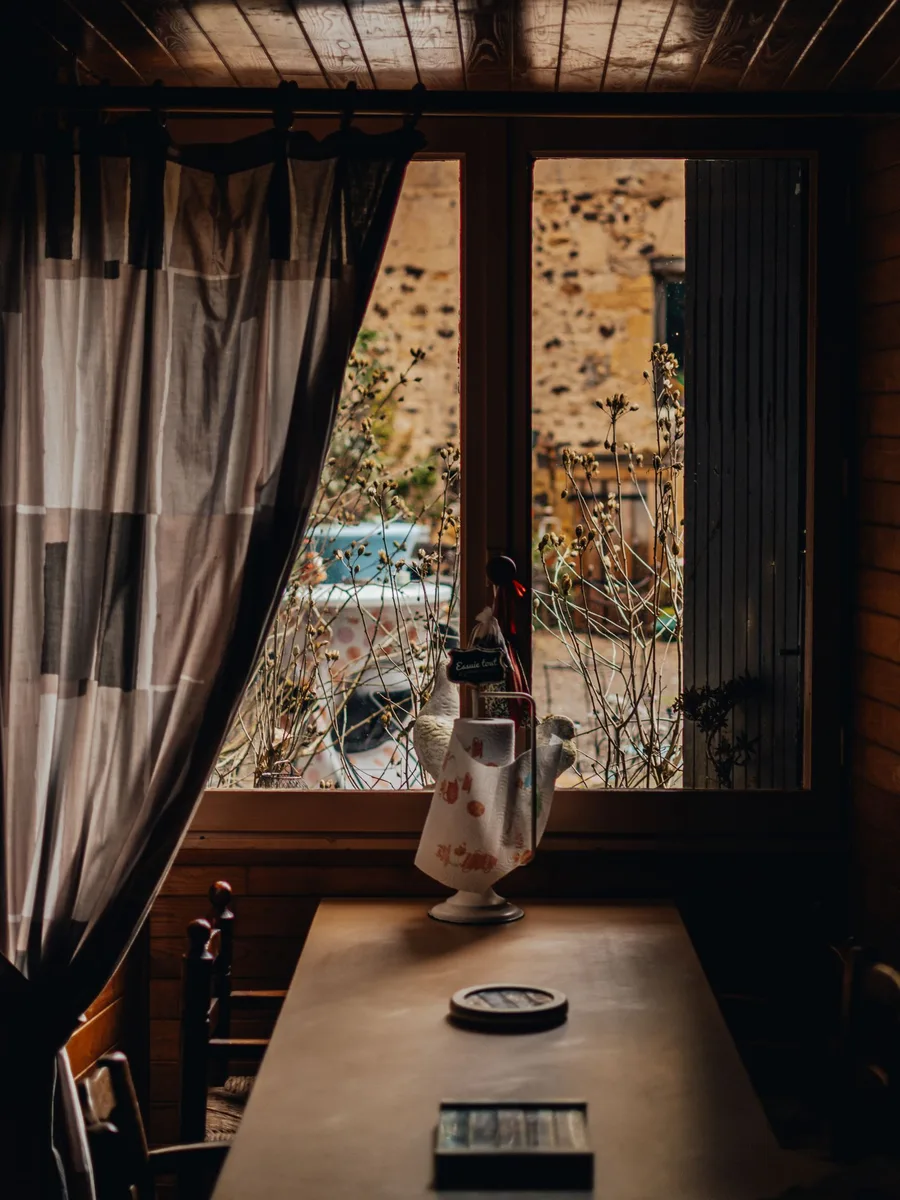
The final farmhouse layer is texture — woven baskets hung as wall art, a jute runner, linen curtains, and warm wood tones everywhere. Texture is what makes a farmhouse dining room feel cosy instead of just rustic. It catches light beautifully and makes the room feel layered and lived-in.
Texture checklist:
● Hang two or three flat woven baskets as a casual wall grouping — cheap, light, and full of charm.
● Choose linen or cotton curtains in natural tones; skip heavy formal drapes.
● Add a large jute or wool rug under the table to anchor the room and soften footsteps.
● Finish with warm lighting — Edison-style bulbs or a wagon-wheel chandelier complete the cosy glow.
Keep It Collected, Not Cluttered
The last step is the farmhouse edit. Because the style celebrates “collected” pieces, it’s easy to keep adding until the walls feel busy. Step back and check: can each wall breathe? Does every piece earn its place? A true farmhouse room feels curated by life, not crowded by shopping.
The final pass:
● Remove one item from every wall and shelf — if the room still feels complete, leave it off.
● Group small items into trays or clusters so they read as one vignette, not scattered bits.
● Keep table surfaces mostly clear; a simple runner and one centrepiece is plenty.
● Photograph the room — the camera shows instantly whether it feels cosy or chaotic.

David is the home decor enthusiast behind HomeLushly. He shares practical, budget-friendly ideas for bedrooms, living rooms and seasonal decorating — from colour combinations that actually work to small-space styling tricks that make a room feel bigger. Every guide on HomeLushly is built around real photos and hands-on research, to help you make your home feel warm, personal and beautifully put together.