
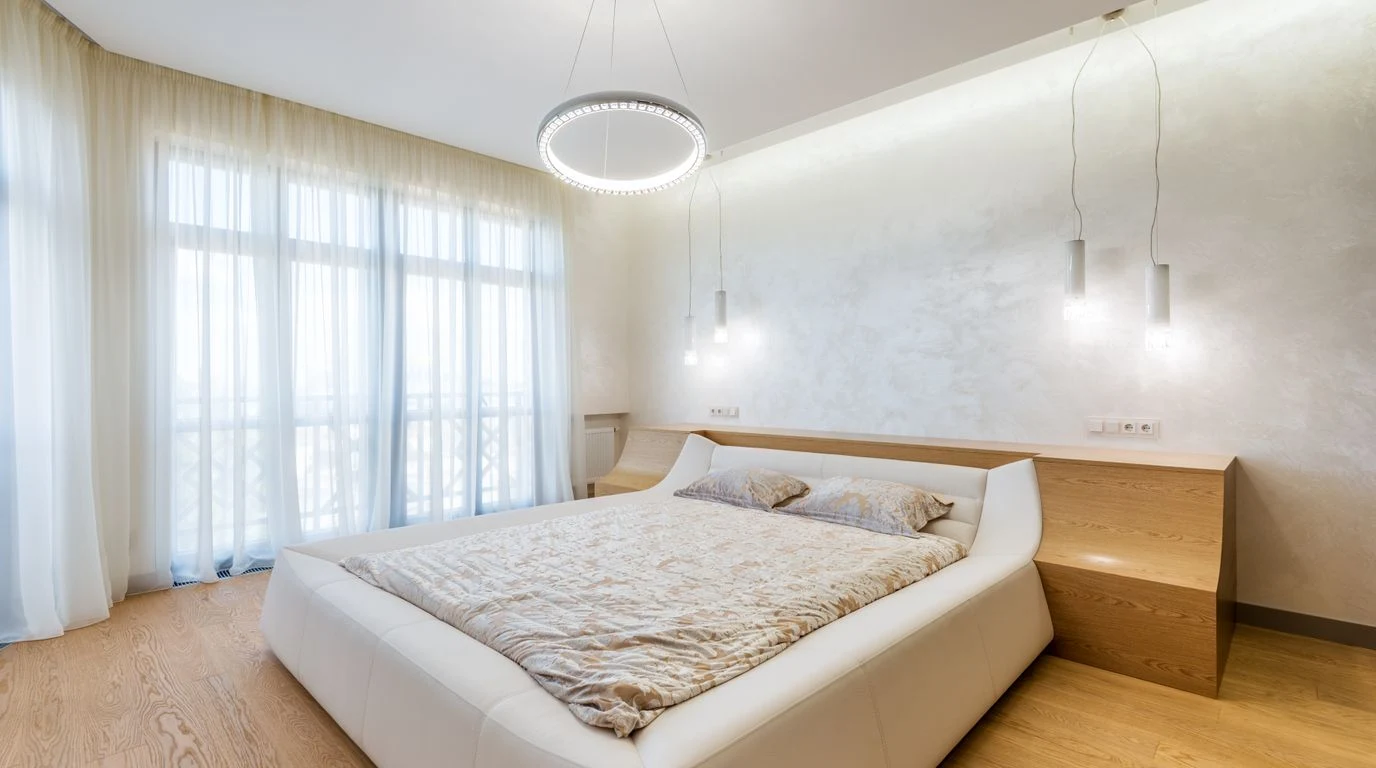
There is something undeniably magical about a bed that looks like it is hovering in midair. A floating wooden bed hides its support inside a recessed base or mounts it to the wall, so the mattress appears to drift a few inches off the floor. The effect is part optical illusion, part pure comfort — and it instantly makes any bedroom feel bigger, calmer, and more expensive than it really was.
Wooden floating beds are the warmest version of this trend. Unlike cold metal or plain upholstered frames, natural wood brings grain, texture, and character that make the floating trick feel cozy instead of futuristic. From rustic pine to dark walnut, from simple platforms to canopy dreamers, here are 22 floating wooden bed designs you will want to copy — plus simple tips on lighting, wood types, and rooms for each one.
1. The Classic Oak Platform Floater
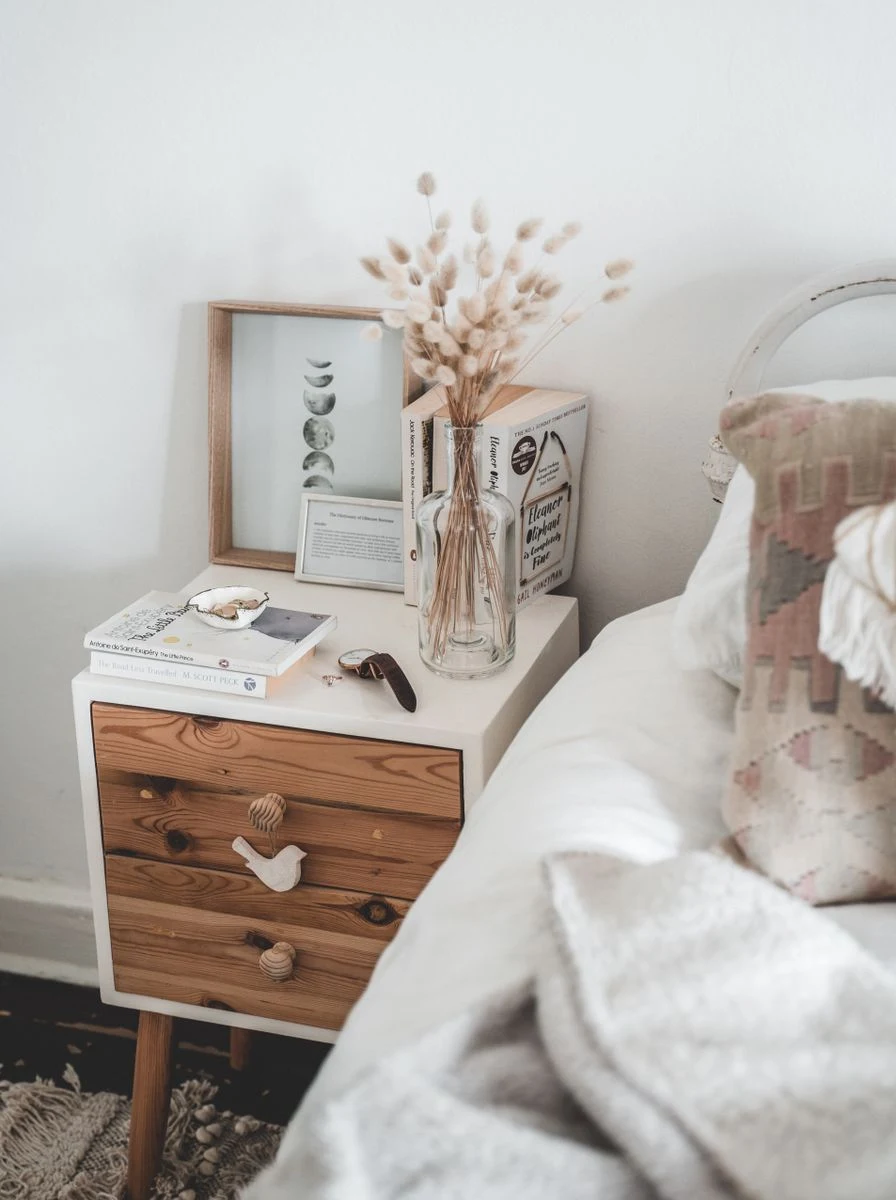
This is the design that started the floating trend, and it still works beautifully. A wide oak slab platform supports the mattress, while the actual base is tucked about six inches inward so your eye never catches it. The oak grain runs horizontally along the sides, giving the bed a calm, grounded feel even though it looks weightless. Pair it with a low-profile mattress and bedding in oatmeal or cream tones for that effortless boutique-hotel calm.
What makes this one great is how versatile it is — oak sits happily in almost any decor, from farmhouse to modern. It is also one of the strongest woods for a floating frame, so a sturdy queen or king feels rock solid despite the illusion. This design suits medium to large bedrooms with wood or light tile floors, where the shadow gap underneath stays visible.
Tip: run a warm-white LED strip (2700K) along the underside of the platform for a soft glow that makes the float effect unmistakable at night — it doubles as a nightlight. Tip: leave at least 4 to 5 inches between the platform edge and the floor so the shadow line reads clearly. Budget-wise, oak veneer over engineered wood gives the same look for much less than solid oak.
2. Walnut with Warm Amber Underglow
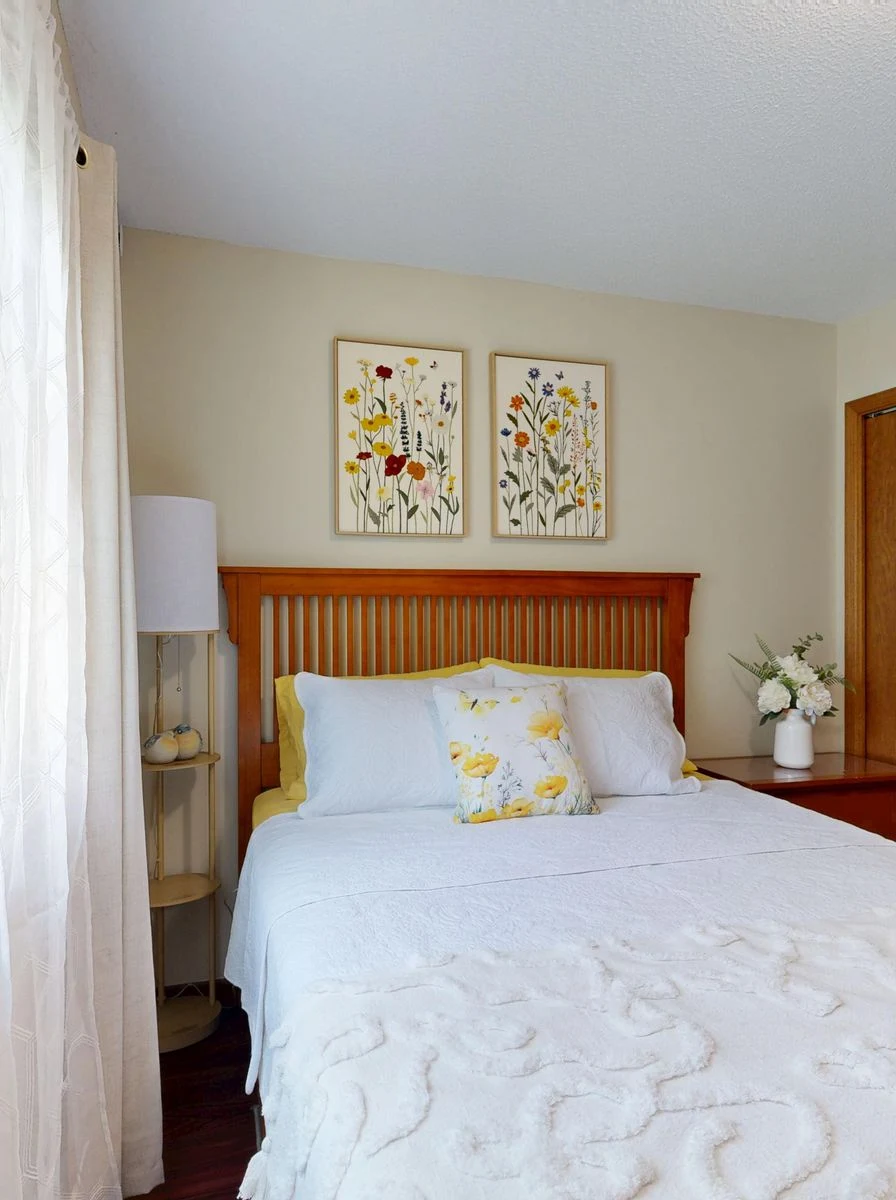
Dark walnut is the most luxurious-looking wood you can put in a floating bed, and it pairs perfectly with amber or warm-gold LED lighting underneath. The deep brown grain of walnut feels rich and moody, while the golden underglow softens it so the room never feels heavy. The result looks like a high-end hotel suite — dramatic, warm, and quietly expensive.
This style shines in bedrooms with dark walls or navy and charcoal paint, because the walnut stands out against the shadows while the LED glow separates the bed from the floor. It works in medium rooms especially, where the contrast creates depth instead of closing the space in. Choose a mattress with a clean, tailored cover rather than a busy pattern, so the wood stays the star.
Tip: set the LED strip on a dimmer switch or a plug-in smart controller so you can shift from a bright welcome glow to a faint night ember. Tip: walnut is pricey, so consider a walnut-stained beech or acacia frame to get 90% of the look for half the cost. Keep bedding in creams, camel, or rust to echo the warm wood tones.
3. Japandi Floating Bed with Curved Oak Corners
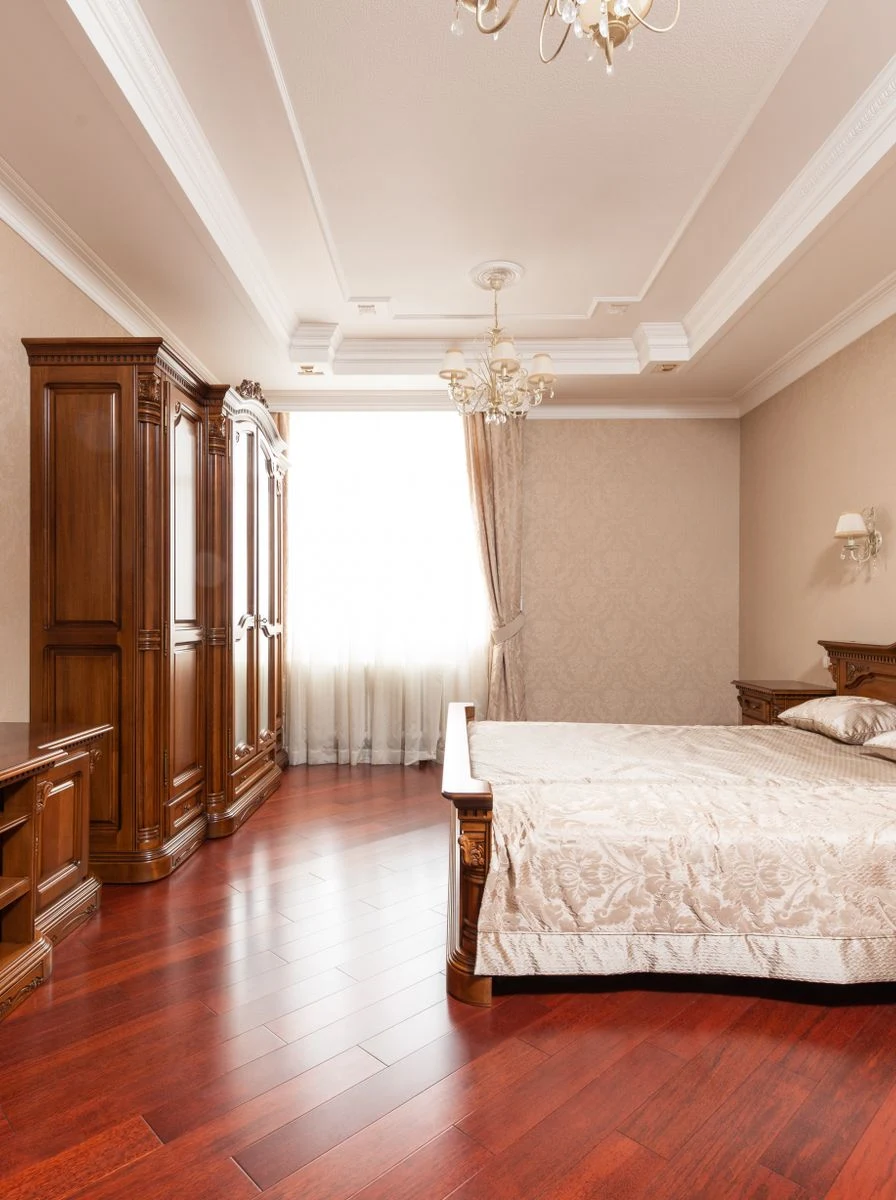
Japandi style — the mix of Japanese minimalism and Scandinavian warmth — is tailor-made for floating beds. This version uses light oak with softly rounded corners on the platform edges, a low profile, and no headboard, so the whole thing reads as a calm wooden raft drifting above the floor. The restraint is the point: clean lines, visible grain, and breathing room on every side.
Why it works: the floating base removes visual weight from an already simple design, making small bedrooms feel twice as large. It pairs beautifully with tatami-style rugs, paper lanterns, and linen bedding in sage, stone gray, or soft white. This is the bed for people who want their bedroom to feel like a spa retreat instead of a storage room.
Tip: skip the LED strips here and let natural daylight do the magic, or add a single thin daylight-white (4000K) strip for a crisp moonlight effect at night. Tip: keep the platform no more than 12 inches high — Japandi beds sit low, and the float reads stronger when the bed hugs the floor. Ash wood is a cheaper light-wood alternative to oak with the same pale look.
4. Rustic Reclaimed Pine Floater
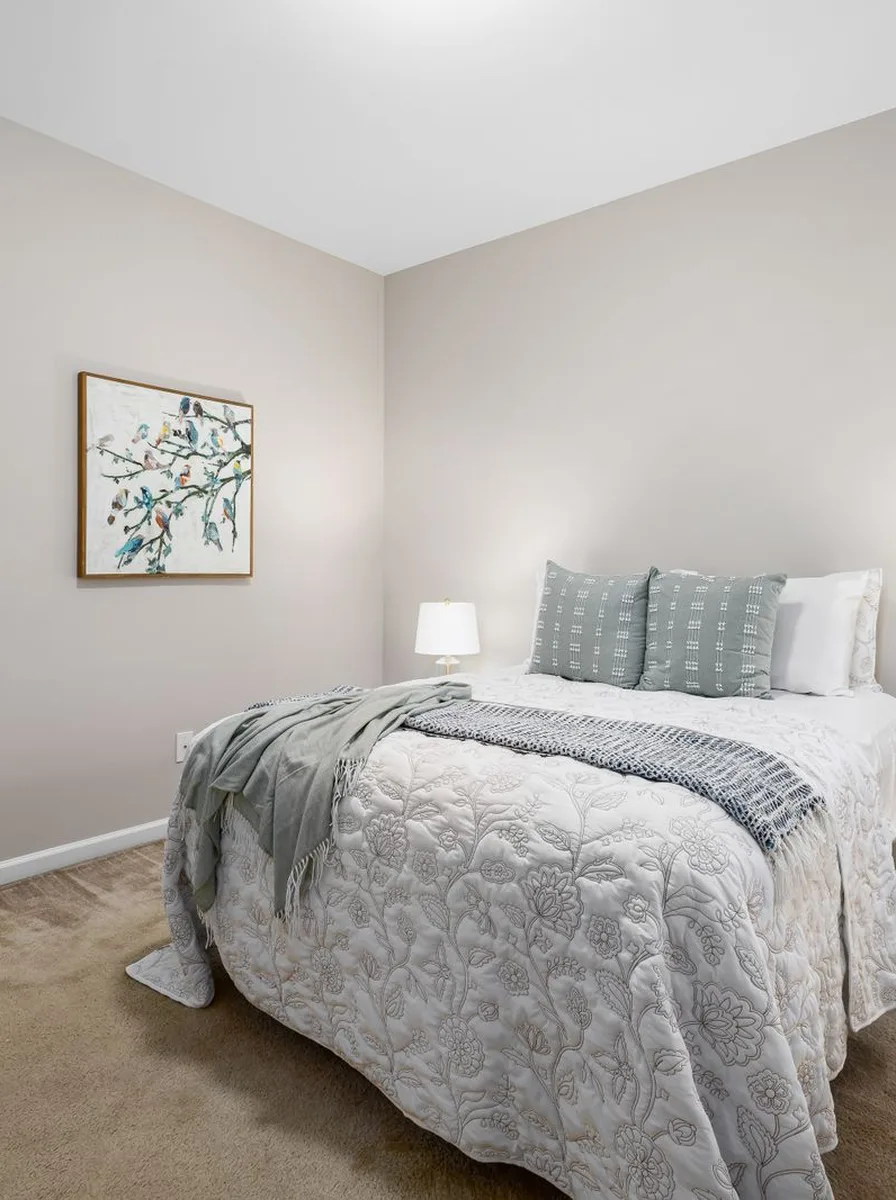
A floating bed does not have to look modern — this rustic version proves it. Built from reclaimed pine with visible knots, saw marks, and weathered texture, the chunky platform floats on a deeply recessed steel-reinforced base. The rough wood against the weightless illusion is a lovely contradiction: rugged and dreamy at the same time.
This design belongs in farmhouse, cabin, or cottage-style bedrooms, especially ones with stone accents or shiplap walls. The natural imperfections in the pine become the decoration, so keep bedding simple — washed cotton or linen in white, chambray blue, or soft plaid. Because the platform is chunkier, the shadow gap reads even more dramatically at night.
Tip: seal reclaimed pine with a clear matte polyurethane so the rough texture survives daily life without splinters or stains. Tip: a warm-white LED (3000K) tucked into the recessed base highlights the wood texture beautifully — cool light would wash it out. Reclaimed pine is often the most budget-friendly real wood option; check local salvage yards.
5. Floating Bed with Built-In Nightstands
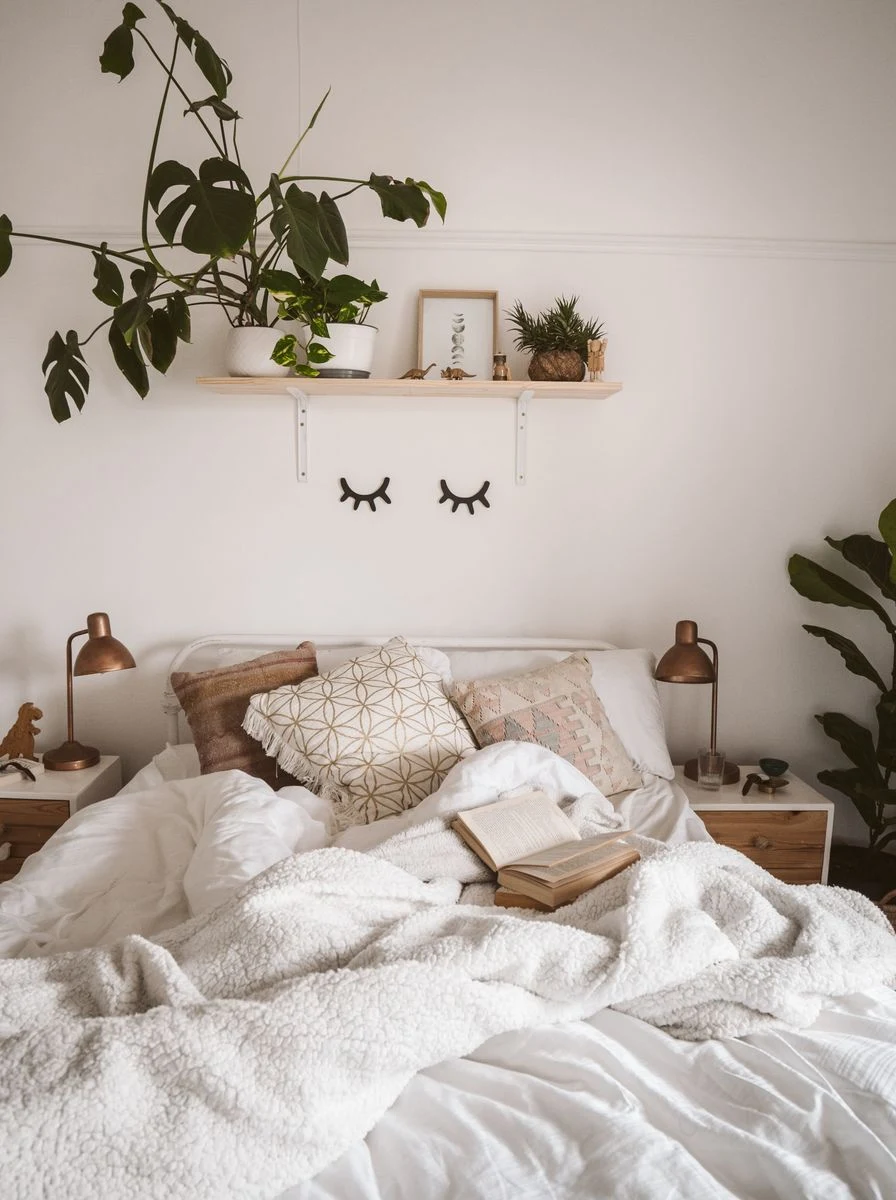
Some floating platforms extend past the mattress on both sides to form floating nightstands — one continuous piece of wood that cradles the bed and holds your lamp, book, and glass of water. The nightstands float too, because they are part of the same recessed-base platform, which looks incredibly sleek and sculptural.
The practical win is real: no wobbly separate tables, no legs to bump into, and the surface height lines up perfectly with your mattress. This works best in medium to large bedrooms, since the extended wings need wall clearance on both sides. Oak or walnut veneer looks sharp here; match the wood to your flooring for a seamless, designed feel.
Tip: run the LED strip under the nightstand wings as well, so the whole piece glows like a single floating sculpture. Tip: add a small cable hole through each wing for phone chargers, keeping cords hidden under the platform. If you are building this yourself, make the wings at least 16 inches wide — anything narrower is too small for a lamp base.
6. Upholstered Floating Bed with a Soft Headboard
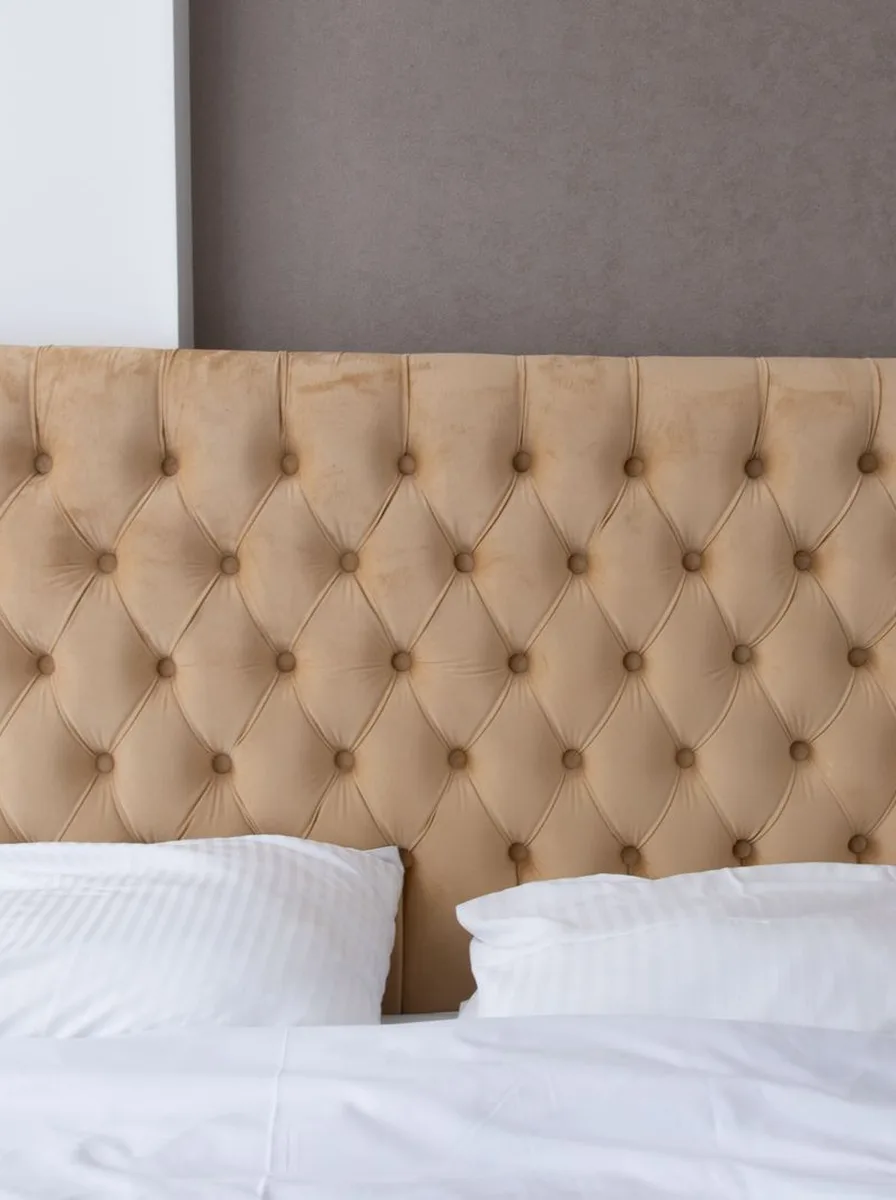
If you love the floating look but want a cozy place to lean back and read, this hybrid is for you. The wooden platform floats on its recessed base, but the headboard is a tall, padded panel wrapped in bouclé, linen, or velvet. The softness of the fabric balances the hard lines of the floating wood, and the tall headboard gives the bed presence even though the base disappears.
This is a fantastic choice for people who sit up in bed a lot — readers, laptop workers, breakfast-in-bed fans. The upholstered headboard absorbs sound too, making the bedroom feel quieter. It suits transitional and modern-cozy bedrooms, and the headboard color can be the room’s accent: oatmeal bouclé for calm, forest-green velvet for drama.
Tip: choose a headboard at least 40 inches tall so it balances the long floating platform visually. Tip: performance fabrics (stain-resistant linen blends) are worth the small upcharge — headboards collect hair oil over time. Pair with walnut or dark-stained wood for the platform to ground the softness above.
7. Minimalist All-White Floating Bed
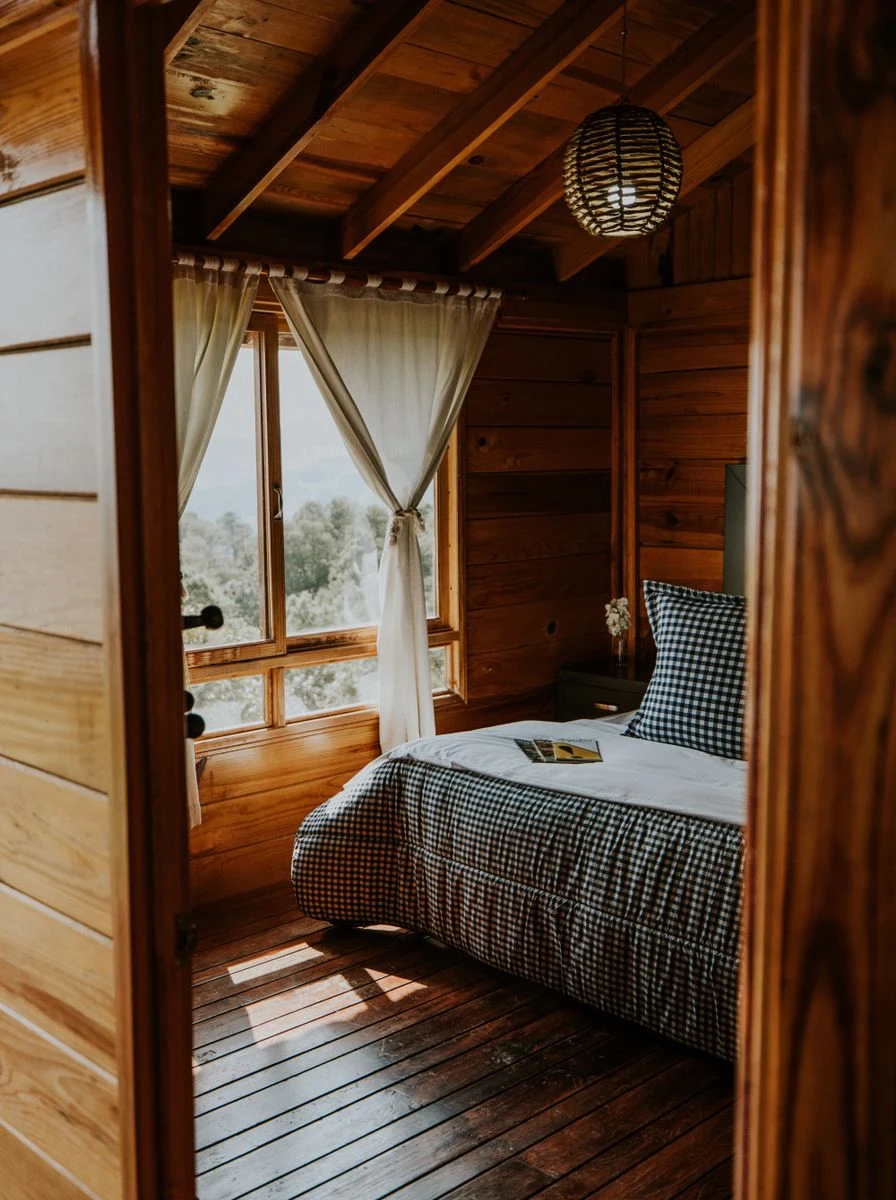
Paint a simple pine or poplar floating platform in warm white and you get the cleanest, airiest floating bed of all. With no visible wood grain and no dark shadows, the bed almost dissolves into the room — only the floating shadow gap and a slim mattress tell you it is there. All-white bedding and a white rug complete the cloud effect.
This design is a secret weapon for small, dark bedrooms. White reflects light, the floating base frees the floor, and together they can make a boxy room feel open and bright. It works in Scandinavian, coastal, and minimalist rooms, and it is wonderfully renter-friendly since white-painted wood matches almost any landlord-approved wall color.
Tip: use a warm-white paint (not blue-white) so the bed glows instead of looking sterile, and pair it with a warm LED underglow rather than a cool one. Tip: scuffs show more on white, so keep a small touch-up paint pen on hand. Poplar is the cheapest hardwood that paints beautifully — cheaper than pine for this look.
8. Dark and Moody Ebony-Stained Floater
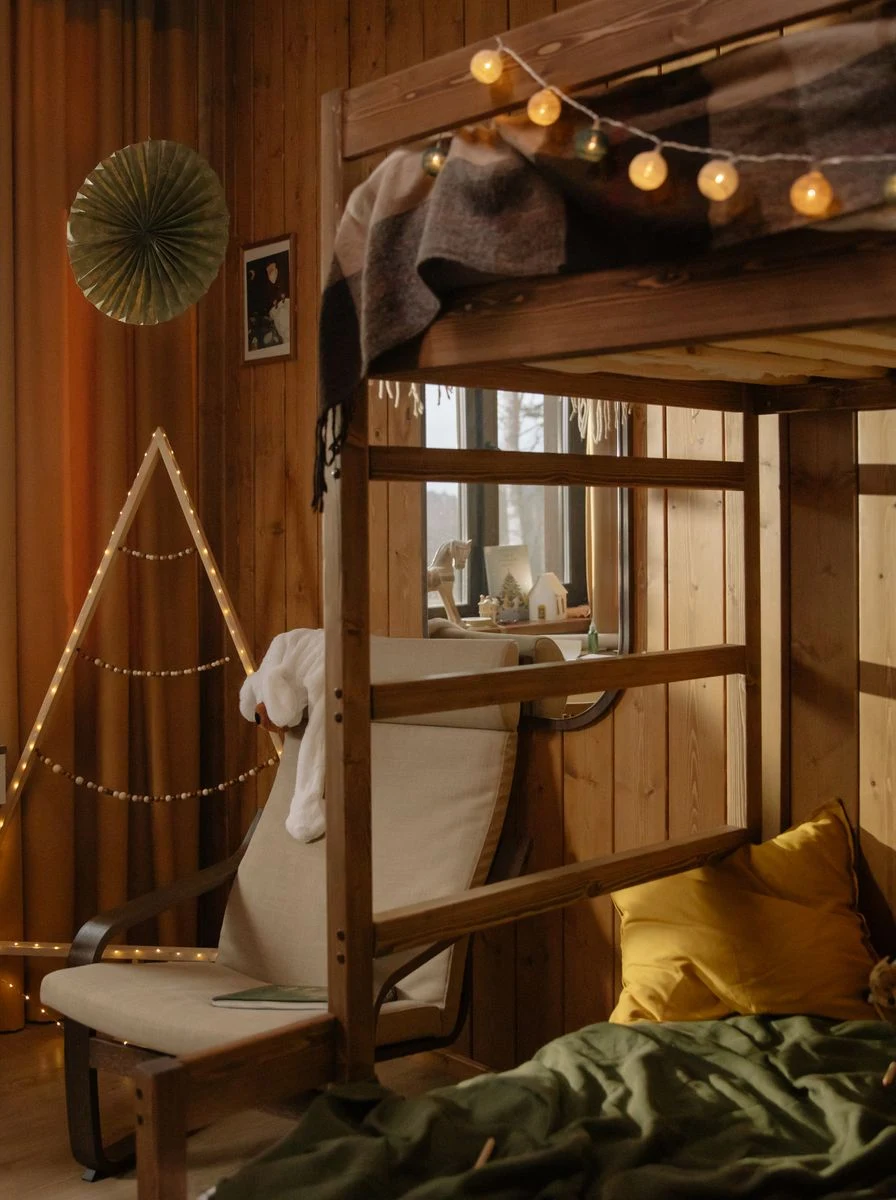
For bedrooms with real atmosphere, this floating bed goes dark — deep espresso or ebony-stained wood, low profile, and a recessed base so deep the bed looks truly suspended. Against dark walls or a charcoal feature wall, the bed becomes a shadow floating in shadow, which sounds gloomy but feels incredibly cocooning and intimate.
The trick is contrast in the styling: keep bedding light — ivory, champagne, or pale gray — so it glows against the dark wood like moonlight. This is the floating bed for night owls, small moody master bedrooms, and anyone who wants their bedroom to feel like a private lounge rather than a bright showroom. A dark wood platform also hides dust and scuffs better than any light finish.
Tip: warm amber LEDs are essential here — they carve the bed out of the darkness with a golden halo that dark stain alone cannot provide. Tip: add one warm-toned texture (a sheepskin throw, a brass lamp) so the dark-on-dark palette does not flatten out. Ebony stain over affordable ash or beech gives a near-black finish without exotic wood prices.
9. Curved-Edge Floating Bed
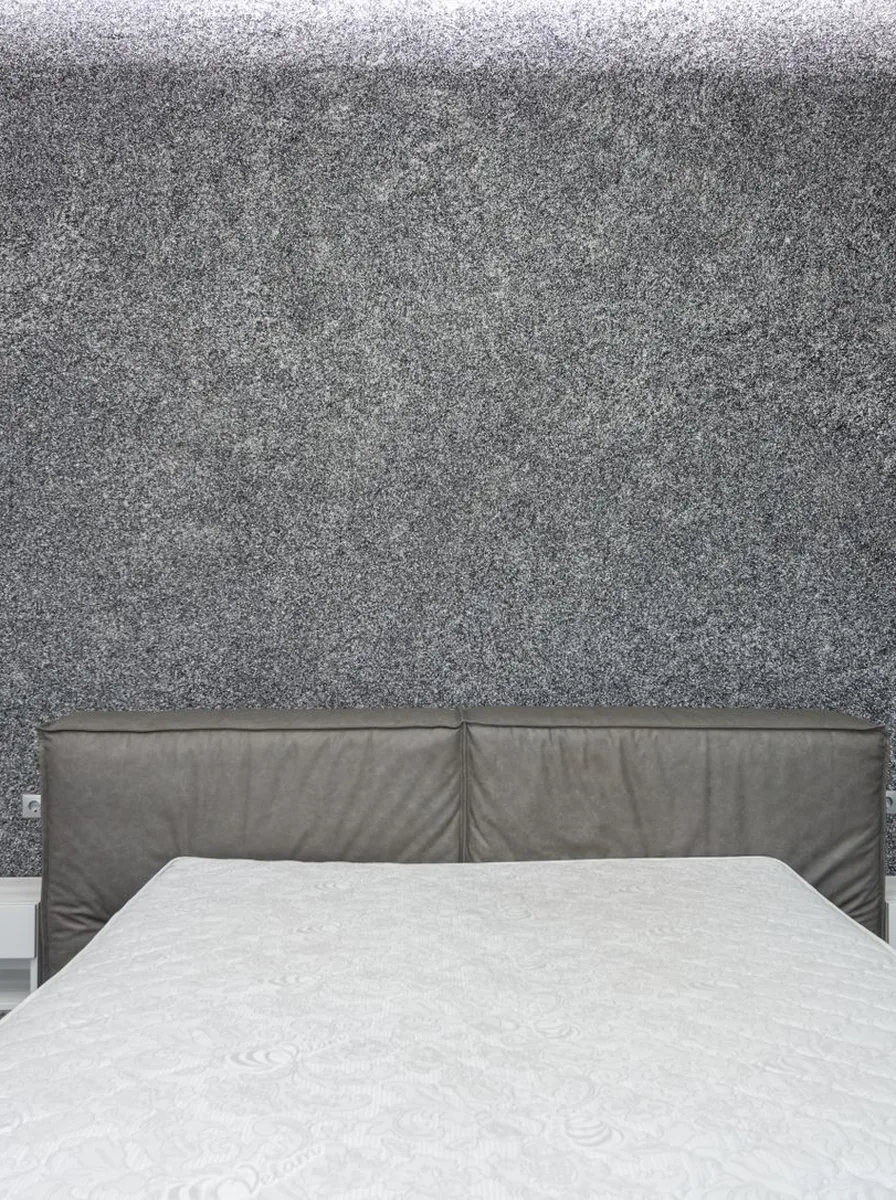
Most floating beds are rectangles with sharp corners — this one rounds them off. The platform’s corners curve in a soft radius, and the edges are bullnosed so there is not a single hard line on the whole frame. The floating effect feels gentler, almost like the bed is bobbing on water instead of hovering on steel.
Curved frames are kind to real life: no bruised shins, safer around kids, and a softer silhouette that suits boho, coastal, and organic-modern rooms. The curves also catch the underglow LED light differently, spreading it in a soft wash rather than a sharp line. Light oak or beech shows the curves best, since pale wood keeps the shape readable.
Tip: if buying, test the curve radius — a 4-inch radius looks elegant, while larger curves can eat into usable mattress space on a queen. Tip: round a simple rectangular platform yourself with a router and sandpaper for the look at a fraction of custom prices. Pair with rounded decor (arch mirrors, round side tables) to echo the shape.
10. Floating Canopy Bed
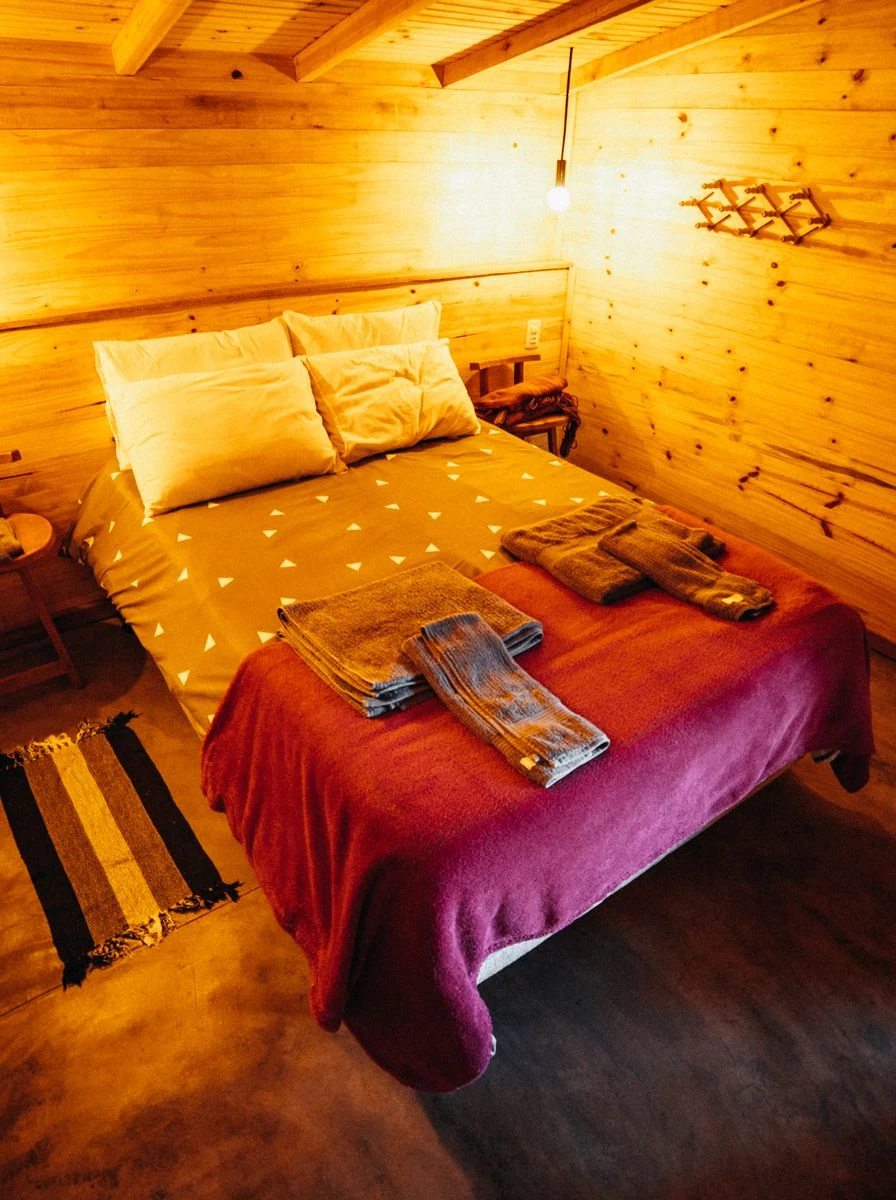
Yes, you can have a canopy bed that floats. Four slim wooden posts rise from a floating platform, connected by a thin frame at the top — the posts are anchored to the recessed base, so the whole canopy hovers with the bed. Drape sheer linen curtains from the top frame and you get a dreamy, weightless tent effect that feels straight out of a fairy tale.
This is the most romantic idea on the list and it needs room — tall ceilings (9 feet or more) and a large bedroom so the posts do not crowd the space. The floating base keeps the canopy from feeling heavy or Victorian; it reads light and modern despite the four posts. Natural oak or teak posts keep it airy, while sheers in ivory soften everything.
Tip: mount the LED strip under the platform, not on the posts, so the glow pools beneath the bed like mist. Tip: use washable sheer curtains with tab tops so you can take them down easily — canopy fabric collects dust fast. Skip the canopy top fabric and keep only side sheers if your ceiling is low; it keeps the airy feel without pressing down on the room.
11. Kids’ Floating Bed
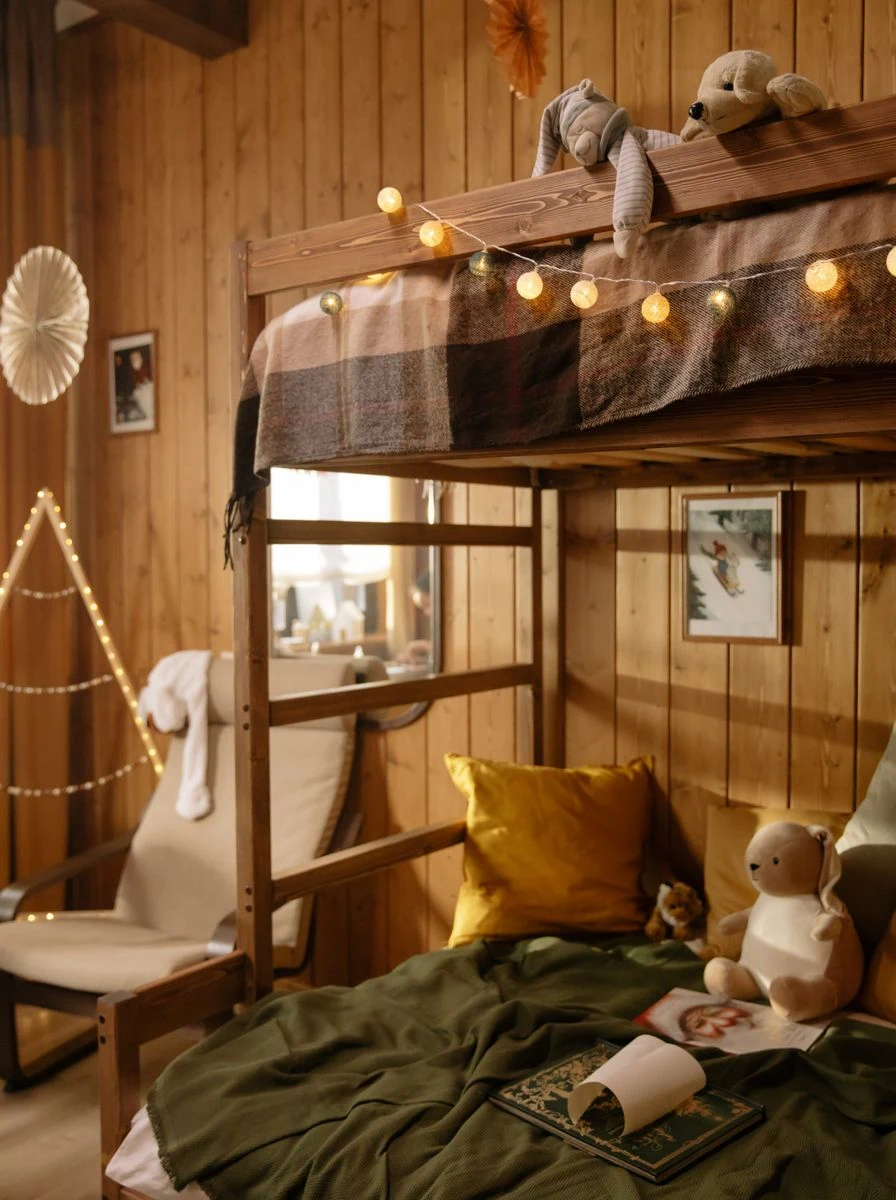
Children are the biggest fans of floating beds — to them it is pure magic. This kid-sized version uses a sturdy pine platform with a deeply recessed base (reinforced for jumping), rounded corners, and a fun RGB LED strip the child can change from their own remote: blue for ocean nights, purple for space adventures, warm white for bedtime stories.
Beyond the fun, there is a practical win: the floating gap means no dust-bunny cave under the bed and no lost toys rolling underneath — a quick pass with a mop cleans everything. The low platform height makes it easy for small kids to climb in, and the recessed base is out of the way of little feet. Pine is the smart wood here: cheap, strong, and forgiving of scratches.
Tip: choose a childproof LED strip with a low-voltage transformer and a remote with a lock function, so colors do not change all night. Tip: paint the platform in the child’s favorite color or leave natural pine with a colorful duvet — both look great. Keep the total platform height under 14 inches for easy, safe access.
12. Small-Room Space-Saver Floater
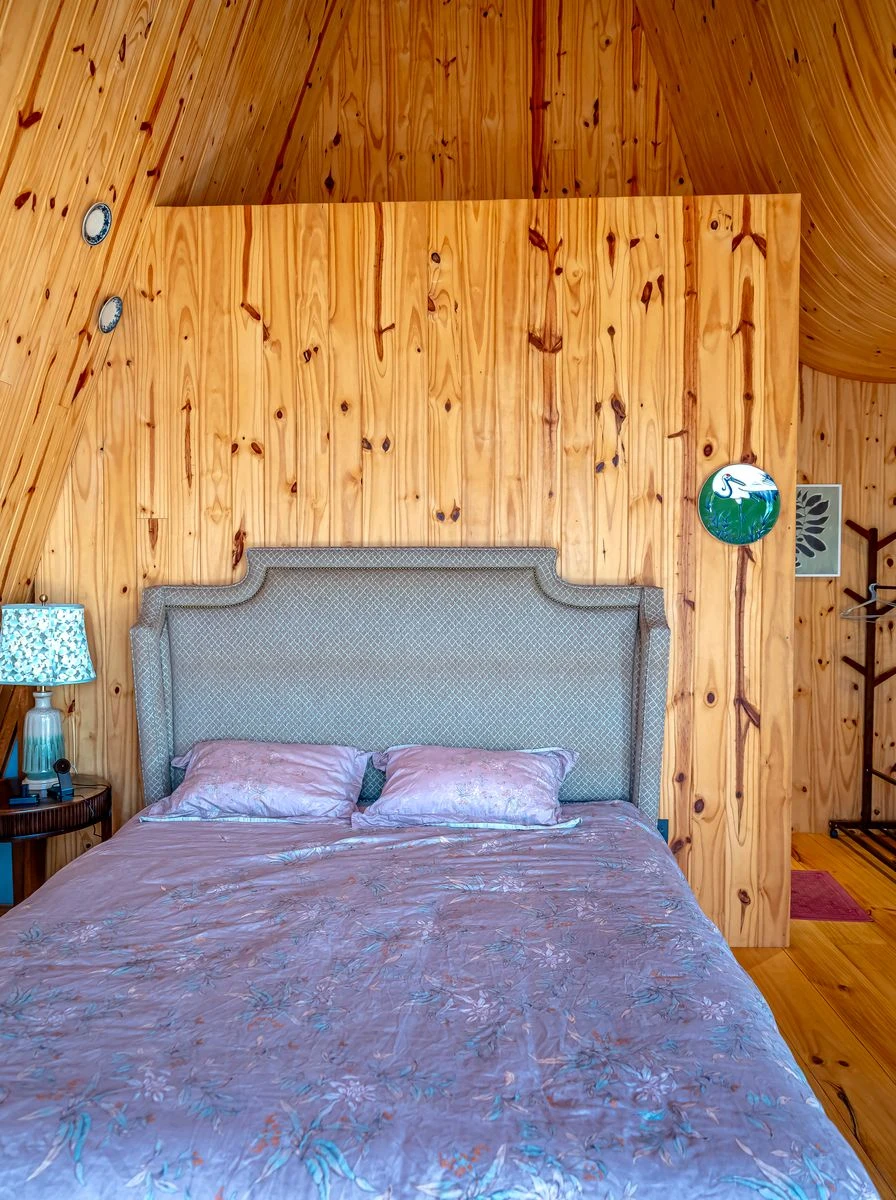
In a small bedroom, every inch of visible floor matters — and a floating bed gives the illusion of more. This version is a compact platform (twin or full) in light pine or birch with the base recessed on all four sides, so you see floor all the way around the bed. That continuous floor line tricks the eye into reading the room as larger, which no regular bed frame can do.
The design doubles down on small-room tricks: a wall-mounted headboard shelf instead of a nightstand, pale wood that bounces light, and a low profile that leaves wall space feeling open. It suits apartments, guest rooms, and studios where the bedroom is doing double duty. Light, simple bedding keeps the airy effect intact.
Tip: mount the LED strip only on the two long sides to draw the eye lengthwise, making the room feel longer. Tip: choose a platform exactly the size of your mattress — any overhang eats precious floor space in a small room. Birch plywood with edge banding is the budget hero for this build: light, strong, and cheap.
13. Luxury Hotel-Style Floating Bed
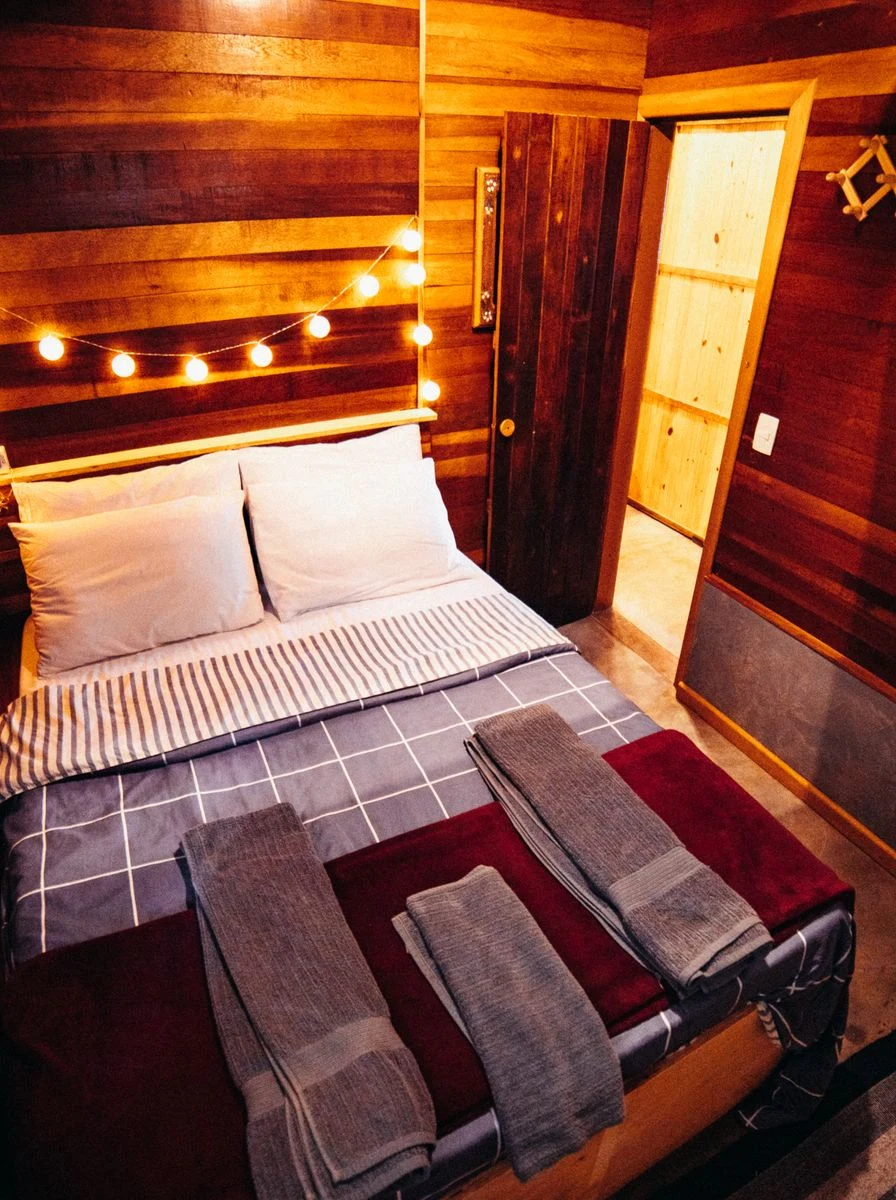
Think of the best hotel suite you have ever slept in, then float it. This king-size design pairs a wide walnut platform with a tall, channel-tufted upholstered headboard, layered white bedding, and a perfectly tuned warm underglow. The proportions are generous — the platform extends well past the mattress — so the bed reads as grand and indulgent rather than just clever.
What sells the hotel feeling is restraint in color: warm neutrals, crisp white sheets, and two textures at most (wood + fabric). The floating base adds the wow factor that regular luxury beds lack — guests will ask how it stays up. This belongs in a master bedroom with space to breathe; give it at least 2 feet of clearance on each side.
Tip: invest in the bedding here — hotel magic is 50% lighting, 50% crisp high-thread-count sheets. Tip: a dimmable 2700K LED strip with a wall switch by the door lets you set the mood the moment you walk in. Walnut veneer on a plywood platform keeps costs sane while looking every bit as rich as solid walnut.
14. Floating Bed with Hidden Storage Drawers
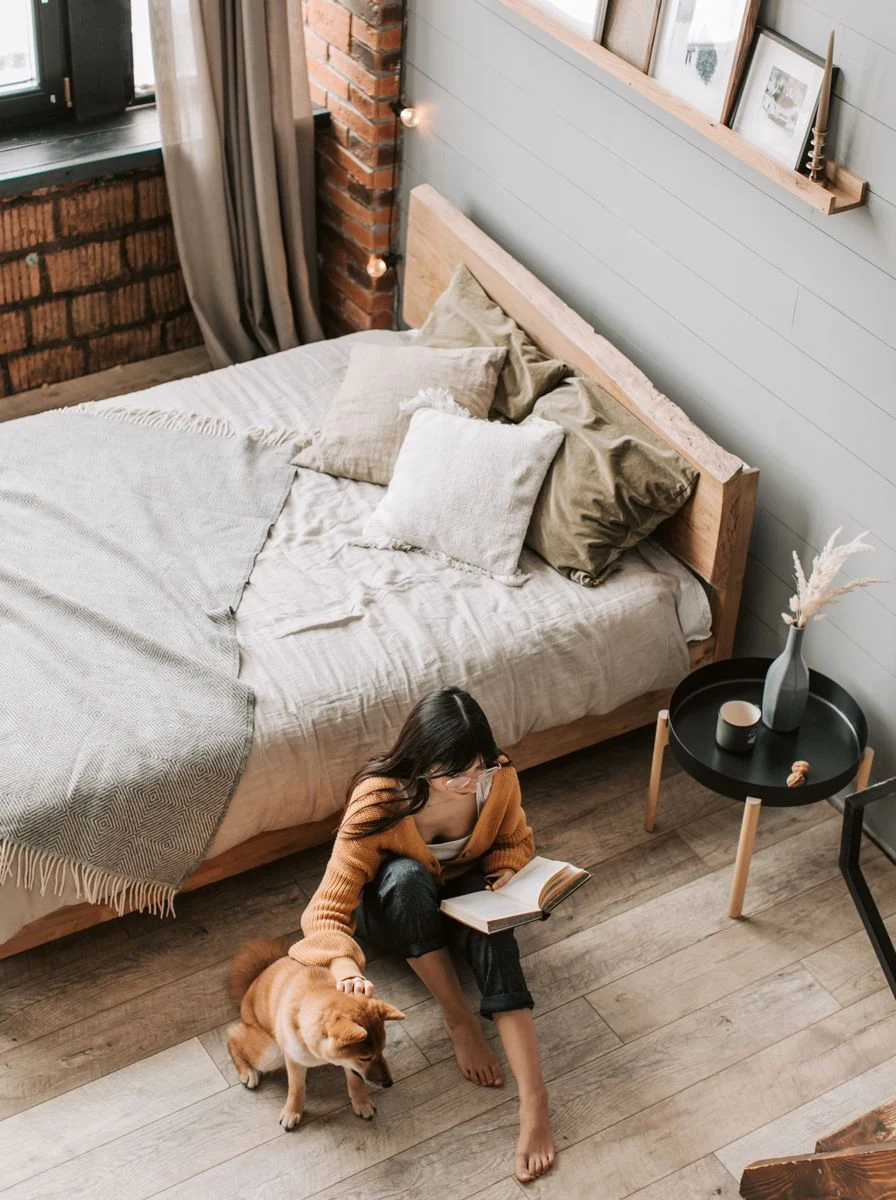
Floating beds are not famous for storage, but this clever design fixes that. The recessed base is actually a shallow drawer unit — two or four deep drawers glide out from the long sides of the platform, hidden by seamless wood fronts that match the frame. From above and the sides it looks like a pure floating platform; only when you pull a drawer do you see the secret.
This is the answer for bedrooms with no closet space or anyone who wants a minimalist look without giving up storage. The drawers are perfect for off-season bedding, extra pillows, or clothes. The recessed base needs to be a bit taller to house the drawers (around 8 to 10 inches), which slightly softens the floating illusion — but the hidden storage is worth it for most people.
Tip: use full-extension soft-close drawer slides so heavy drawers open fully and quietly. Tip: keep the LED strip on the drawer fronts’ bottom edge rather than under the base, so the glow frames the drawers without shining into them. Oak or maple fronts with push-to-open latches keep the look handle-free and clean.
15. Teak Floating Bed with a Tropical Feel
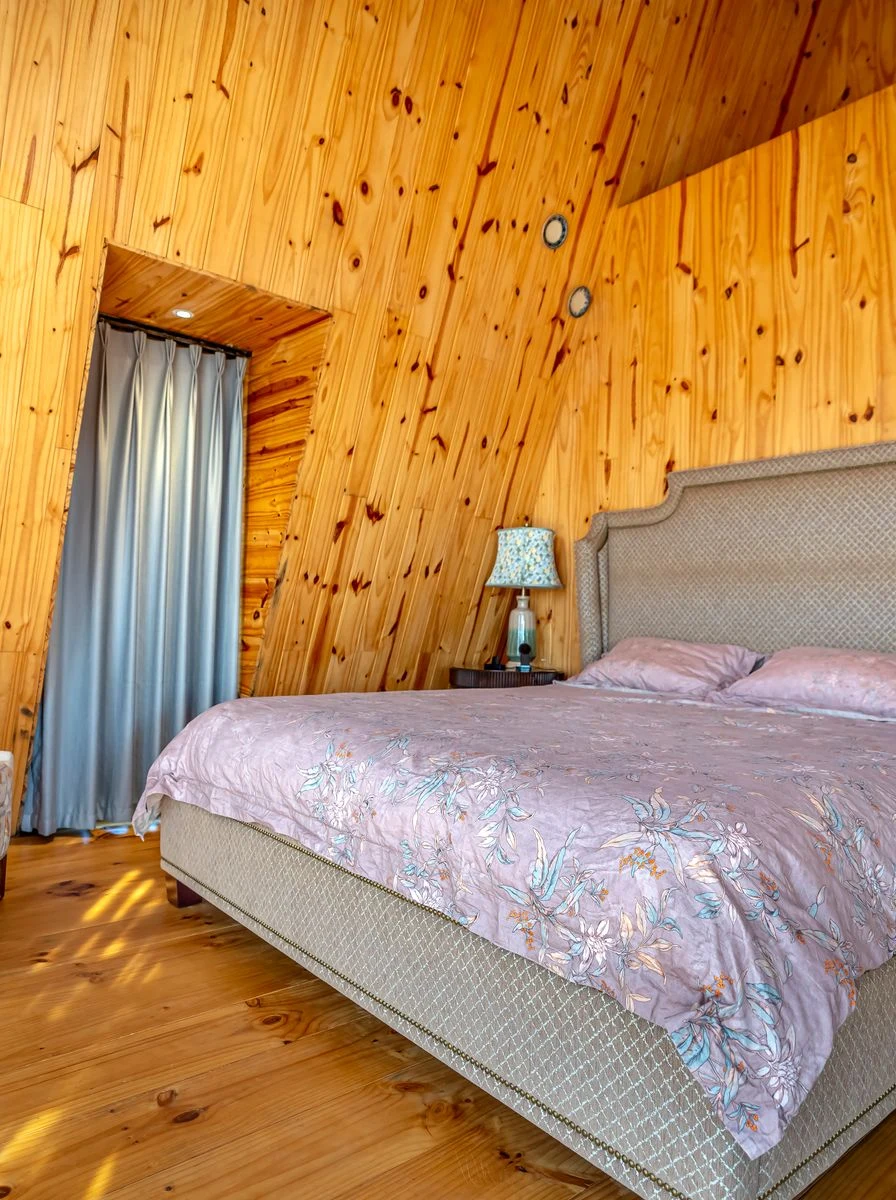
Teak brings a golden-brown warmth that no other wood quite matches, and on a floating platform it gives the bedroom a quiet tropical-luxury feel — like a resort villa, minus the airfare. Teak’s natural oils make it exceptionally durable and resistant to humidity, which is a genuine advantage if you live somewhere warm and damp.
Style it with breezy elements: white or sand-colored linen bedding, a jute rug, and maybe a monstera or palm in the corner. The floating base keeps the look light and modern rather than heavy colonial, which is where teak can go wrong. This design suits bright bedrooms with big windows, where sunlight plays across the golden grain all day.
Tip: teak needs no stain — a simple oil finish preserves the honey color, while leaving it unfinished lets it silver to a weathered gray if you prefer coastal style. Tip: genuine teak is expensive, so look for FSC-certified plantation teak or acacia with a teak stain as a budget stand-in. A soft warm-white underglow (3000K) enhances the golden tones at night.
16. Scandinavian Light-Birch Floater
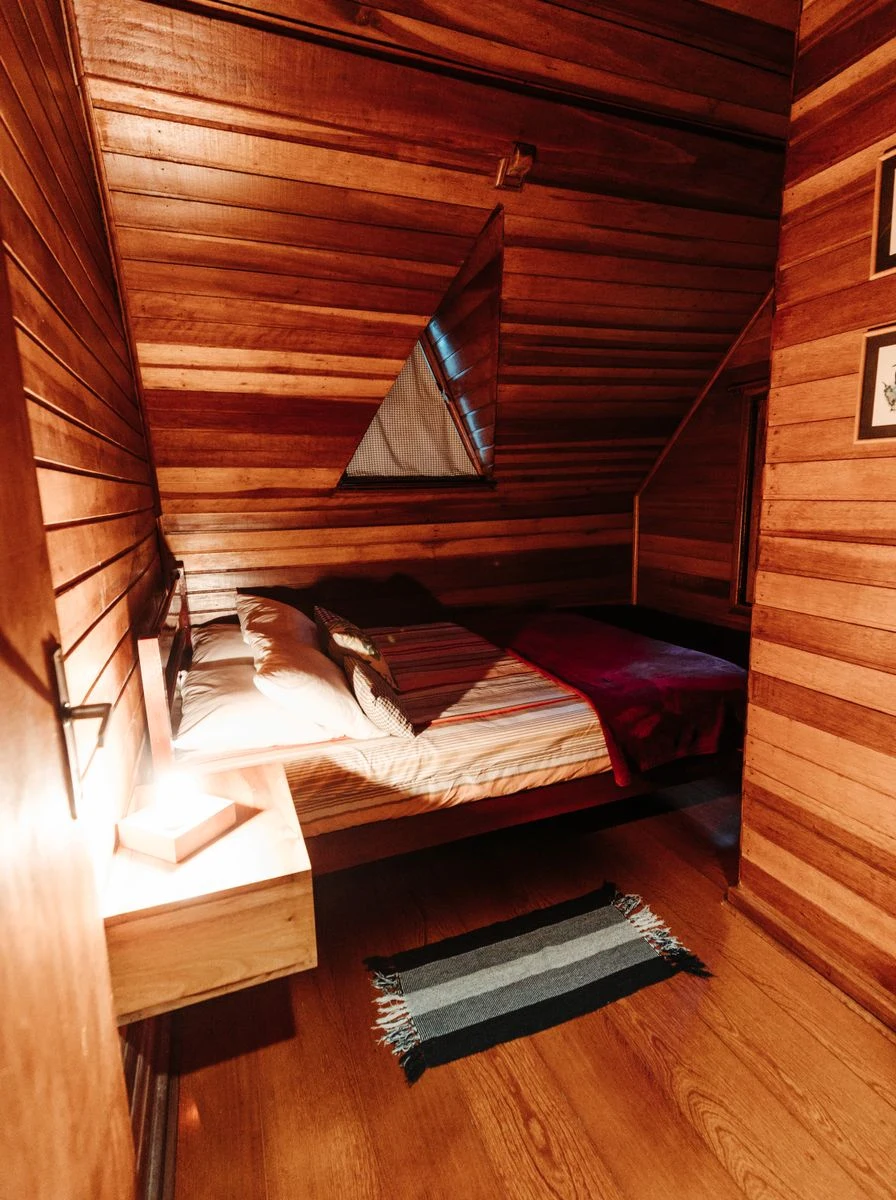
If pale, bright, and calm is your language, this Scandinavian-inspired floating bed speaks it fluently. The platform is light birch with a clear matte finish, the legs are hidden in a compact central base, and the whole bed sits low to the floor. Add white and pale-gray bedding, a sheepskin throw, and one simple pendant light above, and the room feels like a fresh morning.
Scandi design is about light and air, and the floating base is the perfect partner: it removes the heaviest visual element (the bed frame) from a room that lives on openness. This works wonderfully in north-facing or naturally dim bedrooms, where every bit of brightness counts. It is also one of the easiest floating beds to DIY from birch plywood.
Tip: a daylight-white LED (4000–5000K) under the platform mimics Scandinavian daylight and keeps the airy feel after dark. Tip: keep decor minimal — one art print, one plant, one throw — so the floating birch stays the calm centerpiece. Baltic birch plywood is affordable, strong, and finishes beautifully with clear matte lacquer.
17. Bouclé Headboard Floating Bed
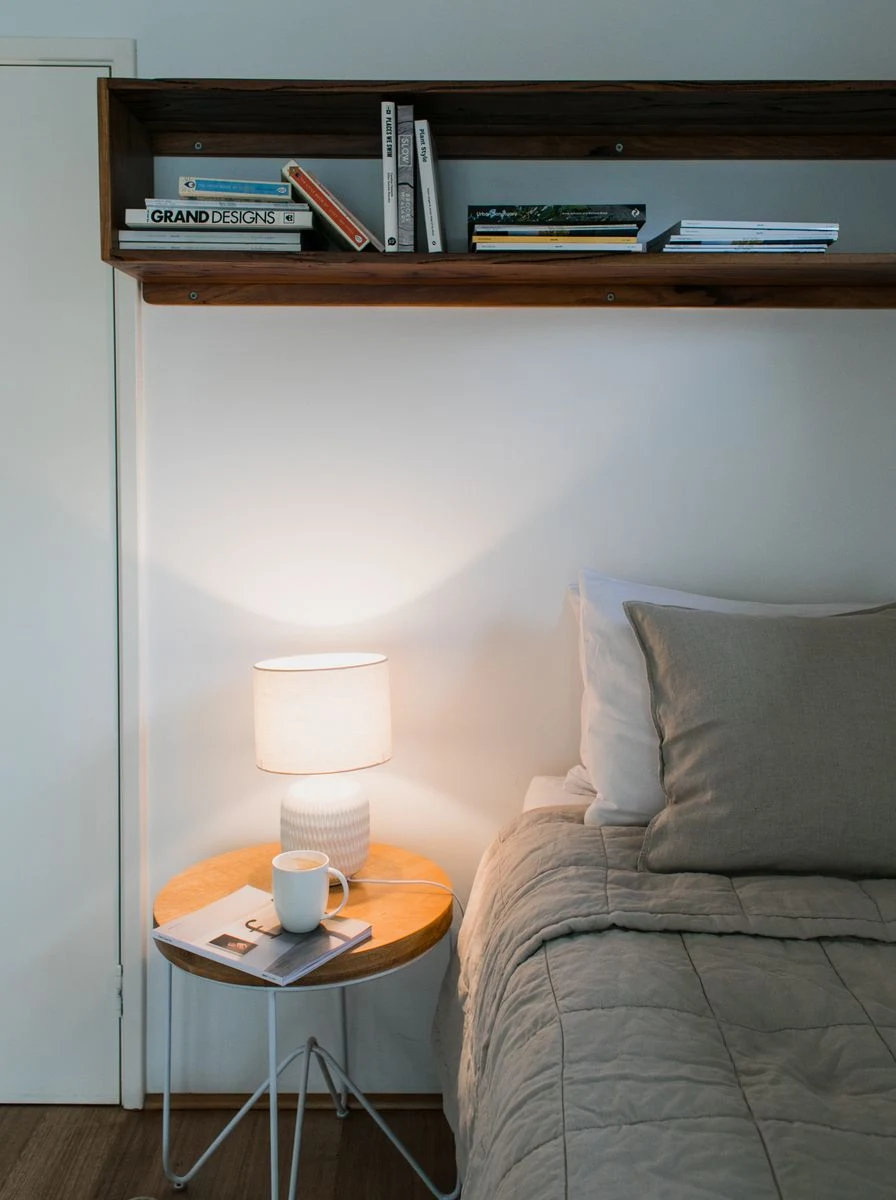
Bouclé — that nubby, cozy looped fabric — has taken over modern bedrooms, and pairing it with a floating wooden base is a match made in heaven. The design: a warm oak floating platform, a low curved headboard wrapped in ivory bouclé, and soft rounded everything. The texture contrast between smooth wood and nubby fabric makes the bed feel rich without any pattern or color.
This is the coziest idea on the list, perfect for people who want modern style without cold edges. The curved bouclé headboard is wonderfully comfortable for leaning against, and ivory bouclé works with nearly any wall color. It suits mid-size bedrooms in warm modern, organic, or soft-minimalist styles — and it photographs beautifully if you love sharing your home online.
Tip: choose a bouclé with a tight weave and stain-resistant treatment — the loose, fluffy kind pills and traps dust quickly. Tip: keep the platform wood warm (oak or honey-stained pine) rather than dark, so the ivory fabric glows against it. A dimmable warm LED lets you shift the room from bright daytime to candlelit cozy.
18. Mid-Century Modern Floating Bed
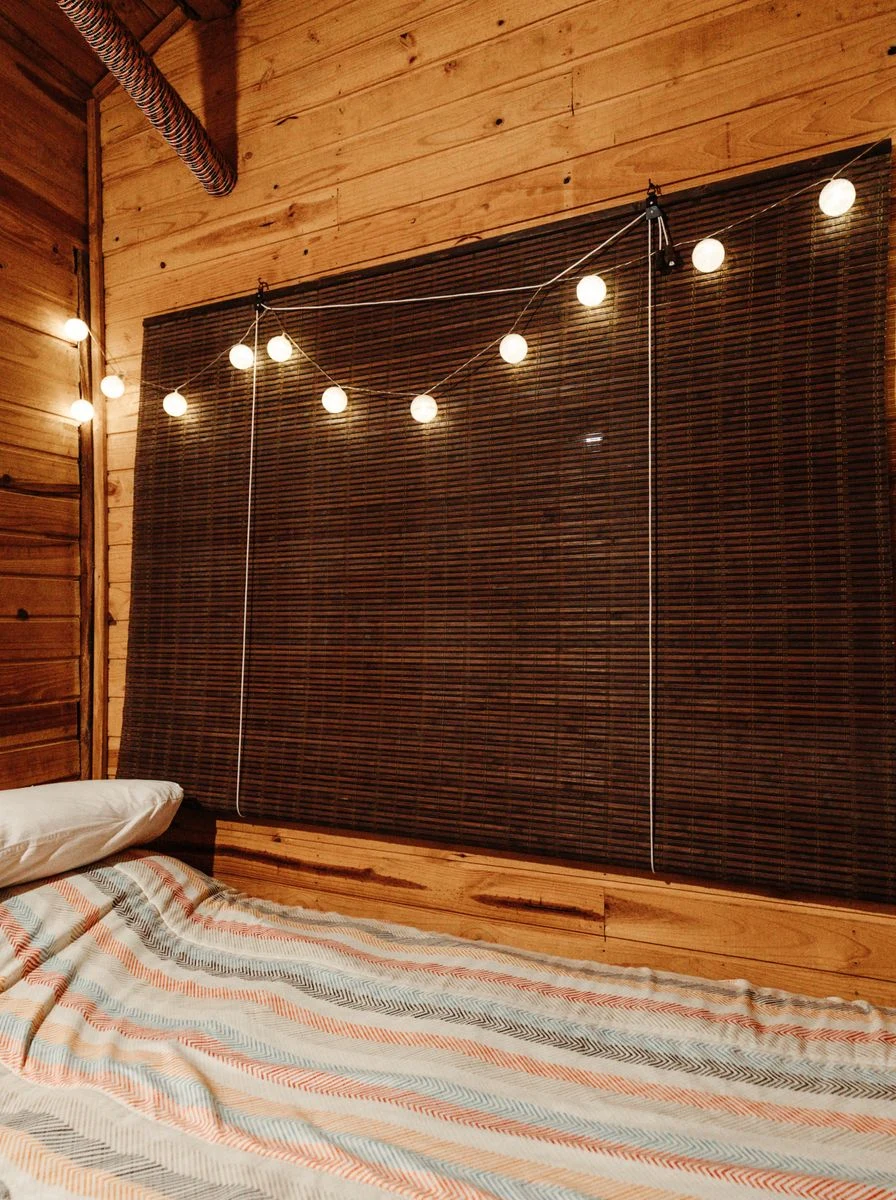
Mid-century design already loves low, long lines — so a floating platform is a natural fit. This version uses warm teak or walnut with a slightly tapered platform edge, a simple slatted wood headboard, and the recessed base pushed deep enough that the bed reads as a single floating slab. It channels the 1960s without looking like a museum piece.
The slatted headboard is the signature detail: thin vertical or horizontal wood slats that add rhythm and texture while letting the wall color peek through. Pair with tapered-leg nightstands (they do not need to float), a geometric rug, and mustard or burnt-orange accents for the full retro-modern effect. This suits medium bedrooms with warm wall tones — cream, sage, or terracotta.
Tip: match the slat spacing on the headboard to the platform’s edge profile for a cohesive, designed look. Tip: walnut veneer gives the authentic mid-century look at a fraction of solid walnut prices. A warm 2700K underglow completes the retro warmth and looks stunning against terracotta walls.
19. Color-Changing RGB Floating Bed

Why settle for one glow color when the bed can match your mood? This floating platform hides an RGB LED strip in its recessed base, controlled by a phone app or remote: icy blue for a futuristic vibe, deep purple for movie nights, warm white for winding down. The wood frame — usually oak or a neutral-stained pine — stays constant while the light does all the drama.
This is the fun, modern take on floating beds, and it is surprisingly practical: cool blue-white light in the morning feels energizing, warm amber at night helps you wind down. It works in any bedroom style as long as the wood is simple, because busy grain plus wild colors can clash. Gamers, teens, and anyone with a smart-home setup will love this one.
Tip: buy an addressable RGB strip (individually controlled LEDs) rather than a basic one — the gradients and effects look far more premium. Tip: set a default warm-white scene for everyday use so the novelty does not wear off. Keep bedding in solid neutrals so it never fights the light colors.
20. Low Tatami-Style Floating Platform
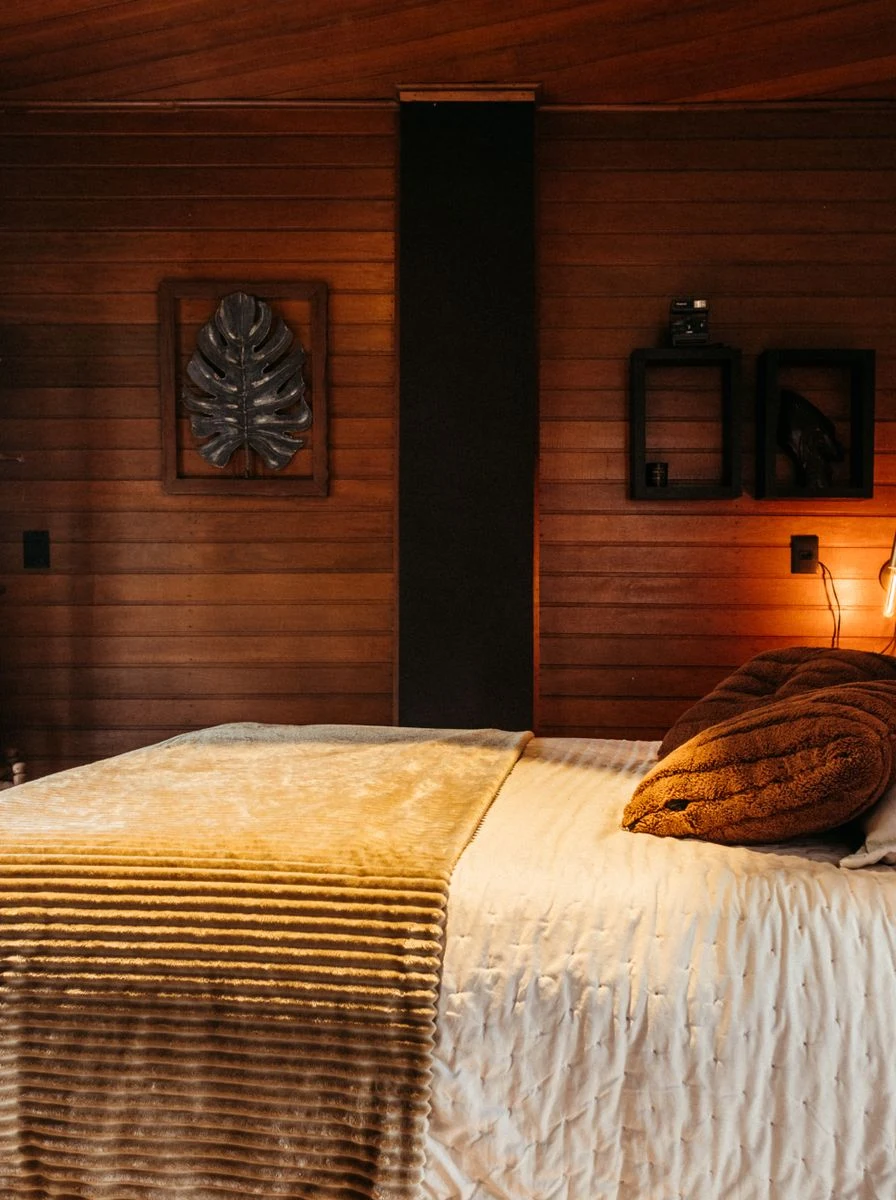
Borrowing from Japanese tatami sleeping culture, this floating bed sits extra low — the platform top is just 10 to 12 inches off the floor — with a wide wooden border around the mattress like a picture frame. The recessed base is shallow but the shadow gap is long and dramatic, so the float effect is subtle and serene rather than showy.
Sleeping low changes how a room feels: ceilings seem taller, windows seem bigger, and the whole bedroom breathes. The wide border doubles as a handy shelf for a book, glasses, or a small plant — no nightstand needed. Light cedar or cypress wood with a natural oil finish gives an authentic Japanese feel and a faint, lovely scent. This suits minimalist bedrooms and anyone who likes floor-level living.
Tip: pair with a firm, low-profile mattress or a futon-style mattress — thick pillow-tops defeat the low, grounded aesthetic. Tip: place a thin rug or tatami mat beside the bed, since you will be stepping down close to the floor. A single warm LED strip at the foot end creates a welcoming glow path at night.
21. Floating Bed with a Leather Headboard
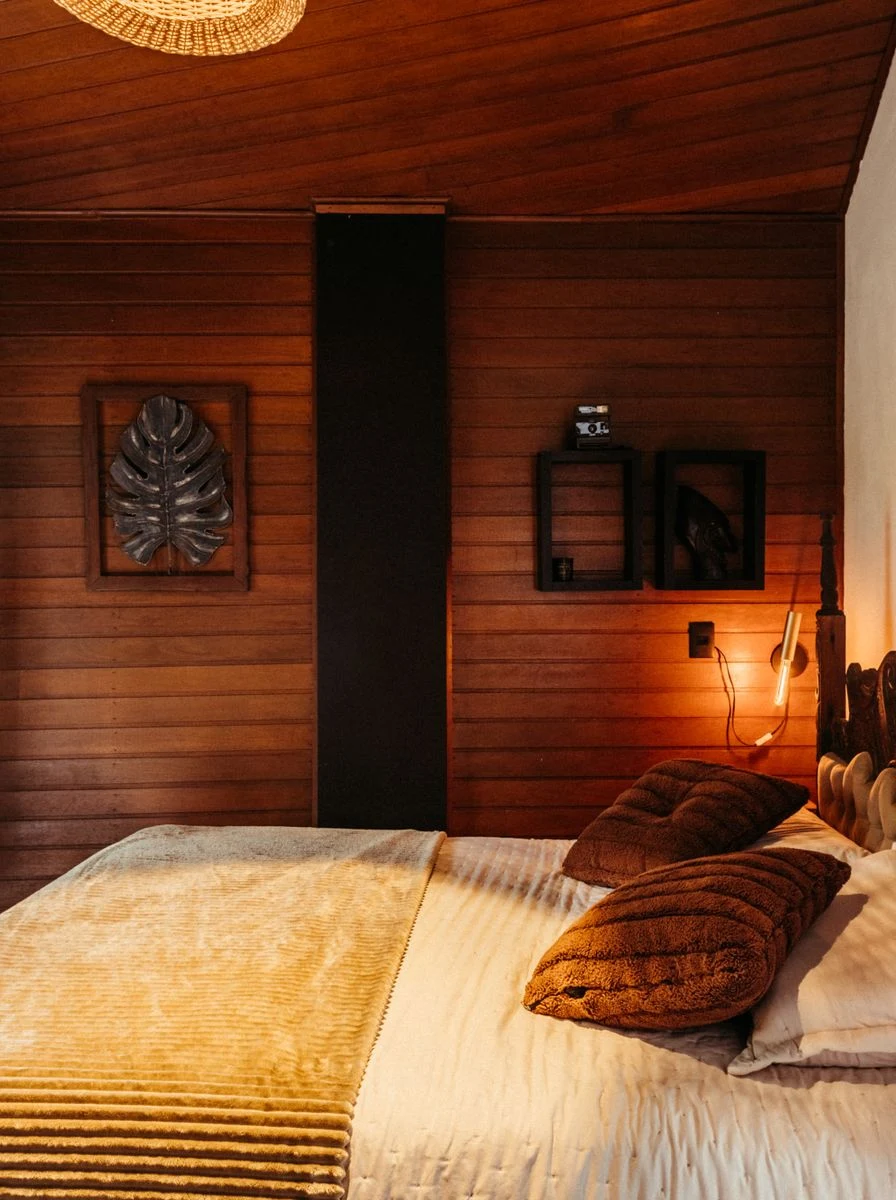
Wood and leather are two of the warmest materials in home design, and this floating bed brings them together: a floating oak or walnut platform paired with a tall headboard wrapped in cognac or saddle-brown leather. The leather develops a rich patina over time, so the bed actually looks better the longer you own it.
The combination feels masculine, refined, and timeless — think boutique hotels in old European cities. It works beautifully in bedrooms with dark green or navy walls, brass fixtures, and layered wool or linen bedding. The floating base keeps the substantial leather headboard from feeling heavy; the bed looks anchored at the top and weightless at the bottom, which is a striking balance.
Tip: genuine leather is a splurge, so look for full-grain leather panels on a plywood backing rather than bonded leather, which peels. Tip: condition the leather twice a year with a simple leather cream to keep it supple and deepen the patina. A warm amber underglow makes cognac leather glow like honey at night.
22. Grand King-Size Floating Bed for Couples
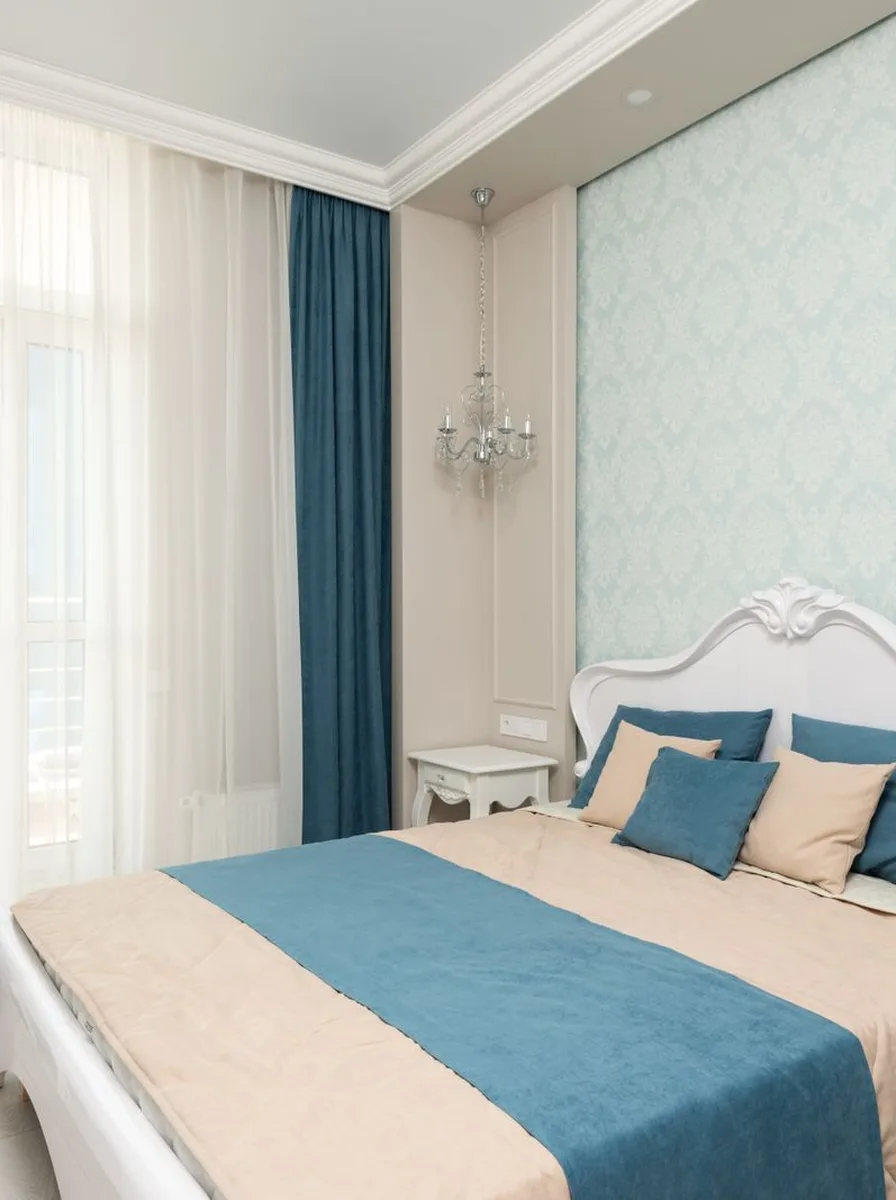
The grand finale: a king-size floating bed built for two, with an extra-wide oak platform, a deeply recessed steel-reinforced base, and room to spare on every side. At this scale the floating illusion is at its most dramatic — a huge slab of wood hovering silently above the floor feels like a magic trick you get to sleep on every night.
Size brings engineering demands: the recessed base must be steel-reinforced and properly anchored to handle the weight of two adults plus a king mattress, so this is one to buy from a specialist maker or build with a pro’s guidance. The payoff is a master-bedroom centerpiece with presence, plus the practical bonus that cleaning under a king bed has never been easier — the robot vacuum glides straight through.
Tip: split the LED lighting into two zones (one per side) with separate controls, so each partner can set their own nightlight level. Tip: center the bed on the room’s longest wall with matching floating nightstands for symmetry. For a king this size, white oak is the ideal wood — strong, stable, and beautiful at scale.
